
Eviction is a last resort, but there are times when it’s clearly the only way forward. It’s costly, time-consuming, and emotionally draining, but keeping a bad tenant can be even more expensive. Knowing when to evict a tenant and when the situation is workable is the key.
Here are the most common signs that it could be time to start the eviction process.
1. Chronic late or missed rent payments

Late and partial rent payments create unpredictable income, and missed payments can cost you a fortune. If a tenant is late every month with the rent, they’re showing you they either can’t or won’t prioritize rent. That’s a problem. This type of consistent pattern indicates the issue isn’t going to change. However, it could be the result of some kind of emergency that’s only temporary.
When tenants can’t pay rent on time and in full, and they always have stories and excuses, be realistic about the situation. If it happens once or twice over a year, it’s probably not worth going through the process of eviction and dealing with a vacancy. However, if it’s constant, don’t wait to move forward.
2. Repeated lease violations

The lease exists to protect both you and your tenant, and when a tenant breaks the lease, it undermines your relationship. It’s understandable if a tenant forgot about the clause that requires keeping items off window ledges. It’s a different story when they sneak in animals and start renting out a room on Airbnb.
Some of the most common ways tenants knowingly break the lease include:
· Unauthorized occupants. This includes family members and friends who either move in or stay for too long without approval.
· Illegal subletting. Some tenants list rooms on Airbnb or rent out rooms to help pay the rent.
· Ignoring pet policies. Sometimes tenants sign a lease that prohibits pets and then sneak in a new pet.
· Ignoring noise restrictions. Quiet hours are seen as suggestions by some tenants.
· Smoking. A lot of tenants smoke on non-smoking properties and even inside their units, despite smoking being prohibited in the lease.
It can be tough to get good tenants. That’s why landlords hire property managers. Companies like Green Residential – property managers in Spring, Texas – know exactly how to screen tenants and spot red flags early on. Sometimes you can’t spot a bad tenant until it’s too late, but experienced property managers can drastically reduce the risk. And if you do need to evict a tenant, a property manager will handle it all for you.
3. Property damage
All rentals will age, but some tenants make properties fall apart faster. If you perform an inspection and find holes in the walls, broken fixtures, ruined flooring, burned carpet, and cracked toilets, that’s a huge problem.

Some tenants are just careless, but others cause intentional damage. Either way, if you discover serious damage, that’s a good indication that eviction is the right move.
4. Illegal activity on the property
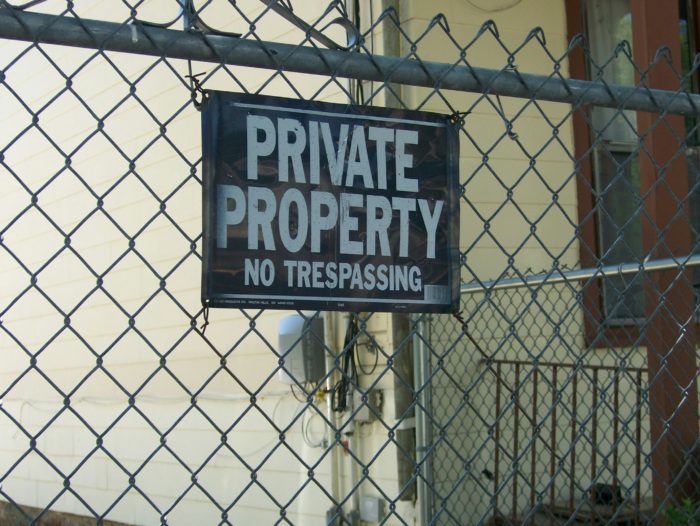
You don’t want tenants who are drug dealers or constantly getting involved in domestic disputes where the cops show up all the time. Illegal behavior isn’t just a problem with your tenant. It can actually drag your entire business down.
If there’s criminal activity happening on your property, your business is at risk. And tenants who endanger others create a massive liability. If police are regularly visiting the property to respond to complaints or fights, it can trigger code enforcement to come out. Depending on what’s going on, your property could be seized. If you know about illegal activity, you could be held liable in court.
5. Disturbing other tenants or neighbors
A disruptive tenant can drive away your best renters. If you get regular noise complaints from other tenants or neighbors, you can send an official notice to your tenant asking them to correct the problem. If complaints continue, you’ll want to consider eviction.
If you own an apartment complex, your tenants have the right to quiet enjoyment of their home. If you don’t evict a disruptive tenant, you could get sued by the tenants being disturbed.
6. Refusal to allow inspections or access when needed
Landlords have a legal right to access their properties for maintenance and inspections. Tenants who refuse lawful entry are violating their lease. When tenants block access, it forces you to put off repairs and can indicate the tenant has something to hide. If this happens, talk to a lawyer before taking any action, but make eviction your next move.
Sometimes you need to make hard decisions
No landlord wants to evict a tenant, but it’s justified when you’re dealing with problems like late rent, lease violations, property damage, and illegal activity. Recognize the signs early and take fast action. It’s the only way to protect your investments.