Author: ION

  • 7 Insanely Clever Hacks For Bedroom Storage

    7 Insanely Clever Hacks For Bedroom Storage

    Having an additional space in an apartment is a major need in metro cities as the price of bigger spaces for purchase or rent is generally quite high.

    With some DIY tricks, one can create additional storage space in the bedroom. Below are 7 insanely clever hacks for bedroom storage to try:

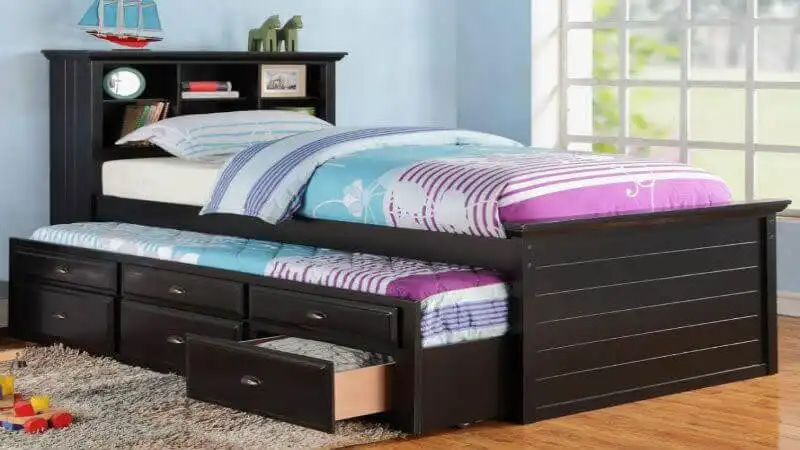
    • Drawers Attached to the Bed

    Drawers Attached to Bed

    The bottom of the bed being an unused space, using the same for storage is a great idea. One can easily get good drawers fixed to it, or plan to buy a bed with readymade drawers attached to it. This storage space is extremely useful to keep blankets, clothes or other items which are used seasonally.

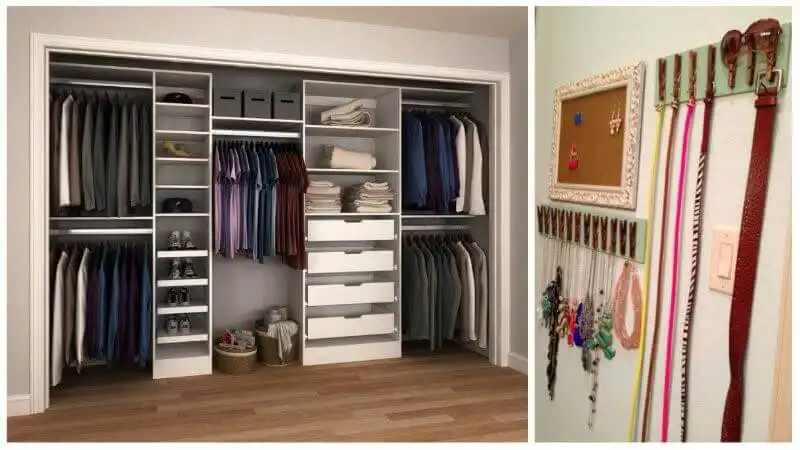
    • Use Glue Hooks Inside the Closet

    The back wall inside the closet is another unused space. Accessing the back is quite difficult, when clothes are hanging in the front. . To use this space wisely, one can fix hooks on the wall and hang things which are not used quite frequently, for example, belts, handbags, scarves and much more.


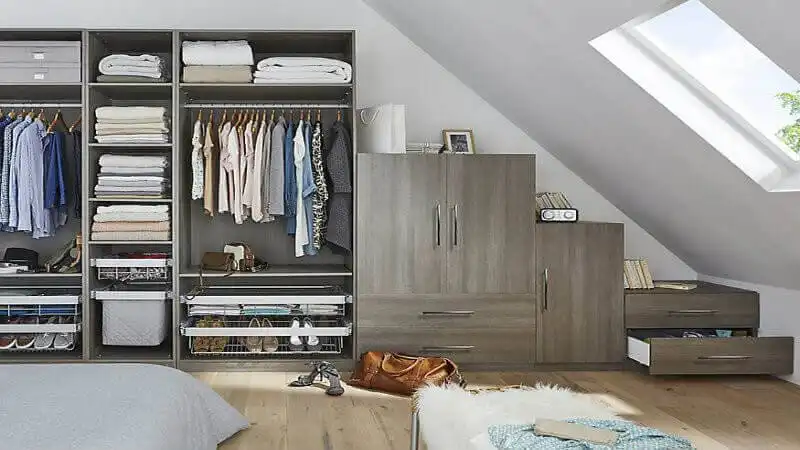
    • Fix Wooden Shelves on the Bedroom Wall
    Wooden Shelves Bedroom


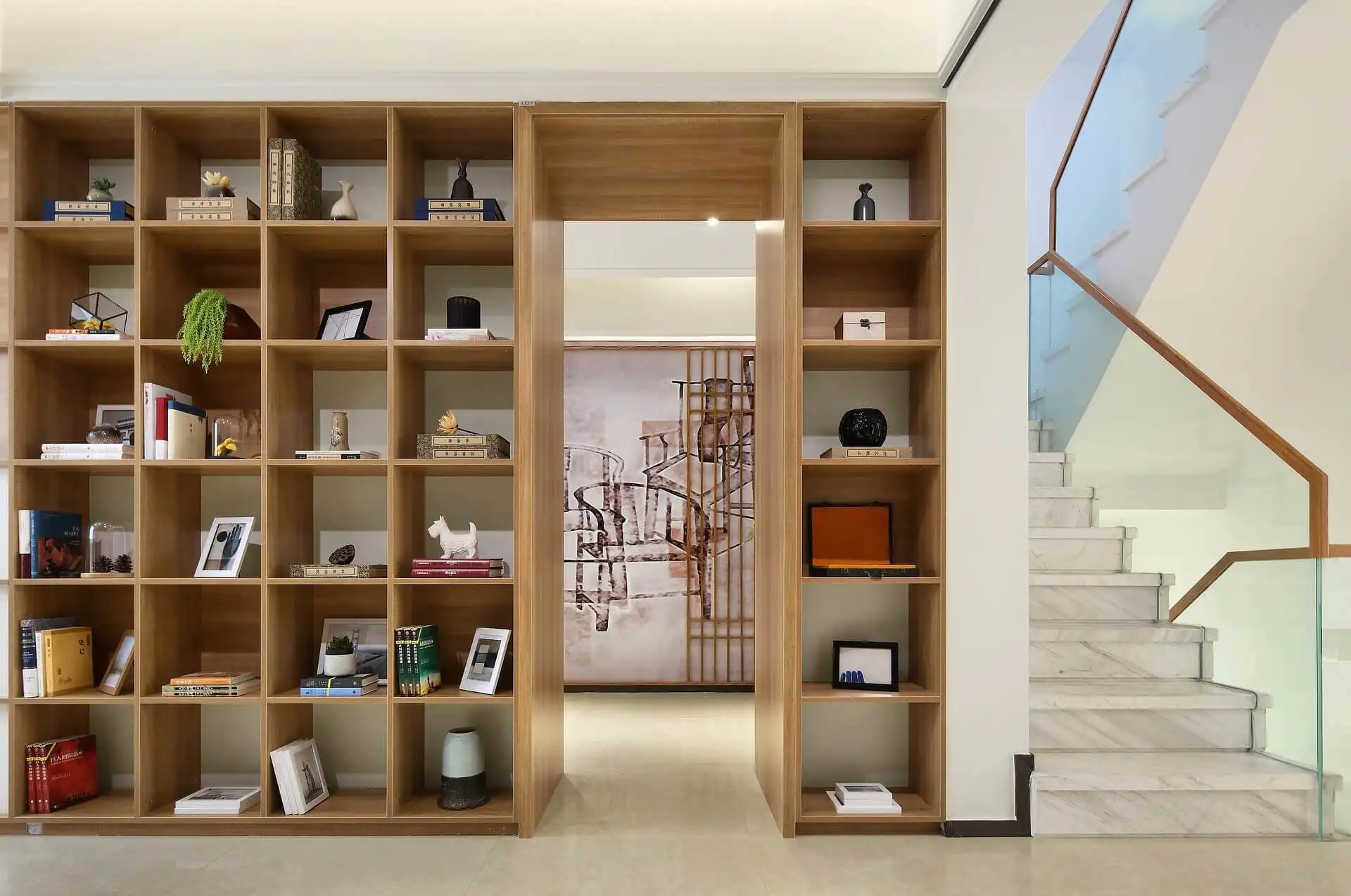
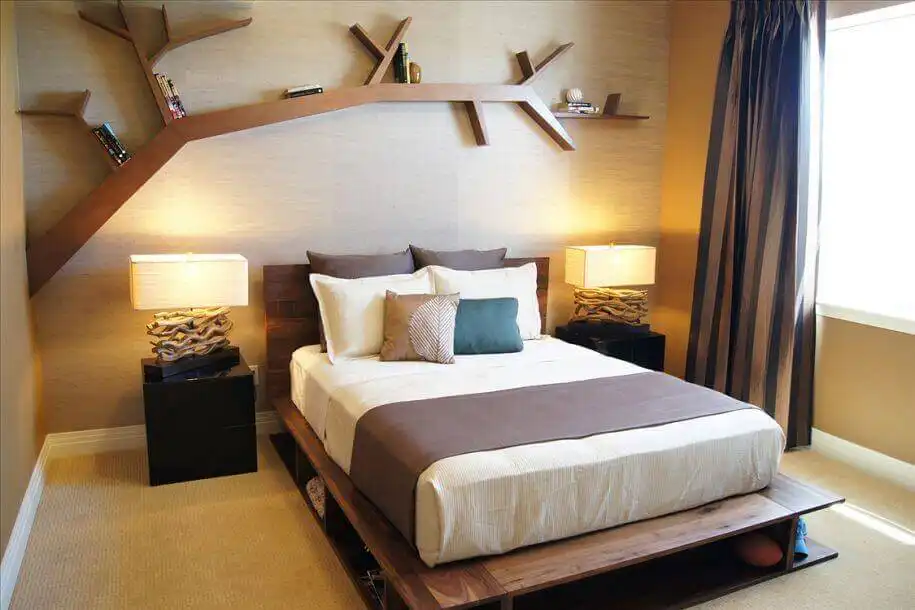
    Beautifully carved wooden shelves can be bought from the market at reasonable prices and installed on top perimeter of the wall. Be it simple or intricately designed, installing wooden shelves add to the classy look of the room. Before planning to install a wooden shelf, ensure to take correct dimensions of the space required to be used to keep things. Also keep in mind, the wooden material used should be sturdy enough to hold on to heavy things.

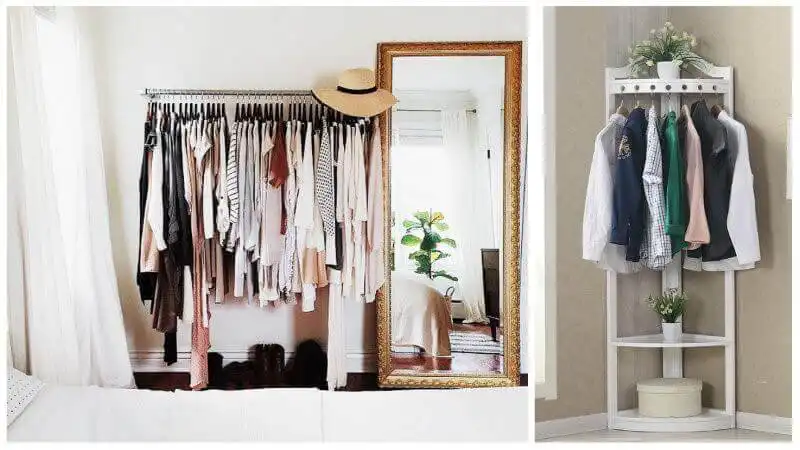
    • Building an Additional Rack Corner

    Additional Rack Corner

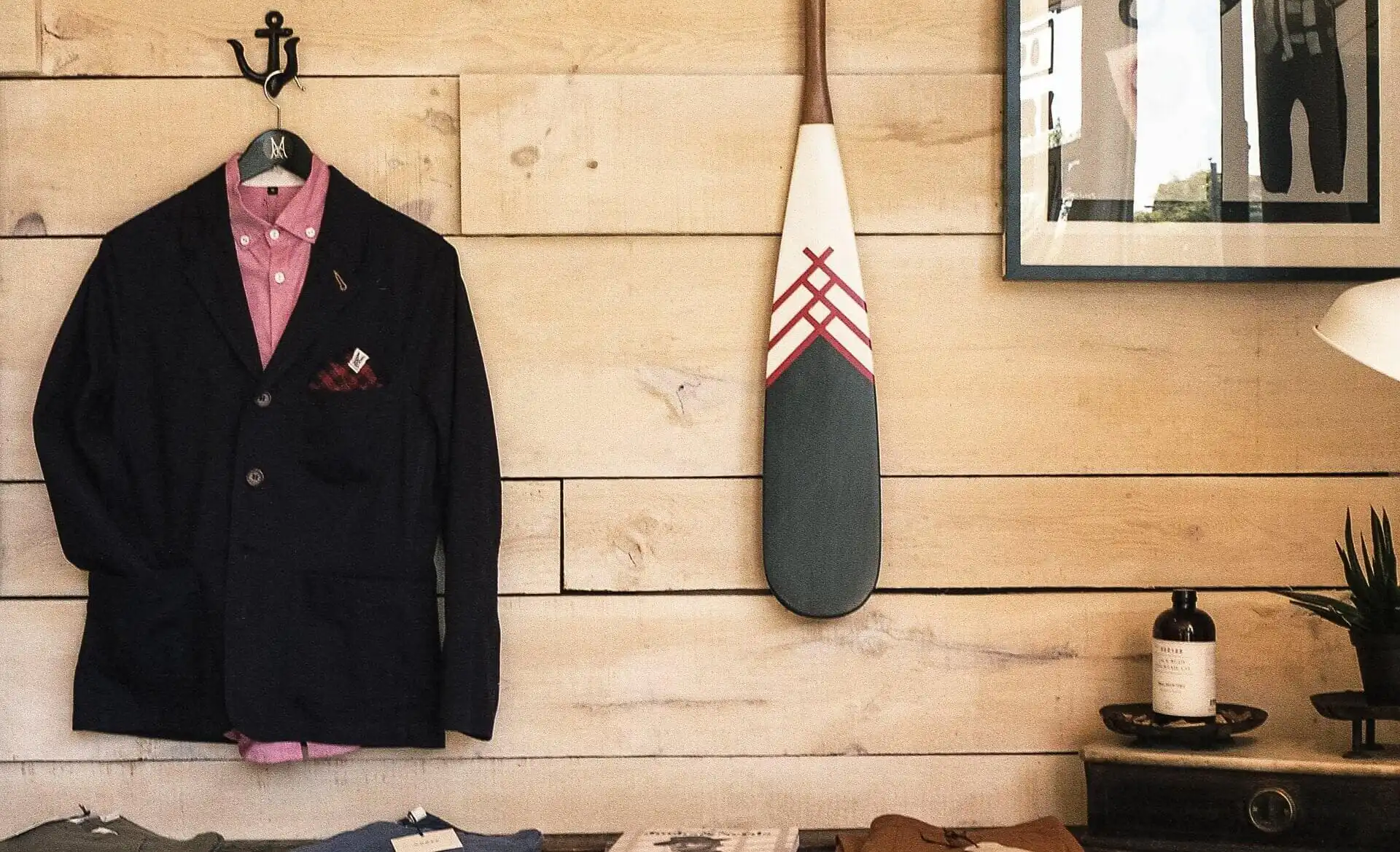
    If you are one of those who have trouble fitting all your clothes in the wardrobe. Then this is one idea that can be put to good use, take one corner of the wall and fix an open hanging rack, where you can hang all your heavy or space-consuming clothings likehats, jackets and blazers. This may seem an out of place idea, but by using good fixtures, this rack corner can add a stylish touch to the room.

    • Use Drawer Organizers

    Use Drawer Organizers

    Drawers have lots of space which can be used extremely well. Most of us usually clutter up the drawers by putting everything together and later searching for anything becomes a tedious task. It is good to get hold of a drawer organizer and convert a regular drawer into a modular one. With these slots, one can easily arrange and keep things neatly without any hassle of searching a product at the last minute.


    • Use Peg Hooks on the Walls for Keys

     Peg Hooks on the Walls for Keys


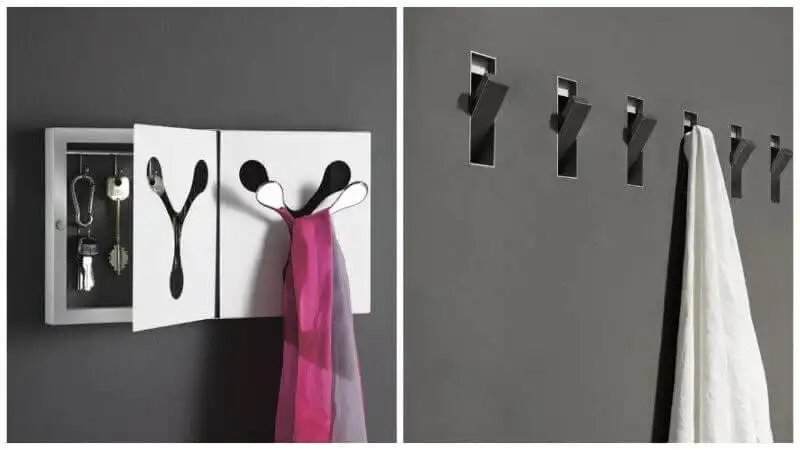
    Wall is one of the the best spaces in a bedroom which can be used wisely by putting some good fixtures. Buy some unique wooden or stylish pegs and fix it on the wall, this can be then used to hang all your keys in one place. These pegs can be fixed close to the door, as it will be convenient to put and pick the keys while entering or leaving the apartment. Adding some designer or quirky pegs to your room not only helps you to keep your keys arranged and in place, but also makes the room look livelier.


    • Invisible Bookshelves

    Invisible Bookshelves


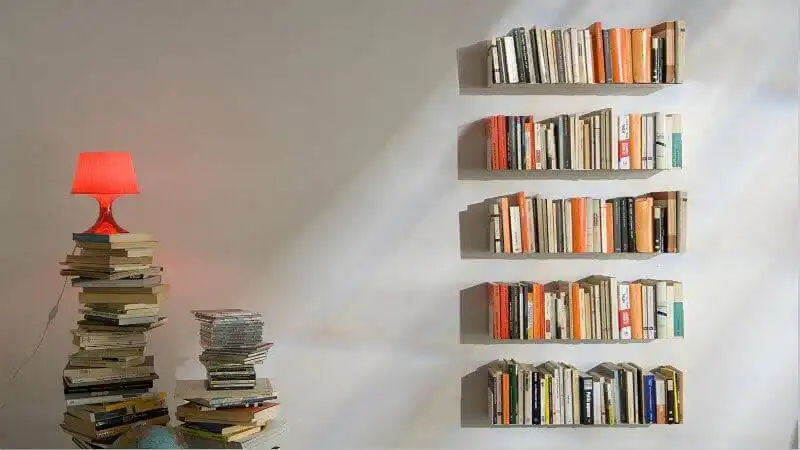
    This idea comes in hand for those who are avid readers and are short of space to keep their books organized. Invisible book shelves could be thin plates of metal or acrylic, which can be easily fixed on the wall. They are quite sturdy and efficient to balance the books extremely well. These are quite economical and are easy to fix. It also adds interesting aesthetic look to the room as it looks like the books are floating in the air.

    The bedroom is one of the most important feature of an apartment. Getting a modern apartment which caters to all your needs is not only a difficult but also a time consuming affair. Upon finding your dream apartment, comes the task of organising it while maintaining its look.Small investments of fixturescan make your bedroom a completely viable space to organize things better. Although before buying such fixtures, it is advisable to know the requirements and take the right measurements to have a hassle-free installation.

  • Does Your London Home Need a Damp Assessment?

    Does Your London Home Need a Damp Assessment?

    A damp assessment or a damp survey is something that is often done when you are considering buying or selling a property.  It is also a useful survey to have if you think that you may have a problem with damp in the property.  But what signs should you look for to indicate a survey might be needed?  And what happens during a survey?

    Common types of damp

    There are a number of ways that damp can affect a property and three that tend to be the most common – rising damp, penetrating damp and condensation.
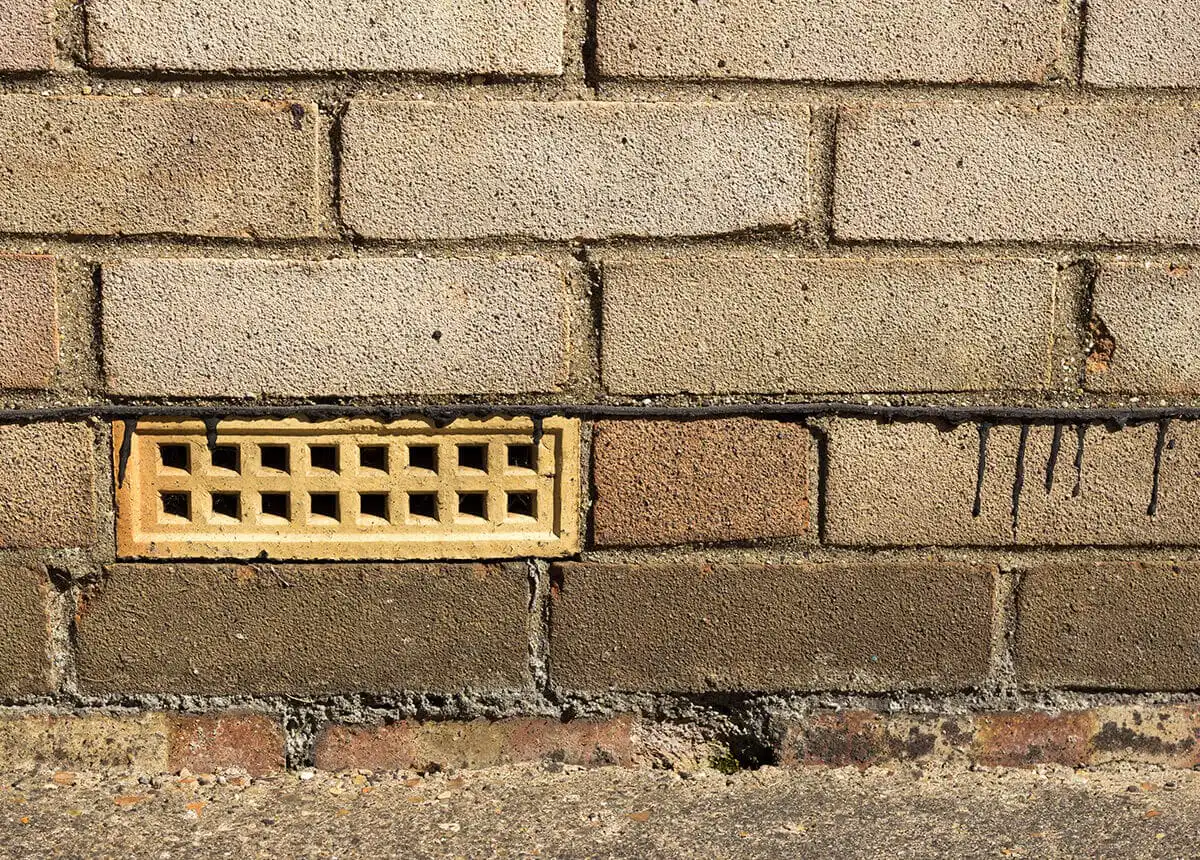
    Rising damp is where the moisture is absorbed from the ground and soaks into the bricks of the wall.  This is a normal process that is normally stopped by a damp proof course.  But if this is missing or broken, then the damp continues to rise to the internal areas of the house and causes damp.  Signs include peeling wallpaper and paint, damage to flooring and skirting boards and signs of black mould growing on lower wall areas.

    Penetrating damp usually happens at the other end of the property – most commonly through broken tiles on the roof, broken guttering or cracked brickwork.  The water finds its way through the weakness to the internal areas of the house and causes damp patches, usually on the ceiling or the top of the walls.

    Condensation is where warm moist air hits cold walls, releasing the moisture and causing condensation.  This is often caused due to poor ventilation with kitchens and bathrooms being the top causes.  Beads of water will appear on walls and on windows, even furniture if there is a condensation problem.
    Problems caused by damp

    While the look of damp patches is unsightly and can cause a problem with a sale if you are planning to sell the house, there are other bigger problems associated with damp that might mean you need a damp assessment.

    For starters, damp allows black mould to grow and this can be a health risk.  It has been associated with problems such as asthma and respiratory conditions, making them worse.  The mould releases spores into the air and makes air quality poorer inside the house, meaning people breathe them in when they are in the house.

    Dampness can also lead to fungal conditions that can cause serious problems.  Wet rot and its more dangerous relative dry rot can only thrive when conditions are damp enough and can cause serious damage to the house.  By effecting any wood in the structure, they can even cause the house to be unstable.

    The damp assessment

    When you need a damp assessment you should always look for an experienced and qualified damp expert to conduct the survey.  That way you know everything will be done to the highest standards.  

    The assessment will start usually by looking at the basics of the property itself.  Things like the construction of the property, if it has cavity walls, rubble-filled or solid walls and if there is already a damp course in place are all important things to understand.

    Looking at the surrounding land is also a part of the survey.  For example, if the land slopes towards the house, this can increase the amount of water that bricks are being bombarded with.  If the ground level has been raised in any areas since the house was built, this can compromise the damp proof course.

    The external survey will also look at the typical causes of penetrating damp, such as blocked guttering, cracked roof tiles or problems with the render or brickwork.  Surface drains can also lead to problems if they are blocked and water cannot flow into them.  They may also cause water to pool against the house, causing rising damp issues.

    Finally, ventilation will also be examined to see how air gets from inside the house to outside.  This might include vents or extractor fans in the kitchen and bathroom areas and looking to see if anything is blocking any vents – ivy growing up a wall is a common culprit.

    Inside the house

    The survey can then move to the internal areas of the house.  This will start with checking walls for obvious signs of damp such as black mould, tide marks or cracked or peeling wallpaper.  If there are any signs of visual dampness, and damp meters are used to find out just how much moisture is in the walls behind these signs.

    Often if there were signs outside that could lead to damp, checks will be made in these areas to see if there are problems that haven’t caused visible signs yet.  A moisture profile will help to understand the problems within the property and outline what should be done.

    Damp report

    The damp report is the document produced after the assessment to help the homeowner understand what problems are affecting their home and what steps are needed to remedy them.  Recommendations can range from simple things such as removing plants from ventilation areas to allow better ventilation to the full-scale replacement of a damp proof course if this is malfunctioning.

    Once you have received a damp survey, it is then up to the homeowner what to do with the recommendations.  Depending on the severity of the situation, work may be needed urgently or there may be some problems that are minor and can be done with a little less haste.  However, all issues that have or could lead to damp should always be dealt with as soon as possible.

    If there are signs of serious conditions such as dry rot, then action will be needed immediately to prevent it from causing serious damage to the property and potentially leaving it uninhabitable.

    Conclusion

    A damp assessment or survey is a useful way to better understand damp problems in your property.  While they are often used around the selling of a property, if you think you may have damp in some form, then a survey is an ideal way to find out what the nature of the problems are and what should be done to deal with them.

  • Internal Walls: Stud or Solid?

    Internal Walls: Stud or Solid?

    One of the considerations when you are building a house or any building concerns the internal walls.  It is easy to forget that there are two main purposes for a wall – as a divider and as a load bearing wall.  So how do you know which is which and whether you should choose stud or solid walls for your self build?

    Many times, self builders don’t think about how internal walls should be built.  If you have involved an architect or a designer, they will complete plans and you will follow them.  Often, they will suggest a system such as using timber frame or SIPs (structural insulated panels).  This will mean taking the package on offer from the company you are using to source materials and simply putting them in place.

    But is it worth giving the topic more consideration?

    Is a wall loadbearing?

    There are two simple categories of walls inside a property – loadbearing and non-loadbearing.  Visually it is often difficult to tell the difference between the two but from a structural viewpoint, there is a big difference.

    Loadbearing walls are the support system for the roof, for a floor above, a beam or even another wall.  This means it needs to be much stronger than a non-loadbearing wall.  It also needs the right support under it, usually in the form of a foundation trench.

    When you are building a new build property, structural issues will be handled during the design stage of the process and this means that there isn’t too much to worry about when actually doing the self-build.  But during renovation projects, the subject is even more important because you have to be aware of the purpose of a wall before you remove it.

    For example, you need to know if a wall is load bearing:

    • If it is, you will need another means of support in place of the wall and this often means having a professional building survey done to see what options are available
    • If it isn’t, then you can remove it as you want without any additional work

    Image: https://www.homebuilding.co.uk/internal-walls-stud-or-solid/

    Stud or solid

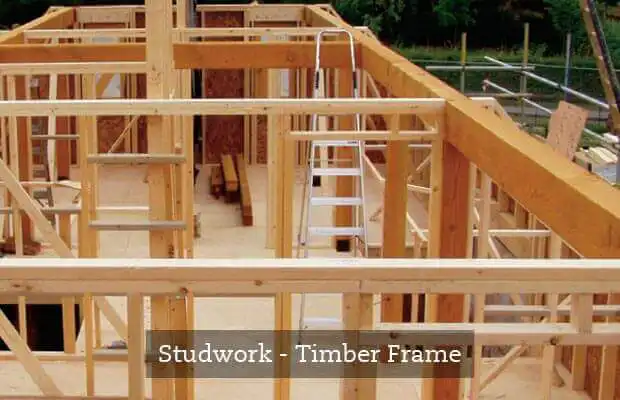
    The other big question surrounding the walls of a house is the way that they are constructed.  There are a number of ways these can be made.  For example, in block built homes, it is common for blockwork to be used for load bearing walls and timber studwork to be used for other walls.  So, you might have blockwork walls on the downstairs of the home and timber studwork upstairs, especially if the roof is constructed with trusses that transfer the weight to the side walls of the house.

    Studwork can also be used for some load-bearing walls.  In timber-framed homes and buildings, for instance, timber stud walls are used for everything.  And studwork doesn’t have to be timber – some builders use steel channels because they are lightweight and quick to put into place as well as being ideal for partition walls which aren’t loadbearing.

    Blockwork is a more straightforward option for loadbearing walls than studwork which requires more effort and often the use of doubling up of uprights.  However, there is a downside of using blockwork – it is much heavier, and this means you need support at the floor level to ensure it can handle this weight.  

    This often means extra work is required.  This might mean adding foundations or beams to make the floor strong enough to support the blockwork wall.  Or there may be a reinforced flooring system used to ensure it can handle the weight.  It may be that the design is simply switched to studwork instead because the work cannot be done on the floor.

    Soundproofing walls

    As well as being strong and loadbearing, blockwork is popular for internal walls for another reason – it offers good soundproofing.

    Soundproofing levels between the rooms of a house come under the Building Regulations – Part E2 in Wales and England and Part 5.2 in Scotland.  These both call for a minimum sound reduction of 40 decibels between rooms – but in reality, this isn’t too hard to achieve with most of the main construction methods.

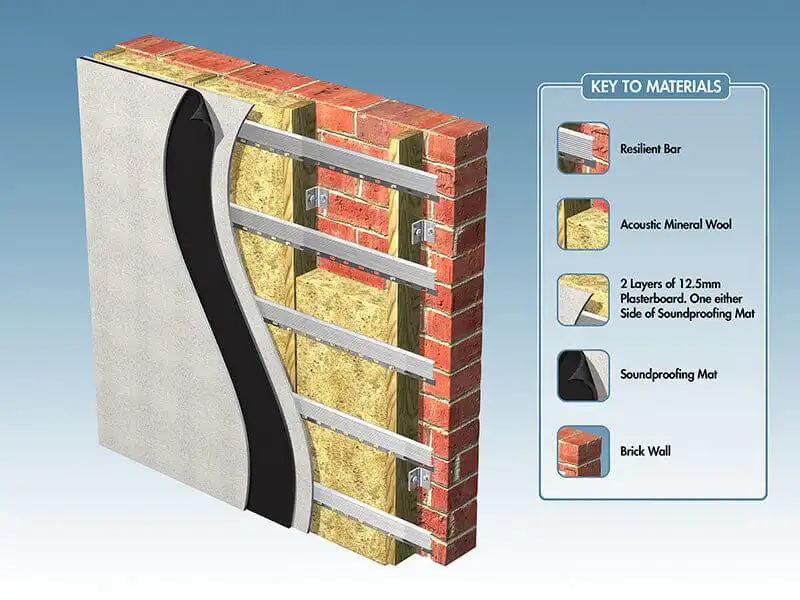
    Blockwork will achieve this naturally, but studwork does require a little help to get there.  This is normally done by packing it with acoustically enhanced wool insulation and finishing it with 15mm or acoustic grade plasterboard on the walls.  This ensures it meets the standard, but you can add a second layer of plasterboard if required.

    Cost is a consideration when building a house.  Studwork is cheaper than blockwork but does require extra spending to get the insulation levels.  However, even with this, it is usually cheaper.  Other steps can be taken to add to the soundproofing of a room including:

    • Adding an acoustic door set (these are expensive but an option)
    • Placing built in cupboards between rooms that you need to isolate
    • Placing switches and sockets away from noise sensitive walls

    En-suite bathrooms can also be a problem but are exempt from Part E.  However, it is often worth having their walls reach the same standard to ensure the insulation of the entire property.

    Wall hangings

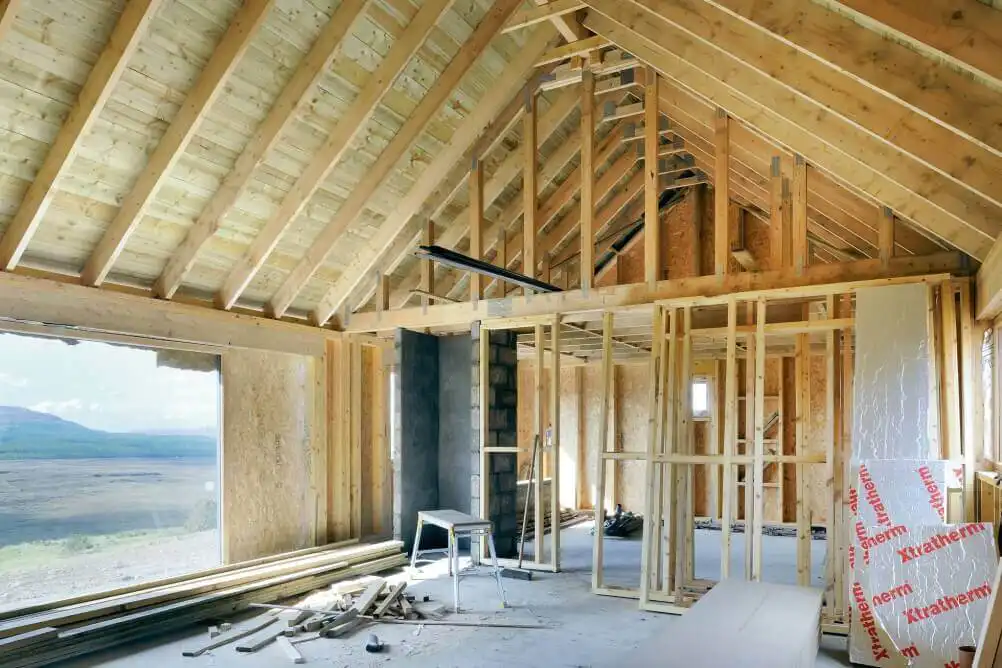
    One final consideration is when it comes to adding wall hangingsand features such as radiators, basins and mirrors.  One way to deal with this is the addition of timber known as noggins that go between the vertical studwork and are able to carry weight.

    Other options including using loadbearing wall boards at the plastering stage of the building.  These cost a lot more than normal plasterboards but allow heavy objects such as radiators to be fixed to them.  They also help with soundproofing the property.  You can also fix lighter loads such as pictures or wall hangings with the use of plasterboard wall plugs.

    It can be a good idea to photograph studwork before it is covered to ensure you can easily located studs afterwards.  Some self-builders even record where studs are located but often a stud finder can be used – a special type of metal detector that can also pick up on nails and screws used to fix the boards in place.

  • Four reasons you should choose laminate flooring

    Four reasons you should choose laminate flooring

    Giving your home a makeover isn’t always easy, or cheap for that matter. One of the main things you need to consider, that often gets overlooked, is the floor.

    This should be one of the first things you take care of, mainly because it’s the very foundation of the house and isn’t cheap either! For this reason it is understandable that you expect something to last, be practical and of course look nice. So, why not to think about laminate flooring as one of the options? Here are four reasons why we highly recommend laminate floors.

    Durable

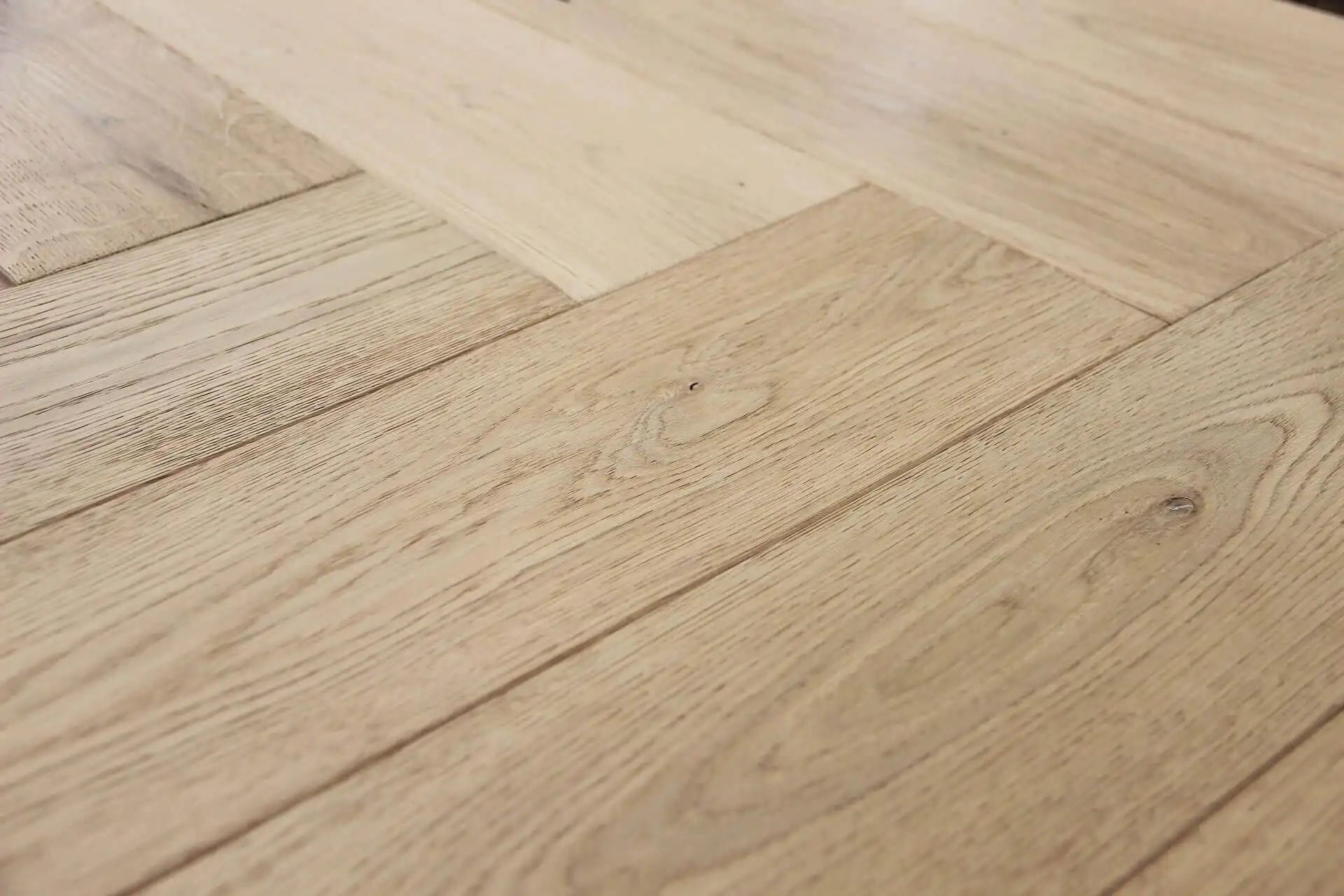
    If installed and maintained properly, laminate flooring can last up to 20 years! This is mostly thanks to it being man-made and also due to the way that it is constructed. Laminate flooring consists of four layers. The backing which protects the floor from any excess moisture, the core which gives stability to the floor when people are walking on it, the image which imitates the wood look and on the top a protective layer.

    Another great feature is that unlike real wood, laminate flooring stands quite well temperature fluctuations and will not contract or expand like its hardwood counterpart.

    Family and pet friendly

    As we were saying, laminate flooring is highly durable and among its features, this floor is waterproof and highly resistant to scratches. This is perfect if you have little ones running around, you won’t need to worry about any spillage they could cause, as long as it is wiped up as soon as possible it shouldn’t pose any damage to your floor.

    And if you have a furry friend at home, laminate floor will be your new best friend as it stands very well scratches. As a plus, laminate floor doesn’t collect dust like carpets, making them not only hygienic but a really great alternative to anyone who suffers from allergies.

    Low maintenance

    After a long day at work we’re confident that you’d much rather spend your time with loved ones as oppose to cleaning floors. This is the third reason you will love laminate floor. It is really easy to take care of, you just need to regularly sweeping and a weekly mop with warm water. If you want to vacuum you only need to do it from time to time, as we were saying, this floor doesn’t collect dust which makes it very hygienic.

    Versatile

    Laminate flooring is popular because it can replicate pretty much any surface. Which means, should you choose an imitation of wood, laminate is able to mimic many different types of wood. For example; oak, walnut or acacia – plus many more! It also comes in a wide variety of shades. This makes the laminate floor very versatile and can be used in different rooms in the house.

    It is a good solution if you are making changes in more than one room, because you can use the same floor in different versions. So if you are on a tight budget, not only can you make savings by using laminate instead of hardwood, you can also replace tiles too!

    So there you have it, some of the reasons that we think you will love laminate floors just as much as we do!

  • Preparing to Let Your Property – The Basics

    Preparing to Let Your Property – The Basics

    Whether you are an experienced or first time landlord, preparing a property for let requires a lot of time and effort. Tenants expect the property to be redecorated and ready to move in to without any damage as a result of previous tenants or owners.

    As the property isn’t there’s, and therefore can only make limited redecoration once their tenancy starts, it is not unreasonable for the tenant to expect the property to be in perfect condition. In order to prepare the property, as the landlord you should conduct a thorough review of the property and attend to any issues before placing the property on the market.

    Structure of the Property


    Before all else, the structure of the property should be reviewed before allowing a tenant to move in. A property survey is a small expense when you consider how costly it could be should anything happen as a result of a defect in the property’s structure.

    Plastered Finish

    If possible, return your property to a plain plastered finish. A neutral will appeal more to prospective tenants, as opposed to strong and dominant shades that could turn people away. A plastered finish will also make redecorating the property between tenancies far easier, rather than stripping away old, deteriorating wallpaper. A fresh lick of paint will freshen up the walls and the property as a whole.

    Service the Heating

    Get an engineer out to assess the heating system and ask how old it is. You may find that the system requires renewing in order to avoid constant issues, which is not something that your tenants will want. Imagine that your tenants have a small baby in the property and the heating keeps on cutting out – continuously calling on the landlord or estate agent (depending on whether you are self-managing the agreement or not) will only frustrate the tenant.

    Ensure Fixings are Solid

    Making sure that any fixings are solid on the wall is an absolute must, but is something that many landlords overlook. Not all tenants will look after your property as well as you would like them to and, if anything is loose before the start of the tenancy, you can be sure that they will not remain in place come the end of it.

    Getting the best Price


    If you are unsure of how much you could charge for rent, invite a number of estate agents in to value the property. It is always best to seek out at least three valuations in order to get a good ballpark figure that you can ask for. Equally, you can look to have your property listed on LetsBid that will see prospective tenants bid on the price of rent, leaving you to pick the best offer.

    Hardwearing Floors

    Where possible, opt for hardwearing flooring instead of carpet. You might prefer carpet yourself, but flooring such as tiling or wood is far more durable and longstanding. If the tenant prefers to have carpet installed in the property once they have moved in, let them know that this will be at their expense and are responsible for its upkeep.

    Don’t Stress About Furnishing

    You do not have to worry about supplying furniture and appliances as a landlord, as most tenants will be happy to save a bit of money by moving into an unfurnished property, especially if they already own their own furniture. By letting an unfurnished property, you don’t have to worry about replacing any damaged furniture.

  • Best Reading Chairs of 2018

    Best Reading Chairs of 2018

    It’s rare enough that the average working person has time to read for pleasure, and arguably even more rare that people voluntarily read hard-copy, paper books instead off reading off of some electronic screen. That’s why it’s important to even then be sitting on a first-rate ergonomic office chair.

    That’s why we believe you shouldn’t settle for anything less than the most comfortable and aesthetically pleasing reading chairs. Whether you keep it in your office, bedroom, living room, guest room, or anywhere else – and even if you don’t technically read in it, that’s okay too – you should make yourself aware of some of the best reading chairs of 2018 (in no particular order, of course). Read on to get an overview, and don’t forget to let us know which of these luxurious reading chairs you’d like to have in your home!

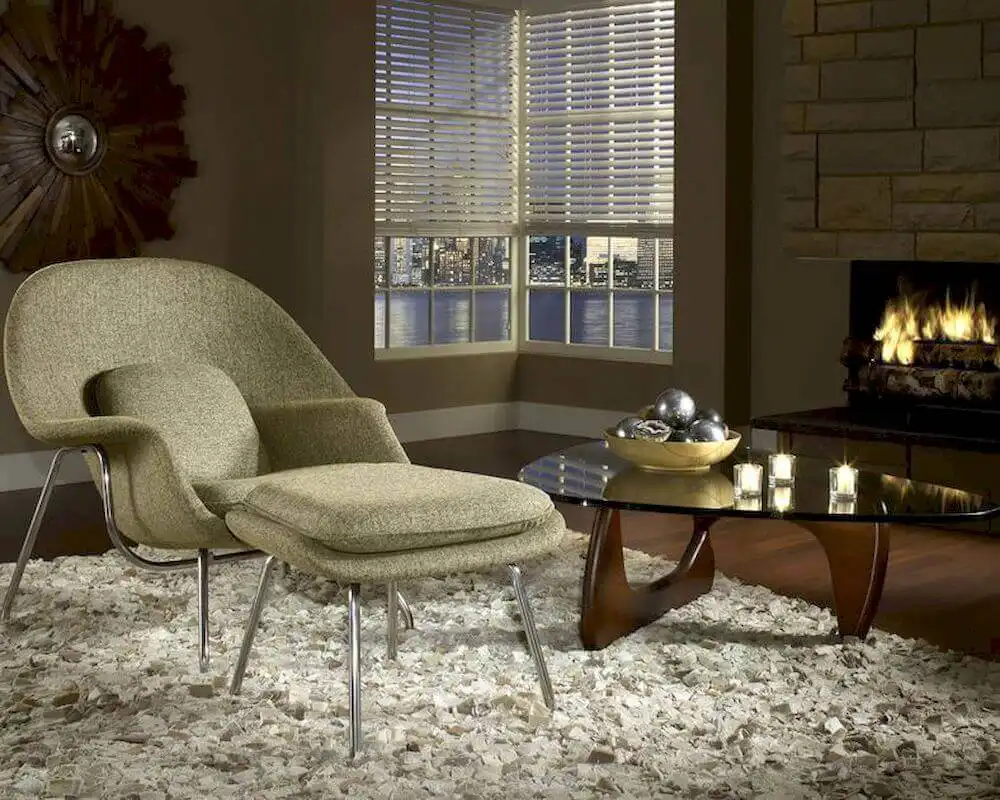
    Saarinen Womb Chair Reproduction

    Image from:   Womb Chair & Ottoman Replica

    Don’t let the name put you off! This startlingly cozy, mid-century modern reading chair is carefully constructed from polyester, CAFR grade foam, stainless steel, and molded fiberglass. Sold by North American modern furniture country Emfurn, the chair is designed to replicate the original womb chair that was designed by groundbreaking Finnish furniture designer and architect Eero Saarinen, student of Charles and Ray Eames.

    Working with the Knoll furniture company in the 1940’s, who are believed to be at the head of the mid-century modern furniture movement, Saarinen was asked by Florence Knoll to design and build a chair that would feel like “a great big basket of pillows that I can curl up in.” This chair is an uber-faithful reproduction of that original womb chair, and even if it can’t be confirmed whether it’s a true reproduction of the actual human womb, it will make the best place to curl up and get comfortable. You can explore the variety of color options and make the purchase from Emfurn.com for $1,250.00 to get a feel of the luxury wool upholstery and high-density foam yourself! Best of all, the purchase comes with a matching ottoman!

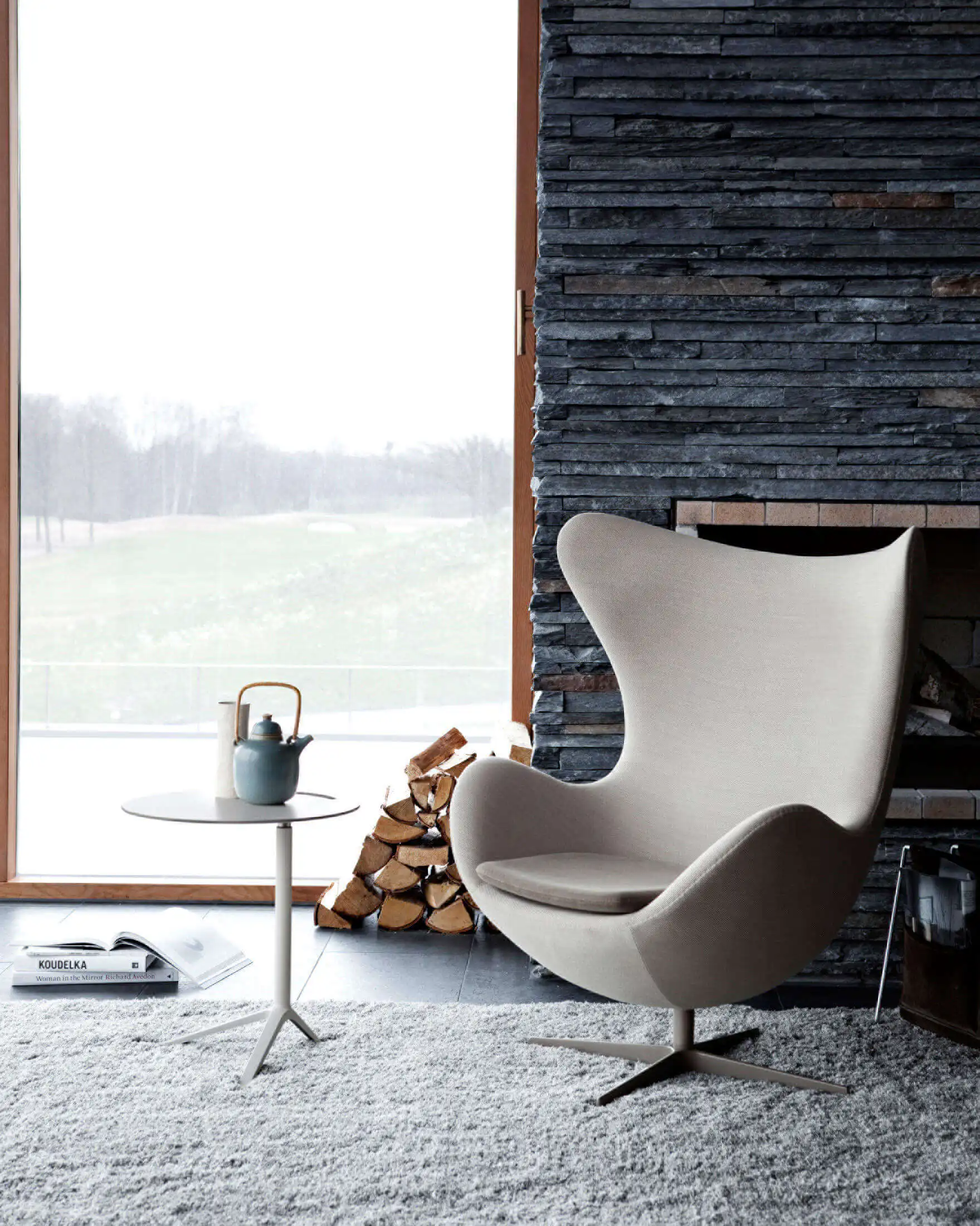
    Arne Jacobsen Egg Chair

    This is the chair that began the “egg chair” trend. You can look all over the Internet and in every modern furniture store to find an imitation egg chair, but the Arne Jacobsen design is nearly sixty years old and hasn’t disappointed us yet. This iconic egg chair comes in dozens of different colors and finishes. Jacobsen first crafted a model out of this chair out of clay, like a true artist. Eventually, the strong foam shape came to life!

    This chair first hit the seen in the Royal Hotel of Copenhagen, providing a soft yet effective contrast to the sharp, oblique designs of the Hotel. Prices range from $7,339.00 to $18,548.00, depending on the material and automatic features. It goes without saying that this chair is definitely an investment – especially if you want to drop some extra cash on picking up the extra footstool. But hey, nobody ever said fashion was free.

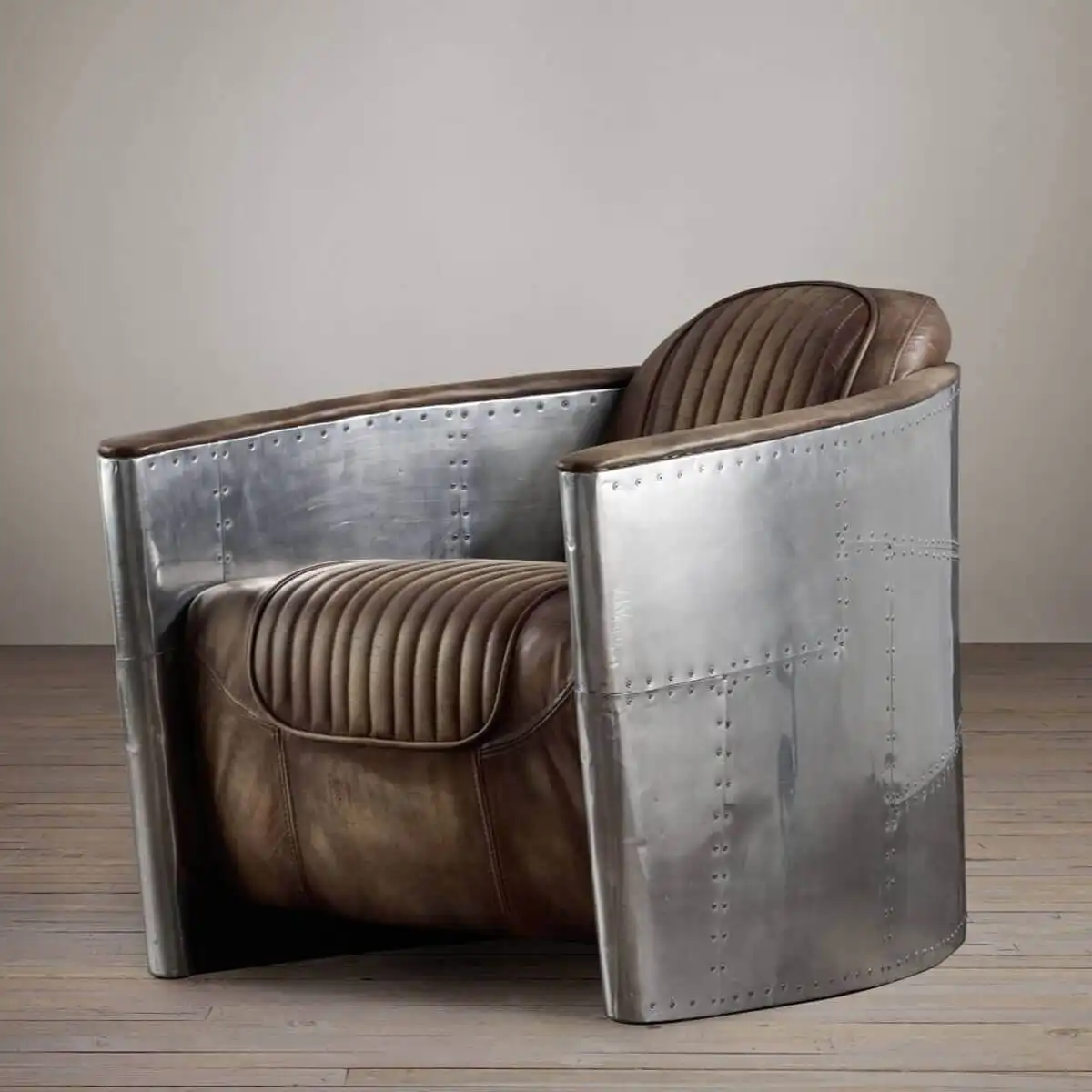
    Restoration Hardware Aviator Chair


    This chair was inspired by the World War II fighter planes. The low back with raised arms is ideal for curling up with a good book (and with the rugged, industrial look, this chair is perfect for reading neo-futuristic steampunk fanfiction). The Aviator chair comes in a variety of colors, and you can rest assured the supple leather is as soft and comforting as those authentic bomber jackets. This chair might even inspire you to start redesigning your entire home in this industrial, mixed-material theme! Prices range between $1,895.00 and $3,095.00 with a discount for Restoration Hardware club members.

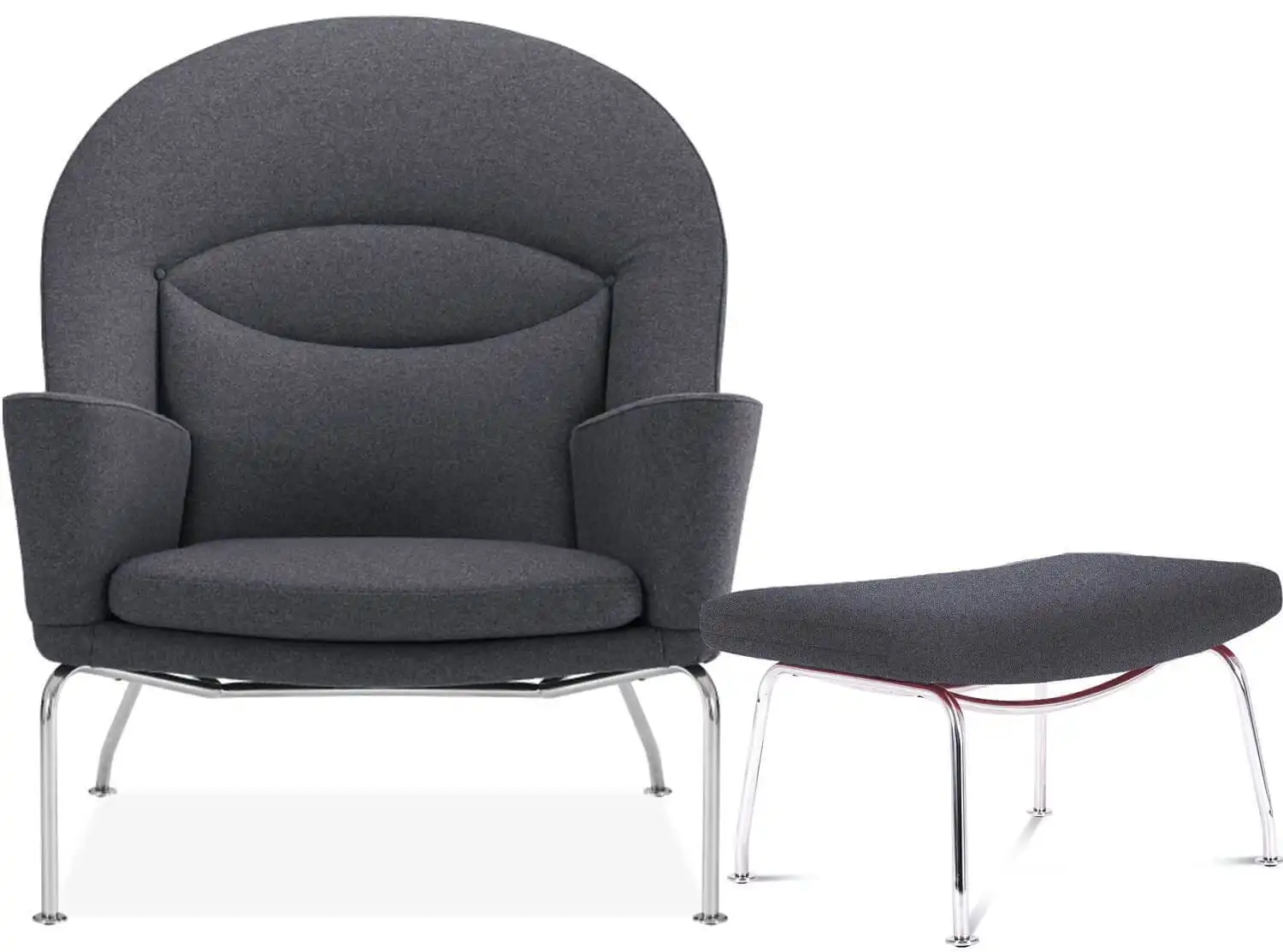
    The CH468 Oculus Chair


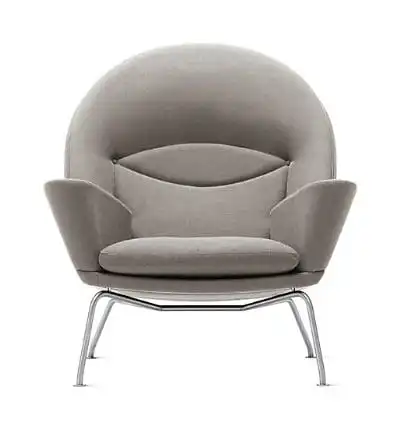
    Designed by Hans J. Wegner, who has been hailed as the “chair-maker of chair-makers,” the eye-catching Oculus chair get its name from the famous stitching and seam on the front that resembles an almond or an eye. This chair has a deep seat, sturdy base, a seat cushion made of down and foam, and a tall, rounded back to support your entire spine. With four different fabric options and a total of 20 different colors to choose from, the Oculus ranges from $3.990.00 to $6,275.00.

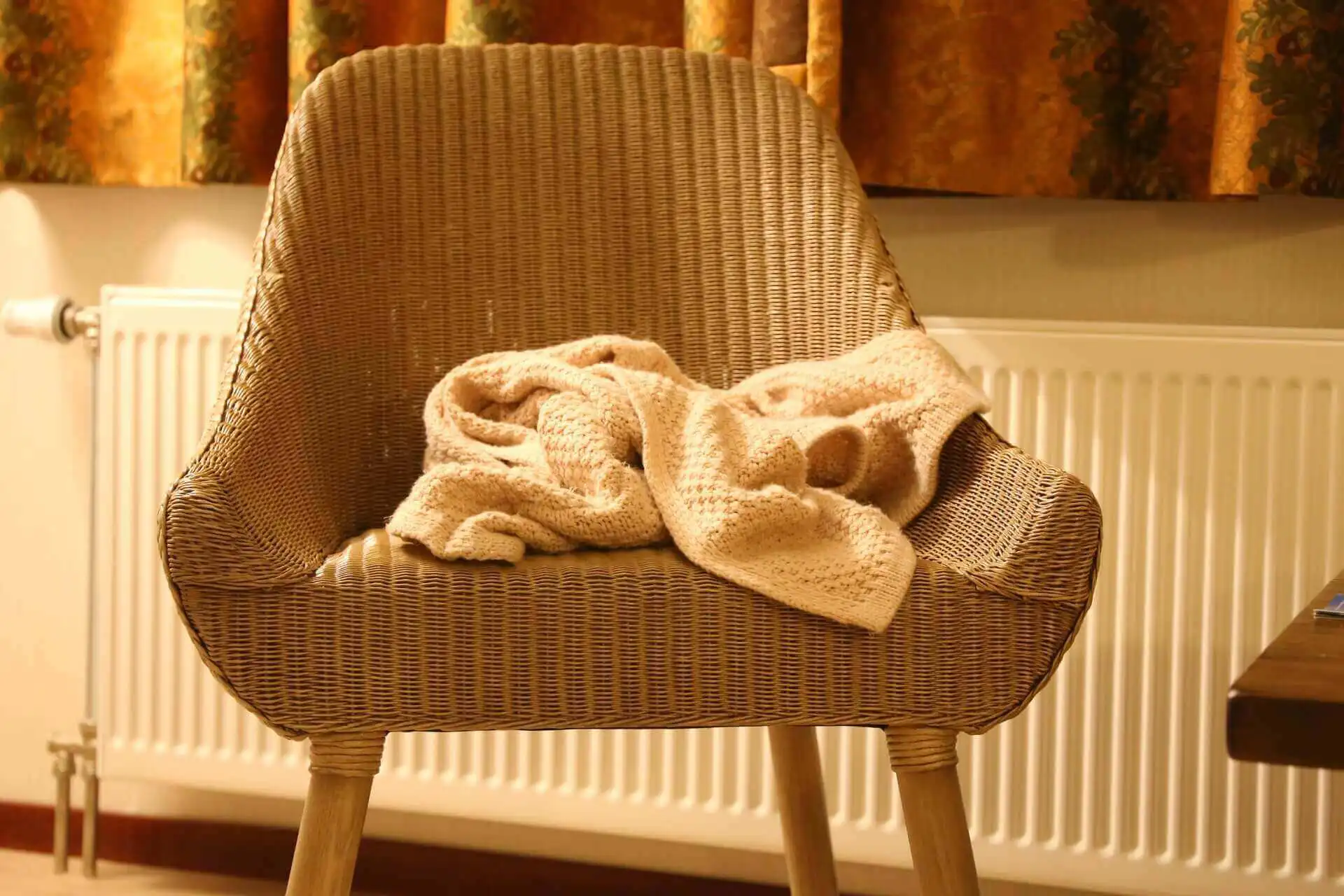
    CB2 Black Woven Leather Chair

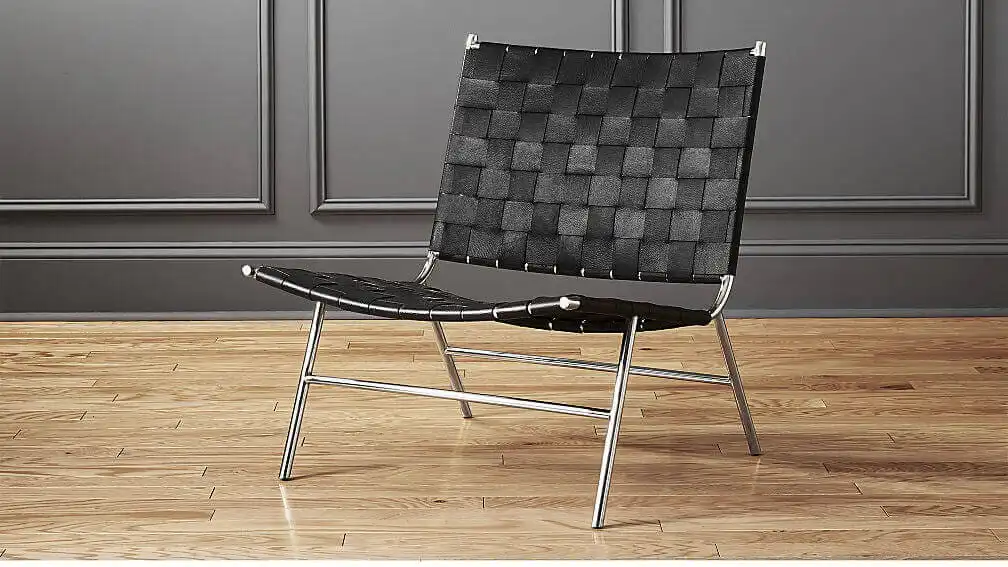
    Designed by Mermelada Estudio, the Black Woven Leather Chair from CB2 is a multi-purpose chair perfect for reading and lounging. The neutral palette will suit any living room, parlor, even an indoor porch perfectly. This chair is short and broad for ultimate relaxation and comfort, and the genuine leather is expected to soften with age, so you can rest assured no two chairs are exactly alike. If you’re looking to really sink into a chair, grab a blanket and your favorite book and get ready for the best reading experience of your life. This is the closest thing to a budget item on this list, checking in at only $499.00!

  • Sports Technology – Is It Taking Away From the Fundamentals, and Required Skill Sets?

    Sports Technology – Is It Taking Away From the Fundamentals, and Required Skill Sets?

    Technology has become an important part of everyday life, and a sport is no exception. Sports have been an important part of cultures across the world. However, the world has since evolved the advent of sports, leaving sports with no option but to evolve with it.

    Furthermore, many games are played at a much faster rate than ever before, with the players running faster, shooting, or at least looking to shoot more accurately and generally making it harder for referees to do their job, at least without some of assistance.

    This is where technology comes in. When playing baseball, for instance, stats and analytics are just as important today as the actual gameplay. However, for a certain school of thought, the experience of sport and its essence is in its pure, unadulterated nature. The use and continued introduction of sports messes with that, chipping away at the fundamentals of sports and the required skill set. Is technology making sports better, or is it contributing to its erosion?


    Controversy

    Even though progress is admirable, for most people sports fall under the category of things that should not be tampered with. While technology has in some cases been immensely helpful, there are cases of technology resulting in controversial outcomes. For instance, the Polara golf ball is often cited as a case of innovation making sports easier, essentially de-skilling it.

    The design of the ball favored the less skilled players, those who had a greater tendency to make mistakes. This ended up being an unfair advantage for them when considering the more skilled players who were already capable of making accurate plays. It was subsequently banned. Another example is the full body suits which captured the imagination of onlookers at the Sydney Olympic Games in 2000. These suits were shown to improve the performance of the swimmer dramatically, and were one of the factors attributed to the breaking up to tens of records in less than a year at the 2009 World Swimming Championships.

    Global swimming bodies later voted to have the full length suits banned. Another recent case is that of the South African runner Oscar Pistorius, who in 2008 wanted to compete in both the Olympic and Paralympic games. Whether his prosthetic leg gave him unfair advantage was a matter of furious debate, one which was never solved. Oscar was allowed to run in both events after a long dispute with studies and counter studies, with the final verdict believed to be because of a lack of agreement on the matter.

    Technological Evolution

    Technology is supposed to signal the evolution of sports, buts sometimes this evolution does more harm than good, especially when it comes to the idea of a level playing field. The introduction of technology to sports is especially controversial and detrimental when the actual effects are not exactly known.

    Unfortunately, things often remain unknown until it is too late. For instance, it took the better part of a decade for swimming authorities to ban the full body swim-suits that were making swimmers much faster. Records that were broken during that time, however, still stand. Such technology moves sports from fun and competition to who can leverage technology to make their situation better. It is no longer about the level playing field that was eating healthy, high fiber food and or for instance exercising using smith machines to improve strength. Technology introduces a whole new dimension that is not necessarily in the spirit of fair competition.

    The Relative Positives

    Sports technology is not all doom and gloom though. There are areas where technology can be said to have genuinely improved sports and leveled the playing field. One such case is in goal line technology and video replays. With players getting much faster and stakes getting much higher, referees are finding it harder to make accurate calls.

    Video technology makes the job slightly easier, as they have a chance to step away from the adrenaline of the match and maybe see dimensions they might not have caught in real time. Even then, video replay technology comes with its issues. The referee retains the right to make calls, meaning there is still some element of subjectivity. Further, there is the issue of disruption and games taking much longer than usual.

    Technology is filling a gap in sports, and in hindsight, has always been around. It is only in the last few decades that it has taken on a more prominent role. Each case and sport is different, but sports must not just blindly embrace technology. The fact that it is the future does not necessarily mean it is a good thing, at least not always. Maybe some elements of sports should and must be religiously guarded.

  • Top 3 Tips on Restaurant Design

    Top 3 Tips on Restaurant Design

    Starting your own dining establishment and getting into the restaurant business is by no means a task that can be taken lightly. Not only do you have to think of a concept or theme that will help you stand out from the rest of the competition, but proper management of resources and budget allocation becomes mandatory to avoid any potential losses, and increase revenue.

    One of the things many business owners often invest time and money in is the aesthetic design of the restaurant. Not only does it help create a unique dining experience for guests, it also enhances it.
    Also worth paying attention to the restaurant signages, which you can purchase from tradesignshop.co.uk.
    The best ideas for signage are available on WebDesignBlog.info Here are a few tips to keep in mind on restaurant design.

    • Be sensible with furniture, fixtures and other essentials

    While it isn’t necessarily difficult to procure inexpensive furniture and fixtures, you will find great sites like restaurant-furniture.com for all the things you may need, it’s important to be sensible in the approach. Not only will this allow for potentially bigger savings on investment in the essentials, but it also reduces the clutter that a lot of restaurants are oftentimes guilty of being rife with. Form and function should always be balanced, no matter the theme or concept that you’re going for.

    • Have a single theme and stick with it

    Creativity is never a bad thing, unless there’s too much of it. Many restaurateurs suffer from having too many good ideas that may have been good on paper, but in application are a mess. They say that looks aren’t everything but this isn’t exactly true.

    Atmosphere and environment can heavily affect the dining experience in a restaurant, and you could argue that this is another reason why people eat out in the first place. Don’t overburden yourself and simply stick to a single concept or theme. It will be easier to apply and maintain, and you’ll undoubtedly give guests a reason to come back.

    • Control the prices and portions of the menu

    It goes without saying that the food is an integral element in any restaurant design or business model. Having a dry run and even asking guests what may or may not work can help give you a better idea of how to control the prices and portions on the menu.

    Giving too little for too much is just as bad as the other way around, and finding that sweet spot can do wonders for increased profit and revenue. You may even find food design ideas this way too.

    It isn’t hard to get overwhelmed in the restaurant business. From the budget to marketing strategies, it isn’t uncommon to be swamped with a multitude of things to consider. However, we all have to start somewhere and pairing a unique concept with a comfortable design and a sensible approach is a good way to begin.