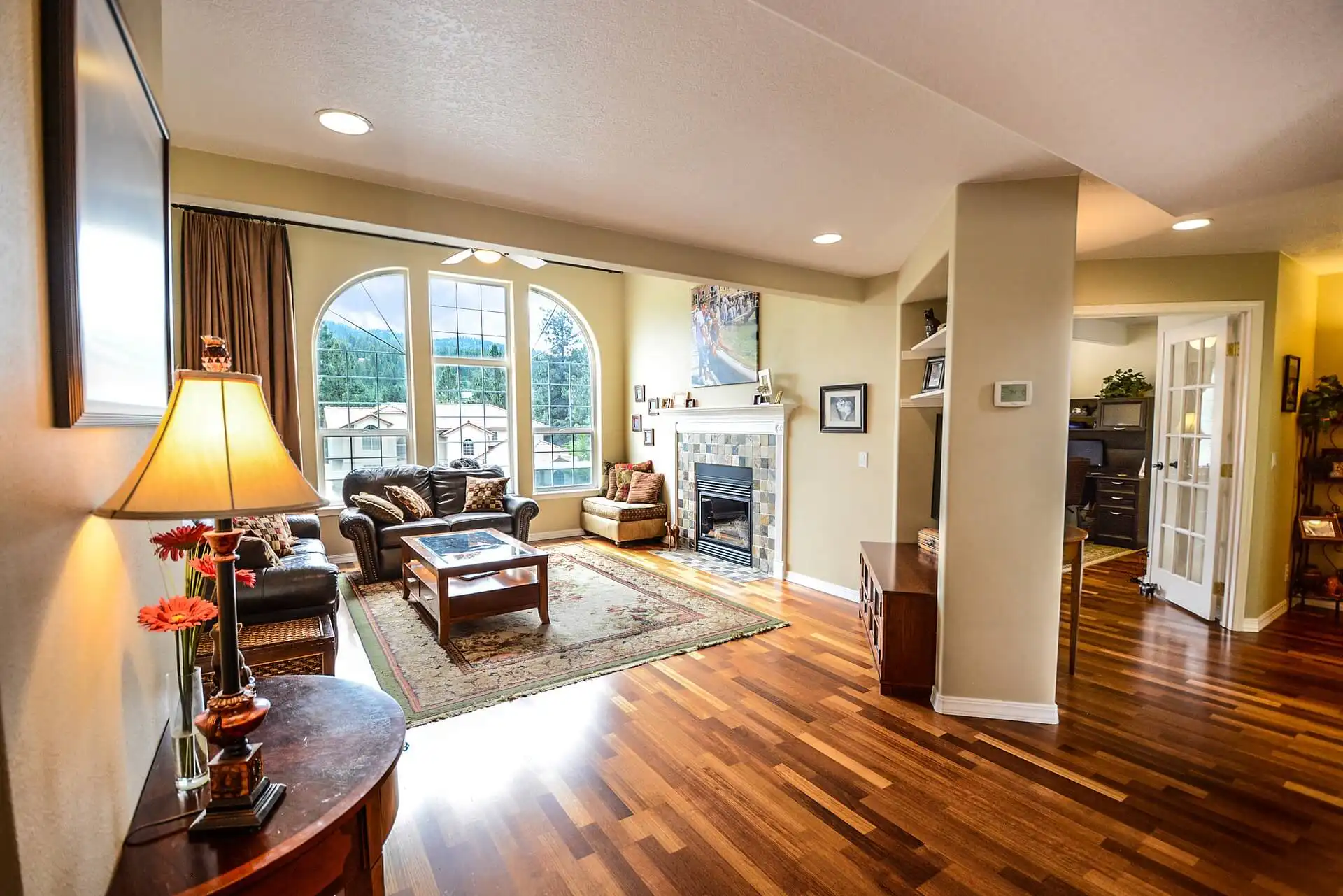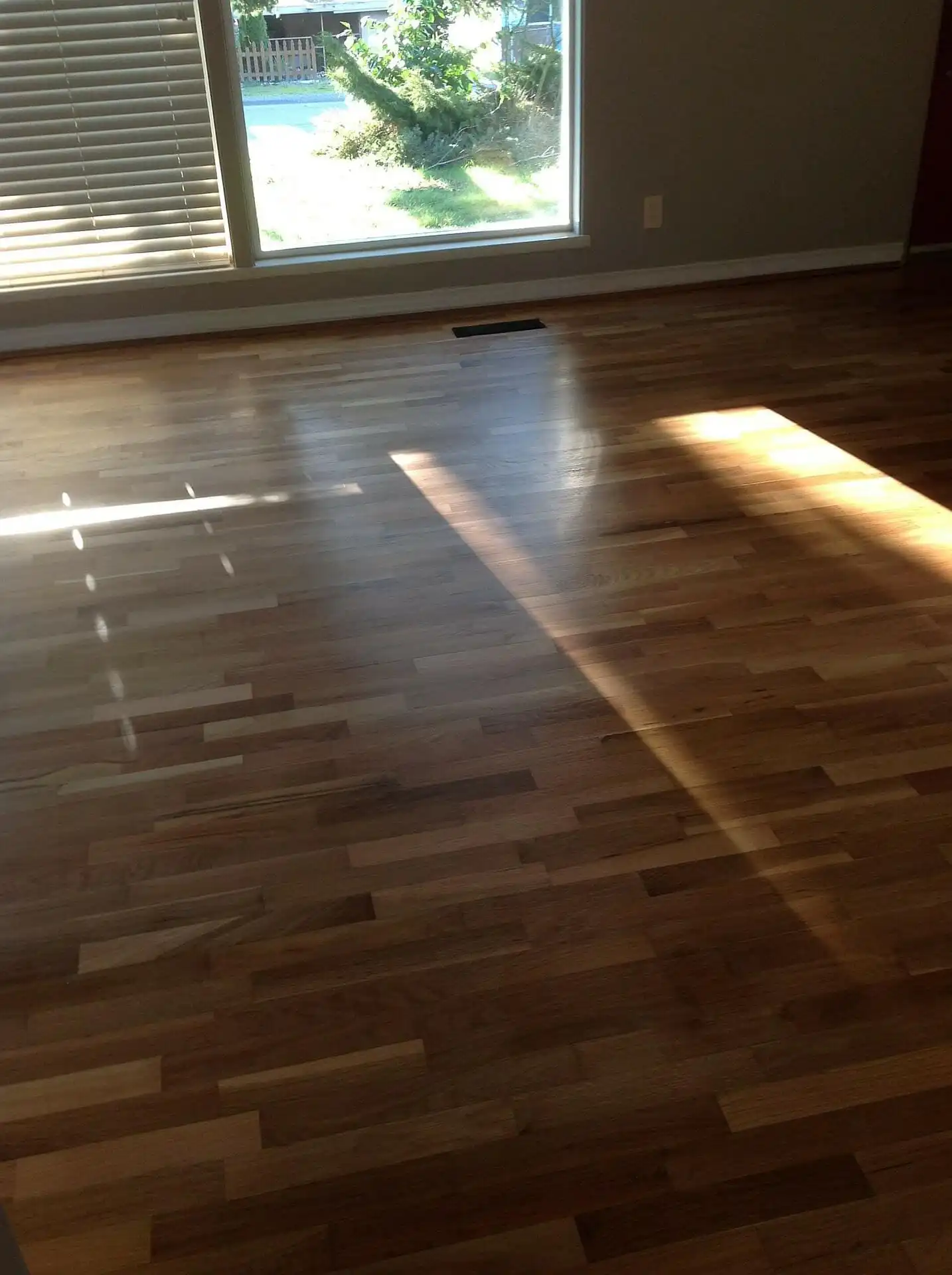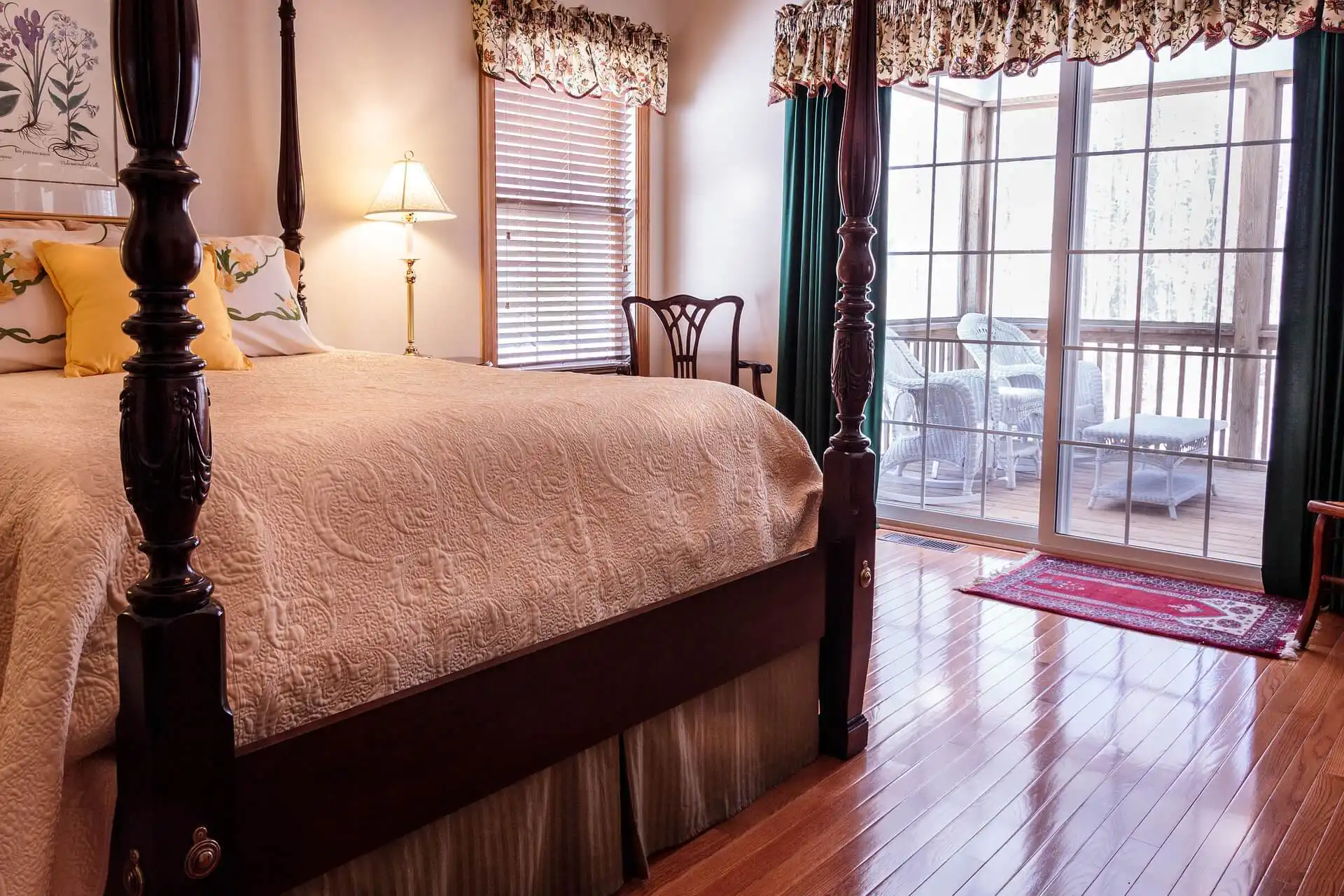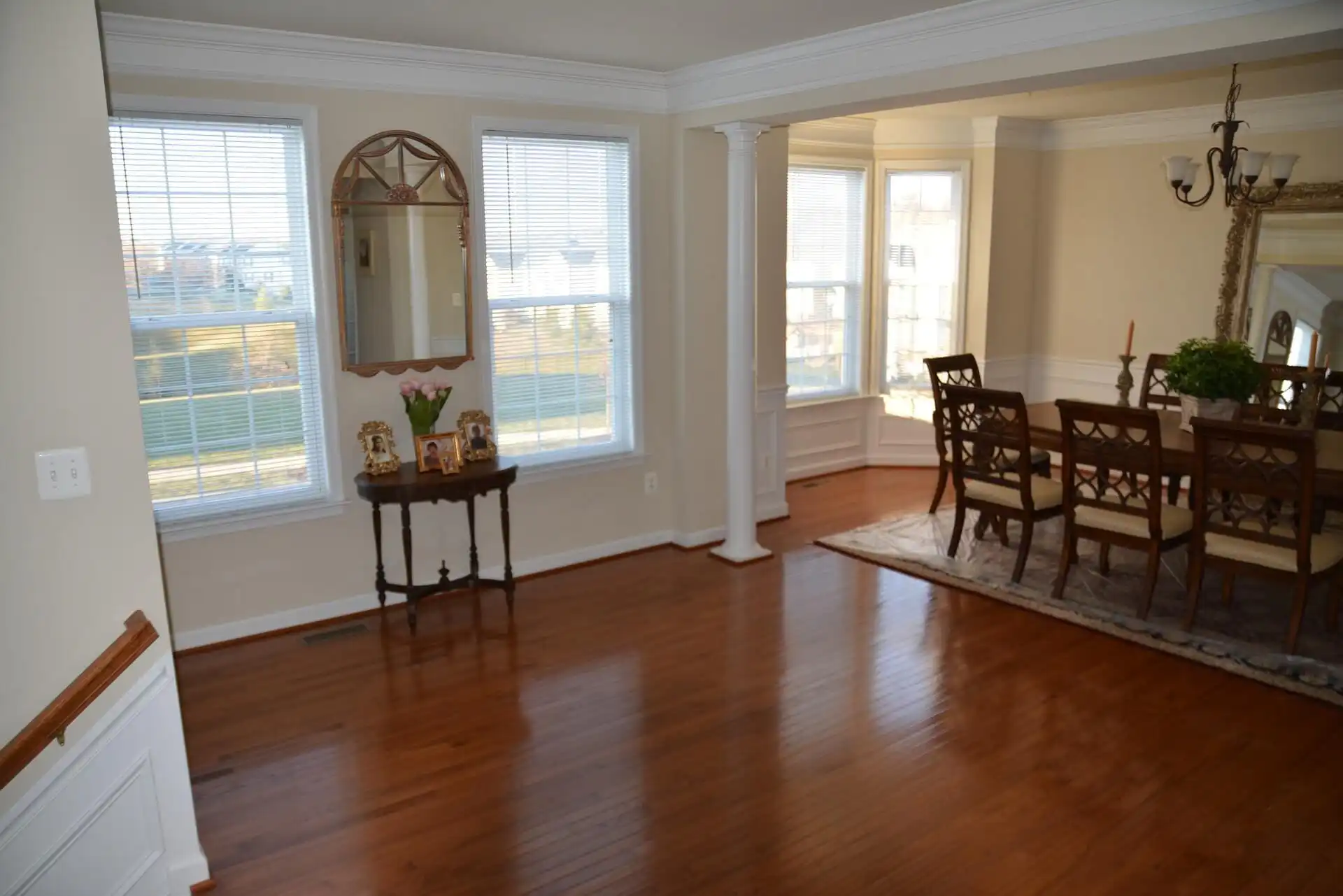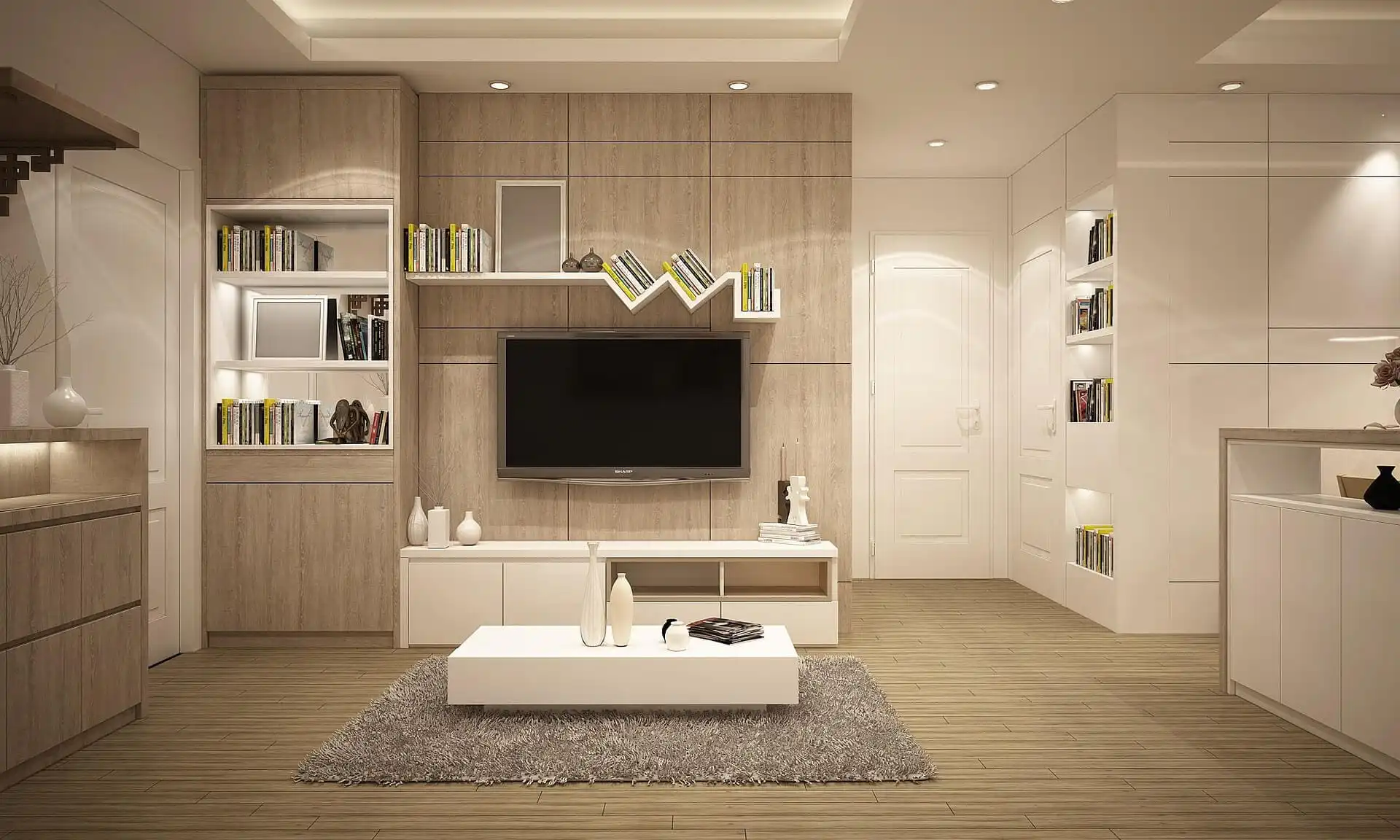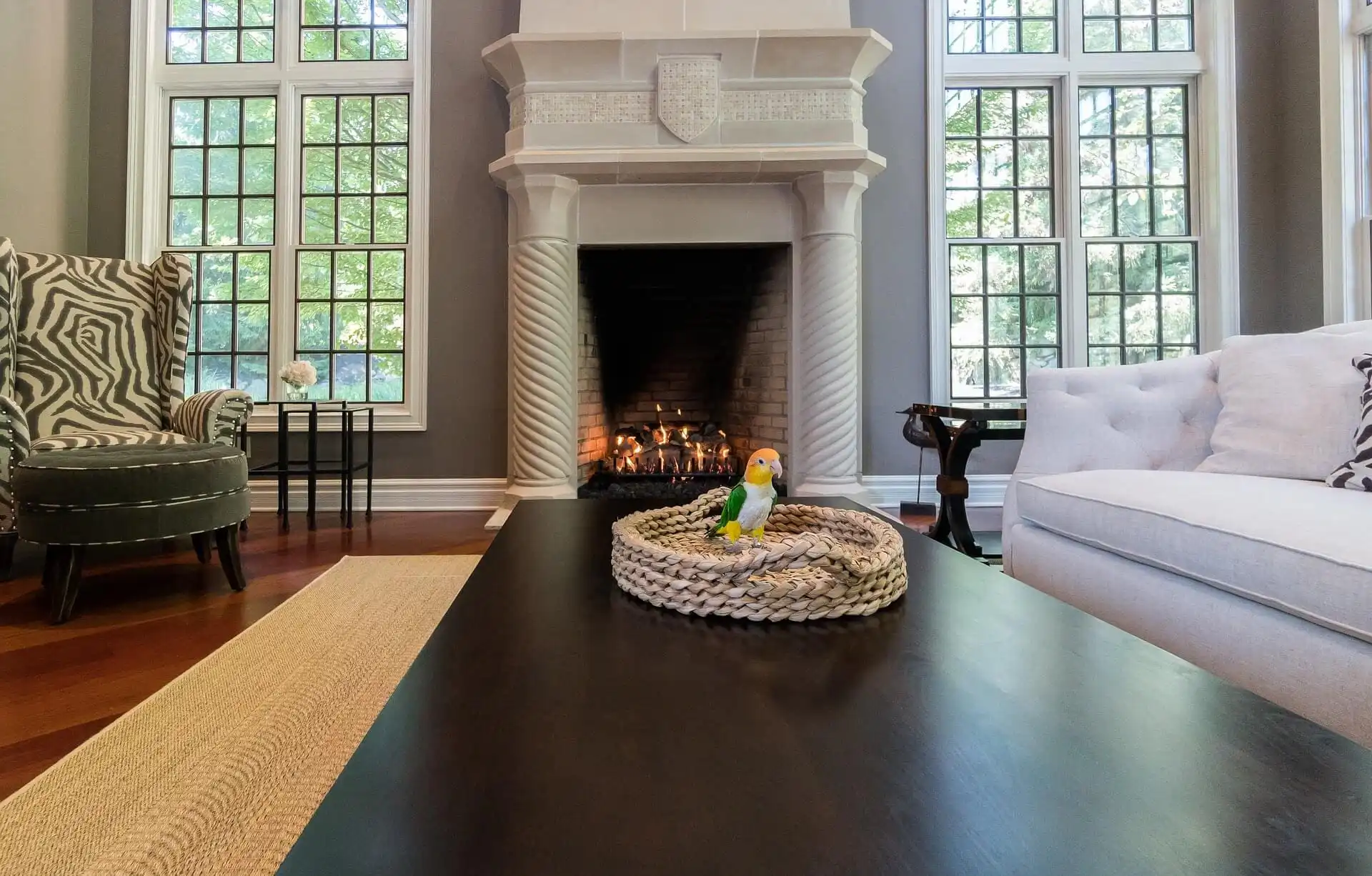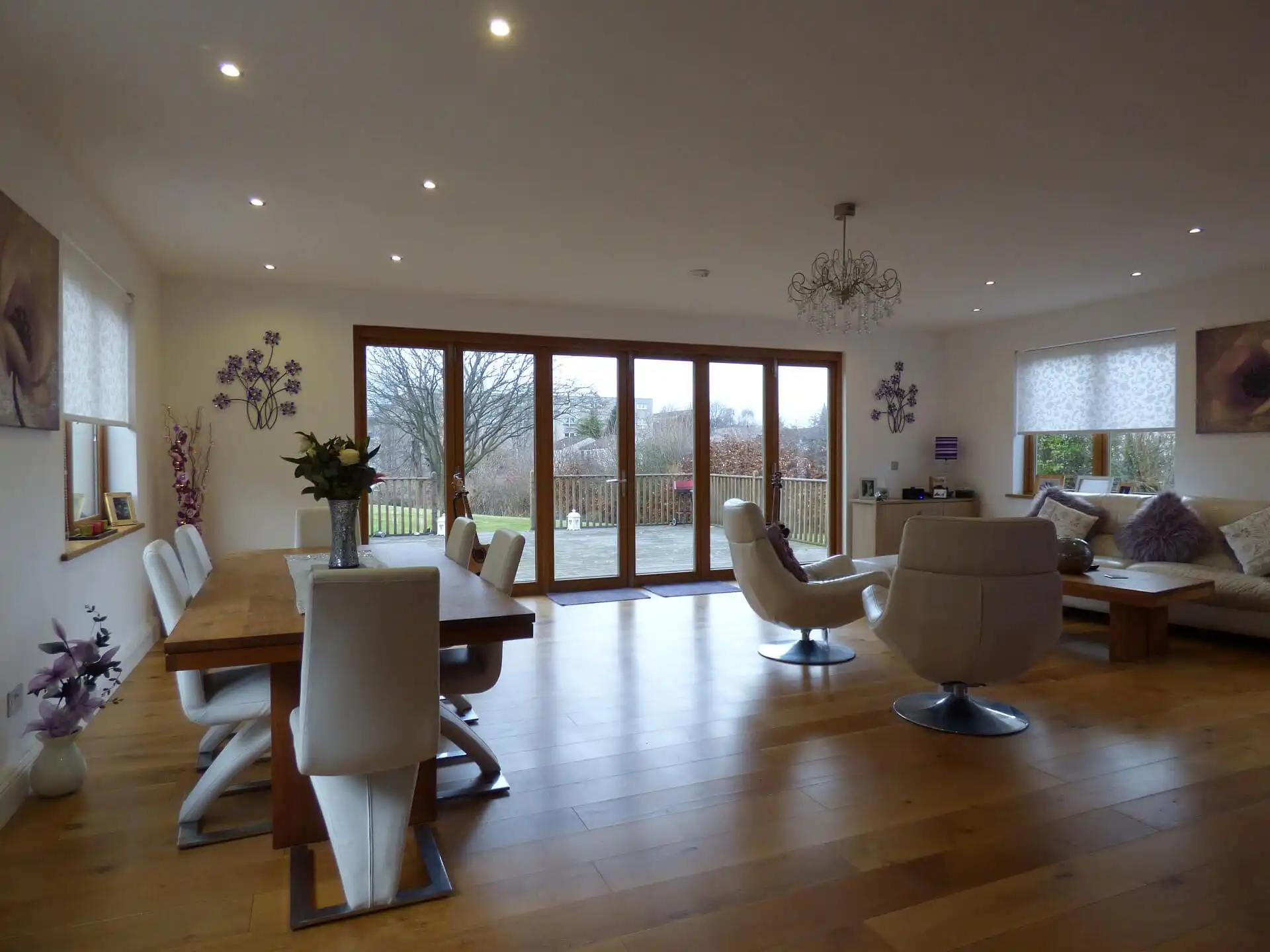
When you choose hardwood floors over other types of flooring materials, you want an all-in-one solution concerning beauty, durability, and value. The floor design shows the architectural style and creativity. Hardwood floors work well in both domestic and professional settings and offer warmth and a luxurious appeal to a closed area.
Why Choose Hardwood Floors?
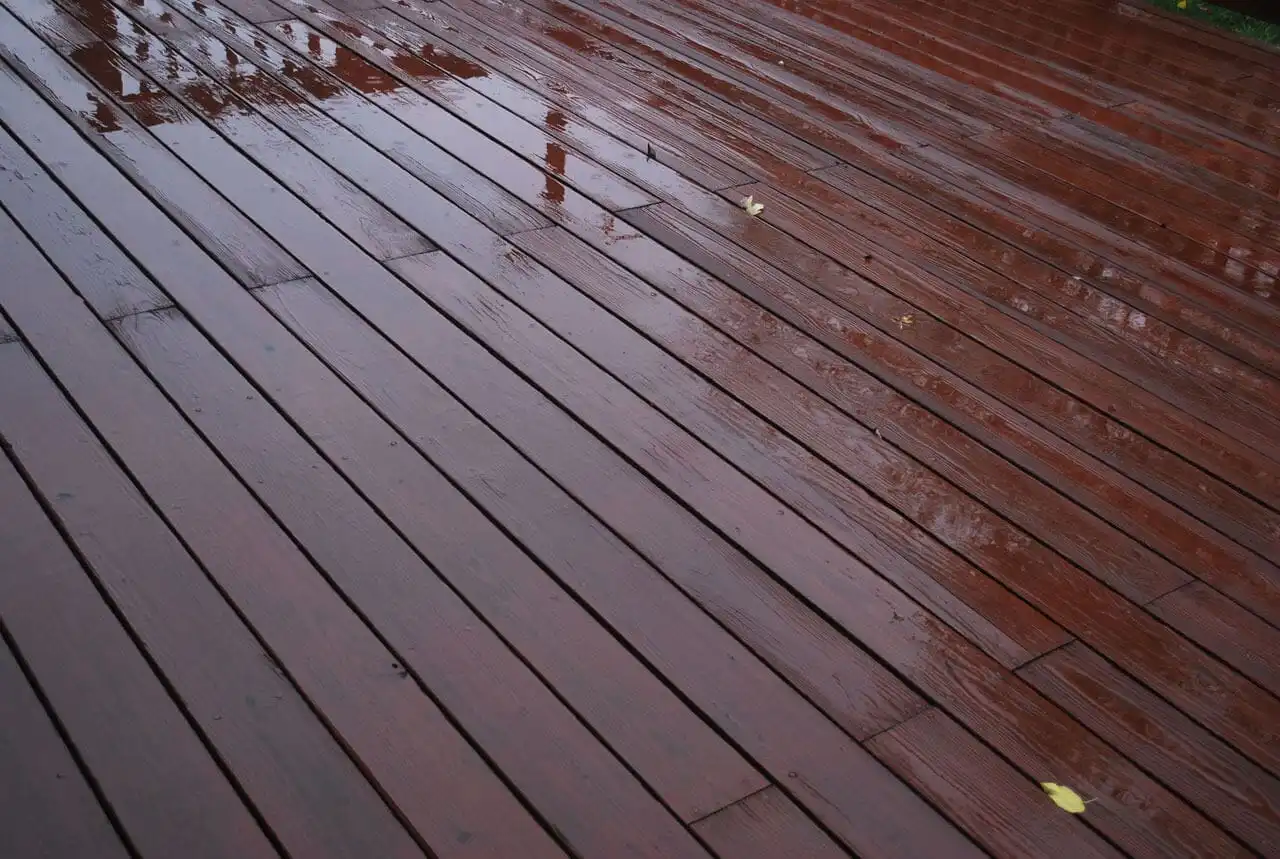
Aesthetic appeal: The best thing about hardwood floors is that on top of looking good, they also complement any design scheme and furniture style when the finishing is done right. Check out capital hardwood flooring for your customized hardwood floors.
Durability: Due to the finishing and compact nature, hardwood floors decrease wear and tear, especially in areas with high amounts of traffic.
Stability: A one-inch thick piece of wood on the floor has the same insulating capability as 15 inches of concrete.
Ease of maintenance: Hardwood floors do not store mildew or absorb dust. Hence, they are easy to clean. Regarding refurbishing, all you have to do is sand the top layer which is less than a millimeter thick, and then apply a fresh coat of finish.
How to choose the best type of wood flooring material?
There are a lot of factors to consider before you settle on the type of wood you will use for the Wooden Floors. Some are purely for appearance purposes while others are mechanical considerations. Assuming all varieties are available and you can foot the cost, here are the other considerations that go into choosing wood for floors.
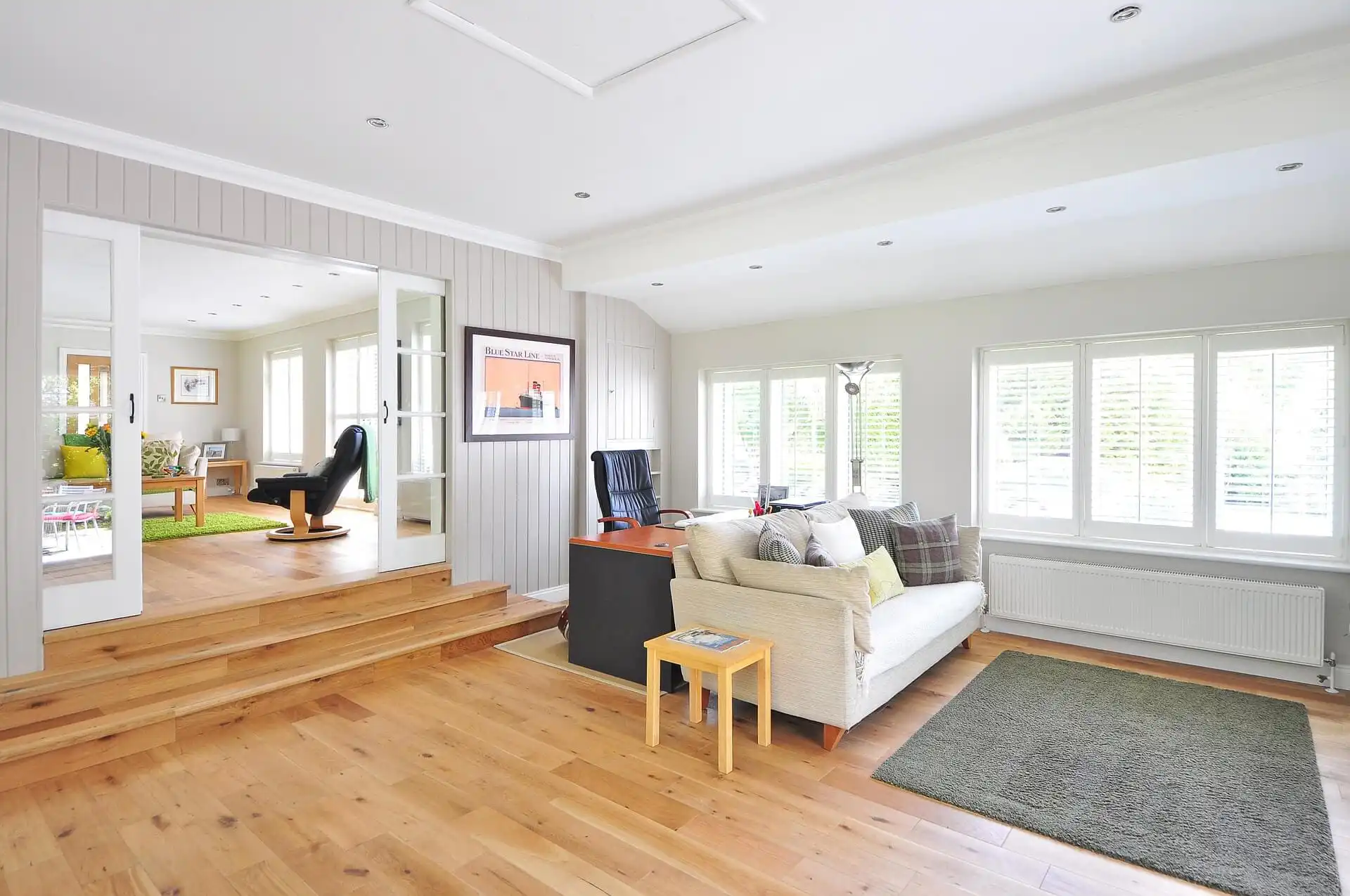
Solid Vs Engineered Wood Flooring
Solid wood flooring exists as a single piece of wood cut from one natural source of wood. Unlike engineered wood, solid plank floorings can be sanded and refinished multiple times.
Engineered wood floors are made using multiple but real pieces of wood or composite veneers from same or different species. They tend to be more stable if several species are combined. Mixed, engineered planks are more durable because the different grain textures are more resistant to expanding and contracting during fluctuations in humidity and temperature.
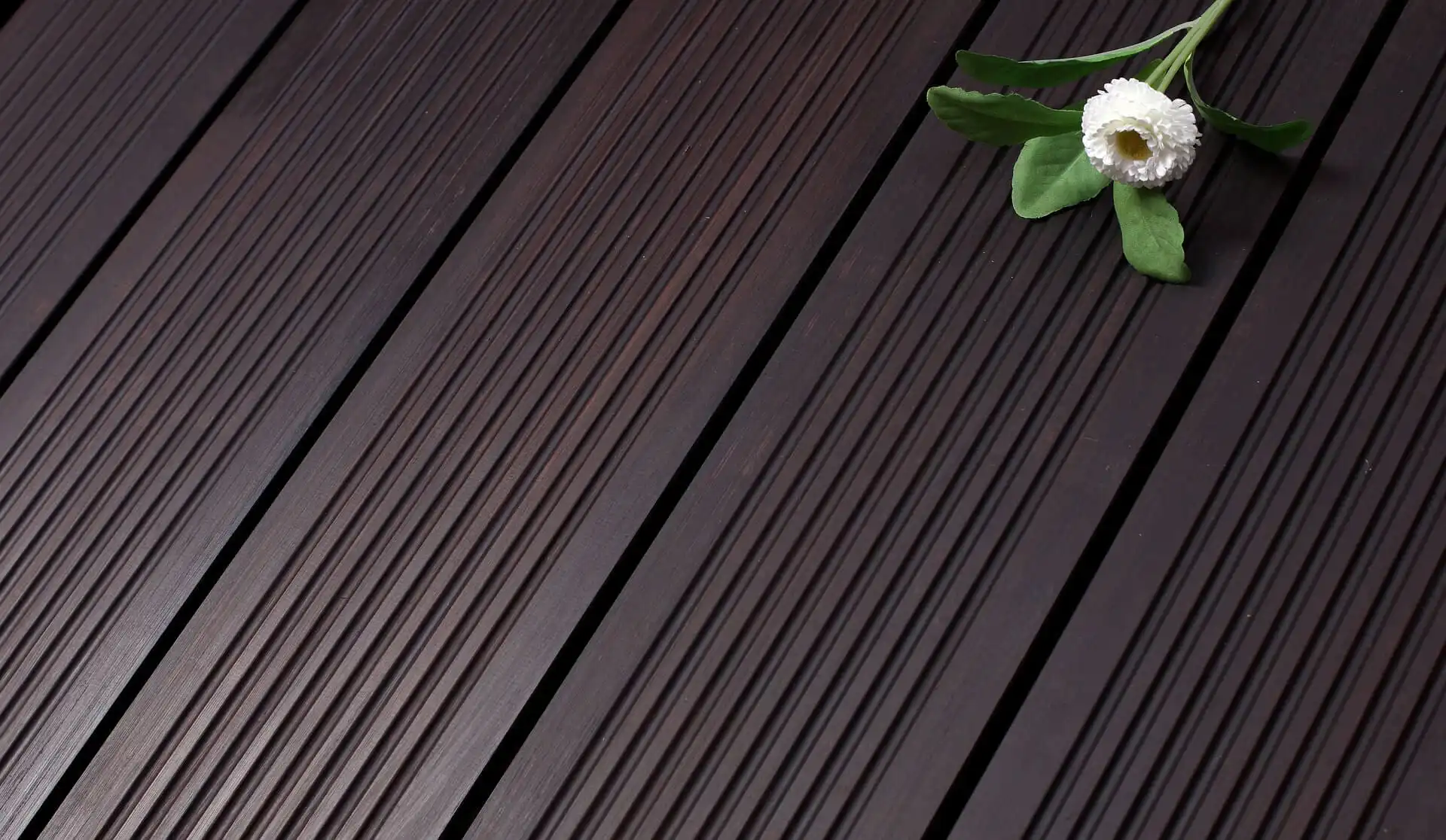
Design of the planks
We mentioned that you do not need a plank which is more than one to two inches thick to enhance stability unless your contractor advises you otherwise. There is also the issue of selecting the design and shape of the cut of each plank between squares and rectangles. The length of the planks should also be discussed with your designer. Some create the illusion of more space while some are more formal than others.
Wood Species
The species will determine greatly how the finished floors appear. The variation in growth affects the grain patterns which are the first thing you look at on a wooden floor.
The strength, hardness, and durability are also determined by the type of tree the wood originates. While some species like mahogany while strikingly exotic, are not as durable. You will have to choose between such trade-offs.
Colors
Some cuts have deeper colors than others in the layout of the grain, and some types of woods are wholesomely darker than others.
Textures
People usually use the terms grain and texture interchangeably when talking about wood, but they do not mean the same thing. Texture refers to the more delicate structure of the wood and not the annual rings. The texture will determine whether you choose wood that looks shiny and new or you go for a more antique look. The new and polished floors will need to be refurbished if you want to keep them that way or your contractor can install wood that’s new but is appealingly timeworn.
Hardness
Softer wood is more prone to visible scratches and dents, but at the same time, they are easily sanded and refinished. Harder wood is better in areas with high traffic, children and pets.
The Janka hardness test measures the force required to embed a 444-inch steel ball to half its diameter in wood. It is the best measures of the ability of a wood species to withstand wear and tear and also the ease of manipulation.
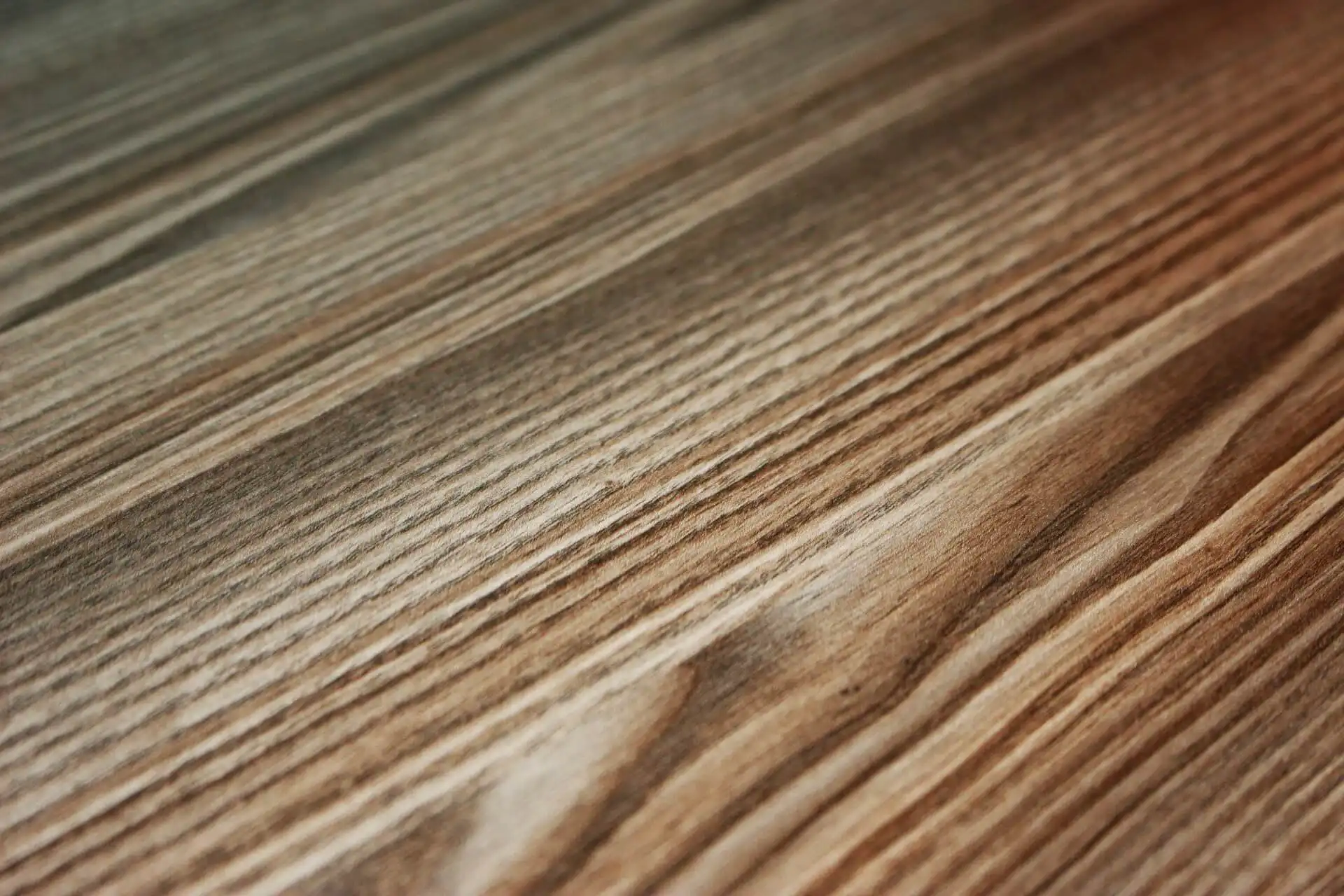
Unfinished and Factory Finished Wood Flooring
All wood floors require a protective sealant finish. With unfinished wood, your contractor will apply the finish on the job site. The advantage of this type of installment is that you get to choose a finish that blends in well with the rest of your home. You also notice and sand down imperfections. The downside is that you have to withstand the dust and chemical fumes that comes with the job.
With factory-finished wood flooring, you will spend a significant less amount of time to finish the installation process. The floors are ready for use as soon as you are done and they also tend to be more durable in the long run.
Now that you have a guide to choosing hardwood floors, here are the most popular wood species of wood flooring and what to expect from each.
P.S. Remember the Janka hardness measure we mentioned in the guide to choosing the perfect wood flooring? We shall refer the score for each wood so you can easily rate its hardness.
1. Oak Wood Floors
Oak is the most abundant form of hardwood around the globe. There are two types of oak wood, Red Oak and White Oak. White Oak has a Janka measure of 1360 making it harder than Red Oak which measures at 1290.
That being said, such a rating is considered suitable for moderate traffic areas which makes Oak floors ideal for both office and home settings. The score also makes the wood very easy to work with so when you are refinishing it can even be a DIY project. The rating also ensures that the wood absorbs your choice of stain quite easily. The hues of the Oak tree also make the flooring take well to several colors of dye.
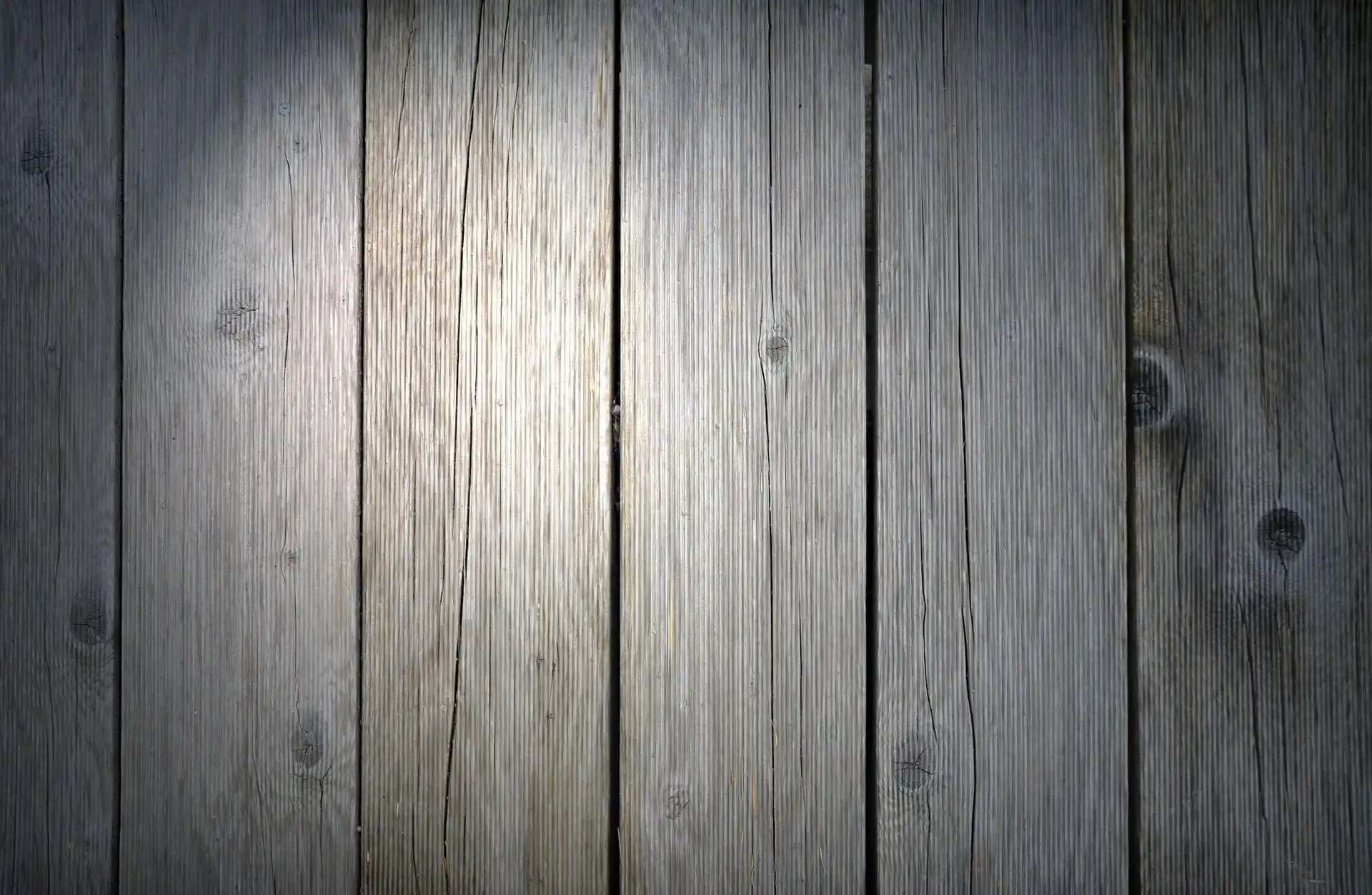
Both Red and White Oak flooring materials are readily available in both finished and unfinished forms.
2. Maple Wood Floors
There are a wide variety of maple tree species. This makes the flooring available in different grain patterns, and texture.
On average, maple wood has a Janka rating of between 700 and 1450. You will need to confirm the specific rank of the wood you purchase with your supplier. The difference in score means some of the wood types will be more susceptible to damage and expansion and contraction in extreme temperatures and humidity. Hence, some maple floors will be unsuitable for high traffic and exposed areas.
Maple floors are beautiful because of the swirling grain patterns. They are even more expensive than Oak flooring materials. However, if the grain creates an un-uniformed profile on the finished floor, consider going with a stained finish. The color of the raw wood is available in light hues of beige, tan or gray.
If you settle for the 1450 side rated maple floors, remember you might have a harder time getting the stain to be absorbed. Also, maple floors require to be treated with conditioner first before the stain is applied. To avoid disappointment, go for the pre-finished maple planks.
3. Hickory Wood Floors
Hickory floors are one of the more expensive floors to install. The reason behind the pricing is that the hickory flooring is both exquisite and durable.
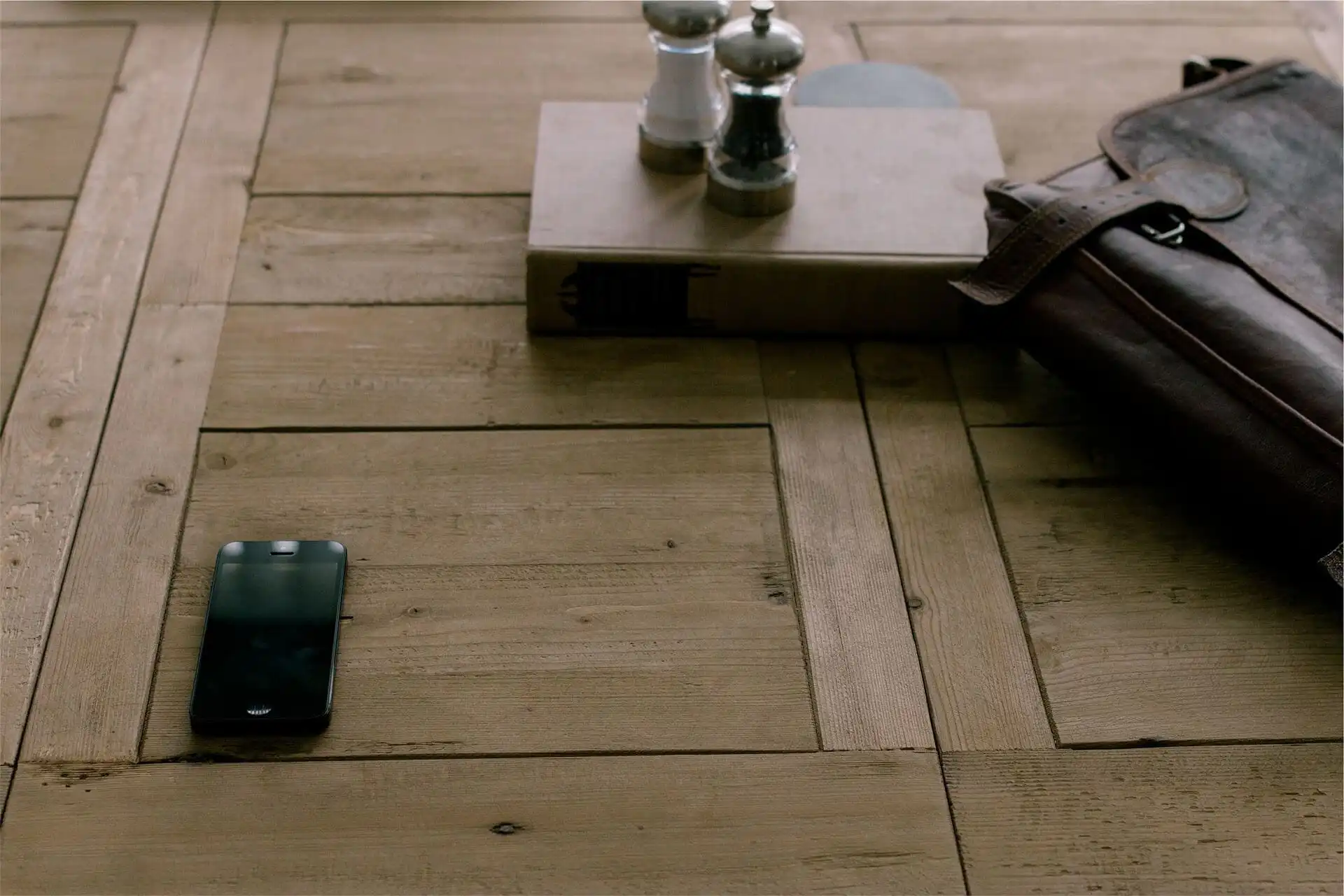
With a Janka hardness rating of 1820, the floors can be difficult to work with and so contractors may charge you more for the installation. The wood can withstand great manipulation by both temperature and humidity without much damage to the integrity of the planks. This rating also means that once the floors are installed, the floor requires minimal maintenance work. Also, because the level is hard and resistant to dents, it can last even for generations. With Hickory floors, you will definitely be getting your money’s worth.
The grain structure appears in strong and multiple knots. Hence, if you want a cleaner look, consider going for longer and broader planks. Small and numerous planks will make your space look noisy. The raw wood colors, on a single board, range from beige to brown to red. Staining will also require conditioning first to soften the wood temporarily and to allow the color to take.
4. American Cherry Wood Floors
With a Janka hardness rating of 950, Cherrywood is considered one of the softer hardwood flooring materials. However, it is a pricy flooring to pick. The surface of the wood is susceptible to light and darkens on exposure. This characteristic adds an aesthetic appeal to its already captivating deep reddish brown color.
The wood is suitable for homes and areas with little traffic, and also children and pets are more likely to cause damage to the beautiful wood.
The wood is also susceptible to damage from temperature and humidity due to its porosity. However, the shrinkage and expansion usually don’t affect the wood’s dimensional stability.
Cherry hardwood floors are also captivating because of the unique grain patterns. Make sure you choose floor boards wide enough to showcase the natural grain beauty. Also, although you can select a stained finish, you can also opt for clear finishing to leave the natural grain patterns as a design.
Remember to let the whole floor shade and settle in natural light before placing an area rug, preferably in five to six months.
5. Bamboo Flooring
Although Bamboo is technically not hardwood, but a grass, it is used as an alternative to hardwood flooring. The hardness rating falls between 1200 and 1400 depending on the manufacturer. Engineered bamboo wood is manufactured from compressed strips to make wooden planks.
Concerning availability, most bamboo flooring products are shipped from China so you will have to confirm with your local supplier of its availability.
Since the type of flooring is manufactured and the hardness varies, it is advisable to buy pre-finished planks of bamboo. They are available in many colors, styles, and finishes, so be sure that you will find one that complements the style of your home.
While shopping for bamboo products, you will have to be more careful because the planks are not naturally occurring. Confirm the information regarding warranties and hardness ratings. Usually strand woven Bamboo is the most durable even harder than Red Oak.
6. Black Walnut Wood Floors.
Do not confuse the Black Walnut wood flooring from Brazilian Walnut wood, which is much harder, expensive and not as available. However, the Black Walnut is still as magnificent and not as cheap as oak either, and it is easy to see why. The color of the wood is available in shades from light to dark brown, and the pattern of the grain creates a beautiful crisp finish that blends well with any design style especially because the floor plank’s grain patterns vary only slightly giving a consistent look.
The hardness rating is 1010 which is pretty soft for a hardwood. However, this makes it easier to install and stain.
7. Pine Wood Flooring.
Pine is one of the most abundant forms of wood flooring which is attributed to their rapid growth.
You can choose the flooring between either Eastern White Pine or Southern Yellow Pine, although there’s not much of a difference besides the hardness. The average hardness rating of these types of pine wood falls between 690 and 870. However, there exists a harder variety, the Heart Pine. Derived from the center of the tree such wood flooring has a hardness rating of 1225.
One advantage of installing pine wood flooring is that the aesthetic beauty gets better with age. The grain pattern is in the form of knots and lines. Pine is also easy to stain so you can change the finish as often as you like.
8. Douglas Fir Wood Floors
Douglas Fir flooring materials are one of the least expensive to purchase and install. The low pricing can be attributed mainly to the soft nature of the wood. The hardness rating is only 660, the weakest in our list. The weak hardwood requires maintenance and is not suitable for high traffic areas, or even homes with kids and pets.
While it is a fragile wood for floors, it is most definitely exquisite to look at. The raw wood is available in various tones of gold, orange, red and brown and the color also darkens with age. The grain pattern and texture is relatively uniform so the aesthetic appeal will not be lost on you.
Before you make a final decision, it is important to consult with friends as well as experts on both aesthetic, practical and mechanical considerations. Remember this is a permanent fixture in your home and so whatever you go with should compliment your style and also feel right to you. All in all, there goes a lot of decision making while choosing flooring. We hope this guide makes the work more manageable for you.