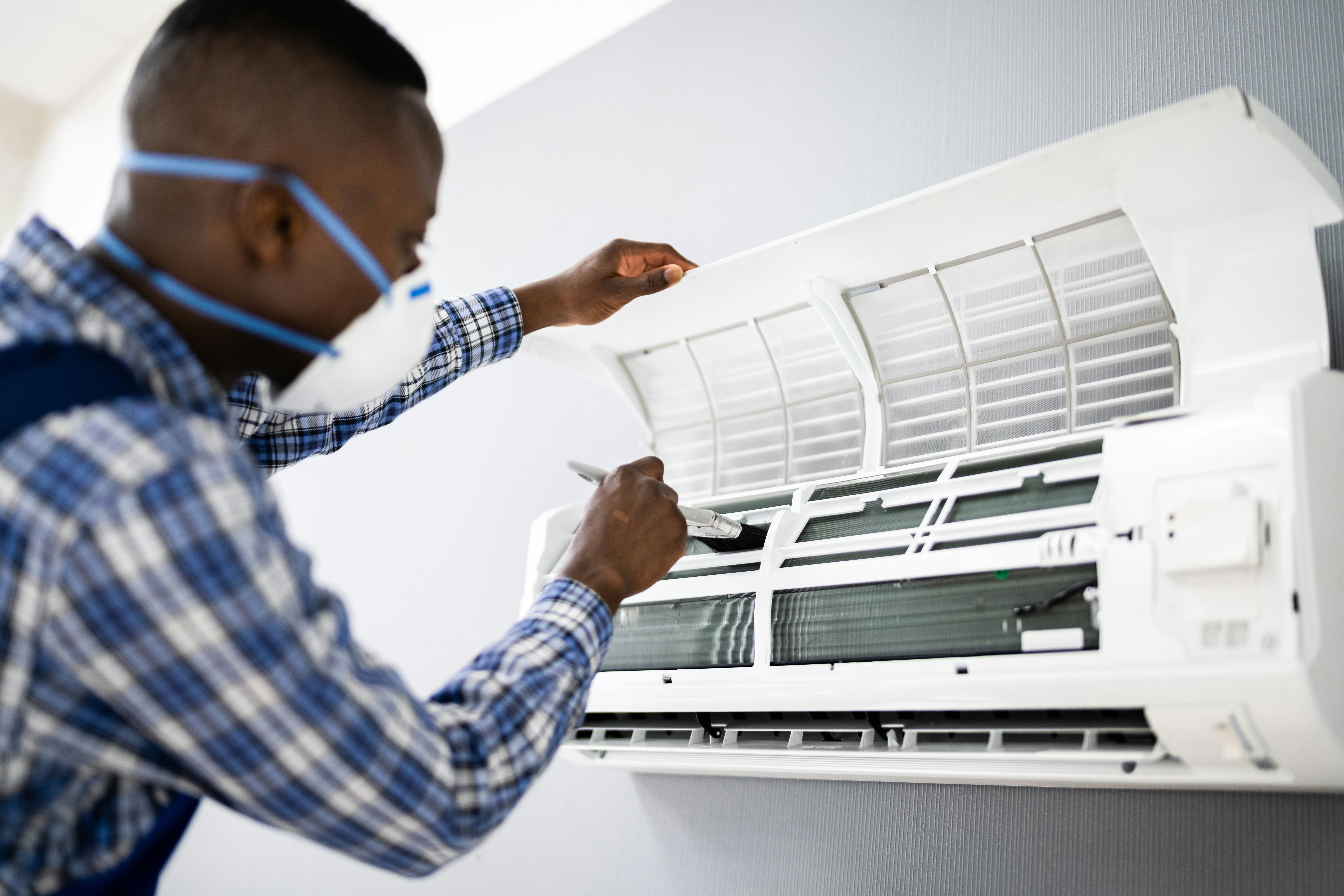
Proper HVAC planning isn’t just about temperature control, it’s about how air moves through a room to create comfort, balance, and visual harmony. Thoughtful vent placement turns an ordinary space into one that feels effortless and well-designed from every angle.
Smart Air Vent Placement for Comfort and Style
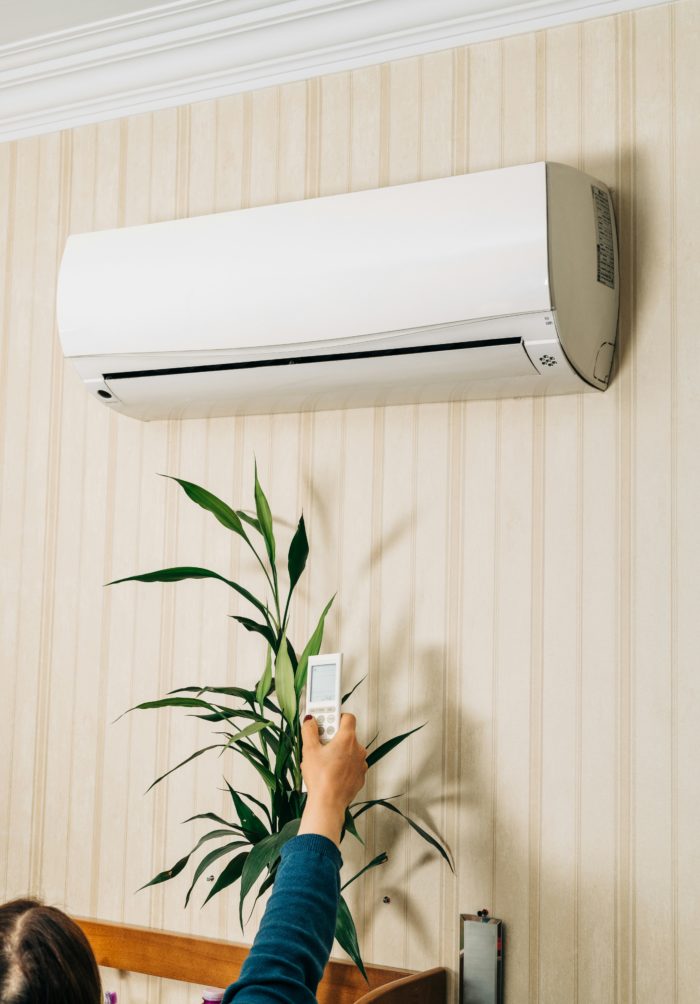
Vent placement affects far more than how air moves, it dictates how comfortable a room feels and how visually balanced it looks. From a functional standpoint, air vent placement needs to create a consistent temperature across the space; poor placement leads to hot and cold zones, drafts, and invisible chaos, one chair freezing, another area still, curtains constantly fluttering.
From a design perspective, vents influence sightlines and symmetry just like lighting or furniture. A vent centered awkwardly on a wall or blowing air directly at a couch can make the space feel off-balance. The best designs treat vents as part of the architecture, positioned where they quietly do their job without drawing attention or disrupting the room’s layout.
Vents are part of the room’s invisible geometry, dictating how people use the space, where they sit, how they move, how comfortable they stay. The best interiors are designed around that invisible physics and airflow design, blending comfort and aesthetics through intentional air vent placement.
Finding the Best Return Air Duct Location
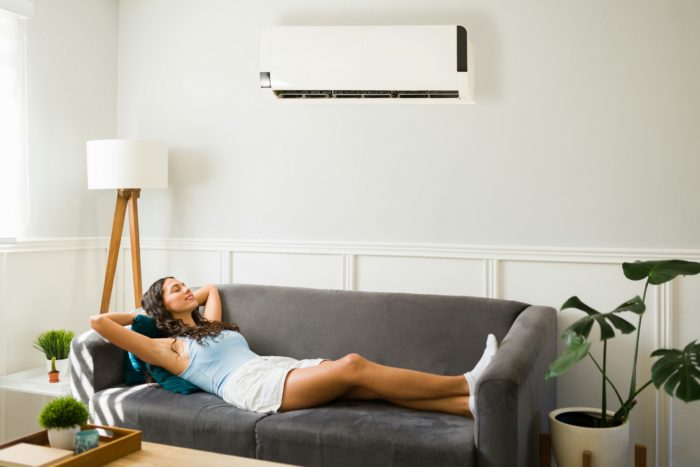
Ideal vent placement depends on several interconnected factors, from architecture to human behavior. Room shape and size determine how evenly air circulates; larger rooms need multiple vents to prevent dead zones, while smaller spaces often benefit from one well-placed vent near an exterior wall. Window and door locations also matter, since vents should offset heat gain from sunlight and avoid interference from doors that alter air pressure. Ceiling height and insulation affect how air moves vertically, in rooms with high ceilings, vents must direct airflow downward to keep warm air from collecting above. Furniture layout influences performance too, because airflow can’t pass through large pieces like sofas or cabinets, making it essential to finalize vent locations after the layout is set.
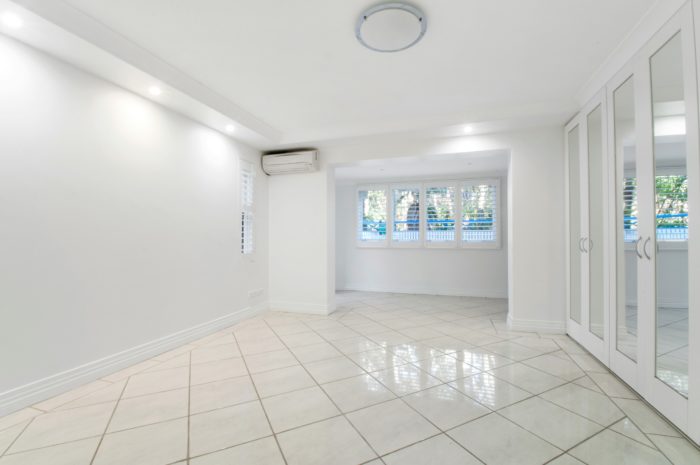
Designers and HVAC professionals often collaborate at this stage because what looks balanced on paper doesn’t always align with how people actually use a room. Most people focus on dimensions, but in reality, airflow success depends just as much on behavior and architecture. Where people sit, sleep, or gather shapes airflow zones, while materials such as concrete floors or heavy drapery can disrupt natural thermal movement. Pressure imbalances caused by closed doors, tight seals, or open-plan layouts can trap air in certain areas. In high-design spaces, aesthetics also come into play, vents often follow the rhythm of moldings, beams, or visual symmetry to maintain both architectural integrity and air balance. It’s not just a technical choice; it’s a fusion of physics, psychology, and airflow design.
When it comes to return systems, the return air duct location determines how effectively the system can recirculate air throughout the space. A poorly planned return air duct location can lead to uneven temperatures, while a well-placed one supports smooth circulation and balanced comfort.
Airflow Design Tips for Perfect Air Return Vent Placement
Supply vents, the ones that blow conditioned air, work best on exterior walls or near windows, directing air toward the center of the room to counteract temperature changes caused by outside conditions. Air return vents, the ones that pull air back into the system, belong on interior walls, ideally across the room from the supplies, to create a steady loop of air movement: fresh air in, stale air out.
In multi-story homes, supply vents on upper floors often go on the ceiling (since cool air falls), while returns on lower floors can sit near the floor (since warm air rises). The goal is a circular, balanced airflow design that keeps temperatures stable throughout the home.
Think of supply and air return vents as a partnership, one sends air, the other collects it. The secret isn’t their individual location, but the path air travels between them. Supply vents should introduce air along the perimeter, aimed toward the occupied zone without blowing directly at it, while returns should be placed where air naturally gathers, near doors, hallways, or the opposite wall from supplies.
Designers who plan the journey of air, not just the vent spots, achieve better temperature stability and quieter systems, the subtle difference between a space that just meets code and one that feels intentionally comfortable. That’s the art of effective air vent placement.
AC Wall Vents vs. Floor and Ceiling Vents
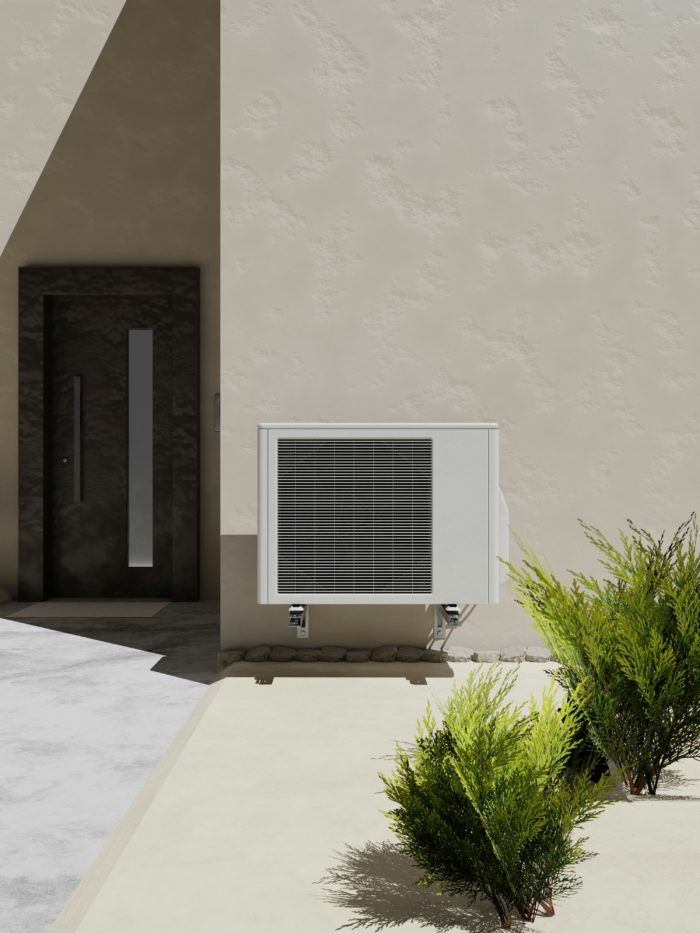
AC wall vents work differently from floor and ceiling types, and each influences how a room feels. Floor vents work best in heating climates since warm air rises, but they can reduce cooling efficiency if furniture blocks them. Ceiling vents suit cooling-dominant regions because cold air naturally sinks, offering even coverage. AC wall vents provide a balanced option for mixed climates, especially when placed about 6-12 inches below the ceiling.
Performance depends less on vent type and more on airflow direction. A vent that blasts air straight down or sideways can create uneven comfort, while diffusers or directional grilles let you “aim” airflow without moving the vent itself.
Each vent type also affects how a room feels. Floor vents create a cozy, radiant warmth as air moves gently upward. Ceiling vents deliver crisp, fast cooling but can feel breezy or sterile if not balanced. AC wall vents, when angled correctly, offer the most neutral, hotel-like comfort.
The real differentiator isn’t where the vent sits, it’s how air exits it. Adjustable diffusers, curved blades, or multi-directional vents can completely change the room’s feel without altering the ductwork.
How HVAC Intake Vents Affect Room Design
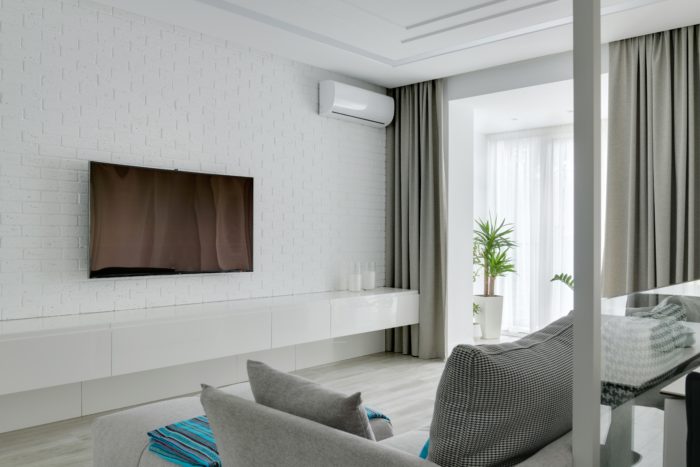
Poorly placed vents can throw off symmetry or force awkward furniture arrangements, while smart vent integration can actually support good design. Aligning vents with ceiling beams, trim lines, or window tops makes them feel intentional. Painting vent covers to match the wall, recessing them, or upgrading to decorative or minimalist linear grilles can make them disappear entirely or serve as subtle design accents.
Think of HVAC intake vents as architectural punctuation, they shouldn’t dominate the sentence, but their placement changes how everything reads. Smart placement follows architectural rhythm, aligning HVAC intake vents with window headers, door casings, or ceiling beams so they visually belong.
High-end designers treat HVAC intake vents like trim, color-matched, recessed, or styled to blend with the room’s geometry. It’s less about hiding them and more about making them intentional, the way good typography quietly reinforces a page layout.
Under Cabinet Duct Ideas for Seamless Vent Integration
Never block airflow. If a vent must sit under a cabinet or bench, use a under cabinet duct setup, a toe-kick grille, louvered cutout, or hidden duct channel venting through trim gaps, furniture bases, or recessed slots. These details let air move freely while keeping the design seamless.
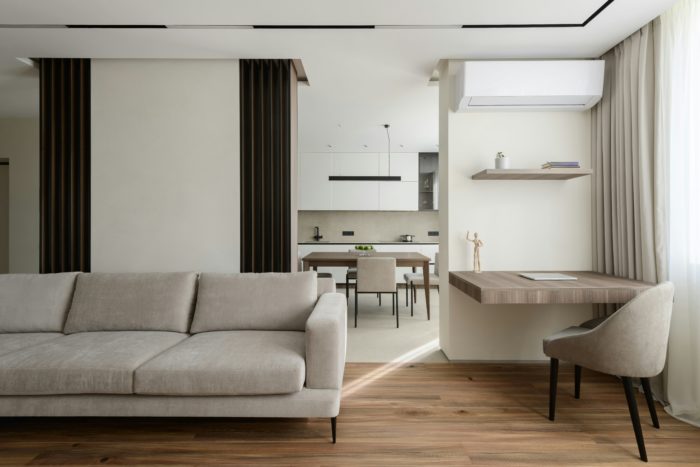
Plan early, once cabinetry is installed, moving ductwork becomes expensive. HVAC placement should be part of the millwork design phase, not an afterthought. When furniture does sit close to a vent, magnetic deflectors or directional inserts can redirect air forward instead of letting it stagnate underneath.
Done right, vents can coexist beautifully with built-ins, they just need room to breathe. The key is collaboration: carpenters and HVAC pros working together from the start. With early coordination and a bit of material mindfulness, like using metal or slotted inserts instead of solid wood panels, it’s possible to maintain both thermal performance and aesthetic harmony. A thoughtful under cabinet duct setup enhances both design and function without compromise.
What Is Return Vent?
A air return vent pulls air out of a room and back into your HVAC system to be filtered, cooled, or heated again, while a supply vent pushes that conditioned air into the room. Think of it like inhaling and exhaling, both are essential for balance.
Without enough air return vents, air pressure builds up, making some rooms stuffy and others drafty. When there’s too much “exhale” (return) and not enough “inhale” (supply), rooms feel noisy and unbalanced; too much “inhale” creates pressure pockets that make doors slam or even reverse airflow. A well-balanced system maintains a steady pulse, subtle, silent, and healthy, keeping air cycling efficiently so the HVAC system doesn’t work harder than it should.
You can often tell if a home’s airflow is off by how doors behave: if they shift or move when the AC kicks on, the return air duct location likely needs adjustment.
What Does A Return Vent Look Like?
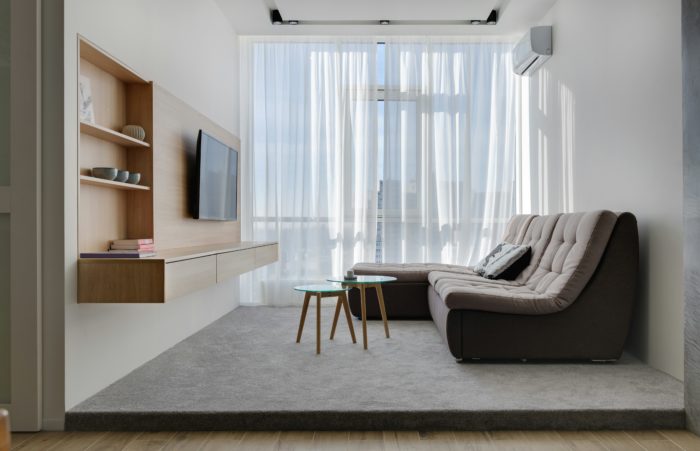
Air return vents are usually larger than supply vents and lack directional louvers, featuring flat, wide grilles with slightly angled slats for airflow. They’re typically placed on walls, ceilings, or near stairways.
In modern homes, returns are often hidden behind slatted millwork or integrated wall panels, a functional yet design-forward approach that signals the HVAC intake vent and airflow were planned as part of the architecture, not added later.
How Many Return Vents Do I Need?
Most homes need one large return per major zone, upstairs, downstairs, or each wing. As a general guideline, aim for at least one air return vent per 300-500 square feet of conditioned space, but layout and airflow design matter as much as count. Returns should be sized and placed for air volume, not just coverage; a single oversized vent can leave corners stagnant, while two smaller returns positioned across traffic paths often create a smoother, quieter draw.
Can You Put Furniture Over A Floor Vent?
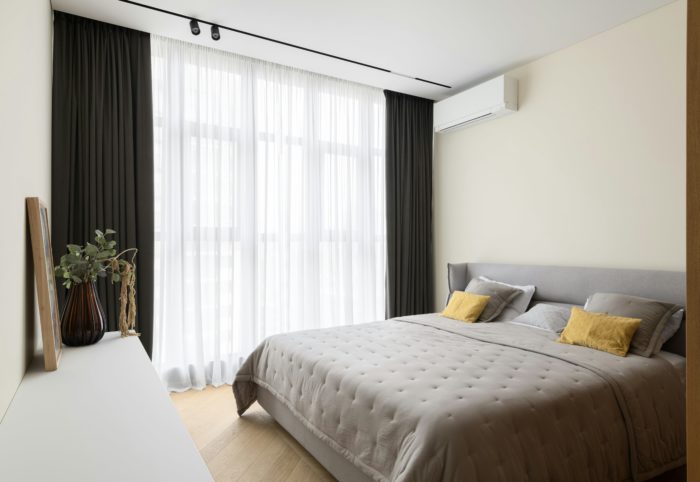
It’s a mistake to cover a floor vent entirely, doing so traps air, strains your HVAC system, and disrupts pressure balance across the whole system. It’s like plugging one nostril and wondering why your breathing feels off. Uneven temperatures, excess moisture, or noisy airflow often follow.
If space is tight, you can design around vents rather than smother them. Elevate furniture with legs to let air move freely underneath, or use low-profile vent extenders to redirect airflow from under furniture. In built-ins, extend duct runs with side outlets or under cabinet ducts to maintain circulation without breaking the visual flow.
The goal isn’t avoiding vents, it’s designing with them, so furniture and air vent placement coexist without compromise.