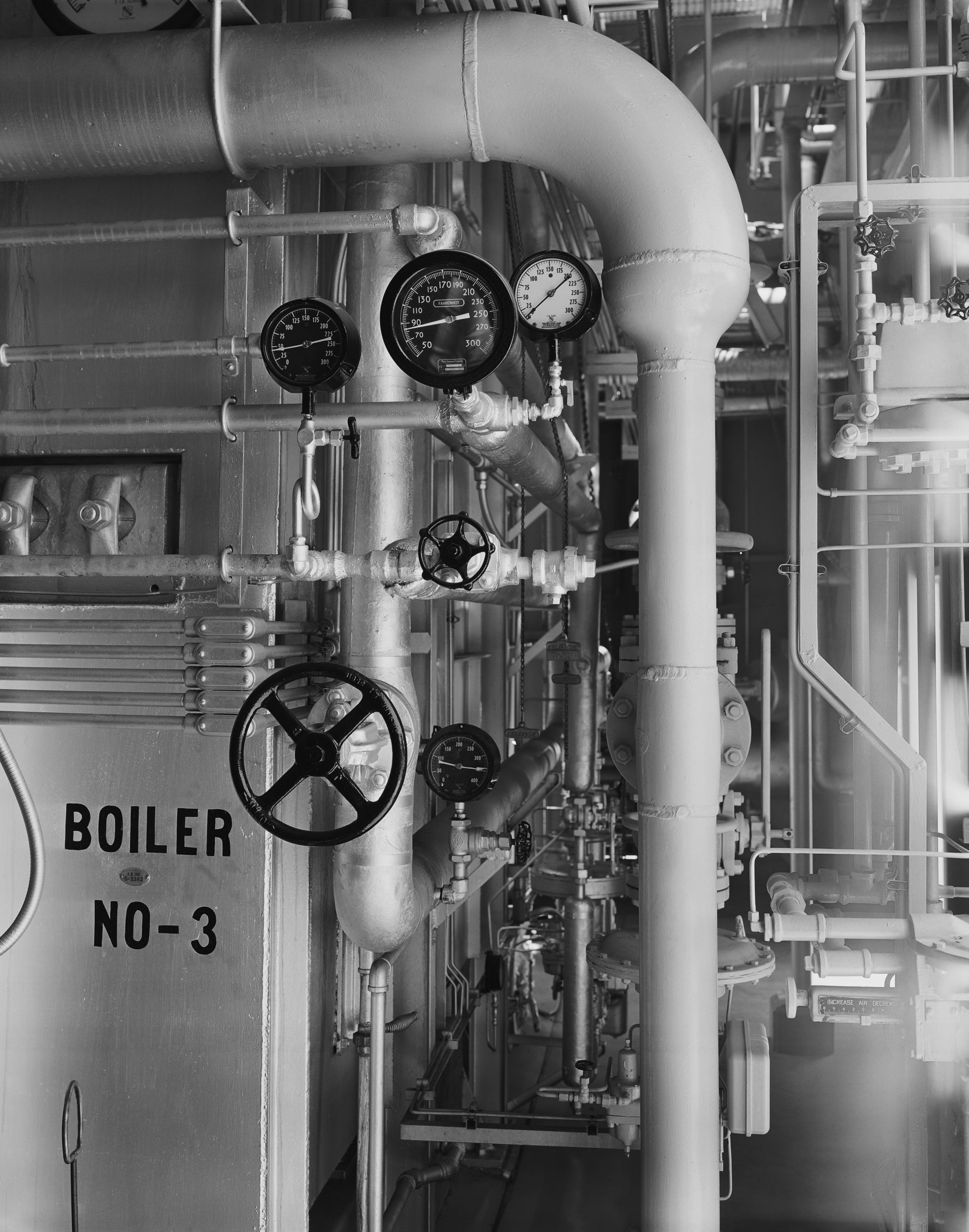
The Real Difference Between Boiler and Furnace Systems
A furnace uses forced air to heat your home, it warms air, then circulates it through ducts using a blower fan. A boiler, on the other hand, heats water and distributes that heat via radiators, baseboards, or in-floor tubing. When considering boiler installation, homeowners often focus on efficiency or cost, but the real advantage lies in how radiant heat feels compared to forced air.
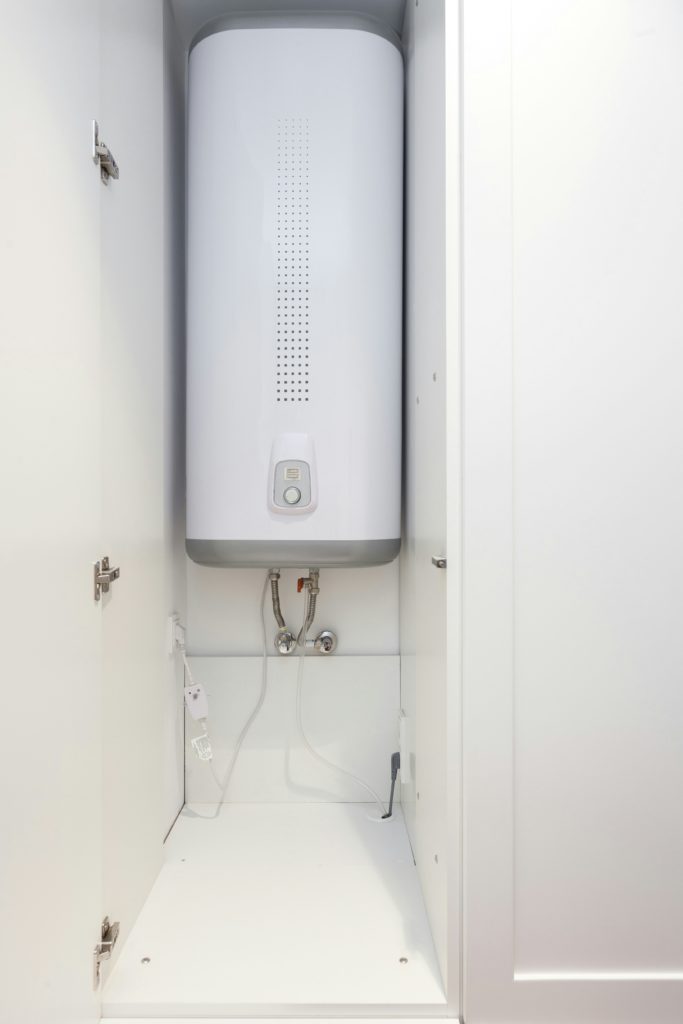
But beyond the obvious air-versus-water difference, the real distinction lies in how the heat feels. Furnace heat is more immediate but dries the air and can create temperature swings. Boiler heat is radiant, it warms surfaces and objects evenly, creating a steady, enveloping warmth that feels more natural and less “blasty.” It’s the difference between a hot gust of air and a cozy, consistent warmth that seems to come from everywhere.
A furnace fills a space with moving warmth, you feel the temperature change. A boiler creates settled warmth, you feel the environment change. Furnaces create comfort that responds. Boilers create comfort that lingers. The difference between boiler and furnace systems goes far beyond mechanics, it defines how a home feels in winter.
Why Homeowners Misunderstand the Boiler Versus Furnace Debate
Because most people think about temperature, not how that temperature feels. HVAC decisions are often made around BTUs, efficiency ratings, or price tags, not around comfort quality, sound, or aesthetics.
Most homes in the U.S. are built with ductwork already in place, so furnaces are the default. Few homeowners ever experience radiant heat unless they’ve lived in an older home or a high-end remodel. So the subtle benefits of boilers, like silent operation, balanced humidity, and dust-free warmth, rarely enter the conversation until someone’s already bought the system.
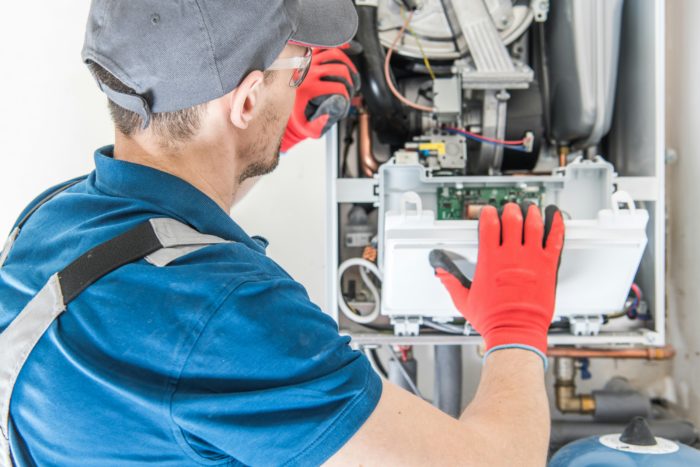
Heating has always been sold as a utility, not an experience. Builders focus on construction logistics, and people compare numbers, efficiency ratings, installation costs, instead of the quality of the heat itself.
So most homeowners never realize that choosing a furnace or a boiler isn’t a technical choice, it’s a lifestyle choice. It decides whether your winter mornings feel like stepping into a warm breeze… or into a sunlit café. Understanding the boiler versus furnace experience helps homeowners choose based on comfort, not just cost.
How Boiler Design and Furnace Design Shape Comfort and Style
Furnace systems impact design because of ductwork, they require vents and returns in visible locations, which can limit where you place furniture or art. Forced-air systems also push dust and allergens through the home, affecting air quality and cleanliness.
Boilers, on the other hand, don’t move air at all. No ducts, no vents, and no airborne dust. This means quieter rooms, cleaner air, and the freedom to design spaces without worrying about blocking vents.
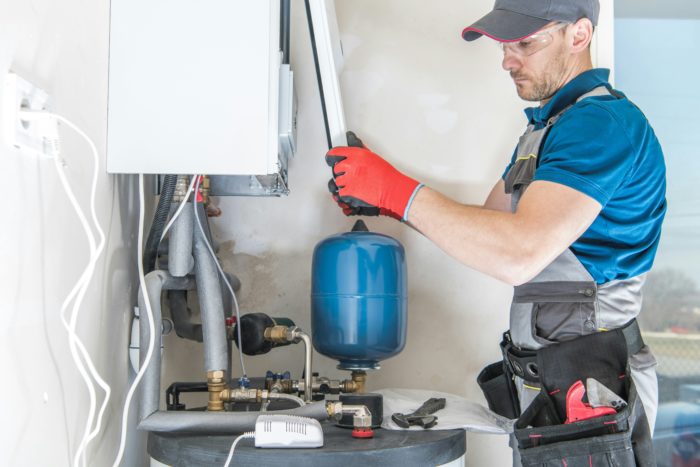
Comfort-wise, furnaces deliver quick heat, while boilers deliver steady comfort. A furnace might feel warm faster, but a boiler makes a room feel like it’s “holding” the warmth, more like sunlight through a window.
A furnace shapes the rhythm of a space, it requires visible components that influence furniture placement and even paint choices (dust streaks around vents are real). It also changes how you breathe at home, moving air means more dust, allergens, and dry skin unless balanced with humidification.
A boiler disappears into the architecture. No airflow noise, no pressure zones, just still, symmetrical rooms where comfort feels designed in, not bolted on.
Boilers create stillness; furnaces create circulation. Both change how a home feels beyond temperature. In terms of boiler design and furnace design, each influences not just comfort but also how space is used and experienced.
The Hidden Boiler Design Advantage Homeowners Overlook
The hidden advantage of boilers is thermal design flexibility. Because radiant systems heat surfaces, not air, they allow for open layouts, large windows, and minimalist interiors without sacrificing comfort. Designers can use more glass or metal, and homeowners can keep ceilings high or rooms draft-free without needing visible vents or registers. Boilers also offer a psychological edge, radiant heat is silent and consistent, creating spaces that feel calm and still. Your body relaxes faster without the hum of a blower or bursts of dry air. It’s subtle, but it changes how people behave in a room, conversations slow down, evenings feel quieter, reading nooks feel cozier.
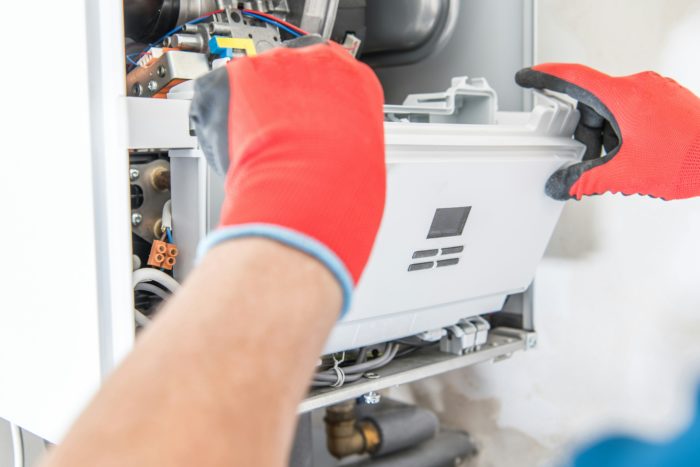
Furnaces, on the other hand, excel in zoning and adaptability. Modern forced-air systems can be paired with smart thermostats, dampers, humidifiers, air purifiers, and even scent diffusers, features that allow precise control over comfort and air quality, especially in multi-story homes.
Most people miss these advantages because HVAC discussions rarely include design thinking, they focus on specs and numbers instead of how a home feels and lives. The difference between boiler and furnace systems is also a difference between design philosophies, one centered on stillness, the other on responsiveness.
How Boiler Versus Furnace Choices Impact Home Layout
Boilers shine in open-concept or architecturally distinctive homes, think lofts, townhomes, or spaces with tall ceilings, floor-to-ceiling windows, or minimal wall space. They’re also perfect for older homes with thick plaster walls that don’t easily accommodate ducts, or for interiors designed around sensory experience, minimalist spaces, art-heavy rooms, or homes where sound and temperature matter equally.
Furnaces excel in multi-level or adaptive layouts, family homes with additions, second floors, or mixed-use zones that need zoning flexibility and rapid temperature response. Their strength lies in integration: adding air conditioning, filtration, or humidity control is far simpler through ductwork.
So, if you’re designing around serenity and aesthetic freedom, radiant heat feels like part of the architecture. If you’re designing around activity and adaptability, forced air becomes part of the lifestyle. Understanding boiler versus furnace layout advantages can guide both comfort and design planning.
Energy and Maintenance: The Difference Between Boiler and Furnace Costs
Efficiency depends on fuel type, system design, and insulation, but here’s the general breakdown:
Modern condensing boilers often achieve 90-95% efficiency, and because radiant systems lose less heat through ducts, they can outperform furnaces in real-world use. High-efficiency furnaces also reach 95%+, but duct leaks, which can waste 20-30% of energy, often reduce that advantage.
Efficiency isn’t just about fuel, it’s about retained comfort. A furnace might technically be 96% efficient, but if duct leaks or uneven airflow create hot-and-cold zones, your comfort “efficiency” drops. Boilers lose less through distribution and their heat lingers longer, cycling less often and maintaining temperature more smoothly, subtle but real savings over time.
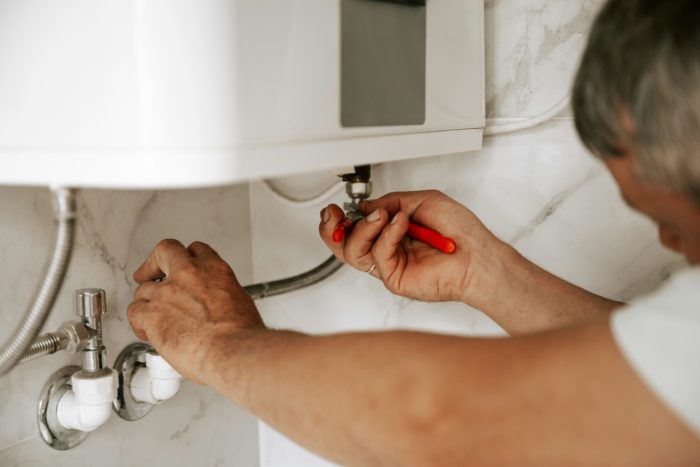
Maintenance-wise, furnaces need more frequent attention, filters, blower motors, and duct cleaning, while boilers require less frequent but more specialized care, like checking for corrosion or sediment buildup. Over 15-20 years, costs usually even out, but boilers tend to last longer: 25-30 years versus 15-20 for furnaces. A well-maintained boiler can quietly outlive two furnace replacements. When comparing the difference between boiler and furnace longevity, boilers often win on lifespan and stability.
Smart Boiler Design Upgrades Without Full Replacement
You don’t have to choose one or the other entirely.
Homes with furnaces can add radiant heating zones, like hydronic floors in bathrooms, kitchens, or basements, for targeted comfort. Homes with boilers can add ductless mini-splits for cooling or spot heating, maintaining clean air while improving flexibility.
Architects and HVAC designers increasingly use hybrid systems to balance comfort, aesthetics, and cost, pairing radiant floors (fed by a small boiler loop) with a furnace or heat pump that handles air movement and cooling. Bathrooms, entryways, and basements get that radiant warmth; living areas keep air-based control.
Even without new infrastructure, homeowners can use design tricks, heat-retaining flooring, smart humidity control, or strategic vent placement, to mimic radiant comfort in a forced-air home. These hybrid boiler design upgrades are often a way to merge efficiency with comfort.
You don’t always need to switch systems; sometimes you just need to reframe how your home delivers heat.

Questions to Ask About Boiler Versus Furnace Before You Buy
Homeowners should go beyond the typical “Which is cheaper?” or “Which is more efficient?” and ask questions that touch on how they want their home to feel and function:
“How will this system affect my air quality, humidity, and noise levels?”
“Can it support my interior design and layout, or limit it?”
“Can I zone or combine this with radiant or mini-split systems later?”
“What’s the real lifespan and maintenance cycle for this model in my climate?”
“How will this choice impact my energy use or resale value long term?”
“What does comfort mean in this system, quick reaction or lasting stillness?”
Because choosing between a boiler and a furnace isn’t just an HVAC decision, it’s a design decision disguised as a mechanical one. Understanding boiler versus furnace trade-offs and how boiler design and furnace design shape your home ensures you’re choosing comfort that fits your lifestyle, not just your utility bill.