Category: Architecture

  • Management of a small architecture firm

    Management of a small architecture firm

    small architecture firm

    Speaking about skill, there isn’t a big difference between a small Pakistani architectural firm and a large corporation. If you’re passionate about making an architecture firm, it is ensured that you have the skill to make unparalleled designs. However, out-skilling your competition alone cannot guarantee whether you will be a successful firm. It may seem counterintuitive but being a great architect and being a great booming business is not the same thing. That is why along with being an architect; one has to be an entrepreneur and a business leader before they can expect any growth in their company. For this end, management of a firm, that is, how you run your small business is the key to becoming not only a skillful architect, but also a successful one.

    Better get professional services for your architecture marketing since they have a better understanding when it comes to outlining your goals and engaging future clients to build your firm.

    Start with end-goals

    When setting up a small firm, you should know what your end goals are. How would you want the business to grow? What type of work would you be doing? Will you target a niche market or are you going to hunt for any contract available? Ideally you will have answered these questions before you start the work. It’s best to know what your end goals are and work to achieve those end goals instead of making a business and hoping for the best.

    Similarly, making a profit plan should be something you should do at the start so you know what kind of revenue you generate versus what you plan to generate. This sets a goal profit which you should be achieving as it includes how many employees you have and their salaries, along with other company expenses like office space, money used on materials, etc. This will help you prepare for the expenses in advance and will set a precedent for your work. It will also help you manage your finances in a more organized manner and prepare you for unforeseen expenditures.

    Market yourself

    Yes, for a small firm you won’t have a lot of employees and different specialized departments. But aside from the core architects team, a marketing executive is one person you most definitely need to hire. This may seem like an unnecessary expense, but marketing is a time consuming and dedicated task. Especially if you have no previous marketing experience, dedicated marketing personnel will help you with the image building of your firm to make it a recognized brand. It will help you reach your targeted audience and form ties with other potential clients, making the firm to grow and expand its business.

    In modern times, the definition of marketing has grown much more than what it originally was. A person with marketing experience or knowledge can make and handle your social media pages and optimize your customer relations. They can identify competitions and exhibitions where your firm can show off the designs which are an important aspect of your firm. And most importantly they will do all this without making you stressed about it and you can focus on other more daunting tasks. Companies without proper marketing strategies cannot compete with those who are more established and thus, have a better network.

    Be more business oriented

    For most small firms, customer care would be of the utmost importance. What you need to know however, is the difference between customer service and being run over. Here, your two roles need to be incorporated together. The architect in you and the businessman in you, both need to be equally assertive. The architect will be able to sell the designs and skills, but the businessman should be there, with his knowledge of financial management, should be able to charge for your services accordingly. Here your budget management and profit plan will help you charge according to exactly what you offer, and more importantly, would be able to justify what you are charging.

    The key here would be to draft the contract according to the services you are providing and what is off-limits. If the customer wants extra work done, he should be paying extra. Yes doing free ‘add-ons’ can be considered a marketing strategy, but only if the cost to the company is compensated in the expected profits. Instead of making a judgment call, discuss this with your marketing personnel or go over your budgets and financial books before you end up losing more money than intended.

    Importance of management

    Being business oriented can make you think that your architecture firm isn’t doing what you wanted it to, but without focusing on the business side of your firm, you would be a firm without direction. It would be like working on a great project without knowing where your project is supposed to go. Of course you can still reach the end, but the results would only be subpar compared to what you could actually achieve.

    Author Bio:

    Nabeel Abbas is an experienced author, having more than 9 years of experience under his belt, is currently contributing as a senior author for Amir Adnan Associates (http://www.ameradnan.com).


  • Custom Home Developers can Give Shape to your Dream Home in the Best Way

    Custom Home Developers can Give Shape to your Dream Home in the Best Way

    You build a home to let the world know about your tastes and style as well as your wealth. The kind of home you live in speaks a lot about your social standing. The home that you build should be unique and have features and traits that can be related to your living style. Your home is something special that you want to build with a lot of passion and would seek the services of best custom home builders in AZ, who can convert your dreams into reality without any glitches. You want every detail to be accurate and perfect, so that your thoughts and ideas are translated in the most vivid manner. You want to bask in the glory of your home that becomes the signature of your living style.

    Your expectations from the builder

    • Bringing your vision to life is obviously topmost in your mind when you search for a home builder. The builder should be trustworthy with competency and expertise in the subject of construction of custom homes.
    • You would like to see that the builder knows the trade very well and is able to understand your viewpoint about design and allied aspects in the right perspective.
    • You would like to have a very good working chemistry with the builder so that you have the desired comfort level in working with them.
    • The builder should also be knowledgeable enough to guide you so that you derive cost benefits that are surely not known to you.
    • The builder should be in complete control of the process from start to finish.Dream-Home

    Other skills

    The best custom home builders in AZ have many other skills besides knowing the intricacies about construction. It is more than the engineering and technicalities involved in the process. There are a lot of activities that the builder has to undertake. Supervision of the construction including progressive inspection to identify problems, ensure compliance with different legalities and codes, supervise artisans and subcontractors, keeping tabs on regulations pertaining to zoning and scores of other activities related to quality construction. The builder has to co-ordinate and work with landscape architects, building architects, interior designers and decorators, specialty contractors and kitchen designers.

    The builder should possess high inter personal skills to be able to smoothly handle clients and complete the project on time, taking into consideration that there will be order amendments.Dream-Home-1

    Selecting a builder

    When evaluating a builder, there are several parameters that are to be considered. The experience of a builder matters a lot as also the number of projects completed. Get a list of all the projects that they have done including some current projects so that you can visit the site to see for yourself the quality of work they are doing. The builder should meet all legal requirements, have proper license and have employees and workers covered by insurance. In addition, safety and other statutory compliances have to be met.

    The best custom home builders in AZ can pursue your passion to perfection and give you the pleasure that you deserve from your dream home.

  • Influence of the British Monarchy on British Architecture

    Influence of the British Monarchy on British Architecture

     England’s architecture has certainly undergone myriad changes throughout the ages, and styles have often been shaped by notable shifts in social thinking. The Renaissance era, for example, witnessed a variety of architectural tastes throughout Europe, though England was slow to keep up, being quite fond of  Gothic traditions. While tracing Great Britain’s architectural history through monarchical figures is achievable, one can only go so far back in time before he runs the risk of making historical mistakes–the land’s beginnings are shrouded in mystery, and there have been many kings. However, distinct designs in lasting structures that were directly influenced by kings began gracing the landscape in the Middle Ages.The King's College Chapel of Cambridge University

    Buildings of the Middle Ages

    In 1078, on the orders of William the Conqueror, the construction of the White Tower–a symbol of Norman dominance–was begun. Though its defining whitewash is all but gone, this building is today considered the “hall keep” of the Tower of London complex. The King’s College Chapel (Henry VI) was begun in 1446, witnessed the Wars of the Roses, and was finished in 1515 by Henry VIII. This classic example of late Gothic architecture also marks the beginning of a transitional period in building styles.Hampton Court Palace

    The 16th, 17th, and 18th Centuries

    Under the rule of the Tudor monarchy, England found peace and prosperity. Architecture saw the final stages of Medieval design, and the development of more refined architecture, such as the depressed arch and fan vaulting. The King’s College Chapel, of course, is famous for its Tudor Arch.  There are many examples of Tudor and Elizabethan architecture throughout Great Britain, including Hampton Court Palace and Hardwick Hall.

    In the 1600s, Palladianism, (based loosely on a philosophy centered around a 16th Century Italian architect named Andreas Palladio), inspired such English architects as Inigo Jones, who designed the Queen’s House in Greenwich for the wife of James I. Of the Classical styles, Palladian architecture is the most unremarkable, though it was easily ahead of its time.

    In the 18th Century, England witnessed a new era and new styles when King George I and the Whigs took the throne. An example of implemented change may be found in Chiswick House, which may be considered Lord Burlington’s attempt to challenge the popularity of Baroque styles.

    Buckingham Palace

    Originally purchased by her husband, King George III in 1761, Queen Charlotte may have considered Buckingham House a comfortable place to raise her 15 children. Remodeling of what was then called “the Queen’s House” began in 1762. The estate has undergone several changes since then: in the 1820s, George IV demolished and replaced the north and south wings, and added the Marble Arch; after her marriage to Prince Albert, Queen Victoria added nurseries in the 1840s; the famous forecourt where the “Changing of the Guard” commences, as well as many gates and railings, was added around 1911, and in 1913, the Palace received a facelift to remove damage caused by soot.

    Today, modern English architecture, like that demonstrated by such noted companies as HNW, is influenced a bit less by the tastes and whims of the British Monarchy. However, these organisations do a great deal to ensure  England’s history and varying architectural styles are not lost, but conserved, while being blended with the needs and preferences of an ever changing world. Ironically, it is in this way that the influence of the British monarchy can still be felt in British architecture.


  • This shipping container market has more than an eye-catching design

    This shipping container market has more than an eye-catching design

    New Watford Market gives local entrepreneurs a chance to thrive inside a shipping container.

    Cargotecture is hot right now, and there’s a new container market in town.

    Container market Watford 4 Adaptainer

    Watford Market dates back to the 12th century but modern shipping container architecture has given it a new lease of life.

    Containers that were once used to transport goods from the Far East now have a very different future ahead of them.

    In total 42 containers were converted by Adaptainer and used like Lego bricks to create the striking development, which has containers arranged over 2 levels.

    Container market Watford 3 Adaptainer

    Each box was modified and fitted out to suit the needs of individual market traders, with some units even being used as restaurants.

    The upper food court level includes wooden decking, which gives you the feeling of being on a ship, so it’s a perfect match for the containers.

    When walking around the food court you’re greeted by wafts of freshly prepared cuisine from far flung places like Taiwan and Mexico.

    There’s also an atrium which gives you a bird’s eye view of the shopping activity below while you’re eating.

    Container market Watford Adaptainer

    Turning England’s rainy days into a design enhancement opportunity.

    England is known for its rainy weather so the open air market was given a canopy.

    The form of the canopy is beautiful in design as well as being practical.

    In the evening it’s illuminated, together with each of the shop and restaurant fronts.

    Container market 5 Adaptainer

    Its lighting gives you a different feel to the market compared to a daytime visit, making it look even more impressive.

    After walking around Watford Market I felt I’d seen something out of the ordinary.

    Perhaps it was the fact that a simple steel box intended for use transporting cargo from one place to another had now become something entirely different.

    Container market Watford 6 Adaptainer

    Local entrepreneurs benefit from reduced cost of building with shipping containers.

    Peter Williams who runs the stall Shuying said, ‘I think the new Watford Market is more modern than the old Watford Market, it’s unusual and up to date’.

    The cargotecture design is a unique look for the market, but there’s also another upside.

    Local entrepreneurs now have an affordable town centre location to sell from.

    Space can be rented from just £24.00 per day, so it’s not out of reach for many start-ups.

    Good design and practicality have married together here, I hope to see more container markets like this one from Adaptainer in the future.

  • Why modular classrooms might just be the best long-term investment you make

    Why modular classrooms might just be the best long-term investment you make

    Many educators across America are of the opinion that modular classrooms are an asset to schools that are not only just starting out, but also those looking to expand. There are some obvious reasons why portable classrooms make sense and some you might not have considered yet. What makes modular classrooms a smart option for schools and how are they a good long-term investment? There are 3 primary reasons why modular classrooms might just end up becoming the best long-term investment you make this year. Let’s take a look at these reasons.

    • Modular classrooms are the most accommodating choice

    Modular classrooms can be customized to accommodate any class-size, big or small. This particularly comes in handy with schools that are just starting out. Schools looking to expand can do so with minimum costs incurred. The best part about modular classrooms is that they can either be permanent or flexible, depending on the need. So let’s say your school is undergoing renovations, or certain classrooms need modernization or if it’s undergoing infrastructural changes due to budget-cuts, modular classrooms are the convenient, accommodating choice.

    • Modular classrooms are far more cost-effective in comparison to traditional constructions

    For starters, if you’re already working with a tight budget, modular classrooms definitely make the smarter, cost-effective choice. Modular classrooms are designed to fit your preferences, be it preference of size, customization or even budget. Furthermore, the choice to either rent or buy these modular spaces makes them an easy solution for schools to add new buildings to a school campus on really short notice. Additionally, one thing modular classrooms have going for them is the quick construction time. Modular classrooms are mass produced in warehouses and are then transported to the desired location for assembling. These constructions can be completed over a period of a few short months, as compared to traditional constructions that could take a few years for completion. Construction time and costs are drastically cut down making modular classrooms a convenient choice for schools.

    • Modular classrooms are an environment-friendly friendly

    This shouldn’t come as a surprise if you take construction time and method into consideration. All modular constructions are required to adhere to the federal codes as set down by the U.S. Department of Housing and Urban Development (HUD) and are built in controlled conditions in warehouses. Construction of these buildings can be complete in a matter of a few short months which means reduced construction waste. Companies such as Mobile Modular use recycled materials in the production of all their modular spaces. Furthermore, they make use of self-adhering recycled tiled that emit no volatile organic compounds. And it doesn’t just end there, more and more companies today are building modular spaces using eco-friendly HVAC technology to reduce overall energy consumption.

    We’re living in a world where energy conservation and smart thinking is the need of the hour. Thankfully, modular classrooms help you do just that, contribute towards conserving the environment and reduce waste, all the while having all your construction needs met with ease!

  • The staircase that makes a ‘green’ statement

    The staircase that makes a ‘green’ statement

    Sustainable design is a term we are hearing quite often these days and it encompasses many aspects: from the raw material extraction to the material processing, assembly and use. There are many ideas to furnish “green,” to follow the tendencies of interior design and to make the home contemporary and eco-friendly.

    Techne4

    Even the companies are gearing themselves towards habits that protect the environment: Fontanot is the Italian staircase designer that was born green and is prospering green. Their most stunning eco-friendly piece for the home: Techne. The staircase is a home staple and Fontanot introduces the world to its innovative masterpiece that’s easy on the eye as well as the environment. The Techne staircase is the product of extensive research and innovation, and is what the Fontanot team, dedicated to avant-garde design, calls a mix between aesthetics and functionality.

    Techne3

    The most unique aspect of Techne is its material: technopolymer. Techne is the first staircase in the world to be built using this plastic-like material that is 100% recyclable. Reinforced with fibreglass, it has an exceptional mechanical and shockproof resistance with a high tenacity, giving a green-minded interior designer everything they want in sustainable design: durability, low impact and stylishness.

    Not just a fixture inside the home, Techne is especially made for the outdoors as well. In addition to the sustainable materials used to create the staircase, particular attention was paid to coloring techniques for the stairs that come in a choice of white, red or green (could it be a coincidence they are the colors of the Italian flag?) By using an advanced coloring in the mixture process, the sustainable staircase is resistant to UV rays and atmospheric factors, perfect for weathering the cold, harsh winters, piping hot summers and everything rainy, snowy and dreary in between.techne 5

    Fontanot is in fact a company rooted in environmentally friendly design. At the end of their so-called “life cycle,” all their staircases may be broken down and subdivided, their single components recycled by material: iron, steel or wood. If you are an environmentally conscious decorator, or are simply interested in interior design and looking to go a bit more “green” in your decorating, look for sustainable designers who:

    Techne1

    Use wood certified by the FSC, which stands for the Forest Stewardship Council. They set standards to ensure responsible management of the world’s forests. Having this label, you can be sure that the wood products come only from responsible sources.

    Use water-based paints. They are becoming much more popular in sustainable design because they don’t need to be cleaned with harsh chemicals and solvents, reducing the emission of volatile organic compounds.

    Use bamboo. Yes, bamboo is the best-kept secret in eco-design. It grows quickly and naturally without the use of pesticides and fertilizers. At the same time, the growth of Bamboo improves the quality of the soil, a good option all around.


  • Easy Design Tips for Aspiring Architects and Interior Designers

    Easy Design Tips for Aspiring Architects and Interior Designers

    Architecture and interior design may be fields with required education, skills, and talents. Yet even if you have these three necessities, it’s still hard to be accomplished and prominent in the industry. But to help you with the basic and some secrets to success, here are easy tips for you as you aspire to become an architect or an interior designer.

     Easy Design Tips for Aspiring Architects and Interior DesignersAspiringArchitects(image source: pixabay.com)

    1. Establish a special concept.

    Being an architect or an interior designer may all be about skills and presenting an amusing design. But beyond these factors, creating a good story behind the design and construction makes your work more special.

    Establish a special concept by using your clients’ story or background. Portray the life, interests or personality of each client for them to appreciate the recommendations and work you do. Link those knowledge to the choices you’ll provide that will also help you make and accomplish your own portfolio with diversity.

    1. Do innovation.

    Simply incorporating the character of your clients to the design you develop is not enough to satisfy and attract more clients. To become recognized and successful in the field, you should always be open in taking risks.

    Taking risks means thinking and doing innovation. This required practice includes rethinking, redoing and improving the existing designs. You may settle for simplicity especially since minimalism is in the trend but you should do it with style and edge. Remember that to be a good architect and interior designer is also being an inventor. Don’t conform to what have been done but review them and create something even better.

    1. Keep updated.

    Speaking of innovation, you can only innovate if you know the past and latest trends and interests of people. Stay in the know and enlightened from your design gurus and competitors to continue your progression with the designs and modernization you build. Read design publications and research the current needs and wants of the clients.

    But keeping yourself updated also involves being aware and educated on the history of architectural and interior designs, concepts, codes and ethics, and the available technology for your work or field. Through this method, you’ll be able to learn more about design techniques and the trends for you to start reimagining and refining things with an inspiration or idea while following the right policies and procedures.

    1. Have a keen eye for detail.

    If you’re an aspiring architect or interior designer, an attitude you should gain is being organized and detailed. From the creation or drawing of a draft, you should already be detailed and specific with your proposal. There are several computer aided drawing (CAD) software or applications available that offer 3D rendering services to help you develop a presentable blueprint easier. With the use of these applications, the dimensions, sizes, setting and design that you’re proposing can be exactly placed and realized at least virtually.

    Being detailed also involves evaluating everything you’re provided with by the client such as the space and location of your project. If you’re starting from a blank area, you should then take note of all the attributes the area has. But if the project is only for a renovation, focus on what should be changed and improved.

    1. Consider all senses.

    Visuals are important but an impressive place takes more than that. A place is only good if it can serve all senses including the smell, touch and sound in the area. Because of this, you should also consider the type of objects and design materials you’ll be using such as the type of wood for the flooring and roof, paint for the walls and plants or trees around the house or space for design.

    Conclusion

    Provided with all these tips, it can be said that simply allowing your creativity to flow is not enough to be an architecture and interior designer. It also takes to be highly educated with technical knowledge on the principles, standards and policies needed to do the job. A good attitude and practices must be adapted as well. So if you’re serious about achieving a good name in the industry, these are only a few of several other steps and guidelines that should be learned and done.

    Author Bio:

    Dana Ayson is a Design and Fine Arts student from the Philippines. She has a strong sense of adventure and wanderlust. Particularly addicted to DIYs and constantly redesigning her bedroom. Follow her on Google+.

  • Top 20 Tourist Attractions of Barcelona

    Top 20 Tourist Attractions of Barcelona

    Who’s going on holiday trip in Barcelona? If after a thorough research of the wonderful places in Europe where you can spend your vacation this year, you’ve finally decided to choose Barcelona, know that you will not regret at all.

    Imagine de Patrice Audet de la Pixabay

    Barcelona, the vibrant capital of Catalunya, is nowadays among aspirants to the title glory in areas such as business, drama, food and design. By exploring the many inflections of the Barcelona’s spirit of the XXI century, you will reveal a lot of interesting buildings, most of them famous landmarks, both historical and contemporary, in an inspired mix of styles. By the way, Spain is renowned worldwide for both its architecture and architects. Spanish architecture is famous due to its geographical and historical diversity, and today Spain is proud to have the second largest number of World Heritage sites in the world after Italy. Iberian architecture impresses by this variety of styles where modern coexist with the old, the illustrious in a very inspirational way.

    There are amazingly many things to engoy in Barcelona and many buildings and places are unique sites, so it’s worth every moment spent in this beautiful city. Here we gathered for you 20 unique sights worth seeing in Barcelona. You should not under any circumstances forget to visit them.

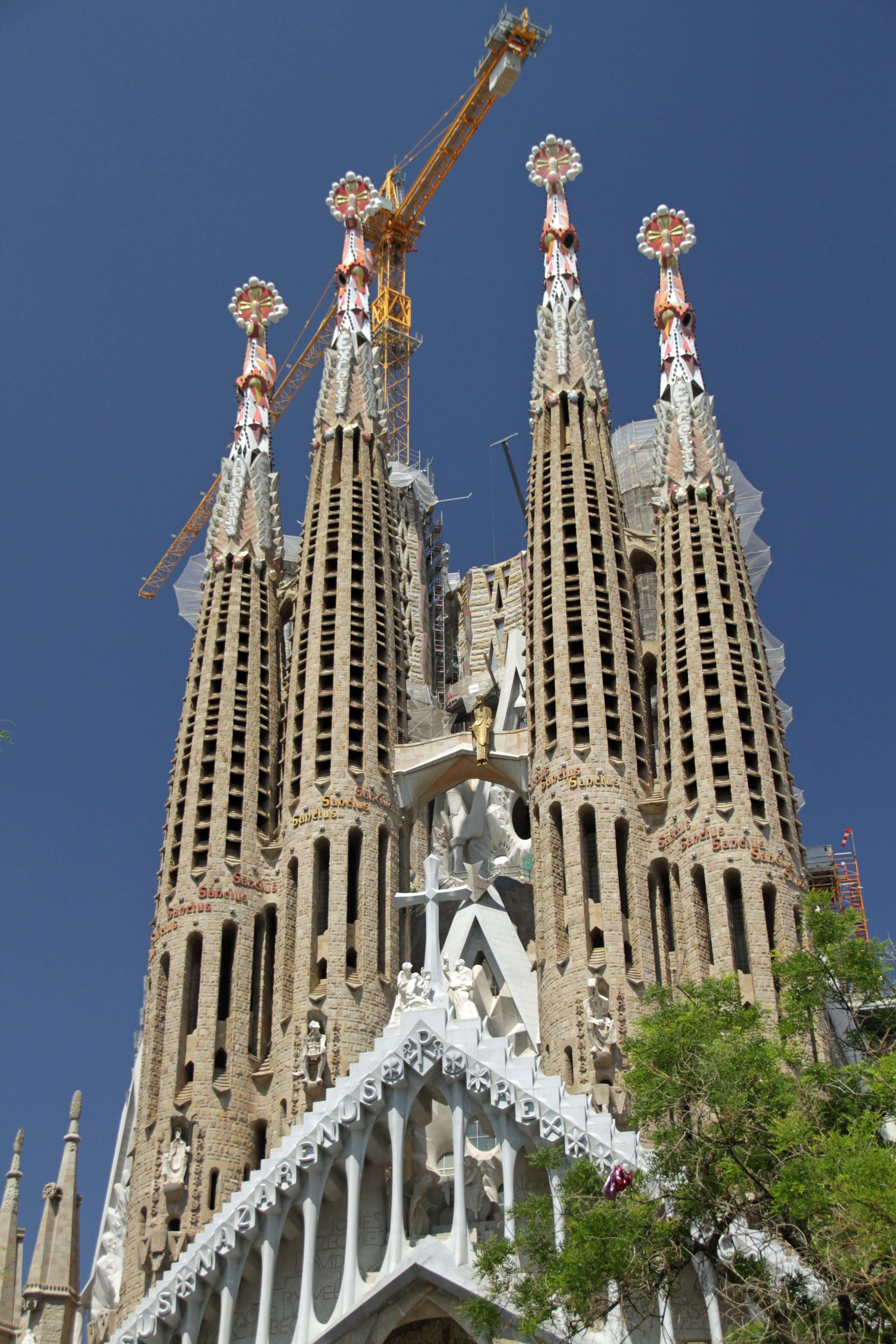
    1. Sagrada Familia

    Imagine de Monica Volpin de la Pixabay

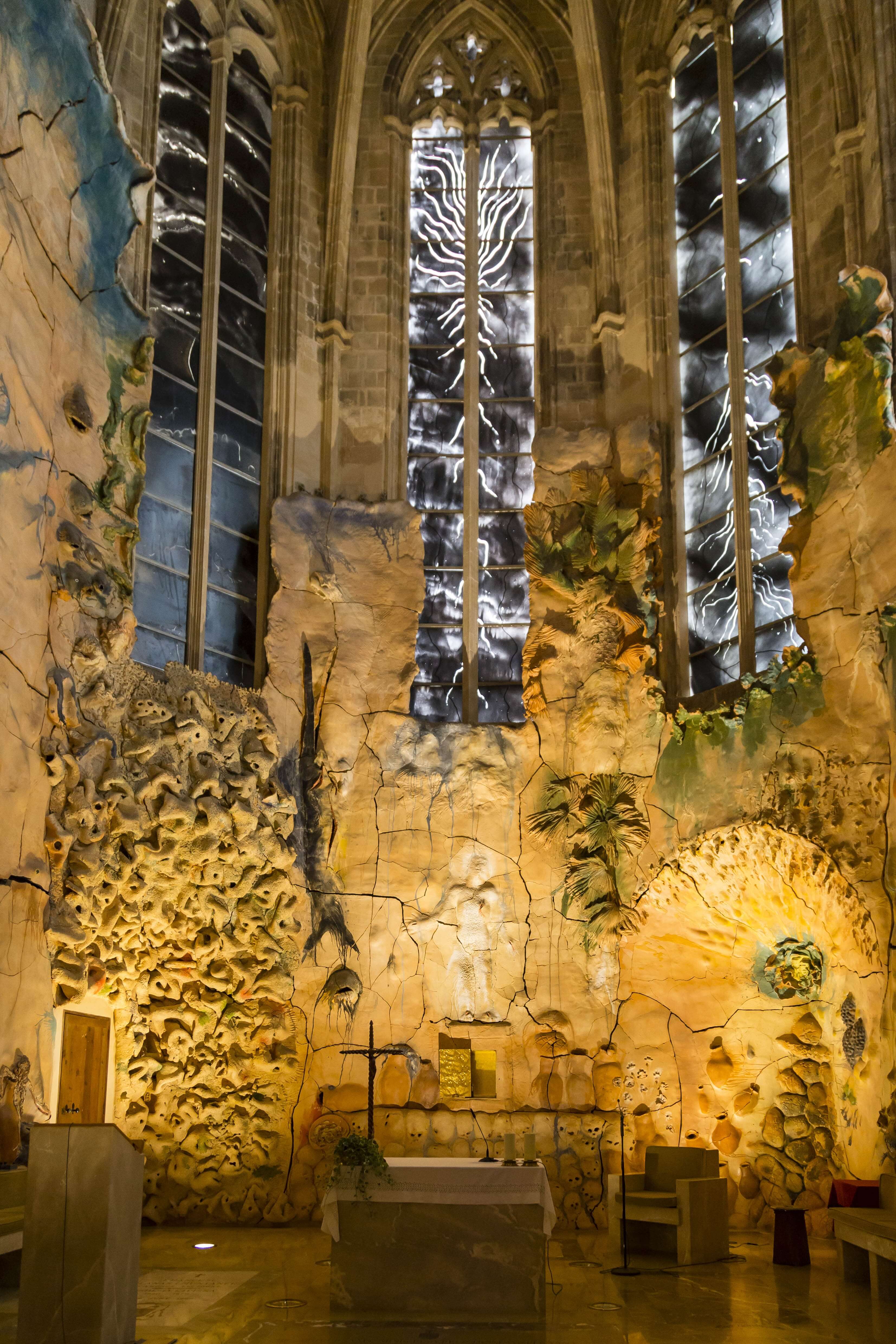
    2. The cathedral (La Seu)

    Imagine de stemark44 de la Pixabay

    3. FC Barcelona museum & Camp Nou stadium

    MARIA ROSA FERRE ✿, CC BY-SA 2.0, via Wikimedia Commons

    Photo by Johannes Plenio from Pexels

    4. The neighborhoods La Ribera and El Born

    Image by Joaquin Aranoa from Pixabay

    5. The Gothic Church Santa Marίa del Mar

    SONY DSC

    6. Montjuïc hill and The Spanish Village (Poble Espanyol de Montjuïc)

    Marco Luzi, CC BY 3.0, via Wikimedia Commons

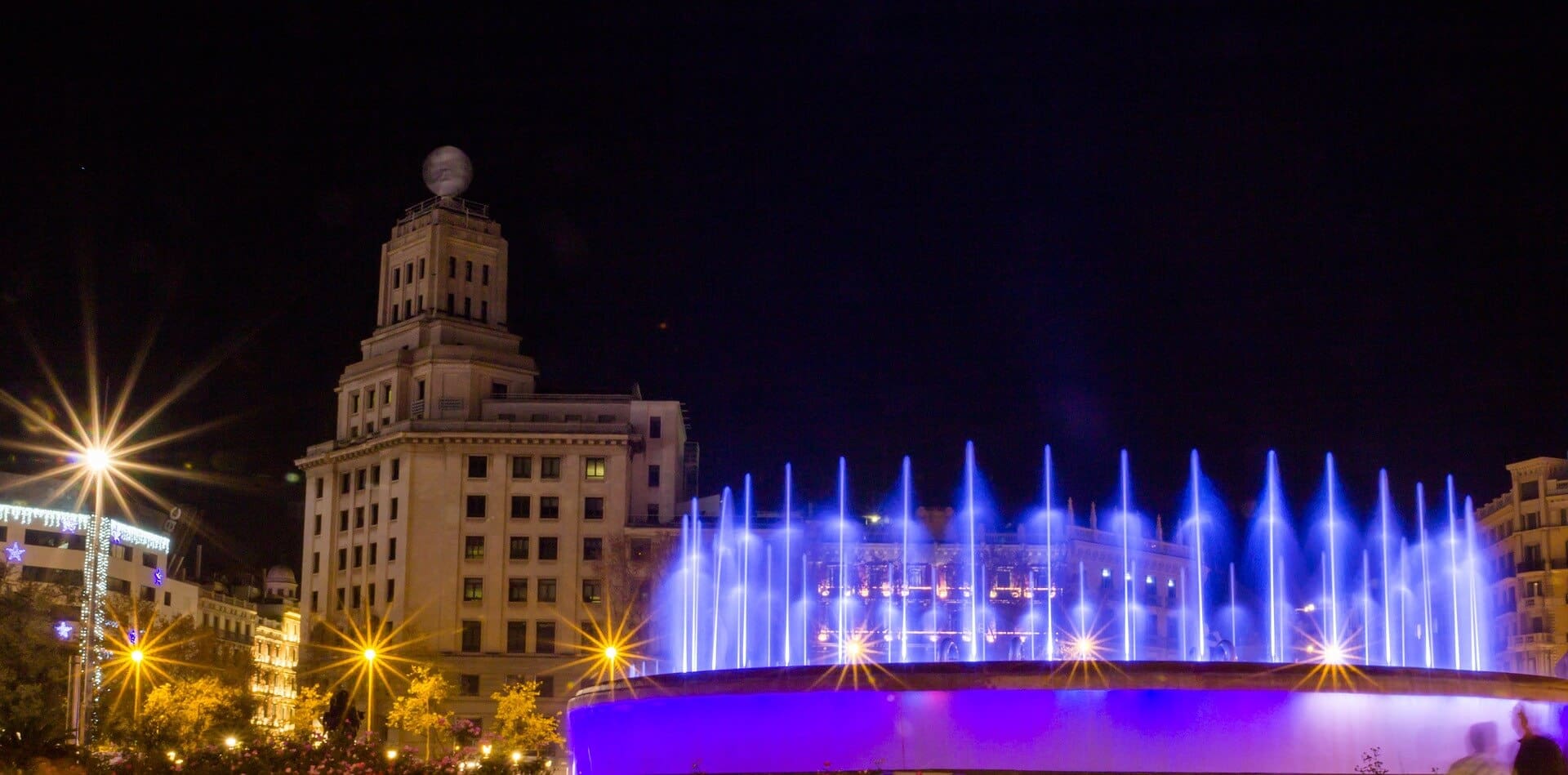
    7. The Magic Fountain of Montjuïc

    Imagine de Vicens Dorse de la Pixabay

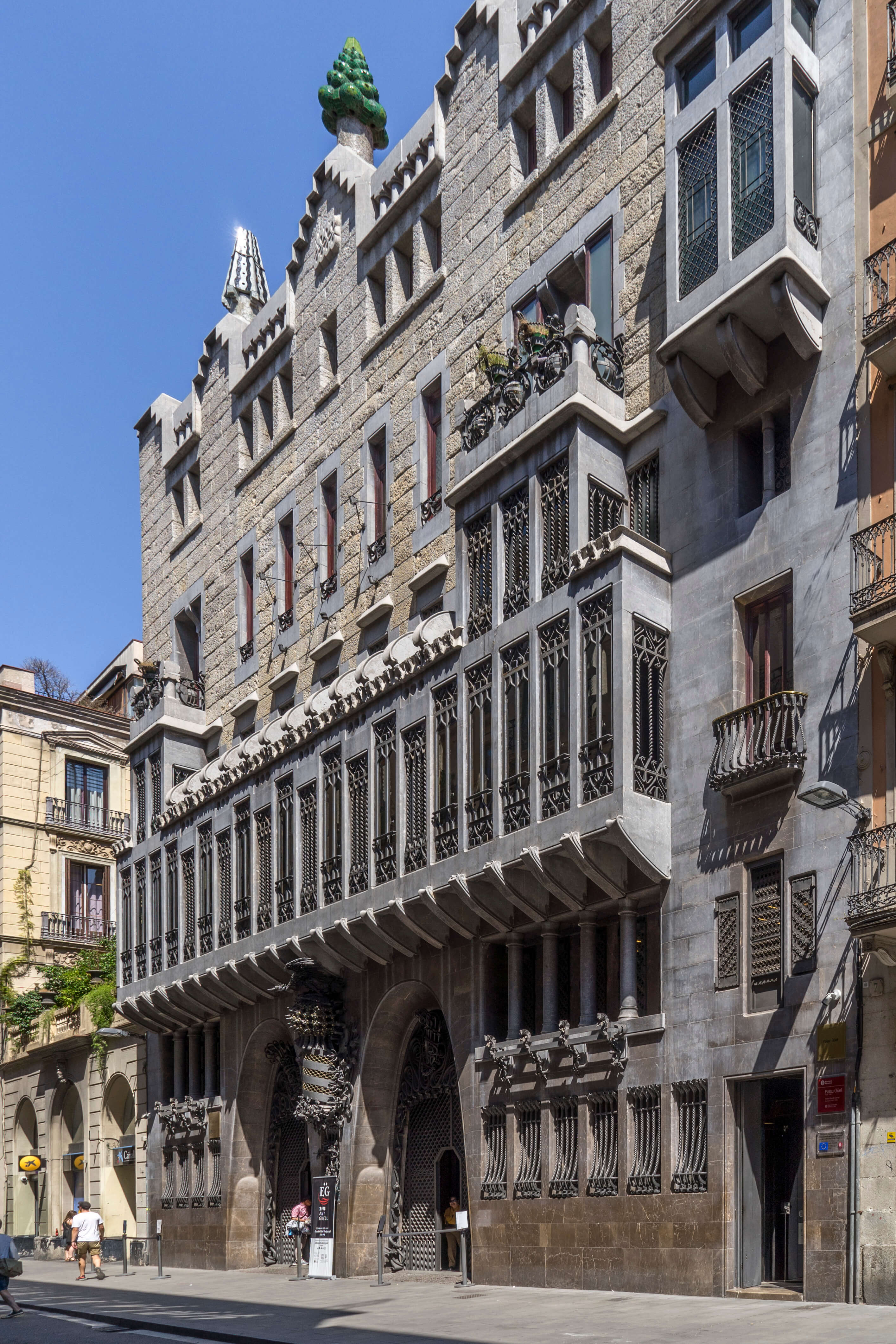
    8. Palau Güell

    Thomas Ledl, CC BY-SA 4.0, via Wikimedia Commons

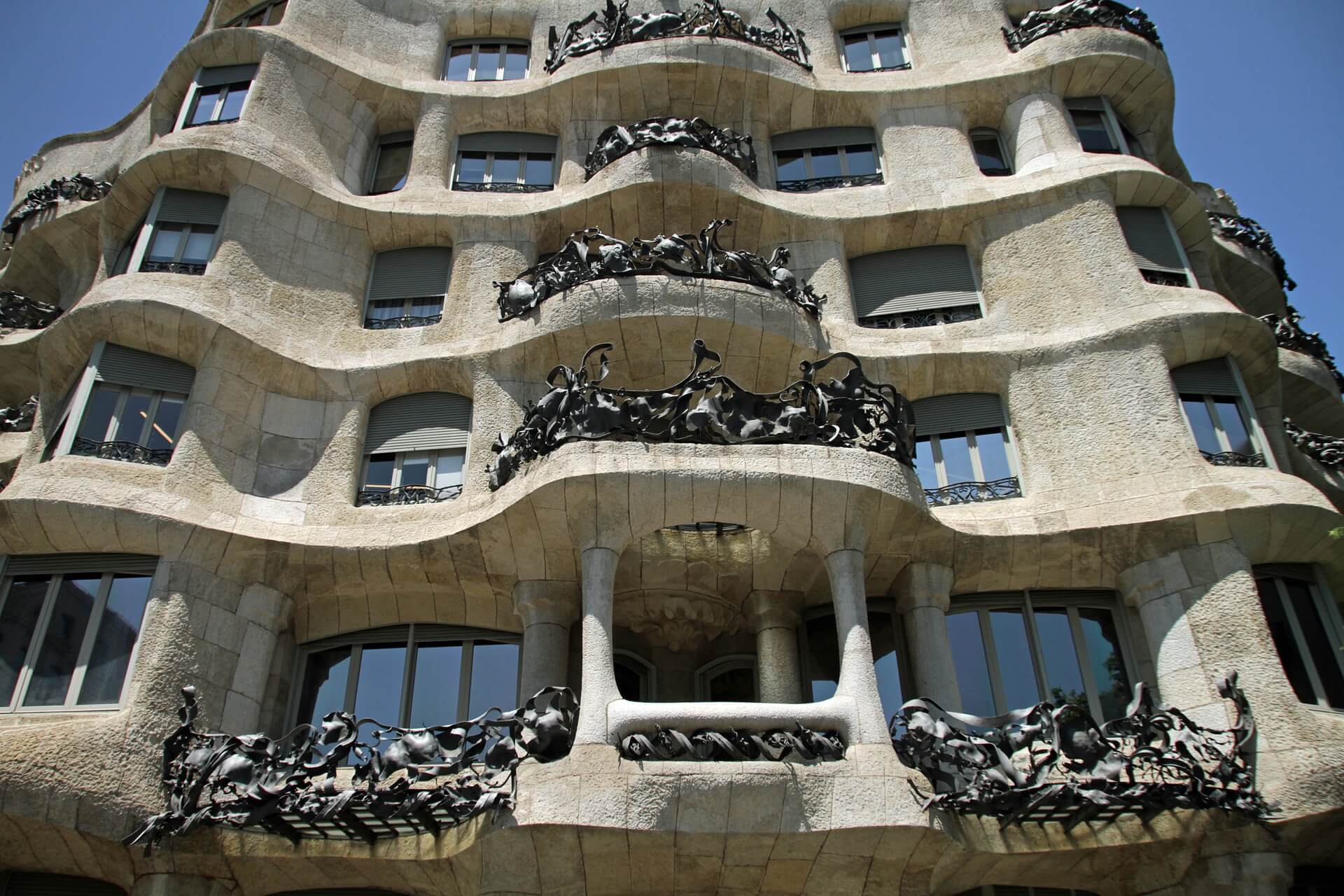
    9. La Pedrera (Casa Mila)

    Imagine de Monica Volpin de la Pixabay

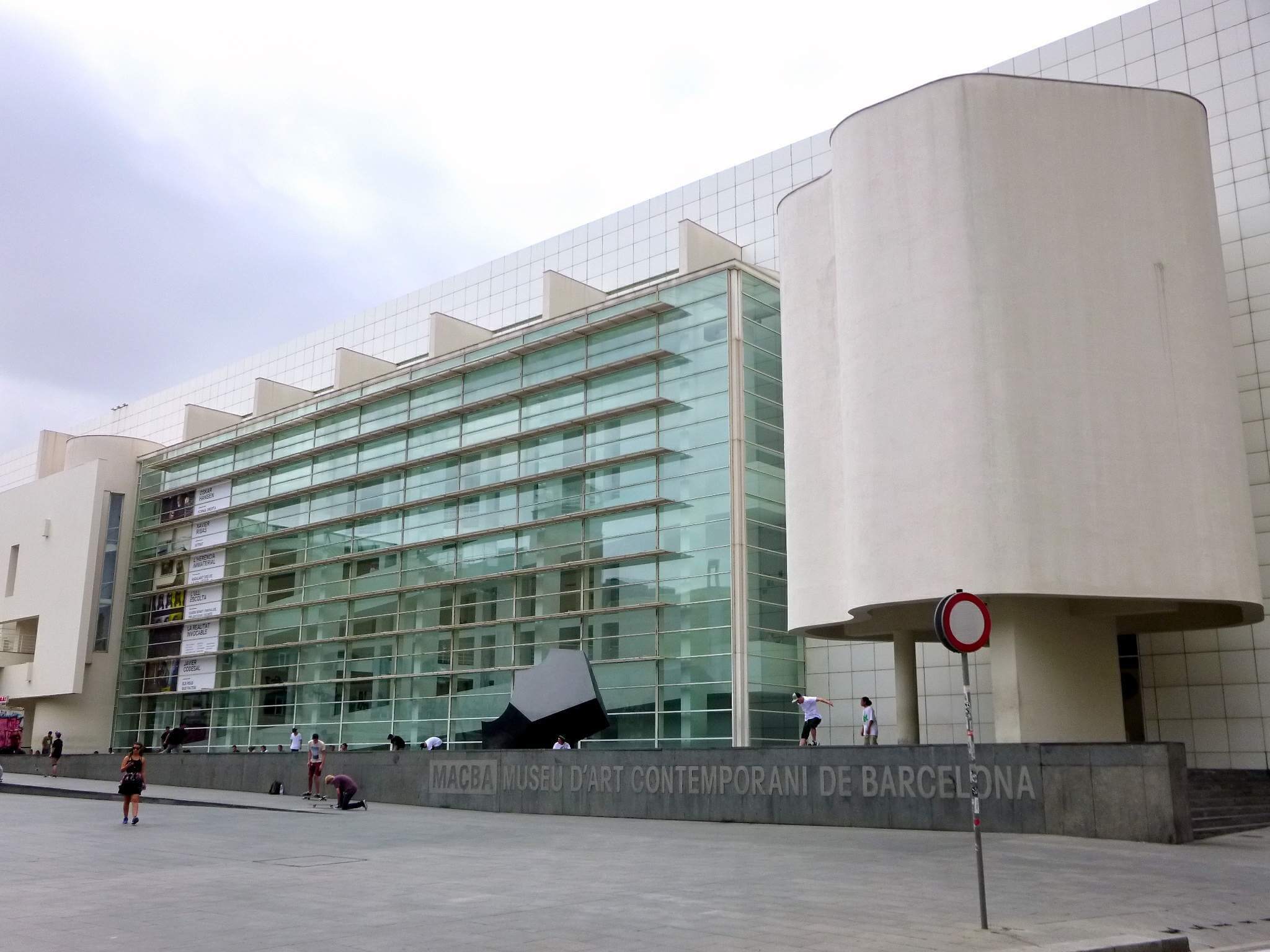
    10. The Museum of Contemporary Art in Barcelona

    Zarateman, CC0, via Wikimedia Commons

    11. Picasso Museum

    Imagine de Lenny21 de la Pixabay

    12. National Museum of Art of Catalunya

    Filip Maljković from Pancevo, Serbia, CC BY-SA 2.0, via Wikimedia Commons

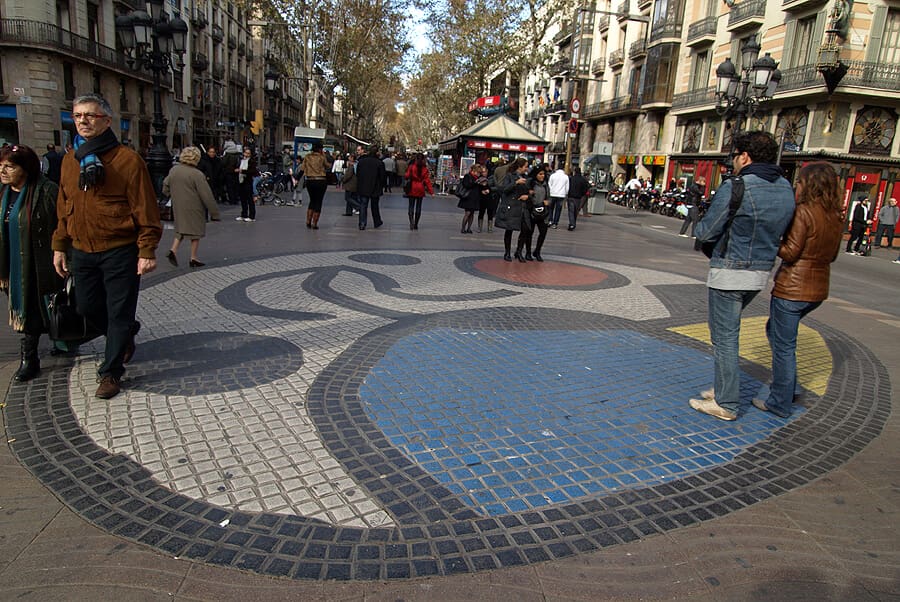
    13. La Rambla – Barcelona’s most famous walking street

    Edal Anton Lefterov, CC BY-SA 3.0, via Wikimedia Commons

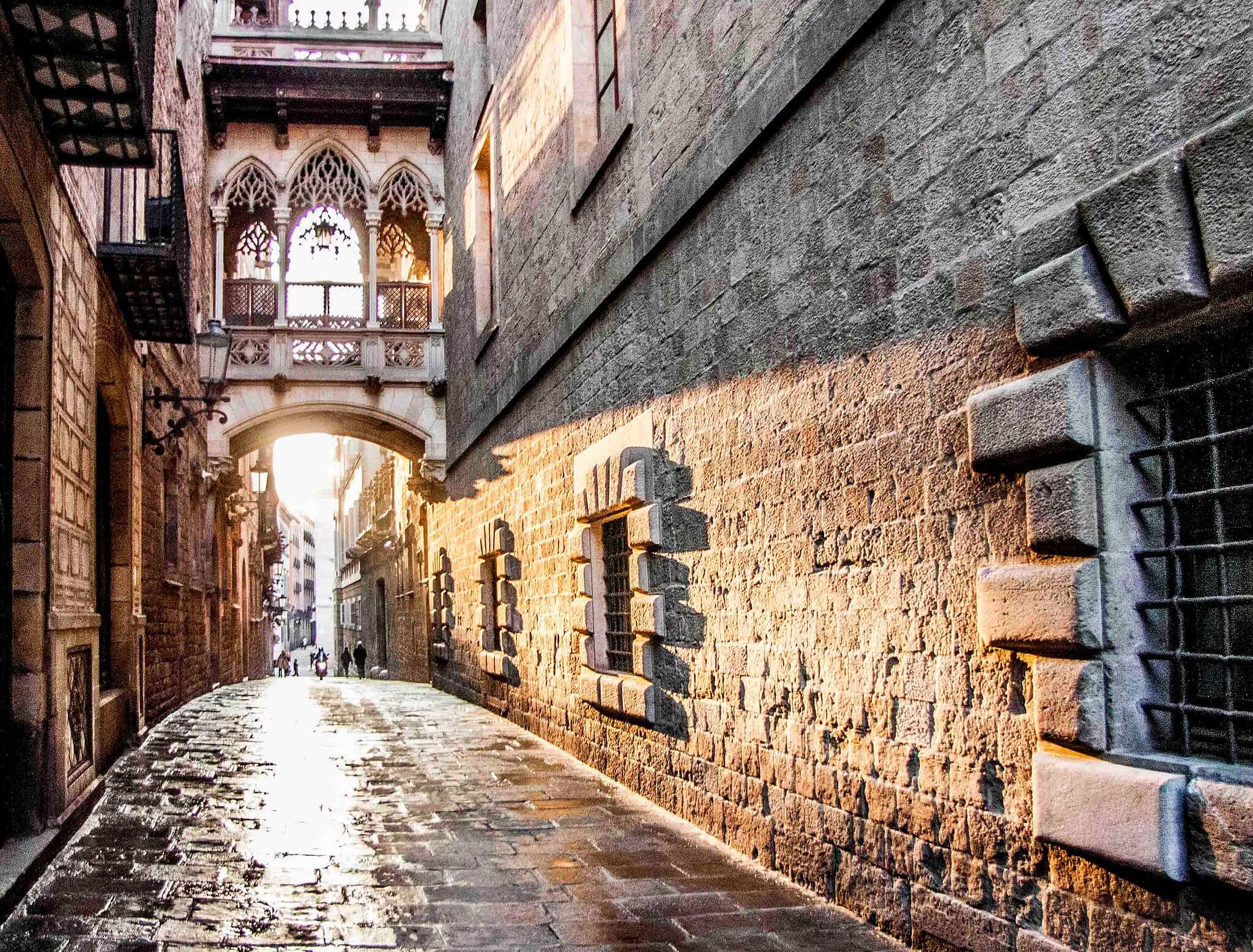
    14. Barrio Gotico  – Gothic quarter of Barcelona’s medieval city

    Gerardo Almeida, CC BY-SA 3.0, via Wikimedia Commons

    15. Tibadabo hill, Sagrat Cor church & Tibidabo amusement park

    Jordiferrer, CC BY-SA 3.0, via Wikimedia Commons

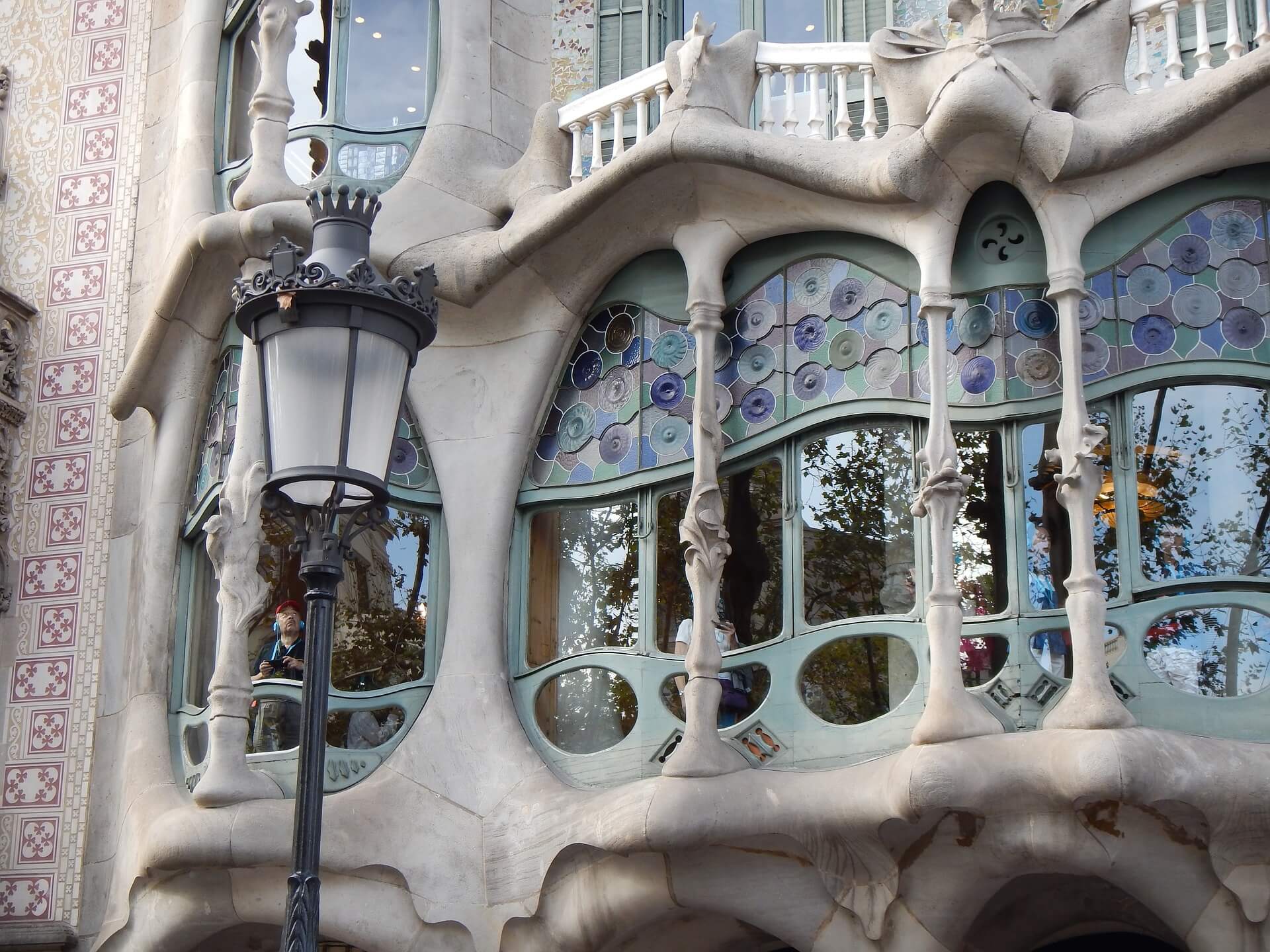
    16. Casa Batlló

    Imagine de dari_fant de la Pixabay

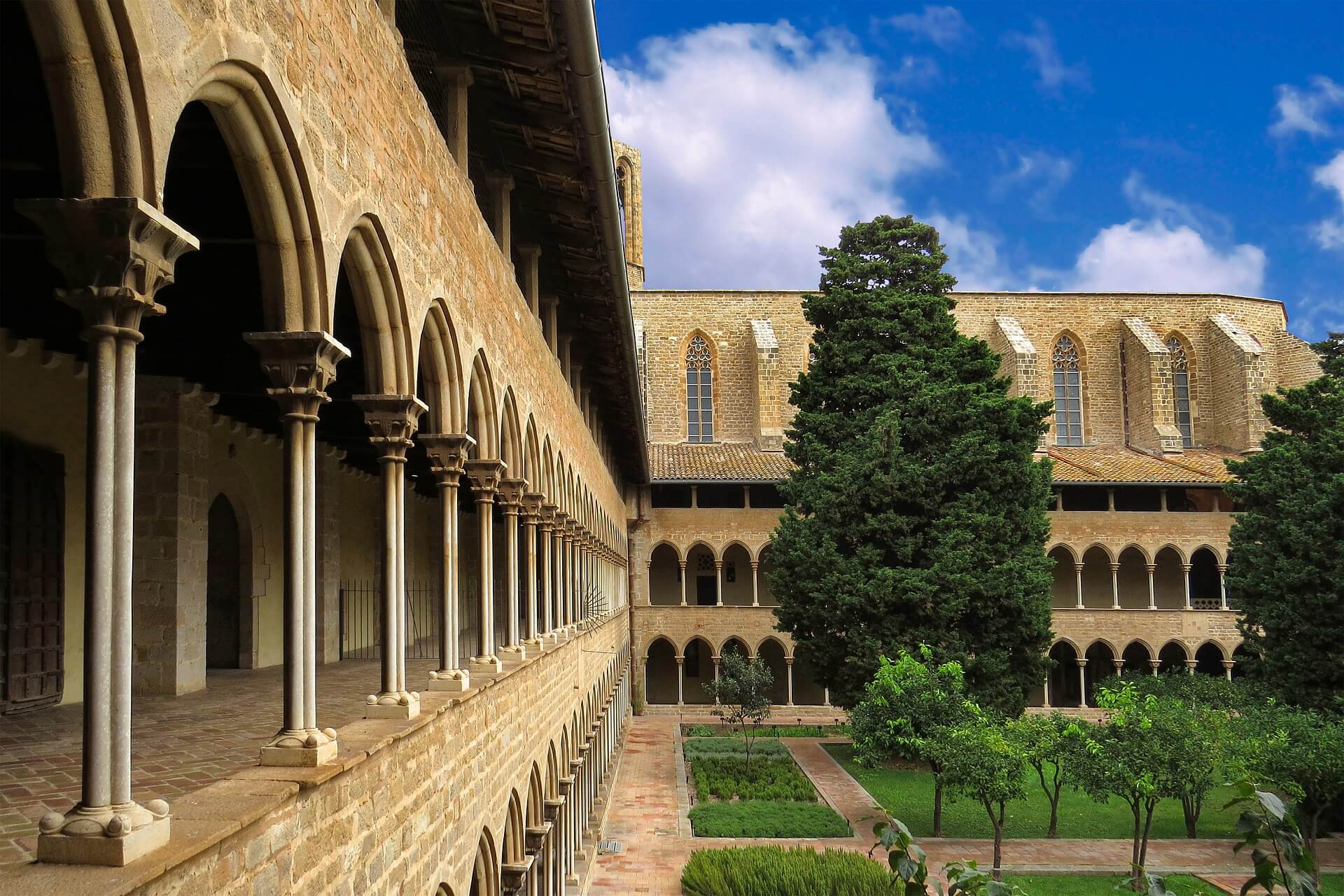
    17. The Monastery of Pedralbes

    Imagine de Manuel Torres Garcia de la Pixabay

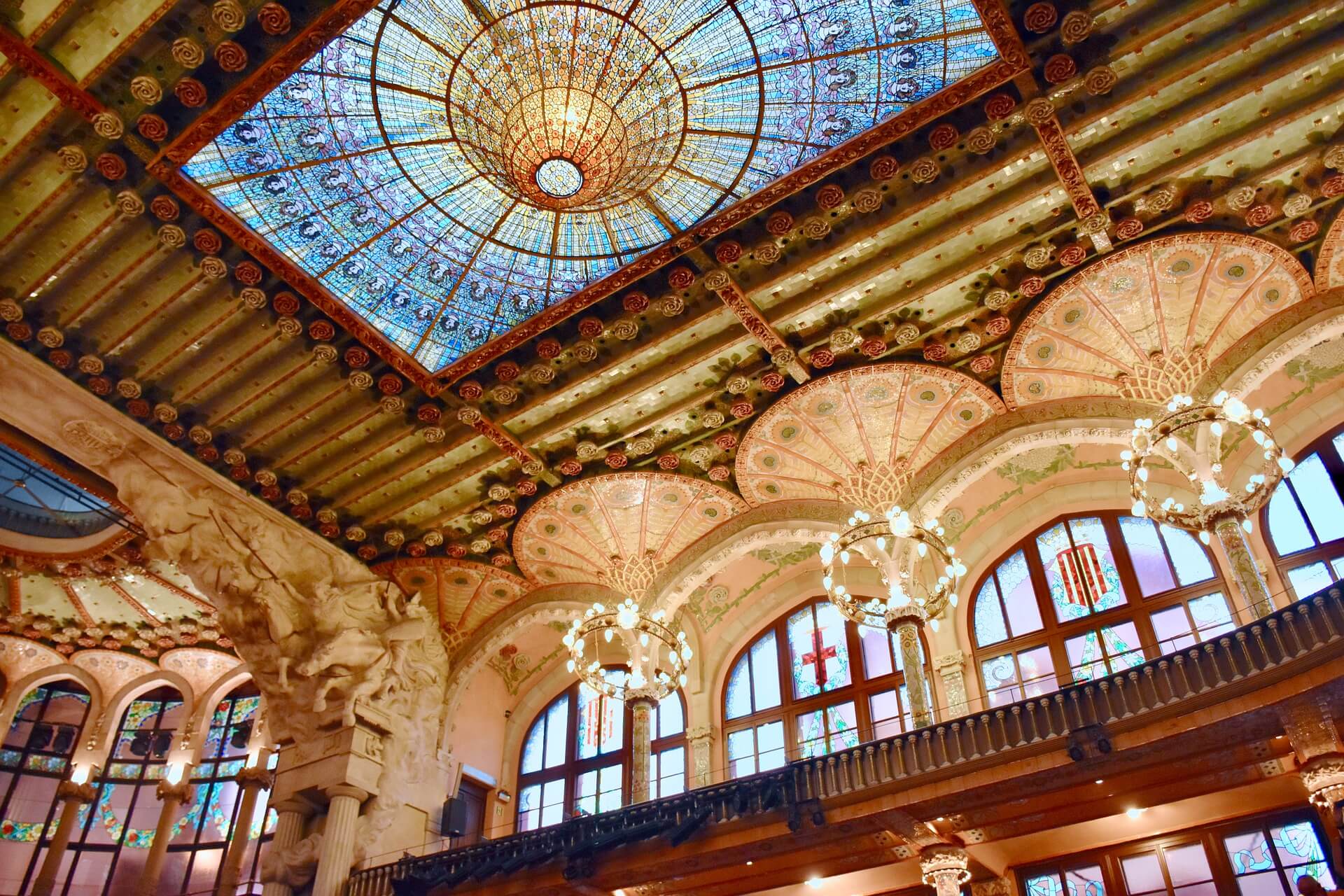
    18. The concert hall Palau de la Música Catalana

    Imagine de Bluespicture de la Pixabay

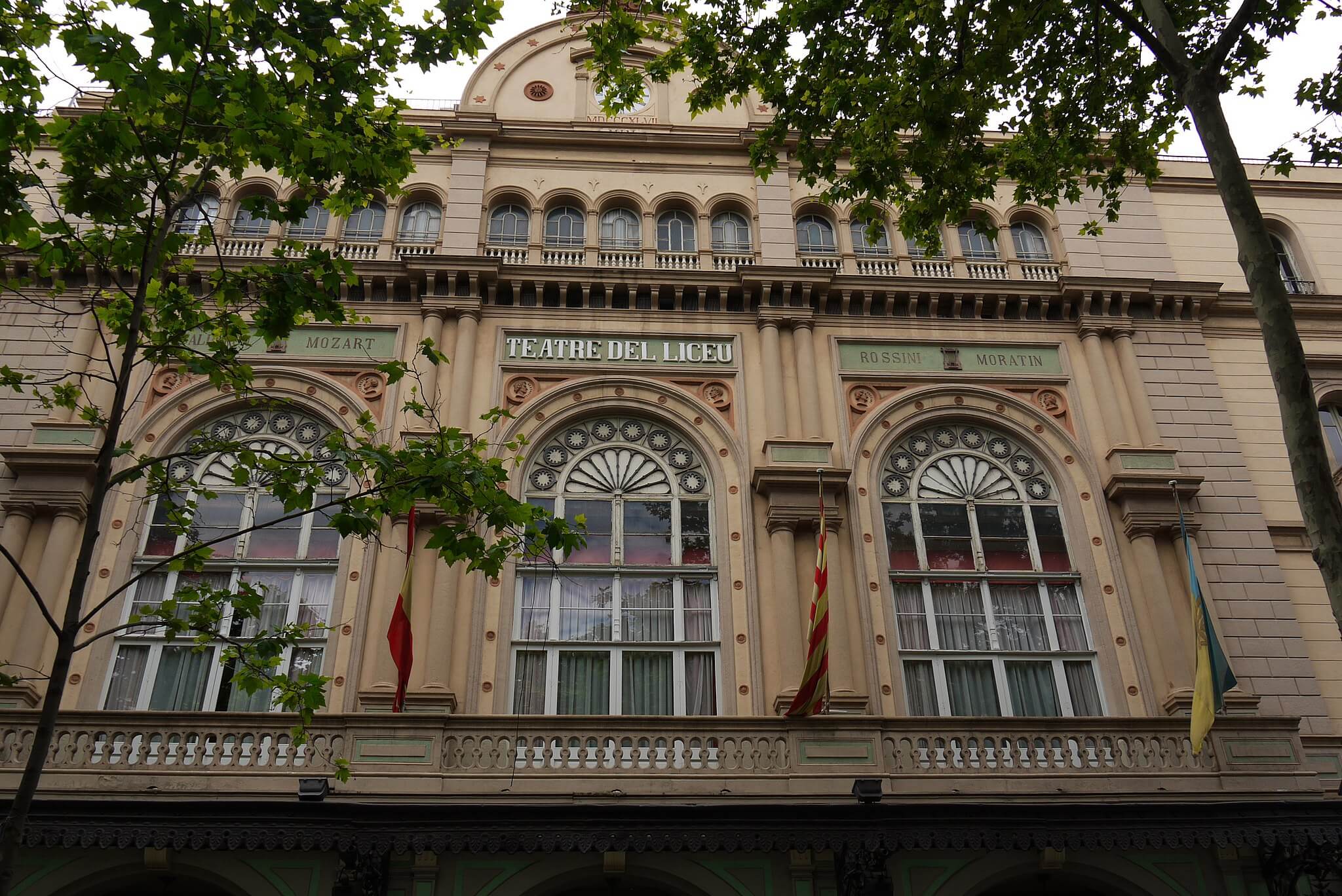
    19. The Gran Teatre del Liceu- one of the most important opera houses in Europe 

    HitchHikersHandbook.com, CC BY-SA 3.0 ES, via Wikimedia Commons

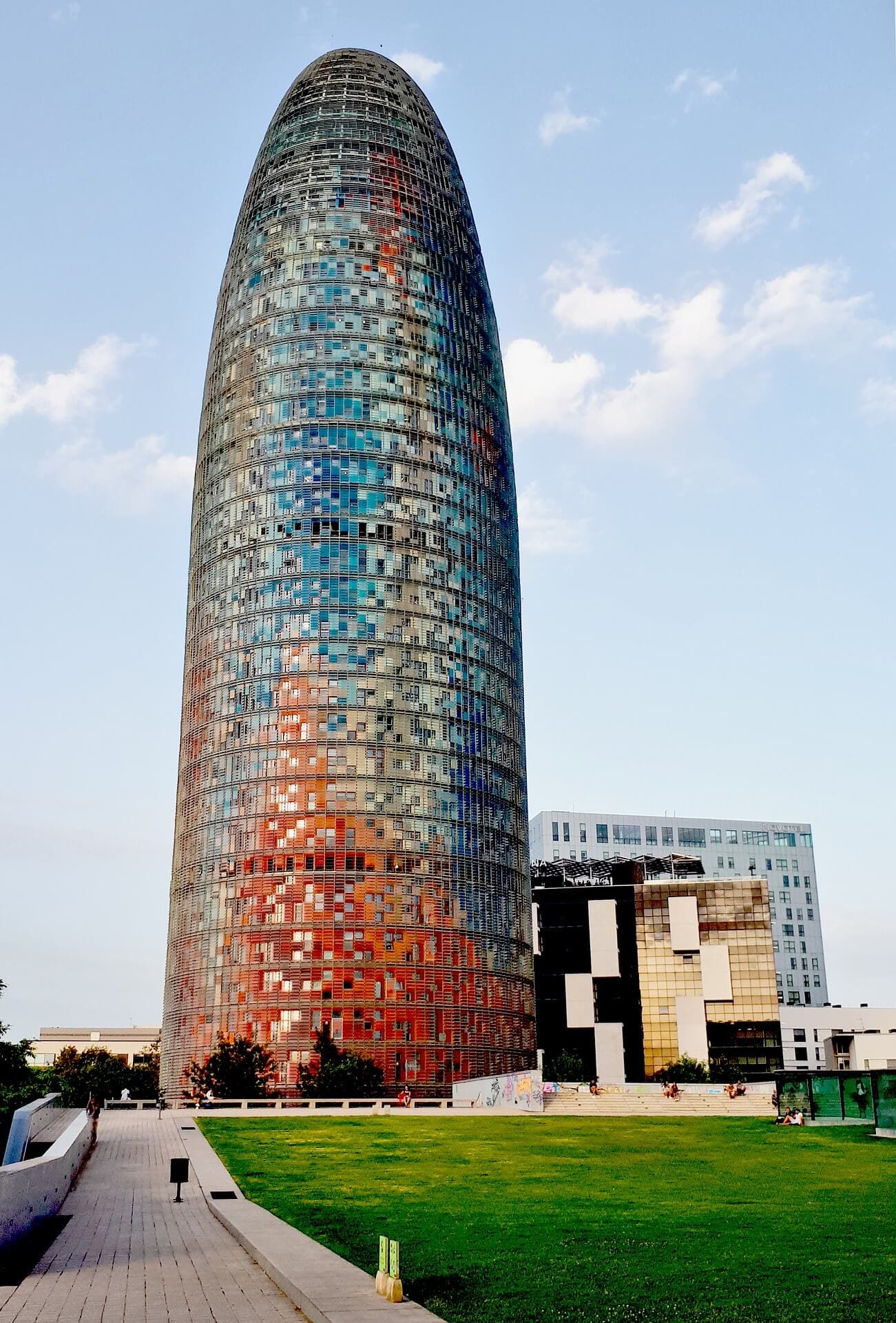
    20. Torre Agbar -the 142 m tall office tower is Barcelona’s latest attraction

    Imagine de Alexander Lesnitsky de la Pixabay