Migrating an application to the cloud entails more than just transferring it to a new server. It involves changing how the app functions to take advantage of the cloud’s features and benefits. Saving operational costs, securing company data, and business scalability are a few reasons to move your company operations to the cloud.
Image by Gerd Altmann from Pixabay
But before you begin the process, you must understand why you want to do it and how you can achieve the best results. That gives you a smoother transition plan that eliminates the risk of data loss or failure when moving. Also, establishing your budget will make it easy to identify reliable cloud servers for your business without breaking the bank.
These seven strategies will make your transition smoother and reduce the chances of experiencing problems.
1. Understand Your Business Needs
Business operations depend on various systems and architecture. Your infrastructure, software, hardware, network, office space, workforce, and other essential components will determine the strategy. Identifying these components and understanding their functionality will help avoid complications.
Image by Gerd Altmann from Pixabay
Various cloud solutions providers have service levels that entail strict or diverse services. Choose SaaS, IaaS, or PaaS according to your needs. SaaS is essential for businesses that run entirely on software and need minimal hardware. IaaS is a suitable option for companies with large IT operations, while PaaS provides the entire infrastructure and application environment, allowing you to develop and deploy custom applications.
Your staff will need to access the databases, applications, desktops, and other resources they rely on to complete their tasks. It is integral to consider the impact of the cloud migration on your workforce and determine if you will need to upgrade your existing systems, provide additional training, or hire new technical staff.
2. Work with Experts
Is your in-house team able to handle the cloud migration process? If not, outsource the project to an experienced team of professionals. That will help you avoid costly mistakes that could cause data loss, system failure, or security issues. When choosing your partners, consider their technical support, experience, pricing, and other features. Also, confirm if they are familiar with your business requirements and the cloud architecture you intend to use.
Image by Gerd Altmann from Pixabay
Hexaware.com, a cloud consulting service, offers comprehensive AWS cloud migration solutions that enable companies to migrate their operations easily. They will also help you make informed decisions. Your experienced cloud migration partner will help you understand the process and ensure you have all the tools, systems, and resources to make the transition successful.
3. Develop an Action Plan
How do you intend to migrate your applications to the cloud? Developing an action plan will help you identify risks and conflicts that could disrupt the migration. For instance, some applications may not be compatible with modern cloud computing systems. That means you need to upgrade them or replace them with suitable alternatives.
Creating a timeline for the migration process is also wise. It helps you avoid wastage of time and capital, as well as data duplication. A timeline also allows you to break the migration process into manageable chunks, ensuring that the process does not interfere with daily operations ongoing at your company. Ask your cloud partner to give you a realistic timeline.
4. Migrate Your Applications
Various techniques apply when moving apps and their data to the cloud. Legacy apps may require retiring, refactoring, or containerizing. Each method has its advantages and disadvantages. That explains why you must understand your requirements before setting off. Compatible apps will continue to work by rehosting them. The change in environment will only improve the operations.
5. Manage and Monitor
Only switch your operations after everything is working according to expectations. Test your applications to confirm that the migration process is complete and you can access all data. Set up appropriate connections to reflect current operations. Rerun the test for every user group to ensure everyone is connected and that all resources are working as expected. Finally, monitor the performance of your migrated applications to ensure that they meet all standards.
6. Optimize Your Deployment
Image by Jan from Pixabay
Performance and operation costs are the top priorities when migrating to the cloud. Do not forget to optimize your deployment by integrating appropriate tools and systems. For example, you can use AWS Auto Scaling to determine if additional resources are required and adjust capacity according to the workload. Additionally, you can use AWS monitoring tools to measure the performance of your applications and identify areas that need improvement.
7. Secure Your Cloud Systems
After ensuring everything is optimal and running as expected, security is the last and most crucial step. Cloud security implementation differs from traditional on-premises deployments, and you need appropriate measures to protect your infrastructure, data, and applications. Start by following the best security practices and setting up access controls to protect your cloud systems from malicious actors or data breaches. Assess the risks throughout the migration and review your security protocols regularly.
Summing Up
Cloud solutions make your business operations more flexible and efficient. However, it is not a simple process. You must understand your needs, develop an action plan, migrate your applications, and manage and monitor the process. Finally, optimize your deployment and secure your cloud systems to ensure you always stay connected and protected from threats. You can complete your migration to the cloud when you have a perfect plan and a reliable partner.
Living in an apartment can be fun, especially when it comes to general home improvement. However, one of the most significant challenges with improving an apartment is that there isn’t much space to play with. Many homeowners are discouraged by the fact that there isn’t enough room for an apartment to feel spacious, and they often lower their expectations.
Image by ErikaWittlieb from Pixabay
That said, there’s no need to restrict yourself concerning home improvement matters. It’s all about tackling things from a different perspective and figuring out the best way you can make the most out of an apartment space. Here are some tips to get you started.
Photo by deborah cortelazzi on Unsplash
First and foremost, ensure that your apartment is clean and organized
The good news is you won’t have to work very hard to keep an apartment clean. Sure, a smaller living space can come with a few disadvantages, but cleaning is not one of them. The idea of cleaning and organizing is to ensure that your vision for your home isn’t hampered by clutter and similar issues. You can also make things easier on yourself by using top-quality tools such as a microfiber mop to get into every nook and cranny of your apartment.
Photo by Spacejoy on Unsplash
Once everything is organized, you can take stock of the situation and figure out how you might want to move forward with home improvement. The ideal scenario involves realizing that your home is more spacious than you thought after doing a bit of spring cleaning. Before you do anything else, ensure that your home is clean.
The key to a spacious apartment is all about the illusion of space
It might seem odd to talk about the illusion of space with regard to home improvement, but you’d be surprised how many homes use such methods to elevate their humble abode. For example, did you know that you can use mirrors to help make your apartment look more spacious than it is? When you have fun and vivid home decor, mirrors can serve to amplify the overall vibe of your home.
Photo by Zac Gudakov on Unsplash
Strategically placed mirrors will showcase more of your apartment and allow more natural light in, which can be an issue for many apartments. It’s also a good idea to invest in furniture with more rounded edges, just so your living space doesn’t feel boxed in.
The ideal solution is to infuse a bit of yourself into your home
Do you have a favorite sport? What about a team that you go nuts over? Do you have hobbies? Do you like collecting trinkets? It’s a good idea to infuse your home with a part of you to help your apartment feel more comfortable and accommodating. There’s no need to push for a professional look, as sometimes a poster of your favorite bands or games can help transform the look of your living space.
Photo by Spacejoy on Unsplash
Making the most out of an apartment space can seem tough initially, but then you realize that the slightest change can make all the difference. With some experimentation, you’ll find that improving your apartment can be a lot of fun.
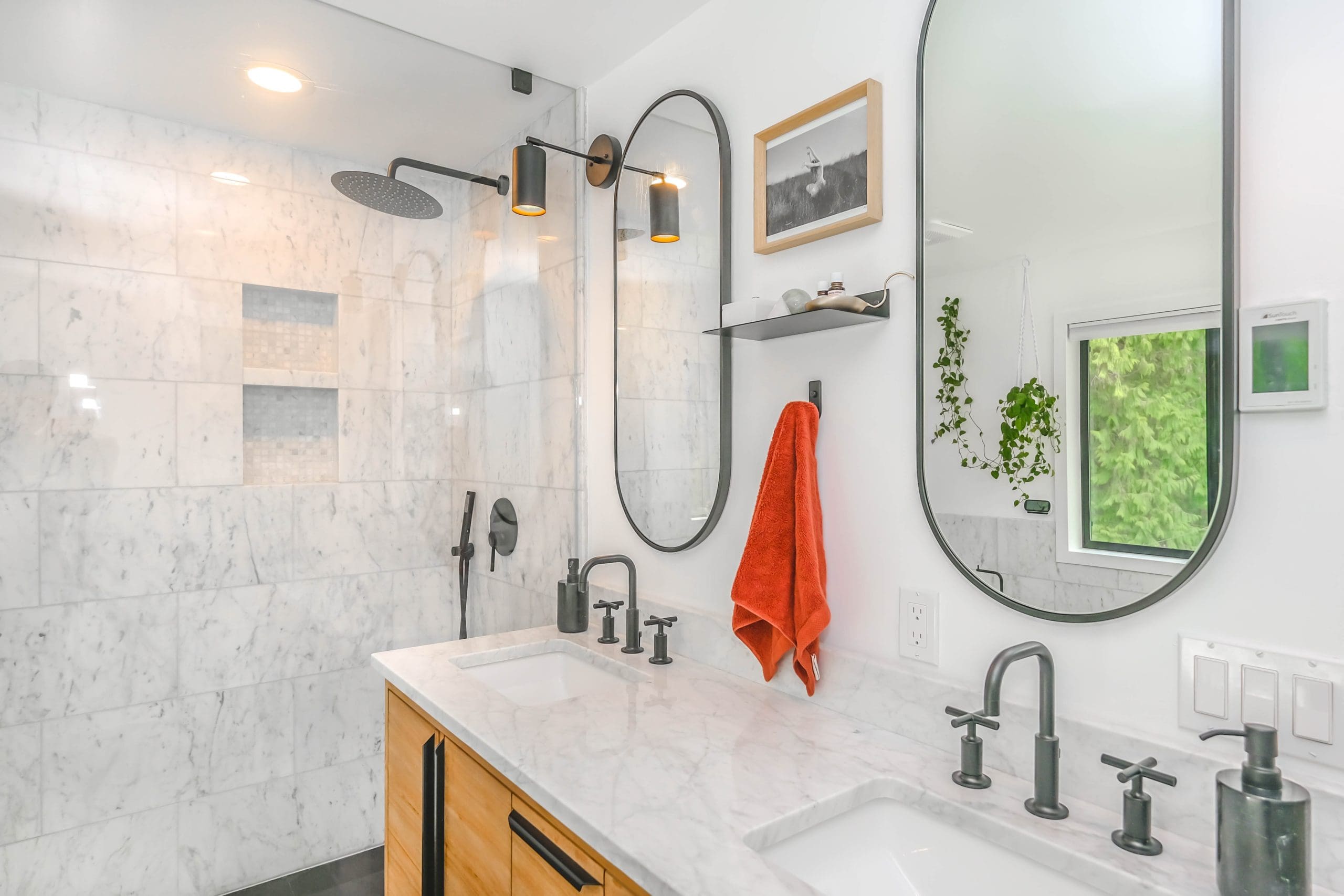
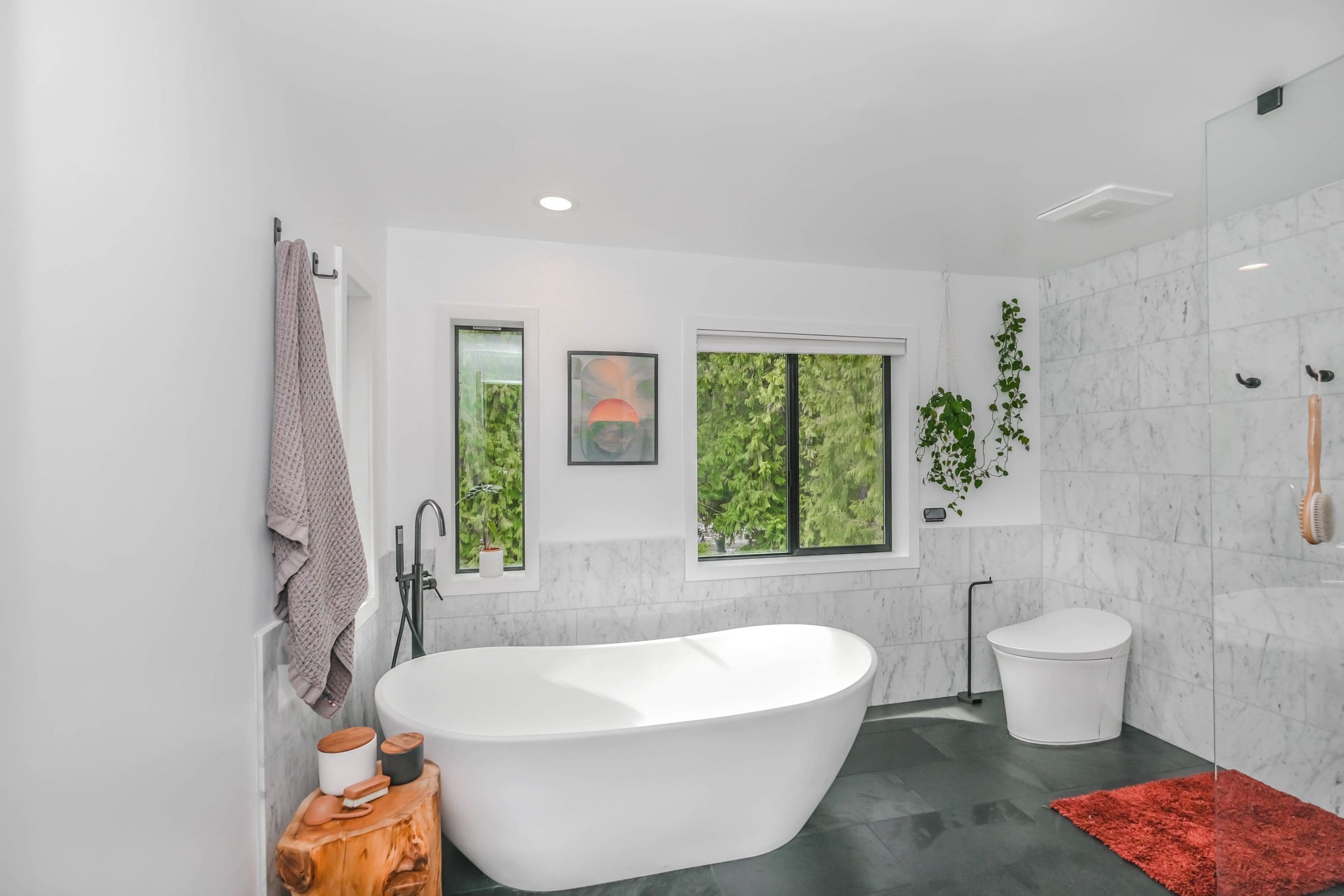
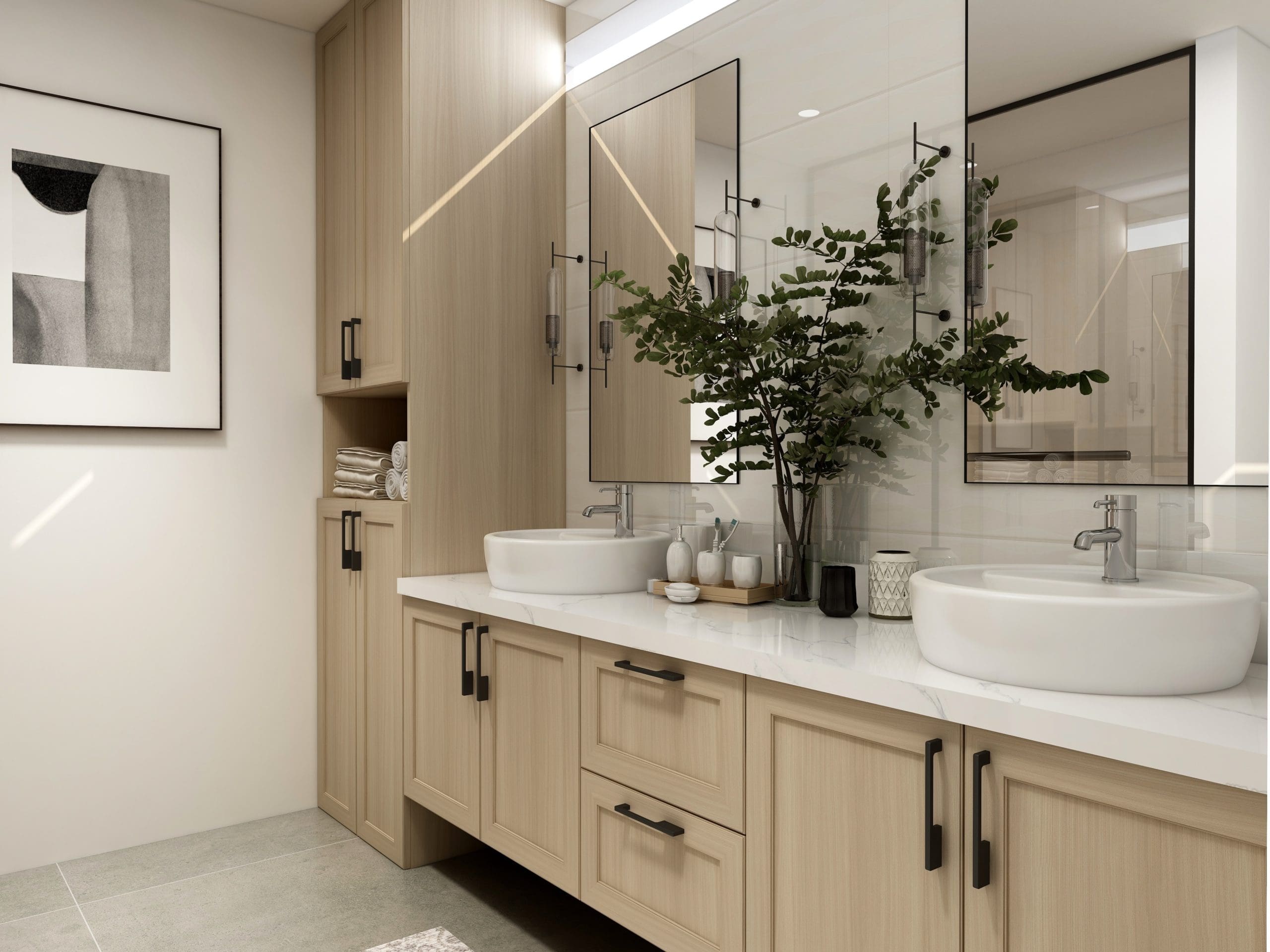
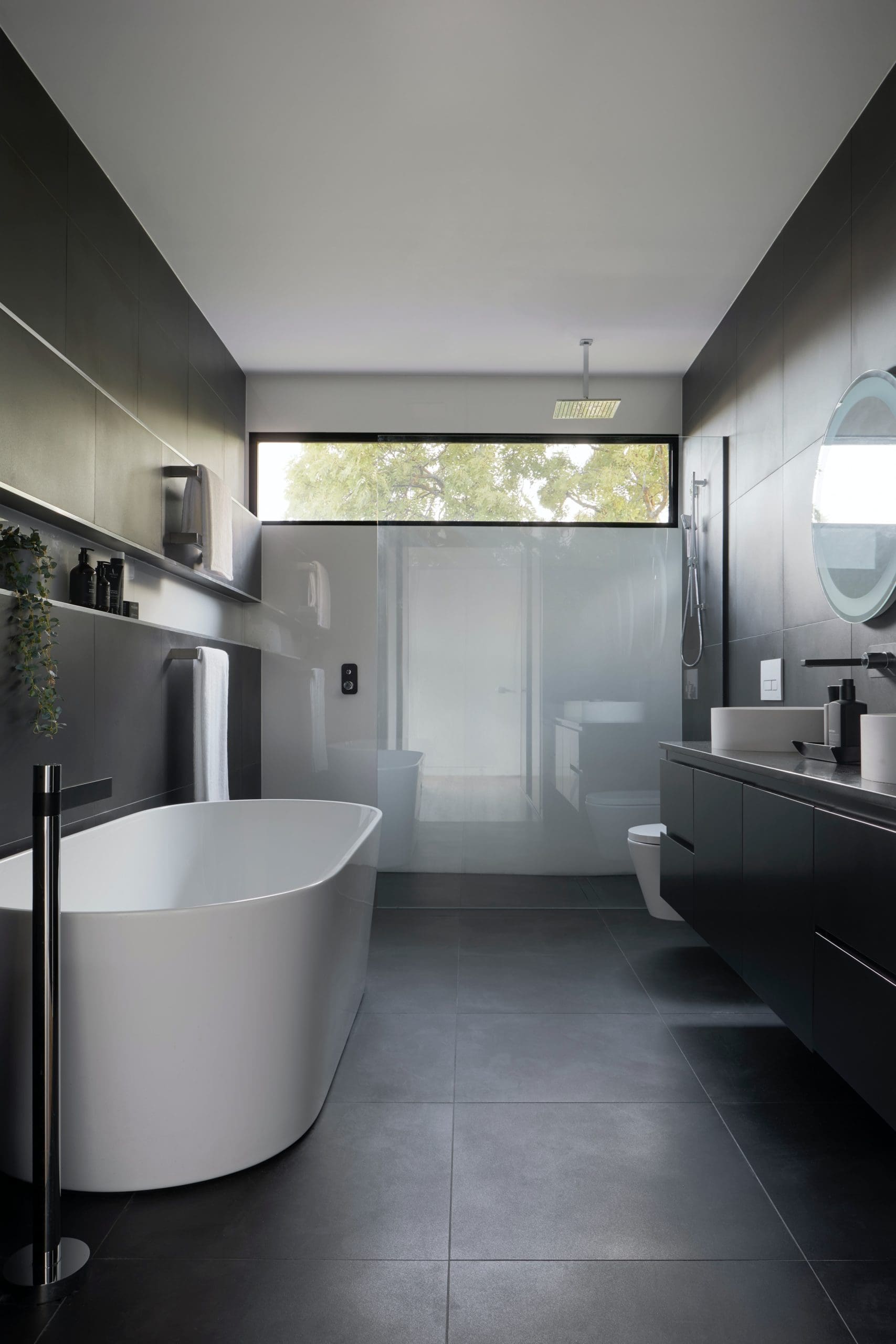
When was the last time you redid your bathroom? Maybe you haven’t painted the walls since the 90s, or perhaps your decorations are starting to look like something your grandma would love.
While bathrooms might not be the first space you think to upgrade when it comes to home renovations, they are a room that most of us use often. If you want to find some stress relief and enjoy getting ready, a redone bathroom space makes a huge difference.
Photo by Claus Grünstäudl on Unsplash
With the new year here, you might have plans to upgrade your living spaces. If your bathroom looks outdated or isn’t as functional as you’d like, now is the ideal time to make adjustments. But, you don’t have to do a total remodel to love your bathroom. Instead, you can follow these tips to redecorate on a budget. Let’s dive right in!
Tip 1: Start With The Decorations
Sure it’s nice to change the countertops or flooring, but these more extensive renovations can add up. So, if you want to refresh your bathroom without breaking the bank, consider your decorations first. Bathrooms are usually smaller than the other rooms of your home, so you won’t need to go all out to make them look good.
Photo by Chastity Cortijo on Unsplash
Instead, start with a simple color scheme, usually one that is primarily neutral with a pop of color. From there, get a new shower curtain and towels. Then, find a couple of wall decorations, such as paintings or mirrors. You can even look around local thrift stores or markets to score unique items at a low price.
Tip 2: Do A Deep Clean
One way to ruin relaxation is to have a dirty bathroom. And, even if you keep things pretty clean overall, you might feel like the grout looks gross or the floor isn’t as gleaming as it used to be.
No matter how old your bathroom is, you can spruce it up by giving it a good cleaning. This is a great thing to do at the start of a new year or as spring arrives.
Make sure to sanitize everything and focus on areas you might forget about, such as the tile grout or the baseboards.
Photo by Zac Gudakov on Unsplash
Tip 3: Do Some Organizing
Along with the new decor, better organization will free up space and upgrade the room’s look. While it can get pricey to buy a bunch of new organizers, there are ways to do so on a tight budget. Many big box stores have cheap options to organize the inside of drawers, and you could look at secondhand possibilities for items for your bathroom cabinets.
Tip 4: Get A New Shower Head Or Sink Faucet
If you really want to enjoy your shower, a new showerhead will create a more luxurious experience. And, if you’re in an older home or apartment, a new sink faucet can change up the space. While these items might cost a bit more time and money to install, they are still not too expensive and can make a big difference.
Photo by Zac Gudakov on Unsplash
Tip 5: Change Out Cabinet Hardware Or Lighting
Another option for relatively cheap upgrades is to change out furnishings. Get a new light fixture that looks more modern. Or, swap out the drawer handles with a unique design. These are two options that don’t take much home improvement knowledge or skill to do.
With just a few tweaks here and there, your bathroom will look totally transformed. Then, you’ll get to enjoy a little more rest and relaxation as you go throughout 2023.
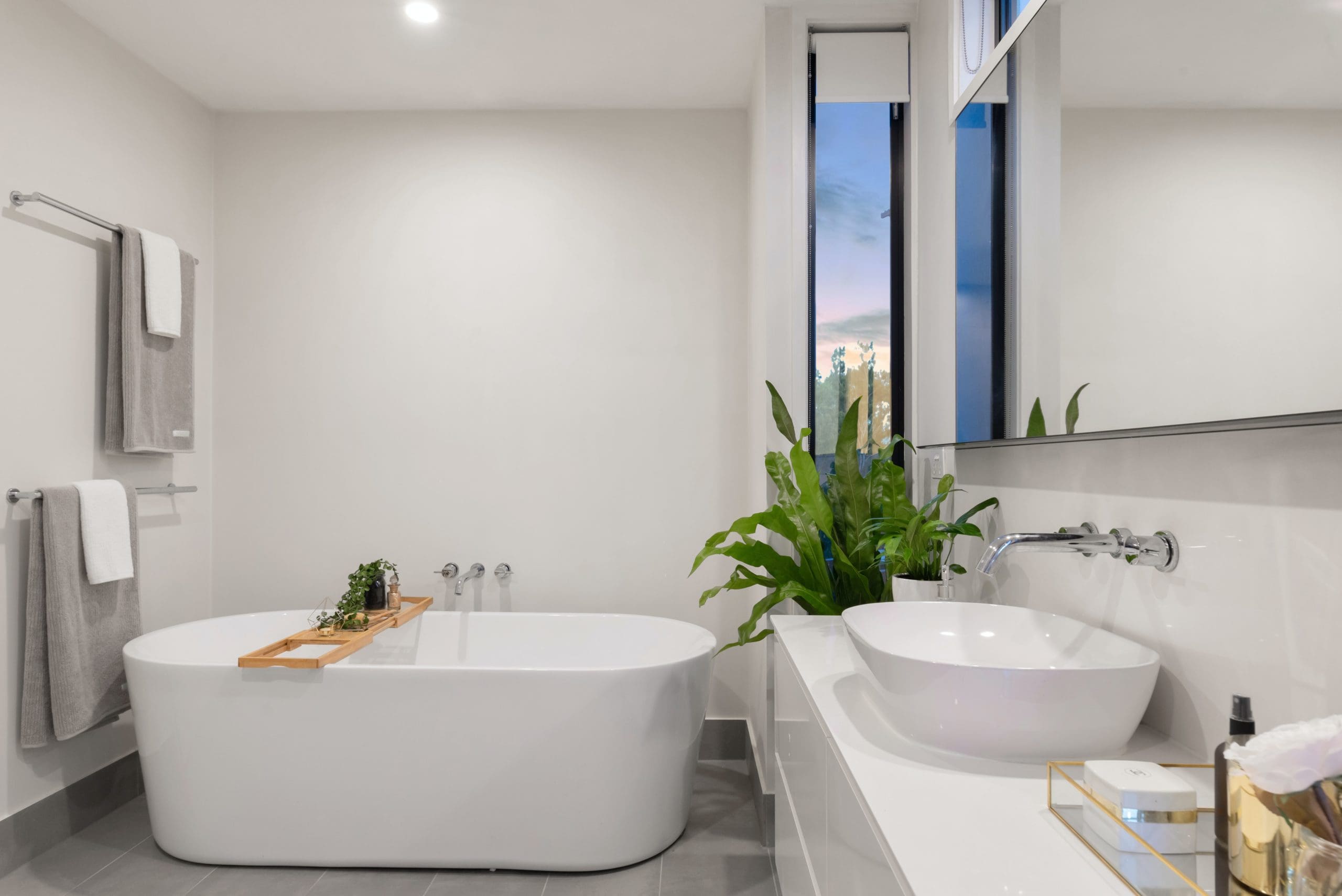
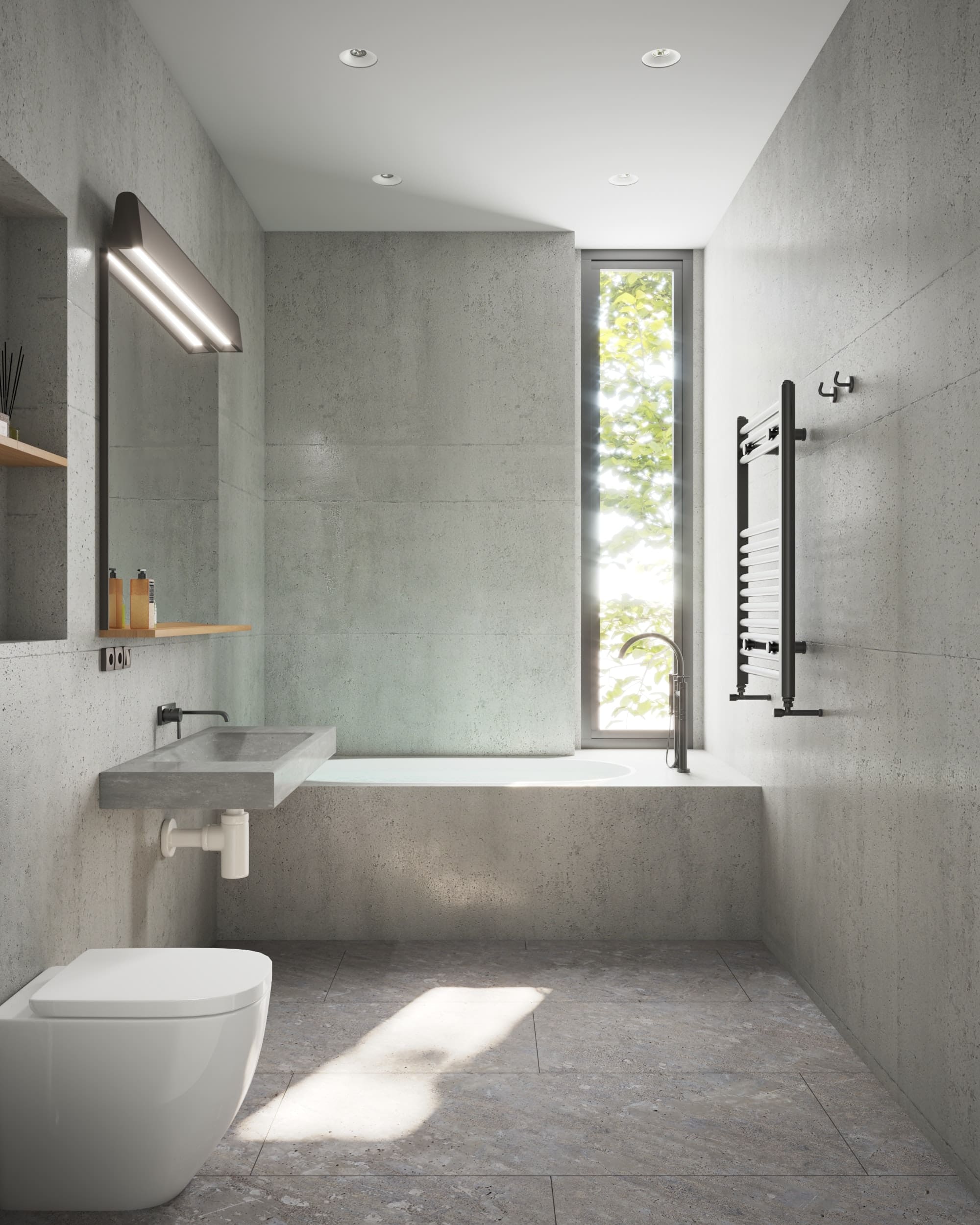
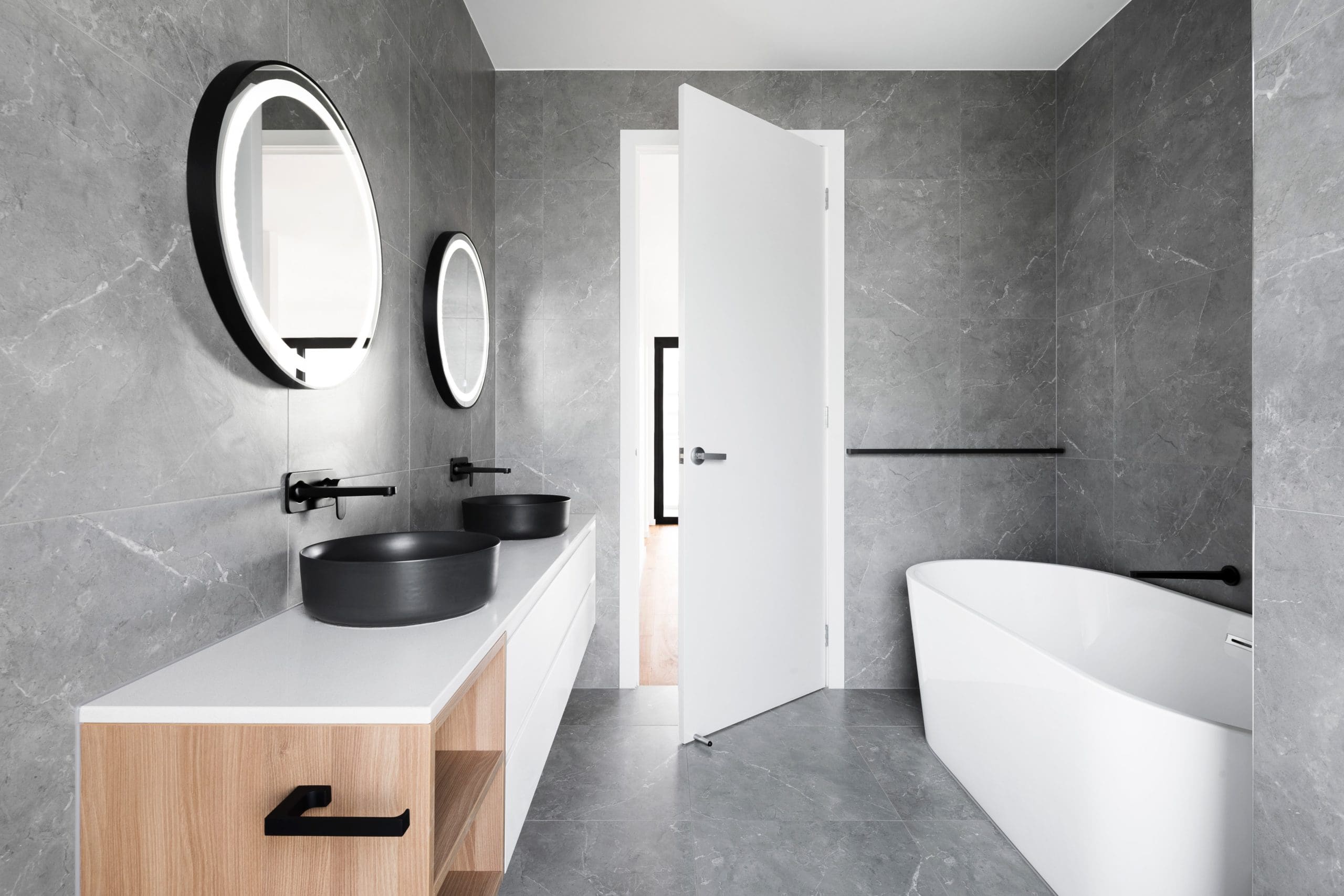
Even though bathrooms are frequently the smallest rooms in the house, they may nevertheless be the most elegant and tranquil spaces. Whether creating a new bathroom from scratch or remodeling an old one, designing a bathroom may be difficult. But don’t worry, and we will ensure you that at the end of this article, you will have some clear ideas about what is means to renovate the bathroom! This blog post will walk you through a step-by-step process for designing your ideal bathroom. We’ll help you transform your bathroom into a spa-like retreat by providing you with the newest ideas and trends and professional space-saving tips. Set the kettle to boiling, grab a biscuit, and let’s begin remodeling your bathroom!
Photo by Collov Home Design on Unsplash
I. Definition of Bathroom Design
Bathroom design is the process of organizing, constructing, and embellishing a bathroom. It includes everything, including the fixtures, materials, and colors utilized and the bathroom’s design and operation. The objective of bathroom design is to provide a practical, fashionable room representative of the homeowner’s needs and preferences.
When it comes to bathroom design, there are a variety of factors to consider, such as the size of the room, the number of people who will use it, and the desired aesthetic. Whether you’re renovating an existing bathroom or starting from scratch, the design process involves research, planning, and execution.
Researching bathroom design trends and gathering inspiration is an essential first step. This will help you to understand the different design options available and create a clear vision for your bathroom. Once you have a clear idea of what you want, you can plan and create your bathroom design.
Another critical component of bathroom design is functionality. It’s crucial to consider who will use the bathroom and how they will use it before designing the area. For instance, if you have a big family, you should have several sinks and lots of storage.
This section will examine the various bathroom design components and things to remember while designing your ideal bathroom. We’ll give you information on anything from the newest design trends to knowledgeable pointers for maximizing area and use.
Photo by R ARCHITECTURE on Unsplash
Overview of the Strategies that will be covered in the post
This blog post will cover various strategies for designing your bathroom. These include:
Research and Planning:
We’ll go over how to look up bathroom design inspiration, how to make a mood board or idea board, and how to investigate bathroom design trends. A realistic budget for your bathroom remodeling will also be discussed, as well as how to measure and plan your bathroom’s layout.
Photo by R ARCHITECTURE on Unsplash
Design and Functionality:
The best materials, colors, and fixtures for your bathroom, as well as how to incorporate the newest design trends, will be discussed. We’ll also offer pointers on incorporating sustainable and eco-friendly solutions into your bathroom design while maximizing space and utility.
Installation and Finishing:
We’ll advise selecting and collaborating with a builder or designer, supervising and managing the installation procedure, and decorating and adding finishing touches to your bathroom. We’ll also offer tips on how to keep your bathroom clean and maintained.
Photo by R ARCHITECTURE on Unsplash
You’ll have a ton of information and inspiration to help you create the bathroom of your dreams by the time you finish reading this page. Additional resources, a Q&A session, and a request for readers to contribute their own bathroom design experiences are all included in the bonus sections; we’ll also be included.
II. Research and Planning
The first step in decorating your bathroom is researching and gathering ideas. This will assist you in developing a clear vision for your bathroom and understanding the various accessible design possibilities. We’ll go through how to do your homework, get inspiration, make a mood board or concept board, measure and plan your bathroom layout, and set a reasonable budget for your bathroom to remodel in this section.
Photo by R ARCHITECTURE on Unsplash
Research and Gather Inspiration:
Finding inspiration by researching current bathroom design trends is the first step in creating your bathroom. This can be done by searching through periodicals and websites for bathroom design, going to showrooms, and viewing bathroom images on social media. Keeping track of any design characteristics or elements you dislike is also a bright idea.
Create a Mood Board or Concept Board:
The following step is to create a mood board or concept board after gathering inspiration. A physical board can be made, or a digital tool can be used to accomplish this. You can visualize the design components, color scheme, and overall aesthetic you wish to achieve in your bathroom by creating a mood board or concept board.
Photo by Backbone Visuals on Unsplash
Measure and Plan Your Bathroom Layout:
It’s time to measure and plan the layout of your bathroom after you are confident of the design features you want to use there. This entails figuring out how big your bathroom is, where the plumbing fittings are, and where to put the furniture and other items. Make sure your bathroom design is practical and appropriate for your space by making a thorough plan.
Photo by Backbone Visuals on Unsplash
Set a Realistic Budget for Your Bathroom Renovation:
Setting a reasonable spending limit for your bathroom makeover is the last stage in the planning process. This should account for the cost of the labor, the materials, and any other expenses like permits or inspections. Before starting your remodeling, it’s critical to have a budget to choose the design and materials confidently. You’ll be able to develop a distinct vision for your bathroom design and make sure that the restoration process goes smoothly by using these research and planning techniques.
Photo by Backbone Visuals on Unsplash
III. Design and functionality
It’s time to start considering the design and functioning of your bathroom now that the research and planning phases are complete. We’ll discuss choosing this area’s best materials, colors, and fixtures. We’ll also discuss how to incorporate the newest trends and ideas into your bathroom design, maximize space and functionality, and incorporate sustainable and eco-friendly solutions.
Choosing the Right Materials, Colors, and Fixtures:
The materials and colors will significantly influence your bathroom’s overall appearance and atmosphere and the fixtures you select. It’s crucial to pick materials that will last, are simple to maintain, and complement your overall design style. Consider adopting a neutral color scheme to create a calming and soothing ambiance. Additionally, keep in mind the fixtures’ utility and design, whether modern or classic, while choosing fittings.
Incorporating the Latest Trends and Designs:
Since bathroom design is continuously changing, staying informed of the most recent trends and styles is critical. Open-plan bathrooms, bold lighting fixtures, and natural materials like wood and stone are some of the current trends in bathroom design. Designing your bathroom with these trends in mind will help you create a chic and modern space.
Maximizing Space and Functionality:
Making the most of available space and usefulness is a crucial component of bathroom design. This can be accomplished by including creative storage options, such as medicine cabinets and recessed shelves, and selecting elegant yet practical furniture and fixtures. Additionally, consider maximizing ventilation and natural light in the bathroom to make it feel spacious and open.
Incorporating Sustainable and Eco-friendly Options:
Using environmentally friendly and sustainable choices is a crucial component of bathroom design. This can be done by employing low-flow toilets and showerheads, lighting fixtures with energy-efficient bulbs, and eco-friendly building materials like bamboo or cork. Adopting sustainable and eco-friendly solutions may make your bathroom more ecologically friendly while reducing your long-term utility costs.
IV. Installation and Finishing
It’s time to start considering the installation and finishing of your bathroom once the design and planning phases are complete. We’ll go through how to deal with a contractor or designer, supervise and manage the construction process, decorate and add finishing touches to your bathroom, and maintain and clean your bathroom in this section.
Photo by Bilal Mansuri on Unsplash
Hiring and Working with a Contractor or Designer:
Working with a knowledgeable designer or contractor when planning a bathroom renovation is crucial to assist with the installation procedure. Check references and credentials before hiring a contractor or designer, and request a thorough proposal explaining the project’s requirements and expenses. To guarantee that your bathroom makeover is finished to your satisfaction after hiring a contractor or designer, it’s crucial to establish clear communication and work closely with them.
Overseeing and Managing the Installation Process:
Being prepared and proactive when coordinating and supervising the installation procedure is crucial. This entails ensuring that the required licenses and inspections are obtained, that supplies are supplied on time, and that the work is finished on schedule. Additionally, it’s critical to be accessible to respond to inquiries and resolve problems that can develop throughout the installation process.
Adding Finishing Touches and Decor:
After the installation, it’s time to decorate and add the finishing touches to your bathroom. Lighting fixtures, artwork, and accessories are examples of this. To ensure that your bathroom looks polished and finished, selecting finishing touches and decor that blend in with the room’s general design approach is critical.
Maintaining and Cleaning Your Bathroom:
The final step in bathroom remodeling is the cleaning and maintaining your bathroom. Establish a regular cleaning schedule to keep your bathroom looking its best. This entails sanitizing the counters, floors, shower, and restroom and cleaning them. It’s also essential to regularly check for and address any issues like leaks or mold. You should also adhere to the manufacturer’s cleaning and maintenance instructions for any unique materials or fixtures in your bathroom. By keeping your bathroom clean and well-maintained, you can ensure that it looks lovely for many years.
Photo by R ARCHITECTURE on Unsplash
To sum up, designing and renovating a bathroom can be challenging, but you can build the bathroom of your dreams with the appropriate information, resources, and approaches. We’ve covered all the stages you need to follow to ensure a successful bathroom remodel, from planning and research to selecting the ideal materials, colors, and fixtures to supervising the installation process and adding the finishing touches. Remember that maintaining and cleaning your bathroom is equally crucial to keep it looking its best. Please put on your remodeling gear, roll up your sleeves, and let’s get set to create a splash with your bathroom renovation!
Are you fed up with the same old pool in your backyard? Want to make an impact with something fresh and interesting this summer? You need look no further! We have produced a list of 15 varieties of swimming pools to inspire you and assist you in selecting the ideal one for your property. From infinity pools to natural ponds, everyone can find something to their liking. So put on your sunscreen and let’s go swimming!
Photo by James Wheeler
Infinity Pools
Photo by Polina Kuzovkova on Unsplash
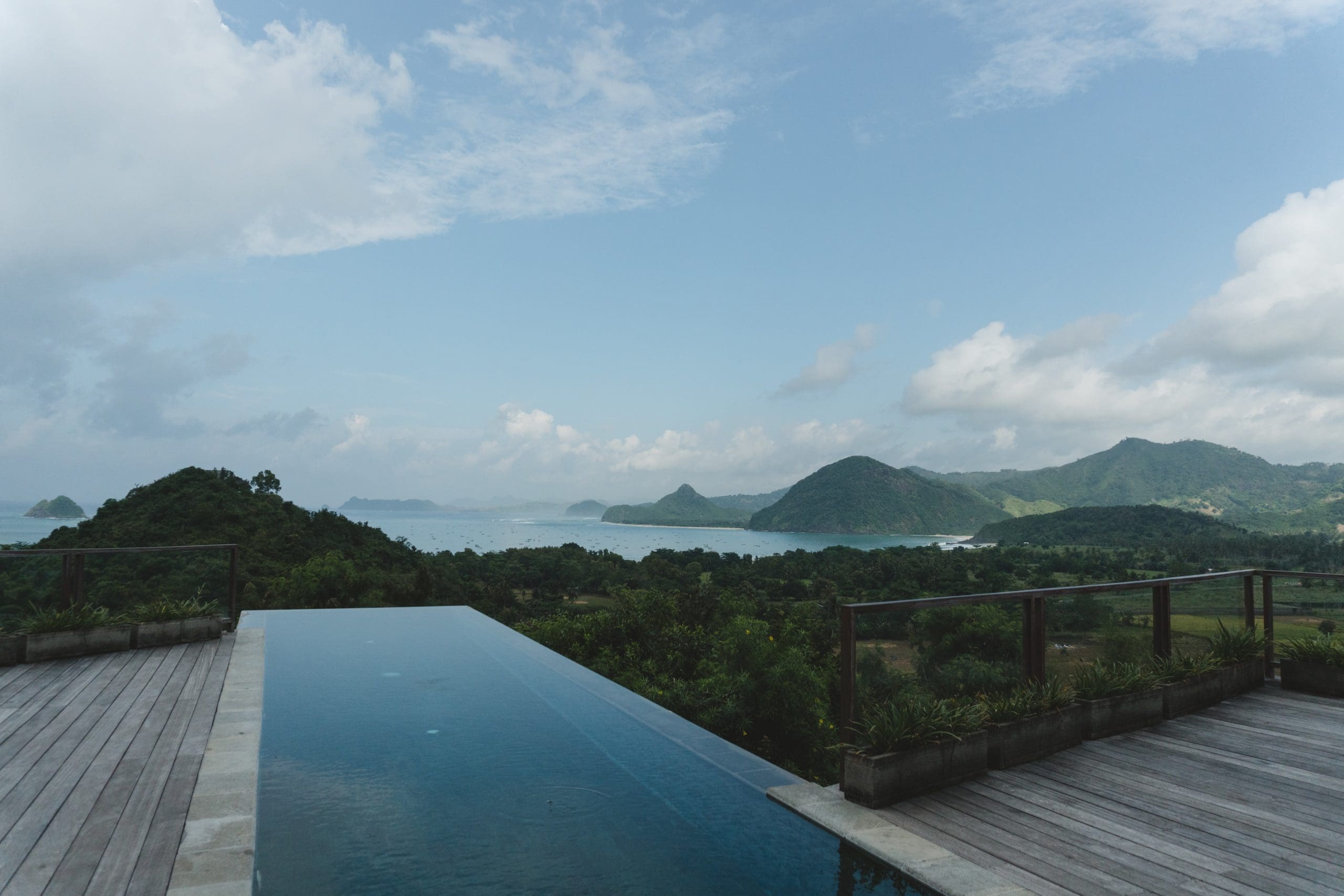
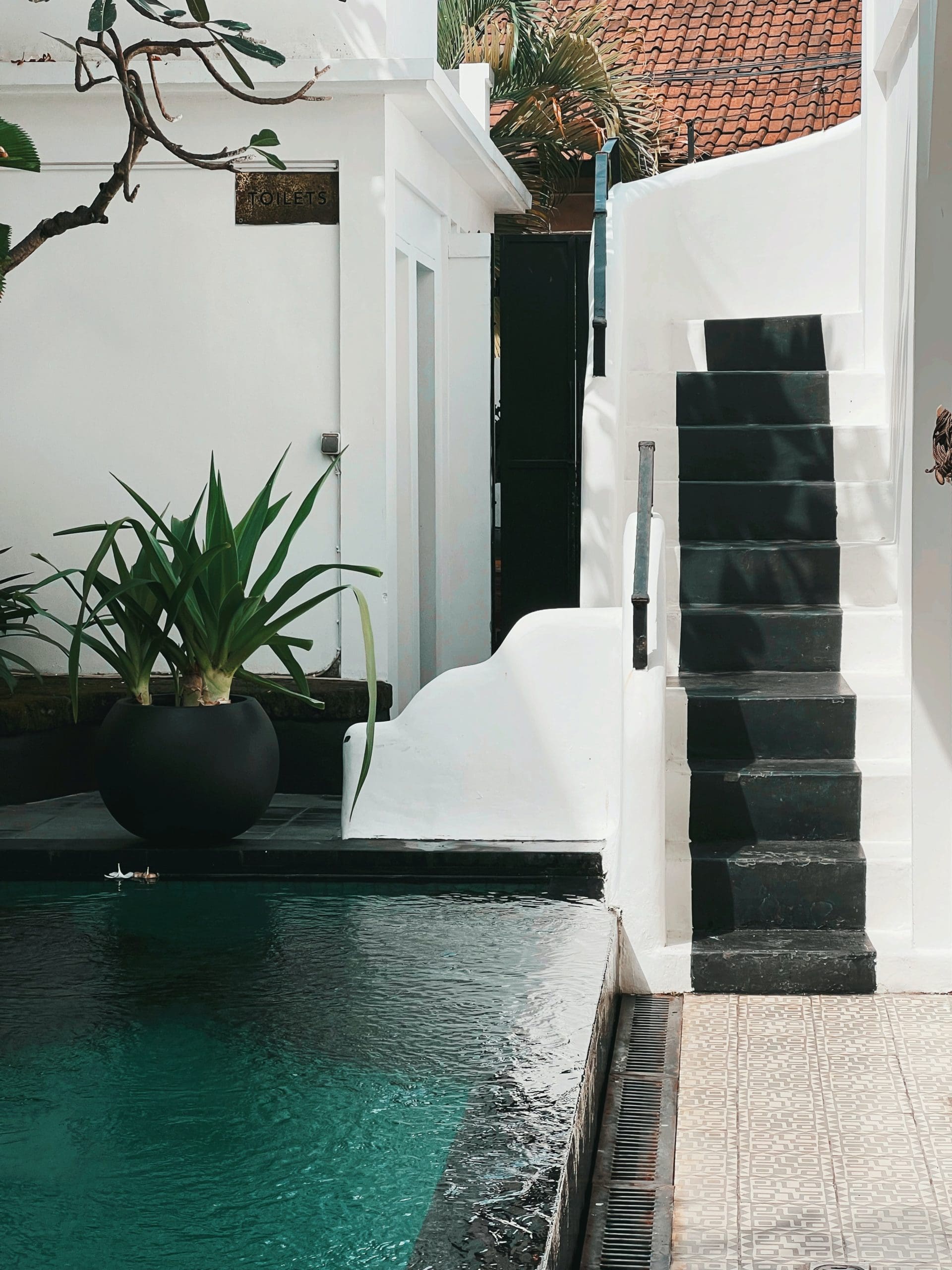
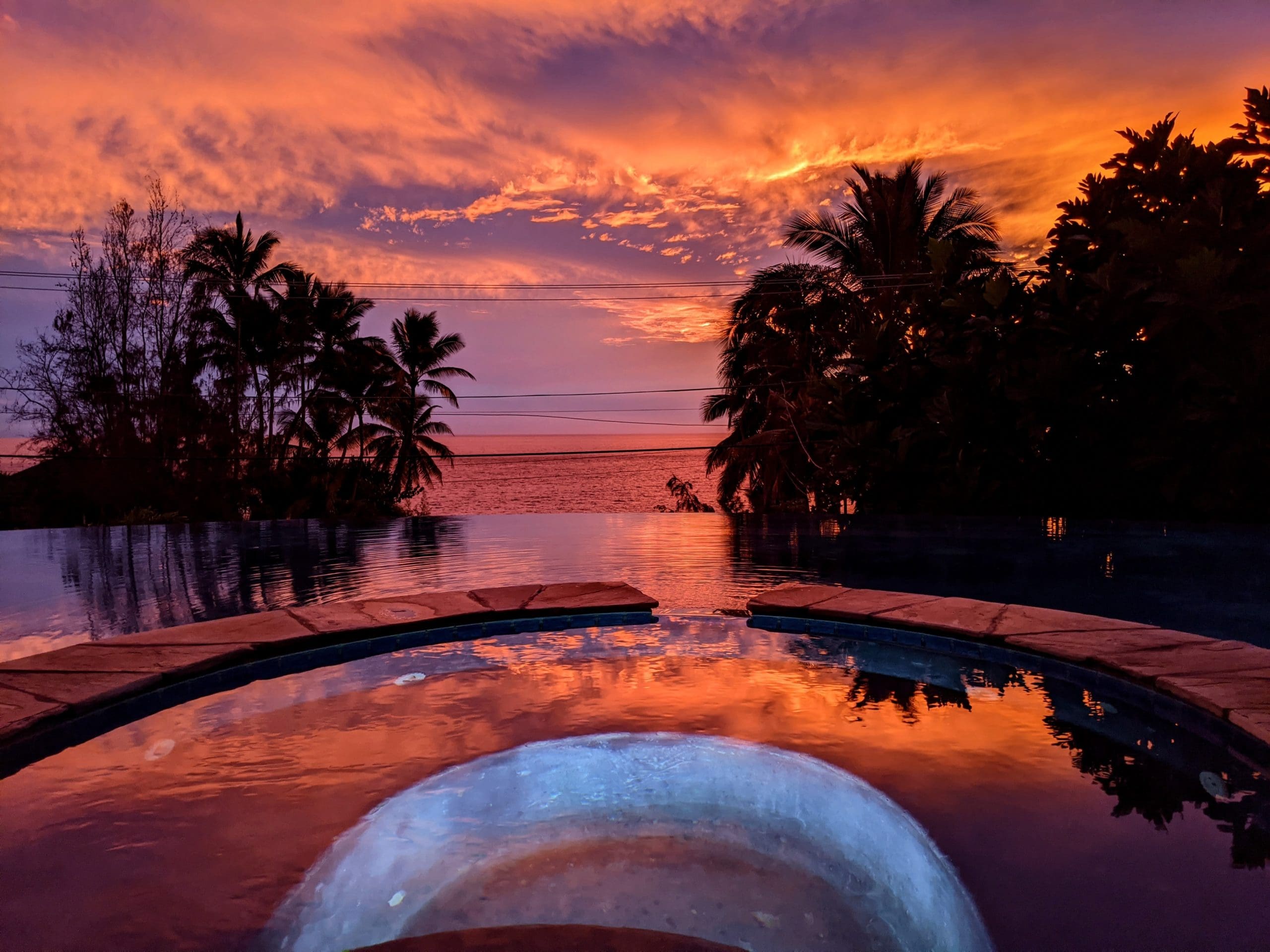
A swimming pool with an infinity edge, sometimes referred to as a negative edge or vanishing edge pool, gives the impression that the water continues forever. To do this, one or more pool borders are created at the same elevation as the deck that surrounds them, allowing water to flow over the edge and into a catch basin. Because they provide a spectacular visual effect and can meld perfectly with the surrounding nature, infinity pools are frequently utilized in opulent resorts and high-end homes.
2. Natural Ponds
Photo by Nick Fewings on Unsplash
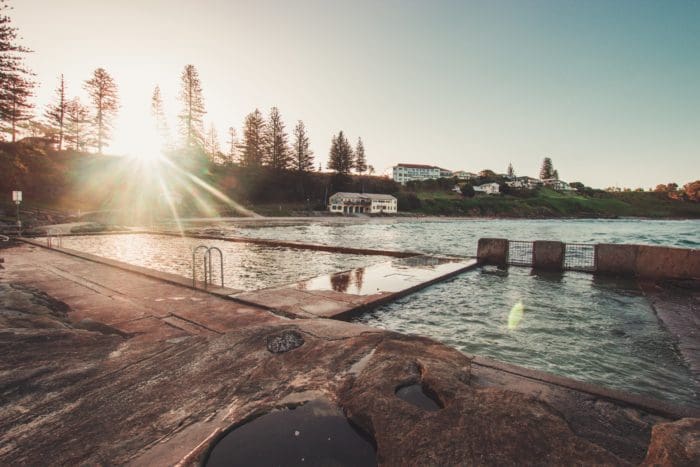
A swimming pool style called a “natural pond” imitates the appearance and feel of a natural body of water. These pools may have elements like waterfalls or streams and are often built with organic materials like plants, pebbles, and stones. If you want a pool that seems more organic and natural, natural ponds are a terrific option. They may be made to fit in with the surrounding scenery.
3. Traditional Pools
Photo by Daryl Han on Unsplash
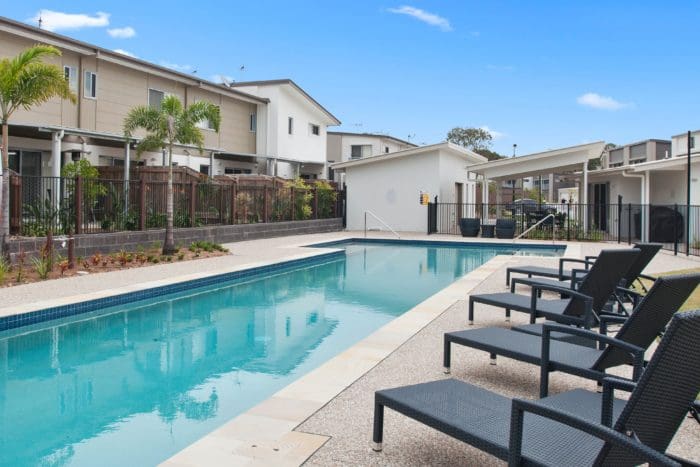
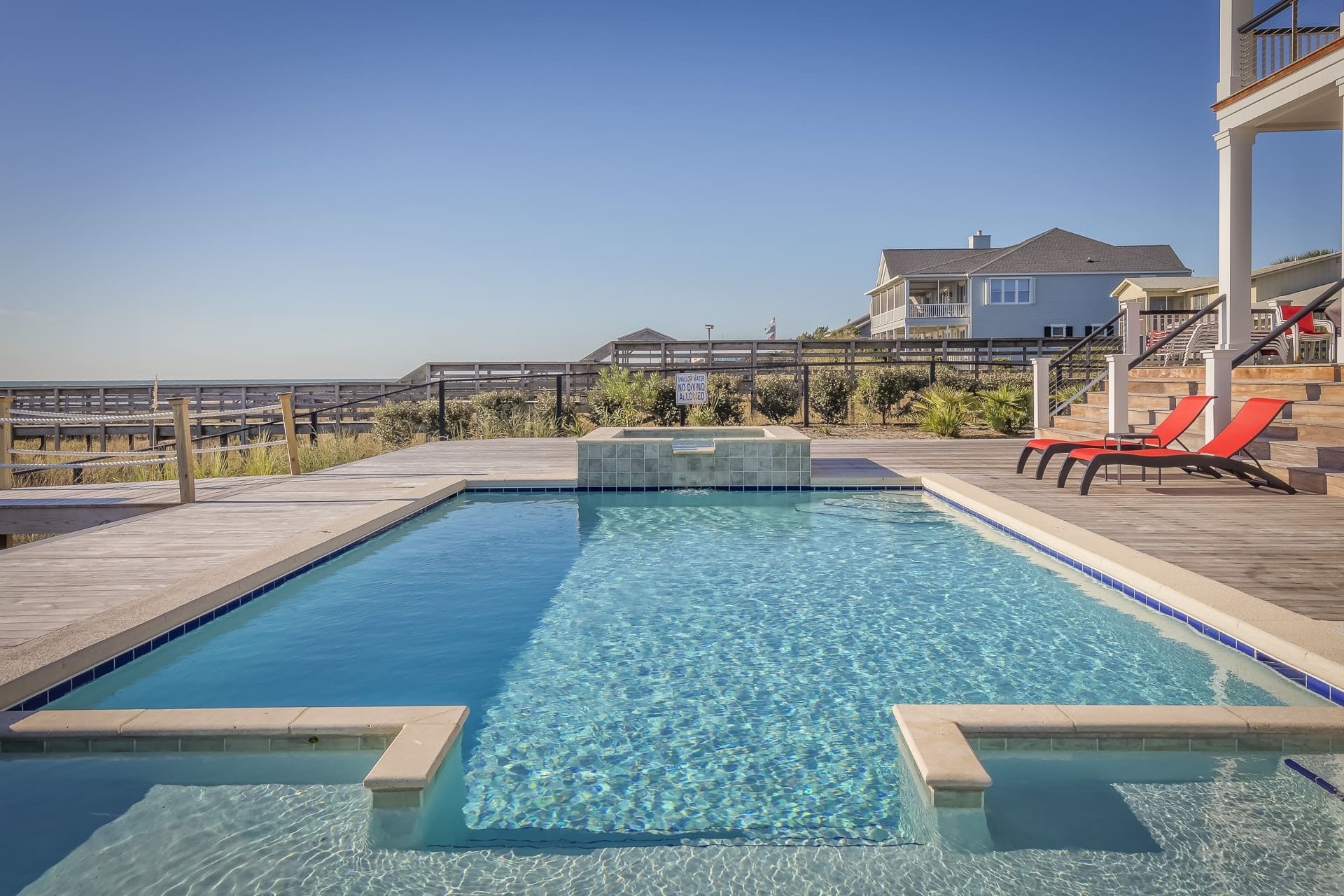
The most typical style of pool used in residential settings is a classic pool, commonly referred to as a rectangular or geometric pool. Usually rectangular or geometric in shape, these pools are made of concrete or fiberglass. Traditional swimming pools come in a wide range of shapes and sizes and can be altered to meet the demands of the homeowner.
4. Lap Pools
Photo by Steven Ungermann on Unsplash
A swimming pool type called a lap pool is made primarily for physical fitness and exercise. These pools typically measure between 20 and 50 feet in length and are long and thin. They are also referred to as fitness pools, and they are ideal for swimmers who wish to practice or just keep fit.
5. Plunge Pools
Photo by Suzanne Rushton on Unsplash
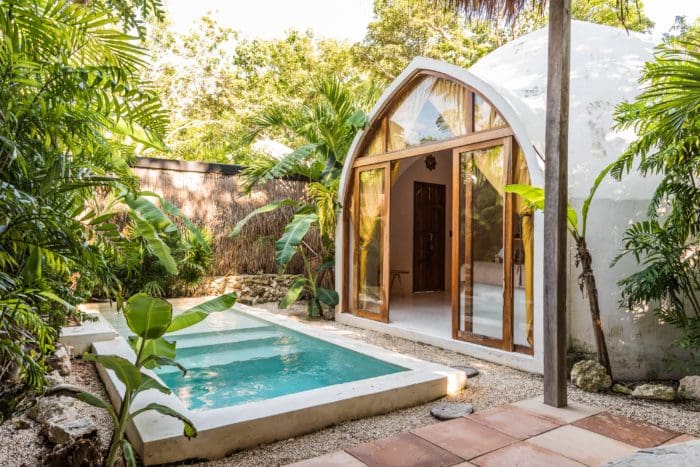
The dimensions and depth of a plunge pool are often less than those of a regular pool. They are ideal for anyone who want to unwind, chill down, and enjoy the sun but don’t want to deal with the upkeep that comes with a larger pool. In smaller backyard settings, plunge pools are frequently used as a spa-like addition to standard swimming pools or as a stand-alone element.
6. Endless Pools
Photo by David Hieb on Unsplash
A swimming pool that generates an ongoing current allows users to swim “endlessly” without needing to turn around is known as an endless pool. As the current can be changed to different speeds and levels of resistance, these pools are frequently used for physical fitness and training. Triathletes and other competitive swimmers also like them a lot.
7. Saltwater Pools
Photo by Resi Kling on Unsplash
A swimming pool that uses salt chlorination rather than regular chlorine to disinfect the water is known as a saltwater pool. Because they offer a more natural swimming experience and cause less eye and skin irritation than conventional chlorine pools, saltwater pools are growing in popularity.
8. Heated Pools
Photo by Sheng L on Unsplash
A swimming pool that is heated employs a heating system to keep the water at a pleasant temperature all year long. These pools are ideal for colder climates since they let swimmers use the pool year-round.
9. Indoor Pools
Photo by Li Yang on Unsplash
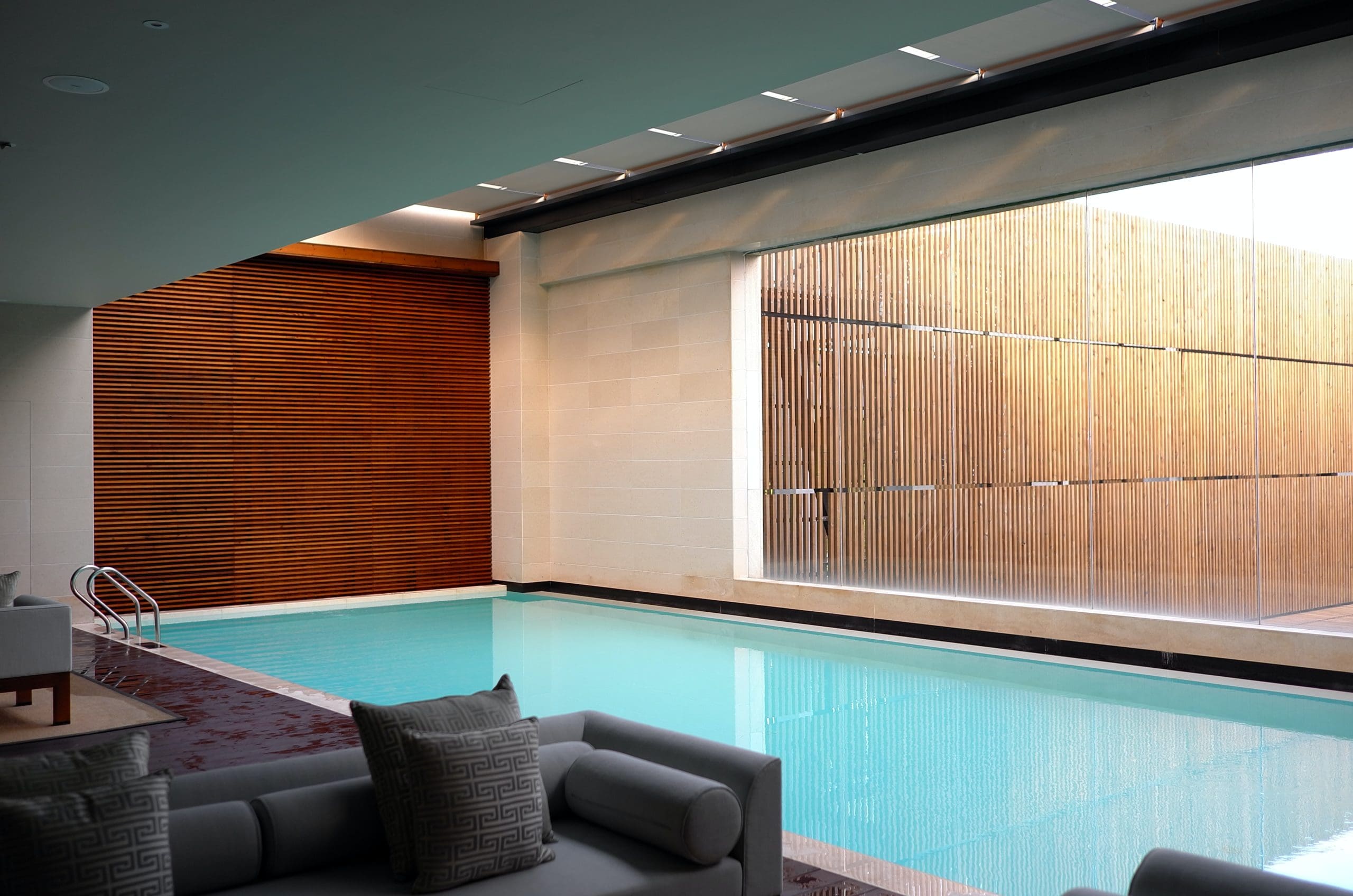
A swimming pool that is housed inside a building or other enclosed structure is known as an indoor pool. Indoor swimming pools, which are frequently utilized for fitness and enjoyment, provide the convenience of year-round swimming regardless of the weather.
10. Spa Pools
Photo by Jesse Schoff on Unsplash
A spa pool, usually referred to as a hot tub or Jacuzzi, is a form of swimming pool used for hydrotherapy and relaxation. The size of these pools is often smaller than a regular swimming pool, and they have water jets that provide soothing massages. They are ideal for relaxing after a hard day and relieving tight muscles.
11. Custom Pools
Photo by June on Unsplash
A form of swimming pool known as a “custom pool” is one that is created and designed to meet the unique requirements and preferences of the homeowner. These swimming pools can be made in any size, shape, and design, and they can have a variety of elements including slides, waterfalls, and caves. For individuals seeking a unique swimming experience, custom pools are ideal.
12. Fiberglass Pools
Photo by Pixabay: https://www.pexels.com/photo/architecture-hotel-pool-poolside-261327/
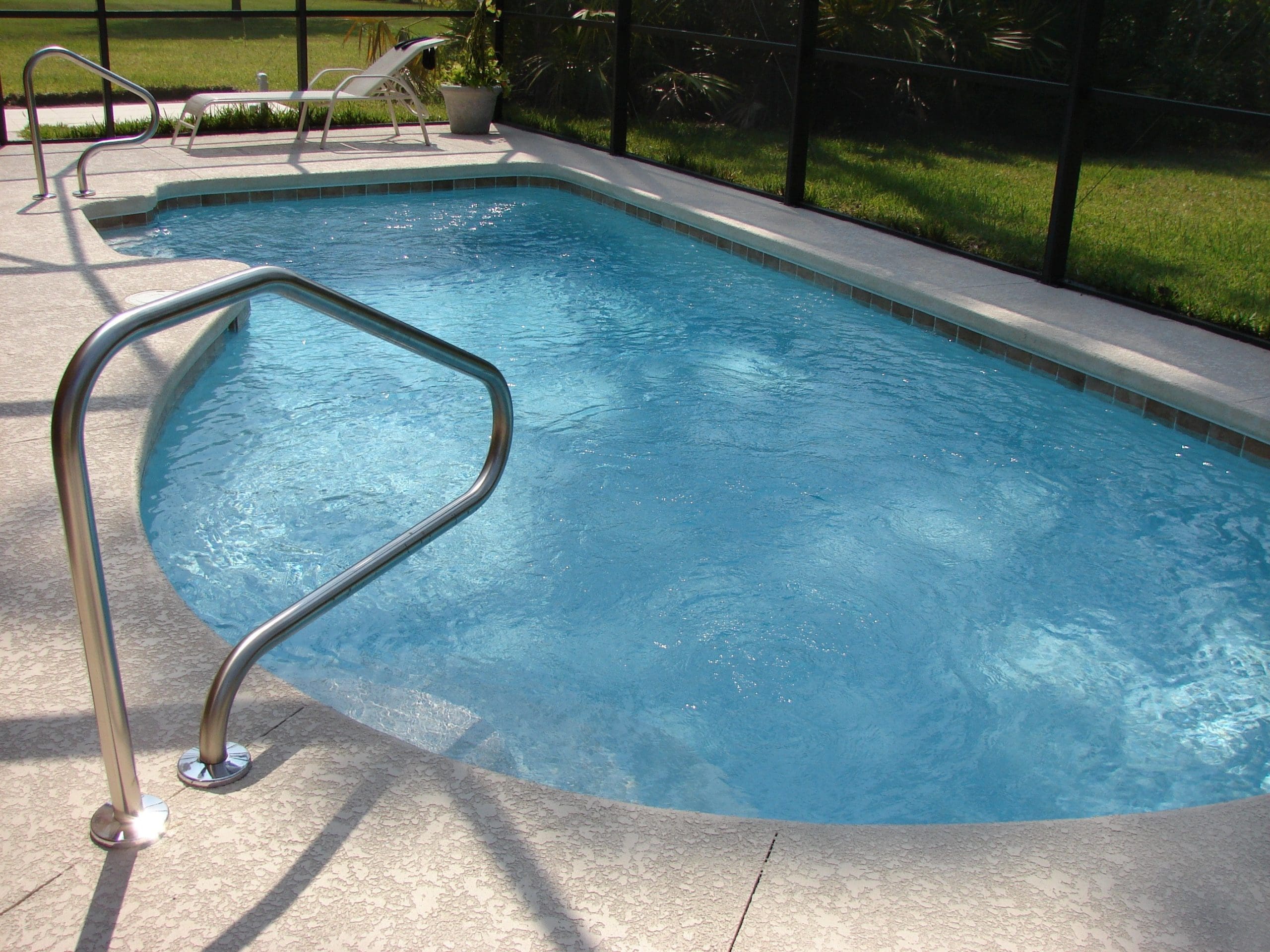
A fiberglass shell is formed into the shape of a swimming pool, which is then fitted into a prepared hole in the ground. In addition to being quicker to install than other types of pools, they are renowned for their dependability and low maintenance requirements. They come in a range of sizes and shapes, although they are more constrained in terms of size and shape than other swimming pools.
13. Vinyl Liner Pools
Photo by form PxHere
A vinyl liner is laid on the walls and floor of a swimming pool that is known as a vinyl liner pool. They are renowned for being reasonably priced and being adaptable in terms of sizes and shapes because the liner can be manufactured specifically to fit any pool design. They are also simple to install, maintain, and, if necessary, replace the liner on.
14. Concrete Pools
Photo by Raygar He on Unsplash
Concrete is poured into a ready-made pit in the ground to create concrete pools, a particular sort of swimming pool. They are renowned for their dependability, adaptability to any location or design, and capacity for bespoke shaping and design. They can also integrate a variety of elements, including waterfalls, slides, and caverns, making them the most adaptable sort of swimming pool.
15. Above Ground Pools
Photo by Erik Tamo: https://www.pexels.com/photo/person-relaxing-near-a-swimming-pool-121801/
Swimming pools known as “above ground pools” are constructed above the earth, usually on a raised platform or deck. They are a popular option for people who want a pool but don’t want to dig up their property because of its price and ease of installation. They are simple to assemble, disassemble, and move and are available in a range of sizes, shapes, and materials.
16. Lazy River Pools
Photo by June on Unsplash
A swimming pool style known as a “lazy river pool” has a current that flows slowly, allowing users to float about the water at their own pace. They can be incorporated into home pools, although they are frequently found in water parks and resorts. For individuals who wish to unwind and soak up the sun while being gently carried about the pool, these pools are ideal.
17. Pool with Slides
Photo by Pixabay: https://www.pexels.com/photo/chair-color-entertainment-fun-261348/
A swimming pool with slides is one that has one or more water slides for more pleasure and excitement. The size and complexity of these slides can vary, from straightforward straight slides to winding tube slides. They are ideal for those who wish to spice up their swimming experience or for families with young children.
18. Pool with Waterfalls
Photo by form PxHere
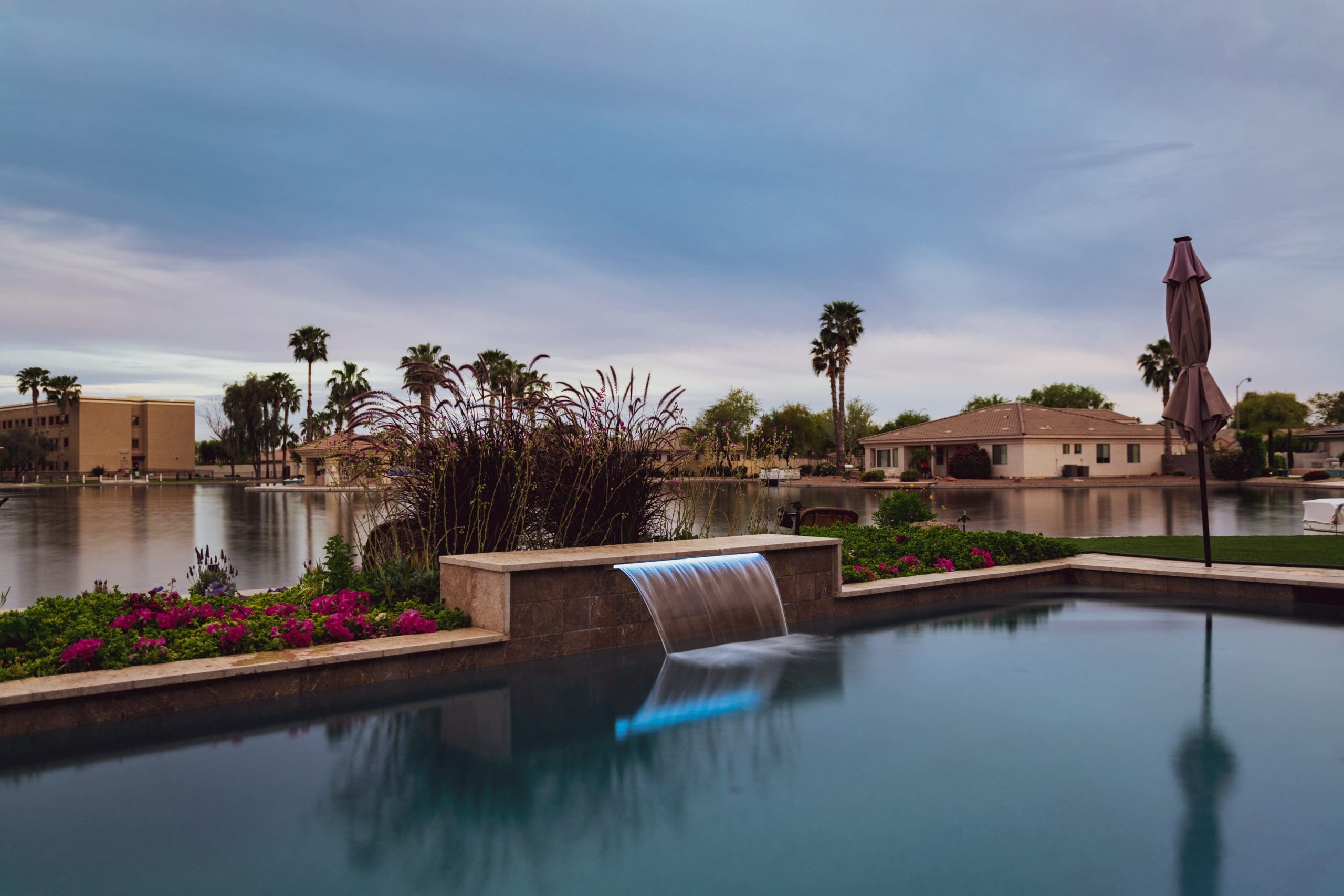
A swimming pool that has waterfalls is one that has one or more waterfalls for enhanced aesthetic appeal. These waterfalls might be little, cascading waterfalls or big, multi-tiered waterfalls, depending on their size and intricacy. For more visual interest, they can also be incorporated into other pool designs, such infinity pools or natural ponds.
19. Pool with Grotto
Photo by Christian Joudrey on Unsplash
A swimming pool with a grotto is one that has a small cavern-like feature, frequently with a waterfall. These grottos can be utilized as a place to unwind, as a place for kids to play, or as a special feature to improve the pool’s overall appearance and atmosphere.
20. Pool with Beach Entry
Photo by RKTKN on Unsplash
A swimming pool with a beach entry features a gentle slope or “beach” leading into the water as opposed to standard stairs or a ladder. This makes it easier for swimmers to join and exit the pool naturally and gradually. It’s particularly perfect for little ones or people who have mobility problems.
21. Pool with Fire features
Steve Jurvetson, CC BY 2.0, via Wikimedia Commons
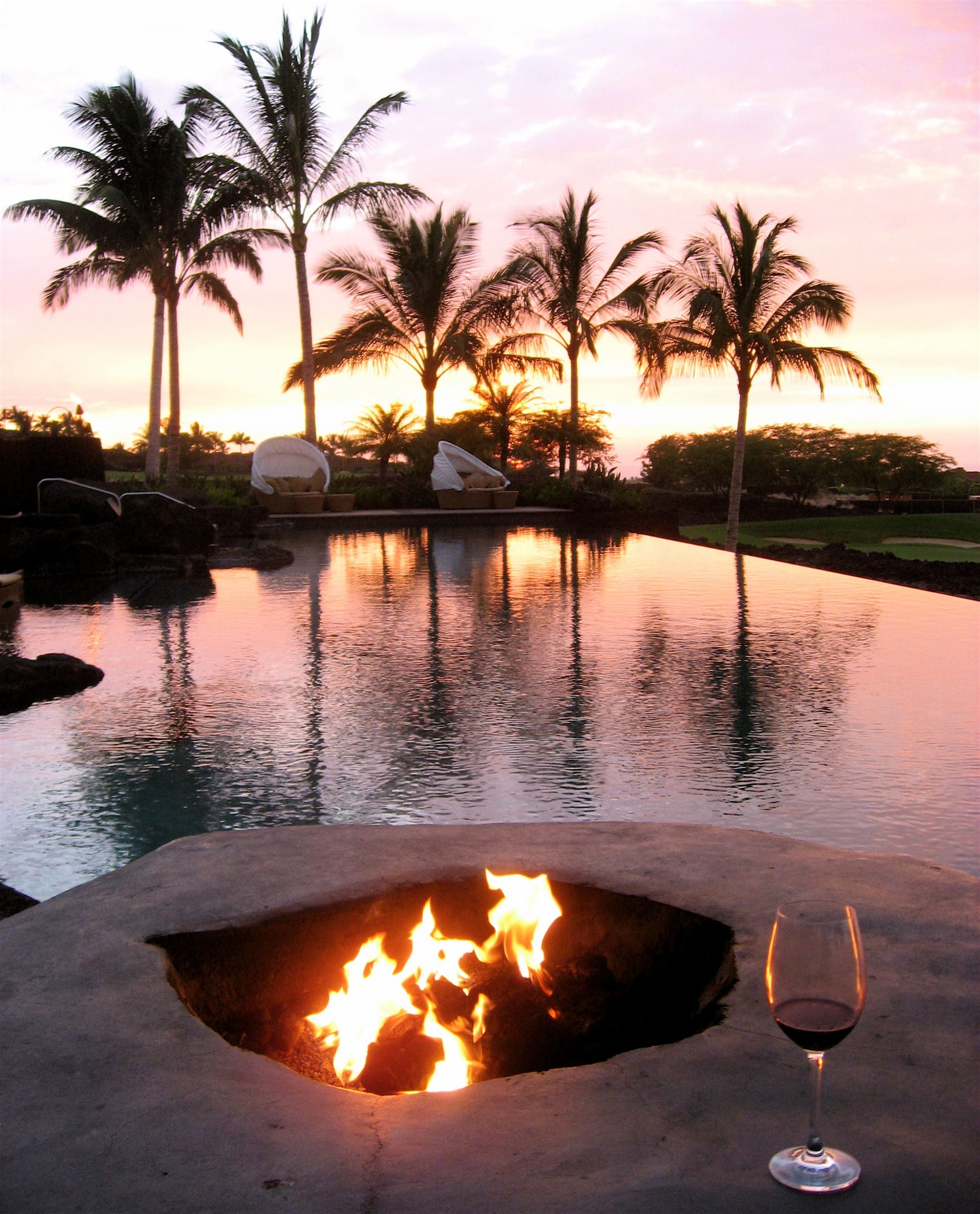
A swimming pool that has one or more fire features, such as fire bowls, fireplaces, or fire pits, is referred to as one with fire features. These elements can give the pool area a distinctive and romantic feel while also acting as a place for family and friends to congregate.
22. Pool with a Swim-up Bar
Photo by Scott Webb on Unsplash
A swimming pool with a swim-up bar has an integrated bar or counter where swimmers can sit or stand and enjoy a drink or snack. It is possible to include this feature into conventional or infinity pools, and upscale hotels and residences frequently have them.
23. Pool with a diving board
Photo by Markus Spiske on Unsplash
A swimming pool with a diving board has a platform from which swimmers can jump or dive into the water. For individuals who wish to practice diving and add some excitement to their pool, diving boards might be a fantastic addition.
24. Pool with a water slide
Photo by form PxHere
A swimming pool with a water slide is a particular kind of pool where swimmers can descend a slide into the water. Both children and adults can have a lot of fun on these slides, and they may also be a terrific way to cool off on a hot summer day.
25. Pool with a hot tub
Photo by Kevin Doran on Unsplash
A swimming pool with a hot tub is one that has a spa or hot tub area attached to it. For individuals who prefer the advantages of a hot tub and the option to swim, these pools are ideal. The hot tub section can also be used as a separate hydrotherapy area or as a place to unwind and relax after swimming.
26. Pool with a water feature
Photo by June on Unsplash
A swimming pool having one or more water features, such as fountains, waterfalls, or sprays, is referred to as one with water features. These elements can provide aesthetic appeal to different sorts of pools as well as visual interest and relaxation to the pool area.
27. Pool with a sun shelf
Photo by Pixabay: https://www.pexels.com/photo/pool-poolside-swimming-pool-water-261238/
A swimming pool with a sun shelf is one that has a shallow section or shelf close to the side that is ideal for relaxing, sunning, and playing. It is possible to include this feature into conventional or infinity pools, and upscale hotels and residences frequently have them.
28. Pool with a spa
Photo by Jakob Dalbjörn on Unsplash
A swimming pool with a spa is one that has a spa area that is connected to the pool. Hydrotherapy, relaxation, or simply taking in the warm water are all options in the spa area. For individuals who want to take advantage of the spa’s advantages while still having access to swimming pools, this feature is ideal.
In summary, there are many different swimming pool varieties to pick from, each with their own own characteristics and advantages. Including endless pools, plunge pools, lap pools, natural ponds, infinity pools, and many more. Before choosing a choice, it is crucial to consider your budget, available space, climate, and maintenance capabilities.
Consider the various amenities you wish to have in your pool, such as waterfalls, slides, hot tubs, sun shelves, grottos, and more, when selecting the ideal pool for your house. You get to make the decision from among countless alternatives.
A swimming pool is an expensive purchase and a long-term commitment, so do your research and thoroughly weigh all of your alternatives before deciding. You’ll be able to spend a lot of time having fun and unwinding in your own backyard with the appropriate pool.
Have you become weary of searching through mountains of clothing in your closet for that one garment you’re looking for? So let’s say good-bye to the disarray and hello to a well organized closet! We’ll share some expert advice on how to maximize your closet space and store your seasonal clothing in this blog post. We have you covered when it comes to folding methods and storage options. So let’s start by making a cup of tea and clearing and organizing your closet like a pro!
Photo by Burgess Milner on Unsplash
I. Definition of How to Store Seasonal Clothes
Before learning how to store your seasonal clothing like an expert, it’s crucial to comprehend what is meant by “seasonal clothing.” Apparel that is appropriate for a particular season or range of temperatures is referred to as seasonal clothing. For instance, winter seasonal clothing might include thick coats and scarves whereas summer seasonal clothing would include shorts and tank tops.
Photo by Zoe on Unsplash
To guarantee that these clothing stay longer, aren’t ruined, and don’t wrinkle, it’s crucial to store them properly. Maintaining cleanliness and protection of seasonal clothing is crucial when keeping them. This comprises items like:
Before storing garments, wash them.
Making use of the appropriate hangers or storage options.
Keeping them in a dry, cool place that is free from pests and dampness.
Seasonal clothing should be stored properly to save room in your closet as well as money over time by preserving the quality of your clothing. We’ll delve more into specific methods and fixes for keeping your seasonal clothing in the sections that follow.
II. Folding Techniques
One of the most important things you can do to store your seasonal clothes is to fold them correctly. Not only does this help you save space in your closet, but it also keeps your clothes in good shape. In this section, we’ll look at different ways to fold clothes and how to choose the best one for each type.
The KonMari Method: The KonMari Method was made popular by Marie Kondo, an expert on getting rid of clutter. This method involves folding clothes so that they stand up straight in your drawer. This is a great way to make the most of the space you have and make it easy to see and get to all of your clothes. It works especially well for thin, light clothes like t-shirts and camisoles.
Military Fold: This method, also called the “bundle fold,” involves folding clothes into a neat, rectangular shape. It’s great for keeping collared shirts and pants in shape. This method works best for pants, blouses, and dress shirts that have structure.
Roll-fold: This is a great way to save space and keep things from getting wrinkled. It’s great for sweaters and other clothes that tend to get stretched out when folded.
It’s important to think about the type of garment you’re folding when choosing the right folding method. For example, a sweater needs to be folded in a different way than a pair of pants. You should also think about how much space you have and how you will store your clothes.
Tips for keeping the shape and condition of clothes while folding:
Photo by Parker Burchfield on Unsplash
Use acid-free tissue paper or acid-free storage bags to wrap delicate items and keep them from turning yellow.
Fold clothes along their natural creases to avoid stretching or distorting them.
Try not to fold clothes too tightly, as this can cause creases and wrinkles.
Avoid hanging clothes that are likely to stretch or lose shape, like knitwear.
By following these tips and folding methods, you’ll be able to store your seasonal clothes in a way that takes up as little space as possible and keeps them in good shape.
III. Storage Solutions
It’s also important to choose the right way to store your seasonal clothes, in addition to folding them the right way. In this section, we’ll look at different ways to store clothes and how to choose the best one for each type and season.
Hanging organizers: These are a great way to store clothes like suits, dresses, and coats that tend to get wrinkled or stretched when folded. Hanging organizers come in different sizes and styles and can be used in a closet or on a clothes rack.
Storage boxes: These are an excellent alternative for clothing storage, especially for off-season or special event attire that you don’t need to access frequently. Storage containers are available in a range of shapes and materials, including fabric, cardboard, and plastic.
Vacuum-sealed bags: These are a wonderful choice for storing big clothing items like comforters or large winter coats. The way vacuum-sealed bags function is by sucking the air out of the bag, which compresses the contents and makes them take up less room.
The type of clothing you’re storing, the amount of space you have, and how long you plan to keep the garments in storage are all significant factors to take into account when selecting the best storage option. It’s crucial to take into account the storage location’s environmental factors, such as temperature, humidity, and light exposure.
Tips for protecting and preserving clothing while it is being stored:
To avoid mold and mildew, clean your garments before keeping them.
To ward off bugs, use cedar blocks, lavender sachets, or moth balls.
Don’t keep your clothes in damp or humid areas.
Wrap sensitive goods in acid-free tissue paper or acid-free storage bags to avoid discoloration.
Avoid placing your clothing in regions with high heat or direct sunshine.
By using these tips and ideas for storage, you’ll be able to store your seasonal clothes in a way that keeps them clean, safe, and in great shape.
Photo by Bilal Mansuri on Unsplash
IV. Organizing Your Closet
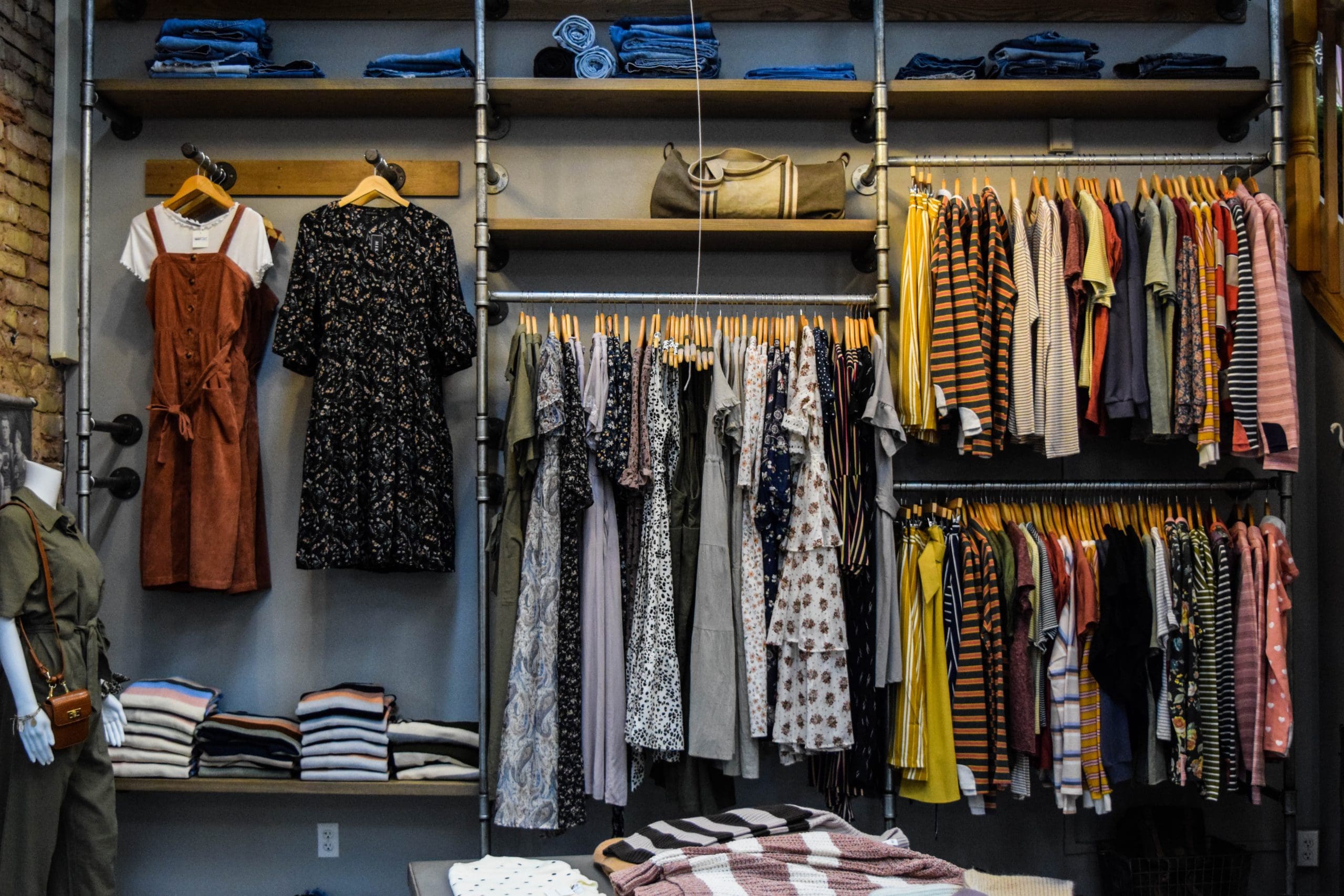
Once you’ve folded and placed your clothing properly, it’s crucial to arrange your closet so that it’s simple for you to locate and retrieve your clothing. We’ll discuss how to utilize hangers, hooks, and other organizational supplies to keep your wardrobe organized and your clothing readily accessible in this part. You can organize your closet by color, style, or season.
Organizing by color: With this technique, you arrange your clothing by color, grouping like hues together. This facilitates finding what you’re seeking for and produces a beautiful visual result.
Organizing by style: This technique entails classifying your clothing into categories like work, formal, and informal. This makes it simple to select the appropriate attire for various situations.
Organizing by season: This approach entails sorting your clothing by season, keeping the items you need for the current season nearby, and putting away the clothing for other seasons.
Hangers, hooks and other organizational tools:
Hangers: For a coordinated appearance, use matching hangers and select hangers that are suitable for the sort of clothing you are hanging (e.g. padded hangers for delicate items, huggable hangers for pants).
Hooks: Hooks for hanging bags, scarves, belts, and other accessories should be installed on the door or wall.
Shelves: To store shoes, bags, or other accessories, install shelves.
Drawers: To store smaller goods like jewelry, socks, and undergarments, use drawers.
Techniques for maintaining your closet’s organization over time:
Make it a practice to return your clothes to their proper places after each use.
Get rid of any clothing that doesn’t fit you anymore or that you haven’t worn in a while.
Every season, set aside some time to go through your closet and tidy it as necessary.
To keep track of your clothing and organize your wardrobe, think about utilizing a closet organization app.
By using these tips and tricks for organizing, you’ll be able to keep your closet in order and keep it that way over time. This will not only make it easier to find and get to your clothes, but it will also make getting dressed in the morning more fun.
Photo by Md Salman on Unsplash
Congratulations! You now possess the information and resources necessary to transform your disorganized wardrobe into a stylishly arranged one. You are prepared to handle any seasonal clothing storage difficulty thanks to your knowledge of folding methods, storage options, and organizational tactics.
But keep in mind that arranging and decluttering your closet is a continuous activity rather than a one-time affair. Make it an enjoyable exercise and play some upbeat music. Take before-and-after images, then show them to your pals. Everyone in your social circle will be jealous of you.
Now that you’ve organized your seasonal clothing, you’ll have no trouble finding the ideal outfit—even on those hectic mornings. Who knows, you may even find some clothing you had forgotten you have! A neat closet equals a tidy mind, so happy organizing!
The bedroom serves as a personal haven where we unwind and recharge after a hard day. But not every bedroom is made equal. While a well-planned bedroom might encourage calm and tranquillity, a poorly designed-one can leave you feeling anxious and uninspired. This post will cover professional advice for creating the bedroom of your dreams—a place to unwind and recharge.
Photo by Zac Gudakov on Unsplash
Psychology of Color
Photo by Zac Gudakov on Unsplash
Color psychology is one of the most effective strategies in interior design. It’s critical to select colors for the bedroom that encourage relaxation because colors can influence our emotions and behavior.
Cool hues like blue, green, and purple are excellent selections for the bedroom because they are believed to have a calming impact. They are related to the hues of the sky and the water and can evoke tranquility and peace. White, beige, and gray are excellent choices for the bedroom because they promote quiet and neutrality.
Lighting
Photo by Alen Rojnic on Unsplash
In order to create the ideal atmosphere in the bedroom, lighting is essential. While the wrong lighting can make a space feel chilly and unwelcoming, the proper lighting can make a room feel warm and welcoming.
The greatest lighting for a bedroom is natural light since it encourages relaxation and well-being. Large windows or skylights can let in natural light, but if that’s not an option, the space should have a combination of ambient, task, and accent lighting.
The general lighting in the space, or ambient lighting, should be gentle and diffuse to promote a calm mood. Accent lighting is used to draw attention to certain aspects, such as artwork or architectural details. In contrast, task lighting brightens specific locations, such as a reading nook or a dressing table.
Layout and furniture
Photo by Spacejoy on Unsplash
A bedroom’s overall aesthetic and practicality can be significantly influenced by its furnishings and design. It’s crucial to select furniture that is both aesthetically beautiful and useful.
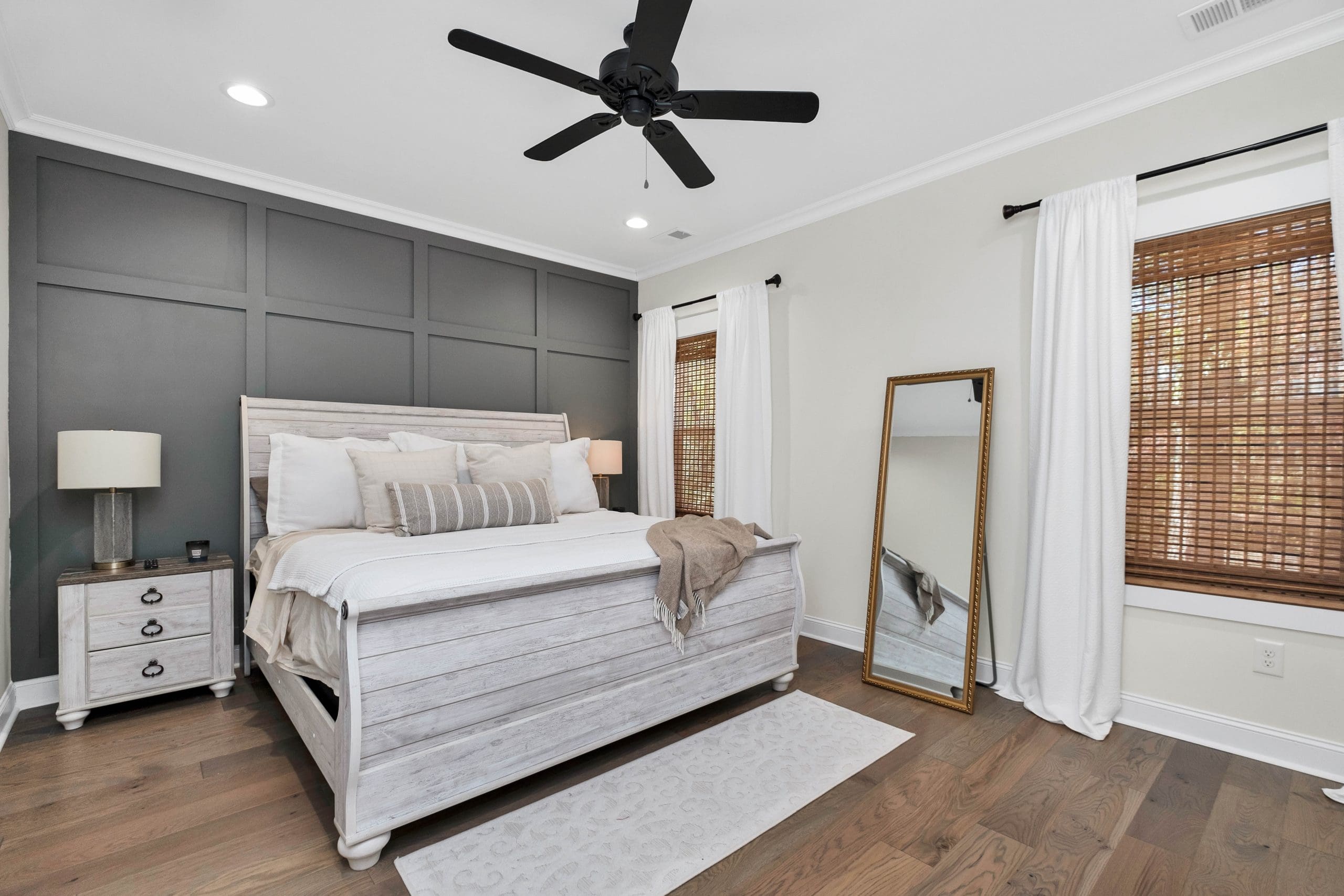
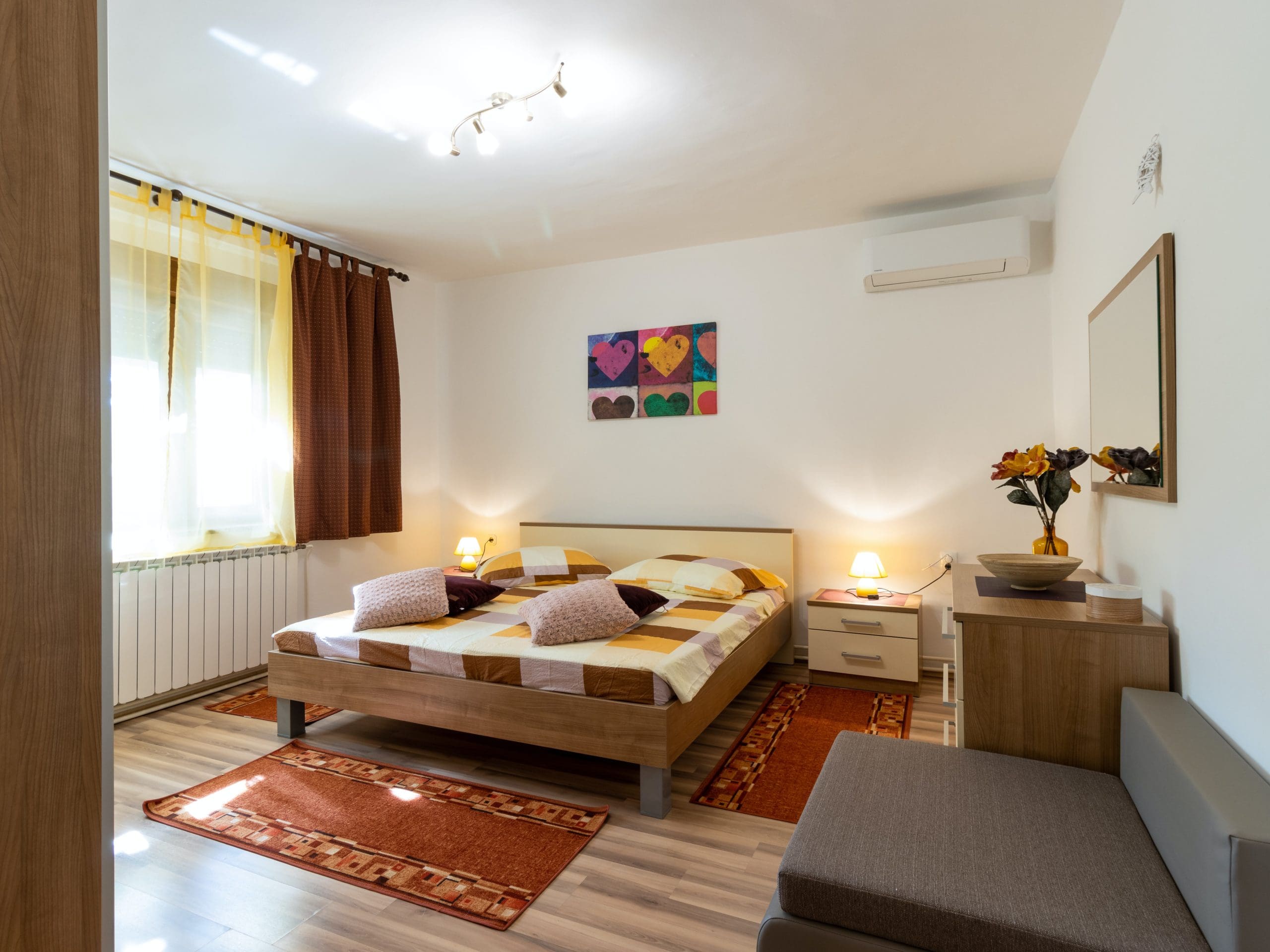
The focus of the space should be a bed, which should be positioned against a wall with enough space around it for easy movement. A reading chair, nightstand, and dresser are also necessary for bedroom furniture.
It’s essential to think about the furniture’s arrangement as well. The nightstand should be within reach of the bed and easily accessible from both sides. The dresser must be put in a spot that makes getting ready in the morning easy.
Individual touches
Personal touches that express your individuality and taste are the finishing touch to building your ideal bedroom. This might be anything you adore, such as a collection of photographs or a piece of art.
Photo by Spacejoy on Unsplash
A room might benefit from the color and interest that artwork provides. Additionally, it can be utilized to establish a focal point and direct attention to a particular section of the space. A collection of objects can give a space personality, and photos can be used to create a personal ambiance.
Photo by Spacejoy on Unsplash
Final Verdict
It’s essential to design your ideal bedroom to reflect your style and encourage relaxation. Create a practical and visually beautiful bedroom by considering color psychology, lighting, furniture and layout, and personal touches.
In conclusion, the bedroom serves as a personal haven where we unwind and recharge after a long day by using the appropriate lighting, furniture, and color psychology
A suitable lighting scheme is essential to achieving the ideal mood in any room. The appropriate lighting can significantly alter how a room is viewed and used, whether it is in a house, office, or commercial facility. In this post, we’ll look at the fundamentals of lighting design and talk about how to give any place the ideal mood.
Photo by Patrick Schneider on Unsplash
The Basics of Lighting Design
Photo by Jason Leung on Unsplash
Lighting design is the art and science of developing a lighting strategy that improves a space’s aesthetically pleasing and practical features. To achieve the intended impression, it entails the choice and positioning of lighting fixtures as well as the management of light levels.
Ambient, task and accent lighting are the three main categories. Ceiling lights or wall-mounted fixtures are frequently used to achieve ambient lighting, which gives a place overall illumination. Task lighting is utilized to light up particular spaces or duties, such as a desk or kitchen counter. Accent lighting draws attention to a room’s specific furnishings or works of art.
Creating the Perfect Ambiance
It’s crucial to consider the space’s overall aesthetic and practical objectives when planning the lighting for it. A living room, for instance, should have a cozy and welcoming atmosphere, whereas a kitchen can require bright work lighting for food preparation.
Using dimmer switches is one crucial element in producing the ideal mood. These enable you to adjust a light’s brightness, which can be very helpful when establishing a cozy or intimate ambiance.
Color temperature can also be used as a technique to improve a space’s ambiance. Cooler hues like blue and green produce a more laid-back and peaceful atmosphere, while warmer colors like yellow and orange produce a warm and welcoming one.
Photo by Malena Gonzalez Serena on Unsplash
Any space’s ideal atmosphere can be created with the right lighting arrangement. It is feasible to develop a lighting plan that improves the room and makes it more joyful to use by understanding the fundamentals of lighting design and considering the overall aesthetic and functional aims of a space. You may easily create the atmosphere you want by using color temperature and dimmer switches.
Photo by nashi dasgupta on Unsplash
To sum up, lighting design is an essential component of interior design because it can significantly improve the ambiance of a place and make it more useful. To create the ideal atmosphere, it’s crucial to consider a room’s overall esthetic and functional objectives. Dimmer switches and color temperature can help. Any place can be made into a cozy, welcoming, and valuable environment with the proper lighting design.