Category: HOME

  • Europe’s Must-See Destinations: The Most Visited Places on the Continent

    Europe’s Must-See Destinations: The Most Visited Places on the Continent

    Europe is a continent full of diverse cultures, history, and natural beauty, and it’s no surprise that it’s a top destination for travelers from around the world. From the stunning beaches of the Mediterranean to the snow-capped mountains of the Alps, Europe has something for everyone. But with so many amazing places to visit, it can be overwhelming to try to narrow down your options. That’s why we’ve compiled a list of the most visited places in Europe – these are the destinations that you won’t want to miss on your next trip.

    Kevin Poh, CC BY 2.0, via Wikimedia Commons

    1. Paris, France

    Photo by form PxHere

    Paris is known as the city of love, and it’s easy to see why. From the iconic Eiffel Tower to the charming streets of Montmartre, Paris is a city that oozes romance and charm. But it’s not just couples that are drawn to the city – Paris is also a cultural hub, with world-class museums, art galleries, and theaters. Make sure to visit the Louvre to see the Mona Lisa, and take a stroll along the Seine to take in the city’s stunning architecture.

    2. Rome, Italy

    Photo by form PxHere

    Rome is another city that’s overflowing with history and culture. From the Colosseum to the Trevi Fountain, Rome is home to some of the most iconic landmarks in the world. But the city is also known for its delicious food – make sure to indulge in some pasta and gelato while you’re there. Rome is also a great place to shop, with a wide variety of markets and boutiques to explore.

    3. Barcelona, Spain

    Photo by form PxHere

    Barcelona is a city that’s full of life, with a vibrant art scene and a lively nightlife. The city is also home to some of the world’s best beaches, making it a popular destination for sun-seekers. Make sure to visit the Sagrada Familia, Antoni Gaudí’s iconic cathedral, and take a stroll along Las Ramblas, the city’s main shopping and dining thoroughfare.

    4. London, England

    Photo by form PxHere

    London is a city that needs no introduction – it’s one of the most iconic cities in the world. From Buckingham Palace to the Tower of London, there’s no shortage of historical landmarks to visit. But London is also a modern, cosmopolitan city, with a thriving arts and music scene. Don’t miss the opportunity to see a show in the West End, and make sure to take a ride on the London Eye for some breathtaking views of the city.

    5. Amsterdam, Netherlands

    Photo by 1345Thevideo form PxHere

    Amsterdam is a city that’s known for its laid-back, liberal atmosphere and its beautiful canals. It’s also home to some of the world’s best museums, including the Rijksmuseum and the Van Gogh Museum. Make sure to take a tour of the canals, and don’t forget to sample some of the city’s famous cheese and tulip flowers.

    6. Berlin, Germany

    Photo by Petra Nesti

    Berlin is a city that’s rich in history, with a complex and fascinating past. From the Berlin Wall to the Brandenburg Gate, there are no shortage of historical landmarks to visit. But Berlin is also a city that’s constantly evolving, with a thriving arts and music scene. Make sure to check out some of the city’s cutting-edge galleries and clubs.

    7. Vienna, Austria

    Photo by Nikolay form PxHere

    Vienna is a city that’s known for its old-world charm and its cultural riches. From the grandeur of the Hofburg Palace to the elegance of the Opera House, Vienna is a city that’s full of beauty. Make sure to visit the Belvedere Museum to see some of the world’s finest art, and take a stroll through the city’s beautiful gardens. Vienna is also known for its music – the city was home to some of the world’s most famous composers, including Mozart and Beethoven. Make sure to catch a classical music performance while you’re there.

    8. Prague, Czech Republic

    Image by Julius Silver from Pixabay

    Prague is a city that’s full of history and charm, with a stunning old town and beautiful castles. Make sure to visit the Prague Castle, the largest ancient castle in the world, and take a stroll across the Charles Bridge to see the city’s stunning architecture. Prague is also known for its lively nightlife, with a wide variety of bars and clubs to explore.

    9. Athens, Greece

    Image by Christo Anestev from Pixabay

    Athens is a city that’s rich in history, with a wealth of ancient landmarks to explore. Make sure to visit the Acropolis, the city’s ancient citadel, and the Parthenon, the iconic temple dedicated to Athena. Athens is also known for its delicious food – make sure to try some of the city’s famous gyros and baklava.

    10. Dublin, Ireland

    Image by Claire Tardy from Pixabay

    Dublin is a city that’s full of character and charm, with a rich cultural history. Make sure to visit the Guinness Storehouse to learn about the city’s famous beer, and take a stroll through the beautiful Phoenix Park. Dublin is also known for its vibrant nightlife, with a wide variety of pubs and live music venues to explore.

    Overall, these are just a few of the many amazing places to visit in Europe. From the beaches of Spain to the historical landmarks of Italy, there’s something for everyone on this diverse continent. So why wait? Start planning your trip to Europe today and discover all that it has to offer.

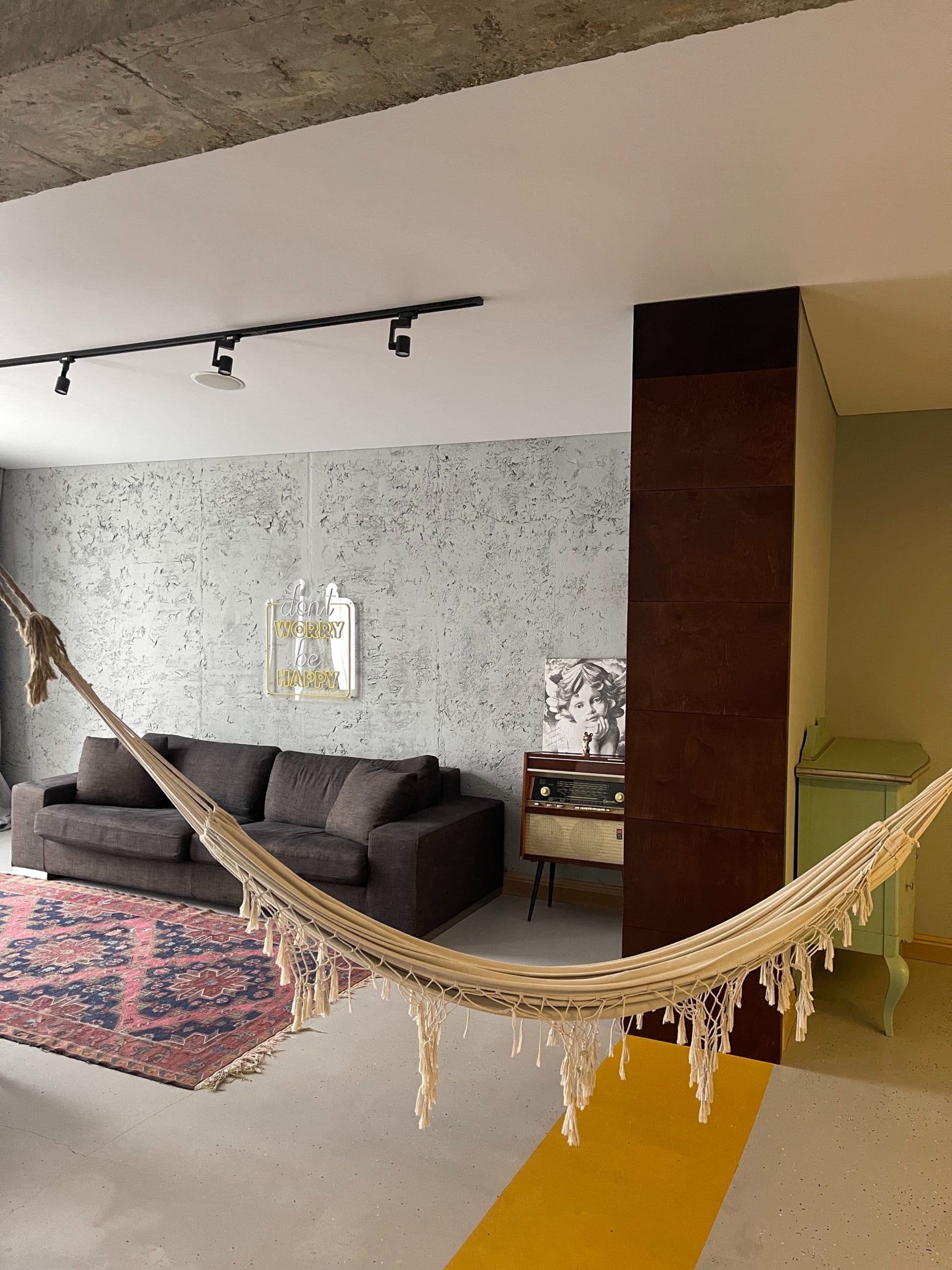
  • Modern Minimalistic Interior Design: The Ultimate Guide

    Modern Minimalistic Interior Design: The Ultimate Guide

    Modern minimalistic interior design is all about creating a chic, sophisticated, and uncluttered space. This style is characterized by clean lines, simple forms, and a limited color palette, and it has gained popularity in recent years for its aesthetic appeal and practicality.

    Photo by Max Vakhtbovych

    But what exactly is modern minimalistic design and how can you achieve it in your own home? Here is the ultimate guide to modern minimalistic interior design:

    Photo by Наталья Маркина

    What is Modern Minimalistic Design?

    Modern minimalistic design is a style that emphasizes simplicity and functionality. It is characterized by a clean and uncluttered look, with an emphasis on using a few key pieces to make a statement. This style utilizes clean lines, geometric shapes, and a limited color palette to create a sophisticated and stylish space.

    Photo by Mikhail Nilov

    One of the key elements of modern minimalistic design is simplicity. Instead of filling a space with unnecessary decor and clutter, this style focuses on using a few key pieces to make a statement. This can be achieved through the use of clean lines, geometric shapes, and a limited color palette.

    Another important aspect of modern minimalistic design is functionality. While the look of the space may be simple and streamlined, it should still be practical and meet the needs of the people who use it. This can be achieved through the use of multi-purpose furniture and clever storage solutions.

    Photo by Billy Jo Catbagan

    In addition to its aesthetic appeal, modern minimalistic design can also be more environmentally friendly. By using fewer materials and keeping the space uncluttered, there is less waste and less impact on the environment.

    How to Achieve the Modern Minimalistic Look

    So, how can you achieve the modern minimalistic look in your own home? Here are a few tips:

    • Start with a clean slate. Before you begin decorating, get rid of any clutter or unnecessary items. This will help you get a better sense of the space and make it easier to design.
    • Use a limited color palette. Choose a few key colors and stick with them throughout the space. This will help create a cohesive and sophisticated look.
    • Invest in quality pieces. Instead of filling a space with a lot of cheap or trendy items, invest in a few high-quality pieces that will stand the test of time.
    • Utilize negative space. Modern minimalistic design is all about creating a sense of openness and space. Don’t be afraid to leave some areas of the room empty or use negative space to create a sense of balance.
    • Add texture. While modern minimalistic design is characterized by a clean and uncluttered look, it doesn’t have to be cold and sterile. Add texture through the use of area rugs, throw pillows, and other textured items to create a warm and inviting space.
    • Use natural elements. Bring the outdoors inside by incorporating natural elements like plants and wood into your design. This will add warmth and texture to the space.
    • Use multi-purpose furniture. Choose furniture that serves more than one purpose, like a coffee table that doubles as storage or a bed with built-in drawers. This will help you make the most of your space and keep it clutter-free.
    • Incorporate storage solutions. To keep your space uncluttered, make sure you have plenty of storage options. This can include built-in shelving, baskets, and other hidden storage solutions.
    Photo by Max Vakhtbovych

    With its emphasis on simplicity, functionality, and a chic and sophisticated look, modern minimalistic design is the perfect choice for those looking to create a clean and uncluttered space in their home. By following the tips in this ultimate guide, you can easily achieve the modern minimalistic look and enjoy a stylish and practical living space.

  • How to Improve Yard Drainage: Simple Effective Solutions

    How to Improve Yard Drainage: Simple Effective Solutions

    Proper yard drainage is essential for improved home upkeep. Besides helping prevent standing water that could harm your yard, it also lowers the chance of flooding during periods of heavy rain.

    Photo by Max Vakhtbovych

    Because many plants need well-drained soil to grow and thrive, soil drainage is essential to the health of your lawn. Although plants require a certain amount of moisture to survive, too much water is harmful.

    Photo by Sarowar Hussain

    Adequate yard drainage is the secret to keeping your yard dry and your house in good condition. In other words, the more water you can divert from your home, the better.
    Here are some quick and easy steps to improve yard drainage and shield your home from harm.

    Create Slopes and Grade Your Land

    When it rains frequently, water doesn’t have time to soak into the earth. Grading your property away from home can minimize water collection in flat portions of the yard. 

    Mark your yard’s high and low points as you walk around it to begin. The regions raised and away from which the water starts to move are known as high spots. Where there are low locations, water collects there. You can arrange to reroute the water by marking these points to see how it flows around your property.

    Grading your yard can be a big job. Before grading the entire yard, you can prevent water from entering your foundation by adding a slope close to the house.

    Photo by Christopher Moon

    Use Downspouts

    You can easily guide water away from your property using downspouts from your gutters, which should always be kept clean and well-maintained. This little measure can help prevent water from getting into your basement, which will help you avoid hiring cleaning professionals and worrying about mold damage.

    Consider installing subsurface downspouts to increase their range and direct water away from your home toward ditches or disused areas.

    Alternatively, employ rain barrels. Instead of wasting water from the downspouts, you can use it effectively. Put a rain barrel near a downspout; either make one yourself or buy one. You can direct water into the barrel, which gathers for later use in gardens, by repositioning the downspout.

    Photo by Clay Elliot

    Aerate your Yard

    Aeration is a popular and essential procedure that keeps your yard in the best possible shape. Aeration splits up compacted soil beneath the lawn and makes holes to introduce air and nutrients. Another benefit of adequately aerating your lawn is adequate yard drainage. The water percolates through many holes instead of collecting on the lawn.

    Install a Collecting Basin for Lawn Drainage

    The worst scenario for water from downspouts and gutters is to collect and soak close to your basement.

    Install a collecting basin at the base of every downspout to direct water far away. Water enters the collecting basin and is sent to a drainage outlet by hidden PVC pipes.

    Putting up a Trench Drain

    Photo by Pavel Danilyuk

    Building a trench drain system is an excellent technique to divert water and prevent flooding on your property if your home is at the bottom of a hill. Although it can be a challenging effort, there are several advantages.

    To create a space where the water can gather and reach the drain, start by excavating a small trench in the raised area. Create a path for the water to travel through using a solid PVC pipe, then use a perforated pipe to assist the water spread into the earth.

    You should add gravel at the place of entrance to aid in absorption, depending on your style and the terrain.

    Establish a Water Feature

    Nature makes natural water features like brooks and streams to transport water from one location to another. Building one allows you to channel water as you see appropriate and create a lovely landscape element in your yard.
    Create a creek bed by digging a small ditch to follow the water’s natural course. For further drainage, add rocks. If removing water from a flat area is impossible, you may consider putting a small pond there instead.

    You can also install a pump to keep the water moving and avoid stagnation. A practical water feature that also works to improve curb appeal can increase the value of your home.

    Photo by Clay Elliot

    Construct a Rain Garden

    Consider creating a rain garden at any low point in your yard that attracts and holds water. A rain garden is a space in your yard designed to hold water and often contains aquatic plants. Even if it doesn’t fix the problem of your moist yard, it’s preferable to a large muddy ditch in your yard.

    Furthermore, rain gardens benefit the environment by lowering runoff and the use of lawn pesticides. It’s essential to keep in mind that your rain garden doesn’t need to be able to store water like a pond.

    Until there is no longer a possibility to drain the water away, you can utilize your rain garden as a drainage system to store extra water. The main component of a rain garden is its vegetation, and you must choose according to the soil’s characteristics. Natural vegetation with thick, deep roots is ideal for rain gardens.

    Install an Underground Drain Pipe

    Utilizing an underground drain pipe to remove the water from a low area of your yard is another effective method. You need a lower water discharge location here than the inflow.

    An ideal slope drain can benefit from adding an underground drainage pipe downhill. From the origin to the outflow, dig a sloping trench. Then, bury a PVC drainpipe and a plastic collecting basin to link it to the outpouring at the source.

    This pipe doesn’t require you to support it with gravel throughout its length because it is solid and not perforated. A pipe with a smooth wall can also quickly drain water. You can employ a drain snake to clean it if it becomes clogged.

    Improving your Yard Drainage

    Photo by Pixabay

    In addition to damaging your lawn and crops from standing water, yard drainage problems can pose a health risk. It’s crucial to address yard drainage concerns as soon as you detect them since standing water frequently harbours mosquito larvae and other unwelcome pests.

    You may easily enhance the drainage in your yard by implementing the strategies outlined in this article.

  • Construction Accident Causes Paralysis: What You Can Do

    Construction Accident Causes Paralysis: What You Can Do

    A construction accident can lead to life-changing paralysis. If you are in this situation, it is essential to know what your options are.

    Photo by Hoang Kim Hung on Unsplash

    There are many things to consider after a paralyzing injury, such as medical care, rehabilitation, and disability benefits. This blog post will discuss some of the steps you need to take after a construction accident leads to paralysis.

    Photo by Rob Lambert on Unsplash

    The first step is to seek medical treatment for the injury. You must receive proper care so that your condition does not worsen. The extent of the paralysis and the recovery potential will depend on the specific circumstances of the accident and the type of injury sustained. Appropriate medical care is essential for mitigating damage and managing any pain or discomfort associated with paralysis. Depending on the severity of the paralysis, you may need to be hospitalized and undergo surgery. Make sure to keep all necessary documents related to your medical care in a safe place.

    Second, contact an experienced personal injury attorney to help you seek financial compensation for your injuries. The attorney will assess the facts of your case and determine what legal remedies are available to you. You may be eligible for damages such as lost wages, medical expenses, and pain and suffering. Personal injury law firms like Finkelstein & Partners LLP will help you file a lawsuit against the responsible parties, such as the construction company or the manufacturer of a defective product. Your lawyer will gather as much evidence as possible to support your claim. This might include photographs of the accident scene, witness statements, and medical records. 

    Photo by Guilherme Cunha on Unsplash

    Third, gather evidence. To pursue a claim for damages, gathering as much evidence as possible about the accident and the injuries sustained will be essential. This may include photos of the accident, witness statements, and medical records or reports.

    Fourth, explore options for rehabilitation services or adaptive equipment if necessary. If you suffer from partial or complete paralysis, you may require assistance from a physical therapist or occupational therapist. Specialized equipment such as wheelchairs and braces may also be needed to help you maintain mobility.

    Additionally, apply for Social Security Disability (SSD) benefits if the injury has substantially caused your wages to drop. SSD can provide financial support for people with disabilities who cannot work due to their condition. You may receive monthly cash payments and medical coverage via Medicare or Medicaid if you qualify.

    Finally, connect with support services in your community to help you adjust to life after an accident-related paralysis. There are disability advocacy groups and other resources available that can provide advice and guidance on how best to navigate your new lifestyle. Seeking support to maintain your emotional and physical health is essential.

    Photo by sol on Unsplash

    Paralysis caused by a construction accident can devastate your life, but it is essential to remember that you are not alone. There are many resources available that can help you cope with the changes and move forward with your life. By taking the steps outlined above, you will be better prepared to handle the challenges that come your way.

  • Five Steps To Planning A Successful Building Project

    Five Steps To Planning A Successful Building Project

    Planning a building project can be overwhelming, but it doesn’t have to be. With the right strategy and guidance, you can ensure that your building project runs smoothly and successfully. This article will discuss some ideas to help plan a successful building project.

    Photo by Annas Zakaria

    From researching the regulations to finding the right contractors, these tips will help you create the building project of your dreams. Read on to find out more!

    Photo by Akin Victor

    What does construction planning entail?

    The construction industry is huge and continues to grow with technological advancements. Trading Economics reports that the construction sector is expected to contribute $643.84B to US GDP by the year’s end.

    The procedure of planning and managementof a construction project, from building design to project launch, is called construction planning. It includes a schedule of each stage of the construction process’s activities.

    A construction plan outlines the project’s parameters, provides deadlines, allots resources, and determines communication rules. The master plan, in other words, is what makes sure a building project proceeds smoothly and adheres to all of its deadlines, financial restrictions, and quality requirements.

    Photo by Kenneth Leguizamon

    Following are the steps to plan a building project.

    1. Lay the groundwork and arrange the supplies

    Before you begin any construction project, laying the groundwork for all the necessary resources is essential. The success of your project largely depends on having the right supplies and personnel in place from the start. 

    To ensure your construction project runs smoothly, you need equipment, raw materials, and all the other necessary products, including polymer bonding agents, concrete floor hardeners, degreasers, and more.

    To ensure you have all the products you’ll need to complete the project, contact Continental Research Corporation, as they offer a wide selection of specialty chemicals and industrial supplies. Investing in quality products and resources from this corporation at the beginning of your project will make it a success in the long run. 

    Before starting a building project, you should review local building codes and regulations to understand the standards. Once this has been established, create drafts of the building plan, including measurements, framing information, and other relevant details. These plans should also include costs associated with each phase of the project so you can accurately plan your budget. 

    Photo by Đức Đỗ
    1. Set a schedule

    With a clear timeline, you’ll know when specific tasks need to be completed and when each milestone will be achieved.

    The first step in setting up a schedule is to break down your project into smaller ones. Then, assign dates and deadlines to each task that need to be completed. When assigning these deadlines, consider factors like the complexity of the task, the availability of materials and resources, and the skill level of the team working on it. It will help you create a realistic timeline.

    Once you have your tasks and deadlines assigned, it’s time to review the timeline with the entire team. Make sure everyone is on board with the timeline and that no one feels overwhelmed by the amount of work. Make pointers if anything needs to be changed or reworked before the project begins.

    By setting up a schedule for your building project, you can ensure that your team is well-organized and ready to meet their goals efficiently. Not only will this save you time and money, but it will also provide peace of mind knowing everything is going according to plan.

    1. Choose your team

    When it comes to successful building projects, having a reliable and skilled team is paramount. It’s important to carefully assess the qualifications of any potential team members and make sure they can benefit the project.

    If you need specialists for specific areas, like electrical work, plumbing, or carpentry, consider hiring a contractor specializing in that field. If you’re choosing professionals to build up a team, take the time to research their experience, read reviews and get references.

    Once you’ve chosen your team, clearly communicate the expectations. Set up regular check-ins so that everyone is aware of their responsibilities and the progress being made. Your team should also know what budget and timeline they are working within. 

    1. Create a marketing plan

    Developing a marketing plan is an essential step in any successful building project. The goal of your plan should be to communicate the value of your project to potential customers, investors, and other stakeholders.

    When creating your plan, begin by identifying your target audience and understanding what motivates them. Consider how you will reach this audience through marketing channels such as email, social media, and even traditional print advertising. You should also identify key messages that will convey the unique value of your building project. 

    Photo by Nishant Aneja

    Once you have identified your target audience and crafted a message, consider the best channels for reaching them. You can create a detailed breakdown of activities with dates, costs, and resources needed. It will ensure that your marketing plan is well-organized and that all necessary steps are taken to communicate your project’s value effectively. 

    Finally, be sure to track your marketing efforts to ensure that they are effective. Analyzing the data from your campaigns will help you refine your strategies and maximize the success of your building project. With the right plan in place, you can ensure that your project is seen by the right people and has the greatest possible chance for success.

    1. Launching your project

    Once you have all your resources in place, it’s time to launch your project. It is critical for any building project and should be taken very seriously. It’s essential to ensure that everyone involved knows their roles and responsibilities.

    First, ensure the team is prepared to hit the ground on launch day. It means having everything ready to go, and each team member has the information they need to get started. Additionally, it’s crucial to ensure that all materials, supplies, and toolsused during the project are ready and in working order.

    Next, ensure that you have communicated the process clearly with your stakeholders. They must be aware of any project changes or updates and any issues arising to reduce potential problems.

    Following the highlighted steps can help you launch your building project successfully. Launch Day is a critical moment in any project, and proper preparation is essential to getting off on the right foot.

    Photo by SevenStorm JUHASZIMRUS

    Conclusion

    Planning a successful building project requires careful consideration and preparation. Taking the time to create a budget, hiring the right team, setting a schedule, and creating a marketing plan are all essential steps to ensure your project launch is successful. 

    Don’t forget to get all the necessary resources and ensure everyone is on the same page. Doing this will allow you to complete the project on time and within budget. With proper planning and preparation, your building project will be a success.

  • A Guide to Purchasing an Abandoned Home

    A Guide to Purchasing an Abandoned Home

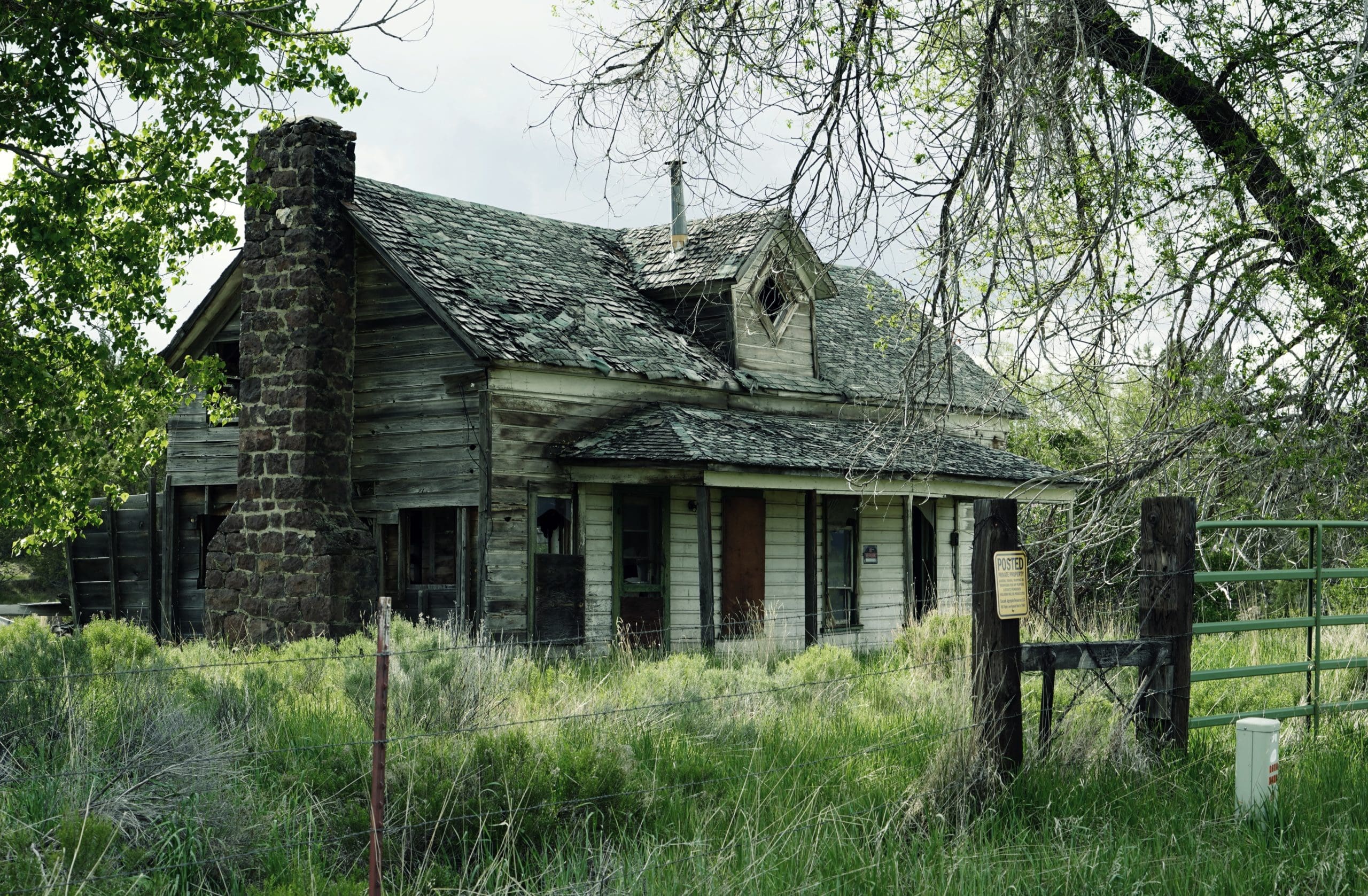
    Abandoned homes can be described as properties with owners who relinquished their rights to their control. Sometimes, owners die, and no benefactors come forward to claim ownership, or they simply move out and never return.

    Picture: Dan Meyers

    In either situation, local governments can often seize unoccupied, abandoned homes if left for extended periods and begin to attract undesirable behavior. Sometimes, these properties are then put up for sale, giving members of the public a chance to purchase them for a low price and potentially return them to their former glory. 

    Photo by Alexandra Gorn on Unsplash

    Due to the affordability of abandoned homes, they might be a real estate option you’ve been considering. However, before you sign on the dotted line, think about some of these crucial tasks and requirements you’ll likely need to undertake on your journey to restoring an abandoned home. 

    Weed Abatement and Yard Maintenance

    If a property has been sitting abandoned for some time, yard-related tasks like weed abatement, pest control, and yard maintenance can be crucial before you begin inspecting the home and putting together a renovation plan. 

    Photo by Valentina Locatelli on Unsplash

    Many abandoned homes have overgrown grass, hazardous trees that require removal, and weeds that need to be cut, sprayed, and ripped out. Pests can also be a significant issue, and experts might be necessary for birds, rodents, and other animals to ensure you have a safe property to work on in the months and years to come. 

    Home Foundation

    You might be fortunate enough to purchase an abandoned home without foundation issues, but that’s not always the case. If the property has experienced poor drainage, significant seasonal changes, a plumbing leak, or tree roots growing too close, foundation problems can sometimes be a concern. These can present as issues like: 

    • Wall rotation
    • Cracked bricks
    • Displaced molding
    • Window, wall, and door separation
    • Blatantly cracked or broken foundations
    • Floor cracks and unevenness
    • Cracked sheetrock
    • Door and window misalignment 
    Photo by Shalev Cohen on Unsplash

    While foundation issues can be expensive to rectify, we have incredible technology at our disposal to be able to perform repairs with slabjacking and piering. Slabjacking involves pumping grout beneath the slab to lift the foundation to its normal elevation, while piering involves driving steel posts through the unstable ground and using hydraulic jacks to stabilize the foundation. 

    It’s important to understand that house foundation issues can make it challenging to secure funding through traditional lenders. You might need to pay cash for an abandoned property in need of foundation repairs or obtain finance through private lenders. 

    Plumbing

    An abandoned home’s plumbing can sometimes be one of the most significant costs you encounter. When homes have sat vacant for several months or years, vandals and opportunists can sometimes reclaim old copper piping, leading to damaged fittings and blatantly missing plumbing altogether. 

    Photo by Jacek Dylag on Unsplash

    Older homes might also not have plumbing in the most appropriate places for modern living, or the systems have leaked or been damaged with a lack of care. Significant damage in other parts of the property might also be associated with a home’s plumbing, such as leaks and foundation cracks that cost money to fix alongside the plumbing network itself. 

    Electrical Components

    Rewiring a home can cost thousands of dollars, and it’s always possible that an abandoned house you purchase will require this critical task as soon as possible. Often, rewiring is required when vandals remove the wiring, light bulbs, and associated fixtures and appliances or when it has been damaged due to environmental exposure. 

    Once you have an idea of your home’s layout and the extent of the renovations ahead, consider calling an electrician. They can advise on the costs of rewiring and what you need to do to prepare for their services. 

    Dry Rot

    Dry rot or wood decay is a form of fungal decay that attacks building timber, potentially affecting a property’s structural integrity. Wood can appear darkly colored and cracked, and once solid structural elements can be significantly weakened and even unsafe. Pay close attention to support beams potentially affected by dry rot and whether they put the property at risk of collapse. In this situation, an abandoned home can become condemned until it’s made habitable once more.

    Mold

    When mold takes hold in a well-looked-after home, homeowners or tenants typically wipe it away and stop it from spreading and causing damage. However, the same doesn’t usually happen in an abandoned house. When leaks and general moisture issues occur, mold can form and spread, leading to significant damage and potential health issues if left untreated. Many homes with mold must have porous materials like drywall, insulation, and carpets removed, which can be costly for the homeowner. 

    Photo by ian dooley on Unsplash

    Understand Your Financial Situation

    Buying an abandoned home can often require a far different financial position than if you were to buy a much-loved family home. If the house has significant issues, traditional lenders like banks might be unenthusiastic about lending for its purchase or subsequent repairs. 

    Many people purchase abandoned homes for cash and use their savings to fund repairs, or they sometimes turn to alternative lenders with often-higher interest rates due to the level of risk. However, when the most crucial parts of a property, such as its foundation and plumbing, have been remedied, traditional lenders might be more likely to provide lending for it in the future. 

    Organize the Experts

    You might be a skilled builder or DIYer, but that doesn’t mean you’ll be able to undertake every part of the renovation and restoration project on your own. Environmental engineers, structural engineers, electricians, and plumbers, are just a few of the many experts you might require to help restore your home to its former glory. 

    If you have connections, contact such experts before you purchase the property to receive helpful advice and learn their availability. By the time you buy an abandoned property, you’ll likely have all the right people available to help you complete the project. 

    Purchasing an abandoned home is not a project for the faint-hearted. Some properties can sit vacant for years, leading to extensive and expensive problems that require expert intervention and tens of thousands of dollars in repairs. However, when you purchase in the right area for the right price, you might be surprised by how lucrative abandoned homes can be. Now might be the right time to begin exploring your property investment options.

  • The Benefits of Using an Interior Designer for Your Home Remodel

    The Benefits of Using an Interior Designer for Your Home Remodel

    Introduction:

    If you’re planning a home remodel, you might be wondering whether it’s worth it to hire an interior designer. While it’s certainly possible to tackle a remodel on your own, there are many benefits to using an interior designer, including:

    Photo by Clay Elliot on Unsplash

    • Expertise: Interior designers have the training, experience, and knowledge to help you achieve your vision for your home. They can help you create a cohesive design plan and guide you through the process from start to finish.
    Photo by Sven Brandsma on Unsplash
    • Time-saving: Remodeling a home can be a time-consuming and stressful process. An interior designer can take care of the details and manage the project, freeing up your time to focus on other things.
    Photo by Dane Deaner on Unsplash
    • Cost-effective: An interior designer can help you make informed decisions about materials, finishes, and furnishings, which can save you money in the long run. They can also help you avoid costly mistakes.
    • Access to resources: Interior designers have access to a wide range of resources, including vendors, contractors, and suppliers, that may not be available to the general public. This can make it easier to find the best products and services for your project.
    • Personalized design: An interior designer will take the time to get to know you and your style, and will create a design that reflects your personal taste and meets your needs.
    Photo by Jean-Philippe Delberghe on Unsplash

    Conclusion:

    Using an interior designer for your home remodel can bring a wealth of benefits, from expertise and time-saving to cost-effectiveness and personalized design. If you’re considering a remodel, it’s worth considering hiring an interior designer to help you achieve your vision for your home.

  • 10 Must-Have Features for Modern Kitchens

    10 Must-Have Features for Modern Kitchens

    Introduction:

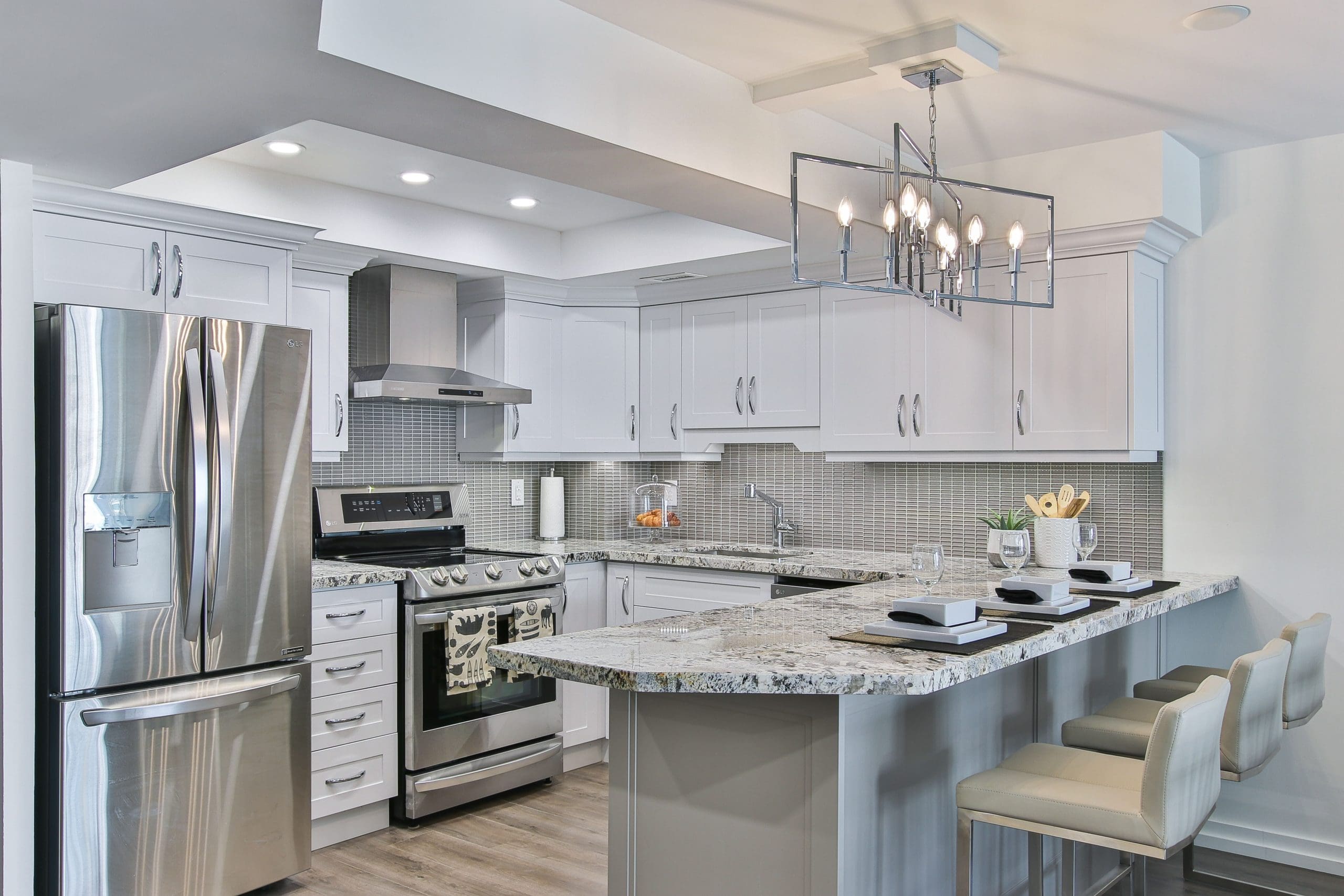
    When it comes to modern kitchen design, there are certain features that are must-haves. These features not only add style and function to the space, but they can also increase the value of your home. Here are 10 must-have features for modern kitchens:

    Photo by Sidekix Media on Unsplash

    Photo by Sidekix Media on Unsplash

    Open floor plan:

    An open floor plan allows you to connect the kitchen to the rest of the house, making it feel more spacious and inviting.

    Energy-efficient appliances:

    Energy-efficient appliances not only save money on your energy bills, but they’re also better for the environment. Look for Energy Star certified appliances for the most efficient options.

    Photo by Sidekix Media on Unsplash

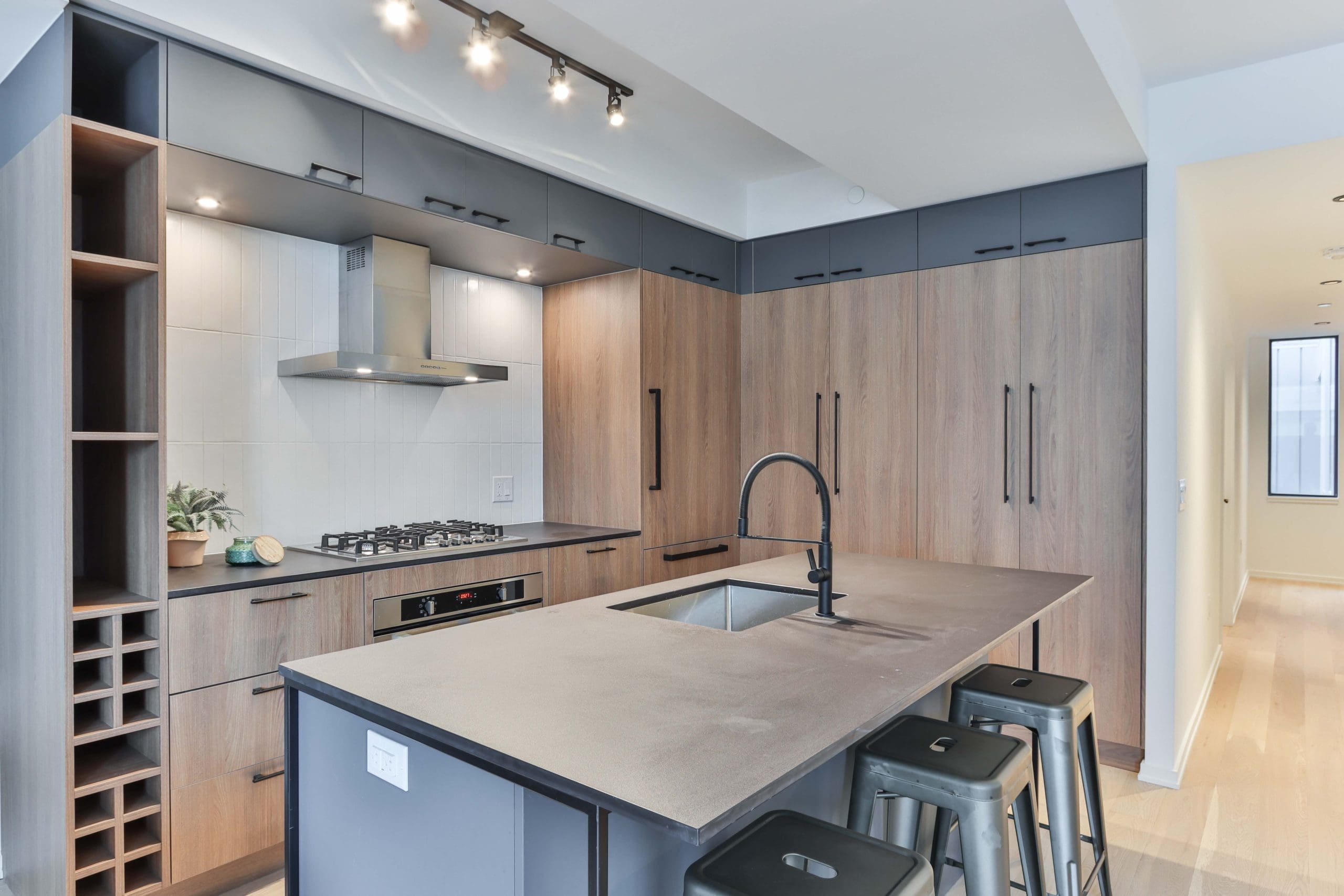
    Island with seating:

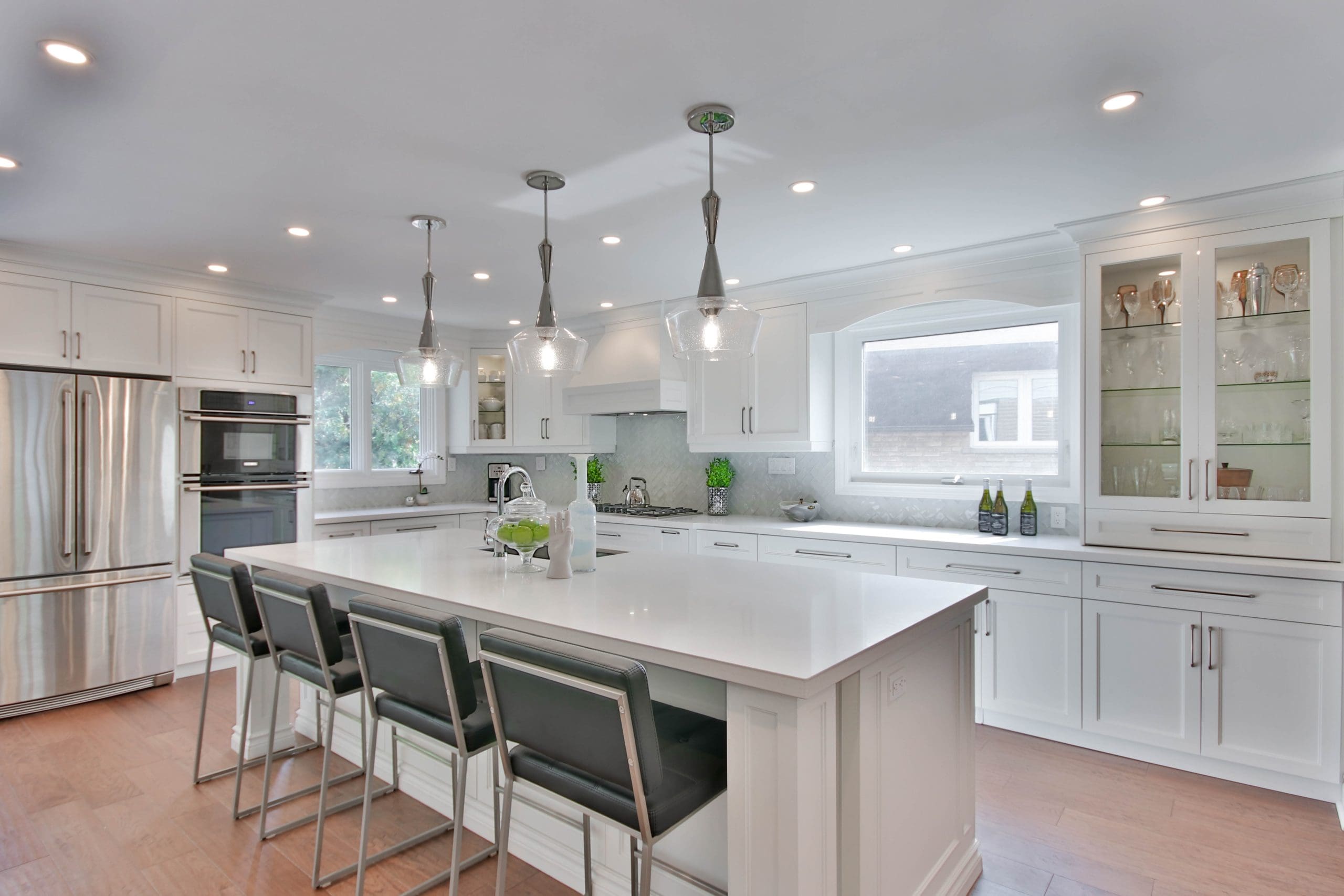
    A kitchen island is a great way to add counter space, storage, and seating to your kitchen. Look for an island with built-in storage and seating options.

    Walk-in pantry:

    A walk-in pantry provides plenty of storage and organization for all of your kitchen essentials.

    Photo by Kam Idris on Unsplash

    Quartz countertops:

    Quartz countertops are durable, low-maintenance, and come in a wide range of colors and patterns.

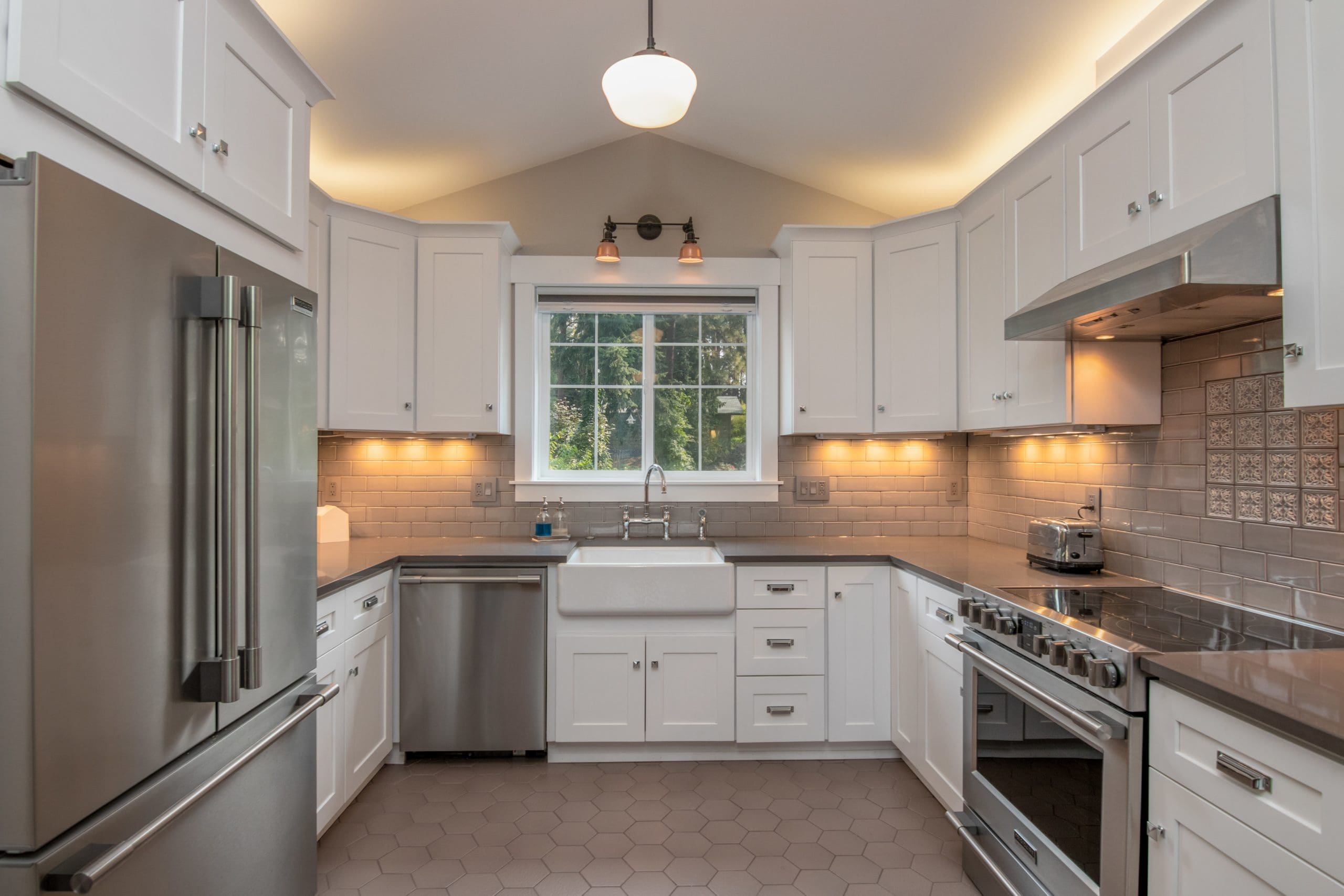
    Under-cabinet lighting:

    Under-cabinet lighting adds ambiance and makes it easier to see when you’re working in the kitchen.

    Touchless faucet:

    Photo by Sidekix Media on Unsplash

    A touchless faucet is more hygienic and convenient, and it can help conserve water.

    Smart technology:

    Smart appliances, such as refrigerators with touchscreens and voice-activated ovens, make it easier to control your kitchen and streamline your cooking experience.

    Custom cabinets:

    Custom cabinets allow you to design your kitchen to your exact specifications and needs.

    Photo by Sidekix Media on Unsplash

    Hardwood flooring:

    Hardwood flooring is durable, easy to clean, and adds warmth and natural beauty to the kitchen.

    Conclusion:

    These are just a few of the must-have features for modern kitchens. By incorporating these elements into your kitchen design, you can create a functional, stylish, and energy-efficient space that meets all of your needs.