Category: HOME

  • What To Consider When Revamping Your Kitchen: A Guide For Homeowners

    What To Consider When Revamping Your Kitchen: A Guide For Homeowners

    Being a homeowner comes with a lot of advantages; you are able to make big changes to your home and transform the space into a house that is uniquely yours.

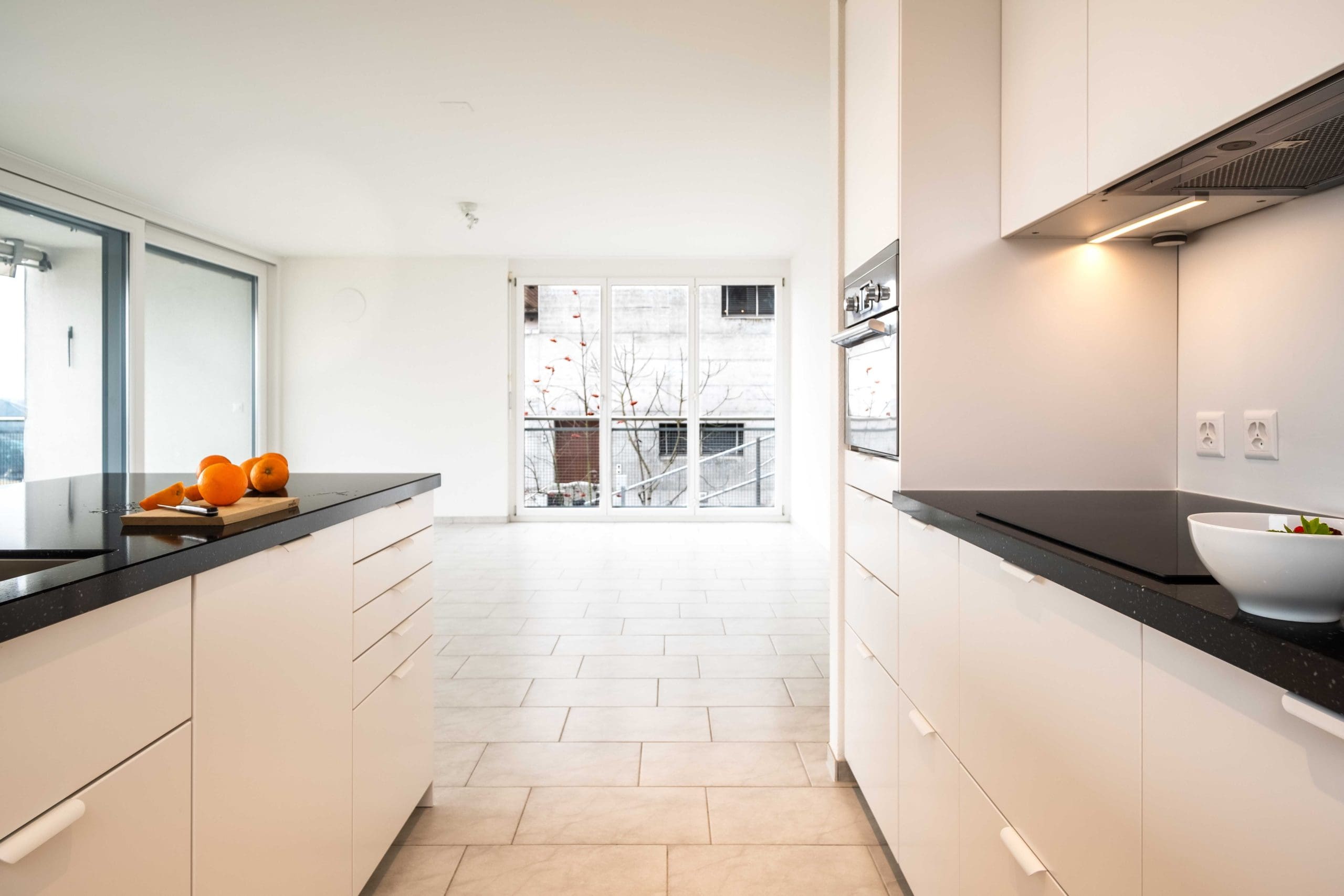
    Photo by Jason Briscoe on Unsplash

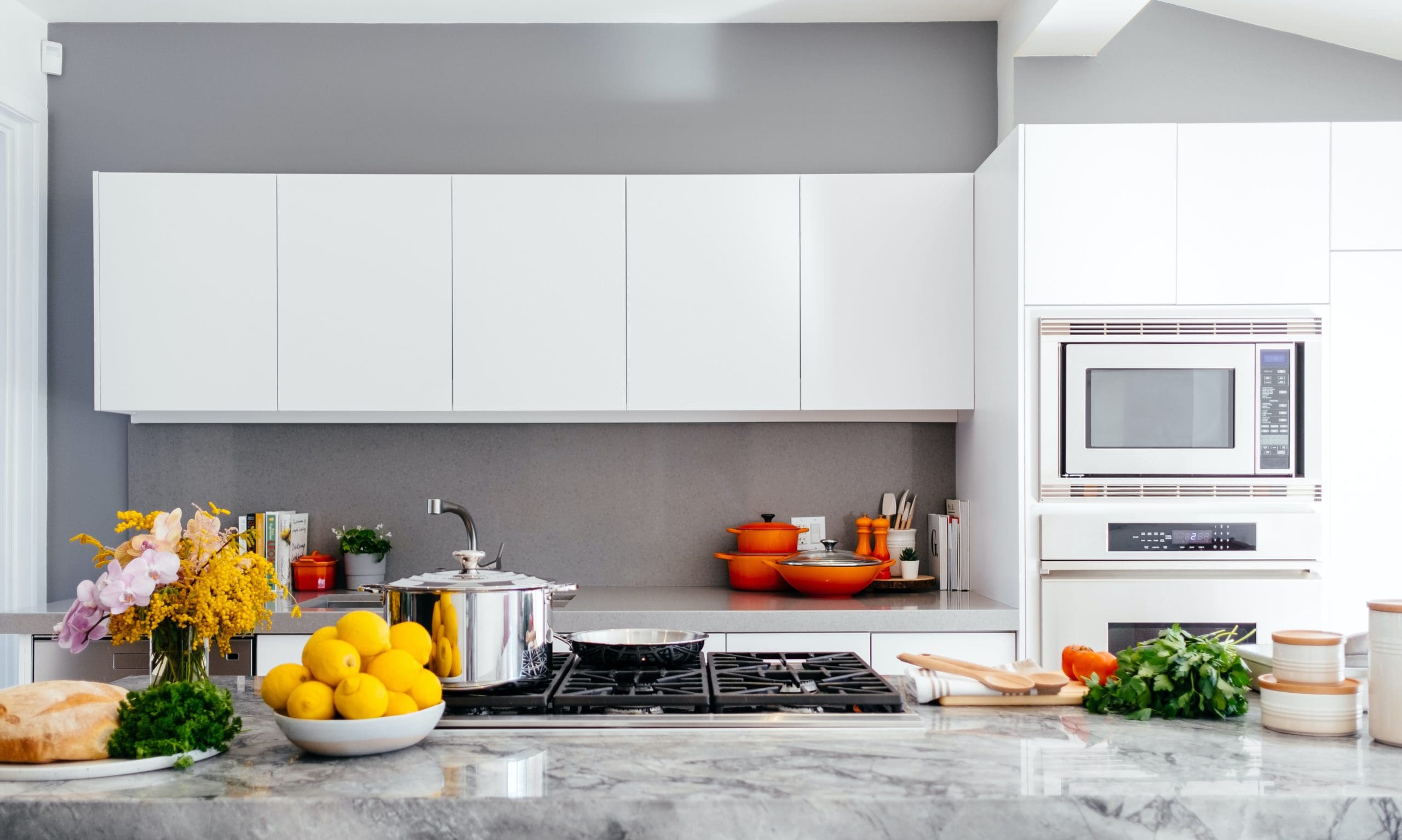
    People often consider the kitchen to be the heart of the home, which means it is important that you create a kitchen space that reflects your personality. If you like to host, then you will need a big enough kitchen space, so that you can entertain all your guests at once. Revamping your kitchen gives you the opportunity to transform your kitchen into the perfect space for you. If you are considering upgrading your kitchen, then this article is for you. In this article, we will go over several things to consider during the refurbishment process. Keep on reading to find out more.
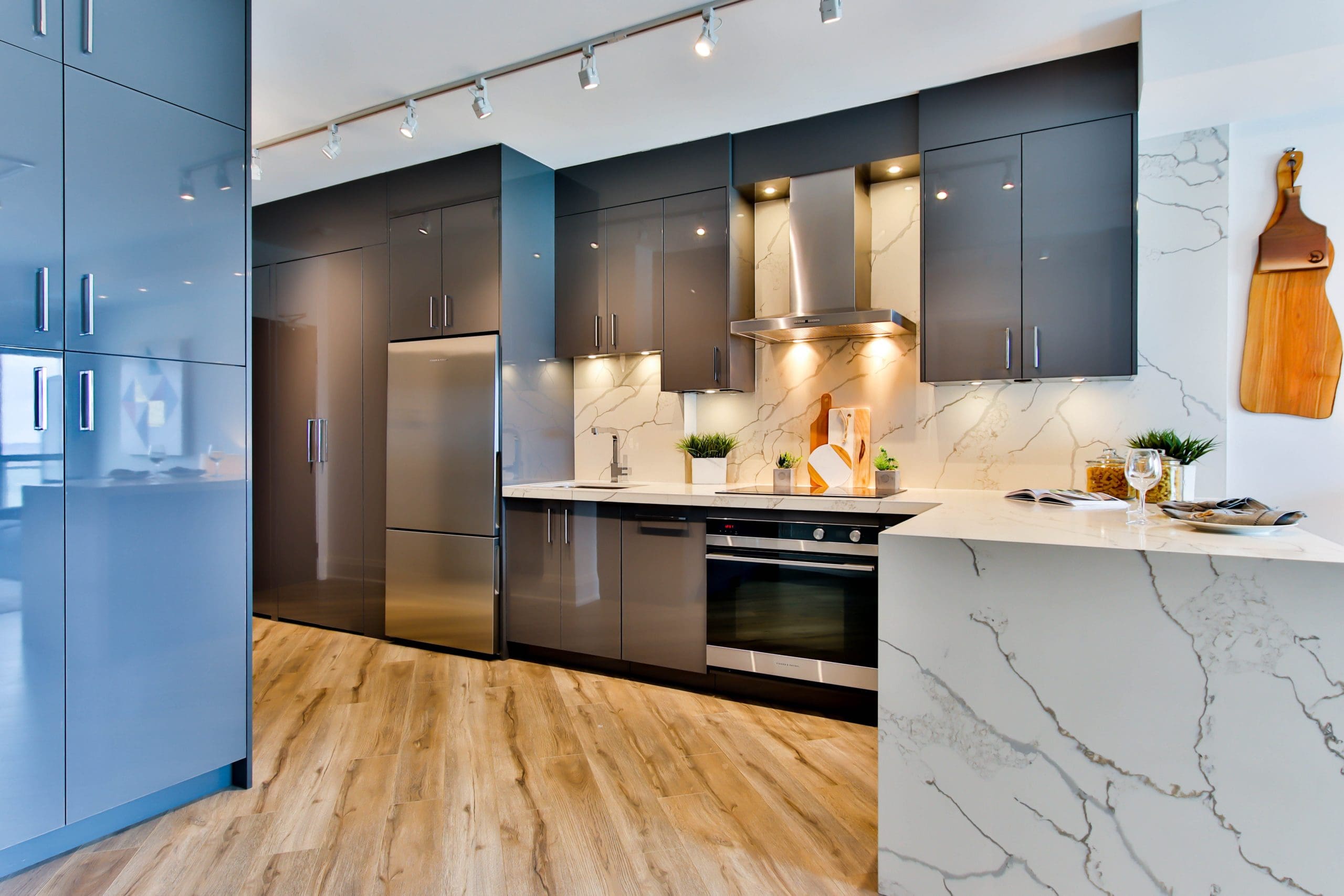
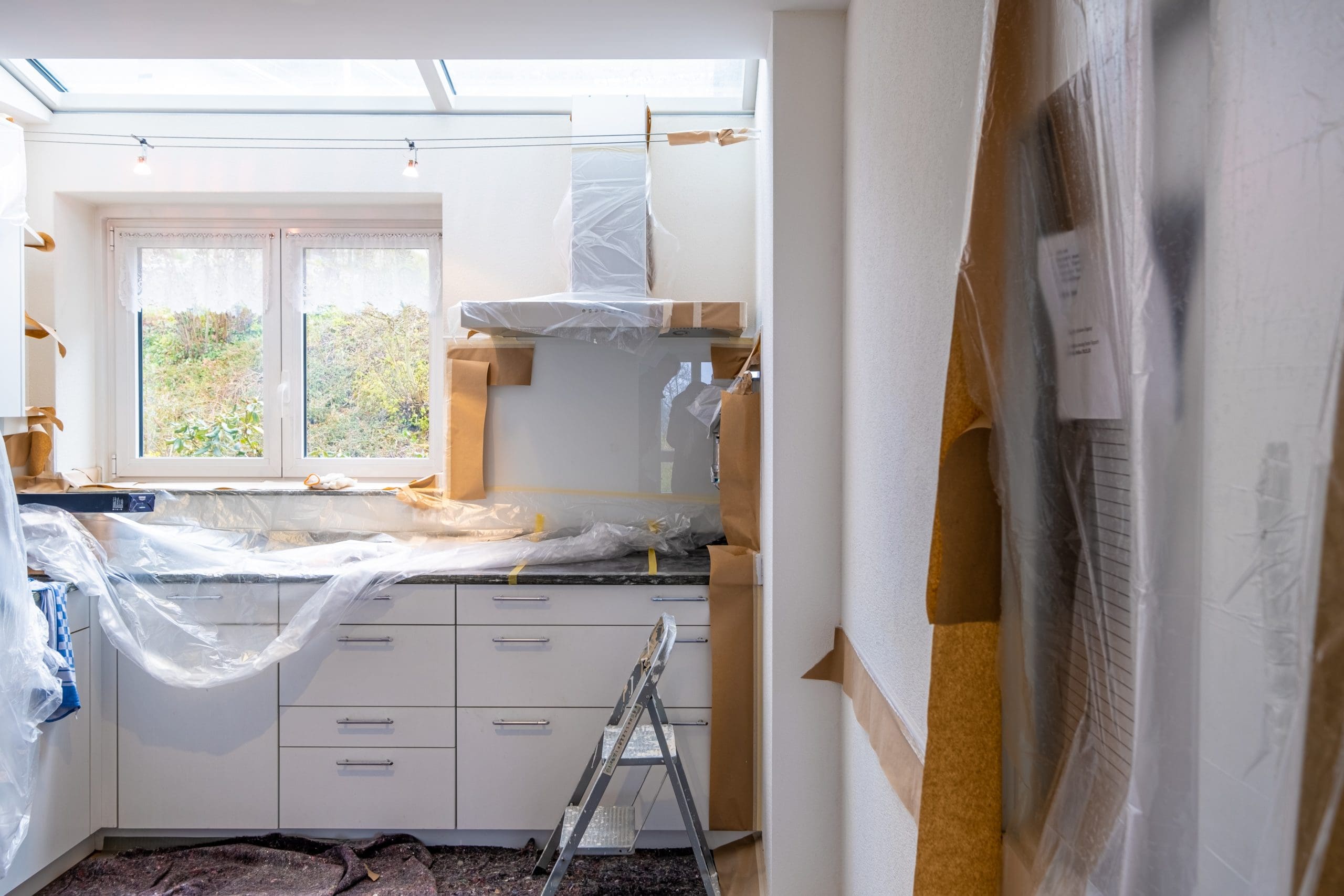
    Photo by Sidekix Media on Unsplash

    What Is Your Budget

    One of the first things you will need to consider when revamping your kitchen is your budget. Having a budget in place before you get to work on the kitchen is important as your budget will provide you with some solid guidance as you work through the refurbishment process. When it comes to revamping your kitchen, you do not necessarily need thousands of pounds, as there are many ways of upgrading your kitchen on a budget. However, if you were planning on making big structural changes, then it could be beneficial to start putting aside some money so that you can afford to complete the work to a high standard. 

    Investing In New Lighting

    Another thing to consider when revamping your kitchen is to invest in new lighting. If you like to host or you like to cook a lot of food, then it is important that you have quality lighting in your kitchen, so you can see what you are doing. Ultimately, natural light is the best, but if you are hosting parties throughout the evening, then you need to ensure your lights will be able to last. As well as investing in quality lighting, you should also consider the aesthetics of your light switches. These clear switches and sockets on Corston’s website are great examples of Perspex light switches that can blend in perfectly with your kitchen’s aesthetics. Often light switches can appear bulky and out of place, so investing in some clear light switches could be a great option for you. 
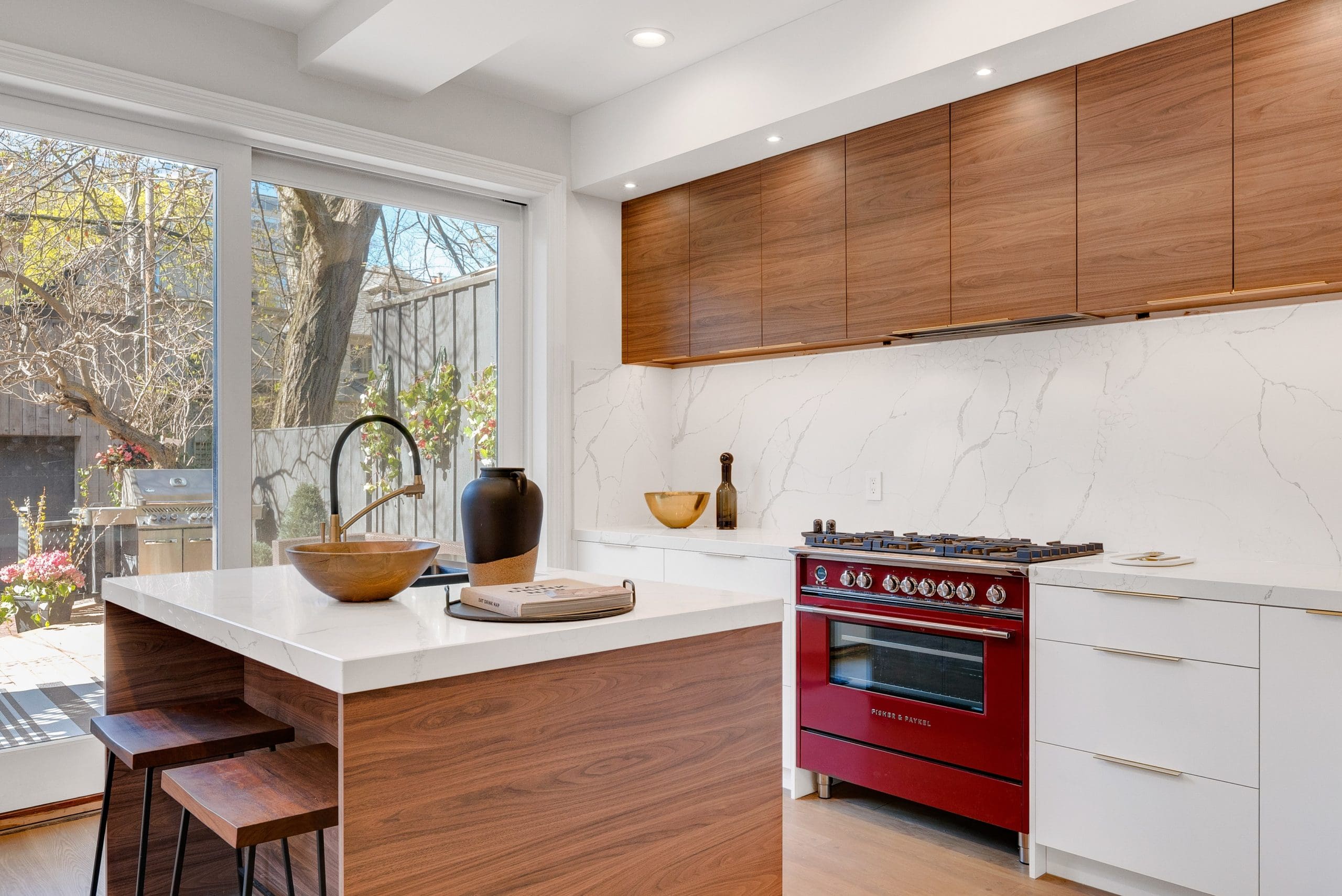
    Photo by André François McKenzie on Unsplash

    Colour Scheme

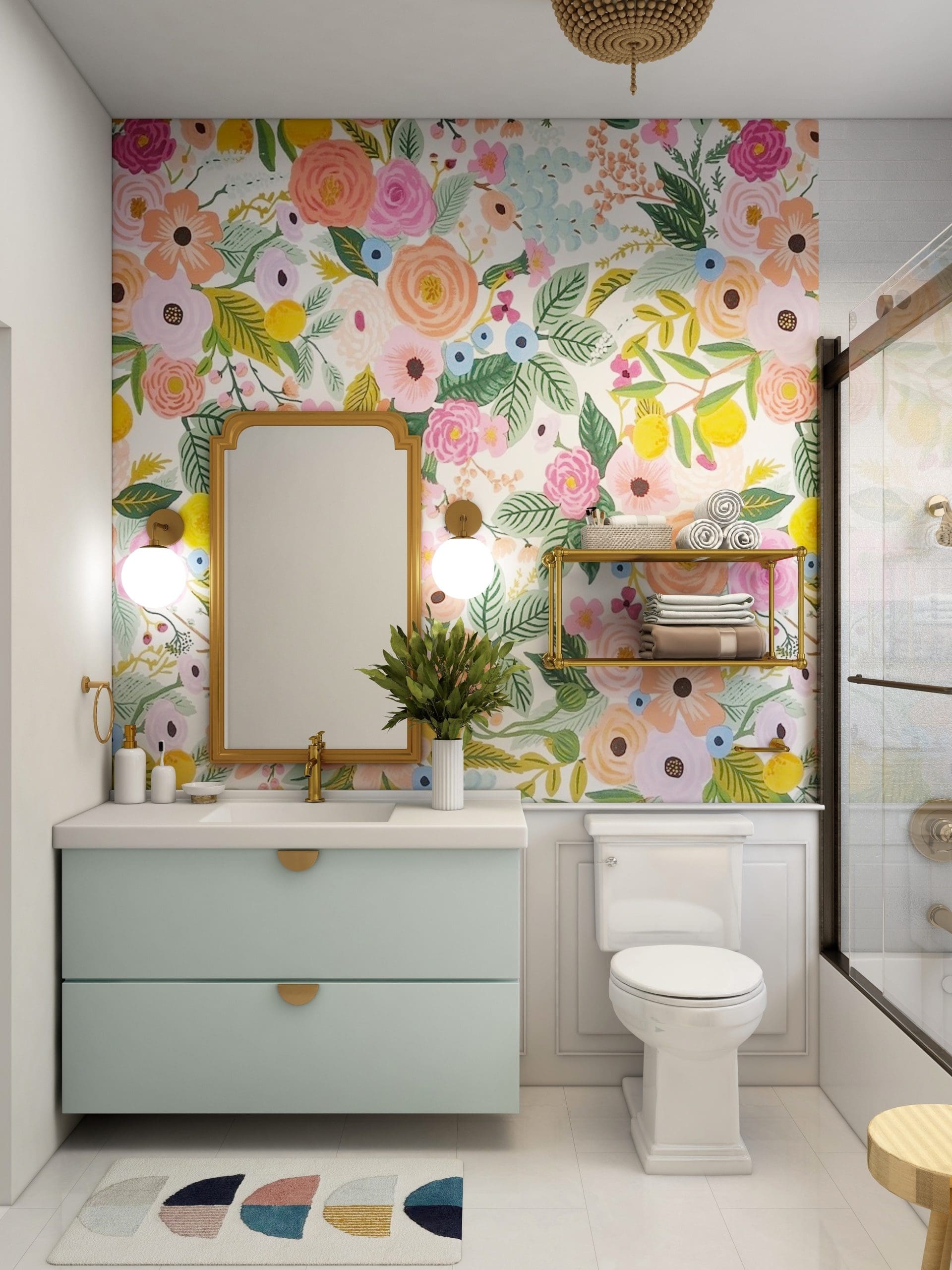
    When it comes to revamping your kitchen, it is important that you consider the colour scheme. Colour plays a huge role within a home, and you can really transform a space just by changing the colour. Before you start the process of upgrading your kitchen, you should take some time to think about what colour scheme you would for your kitchen. Once you have decided on your colour scheme, you can then go shopping and find products that match your selected colour. It could be that you have decided on a pastel green colour for your kitchen, so browse hardware stores for some green tiles or green door handles that will fit perfectly in your kitchen.
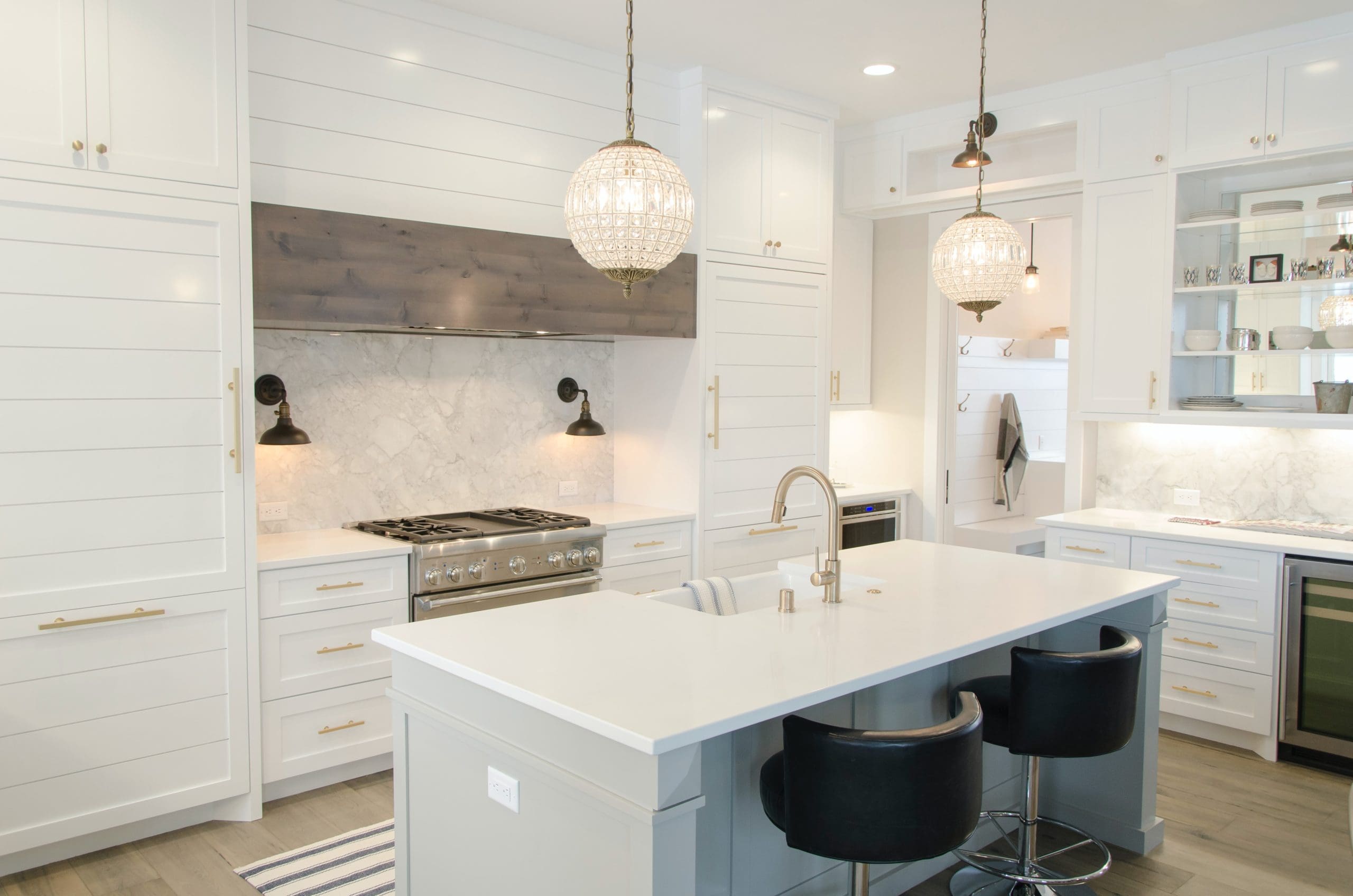
    Photo by Aaron Huber on Unsplash

    New Appliances

    One of the best parts of upgrading your kitchen is that you get to buy some new appliances. Kitchen appliances are a fun thing to buy as there are now so many new gadgets and technology that can make cooking a lot easier. When you create your budget, you should take into consideration what kitchen appliances you want to buy and ensure that you have enough money in your budget to buy them. Things like kettles and toasters are fairly cheap anyway, but if you wanted to buy a new blender or install a hot water tap, then you will need a bigger budget. Ultimately, buying new appliances will depend on your budget, so make sure you have factored in all of the necessary costs.

    Using Sustainable Materials

    Another thing you should consider when revamping your kitchen is whether or not the materials you use are sustainable. The idea of being sustainable is more popular than ever, so if you are someone who wants to live more sustainably, then you should ensure you are using sustainable materials when upgrading your kitchen space. Bamboo is just one example of a sustainable material that can work as a kitchen countertop, but there are plenty of others to choose from. Switching to sustainable materials is just one small thing you can do if you want to live a more sustainable lifestyle.
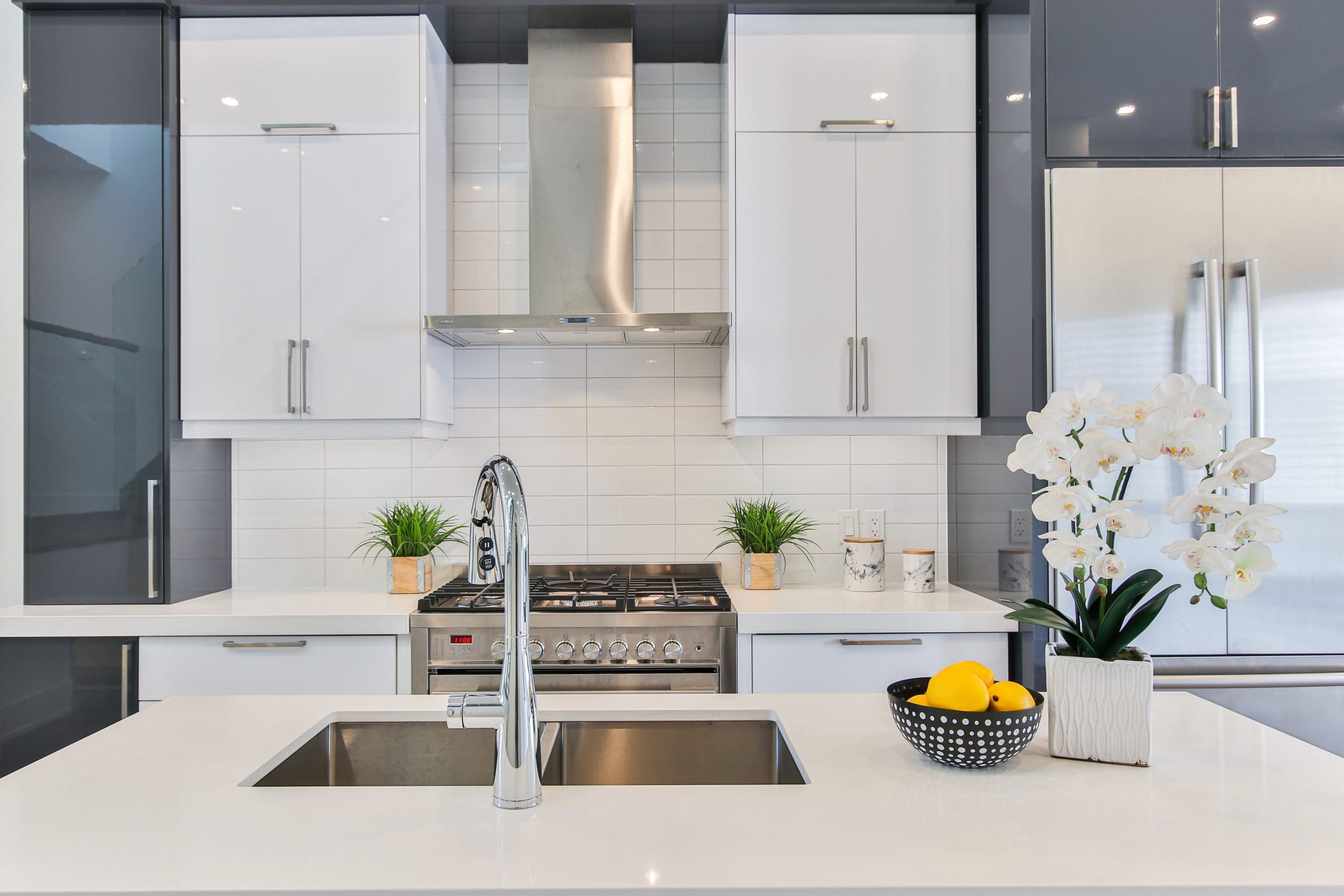
    Photo by Sidekix Media on Unsplash

    Creating More StorageThe final point we are going to discuss is storage space. Within a kitchen, you will need plenty of storage to organise all of your food, drinks, and kitchen appliances, but sometimes finding that storage space within a kitchen can be difficult. When it comes to upgrading your own kitchen, you should ensure that you install more storage space, so that you can continue to keep your kitchen neat and tidy. If you can, you could try and create some hidden storage areas, as this will mean everything is tucked away and organised and not on display for everyone to see.


  • 5 Advantages of Having a Smart Home Charger

    5 Advantages of Having a Smart Home Charger

    If you haven’t already opened your eyes to all the good that electric vehicles are bringing, now is the time.

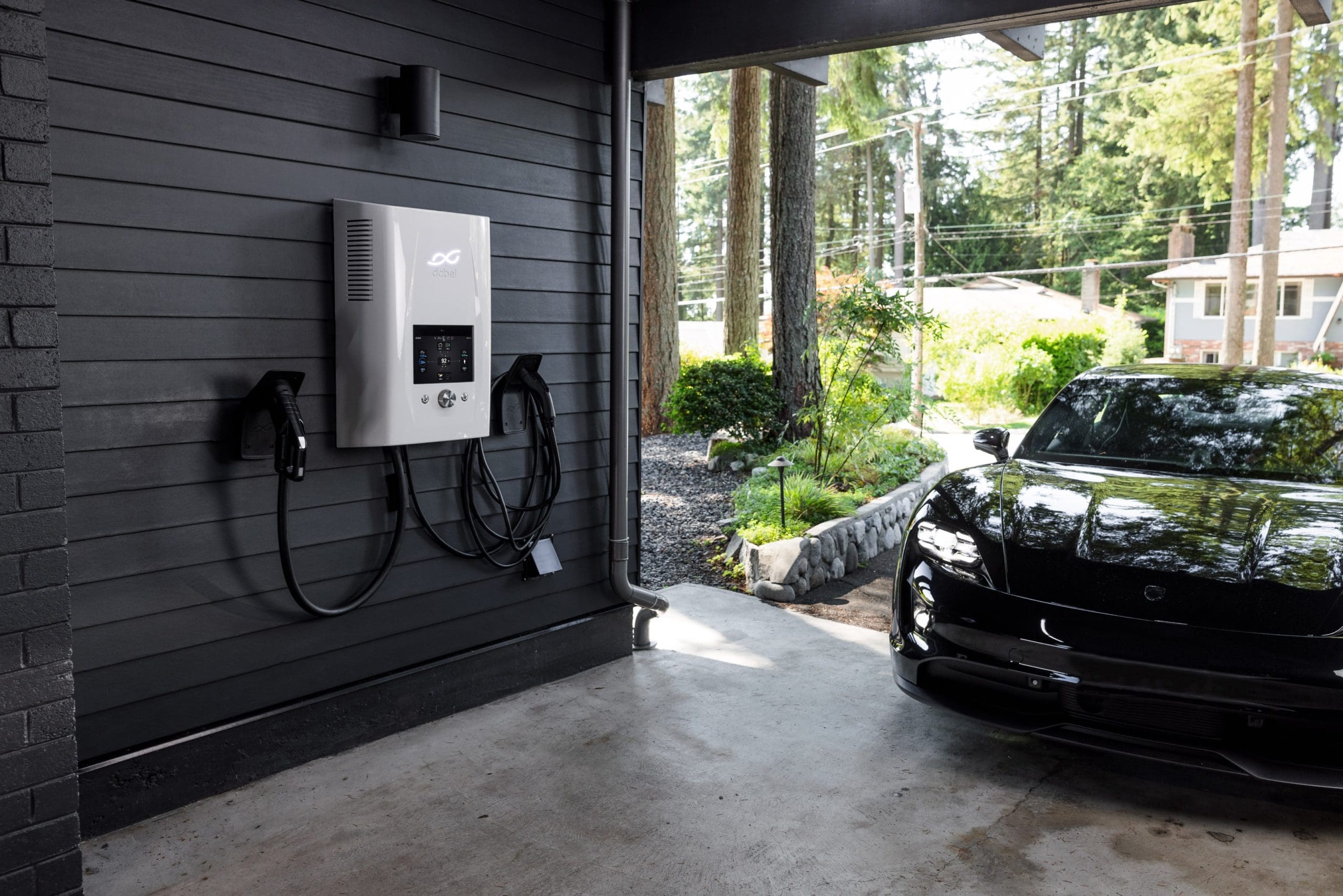
    Photo by dcbel on Unsplash

    This mode of transport is both economical and sustainable. It won’t be too far in the future until these varieties rule the roads, completely eradicating the need for fossil fuelled vehicles in their wake. There is a lot of praise to be sung about EVs, but the biggest concern is how to charge them. Therefore, this post aims to highlight the most convenient truths and point out the many advantages of having a smart home charger. 

    Photo by Zaptec on Unsplash

    Smart Home Chargers: The Lowdown

    Smart home chargers are used to power up electric vehicles. Data is transferred between the charger and the app which allows for remote control and access to settings for the owner. What are the perks of this? Aside from the general convenience factors, it also bolsters the ability to plan a journey comprehensively factoring in (or out) external considerations too. Smart chargers are a compatible companion for electric vehicles, which are themselves superior in all things eco-related when compared to traditional fuelled vehicles.  

    General Convenience

    A smart home charger means you will no longer have to find your nearest charge point externally. They are one of the most direct, convenient, and accessible methods to a fully charged electric vehicle, and the fact that they are installed in your home translates into open access usability. What more could you want, right? Eliminating the necessity for driving about in search of a charge station means your journey is completely in your control from the start point to the end destination. You can plan exactly how much charge you need for the journey and consider every detail to the finest degree.  

    Photo by dcbel on Unsplash

    The Ability to Plan 

    Taking the stress out of a journey, especially one that covers some miles, is the ultimate goal. When you can plan ahead, it is a great idea to do so. Owing to the technology of smart chargers for electric vehicles, everything can be planned to the minute (or even second if you need that). So, not only can the charger be set for an allocated time slot, but it can also be set up in advance and is, therefore, far easier to plan around general life. 

    Saving Money on Your Bills

    Saving money on bills is appealing to everyone and anyone. Smart chargers can assist in this context. They are prime leaders in conservation and making the whole charging process that bit more noticeably sustainable. This ensures that your electricity output is ultimately optimal, therefore saving you money where you need it most. Using in-built and securely stored app data, you can observe the analysis of your energy usage and even decide the best time to charge the vehicle where it will cost the least overall. 

    Photo by dcbel on Unsplash

    The Notifications are Handy 

    If you are the kind of person who plugs their phone in to charge and constantly checks the progress, then you are going to love smart chargers for your electric vehicle. These apps and devices are programable in the sense that the user is able to opt-in for real-time updates on the charging status of the vehicle. This is helpful in two clear ways. Firstly, because it means you do not have to physically keep checking how far off fully charged it is. And, secondly, because you are better able to control the flow of energy and create a better system for your car. 

    Data Reports

    These notifications are not the only handy feature. Some products also allow you to reel in data concerning usage and output over the course of the week. These can be helpful to look through if you are trying to reassess your budget or electricity usage for the vehicle. You can see where you use the most energy and how that translates into your driving habits and journeys are taken. 

    Smart Chargers Suit the EV Lifestyle

    The final advantage of smart meters is how much they complement EV ownership. They function on the same ethos in that they are driven by sustainability and modern innovation. Electric vehicle owners have stepped into a new world of vehicle lifestyle, and it is easy to see why a smart charger is the perfect addition to the set up. Ultimately, they can help you control your driving in line with how you want it to be. 

    Photo by dcbel on Unsplash

    Smart chargers for electric vehicles are an innovation in their own right. Just like other AI technology for the home, they encompass the best, most modern mindsets at the core of their functionality. Not only do you enhance the experience of EV ownership, but you also increase your sustainability by a fraction more too. These will be mainstream for all electric vehicle owners in the days to come because they are too good to miss.

  • How To Design a Room Around the TV and Entertainment Center

    How To Design a Room Around the TV and Entertainment Center

    When designing a room around the TV and entertainment center, it’s important to consider both aesthetics and functionality to maximize the room’s potential.

    Photo by Jens Kreuter on Unsplash

    Space planning can help you maximize each square inch of available space, while optimizing its design capabilities. It’s important to start with an end goal in mind, which will help generate ideas on room use. This is also an opportunity to re-evaluate any current furniture or décor, or fine-tune its positioning. Here are a few tips to help you create a cohesive and comfortable space:

    Photo by Kam Idris on Unsplash

    Choose the right TV size and placement

    If you’re looking to design a room around your TV, there are a few things you should consider.

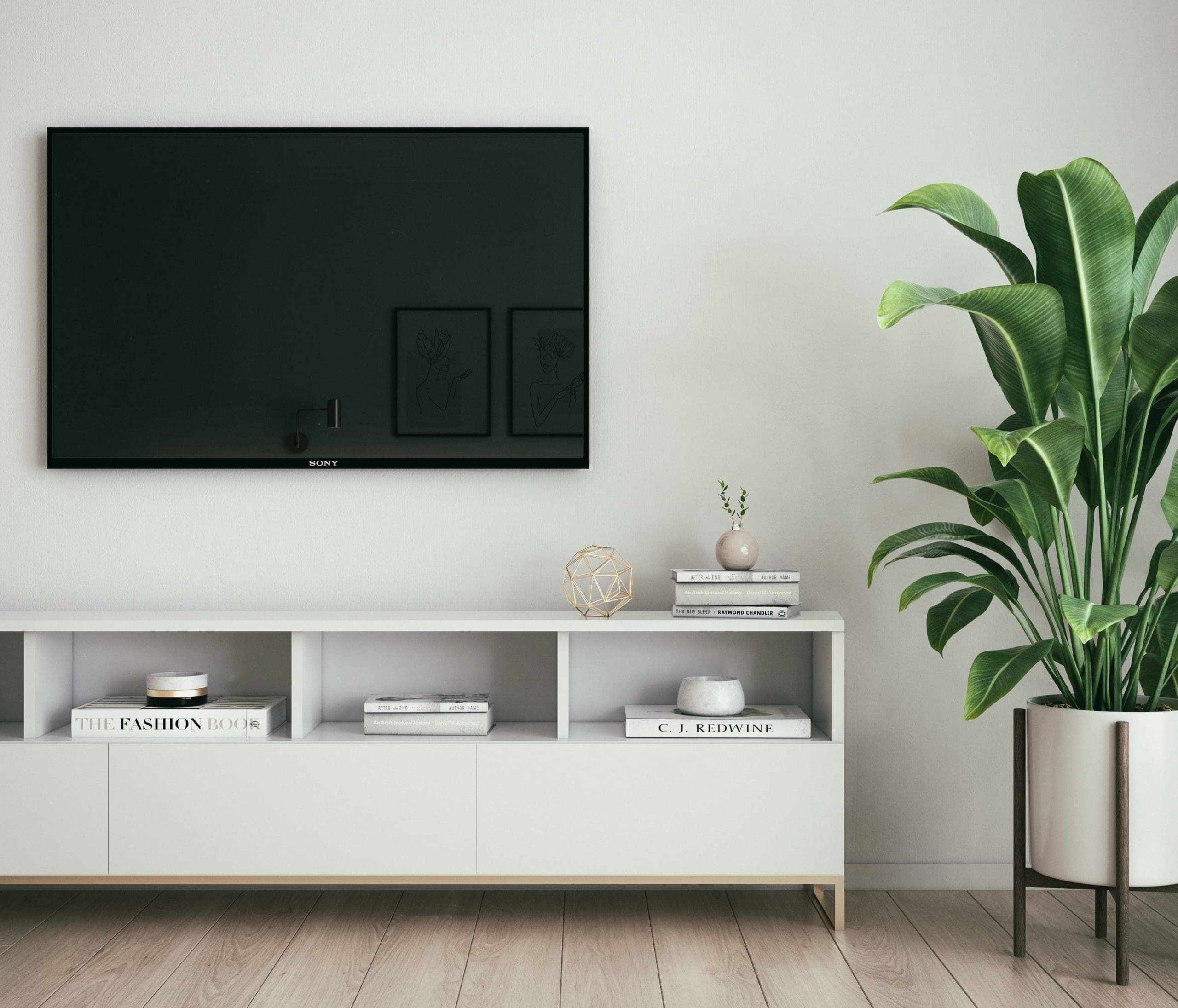
    First, think about the size and placement of your TV. The size and placement of your TV should be based on the size of the room and the distance from which it will be viewed. For example, if you have a large living room and will be sitting a good distance away from the TV, you can choose a larger TV. On the other hand, if you have a small room or will be sitting close to the TV, you may want to choose a smaller size. In terms of placement, it’s generally best to mount the TV on the wall at eye level. This allows for a comfortable viewing experience and helps to avoid neck strain.

    The next thing you’ll want to consider is how much space is available for furniture placement. If there isn’t enough space for furniture around your TV (or if there’s too much), then it might be worth rearranging things before buying new furniture pieces or hanging up any artwork!

    Finally—and most importantly—make sure that whatever furniture pieces you choose complement each other well! You don’t want any one piece standing out more than another because it will take away from how well-designed your room feels overall!

    Photo by Влад Хмара on Unsplash

    Select the right entertainment center

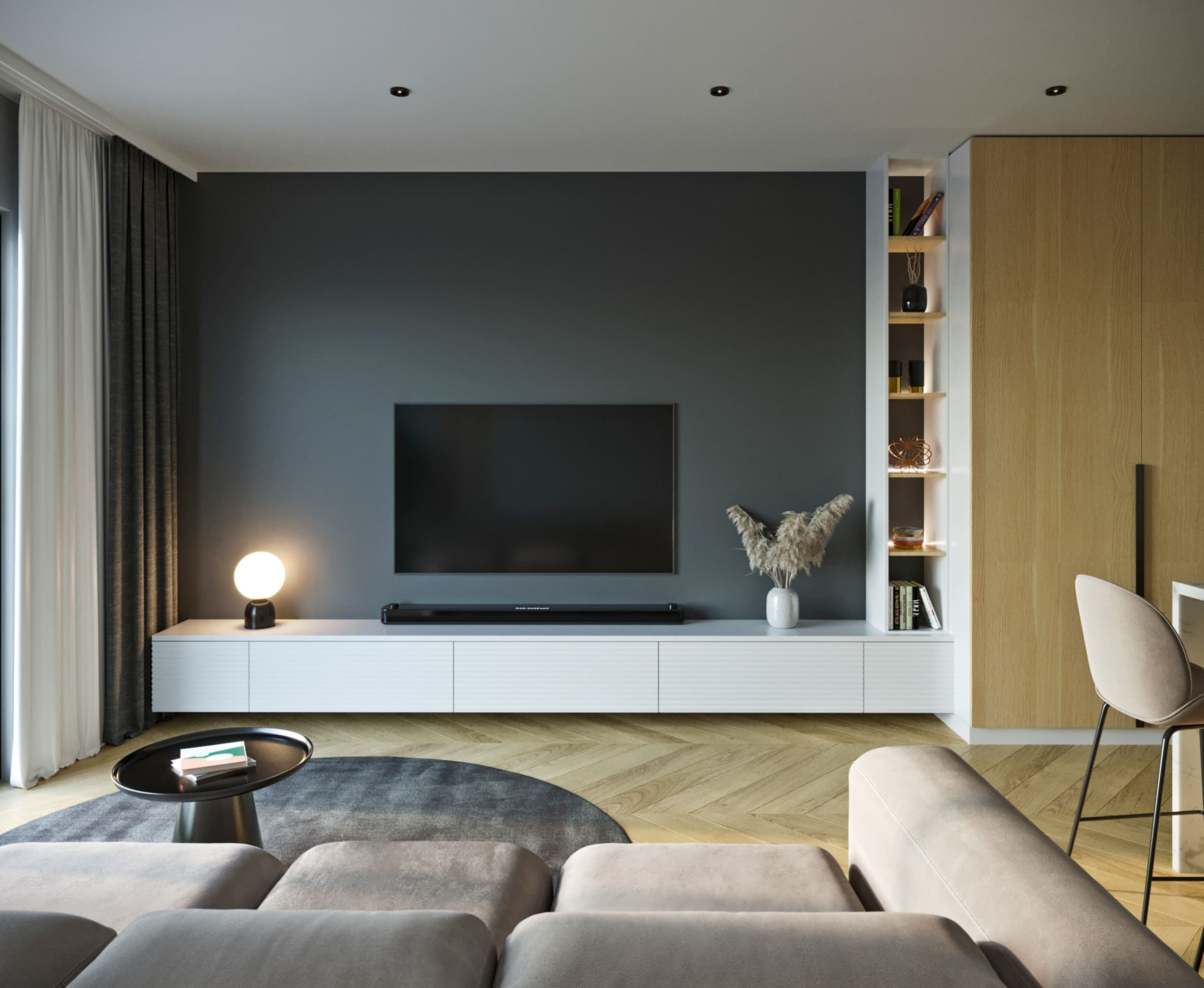
    The entertainment center you choose should be based on the size of your TV and the number of components you have (such as a cable box, DVD player, and gaming console). Look for an entertainment center that has enough storage space to accommodate all of your components and cables, and consider whether you want a traditional cabinet-style center or a more modern wall-mounted option.

    It’s also important to consider what materials you’d like your new entertainment center to be made from: wood is classic, but it can be expensive, so consider plastic or metal instead. You might also want to think about how much weight your center will hold—if you’re planning on adding more components in the future, make sure your current center can handle them!

    Photo by Loewe Technology on Unsplash

    Make sure everything is organized

    To keep things tidy and easy to access, group like items together and label them clearly. For example: place all DVDs together in one section of your cabinet or shelf; organize games by genre (board games here, video games there), then alphabetically by title; place remotes in one section of the cabinet so they’re easy to find; label wires if possible so you know exactly which cord goes with which component.

    Incorporate seating

    When designing a room around the TV and entertainment center, it’s important to consider seating options. Choose comfortable and stylish seating that allows for a good viewing angle and allows everyone in the room to see the TV easily. Options could include a sectional couch, a loveseat and chair, or a media room setup with theater-style seating.

    A sectional is great because it provides plenty of seating for everyone in your family and allows everyone to be close together while watching TV. It also gives you more flexibility in terms of where you can place the furniture—you don’t have to worry about finding space for chairs or other furniture near the TV because there are no legs on this type of sofa set!

    If you’re looking for something more traditional, try out an armchair and ottoman set instead of a sofa. This combination offers more privacy than an all-in-one piece like a sectional, so it might be better suited for smaller spaces where there isn’t much extra room around the entertainment center itself (for example, if there’s little space between your couch and coffee table).

    And finally, if you want something really unique that really stands out then consider using hammocks as your seat!

    Photo by Howard Bouchevereau on Unsplash

    Add storage

    If you’re designing a room around your TV and entertainment center, the first thing to consider is how you want to organize your entertainment options.

    You’ll want to make sure that you have enough space for all your media devices (such as game consoles), but also make sure there’s room for all the accessories that go with them.

    For example, if you have an Xbox or PlayStation, chances are you’ll need extra controllers and maybe even an external hard drive for storing games. If you have a large collection of DVDs or Blu-rays, consider adding storage options like bookshelves or coffee tables with built-in drawers. And if you love to read, consider adding bookcases filled with novels and nonfiction books.

    Another thing to consider when designing around your TV is storage for other items in your home. For example, if you have a lot of books or magazines that need to be stored away when not in use, consider adding cabinets or shelves near windows where they can be easily accessed but out of sight when not being used.

    Photo by Loewe Technology on Unsplash

    Accessorize

    To complete the look of your TV and entertainment center, consider adding a few accessories such as throw pillows, blankets, and decorative accents. These can add a personal touch and help to tie the space together.

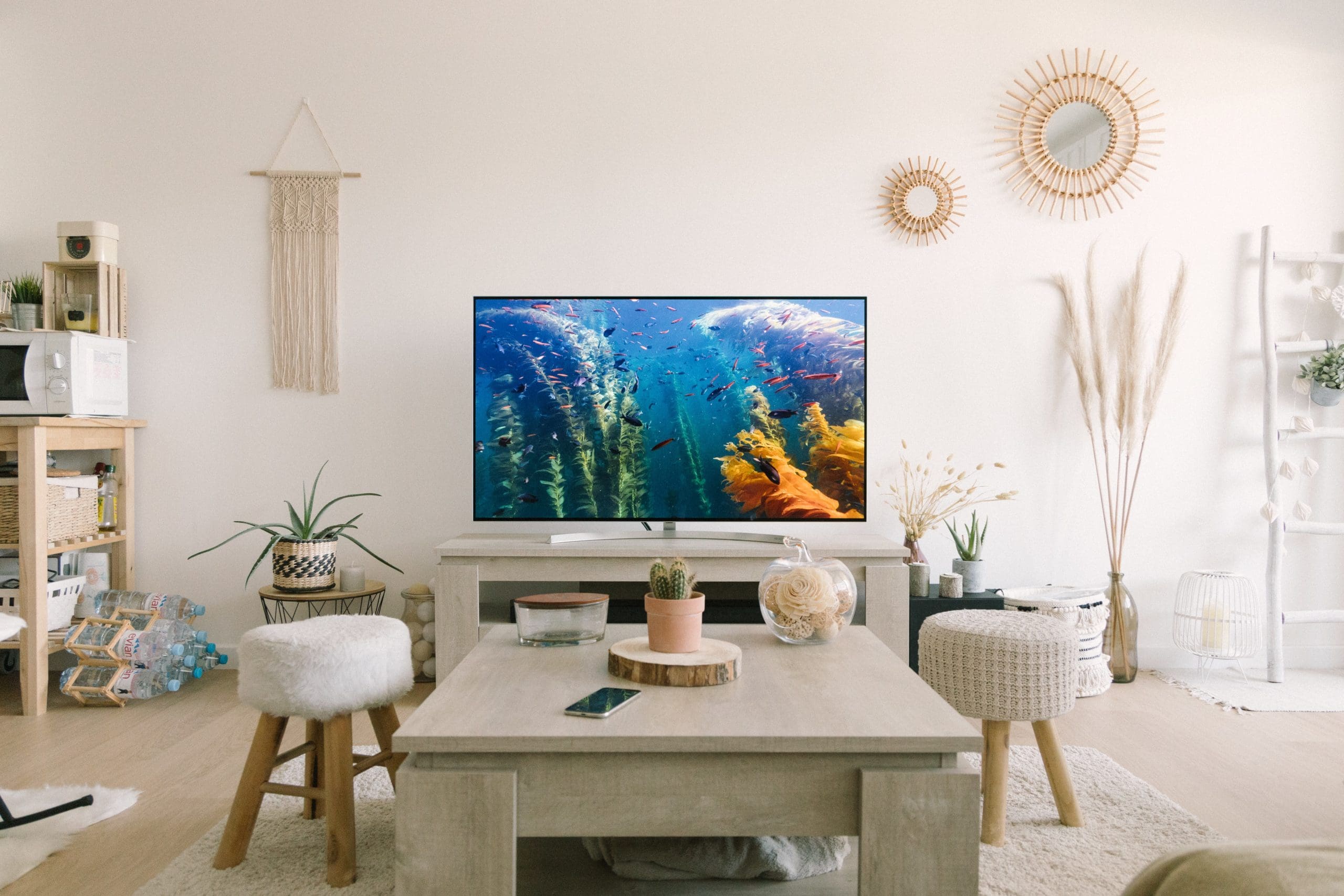
    One of the best ways to make your entertainment center feel like part of the room is to accessorize it with items that match your home’s existing color scheme. You can also use decorative accents such as mirrors or picture frames to add interest to an otherwise plain piece of furniture.

    If you don’t have a lot of money or time to spend on decorating, try using inexpensive methods like paint and stencils instead of hiring professionals for custom work. A little bit goes a long way when it comes to creating an inviting atmosphere for watching movies or playing games!

    Consider the lighting

    Adjustable lighting is a must when designing a room around your TV and entertainment center.

    You’ll want to be sure you have enough light for optimal viewing, but not so much that it overwhelms the other elements of the room.

    It’s also important to consider how much light will come from the TV itself, as well as from surrounding sources like lamps or overhead lights.

    Installing dimmer switches can help you control the amount of light that shines on your screen while maintaining a comfortable level in the room.

    Photo by Loewe Technology on Unsplash

    Conclusion

    Designing a room around the TV and entertainment center can be a fun and rewarding process. If you need to reconfigure to room to make it work, make sure you consult a professional such as Watara Homes to make sure the renovation is done properly.  By considering factors such as TV size and placement, the right entertainment center, seating options, storage, accessories, and lighting, you can create a cohesive and comfortable space for movie nights and TV viewing.

  • Water Damage Restoration Services: Benefits

    Water Damage Restoration Services: Benefits

    1. Removing water quickly

    You should remove the affected furniture and water from your house as soon as possible. The removal of standing water requires special equipment and tools.

    Photo by immo RENOVATION on Unsplash

    You wouldn’t be able to finish this as quickly as possible if you weren’t properly equipped. Water damage removal requires quick action. Mould growth and damage will be lessened if the water is removed from the affected areas as soon as possible.

    Photo by Mahir Velani on Unsplash

    Companies that specialise in water damage restoration have the equipment and tools to remove water quickly. You can find high-quality vacuums and pumps that absorb water, dryers and dehumidifiers that remove moisture, and cleaning materials that preserve your property and sanitise your home. The faster you respond, the quicker you can get back to the condition your property was in before the disaster.

    2. Eliminate health hazards

    In the event of water damage, contamination is a huge concern. Microorganisms can grow in a busted sewer pipe, resulting in bacterial infections. When left for a long time, even clean water can pose a threat. Mosquitoes can breed in stagnant water.

    Water damage restoration companies take immediate action to prevent water from stagnating. Dehumidifying and drying the surfaces will also prevent health risks in the home. You and your family’s health and safety are guaranteed when professionals perform professional water damage removal.

    Photo by Mahir Velani on Unsplash

    3. Maintain a mould-free environment

    There is no such thing as a harmless damp area. Mould grows best in damp areas. Surfaces can become infested with mould quickly. Mould can start to grow within 48 hours of water damage. It is important to remember that moulds can damage your property as well as your health. Allergies can be triggered by mould exposure, including red eyes, runny noses, frequent sneezing, and skin rashes. 

    Asthma attacks and shortness of breath are caused by severe reactions to it. Individuals with immunocompromised conditions, infants, and the elderly are most at risk.

    Mould growth is eliminated as part of the water damage restoration service. Dehumidifying and drying the surfaces prevents mould from growing. Mould growth can also be prevented by using air filtration equipment and chemical treatments.

    Photo by Mahir Velani on Unsplash

    4. Service that is thorough and guaranteed

    Damage severity would determine the extent of restoration. The entire restoration process is handled by professionals, from assessment and planning to cleanup and disinfection. By assessing the damage thoroughly, they can determine what portions of the property can be saved and restored. The total loss is minimised with this approach.

    Don’t waste your time

    The sight of your property being damaged by water is heartbreaking. It will only cause headaches if you try to save it yourself. Let the professionals handle this for you. Reputable water damage restoration companies employ technicians who are knowledgeable and skilled. An efficient method and a timely response are all you need. Only professionals are equipped to restore your properties to a livable condition.

    Photo by immo RENOVATION on Unsplash

    Over the past years, propertymd.ca has been certified by the Institute of Inspection Cleaning and Restoration Certification and accredited by the Better Business Bureau. Credentials such as these confirm that the company’s approach to water damage restoration meets the highest standards.Whenever you need us, just give us a call!

  • Remodelling Ideas For Bathrooms

    Remodelling Ideas For Bathrooms

    A bathroom remodel renovationstelcore.com can help you save energy with water-saving faucets, toilets, and improved lighting. 

    Photo by Steven Ungermann on Unsplash

    More functionality with improved safety. Improved design & aesthetics.

    homeowners are often frustrated by bathroom and kitchen remodelling due to unmet timetables, high costs, and frustration. When it comes to bathroom remodelling, it pays to think outside the box and search for smarter and more economical alternatives. Take a look at these 15 bathroom remodelling ideas to spruce up your bathroom without breaking the bank.

    Material Lookalikes at a Lower Cost

    The best way to save money is to retain and refurbish your existing materials. You can often find inexpensive alternatives that look just as good as the real thing. Consider luxury vinyl flooring instead of real wood planks. In comparison to earlier generations of vinyl flooring, today’s is far more attractive. It is even possible to fool the eye from a distance with innovations such as luxury vinyl flooring and plank vinyl.

    Photo by Collov Home Design on Unsplash

    The look of authentic natural stone is now being challenged by laminate countertops and quartz countertops with high-definition finishes. The look of travertine and marble can be replicated by faux-stone ceramic and porcelain tile backsplashes.

    The Best Way to Paint Wooden Floors

    You can always cover a wooden floor in your bathroom with a more moisture-resistant flooring, such as tile, sheet vinyl, or luxury vinyl planks. You can also save time, energy, and money by keeping your wooden floor and painting it with protective enamelYou can always cover a wooden floor in your bathroom with a more moisture-resistant flooring, such as tile, sheet vinyl, or luxury vinyl planks. You can also save time, energy, and money by keeping your wooden floor and painting it with protective enamel. You should not choose solid hardwood flooring for your bathroom first, though. It is one low-cost way to extend the life of wooden floors if you already have them.

    Photo by Grace Kelly on Unsplash

    Replace your tub instead of refinishing it

    Consider relining or refinishing instead of replacing your bathtub as your last option, at least from a cost-saving perspective. Refinishing a bathtub or shower is an excellent example of “Repair and retain rather than replace.” If the problem is mainly cosmetic, such as a yellowed surface or some cracks and nicks, you can refinish it.

    A bathtub or shower liner, never a permanent solution, is also not as inexpensive as it seems. You will be able to use liners for a few years after professional installation. Refinishing your bathtub is more affordable and often results in a better-looking bathtub.

    Photo by Amira Aboalnaga on Unsplash

    Instead of refinishing your tub, touch it up

    Tub touch-ups are one step down from tub refinishingTub touch-ups are one step down from tub refinishing. A touch-up product, such as Super Glue White Porcelain Repair , is as easy to apply as squeezing toothpaste from a tube when your bathtub has nicks, gouges, or peeling paint.

    Hardware refreshes cabinets

    The cost of buying and installing new bathroom cabinets can be high. Changing the hardware on your existing cabinets is a far easier and more affordable way to give them a new lease of life.

    To make the process even easier, make sure the screw alignment of the new hardware matches the holes in your existing cabinets before you buy it. Drilling new holes is no longer necessary.

    Photo by Filmreal Studio on Unsplash

    Replace the sink faucet

    Installing a new sink faucet is one trick designers and DIYers alike use to make a sink sparkle without replacing the entire top or vanity.

    Installing sink faucets on your own is simple, easy, and fast. There is no need to call a plumber. As a result, labour costs are saved and the timetable is advanced. That’s how easy it is to install a sink faucet; you can have it up and running before lunchtime.

  • A Look At Vake Plaza: The Modern Business Center

    A Look At Vake Plaza: The Modern Business Center

    Buildings of different shapes and sizes dot the landscape of today’s cities, from high-rises to apartment complexes to office towers to hotels. Business centers, those futuristic temples to humanity’s development into a worldwide society, are among the most common of these buildings.

    Photo by Pixabay: https://www.pexels.com/photo/gray-wooden-computer-cubicles-inside-room-267507/

    What Is a Business Center?

    Photo by Christian Wiediger on Unsplash

    Renting space in a business center, a professionally managed commercial building that offers an all-inclusive business infrastructure can help you meet your company’s short and medium-term needs. Customers can select from a variety of flexible alternatives based on their particular space and infrastructural requirements. A business center has everything you might possibly need for running your business effectively, including copiers, fax machines, printers, scanners, modern furniture, and an internet connection. Businesses that need to host meetings or client presentations but lack dedicated office space can also consider renting a room. The businesslike environment is more personalized and caters to each visitor’s needs.

    A Modern Business Center Today

    The Vake Plaza complex is one of the newest additions to Tbilisi’s skyline, which has undergone a gradual transition away from the austere architecture typical of Soviet-era Georgia. The 11-story, 22,000-square-meter office structure is designed to be the hub of the city’s commercial district. David Kezerashvili, a local entrepreneur, thought that Tbilisi might benefit from more contemporary office space. To further integrate Georgia into the global economy, he envisioned a multi-use complex. The end product was Vake Plaza, a complex with reasonable rates and enough parking, both of which are much sought-after in the crowded metropolis. Economic growth and a fresh, forward-thinking perspective on the city are also anticipated benefits of the project.

    Photo by Alaksiej Čarankievič on Unsplash

    It’s no coincidence that the building’s exterior strikes a balance between contemporary art and the corporate world. The building’s distinct museum-like aesthetic was something Kezerashvili toyed with from the very beginning of the project. Most importantly, however, is that good interior design can motivate those who spend time there. The outstanding interior designer on the project was Khatuna Mikaberidze, who placed special emphasis on the foyer, an area in which Kezerashivi himself had a deep interest, as he has revealed. Khatuna unearthed several very remarkable pieces of furniture from the 20th and 21st centuries, converting the foyer into a mini museum.

    The chosen pieces of furniture are mostly composed of straight, horizontal, and vertical lines; no curves or extra embellishments are present. The architects and designers of the building took special care to make the foyer accessible to everyone. Kezerashvili sought rooms with plenty of large windows since he believes natural illumination to be of paramount importance. The likes of George Nelson, Frank Gehry, Shiro Kuramata, Piero Fornasetti, and Frank Lloyd Wright were all inspirations for the furniture. Steel, chrome, and glass are used extensively, and natural colors predominate.

    The Business Center of Tomorrow

    While we are familiar with the layout of modern office buildings, what can we expect from the workplace of the future? There will no doubt be some holdovers from the traditional workplace, but the larger trend will be toward more open and accommodating office layouts that put the needs of the workforce first. Recent studies highlighting the risks of prolonged sitting suggest that the health of employees will be given even more priority in the workplaces of the future. There could be a few distinct manifestations of this.

    Photo by Oleg Nagovski: https://www.pexels.com/photo/aerial-shot-of-the-georgian-national-university-seu-in-tbilisi-georgia-11951123/

    For instance, standing workstations and specific footrests that allow you to adjust your weight while standing might become the standard in the near future. One desk per worker may not always be necessary, and this trend may accommodate this. Those who need a bit of extra exercise at work might benefit from using discrete treadmill workstations. It is possible that, as the use of smart devices increases, we may soon be able to use real-time health monitoring to better manage our health at home and in the workplace. Smartwatches like Apple’s are only the beginning.

    There is currently pressure on businesses to assess their environmental impact and “go green.” Perhaps one day soon, all businesses, no matter how big or small, will be required to operate with a lower impact on the environment. This includes eliminating paper use, serving food on reusable plates, purchasing energy-efficient machinery, and many other changes. Companies and their facility managers may better track energy use with the help of office management technologies. Software may assist businesses in being more responsible and cost-effective by highlighting ways to modify heating, equipment usage, and lighting.

    Photo by Joel Filipe on Unsplash

    Final Thoughts

    We will advance into a time when our workplaces are more than just white rooms with plain desks and laptops with the help of business hubs like Vake Plaza. They’ll be facilities that meet both an aesthetic standard and the health needs of their staff. Employee satisfaction will increase as a result, which will lead to better performance.

  • 9 Things to Do Before Starting a Construction Project

    9 Things to Do Before Starting a Construction Project

    Starting a construction project is an exciting yet overwhelming process, and it can be easy to get confused about the first steps. Before you even think about beginning any actual building tasks, several important considerations need to be made to ensure that your project runs smoothly from start to finish. Here are nine of the most important things you need to do before starting your next construction project.

    Image by Peter H from Pixabay

    1. Develop a Clear Plan

    An effective plan outlines the project’s objectives, details the scope of work that needs to be completed and sets a timeline for completion. It should also include an accurate estimate of the costs and resources required to complete the project. Without a well-crafted plan, there is an increased risk of delays or unforeseen issues arising. An appropriate plan will help minimize these risks, enabling the project to be completed on time and within budget. Additionally, a contingency plan should be included to allow for various situations and any costs associated with overcoming them.

    Photo by Scott Blake on Unsplash
    1. Create a Realistic Budget 

    Before beginning a construction project, it is crucial to create a budget. This involves allocating enough funds for the estimated materials, labor, and equipment costs. You will also need to factor in permits, fees, and other associated expenses. As part of this process, you should research the expected cost of materials and services in your area, as these amounts vary significantly depending on the location.

    It’s wise to plan for additional funds if your budget turns out insufficient halfway through the project. Creating a realistic budget should not just be based on estimations; if possible, get quotes from local professionals such as contractors and suppliers who specialize in similar projects so that you can have a better sense of how much you will need to spend throughout the entire construction process.

    Image by Hands off my tags! Michael Gaida from Pixabay
    1. Get a Construction Loan

    A construction loan is a type of financing that provides funds for new construction from start to finish. Because the loan is secured by the property being built, lenders typically require a detailed construction plan and the borrower to provide proof of adequate resources to complete the project.

    When applying for a construction loan, it is essential to understand that funds are not disbursed as a lump sum. Instead, the lender will pay your builder in draw installments based on the construction progress. External companies like Northwest Construction Control conduct draw inspections to review how funds allocated for a project are used throughout the building process. This inspection ensures that funds are not misused or wasted. It also ensures that projects remain on track within the overall timeline and budget. 

    Image by Lorenzo Cafaro from Pixabay
    1. Hire a Professional

    Working with a professional contractor can be beneficial for a construction project, as they will have the experience and knowledge to help make sure that the job is done right. They will also know what materials are needed and how long each phase of the project should take. It’s essential to do your due diligence when hiring a professional contractor.

    Be sure to check references and look for experience in the specific type of construction project that you are undertaking. Additionally, make sure to get a written contract outlining the scope of work, timeline, payment schedule, and any other important details before beginning any work. It helps ensure both parties understand the expectations of the project and can provide protection if something goes wrong.

    Image by Peter Dargatz from Pixabay

    1. Secure Necessary Permits and Inspections

    Depending on your location, different building codes and safety regulations may apply. It’s important to research these requirements before starting work to ensure that your project meets all applicable regulations. Additionally, some locations may require specific inspections after completing certain construction phases. It is best to communicate with your local government or zoning board to ensure that all necessary permits and inspections are obtained before beginning any work. This can help to prevent costly delays or fines due to non-compliance with local regulations.

    1. Create a Clear Timeline

    When crafting a timeline, it’s essential to consider more than just the end date when setting milestones throughout the process. Factor in time for review tasks and unexpected delays. By creating an organized timeline that outlines both short-term and long-term plans, you will have a practical roadmap that helps ensure your project is completed on time. Additionally, a timeline can help you better plan for any potential budget changes or other adjustments that may need to be made along the way.

    Image by Peter H from Pixabay
    1. Establish Safety Protocols

    All contractors and workers should understand the safety protocols in place, and it’s crucial to ensure that all workers understand emergency procedures and other applicable safety regulations. Additionally, ensure all workers have the appropriate protective equipment and that hazardous materials are properly labeled, stored, and disposed of. Taking these steps and keeping safety in mind throughout the project can help prevent accidents and keep everyone involved safe.

    1. Prepare the Site for Construction

    Before construction begins, it’s important to ensure that the site is ready for work. This includes clearing debris or hazardous materials, leveling and grading the ground, preparing the space for any heavy machinery or materials used in the project, making room for utility lines and access roads, and establishing a waste management plan. Structural items like drainage systems must be designed and installed as well. All of these tasks should be completed before any actual construction commences.

    1. Prepare for Clean-up

    Planning for post-construction clean-up is an important yet often overlooked step in the construction process. By considering the materials and waste that will need to be disposed of beforehand, you can save time and effort during the last stage of your project. Make sure you research your options ahead of time, as there may be different regulations surrounding the disposal of certain materials depending on their environmental impact. If necessary, hire a qualified team specializing in professional clean-up services, as they have access to specialized tools and safety equipment that help ensure compliance with local regulations.

    Photo by Ricardo Gomez Angel on Unsplash

    Before beginning any construction project, ensure that you have taken the necessary steps to prepare. Obtaining the proper permits and inspections, establishing a timeline and safety protocols, preparing the site for work, and planning for clean-up are just some of the essential tasks needed before starting any construction project. Planning ahead helps ensure that your project runs smoothly and is completed on time.

  • 10 Documents That Need to Be Properly Designed and Formatted

    10 Documents That Need to Be Properly Designed and Formatted

    The success of any document that you create is often partly down to its appearance. This is why it is so important to focus on design and formatting with certain documents.

    Photo by Maarten van den Heuvel on Unsplash

    If you want to improve the chances of people reading the content and engaging with what you have to say, you need to look at the overall picture and not just the content itself. This is where proper design and formatting come into the equation.

    With certain types of documents, making sure you focus on the formatting and design can make a huge positive difference. There are certain types of documents where design and formatting are more important, and it can make a huge difference when it comes to how effective these documents are in terms of enabling you to achieve your goals. We will look at some of the documents in question below.

    Photo by Tetiana SHYSHKINA on Unsplash

    Some of the Documents Where Design and Formatting Are Vital

    There are many different types of documents where proper design and formatting can make a big difference. These include:

    Mailing Envelopes: Using the right design for any mailing envelopes you use is important because it can make the difference between the recipient opening the envelope or throwing it away. You can look at including corporate branding for a more professional look, or you could consider an envelope design that you know will capture the attention of your target audience.

    Photo by Arisa Chattasa on Unsplash

    Cover Letters: Making sure that your cover letters are properly formatted can make a big difference when it comes to applying for jobs and promotions. The formatting and effectiveness of your cover letter could determine whether the person then goes on to read the documents you have sent along with your cover letter.

    Resumes: A good resume is vital if you want to boost your chances of career success, and the resume format is an important part of this. The way in which you format your resume can have an impact on the impression you give to decision-makers. This can then affect whether or not you are successful in being called in for a face-to-face interview for the job.

    Press Releases: Press releases can prove invaluable when it comes to announcing something like a special event, a launch, a new promotion, and much more. However, in order to draw attention to the most important points, you need to make sure it is formatted properly. In addition, this could impact whether or not you are able to get it published.

    Photo by 2H Media on Unsplash

    Marketing Documents: Using the right marketing documents is important if you want to gain exposure, but you also need to consider the design and formatting of these documents. With these materials, you need to ensure you get people to see the most important content, and you also need to encourage people to engage and continue reading. The format and design can help you to achieve this.

    Sales Brochures: Sales brochures can be very effective in helping consumers to make purchasing decisions and helping your business to make sales. However, in order to do this, they must be properly designed and formatted. This will make your company look more professional, helps to instill confidence, and makes it easier for consumers to pick out the services and products they are interested in.

    Direct Mail Letters: Direct mail letters have been used in marketing for many years, and they can be very successful. However, if they are not properly laid out and formatted, there is a risk that readers will lose interest before they have even found out what you have to offer. So, you must ensure that direct mail letters are properly formatted in order for them to be effective.

    Photo by 2H Media on Unsplash

    Manuscripts: The formatting and editing of a manuscript are extremely important if you want agents and publishers to actually read it. They are very strict when it comes to this sort of thing, so it is vital that you check the industry guidelines and follow the formatting instructions carefully if you want to boost your chances of finding an agent or publisher.

    User Manuals: No matter what product it is for, a user manual needs to be reader-friendly, clear, and easy to follow. This is why proper formatting is so important with this type of document, as it will otherwise simply confuse readers and be of little use to them.

    Food and Drink Menus: With food and drink menus at restaurants, you need customers to be able to see what is on offer, quickly find the types of food and drink they want, and be able to spot special deals and promotions with ease. Again, solid design and proper formatting can help with this.

    These are some of the documents that can benefit from proper design and formatting.