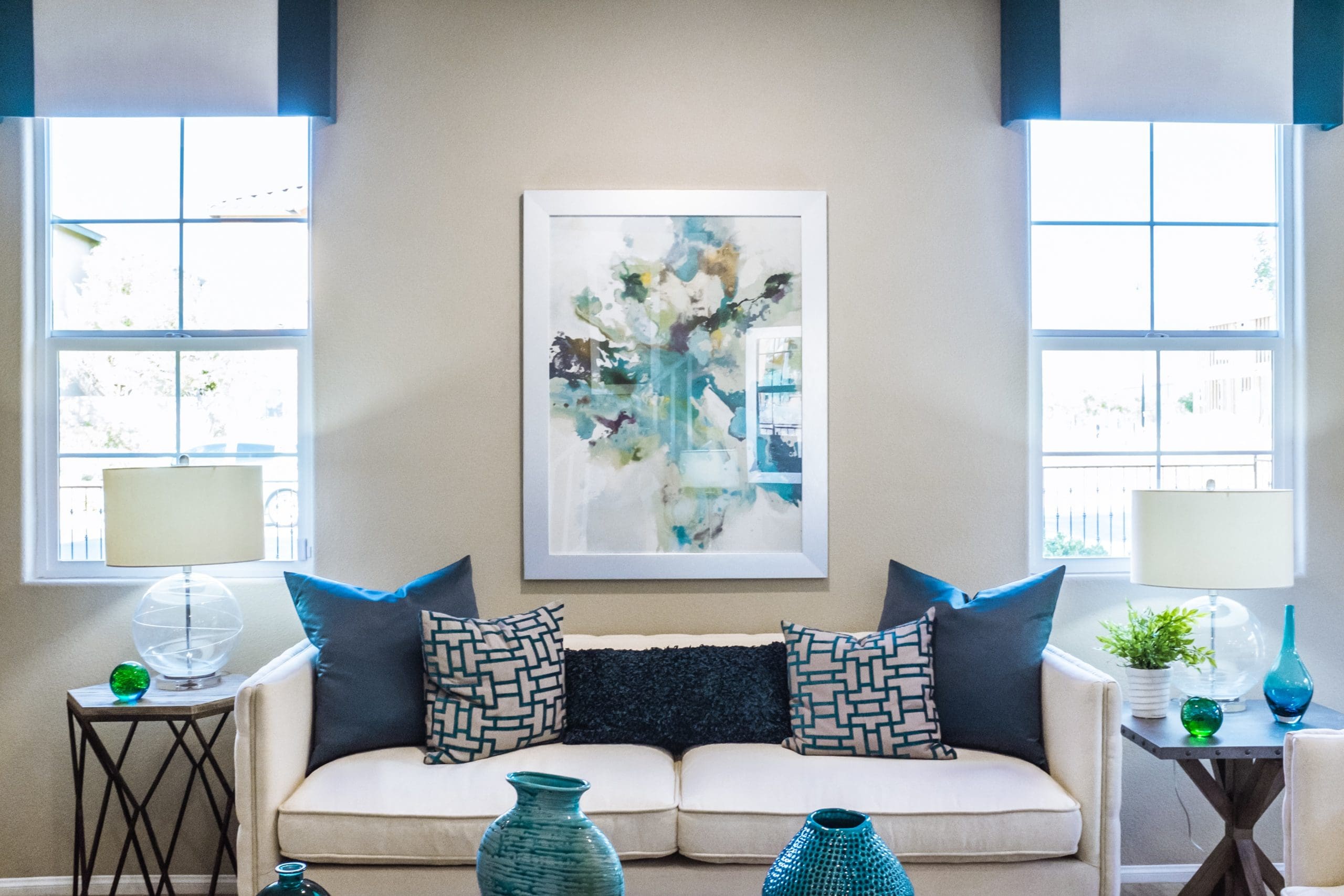
Category: HOME

  • Home Painting Ideas | Painting Designs

    Home Painting Ideas | Painting Designs

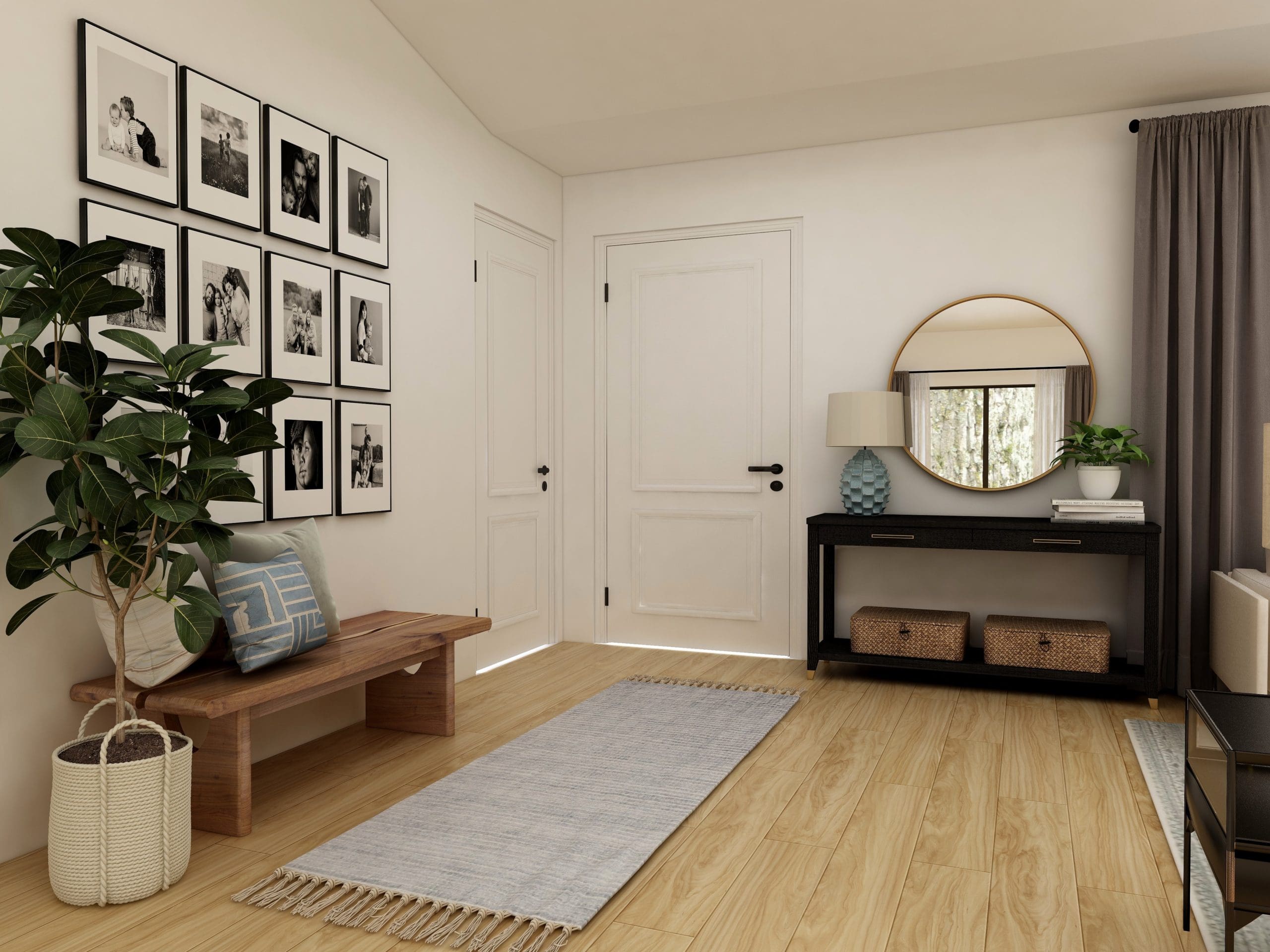
    Entryway to the house

    The first impression of your house bigwigpainting.com.au is made at the front entrance.

    Photo by Kenny Eliason on Unsplash

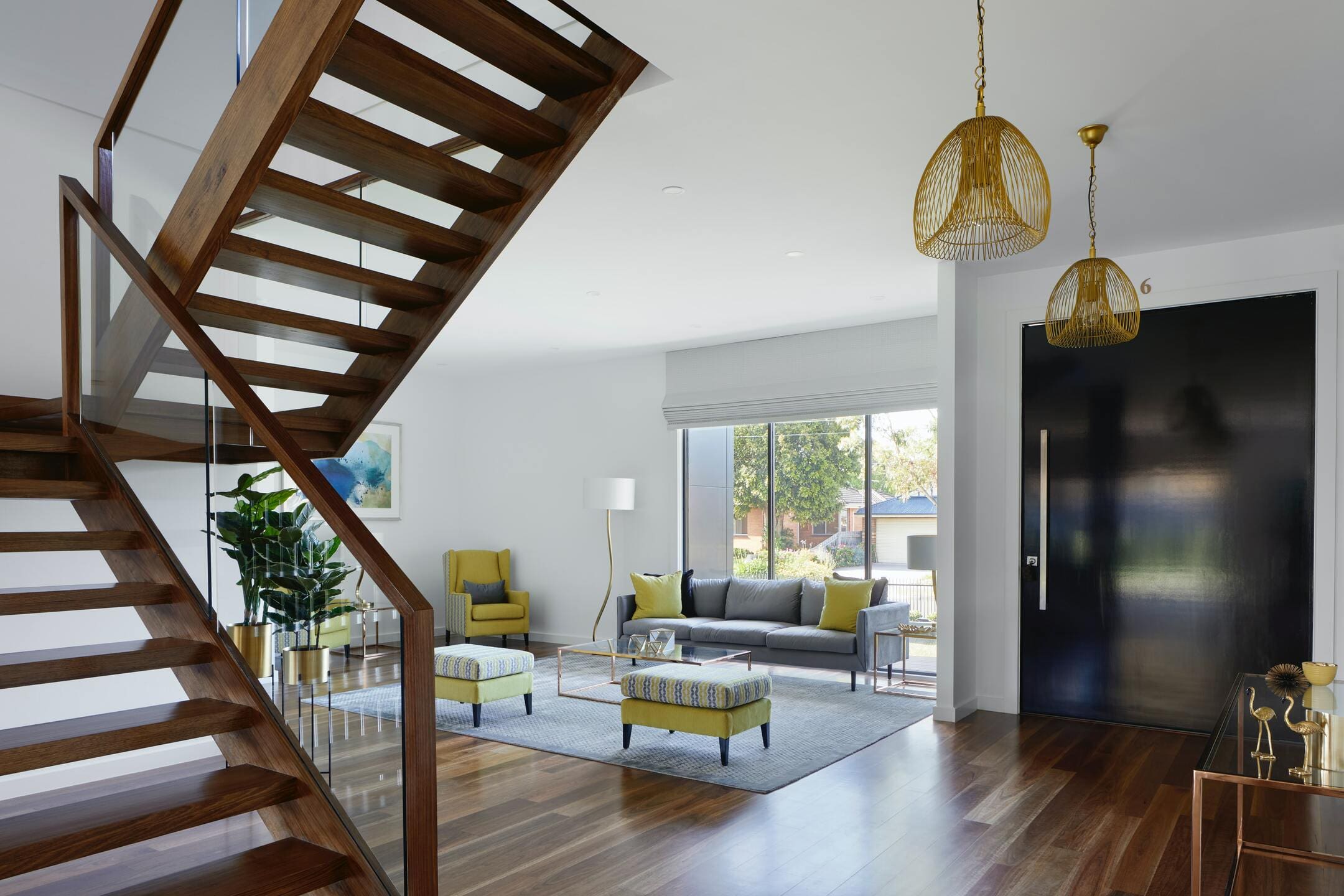
    A beautiful colour palette can be showcased at this ephemeral spot. Adding graceful décor details to this prominent entrance hall space will help to lift the ambiance of your entire home. The best way to make your house stand out is by having a beautiful entrance. It gives a welcoming feeling to paint outer walls in light colours.

    Photo by Markus Spiske on Unsplash

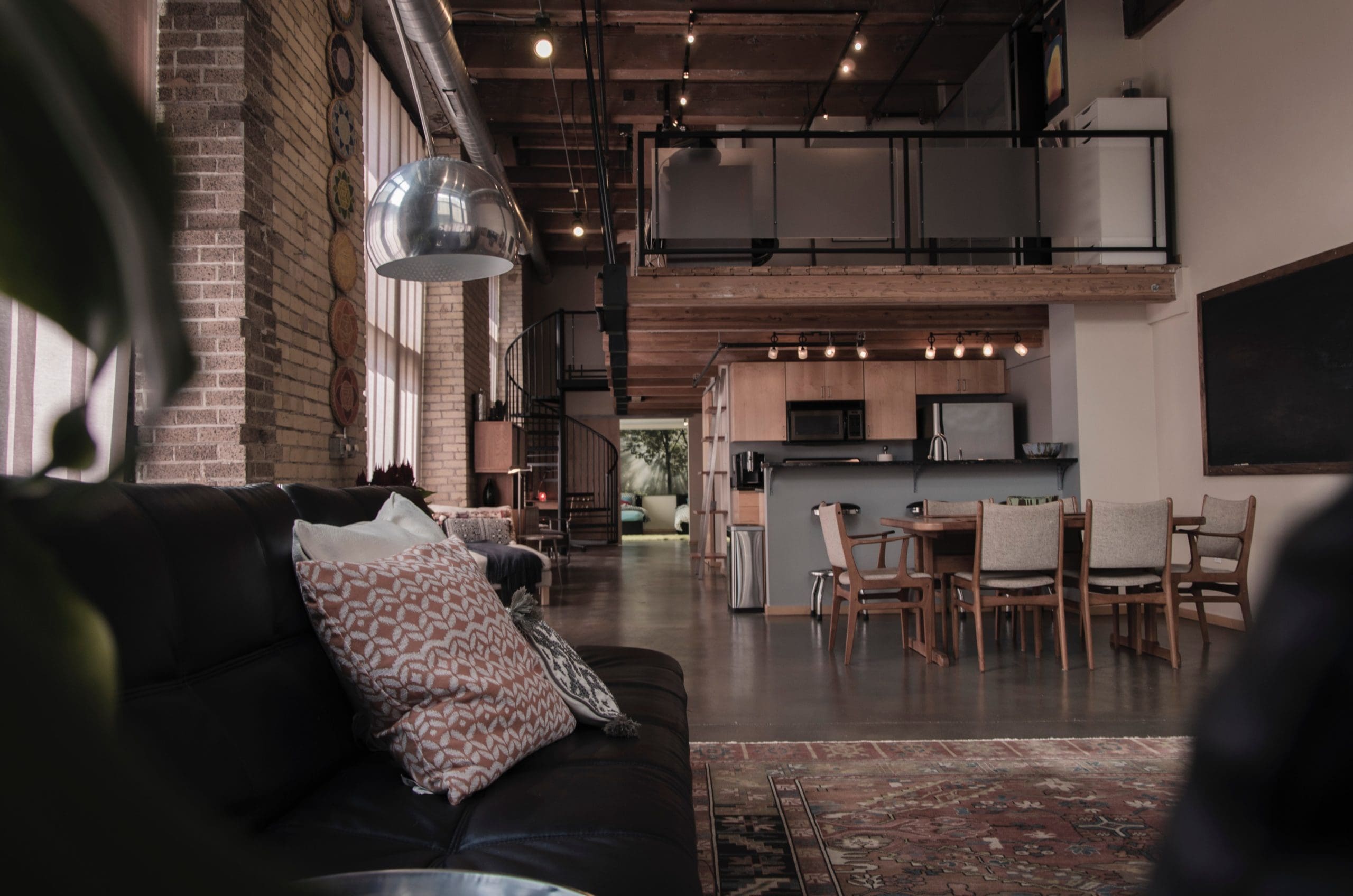
    Ideas for painting your living room

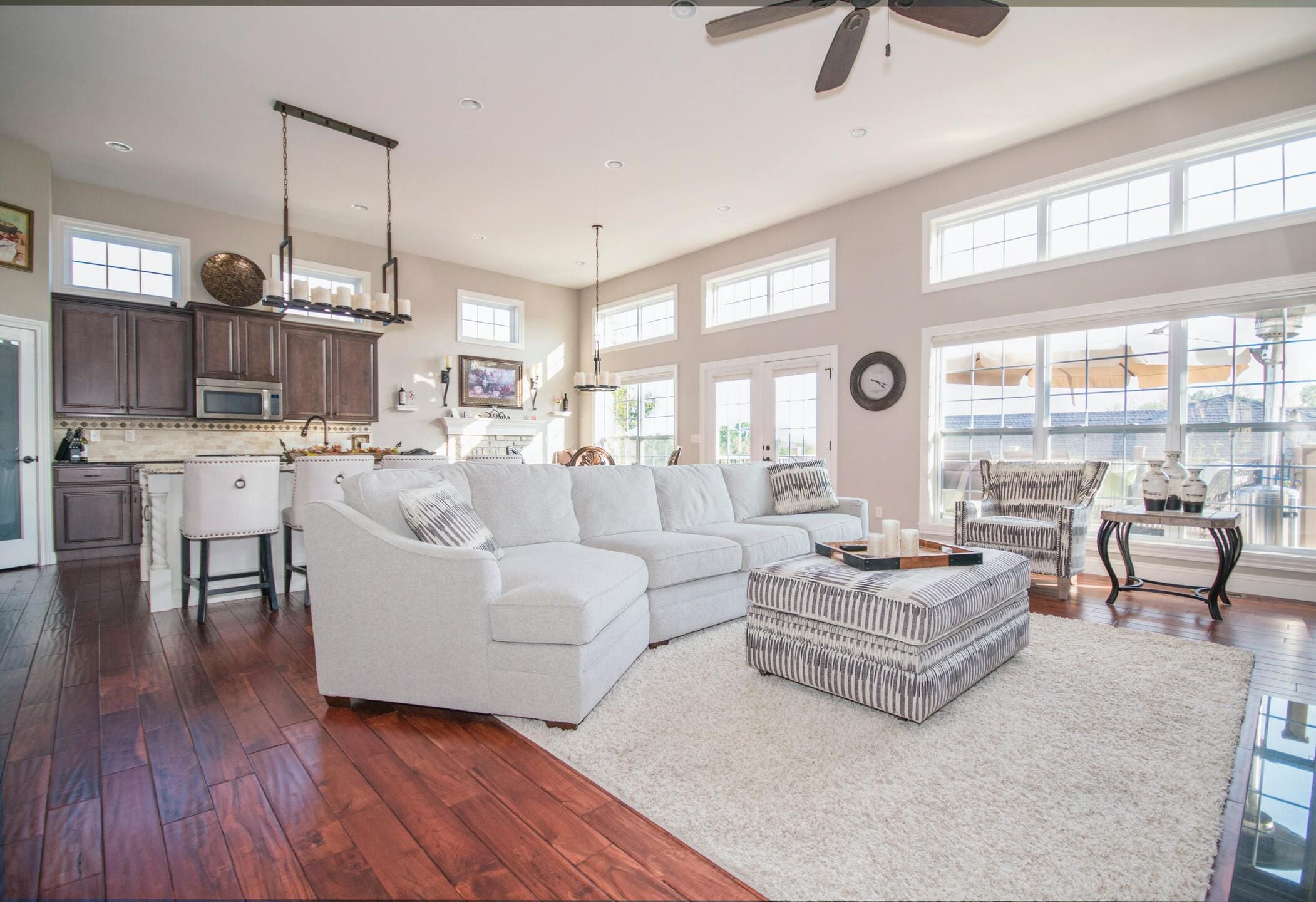
    The indoor house paint colour you choose for your living room should make an impact on you as well as your guests every time you enter. Make the room seem bigger and more inviting by using shades that help overstate its size.
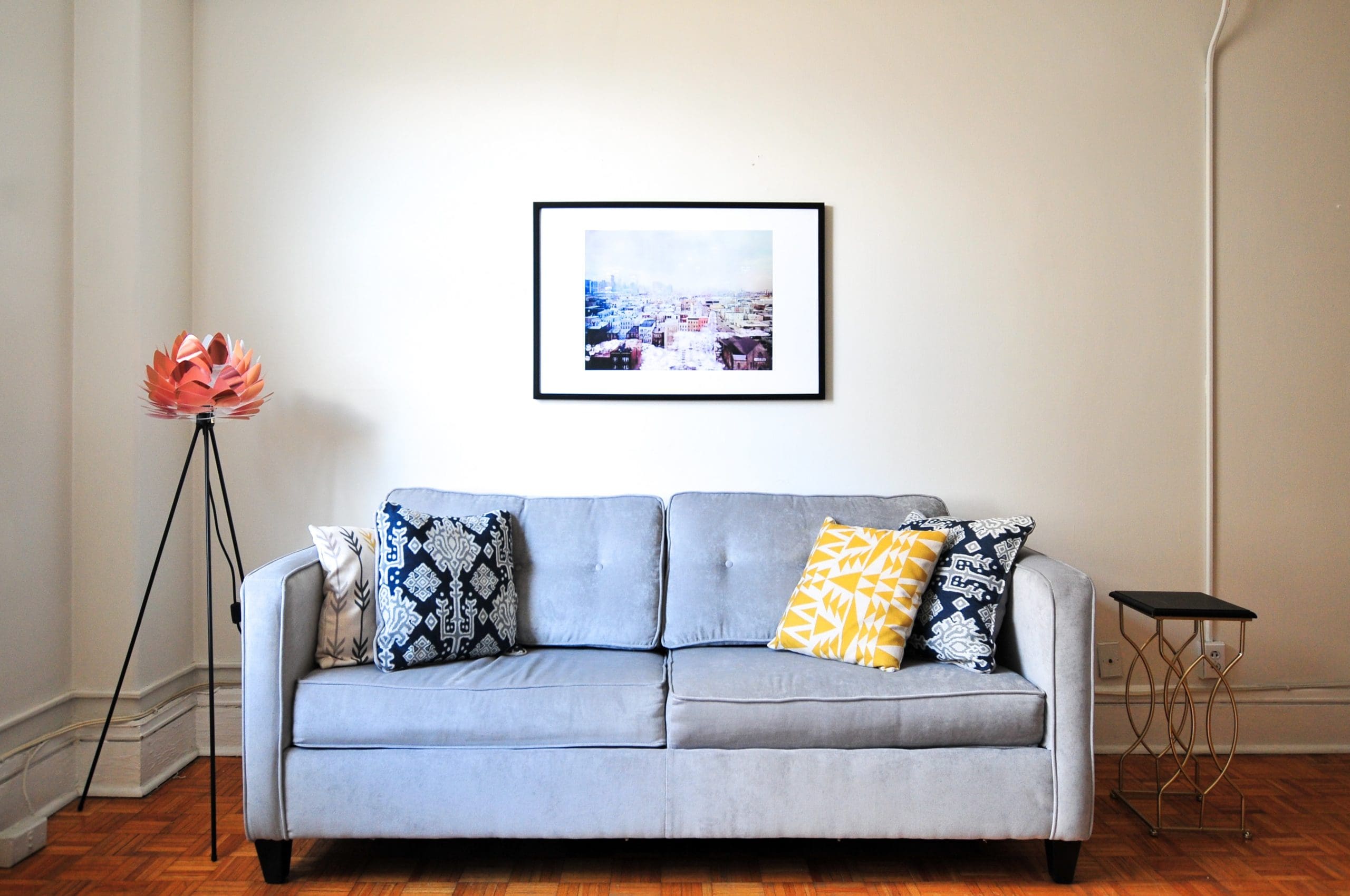
    Photo by Naomi Hébert on Unsplash

    Every member of the family lives in the living room! Colours for the living room should be chosen based on the lighting available in the room. It is always a good idea to have light colored walls in a living room, such as the one shown above.

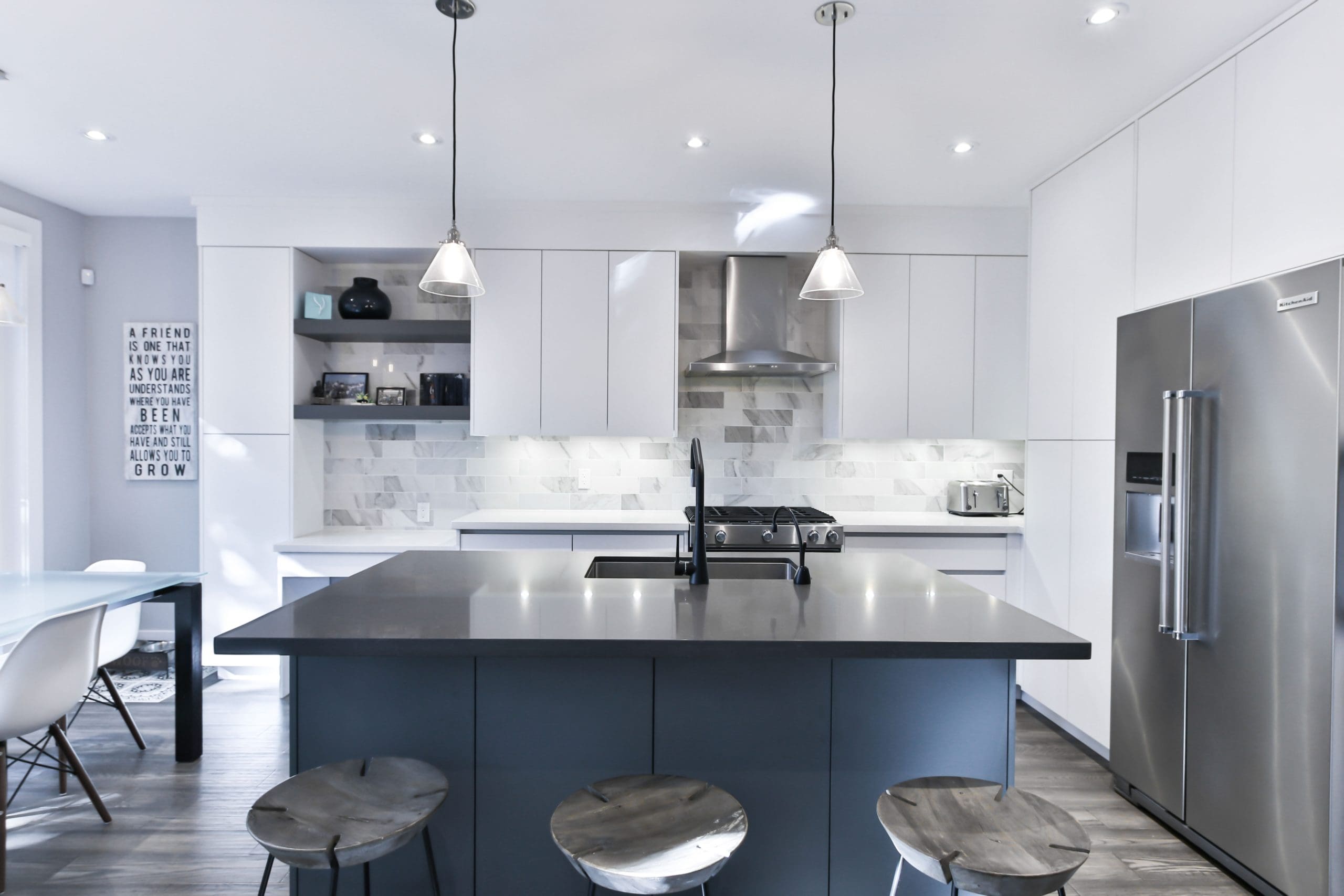
    Ideas for painting the kitchen

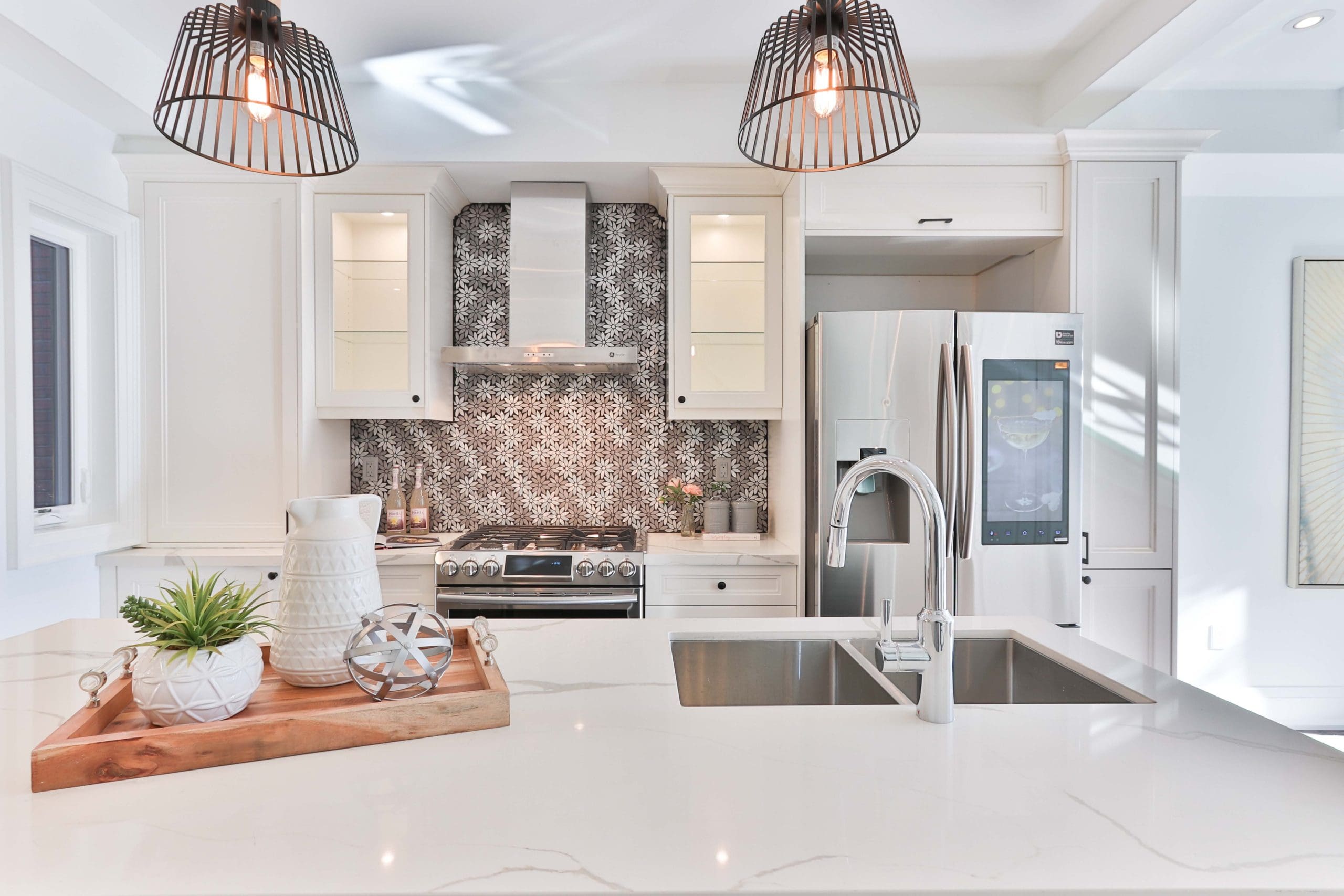
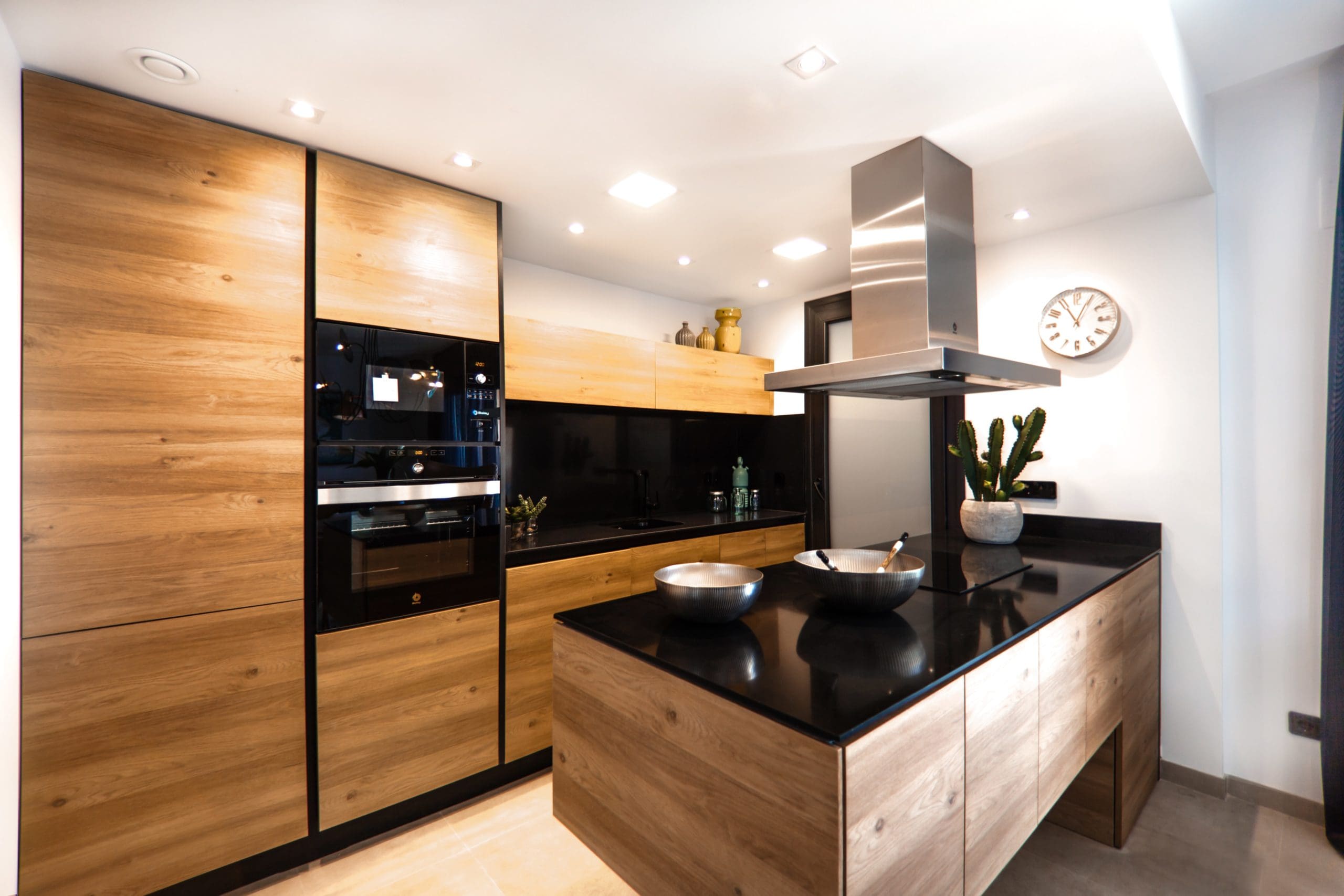
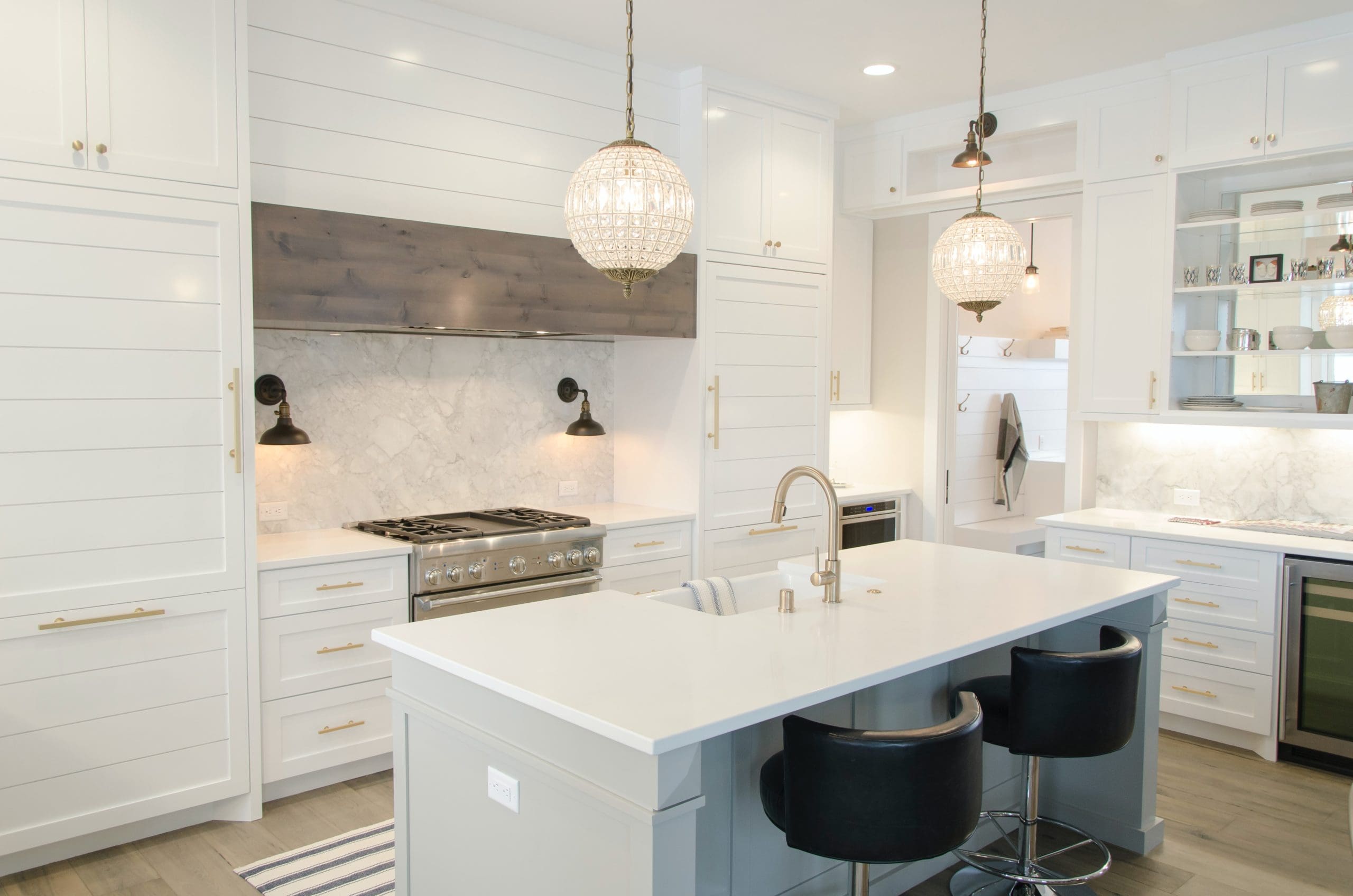
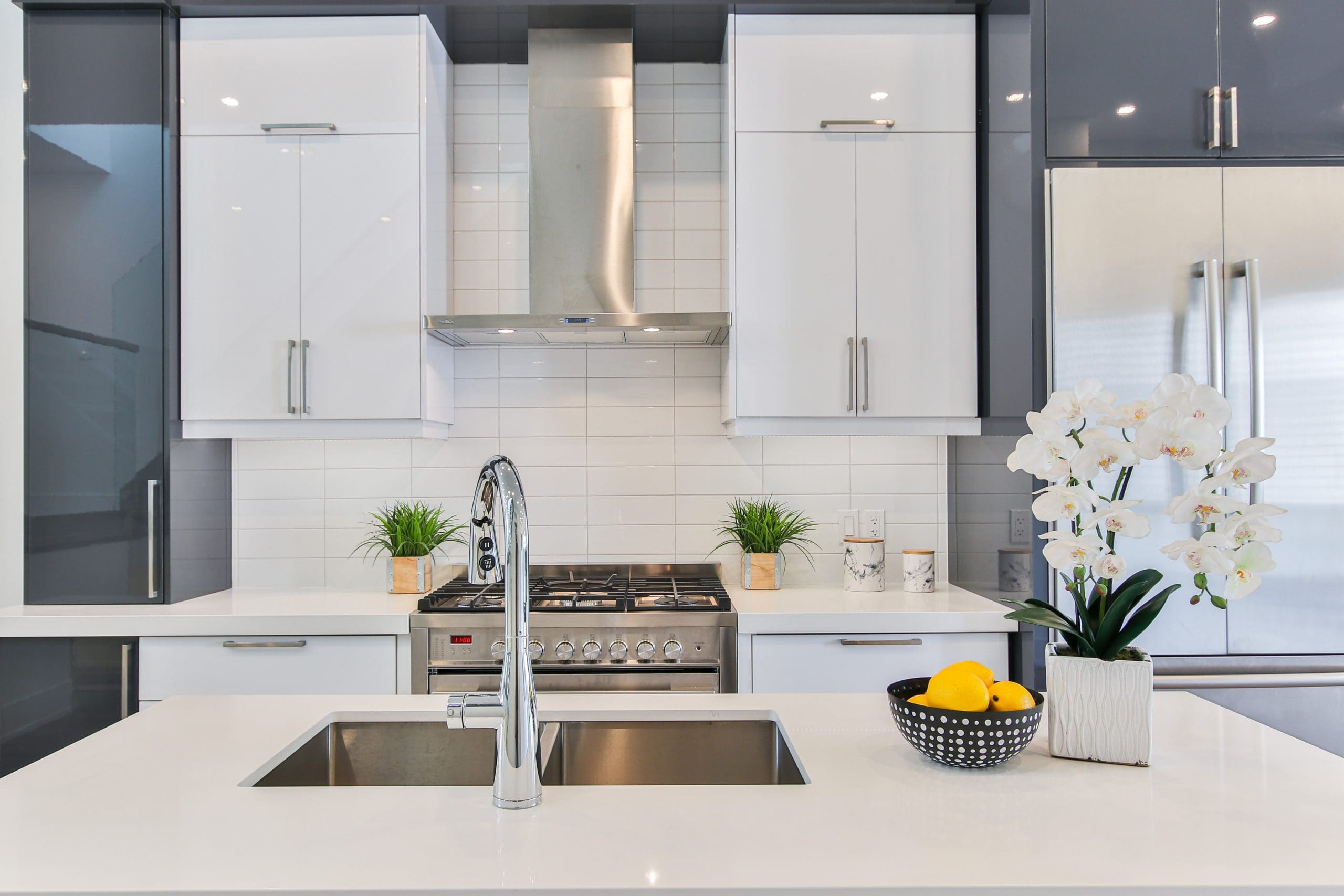
    An elegant black and white kitchen looks even better with the colour green added. In addition, the designable tiles add a little something extra to the overall look.
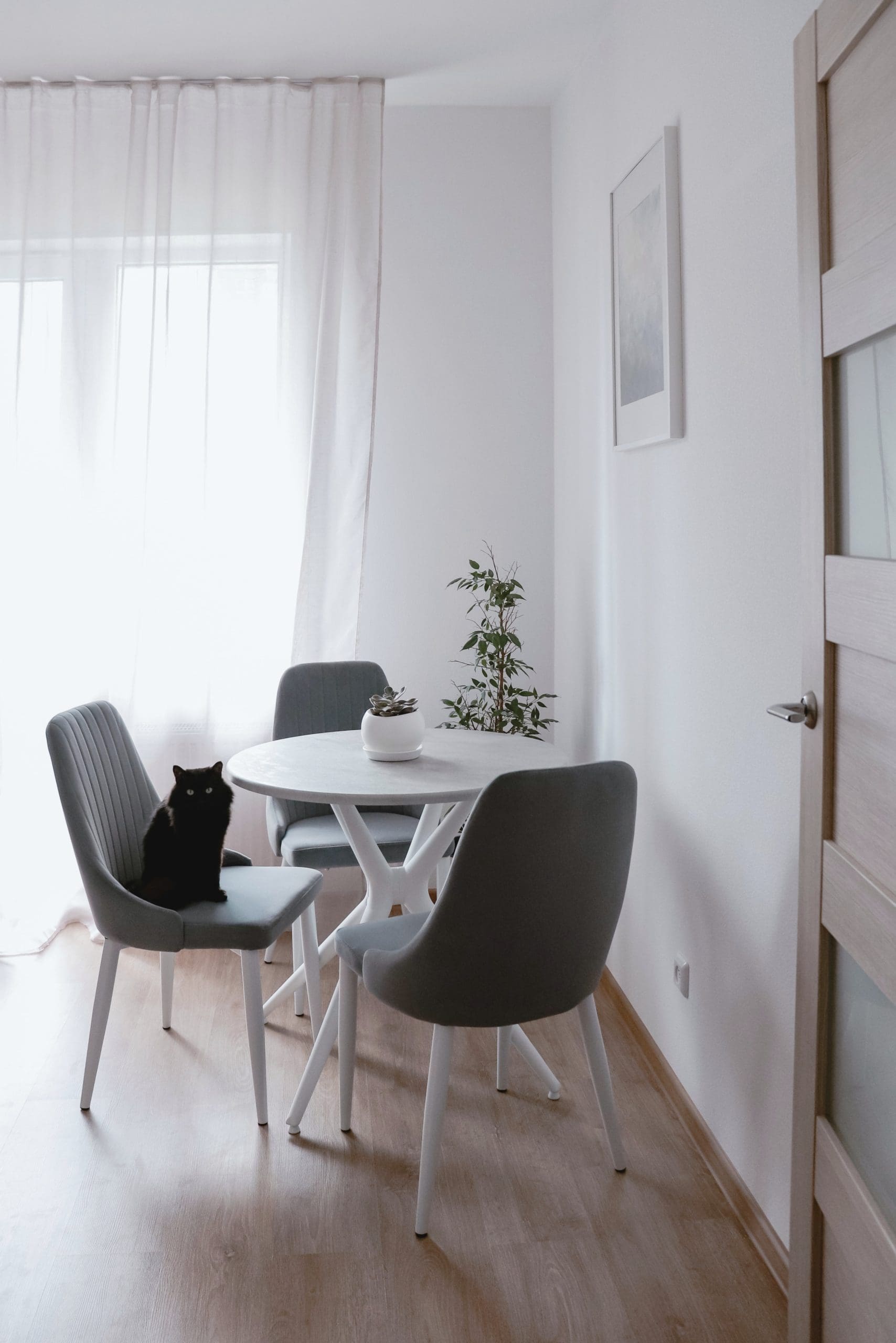
    Photo by pure julia on Unsplash

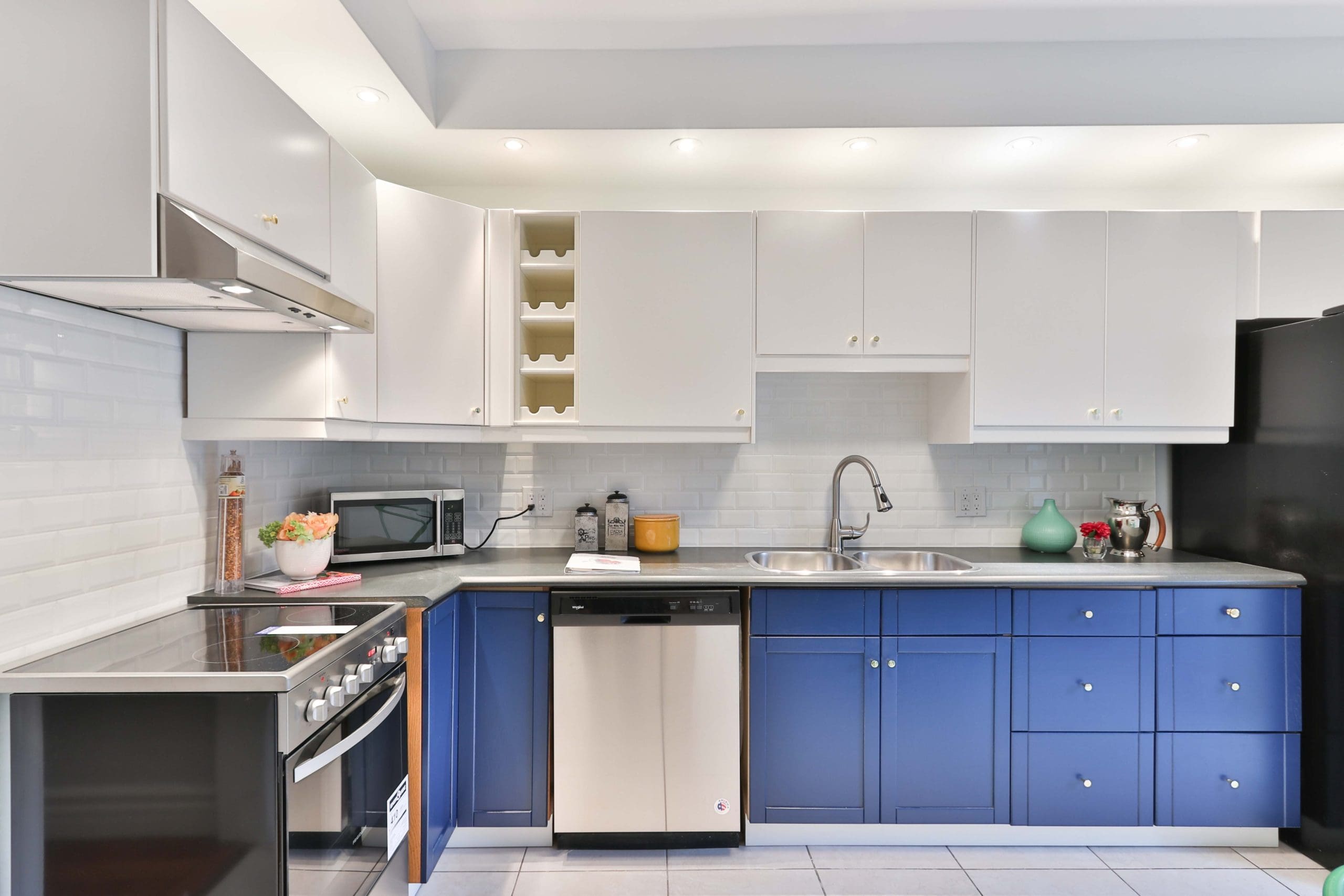
    Among the most popular kitchen colours are white, grey, blue, red, yellow, as well as green. The indoor house paint shades can all create a welcoming and hospitable environment, but they each do it in a different way.

    Dining room paint ideas

    It is exotic to combine wood with blue. Such a dining room sets the mood for any occasion, whether it be a candlelight dinner or a brunch in bright daylight.
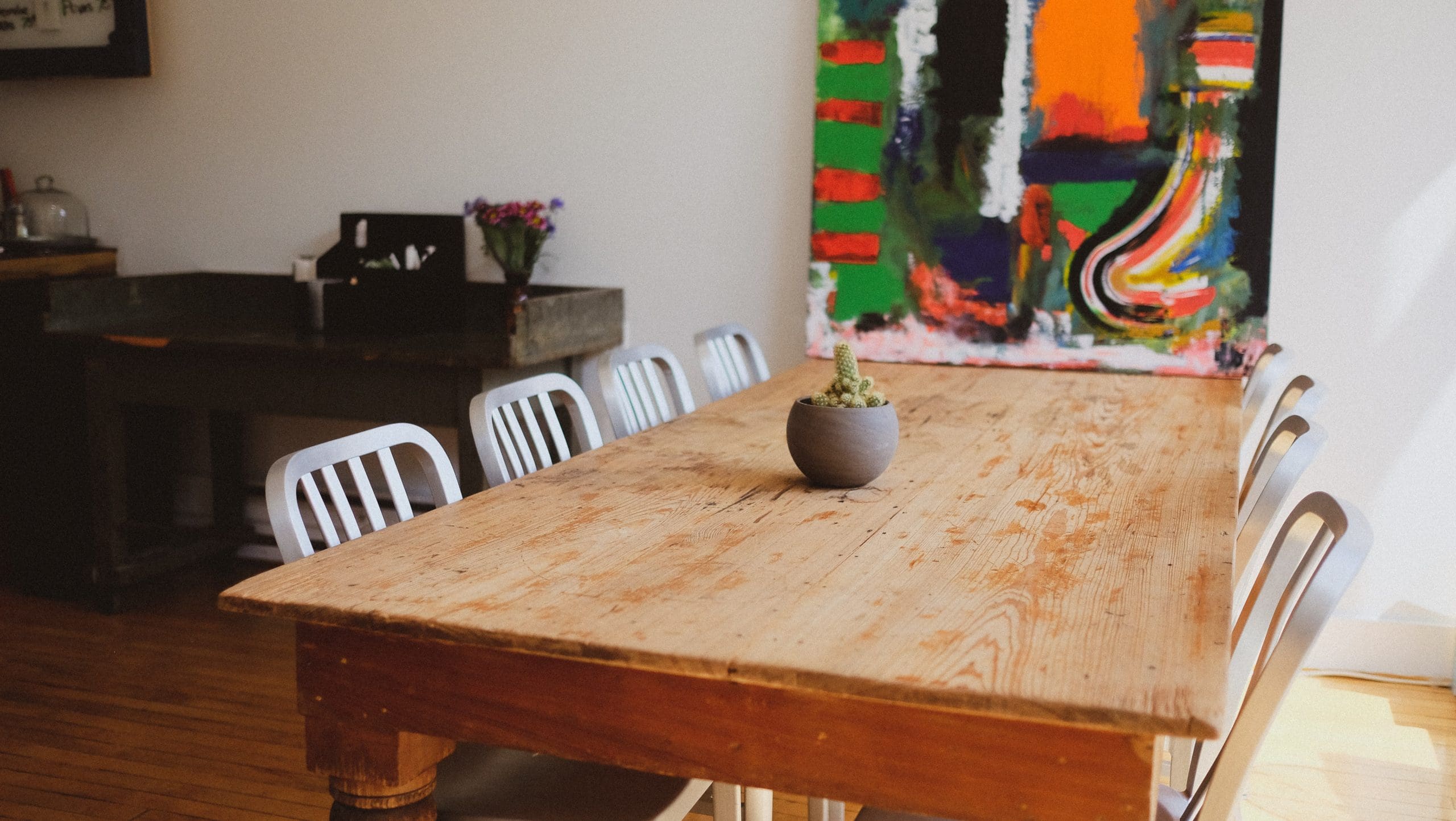
    Photo by darlene on Unsplash

    You can choose a dining room paint colour that sets a mood by picking a shade that sets the mood. There is no one-size-fits-all colour for indoor house paint. Paint the walls of this unique, compelling space with colours that complement the overall vibe if you want to create a refreshing space.

    Bedroom paint ideas

    There are plenty of exciting options to inspire your modernised revamped room, regardless of whether you choose greens, blues, purples or pinks.

    Photo by Annie Spratt on Unsplash

    If you’re looking for a soothing and calm colour, you can go for soft blues, greens, or mauves. If you use these colours, your small room will appear brighter and more spacious.

    After a long and tiring day, a bedroom is the perfect place to relax. Adding to this heaven’s beauty is the combination of colours.

    Study Room painting ideas

    Shades like these entice one to spend a lot of time in the study room. Natural light should also revitalise and relax the study room. Study rooms must be decorated with a certain colour scheme. Your study room would be much warmer with pinks and yellows. It is certainly pleasing to the eye and claims to be creamy and white. If you want a more specific atmosphere, choose bright, vibrant, or deep colours.
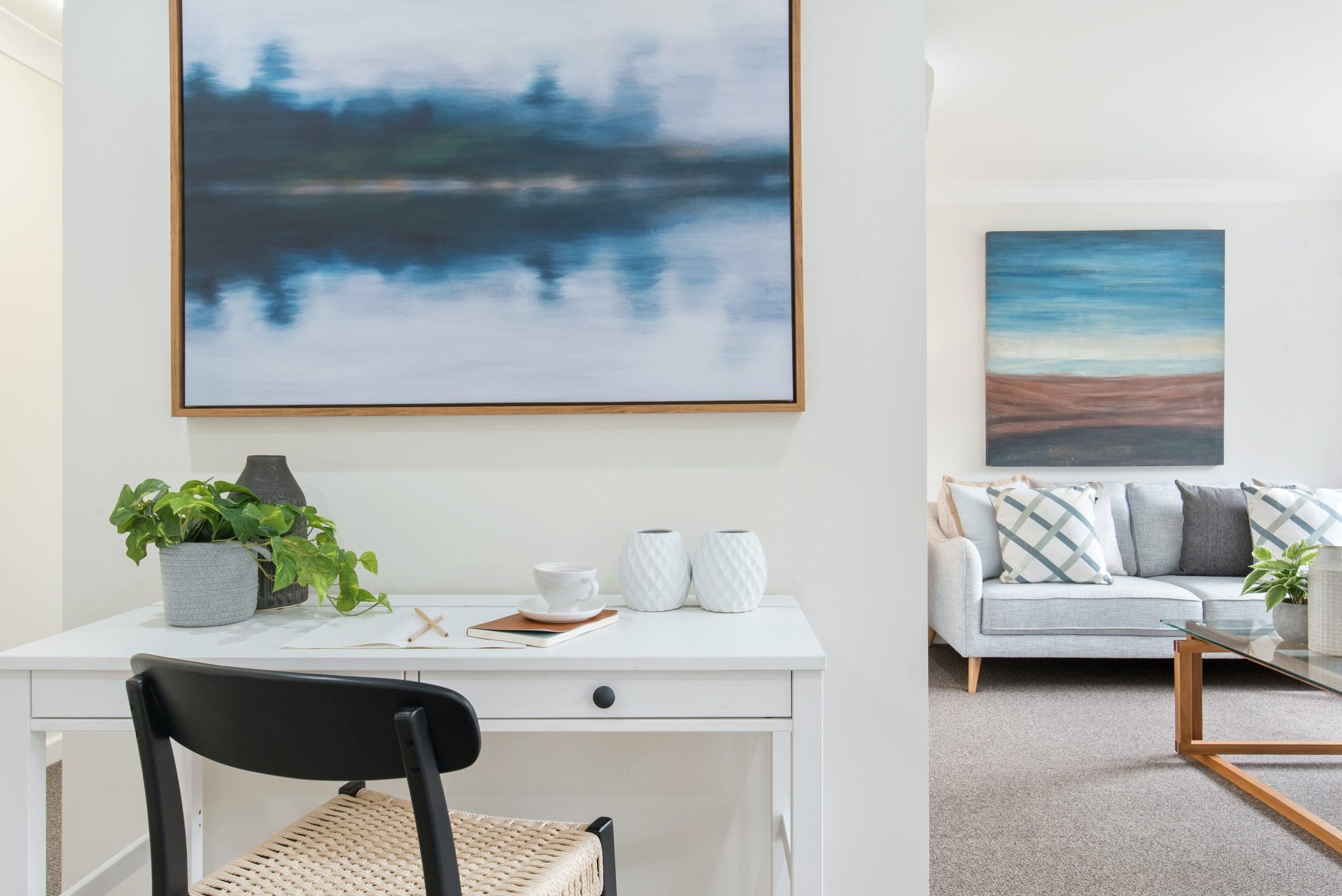
    Photo by Steven Ungermann on Unsplash

    Natural light should also revitalise and relax the study room. A study room’s colour is crucial. Your study room would benefit greatly from pinks and yellows. The combination of cream and white is certainly appealing and claiming. You can create a more specific ambiance by choosing bright, vibrant, or deep shades.

    An escalator

    The staircase would be more enjoyable if it had a little colour. When you walk into your home, the stairway is often the first thing you see, so you want to make sure it’s attractive. There is no need to paint the staircase in a bold colour. You can makeover your stairs without spending a lot of money by painting them an Asian colour you like.
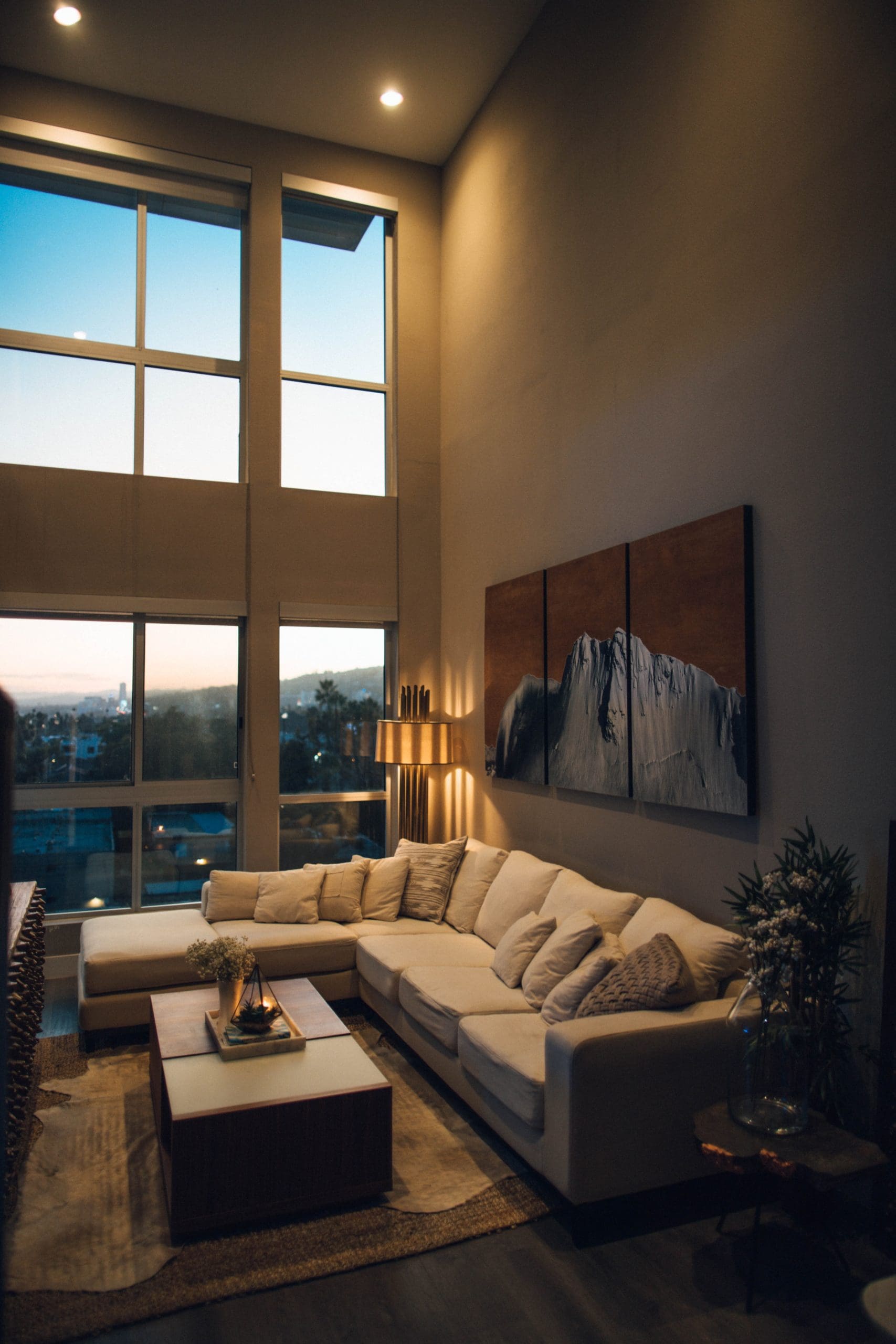
    Photo by Roberto Nickson on Unsplash

    You want your stairway to be attractive when you enter your house, since it’s one of the first things you see. It is not necessary to paint the staircase boldly. The stairway can be transformed without spending a lot of money with a fresh coat of paint.

  • Decorating Your Home – A Step-by-Step Guide to Interior Decoration

    Decorating Your Home – A Step-by-Step Guide to Interior Decoration

    Palette creation

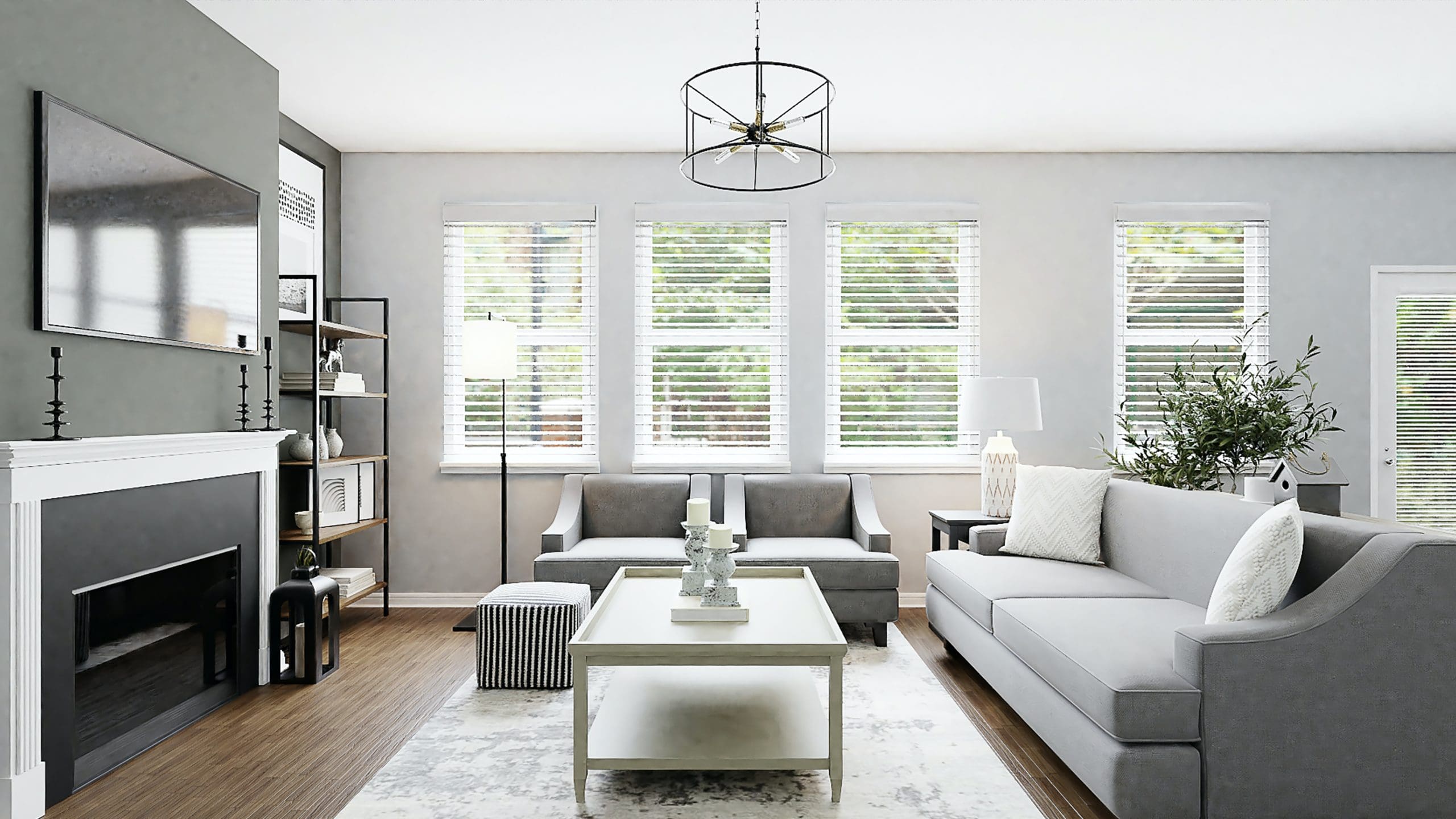
    Colours, patterns, and metal finishes can be seen online, but digital images are only approximate representations of what the real thing looks like.

    Photo by Spacejoy on Unsplash

    To ensure finished products meet your utopiahome.com.au expectations, order colour chips, fabric swatches, and material samples. Mr. Kleinberg said that most vendors allow you to order samples, and it is always best to do so. It can be difficult to differentiate cool tones from warm tones when viewed on a screen, he explained. 

    Photo by Helena Lopes on Unsplash

    Take a closer look at the samples rather than just looking at them separately. Test how well they work together by pinning them to a board or putting them in a tray. In Mr. Kleinberg’s opinion, all greens complement each other well. The way to determine whether different colours and patterns will live in harmony or tension is to place samples side by side. 

    It is not uncommon for Ms. Hampton to go the extra mile. In order to see how the fabrics spread throughout the room, we copy the fabric on the copier, reduce it, and cut it into the right shape for the floor plan.

    Furniture planning

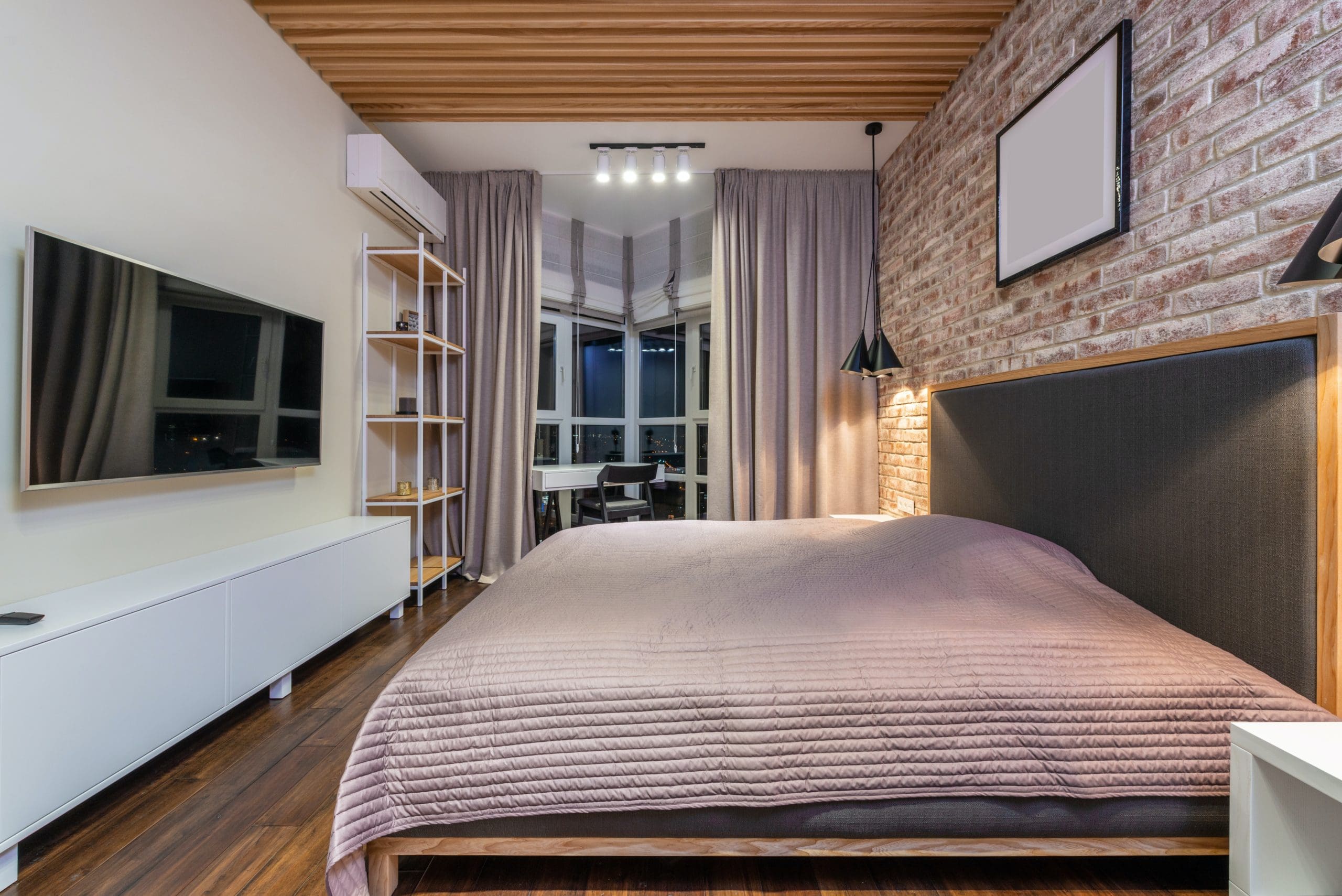
    A bedroom is primarily a bedroom because of its bed. A headboard on one wall and paths for walking on the other should give it pride of place in the room.  

    Nick Olsen, an interior designer in New York City, said that you shouldn’t shove a bed into a corner if possible. There is no way to make them, and they are uncomfortable for two people to use at the same time.” 

    Photo by Jean-Philippe Delberghe on Unsplash

    A bunk bed for children is an exception. In corners, there is no reason not to have a safety rail since they already have one from one side. To make an adult bed more convenient, install nightstands on each side. It could be a simple small tabletop, a table with a drawer to store essentials, or even something bigger. Mr. Olsen recommended that you consider whether you need more storage space. You can fold clothing on two dressers to use as nightstands. Watching TV in bed is something you like to do? To accommodate the TV, you’ll need a dresser, cabinet or console table near the foot of the bed with additional storage (unless you plan to mount it on the wall).There are many designers who like to place a single chair in the corner of a bedroom, not only as a place to rest but also as a landing pad for tossed clothing and accessories.

    Countertops and cabinets should be evaluated

    A kitchen or bathroom counter can significantly change the overall appearance by switching from an inexpensive material, like laminate, to a luxurious one, like marble, granite or quartzite.

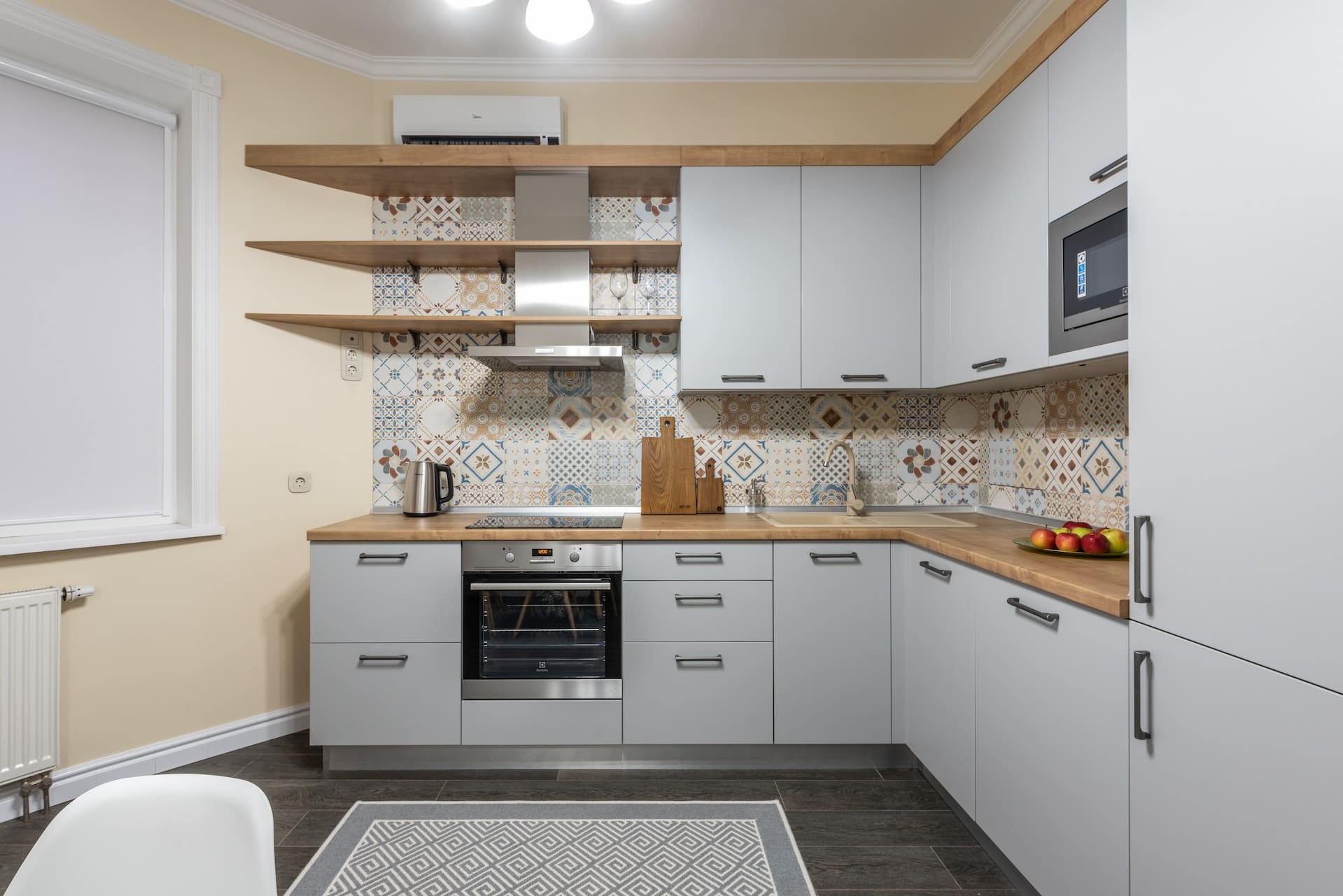
    Another area of opportunity is the kitchen backsplash. If you leave the existing counters in place, you can add or replace an existing backsplash using a favourite tile made from ceramic, glass, metal or cement. 

    Photo by Sidekix Media on Unsplash

    It’s often possible to paint kitchen cabinets and bathroom vanity cabinets a new colour for a different look if they are simple and in good shape. It may be possible to keep the existing cabinet carcasses, and replace only the doors if the cabinet doors look dated. 

    When it comes to cheap bathroom vanities, replacing the whole thing is usually more economical. Prefabricated vanities with matching tops and sinks are available from many companies. 

  • Decorative floor ideas – 5 ways to make your floors look good for years to come

    Decorative floor ideas – 5 ways to make your floors look good for years to come

    1. NATURAL MATERIALS BRING CHARM TO UNDERFOOT

    Adding interest to entryway floor tekno-step.com ideas makes this space feel more welcoming.

    Photo by Kara Eads on Unsplash

    The use of natural materials in neutral colorways can make patterns seem subtle and sophisticated. In this London townhouse, marble references were taken from Villa Planchart (designed by Gio Ponti for Anala and Armando Planchart in Caracas, Venezuela). 

    Photo by Denis Kirichkov on Unsplash

    This patterned marble is used in high-traffic areas, and the colours complement the antique mosaic on the wall in the entrance-meets-boot room,’ says Jo. This house’s lower and upper ground floors were covered in Parquet de Versailles as a default throughout the rest of its lower and upper floors.

    2. PATTERNED TILES BRING VIBRANCE TO YOUR HOME

    Interior decorator Elizabeth Hay recommends adding patterned kitchen floor tiles to a room with mostly hard surfaces to add another decorative element. Green-and-white floor tiles, teal cabinets, a teak table, and rattan stools were used in this kitchen for clients in Singapore. The ceiling is clad with tongue-and-groove cladding, as well as a light from Hector Finch.

    ‘Instead of just seeing the kitchen as a utilitarian space, we want it to feel like a room that we can relax in,’ says Elizabeth. Patterns on the floor can create interest in a practical way through easy-to-clean floor tile ideas. 

    Photo by erica indriana on Unsplash

    3. A RESTORED FLOORING INTRODUCES THE CHARACTER

    The character of a room is instantly enhanced by salvaged floorboards. When preserving or recreating a historic interior, perfectly matched boards in a uniform shade of brown will clash with antique furniture and fabrics. It would be best to pick up reclaimed timber from a salvage yard instead. 

    Retrouvius designed this room for a family that enjoys entertaining using salvaged boards and Emery & Cie tile inlays. The installation of reclaimed boards is more expensive, despite being cheaper to purchase. You can lay a parquet in numerous ways, says Retrouvius’ Nick Hughes. Be creative with how you lay the timbers.

    4. TRADITIONAL STONES SHOULD BE PLACED

    There is the risk that stone flooring types may look beautiful but feel cold – perhaps more so in northern Europe than in the sunny south. Visual warmth can be created by playing with shapes and colours. She mixes vintage and modern sculpture and art against a clean, refreshing background to bring her eclectic, bohemian style to every project she takes on. 

    She created this floor for a hotel in Byron Bay, Sydney, using travertine stone in various colours, along with sculpted sandstone, rattan furniture, cotton and linen fabrics.

    5. USE PATTERNS AND PAINT TO MAKE WAVES

    Floorboards can be used as a painted canvas to inject drama and fun into a room. Consider it another surface to introduce colour that complements a design scheme when choosing a bright colour for an all over block effect. For an extra touch of character and interest, you can add a stencil design. 

    Photo by Collov Home Design on Unsplash

    The owner commissioned decorative artist John Harragan to paint irregular swirls across this London sitting room. The waves are cut out and painted in black-and-white monochrome to complement the sea-blue rug and hot pink curtains.

  • 5 Things You Should Know About Buying a House in California

    5 Things You Should Know About Buying a House in California

    California is a great place to live as you’ll have all the advantages of the West Coast, and most of its cities have fantastic amenities and an even more fantastic sense of style.

    Photo by Sidekix Media on Unsplash

    If you want a fun place to visit and do some outdoor activities, you’re in the right place. And if you’re moving to California, there are some things you should know. The Golden State’s housing market has been on fire lately, with average home prices rising above the national average and home sales hitting all-time highs. But while the market has been growing in popularity, it is still a little bit of a mystery to many home buyers. So here are five things to consider before you buy a house in California.

    Photo by Aaron Huber on Unsplash

    Property Rates

    The cost of housing is high in California. Of course, you may find a solution and check Modesto homes for sale, but you should be ready to spend above-the-average amounts on the house in California. You may want to wait until you have a family and can move into a bigger place, or you may want to put off buying a home for several years to have enough money to put down. Either way, you’ll want to make sure you’re prepared.

    Several things can make the process of buying a house in California a challenge. For instance, the housing market is very competitive, and the median income for buyers is lower than that of many other areas. To get a desired house, you need to have a certain level of financial responsibility. This will make it difficult to get financing to buy a home and even complicate your purchase. You’ll need to be eligible for loans or financing in many cases, and the process may take longer than you’d like.

    Photo by Ralph (Ravi) Kayden on Unsplash

    California Home Loan Laws

    California has specific laws that govern real estate transactions. If you are a new buyer in California, it’s important to learn these laws before you purchase your dream home. While most US states have laws governing home sales, California is still a bit more involved. There are specific laws that govern all transactions in real estate. So to ensure you’re purchasing a home in the state that suits you, it’s important to learn California’s real estate laws. 

    The Home Loan Process

    It’s important to remember that banks aren’t the only people that lend money. Several other lenders specialize in loans for California home buyers. In most cases, you won’t have any trouble getting a loan; the process can take a while. One of the biggest hurdles to overcome is that the state requires you to have several minimum down payments. Most lenders don’t want to offer a loan to someone who doesn’t have a specific level of financial responsibility because it can lead to financial trouble. You can still purchase a home without having a large down payment, but you’ll have a much larger interest rate.

    Photo by Aaron Huber on Unsplash

    One other area of California law you’ll want to be aware of is called Private Mortgage Insurance, or PMI. When you have a loan, you must always have PMI insurance. This is designed to protect the bank if you cannot pay off your mortgage as it safeguards the bank against the risk of your loan default. So if you’ve been considering purchasing a house in California, you should be aware that if you need to take out a private mortgage, you’ll have to pay PMI. Most loans include a clause that states that you are not responsible for the insurance, but most lenders will make exceptions if they think it’s in your best interest.

    The Property Tax

    The most common thing you pay to own a home is property taxes. Most states use a tax system that has been around since the early 20th century. This system was designed to ensure that property taxes were set so that no one person or family would be hurt financially. The problem is that property values change over time, and it’s very difficult to set property taxes to reflect this. Because of this, you could have a person living in a home for many years without paying taxes on its full value. This makes the property values in California extremely valuable as the state closely regulates the property tax to prevent such situations from happening.

    Photo by Sidekix Media on Unsplash

    Home Financing

    It’s important to know that most California homes are purchased with either a Federal or State-backed mortgage. You may not be able to get a loan directly, but you’ll almost certainly be able to do it through an Escrow account. In this type of loan, you have several things you’ll need to do to qualify for the loan. One of the first things you’ll need is a down payment, which is the amount of money you pay in cash to purchase your home.

    Most states use an exact formula to determine the amount you’ll need to put down, depending on the loan type you’ll be using. It can range from 20% for conventional loans to 70% for a second mortgage. Many mortgage companies will also check your credit score and ensure you’re able to handle the payments. If you have issues with payments or credit problems, you’ll be able to work with a lender to help you out. You can ask the lender to do an income analysis to give them the best idea of what you can afford. You’ll need to fill out forms that give them as much information as possible about your employment and financial history.

    Photo by Sidekix Media on Unsplash

    So, if you’ve been considering moving to California to pursue a job, it’s important to have a plan for your finances. 

    So, while California has a low cost of living (housing costs are not considered there), you’ll find several other things you may have to pay for, and you may want to look at these items before committing to a house.

  • Pros of Floating Furniture and How to Float Furniture in Your Living Room

    Pros of Floating Furniture and How to Float Furniture in Your Living Room

    When an object is floating, it isn’t anchored to anything— or at least it doesn’t appear to be.

    Photo by form PxHere

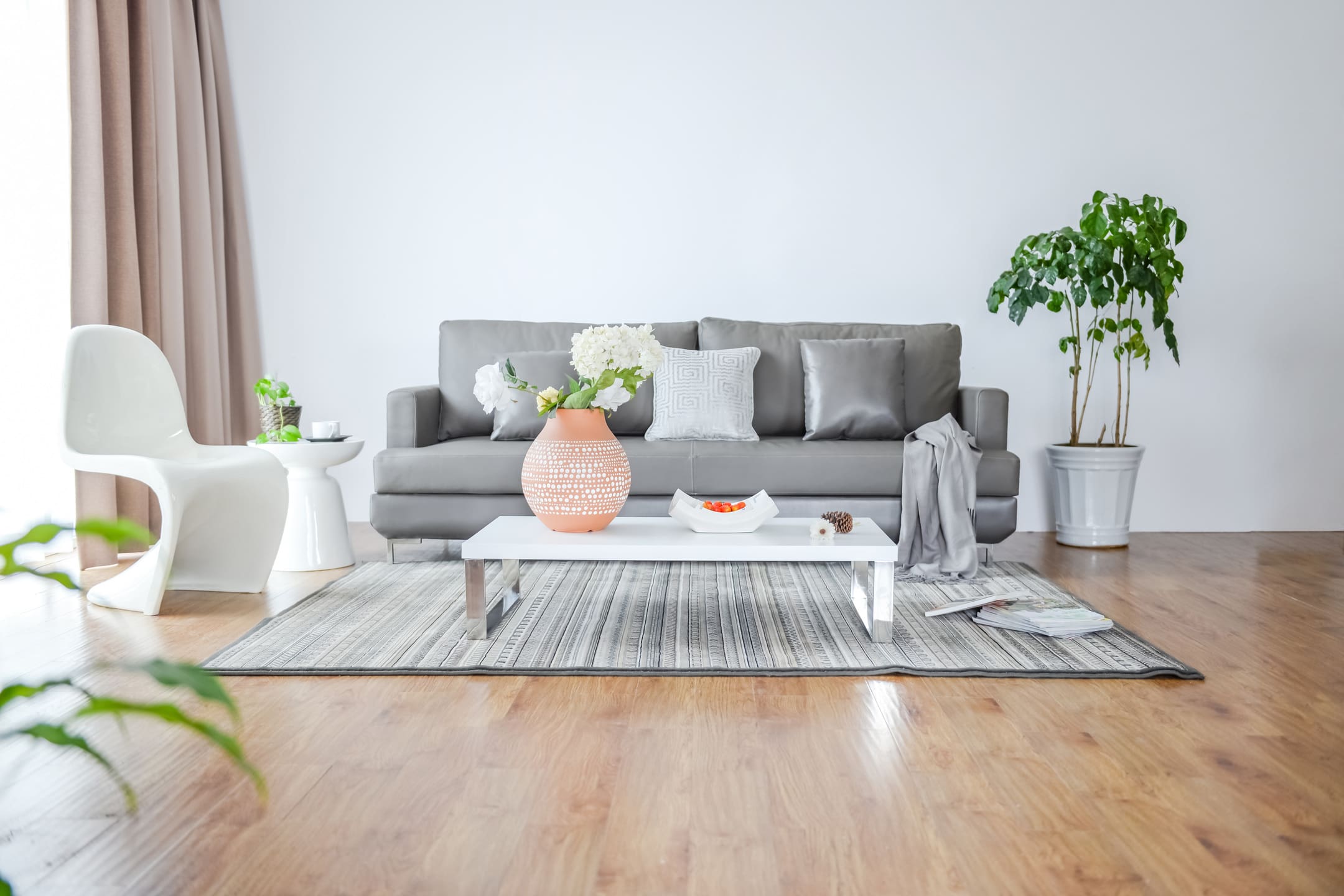
    Of course, furniture can’t really float in the air, but there are ways to make it appear as if it’s “floating”. One way is to attach furniture pieces to the wall so that it appears to be floating above the ground. The other way is the opposite: furniture sits on the floor, but not up against the wall.

    Floating the furniture in your home can have many benefits. It can be done in every room of your home, but the living room is the most popular room to float furniture. Here are the benefits of floating furniture and how to float the furniture in your living room.

    Why You Should Float Your Living Room Furniture

    #1: Better Traffic Flow

    Having your sofa on every wall in your living room gives it a “boxed-in” feeling, and almost every area of your living room is essentially open. When you float your furniture, you have the opportunity to create a single flow of traffic from one end to the other.

    Photo by Medeu71 form PxHere

    #2: Create Intimacy

    When all of your seating is placed against the walls, you’re farther away from the people you spend time within your living room— especially if you have a larger living room. Floating your living room furniture requires you to remove some or all furniture pieces from the wall, and this brings everything closer together.

    #3: Divide a Larger Living Room

    Having a large living room gives you the perfect opportunity to float your furniture. Half of your living room can be dedicated to entertaining guests, with plenty of seating space and a coffee table; while the other half can be dedicated to entertainment, with your TV, speakers, game consoles, etc. for family movie and game nights. Floating furniture also works well with an open-concept home, and you can use your furniture to make a clear division between rooms.

    #4: Set a Clear Focal Point

    The best interior designs have a focal point in each room, and floating your furniture can help create a clear focal point. For instance, if you have a fireplace in your living room, you can face your sofa towards the fireplace (and mount your TV above it) and place your loveseat and other chairs off to the side of the sofa.

    Photo by Medeu71 form PxHere

    How to Float Your Living Room Furniture

    Floating the furniture in your living room is very simple: just don’t push your sofa up against the wall! However, you still need to create an actual living space, which means that you may have one piece of furniture against the wall, such as a loveseat. It all depends on the architecture and the size of your living room. However you arrange your furniture, make sure that you’re creating a clear flow of traffic, you’re dividing the room where it makes sense, and you’re setting a clear focal point.

    You can also consider mounting shelves to the wall instead of having a bookshelf, and even mounting your TV on the wall gives the illusion that it’s floating. You can also have your curtains “float” above the ground and hang them on a recessed track to allow for easy opening and closing. All of these elements create a more clutter-free look and feel of your living space, with only the necessary objects touching the floor.

    Photo by Medeu71 form PxHere

    Finally, remember that even though your furniture is “floating” it still needs to be anchored by something to give your living room a more cohesive look. The easiest way to anchor your furniture is by using an area rug. All of your furniture should be placed on or right in front of the rug on at least two sides, and the rug should be large enough to reach all of the furniture. Doing this will tie your entire living space together.

    Photo by form PxHere

    Keep in mind that if and how you choose to float the furniture in your living room will largely depend on its size, shape, and architectural design of it. It may be harder to float furniture in smaller living spaces, but floating furniture also opens up more space. You just have to figure out the furniture layout that works best with your floor plan, and you may also need to take a minimalist approach to decorating. The goal of floating furniture is to create both an intimate space and a more spacious environment, all without creating a cluttered look.

  • How to Choose the Most Efficient HVAC System for Your Home

    How to Choose the Most Efficient HVAC System for Your Home

    Shopping for a new HVAC system is a complex process.

    Photo by Raychan on Unsplash

    A wrong move means an expensive mistake that could lead to years of discomfort, high energy bills, and constant repairs. It’s best to consult an HVAC expert before the purchase. Even after selection, they will install and perform maintenance on the system to keep it running at its best.

    Photo by Max Vakhtbovych: https://www.pexels.com/photo/contemporary-kitchen-interior-with-cabinets-and-electric-appliances-6956848/ (Image Credit Pexels)

    How to Choose the Most Efficient HVAC System for Your Home

    Mister Quik Home Services’ furnace repair will come in handy when you need emergency repairs or annual maintenance. Here are some factors you should consider when selecting an HVAC system for your home.

    The Space Requiring Heating and Cooling

    The size of your home is a critical factor in choosing an HVAC system. Heating and cooling units are typically sized by the number of square feet they can effectively heat or cool. If you purchase a unit that is too small, it will work overtime to heat or cool the space, resulting in higher energy bills and decreased efficiency. You might also experience uneven heating. 

    Photo by Sigmund on Unsplash

    Conversely, an oversized unit will cool or heat the space too quickly, resulting in wasted energy and decreased comfort. To measure the space, calculate the square footage of each room you want to include in the system. Add up the total and use that number when searching for an HVAC unit. Consider the ceiling height as well. 

    The Climate

    If you live in an area with icy winters, you need a system that can generate enough heat to keep your home comfortable. It means going for a unit that can run for extended periods without overworking and breaking down. Conversely, if you live in an area with sweltering summers, opt for a unit that provides enough cooling without drastically increasing energy bills.

    Photo by Pawel Czerwinski on Unsplash

    Your Home’s Insulation

    A well-insulated home requires less energy to heat or cool, so it’s more efficient. If your home is not well insulated, you might have to purchase a more extensive and powerful HVAC system to compensate for the lost heat or cool air. 

    Check the insulation of your home by analyzing the R-value. This is a measure of the material’s ability to resist heat flow. The higher the R-value, the better the insulation. Add insulation to your home yourself or hire a professional.

    Photo by Max Vakhtbovych: https://www.pexels.com/photo/modern-living-room-interior-with-furniture-under-shiny-lamps-7018257/

    Programmable and Smart Thermostat Compatibility

    If you want to increase the efficiency of your HVAC system further, choose a unit that is compatible with a programmable or smart thermostat. These devices allow you to set different temperatures for different times of the day or week.

    For example, you can lower the temperature when you are away at work or on vacation and raise it again when you return. Smart thermostats can even learn your preferences and make adjustments accordingly.

    Humidity, Air Quality, and Allergens Control

    If you or anyone in your family suffers from allergies, choose an HVAC system that improves your indoor air quality. Some units come with special filters that remove pollen, dust, and other allergens from the air. Others control humidity levels, which is beneficial if you live in an area with high humidity. Excess moisture leads to the growth of mold and mildew, which trigger allergies.

    The Cost of Operation and Maintenance

    Not all HVAC systems cost the same to operate. Some are more expensive to operate than others. The same is true for maintenance costs. Some systems require more frequent or extensive maintenance than others. The HVAC system’s environmental impact is another consideration. To be eco-friendly, look for a system with a high energy efficiency rating.

    Photo by Max Vakhtbovych: https://www.pexels.com/photo/modern-bedroom-interior-with-furniture-against-brick-wall-at-home-7018249/

    Consider Your Specific Needs

    No one system or model fits all homes. The best way to choose an HVAC system is to work with a professional who can help you select a suitable unit for your specific needs. You’ll enjoy improved comfort and lower energy bills for years to come. Not forgetting, the extended lifespan means reduced waste in landfills.  

  • Rainwater can be harvested using water tanks

    Rainwater can be harvested using water tanks

    The Earth’s surface is covered with water on 71% of its surface.

    Photo by form PxHere

    Water moves continuously through the water cycle as a vapour through evaporation and transpiration, then as water through condensation in the atmosphere, and as rain (precipitation) once condensed returns to earth.

    The rainwater is a pure form of water and is an important source of freshwater for humans and other life forms. Harvesting rainwater is tankshop.com an option that you can consider if you need fresh water for farming, consumption, washing, or other purposes. Rainwater harvesting systems capture rainwater in a variety of ways.

    Photo by Mufid Majnun on Unsplash

    System for harvesting rainwater

    Water harvesting systems consist of a surface area used to collect rainwater (normally roofs and gutters), pipes, screens, and storage areas such as rainwater tanks.

    The rainwater harvesting system should be maintained properly, especially if you use the water for cooking and drinking, and all materials should be safe for food contact. To remove impurities and neutralise harmful bacteria and parasites, it is also highly recommended that you use proper filtration and chlorination in bathrooms.

    Harvesting rainwater has many benefits

    Harvesting rainwater has many benefits. The rainwater can also be used for flushing toilets, washing clothes, watering gardens, washing cars and topping up swimming pools, provided your system is properly maintained.

    Photo by Seb [ P34K ] Hamel on Unsplash

    Rural residents, as well as farmers who need water for agriculture, often depend on rainwater as a source of water. If mains water is inaccessible, or if other water sources become scarce during dry periods, then it may be necessary to purchase and transport water.

    You can therefore reap several benefits by harvesting your own rainwater:

    • A new home in Australia is often required to meet environmental efficiency targets, such as BASIX in NSW. These regulations are often easily met with rainwater tanks.
    • You do not have to pay to use rainwater once you install a rainwater harvesting system, just like you do when you use mains water. If you live on a rural property where water must be trucked in, this will reduce your bills.
    • You could largely be independent from your mains water supply since you collect your own water supply. You only use your mains water supply for topping up. Moreover, you will be able to use more water during times of water restrictions.
    • As areas become more developed, less water seeps into the ground, causing drainage problems and flooding. One solution to this problem is the use of rainwater tanks. Some councils will actually require you to keep water in your tank during storms in certain areas.
    • You will likely have to retain a certain amount of rainwater if you live in a bushfire-prone area. Water stored in your rainwater tank or pool can serve as a safe haven in the event that mains electricity is destroyed by fire.
    Photo by Casey Schackow on Unsplash

    Systems in the underground

    It may be necessary to dig an excavation for the installation of an underground rainwater harvesting system, especially if there is a limited amount of space on the ground. It is more aesthetic and versatile for larger properties and landscapes to use a pump to force water out of a tank.

  • Detecting hidden water leaks with these 6 methods

    Detecting hidden water leaks with these 6 methods

    You can save money and prevent disasters by detecting a water leak as soon as possible. The following signs indicate that you may have a leak and should contact a plumber for water leak repair services.

    Photo by Daan Mooij on Unsplash

    You should check your water metre

    When you check the water metre, you can tell if some part of your plumbing is leaking. The first step in this process is to turn off all the water in your home. All faucets should be shut off, as well as the my24hrsplumbing.com.sg     dishwasher and washing machine. Once the metre begins to change, keep an eye on it. A fast-moving leak is likely to occur if it does. You should check the metre again after two hours if it doesn’t change immediately. The leak may be slower even if all the water has been turned off. After the metre, or even underground, the leak could occur. Pipes after the metre are the responsibility of the homeowner.

    Photo by Izzy Gibson on Unsplash

    Analyse your usage

    In order to determine if your home has a leak, check your winter water usage. You probably have a serious leak problem in your plumbing system if a family of four uses more than 12,000 gallons per month.

    Keep track of your bills

    Water use habits haven’t changed and your bill is consistently rising, a leak may be to blame. See if there has been a steady increase in bills over the past few months. Every month, you should expect to pay the same amount for your water bill. There may be some underground pipes in your home. It may not be possible to detect leaks in this part of your system, but you will always pay for them. Make sure all the pipes are thoroughly checked by a professional plumber.  It is important to seek professional assistance when there is a warm spot on the floor (with under slab piping) or when there is a sound of water running.

    You’ll need some food colouring

    It’s important to make sure your toilets are working properly, since they can consume up to 30 percent of your water. Food colouring can be added to your toilet tank to test for leaks. In this case, water is flowing from the tank to your drain without ever being flushed, causing the colour to show up in your bowl.

    Photo by wu yi on Unsplash

    Ensure exterior usage is accurate

    A leak can occur outside as well as inside a home. Attach a garden hose to your outside spigots and check for leaks while the hose is running. Replace the rubber gasket on the hose and make sure all connections are tight. If you have an irrigation system, consider having it checked once a year by a professional. Almost 6,300 gallons of water are wasted every month by a system with even a small leak.

    Photo by Sven Brandsma on Unsplash

    Use common sense

    Keep an eye out for any signs of mould or foul smells under cabinets and under basins: prompt attention could save you thousands in repairs. If you suspect your home has leaks or potential problems, consider having a professional plumber inspect it every year.

    Your plumbing system may be approaching the end of its lifespan if your home is over 25 years old.  For signs of slow leaks, check all accessible connections at the water heater, pumps, washing machine hoses, and valves.   

    Call a professional right away if you suspect your plumbing system has a leak. Waiting until it gets worse will result in a real mess!