
In industrial environments, failure isn’t an option. Factories run 24/7. Outdoor systems face scorching heat, bitter cold, rain, dust, and grease. And through it all, control panels have to work flawlessly—no glitches, no short circuits, no excuses.
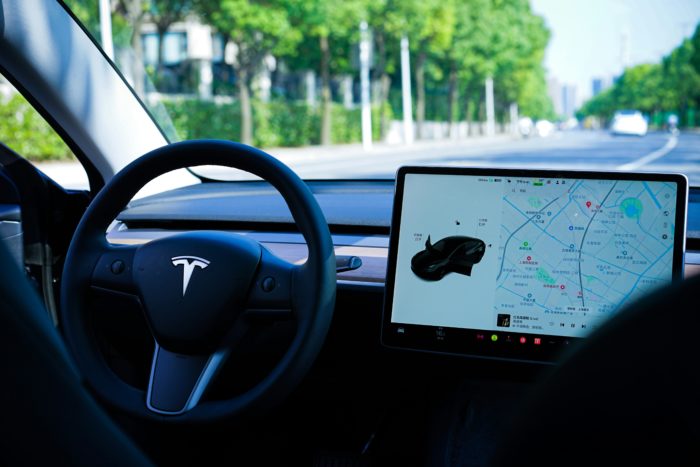
That’s why rugged industrial HMI solutions (Human-Machine Interfaces) are becoming a critical focus in the design of next-gen equipment across manufacturing, transportation, military, agriculture, and other high-demand sectors. These aren’t your standard touchscreen tablets or plastic buttons—they’re built to withstand brutal conditions and still respond accurately, instantly, and safely.
What Makes an HMI “Rugged”?
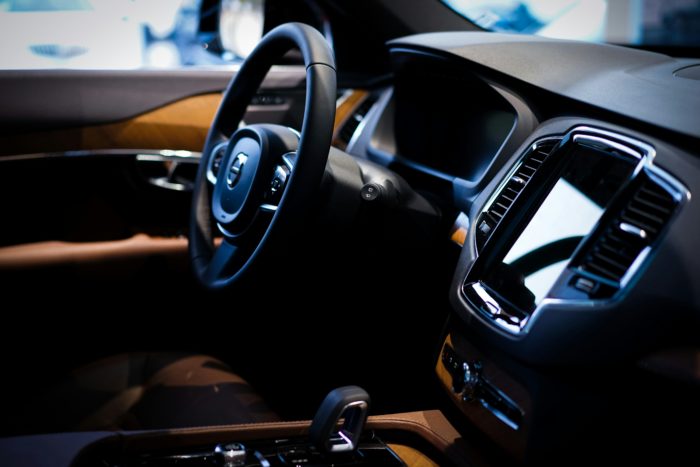
A rugged HMI isn’t just about weather resistance. It’s a fusion of electrical engineering, materials science, and interface design. The goal? To ensure durability and uptime in environments where failure could cause injury, halt production, or destroy expensive machinery.
Key features include:
- IP-rated protection against water, oil, and dust
- Vibration and shock resistance for mobile or heavy-equipment installations
- Glove- and tool-operable interfaces
- EMI shielding to prevent signal interference
- UV and corrosion resistance for outdoor deployments
- Extreme temperature range tolerance
These characteristics make rugged HMI devices ideal for everything from chemical plants and mining rigs to food processing lines and farming equipment.
Why Traditional Interfaces Don’t Cut It
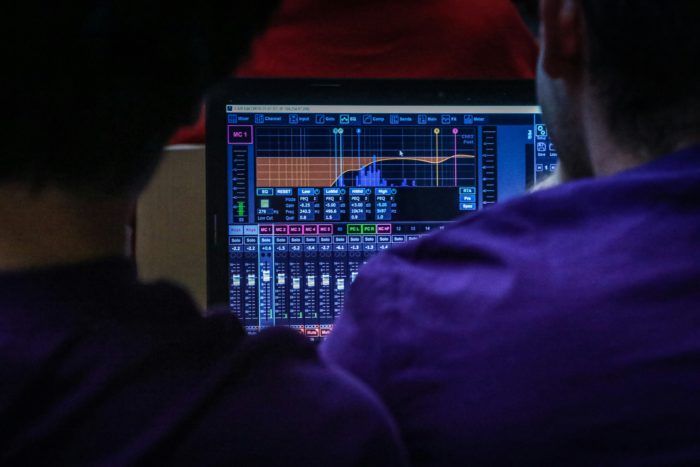
Consumer-grade touchscreens are fragile. Membrane buttons wear out. Capacitive panels often fail when used with gloves or exposed to moisture.
In many industries, that kind of failure doesn’t just cause annoyance—it causes real harm. Think of an emergency shutdown panel on an oil rig, or a temperature control interface in a vaccine storage facility. A failed input here could lead to massive losses, compliance violations, or even life-threatening events.
Rugged HMIs solve these challenges with high-reliability input methods—like sealed piezoelectric buttons, industrial joysticks, and hardened touchscreen surfaces designed for hostile environments.
Design That Handles the Unexpected

At its core, rugged interface design is about anticipating abuse. Devices must endure:
- Repetitive use without degradation
- Unpredictable user behavior, including heavy force or accidental hits
- Cleaning chemicals and solvents
- Power surges and moisture ingress
- Sunlight glare and low-light conditions
Companies like Barantech are leading the charge by producing HMI systems that integrate seamlessly into control panels, machinery, and public-access systems—without compromising on performance, appearance, or longevity.
Their tech is deployed in sectors like energy, marine, automotive, and even smart city infrastructure, proving just how versatile rugged HMI can be.
User Experience Still Matters—Even in Tough Places
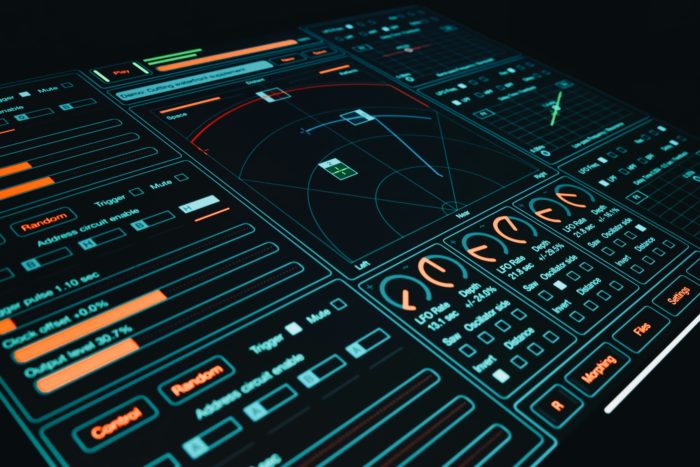
Durability doesn’t mean clunky. Today’s rugged HMI designs combine industrial-grade construction with smart UX principles. This includes:
- Intuitive layouts for faster operation and fewer errors
- Backlit panels for visibility in dark or smoky conditions
- Tactile feedback to confirm input even with gloves
- Multi-language and symbol-based icons for universal operation
The result is a device that doesn’t just survive—it performs.
Where You’ll Find Rugged HMIs Today
These durable systems are already embedded across multiple sectors:
- Factory floors: controlling robotic arms and conveyor systems
- Military vehicles: onboard systems for navigation, targeting, and control
- Farming equipment: tractors and harvesters with weatherproof dashboards
- Rail and transportation hubs: outdoor ticketing kiosks and control stations
- Medical environments: sterilizable inputs in surgical and lab settings
- Food processing: clean-in-place (CIP) compliant interfaces with IP69K ratings
As automation increases, so does the need for interfaces that can bridge human oversight with machine precision in high-pressure environments.
Future-Proofing Industrial Interfaces
With the rise of Industry 4.0, rugged HMI panels are evolving rapidly. Today’s devices integrate features like:
- IoT connectivity for real-time monitoring and data logging
- Edge computing capabilities
- Remote diagnostics and software updates
- Customizable UIs based on job roles or workflow
This fusion of durability with intelligence ensures that rugged HMIs aren’t just hard to break—they’re smart enough to adapt.
Ruggedness Pays Off Long-Term
Cheap interfaces fail fast. The cost of replacing them—especially in remote or critical systems—adds up quickly. Then there’s downtime, labor delays, and risk exposure. That’s why more engineers and facility managers are budgeting for robust HMI tech upfront.
A rugged system might cost more at installation, but it lasts longer, performs better under pressure, and reduces lifecycle maintenance costs dramatically.
Barantech: A Quiet Powerhouse in HMI Innovation
Among the leaders driving this evolution is Barantech, a company known for pushing boundaries in tactile input technology. Their rugged HMI offerings include sealed metal buttons, piezoelectric touch switches, and vandal-resistant interfaces designed for harsh environments.
What sets them apart is the balance of aesthetics, usability, and resilience. Barantech interfaces are cleanly designed yet nearly indestructible—a rare combination in the industrial space.
Whether you’re outfitting a control panel for a public charging station or building an interface for military-grade machinery, Barantech delivers tech that survives the worst and performs at the highest level.
Built to Endure. Designed to Deliver.
As industrial operations become more data-driven and human-machine interactions increase, the role of rugged HMIs will only grow. Choosing the right technology now can future-proof your infrastructure, reduce failure risk, and keep your workforce operating safely and efficiently.
Companies across sectors are waking up to the value of investing in tough, intelligent systems. That includes integrating rugged industrial HMI solutions from trusted innovators like Barantech, who know that in the real world—conditions are never ideal, and tech has to be built accordingly.