Author: ION

  • Why Would You Do A Property Owner Search?

    Why Would You Do A Property Owner Search?

    Property owner records are the most critical piece of information about a property. Unfortunately, they’re also notoriously difficult to track down, particularly when they’re not publicly available on the internet. Property records will typically only show you the owner’s classification, i.e., natural or legal person. 

    You need to go beyond that to find out who the real people behind the property you’re interested in are. Services like Checkpeople.com are very helpful because they provide information beyond what a simple Google search will yield.

    In the vast majority of cases, public records let people search properties by transaction details, parcel ID, address, and/or by the name of the owner. By looking at documents like property sale deeds, you will learn who the reported owner is. By searching for them by name, you can find out quite a lot, not only about them as people but also about their portfolio.

    Keep in mind that this information is not always easy to access. Companies and bigger investment groups, in particular, take measures to guard it. 

    What information do Public Owner Records Reveal?

    In general, CRE professionals find these records helpful, but they don’t provide much in-depth information. What you will be able to see are sale amounts (unless your state is a non-disclosure one), dates of sales transactions, liens on a property, the history of property ownership, and tax history. 

    It’s important to view tax records as they confirm the owner has been paying taxes on the property in an amount proportionate to the property’s appraised value. After a property is sold, the appraised value changes. The new value should be higher than the previous one. If it is the same or lower, that means the value of the property has dropped. 

    Searching a property’s tax history will give information about its value at the time of appraisal, whether there are any liens on it, whether any taxes are due at the moment, and all past taxes that have been paid. A lien will be placed on a property when money is owed to the IRS, a loan provider, or a company or individual who reconstructed or remodeled the property. 

    Practical Implications 

    What can you do with the information you find? Let’s say Jim Jones-Hurst has owned a 100-unit apartment block in Denver. By visiting the website of the respective county clerk, you can look for documents by the name of the grantee, grantor, or trustee. Alternatively, you can do a search by the lot and block, date, or file number. You will see the full history of documents related to Jim Jones-Hurst as property owner. 

    The public record will reveal any mortgages on Jim’s property. You’ll be able to see the value of the original mortgage. Sales deeds will show when the property was purchased, from whom, and what the sale price was. You will also access council district information, the overall square footage of the property, zoning information, number of bedrooms and bathrooms, the assessed land value, and the last sale amount. If Jim made any improvements to his property, you’d also see the appraised improvement value. 

    Where Does the Search Start? 

    Usually, you should start your deed search with the recorder, county clerk, state registry, or auditor. 

    You may be able to do an online search through these offices, but you need to visit them in person and ask for physical records for the complete history. 

    Do not overlook easements, liens, or other encumbrances on record. Easements mean someone else can use the owner’s land. For example, subdivisions frequently have clear utility easements. In other words, the owner gives the utility provider permission to exist on his land. If the property is on a public road, the easement is the part of the property publicly available for use. 

    Apt real estate professionals can use these findings to figure out the down payment Jim made to buy the property, ex. 30% or 40%. Information obtained through a property owner search can serve as a lucrative insight to gain new business. Let’s say they find his down payment was 45%. This means he has substantial equity in the property. Roofers, solar panel installers, or other CRE service providers will realize Jim might have enough money to invest in roof renovation, insulation, or another home improvement. This might also indicate that Jim wishes to purchase another asset.

    Divorce, Death, Birth, and Marriage Records 

    Copies of divorce, death, birth, and marriage records can be obtained from the county clerk or recorder. Why would you need those? Let’s say you want to buy a house from Eric Jenners. You find he is getting divorced. He might want to sell as fast as possible and move on with his life. Try your luck and offer a lower price than that listed. On the other hand, the divorce might drag on, and the deal could fall through, particularly if the house is jointly owned by Eric and his ex-wife. Either way, remember that trying to use such information for your benefit could backfire.


  • The Essential Guide to Prepare for Winter

    The Essential Guide to Prepare for Winter

    Some of the best parts of winter include snuggling up under your bed covers or enjoying a cup of hot cocoa in front of a fireplace if you have one. Before you dream of your perfect winter day from inside the comfort of your home, make sure that your home is ready for winter.

    Prepare your home for winter so that you can enjoy comfortable and cozy days indoors. Here’s our guide to help get your home winter-ready:

    Seal doors and windows

    Keeping the cold air out is a must to keep your home warm during winter. Make sure to seal your home’s doors and windows as you prepare for the cold season. Use caulk or weather stripping to plug gaps or spaces around windows or doors.

    For homeowners on a tight budget, you can also use a roll of felt or foam to seal your doors and windows. Though it is an affordable option, keep in mind that it will only last for a year or two.

    Invest in Insulated Curtains

    Window insulation is one of the easiest ways to keep your home warm during winter. Make sure to invest in high quality, thick curtains that will prevent drafts and will keep you feeling warm and toasty.

    Heavy, insulated curtains will keep the cold air outside your room and help reduce your energy bills as well. As it keeps the warm air inside, it also helps block out light, therefore improving insulation in your home.

    Not only do these curtains provide extra warmth, but they also add style and make your room feel cozier. There are various kinds of insulated curtains that you can choose from. You can go with solid, neutral colors or go bold with warm colors. Whatever style you choose, insulated curtains will help keep the heat longer in your room.

    Clean your gutters

    Leaves, moss, and other debris can build up in your gutters and cause blockage during Autumn. If left unattended, water can’t drain effectively and can leak into the roof and walls of your home. If dampness builds up, this can cause mold to grow in the walls of your home.

    As part of your winter preparation, check your home’s gutters, downpipes, and gullies. Make sure to clean out the debris and replace cracked or damaged gutters.

    Set Up Maintenance for the HVAC System

    An effective working central heating system is essential in keeping your home warm and cozy during winter. Schedule your HVAC system’s annual servicing a few months before winter starts so that you can resolve any issues that may come up well before the temperature begins to drop.

    Early preparation will help you avoid any downtime of your HVAC system so that you don’t have any worries as you hunker down in your home during winter.

    Get your chimney swept

    If your home has a fireplace, make sure to have your chimney swept so that you can curl up in front of your fireplace all winter long.

    Getting your chimney swept should be done annually and well before the winter starts since the harsh cold weather can seriously damage your chimney. Clean your chimney to free it from blockages, cracks, and water damage.

    Once your chimney goes through its annual cleaning, you can rest assured that your fireplace is ready for the upcoming winter.

    Check your oil heater

    Your home’s heating system is a crucial part of your winter preparation. Oil heaters also known as oil-filled heaters or column heaters is one of the most common ways of heating a home. Oil-filled heaters are popular because of their affordability and single zone heating capabilities.

    To keep your oil heater in optimal condition, make sure to conduct routine maintenance and employ professional heating tune-up services well before winter arrives. Late summer and early fall are perfect for scheduling your heating tune-ups.

    “Preventive maintenance can help ensure your heater is running throughout the cold season without having to worry about heating emergencies.”, says the team from BoilerJuice US. “Preventative maintenance can help keep your heater running throughout the cold season, so your household is not faced with a heating emergency.”

    Add area rugs

    If you hear creaking sounds from your floorboards, there is a chance that cold air is coming through these spaces, and warm air is escaping.

    To help insulate your floors, lay down thick, area rugs that will keep your feet warm and toasty. Area rugs provided added insulation and protection so that your feet do not come in direct contact with ice-cold floors.

    A thicker area rug insulates a space better. Try to choose an area rug with a high pile and made from materials such as wool or faux sheepskin for extra warmth.

    Reverse your ceiling fan’s direction

    Ceiling fans are a perfect way to cool down during the summer, but they can also keep a room warm during the winter. If your ceiling fan has a reverse function, turn it on to recirculate rising warm air.

    By switching your ceiling fan’s direction, the cooler air goes upward, which forces the warmer air to go down; therefore, making your space feel warmer. This helps you save energy since you will not have to turn up your thermostat.

    Pile on layers of bedding

    Before the temperature drops below freezing, prepare your beddings so that you are ready to spend a day in bed. Swap out your linen sheets for flannel sheets and a thick comforter. A good tip is to layer your bed with a combination of warm blankets, quilts, duvets, beddings and plush pillows to make it feel warm and comfy.

    When it comes to your beddings, having fabrics such as wool, fleece or cotton sateen on your bed will always be a good idea for staying warm. The trick is to mix and layer different materials or fabrics that can trap body heat and provide insulation.

  • Air Purifiers: The Low Down on What you Need to Know

    Air Purifiers: The Low Down on What you Need to Know

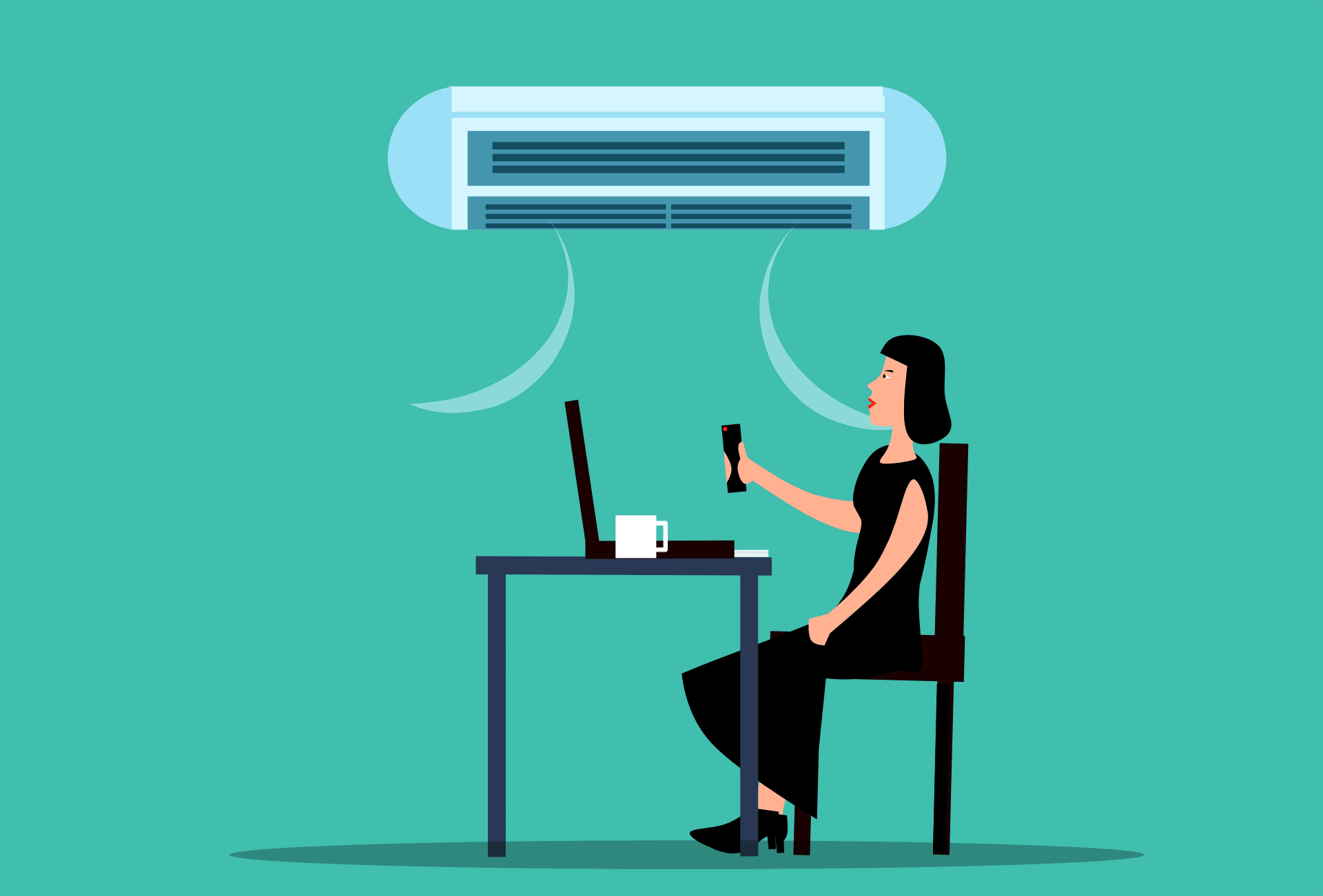
    Clean fresh air is something that people all over the world strive for.

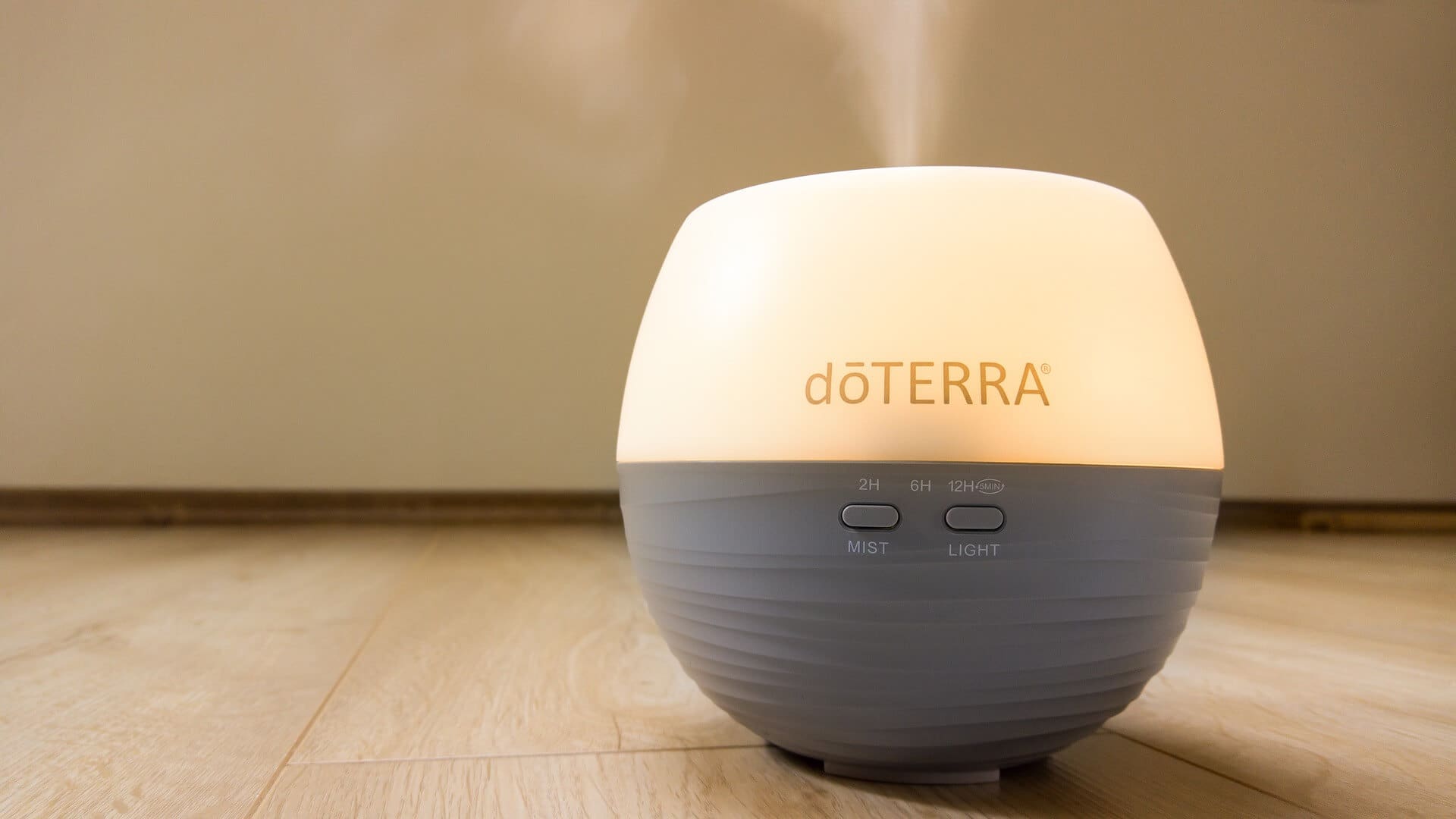
    Image by mohamed Hassan from Pixabay

    If you live in a busy city, then there are many different types of pollution that can affect your quality of living. Pollution comes in many forms, from physical pollution such as rubbish dumps to invisible forms such as noise pollution.

    The pollution of the air that we breathe in is one that governments the world over are trying to tackle, but due to the sheer scale of the problem, and the fact that no concrete agreements can ever be signed and delivered, it’s a problem that we will certainly be facing in the years ahead.

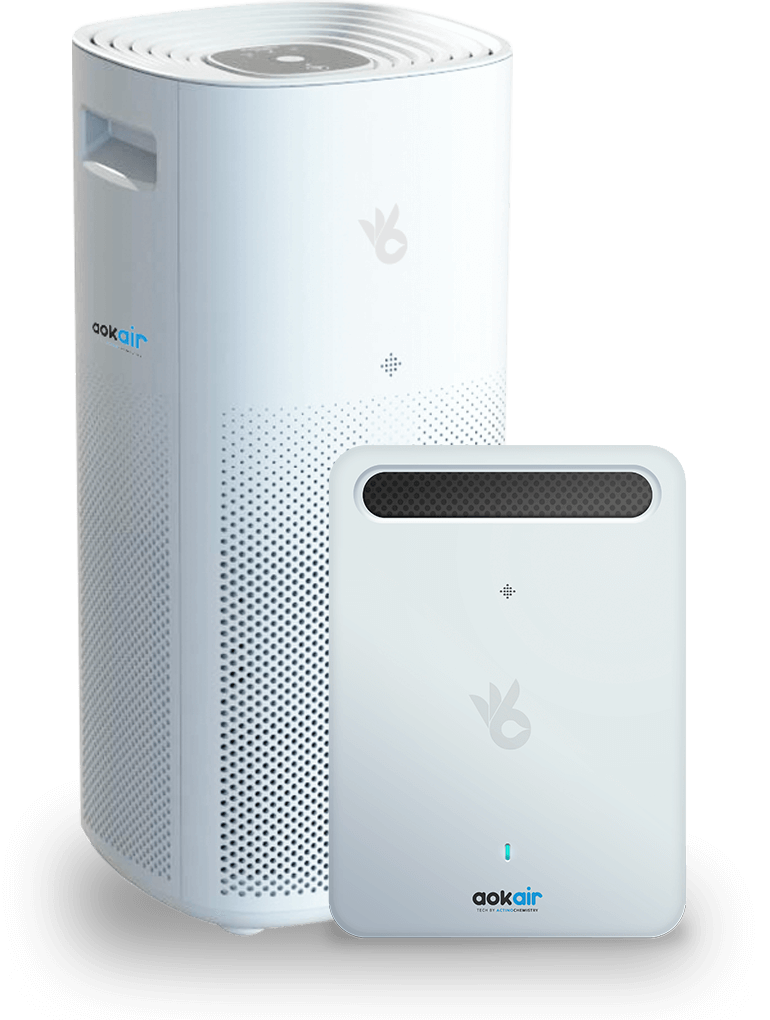
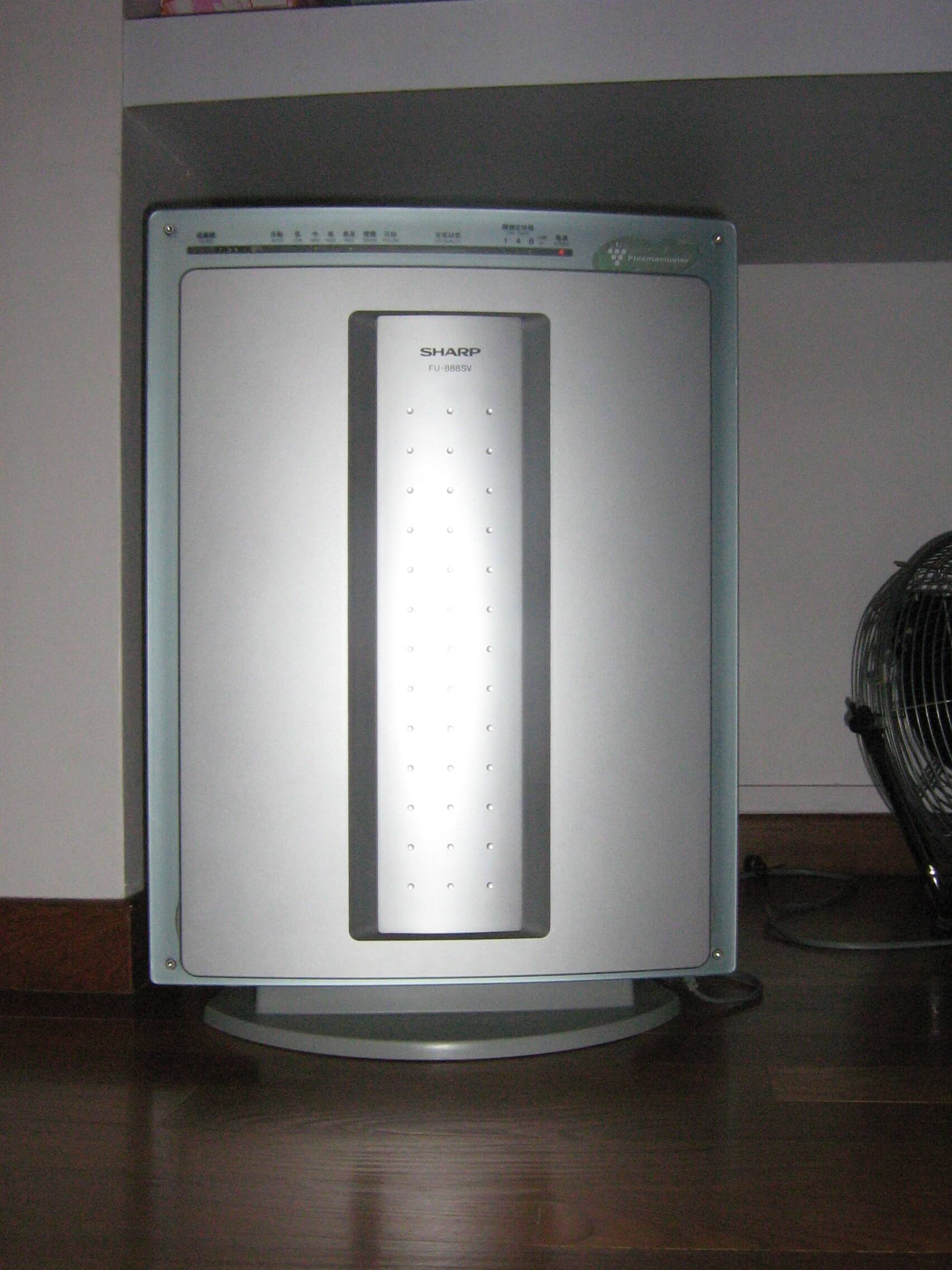
    AOK Life PH, CC BY-SA 4.0, via Wikimedia Commons

    Though improvements have been made over the past couple of decades, the polluting of our air still continues, and in some of the developing countries around the world, the problem has got worse.

    Type of Air Pollutants

    Even if you don’t live in the heart of a very busy area, air pollution can be found everywhere and comes in a variety of forms. Some of the most common air pollutants include micro quantities of artificial gas which are created from various chemical products that we use on a daily basis. 

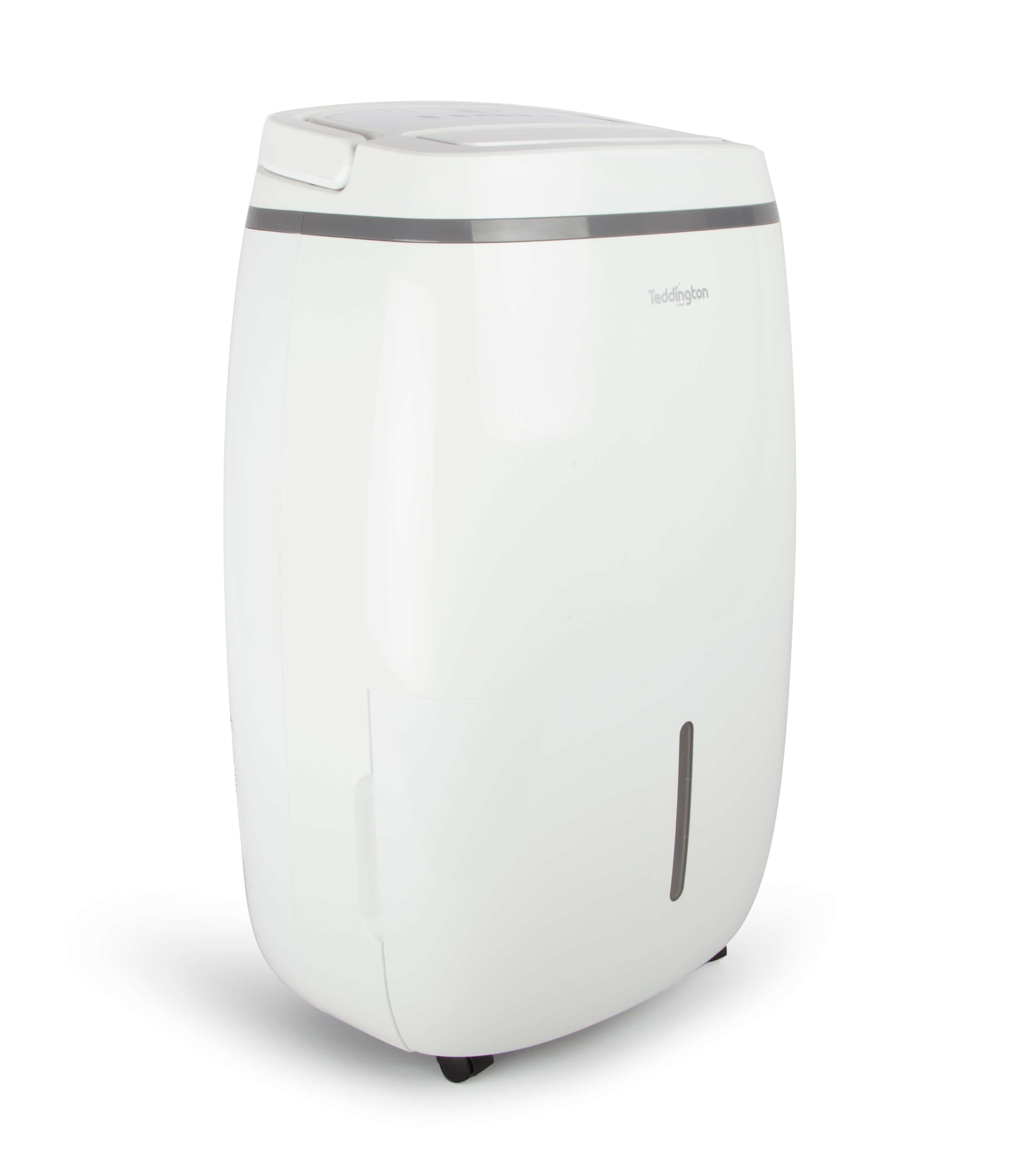
    Other types include elements such as dust, ashes, pollen, microbes and viruses – all things that are literally invisible to the naked eye. Humidity is also an extremely common air pollutant  when mixed with dry air, though it is harmless, apart from the uncomfortable feeling that is associated with it.

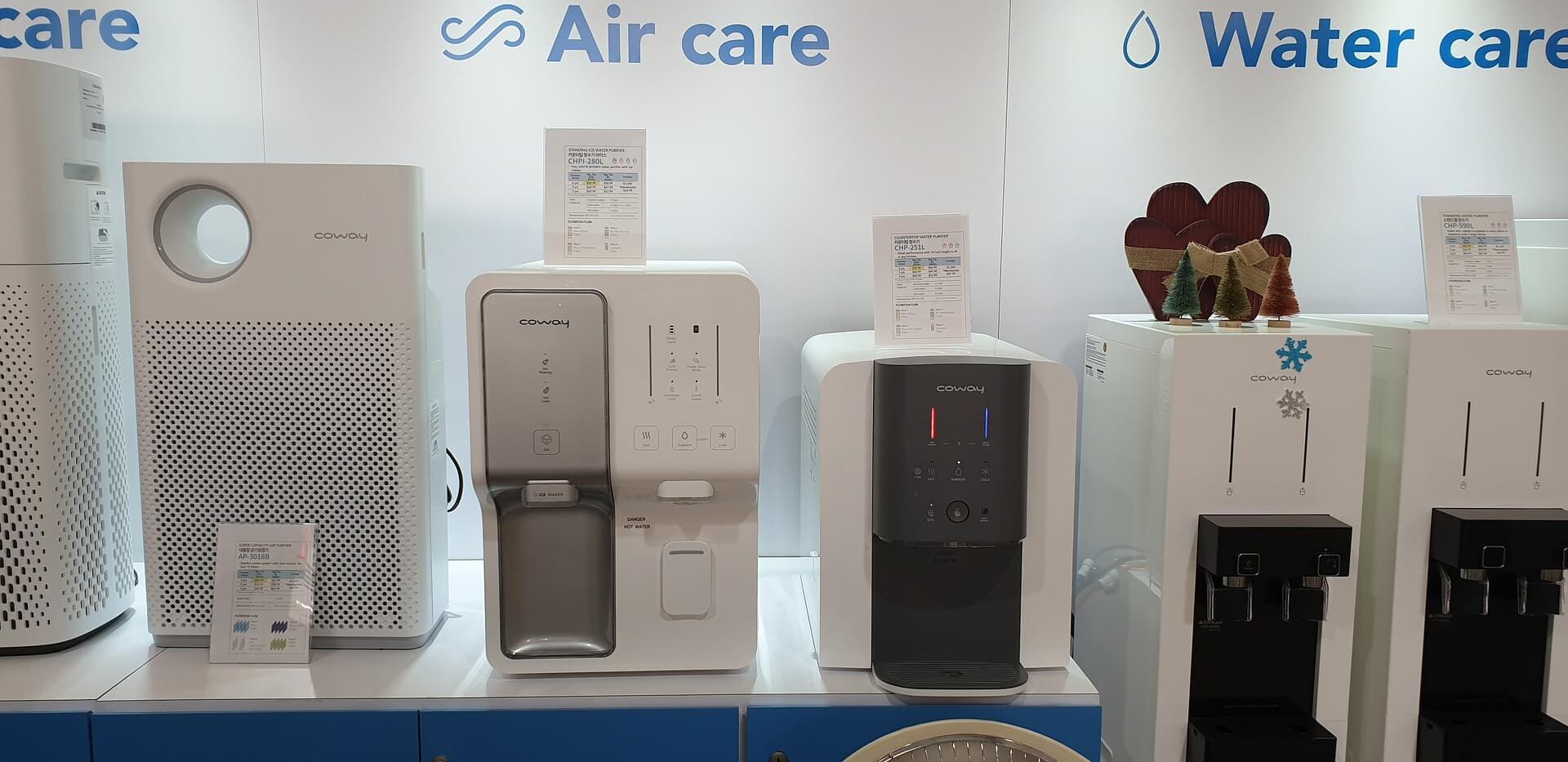
    Matelo2005, CC BY-SA 4.0, via Wikimedia Commons

    Keeping the air clean in your home

    Your home is your sanctuary, and as such, you’ll want it to be the place where you feel safest and can unwind and relax. Clean air in your home is an important part of your way of life, and if you are someone who suffers from asthma or hay fever, then keeping the air clean and clear at home is vital. If you are looking to pick up a device, then do some searching online for details about the top air purifiers and see which ones you can find locally in your area or online.

    Over the past few years, more and more people are investing in air purifiers, which are an excellent way to remove harmful pollutants from the air, keeping it clean and fresh. It is important to point out that the name air purifier is slightly misleading, as there is no device that can actually purify the air that we breathe, but simply treat it to remove pollutants so It’s essential to take an air purifier test first before you buy a new air purifier.

    How do air purifiers work?

    The way that air purifiers work is simply to remove various pollutants from the air through a series of filters in the devices. They actually do the complete opposite of humidifiers, which are actually adding particles to the air in your homes.

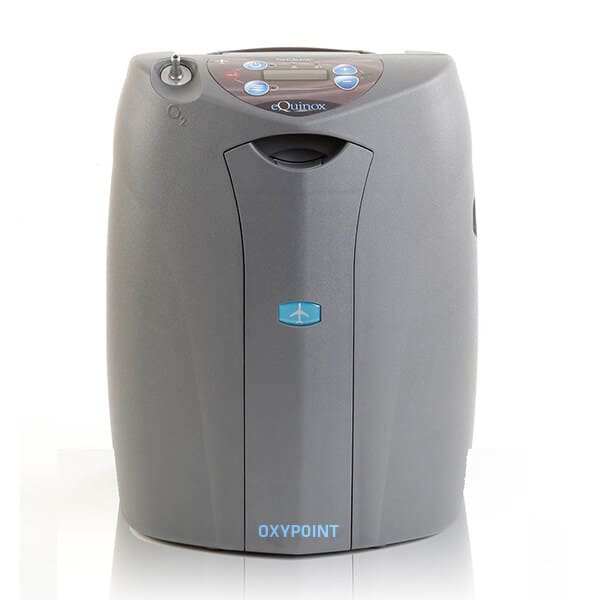
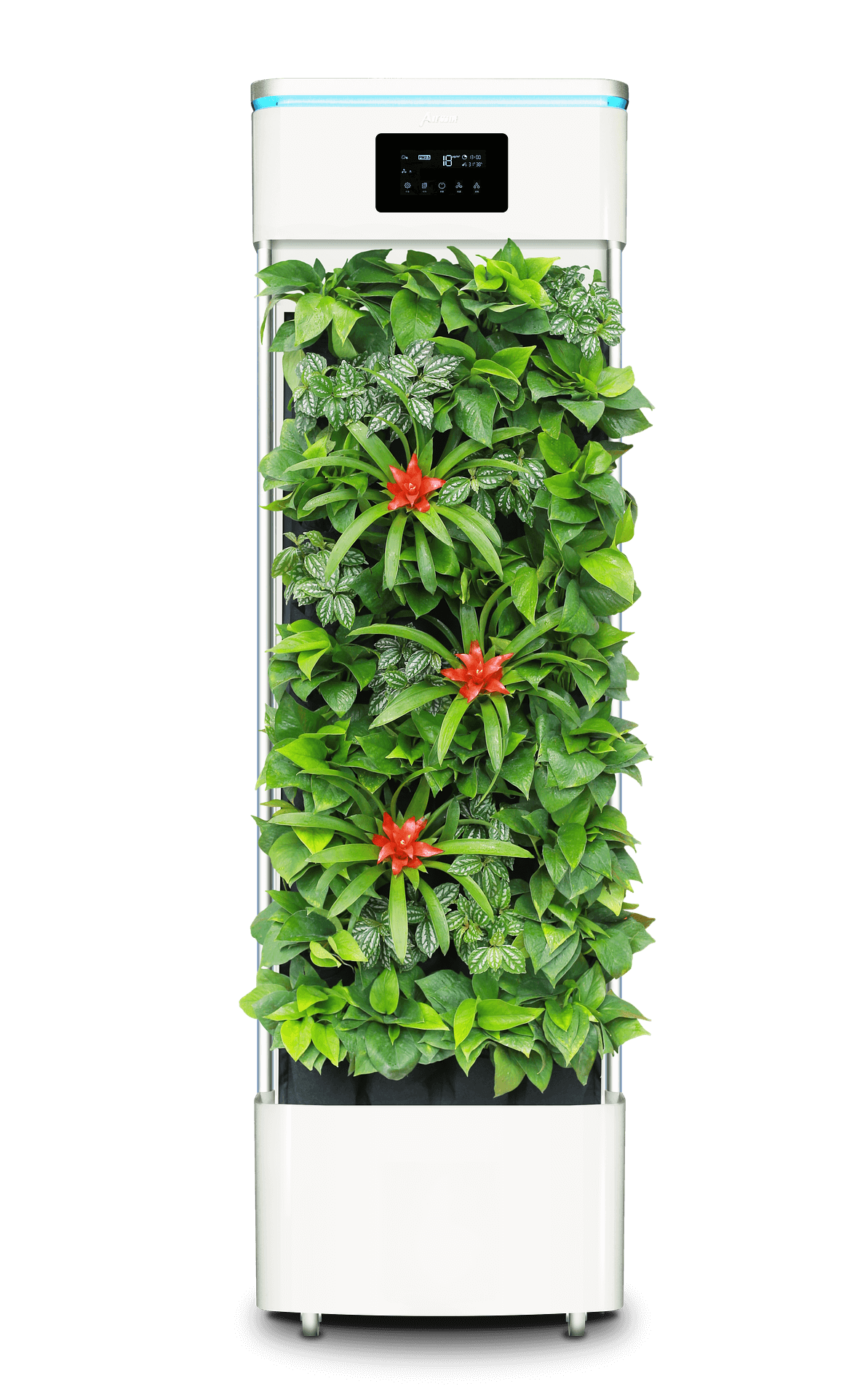
    Girolamo Salussolia, CC BY-SA 4.0, via Wikimedia Commons

    Different types of pollutants will need different levels of purification, and you’ll discover that there are a number of different air purifiers that you can use for different levels of performance. An air purifier will sanitize the particles in the air, whereas a filter will simply remove particles.

    Benefits of an air purifier

    The obvious benefit of an air purifier is the fact that it sanitizes and cleans the air in your home or place of work. If you are an asthma sufferer, or are taking medication for allergies, then the importance of having clean air to breath cannot be underestimated. 

    If you have pets at home, then in addition to the shedding of hairs that most cats and dogs will go through each year, you will often have to deal with unpleasant odors at times. An air purifier can help with both of these problems. 

    Image by Devanath from Pixabay

    Our homes are not a bubble, and outdoor pollutants can easily find their way inside, even if you keep your doors and windows closed. Vehicular pollution is a huge problem for many people living in cities, and constant exposure to these dangerous gases such as carbon monoxide and nitrogen dioxide can lead to a range of health issues in the future.

    In addition to pollution from traffic, there are also lots of toxins that you may have at home, such as cleaning agents, that can pollute the atmosphere, such as chlorine and ammonia. Again, in small doses these are relatively harmless, but long term exposure can result in a range of health issues, including serious medical conditions such as neurological disorders or even cancer.

    SpLoT, CC BY-SA 3.0, via Wikimedia Commons

    How effective are they?

    They are effective doing what they were designed to do. You shouldn’t be under the impression that you can just pop to the store, pick up a random air purifier, switch it one at home and have pure clear air in your home a few hours later. It simply won’t do that.

    But it will help remove pollutants and particles from the air, and if you use your air purifier along with another filter system, then together they can combat most of the particles in the air, creating a fresher, cleaner atmosphere in your home or office.

    A good air purifier and filter system can help deal with common problems such as mold, smoke from fireplaces as well as smoke from tobacco. Allergens can also be dealt with to a certain degree, though for better results, it is highly suggested that you look to purchase a HEPA (high-efficiency particulate air) filter, which is great for dealing with airborne allergens.

    Image by Ambro 김 from Pixabay

    The performance and effectiveness of an air purifier will be determined by the size of purifier that you purchase, and also where in the house you place it. 

    If you have purchased a small basic air purifier, and have it placed in your large dining room, then it will not be too effective. Smaller devices are best suited for smaller rooms such as bedrooms, while for larger rooms, you might want to consider a portable purifier unit, which you can move around where and when needed.

    Image by 琢 王 from Pixabay

    Some final thoughts

    Air purifiers are a very good investment for any household, but their effectiveness will of course depend on a range of factors. It is good practice to combine an air purifier with a filter, in particular a HEPA one, which together work effectively to clean the air that you breathe and remove any lingering pollutant or allergens.

    The type you purchase is going to depend on the size of your home or the rooms you wish to use it in, so it’s a good idea to do a little research before making your purchase to make sure that you pick the best one for your living space. 

  • How to Choose a Ceiling Fan for Your Home

    How to Choose a Ceiling Fan for Your Home

    Installing a ceiling fan can help you cut energy costs while staying more comfortable in your home. If you live in a hot climate, ceiling fans are an absolute must. Even with the A/C running 24/7, the cool, refreshing breezes a ceiling fan can create will allow you to save money on heating and cooling, because a ceiling fan can make it feel several degrees cooler in your room.

    But ceiling fans come in all different sizes and styles, and, these days, with a range of different features, too. How do you choose the right size, style, and type of fan? Here’s what you need to know.

    Consider the Height of Your Ceiling

    Ceiling fans need to hang a certain distance from the ceiling (at least eight inches) in order to move air effectively. In a room with high ceilings, a ceiling fan needs to be low enough that you can feel the breeze it creates, but high enough that no one hits their head on it.

    For rooms with a standard ceiling height of nine feet, you can buy a fan with a manufacturer-supplied extension rod included in the package. For rooms with low ceilings, flush-mount fans create greater clearance. For rooms with very high ceilings, you’ll need to get an additional extension rod to mount the fan about eight or nine feet off the floor.

    Choose the Right Size Fan for Each Room

    Fans come in standard sizes beginning at about 29 inches and going up to 80 inches or more. The measurement is from the tip of one fan blade to the other, for fans with an even number of blades; for fans with an odd number of blades, the measurement is taken from one end of a fan blade to the center of the motor, and then doubled.

    Generally, smaller rooms need smaller fans and vice versa. For a room less than 75 square feet, you’ll need a fan no larger than 36 inches. For a room 75 to 144 square feet, buy a fan size 36 to 42 inches. For rooms 145 to 225 square feet, buy a fan 44 to 50 inches wide. For rooms 226 to 400 square feet, buy a 50- to 60-inch fan. For the largest rooms, buy a large fan at least 60 inches wide, if not bigger. Larger fans not only function better in a larger space, but they also suit the scale of the space better.

    Make Sure It’s Powerful Enough for Your Needs

    You might think that a fan with more blades would move more air, and while that may have been true in the past, today’s ceiling fans can move plenty of air even with just one or two blades. Number of blades is more an aesthetic choice than a functional one. Instead, look for the fan’s airflow rating, which is measured in cubic feet per minute, or CFM. At minimum, you want your fan to move at least 4,000 to 5,000 CFM per minute at high speed, but you can get more powerful fans that move 5,000 to 6,000 CFM or more.

    Determine What Features You Need

    The basic features on a ceiling fan include a light fixture controlled by a pull chain, two or three fan settings controlled by a pull chain, and a reverse direction switch that allows you to switch the direction of the fan blades in the winter to push hot air down from around the ceiling and keep the room warmer.  Today’s fans have a range of features, including remote controls, wall controls, smart home connectivity, and light fixtures with halogen, LED, or fluorescent lights.

    If you’re installing your new ceiling fan on a porch, patio, gazebo, or other outdoor area, make sure you get a fan rated for indoor/outdoor use. These fans have water-resistant motor housings, all-weather blades, and stainless steel hardware to help it resist moisture from snow and rain. If you live in a coastal area, consider installing a marine-rated fan in your outdoor space — these fans are made with marine-quality materials that can withstand salty sea air.

    When choosing a ceiling fan for your home, consider your needs and look for a unit that’s properly sized for the space it will serve. You’ll be glad  you took the time to choose the right fan when you see how well it blends into your space.

  • Home Maintenance Tips That Will Save You Money

    Home Maintenance Tips That Will Save You Money

    Houses need a lot of upkeep to stay in top condition. When you don’t put in the time and effort to take care of it, you’re going to find yourself paying for lots of upgrades and repairs. Here is how you can avoid those expenses all year long.

    Photo by R ARCHITECTURE on Unsplash

    Photo by Jud Mackrill on Unsplash

    Dealing with Household Repairs

    Every homeowner should have an emergency fund to help them cover small household repairs and replacements. It will come in handy when you need to take care of problems with your plumbing, heating, appliances and more, but you don’t have enough in your budget to make the costs. All you have to do is dip into those savings and fix the problem immediately.

    green bush by house at daytime
    Photo by Alex Grodkiewicz on Unsplash

    If you don’t have enough in your emergency fund — or if you don’t have one at all — you can take out a personal line of credit online to help you take care of the household repairs. A line of credit is a good safety net that will make it easier to handle emergency expenses. You don’t have to have perfect credit to apply. See how you can apply for a line of credit through CreditFresh and get approved for it in a short amount of time.

    three black handled pliers on brown surface
    Photo by JESHOOTS.COM on Unsplash

    Another way that homeowners should protect themselves from expensive household problems is to practice regular maintenance. Take a look at some of these simple tips to see how you can save yourself from spending a lot of money:

    Clean Out Your Drains

    A stubborn drain clog can cost you hundreds in repairs. To keep your drains nice and clear, you should do these chores:

    brown concrete building
    Photo by Sam Clayton on Unsplash
    • Do a natural drain rinse in the kitchen sink to clear up any grime and build-up. Don’t use harsh store-bought cleaners — these often contain caustic materials that can damage your fixtures and plumbing or simply look for drain service King City by Plumbing Authority.
    • Use a handheld drain snake to clear clogs in bathtub and shower drains.
    • Buy drain catchers to stop food scraps, hair strands and more from collecting in the drains.

    Change Your Furnace Filter

    Letting the filter get clogged full of debris is bad for your furnace. It can cause overheating and operating problems. Sometimes, it can cause fires. For the sake of your furnace and your safety, you should replace the filter. Ideally, you should swap out the filter every few months. You can also look out for these signs that you should change your furnace filter to see if you need to do it more frequently.

    handheld tool lot
    Photo by Cesar Carlevarino Aragon on Unsplash

    This maintenance tip will save you from expensive repairs, maintenance fees and heating costs. A clean filter makes your furnace more energy-efficient, which means those energy bills will drop when the weather gets colder.

    Winterize Your A/C Unit

    If you live somewhere that has harsh winters, you’re going to want to winterize your AC unit so that it can handle the upcoming months of frigid weather. Leaving it unprepared and unprotected in the elements will make it deteriorate quickly, which will raise your chances of paying for repairs when the summertime finally arrives. Or worse, a whole new unit.

    white and brown concrete house
    Photo by Mak on Unsplash

    Regular maintenance isn’t just a good idea to keep things in your house running smoothly. It’s a good idea to save money. Follow these tips and pocket all of the money that you would spend on repairs.

  • HOW TO MAKE YOUR HOUSE PRESENTABLE

    HOW TO MAKE YOUR HOUSE PRESENTABLE

    A great house does not have to be enormous. A pleasant home is one that is both creative and beautiful at the same time. Your house is a sanctuary, and it can turn into the haven you desire with the family together. Creating a peaceful home is all about personalizing it and adding elements to it to reflect true harmony. We, as humans, over time, tend to develop an extraordinary bond with our house. It needs to be modeled and set correctly to your liking. The magic element in doing so is to make sure that any kind of styling that you do is both minimalistic and elegant at the same time. Just remember, everything you do must be pleasing to the eyes and soothing to the core. The expert tips below will help ensure that your house is as presentable as you want it to be. 

    Flowers Forever 

    What is a better way than flowers to add a breath of fresh air to your living space? The most important thing about making your house presentable is by adding certain flair’s of artistic touches to different areas. For instance, in the hallway, you could place a beautiful floral arrangement of a side table. It will give the whole house a classic yet modern feel. You could add an artificial flower décor piece or could even opt for fresh flowers each day. There is more room to experiment with fresh flowers and many options like Calla lilies and carnations that can change the entire look. Flowers provide a truly aesthetic appeal to any space. 

    Add A Distinct Element

    A classic thing you could do to make your place presentable is to add certain elements here and there. You could add a cluster of mirrors on one wall of the house to make it more elegant. Furthermore, adding some sublime wine showcase cabinets is a perfect touch if you are a wine lover. To store your wine, you could even get a nice wine fridge to complete the whole look. Adding ideas or elements that are rare and unique can make your house memorable. Be it a wine cellar or a frame of an artwork. If you place them imaginatively, this distinct element will give your humble abode a new dimension. 

    Neutrals Are the New Glam

    Colors are a soothing game-changer that can make or break your house. If you do not want to spend bucket loads of money on remodeling your house, then a new color scheme is your safest bet. Sometimes you might see a trendy color popping up in home magazines, but that necessarily might not be it for your house. Opt for neutral schemes that can make your living space look large and much more comfortable. Make sure the color you choose is cohesive with your setting and flooring. This way, everything starting right from your furniture to your curtains will blend in together more naturally. 

    Place Antique Components 

    A significant addition that can make your house exquisitely presentable is placing antique components. Bring out the family heirloom or the eccentric sculpture that you wanted to put near the hallway. You can mix and match an antique vase with a modern table. Trust us on this; there is nothing classier than a modern house yet carries a Victorian vibe. Remember that you do not need to subject your home to a typical style. By throwing in creative elements, you can break the monotony and make things stand apart. 

    Enhance Lighting 

    Sophisticated incorporation of premium lighting can elevate your style. Sometimes an area may be beautiful and cozy, but the wrong amount of light exposure can completely wreck the entire look. Do not make this mistake with your house. Try to make sure that you strike the seamless balance of natural and artificial lighting in your home. And each element and furniture piece will stand out appropriately. Try to add a decent chandelier to present the grandeur of the house explicitly. 

    Keep It Clean 

    No one likes a messy house. Even if you have the most expensive interior for your place, if it is not clean, then nothing will matter. The cleaner and de-cluttered a place is, the more presentable it will look. Try to avoid dumping too many things in one place, as it will only look messy and overstuffed. The lesser stuff you have, the bigger and better your area will look. Make sure that you vacuum and clean your house regularly.

    Conclusion

    The real magic lies in making sure that your house is presentable. Through certain elements and accessories, you can achieve that within no time. Incorporating specific changes all through your home can be very easy but also very impactful. The visual appeal is a vast contributor that will make your house both exclusive and smart.

  • Guide to Choosing the Best Mold Remover

    Guide to Choosing the Best Mold Remover

    Discovering a new, rapidly-growing patch of mold on one of the surfaces is nothing pleasant. Not only is it musky, gross, and uninviting, but it can also pose a health hazard to you and your close ones. However, the jury is still out on how severe the health implications of having unattended mold in the house. It’s known that it can cause various respiratory issues, from a severe cough to even triggering asthma in children.

    Aside from breathing problems, it can also cause other health issues, such as burning eyes and skin rashes. Even though mold is not deadly, its presence around the house is still detrimental to your physical and mental wellbeing. That’s why you should look for solutions that will help you get rid of it quickly and efficiently, regardless of the scale of your problem.

    Mold, mildew, and other fungi can find their way into your place relatively sneakily.

    They get in via air, through dirty vents and AC, and even just an open window. You can unwittingly bring it in from the outside on your shoes or luggage. There are plenty of ways to bring mildew and mold into your home, but how do you remove it? Which mold remover is the best? How can I pick a product that is the least toxic?

    This article will help you answer these questions, as well as aid you in getting rid of a particularly nasty problem that is mold and mildew spreading across your house.

    What to Look For in a Mold and Mildew Remover

    First of all, you need to consider the type of surface that the fungi are growing on. If the problem is concentrated in one area of your house, you should go for a specific product catered toward one type of material to not damage the surface. If it is a more widespread outbreak, you might consider a “jack-of-all-trades” universal remover, but keep in mind that it won’t be as effective as the surface-specific ones.

    You should also look into the particular type of mold remover, as some of them leave a protective layer over your surfaces for much longer than others. Additionally, there is no guarantee that the product you choose can handle removing the exact volume of mold you’ve targeted.

    Taking into consideration the particular area of your home and possible quantities of mold and mildew you might have to deal with, the products listed below are amongst the best mold removers you could pick.

    Bathroom Mold – Kaboom Mold and Mildew Stain Remover

    If the stains are in your bathroom or kitchen, be sure to go for a catered product towards tiles, such as the Tilex Mold removers. The best-reported effects have been noted with the Kaboom remover, which has proven to be a true mold killer when it comes to bathroom surfaces, including the cracks and crevices between tiles. It has bleach in it, though, which might deter some of the more chemically-conscious customers.

    Wooden Surfaces – Concrobium Mold Control

    Concrobium is the perfect choice for those of you who have found mold growing on large amounts of wooden surfaces at your houses, such as furniture and floors. It is also perfect for boat owners, as their property is among some of the most at-risk ones when it comes to attracting fungi. It doesn’t come in spray form, which means that it might not be as easy to use as some of the other ones on its list, but if you put in the effort, it does get the job done better than most.

    Mold on Fabrics – RMR-86 Instant Stain Remover

    Having mildew or mold on your clothes is not as common of an occurrence as in the case of other surfaces, but it does happen. You should be extra careful with removing mold stains from clothes if you want to be able to use them again. The instant mold remover that is RMR-86 is a really good option if you need a quick fix that is safe to use with clothes. You’ll be able to see the effects as soon as 15 seconds after applying the product!

    Least Toxic Product -Wet and Forget 800003

    The health hazards stemming from mold presence at home are serious, but a lot of questions have been raised when it comes to the toxicity of some of the mold remover products that have sprung up over the years. Wet and Forget is a great alternative to those questionable mold killers, as it does not contain bleach and is non-acidic, making it perfectly safe to use.

    The Bottom Line

    The market is oversaturated with cleaning products that are of subpar quality, to say the least. Unfortunately, this often applies to some of the most convenient, spray-form removers you could see on most supermarkets’ shelves.

    Like with most things in life, you will need to get down and dirty and put some effort in to get rid of your mold and mildew problems efficiently. A lot of companies advertise their product as the “best mold remover on the market” without a whole lot of proof to back up these claims — before making the final decision, do your research and buy specifically for your surfaces.

    Maciej Grzymkowski

  • General Pool Maintenance Tips Every Pool Owner Should Know

    General Pool Maintenance Tips Every Pool Owner Should Know

    If you have a pool on your property then it is absolutely essential that you have a full understanding of how to maintain it and how to keep it clean. Failing to look after your pool can result in dirty water, spoor filtration and there could even be a risk of contaminants in the water. Our swimming pools should be clean, well maintained and above all else, inviting. We caught up with some of the team from Mr Pools Sydney, to find out what every swimming pool owner should know about caring for their pool.

    Skim and Scrub

    On a daily basis you should be looking to both skim and scrub your pool to ensure that you are avoid any build up of leaves or algae. If the pol hasn’t been used for a couple of days then it will not take long for algae to start growing on the water’s surface where it touches the side walls. Ensuring that leaves are regularly cleaned from the top of the pool will help you to keep the waterways and the filters clean and clear so that they can do their job. A quick brush around the side of the pool at the water’s edge and a skim of the pool will take less than 15 minutes per day.

    Cleaning the Filter

    The pool’s filter is the equivalent of your body’s kidneys, it removes any impurities in the water and all of this muck and grime will collect in the filter basket. It is good practice to clear this basket once a week in order for it to continue working to the best of its ability. Another great tip here is to clean the pipes which the filter system uses. In order to do this all you have to do is set your filter to backwash, and remove the l elf basket. This will purge the pipes and send the water through the waste pipe, keeping everything as clean as it should be.

    Chemical Levels

    The pool’s chemical levels should always remain consistent in order for it to be safe to swim in the water. These are the main areas which need to be considered here;

    Cyanuric Acid – Ideal reading of between 30-50

    PH Level – This should read between 7.5 – 7.8

    Total Alkalinity – his helps keep the PH level right, should range between 6-120

    Calcium Hardness – This prevents plaster damage and you should have between 220-350

    You should also ensure that there is a presence of free chlorine which acts as a sanitized for the pool.

    Shocking The Pool

    If you have had a pool party or more people in than normal, shocking the pool is a great idea to give it a really good clean. The process of shocking is done by drastically raising the chlorine levels in the pool and then gradually diluting the chlorine back down to normal levels. During this time do not use your pool.

    Follow these tips for a pool which is clean and healthy.