Author: ION

  • Granite sinks: Why do you need it in your kitchen and for your granite countertop?

    Granite sinks: Why do you need it in your kitchen and for your granite countertop?

    Of the various types of kitchen sink materials, granite seems to be the most upscale choice for its refined looks and personality. Most granite sinks that you see in the market are not pure natural stone. They are the engineered product made from a combination of granite stone dust and acrylic resin in a typically 80:20 ratio. Composite sinks containing quartz and acrylic resin don’t have much difference with natural granite sinks, and hence, people use both the names to mean the same thing. Some homeowners prefer granite sink in their kitchen, while some don’t. Each of them might have their reasons for such decisions.
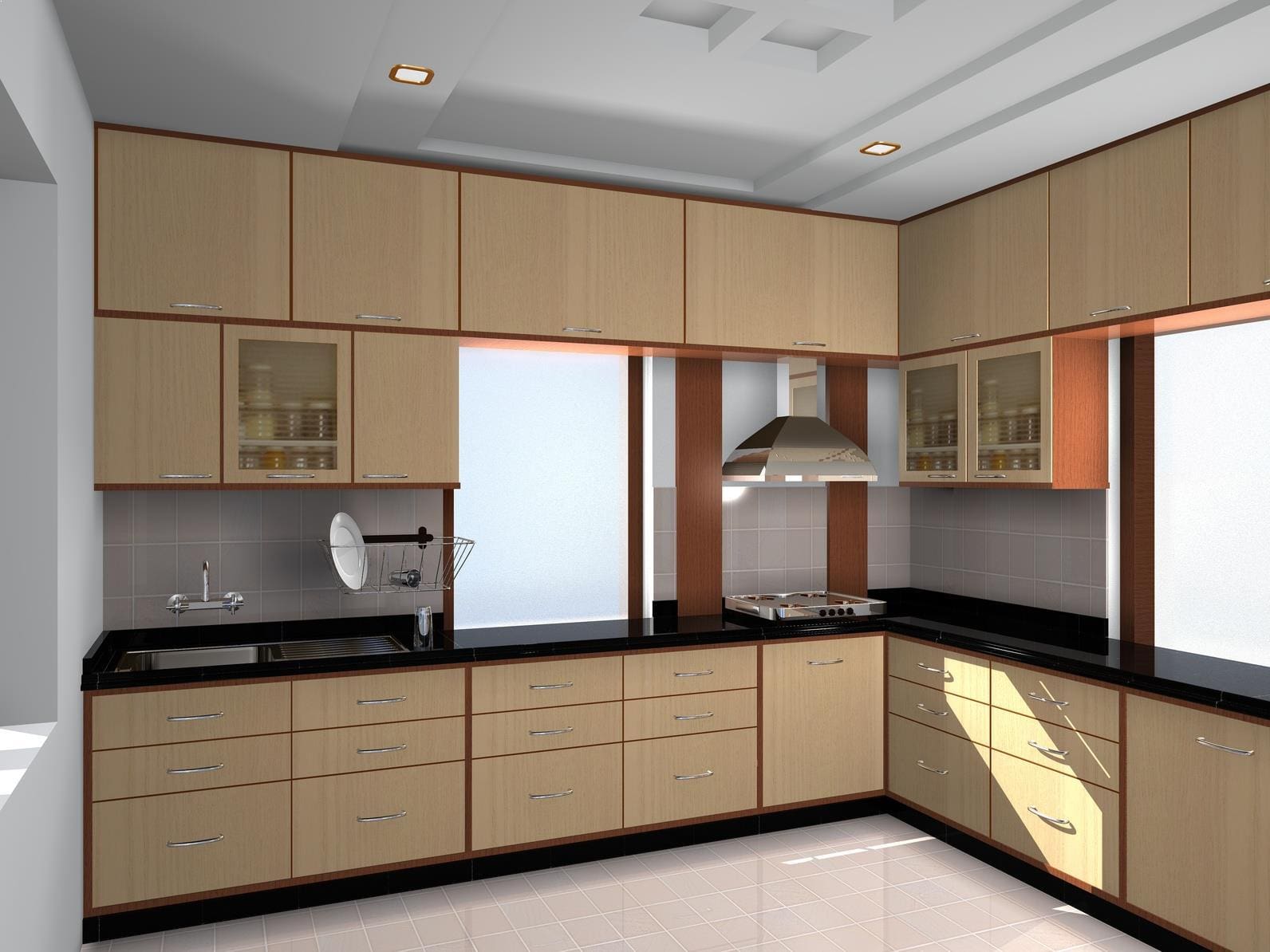
    If you don’t want to get influenced by any of the opinions, then it’s essential to understand the inside-out of this option well before concluding. Here are some insights that can come in handy for this purpose.

    A question on its durability

    Many people make a mistake of taking its sophisticated look so seriously that they start doubting its long lastingness. But granite is a natural stone, and after having undergone fire treatment, it comes out as one of the best impervious, heat resistant, stain-proof, and scratch- and chip-safe material. Then, you don’t have to apply sealing on it, unlike a purely natural stone sink. Nevertheless, you would have to be careful with its maintenance, especially when it concerns stubborn stains. The surface can easily give in to chemical reactions. To ensure it doesn’t happen so, you need to adhere to the manufacturer’s guidelines for cleaning and avoid using products that can harm its base.
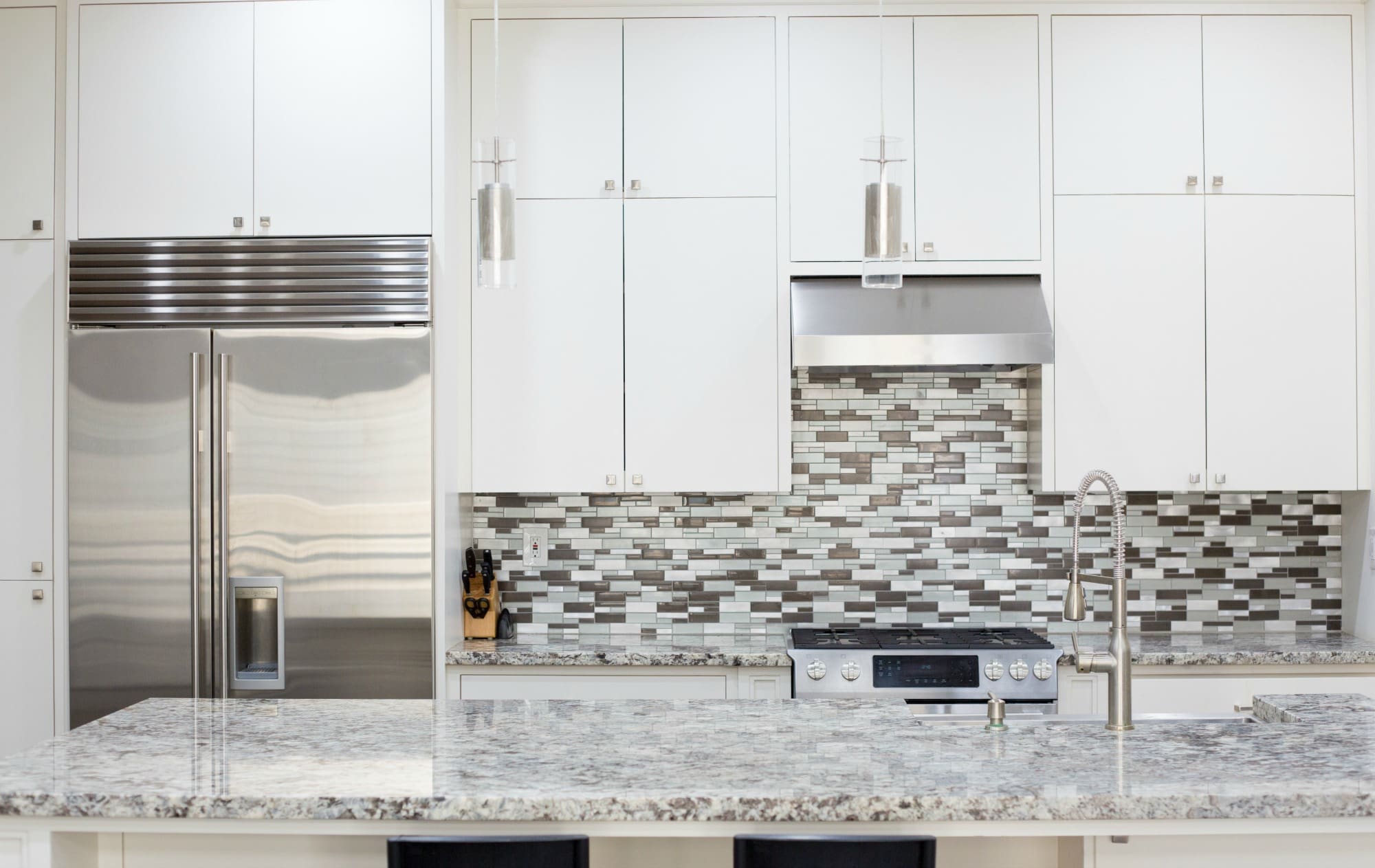
    Some composite sinks can succumb to heat, due to which resin can melt and cause blemishes. It can also end up paving the way for scratches. These issues are avoidable if you buy only premium quality granite sinks from a trusted brand. The well-established companies can provide you with models that are extremely tolerant of heat and make sure that you get the full return value from that. For example, you can explore a granite kitchen sink by Kraus. Once you read product details, you will realize what it means.

    Curiosity about its maintenance
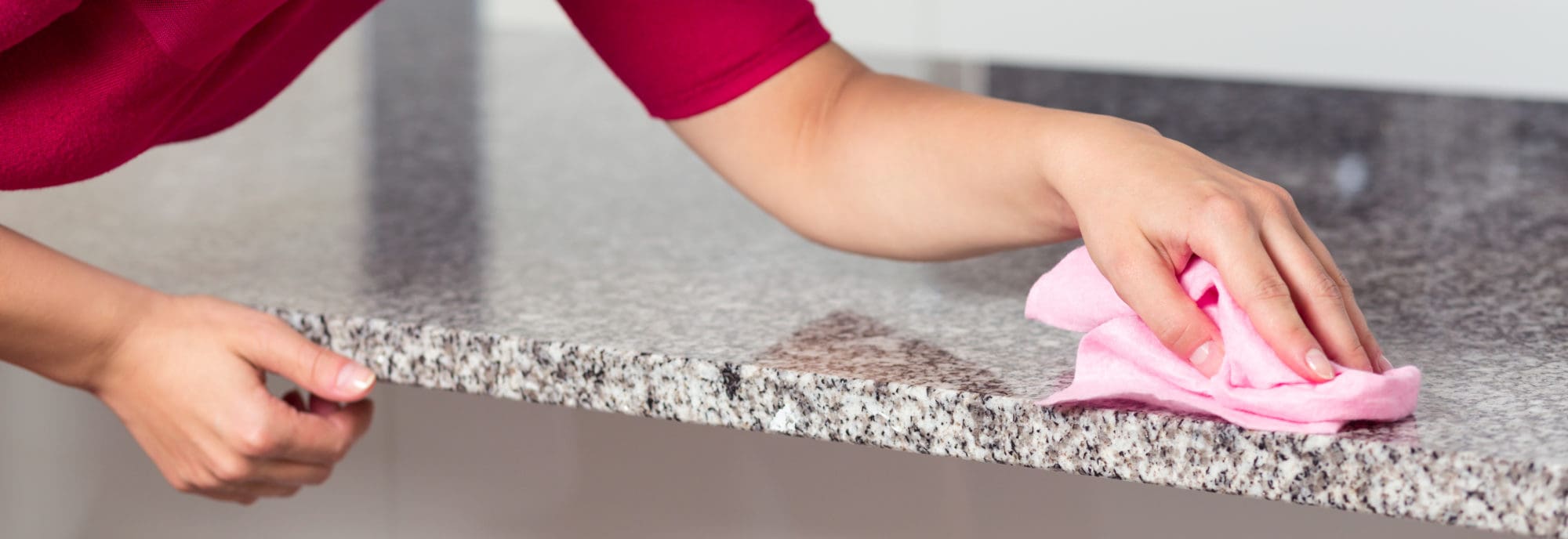
    Granite kitchen sinks can be a great addition to your luxurious kitchen from every angle, be its appearance, functionality, and usefulness. But like any other sink, it also needs proper upkeep. You may need to use cleaner and sealer to help your basin stay healthy. When you scrub its surface, you should do it with a soft cloth or sponge to avoid the risk of abrasion. And when you rinse it in the end, you must dry out the surface. However, you don’t need to do it every day. Whenever you find it hazy, you can get started with your cleaning efforts. Haziness indicates that the surface is wearing off due to the moisture buildup, and it’s time to restore it.

    The pros and cons of this choice

    There can be enough reasons for accepting or rejecting an option, and granite sinks are not immune to this. What you may admire most about this type of sink is its variety. It gives you freedom of options in terms of styles, shapes, sizes, color, and polish, eliminating your concerns whether it would pair well or not with your countertop in the kitchen. It beats the most popular stainless-steel model also when you assess the range of available colors in it. From white, black, charcoal, grey, and brown, you can select any hue as per the interior design of your kitchen.
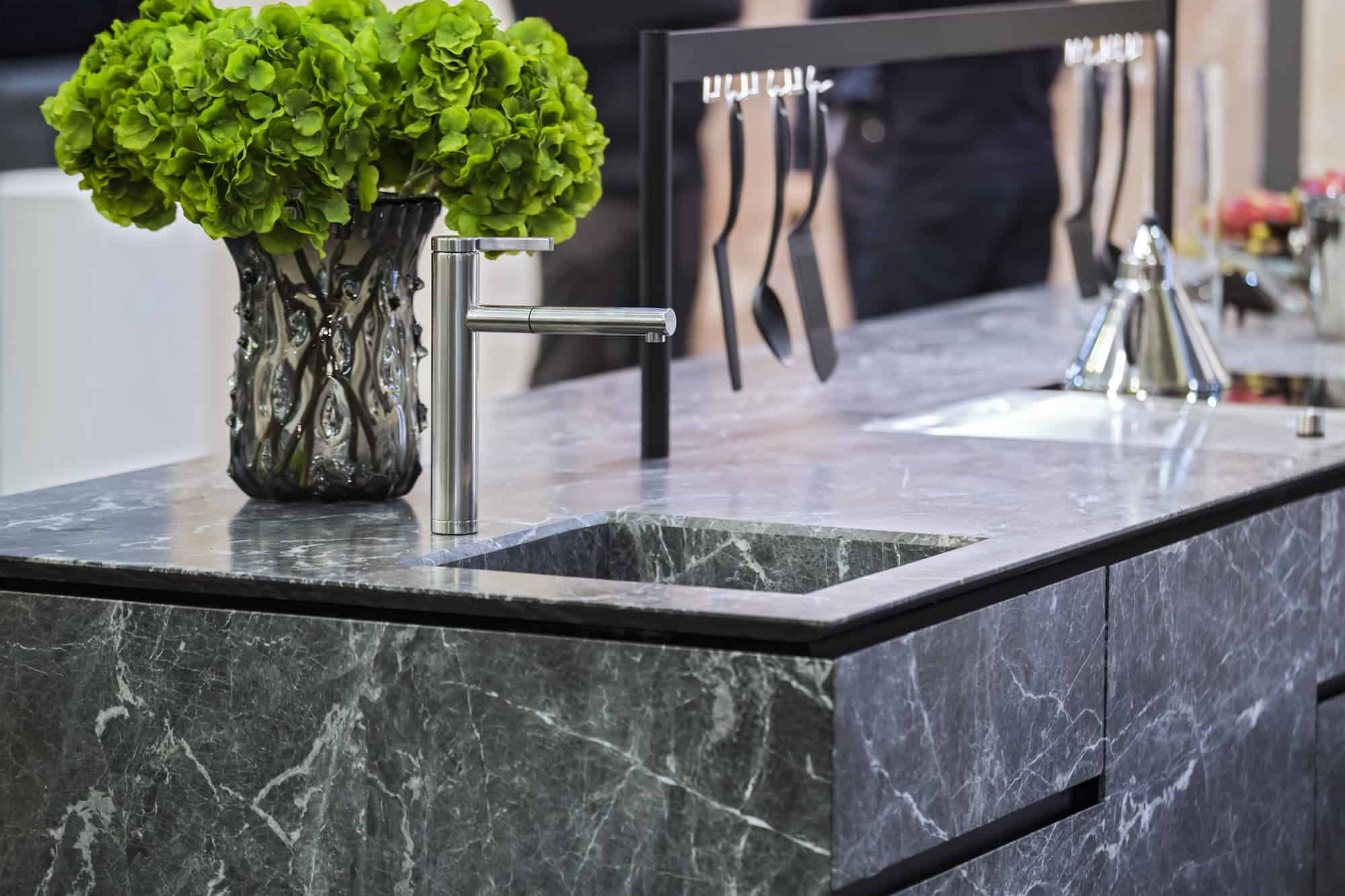
    Then, composite granite variations can offer you uniformity in designs unlike a natural stone, which tends to have original uneven patterns. And if you want to increase the aesthetic appeal of your cooking area without paying a heavy price, then again, it seems to be a better alternative to a natural stone sink.

    However, certain things that can stop you from selecting it as an option include its hardness and cost. Usually, sink materials are forgiving in the sense that they don’t break your glassware when it knocks the surface. But with granite composite surface, you need to be careful. Another challenge can be its price when you compare it with porcelain and stainless steel.

    Anyway, you have to understand that every material has some merits and some demerits. So, you should not drop something from your list just because it has some negative points too. It would help if you had weighed both positive and negatives aspects from an unbiased mind and considered its actual utility for your kitchen. If you can afford to pay a bit high price, then it wouldn’t hurt you to invest in this piece. After all, no other thing can be as charming as a granite fixture. Plus, the risk of breaking delicate utensils will be there with other materials also if they hit against the surface. Hence, you mainly need to check your habits.
    A right partner or not for a granite worktop

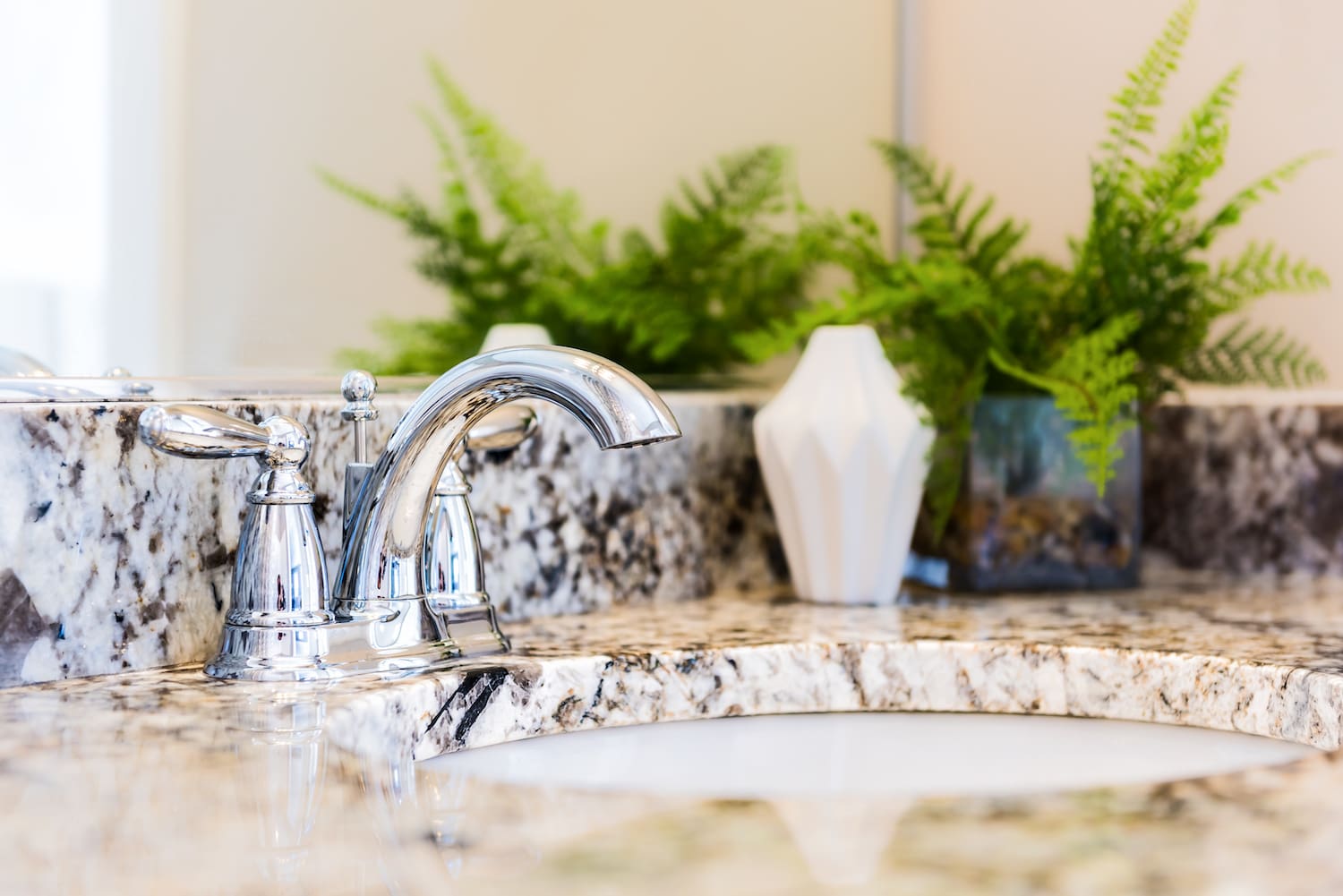
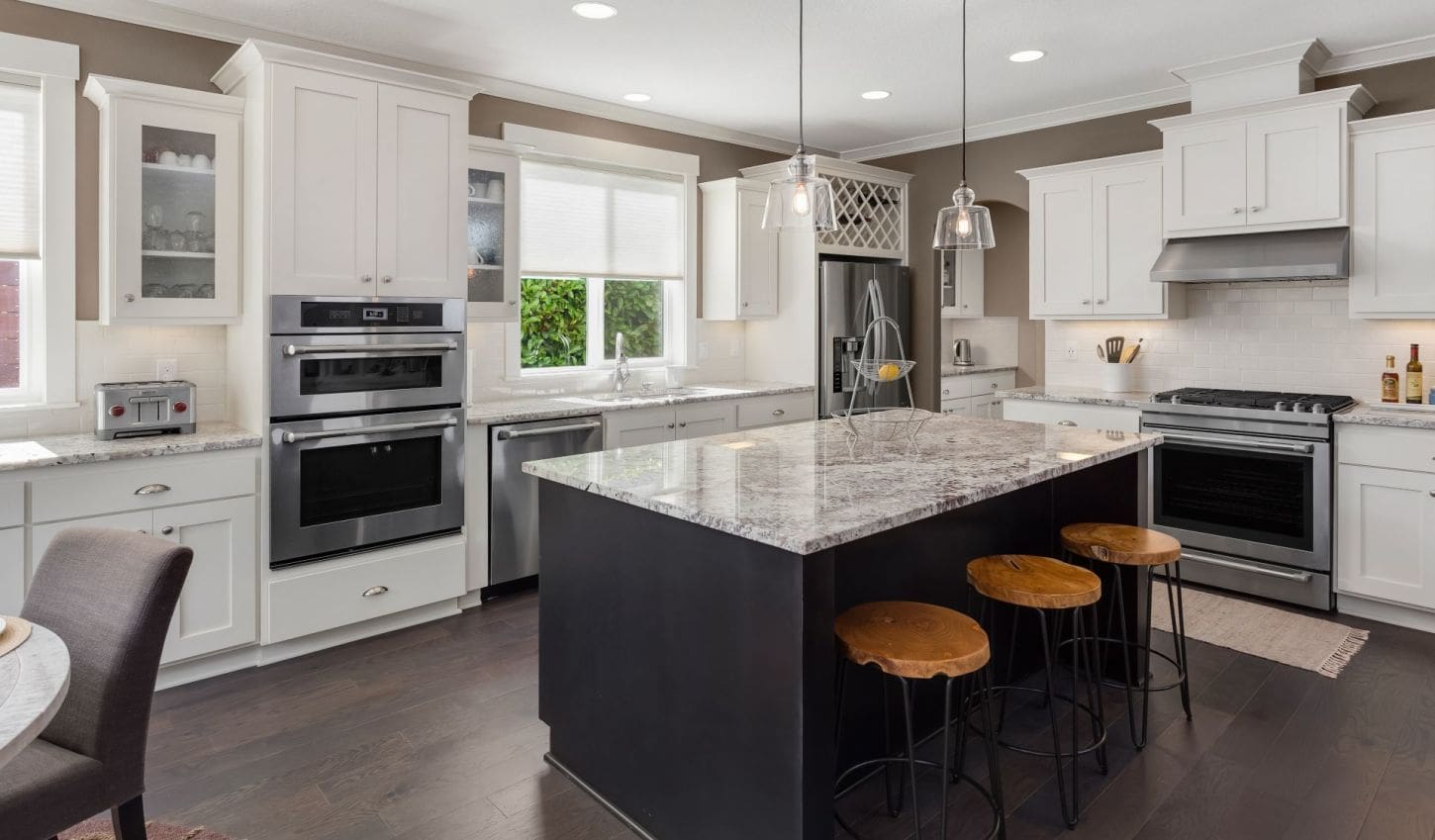
    People introduce granite countertops in their kitchens to elevate its overall feel and charm. To make sure everything else around it matches its sophistication equally or at least to a certain degree, you have to choose the right options. And a granite sink can fit a granite countertop like a glove. It will help you give your kitchen a seamless, streamlined look. If you wish your worktop to get maximum limelight, then you can choose an undermount sink option. It will have an understated but unique effect in the kitchen environment, becoming an object of envy for onlookers. 
    In this context, it would be helpful to know that you don’t have to restrain yourself when it comes to buying a granite sink. Granite worktop can be its best companion, but this sink can be equally suitable for quartz or other surfaces. Just browse through some popular brand collections to open your mind to more ideas. You will be able to form a better understanding of which granite model can work best for you and in which scenario. At the same time, you will also know what accessories and faucet systems you need for it.

  • Passive Homes: The Homes of the Future

    Passive Homes: The Homes of the Future

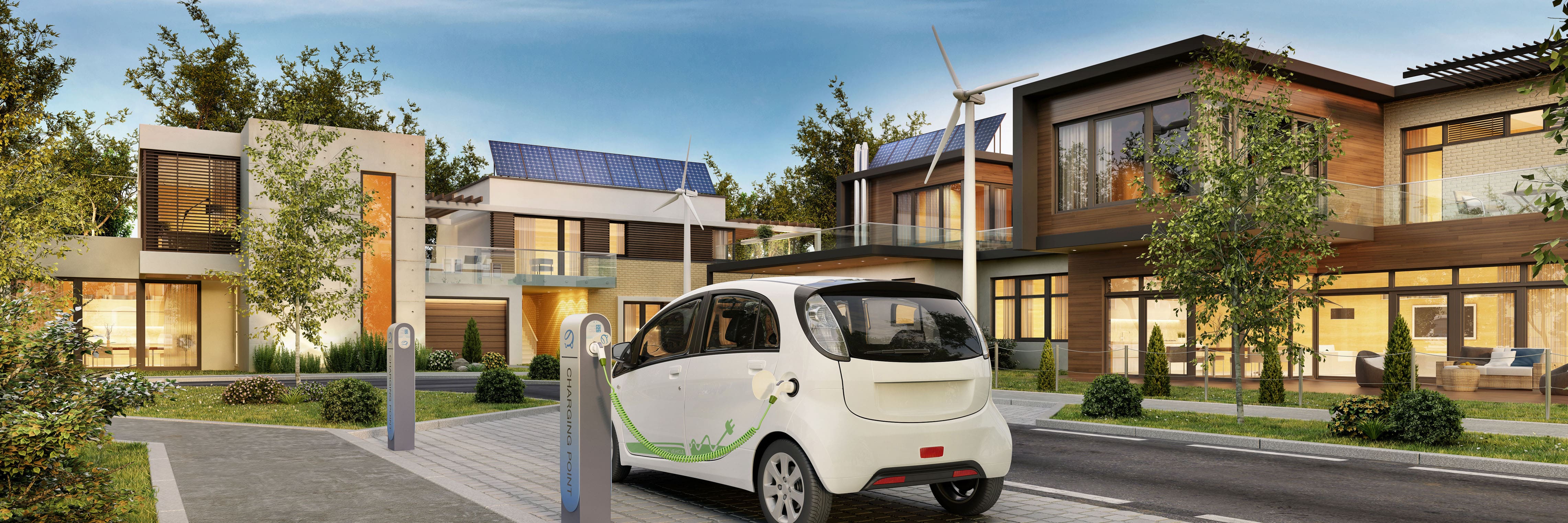
    We live in revolutionary times, or better yet, environmentally revolutionary times and it’s getting easier than ever before to become eco-aware and be the change we want to see in the world by turning our lifestyles sustainable. Yes, ‘energy efficiency’ is the term we hear quite often these days. And it’s more than just a buzzword. In fact, we should all strive to implement this method in our day-to-day lives to help preserve the environment.

    Introducing changes to your shopping habits is certainly making a step forward towards turning your life greener. However, nothing speaks “great impact” quite like the choice of housing does. With climate change being one of the biggest issues of our time, it is important we take a different approach when it comes to the way homes are designed and built. Unlike years before when few could afford to go modular, nowadays we have technology and innovation to thank for the affordability of this most energy-efficient home design.

    Now that the costs of energy and living are on the rise, it doesn’t take long to see why choosing modular homes is the best decision one can make in the long run. Although both traditional and non-traditional building components of prefab homes are fabricated in a climate-controlled manufacturing facility and are assembled on-site, they look just like traditionally built homes.  However, their quality outshines that of the conventional ones. 

    This is so because they’re built in places with a controlled climate so materials are well-preserved unlike on-site used materials affected by the weather, insects or vandalism. Moreover, there are numerous inspections guaranteeing the quality of construction, there’s less waste, and are basically built in no time – about 12 weeks to be specific.

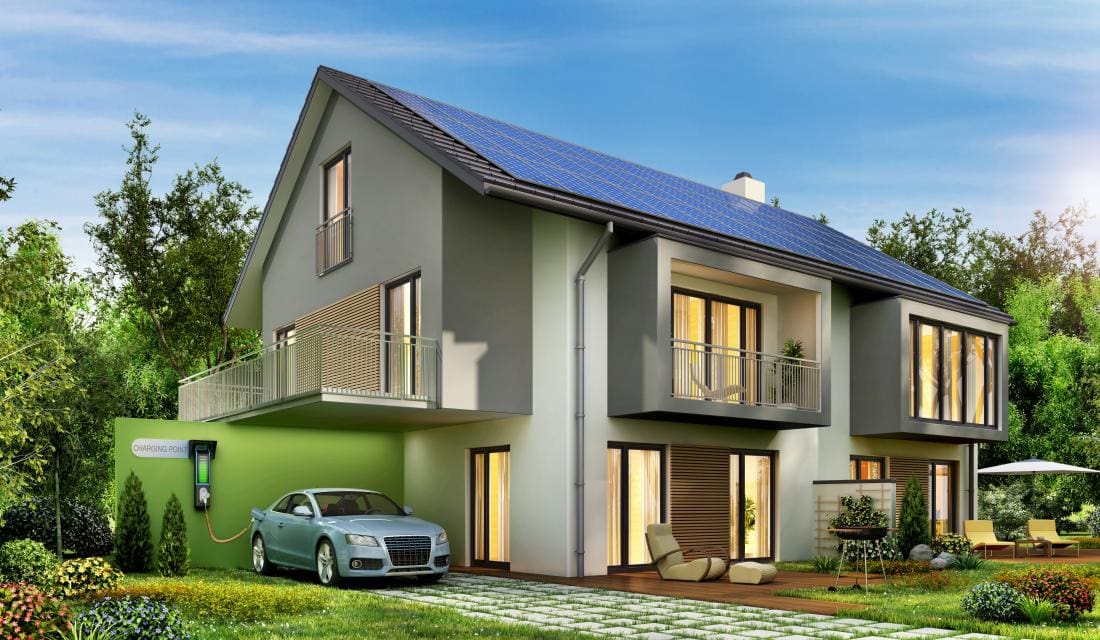
    It sounds quite like the investment and if you don’t think this speaks sustainability enough, there comes the passive solar design. Created on the principles of energy efficiency, comfort, eco-friendliness, and affordability, it’s gaining a lot of popularity lately. However, although the term is most likely a novelty to many, it has been around since 1988 when professor Bo Adamson and doctor Wolfgang Feist were connected by the vision of creating sustainable housing without it being at the expense of design.

    Why Passive?

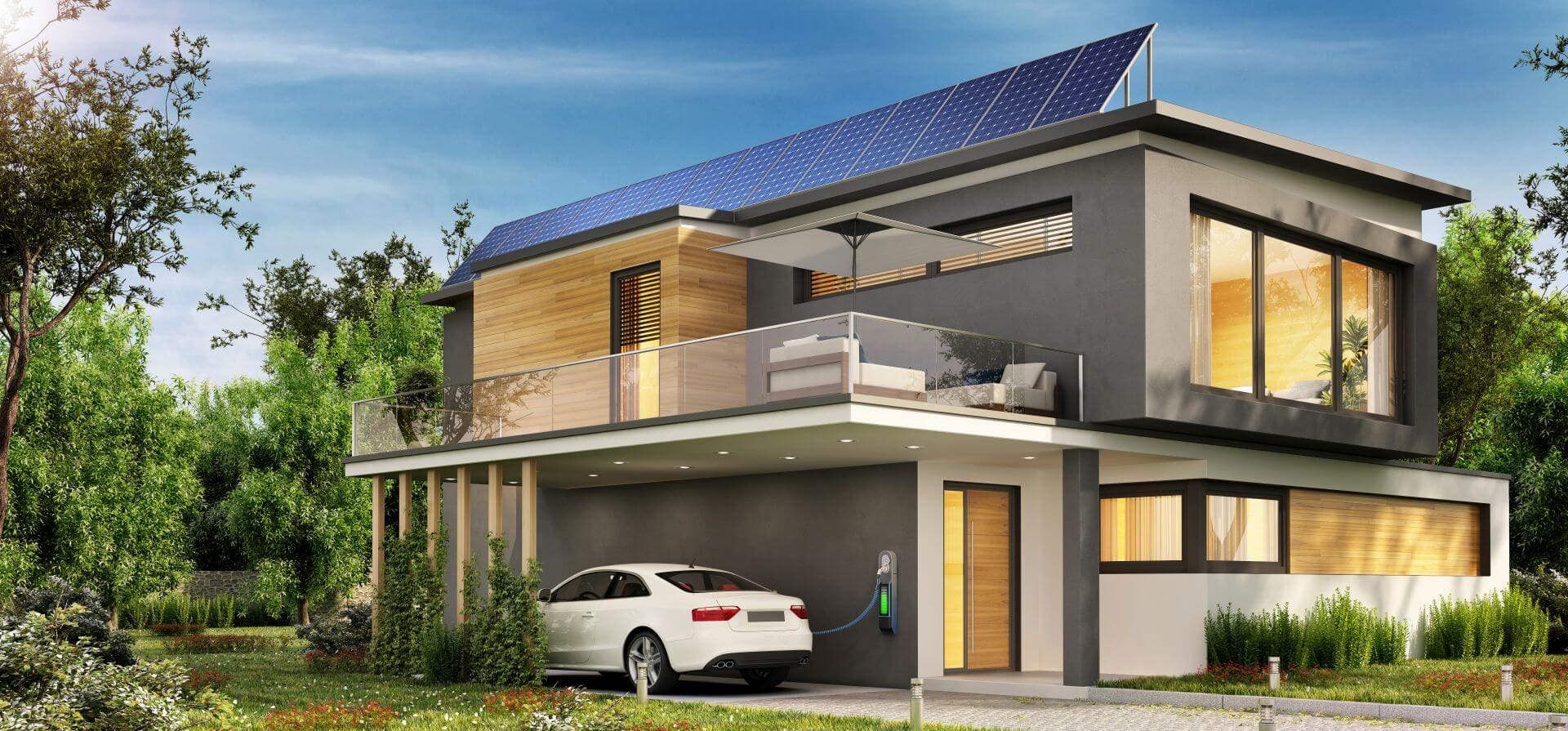
    The concept is based on the principle of passive heating – heating comes from heating recovery through solar input as well as the body heat of the people inside the house. What’s great about this groundbreaking idea is the fact it’s both at the benefit of the people and the environment. It ensures low energy bills and low carbon footprint respectively which makes it the most energy-efficient home design.

    This is essential having in mind an average household in Australia uses up to 40% on heating and cooling costs, or more depending on the climate. Hence, opting for this concept saves up to 90% of energy. This being said, no two homes are the same when considering the passive concept because each and every design depends on the specific climate conditions at the exact location. 

    Since Australia has eight climate zones, the very first step in creating a passive solar design is to determine which zone it is and proceed from there. Of course, orientation, thermal mass, shading, glazing, ventilation, insulation, and the building layout must be taken into account as well. In other words, you could have a home that’s stylish just as it’s energy-efficient.

    Great Investment

    You don’t have to worry that deciding to invest in passive design is going to turn into one you’d regret because there’s a great return on the investment as soon as you move into the home. It is designed to reduce the use of other sources of heating/cooling, which can impact electricity bills in a good way. What’s more, there’s little maintenance involved. Yes, they’re that durable! Additionally, homes based on the high passive solar design standards are much more valuable, hence if you decide to sell one day, you can expect to make a great deal. 

    While it’s the most economical decision to acquire passive design when a new home is being designed and built, you can still incorporate some of this design’s features with existing buildings too. Even the smallest renovations and improvements in orientation and layout can bring about a positive impact on thermal comfort. No wonder experts claim that the future is going to be dominated by this green building trend. 

    Unmatched Levels of Comfort

    Though not many of us think about the issues poor indoor air quality leads to, the fact that most Australians spend about 90% of the time indoors says we ought to start taking it seriously. 

    If you ask relatives, friends and acquaintances what word they’d use to describe a home they feel most at home in, you’d often hear comfort. And this is exactly what the revolutionary passive housing offers. This is so due to the fact that it keeps you warm in winter and cool in summer without requiring much help from auxiliary heating and cooling, something that also comes in handy in cases of blackouts or natural disasters. 

    Apart from the benefits, you can reap financially, and as a consequence mentally which is to be expected from lower energy bills, there are additional health and well-being benefits one shouldn’t overlook.

    A home with a passive solar design is comfortable to stay in for hours and hours on end because of the higher air quality. This stems from the better choice of materials, improved insulation, and ventilation (think of the heat recovery process, the air being ventilated, warmed, and circulated), along with the reduced chances for drafts and humidity.

    Such a home isn’t the main culprit in cases like respiratory, cardiovascular and chronic diseases, along with the diseases related to changes in temperature. Hence, the residents can expect a reduction in chronic pain and hospitalization, both of which are related to premature deaths. Furthermore, living in one of these homes would mean you won’t have to deal with mould problems.

    If you’re a light sleeper and even the slightest bit of noise annoys you, you’re going to love the fact these homes are great in sound insulation too. So, enjoy the silence! 

  • Hiring vs buying equipment: Which option is best suited to you?

    Hiring vs buying equipment: Which option is best suited to you?


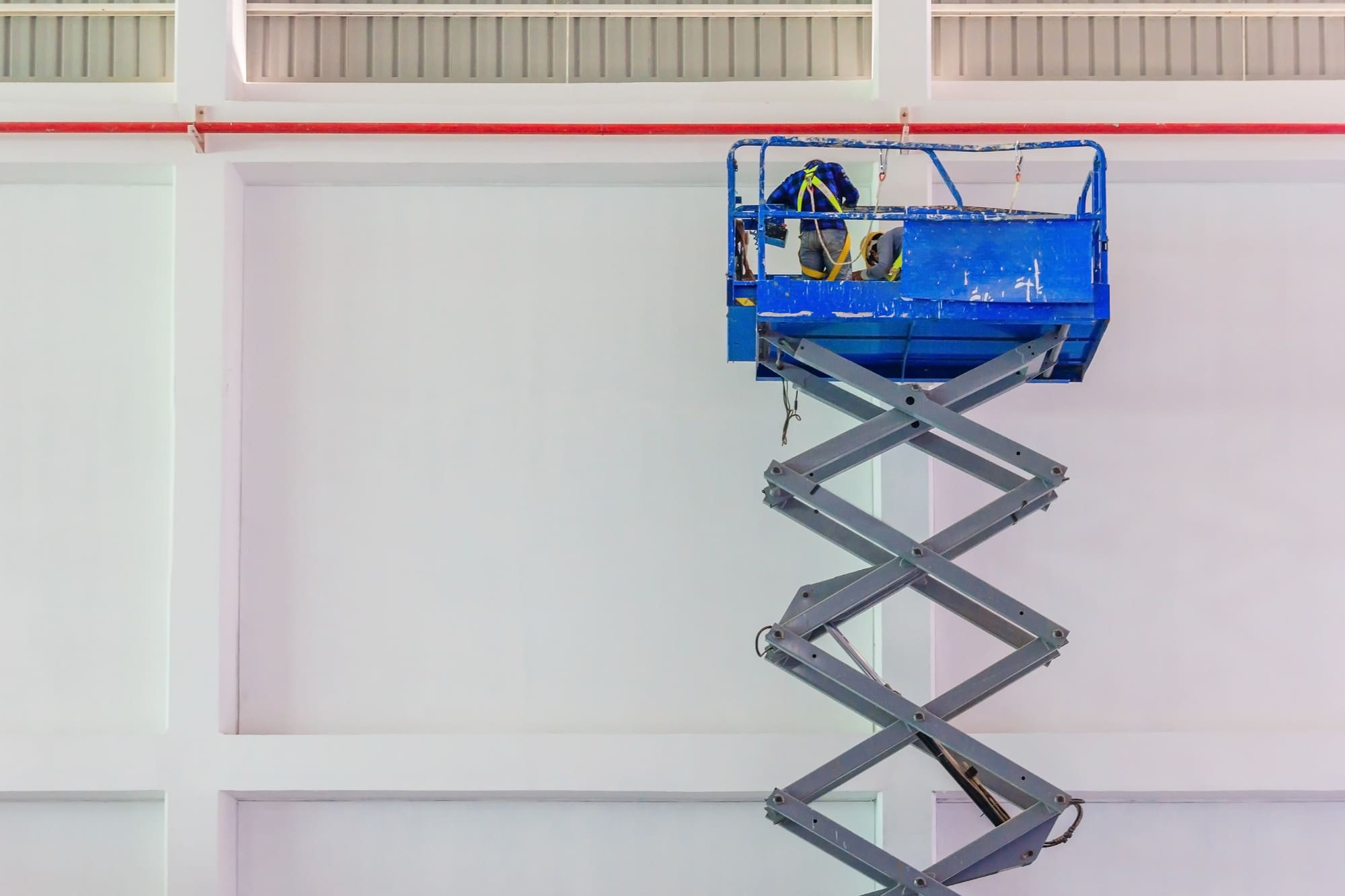
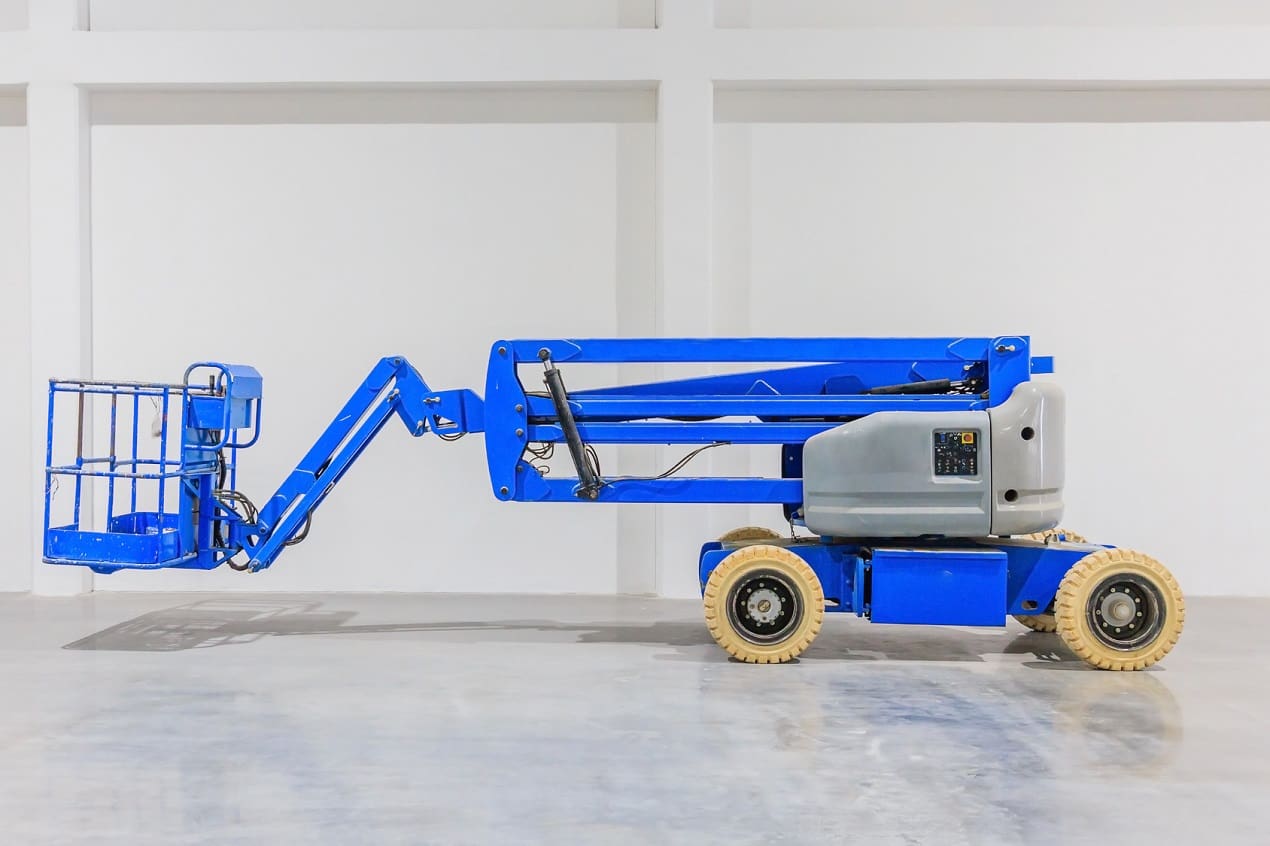
    In the process of growth, a business may require heavy equipment to facilitate expansion. Most heavy equipment can be expensive hence requiring a lot of consideration and comparison of available options. Most companies at this time face the dilemma of whether to buy or hire equipment. The problem is that hiring may be expensive in the long run but buying, on the other hand, can lead to future cash flow problems. Every option has its advantages and disadvantages, and businesses are left to weigh the best option for them. Below are some of the factors that companies can consider before deciding on the best option.


    How is your Current Financial Situation?

    Equipment purchase is a major investment that requires money. A company that has the required capital can purchase, but others can only afford to rent. Companies try to avoid massive spending to prevent cash flow challenges, but the cost of renting can also accumulate o huge figure over a long period. Renting equipment for a long time can end up costing more than buying, especially if it is idle for most of the time. There are also cheaper options such as buying quality used equipment which may be less expensive than both renting for a long time and buying new.

    What is the length of the Project?

    The length of the project driving you to buy the equipment is another factor to consider. If it is a short-term job or the equipment is needed for a one-off job, renting is the best option. Buying a machine for short period project or for a specialized one-time job means that the machine will lie idle after the project and your money will be lost.


    If the job will take considerable time or you frequently get similar jobs requiring that machine, then buying can be a good option. One way of ensuring that you get value for money is by purchasing multi-purpose machines that can work efficiently in different projects. Renting a machine for a long time ends up to be expensive than buying, plus you end up without an asset.

    Can you Maintain the Equipment?

    Most heavy-duty machinery comes with an additional maintenance cost, which may be the role of the owner in some renting agreement. Some of the complex machinery requires trained experts to operate them, and you may not have such people in your company. The best choice if the cost of maintenance is very high is to rent and avoid such costs. Hiring the machinery from trusted companies such as Miles Hire, means the machinery is already professionally maintained to a high standard.


    Is financing option Available?

    Owning equipment without paying the huge amounts upfront is an advantage to companies. Financing can help you buy equipment and spread the cost over some time. The advantage is that you pay in low amounts similar to renting and end up with owning the machine at the end. You may pay more than a one-off purchase, but you will save your company from the risk of cashflow problems. Note that financing requires a good credit score and financial capability to repay the debt.

    Comparison between the cost of buying and the cost of renting

    It is essential to calculate the total cost of renting and compare it to the cost of buying. You also have to add up extra cost such as insurance, licencing fees to the buying cost. An equal, slightly higher and lower price of buying means that buying will be better than renting. Renting is the best option if the cost of renting for the given period is more economical than purchasing.

    How are your fleet management and inventory control capability?

    Some companies may have the financial capability to purchase machinery but lack the systems and skills to manage them. The choice of buying such equipment is tricky for these companies because it must be accompanied by putting management systems solutions in place and hiring the required personnel. Such companies can choose to rent and avoid the stress of accomplishing everything that accompanies the equipment.

    What is your Budget?


    A company’s budget is also crucial when deciding whether to rent or hire equipment. Equipment purchase needs huge sums of money which only large companies can afford. Small businesses, on the other hand, may not have enough money to buy upfront and therefore end up renting.

    What are the pros and cons of either option?

    Both options have their advantages and disadvantages, meaning companies should choose the option that favours them the most. Buying has the benefits of ownership and saving in the long run, but it comes with the disadvantage of additional costs of maintenance and employing operators. Renting can be expensive over a long time, and you end up without owning a product, but it has the advantage of affordability, avoiding service and maintenance cost and getting support and advice from the owner. 

  • Why You Should Invest in a Smart Home and How They Work

    Why You Should Invest in a Smart Home and How They Work

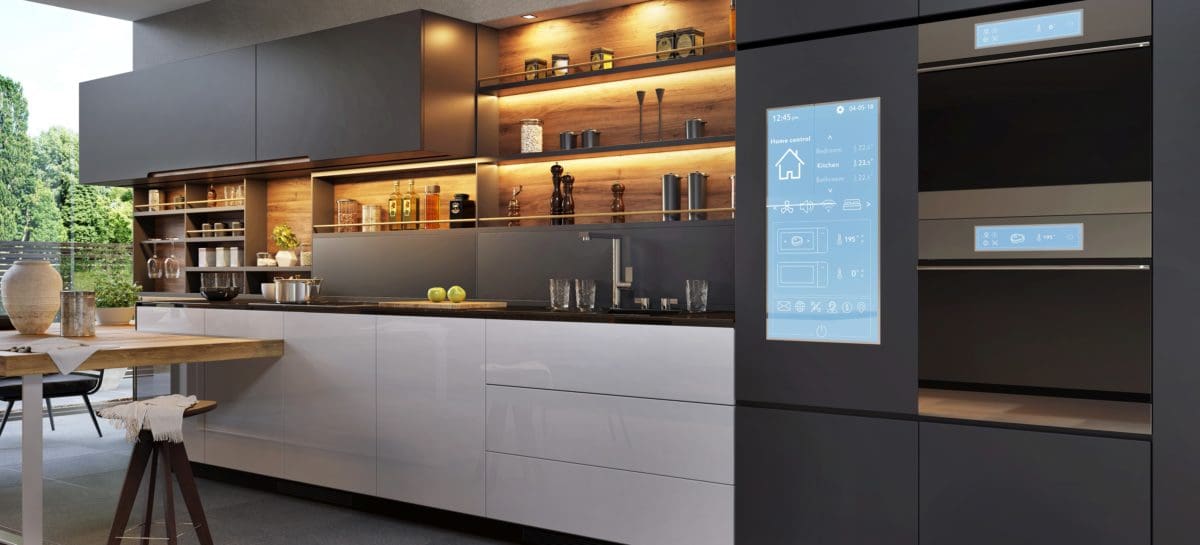
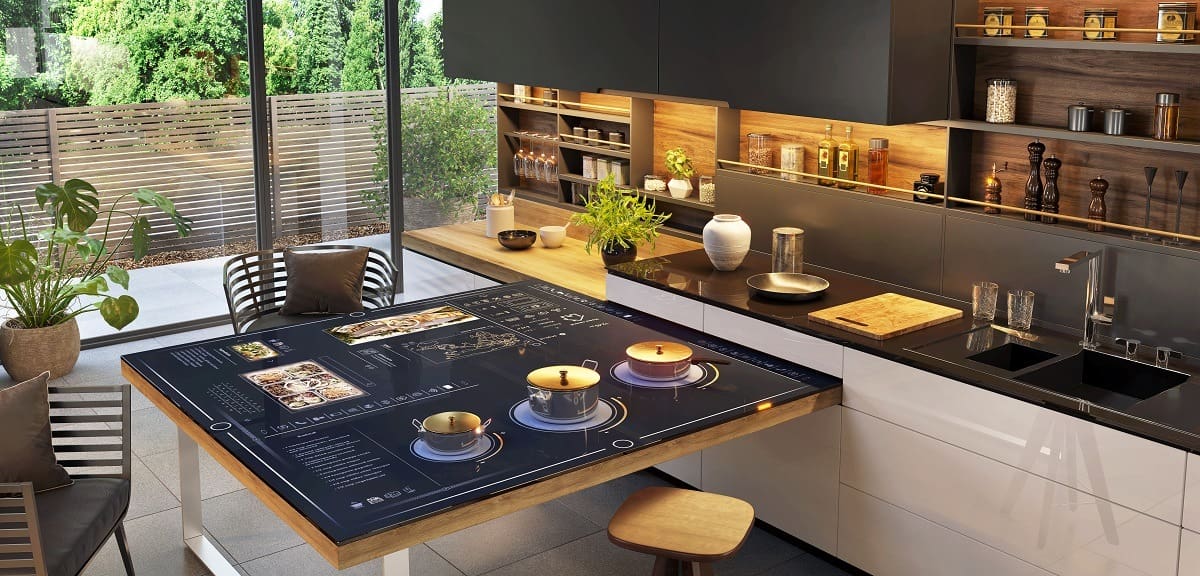
    Technology is changing our lives every day. One of the latest big tech trends has been advances in the Internet of Things – technology that allows devices to communicate with each other. There is a growing market for smart, automated households for improved comfort and convenience.

    A smart home has a lot of advantages:

    • Convenience
    • Enhanced security
    • Reducing household chores and work
    • Instant entertainment
    • Increased comfort
    • Monitoring and safety

    Here’s what you need to make your home smart.

    A Smart Home Hub

    The smart home hub is the nexus of your home – a centralized way of interacting with the automated devices that make your life easier. Systems like Samsung SmartThings Hub and Amazon Echo make it easy to connect your other automated devices by WiFi. This is your central command.

    Energy Efficient Homes

    It may not be as flashy as a fridge that can do your groceries for you, but energy efficiency should be your first step in building a smart home. Energy Star Certification means that a building uses superior construction materials and appliances that will significantly reduce your household’s power consumption.

    If you’re in the market for an Energy Star Certified home, visit Blythwood Homes, home builders who specialize in high-quality homes and custom homes, including buildings with Energy Star Certification to save you money. Energy Star will keep the costs of your high-tech home under control and improve comfort.

    Home Entertainment

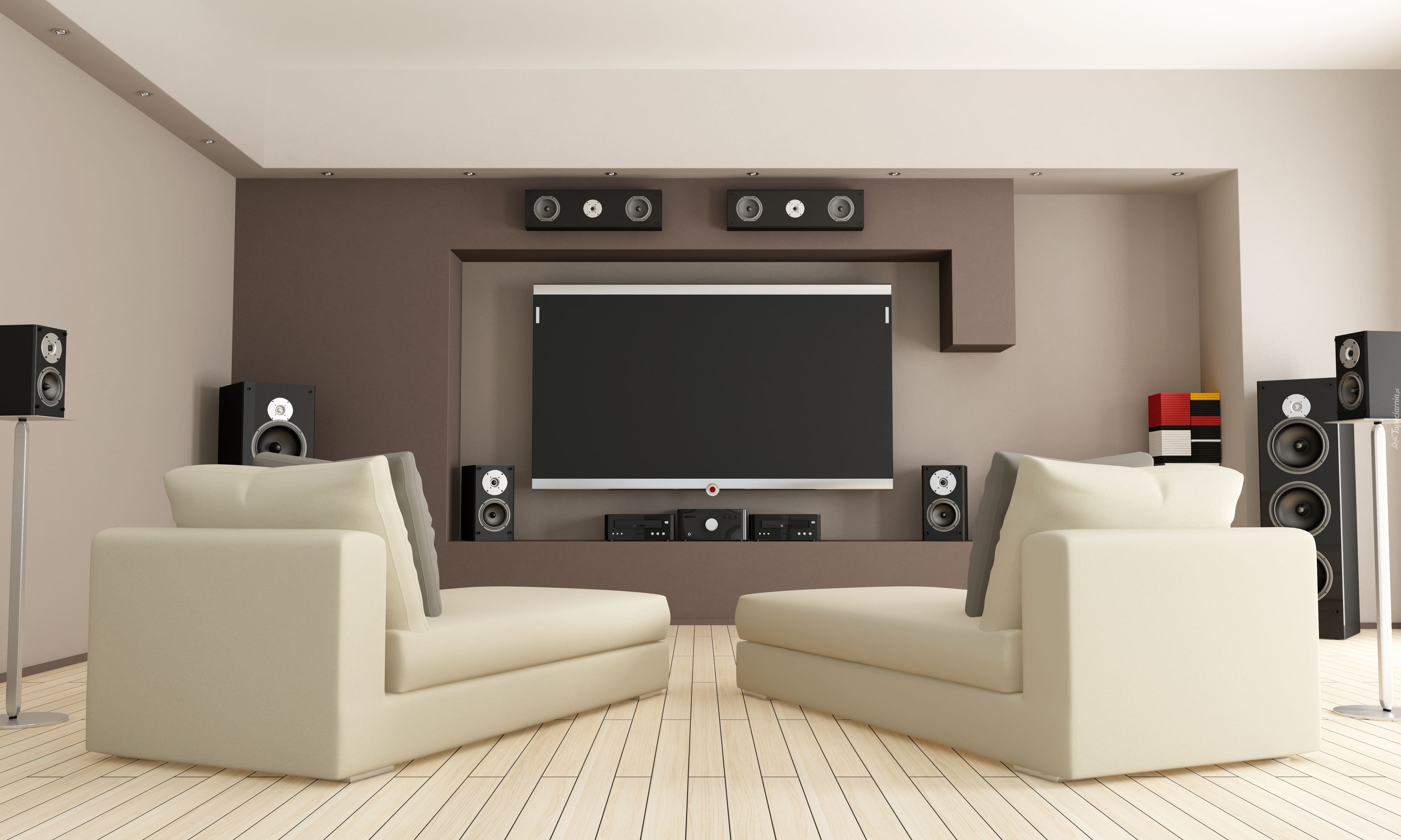
    SmartTVs and speakers dominate home entertainment. New technology has made voice and gesture recognition possible, allowing you to control music, TV, and movies from just about anywhere in your home. Smart speakers are a great option for anyone who loves hosting.

    Automated Pet and Plant Care

    Can’t get home in time to feed the cat? Automatic feeders make pet care a cinch. When it comes to planting care, timed watering means you’ll never forget to water the houseplants. These are great options when you’re out of the house a lot and too busy to keep up with it all.

    Home Security

    Home security is one of the biggest reasons people invest in smart homes. There a number of home security features that can give you peace of mind, whether you’re at home or out:

    • Smart locks and garage door openers to control who can come in and out of the house;
    • Security cameras connected to your phone that let you monitor your home when you’re out or on vacation;
    • Motion sensors that can automatically inform authorities if there is an intruder.

    Climate Control

    It’s the middle of winter and freezing out there. Your commute is a perilous one, and when you get home, you’ve still got a driveway to shovel out before you can actually park. Smart climate control lets you automate settings so that you can both save on money and keep your home perfectly comfortable when you get home, wake up, and go to bed.

    Smart homes are about automated luxuries. They may not be necessities, but they sure make life a whole lot easier. From waking up to coffee already made fresh to climate control that makes your home perfect before you even get home, smart homes add a touch of luxury to life. 

  • How to Work With a Construction Expert Witness

    How to Work With a Construction Expert Witness

    Before considering how to work with a construction expert witness, you should first determine whether or not the services of an expert witness are called for, and whether they would help to make the case clearer to the judge and jury. In situations that involve a very complex or technical issue, the likelihood is that neither the judge nor most of the jury members will have a deep understanding of the various aspects of the case. This is exactly when an expert witness can be most helpful, especially if they have the ability to take a complex issue and explain it in simple and straightforward terms so that everyone can have some understanding of the core facts.

    Another situation that may call for an expert construction witness is one where there is an issue involved which only an expert would be able to speak to, for instance, whether faulty construction methods were used on a project. There are many more issues just like this where a construction witness would be extremely helpful because of their knowledge and experience. When any of these issues come into play, it’s definitely worthwhile to bring in an expert witness who can shed light on an issue that might otherwise be complicated and confusing to the participants.

    Why a Lawyer Should use a Construction Expert Witness

    There are a couple of reasons why a lawyer should seek the help and support of an expert construction witness. The first of these is when the lawyer herself has little or no knowledge of the issues involved in a case that involves some aspect of construction work. Trying to argue a case such as this before a judge and jury will always expose a lack of knowledge, and that is an undesirable situation to place oneself in during litigation.

    On the other hand, enlisting the aid of an expert construction witness can provide powerful support in bolstering up your case, and can help shed some light on otherwise complicated issues. It is also a smart idea to bring in an expert construction witness when outside circumstances rush the case, meaning you don’t have as much time as you would like to prepare, and you lack the expertise yourself to develop a strategy involving construction litigation on such an expedited timeline.

    It is much more beneficial to pick the brain of an acknowledged expert and have that person be a strong advocate and representative for your legal position. This approach also has the added benefit of allowing the attorney more time to focus on other important aspects of the case, so nothing gets overlooked and the case can be pursued fully.

    What to Look for in a Construction Expert Witness

    In some situations, a lawyer will simply contact an agency for the purpose of connecting them with a competent expert construction witness, thereby saving time and simplifying the process. However, many lawyers also choose to make their own personal selections for witnesses, so they can maintain control of the entire litigation process.

    When you’re seeking your own witnesses for litigation, there are some characteristics you should be on the lookout for so that you can make the right choice. First of all, you should work with someone who has very strong credentials, so that the judge will be satisfied with their expertise, and so opposing counsel will likewise have no objections.

    Then, you must be sure that your expert witness has a solid working knowledge of the crucial factors and elements involved in your particular case. Lacking this kind of knowledge and understanding, a professional witness would be of little use to your case, and would not add value to the proceedings, or at least would not add sufficient value to justify their inclusion in the litigation.

    Another thing you should be aware of when seeking the help of a professional construction witness is that it is ideal that you bring this person on board as soon as possible. This will give your expert witness time to review all the crucial elements of the case and to offer their expert opinion about each of these elements. In turn, that will give you more time to prepare your case and to strengthen your arguments before the judge and jury. 

    In the ideal situation, you might be able to find an expert who has had years or perhaps decades of experience and knowledge in the precise area which is being litigated. It would also be helpful if your expert construction witness has some kind of background in human factors, so they would have an understanding of why certain actions are undertaken, why deadlines are missed, why safety features are needed, or why neglect might have become a factor on any kind of construction project.

    Final Thoughts

    After it has been determined by an attorney and his/her client that an expert construction witness would be beneficial for the case, it will be necessary to go through the process of finding the right person to support your case. This will invariably call for a period of research where you seek out industry experts who may possess knowledge of the area in question in your particular case.

    As mentioned above, you could also work with an agency that might connect you with a number of witness candidates, but if you take that approach, you would be relying on the agency to provide you with suitable candidates. When you’re pressed for time in finding expert construction witness, you may be obliged to go the agency route, simply as a means of saving time and hopefully finding the right person.

    Regardless of how you select your candidates, you should devote a significant period of time to interviewing each candidate so you can be sure that the one you choose is in fact, an expert construction witness in the area being litigated. During this process, you will have to verify that not only is the candidate’s background is acceptable to you, and that it will satisfy both the judge and opposing counsel.

    If you can find someone who is well respected within the industry and has a reputation of honesty, that will be even better for your case. Having an expert construction witness can be a powerful advocate for your case, and might just influence the judge and jury enough to help you achieve a favorable outcome.

  • 3 Reasons You May Need a Water Leak Detection Specialist

    3 Reasons You May Need a Water Leak Detection Specialist

    It might not be something anyone admits to – but there are some interior design problems that can be safely ignored.

    Maybe the pipework under the bath could be tidier – or maybe you’ll get away with painting over that wallpaper instead of stripping it and tidying up the wall.

    We’ve all side-stepped time-consuming issues – but there are some issues that just cannot be ignored, and water leaks are at the very top of the list.

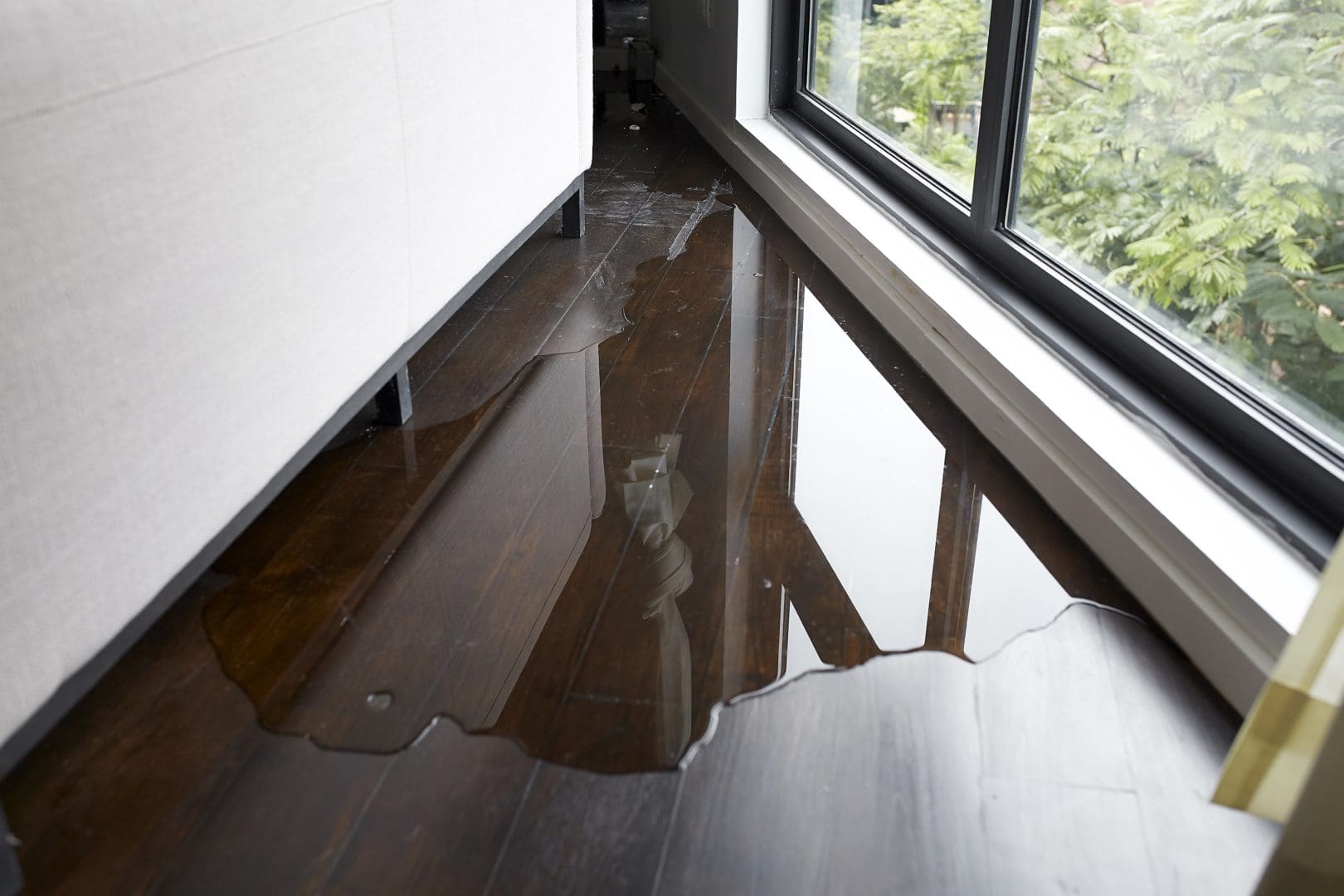
    If you suspect you’ve got a leak, it might be time to call in a leak detection specialist – but first, it’s worth understanding some of the symptoms that might suggest you’ve got a leak…

    Mould

    Mould is probably one of the most unsightly guests that water can invite to our homes. Whether it’s fine pale powder or stubborn black stains, mould always needs a source of moisture to take hold – and that can often mean you’ve got a leak you didn’t know about.

    Generally, if mould is around your windows or in a bathroom area where you get a lot of condensation, wiping it away and ensuring good ventilation going forward will fix the issue. That said, when you start seeing mould in areas that should be dry, it’s important to do some further investigation.

    High water bills

    Increasingly, water bills are based on a home’s actual consumption, rather than the shared local ‘rates’ we used to pay. While actual use varies from house to house, your provider will usually be able to give you a rough idea of what you’ll expect to pay. If your actual bill is much higher, it could indicate that you’ve got a leak.

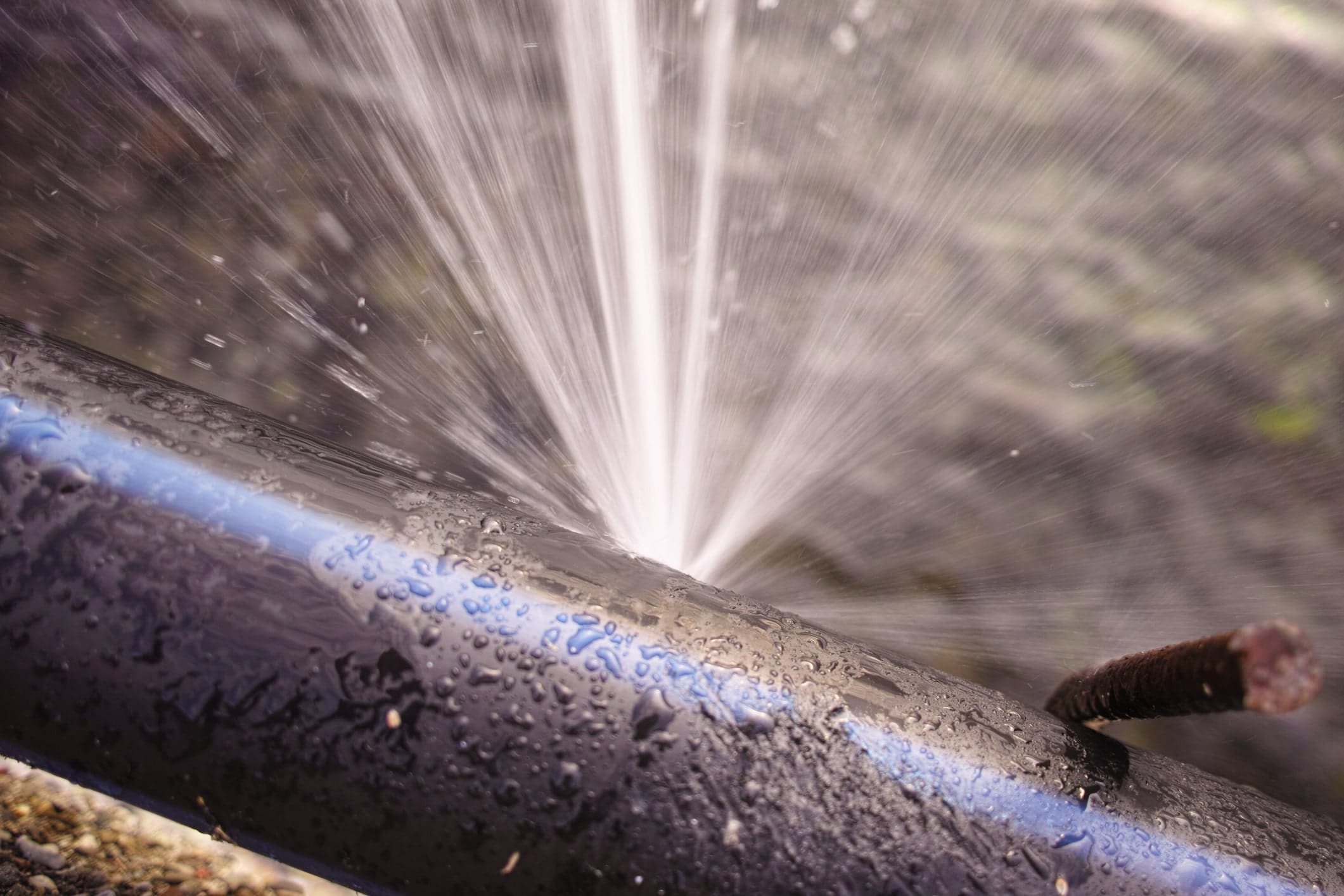
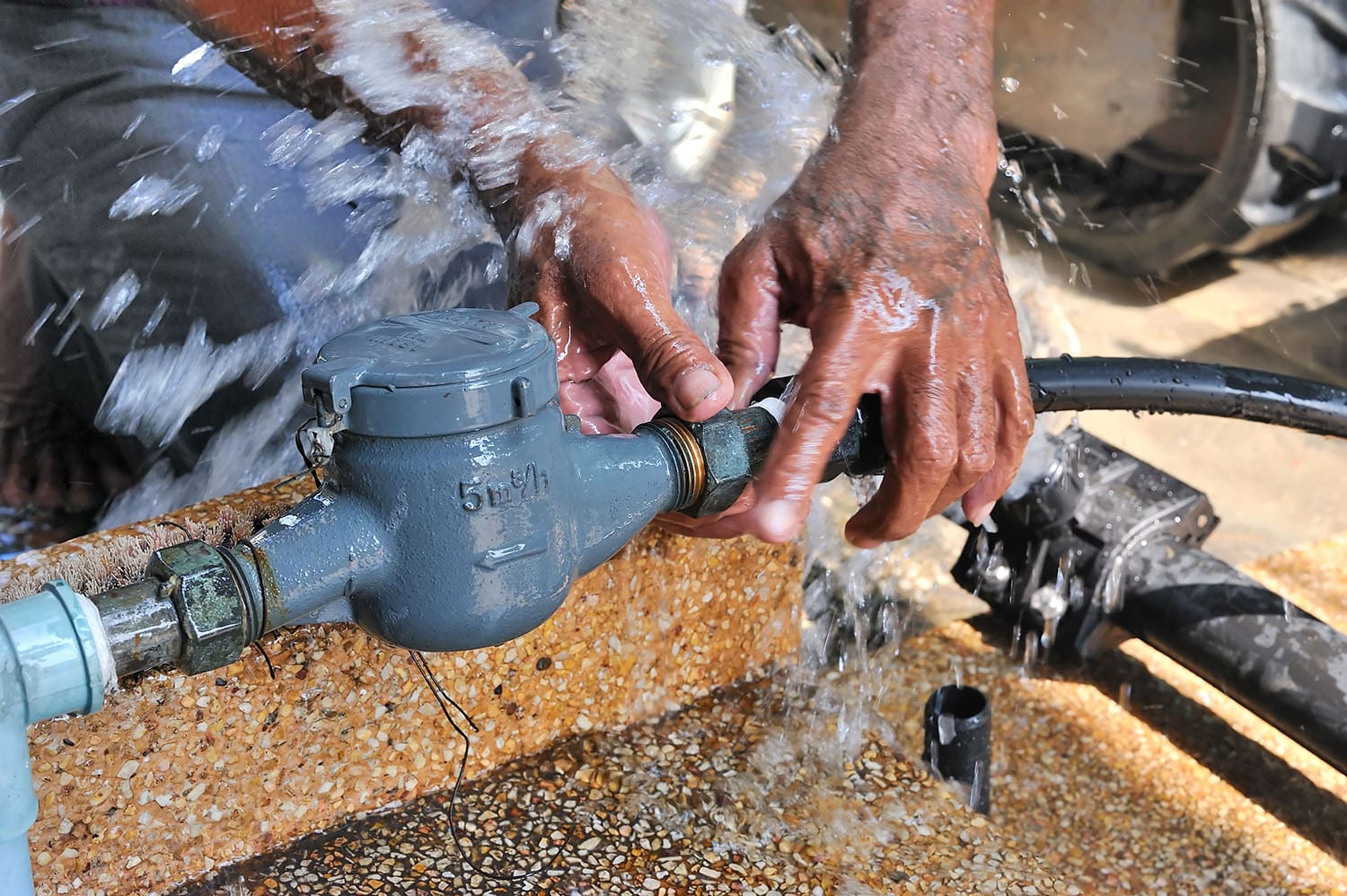
    We tend to think of leaks as pouring through the ceiling or spraying out from under the kitchen sink – but in fact, many leaks come from cracked pipework that runs under our homes, which means the water leaks without any real symptoms within the house.

    Staining 

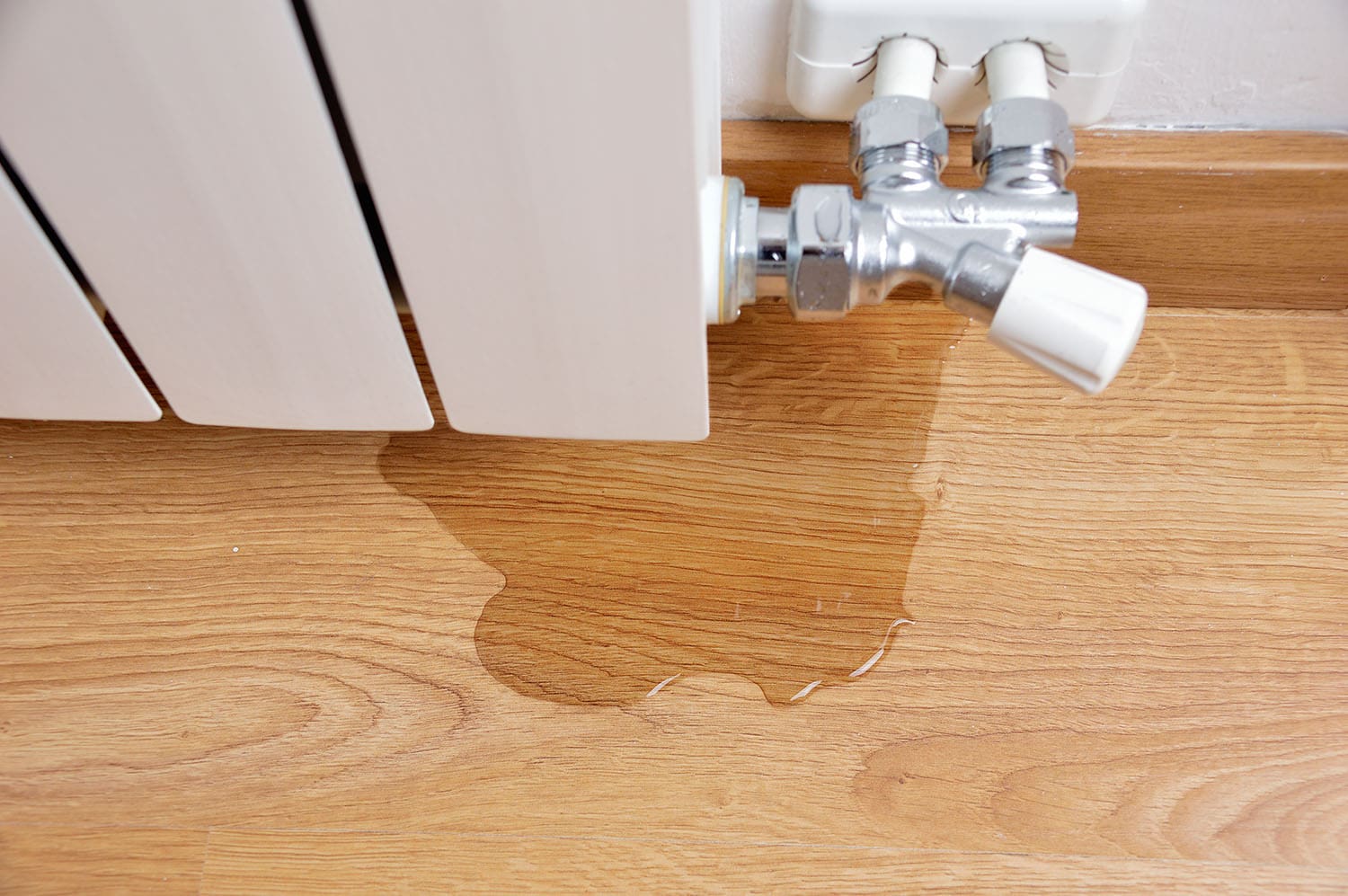
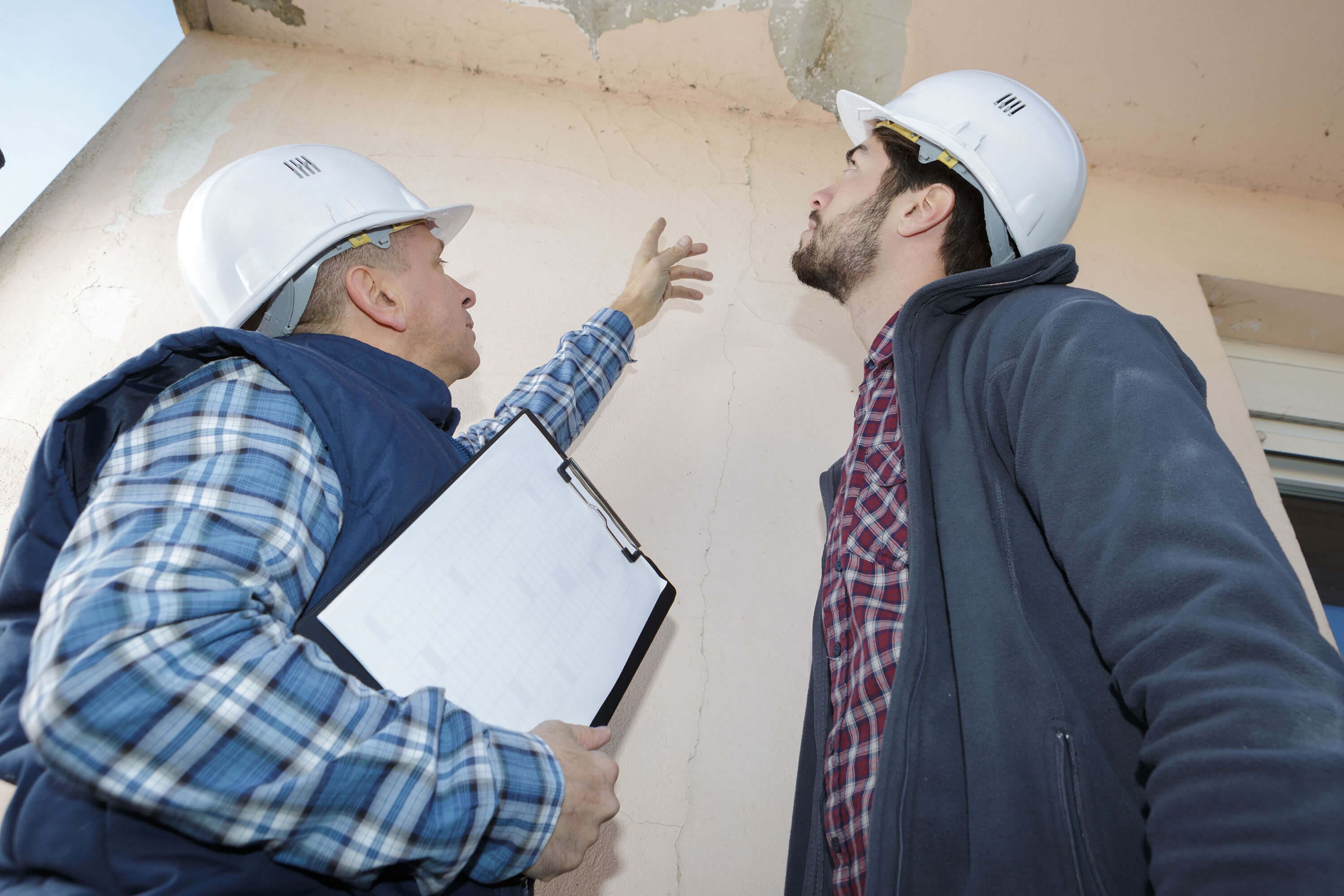
    Leaking water doesn’t always encourage mould to grow – but it will almost always leave a dirty looking stain on walls, carpets, ceilings, or most other surfaces it comes into contact with. Normally, these stains will simply be watermarks that are showing up in plaster or wood – but sometimes the leak can be from a waste pipe, which leads to an altogether more unpleasant kind of stain.

    If you see a mark develop on any of the ceilings, walls, or floors in your house, it’s important to seek a leak detection company’s help quickly, before the probably causes permanent damage.

    What does a leak detection specialist do?

    You could be forgiven for thinking a leak detection company will simply come to your home and start opening up floors and walls until they spot the leak – but actually, they work in a much more sophisticated way.

    Specialist tools like infrared cameras and acoustic leak locators generally mean that detection can be carried out without any invasive work – so you don’t have to worry that finding the source of the problem will make a mess. In most cases, you won’t even have to move furniture or carpets.

    If you’ve got one of the common symptoms of a leak, you should act sooner rather than later. No matter how much you wish otherwise, water isn’t a problem that ever fixes itself.

  • 35 Most Famous Landmarks in Europe With Incredible Architecture

    35 Most Famous Landmarks in Europe With Incredible Architecture

    Whether you’re a travel enthusiast or passionate about types of architecture or both of them, Europe has much to offer from fascinating history, artwork, amazing UNESCO World Heritage sites to remarkable pieces of architecture as old as time with gothic structures embellished with Baroque sculptures, ancient ruins and much more.

    Home to iconic man-made structures and outstanding landmarks, Europe still continues to impress its visitors and for certain, it will not disappoint you in any way. It has so many attractions, that it’s difficult to pick the best ones, so the list below does not want to be a ranking, but an enumeration in a random order of the most visited and appreciated ones.

    So, come with us for a virtual tour of the 35 most famous landmarks of Europe, which are at the top of the list when it comes to popular European countries.

    • The Eiffel Tower in Paris, France
    • The Acropolis of Athens, Greece
    • St. Peter’s Basilica at Vatican City in Rome, Italy
    • La Sagrada Família in Barcelona, Spain
    • Big Ben in London, United Kingdom
    • The Pantheon in Rome, Italy
    • Palace of the Parliament in Bucharest, Romania
    • The Leaning Tower of Pisa, Italy
    • The Brandenburg Gate in Berlin, Germany
    • Hungarian Parliament Building in Budapest, Hungary
    • The Trevi Fountain (Fontana di Trevi) in Rome, Italy
    • The Alhambra in Granada, Spain
    • The Tower Bridge in London, England
    • The Charles Bridge in Prague, Czech Republic
    • Buckingham Palace in London, England
    • Mont Saint-Michel in France
    • The Mosque-Cathedral of Córdoba, Spain
    • Belem Tower (also known as the Tower of St. Vincent), Portugal
    • La Grand-Place, King’s House (or Bread House) building, Belgium
    • The Duomo di Milano, Italy
    • Peles Castle, Romania
    • Chain Bridge, Hungary
    • Ancient City Walls of Dubrovnik, Croatia
    • The Little Mermaid in Copenhagen, Denmark
    • Wawel Royal Castle, Poland (Krakow Castle)
    • Blue Domed Church in Santorini, Greece
    • Neptune and the Palace of Versailles in Paris, France
    • Windmills at Kinderdijk, Holland
    • Loch Ness in Scotland
    • Bran Castle in Transylvania, Romania
    • Stonehenge in the English county of Wiltshire
    • Atomium in Brussels
    • North Cape in Norway
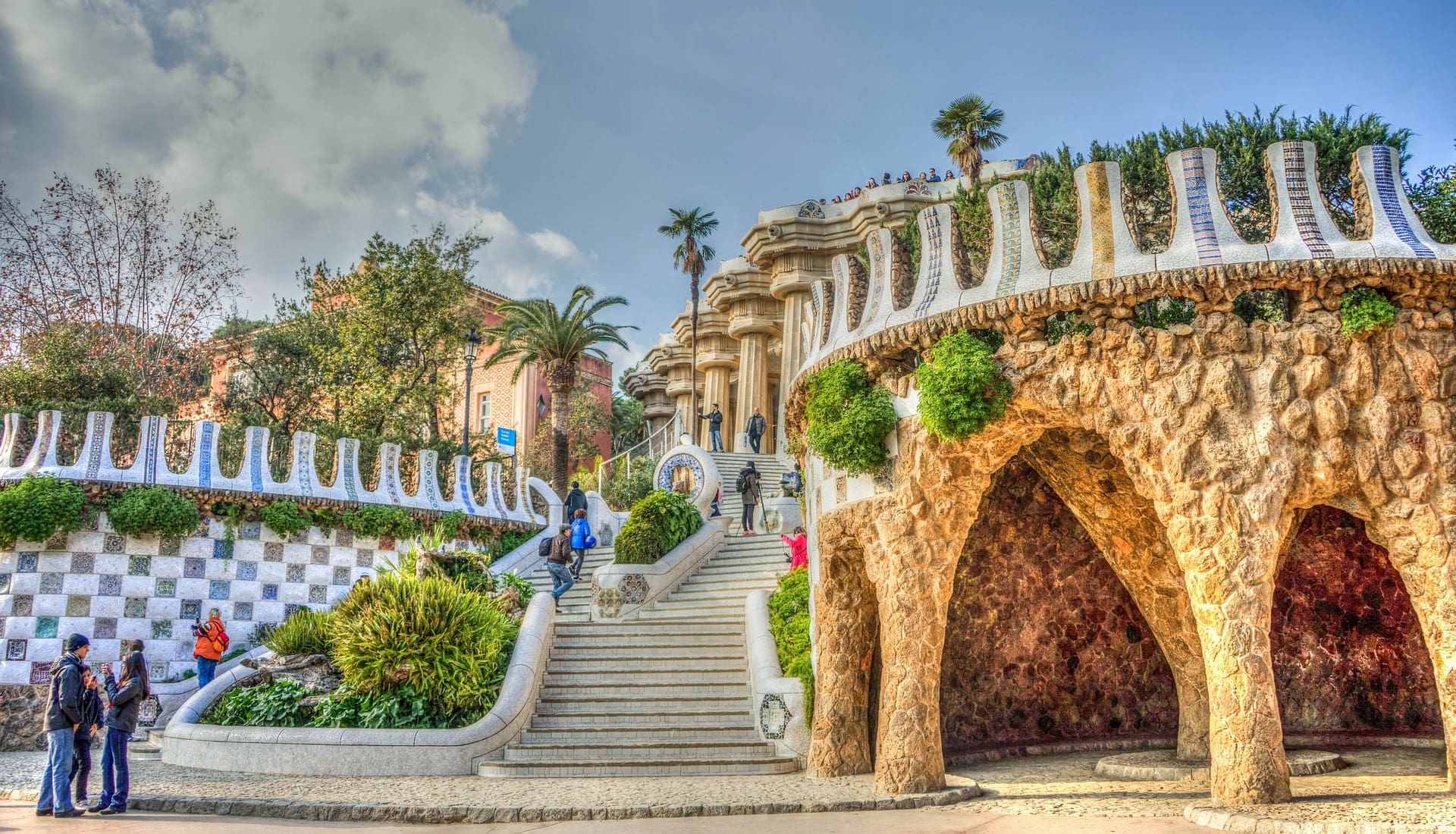
    • Parc Guell in Barcelona, Spain
    • Schönbrunn Palace in Vienna, Austria
  • The Best Apps to Make Interior Design a Lot Easier

    The Best Apps to Make Interior Design a Lot Easier

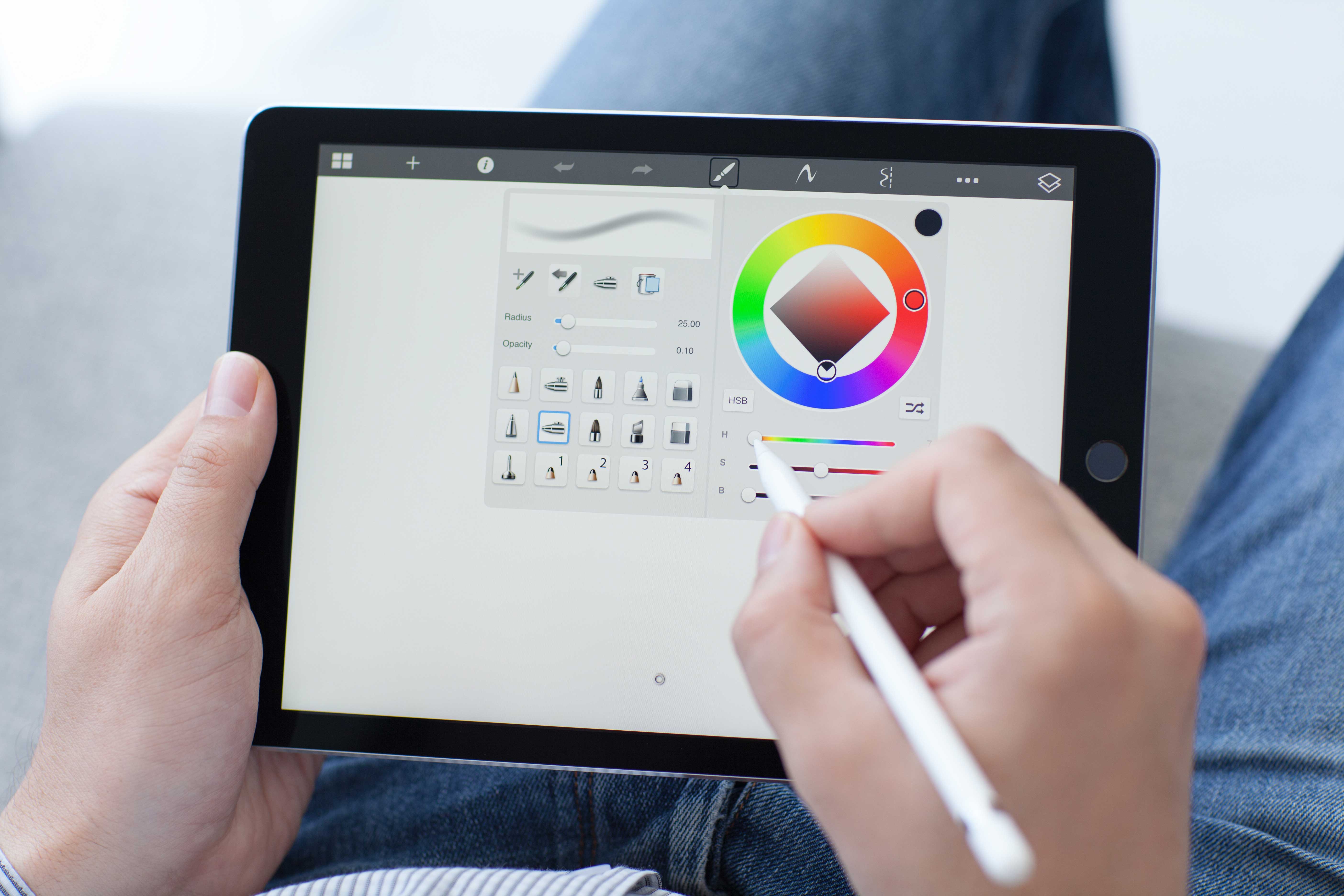
    In today’s world, so many aspects of our lives have been made easier with apps — and interior design is no exception. There are countless apps available that will help you with various aspects of giving your home a makeover, and some are better than others. So, once you’ve got comfy with your mobile phone or booted up your shiny new tablet, here are some of the best apps that you can download to your device to help out with interior design…

    Pinterest

    When it comes to the perfect starting point for your interior design journey, Pinterest is the app to head for. Out of all the social media, Pinterest is the one best suited to those looking for creative inspiration, as it provides an easy way to gather together images relating to a wide range of different topics — including interior design. When you find an image that captures your imagination, Pinterest makes it easy for you to locate other, similar images that will really get your creative juices going! Download the app, and all of this will be available on your mobile device — and given how widely-used the app is, you should be able to count on it working on a wide variety of devices, from Apple to Samsung.

    Dulux Visualizer

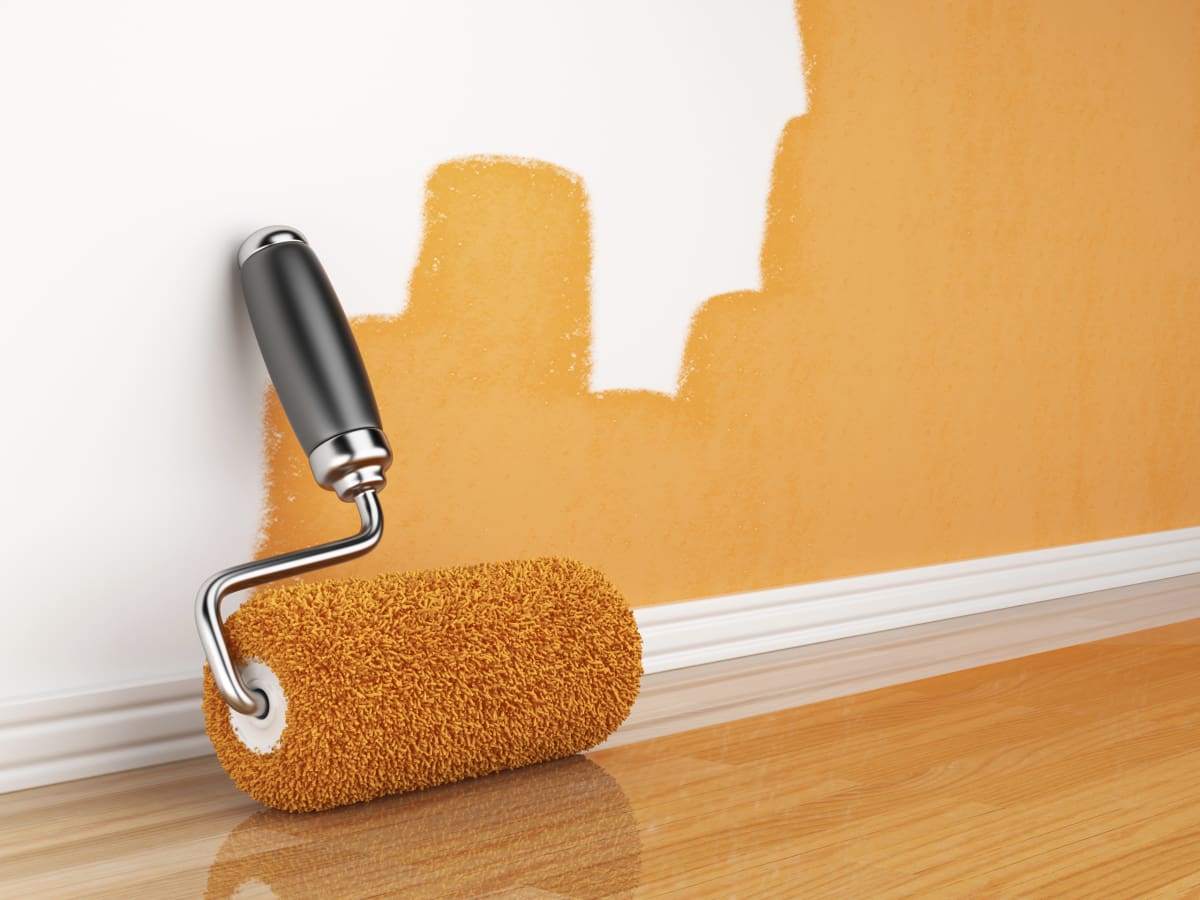
    If you are thinking of giving your home a new lick of paint, Dulux Visualizer will give you an idea of what it will look like, and also help you to choose a colour.

    The app uses your device’s camera to show you a vision of your home with the colour of the surfaces altered; you can choose from a wide variety of colours and apply them to many different surfaces, and even order paint testers to be delivered to your home. It is compatible with iOS and Android devices such as Samsung tablets, but be warned that certain devices will struggle with the motion-sensor technology that the app runs on.

    Smart Draw

    SmartDraw is a useful app for floor planning. Using it, you will be able to build a virtual house in 3D, customising the size, shape and number of rooms and filling them with items of furniture drawn from a vast library of different assets. You will need to pay for the app once the free seven-day trial has expired, but if you have saved money on your phone with SIM only deals, then the additional fee to own SmartDraw should not be too much of a drawback.

    iArtView

    Every interior designer will know the value of hanging a few choice pieces of art around the home, but they will also know the potential downsides of choosing the wrong piece of art: a painting or design that does not fit the overall mood of the room can ruin it, and buying the wrong sized frame for your art can be even worse. Thankfully, iArtView is here to help. With this app, you can take a photo of your room and digitally add a painting of your choice (you can import images from elsewhere). The app will give you precise measurements, allowing you to find out exactly how much space you will need, how big the frame should be, and where the holes will need to be drilled.

    Havenly

    Finding a professional to help out with your interior design can be a chore, but it is a job made easier with Havenly. This app functions as a social network designed to link designers with potential customers: you upload a photograph of the room you would like to be altered, choose from a list of professional designers, and have a one-on-one conversation with them to make sure that they are the right people for the job.