Author: ION

  • How to Prep the Exterior of Your Home and Garden for the Winter Months

    How to Prep the Exterior of Your Home and Garden for the Winter Months

    As summer becomes a distant memory and we find ourselves deep into the cool weather, now is the perfect time to start thinking about what you can be doing to prep the exterior of your home and garden for the upcoming winter months. Winter can take quite a toll on the exterior of your home, which is why you want to take as many preventative measures as possible. This will help to ensure that once spring comes around the house and garden are in great shape and didn’t suffer too much during the cold harsh months.

    So what steps should you be taking? There are actually a number of things you can be doing in order to prep the exterior. Here’s a list that you can follow.

    Have the Gutters Cleaned and Repaired

    When it comes to the gutters, this is the exact time of year that they take a real beating. As the leaves fall off the trees, the wind kicks up, and debris blows around, the gutters can start to accumulate quite a mess. When this happens, it blocks the flow of water, which can then result in water damage, especially come spring during the thaw. So, before the weather gets too cold, it’s a good idea to have the gutters cleaned and any damage to them repaired.

    Cleaning the gutters isn’t exactly an easy job, nor is it particularly safe since you need to climb a pretty tall ladder. This is why it’s a good idea to call on a professional like Edward’s Enterprises that offer rain gutter cleaning and minor repairs. They will be able, of course, clean out all the debris that may clog up the gutters, but they can also clean out the downspout, seal the gutters, install rain gutter screens, divert water, and much more. All of this will help ensure that the spring thaw doesn’t result in water damage in your home.

    Check for Leaks in Windows and Doors

    This particular job will likely require you to investigate indoors and outdoors. You want to walk around all the windows and doors in the house and take a look at the weather-stripping and caulking. Make sure everything is intact to prevent drafts from occurring. If you do find cracks and gaps, then you can go ahead and make the repairs.

    Ensure that Your Roof is In Good Shape

    If your roof is more than 10 years old, it’s a good idea to start doing regular checks. To do this you can walk around the perimeter of your home checking for loose slates and tiles. If you see signs of damage or wear, have a professional roofer come out to make the repairs.

    Put Away Loose Outdoor Items

    It’s also a good idea to put away any loose or lightweight items that are in the garden. These can easily topple over and break during the cold harsh storms in winter. If possible, store the items in a shed, garage, or in the home.

    Turn Off the Outdoor Plumbing

    In order to keep the pipes from freezing during the winter, you will also want to turn off the outdoor plumbing. After turning it off, make sure you drain the hose and lines so that there is no water sitting in it. You can then disconnect your hose and store it somewhere safe until spring.

    If you happen to have a sprinkler system, it should be winterised by late-October.

    Trim Broken or Loose Branches

    To prevent any damage to your yard or home, it’s also wise to trim any loose or semi-broken branches off trees and shrubs. In high winds, these branches can become projectiles and cause serious damage, and even end up hitting a person and injuring them.

    Rake Up All the Leaves

    While this isn’t exactly a fun job, it is a necessary one. Be sure to rake up as many leaves off your property as possible. When wet, these leaves can become extremely slippery. Also, they can blanket your grass, which prevents it from getting the moisture and sun that it needs to stay healthy during the winter months.

    Unfortunately, this is a job you may have to do a number of times before winter actually arrives. Tackling it once or twice a week helps to prevent the job from getting too big and too out of control.

    Change Out Lightbulbs
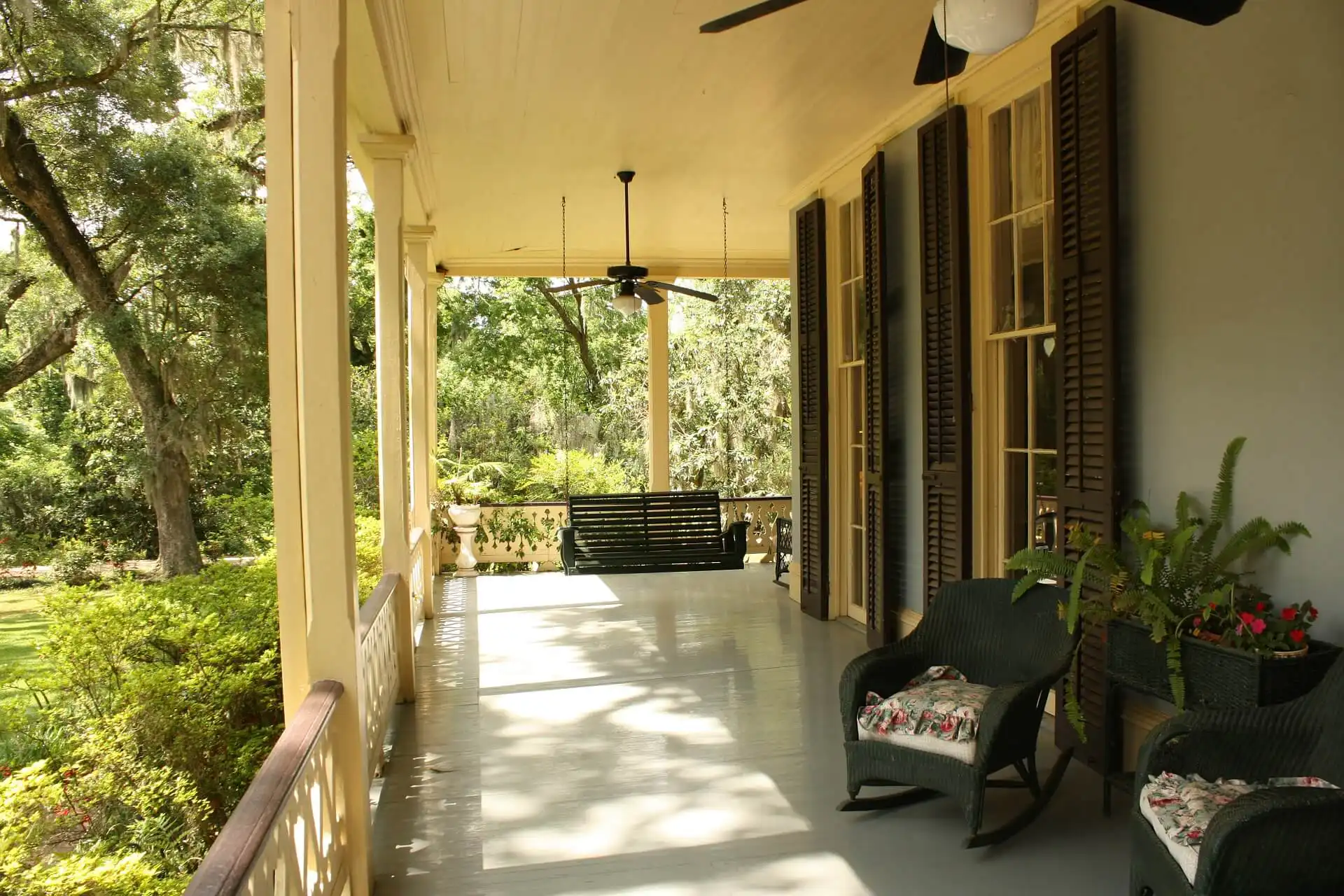
    This is also a great time to change all the light bulbs on exterior light fixtures. You don’t want to be fumbling around in the dark, and there’s nothing worse than having to stand outside to change a bulb in the middle of a winter storm.

    Your Home is Ready for What Winter Brings

    Each of these tips is designed to prep the exterior of your home to ensure that it’s well prepared for the winter weather that is just around the corner.

  • What Should You Look for in a Good Tradesman?

    What Should You Look for in a Good Tradesman?

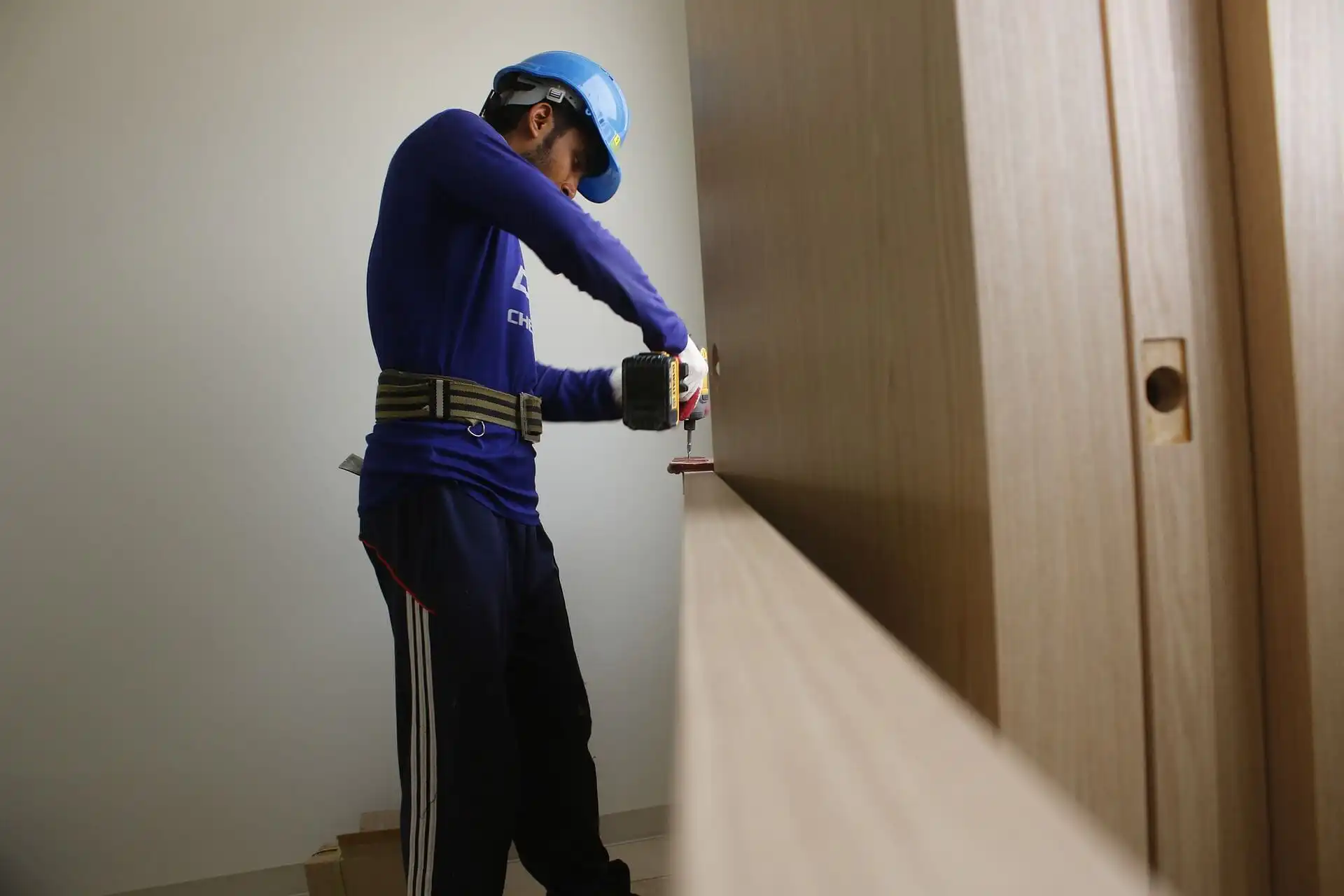
    Whether you want to build a new home, renovate an existing one or make much needed repairs, you always want to bring in a good, professional tradesman.

    Image by s m anamul rezwan from Pixabay

    The challenge for many is separating the wheat from the chaff. What should you look for in a good tradesman? We’ll give you a list of things to look for and how to know if the skilled tradesperson meets those standards.

    Experience

    Изображение annawaldl с сайта Pixabay

    A good tradesperson will have experience dealing with the type of project you want to have done in your home. Even when a general contractor hires subcontractors to complete specific work, they have to understand the type of work being done because they’ve done it before. They will know how to manage that kind of project and take responsibility for meeting quality standards and being on schedule. A side benefit of experience is that you’ll be able to ask for related references.

    Image by Emir Krasnić from Pixabay

    When you call the references, ask about any safety incidents they may have had, the quality of the work, the number of change orders that were necessary, the overall cost relative to initial quotes, and how well the schedule was met.

    And don’t accept just any references either. These have to come from recent clients. A good tradesperson should be able to give you contact information from five of their latest clients at least. If you just allow them to give you the references of their choice, chances are you’ll end up with a list of pre-selected favorable or incentivized clients.
    Feel free to ask about a contractor’s unique capabilities, but if it isn’t related to your project, then it isn’t a deciding factor when you’re interviewing a number of contractors.

    Image by 272447 from Pixabay

    Integrity

    Good tradesmen have integrity. They won’t overcharge customers and will do their research before issuing a quote. They do what they say they will, whether it is using the materials you paid for or keeping their original schedule. They don’t promise what they can’t deliver and are honest when mistakes are made or problems arise. They discuss the issues with you, and then they take action to rectify it. They won’t make changes to the project, the scope or the budget without clearing it with you. They’ll respect your property and dispose of trash properly.

    Resources

    Image by Germans Aļeņins from Pixabay

    An experienced contractor does not necessarily have a full network behind them. The best contractors have a strong network of suppliers and subcontractors. They’ll have qualified subcontractors for every common task they may need done. They won’t have to hunt for someone to provide a material or tool they need unless you’re truly seeking something exotic, and if that’s the case, they will be able to inform you of that issue and suggest alternatives.

    They will also have access to good in-house resources as well. They should have enough people on their team to finish the projects they take on within schedule without a need to go pick up day laborers or bring in un-vetted strangers.

    Another matter to consider is the financial resources the contractor has. If they’re financially responsible running their own business, they’ll manage the costs for your project well. They’ll have lines of credit or established relationships with suppliers. If they’re short on money, you run the risk of being billed by unpaid subcontractors or a contractor using your money to pay for another project in-work.

    Listening Skills

    Photo by Bidvine

    A good tradesperson has good listening skills. They listen to you when you describe the project. They can sketch out the design or outline the full scope of work, and then they take the time to verify that this is what you want. Your voice matters most. They won’t try to convince you to do what they want to do. If something you want cannot be done, they’ll explain why and offer alternatives that are similar.
    Another issue is how well the general contractor communicates with their team and any subcontractors they bring in. You may have explained your vision to the general contractor, but if they don’t have good communication with those doing the actual work, it is all for nothing.
    Insurance

    Image by bidvine from Pixabay

    While some bad tradespeople may have insurance, all good tradespeople have general contractors insurance. This insurance covers bodily injury, personal injury claims, property damage and judgements against them. All contractors should have a general liability policy; contractors benefit from additional endorsements like builder’s risk insurance, professional liability insurance, and workers’ compensation insurance. Specific indemnification requirements are required for most contracts. Verify that the tradesman has general contractors’ insurance and other types of coverage to minimize their liability and, potentially, yours.

    You must find a good contractor in order for your project to be a success. Taking the time to find a good tradesperson is worth it, since it will save you time, money and hassle.

  • How to Create the Perfect Home Office

    How to Create the Perfect Home Office

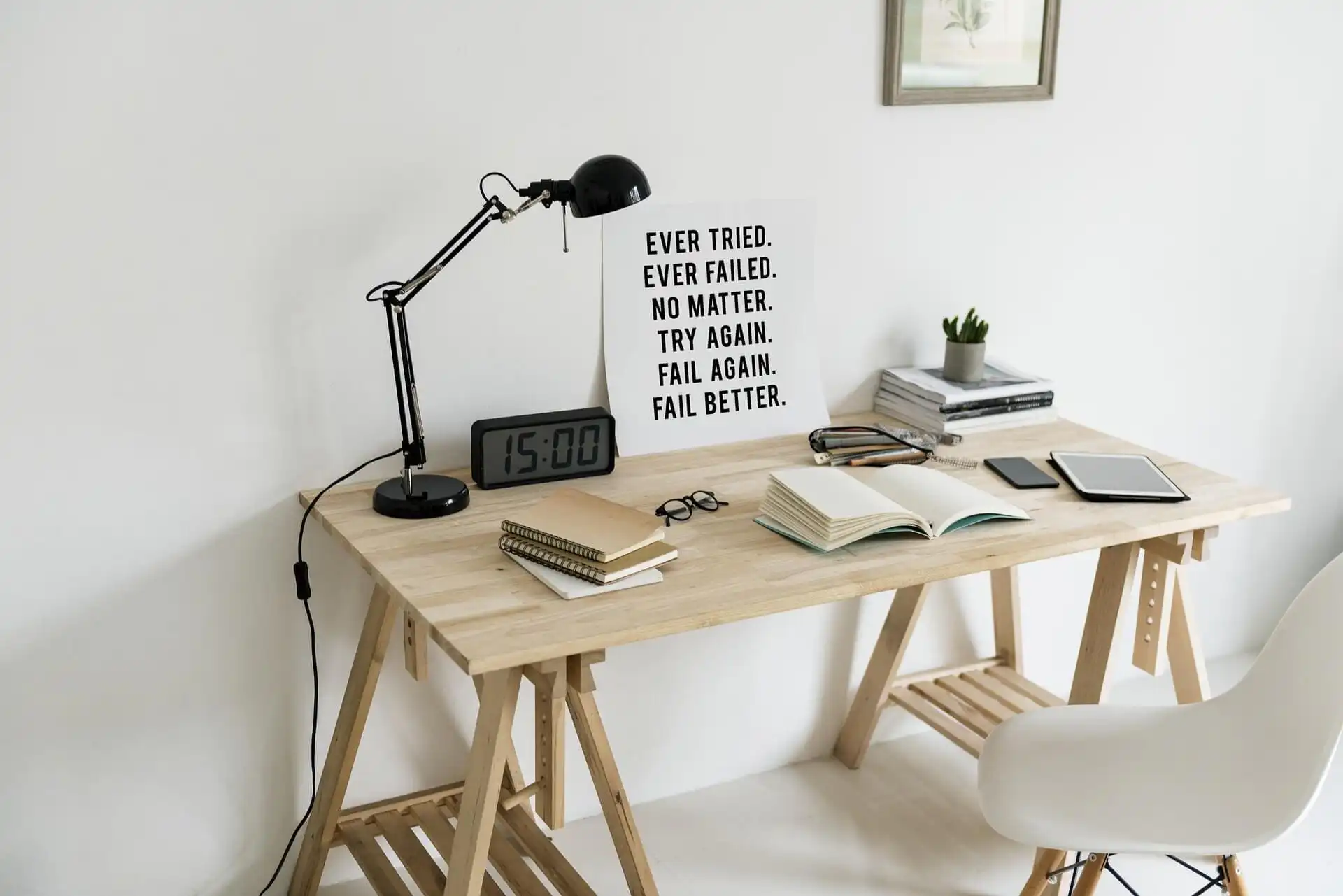
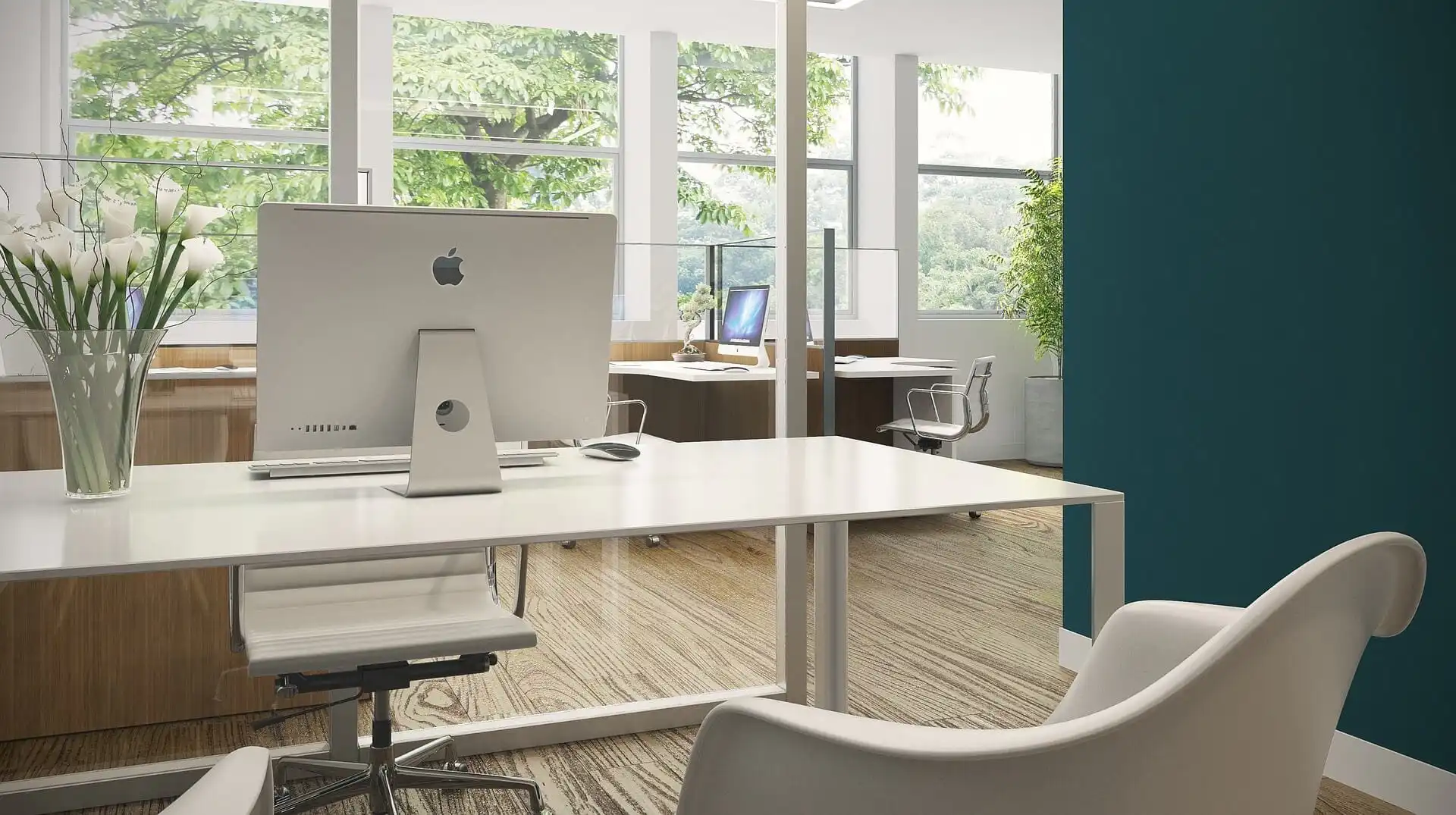
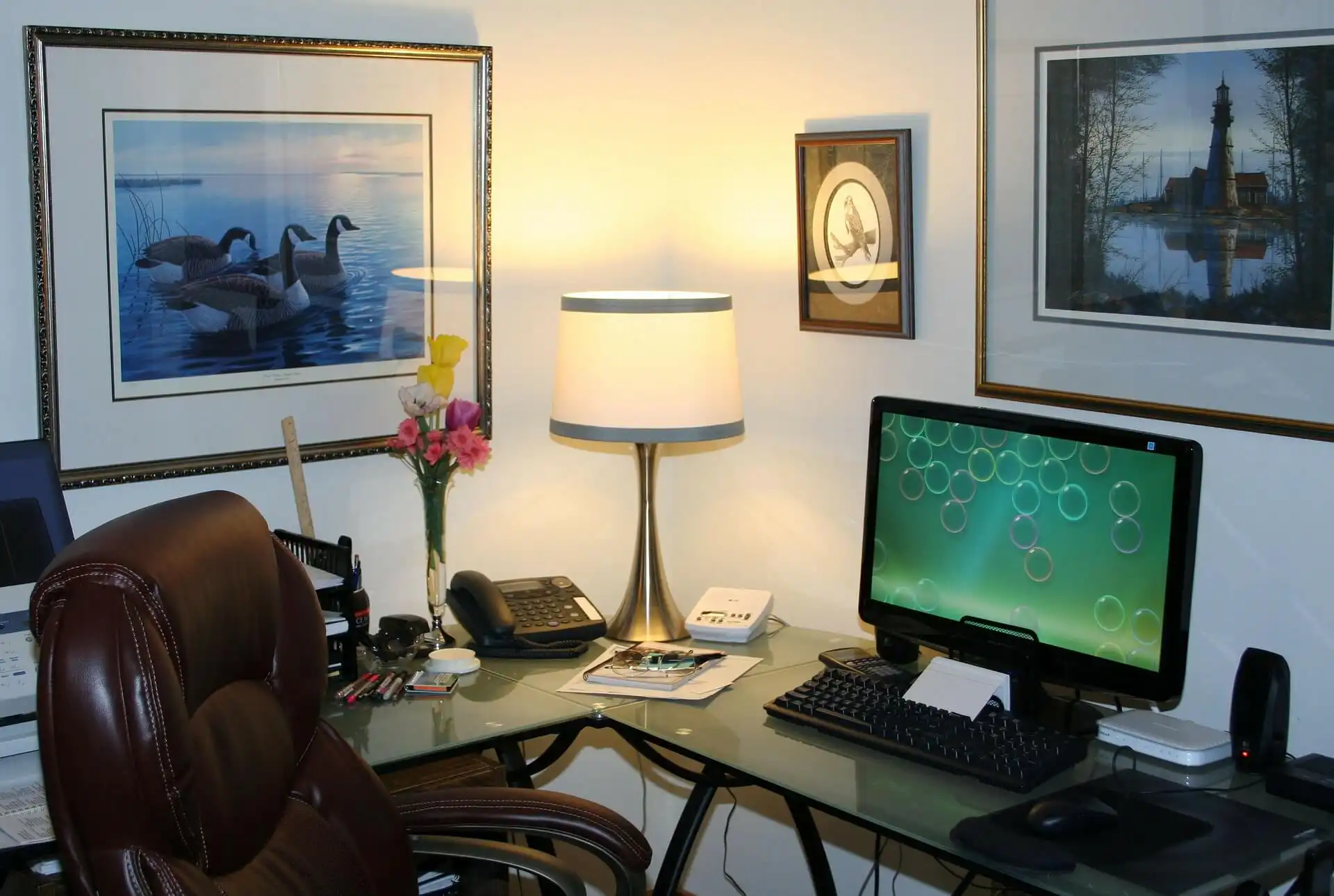
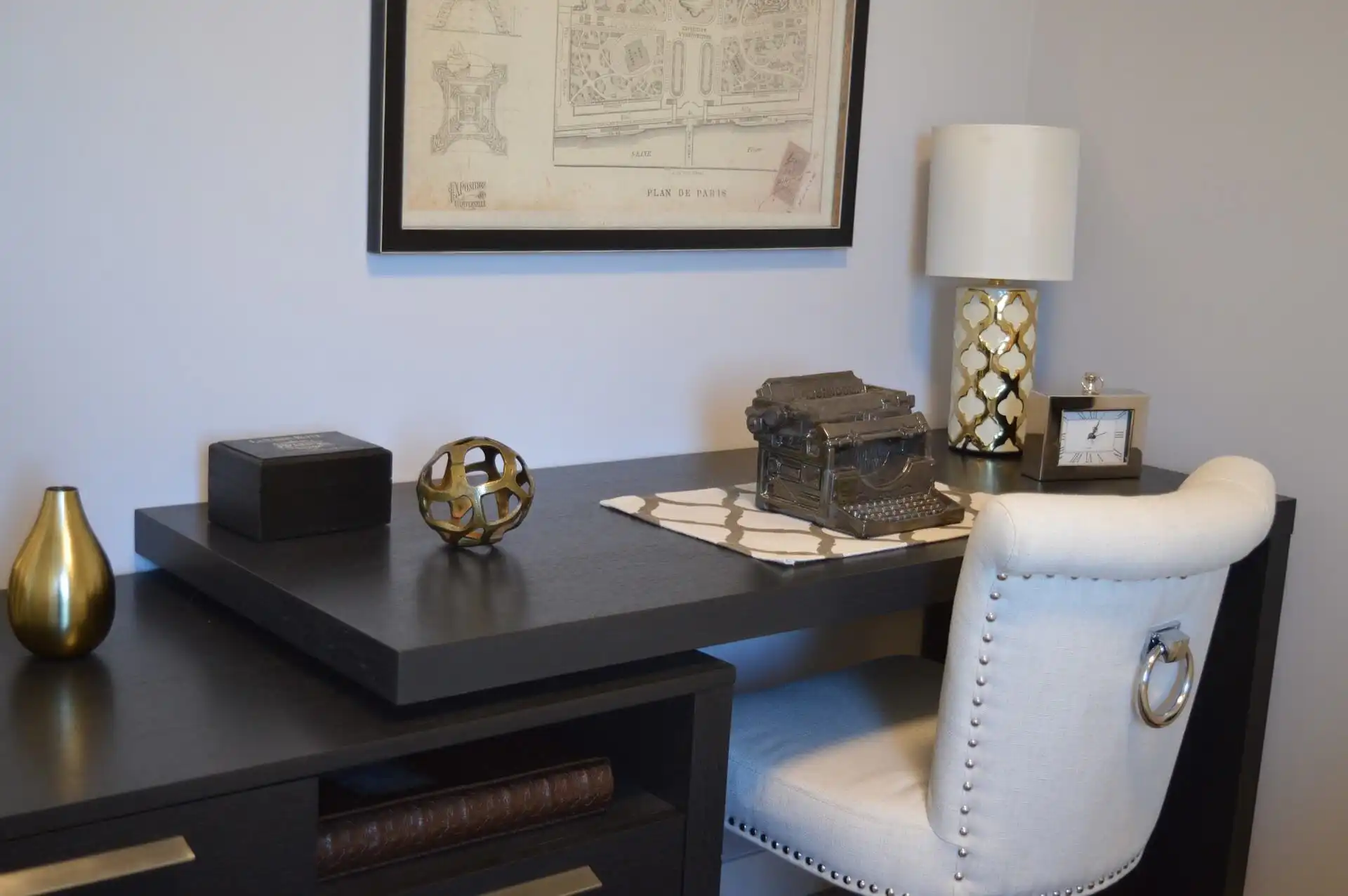
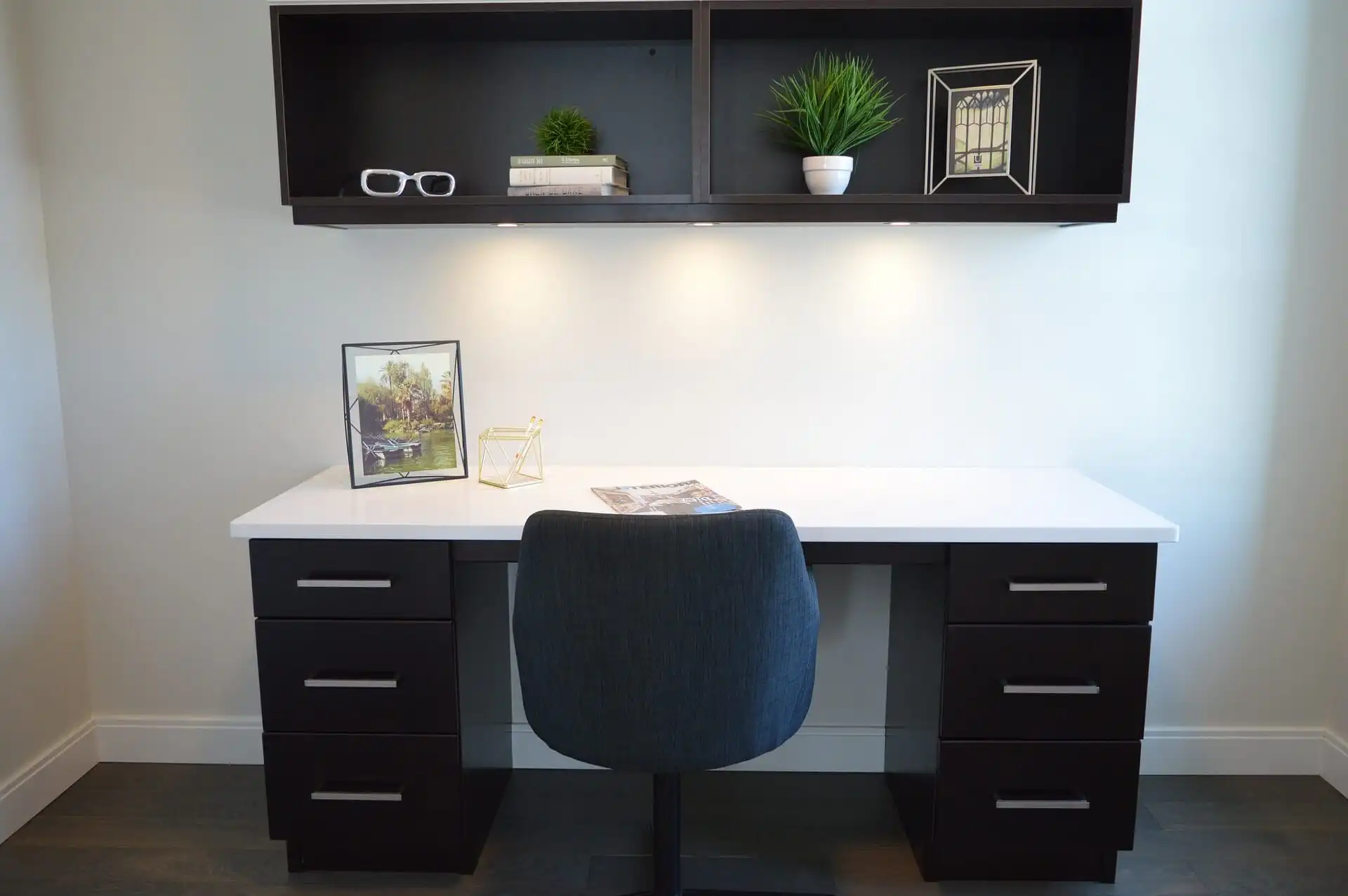
    There has been an increasing shift toward professionals working remotely lately, with more than 70% of the workforce working outside of the office at least once a week. On top of this, around 3.9 million Americans now work from home for at least half of their working week. Many people choose to work from home in an attempt to achieve the perfect home life/work balance. If you are one of those statistics or wish to pursue a career that allows you to work full-time from the comfort of your own home, it would be wise to set up a home office. A home office allows you to create a dedicated workspace that can also be shut away outside of office hours. Here are a few things to keep in mind to utilize the space to its full potential.

    Invest in Quality Equipment

    Obviously, a PC or laptop will be first on your list. However, don’t be tempted to go for the cheapest option in a bid to save money. Consider the different ways in which you’ll need to use your computer, as some tasks will require more memory, better graphics, or extra storage. If your job entails working on-the-go at times, a laptop would be your best bet. However, bear in mind that a cheaper laptop will need replacing far sooner than if you were to spend a little extra on an upgrade.

    Once you’ve purchased a computer, remember that you’ll need to install the relevant software, such as Microsoft Word or Adobe Photoshop, so factor those costs into your budget as well.  Other equipment you may need include a telephone, a printer and/or scanner, a backup drive, a shredder, and lockable storage.

    Redecorate

    If you’re fortunate enough to have a whole room dedicated to your home office space, you’ll need to think carefully about the design. If you leave the walls as they are, you run the risk of having a look that is too casual, which can impact on your productivity levels. There needs to be a clear distinction between the look of your home and the look and feel of the office.  It might be necessary to completely redecorate before you set up shop. Certain colors that work well in bedrooms and living rooms will not work well in a working environment. For example, blue is perfect for a master bedroom, as it can help to lull a person to sleep; this is obviously not a wise choice for your office. Go for subtle versions of yellows, reds, purples, or greens. Green is great for concentration, and purple is good for the imagination.

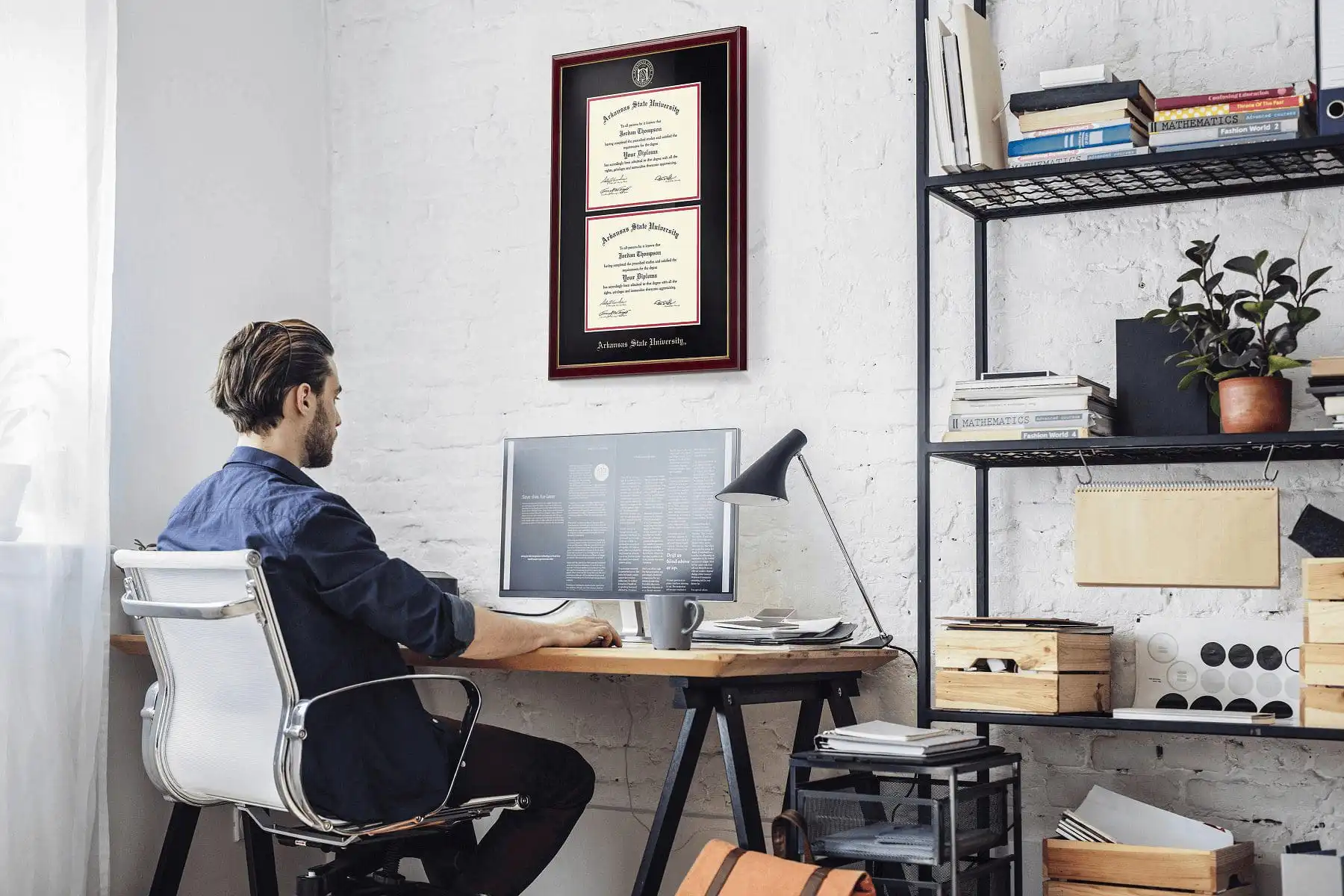
    To fill any empty space on the wall, hang items that have a use or meaning. For example, dig out any certificates, licenses, or diplomas related to your occupation and hang them proudly in a personalized frame from a handcrafted framing company such as Church Hill Classics. These documents represent hours of hard work and sacrifice, so surrounding yourself with reminders of how far you’ve come is great for productivity. Alongside these framed certificates, you’ll need a calendar and possibly a bulletin board.

    Think Comfort and Ergonomics

    You will be spending a great deal of time in your office if you intend on working full-time, so make sure you focus on comfort and ergonomic furniture. An employer would need to consider your health, safety, and welfare, and you should too. Make sure you choose a desk chair that that supports your back and has enough cushioning for you to sit comfortably for as long as you need to. Consider investing in a standing desk or, even better, an adjustable desk that lets you alternate between standing and sitting.

    When setting up your computer, you’ll need to adjust the height so that the top of the screen is at eye level. Your desk chair will need to be at the correct height so that your feet can rest firmly on the floor.  You will also need to consider extras such as footrests, wrist supports, and a specially designed keyboard and mouse that will reduce any strain when typing.

    Don’t Forget Light and Greenery

    Obviously, you will need to consider lighting when setting up your home office—the more natural light you have, the better. Try to position your desk near a window; ideally, have the window to the side of you. If you have your back to the window, it will reflect on your screen and strain your eyes. If there is not much natural light in your chosen room, use task lighting. To avoid screen glare, make sure the light source is not directly above your workstation.

    For a finishing touch, try to include some houseplants. It’s been said that having plants in a work environment increases productivity by as much as 15%.

    If you have the space to create your own home office, grab the opportunity and keep these tips in mind!

  • Using Art To Boost Your Home’s Appeal

    Using Art To Boost Your Home’s Appeal

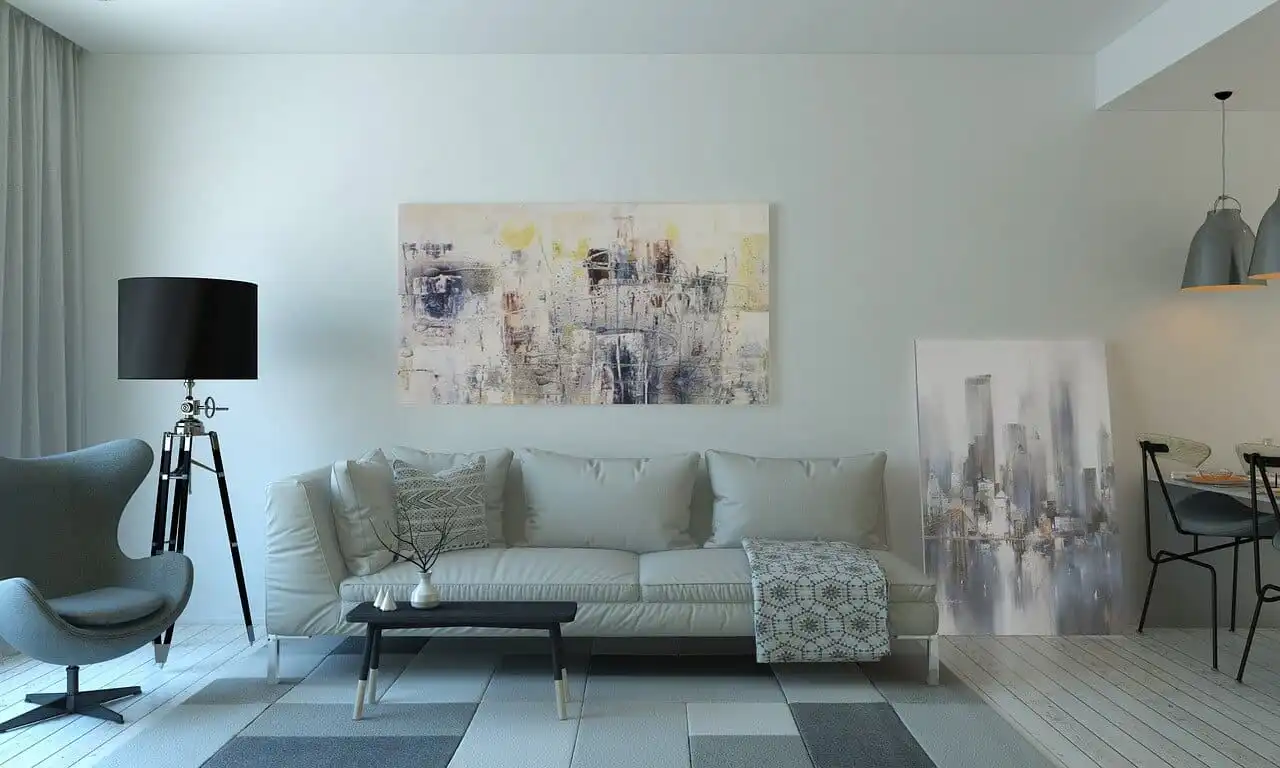
    Collecting art can be a thrill, but purchasing a certain piece of art will only take you halfway. It’s only when you can successfully hang the different pieces of art in your home that you will reap the full benefits and beauty that the pieces you chose have to offer. With the right choices, a piece of art has the potential to elevate the appeal of your home while introducing an atmosphere of serenity.

    Although pieces of collected art tend to present a certain personality of the collector, and it is sad to learn that most of them will go for years without being hanged or displayed in the homes of the owners. While some will be afraid of distorting the interior décor of their homes, others will simply procrastinate the task of fitting the pieces in their homes. However, there is no standard script for hanging your art, and a few universal tips could help guide you.

    Here are a few insights to help you exploit the beauty of the art pieces you collect:

    Everything Doesn’t Have To Match

    It is a common misconception that paintings and pieces of art have to match in terms of the frames used and the themes. This statement couldn’t be any further from the truth since you can look for pieces that do not entirely match with each other but still complement each other. For instance, if you live in any of the Vision One Homes narrow lot homes, you can hang paintings that have the same frame type such as wood without having to match the styles and colors of the frames.

    Alternatively, you can ensure that the pieces of art you place on the same wall all possess a dominant color. As much as you want each piece to present a part of your personality, it is also vital to prevent the individual pieces from clashing with each other or with other design elements within your home.

    Prepare Before Hanging Your Paintings

    The last thing you would ever like as an art enthusiast is to perforate your walls with nail holes as you try to fit the different paintings in different layouts. To avoid this, you can lay the paintings on your floor in your predetermined layout to determine whether it will fit your walls.

    When it comes to hanging them, ensure that long paintings are at least 400 mm from the floor to reduce the risk of damaging them when mopping the house or through dust particles. Shorter paintings that you wish to hang above your sofa should start at 100 mm from the top of the sofa. For art pieces that you wish to hang on the same wall, try aligning them to the central points of the pieces instead of looking to align the edges.

    More on Creating a Gallery Wall

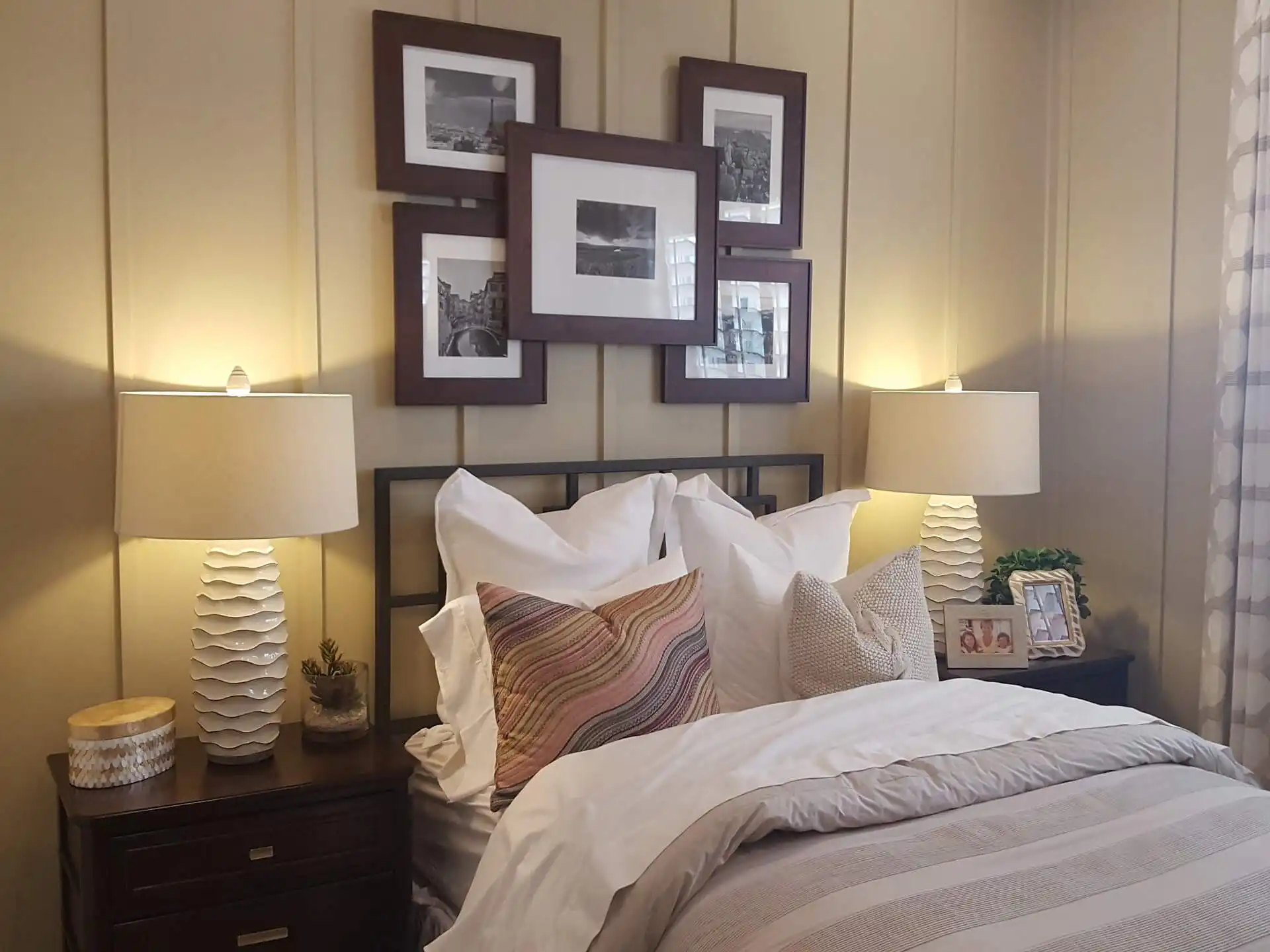
    While areas like the sitting room will work best when you only hang a single art piece to act as the focal point, empty walls at the end of a corridor or a staircase can be turned into a gallery wall. You can fix both small and large photos on these walls to create an inviting appeal. To create a cohesive atmosphere, hang art pieces that complement each other theme-wise.

    Start by using one single piece as the center of the gallery wall and build around it with other art pieces. Less is more when it comes to gallery walls, which means that you should resist the urge to fill every wall with art.

    Countering Commitment Issues

    If you have a small wall or many pictures, it is normal to have an issue with committing a certain space to a particular piece. Look for alternative ways to display your pieces such as through picture rails. Alternatively, consider displaying the pictures on your bookshelves.

    Conclusion

    You will almost always have enough space to display the pieces of art you love. It all trickles down to how creative you can be in presenting them. Use the tips above to turn your home interior into a personalized space.

  • Benefits of Hiring an Architect for your Home

    Benefits of Hiring an Architect for your Home

    When you are ready to build a home or add a room, hiring a professional can be a big decision. You may want to get away from a home design that looks like everything else. You may also wish for you home to have certain functions and the perfect organization to meet the needs of your family. You can easily express these desires to your architect. They can also add some artistic touches to make your home feel unique. The benefits of hiring an architect include beauty, safety, and freedom of design,

    Safety

     An architect can take the design that you choose and implement it in a realistic way. There are many things to consider when a structure is under construction. The design must consider many safety measures. There are certain parts of a home that are added to support the structure. This is not something most of us think about. We may tell the architect that we want a sunroom or an interestingly shaped breakfast room. The architect must figure out how to organize the home so that these rooms are properly supported. Safety is a main concern when designing a home.

    Unique Design

    There are many neighborhoods where all the houses look the same. This Is not something you are going to encounter when you hire an architect. Space Six Design can create a home that is uniquely yours and that adheres to environmental standards. An architect is more than a design specialist; an architect is an artist.

    Most architects love to design special homes for their clients. Many clients may tell them a few things they want and let the architect take over. Your home may have extra bathrooms, extra closets, or a secret nook. There are sure to be a few defining characteristics that make your home stand out.

    Meets your Needs

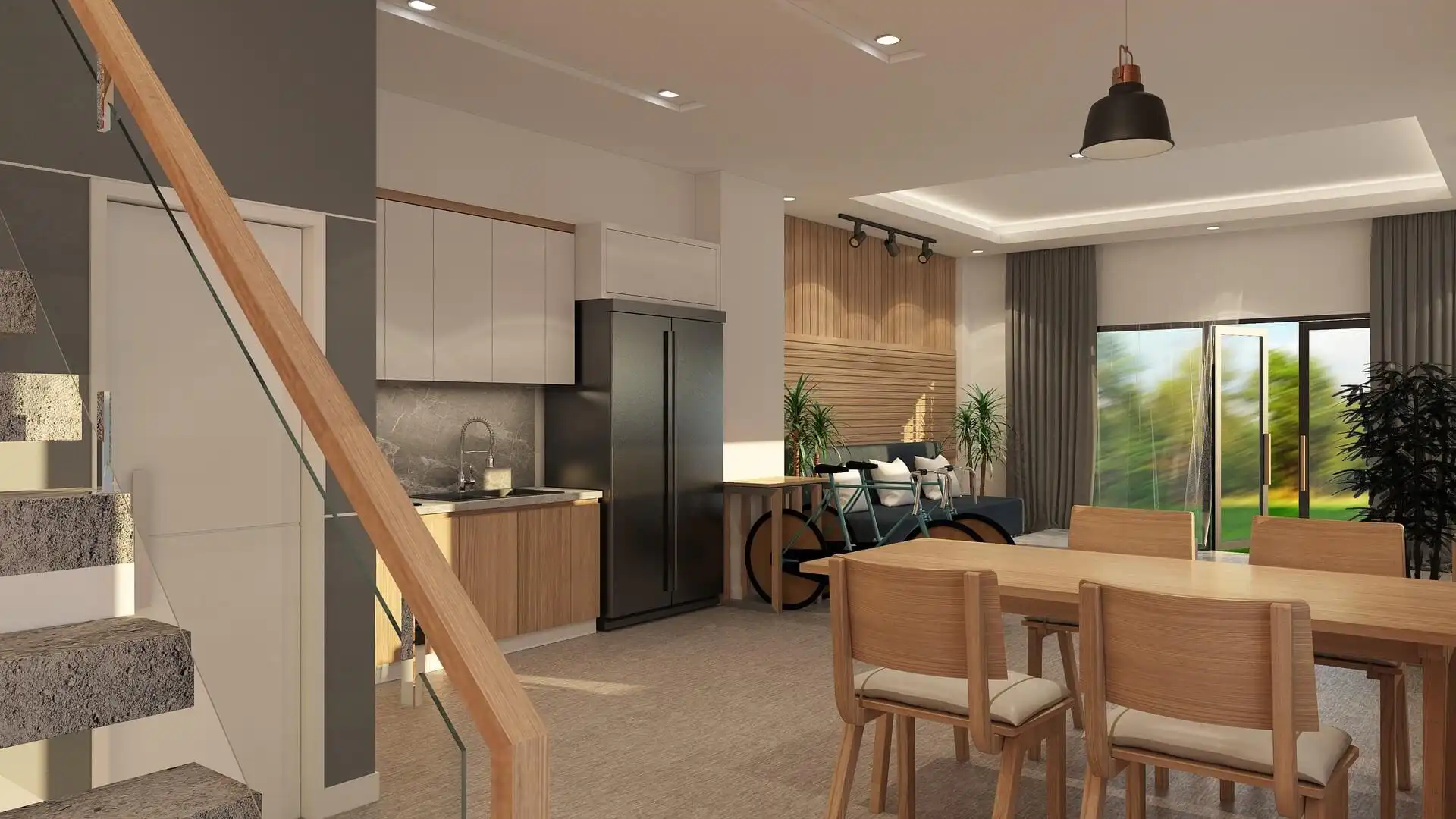
    Everyone uses their home in a different way. Some parents, for example, prefer their children’s rooms nearby. Those with older children or teens may prefer the secondary bedrooms to be far away from the master bedroom. An architect may meet with you first to ask some questions about your daily routine, the size of your family, and your entertainment habits. Most of us have walked through our home and considered a more effective layout to meet our needs. Your architect wants your home to fit with the way you live. If you are in the kitchen a lot, it is imperative that you have an open bar to see out and plenty of natural light, for example. A well-designed home can keep your days running smoothly and offer optimal relaxation.

    When you are ready to design your new home, take the time to discuss your ideas with an architect. You may soon see your ideas come to life when you work with one of these artists. You an also feel confident that your home is structurally safe. An architect fills in the gap between your dreams and the reality.

  • How to Make Your Own Drawstring Bags with Liner by Sewing Machine

    How to Make Your Own Drawstring Bags with Liner by Sewing Machine

    A drawstring bag can have many functions. These types of bags are very useful because they help users with their carrying needs. You can carry things of all sizes and types without carrying those items in your hands. It gives you freedom. Best of all, you craft a drawstring bag in all shapes and sizes. You can carry a drawstring bag according to your needs. They’re available to anyone but can be used supportively by anyone 5 years of age or older. Surprisingly, you can make your own drawstring bag with liner as a DIY project by using a sewing machine.


    How to Construct a Drawstring Bag with Liner

    What You’ll Need to Make Custom Drawstring Bags

    – 2 pieces of fabric (this will be the drawstring)

    – 2 pieces of fabric (what the fabric goes through)

    – 1 piece of fabric (this will be the fabric used for

    drawstring backpacks)

    – 1-piece lining fabric

    Scissors, sewing machine (coordinating thread), iron, rotary cutter, ruler, and safety pins

    How to Make Drawstring Backpacks

    Start making your drawstrings first. Flip your drawstrings inside out, use your safety pins, and iron flat. Sew as close to the edge as possible (skip this step, if you’re using drawstring). Finally, tie each end in a knot.

    Now, pin together the largest pieces of fabric (right sides facing each other). Leave at least 1/4 space for the seam and sew along each side, do not sew each side (this will be done shortly to form your bag). Press open the seams with an iron. Place the lining on the outside pieces, hold the 1/4 piece down and iron (repeat for the other long side). Then fold the top again 1/4 inches to give your custom drawstring bags a polished look (to avoid rough edges).

    Fold over these short edges, 1.25 inches, and press with the iron (this is where the drawstring will go).

    You’re almost done, fold the bag in half (the right side should be facing in), and from the bottom working your way to the top, stitch along each side (allow enough space for the drawstring). Attach the drawstring to a pencil, putting it through the drawstring opening. You can use one or two strings. After inserting them, you can tie them or leave the drawstrings open, if you’re using two strings. Cut the excess drawstring to your liking.

    You now have a handcrafted drawstring bag (cinch bag).


    What Are the Uses of a Cinch Bag

    – pack toiletries for a trip

    – sort out the clutter in your home (add labels)

    – for the kid’s accessories on trips

    – Great gift ideas

    – Instead of gift wrapping

    – groceries

    – to pack lunch

    – and much more…

    These types of bags are reusable and very flexible for all your needs. Plus, you can easily wash and dry them between uses. Learn more about the benefits of DIY drawstring bags online today.


  • There’s Room for Furniture Even in the Smallest Spaces

    There’s Room for Furniture Even in the Smallest Spaces

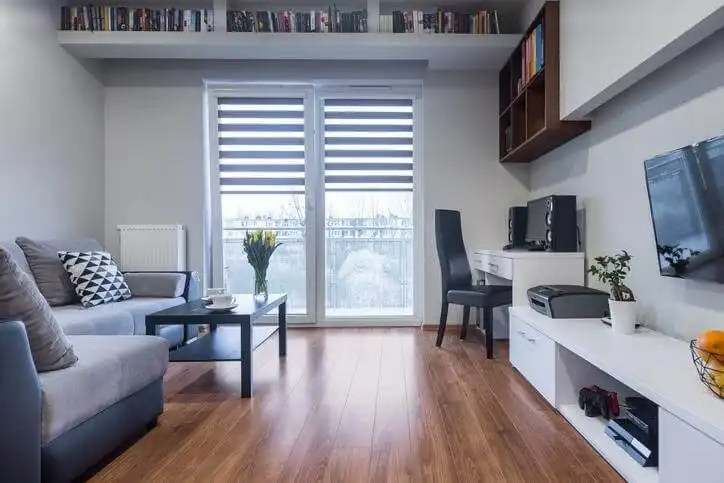
    Condos and apartments are getting smaller with a rising demand for more vertical communities within major cities. This poses a challenge for many individuals living in these cities who want to make their home a comfortable place to live in. Fortunately, with a few design tricks, you can maximize your small space into exactly what you need it to be.

    Change perspectives

    Living in a small home or space can be a challenge. You do not have to experience it firsthand to understand this frustration. The good news is that half the difficulty of living in a small space is the perspective. Once you realize this, you can move forward and turn it into an incredibly rewarding experience. You just have to understand that there is no room for excess and that everything must serve a purpose. This understanding is the first step to successfully thriving in a small space. The second thing that you will quickly learn is that every little bit of empty space will be used as well. From this point you are able to turn your space into the cozy home of your dreams.

    Create the illusion of space

    Whether it is a dorm room, apartment, or just a small room in the house that you want to utilize, one of the best defences against limited space is to create the illusion of it. There are a number of tricks you can use to deceive the eye into thinking the space is larger than it actually is.

    Unify colours

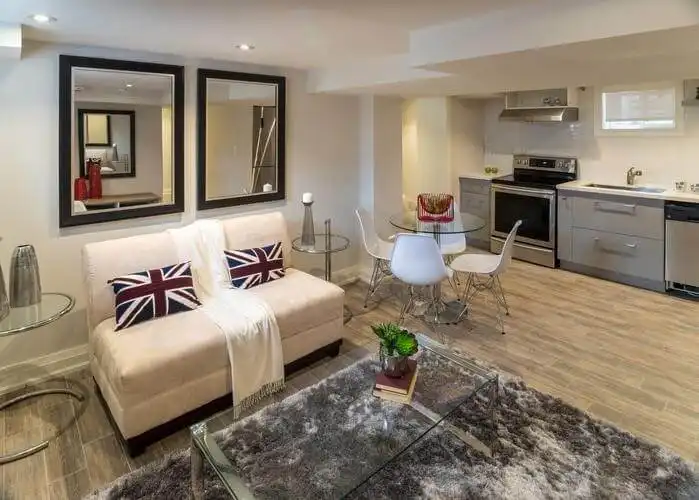
    A simple way to transform a small space is to ensure that the colour pallete is uniform. This means that all of the hues within the room should be variations of one if not the same colour. Different bold colours will only break up the room into smaller sections, while similar shades and colours will unite the whole space. As well, be sure to use light colours as they are more reflective and can make your room look big.

    Declutter:

    It’s no surprise that clutter is the enemy of small rooms. Make a habit of regularly decluttering the room by getting rid of unnecessary items and just general cleaning. This strategy might sound simple but it will do wonders for the space.

    Think vertically

    When living in a small apartment or room, it is easy to look around yourself and contemplate how you are going to make the area work for you—but don’t forget to look up. It’s easy to forget that there are actually eight corners in a room rather than four, and this can make a significant difference.

    Taller, not wider

    This is a simple idea that will take you far with a small space, especially when it comes to storage. For instance, if there are many books that require a bookshelf, do not assume that a wide one is the right choice. Go for a tall one instead. This way, you are utilizing the height of the room while saving valuable floor space. It can even become a dramatic visual touch for the overall appearance of the room. This strategy can easily be applied to a number of other cases like pantries, wardrobes, and more.

    Legs

    An important rule to remember is to avoid heavy and bulky furniture. This will make the place look more cluttered. Instead, opt for furniture that sits on legs. This includes sofas with legs as well as coffee tables and entertainment units. The legs elevate the living room furniture while also lending them a lighter appearance and the illusion of height. This contributes to a more spacious atmosphere overall.

    Maximize Accessibility and Capacity

    Marry storage and space solutions

    When you’re living with limited space, you have to be smart about storage. Once you’ve gone through everything and eliminated items which are not necessary, it is time to figure out the best storage methods. The good news is that there many tactics available, and below are two of the funnest strategies methods:

    Decoration

    If you can turn storage into an aesthetic piece, then why not? It can be as simple as mounting a fun geometric shelving system onto the wall. Not only does it look hip, it also serves a very pragmatic purpose and gives you storage space. You can store books, knick-knacks, kitchen appliances, or anything else that you can think of on it. You can also store pots and pans in your kitchen by hanging them on wall racks.

    Hidden storage

    This is a good idea for any household, not only those living in small homes. You can find seating or a coffee table that is hollow inside to store anything you need. From clothing to bedding, there’s always something for it to hold. Due to the demand for this kind of storage, these furniture pieces are easily available online and in stores. And it’s easy to find something that suits your home and your needs.

    Introduce mirrors

    Mirrors are one of the oldest tricks in the book for creating an illusion of space. That being said, they are one of the most effective ways to do exactly that. Mirrors reflect light which makes any space feel larger, while also reflecting the room itself back at the viewer. These reflections automatically make the whole room appear larger than it would otherwise. Not only that, mirrors come in various designs to help you create a statement. For instance, a wall-sized mirror would be a dramatic statement piece which would automatically double the size of the room’s appearance.

    Live large

    Never forget that good things can come in small packages. With a little planning and decor, you can ‘live large’ and enjoy a smaller space.

  • What is the purpose of skirting boards and architraves?

    What is the purpose of skirting boards and architraves?

    Learn more about the perks, characteristics, and purposes of two timeless home design appointments that just never get old!

    Skirting boards and architraves have been around for centuries, and they never seem to go out of style! Rather than becoming outdated or old-fashioned, these important design solutions seem to be able to evolve with the times and suit a wide range of stylistic ideas and design eras. Skirting boards and architraves are indeed often referred to as some of the most important design elements in architecture. What is their actual purpose, and how can they improve the overall design of a home environment? Keep reading to learn more.

    Skirting boards and architraves: what is the difference?

    Although they might seem quite similar in many respects, there is actually a difference between skirting boards and architraves.

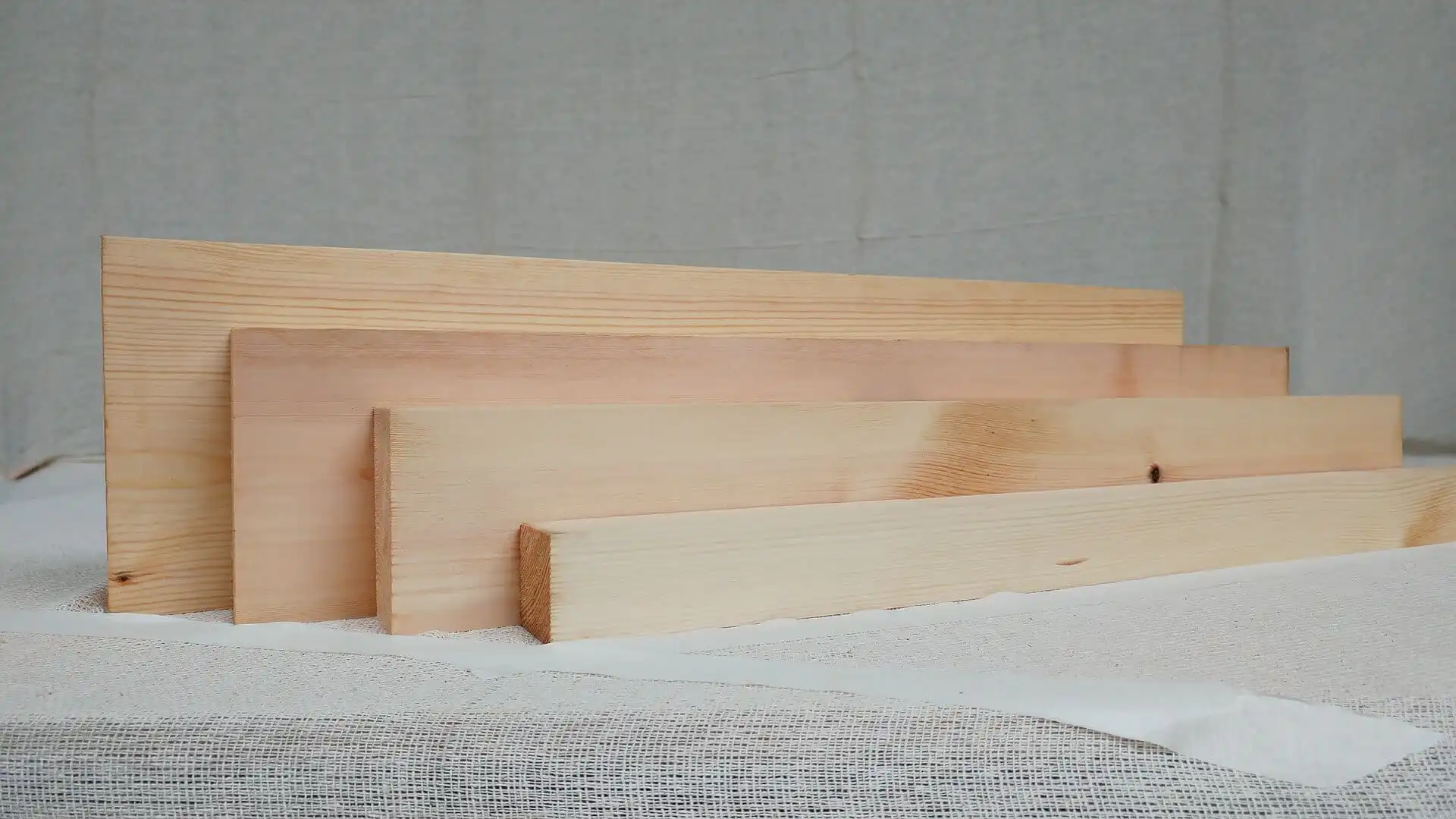
    Architraves are generally meant to fit around the outer edges of structures, cutting at roughly 45 degrees angles. On the other hand, skirting boards usually can run along the walls, and can be totally flat, curved or round, depending on the particular shape of the design or on the profile of the wall itself, which will obviously influence the shape of the skirting boards related to it.

    Space optimization and aesthetics.

    Skirting boards and architraves are highly sought-after because of the aesthetic component they can bring to the table. These design appointments can indeed radically transform the look of most rooms, creating a sense of space and depth. Skirting boards and architraves can also give your ceiling a stylish look, and they come in different variations. Depending on your preferences, you can use skirting boards and architrave to pursue a wide range of aesthetics visions. Whether you are after a more traditional feel, a modern look or beautiful colonial aesthetics, this would be a really great choice.

    One of the most popular uses of skirting boards is actually to hide joints between the floor and plastered walls, which might actually be a bit detrimental to the look and feel of a space. However, skirting boards don’t only hide these unpleasant details, but they can also serve as a visual improvement, serving as a piece of home decor. Many homeowners actually choose to install skirting boards or architraves even when they actually do not need to hide any joint. These design elements have become rather popular, and some people simply like how they look!

    Architraves are often found over doorways or even arches, and they often serve a decorative purpose. They have been used for many centuries, and it is actually interesting to see how architraves have evolved throughout the ages, often representing the fashion and visual preferences of the time – from lavish baroque looks to majestic Edwardian stylings, anything is possible! In some cases, architraves are among the distinctive touches that really made the fabled palaces of antiquity as beautiful and iconic as they are considered today. It is only natural that many homeowners with a taste for architecture and style are considering including such stylistic appointments to their space, and capture some of that high-end magic.

    Transforming details and breathing new life into other design elements.

    Skirting boards and architraves aren’t just really good at creating a sense of size and space. They can also add something truly special to other elements of the same environment, including doors and windows, only to mention a few. A simple doorway can almost appear monumental with architraves and skirting boards, giving the space an immediate sense of luxury and an elusive and effortless high-end vibe.

    Check out some amazing examples here: https://intrimmouldings.com.au/skirting-boards-architraves/

    Practical purposes.

    Skirting boards and architraves are not only great to add some beautiful aesthetic elements to your space. They also serve practical purposes. Most notably, skirting boards are often used as a way to trim or finish up moldings in the spots where the walls meet the floors, creating a sense of cohesion. In addition to that, they add as an extra layer of protection, sheltering the walls from weathering.

    Conclusions and final observations:

    Whether you are planning the design of a new home construction or considering renovations, skirting boards or architraves could be a functional and aesthetically pleasing implementation, which could radically transform and enhance the look of your home. Installing skirting boards and/or architraves is actually relatively easy, and it doesn’t require major alterations to your space. However, it can really improve the look of a room, and turn your home into a work of art, which you can gladly experience every single day! Some people who are handy around the house love to tackle the challenge of the installation on their own, but you can always hire a professional for excellent results and for a completely hassle-free process, to meet your high standards, and more importantly, to avoid potentially costly mistakes!