Author: ION

  • Style Up Your Home with These 5 Contemporary Must-Have Decors

    Style Up Your Home with These 5 Contemporary Must-Have Decors

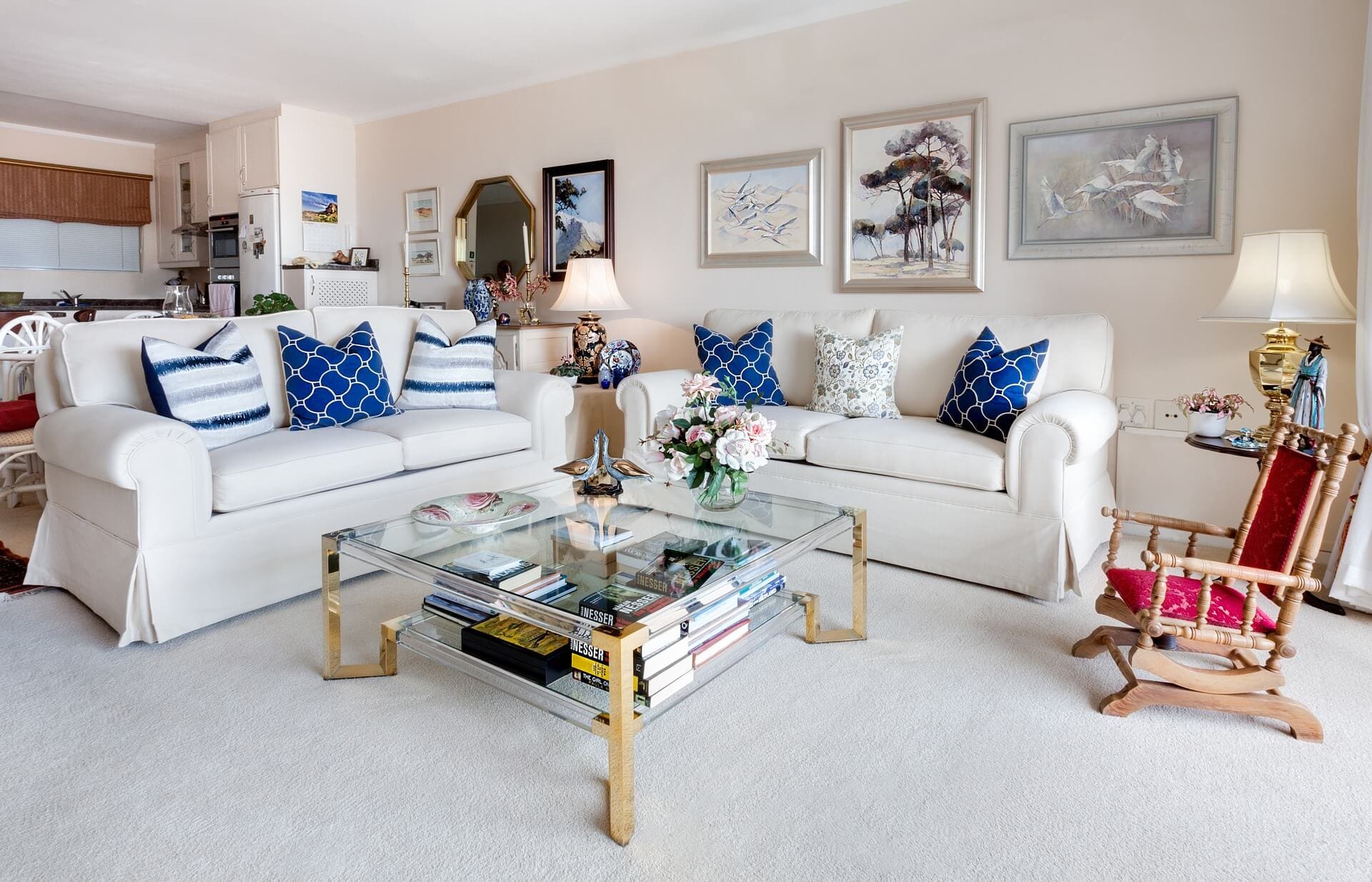
    Décor involves different elements of design such as the arrangement of furniture, paint, and colors, and the type of flooring in a home. Beautiful décor turns a house into a home that is comfortable, welcoming, and glamorous and distinguishes it from a neighbor’s house. A home’s decor says a lot about its residents ranging from their personal preferences to style and character.

    Although décor is a personal exercise and you decide what items and accessories go into your home, there are several contemporary must-have decors. Here are some of them.

    1. Art

    Style up your home with art and give it a glamorous touch. Art can be in the form of a painting, a sculpture, or even one of your kid’s crayon drawings. The numerous pieces of art in the market ensure that every homeowner gets a piece of art that fits their home’s look. If you like modern décor, you can opt for a bold colorful painting and for a conservative person, you can go for a ceramic sculpture or a classic landscape. In addition, you can choose a religious art piece such as the Christian cross or Buddha figurines.

    2. Mirrors

    Mirrors are beautiful decorating items that serve as complementary accessories to your decor. Mirrors are affordable and effective ways to make your home spacious. If you place your mirror near a window, it brightens your house by bringing in natural light. You can hang a mirror in the living room like a painting to make it the centerpiece of the room. Mirrors come in different sizes and shapes to meet the diverse needs of consumers.

    3. Ottoman

    Every home must have an ottoman to complement its style. An ottoman is a great and versatile piece of furniture that can be used in different places such as the entryway, hallway, foot of a bed, or a living room. Notably, you can use an ottoman in the dining room to complement your exquisite set of contemporary dining tables. You can also use your ottoman to provide additional storage for books and clothing.

    4. Statement Lighting

    Good lighting sets the mood for your home and improves the decor. Advancements in technology have led to the manufacture of elegant and contemporary lighting systems such as chandeliers, porter floor lamps, sconces, pendant lamps, sculptural table lamps, among others. Every home requires at least one statement lighting that adds a wow factor to the house. Statement lighting adds brightness to a home even before you turn it on.

    5. Rugs

    A rug beneath your feet feels so good and offers warmth and comfort unmatched by no other floor covering. Rugs are available in many colors, patterns, styles, and fabrics to give you a broad range of choices for your home. You can choose from mechanized rags or hand-woven rugs depending on your personal style. Vintage rugs give your home a sense of history and character.

    In many cases, décor is a personal exercise and you decide what items and accessories to put in your house ranging from furniture to accessories. Nevertheless, various contemporary must-have decors enhance any space and add personality, function, and color to a home regardless of the style. Try these decors and your home will never feel the same.


  • 7 Reasons Why You Failed a House Survey

    7 Reasons Why You Failed a House Survey

    A house survey plays a huge role whether you are buying or selling a house. From a buyer’s perspective, it only makes sense that you’d want the property you are purchasing to be in good condition — more so if you’re buying to let.

    On the other hand, if you are a seller, a building survey is crucial as it can make or break the sale. As a bonus, an excellent survey report will put you in an excellent position to get the best offer for the property you are selling.

    However, do you know what happens if you fail a house survey report? More importantly, do you want to know the possible reasons why you can potentially fail? If you answered yes to both of these questions, then read on.

    Reasons why you may fail a house survey

    Contrary to what many believe, there’s actually no such thing as a pass or fail in a house survey. You can, however, receive a ‘bad report’. Especially for someone who’ selling a property, a bad report can make a potential buyer walk away.

    That said, here are 7 reasons why you may ‘fail’ a house survey. Knowing the most common problems found by surveyors should give you better chances of dealing with and preparing for them in advance.

    Damp

    Many homes suffer from damp problems in the UK. In fact, 61% of renters have had experiences with damp, mould, and leaking roofs. This is actually one of the most common complaints found in a house survey report.

    A simple definition of damp is that it is the presence of moisture or water within a property, in areas where they are not supposed to. Any property can fall victim to damp problems without any warning and when left untreated, can lead to a whole lot of other issues such as:

    • Wet rot – though less severe, wet rot can still be harmful as it can affect the structural integrity of a property. It’s a fungus that attacks timber which can lead to severe cases of decay.
    • Dry rot – this is a way more serious form of fungal attack compared to wet rot. This type of rot can spread from timber to timber, drying and decaying the wood in the process. Dry-rot spores thrive when the moisture level is above 20%.
    • Condensation – too much humidity can cause condensation. It is more common in winter since this is the time when you use your heating system more often. Moisture and water will build up when warm air collides with cold surfaces.

    Damage to structural timber

    As mentioned earlier, damp problems will lead to even bigger problems when left unchecked. A surveyor will check for any damage to structural timber during the survey. Wet rot and dry rot are major factors of wood decay so if damp is present, the surveyor will most likely look for any sign of structural damage to timber.  

    Structural movement

    Another reason why you may get a ‘bad report’ during a survey is due to structural movement. You see, any built structure is constantly moving — it’s inevitable. But in most cases, these movements are on a very tiny scale that they’re unnoticeable. These movements are due to a variety of factors such as:

    • The ground movement beneath the foundation like subsidence
    • Faulty drains
    • Tree root growth
    • Thermal movement
    • The decay of the building fabric caused by woodworm, rot, etc.

    Listed buildings, for instance, may have inherent defects that can potentially make it suffer from structural movement. In some cases, there are even older buildings that were built without foundations. So if you plan on buying and renovating an old building despite the survey making a note of this problem, be sure that you proceed with caution.

    Roof

    The roof is an essential part of a house, but unfortunately, it’s also one area that is not always easy to maintain. At the same time, it’s also prone to structural damage whether it’s because of the elements, the environment around you, or age. What you have to understand is that a damaged or defective roof can also lead to further problems like leaks, rotting, damp, etc.

    If you are the seller, you might want to consider checking the roof before you even have a house survey carried out. If the damage you found is minimal, you can probably do the fixing yourself. If you can’t, getting help from a professional is your next best bet.

    Roof problems can cause new owners thousands of pounds to fix. And if the survey notes this on the report, it’s possible that the sale won’t fall through. If it does, however, it would put the buyer in a better position to negotiate your asking price especially if you want them to take care of it.

    Windows

    Similar to the roof, windows are one of the things that a surveyor will not miss during the house survey. After all, windows play a significant role in your home’s energy efficiency. It provides insulation which allows for easier heating or cooling when necessary, all while reducing your energy consumption. And of course, the right windows can keep a home secure from intruders.

    If mould has grown in areas around the window, it’s the perfect time to scrub it off. The surveyor will also check if the windows are opening and closing properly as they are supposed to, so keep that in mind. Rotten window frames are, of course, something that a surveyor take not of.

    It’s also worth noting that new windows would not always mean better. That’s because in some cases, the older windows are being replaced with new but cheaper and less sturdy ones. It may also be that the new windows were installed either poorly or incorrectly.

    Insect problems

    Insects are essential creatures in the environment. However, no one wants to see them inhabiting a home, right? There are a lot of things that a surveyor will look for during a survey. Apparently, one of them is the presence of insects.

    Why they’ll search a property for these pesky insects is because some species can harm not just the structure of the house but also the people living in it (like bedbugs, for instance). The good news is that this is an easy thing to fix as long as the type of insect infestation is already identified.

    Electrical works

    Certification is usually found through a sticker on the unit which is something that a surveyor will look for when checking on your electrical system. If this is not found or if your unit doesn’t have the correct certification, they will ask you to have an electrician check the condition of the system tested.

    Although the system seems to be okay and is working alright, not having a certification can possibly mean that it was a DIY installation. For instance, a rewire can be an easy fix, but it’s not the safest of options which can cause a fire, electrocution, and a lot more.

    Conclusion

    Regardless if you are buying or selling a property, don’t be afraid of the survey report. If you’re the buyer, don’t be shy about reducing your offer for the property being sold. And if you’re the seller, fire away at the surveyor with any question that you have. If you feel like needed, seek professional help to further check on the areas mentioned in the report as well as estimate repair costs.

  • Why Is It Important to Maintain Your Home Humidity Levels?

    Why Is It Important to Maintain Your Home Humidity Levels?

    Have you ever considered making management of the indoor humidity of your home a priority? It’s crucial that you do. Humidity levels can affect multiple aspects of your home. Read on to find out more about why indoor humidity levels matter.

    Understanding Relative Humidity

    For you to understand how humidity affects your home, it’s essential for you to know the basics of humidity. As humidity refers to the amount of moisture in the air. And the word “relative” modifies the term to indicate the maximum amount of moisture that air can hold. That amount depends on the air’s temperature. For example, cold air contains less water than warm air. So if the relative humidity in a home is 100 percent, this implies the air is holding the maximum amount of water that it can. And such a home will feel sticky and, consequently, uncomfortable.

    To live comfortably, it’s important to maintain a balanced humidity in your home. The recommended humidity level is anywhere between 35 and 45 percent. Anything over 50 percent is considered too high whereas anything below 30 percent is too dry.

    What Happens If Your Home Has High Relative Humidity?

    If there’s a lot of moisture in your home, the excess moisture will be trapped in the basement, corners, and several other closed areas. Mold will grow in the areas where the moisture gathers. Mold spores can affect your respiratory system and worsen asthma. Dust mites also thrive in damp conditions. Their feces can cause asthma and allergy symptoms. Some viruses and bacteria also multiply faster in such environments.

    Excess moisture can also make wood cup or warp because it can’t handle the moisture. This can destroy both natural and engineered hardwood flooring. The moisture can also get underneath your flooring and inside walls, causing rot. Because of the destruction, your only option may be getting new flooring, wall studs, or drywall. Excessive condensation can also occur on windows and cause water to drip down. This can make your window frames rot.

    Watch out for these telltale signs of too much moisture in your indoor air:

    • Cupping wood floors
    • Condensation on doors and windows
    • Mold growth
    • Stains on ceilings and walls
    • Blistering paint
    • Peeling wallpaper
    • Wood rot
    • Musty odor

    What Happens If Relative Humidity Is Low?

    When the relative humidity in your home is too low, wood lacks enough moisture to maintain its form. The ring or grain in wood has different reactions to humidity. Therefore, low humidity can cause cracking as well as checking, which refers to splitting along the wood grain. This destroys hardwood flooring, musical instruments, and furniture. Sometimes, lengthy repairs can fix flooring and furniture damaged by dry conditions. But most of the time, they usually require complete replacement.

    Low humidity levels can cause several ailments such as bloody noses, dry sinuses, chapped lips, and dry and itchy skin. They can also aggravate bronchitis and asthma.

    How Do You Solve Humidity Problems?

    Here are some steps you can take to monitor and control the relative humidity in your home:

      • Get a hygrometer: A hygrometer uses digital or mechanical means to check the humidity levels in a particular area of your home. You can get them from local hardware stores.


    • Upgrade to a smart thermostat: Although it’s costlier than conventional models, smart thermostats come with many useful features that make them worth their high price, such as the ability to detect your home’s relative humidity. When installed with compatible HVAC equipment, some can go as far as adjusting your home comfort system accordingly.
    • Seal air leaks: Sealing gaps, cracks, and holes that may be allowing outdoor air into your home and conditioned air to get out will help you regulate the humidity levels in your home.
    • Add insulation: Making sure your home is adequately insulated helps reduce humidity levels and save energy.

    • Ventilate adequately: Having good ventilation is one of the best ways to ensure your humidity levels are kept in check.
    • Install a humidifier or dehumidifier: These devices help you create the perfect humidity balance throughout your home. They’re relatively easy to install and operate. During winter when you’re running heating systems, air can dry out and cause discomfort. You can add humidity to the air by installing portable humidifiers in the parts of your home you frequently use or get a whole-house system. In the summer when you’re not heating your home, there may be too much water vapor in the air. Running a dehumidifier can help you eliminate the excess moisture.
    • Set your thermostat: Controlling the thermostat setting is vital to keeping indoor humidity at comfortable levels. In the winter, be careful not to overheat your home.


    For many people, humidity is never a big concern. But as you’ve come to learn, it affects almost all aspects of your home, from home comfort to your family’s health to the health of your property. If you haven’t been paying attention to it, it’s important you get started.

  • 4 reasons to look for Professional Cleaning Services cleaning the Interiors of your Property!

    4 reasons to look for Professional Cleaning Services cleaning the Interiors of your Property!

    A clean home or office reflects an impression to your guests, that you are well organized, proud of your surroundings and more importantly it can affect the company or householders image. With the modern chemicals and equipment that we are using, there are very few tasks that can challenge us.

    Cleaning services in Adelaide by Clean Advice.

    There is no secret that a clean home or office instils comfort, convenience and reflects an image of self-pride amongst your guests or office staff. We understand and cherish the importance of time so give us a call to allow you to work, to have some spare time, to enjoy a holiday and to spend time with your loved ones. We are able to perform all your cleaning needs with our expertise and knowledge of chemicals and equipment.

    •  Why should you consider cleaning your interiors with Professional help?

    Whether it is your home or office consider leaving the cleaning to a professional, who will use the best chemicals and equipment to give you that showroom feel. Here are just four reasons to have your place looking and feeling fresh.

    •       Impression: it should not matter who comes to visit your premises, whether it’s a friend, client, office worker or even yourself a clean environment is a lot more enjoyable to reflect on and to work and live in. Why is it that when we know an important guest is coming to visit us we feverishly go around making the place look clean and tidy. It’s because it reflects the kind of person that we are. A potential client will see your organized and clean premises and will immediately perceive that you too are well organized.

    •       Air Quality: it is imperative that we breathe quality clean air. We spend a lot of time in our home or office so the environment should also be clean and fresh to benefit our health. If we don’t regularly clean our premises then there is the real possibility we could breathe in contaminants, pollutants, viruses and allergens which could all cause us to become sick.

    •       Productivity: if your environment is clean then there is less chance of picking up a containment, virus, bacteria or pollution etc. This will reduce the likely hood of an employee at the office or family member at home having to stay at home because they are sick. When you are working in a clean environment it is so much easier to stay focussed and refreshed for the job at hand.
    •       Resources: There are a myriad of chemicals and equipment to help you keep your environment clean and tidy BUT do you know how to use them. A lot of chemicals have a caustic solution or high ph level or even acid in them. A lot of damage has been caused to terrazzo, marble, glass wood aluminium etc. because someone did not realize that the chemicals or equipment would react to that particular surface. We have been in the industry for over 25 years so give us a call and our expertise will overcome these obstacles.
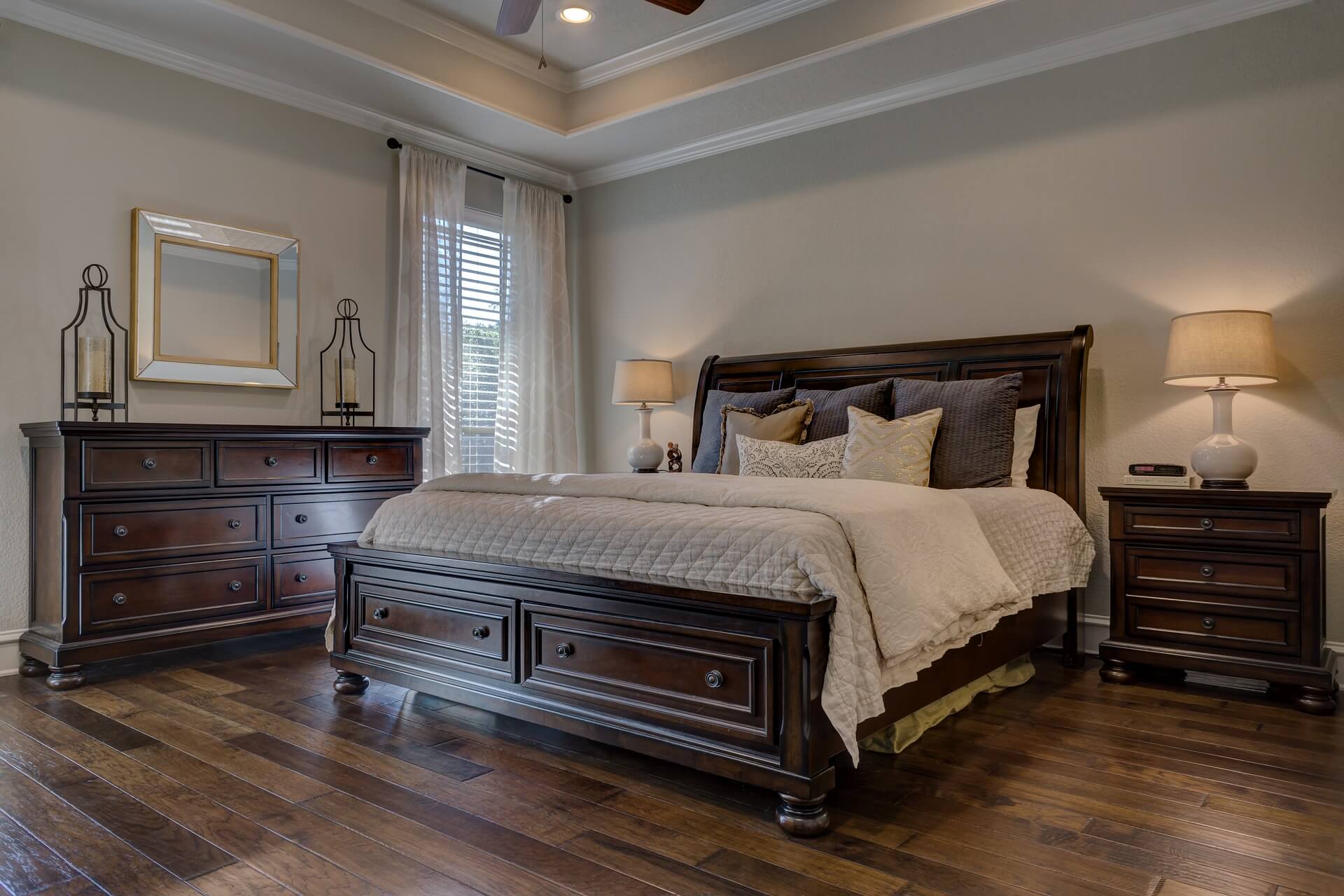
  • Secrets that Interior Designers won’t tell you about your Bedroom

    Secrets that Interior Designers won’t tell you about your Bedroom

    Hiring an interior designer is perhaps the first thing that comes to your mind when you think about making the most of your bedroom, or when you’ve messed up with your DIY and want someone to come and fix it.

    Interior designers are trained to help you make the most of your space. Their trained eye can see beyond your ideas and anticipation – it’s how they manage to extract everything that you envision about your space and bring it to life in a way that meets or even surpasses your expectation.

    However, even though they are professionals, there are things that they wish you knew, for good reasons. In this article, we highlight some of the secrets that they won’t tell you, and also give you tips on what you can do to get the most of the process. Click here for more on bedroom décor.

    Pick the right paint

    Yes, an interior designer has to bring out the best of your bedroom space; however, it is up to you to present the colors that work for you. The market offers hundreds, if not thousands of paint colors with varying shades, tones, and tints for you to pick from. Besides, bedrooms may appear different from house to house because of the diverse light sources, meaning what looks great on one home, might not be as great on the other. Present you color suggestions upfront so that you can work it out with your designer instead of having them guess what you want.

    Be decisive

    Another secret that’s well guarded by the interior designers is that indecisiveness will only hurt your project and your pocket. If you have selected a theme or design, and realize that it isn’t working, it’s better to tell your designer as soon as possible, rather than to wait for the project to be completed, before you start complaining. Changing your mind is okay, but you should bear in mind that each time you do that, you are stretching the duration of the project, as well as your designer’s effort. The grand idea is to know what you want beforehand.

    Set your budget

    Unless you have no limits on the amount of money you want to spend designing your bedroom, it’s recommended that you have a defined budget before you even schedule an appointment with an interior designer. Your budget will serve as a guide for your project. Your designer will also use it to find the best possible alternative so that you get what you wanted within your budgetary needs.

    Flexibility is key

    Yes, you might have seen an incredible bedroom design on your favorite magazine and would love to copy everything to the T., and yes, your designer might be able to pull that up. However, that shouldn’t mean that have to stick to everything as it appears in the magazine. As earlier stated, what works for one bedroom might not work on the other.

  • A GUIDE TO MAKING THE MOST OUT OF YOUR SMALL BEDROOM

    A GUIDE TO MAKING THE MOST OUT OF YOUR SMALL BEDROOM

    A small space sounds like a challenge. Big cities offer residences that come with measured spaces.

    We are left to make use of that minimal space, prioritize certain furniture over the others and come to terms with compromising our choices.

    Some of us like the idea of an enclosed room that is cozy and comfortable, while others can feel claustrophobic.

    If you have scored your first apartment, then congrats! Mainstream advice for small bedroom always tend to tell us to choose small furnishings.

    However here, we’ll tell you how to stand out from the crowd and invent a new concept of what a small room could look like.

    Are you in for this? Great! Then let’s discuss in details what you should and shouldn’t consider while furnishing a small bedroom.

    Ten Things to Consider While Designing a Small Bedroom

    1. Simplicity Is the Key

    This refers to how and where you place the pieces of furniture. We tend to highlight the bed, placing it against the main wall.

    Do that, or place the bed in the middle so that you can walk on the other side of the bed as well.

    In this way, you’ll free up some space, and it’ll be easier for you to make the bed. Albeit the limelight, make sure your bed is comfortable to sleep in.

    If it’s not then it’s high time that you invest in a platform bed that’ll make your life easier and back-pain free.

    1. Go Dark to the Full Swing

    Dark paint does make a room look small, but that shouldn’t keep you from painting your walls with a classic grey or cool toned olive.

    There’s a way to contradict the darkness, but we’ll come to that later.

    Dark painted walls always makes a room look chic no matter how small or big the room is. Additionally, you could also try wallpapers with patterns on them.

    1. Spread the Light Everywhere

    This is essential in every small room. A well-lit room always lifts up one’s mood.

    Include as many sources of light into the room as you can. However, be careful not to go overboard.

    It could be decorative lightings or the lampshades beside your bed. A moderately sized chandelier works well too!

    1. The Little Things Make the Biggest Differences

    For small rooms with neutral and white walls, adding a pop of color would be a mood-lifter.

    Collect art pieces, paintings, and photographs and hang them on the main wall, beside or just above the bed.

    Include vibrant colored rugs or pieces of furniture in your room that draws subtle attention.

    1. Miniature Furniture Is a Thing Of The Past

    Ditch the idea of getting small sized furniture for small rooms. Although, this advice is widely spread, that does not mean it always works. Most interior designers suggest trying normal-sized products to keep small spaces balanced.

    Or you could use larger furniture that serves you best to accommodate in an enclosed room.  

    1. An Illusion of Space can be Created

    An illusion of space can be created with good mirrors that reflect light. Try hanging the curtains close to the ceiling. The point is to draw attention higher up and make the room appear larger. Also, try curtains with neutral colors that don’t scream for attention.

    1. A Tidy Room Makes for a Tidy Mind

    The organization is one of the key ingredients for a good life. Even if you follow a minimal lifestyle, there’s no harm in knowing where your belongings are.

    Plan a free day at home and start decluttering. This will minimize your wastage plus makes your tiny space more spacious.

    1. Forget the Scales of the Room

    Make use of the furniture you have. A big bed? No problem. Let your small room only occupy a good sized bed with an adjusting table.

    You don’t have to follow any rules, try something out of the box that’s awe-inspiring or simply cool to you. A small room should not stop you from going big.

    1.  A Breath of Fresh Air

    Try and make a little corner to add some plants and pots. This will give your tiny space its much-needed greenery and provide a breath of fresh air.

    1. Make Use of Every Corner

    Use smart furniture, the ones that can be used as one thing during the day and another thing during the night.

    Turn your desk into a bedside stand or make the space below your bed a storage point.

    Hang clothes or towels behind your door. Stick shelves onto the wall to maximize storage or simply to display your showpieces.

    Get creative with your little room, make use of every square foot of area you have. Just don’t gag the place.

    Final Words

    No matter how small or big your room is, you can always decorate it the way you like. However, for a smaller space, your thought process has to be more efficient and pragmatic.

    Decorate your small room with familiar belongings, keep it cozy and make it your ultimate happy place!
    Author Bio:

    Stephany is a content writer at FeedFond. An artist and an interior designing enthusiast, she’s a naturalist to the T. Read more of her articles at FeedFond.com.

  • What to Evaluate When Choosing a Home Warranty

    What to Evaluate When Choosing a Home Warranty

    Anytime you make an expensive purchase, you should make sure you have a warranty. When you buy a car, a television, a refrigerator, or a mattress, the manufacturer and often the retailer provide warranties to ensure you don’t return a broken product – or worse, sue.

    Houses also come with warranties, but few homeowners know about them. Home warranties safeguard various systems around your home from dysfunction due to wear and tear, unlike insurance which protects your home and you from disastrous accidents. Usually, homeowners gain a year’s worth of warranty from the sellers, who offer the warranty as a sign of good faith regarding the condition of the home. However, once that expires on your home, you might strongly consider renewing it yourself.

    Luckily, you can check out reviews on House Method to help you select the home warranty that’s right for you.

    If you are shopping for a home warranty – whether on the home you plan to live in or a property you expect to sell – here are a few qualities you should consider in your home and in prospective plans.

    Can You Do Maintenance on Your Home Yourself?

    If you are a professional handyman or even if you merely feel comfortable fixing and replacing broken-down systems and appliances in your home, you might not have much need for a home warranty. Home warranty companies contract professional service providers to visit your home, inspect issues and repair or install replacements; they won’t reimburse you for any of your own supplies or effort.

    Still, if there are some fixes you feel comfortable performing and other maintenance that is beyond your ken, a home warranty might be a smart investment. You should discuss what you want covered with your provider and see if performing some maintenance tasks yourself will reduce your home warranty costs.

    How Much Are You Willing to Spend on a Warranty?

    Speaking of costs, you should understand your home budget and know what you are willing to spend before you sign any warranty agreements. In fact, having a relatively strict home budget will help you with your personal finance goals, like saving for vacations or investing in retirement, as well as help protect you against unexpected disasters and necessary repairs.  

    Though how much your warranty will cost depends on what you want covered in the plan – e.g. more expensive systems like roof, plumbing and electrical are often extra – you should expect to pay between $350 and $500 per year for your warranty. Most home warranties are paid annually, but it is possible to create a monthly or quarterly payment plan. All of this is important to input into your budget as you determine what features are necessary and what you can afford.

    How Would You Describe the Current Condition of Your Home?

    If you say anything other than brand-spanking-new, you need a home warranty. New construction homes often come included with their own version of home warranties; construction companies or realtors usually ensure 10 years of structural integrity, which means coverage for elements like stucco, drywall and even paint as well as traditional systems like HVAC and electrical. Newer homes also usually have newish appliances, which come with long-lasting manufacturers’ warranties.

    If your home can be considered old – 10 years or more since construction – you should invest in your own home warranty. This will keep you safe in case the seller or realtor were less scrupulous or utterly unaware of significant issues with various systems around your home.

    Do You Plan to Upgrade or Renovate Anytime Soon?

    If you bought an old home just to gut it and remodel, you might still want to invest in a home warranty. Renovations rarely manage the structural systems of your home, like the electrical, HVAC, plumbing, or roof, so it is wise to have a policy that will protect you if those systems go awry. Fortunately, if your remodel includes updating your appliances, you can probably skip coverage on these because the manufacturer will offer their own, superior warranty.

    What Are the Customer Reviews of Various Warranty Providers?

    Once you know what you want and need in a home warranty, it is time to shop. Looking at costs and plan features is important, but just as important is investigating consumer ratings and reviews. Through other customers’ experiences, you will better understand how certain warranty providers handle claims and provide customer service. You can also look into warranty providers’ reputations through the Better Business Bureau and on social media sites. Companies with low ratings should likely be avoided, even if they have rock-bottom prices.

  • A Step by step Guide to the Home Building process

    A Step by step Guide to the Home Building process

    The idea of building your own home has become increasing popular. This has been partly fuelled by the high price of existing property and partly as a result of the desire to build something unique and environmentally friendly.

    Once you’ve decided that you want to build your own home then you need to familiarize yourself with the process.

    Prep

    The first step is locating the land that you wish to build on. It will need to have planning permission or you’ll need to be prepared to apply for it.

    Before you apply it is important to be aware of the local planning rules and have a blueprint of your intended build drawn up. You’ll find it useful to enlist the help of an architect at this stage.

    Of course you can choose to buy a home off plan but this may not give you the uniqueness you desire.

    Finance

    If you have enough capital to build your own property then that’s fantastic. All you have to do is create your budget and make sure you stay within it. Having said that it is a good idea to have a little in reserve; there are always good reasons why a project has gone over budget.

    But, if you don’t have enough capital to finish the project you’ll need to consider getting construction finance. You’ll be expected to put down a 20% deposit and the funds will be released in stages. This keeps the risk at a minimum for both parties.

    Get Staff

    You have a choice, you can entrust the entire project to a builder or you can click here to find the best available trades people in your area.  This s a great option to keep your budget down and if you want to do some of the building yourself.

    You can simply hire the people you need as and when you need them. They will take care of all the specialist parts of the building process while you concentrate on the construction.

    Choose Materials

    You can do this before the build or during but be aware that any material which is hard to get hold of could slow down your build.

    While it is traditional to build with wood or brick you may prefer a more environmentally friendly route. Equally if this is your choice it may be necessary to confirm it’s acceptable with planning first.

    Finishing Off

    It’s your job to complete any section of the build you can and to supervise the trades people you have employed. You need to make sure they are all working on the time scales you have given and that they are performing all the right details of the job.

    Ideally every trades person should know exactly what job they are being asked to do and how long they have to do it.

    This will help to keep your build on time and in budget.

    Once the shell is built you’ll have to start looking at the internal furnishings. This is when personal taste comes into play and you can easily blow the remainder of your budget without finishing the build; choose wisely.

    Don’t forget you’ll need to have our property inspected and certified when it’s finished.