Category: HOME

  • 4 interior trends for 2021

    4 interior trends for 2021

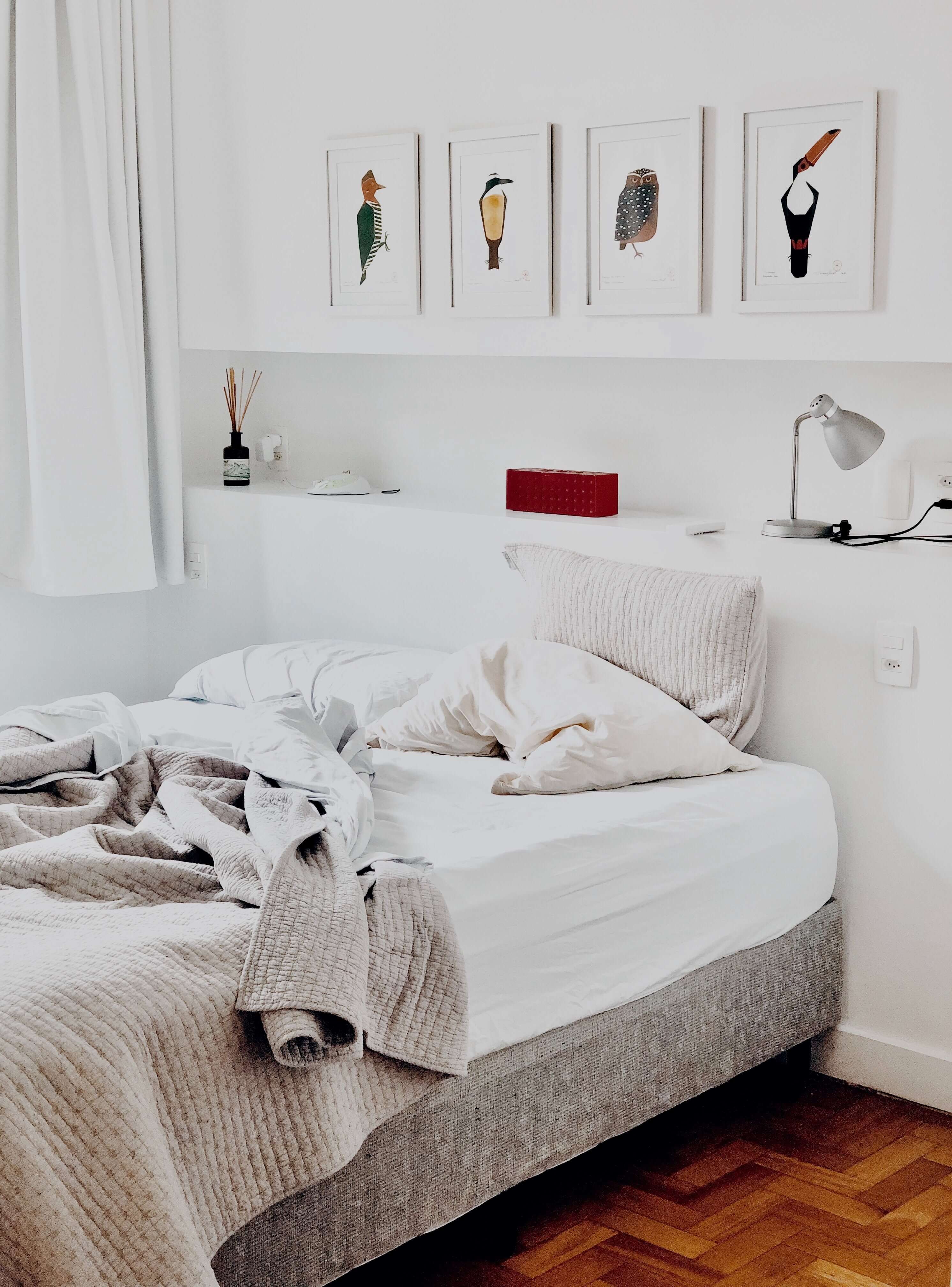
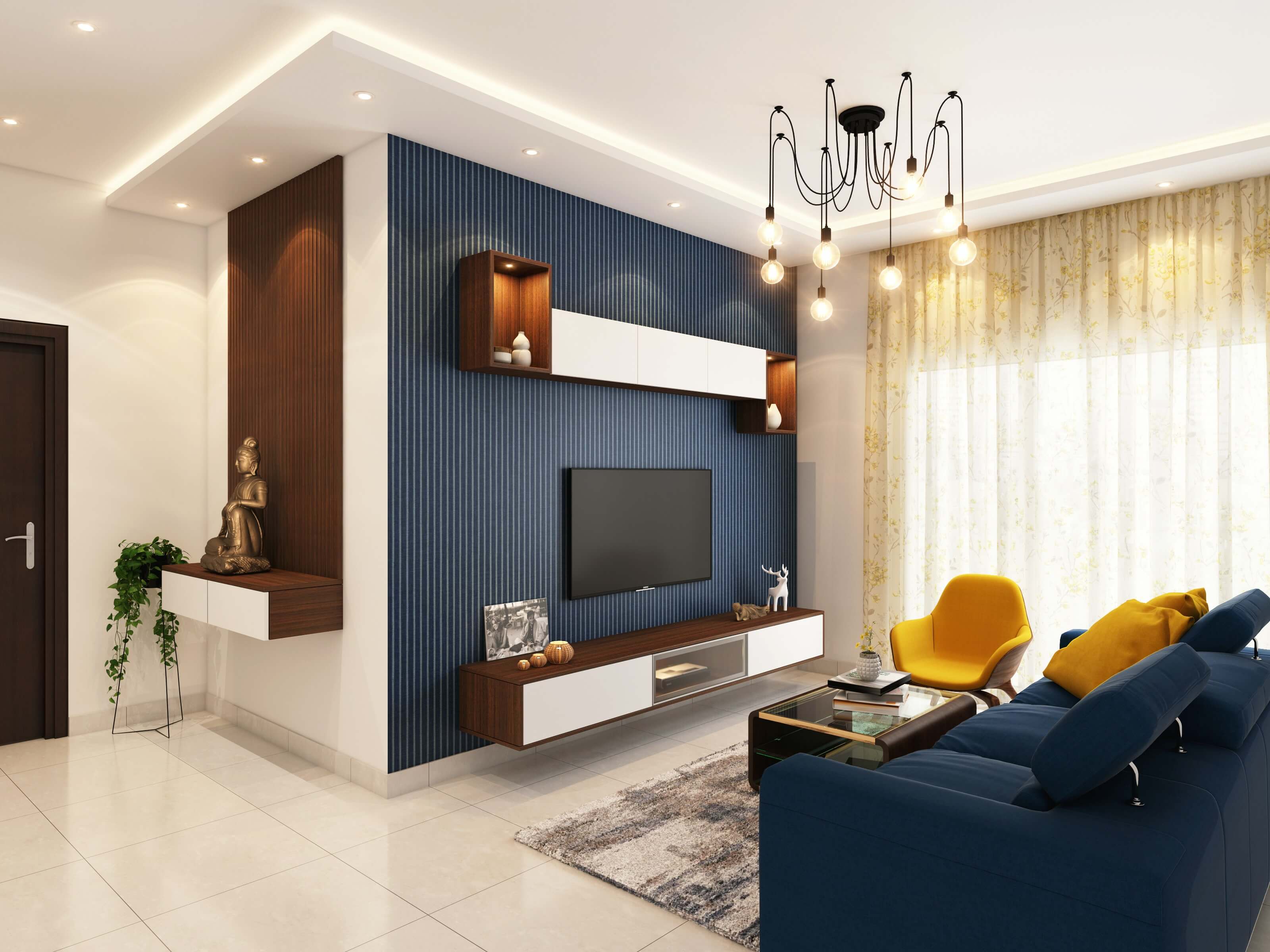
    2020 was the year homeowners made the most of being forced to stay inside by doing up their properties. Cottagecore, the color pink, dried flowers, and maximalism were just a few of the hot trends.

    Photo by Collov Home Design on Unsplash

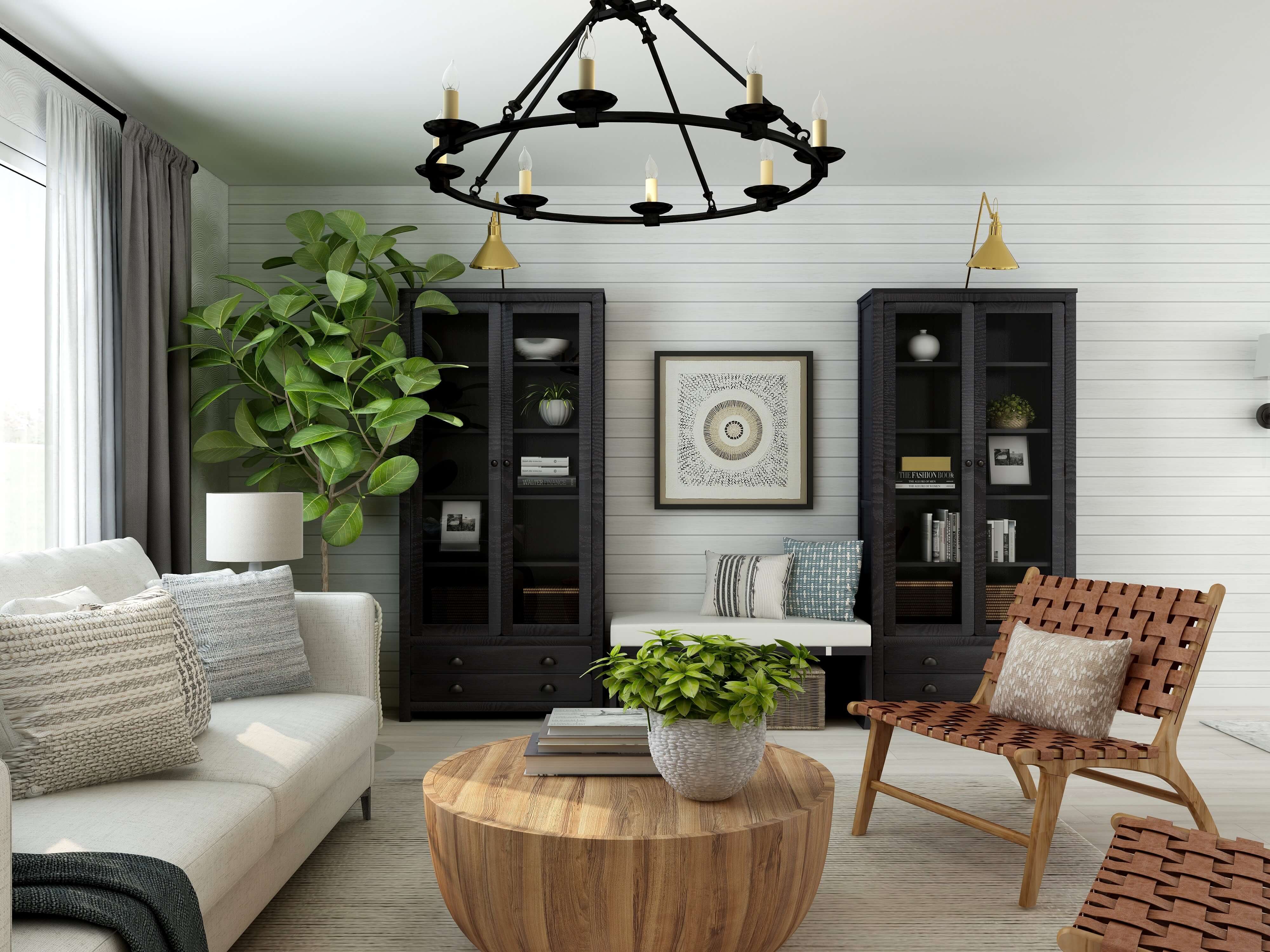
    However, a brand new year always offers up new interior design fads. After spending so long stuck indoors, we have a newfound respect for our homes, and this is sure to influence the care and attention given to where we live. Many have created home offices while others have focused on making their space more inviting and cosy. Here we look at four of the interior trends expected to take centre stage in 2021. 
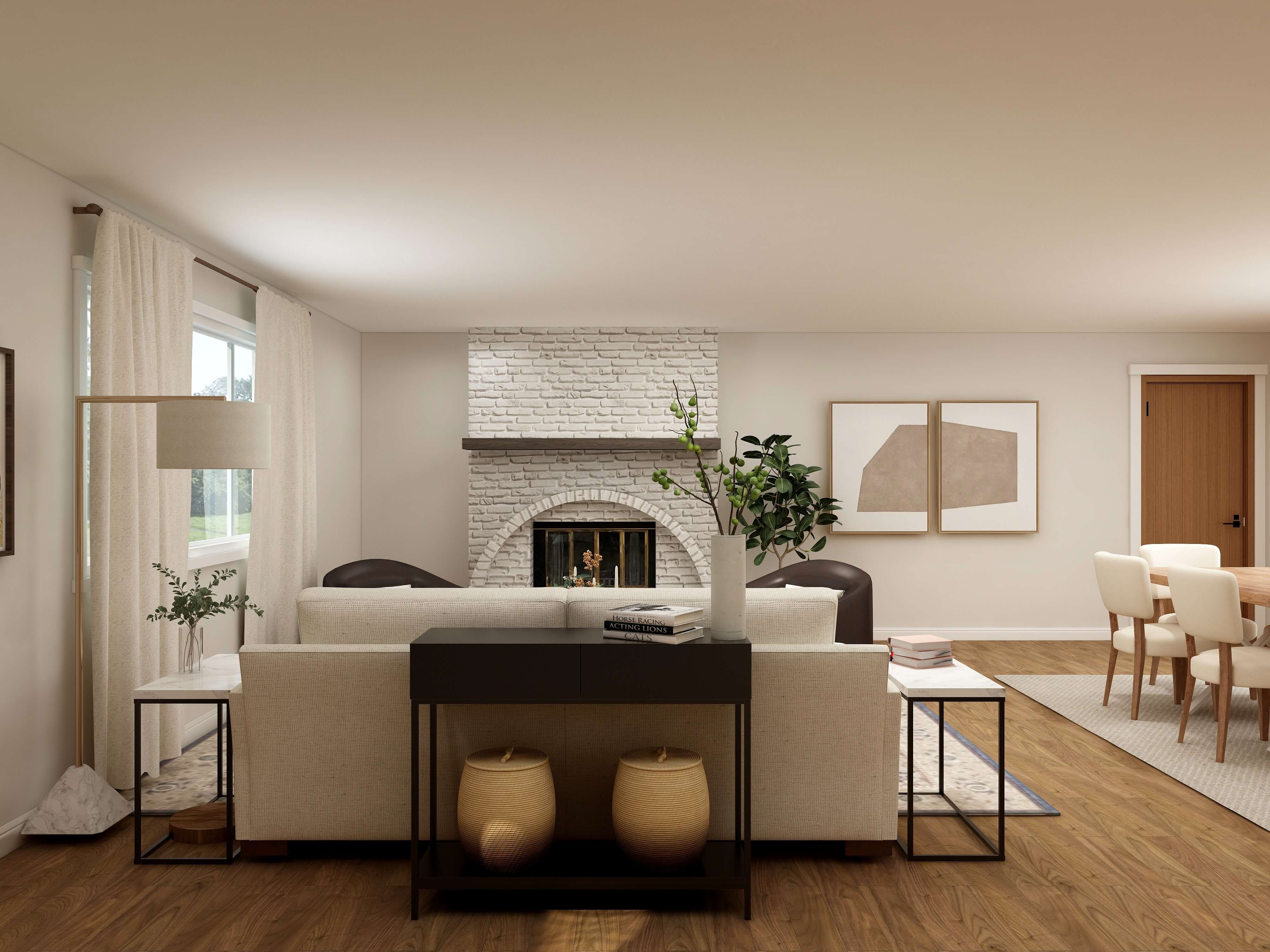
    Photo by Collov Home Design on Unsplash
    1. Minimalist art

    With homeowners craving a more calming environment after the chaos of the pandemic, minimalist art is set to be a big interior design trend in 2021. This style is inspired by Scandinavian homes and follows the mantra of ‘less is more’. Designer Sharon Blaustein says minimalism is about “keeping a space simple, uncluttered, and accentuating the attractive architectural features of a space.” And this concept has influenced our art choices. 
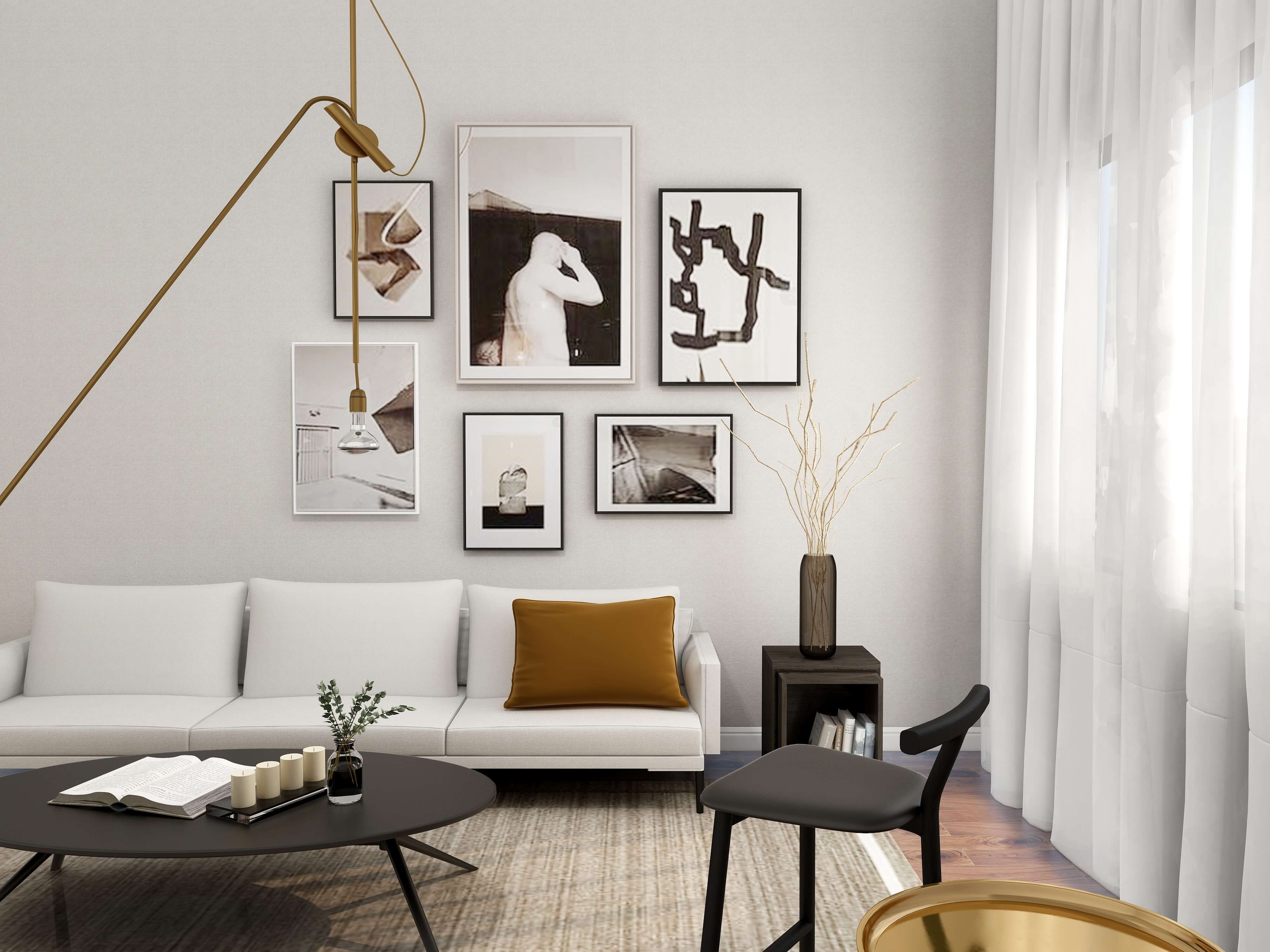
    Photo by Collov Home Design on Unsplash

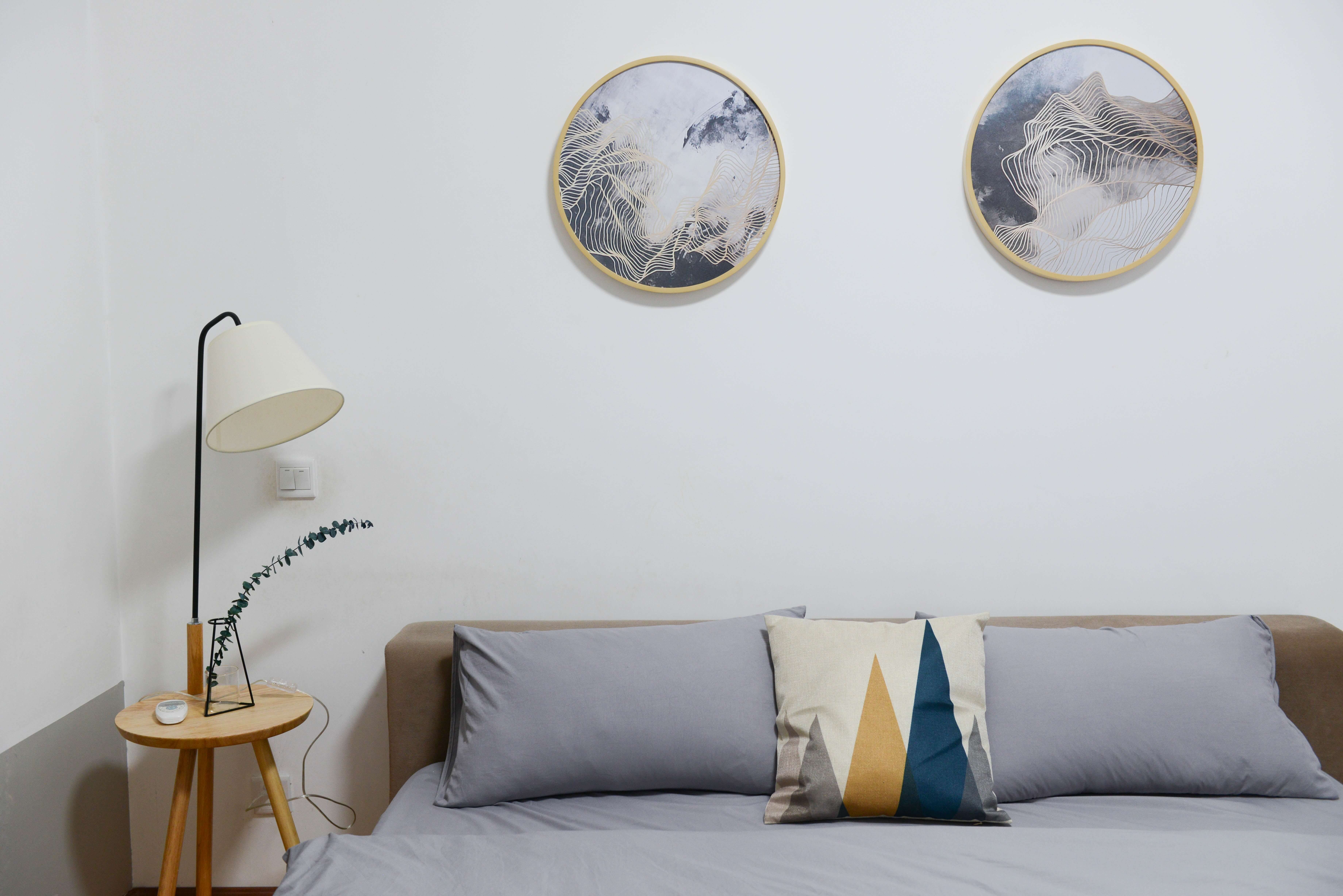
    One style that’s expected to blossom is graphic line art, which is based on a distinct display of straight and curved lines against a plain background, often alluding to familiar silhouettes or abstract shapes. These pieces tend to be minimal enough to blend in with almost any decor scheme, yet graphic enough to stand out on their own. However, to complement your line art in the home, you’ll want to choose a frame which matches the pieces to ensure it looks the part on your walls. As noted by framing company Soho Frames: “A picture frame can often be much more than a border, but part of the whole artwork”, while also protecting it  from damage “such as scratches or fading under sunlight.”
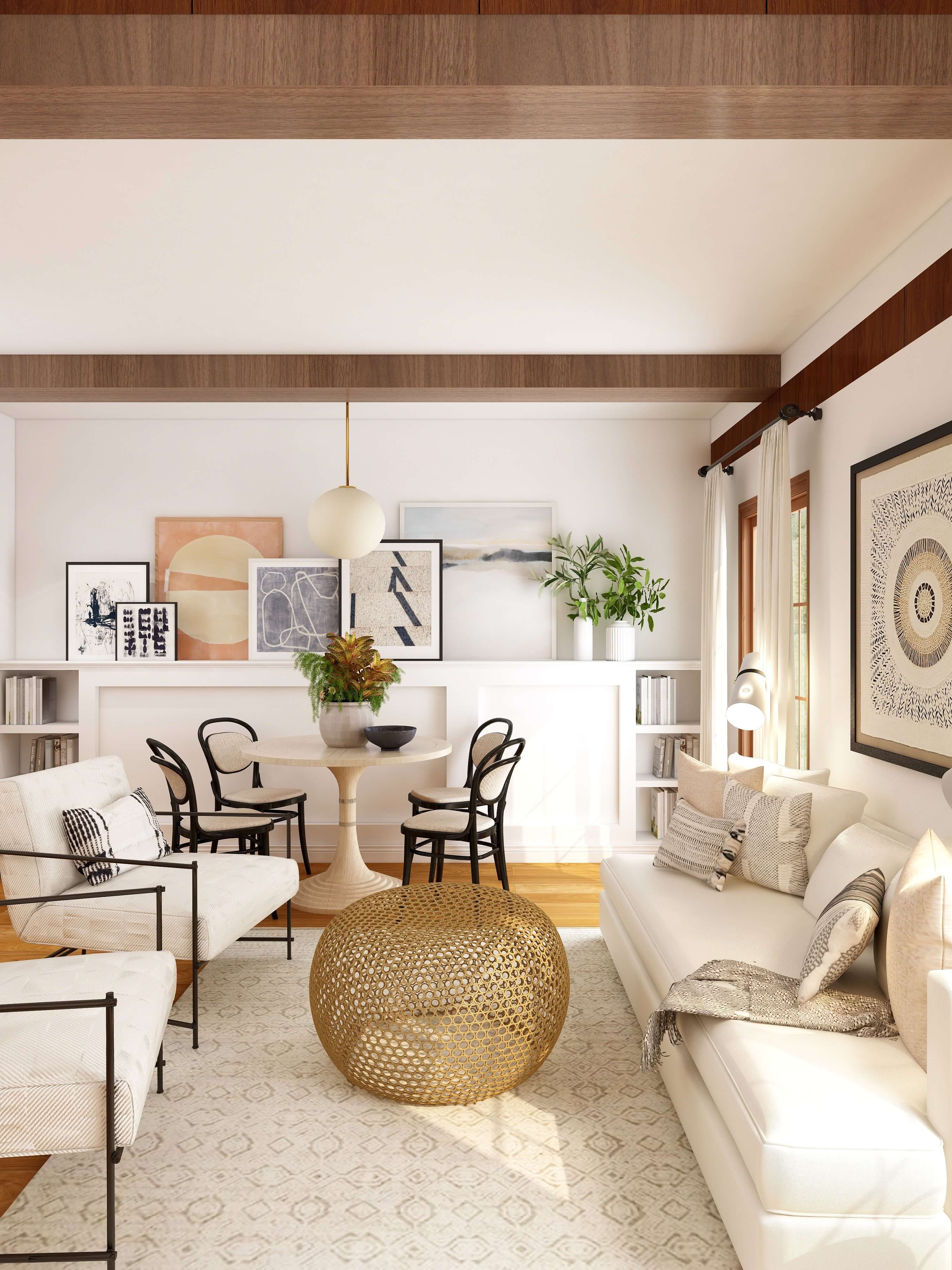
    Photo by Collov Home Design on Unsplash
    1. Yellow and gray 

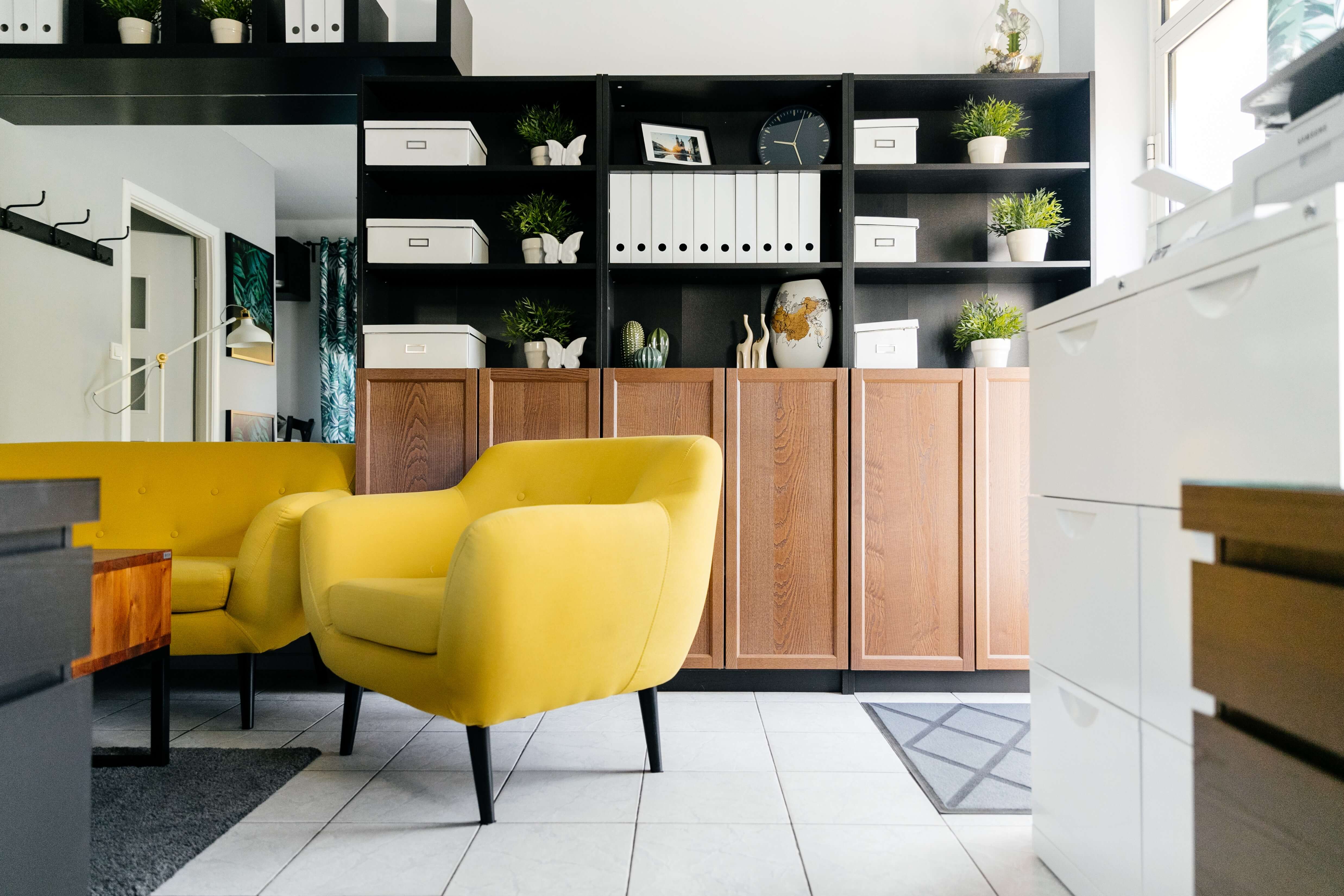
    Pantone’s Color of the Year always has a big impact on interior trends for the following twelve months. For 2021, the institute revealed ‘illuminating’ yellow and ‘ultimate gray’ as the chosen colors, describing them as “practical and rock solid but at the same time warming and optimistic.” These shades are expected to be dominant in home interiors, with designers recommending them as accent colors in items such as throws and plump cushions, to avoid making a commitment to a bold color. Any hue that is rich in tone (like illuminating yellow) would be overpowering for one room, so shouldn’t be used to paint walls with. Homeowners should focus on the smaller elements of their home when using these colors, incorporating them into things like vases and kitchen plates, bowls and accessories. Gray’s neutrality makes it a great choice for a textured wall, while yellow is perfect for adding vibrant pops of color.

    1. Sustainable interior design

    With growing concern around the environment, in 2021 we’ll see a rise in sustainable design. Co-founder and design director of Healthy Materials Lab tells Architectural Digest that there’ll be a “return to using materials that originate from nature rather than highly processed synthetic materials.” For example, vinyl flooring is being swapped for linoleum and marmoleum, and carpet companies are removing stain and water repellent chemicals from their processes. We should also expect to see bioplastic in furniture design, more homeowners opting to upcycle and repair old items, as well as an increase in second-hand furniture purchases. More organic materials are to be used in construction, like wood, wool and stone. Meanwhile there will be a greater focus on where these items are being sourced from and whether they’ve been extracted with minimal environmental impact. 

    Photo by Collov Home Design on Unsplash
    1. Natural elements

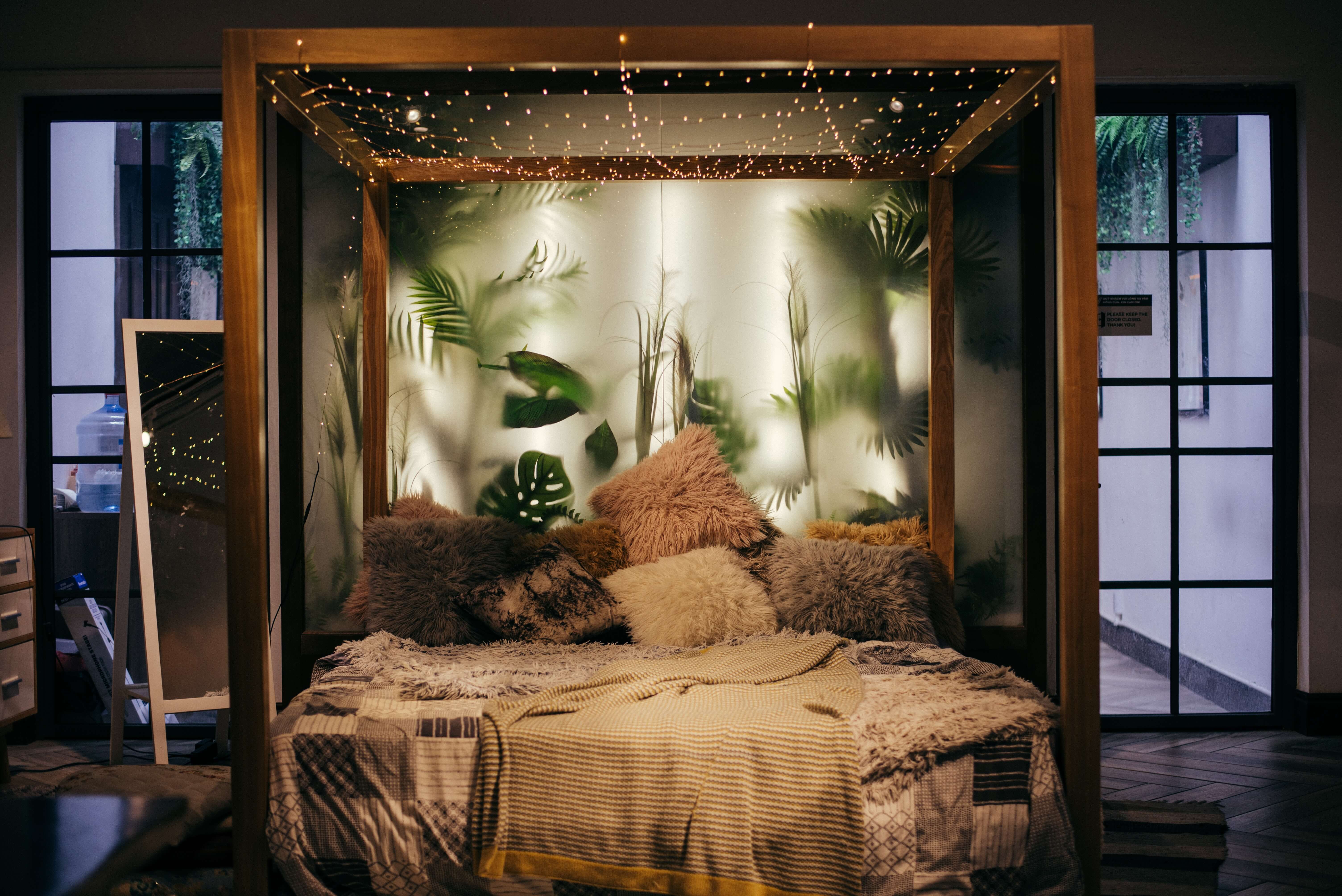
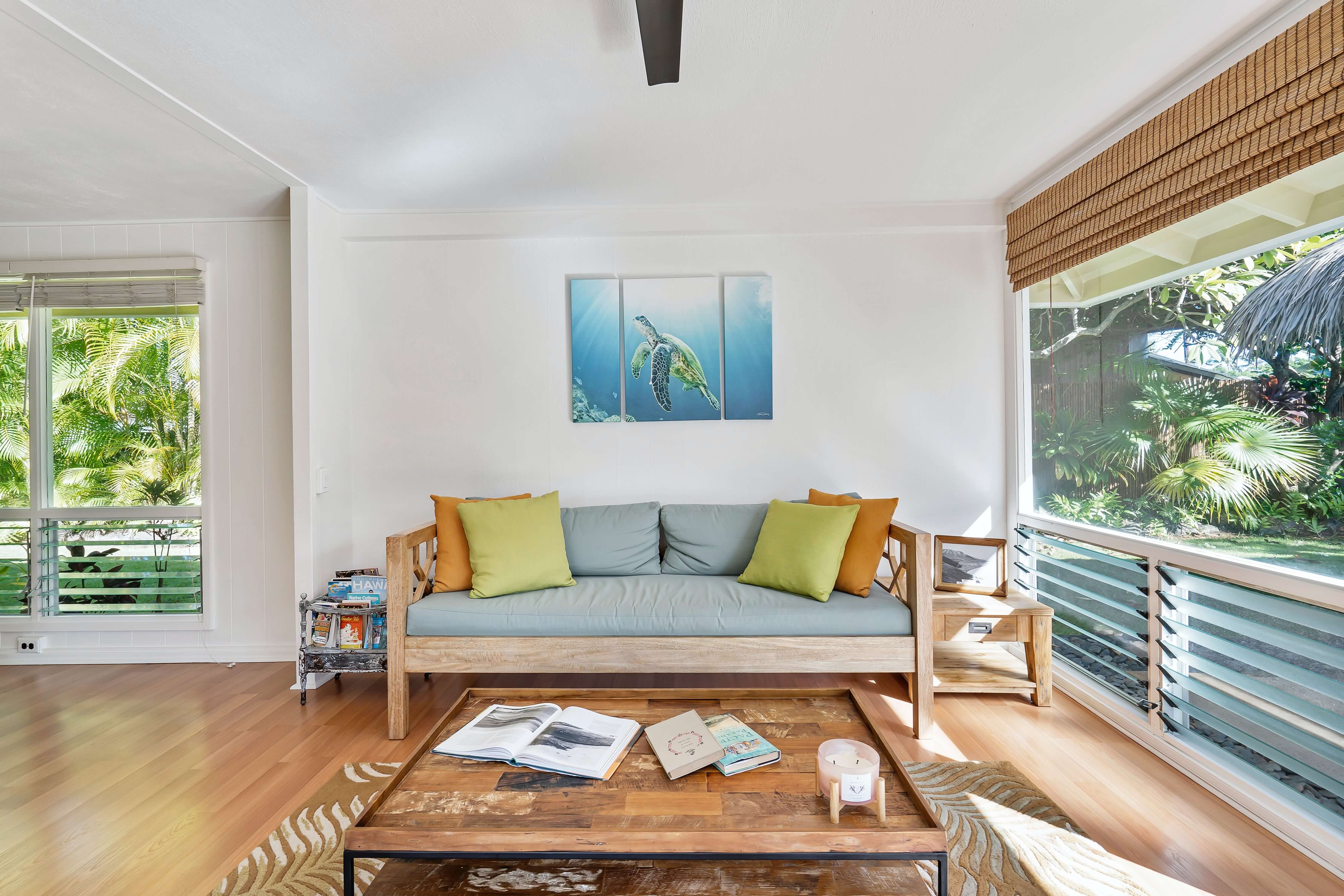
    Also known as biophilic design, this interior trend is focused on bringing the outdoors in. Throughout 2020, nature played such an important part of our lives considering we had nowhere else to go. So it’s no surprise that the outdoors is making its way indoors. Plants are one way of doing this, with millennials going crazy over all of the different types of houseplants. Not only do these improve air quality, but they can brighten up your mood too. 
    Nature will also be found in the materials used to decorate our home, such as stone, wood, and seashells. Natural wood, in particular, is expected to make an appearance in kitchens again, after a long-period of dominance for white-painted cabinetry. Meanwhile timber, linen, and natural fibres like wicker, hemp and rattan are top picks too. For example, searches for ‘rattan furniture’ have grown by 809% since the start of March 2020.
  • 4 Innovative Designs for Lofts

    4 Innovative Designs for Lofts

    Innovative design refers not only to something novel and trendy but also to functional, smart, and more effective than before.

    Photo by Andrea Davis on Unsplash

    As the times change, so do the people’s needs and preferences. Today, when we spend a lot of time at home during the pandemic, people need their place of residence to be more comfortable and functional, like a true shelter.

    Whether it is a new smart trend in design one wants to adopt in full after a renovation or partial improvements of an apartment, innovative design should always define what its residents need in the first place. You can be a client of a design studio or a student who needs custom writing on EssayPro, but an innovative and personal approach is key in the end. 

    Photo by Max Vakhtbovych from Pexels

    As everybody has their own needs, it’s impossible to predict all of them and come up with a solution immediately. Yet, from time to time, there appear new visions of what a pleasant interior design looks like and how to improve the functionality of a space.

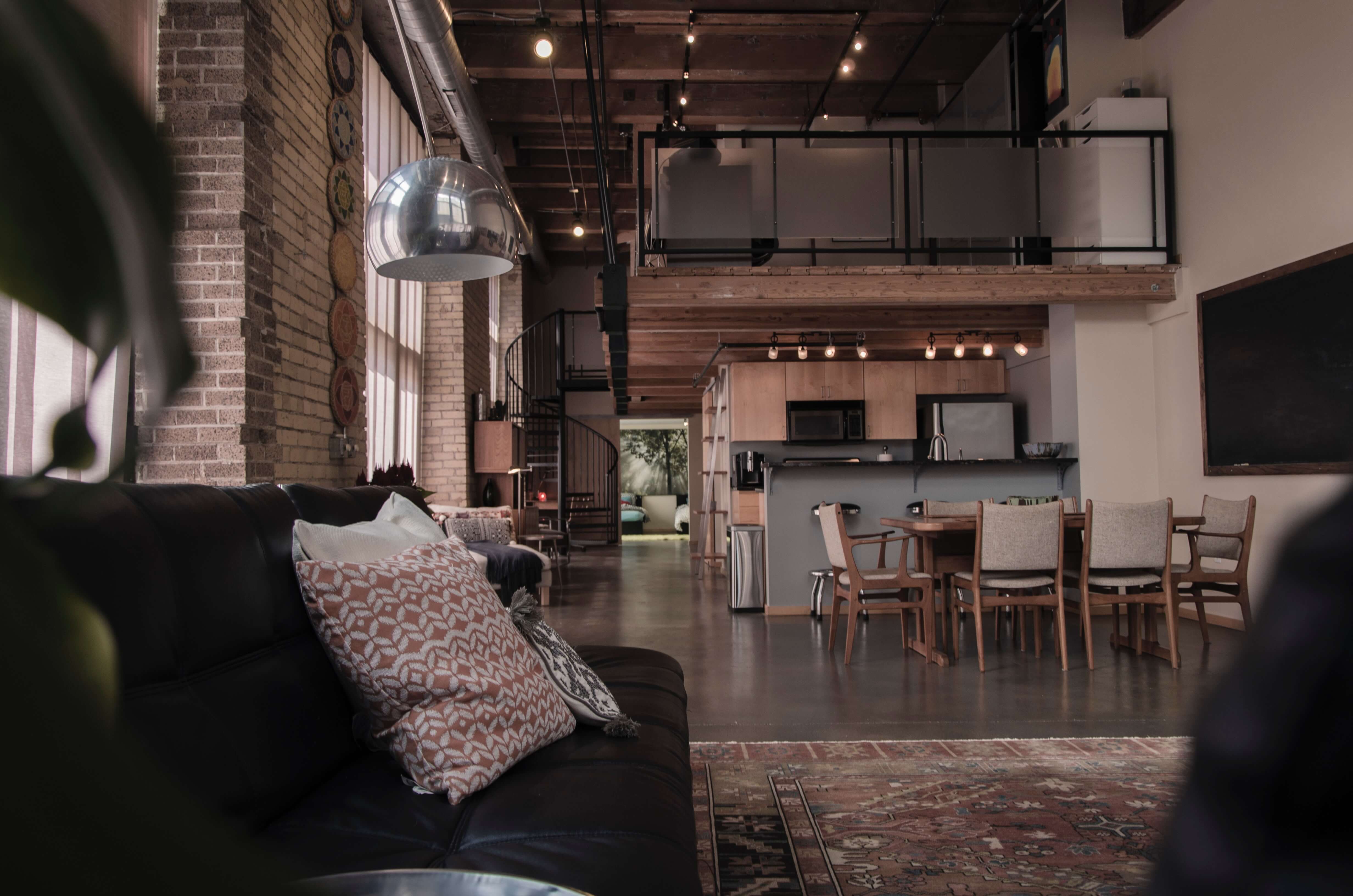
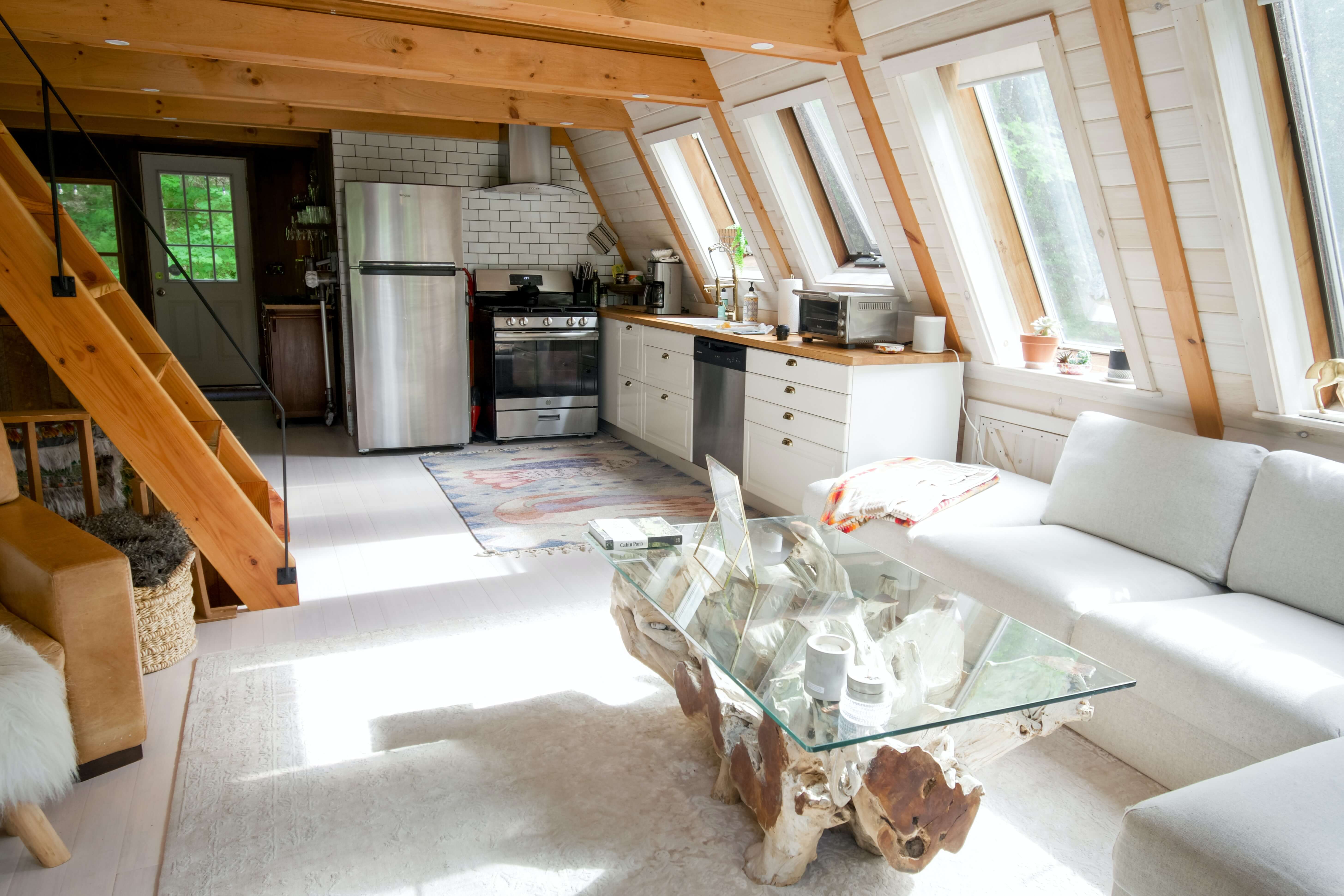
    It’s only relatively recently that people came up with transforming ex-industrial spaces into actual apartments. The style of lofts is often defined by rough design, brick walls, there’s usually plenty of space. Yet, somehow, it makes the apartment rather empty. The walls may look cold and uninviting. One may not know what to occupy that space with.

    If you’re not a fan of such a raw style, it doesn’t mean that living in a loft is not your cup of tea. You can make it as cozy and functional as you’d like to. Let’s look into the options.

    Photo by Max Vakhtbovych from Pexels

    Choosing the Colors

    Are you tired of brick walls and neutral colors? They may look stunning to somebody. Yet, it’s not a standard to adhere to. You can combine even dark and deep colors when choosing the furniture and what to paint the walls with. Big windows typical for lofts will serve as a natural source of light as well as add some brightness and contrast.

    If you don’t have significant ideas regarding the color palette, you can consult a designer specifically as they are bound to have knowledge about what colors to combine. Ask your friends what will look more appealing to them if you plan to use your apartment as your office as well. A second opinion will only benefit you in this case.

    High Ceilings

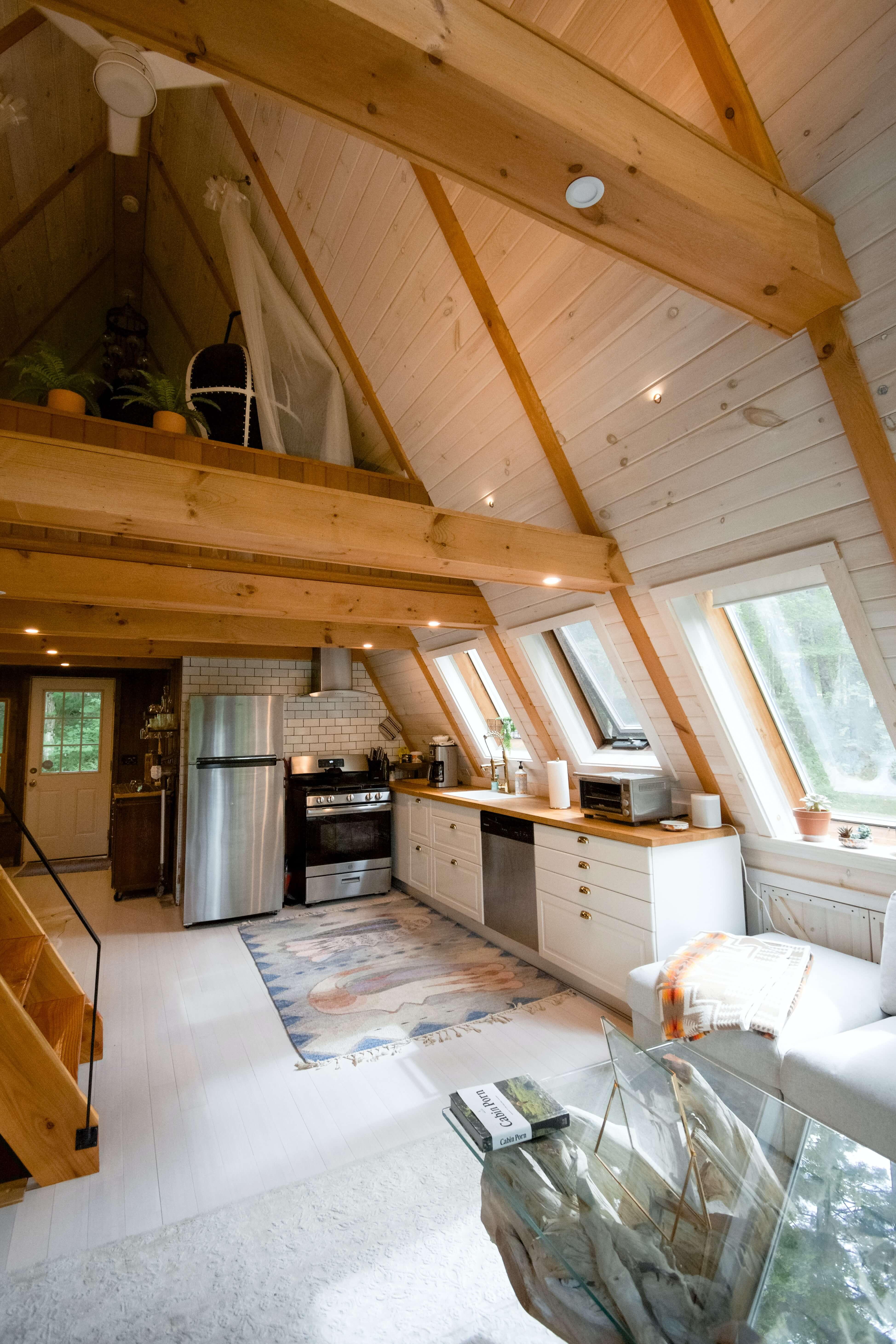
    If it’s a used-to-be-industrial building with high ceilings, use that space. A double-storey apartment can be an amazing solution. The second floor will ensure your privacy, you can settle a whole home office there together with your bedroom and bathroom. The first floor will be a room for hanging out, cooking, relaxing, setting up a gym, etc.

    Photo by Max Vakhtbovych from Pexels

    Another option for the second floor could be a personal library combined with a work spot or a place for your hobbies. You can put a number of pendant plant pots on the wall of the second floor to have cleaner air and a relaxing atmosphere there.  

    Photo by Aaron Huber on Unsplash

    Hiding the Bedroom

    Lofts are usually open-space, so, if you don’t have much room to create the second floor, you need to fix up the question regarding your bedroom and bathroom to keep them private when you have someone visiting you. Of course, it’s not prohibited by law to put additional walls in lofts, but cutting it into rooms can discredit the very idea. 

    There are numerous innovative ideas on the internet. If you surf Pinterest and YoutTube, you can see that this kind of privacy problem can be solved in many ways. The suggestions range from putting a room screen to crafting whole box-like rooms in the middle of the apartment. The solution can also lie in folding doors. The apartment will just look smaller as you close the doors. 

    Photo by Max Vakhtbovych from Pexels

    Slanted Walls

    If the roof of the building is not flat, you probably have slanted walls and a dark spot under the very top of the roof. It’s definitely hard to come up with the idea of how to use them. You can’t hang a picture there, it would look awkward. Hanging a roof lamp doesn’t sound convenient either. Here are some ideas on how to use that space:

    • Set a video projection screen on the slanted wall. If you set a cozy area with cushion chairs right under the roof with few or no windows at all, it can be your place for movie evenings.
    • If you’re into a hobby that requires crafting or painting, add more windows. It will make a great studio for you and provide the apartment with a lot of natural light.
    • The very top of the roof can be turned into a comfy and tiny room either as your bedroom or space for you to read and/or relax. With a ladder leading to it, it may remind you of a treehouse for children, but who says adults can’t have the same?
    Photo by Max Vakhtbovych from Pexels

    In Summary

    The classic ideas for designing a loft should not limit you or incite negative associations with such apartments as cold and empty spaces. Even disadvantages can be used to your benefit. Lofts can also be warm and cozy places to live in despite the stereotypical depiction of them in movies. Just invest some effort in at least online research.

  • 7 Stylish Bedroom Design Ideas

    7 Stylish Bedroom Design Ideas

    Did you know that on average, someone with a life expectancy of about 80 years, spends 26 years sleeping? So, it wouldn’t be wrong to say that most of our lifetime is spent in the bedroom. No wonder you’d want to turn it into a peaceful haven. 

    Photo by Pixabay from Pexels

    When it comes to designing your bedroom, a lot depends on your personal style. You can choose from whatever style calls out to your aesthetic sensibilities — be it contemporary, old-world traditional, mid-century modern, urban modern, bohemian chic, coastal, industrial, rustic cottage, and more. 

    Photo by M&W Studios from Pexels

    Whichever decor type you choose, it should reflect your personality and provide you with a comfortable space where can unwind at the end of the day and wake up energised and ready for a brand new day.  

    If you’re unsure of where to start, here are seven bedroom design ideas that you can play around with.

    1. Contemporary feel 

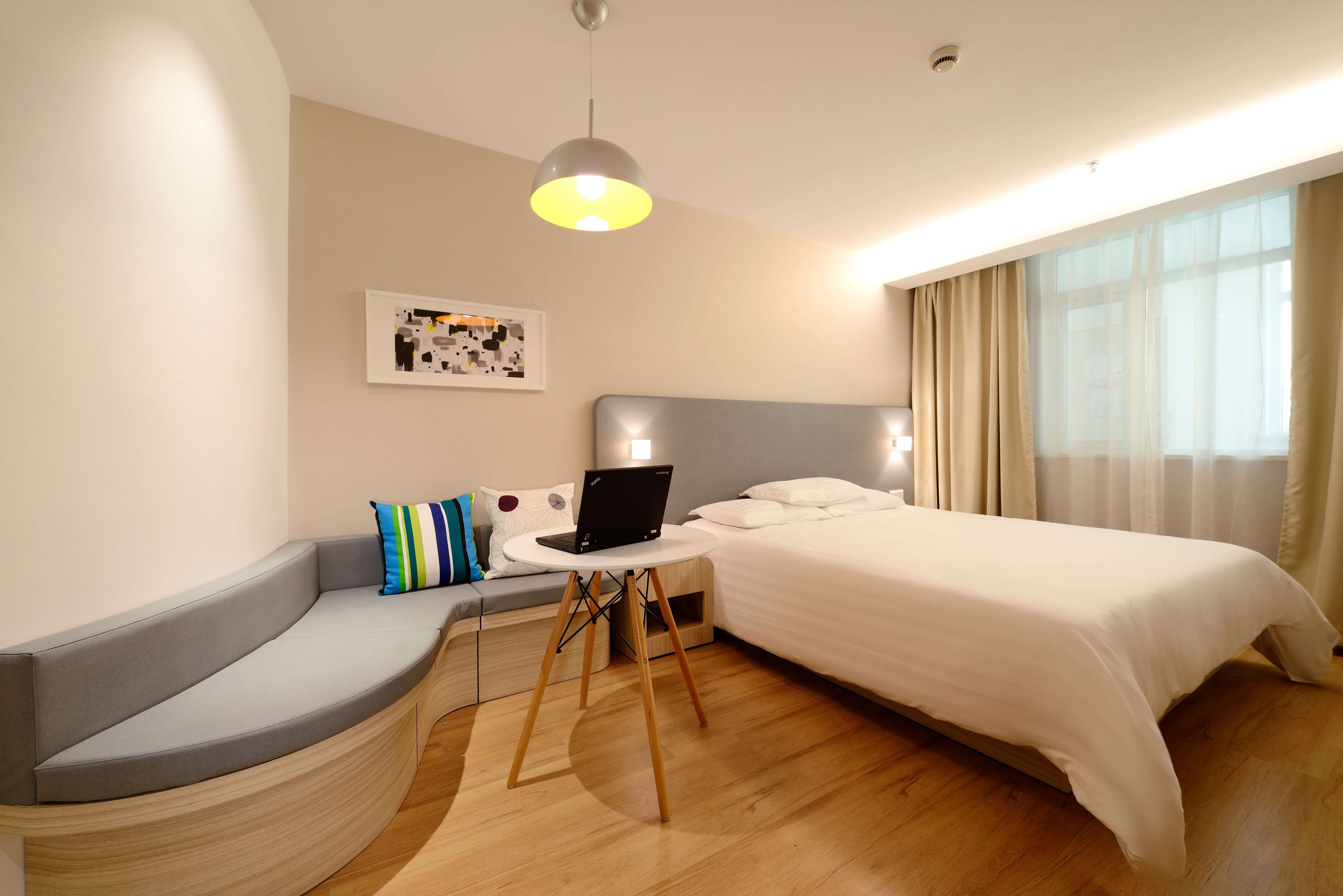
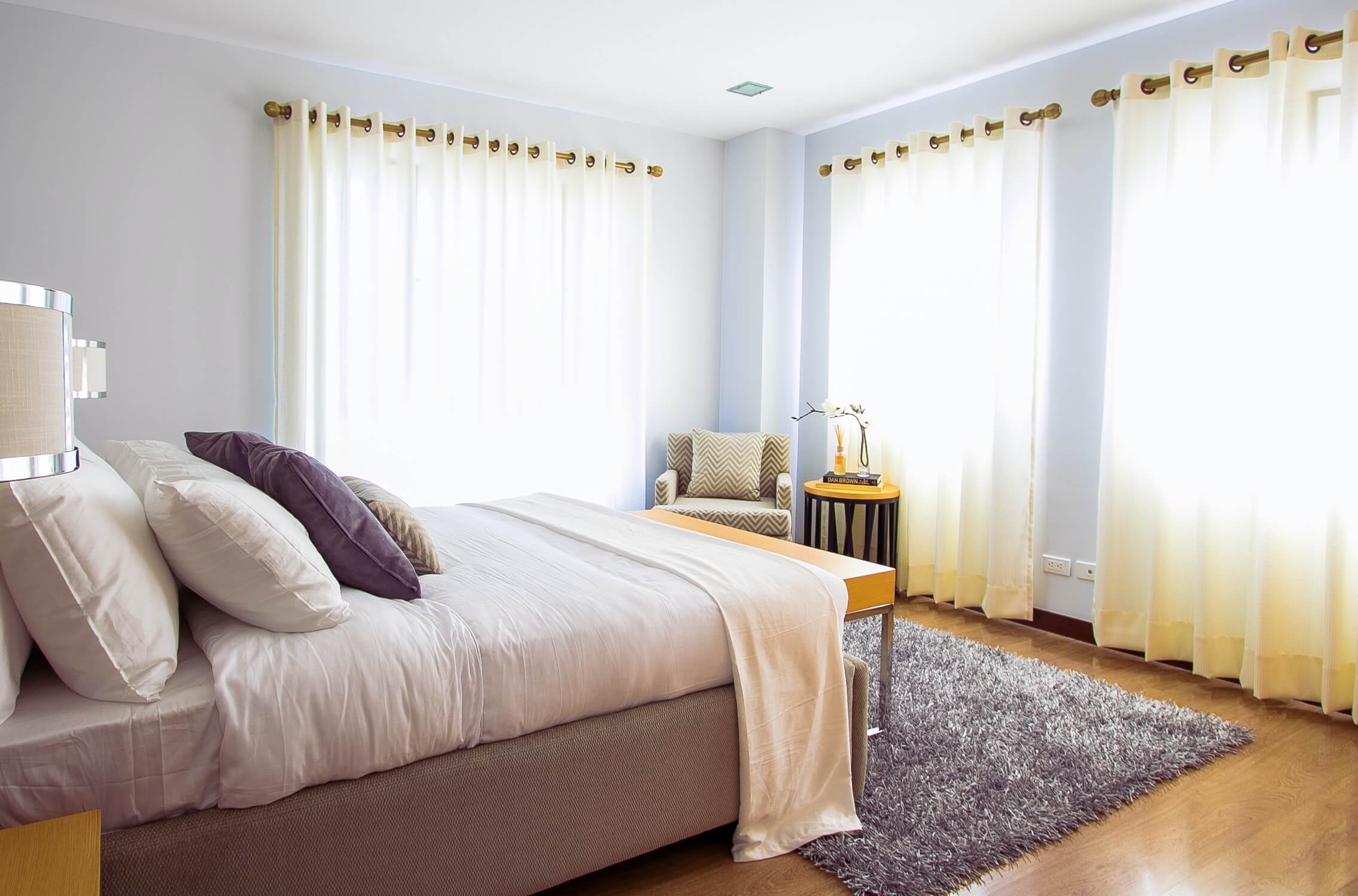
    Want a bedroom that’s a blend of trendy and sophisticated? Go for a soft look with abundant natural light making the room feel bright and airy. Pick your theme from a neutral colour palette with plenty of whites, browns, cream, beige, taupe, and tans. Limit the furnishings for an uncluttered space. A bright artwork on a focal wall can add a spot of drama to the room.

    Photo by Tan Danh from Pexels

    2. Tried, tested, and traditional

    Do love everything classic? Are you a stickler for calm and order in your life? Then, you’d find a traditional style bedroom perfect. Think: Elegant wall papers, neutral-coloured walls, hardwood floorings in rich tones, antique furniture, patterned rugs and drapes, and last but not the least, high-end accessories and statement lighting such ornate chandeliers. 

    3. Casually coastal

    Drift off every night in the sand and sun sensation and wake up to different hues of blue all around you. You would never again feel the lack of vacation in your life. Adorn the walls with beach-themed art. Get a feel of marine life with anchor and compass patterns on covers. Put up a seashell-style settee in a corner as an accent piece. 

    Photo by Monica Silvestre from Pexels

    4. Rustic cottage

    Want to create a warm, lived-in vibe in your bedroom? Here’s a style for you. Open and bright interiors that are full of light and sprinkled with colours. Pastel accent pieces stand out in a neutral base theme. Each piece of furniture adorning this room style has a story to tell — of their journey from their original home to flea markets or garage sales to your home. 

    5. Bohemian chic

    Low-lying furniture, ornate rugs, pieces of custom art brings out your bohemian chic style. The neutral interior is complemented by lots of bright-coloured furnishings and accessories like hot pink throw blankets, throw pillows, tapestries, and canvases.

    Photo by Cats Coming from Pexels

    6. Industrial 

    Flaunt the air con ductwork like a piece of art. Open floor plans and high ceilings are adorned with neutral colours and metallic finishes. For a lazy loft vibe, get custom Australian made beds in reclaimed pallet wood with extra space all around for your favourite reads and other knick-knacks. 

    7. Minimalist modernity 

    If modern and minimal is your style, this is the one for you. Focus on simple functionality with clutter-free space and clean lines. Abundant light brightens up the whites, greys, and browns. Natural elements like house plants add a pop of colour to the room.

    Which of these décor styles do you wish to replicate in your bedroom? 

  • Space Savers: How To Make Your Home Feel More Roomy

    Space Savers: How To Make Your Home Feel More Roomy

    If you live in a smaller space, it’s important that you find ways to make the most out of the room that you have.

    Photo by Adrien Olichon from Pexels

    While a smaller space can feel cosier and more intimate, it can provide a challenge in terms of storage and creating more usable space. However, with a few simple design tips, you can make your home feel more roomy and ensure that it never feels cramped. 

    Whether you want to make a few small additions to your home or you want to completely overhaul your space, there is a lot that you can do to make your home feel more spacious. As every property is different, you need to ensure that you take the right approach with your redesign to get the best results from your efforts. 

    Photo by Jason Boyd from Pexels

    Let’s take a look at a few simple tips you can use to make your home feel more roomy and spacious. 

    Declutter Your Interior

    Nothing makes a space feel more crowded than filling it up with too much stuff. Go through your shoe cabinet, closets, wardrobes and other storage and get rid of anything that you no longer use. Being ruthless when you are decluttering will help you to minimise the number of belongings that you need to store, creating more room in your home. 

    Use The Right Furniture

    Putting an elaborate king-sized bed frame into a small bedroom will instantly make it feel smaller. Likewise, fitting your living room out with large sofas and armchairs will make your space look cramped. Select short, low pieces of furniture that will take up less space and help to make your home look larger. 

    Choose The Right Colours

    If you want to go the extra mile and repaint your home’s interior, be sure to choose colours that will make your home feel open and airy. While warm colours will make a space feel snug and cosy, cooler colours such as whites, blues and greens will make your home feel more open. Be sure to choose soft tones to ensure that you get the best results from your redecorating. 

    Photo by Houzlook .com from Pexels

    More Natural Light

    Letting more natural light into your home will instantly make it feel brighter and bigger. If your budget will allow you to put in bigger windows or add a skylight, that’s a great option. On the other hand, if you have a smaller budget to work with, you can get rid of heavy curtains and dusty blinds to let more light into your home. You can also add some artificial lighting such as track lighting or recessed lighting to brighten up your home and make it feel bigger. 

    Add Reflective Surfaces

    Mirrors and other reflective surfaces will not only make your home feel roomier but can also be a fantastic feature design piece. Mounting a large, ornate mirror on the wall will help to reflect more light around the room, making it feel more open and spacious. You can also experiment with reflective coffee table surfaces or a mirrored chest of drawers to add more reflection to your space to make it appear larger. 

    Photo by Joanna Bogacz from Pexels

    Take Steps To Make Your Home Feel Bigger, Roomer And More Inviting

    You don’t need to break the bank to make your home feel more spacious. With just a few inexpensive design touches, you can instantly make your home feel larger, roomier and more inviting. Remember to keep your home clutter-free to make it appear more spacious, select the right furniture and add more reflective surfaces to your space. Using these tips and the others outlined above, you can be sure that your home will feel spacious and inviting when your friends and family come to visit.

  • Excellent Tips That You Can Learn from Home Inspectors

    Excellent Tips That You Can Learn from Home Inspectors

    Purchasing a home is very expensive but many overlook the inspection process trusting the construction company and the sellers who may end up hiding a lot of mistakes and information from you as the buyer of the home.

    Photo by Francesco Ungaro from Pexels

    Inviting an inspector to accompany you when making your decision will save you a lot of future regrets, money, and expensive costs that may continue arising as the building becomes more stable and older. You are supposed to do both interior and exterior inspection for you to be sure of the building you intend to purchase.

    Photo by Emre Can from Pexels

    Following this article will help you know what to look for together with your inspectors when purchasing your dream home.

    Plumbing works

    Your inspector will help you check on the sewerage system of the whole house, showers, and the pipes used. They will help identify if the pipes used are standard. They will check whether there are available leaks that may be available to damage the walls in the future. If the house you are buying is a resale, the inspector will inspect whereby they will let you know if the pipes used require repairs, and they will inform you how much they will require you to use.

    Water heaters

    If you are purchasing an old home, the building inspections in Adelaide will help you know the age and the condition of the water heater available, but if you are buying a new home, they will advise you on the number of years that the water heater will be used and if the plumbing team has installed it correctly. 

    Photo by Novia Indah Lestari from Pexels

    Electricity

    Your inspector will help you check on the wiring that has been made in the entire house. They will test all the outlets provided for them, they will also check if the electricians installed the fault circuit that will protect your household from electric shocks, which are installed in the kitchen, bathrooms, outdoors, and in your garage. They are also responsible for checking your electrical panel and make sure it is safe.

    Fire System

    Your inspector will check on your fire safety. Each sensitive room should have a fire extinguisher, and if it is in the kitchen, they should provide a fire blanket. The inspection team will also check if they are well refilled and working, test on the horse pipes, smoke detectors, and the fire alarm. They will help you know how good the system is for your safety.

    Photo by Expect Best from Pexels

    Ventilation and air conditioners

    Your inspector will check on the furnace and the air conditioner and they will advise you how old they are, and if they require replacement or repair. If it’s a new home, they will help you check if the appliances are functional, how many years have they given as warranty. All this information is helpful, and it adds value to you before and after the purchase.

    The home inspection should be part of your home purchasing process, with the above tips you can invite building inspection in Adelaide for greater advice.

  • How to Ensure Your Self-Build Project Runs Smoothly

    How to Ensure Your Self-Build Project Runs Smoothly

    Self-builds can be exciting and a great way to get exactly what you were looking for. But no one will tell you that they’re easy.

    Photo by form PxHere

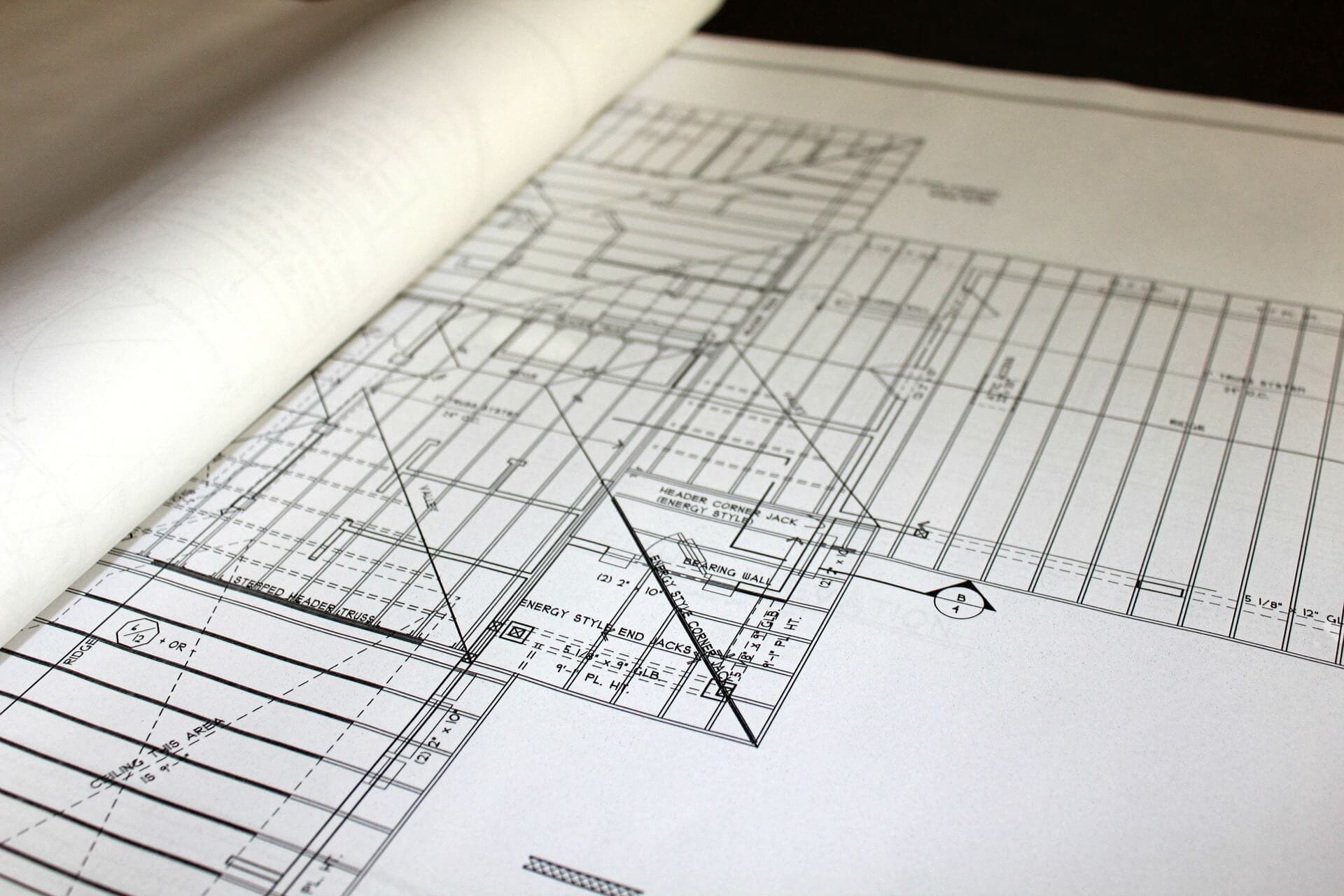
    These can be stressful projects and many things can go wrong. This is why you need to start with the right plan and know what to expect from the get-go. There are also very important mistakes that you need to avoid if you don’t want to pay more than you should or avoid a disaster. Here are a few tips for making sure that your self-build project runs smoothly.

    Plan Properly

    The first thing you have to do is make sure that everything is planned properly. You want to make sure that you have a clear timeline for every part of the project so you can have control over scope creep. While you can always use excel spreadsheets, we suggest you pick up a tool like Evernote with more functions that will help you stay on top of developments. 

    Hire the Right People

    The most important part is making sure that you work with the right contractor. Also, it’s better to use a local service provider – for example, partner up with a plumber in Muswell Hill if based in this London area. You have to make sure that they have a solid reputation and that you’re on the same page. They have to be established and be in good standing with trade organizations. They need to be properly licensed and bonded as well.

    Photo by form PxHere

    Bonds are very important when it comes to construction. They guarantee that the project will be completed or that expenses for the project will be covered if the builder can’t finish the project for any reason. Insurance is essential for them and their employees, and you have to make sure that you verify it. Don’t be timid; it is your right and obligation to know that everyone on the job site is lawfully allowed to work there and that they have the proper coverage.

    If they don’t, it could spell trouble for you in many ways. If one of the people they’re working with is unlicensed, the whole job site could be shut down. If one of their employees gets hurt and they didn’t have coverage, you could be the one who will have to cover for damages. This is why you need to take this step very seriously.

    Image by ClassicallyPrinted from Pixabay

    Accommodate for Workers

    You also have to make sure that you have the proper accommodations for the workers. One of the most important things you will need to have is portable toilets. This is actually mandated by OSHA. In some cases, the builder will bring their own, but it’s not always the case, so we would suggest you start looking at some of the options out there. If you don’t know where to start, you can check out satelliteindustries.com.

    Photo by form PxHere

    Hire a Project Manager

    You could also make things easier and hire a construction project manager to oversee the whole project for you. They are not reserved only for big projects, and they are a sound investment to make if you want to make sure that everything goes perfectly and that you don’t have to micro-manage everything.

    These are all tips that you can follow if you want your self-build project to go according to plan. Make sure that you have everything sorted before you start and work with the right team.

  • The advantages of gardening by Michael Osland

    The advantages of gardening by Michael Osland

    There is more to gardening than making your house look good!

    Photo by form PxHere

    When you care for plants, it can do wonders for your wellbeing. Gardening involves physical strain that can help to maintain balanced blood pressure levels and maintain a healthy weight. And when you interact with plants, it can boost your mental health and mood. 

    Nature can impact people’s wellness and health. It can help to bring down your cortisol and help you feel better. So, you can get set and roll up your sleeves to get planting. 

    Photo by form PxHere

    Michael Osland shares the benefits of gardening.

    According to Michael Osland, some of the essential benefits of gardening are:

    1. It helps to build your self-esteem

    You indeed were not born with a green thumb! However, when you have spent adequate time planting, tilling, harvesting, and nurturing the plants, you might see yourself differently in the mirror. You can grow things, and gardening has made you become in sync with the earth. You will feel good to complete new tasks. And once you develop a garden, you will get a boost in your self-esteem to accomplish other targets as well. 

    1. It is good for the heart

    The planting, weeding, and digging you undergo during gardening can burn calories and helps you to strengthen your heart. Gardening and its physical labor have several benefits. The hard work that you put into the garden can offer you immense cardiovascular advantages. 

    Photo by form PxHere
    1. It helps to reduce stress

    Gardening can help to minimize stress and symptoms of depression. It gives you the scope to concentrate on something and allows you to work hard. Mental engagement is essential today as so many people are prone to depression. Hence, when you get involved in gardening, you have a better mood which can combat stress. 

    1. It makes you happy by Michael Osland

    At times getting your hands and nails dirty leads to happiness. When you inhale M.vaccae, a healthy bacteria that live in the soil, your serotonin level increases. It also helps to bring down your anxiety level. 

    1. It enhances hand strength

    All the planting, pulling, and digging have more to offer than producing plants. Gardening is effective in maximizing hand strength. It helps you to keep your fingers and hands strong for as long as you can. 

    Photo by icon0com form PxHere
    1. It’s good for the entire family

    Gardening can both be a solo activity or a chance for others to bond and unite. You can get your family and friends involved in gardening as well. The stress relief and happiness that gardening provides are great when you share it with your loved ones. If you have kids, they can also enjoy gardening. When you do all the digging and planting, you can witness several health benefits, from minimizing autoimmune diseases to allergies. 

    1. It gives a boost to vitamin D

    When you have a healthy percentage of vitamin D, your calcium levels get to the right balance. It helps your immune system and the bones. Exposure to sunlight is essential for everyone as it increases the dose of vitamin D. 

    These are some of the essential advantages of gardening. It’s time to get yourself and your loved ones involved in gardening and reap the benefits. 

  • What is a block retaining walls

    What is a block retaining walls

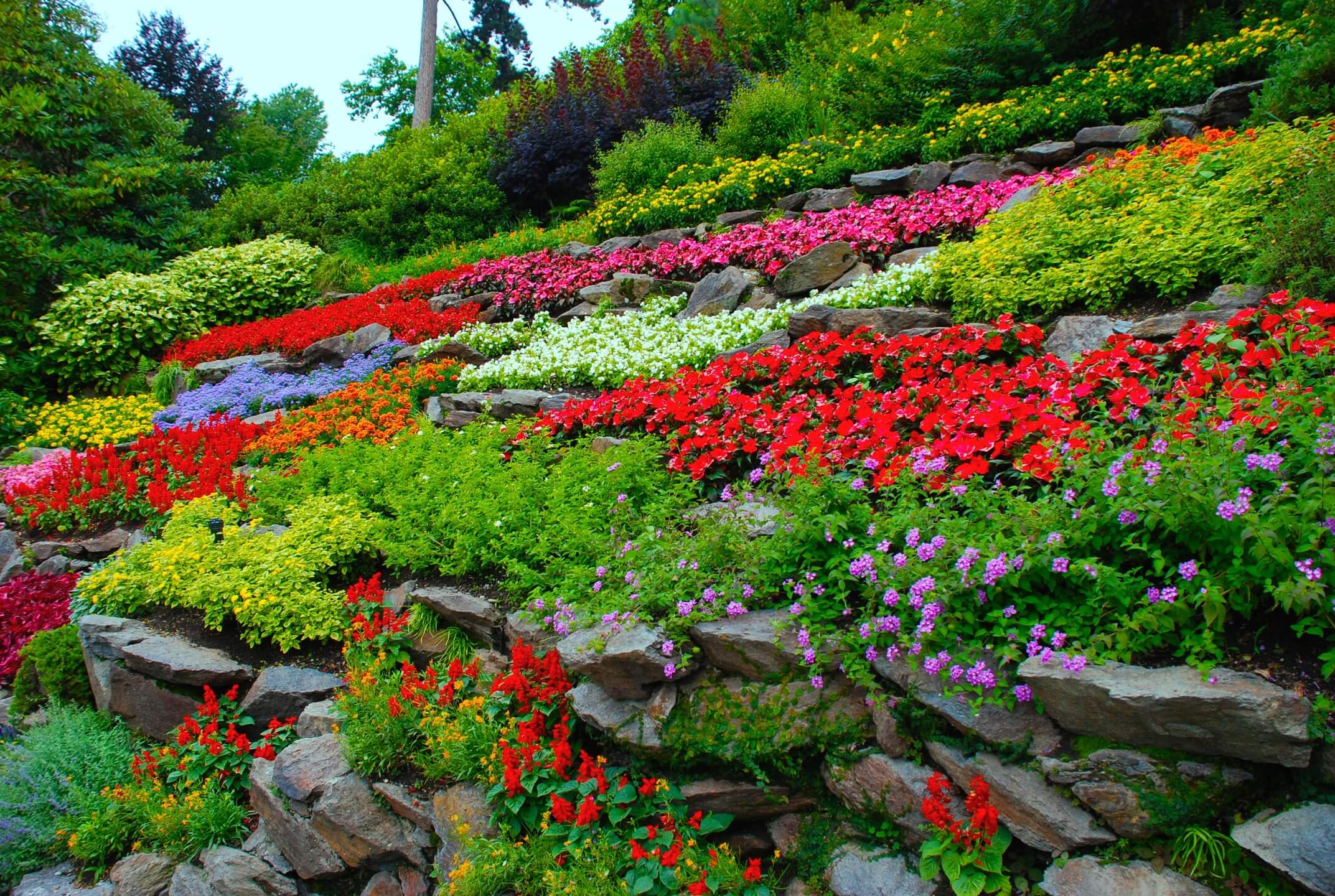
    In designing any wall or fence, including retaining walls, it is vital to understand the purpose of the structure. Retaining walls are constructed to retain soil in each location.

    Photo by form PxHere

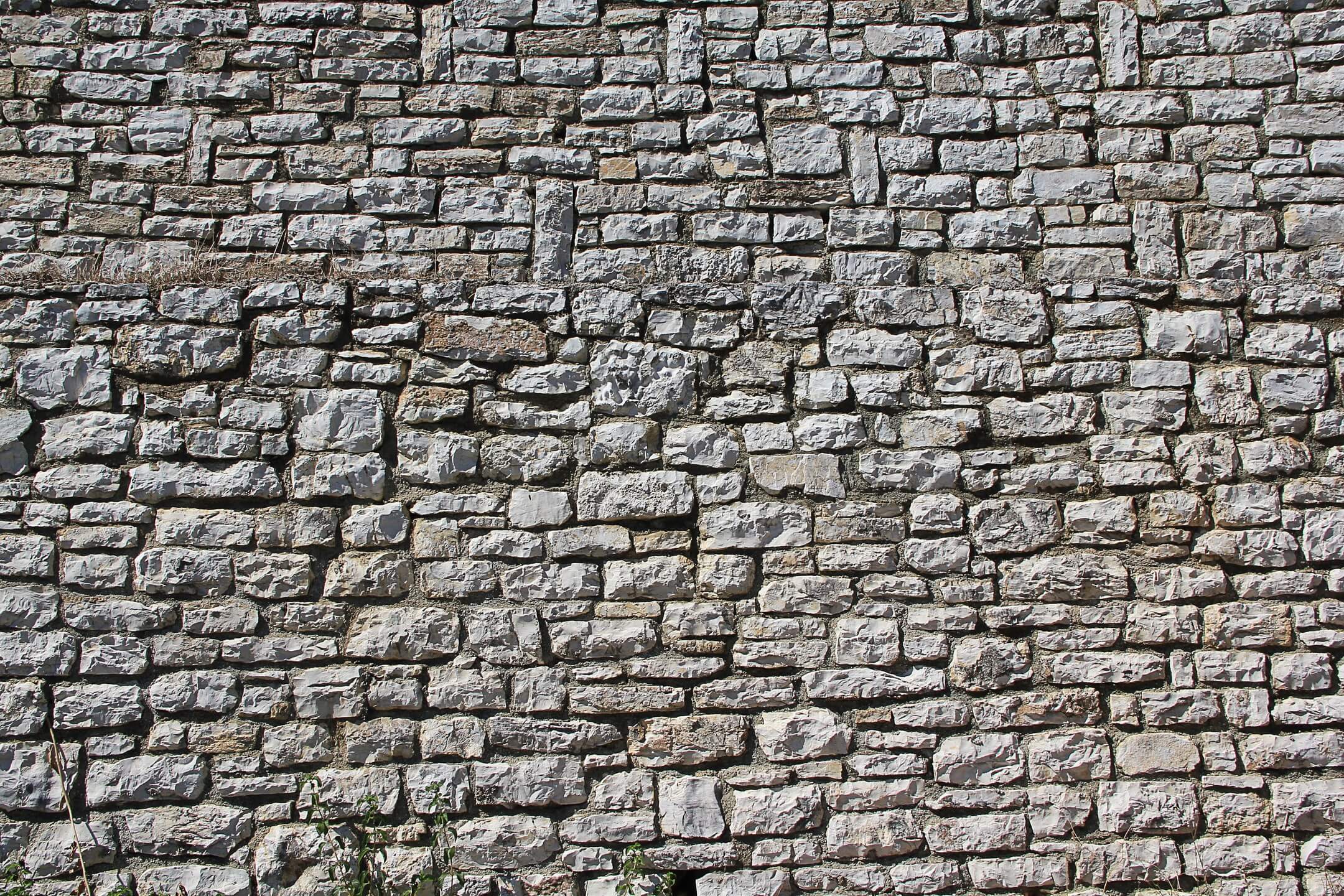
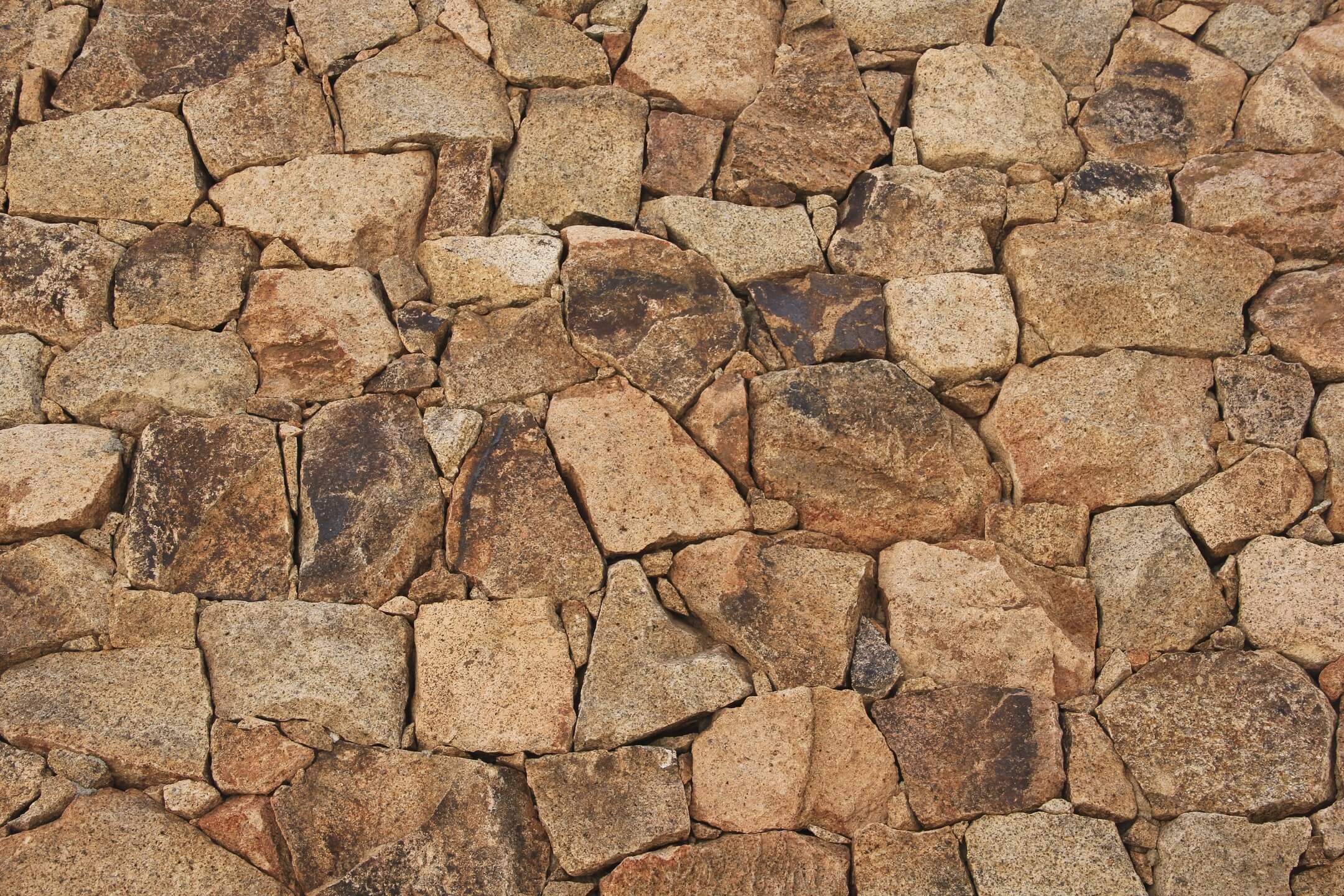
    There are many different styles and materials used to construct these structures, and they can be made from concrete, brick, stone, pavers. Purpose-built walls are constructed to specifications and may be required to run for hundreds of years if proper drainage is used. The design and type of material used will depend on the drainage and erosion considerations that will need to be addressed for the specific site, design, and construction. Check out iSeekPlant for more information.

    Photo by form PxHere

    Any retaining wall should have sufficient length, width, durability, and durability to withstand natural drainage patterns. This means that no more than half the wall’s length or the site’s slope should be behind the wall. In some areas, natural drainage may be very slight, and using a sloped wall will permit water to drain off the sides. If this is the issue, the wall must include internal reinforcement of the right type for the specific site to ensure the wall will remain stable and sturdy for years.

    For the wall to be practical and functional, proper drainage will need to be incorporated with adequate soil pressure levels. In most cases, the soil pressure will be equal to atmospheric pressure. Soil elevation should also be considered, along with any planned extension of the wall. Once drainage is incorporated, wall heights should be such that soil pressures do not exceed atmospheric pressure. Gravity reinforcement should be used where soil pressure is high to prevent the wall from breaking.

    Photo by form PxHere

    This is a problem that comes up quite often, especially in building construction where the wall structure will hold soil. Many types of materials are used to make these structures, but the most used ones are concrete blocks, lumber, and steel reinforcement.

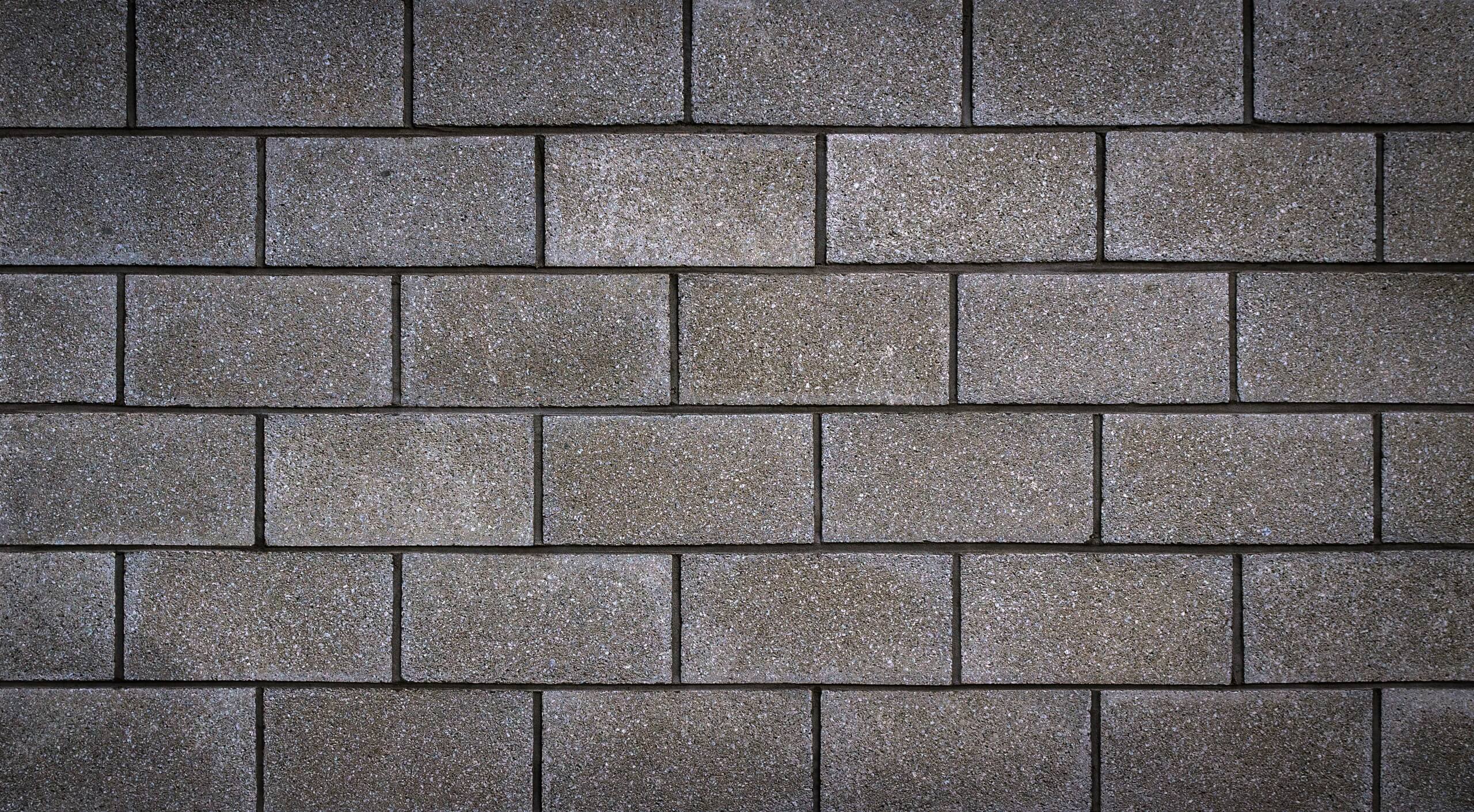
    Block retaining walls are potent structures that do not need mortar or other cement types to stay in place. They are the most enduring of all wall constructions and can be constructed using various materials, such as steel rebar and solid lumber. The actual structure may depend on the situation, where the wall is being placed, and its protection.

    Gravity retaining walls are one type of material that is used to keep soil in place in the yard. They work well in many cases because the soil’s weight is resisted by gravity, which keeps the walls upright. This can be a good option for retaining walls because they resist corrosion and do not require cement.

    Photo by form PxHere

    Another type of material that is used for retaining walls is the metal frame. These walls are solid and have a long lifespan when properly maintained. The most popular materials for these walls are aluminum and galvanized steel. The material is a good choice for structures like garages, sheds, and more.

    The walls are a form of walling or a retaining system that allows a structure to retain soil for an extended period. Landscapers and builders choose these walls for their purposes because they are robust, cost-effective, and require little maintenance.

    Block retaining walls are constructed using two different types of material: solid surface and flexible surface. When a structure is constructed with retaining walls, the first layer of concrete is poured directly into the soil. Then, when the second layer of concrete is poured, it presses against the first one and holds the soil in place. The walls can also be built-in horizontal or vertical forms, depending upon the structure or landscape.

    What are retaining walls used for? Landscape architecture takes many forms, including housing and business structures. Retaining walls are an outstanding choice for homeowners because they add curb appeal and increase property value. Retaining walls are also good options for businesses because they keep dumpsters out of the building’s front, preventing the debris from spilling onto the sidewalk and into the building itself.

    Block structures can also be built for personal use, including retaining walls for driveways and walkways. These structures provide a non-slip surface that can be utilized in residential and commercial settings. What are block retaining walls made of? Walls can be produced of concrete, stone, or a combination of these materials.

    Photo by form PxHere

    Why are block retaining walls used as opposed to other forms of design? To create a non-slip surface, these structures must have very rigid joints. This is one reason many architects will refuse to design a wall structure in this manner. Another consideration is cost. Using these structures, homeowners can save a significant amount of money on foundation costs, landscaping, and construction labor.

    What are block retaining walls made of?

    These walls are typically constructed with steel mesh. What are block walls used for? Placing the mesh over a block or foundation helps ensure that the structure is solid and level. These structures are commonly used for retaining soil on the outsides of homes, businesses, and government buildings.

    Photo by form PxHere

    What are block retaining walls used for? 

    Any structure that needs to hold back an excessive amount of groundwater, such as a basement, is one application. In a smaller structure, these walls can conserve space by allowing a smaller gable or sidewall to be built, eliminating the need for an entire wall. Block retaining walls are also used to support the roof of a home.

    So, now that one knows what block retaining walls are, how does one use them in their home? Construction projects that involve the use of these walls should follow the recommended specifications outlined in their homeowners’ plans. The contractors that one chooses to work with should be reputable and experienced in constructing the type of wall system that one requires. Read unique home designs .