Often, problems can arise that have a negative impact on the health of your home and this can affect your home condition in a variety of ways. By making sure you carry out checks on the condition of your home and keep your eyes peeled for any issues, you can more easily maintain the health of your home.
Protecting your home is important if you want to avoid spending a fortune on repairs that could have been avoided. In addition, the health of the people in your home, the appearance of your property, and even its value can depend on the condition of your property. Keeping an eye on areas such as your basement, crawl space, and foundation can help to ensure you minimize problems at your property. In this article, we will look at why you need to check these vital areas of your home.
Reasons to Check These Parts of the Property
There are various reasons why you need to check these parts of your property if you want to avoid issues at your home. So, let’s take a closer look:
Basement Issues
There are many major issues that can arise as a result of your basement being in bad shape, and this is why you need to check this part of your home for any signs of damage, flooding, or other issues. It is also important to ensure you get a professional to repair any damage and to get the area waterproofed in order to avoid problems. Some of the issues that can arise from your basement include pests, mold and dampness, and bad odors around your property.
If your home has a crawl space, you must remember that various issues could arise if the problem is not resolved. You need to make sure you check and look after your crawl space, which means getting a professional to carry out any repairs and even encapsulate the space for additional protection. By doing this, you can avoid issues such as pest infestations, dampness and mold, problems with the wooden supports of your home, and a drop in living conditions.
You also need to keep an eye out for signs of any foundation problems at your home, which could otherwise create major issues. While you cannot see the foundation itself, you can look out for signs that may indicate there are problems. This includes sinking concrete around your property, problems with doors and windows, cracks in the walls and floors, and bowing or bulging walls. If you believe you may have issues with the foundation of your home, it is important to contact an expert as early as possible to do an assessment and arrange for repairs to be carried out.
These are some of the areas that you need to keep a close eye on when it comes to doing vital health checks on your home.
Construction projects require a lot of planning by their very nature. Not only do you need to plan the specifics regarding the project itself, but the construction site requires careful planning too.
You need to make sure that your construction workers have everything they need to do their job in the most productive, efficient, and safest manner possible.
As a construction site manager, it is imperative to make sure your site workers are looked after. With that in mind, SRP Hire Solutions offer a helpful checklist on looking after your construction workers.
You need to ensure that you provide toilets for your construction workers. In light of the pandemic, it is more important than ever to choose a toilet hire company with care. The right company can provide you with the toilet cubicles you need, giving you expert advice on the right number of toilets for your construction site. Not only are you going to need toilets, but washing facilities must be provided as well. This includes providing somewhere for workers to wash their hands, soap water, and drying facilities.
Lockers
Aside from making sure that your workers have adequate toilet facilities, it is also a good idea to invest in lockers. Giving your workers somewhere to put their belongings and to have peace of mind that they are safe and secure is important. This is especially the case if the site is large and there are going to be a lot of people coming and going.
In addition to the points that have already been mentioned, you may also want to consider having changing rooms installed as well. A lot of workers will prefer to get changed on-site. No one wants to go home wearing dirty, muddy clothes, do they? So, by providing changing rooms, it gives your workers the option of getting changed on-site should they prefer to do so. This is especially important for those who need to take public transport home or don’t want to get into their vehicle in filthy clothing.
Drinking water
It is important to make sure that there is fresh and healthy drinking water on-site. Drinking water throughout the day is something that we all need to be doing. However, this is even more critical for people who are going to be engaging in manual labour. Therefore, ensuring that your construction workers have continual access to fresh water so that they can stay hydrated is critical.
Safety measures
Not only do you need to consider what your workers need from a convenience standpoint, but you also need to think about what they require in terms of safety. From investing in the correct PPE like a blast suit when handling abrasives to ensuring that you have safety signs throughout your construction site, there is a lot that needs to be considered here. However, one thing you certainly cannot afford to do is cut corners.
Finally, make sure that there is some sort of checking-in system in place, so that your workers can clock-in when they arrive and again when they leave. This is an efficient way of managing attendance and making sure that workers are actually credited for the work that they do and paid accordingly.
All in all, there is no denying that construction sites require a lot of careful planning to ensure that the needs of all construction workers are met. We hope that the checklist that has been provided above can help you to get a better understanding of everything that you will need in order to look after your construction site workers properly.
Whether it is outdoor lighting, landscape lighting, indoor lighting or simply picture lights, light in architecture is a crucial element in every single application.
In proper lighting design, the role of light in architecture goes beyond just meeting the illuminance requirements of the space. Good lighting introduces aesthetics and enhances the mood of the space while still providing maximum visual comfort.
Light affects how we experience architecture both internally and externally. To elevate any work of architecture, you must show an understanding of the concept of light. Below are some of the top ideas on how to apply light to the architecture of your home:
Function over Form
In architecture, there is a principle that states that, ‘Form follows Function.’ This statement is particularly true when it comes to lighting. In every application of light in architecture, the core function is to provide adequate illuminance to the space to allow it to fulfill its required purpose. Light must first of all be functional. It is for this reason that you must first consider the recommended illuminance levels of the room. For instance, an office or kitchen would generally require higher lighting levels than a lounge or bedroom. Once you understand this, then you can design for the three layers of light.
Ambient light is the general layer of light that illuminates the room to the required lighting levels. You can then add task lighting to provide light for other specific tasks in the room. For instance, a table lamp would be great for reading, and under-cabinet lighting would safely light up the kitchen worktop for activities such as cutting and chopping.
Accent lighting, such as picture lights, comprise the final layer of lighting. These fixtures mainly add to the aesthetics of the structure by highlighting any unique architectural features or artwork.
Therefore, in your lighting design, aim first to provide lighting that meets the required function, then address the other secondary needs. This principle applies whether it’s to the interior or the exterior of your architecture.
Lighting for Aesthetics
You can generously light every room, but it is the creative use of lighting that will transform a bland structure into an outstanding piece of art. All the most famous architects understand the difference made by a light well employed and therefore integrate it as a prime element in their design. In the article on the 100 most famous landmarks in the world, you can see how light largely contributes to the artistic beauty of these popular destinations. There are various ways to apply light for aesthetics in architecture.
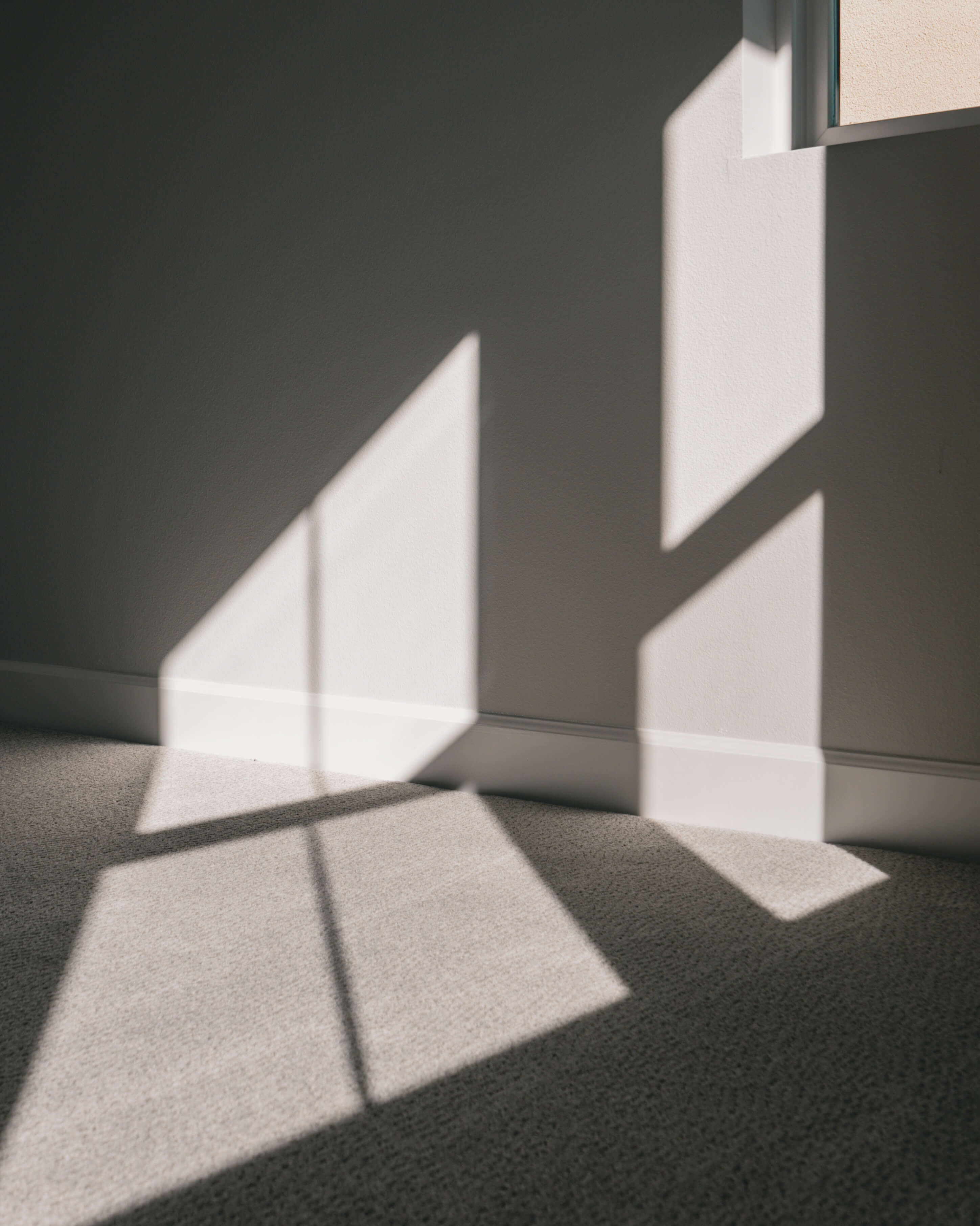
First, by the proper play of light and shadow to the structure, you can add a whole new dimension to the space. Externally, architects have long since used the technique of casting shadows and patterns onto building structures to make them stand out. The alignment of structures, the positioning of windows and openings, the designs on the grills and pillars, the cutouts on panels, and the designs of the reflective blinds, all cast different shadows on the architecture when exposed to light. By taking advantage of this, you can effortlessly change a rather plain design into a more sophisticated décor. Lights and shadows can create patterns, add depth and even bring out textures.
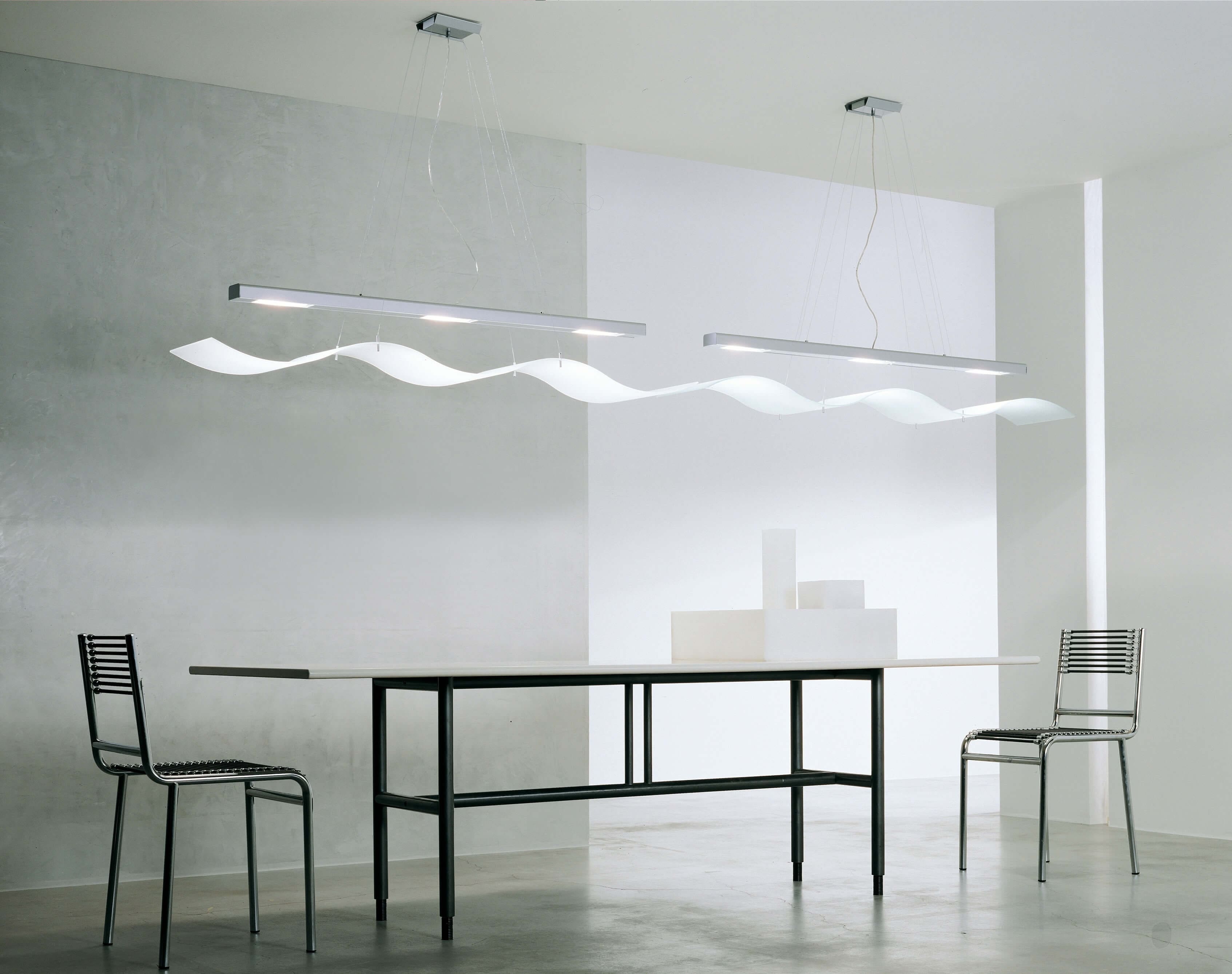
The other way to add aesthetics is to incorporate decorative light fixtures. Carefully selected light fixtures go a long way in uplifting your architecture. Accent lights, picture lights, ornamental chandeliers, or even sleek fixture designs that are modern and timeless will complement the design of your structure and interiors.
Create a Focal Point
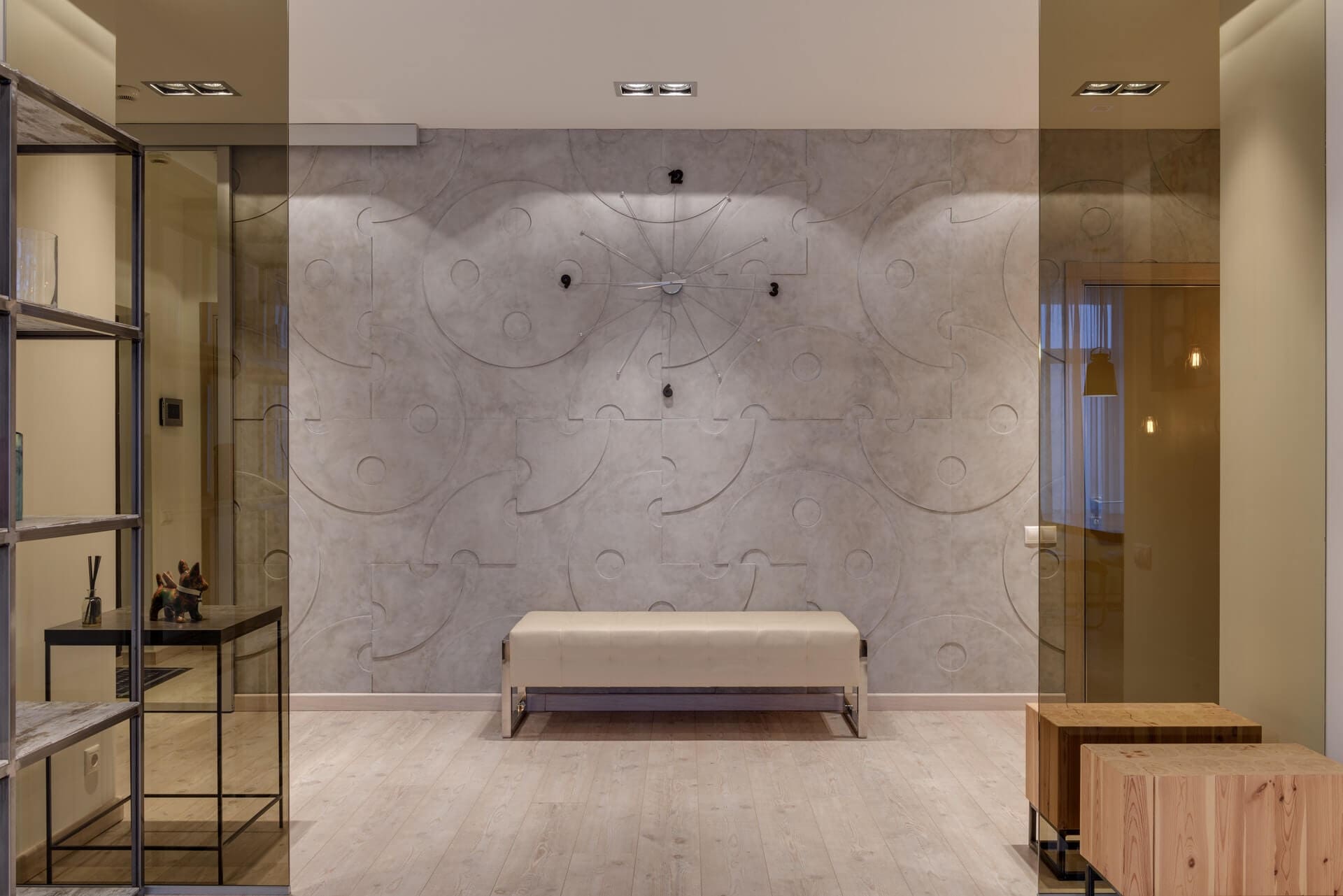
Lighting is a great way to draw attention to any given point in a room or structure. It creates contrast by highlighting the important architectural features and making them pop from the background. Create a statement by drawing all the attention to your accent walls, the sculptures in your garden, or even your artworks through lighting. For this, it is advisable that the illuminance levels used to highlight these features be at least three times the general illuminance of the space.
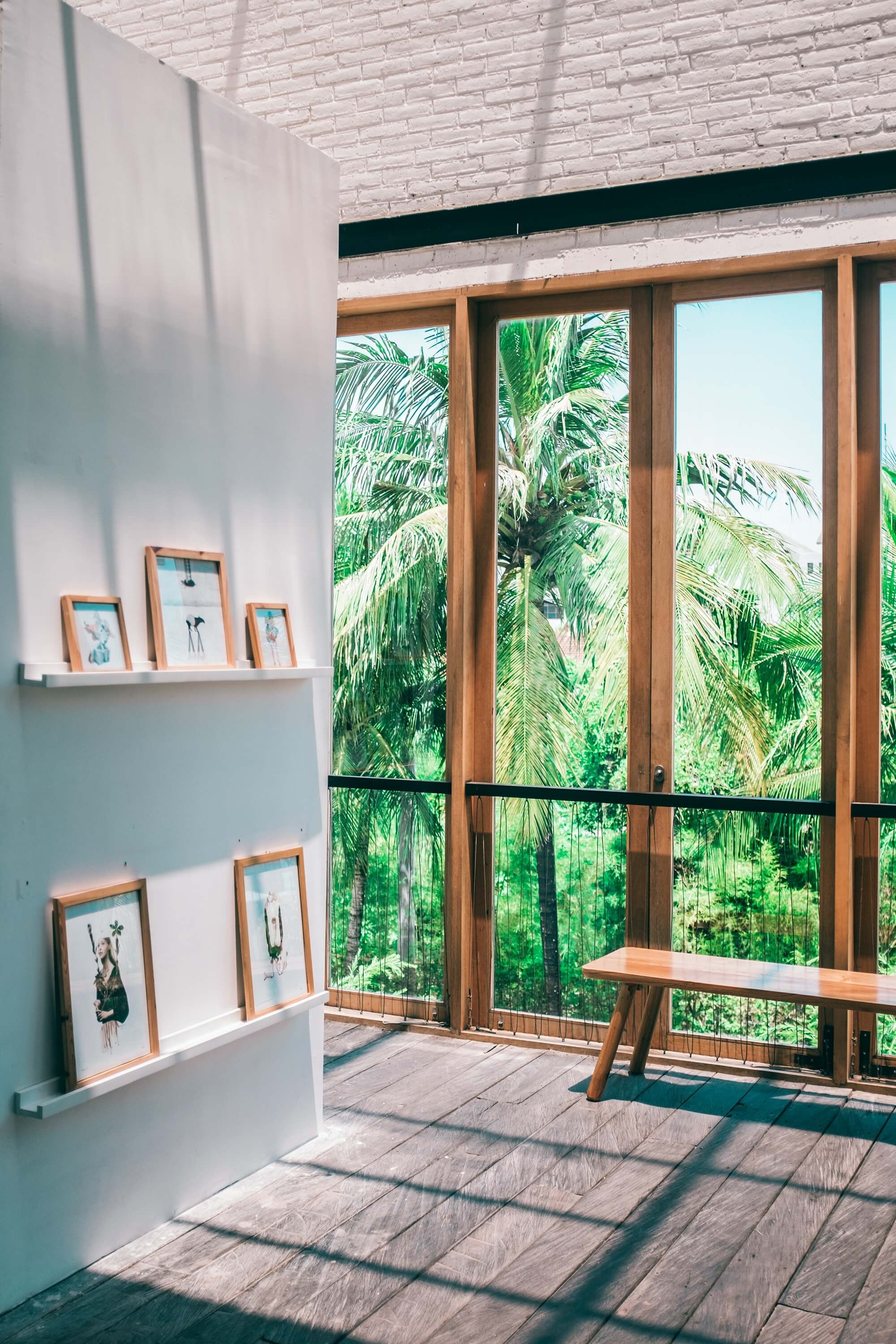
When lighting architecture, maximizing the use of natural daylight is essential. Not only is it free and energy-efficient, but it also stimulates higher productivity and visual comfort. In its article, Architizer outlines some of the cleverly designed projects that employ the creative use of natural daylight. To make the most of natural daylight, architects design buildings with orientation in mind. Buildings with windows positioned in the North/South direction will have adequate natural light in their rooms throughout the day. The provision for larger windows and glazed openings, regulated by curtains, blinds, or screens will allow just the right amount of daylight required for comfortable use of the space.
When designing for natural daylight, the total area of the windows should be between 10 to 20% of the total wall area. However, since the amount of daylight tends to vary with the season, location, and time of day, it is important to install artificial lighting with light adjustment controls. Artificial lighting will allow you better control of the lighting levels, provide more flexibility and let you explore more creativity with different designs and color temperatures.
Have you ever noticed that lighting in some spaces is more flattering than in others? Well, this mostly has to do with the quality of light. Light can be either direct or indirect. Direct lighting refers to lighting that emits directly from the source and onto the intended subject or working area. On the contrary, indirect lighting often reflects onto a surface before illuminating the subject area. As such, the effects of these lights are different.
While direct light finds a great purpose in lighting outdoor areas and streets, indirect lighting is a better fit for indoor spaces. Indirect lighting emits softer light, which results in softer shadows as well as minimum glare.
However, it is still possible to increase the quality of direct light sources in various ways. For instance, diffuse panels that come with LEDs generally distribute the light over a larger area, therefore softening it. Alternatively, installation of shields, louvers, screens, grilles, or baffles, symmetrically around the light source, would disperse the light, preventing direct light from hitting the working plane. This is a great way to increase the quality of light as well as the visual comfort it provides.
Light fixtures distribute light in different ways. It can either be multi-directional, emitting light in all directions, or unidirectional, simply beaming its rays in a single direction. When it comes to unidirectional lighting, downlighting is the most common, providing uniform lighting to the ambiance of the space. Downlighting fixtures shine their light downwards from the ceiling towards the ground.
On the other hand, uplighting works in the opposite direction, reflecting the light onto the ceiling, therefore providing indirect lighting. In the same way, light can also distribute in a sideward direction.
There are many ways to incorporate different modes of lighting distribution in your architecture. Some may include the use of pattern lighting, cove lighting, recessed lighting, pendant lights, floor lamps, picture lights, strip lights and so much more.
Efficiency
In all its beauty, light can be quite an expense on your budget if not done sustainably. In your lighting design, it is also important to prioritize the efficiency of your lighting at all costs. You can do this by selecting energy-efficient fixtures such as LEDs, or fitting in light-adjustment controls to regulate light levels in your spaces. Technologies such as monitors, automated lighting, and motion sensors allow the efficient use of lighting by automatically switching lighting on and off, or dimming them when not in use.
Conclusion
Light in architecture is crucial, not just aesthetically, but as a functional means of interaction with architecture. It is important to apply a lighting design that is not only efficient but also comfortable. The lighting system should be the best fit for the use of the space or architecture, bringing out its’s best features. For instance, using accent lights and picture lights will highlight architectural features and art pieces. When used right, light makes all the difference to an architectural design.
Meta Description
Light plays a major role in illuminating spaces, introducing aesthetics, and enhancing the mood of the space. From picture lights to outdoor lighting and indoor lighting, read on to learn how to incorporate light in architecture.
Author’s Profile
Winny Okoth is a practicing Construction Project Manager and Interior Designer. She is also currently pursuing her Master’s Degree in Construction Project Management. Winny Okoth has a great passion for every form of design and has mastery of the principles of design. She also specializes in 3D visualization for architectural and interior design renders.
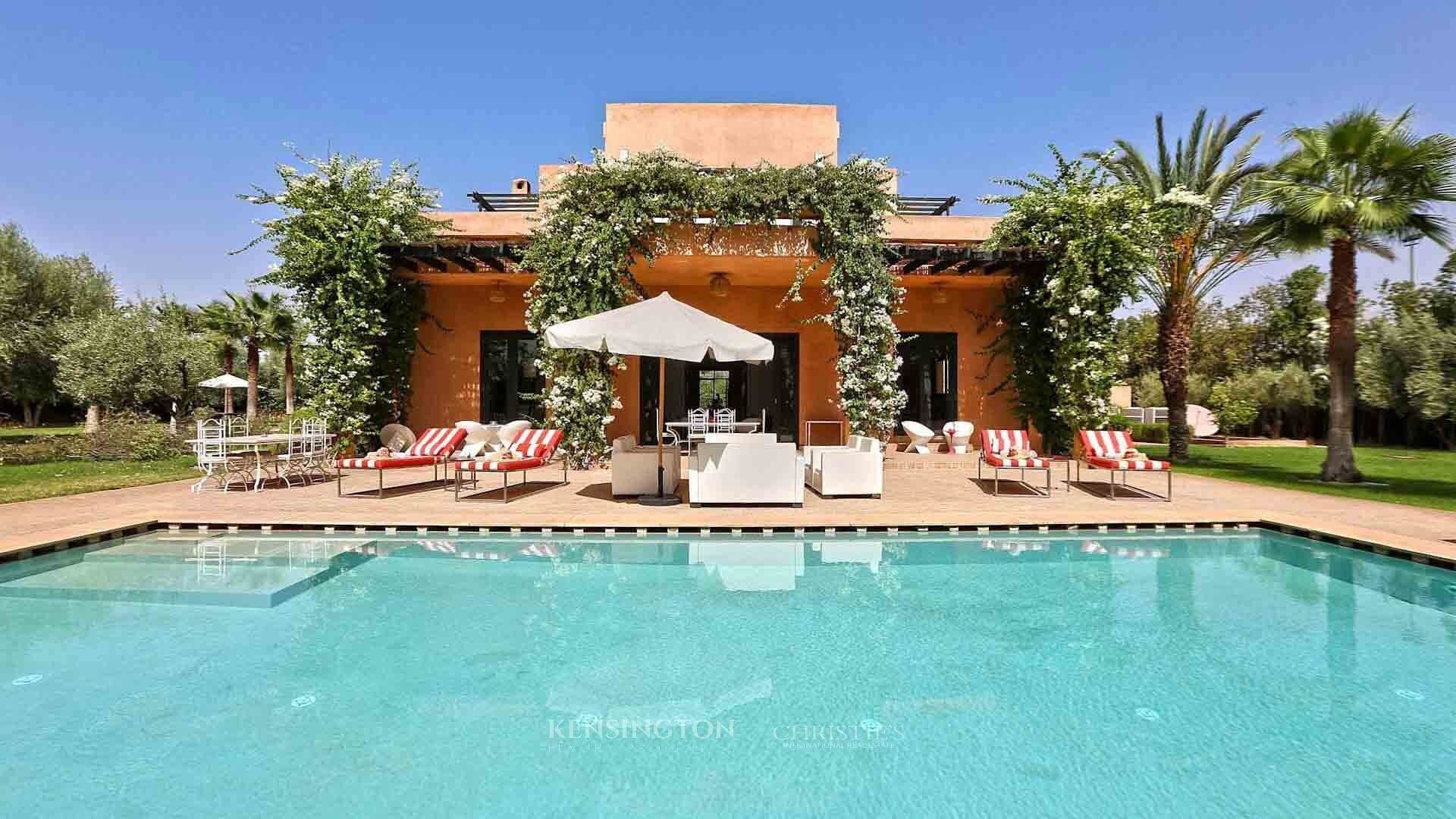
Marrakech, popularly known as the “red city” of Morocco, welcomes thousands of tourists every year. The city is home to several attractions like the Medina and is a great place to explore and vacation. The city is also becoming a popular place to live in. If you plan a trip to Marrakech, you may want to consider location villa Marrakech, so you enjoy this city in all its wholeness.
If you plan on moving there, you could also consider investing in a luxury villa. Either way, staying in a luxury villa will enhance the quality of your holiday or residency experience. Luxury villas offer the highest comfort and pampering levels and also ensure safety and reliability.
Marrakech is a city that is popular for its markets, museums, architecture, and geography. Staying at a luxury villa in a convenient location will give you the freedom to get to all these attractions.
Luxury Villas Come With Outdoor Facilities, Yards, and Pools
Regardless of whether you plan on buying a villa at Marrakech or renting one for a short period, you will have the benefit of enjoying a lot of outdoor facilities. The weather of Marrakech is warm and sunny all year round.
You could spend your day lazing in the manicured yard or garden or swimming in the pool. Marrakech villas are usually fringed with unique trees that add to their ambiance and beauty.
The city is a great place to get some sun. Loungers and saunas usually placed at the poolside of luxury villas are a great spot to relax in the sun.
Luxury Villas Offer Privacy and Security
Buying a villa in Marrakech is a good idea if you want privacy. Luxury villas are usually situated in gated compounds and have security staff. You and your family can enjoy your vacation or stay in peace. As opposed to staying in hotels or apartments, you don’t have to share the outdoor area or compound with other guests or residents.
The security levels of luxury villas are also higher because these villas usually come with trained security staff.
Luxury Villas are Well Maintained
Luxury villas cost a lot of money. It would be impossible to sell a high-priced luxury villa in the real estate market if it isn’t well maintained. So sellers make it a point to ensure the villas are in excellent condition. You may want to work with an experienced real estate partner in Marrakech to ensure the villa offers value for money. Staying in a clean, well-maintained villa would add to the pleasure of your vacation.
Luxury Villas Have Well-Designed Interiors and Exteriors
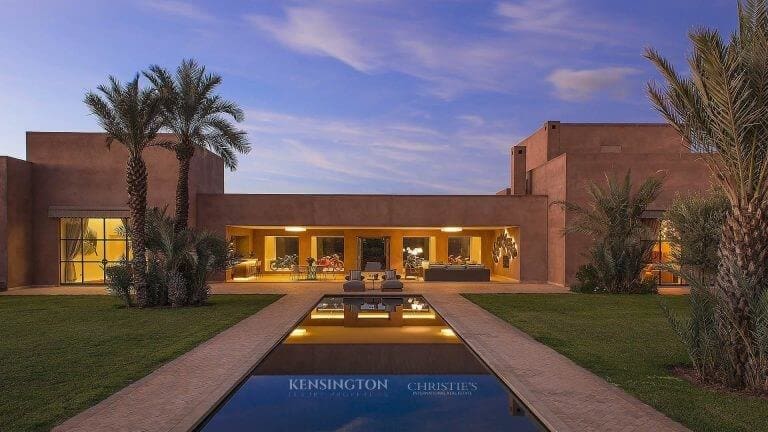
Luxury villas are designed with utmost care. Luxury villas in Marrakech blend with the city’s architectural theme and usually feature red or mud brown exteriors. The city’s major architectural attractions are tinted with salmon pink, brick red, or mud brown colors.
Architects or interior designers usually designed luxury villas’ interiors to give the best views and comfort. Since they take a lot of investment to build and maintain, a lot of attention is usually paid to ventilation, layout, and space utilization.
Luxury Villas Are Usually Located in Ideal Places
If you rent a luxury villa at a suitable location in Marrakech, you will find it easier to get around the city without wasting too much time on the commute. There are many things to see and experience like the Atlas Mountains, the Jemaa El-Fna Square, and the famous souks. If you rent a luxury villa, the villa staff will help you arrange transport, airport pickups, and drops. The staff will also take care of your food requirements.
The Luxury Villa Might Be a Great Investment
The real estate market of Marrakech has been growing and expanding. More and more real estate investors are showing interest in Marrakech properties. If you plan on buying a luxury villa in the city, it’s highly recommended you work with a real estate expert who’s familiar with the city.
Marrakech Is a Great City to Live In
Marrakech is Morocco’s third-largest city. Travelers worldwide are adding the name of the city to their bucket list because of its uniqueness. The city has warm weather, beautiful architecture, and rich culture. Buying or renting a luxury villa in this stunning city will give you the best experiences and memories.
Whether you plan on buying or renting, partnering with a real estate professional will help ensure you get the best quality stay. Real estate partners are familiar with the market prices, location, and local area.
Now that winter is out of the way and the summertime is approaching, it’s the perfect time to start making those much-needed home improvements your property has been crying out for!
And what better place to start than your garden and outdoor areas? With a redesigned garden, you’ll be able to make the most out of the warmer, brighter weather and have the ideal place to meet up and hang with family and friends (once restrictions allow it of course).
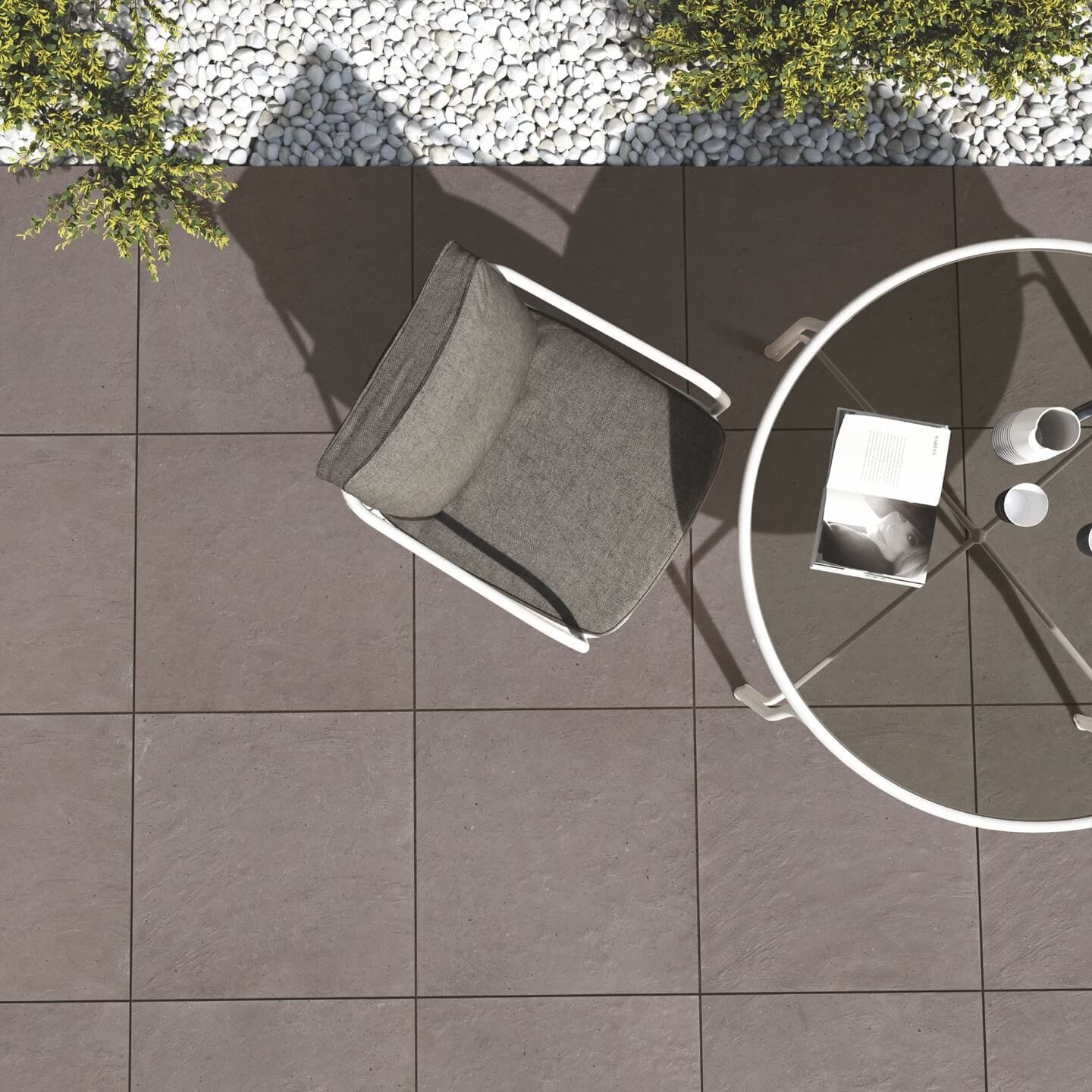
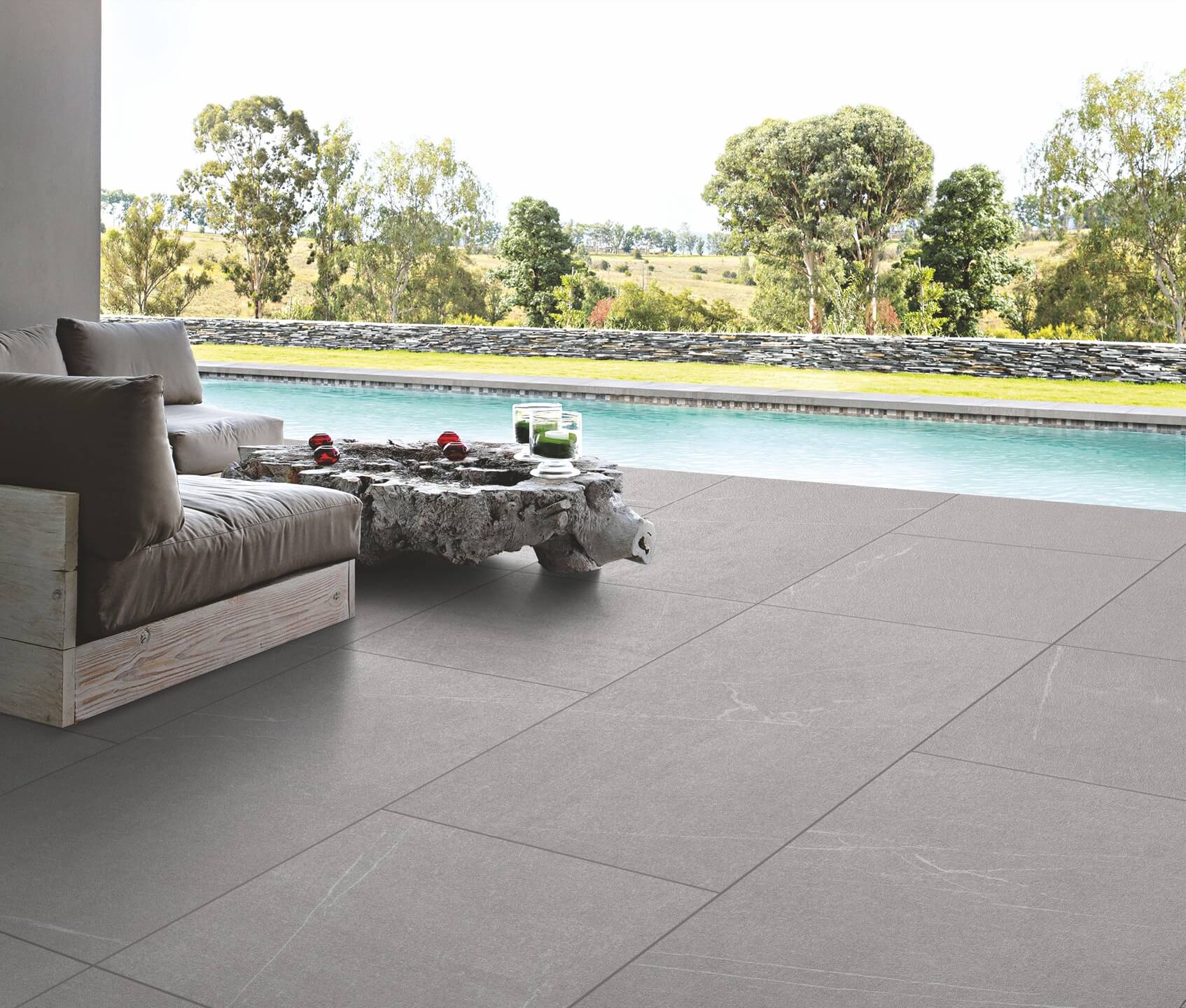
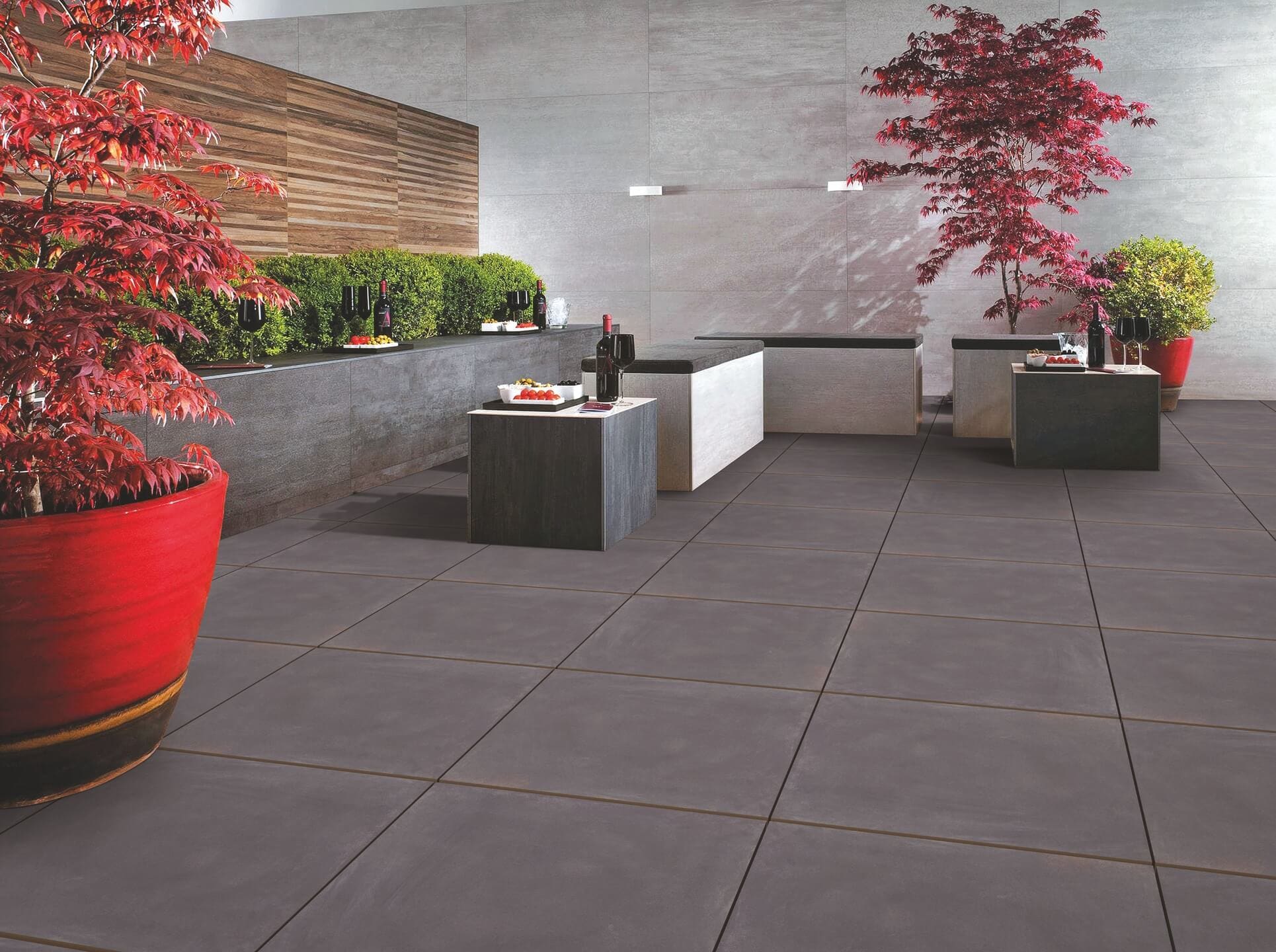
A new patio is always a great place to start for any outdoor renovations, however, one of the biggest decisions you’ll have to make is what type of paving are you going to use? Do you want to go down the traditional route and opt for natural stone or add a more contemporary touch and go for porcelain? What makes natural stone and porcelain so different?
This is a widely discussed topic when it comes to garden redesigns, so to make life a little easier, we’re going to take a look at the biggest differences between porcelain paving and natural stone.
Porcelain vs Natural Stone
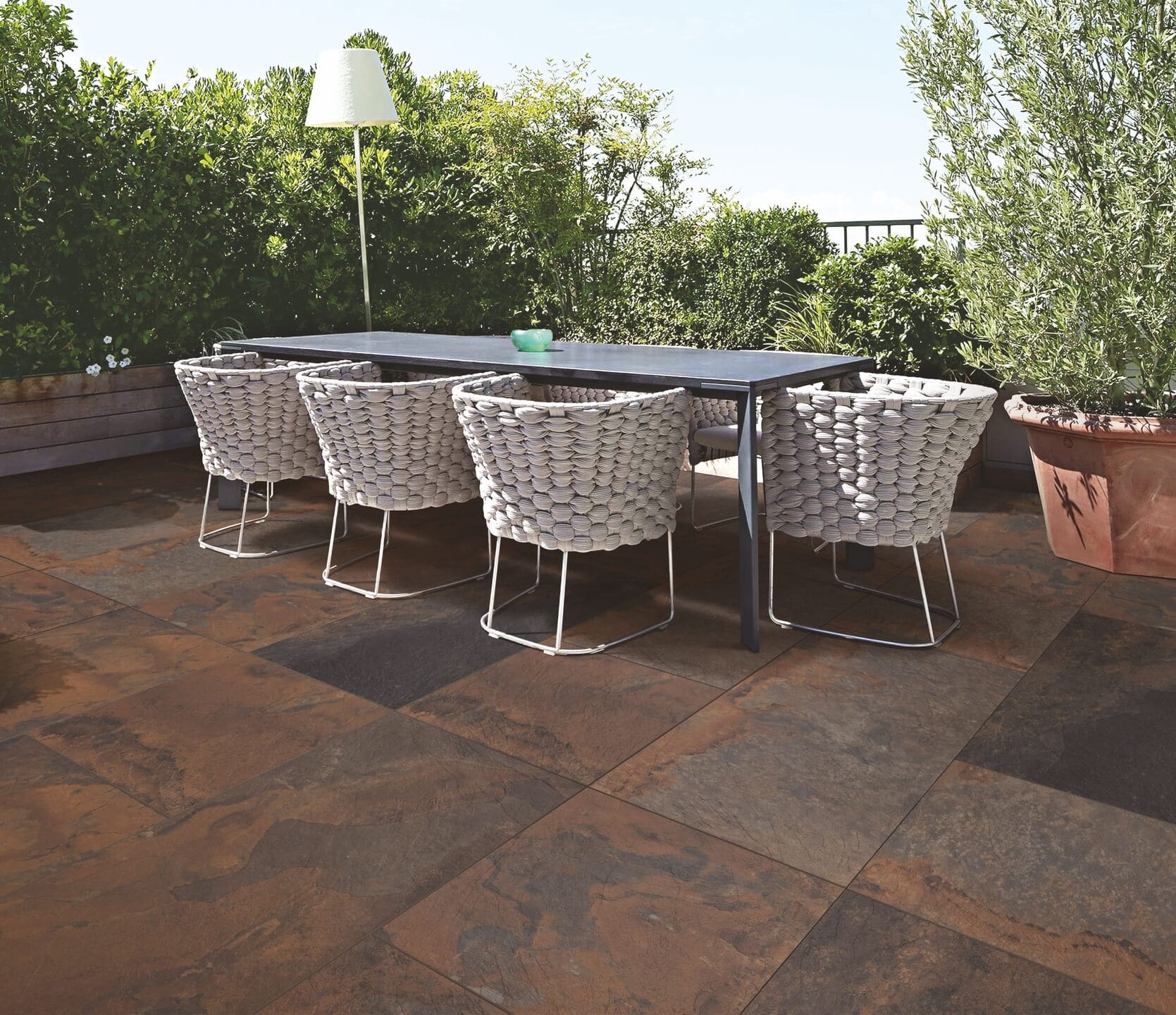
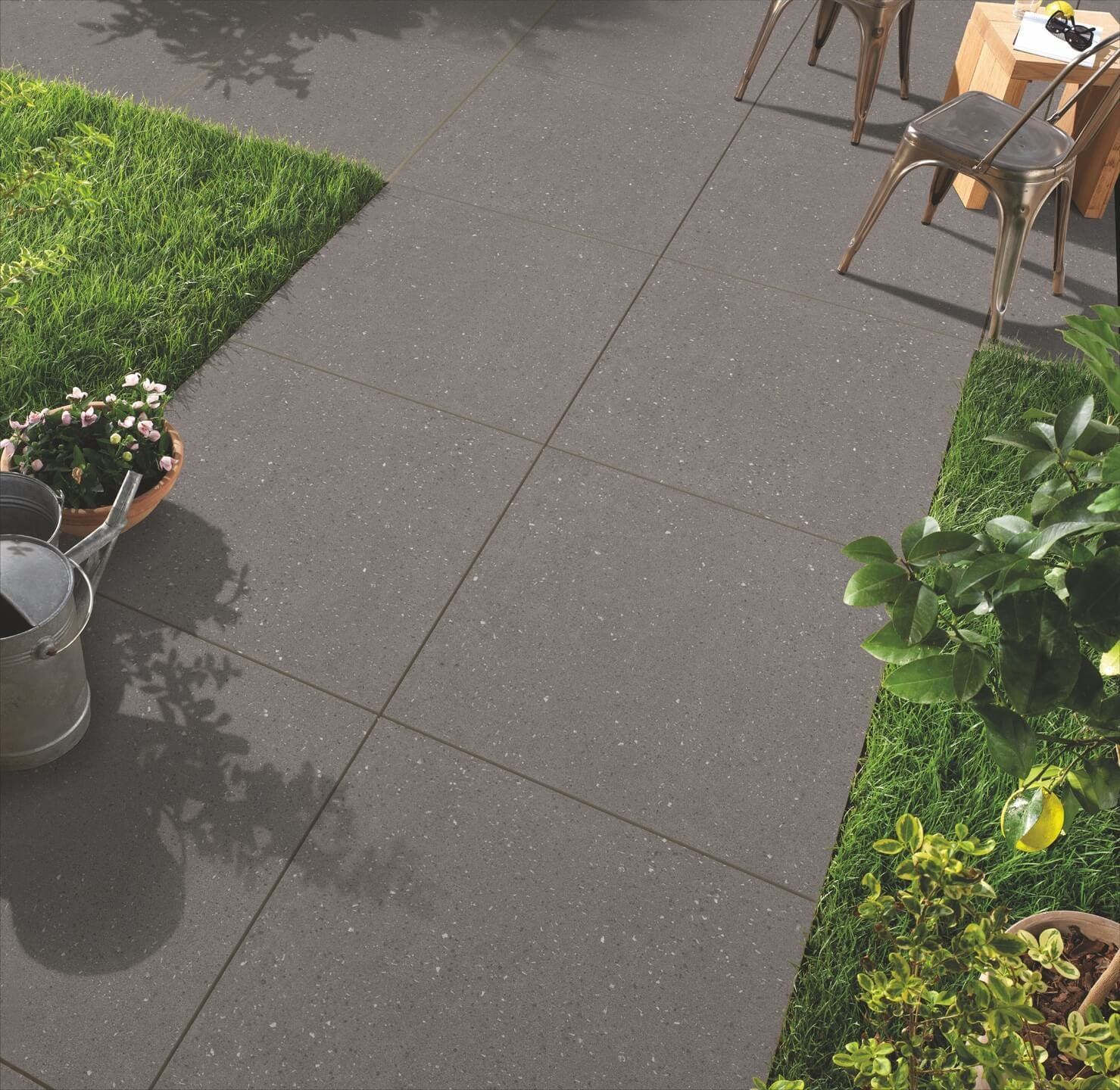
Maybe the biggest reason for homeowners choosing natural stone products for their home improvements is down to the authentic aesthetics that they offer. No one can deny the natural beauty that you get from stone products, however, over the years porcelain paving has made huge strides in both performance and appearance, allowing homeowners to create spaces that look just as good as those with natural stone but with a few added benefits.
The first and most stand out benefit that you will get from choosing porcelain paving over natural stone is far fewer maintenance requirements. Natural stone products vary in porosity, referring to the amount of moisture that it holds. So, the chances of coming across a stone flooring product that is completely non-porous are low.
Porcelain paving, on the other hand, contains very low levels of porosity (around 0.05%), meaning it absorbs far less water than its stone counterparts. This is important because any moisture that your porcelain floor is exposed to will not be absorbed and instead remains on the surface where it will quickly evaporate or be wiped away. With natural stone products absorbing the moisture, it becomes far more difficult to remove which can cause cleaning to become difficult or a more slippery surface.
More robust
Until recently, porcelain paving was only made in a profile of around 9-12mm, however, thanks to advances in manufacturing processes and technologies, porcelain products can now be made in a thicker profile of 20mm. This is a huge advantage over natural stone products as it offers far more strength and robustness, allowing you to lay paving in a variety of outdoor settings such as driveways and paths.
20mm thick pavers can also be ‘dry installed without the need for cement or mortar, another bonus if you’d prefer a mess-free installation!
Another reason why porcelain paving can be a better choice over natural stone is that it is a more environmentally-friendly option. Created using raw materials with minimal waste that is recycled straight back into the manufacturing process, porcelain paving contains zero waterproofing agents, resins or varnishes.
Natural stone products, on the other hand, requires polishing using lead which gives off gases when exposed to flame. So, if you’re a person who cares for the environment and strives to make a more sustainable choice wherever possible, porcelain is by far the better choice!
And there you have it! Some of the biggest differences between natural stone and porcelain paving products. Hopefully, this article has helped to clear up some of the questions that you may have had around stone and porcelain paving and will make your garden redesign a little bit easier.
Thanks to many unique designs and a wide array of options available, it can be quite challenging to pick the right style for your room. Take a look at www.voyageoutlet.com/collections/long-drop-curtains for inspiration.
Here are some tips for choosing the best curtains.
Why do you want a new set of curtains? Perhaps you are looking to boost privacy, add a layer of insulation, a splash of color, or even create darkness. In some situations, you might be looking for a solution that provides everything mentioned above. Lined panels, for example, will enable you to control the temperature in your room and also the amount of light that goes through. A standard cotton lining, on the other hand, protects the fabric while still allowing for a diffused glow. You can keep your home cool during summer and warm during winter with the help of an insulating backing. As for bedrooms, where you don’t want any light to filter through, you can go for a blackout lining.
2. Color & Patterns
Curtains nowadays take up significant space and will have a huge impact on the look and feel of your interior. To pick the right color, ensure you ask for a swatch of the fabrics you are looking at. Then take them to your space and hold them against the walls, sofas, and pillows. You can even tape them to the wall and live them for a while to help you make a sound decision.
Curtains need to be at least double the window’s width, even if you intend to draw them most of the time. Also, it’s important that they’re long enough. For an elegant, rich appearance, they can puddle on your floor. As for a cleaner and more streamlined look, allow them to skim the floor. If you want to get your panels from the store, rather than having them custom-made, then consider getting them as long as possible and have them hemmed later.
4. Curtain Fabric Options
Velvet can offer luxury and privacy but can be quite heavy for some spaces. On the other hand, cotton is easy to clean and versatile. Wool can be heavy, but it is strong enough to hold embellishments such as fringe and tassels. Sheers are graceful and light, but they do not provide much in terms of privacy.
Curtain rods need to match the fabric. So, if you have velvets or similar heavy drapes, consider large and decorative rods. If you have light fabrics, consider going for thinner, lightweight bars. Also, keep in mind that the hardware needs to complement the rest of the room. It is helpful to repeat a tie or material in the theme. For example, if you have Lucite chairs or lamps, then consider getting a Lucite drapery pole.
6. The Finials
It might not sound like a big deal, but the decorative screws at the end of your curtain poles, known as finials, can offer the best finishing touch to the entire dressing. In most cases, you can buy upgraded finials if you would like to alter the style without replacing the entire hardware. Keep in mind that an excellent room is defined by the details and including finials will certainly complete your look.
Some people like to perform various tasks around the house on their own. For some of them, this is a matter of pride. They feel proud and confident when they see the results of their effort.
Others calculate that it’s more affordable to apply a do-it-yourself strategy to things around the house. While this will keep a few dollars in your pocket, doing such jobs on your own isn’t always the most economical option.
For instance, installing one or more egress windows might be more demanding than doing some simpler tasks. Since these windows are installed as a way out from the basement or any other part of the house, there are some special installation requirements you need to meet. You can read more about them in the rest of this article.
Hiring a professional to install your egress window means giving an advantage to efficiency and affordability.
For starters, if you’re an amateur who has never done such a thing, you might not be able to calculate how much time you’ll need for the installation process. Since most of us are working people, we don’t know if we’ll be able to finish the entire installation process in one or two days.
People often use their basements and other similar spaces for storage. If you keep such a space in your house without a window for a couple of days, different insects, bugs, and other animals might sneak in.
What’s more, spending time installing your egress window might incur more costs than expected. If your regular job or side jobs suffer from this DIY adventure, it might turn out to be more expensive than hiring a professional.
Professional window installers should be able to calculate the window replacement costs and provide you with the estimate beforehand. That way, you’ll know all the budget info in advance.
The main difference between a professional and an amateur in every activity is that the latter usually leaves things rough around the edges.
Installing an egress window is a sensitive process because of the place where it should be installed. If you don’t seal every little hole around the window, the basement or any other room where you install it will be hard to warm up.
What’s more, egress windows need to be properly installed in order to ensure enough space for window treatment. Sometimes these decorations can hang from the ceiling. In some other cases, it’s necessary to attach them directly to the windows. If you miss only an inch or two in the installation process, you might not be able to install these additions properly.
If you want to control the amount of sunlight in the room, consider blackout curtains or shades that you can adjust.
In every DIY home repair, it’s crucial to bear the factor or safety in mind.
Some types of work are relatively safe, like mowing the lawn or raking the leaves.
However, any repairs and work related to the water supply system, electricity, and energy efficiency have some special features. That’s why you should leave those operations to professionals.
Installing an egress window the right way will increase the energy efficiency of your entire home. Basements are usually weak spots in energy efficiency, due to humidity and a lack of fresh air. Adding an egress window to it will enable you to reduce humidity, increase its energy level, and perhaps turn it into another room in your home.
If you install your egress window alone, you might not meet all the installation standards needed to perform the action in an ecological and energy-efficient way.
Apart from that, this process requires different kinds of tools for all the included works. From removing parts of the wall to make room for the window to installing and fixing the window, there are several stages. You’d have to use a drill, different screwdrivers, wrenches, a window sealant and many other things. Each of these jobs includes chemical, technical, and energy safety standards that need to be met. For all these reasons, window replacement isn’t a DIY job.
4) Using proper equipment
We’ve already mentioned some devices and tools you need to install an egress window. The drill, the screwdrivers and different hex keys make only one part of the equipment you need to install an egress window.
If the place where you want to install this window is hard to reach, you might need some additional equipment to remove the obstacles. For instance, many people use basements to store their old things. You might not be able to get through the area planned for the egress window. This means that you’ll need additional equipment, such as ropes and planks to get those bigger things out of the basement.
If you want to install an egress window to a room that’s not on the ground floor, you’ll need a ladder and some additional safety equipment.
All these items will cost you some money, plus you’ll need to spend some time looking for them.
Hiring a professional who already has all these things is a more practical option.
After every housework job, there’s a smaller or larger amount of debris.
Depending on the place where you want your egress window, this debris might be limited only to the yard, but there might be some leftovers from DIY work around the house.
Getting rid of dust and particles produced during construction works is no cakewalk. If you want to install an egress window at a higher place, you’ll probably have to perform most of the works from the inside. This means a lot of dust and debris around the house.
On the other hand, professional window installers usually have a certain routine regarding debris removal. Some of them are more detailed, while others aren’t. During the negotiations, emphasize that it’s important for you to keep the debris under control. Also, stress out that it’s their job to remove all the remains after the work is done.
Adding an egress window to one or more spaces or rooms in your home is a practical thing to do. It will add both to the safety and appeal of your home.
Unless you have experience in installing such windows, it’s recommended to leave it to professionals. They will spend less time and fewer resources to do it. Also, they will leave the window and space around it in a neat and visually attractive condition.
Zana Dodig is a window treatments consultant with over 20 years of experience and loves helping others to cover their windows stylishly. She works as a window treatment consultant and writer at DraperyCurtainRods.ca – a place where you can find everything to treat your windows!
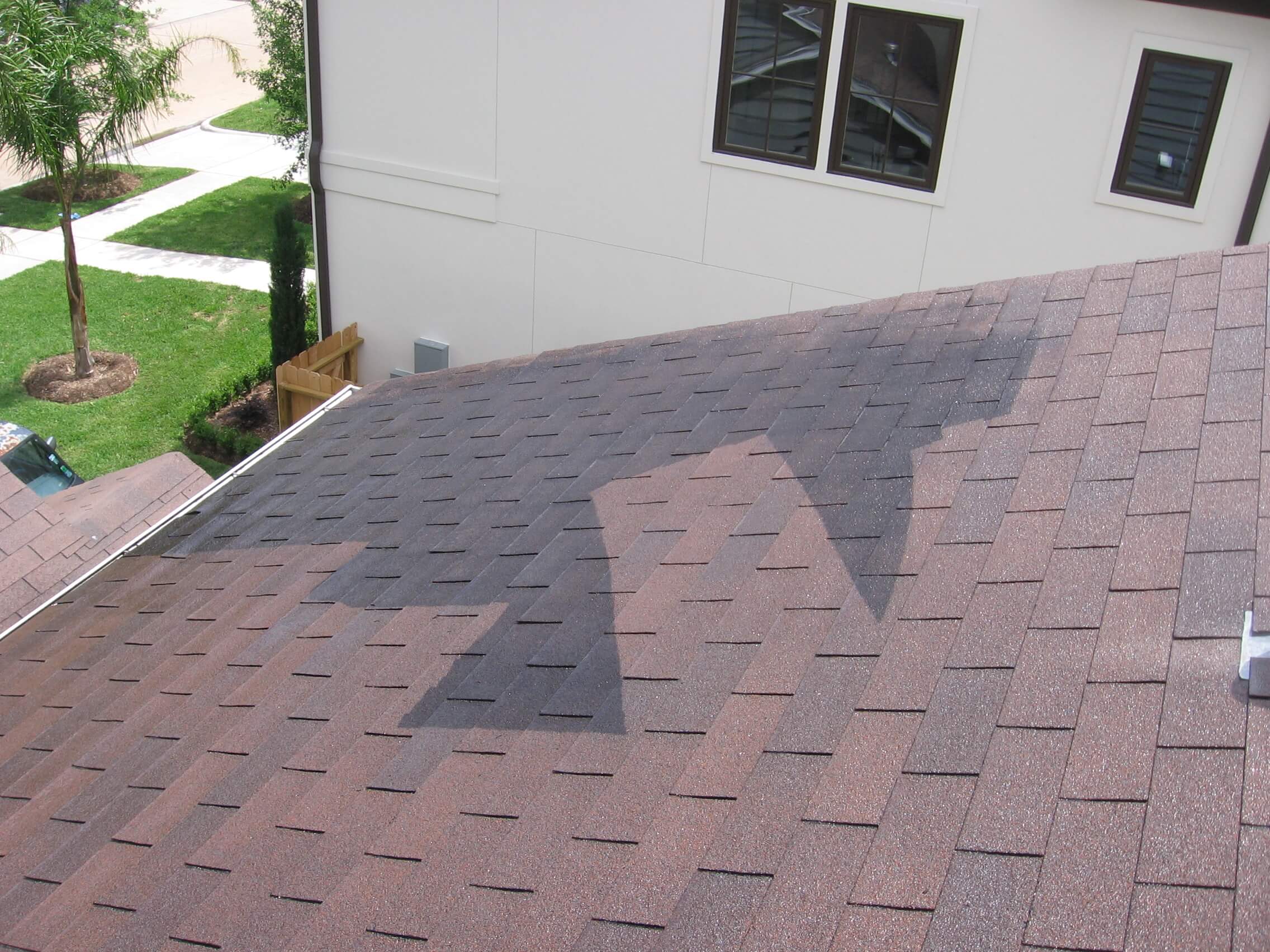
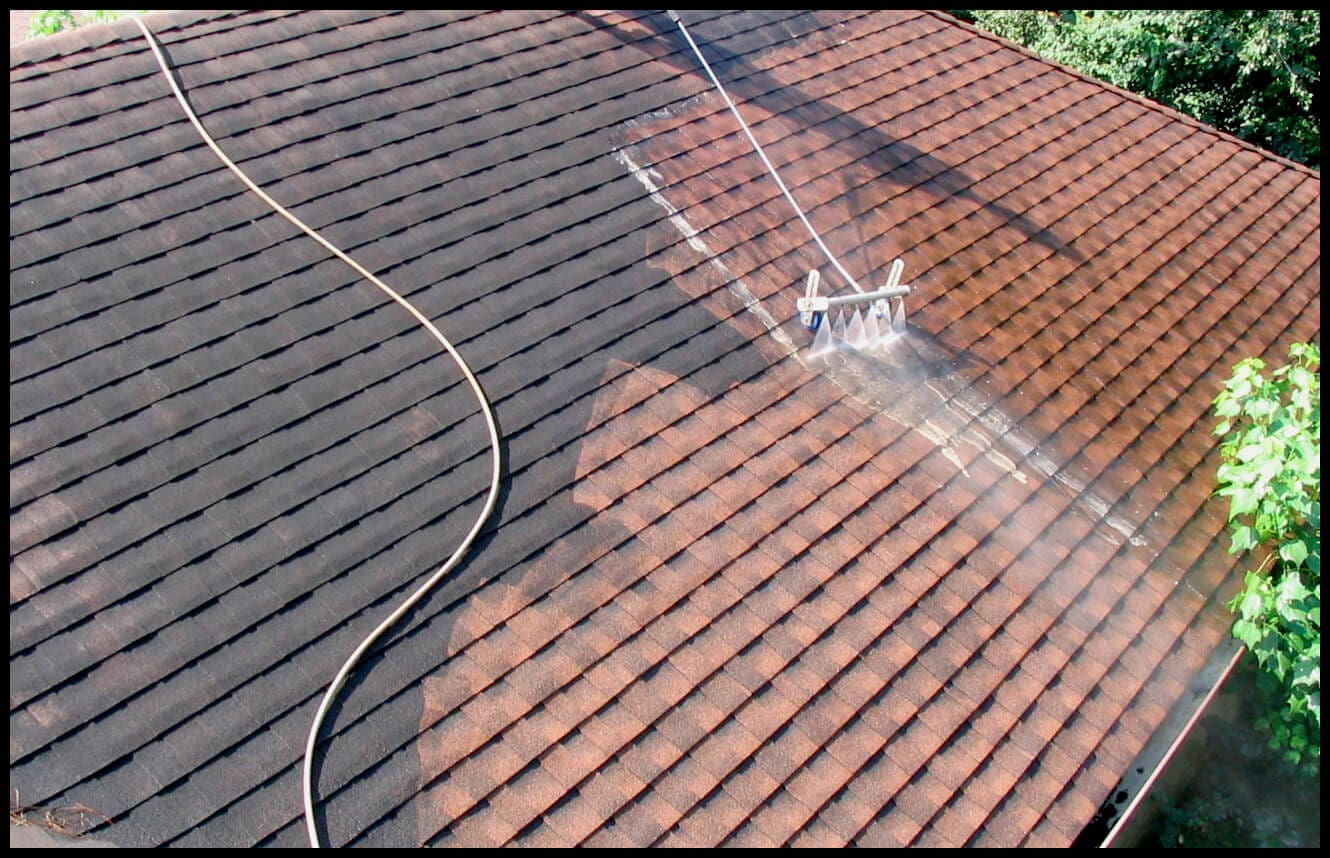
Pressure washing, also known as power washing, uses high-pressure water to clean off dirt such as grime, mold, and loose paint from surfaces like walls, floors, and siding.
When the brush-and-soap cleaning routine doesn’t get the job done, pressure washing may be the only effective solution to get rid of stubborn stains. Pressure washing can also be used for cleaning surfaces that a regular brush or cleaning towel cannot reach.
OLYMPUS DIGITAL CAMERAI, Mschel, CC BY-SA 3.0, via Wikimedia CommonsOLYMPUS DIGITAL CAMERA
When To Pressure Wash
Weather changes can result in dirty surfaces on and around your house. Rain, snow, and wind may cause a build-up of debris on your driveway, roof, or house siding. Over time, these may become difficult to clean.
Although this may naturally seem like the best time to clean, there are a few factors to consider before pressure washing your house. These include the time of the year and your reasons for cleaning.
To get the best pressure washing results, you have to pick the right season. If you decide to pressure wash your driveway, siding, or patio during the winter season, you’re most likely wasting your time.
Pressure washing when it’s too cold can cause an ice build-up, and dirt will probably build up again in no time when it snows. However, if you can’t help it, it might be best to consult professional pressure washing companies like Judge Mobile Wash. These companies can inform you about the best time to pressure wash, considering your situation. Plus, they can get the job done in the quickest time possible without sacrificing efficiency.
Wash Away On A Sunny Day
Cleaning during a nice sunny day will help wash dirt and grime away easily. The sun also helps in completely drying your house after a wash. Therefore, early spring could be ideal for pressure cleaning to wash away excess sand and winter salt from your driveway and siding.
In a nutshell, when and how often you pressure wash depends on the kind of dirt affecting your house. Different scenarios could prompt you to conduct a pressure wash. These include the following:
If your home or office is situated near a dusty road, you may need to pressure wash frequently.
When sap builds up from trees near your home, a regular pressure wash is required.
Before you repaint a wall, you may want to give it a thorough wash using a pressure washer.
After a big storm, pressure washing may be the quickest way to clean your house.
When you notice mold growing in on your house, maybe it’s time for pressure washing.
How To Pressure Wash
You’d be amazed at what you can do with a pressure washer. Yes, it cleans driveways, patios, and sidings, but there are many other things it can clean. You can pressure wash things like your garden tools, the kids’ toys, your car, and other outdoor items. All you need to know is how to do it.
They are various types of pressure washers, but they function almost the same. Most come with different nozzles, temperature controls, and nobs for adjusting the spraying angles. After reading and understanding the user manual, remember that lower water temperature gives narrower and more powerful sprays. It’s best to start your cleaning with the highest temperature—if that fails to clean your surface satisfactorily, you can slowly reduce the temperature until the job is done.
When cleaning wooden garden furniture, painted objects, or possibly fragile surfaces, always start with a hidden surface area, in case the pressure is too intense. Too much pressure may chip off the paint or wooden finish. Also, avoid windows because the water’s pressure could break the glass.
For squeaky clean surfaces, use suitable detergents. Degreasers are normally used on driveways, while multipurpose cleaners can help clean your patio or siding. For stubborn stains, don’t hesitate to scrub a little. You can also allow the detergent to soak in for a moment before washing it off with the pressure washer.
For an example of how pressure washing works, check out this video:
Conclusion
Pressure washing is one of the easiest ways to clean and restore areas in and around your home. It can be used on many surfaces, including walls, floors, driveways, patios, and other materials. Pressure washing can save you time and effort because it can clean large areas with little effort. This piece of technology can breathe new life into your home by getting rid of dirt, rust, or slime. In principle, you can pressure wash your home when it gets too dirty, but the best time is during the dry season.

















.jpg)


