They have a memorable story connected to the carpets in their house, and they are more than happy to narrate it to the visitors. Well, stained and clumsy-looking carpets too have stories which no one likes to listen to. Hence, house owners prefer to take intense care of their carpets so that the stories remain intact and the visitors believe in them. They want a reason to flaunt their home décor, and carpet cleaning is one way to achieve this goal.
Below is a quick overview of how you can take the best care of your carpets.
Vacuum the carpets regularly (no matter how lazy you feel).
Your carpets can easily tell the visitors and guests that you have been procrastinating on carpet vacuuming tasks. Assign this job to your weekly cleaning agenda so that you don’t miss it out. You can use a simple brush and a vacuum cleaner; you must ensure that the equipment you use is well-functioning to seek a perfect result. Vacuuming is one of the century-old ways thatsydney carpet cleanersrecommend to make your carpets look younger and attractive.
If you are a keen observer of the upholstery in your house, you can quickly notice the spills and the resulting stains on your carpets. Don’t wait; take quick action; just don’t let it absorb into your beautiful carpet and become a spill-story for your guests. You do not have to panic; you have to be alert and take immediate action. You can determine the stain’s cause and use an appropriate cleaning solution to get rid of it. For tough stain removal, you can call carpet cleaning chatswood
It is not always above the carpet that matters; it is also important to check what lies beneath it. Hence, we suggest carpet cleaning in chatswood on a monthly basis to get rid of all the dust and grime that accumulates beneath it. House owners feel that this step is not essential as the dirt beneath the carpet does not harm its appearance. But if you want to let your carpet-foundation be strong and feel a bit refreshed in the house, we suggest executing this step.
If you have kids or pets, then avoid using expensive carpets in their rooms. Similarly, avoid stepping on wet carpets as this can worsen the carpet condition. Hire a professional carpet cleaning for deep cleaning jobs.
In short, when you are willing to take immense efforts for carpet care, you will need a non-blemish and stain-free carpet for years to come.
The interior design industry is worth an estimated £6.4 billion, and with Brit’s being some of the most houseproud, spending more than £40 billion making their house a home, becoming an interior designer could be a lucrative business.
Whether you work for a company already and you’re looking at going it alone, or you have a passion for interior design and are hoping to set up your own business, we’ve got some tips to help get you started.
Before you launch your interior design business, think about the types of services you’ll need or want to offer. You’ll want to make sure you’re not taking on more than you can handle, which could end up jeopardising client relationships.
You should also decide what sorts of budgets you’ll be working with. Will you be a high-end interior designer who specialises in luxury properties, or will your price points be more accessible. Perhaps you’ll only do commercial interiors like hotels or offices.
It’s not just good client relationships you’ll need to build, but professional ones too. Find reliable and reputable tradespeople and suppliers who will deliver exactly what you ask for, on time, every time. Taking the time to find these people is an important step – and should be undertaken as early as possible.
The more people you know and the more connections you have within the industry, the better.
Invest in the right tools
A lot of interior design work involves hard work. From painting to upholstering, stripping wallpaper to sanding floors, so investing in the right tools is imperative. You’ll need to acquire some essential tools as a starting point: a laser level, tape measure, hammer, electric screwdrivers, and retractable knife.
Like any start-up, it’s important that you only invest in the essentials and stick to the budget you have. And once you’re up and running you can expand your tool collection.
Being an interior designer is all about showcasing your style, so making sure your website and social media channels showcase your skills are just as important. If you don’t have experience building a website, then hiring someone to do the job is a must. While it may be an initial outlay of cash, it will show potential clients that’s you’re serious about what you do.
Don’t rush the aesthetics – as they’re a reflection of you as a designer.
When you’re ready to launch, it’s time to promote your business. Social media is a great way to launch your business and find new clients, but you can’t ignore the old fashioned leaflet drops either. Contact estate agents and leave them business cards and flyers and offer them preferential rates or even referral fees.
And don’t forget – building a business takes time.
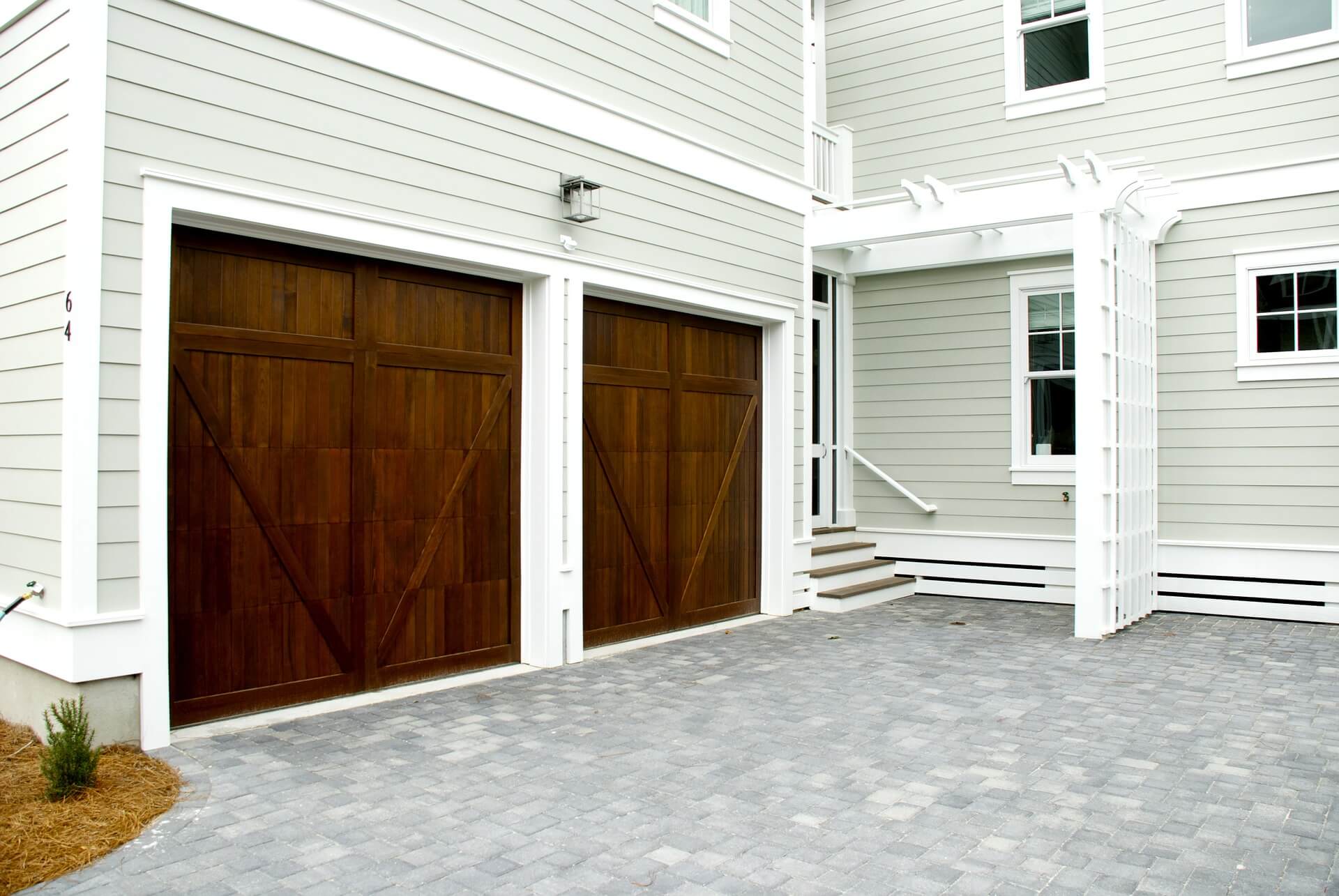
Even after acknowledging this, many still neglect it, which, as a result, makes it the least safe. Garage doors are massive and quite heavy, at about 400 pounds. They may be lifted up and down many times during the course of the day. A giant (about 1000 pound) pressure spring allows the garage to perform its up and down tasks smoothly, and if something goes wrong, serious or sometimes even fatal injuries could take place.
Emergency garage door services and installation are not DIY projects unless you are a highly experienced fellow. As per a report submitted by a reputed medical institution, do-it-yourself garage installation accounts for about 1,600 injuries each year in the country. A professional service provider will make sure that all the components are installed in the right order and according to the manufacturer’s recommendations, along with keeping in line with the industry’s safety guidelines. Below is a list of safety tips abided by professionals to ensure the safe installation of a garage door system.
Top-Notch Component: Credible garage door professionals install components that permit safe operation even when repeatedly using the door every single day. Ball-bearing rollers and heavy-duty hinges together with the multiple struts for that extra door reinforcement help increase the system’s life. Top-notch springs made out of steel contribute to a reliable and safe operation that holds up over time.
Spring Setup: Springs work much similar to a counterbalance for a garage door and makes its opening and closing hassle-free. The best springs make use of a safety containment cable that surpasses the entire spring length, thus preventing injury should it snap anytime. The springs must be able to withstand corrosion and come with a warranty as well. In case you are looking for an experienced service provider with skills that could help with your specific requirement, then you must look forgarage door repair in Calgary online for the best result.
Pinch-Resistant Joints: Experts of garage door repair explain that crushed or injured fingers, resulting from being caught between the sectional joints, are quite common injuries that can happen by an unsafe garage door. That is why pinch-resistant joints are essential to minimize the chances of such injuries.
Track Replacement: Old tracks may save you some money, but they can pose significant safety risks. When replacing a garage door, always see to it that you replace the track as well. The old track may not fit properly with the newly installed door system, but it could also impact the system’s overall operation and age.
Make sure you always go through a number of service providers available online before making a decision. This will help you in comparing their services and pick the best one while saving a few bucks on their services. We hope by now you must know everything you need to be aware of about garage door repair services.
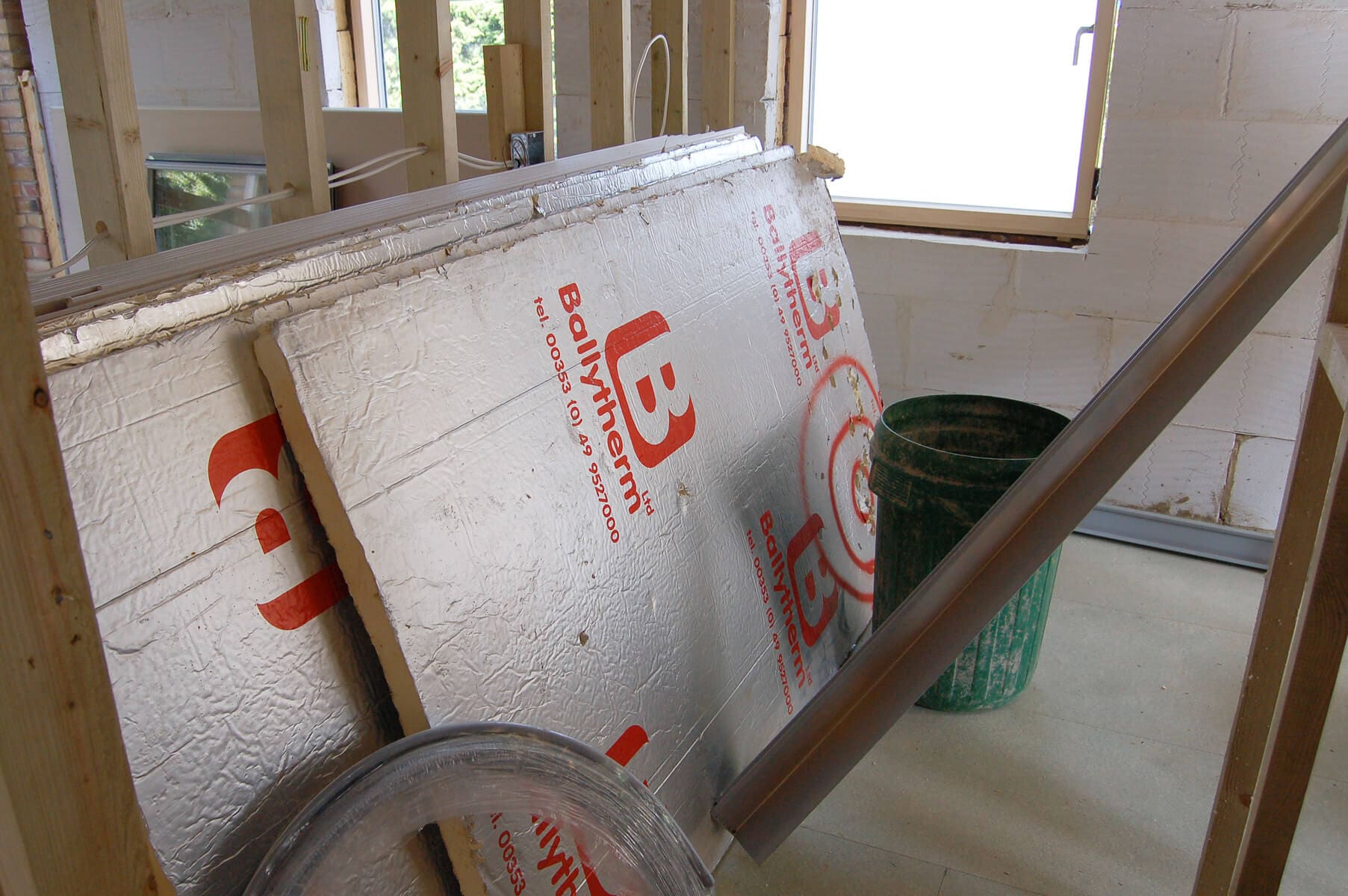
In today’s economic climate, insulation is being pushed to the fore as one of the biggest ways we can conserve our energy usage, keeping our houses warm in the winter and cool in the summer.
According to iFoam, insulation goes a long way to making a home warmer, cooler, or more energy-efficient.
Attic Insulation Types
The attic is the common location for insulation, as it houses the large majority of our house’s most precious possessions (the roofing above) providing us with a dry and safe place to keep our valuables. These include:
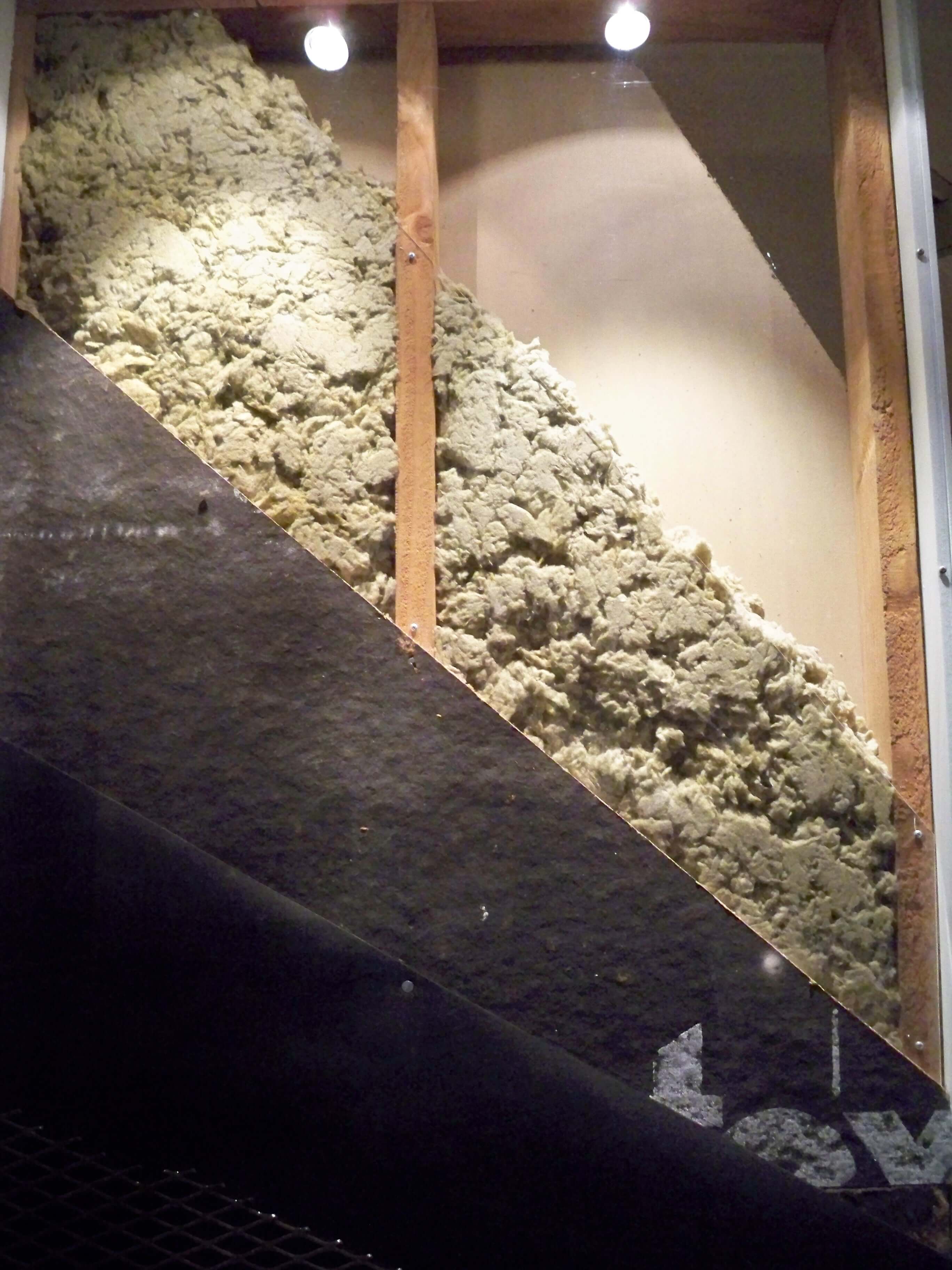
Batt Insulation: Found in most attics, this is the most common type of insulation for attics. It is a long plastic sheet, composed of several sheets of fibers. This material can help to reduce noise and provides solid protection from flames.
Loose Fill Insulation: Loose-fill insulation is made from several inorganic fibers (typically mineral wool). It is used for attics and is often sold as sleeves or tarps. This insulation can help prevent noise caused by air movement and can help to prevent radiant heat loss from the attic.
Sheet Insulation: This is one of the most common types of insulation used in attics, often found in roll form with a fiberglass backing. It differs from batt insulation because it is easy to install and is cost-effective. It provides a high R-value and noise reduction.
Blown Insulation: This insulation is made from a special foam that is blown into the attic, meaning it can reduce noise from air movements and provide a decent amount of insulation for a relatively inexpensive price.
Blanket Insulation: Often found in industries, blanket insulation for power generation is the same material used to insulate water heaters and other piping in your home, preventing heat loss and cutting costs on your bills.
Wall Insulation Types
Wall insulation covers our walls, making them a highly important area of the home. The wall is also an area with a lot of dead space and is perfect for insulation as it can quickly add to the property value of any home. Since walls are made of many materials, insulating the wall will depend not only on what it’s made of but, whether the wall is already built.
Batt Insulation: Batt is applied to walls by installing it on the wall studs before the drywall (plasterboard) is attached. It is lightweight and affordable.
Blown Insulation: Similar to the attic, this method blows foam into the wall cavity. It’s the most popular method for retrofitting insulation into homes before stricter environmental regulations were in place.
Loose Fill Insulation: Like in the attic, this type of insulation is made from inorganic fibers. It’s similar to blown insulation but, is applied by taping it completely around the walls, and then attaching the walls. This method is much more time-consuming but, it’s not as invasive as other methods.
Floor Insulation Types
Insulation is also commonly found on the floor of a house, normally in the form of under-floor heating. With floors, which method you use often depends on the floor type. Here are some examples:
Suspended Floors: A suspended floor is a type of floor in which the structure functions as a series of beams. It has no rigid supporting supports, but rather simply frames the room. When installing drywall or other types of plasterboard on top, you can usually use any insulation for this type of flooring, as it can be accessed from underneath.
Solid floors are a continuous, single slab of material, without any supporting frames. With these floors, you must access the insulation from above. Because of this, it’s advised to use a damp-proof membrane, and be aware that the floor level will be raised as a result, so you may need to move electrical sockets higher to compensate.
All Home Insulation Types Save Money
Insulation goes a long way to making a home warmer, cooler, or more energy-efficient. It’s not a single element of the home itself; it can be found in almost every room in the house. Whether it’s in the walls to protect from noise or the roof to protect from water, all insulation types play an important role in home construction.
Keep reading our home improvement articles to see what you can find today!
There are no adverse health problems that arise from hard water, but over time, the water leaves mineral deposits behind on any surface or material that it touches. Eventually, it will wreak havoc on pipes, appliances that use water, and the overall appearance of your home.
What Are The Differences Between Hard And Soft Water?
Water contains chemicals and minerals, and the concentration of these minerals determines the hardness of the water, specifically calcium and magnesium in hard water. The higher levels of these minerals, the harder the water is. On the other hand, softer water has higher levels of salt and sodium. These minerals in both hard and soft water are collected in rainwater as it travels through the ground and then used in the water system.
How Do I Know Whether My Water Is Hard?
You’re not able to tell whether your water is hard just by looking at it. It is most likely the feel or the effects of the water that make it easier to tell. If you have hard water, you may notice a chalk-like residue on your appliances or clothing or a slimy feeling on your hands after washing them with soap.
There is a ‘hard water test’ which is a quick and easy way to tell if your water is hard. You can do so by filling a bottle of water, adding some dish soap, and giving it a good shake. If the water is cloudy, milky, and without bubbles, then this would indicate hard water.
The Negative Effects Of Hard Water
Stained Sinks, Bathtubs and Shower Floors
Soap scum will also build up on sinks, bathtubs and shower floors. Many homes with hard water have this mineral residue stain. This soap scum causes a layer to form on the ceramics, which will frequently need to be cleaned off to prevent it looking unsightly.
You may notice spots on glasses or cutlery when they come out of the dishwasher, which are calcium carbonate deposits. This is most evident on clear drinking glasses, as you can see the cloudy looking residue on the sides of them. Rinse aid, hard water specific detergent, and adding dishwasher salt are three simple solutions to prevent this, but the effect of hard water still may be present and tend to make the glasses look dirty, even when they have just been cleaned!
Limescale Build Up on Taps, Drains, Showerheads, and Other Appliances
Mineral deposits will build up not only on taps, drains and showerheads, but on your other appliances such as your kettle, coffee machines, and dishwasher. This limescale build up in a kettle or coffee machine can also cause the water to have a different, unpleasant taste. Drainage Care UK, who are experts in blocked drains, would suggest regularly attempting to remove any limescale you notice from appliances to keep them in full working order.
Frequent Plumbing Repairs
Steel pipes and hard water are not a good mix. The pipes become damaged easily due to the build-up of minerals in them, resulting in both a lowering of water pressure and a corrosion of the pipes. Some plumbing problems caused by hard water are able to be fixed by Do-It-Yourself jobs, but more often than not, you will need to call in a professional to resolve the issues.
Mineral Stains on or Stiff Feeling Clothes out of the Washing Machine
Mineral stains on clothes or they feel stiff when they come out of the washing machine. This is due to the hard water’s minerals reacting with the detergent used in the wash and preventing it from working properly, this residue builds up over time and becomes more visible. It can also cause white clothes to look more yellow and dull.
Tips For Preventing The Effects Of Hard Water
Here are some tips on how to prevent hard water causing problems in the home without the need for harsh shop-bought chemicals:
How to Remove Stains from Sinks, Bathtubs and Shower Floors
A mix of water and vinegar can be particularly effective for removing limescale. To do so, leave the mixture for around 15 minutes before rinsing it with water and wiping it dry. To get rid of tougher stains, apply baking soda before adding the water and vinegar mixture. If you have enamel surfaces, you need to be cautious as these surfaces tend to be susceptible to acid damage. Make sure you wash the vinegar mixture away thoroughly afterwards.
How to Prevent Spots on Dishware
You are able to prevent a limescale build up both inside your dishwasher and on your glassware by using vinegar and baking soda. To do so, add vinegar to the Jet-Dry compartment of your dishwasher, so it will be released during the dishwasher cycle and remove the limescale build up. Adding baking soda to your regular cycle is a good preventative measure to stop this build up of limescale.
How to Prevent Limescale Build Up on Taps, Drains, and Showerheads
Try to regularly remove any visible limescale build up you can see anywhere. This will stop the build up becoming unmanageable and prevent any further damage to taps, pipes, and so on. You can remove limescale on taps by filling a sandwich bag with a vinegar and water mixture and tying it to the tap with an elastic. Let it sit for 15 minutes and rinse thoroughly.
Removing limescale build up in a drain involves pouring half a cup of vinegar and half a cup of baking soda down. Wait five minutes and then pour boiling water down the drain. The limescale build up should then have been dissolved. If not, repeat this process.
How to Prevent Limescale Build Up on Appliances
To prevent limescale build up in specific appliances, using a water filter device before putting water into your kettle or coffee machine will prevent this build up and minimise the unpleasant taste caused by limescale.
To rid your kettle of limescale, you can fill it half-way with vinegar. Then, pour water in to fill it to the maximum level. Let this mixture sit for an hour, before switching it on and boiling it. After this, pour away the liquid and give it a good thorough rinse. The limescale will have dissolved and drained away. You can also use this method in a coffee machine by running through a vinegar and water mix, but be careful to thoroughly rinse afterwards.
How to Prevent Mineral Stains on or Stiff Feeling Clothes out of the Washing Machine
Being mindful with the types of detergents and soaps you use can prevent the negative effects of hard water on clothing. For example, you can purchase washing powder and detergents that prevent the negative impacts of hard water. Also, you can run a washing cycle with vinegar, which will dissolve limescale build up.
Still Experiencing Hard Water Related Problems?
If possible, it’s best to prevent using hard water altogether. A water softener integrated into your plumbing system is really the only way to resolve these issues, by stopping the problem at its source. But, to prevent the effects of hard water in taps, drains, and so on, it is important to be proactive and consistent in your efforts to remove limescale. The methods mentioned above are not a complete solution, but they will prolong the time that is needed before a plumbing repair is needed, or reduce the frequency of plumbing repairs.
And all these innovative technologies are making their way into the furniture. Also known as innovative or futuristic furniture, the market is projected to grow up to $668.8 million by 2025.
But what exactly are they and do you go about buying them? In this guide, you’ll learn about those types of furniture in brief, which would help you buy the right ones.
Technology is a vast domain in itself. So, it combines with furniture in a particular way. Before you invest in smart furniture, you must first understand what they are.
Smart furniture is any furniture that utilizes intelligent, digital technologies to enhance its features. It can be as simple as a sofa equipped with a wireless speaker or a chair provided with USB ports. Besides the extra features, they’re essentially regular furniture. It’s just the added high-tech features that help them stand out.
With that knowledge, purchasing smart furniture for your living room isn’t radically different from buying traditional furniture. Keep the basics right. You have the option of adding or removing the features as per your needs. So, intelligent furniture is customizable.
In the subsequent sections, you’ll learn how to buy futuristic furniture for your home.
Basic Necessities for a Living Room
If you’re starting with your living room, then here is a list of furniture you should be buying:
The best-fit seating furniture for living rooms is sofas. Consumers spend the most time prospecting the right sofa for their living rooms. Other than sofas, you should also plan for window seats, chairs, benches, and daybeds.
Leg Rest
Leg rest will make it convenient for you and your guests to sit and relax. They may or may not come with the sofa set. So be prepared to purchase them separately if required.
Coffee table
Coffee tables are compact and versatile. You can serve coffee or tea to your guests and keep the conversation going.
Tables
Tables are bigger than coffee tables and occupy a bigger space. They’re great for breaking up bigger empty spaces and adding volume to your living room.
Lamps
Good lighting is essential for a good ambiance. So you’d have to purchase bulbs and lamps. Lamps, specifically, are a must for the living room.
Arts and plants
Wall arts, paintings, and pictures are an excellent way to personalize the room and add character. If space permits, you should make arrangements for live plants as well.
You need to dress up the living room as well. So purchase matching textiles to accompany doors, windows, and sofas. You can also purchase rugs, for that matter.
Consider the Type of Sofa and Features You’d Need
As already mentioned, consumers spend most of their time prospecting sofas. So when you want to buy futuristic sofas, you should take your time in deciding the type of sofa you’d buy and the extra features.
The type of sofas you’d find:
Regular sofas
Modern sectional
Modern recliners
Sectional sofas are ideal for corners and offer the largest accommodation space. Recliners are suitable for full-body comfort and can accommodate your legs for complete comfort.
When deciding on the extra features, you need to see if you’d need wireless speakers, charging ports, in-built LED lamps, movable and detachable parts, etc.
If you have a compact living room with limited space, then you should consider modular furniture instead. These can be expanded and contracted as per the requirements. Since they are made up of multiple pieces, you can join them together at will.
Recliner sofas aren’t modular because they are a single component that can be folded.
Ideally, you should install them at the corner section or strategically place them under the window level. This will make the interior feel larger than it is.
Smart Coffee Table with Cabinets
If you’re looking for smart coffee tables, it’s worth investing in ones that have cabinets or drawers. These will help you store additional items. The drawers can be refrigerated to store drinks and cold water.
They also come with Bluetooth stereo speakers and charging ports. Coffee tables with cabinets are often small in size. So you can move them around in the living room.
When buying futuristic furniture, you should do your research online and keep up with the latest technological developments. It would help if you went with features that won’t become obsolete in years to come. Consult with an established vendor or retailer to discuss your requirements before you make the purchase.
There is a reason that libraries are designed in the way they are, prompting quiet work and productivity. Offices can take on the same consideration and work to engineer an environment that is going to get the most from each team member.
After all, isn’t productivity the point of an office environment? The problem is, offices tend to be set in one way and never really reviewed despite new hires and even new departments being introduced to that environment. Today we are going to look at how office design can be essential to productivity and tips to getting it right.
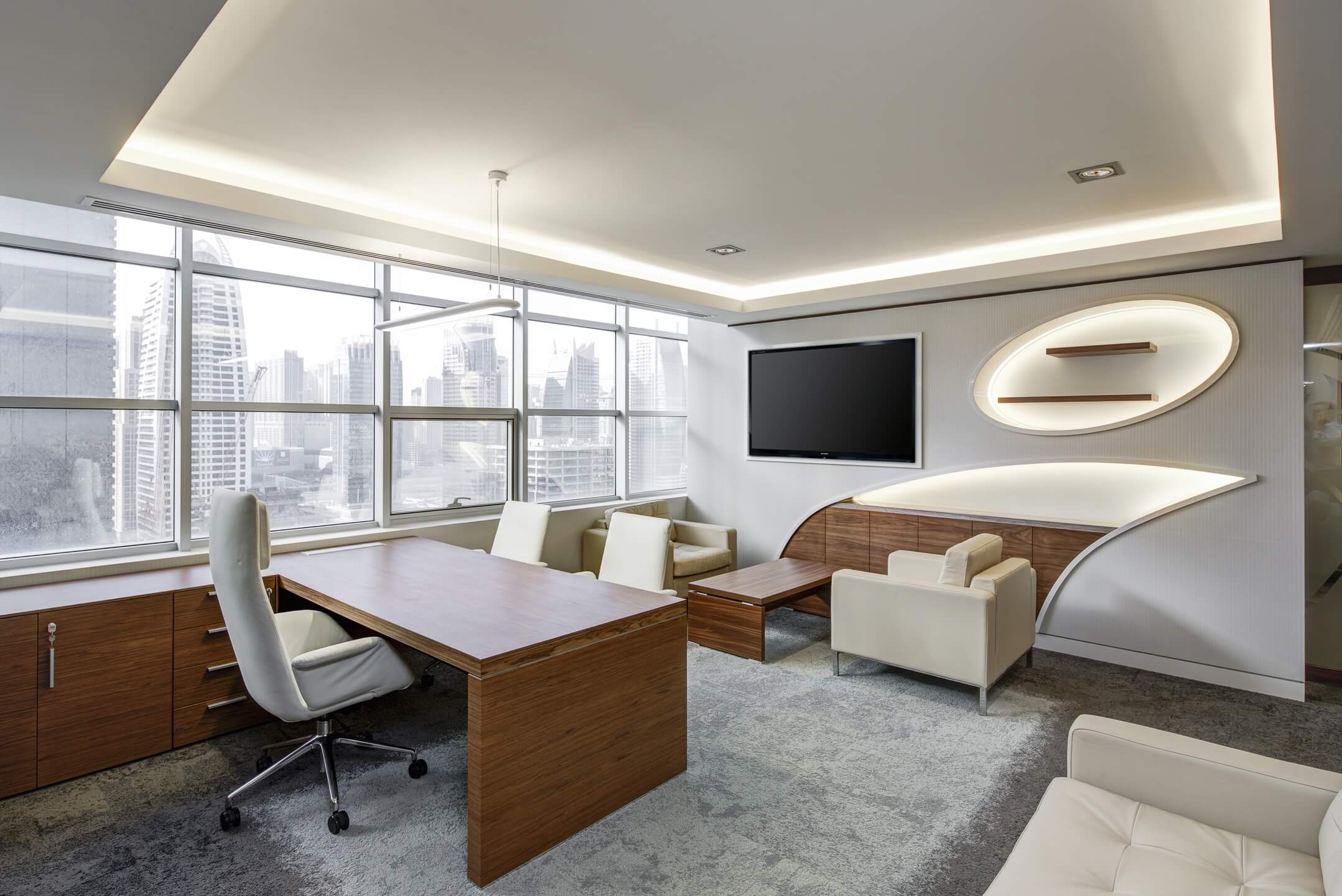
Modern commercial office fit-outs are starting to think more creatively about the spaces they design for a multifaceted business. Cubicle designs and a quiet quarter of the office might be absolutely ideal for a finance team who are often engrossed in deep work and adhering to a deadline, whereas an open plan space might appeal to sales and marketing professionals. So why can’t you cater to both? If your business employs different professionals and has a range of services, you need to be considering the needs of each of these departments. Is there a way you can separate the collaborative teams from the production-based teams?
Meeting rooms and hubs
Do you offer break-out spaces for your team to work or do they have to leave the office to seek that sort of environment? Setting up a dedicated space for teams to brainstorm, plan and meet freely will keep them productive as they can easily transition into these zones without having to decide where to go instead. It also saves these team members from just conversing publicly in the office and disrupting others who are not involved in the issue or project. If you have a spare office or under-utilised space, set about turning this into a productive hub for your team to work in.
It can look pretty edgy to have an open plan kitchen and coffee station in the middle of the office, but how effective is that really? Naturally, your team is going to converse in this lunch room space when preparing lunch or eating it – so try your best to insulate this area from the working office so you can separate work time from break time. This might seem pretty basic, but often little care is shown when setting up an office, and the long-term effects are rarely acknowledged but they are always felt.
In saying that, you should absolutely encourage your team to be social and relaxed in the lunch room because that is going to keep them productive during the day – but just ensure that noise does not carry to the rest of the office!
Fostering inspiration
It might sound shallow, but a good looking office can do wonders for productivity. We all want to settle into a space that we resonate with, and it’s not unbelievable that we would work harder in an office that is geared to modern technology and comforts. If it has been a while since you have upgraded the surroundings, flow, furniture and overall design of your office – it might be time to review. Regardless of what your business does, you want to be inspiring your team day in and day out, and a worthy office fit-out is going to do just that.
We hope you take this advice on board and start to think more deeply about the message your office is sending and how it is geared to productivity. If in doubt, ask your team what they think! They are the ones who are working in these spaces and they are the ones who control productivity.
With so many design possibilities to consider, it may be overwhelming to know where to start and who to call. Depending on how you envision your yard space looking and functioning, you may be in the market for a landscaping company. Before you begin chatting with your neighbors and friends for contractor recommendations, you must know who’s who. Specifically, what are the differences between a landscape designer and a landscape architect? Simply, the differences are vast. Below, we take a look at the distinctions between the two very different specialties.
To begin, there’s no formal training required for a landscape designer to call him/herself so. Many are self-taught individuals with a knack and affinity for garden design and horticulture. Specifically, landscape designers imagine and plan where vegetation, hardscaping, lighting, etc. will not only look most aesthetically pleasing but also where they will function best.
Moreover, landscape designers may also outline hardscaping or non-living landscaping. Hardscaping may include pavers, arbors, patios, decks, pools, stone-work, fire pits, retaining walls, water features, etc. Although your landscape designer will play an integral role in the mapping out of these features, they are not typically the same people who install the hardscaping. Landscaping contractors do the construction work relevant to excavating, laying hardscaping, and any necessary electrical or plumbing work. Essentially, the designer does just that: designs, while the physical labor of excavating, installing, and planting is outsourced to landscaping contractors. When working with a landscaping company, they typically employ these specialists who work in union to bring your project to life.
When you first meet with a landscape designer, you will collaborate to plan the types of vegetation you imagine incorporating into your landscape along with recommendations from your knowledgeable designer. Then you may begin mapping out where these items might best be placed in your yard. There will likely be follow-up appointments which may include a joint visit to a local nursery to begin making selections. There is so much to consider when selecting your plant life. Do you hope to create shaded areas? Improve privacy? Have fruit-bearing plants? Improve air-quality? The possibilities are endless. Your landscape designer can help you focus your ideas and bring your musings to life.
In essence, a landscape designer is a creative mind behind your landscaping project. With an eye for landscaping aesthetics, the designer can help you bring your imaginings to fruition. Conversely though, if you’re having difficulty envisioning the potential of your yard, he/she can guide you as well.
Although landscape designers do not require formal training, there are certification programs available through organizations like the Association of Professional Landscape Designers (APLD) that encourage members to keep current with trends in landscaping. Additionally, members of APLD are required to adhere to a code of professional standards and complete continuing education courses. Certainly, designers who are members of APLD can be trusted to uphold a high professional standard of landscape design. It would behoove you to look out for this accreditation in the designer’s CV.
What is a Landscape Architect?
Contrary to landscape designers, landscape architects must be formally educated in their vocation and must in fact hold, at a minimum, a bachelor’s degree in landscape architecture. Furthermore, landscaping architects must also be licensed by the state in which they operate. Landscaping architects may be contracted for residential and commercial jobs, though their contracts are typically larger scale projects. While architects may design, plan, and build outdoor public spaces like parks and cemeteries, they also work on some of the following residential scenarios: irrigation and drainage, rectifying elevation issues, building retaining walls, and more.
Residentially speaking, landscape architects have the know-how to create beautiful, functional outdoor living spaces that not only serve you now but add up to a 15% value to your home making their services an investment in your future. We’ve all heard that curb-appeal is a huge factor in selling real estate. Nothing adds curb appeal to your home like well-curated outdoor living spaces. Landscape architects have the engineering mindset to perfectly imagine and curate architecturally sound installations like fire-pits, patios, outdoor kitchens and bars, arbors, pools, decks, retaining walls, installed seating, fountains, and so much more.
Furthermore, landscape architects are trained in the placement of features and vegetation far beyond the aesthetic. They are trained to consider how the placement of particular trees may affect the energy efficiency of your home. Remarkably, by placing tall trees to block windows from the early morning and midday sun, you could significantly lower your electric bill. This is just one example of the knowledgeability that a landscape architect is armed with.
Finally, landscape architects go far beyond the design of your project. They plan, implement, and oversee your landscaping projects from start to finish. They are qualified to not only deliver superb landscape design and prowess but will do so while meeting your town and state’s regulations and codes. What’s more, is that your landscape architect will confront your project with a passion for the sustainable marriage of design and environment.
If you’re dreaming of improving the overall aesthetic and functionality of your home’s landscape, you should consider hiring landscape professionals. Depending on the scope of your potential landscape projects, you may only require a landscape designer. However, the importance of hiring landscape architects for your big projects can not be overstated. Again, landscape designers are a great resource for helping you plan, select, and place your horticultural products, while landscape architects are the better resource for complicated projects that require engineering, architecture, and/or land surveying.
When choosing a Cincinnati landscape company, it is wise to select one who contracts both landscape designers and architects. You may find that you require the expertise of both specialists. Having access to both under the same umbrella will make your landscaping projects move seamlessly.