Category: HOME

  • A Little Bit of Creativity Can Help You to Make Better Use of the Limited Space in Small Homes

    A Little Bit of Creativity Can Help You to Make Better Use of the Limited Space in Small Homes

    The high cost of a property, especially in large towns and cities, makes it difficult for most people to buy large homes. This is especially true for people who are just starting careers and families and are forced to do with tiny homes that they are required to with for a large part of their working lives.   

    Image by Finmiki from Pixabay

    Living in small homes can be made easier if you learn how to use the space in it as efficiently as possible. Start with your walls as they are a source that will be available even in the tiniest of homes. They have always been used as a place for hanging pictures and the like but can be used for much more if given proper thought and planning. Make sure that your bookshelves or other cupboard or shelf space, extend all the way to the ceiling. Access may be a problem at ties, but the easy availability of small foldable step ladders can allow you to make full use of every level of your storage space. 

    Image by Debora Delaney from Pixabay

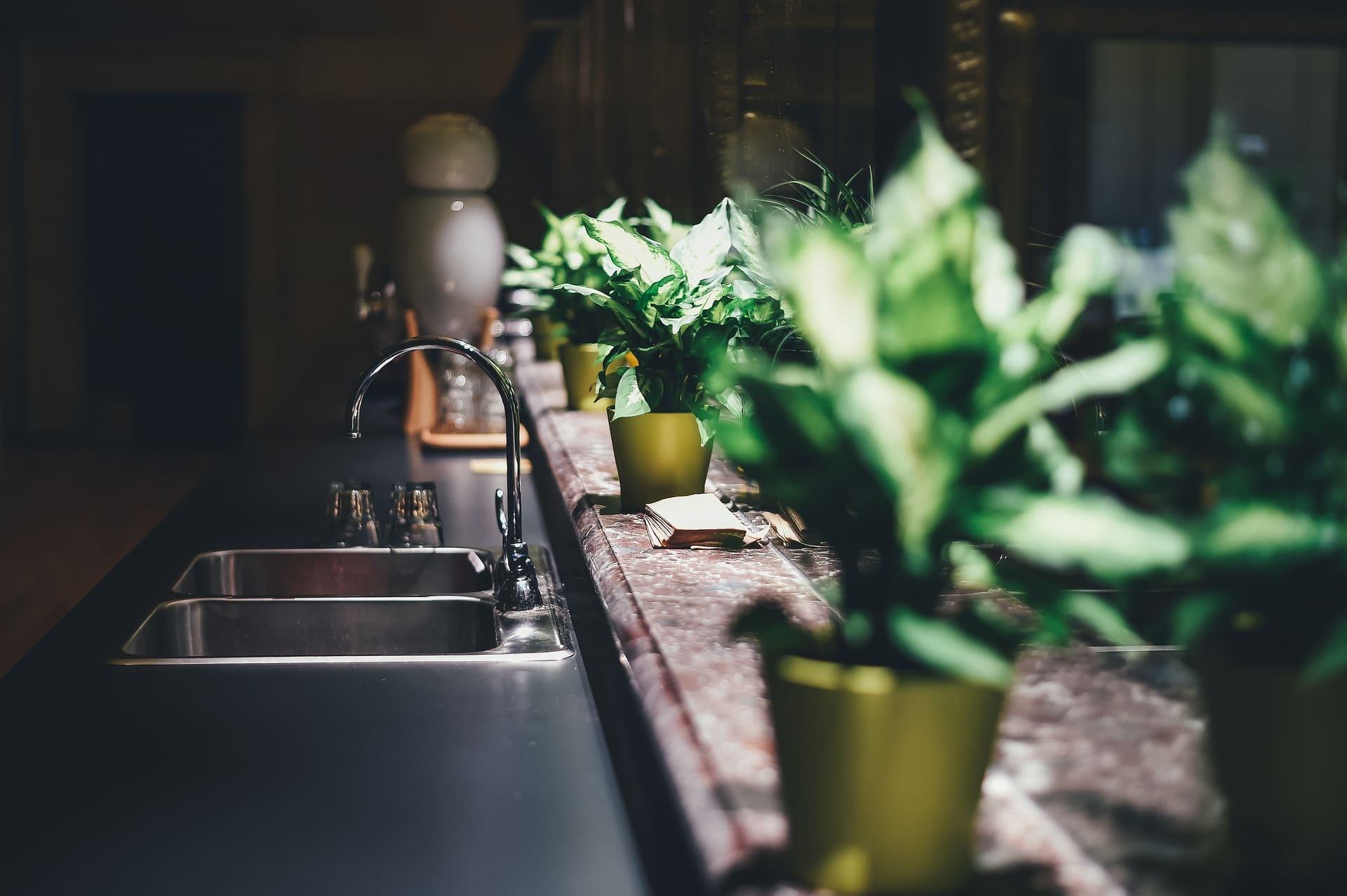
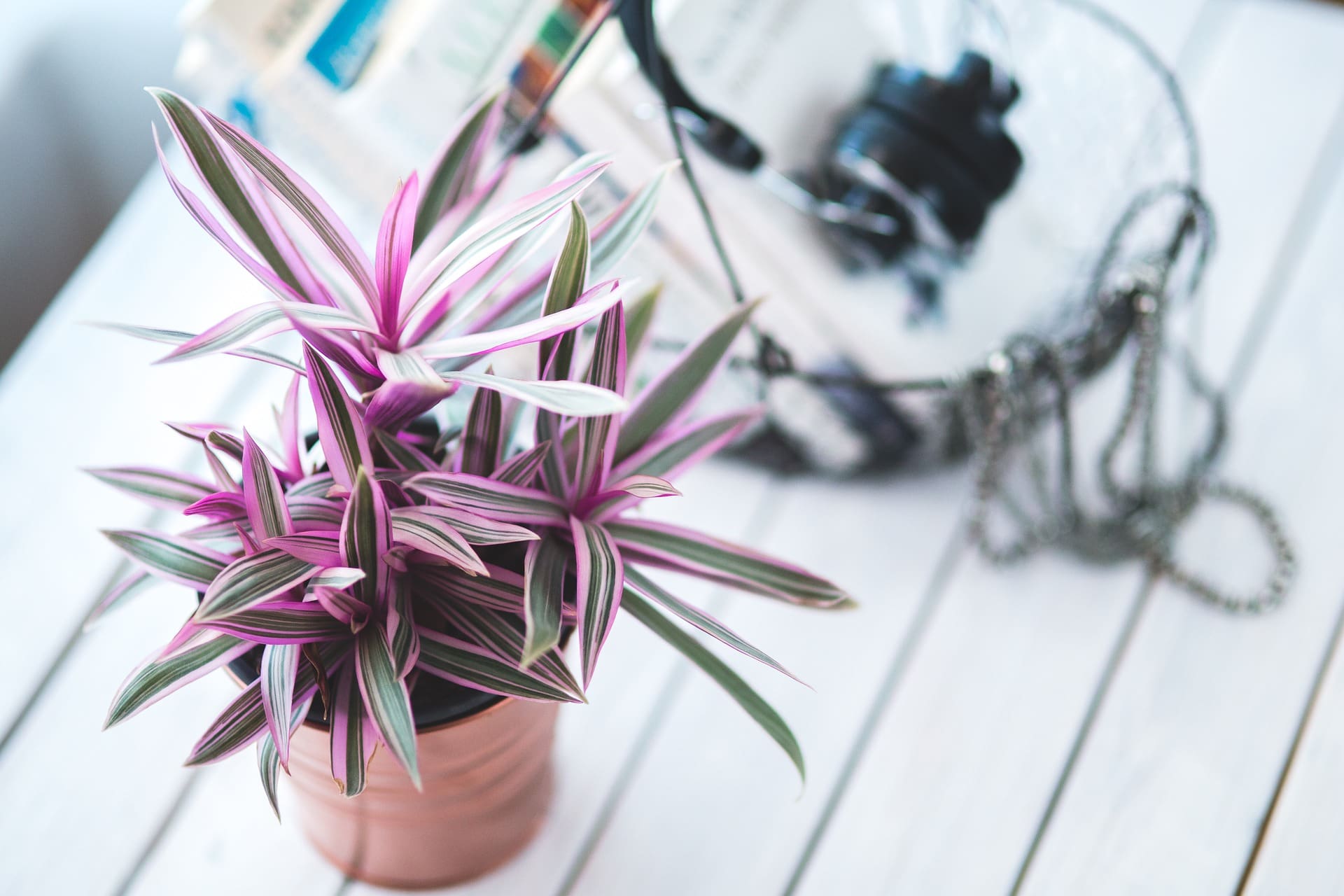
    Make use of wall planters to put up any plants or other greenery that can always make a home a much pleasanter place to live in. There is wide variety of plants that you can grow indoors, even vegetables and fruits, and you need to make the best use of your walls for this. Use the back of doors to hang up things, even a bicycle, so that no space on the floor is taken up. Fold up chairs and tables can be hung on walls, and doors, and taken done only when they are needed. Do not use table lamps for lighting, and create a lighting plan for scones and other fixtures that will give you the light where it is needed. 

    Be extra creative when you are choosing furniture for the space you have in your small home. Use benches, instead of chairs so that can also have storage space below them. Convertible furniture like sofa beds can help you to get the needed storage space without having to clutter up your walls. Use furniture that can do double duty or stack easily into each other, so that it needs to be extended or pulled out only when it is needed. If you already have bought chairs and table and cannot afford to change your furniture, think of adding skirts to you furniture, so that the space below them can be used to act as storage, and yet keep things looking nice and uncluttered.

    Image by HUY KIEU from Pixabay

    Many tiny home will have awkward corners and other spaces that can be easily used and converted into useful spaces, like desks, cupboards, and shelves that fit these spaces and yet provide you with space that you can use. Use space over doorways to create slatwall shelves that can hold things that you normally do not use, but still require some space for keeping them. 

    We have already talked about using doors to hang things, but make sure that you use them in such a way that they will not look untidy. Create proper bags or slatwall or other storage racks that can take up a whole lot of things. A kitchen door, or even the walls on the inside of cabinets can be used to hang up a lot of utensils and cutlery and save you a lot space. Add lofts in kitchens to create space that can even be used as a sleeping space for children. Lofts can be added anywhere and make for better use of the vertical space you have in your small home.  Make use of space under staircases that can even become a small office space or extra storage. Use room dividers to make rooms into those that can see multiple uses.


  • How to Check Your Contractor’s References Before a Project

    How to Check Your Contractor’s References Before a Project

    Once you are ready to start your construction project, whether a new build or a remodel, you need to find the ideal contractor for the venture. You might already have gone through the process of gathering a list of names and interviewing them, and might even have selected one or two possible candidates. You now find yourself wondering how to choose the final one and how to make sure you are basing your decision on the right facts. You know you need to check their references but, how do you do this? You must dig deeper if you want to uncover all you can about their character and reputation.

    Image by StartupStockPhotos from Pixabay

    Contact Their Clients

    Ask the contractor you are considering for your project for at least three names of people that have had similar jobs to yours and reach out to them. Find out their opinion on the work done, whether the contractor was able to work with their budget, if the work was done on time, and, most importantly, whether they would work with this contractor again.

    Still, keep in mind that the contractor will only give you the names of satisfied customers. However, this is a good place to start your research. If you are still feeling doubts, ask the contractor for the last five clients and not clients that they have carefully chosen.

    Image by Malachi Witt from Pixabay

    Contact Their Suppliers

    Ask them for names of their suppliers, people with whom they have dealt for a while. Call the suppliers and find out if the contractor pays their bills on time. You don’t want to get stuck with any bills yourself later on. Listen to anything else that these suppliers might have to say about the contractor.

    Ask the Contractor About Their License and Insurance

    Look for their expiration dates and make sure they are still valid. You may also check out this information through your state’s contractor licensing board. You should also check their general liability policy.

    If the contractor is reputable, they should have no problem showing you any document you want to review. They have nothing to hide and let their actions and their good work speak for them.

    Why is it important to check your contractor’s references?

    You probably know that it is not a good idea to just hire somebody off the street unless you really don’t care too much about how the job is done.

    Image by Gerd Altmann from Pixabay

    By getting references and checking them out, you may end up finding out that although the client seems to be satisfied with the job, there were certain aspects of it that the clients were not happy about. And these may just turn out to be items that have first-priority in your list of must-haves.

    You may also find out that some of their clients talk about unexpected snags in their projects. In those cases, by finding out how the contractor handled and resolved these unexpected situations, you may be able to form a much clearer idea of what kind of person you will be working with.

    Having a plan for the project, a timeline and a realistic budget is only the first step in achieving success when it comes to a construction project. If you still have doubts about how to find the right contractor, HHC might be able to help.

  • Tips for Watering Your Indoor Plants

    Tips for Watering Your Indoor Plants

    Plants are amazing elements to use in interior design. No matter if you live in an expansive house, or a small apartment, you can use plants to accentuate your favorite spots and to improve air quality.

    Image by Alina Kuptsova from Pixabay

    Besides enhancing the atmosphere in your home, indoor greens can also provide you with valuable vitamins. Whether it’s a few pots of herbs perched on a window sill, or a fully-fledged indoor garden, growing your own produce gives a healthy boost to your daily diet and well-being.

    Image by Free-Photos from Pixabay

    However, keeping plants in your home requires some basic gardening skills. From picking the right varieties to investing in the right indoor growing equipment, the choices abound. 

    One of the trickiest aspects of keeping indoor plants is watering them properly. Too much water will damage or even kill your plants. Too little water – same story. 

    If you’re an aspiring indoor gardener – or you struggle to keep anything green alive – here’s everything you have to know about watering indoor plants. 

    Image by Pexels from Pixabay

    Adjust the Watering Frequency to Varieties and the Season

    First off, the amount of water needed varies by plant and season. 

    In spring and summer, most plants need to be watered every 2-5 days – unless they are succulents or cacti. In autumn and winter, plant growth is slower due to the lower temperatures and shorter daylight. During this time, plants need to be watered less frequently. 

    Plants usually come with tags specifying their water needs. If it says you need to water them “steadily”, touch the soil surface once in a while. If it’s dry, it’s time to water. When a tag tells you to water “moderately”, allow the topmost inch of soil to dry out before watering the plant again. 

    Image by Karolina Grabowska from Pixabay

    Use the Right Type of Water

    Not all plants happily take tap water. 

    Many orchids, for example, thrive on distilled water. Others, like bromeliads, prefer rainwater. 

    However, even if tap water is theoretically fine, you might want to invest in a water filter.

    Depending on where you live, water hardness and pH value can vary considerably. A filter will even out these differences and protect sensitive plants. 

    Image by Alina Kuptsova from Pixabay

    Ensure Drainage With the Right Pot

    If you overwater your plants, and the surplus can’t drain away, you’ll be facing root rot. 

    To prevent this, make sure that any excess water does not get stuck in the bottom of the pot. 

    Use pots with drainage holes, together with pot sleeves and saucers. Just tip them out a few hours after watering if any liquid is left. 

    Use the Right Watering Technique

    Finally, you have to be careful about how you supply your plants with water. 

    Tropical plants, for example, prefer watering from above. They are happy to get their leaves wet. Most orchids prefer to be misted rather than doused. 

    Image by StockSnap from Pixabay

    Other plants you have to water from below. Plant them in a pot with drainage holes, and set it in a tray of water about ¾ in deep. This will allow the soil and roots to soak up water. 

    A final option you may want to consider is an irrigation system, which allows you to pre-program watering amounts and frequency. This is especially handy if you have a larger indoor garden, if you travel frequently, or if routine household tasks tend to slip your mind. 

    At the end of the day, with a little planning and research, you’ll be able to figure out a watering schedule for your indoor plants that will help them thrive. 

  • Creating a Bedroom in Which You Feel Truly at Peace

    Creating a Bedroom in Which You Feel Truly at Peace

    Given how important proper sleep is to everyday functionality, it’s no exaggeration to say that your bedroom is among the most important spaces in your home.

    Image by BUMIPUTRA from Pixabay

    Without a good night’s sleep, you’re liable to have trouble facing the day ahead – and without the right bedroom, a proper night’s rest can prove frustratingly elusive. In order to maintain a desirable quality of slumber, you’ll need to create a sleeping space in which you feel fully at peace. While this may strike you as an arduous undertaking, creating a bedroom that’s conducive to comfort is well within the abilities of any homeowner.

    Image by 영훈 박 from Pixabay

    Investing in the Right Mattress

    When it comes to bedroom furnishings, nothing is more important than your choice of mattress. Given how large a role your mattress plays in determining your quality of sleep, it’s impossible to overstate the importance of choosing wisely. Unfortunately, when shopping around for new mattresses, many of us are drawn to the cheapest possible options.

    Image by Jean van der Meulen from Pixabay

    Since a mattress is no small investment, wanting to save money is perfectly understandable. However, if the only quality you’re looking for in a mattress is low price, you’re likely to get exactly what you pay for. This isn’t to say that being expensive automatically makes a mattress good, but if you expand your options to include high-quality luxury mattresses, you’re likely to sleep much easier. Although luxury mattresses tend to be a bit pricier than standard-grade mattresses, the first-class comfort they offer more than makes up for the additional expense. Furthermore, since luxury mattresses generally have longer lifespans than their less expensive counterparts, you may ultimately wind up saving money in the long run. So, the next time you find yourself on the hunt for a new mattress, remember that cheaper doesn’t necessarily equal better.

    Image by Pexels from Pixabay

    Utilize a Calming Color Scheme

    If you want your bedroom to conjure up feelings of peace and tranquility, you’d be wise to adopt a calming color scheme. So, when perusing paint colors and shopping for assorted furnishings, make sure to keep an eye out for calming colors. Although the number of calming colors is extensive, popular options include light shades of blue, green, white and violet. On the flipside, loud colors can prove distracting and are conducive to racing minds. Examples of these colors include bright shades of blue, red, orange and pink. Regardless of how much you love any of these colors, it’s recommended that you keep them out of your sleeping space.     

    Eliminate Clutter with the Aid of Shelving 

    Clutter is not conducive to a calm mind or inner peace. Needless to say, the messier the bedroom, the less peaceful the atmosphere. If your bedroom is home to a fair amount of clutter, you can nip this problem in the bud by investing in some high-quality shelves. These shelves will be able to comfortably house any reading material or personal items you wish to keep in your sleeping space. Furthermore, if you enjoy watching television in bed, invest in a good TV cabinet for your bedroom-based entertainment setup. 

    Block Outside Light

    If you require total darkness to fall asleep, blocking outside light should be among your foremost priorities. Outside light can be particularly obnoxious in crowded areas that receive a fair amount of traffic and feature copious amounts of artificial light. If your regular curtains or blinds aren’t up to the task of keeping your sleeping space light-free, consider replacing them with blackout curtains. As the name suggests, blackout curtains are designed to block exterior light and keep bedrooms as dark as possible. If you don’t feel like replacing your current curtains, blackout screens may prove to be a cost-effective alternative.

    Image by Peter Weideman from Pixabay

    To call your bedroom important would be an understatement. The quality of one’s sleeping space largely determines the quality of their slumber.

    During the hot weather conditions, best ceiling fans for large rooms, is the best choice for your comfort.

    As such, if your bedroom isn’t conducive to peace and relaxation, comfortably sleeping through the night is liable to be an uphill battle. If you’ve recently found yourself grappling with sleep issues, there’s a good chance that your sleeping space could use some sprucing up. When setting out to create a bedroom in which you can feel fully at peace, put the previously discussed pointers to good use. 

  • Interior Design Risks Associated with Renovating an Old Home

    Interior Design Risks Associated with Renovating an Old Home

    When we normally think about interior design, the potential dangers of renovation and remodeling work are not things that usually pop into our head.

    Image by Andrey Cojocaru from Pixabay

    However, there are several dangers associated with interior designing, especially if we are discussing an old piece of property. Go through the following to know exactly what they are and how to steer clear of those risks.

    Image by SnapwireSnaps from Pixabay Royalty Free Photo

    Asbestos Poisoning and Litigation

    Before any renovation or remodeling work can commence, asbestos must also be removed first, and only by trained experts with the necessary Asbestos Model Accreditation Plan (MAP) certifications. Being more dangerous than even lead due to the lethal, carcinogenic properties of the fibers, training is mandatory and any interior decoration project in violation of that rule will have to face severe legal consequences.

    Image by Free-Photos from Pixabay

    Lead Poses a High Risk in Old Properties

    Both asbestos and lead paint were banned from being used in construction at roughly the same time, but older homes often still have remnants of lead paint in them. Sometimes, a house or any other building constructed before the 80s will have lead paint on its walls, even if it was painted and repainted several times over since then. The issue is, unless the paint chips were removed properly and completely from the walls by certified professionals, it is likely that there are still remnants of the lead paint underneath those new coats of lead-free paint, as well as particles of the toxic heavy metal dust, settled or floating all over the property.

    Image by Mikes-Photography from Pixabay

    Risk of Litigation and Consequent Fines

    Whether the interior decoration project is being headed by a professional contractor, or the homeowners themselves, they can face litigation on account of breaking the RRP Rule. If the project did not have the necessary EPA Certification and professionals with the right type of lead certification were not employed to ensure safety, the party in charge could be facing fines as high as $37,500 per day/infraction.

    Image by Mikes-Photography from Pixabay

    This can be easily avoided by ensuring that the people working in an old home that was built before 1978, either have the necessary certifications themselves, or the contractor/homeowner could hire lead experts with the right certifications. Given that there are several different lead certification types, first get to know which ones are necessary for the project ahead.

    Dangers of Lead Poisoning

    If certified lead removal experts are not employed to get rid of the heavy metal first, it can lead to the workers, residents and everyone else directly associated with the renovation work being poisoned. Depending on factors such as the poisoned individual’s age and the amount of lead dust that they were exposed to, even death is not out of the question.

    Image by Mikes-Photography from Pixabay

    At the very least, untrained handling of lead dust can lead to loss of memory, irritability, impotence, hypertension and heart disease in adults. For children, lead poisoning is far more dangerous, with fatality being more common than in adults. Other symptoms may include permanent brain damage, delayed mental development, loss of appetite and consequent loss of weight, mood disorders, lethargy, headaches and the taste of copper in the mouth.

    If you are renovating an old house, make sure you take these dangers into consideration.

  • Rapid Prototyping for Prosthetics

    Rapid Prototyping for Prosthetics

    Did you know that according to a study by the World Health Organization from 2018, 30 million people are in dire need of prosthetics, but 75 percent of developing nations cannot cater to produce prosthetics?

    Image by splotramienny from Pixabay

    A prosthesis is a man-made limb for those individuals who have either faced an amputation due to an accident or were born with a natural deficiency. Amputations are also caused by several traumatic and medical conditions like diabetes, tumors or blood disease.

    Image by RAEng_Publications from Pixabay

    According to WHO, about 0.5 percent of the global population requires prosthetics whereas only 1 in 10 people can afford them. The reason for the lack of reach of these devices is the cost which can range from a few hundred dollars to over a hundred thousand dollars. Not only is this massive capital cost involved but also there is a regular need for expensive maintenance and in the case of growing children, there is a need for replacement as well. To counteract with this dilemma, the use of additive manufacturing and rapid prototype manufacturing is trending. This article will discuss how these methods aid the prosthetics industry in greater detail as the article progresses.
    Image by Comfreak from Pixabay

    Counteracting the Dilemma

    The core issue which lies in the prosthetics industry is the dire shortage of machining services and trained personnel. The main challenge in the prosthetics industry lies in the fact that there are no standard products that need to be repeatedly manufactured. Every case can vary in design and application. Therefore, manufacturing techniques that follow mass production principles are not viable. This is where rapid prototyping comes handy. It allows for review of design and amendments until a perfect prototype for the patient has been achieved.

    Moreover, there is a major dilemma of massive capital costs involved. In this regard, it is worth quoting that according to a case study report by Day and Riley in 2018, they reported an average cost reduction of 56 percent when 3D printing and prototype manufacturing are incorporated to manufacture an assistive device for a person with finger amputation. Along with this, they also reported massive weight and environmental waste reductions. Let us now discuss major design considerations for prosthetics.

    Vital Design Considerations for Prosthetics

    In prosthetic devices, the prosthetic socket is the most critical part of the design process. It is the part that covers the remaining limb. There are some major considerations for this part including:

    • Biomechanical principles need to be accounted for which include tissue mechanics and biomechanical forces which will act on the artificial limb.
    • Optimal strength to weight ratio is required according to the application. For instance, in the design of a prosthetic socket for a lower limb, the weight of the socket must be as minimal as possible. This allows for less fatigue for the wearer while ensuring that the weight of the body is appropriately transferred to the prosthetic device through the socket.
    • Range maximization of motion for prosthetics is a vital consideration. Furthermore, proper ventilation of the electronic device, stability and the suspension system, all need to be optimized for long term viability.
    Image by Peggy und Marco Lachmann-Anke from Pixabay

    The Workflow

    • Obtain an image of the patient’s relevant body parts to ensure that the custom-made prosthetic socket is appropriately manufactured. The imaging can be done using 3D scanning of the individual or a cast of their body.
    • The file generated by the 3D scanning is then uploaded to a software package which modifies the image. Biomechanical principles are preloaded into the software and it uses them to apply certain modifications. These modifications are to ensure proper fit, comfort and efficient transmission of forces from the body to the prosthetic device.
    • The modified image is then converted in a CAD software and converted to STL file format for 3D printing.
    • For the fabrication phase, there are two ways. The first way is that the prosthetic company entirely relies on the rapid prototyping service provider. The service provider will only be supplied with the raw scanned images and specifications of the required prosthesis. They will then modify, use prototype manufacturing and perform post-machining alterations if required on their behalf. The second way is that the prosthetist modifies the file themselves, and then send it to the machining service provider.
    • Additive manufacturing techniques are then followed to fabricate the final and finished product. Amongst various techniques, Fused Deposition Modeling (FDM) is the most widely used due to its cost efficiency and ability to produce parts quickly. However, at places where accuracy is needed and flexible joints are to be manufactured, Selective Laser Sintering (SLS) is used.
    • Material considerations for prosthetics is a wide and in-depth topic. However, the most widely used material for low-cost applications or non-critical components is PLA filament which is a thermoplastic. For parts that require durability, Nylon is a good option. For the most critical parts like sockets where flexibility is crucial, materials like urethane and TPE filaments are really useful. For any medically critical components, only medical grade materials can be used. 
    Glenn Woodell, CC BY-SA 3.0, via Wikimedia Commons

    Ensuring Conformity of the Prosthetics

    Prosthetic devices are subjected to a diverse set of loading and environmental conditions. For instance, in the case of lower limb prostheses, two types of loads superpose i.e. static loads and cyclic loads. As a result, during natural walking, the prostheses bears up to 6 times the body weight. Similarly, upper limb prostheses must bear massive lifting moments.

    Keeping these facts in consideration, a variety of ISO standards are followed to ensure conformity of prosthetics to international and medical standards. ISO 10328:2016(E) encompasses all the structural strength standards for lower limb prosthetic devices. It ensures conformity of a prosthetic device concerning the endurance of static and cyclic loads over its lifespan. It also dictates various testing methods which include static loading, torsional loading and cyclic loading tests for each part of the device. For instance, knee joints are particularly tested for torsional and cyclic loading under maximum flex condition. There are additional standards that cover the manufacturing and testing of prosthetic sockets.
    Last but not the least, in today’s modern era, finite element analysis (FEA) is a handy tool when it comes to testing before manufacturing. It helps prototype manufacturer to save material and manufacturing costs. It also plays a major role in conditions where the components are so expensive to manufacture that destructive testing is out of the scope. Moreover, simulation results from FEA help to conduct risk assessment studies when providing a unique prosthesis.

    We really hope that this article helped shed light on the rising use of prototype manufacturing in the prosthetics industry.

  • 5 usability mistakes in web design

    5 usability mistakes in web design

    Usability is one of the most important aspects of a good website, ensuring a great user experience. Website design that’s user-friendly is more likely to lead to happy customers. If a site’s difficult to get around, customers will probably become frustrated and leave. Read on to find out the top usability mistakes in web design.

    Image by kalhh from Pixabay

    Small clickable areas 

    Photo by Domenico Loia on Unsplash

    Websites that have smaller hyperlinks and clickable areas tend to put users off. Users want links to be larger and more visible, so they are better able to interact with the site. You can use the padding technique to make links more clickable. If the website designer makes this mistake when creating a website, visitors are less able to engage and connect.

    Pagination

    Photo by Le Buzz on Unsplash

    Pagination refers to splitting up the content into several pages. Website designers sometimes apply this feature to increase ad revenues; however, it’s often a problem for users. They get annoyed with having to click onto new pages to find the content they’re looking for. What’s more, when they search for a topic on a website, a random page from an article might show up, with the information diluted and disorganised. Visitors don’t appreciate landing on a page from the middle of an article – it simply doesn’t make sense for them. As a result, pagination may cause a website to rank low for good reads and useful articles. 

    Duplicate page titles

    Image by Brita Seifert from Pixabay

    Many websites use the same titles for every page, but this can be a big mistake. The title is extremely important for communication purposes, and each page should have its own distinct topic according to what it offers. This allows customers to relate and engage much more. They can quickly see if they are on the page they are looking for. Also, when people search on Google, they refer to the page titles to see what the page is going to be about. The search engines need to rank the results according to the tag word they found in the title. Therefore, it’s best to avoid duplicate titles not just for usability, but for SEO too.  

    Difficult to scan content

    Image by Werner Moser from Pixabay

    The most useful feature of a website is a copy of the website. This refers to the words, the content. It needs to be easy to read, catchy, understandable, and highly digestible for the user. Often, websites display sizeable chunks of information, however, this isn’t a good idea. If the content is too lengthy or complex for the user to easily take in, they are likely to get frustrated. Focusing on a few separate points at once is better. Keep in mind that the imagery, font style, and colour icons make the difference. Keep the content informative yet concise. Cut the excess down and make it user friendly.

    No way to connect with users 

    One of the most common mistakes many web designers make is failing to focus on customer engagement – a key aspect of a website’s usability. There should be a way for customers to stay in touch with you. Customer satisfaction is essential for building a loyal customer base and failing to recognise this can seriously impact a business.

    Image by kalhh from Pixabay

    A website should make it easy for staff to answer customer queries as soon as possible whilst also providing easy feedback methods. Failing to provide options for customers to stay in touch with the company is a major usability issue.  

    Usability is all about making a website easy to use and accessible to visitors. Make sure you don’t make these usability mistakes when it comes to web design. Instead, focus on creating a website that gives users an exceptional experience and lets them achieve their goals successfully. 

  • Basic Buying Guide For Decorative ADA Grab Bars

    Basic Buying Guide For Decorative ADA Grab Bars

    We understand how you want to live life comfortably as you take on disability and challenge it, on a day-to-day basis. Much more so if you have loved ones who have disabilities. You will want to safeguard your home down to the inch for them.

    Image by Jeff Kingma from Pixabay

    At the same time, retaining that aspect of “home” even in utilising safety devices, especially in the bathroom, is central to your buying decisions.

    Image by Jeff Kingma from Pixabay

    For decorative grab bars, you can review this simplified buying guide as you plan on what grab bars to purchase. 

    Multi-Function 

    This goes beyond saying that grab bars fulfil the function of weight support, balance, and stability. Yet when it comes to decorative handles, their function and description widen according to each category’s design. 

    For instance, there are handrails that have dual layers because they are dual-purposed. The main bar is for gripping whereas the secondary bar is for hanging towels and/or articles of clothing. 

    Another dual-purpose grab bar is one that has a weight supporter as well as a tissue roll-holder. 

    Besides these, designers and/or manufacturers have also stretched their creative designing skills by fashioning ADA grab rails which have a tier or tray attached beneath the main bar. These extra “shelves” are for your toiletries, folded towels, and other items you’d like to organize on them.

    Image by Anemone123 from Pixabay

    End Grips

    Grab bars with capped ends exude a polished finish. More importantly, capped ends will lessen the likelihood of incurring scrape and scratch marks on your skin in the event that you graze your hand or arm on them. 

    Angled ends, in contrast, give off a very chic look. And if that is the tone you wish for your bathroom, these will definitely be your go-to. 

    Double Grip Bars

    Decorative ADA bars are also available in pairs. They serve as reinforcement so that you can prop yourself up with both hands. Many who have a weaker grip and/or are unable to bear their weight with only one arm choose sets such as this.

    RhinoRails | Leading supplier of heated towel rails, bathroom radiators, stainless steel grab Trevor1980, CC BY-SA 4.0, via Wikimedia Commons

    Paired bars should always be placed perfectly adjacent to each other. There is no specific ADA requirement about how far each individual bar is supposed to be from the other. Our tip is for you to do the math by using your shoulder width as the basis of measurement.

    What’s great about this handrail duo is that they add class to a bathroom. Station them on opposite ends of mirrors, or at the head or tail-end of a bathtub a la swimming pool ladder handle. 

    Bar Rings 

    These half-circle beauties have a simplistic elegance to them. To “soften” the overall appearance of your bathroom and let it have a touch of sophistication, bar-ring handles are a one-stop interior design revamp. A few of these on the wall divisions next to sanitary and bathing hardware and you’ll be good to go. 

    Image by Jean van der Meulen from Pixabay

    And it’s not just that they are pleasing to the eyes. Bar rings have resilience in terms of carrying any weight that’s propped up against them. You can rely on them to hold you steady as you bear your weight on these rings. 

    They are frequently put in place the curved side-up. But if you believe that it will be more convenient for you to clutch them the other way around, then feel free to invert the grab bar during installation.