Category: HOME

  • Amplify Your Brand Visibility with Retail Space in Chicago

    Amplify Your Brand Visibility with Retail Space in Chicago

    Chicago has some amazing buildings and some of the most promising neighbourhoods that are served by numerous retail spaces for rent cater to a wide range of tastes and preferences.

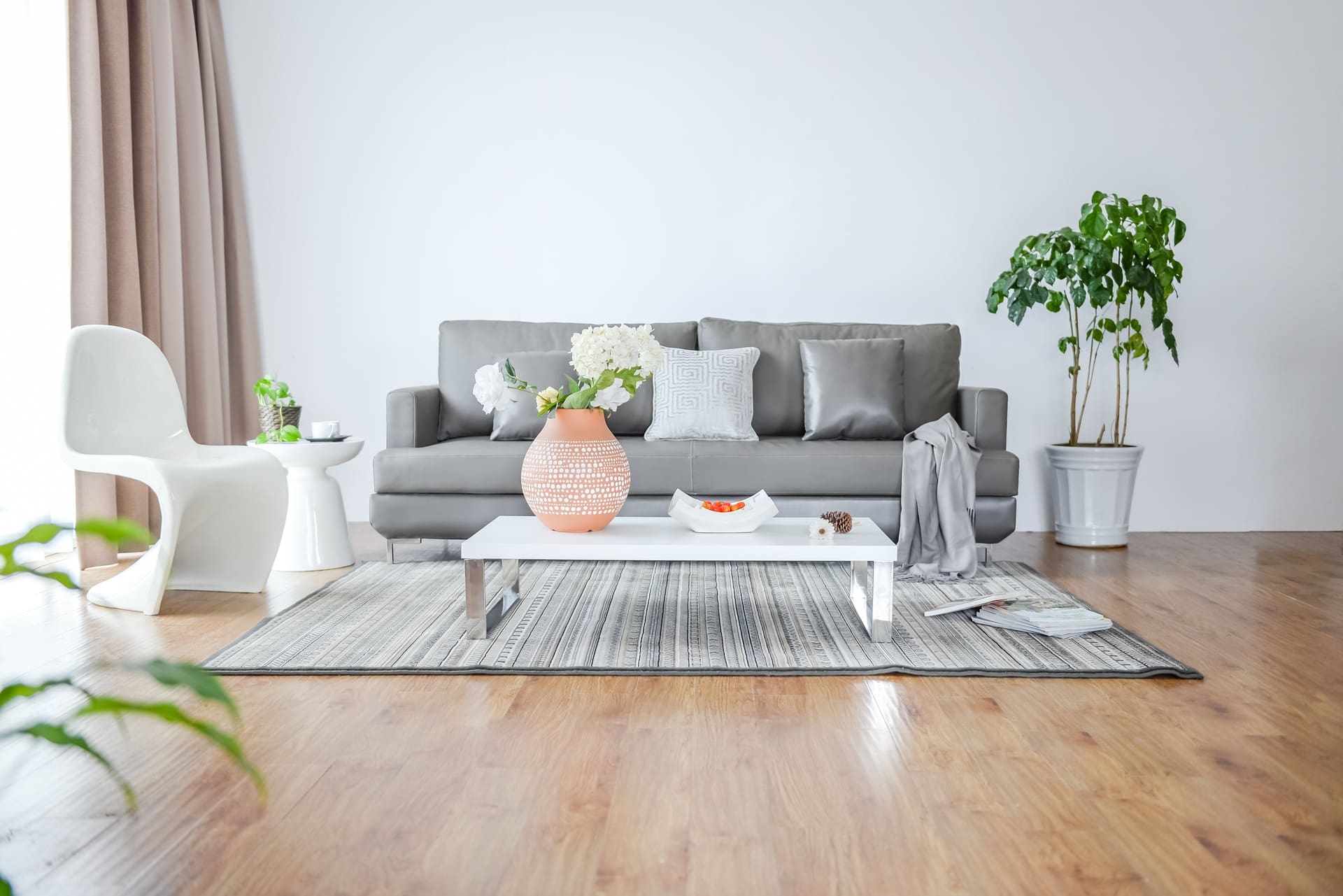
    Image by Photo Mix from Pixabay

    There’s so much you can do with retail space for rent in Chicago to boost your sales, increase visibility and grow your business. There are many ways to plug into this vibrant economy and be part of the popular shopping city.
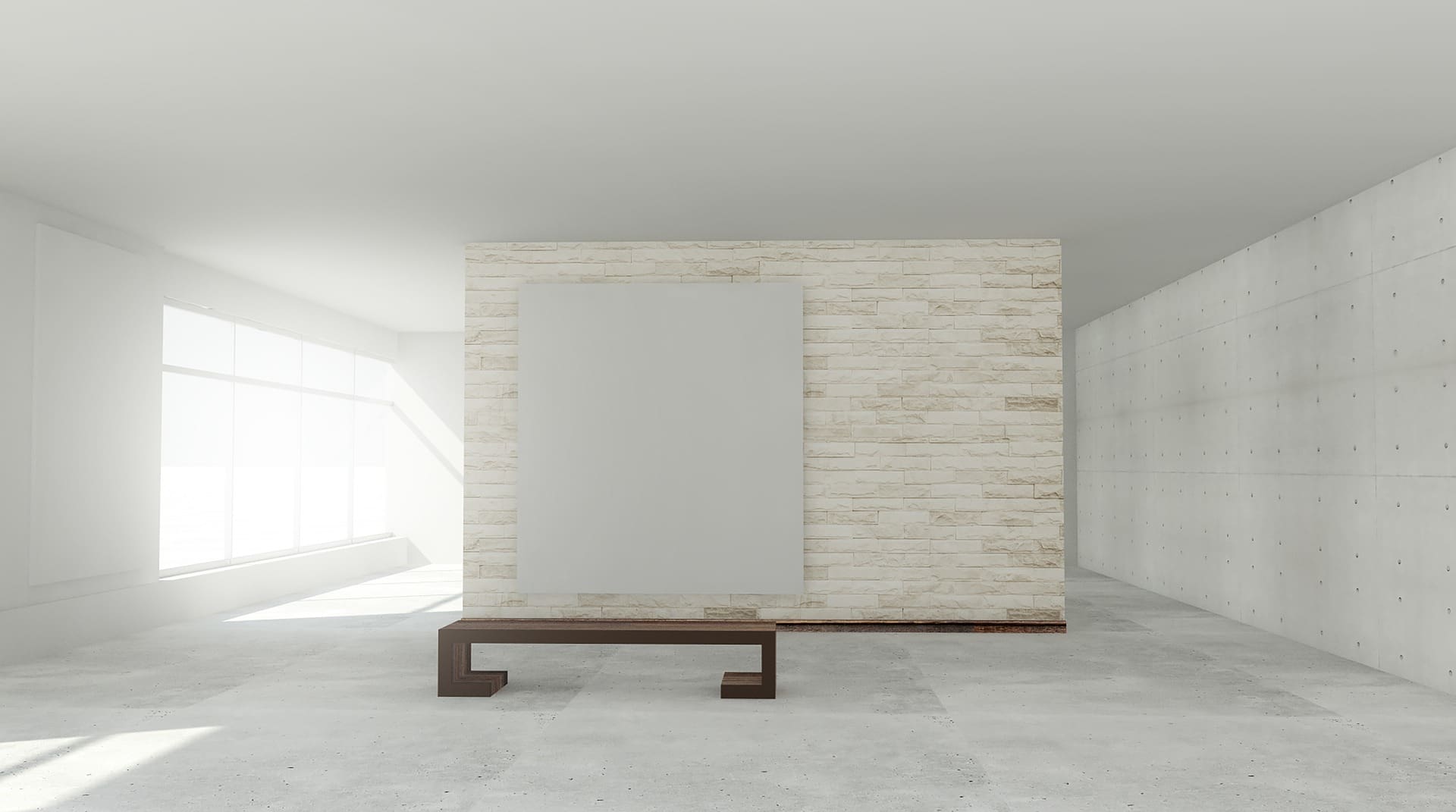
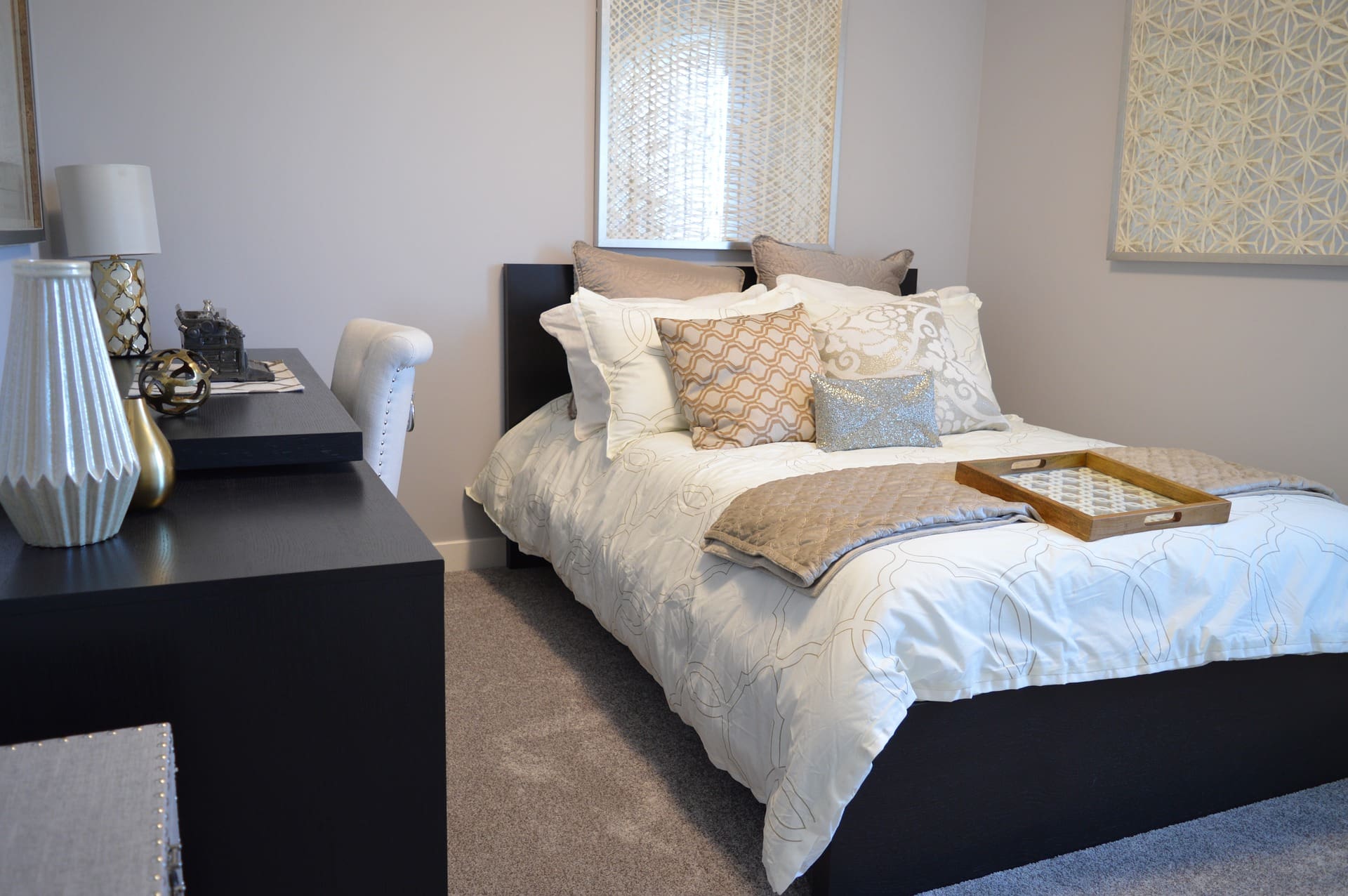
    Image by MedinaLab from Pixabay

    If you are a business owner, event rentals offer you the opportunity to amplify your presence in various ways. You can hold a product launch, a corporate meeting of industry players or operate a pop up shop. The benefits you derive from these outweigh the advantages of having an ecommerce only platform because you’re able to mingle with customers and so much more.

    Some of the amazing benefits of venturing into physical retail space Chicago for your business include the following:

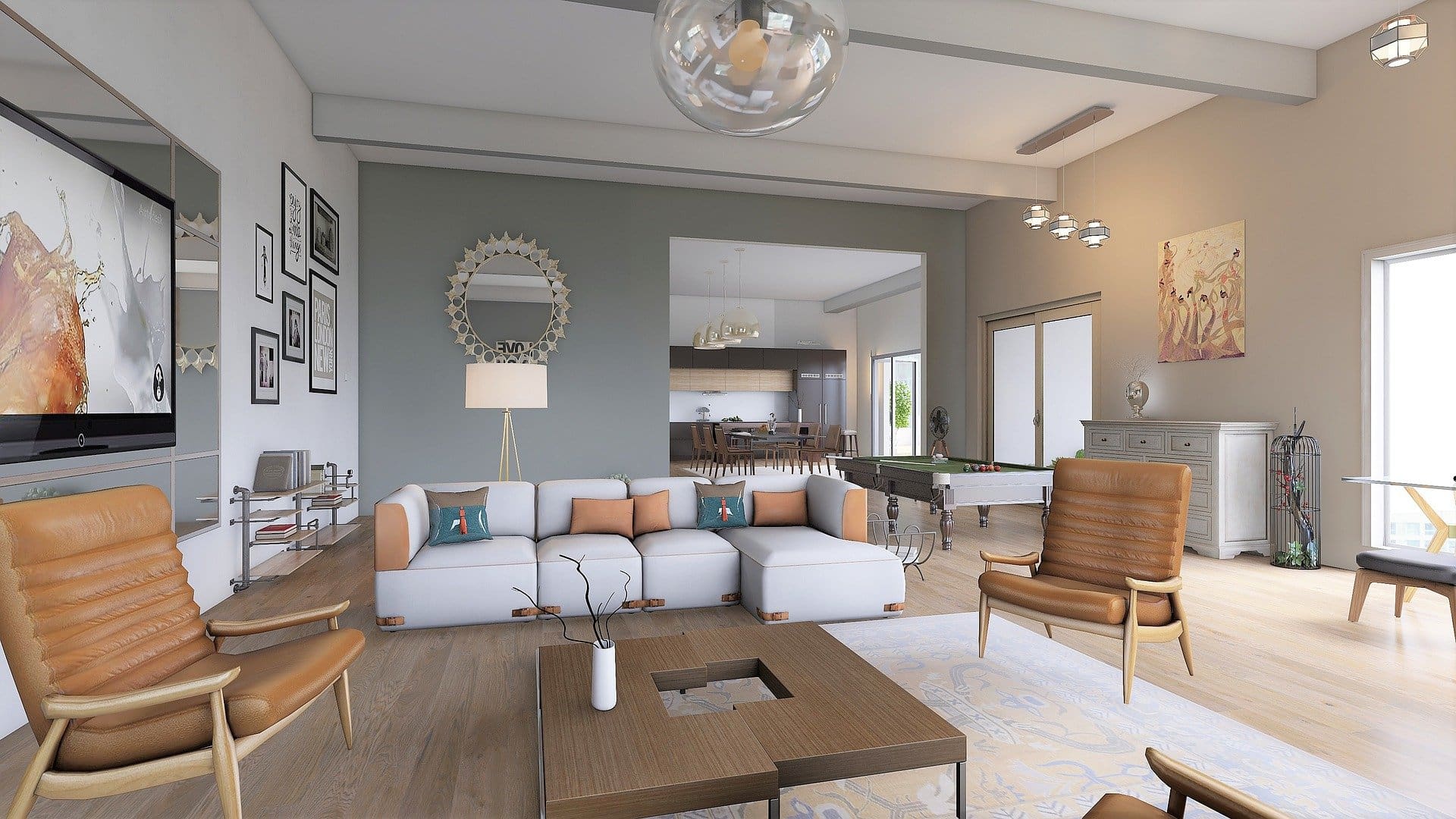
    Image by Miles D. Miller from Pixabay

    ·         Cost-effective

    Setting up a temporary outlet for your business or a shared space doesn’t require a huge budget. While you get to enjoy the benefits of a brick and mortar store, you will spend far much less to set up and maintain your pop up store. However, this is not to say that you overlook some things. The kind of costs you’d ordinarily have to take care of include space rental, staffing, promotion and insurance. You may also have to factor in utilities in spaces where this cost is not included in the rental fee. Most importantly, you need to look at these costs along with the expected return on investment.
    Image by htmgarcia from Pixabay

    ·         Promote seasonal and holiday merchandise

    There are just too many holidays that you can take advantage of to promote your business. talk about Christmas, Halloween, Mother’s Day, Valentine’s Day, Black Friday, the list is endless. You can tap into these occasions and use them as a theme for your store and even merchandise. You can be sure to sell your products while leaving a lasting impression for your customer. This is a good enough reason to take up retail space Chicago and make your presence known with holiday goodies.

    ·         Test a potential market

    You may be having brick and mortar stores that are doing well elsewhere and you are seeking to open a new location in Chicago. You can set up your temporary store to test a potential market and see how your brand will be received. This also allows you to test a new product and get feedback on product features. Consumer reaction is a great opportunity to tell what you need to improve on. Retail space rental can also be handy when you’re looking to launch a product as you can set up a pop up to generate some buzz and fun around the launch.

    Image by Steve Buissinne from Pixabay

    ·         Amplify brand presence and recognition

    Although you may have a huge following online and offline, there’s that one geographic area where your brand may still be a mystery even though there’s great potential. You can tap into this market with a pop up to ensure better market penetration. If you can impress more customers with your pop up, you will likely get repeat customers seeking you out online or in-person in future.

    ·         Opportunity to get to know your customers

    If yours is purely an ecommerce store, then it means you rarely get the chance to meet and greet your customers. Going for a pop up in Chicago gives you a perfect chance to have a temporary presence where your customers live and work. It allows you to bring your online presence to life as well as a chance to recognize and thank loyal customers. Of course, it’s also a great time to make new customers.

    ·         Capitalize on the design and appeal of pop up and fear of missing out

    Image by purplegillian from Pixabay

    One of the reasons why pop up stores draw much success is because they are appealing with a limited period within which you consumers should get an exclusive deal. When consumers know that they have a limited window to connect with you and your brand, they get motivated to make instant purchases. After all, they’re unlikely to find the shop when they return. Consequently, you will build a steady customer base that will follow you online. You could even end up opening a permanent store.

    The perfect retail space for rent chicago is wherever you want it to be. You only need to tap into your imagination and turn that space around to echo your brand. Most important of all, spend some time to research before going all out.


  • Your Basic Boiler Buying Guide

    Your Basic Boiler Buying Guide

    You may be buying a new boiler to replace your old one or considering making the switch to a boiler from another type of heating system, but then you look at the market and realise there are so many options to choose from.

    Image by Tom Builder from Pixabay

    Should you get a gas boiler, oil boiler, or electric boiler? Should it be condensing or non-condensing? Sealed combustion or non-sealed combustion? There are a ton of variations when it comes to boilers. How are you supposed to know which one is best for your home?

    Image by USA-Reiseblogger from Pixabay

    Well, look no further because this list has all your basic boiler questions covered. Have a read to know what to look out for when purchasing a new boiler.

    Boiler types

    As the name implies, boilers work by boiling water, and the resulting steam or hot water travels through pipes across your home and into radiators, which heat your rooms. To boil water, you need fuel or electricity, and most boilers use either gas, oil, or electricity.

    • Gas. Highly efficient but potentially expensive if your area doesn’t have a gas pipeline
    • Oil. A good alternative if your location doesn’t have a gas pipeline, but you’ll need to purchase oil once the supply runs low
    • Electric. More energy-efficient than fuel boilers, and you don’t need to worry about not having a gas pipeline or continuously buying oil. However, these are more expensive to operate due to how high electricity costs compared to fuel.
    Image by Michal Jarmoluk from Pixabay

    Boiler features

    Boilers can either be condensing or non-condensing and have either sealed or unsealed combustion. The best option is a condensing, sealed combustion boiler due to how condensing boilers can generate heat even while operating at lower temperatures. Sealed combustion boilers are safer to use because the dangerous gases often involved in combustion won’t seep into your home.

    Other things to consider

    Besides the fuel type and features, you also need to consider other factors like size, energy efficiency, and maintenance costs. There’s a wide range of sizes available for boilers, from smaller, more compact units, to units that come with large fuel tanks. When buying, you’ll need to check if your desired model will even fit in your house. In terms of energy efficiency, boilers are given an annual fuel-utilisation-efficiency score, which lets you know how efficient they are.

    Image by Gerd Altmann from Pixabay

    A higher score may imply a higher price tag, but it also means more savings in terms of fuel or electricity. You should also take maintenance costs into account. Most fuel boilers need annual maintenance to prevent soot build-up and ensure they’re not leaking toxic gases. Electric boilers don’t require as much maintenance.As with all appliances, you need to research well to ensure that the model you end up buying is the most suitable one for your needs and budget. If you’re not sure about where to start looking, you can reach out to a boiler Lancashire company for a wide variety of boilers to choose from. They also have installation services included with the purchase of the unit.

  • Tips for Designing a Spare Room in Your Home for Short-Term Rentals

    Tips for Designing a Spare Room in Your Home for Short-Term Rentals

    If the global pandemic has led to finances becoming tighter for you this year, you’re likely looking for ways to bring in some extra cash each month. One way to do this is by renting out a spare room on a short-term basis with the help of short term rental property management company.

    Image by PIRO4D from Pixabay

    You might, for example, list the space on Airbnb or another platform. If this idea appeals, here are some tips for getting set up and maximizing returns.

    Image by 영훈 박 from Pixabay

    Do Your Research

    Don’t jump straight into find a room for rent on a rental platform without first researching. Investigate the various spots where you can list your space (there are many) and understand what’s involved in each. Find out the fees charged for the service, the types of customers targeted, what to include on listings, and how you can get your ad sitting higher in search results. Also, look into the rules and regulations involved with the platform and how payments work. 

    Image by Arek Socha from Pixabay

    To decide if this kind of rental will work for you or not, learn the average prices people charge for similar rooms in similar locations. Subtract the platform fees from this and add on the costs for your time and money to get the space set up, plus regular cleaning costs if this is something you’re going to outsource, to determine if the numbers make sense for you. There’s no point going to all the effort of designing a beautiful room if you won’t get enough money back from rentals to justify your costs. 

    Plus, don’t forget to find out if you’re legally allowed to rent out your room, based on local council and other regulations. Investigate insurance matters, too, as you’ll want cover in case any guests hurt themselves while at your property. 

    Decorate in a Neutral, Minimal Way

    Although you’ll want to have a particular type of customer in mind when designing your short-term rental space, you never know exactly who might book or what might appeal to different people. As such, it’s a good idea to stick with neutral color palettes when decorating. 

    Image by Pexels from Pixabay

    Keep things simple in the shades you paint your walls and the flooring choices you make, as well as furniture pieces. You can add pops of color and more texture and interest through soft furnishings like rugs, cushions, drapery, artworks, and other accessories. 

    Don’t clutter up your guest bedroom with too much stuff, either. People need space to move about and sit their belongings and want a calming, restful zone to retreat to. Avoid using the area as somewhere to store your excess clothes, gym equipment, or other bits and pieces. Only put the bare minimum in the room, and it will look bigger and make guests feel more at home. 

    Image by hency Xu from Pixabay

    Focus on the Bed Set Up

    Anytime someone stays with you, they want to have a good night’s rest. The bed set up you offer them must be excellent, then. Invest in a new, quality mattress that’s supported by a strong base, rather than using a bed you’ve had for years. One of the big things people complain about on short-term rental websites is uncomfortable sleeping arrangements, so nip this potential issue in the bud ASAP. It also pays to add an allergy-friendly, organic mattress topper to your bed to increase plushness. 

    Don’t skimp when it comes to bedding, either. Buy lovely new linen made with a high thread count and in breathable fabric that’s soft to the touch. Give your guests a few different pillow options to choose from, too, so they can find the best option to suit their body type and the way they sleep. Plus, add plenty of quilts or blankets during the winter months, as some people feel the cold more than others. 

    Include Practical Extras

    To ensure you receive the best testimonials possible from consumers, go the extra mile. Include all the practical extras you like to find in a room when you stay elsewhere or that you’ve read in your research people often look for. Some of the most popular inclusions are a Wi-Fi code, a hairdryer, some essential toiletries, and a desk to work on. 

    Image by ErikaWittlieb from Pixabay

    Add adequate lighting, including a desk or bedside lamp, plus enough storage space. Provide plenty of hangers and somewhere to sit a large suitcase. It also pays to leave guests a folder with a list of nearby amenities and attractions, a map of the area, and some restaurant recommendations. Consider providing a bathrobe and slippers for guests, too, and some snacks.

    Setting up a room that’s perfect for short-term visitors takes some time, effort, and monetary investment. However, if you go about the process strategically and with plenty of care, you should start earning a handsome return in no time. 

  • Illuminating Ideas For Lighting Your House The Right Way

    Illuminating Ideas For Lighting Your House The Right Way

    Lighting is key to amplify a great home’s design. It allows you to set the atmosphere of your home solely through the choice of fixtures and strategic positioning.

    Image by congerdesign from Pixabay

    If done tastefully, lighting affects the ambiance and mood of a space. Modernizing light fixtures and using contemporary lighting for hallways and dark corners can make a noticeable difference. With many options to choose from, like lamps, flush mounts, pendants, and task lights, you can purposefully transform all your rooms. Browsing interior design product sourcing platforms can be the start of choosing better lighting for the home. Here are some great tips for creating a well-lighted home.

    Image by Werner Weisser from Pixabay
    • Consider ceiling height – Calculating your ceiling height is crucial when choosing suspended or hanging light fixtures. Some options might be available with adjustable cables or rods. A basic rule to remember ceiling height, the bottom of the light should suspend about 12 to 20 inches below a typical 8-foot ceiling. 
    • Layer Your Lighting, brighten your room – A simple way to create drama and ambiance in the room is to take a layered approach to light with different light sources across different levels. Commence with overhead lights to brighten the room. Further, you can add in dimension through accent lighting. Additional elements like a table or floor lamps or scones add an extra appeal while making your space feel inviting.
    Image by Ichigo121212 from Pixabay
    • Lighting, which adds value – Acknowledging the functions lights will have in each room is key while picking up options. For instance, cooking needs focused lighting, while for activities like reading, flexible and directional lighting are a good pick. A combination of sidelights and downlights is perfect for Powder rooms. 
    • Choose the Right Size – Finding the right light for your space is often the most challenging part, but maintaining the right lighting scale can make or break your space’s balance. Choosing a larger light fixture can overwhelm your space. While picking a smaller one will fall short in terms of functionality. Balancing and selecting the right lighting fixtures can pull together a room while simultaneously improving how you live in it.
    Image by Engin Akyurt from Pixabay
    • Make a statement with modern chandeliers – A modern chandelier can instantly add glamour and jazz to a room. You can always find a chandelier that matches your taste and your budget. An important thing to be mindful of is the size of the space before buying the chandelier. You may also buy a statement piece that becomes the focal point or a smaller one that complements your decor moderately.
    • Create Moments with lights – A great way to create memorable moments in your home is to incorporate lighting into your home. Installing a sconce light on top of an art installation will instantly elevate the room. 
    Image by DarthZuzanka from Pixabay
    • Know your glow – The light fixture should not be your only consideration — the type of lightbulb is equally essential. Halogen, fluorescent, and LED bulbs come in a range of warm or cold hues. Much like your walls’ color, the type of glow you want varies from indivisual to indivisual. If your walls are painted in cooler tones, you might want to warm them up with a lightbulb that casts a warm glow. Conversely, you may want a more relaxed light to brighten up a darker space.
    • Contrast your lighting styles – Contrast lighting styles is one of the hottest lighting trends that instantly adds drama to any decor. Contrast lighting works beautifully on open floor plans. If you have an open concept dining and kitchen space, try mixing styles and shapes between your kitchen pendants and the light over your dining table. High contrast pieces will instantly upgrade the space. 
    Image by Cynthia Starns from Pixabay
    • Light up those stairs – Chandeliers and staircases complement each other like wine and cheese. Step lights, linear LED accents, and embed lights help showcase staircases and make them safer to traverse. Stairway lighting also improves safety and prevents home accidents.
    • Design intentional symmetry – Placing symmetrical and matching table lamps is the easiest way to make a statement. It is the most effortless way to bring balance and calmness to a room. Intentional symmetry never goes out of style and is the easiest way to light up a room. 

    A crucial element of any room, the right lighting can take a scheme from dark and dingy to cozy and welcoming with the flick of a switch. From glamorous artsy lamps to whimsical modern chandeliers, transform your space with these gorgeous lighting ideas.

    Image by ErikaWittlieb from Pixabay

    Author Bio: Vivek is a global sourcing expert and has worked with and assisted clients with their sourcing requirements for 1000+ projects in his 15+ years in the industry. With the aim to fulfill the evolving needs and demands of architects, interior designers, project managers, and HNIs, he started Arcedior – the most loved, curated products platform with 50,000+ products from 500+ brands spanning 30 countries. Being a design enthusiast with an eye for details, he also started a group on LinkedIn called ‘Design Leaders Roundtable – A Collaborative Community for Architects & Interior Designers’ which now has over 4K members. In his free time, he loves to travel with his family.

  • 7 Interesting Tips For Home Design with Pets in Mind

    7 Interesting Tips For Home Design with Pets in Mind

    If you are a pet owner, you may feel like you have to choose between a home out of a magazine and your pet. But you can have a beautiful home, while still making it pet friendly. By considering certain factors, and choosing the right materials, you can get the best of both worlds.

    7 Interesting Tips For Home Design with Pets in Mind

    Don’t let your pets dictate how your home has to look. To get the home you want, while still making it pet friendly, there are some easy steps to follow.

    Image by Alek_B from Pixabay

    Pay Attention to Materials

    Materials are going to be a huge factor in the success of your home. Especially if you have a large cat with litter box issues (see https://petsho.com/best-large-litter-box/ for more details) or tends to get dirty, you need the right fabrics. From couches to chairs, curtains and rugs, every fabric matters. For example, you don’t want something that will be super light in color durability. You also want things that are easy to clean.

    Avoid whites and very light colors that will show stains and prints. Darker colors and things with patterns will always work better with pets. You should also pick things that will match your pet’s fur to help the mess blend in. 

    Image by Quang Nguyen vinh from Pixabay

    In terms of fabrics, you want to look for things like synthetic microfiber or leather that isn’t too smooth for furniture. You should also stick with tightly woven fabrics like microfiber and linen for bedding. Avoid lace, silk and satin which are more likely to get torn and damaged.

    Choose Durable Surfaces

    Durability is key, especially when you have lots of pets. You want to pay attention to both functionality and ease of cleaning when you choose things like floors and countertops. Pet nails, paw prints, and accidents are all potentials that need to be prepared for.

    Image by thisveganishigh from Pixabay

    But you can still get beautiful surfaces without sacrificing durability. Look for glossy surfaces over matte, which will show prints and marks more. Also avoid something overly slippery, which is more prone to causing accidents. Vinyl or textures laminate are probably the best options for looks and easy maintenance.  

    Avoid Wallpaper

    Wallpaper may seem like a good idea, until your pet starts to scratch at the walls. Wallpaper is expensive, and can be costly to patch, especially when the pattern is discontinued. Paint on the other hand, is much more durable and scratch proof. It can also better withstand staining from pets that may spray when going potty. It is best to just avoid wallpaper altogether and go with the more durable, and cost-effective option of paint.

    Image by heathergunn from Pixabay

    Design Around the Pets

    Whether it is water dishes, food containers, litter boxes, or anything else, there are plenty of things you might want out of the way. This is where smart furniture and design choices can make or break your home’s overall aesthetic. Nothing is more unattractive than a litter box in the middle of the room. You can choose furniture, or pick spaces that will hide these items, while still making them accessible to your pet.

    For example, food dishes can be placed in drawers when not in use if you feed your pet at certain times a day. You could also put litter boxes in cabinets with holes for access, or choose an enclosed one with a decorative appeal to work in your bathroom. You can also hide things in a closet, but train your pet to notify you when they need to access what is inside.

    Image by David Mark from Pixabay

    Match to Your Décor

    A nice way to tie your décor together and include your pets is to match them to the rest of your space. If you have a blue theme, choose blue pet beds and blankets. If you have a print you use, look for dog bedding that features that print. The pet product industry has something for everyone, making it easy to find stuff to match your home. 

    Image by photosforyou from Pixabay

    This will prevent your pet’s furniture from standing out as the focal point, or clashing with the rest of your décor. You can even choose colors of toys and bowls to go with the rest of your home. If you want raised furniture, you can also get wood that matches the rest of your furniture.

    Create Room to Play

    It can be a great idea to have some designated space for your pets to play. Just like with children, having a playroom for your pets to go crazy in is a great way to protect the rest of your home. Place toys, beds, cat trees, and more in there to create a space they can go to get their energy out. 

    A large home is not required to create room for your pets to play. You can create space in your living room for your pets to run around and avoid running into any furniture. Make sure to always leave room to allow your pets to move through your home, even when hyper.

    Image by Rebecca Burg from Pixabay

    Don’t Forget Your Yard

    Your home doesn’t stop with the interior. Your yard also plays a vital role in how your home looks overall. But you don’t want to take away from your pet’s play area by choosing the wrong things. Make sure you choose plants that are pet friendly to avoid illnesses and injuries. Pea gravel is a fantastic option to protect your pet’s feet and prevent any health problems. You should also avoid clutter in your yard. This minimal look will both be more aesthetically pleasing, and make your furry friends much happier.

    Conclusion

    Just because you have pets doesn’t mean you have to sacrifice on home design. By following these helpful tips, you can make your home look great, while still making it pet friendly.

  • Is House Waterproofing A Good Investment?

    Is House Waterproofing A Good Investment?

    Your house is a huge investment, and it needs constant repair and maintenance to increase its value plus safeguard it from the elements. This applies especially when you want to protect it and your valuables inside from water damage to avoid incurring substantial losses. In such a situation, the best solution would be to hire a home renovation contractor who’ll then go ahead and waterproof it to prevent possible destruction in the future.

    black and white box on brown wooden table
    Photo by KJ Styles on Unsplash

    By waterproofing your home, you can be sure that water won’t find its way into your home and cause you huge financial losses. If you still aren’t convinced, here are four reasons why waterproofing your home is an excellent investment.

    1. Increases The Value of Your House

    One of the main reasons you should consider waterproofing your house is that it increases your house’s value. With the waterproof systems put in place, water doesn’t find its way into your walls, which weakens the wall’s structural integrity. In addition, the presence of moisture promotes the growth of molds, which on top of causing further destruction of your home’s foundation, can also affect your health. You also don’t need to worry about the decomposition of wood and metals due to the presence of moisture. 

    aerial photography of rural
    Photo by Breno Assis on Unsplash

    To avoid all this, the best thing to do would be to waterproof your home and, in particular, the basement area. Doing this ensures water doesn’t leak into your home’s walls ruining its foundation in the long run, increasing its market value.   

    1. Creates Additional Space in Your Home 

    If you require extra space in your home, waterproofing the basement is an excellent idea to create more room.

    living room
    Photo by Kara Eads on Unsplash

    This is because once the basement has been worked on and is no longer damp and with mold, it can be converted to an additional room. You can choose to use it as your workspace, fitness area, laundry room, bedroom, storage space, or any other desired purpose.

    1. Better Health for Your Family    

    By waterproofing your home, you safeguard yourself and your family from adverse health conditions that might be caused by the growth of toxic mold and mildew.

    three people underneath yellow bed blanket
    Photo by Simon Berger on Unsplash

    This is a very common issue in homes that haven’t been waterproofed, and some of the risks include increased prevalence of throat, nose, and eye irritation. You also become more likely to suffer from asthma, skin rash, and coughing.

    1. Lower Energy Cost 

    Are your energy bills still too high? If so, you need to consider waterproofing your house to address this issue. This usually happens because the presence of mold in your basement allows the cold or heat outside to find its way into your home. As a result, your air conditioning unit will use more power to make sure they achieve the desired temperature in your home.

    man holding incandescent bulb
    Photo by Riccardo Annandale on Unsplash

    However, waterproofing your house prevents this from happening since your home is well-insulated from the external elements. This means your air and ventilation system doesn’t need to use lots of power to maintain ideal temperatures in your home. Your home now becomes a lot more energy-efficient, and this allows you to enjoy significant energy savings in the long-run.

  • 4 Things You Should Know When Building a Custom House

    4 Things You Should Know When Building a Custom House

    Building a custom home is an exciting experience and a huge step in your life, but it can also be an overwhelming and complicated process. There are several factors involved in starting the process of building a new custom home, such as choosing the right plot of land and getting the perfect builders to do the project. You need trustworthy builders like Excel Builders who can deliver on your needs. 

    When you begin the process of building a house, being aware of any potential issues or pitfalls will help you be prepared, avoid mistakes and prevent you from stressing out. Here are some things you should know when you’re building your own custom home.

    Photo by todd kent on Unsplash


    Timelines Are Just a Guide

    Your contractor will give you a timeline of when they expect the build to be done, but this should not be taken as a hard and fast deadline. Many factors such as the weather, building issues, scheduling contractors and more can stretch the originally planned schedule. Knowing this will help you be more easy going if your house is not completed on time.

    Build With Your Future In Mind

    The new house will probably be your home for years to come, so you should plan with your future in mind. If you’re planning on having children, make sure that you have enough room in your house to accommodate them. If you think you might resell your house in a few years, you should build with the resale value in mind. You should consider if the features you’re adding to your home will be appealing to others. No matter where you are in your life when you start building the house, consider the future possibilities when designing, as house extensions can be expensive.

    fish eye photography of city
    Photo by Joshua Rawson-Harris on Unsplash

    Plan for Furniture and Storage

    When designing your home, you should think about the layout of the house, including where your furniture might go and if you’re allowing enough space.

    sofa set
    Photo by Jean-Philippe Delberghe on Unsplash

    You should also consider the size of the different rooms. For instance, if the kitchen is an important space in your home that gets a lot of traffic, you might want it to be larger in size. Planning for storage is equally important as it can help with organization and influence your lifestyle.

    Clear Communication

    white notebook
    Photo by Keila Hötzel on Unsplash

    It’s important that you communicate with your contractors regularly and clearly. Communication can make or break your project.If you’re unsure about something, ask your contractors about it so that you don’t have regrets later. You can give a design brief to prevent misunderstandings and reduce stress during the build. Don’t assume that your builders know what you want; explain or show them what you want to avoid any mistakes.

    Building a custom house is a long, complex process and despite being careful throughout, some mistakes might be made. Research the building process and the people involved and you will get the house that you have always dreamed of.

  • Application Of Probability In Civil Engineering

    Application Of Probability In Civil Engineering

    Probability and civil engineering are very closely connected. Since engineers have to handle data in their various work lines, they need to be well versed in probability.

    Image by Goumbik from Pixabay

    That knowledge is used to process statistics and form conclusions that civil engineers can apply in real life. There are several topics under probability that students of civil engineering should expect to learn.

    person holding white printer paper
    Photo by ThisisEngineering RAEng on Unsplash

    To understand the connection between civil engineering and probability, one must first look at statistics. The field of statistics involves collecting data and evaluating it using different criteria to answer scientific questions. It is an extensive area of learning and is applied to multiple careers in real life. Civil engineering is one of them. The data collected by engineers can vary from the size of construction materials to measures of human fallibility. Statistics are processed using probability theories, which is why civil engineers study probability. The skills serve different purposes and are applied differently to every new set of problems.

    1. Probability and chance

    Civil engineers build structures that are used by human beings. These structures need to be constructed to take into account factors like human fallibility in communication. Civil engineering is a science, but based on facts, these facts are also affected by chance.

    Image by David Schwarzenberg from Pixabay

    Probability theories are used to determine the possibility and to try and make estimates that are within required variations. Here, probability helps civil engineers make decisions that are as close as possible to the ideal outcome. Calculations measuring chance are also useful for engineers who want to make improvements to infrastructure projects.

    1. Processing information 

    Probability is also used in processing civil engineering data. Engineers work with large datasets that need to be summarised using probability concepts. One can calculate the median or the mean, also known as the central tendency.

    Image by Gerd Altmann from Pixabay

    A key point to note is that some data sets are best summarized using the mean instead of the median, and vice versa. It all depends on the information an engineer is looking for. With the data summarised using these measures, it can also be communicated using figures or graphs. The engineers will then have the information they need to make effective construction work decisions.

    1. Informed decision-making 

    Using statistical information collected through probability, civil engineers can justify making individual decisions in their work line. Probability also covers this stage of statistics, which is called evidence. When data is processed to out the chances of an event happening, the subsequent findings will favor making one decision. This process is known as hypothesis testing, and it enables engineers to make informed decisions about construction projects. Another critical part of probability to focus on is causation. That is the link between a particular claim and the inference, plus the logic used to arrive at that conclusion.

    Image by StartupStockPhotos from Pixabay

             4.  Improving your probability skills 

    Probability can take some getting used to, especially for new students. The learners can get ahead of their schoolwork by practicing math problems. That kind of practice sharpens their skills and prepares them to handle real-life problems. Learners should also ask for help whenever they are stuck with complicated calculations. Whenever you are in a similar situation, you may use a go to url to access professional homework help. Statistics indeed tend to be challenging in civil engineering, but you can quickly learn from experienced and improved skills. 

    It is not possible to study civil engineering without learning probability as well. The probability will be a large part of handling statistics in the field of engineering. With a better idea of how these two are connected, students can prepare for assignments and know what to expect in their future careers.