Category: HOME

  • 10 Top Interior Design Trends for 2023

    10 Top Interior Design Trends for 2023

    As we enter a new year, it’s time to start thinking about the latest interior design trends that will be shaping homes and businesses in 2023. Whether you’re planning a renovation or just want to update your space with the latest looks, these are the top 10 trends you’ll want to watch out for.

    Photo by Christopher Jolly on Unsplash

    Sustainable materials
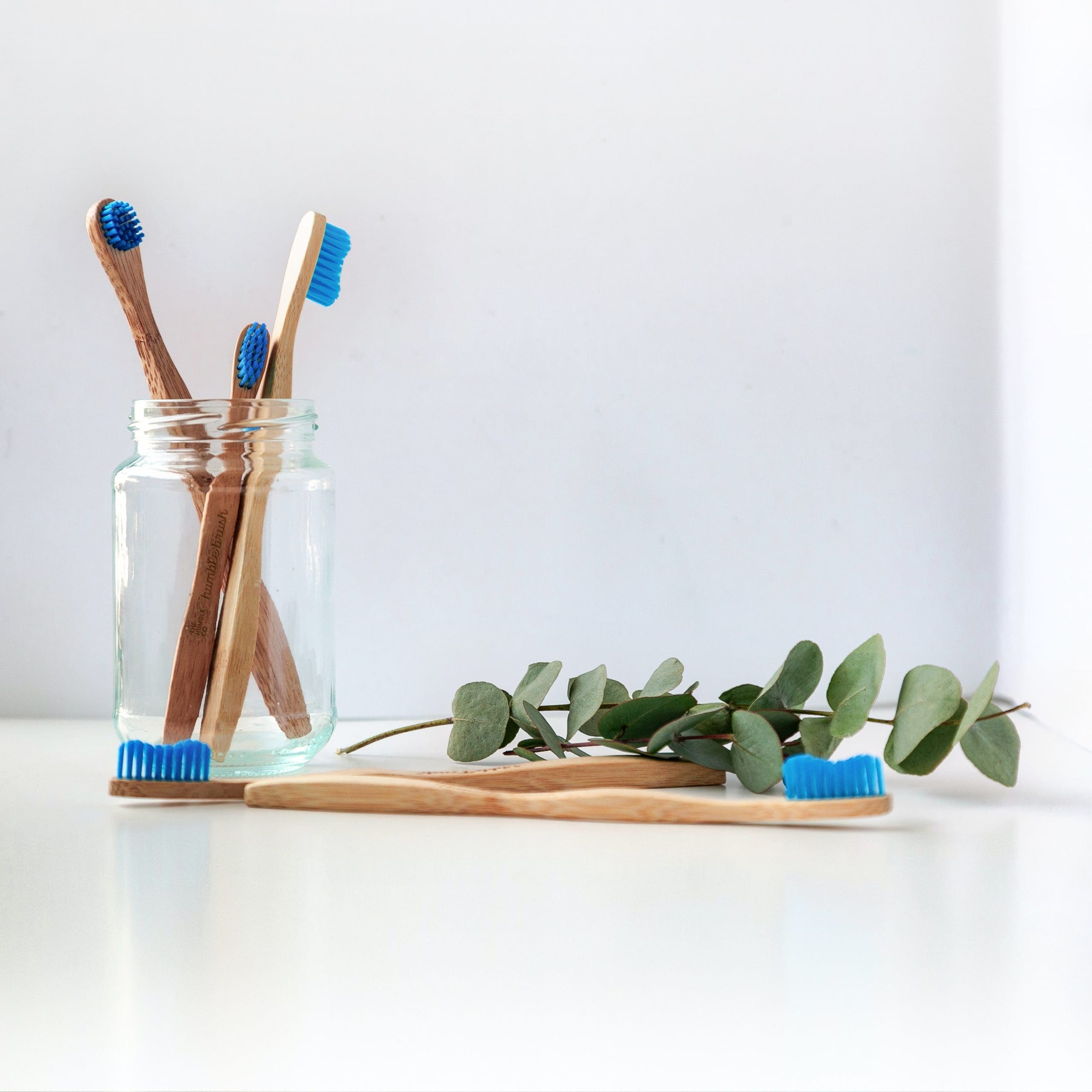
    Photo by The Humble Co. on Unsplash

    As awareness of environmental issues continues to grow, more and more people are looking for ways to make their homes and businesses more sustainable. This means incorporating materials like bamboo, cork, and recycled plastic into design schemes. Not only are these materials more eco-friendly, but they also add warmth and texture to a space.

    Biophilic design
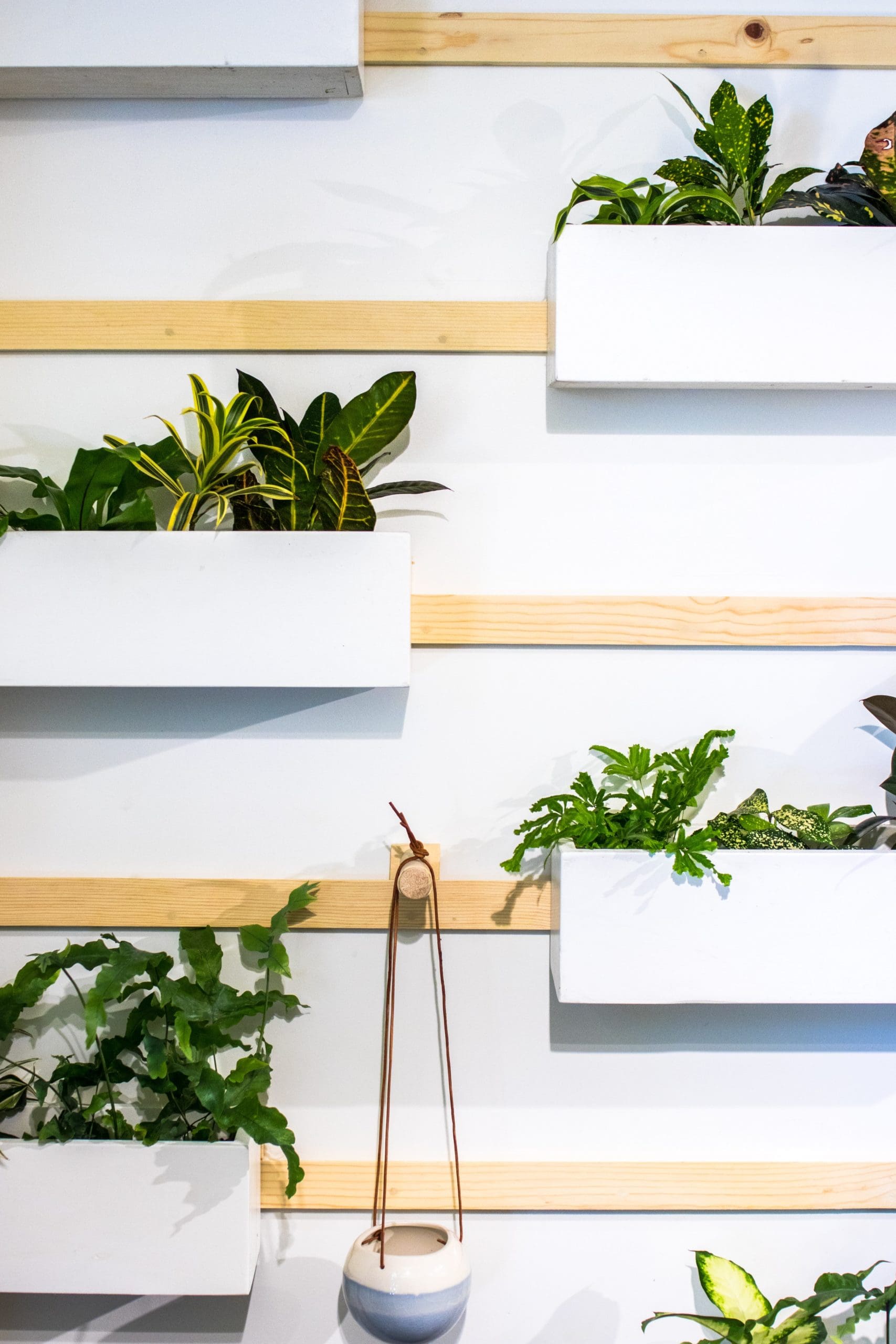
    Photo by Jason Leung on Unsplash

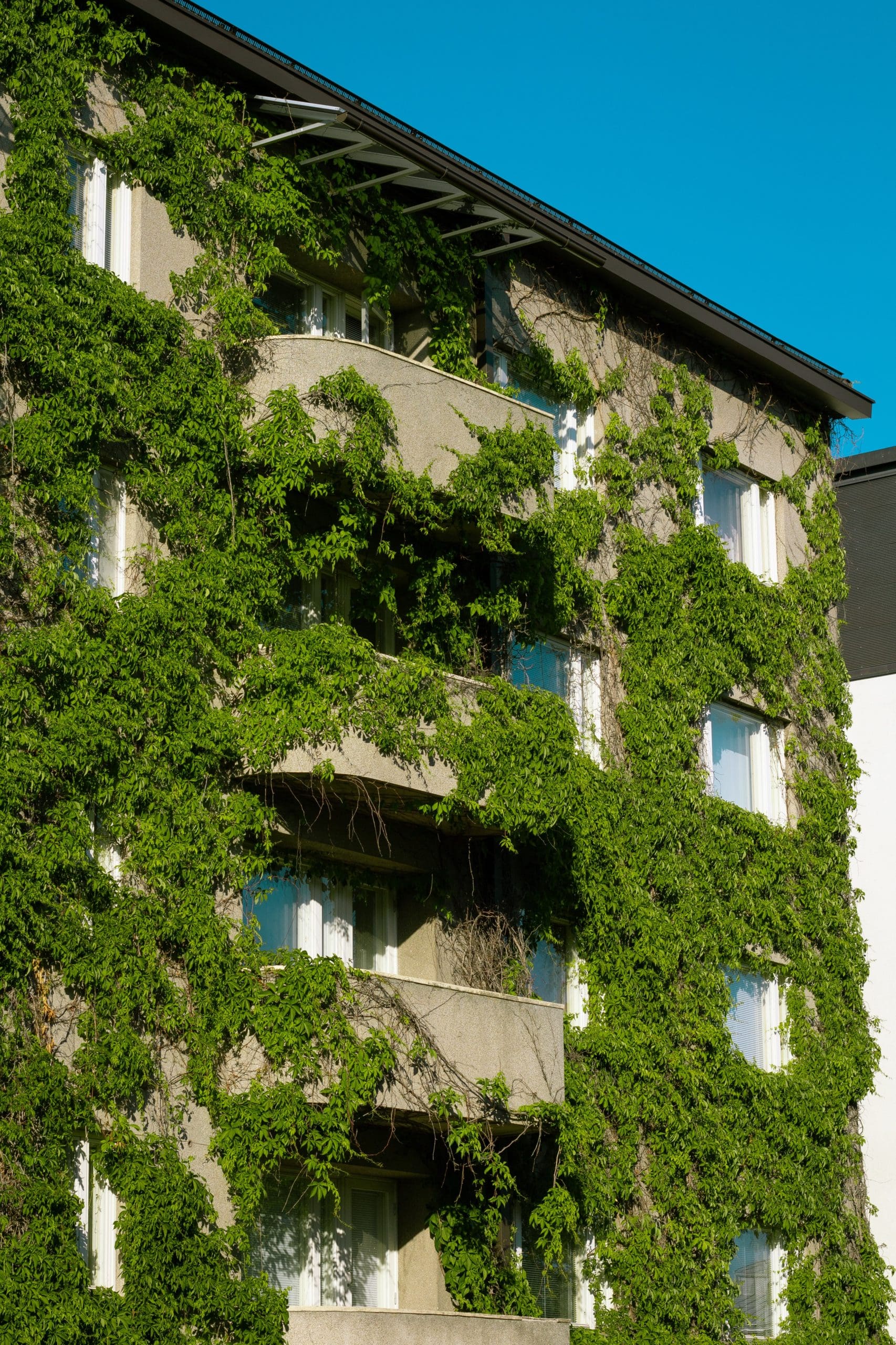
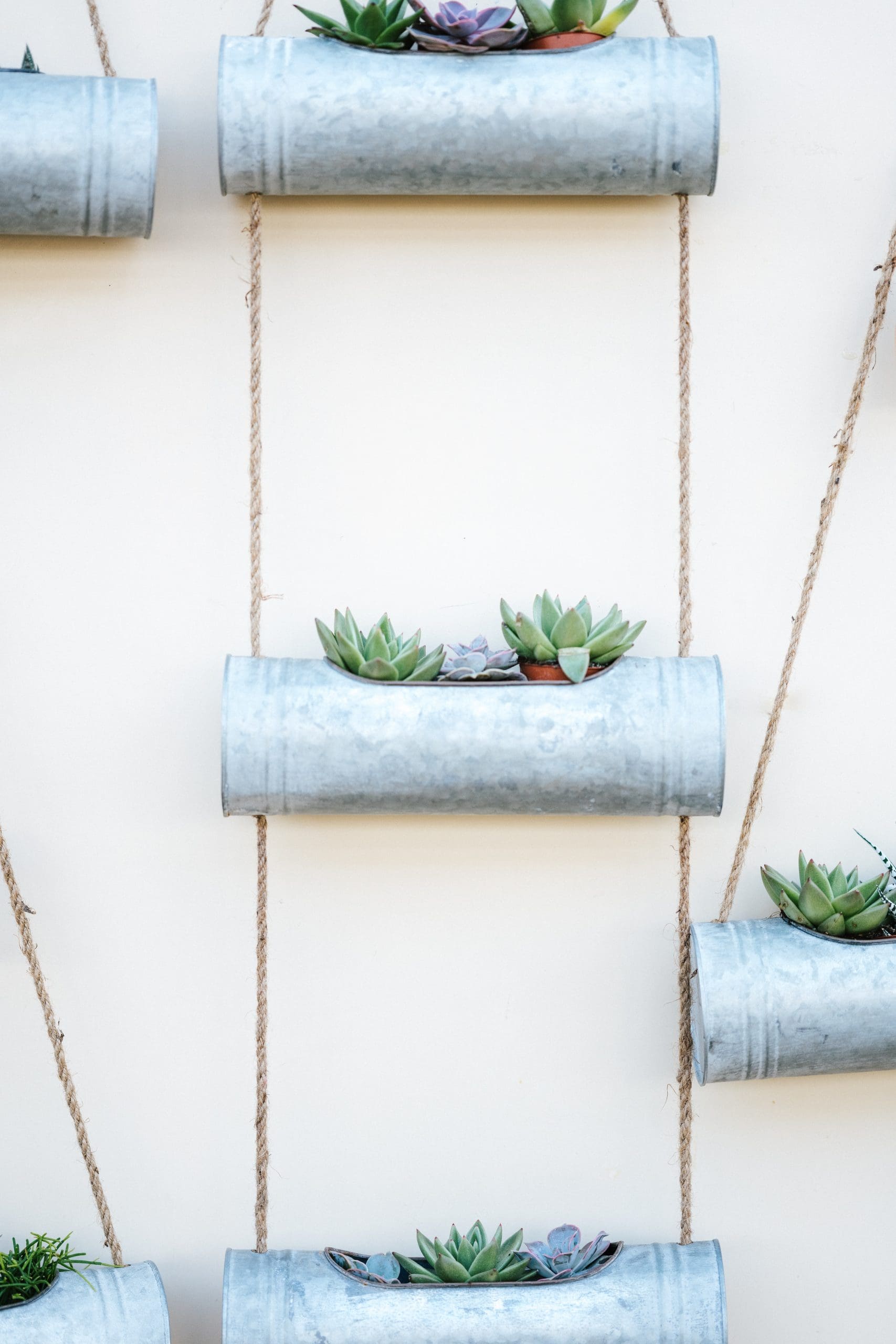
    Biophilic design is all about bringing the outside in, using plants, natural light, and other elements of nature to create a sense of well-being. Expect to see more indoor plants and green walls in 2023, as well as natural materials like wood and stone.

    Earthy tones
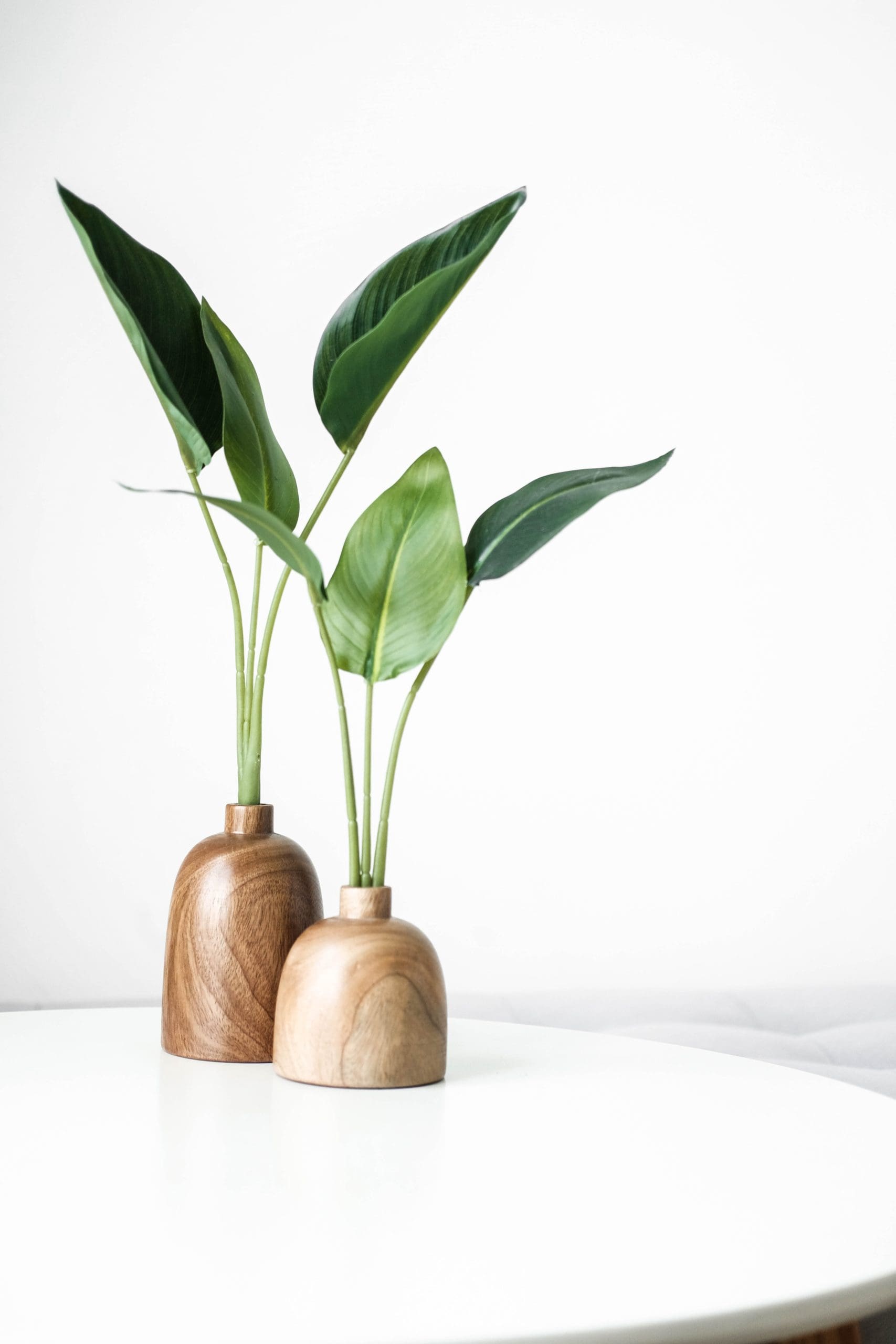
    Photo by Linh Le on Unsplash

    Gone are the days of all-white interiors. In 2023, we’ll be seeing a shift towards warmer, earthier tones like terracotta, ochre, and clay. These shades bring a sense of calm and comfort to a space and are a great way to add depth and interest.

    Maximalism

    Photo by Steph Wilson on Unsplash

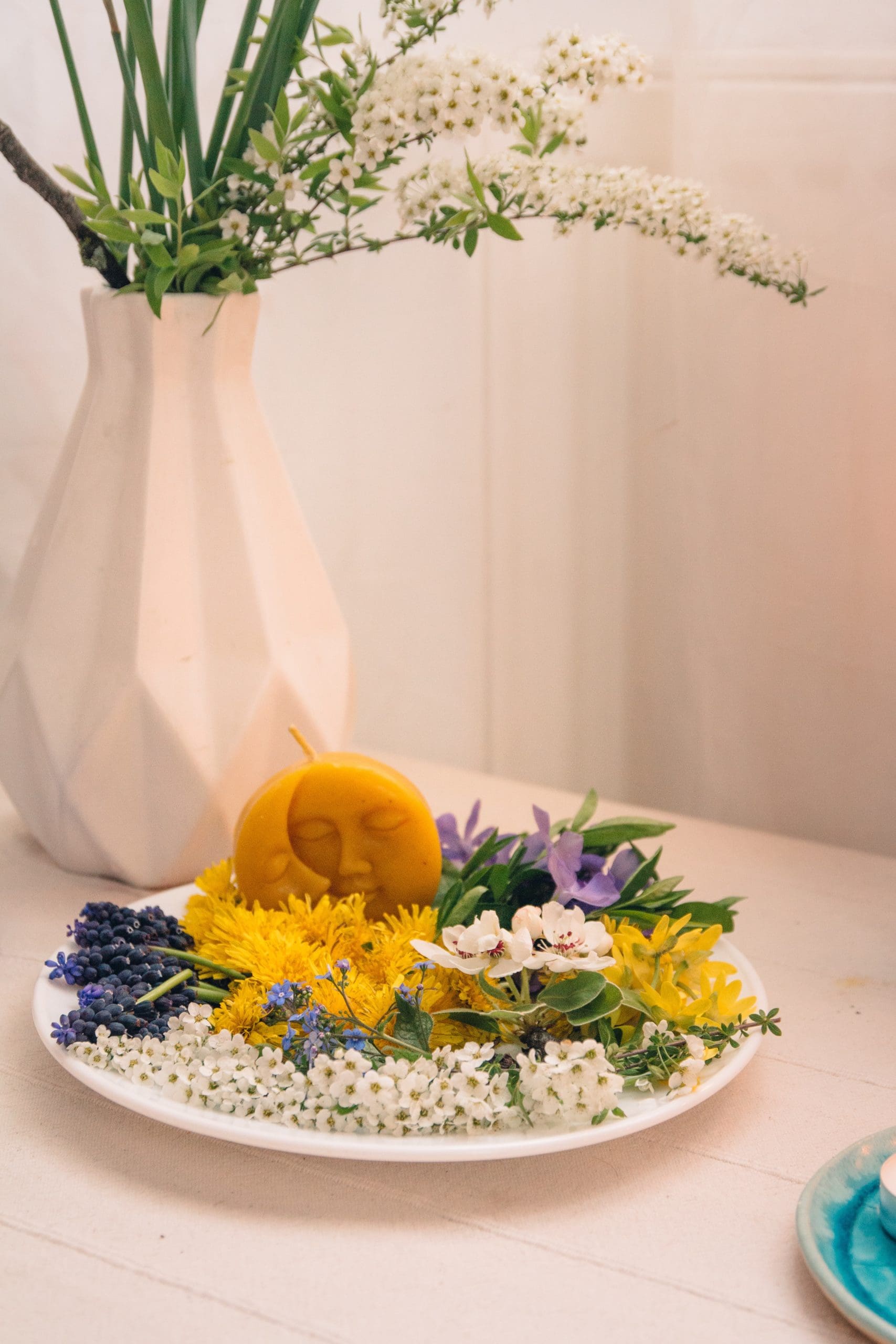
    Minimalism has been the dominant trend for the past few years, but in 2023 we’ll see a return to more maximalist styles. This means bold patterns, bright colors, and a mix of textures and styles. If you love to make a statement with your decor, this is the trend for you.

    Artisanal touches
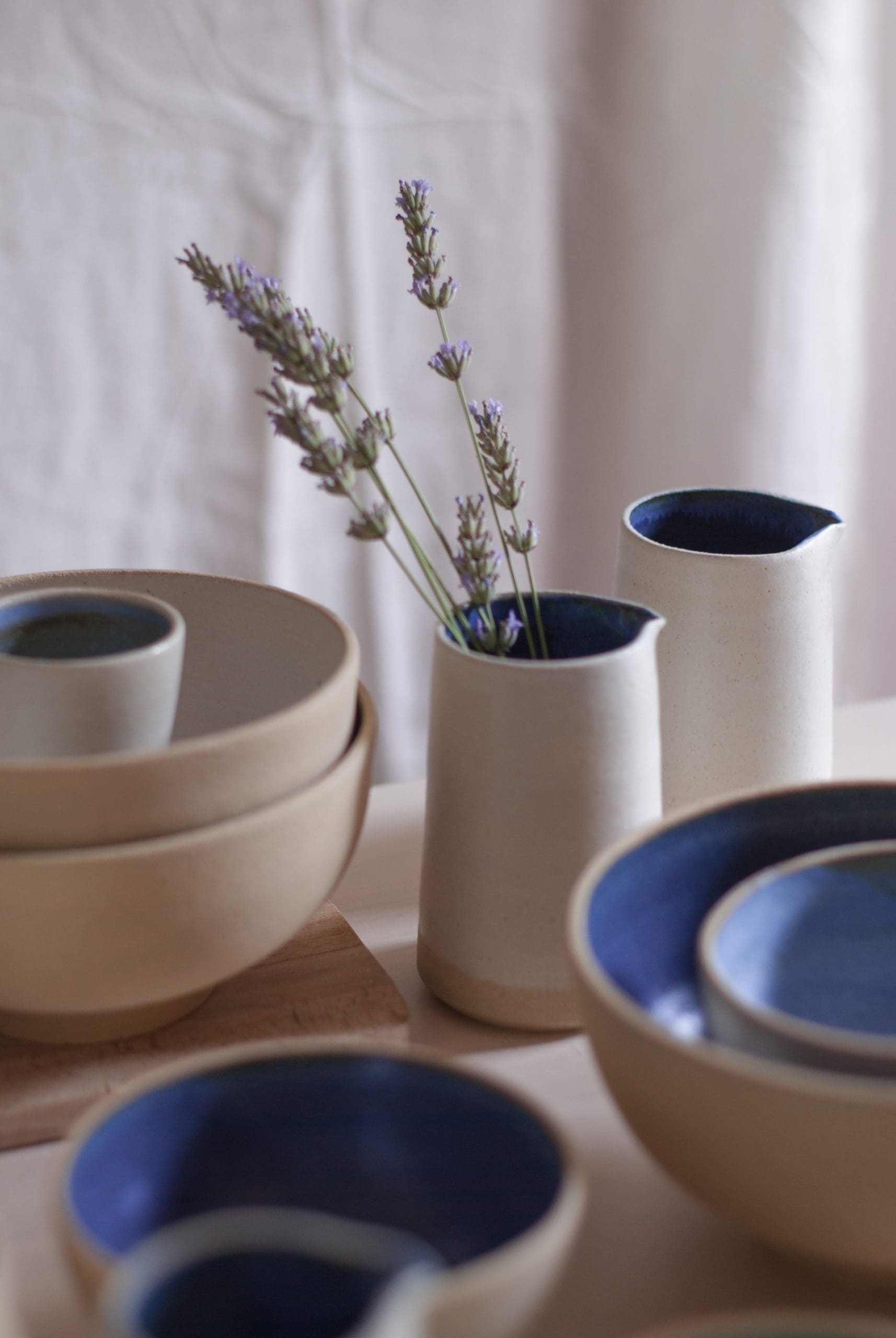
    Photo by Suzanne Boureau on Unsplash

    Handmade and one-of-a-kind pieces are becoming increasingly popular in interior design. Expect to see more handmade tiles, ceramics, and other artisanal touches in homes and businesses in 2023. These pieces add character and a sense of uniqueness to a space.

    Curves and organic shapes

    Photo by Ussama Azam on Unsplash

    Gone are the days of sharp angles and geometric shapes. In 2023, we’ll see a shift towards more organic, curvy shapes in furniture and decor. These shapes add a softer, more feminine touch to a space and can help to create a sense of movement and flow.

    Mixed metals
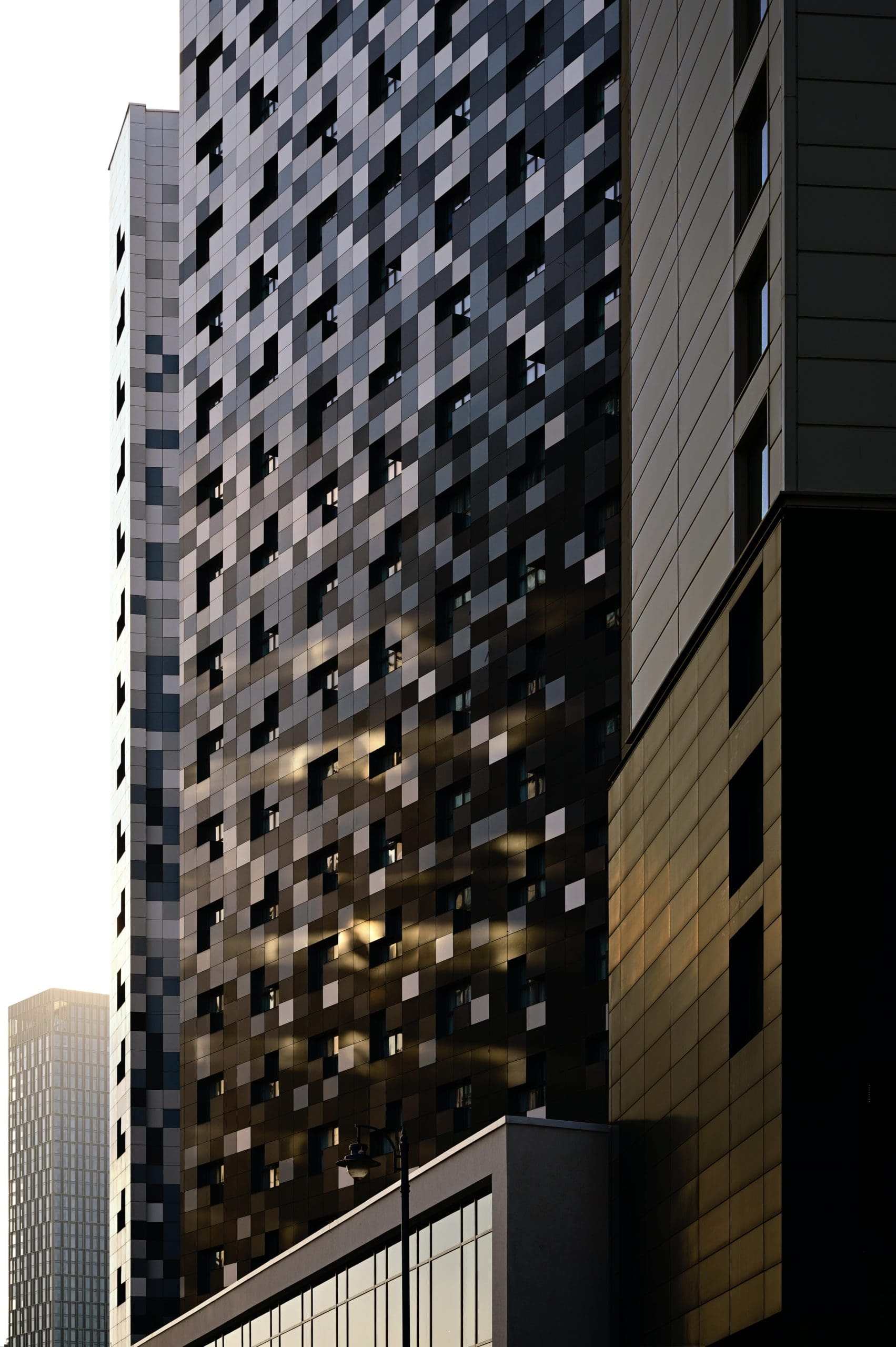
    Photo by Paulina Milde-Jachowska on Unsplash

    Gone are the days of matching all your metals. In 2023, it’s all about mixing and layering different metallic finishes to create a more interesting and dynamic look. This trend works especially well in kitchen and bathroom spaces, where you can mix and match finishes on fixtures, hardware, and appliances.

    Bold wallpapers
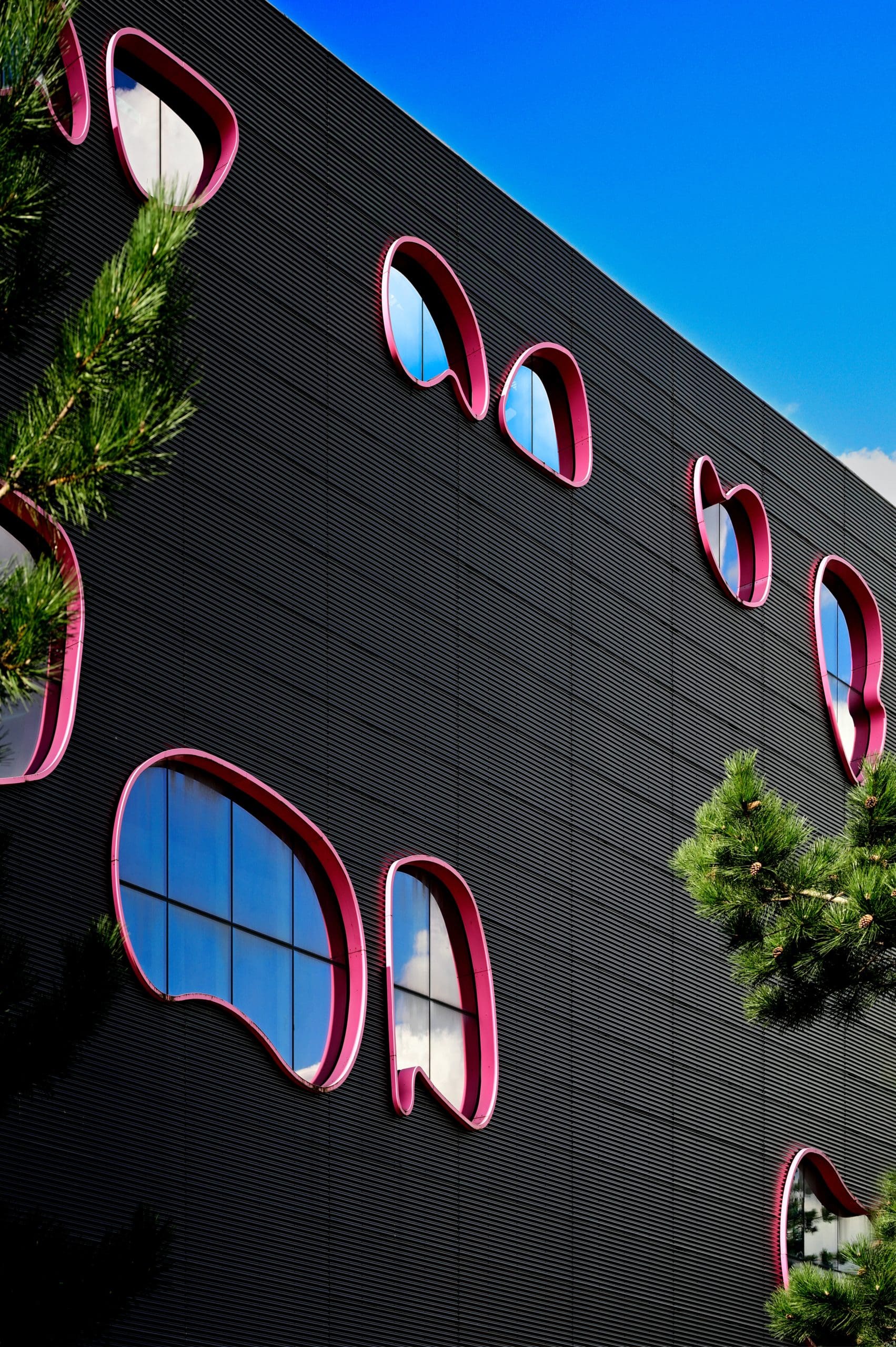
    Photo by Paulina Milde-Jachowska on Unsplash

    Wallpapers are making a comeback in a big way in 2023. Expect to see bold, graphic patterns and oversized florals, as well as more traditional prints like damask and toile. Wallpapers are a great way to add a pop of color or pattern to a space without committing to a full paint job.

    Statement lighting

    Photo by Skye Studios on Unsplash

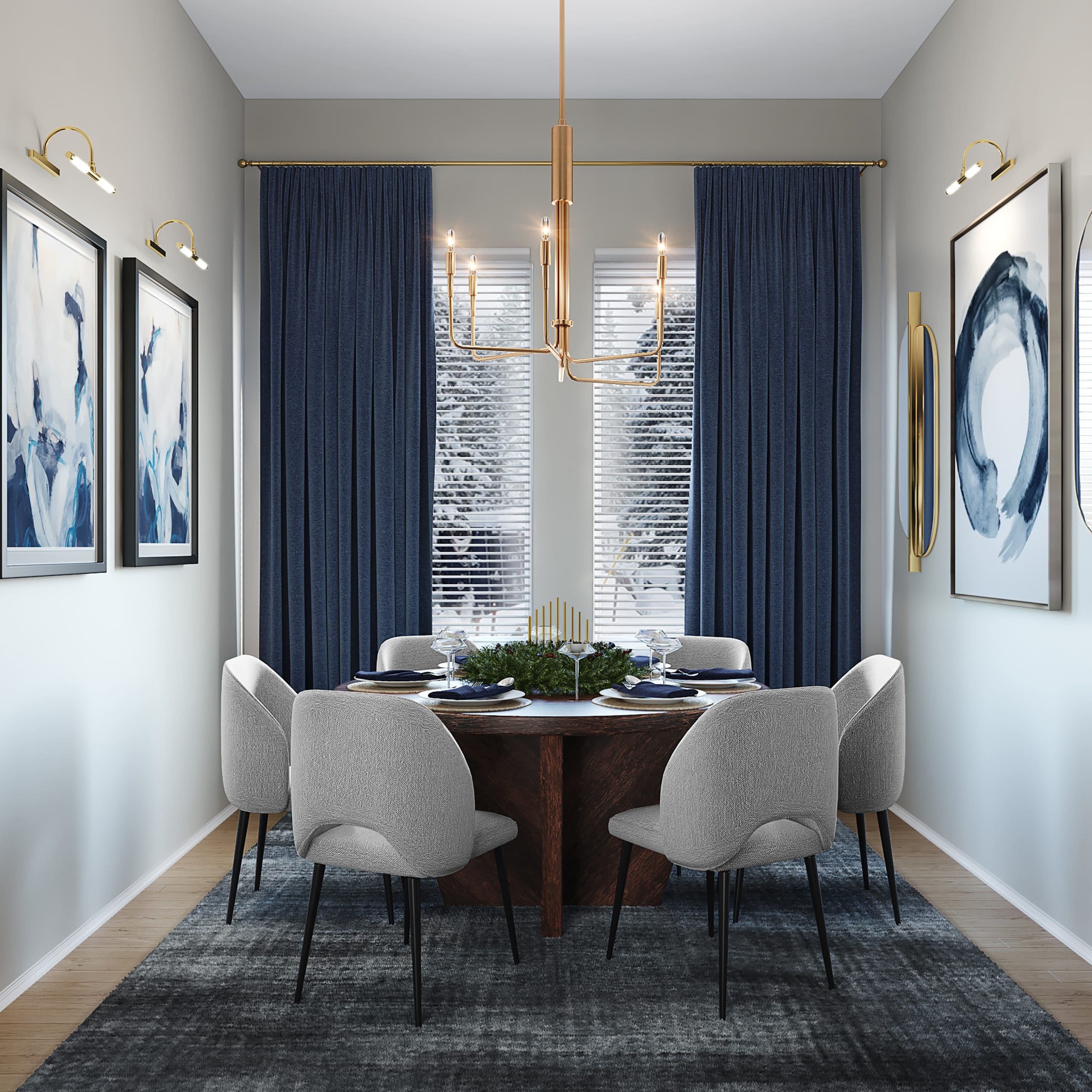
    Lighting is an often-overlooked element of interior design, but it can have a big impact on the overall look and feel of a space. In 2023, we’ll see more statement lighting fixtures, like oversized pendant lights and sculptural chandeliers. These pieces add drama and can be a great focal point in a room.

    Multifunctional furniture
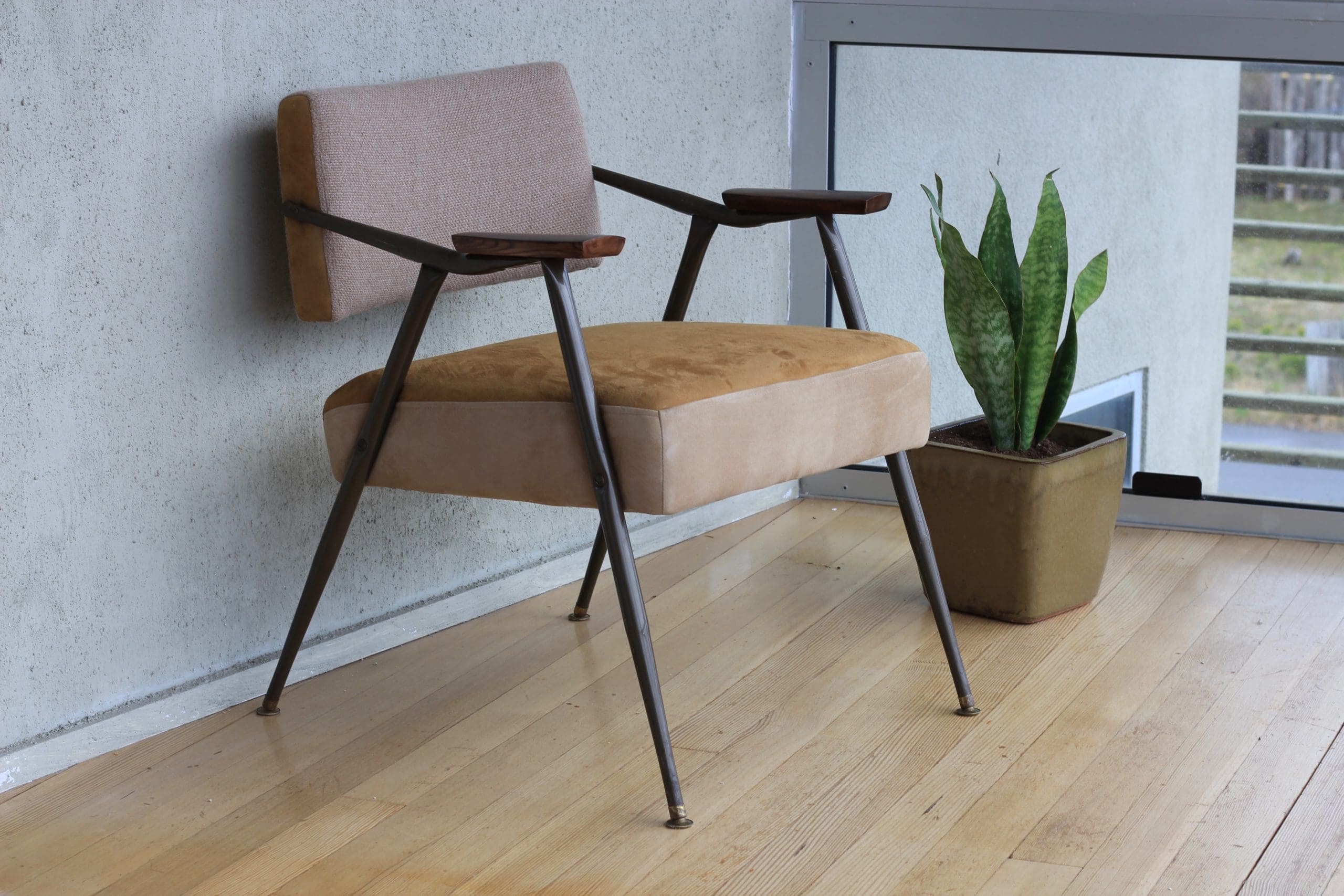
    Photo by Mitch Moondae on Unsplash

    As people continue to spend more time at home, multifunctional furniture is becoming increasingly popular. Expect to see more pieces like murphy beds, folding tables, and modular sofas that allow for multiple uses in a single piece. This type of furniture is perfect for small spaces, as it helps to maximize the use of available square footage. It’s also great for people who like to have options and flexibility in their living arrangements. Some examples of multifunctional furniture include desks that can be folded away when not in use, coffee tables with storage underneath, and sofas that can be converted into beds for guests. In addition to saving space, multifunctional furniture can also save time and money by eliminating the need for multiple pieces.
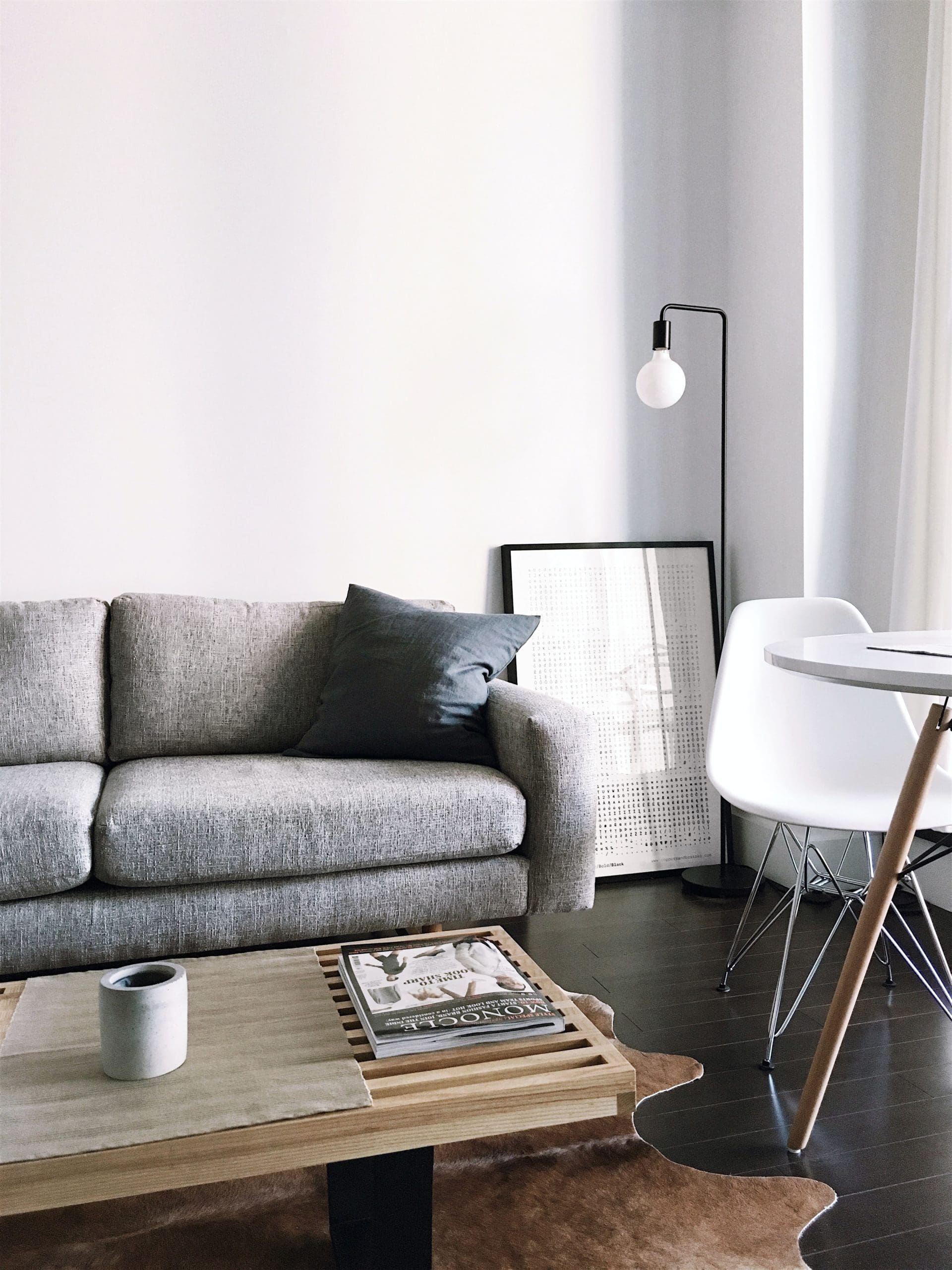
    Photo by Kirill on Unsplash

    There you have it – the 10 top interior design trends for 2023. From sustainable materials and biophilic design to statement lighting and multifunctional furniture, these trends are sure to make a big impact in homes and businesses across the country. Whether you’re planning a full renovation or just want to refresh your space with a few key pieces, these trends are a great place to start. Remember to focus on sustainability, comfort, and personal style when making your design choices, and don’t be afraid to mix and match different elements to create a look that is truly unique.

  • The Comprehensive Guide to Green Energy: Types, Benefits, and How to Get Started

    The Comprehensive Guide to Green Energy: Types, Benefits, and How to Get Started

    As concerns about climate change and the environment continue to grow, more and more people are looking for ways to reduce their carbon footprint and make a positive impact. One way to do this is by switching to green energy sources.

    Photo by Jason Blackeye on Unsplash

    But what exactly is green energy, and how can you get started using it? Here’s a comprehensive guide to all things green energy.

    Photo by Red Zeppelin on Unsplash

    What is green energy?

    Green energy, also known as renewable energy, is energy that is produced from natural sources that are replenished on a human timescale, such as sunlight, wind, and water. These sources are considered “green” because they do not produce harmful greenhouse gases or pollutants when they are used.

    Types of green energy

    There are several different types of green energy, including:

    Photo by Raphael Cruz on Unsplash
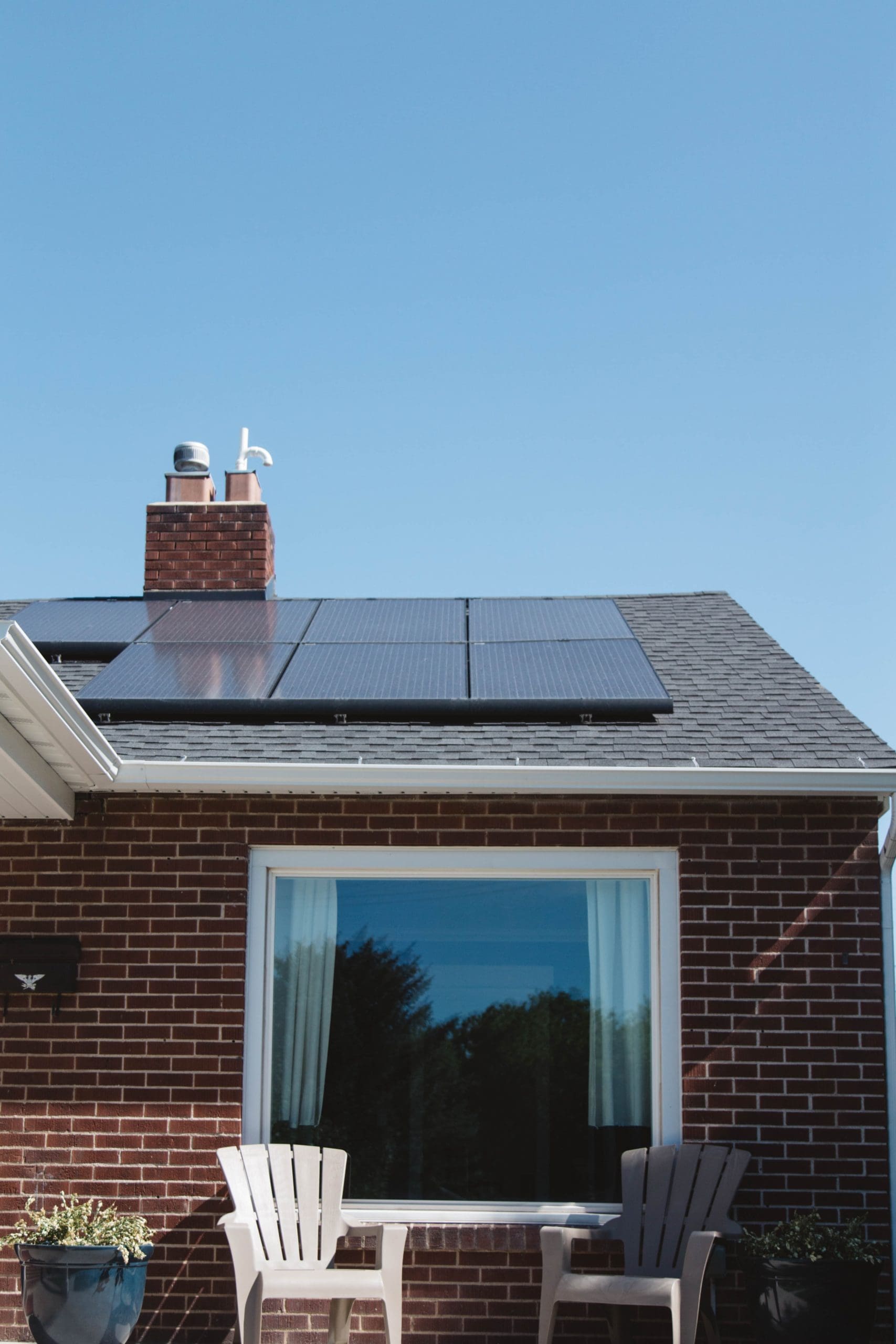
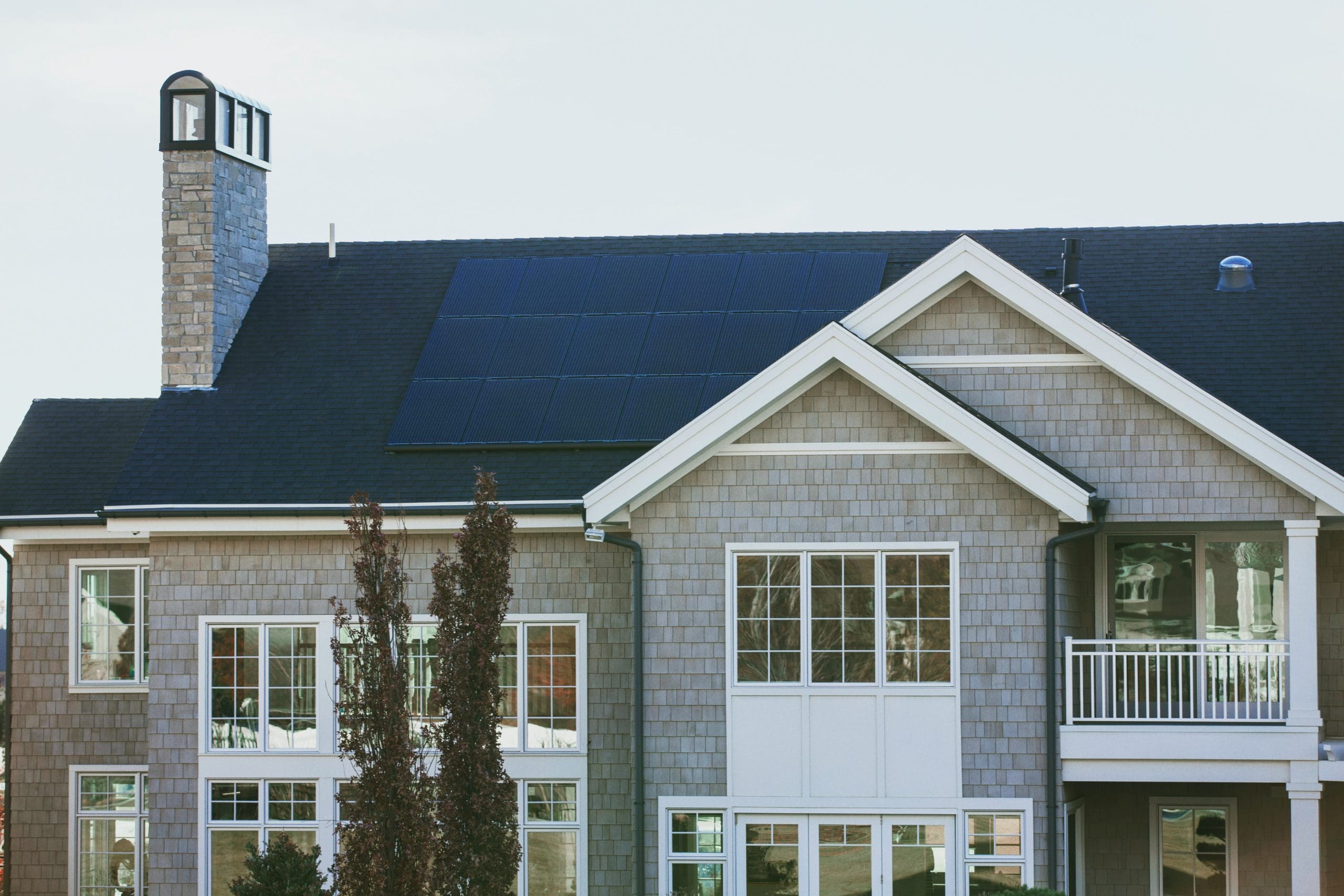
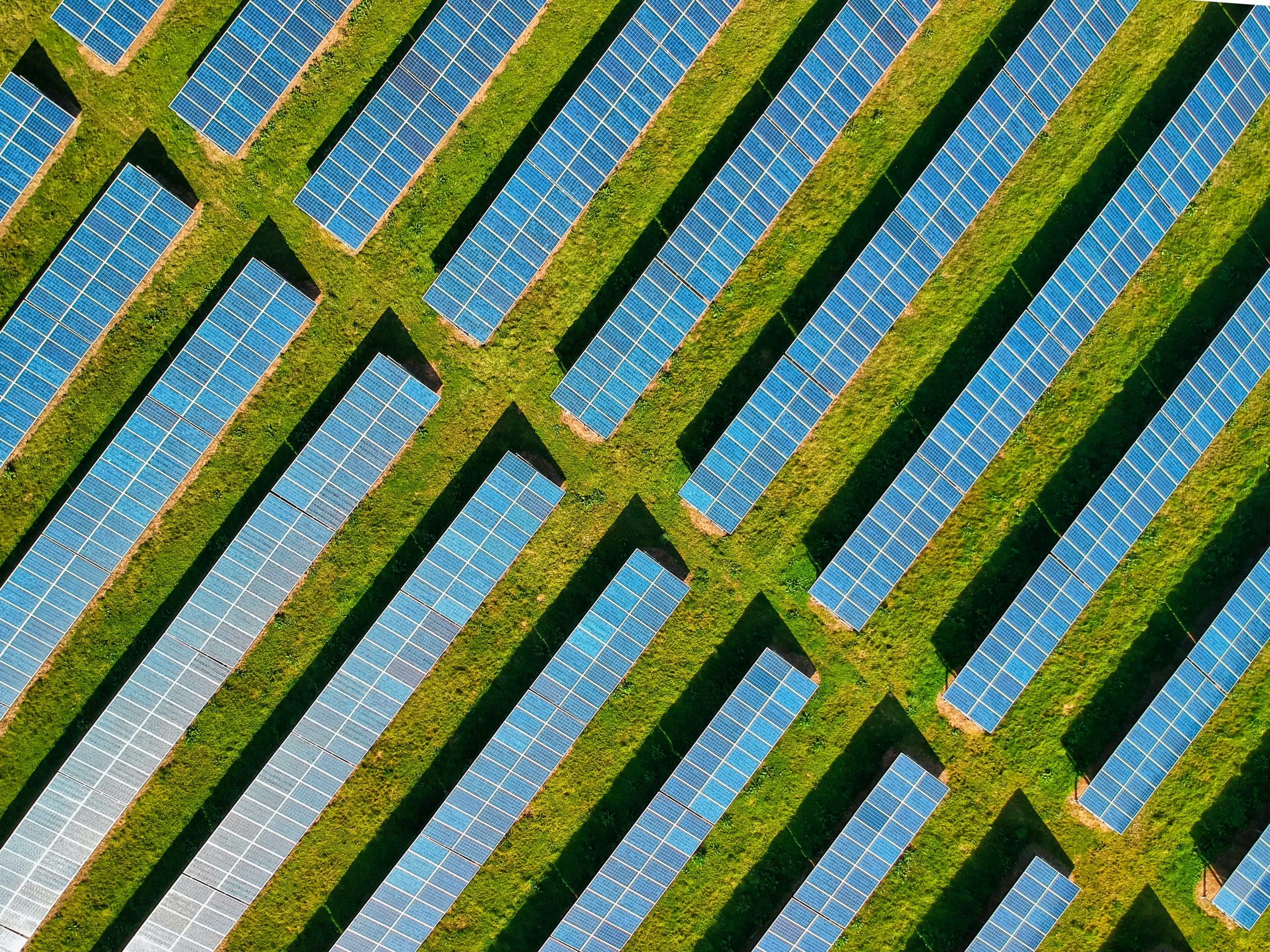
    • Solar energy: Solar energy is produced by capturing the sun’s energy and turning it into electricity. This can be done through the use of solar panels, which are placed on rooftops or in open areas where they can receive direct sunlight.
    Photo by Nicholas Doherty on Unsplash
    • Wind energy: Wind energy is produced by harnessing the power of the wind. This is typically done through the use of wind turbines, which are large structures with blades that turn in the wind, generating electricity as they go.
    Photo by Sebastien Gabriel on Unsplash
    • Hydroelectric energy: Hydroelectric energy is produced by using the energy of falling water to turn turbines and generate electricity. This is often done through the use of dams, which control the flow of water and turn turbines as it passes through.
    Photo by Matt Palmer on Unsplash
    • Geothermal energy: Geothermal energy is produced by harnessing the natural heat of the earth. This can be done through the use of geothermal heat pumps, which use underground pipes to transfer heat from the earth into a building, or through the use of geothermal power plants, which generate electricity by using steam from underground hot water reservoirs.

    Photo by Gonz DDL on Unsplash

    Benefits of green energy

    There are many benefits to using green energy, including:

    • Environmental benefits: The most obvious benefit of green energy is its positive impact on the environment. Renewable energy sources do not produce harmful greenhouse gases or pollutants, which means they do not contribute to climate change or air pollution.
    • Cost savings: Green energy can also save you money in the long run. While the initial cost of installing solar panels or wind turbines may be higher, these systems can generate their own energy and reduce or eliminate your reliance on the grid, resulting in significant cost savings over time.
    • Energy independence: Green energy can also provide energy independence, as it is not reliant on fossil fuels or other non-renewable sources. This can be especially beneficial in areas where access to traditional energy sources is limited or unreliable.
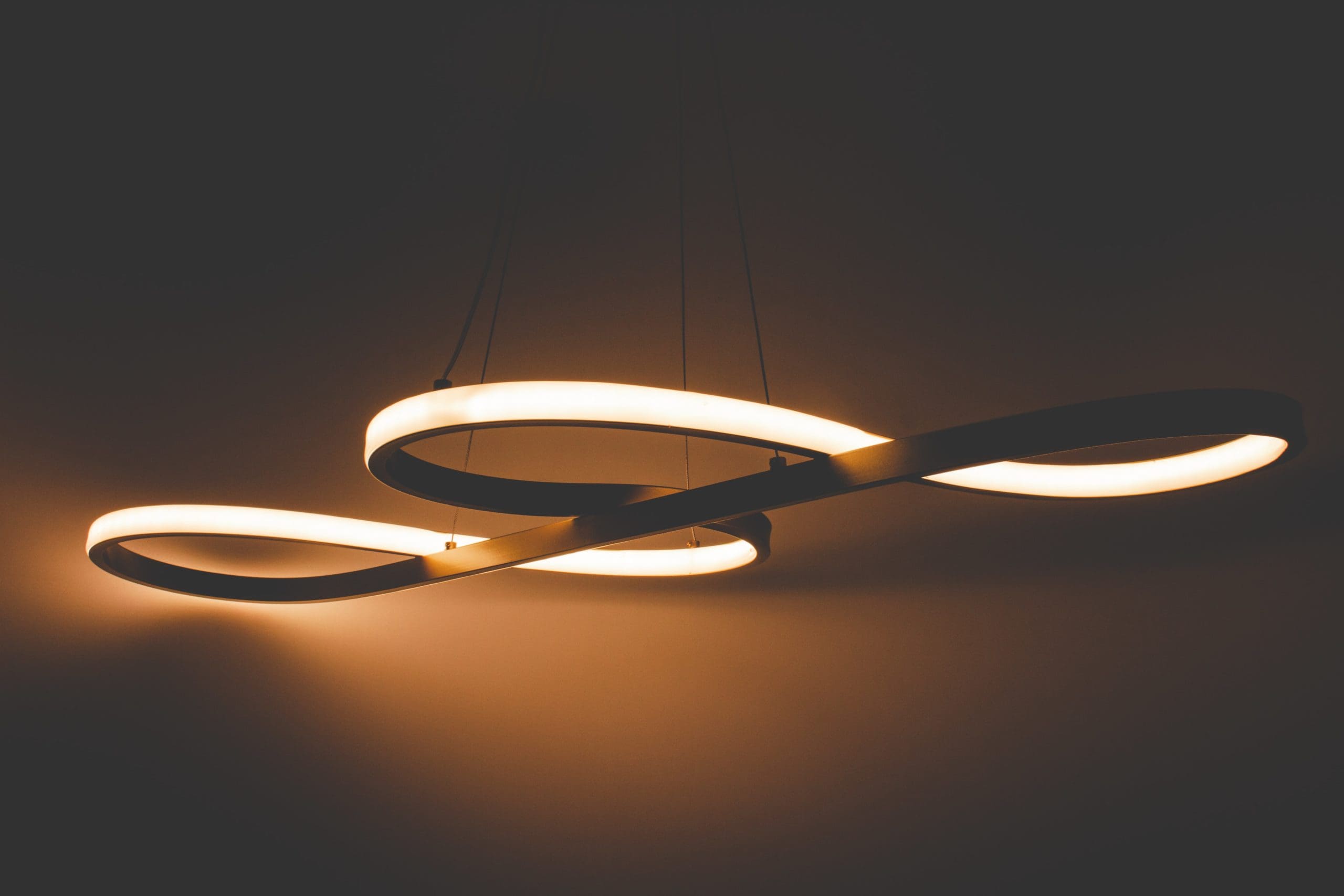
    Photo by Karsten Würth on Unsplash

    How to get started with green energy

    If you’re interested in switching to green energy, there are several steps you can take to get started:

    • Research your options: There are many different types of green energy, and it’s important to research the options available in your area and determine which one is the best fit for your needs and budget.
    • Calculate your energy needs: It’s also important to determine how much energy you currently use and what your energy needs are likely to be in the future. This will help you determine the size and type of green energy system you will need.
    • Consult with a professional: It’s a good idea to consult with a professional, such as a renewable energy company or an energy efficiency expert, to help you determine the best green energy solution for your home or business.
    Photo by Derek Sutton on Unsplash
    • Take advantage of incentives: Many states and localities offer incentives and rebates for individuals and businesses that switch to green energy. These can help offset the initial cost of installation and make it more financially viable.
    • Consider financing options: If you don’t have the upfront capital to invest in a green energy system, there are financing options available, such as loans or leasing arrangements. It’s important to carefully research and compare these options to find the best fit for your situation.
    • Make the switch: Once you have done your research, calculated your energy needs, and determined the best green energy solution for your home or business, it’s time to make the switch. This may involve installing new equipment, such as solar panels or a wind turbine, or making energy efficiency upgrades to your home or business.

    Conclusion

    Green energy is a clean, renewable, and cost-effective way to power your home or business. By switching to green energy, you can reduce your carbon footprint, save money, and contribute to a healthier planet. With a little research and planning, it’s easy to get started with green energy and make a positive impact on the environment.

  • 10 Things to Know Before Installing Home Solar Panels

    10 Things to Know Before Installing Home Solar Panels

    Are you considering switching to solar energy for your home? Solar panel technology has come a long way in recent years, making it an increasingly viable and cost-effective option for homeowners. However, before you make the switch, it’s important to understand the ins and outs of home solar panels.

    Looking for trustworthy solar panel installation services Bristol? Look no further than our expert team! Contact us today to experience our affordable and efficient solutions.

    Photo by American Public Power Association on Unsplash

    Photo by Vivint Solar on Unsplash
    • Solar panels can save you money on electricity bills. One of the biggest benefits of solar panels is the potential to save money on your monthly electricity bills. By generating your own energy, you can reduce or even eliminate your reliance on the grid, resulting in significant savings over time.
    Photo by Vivint Solar on Unsplash
    • Solar panels require a sunny location. Solar panels rely on sunlight to generate electricity, so it’s important to consider the amount of sunlight your home gets when deciding whether solar panels are a good fit. If your home is shaded by trees or other structures, you may not get enough sunlight to make solar panels a viable option.
    • Solar panels have a lifespan of 25-30 years. Solar panels are designed to last for decades, with a typical lifespan of 25-30 years. While they may need some occasional maintenance, such as cleaning and panel replacement, they are generally low-maintenance and can provide energy for your home for many years.
    • Solar panel efficiency varies by brand and type. Not all solar panels are created equal. The efficiency of a solar panel refers to how well it can convert sunlight into electricity. Higher efficiency panels will generate more electricity, but they also tend to be more expensive. It’s important to do your research and compare different brands and types of panels to find the best option for your home.
    Photo by Vivint Solar on Unsplash
    • Solar panels need to be properly installed. Proper installation is critical for the performance and safety of your solar panel system. It’s important to work with a reputable and experienced solar panel company to ensure that your panels are installed correctly.
    • Solar panels can increase the value of your home. In addition to the potential financial savings, solar panels can also increase the value of your home. A solar panel system can be a major selling point for potential buyers, and it can also make your home more attractive to buyers who are interested in environmentally-friendly features.
    • Solar panels may qualify for tax credits and incentives. Depending on your location, you may be eligible for various tax credits and incentives for installing solar panels. These can help offset the initial cost of purchasing and installing the panels, making it a more financially viable option. Ultimately, you may need a tax calculator to get a better idea of the actual figures but there are definitely big potential savings to be had.
    Photo by Vivint Solar on Unsplash
    • Solar panels can be used in conjunction with other renewable energy sources. Solar panels can be combined with other renewable energy sources, such as wind or hydro power, to create a hybrid energy system. This can provide even more energy independence and cost savings.
    • Solar panel technology is constantly improving. Solar panel technology is constantly evolving, with new advancements being made all the time. This means that the panels available today are more efficient and cost-effective than ever before.
    • Solar panels require minimal maintenance. While it’s important to have your solar panel system inspected and maintained periodically, the panels themselves require very little maintenance. They should be cleaned regularly to ensure optimal performance, but other than that, they should operate smoothly for many years with minimal intervention.
    Photo by Vivint Solar on Unsplash

    By understanding the basics of home solar panels, you can make an informed decision about whether this renewable energy source is right for your home. With the potential for significant financial savings, increased home value, and a reduced carbon footprint, solar panels are worth considering for any homeowner.

  • The Fascinating World of Japanese-Inspired Interior Design: A Comprehensive Guide

    The Fascinating World of Japanese-Inspired Interior Design: A Comprehensive Guide

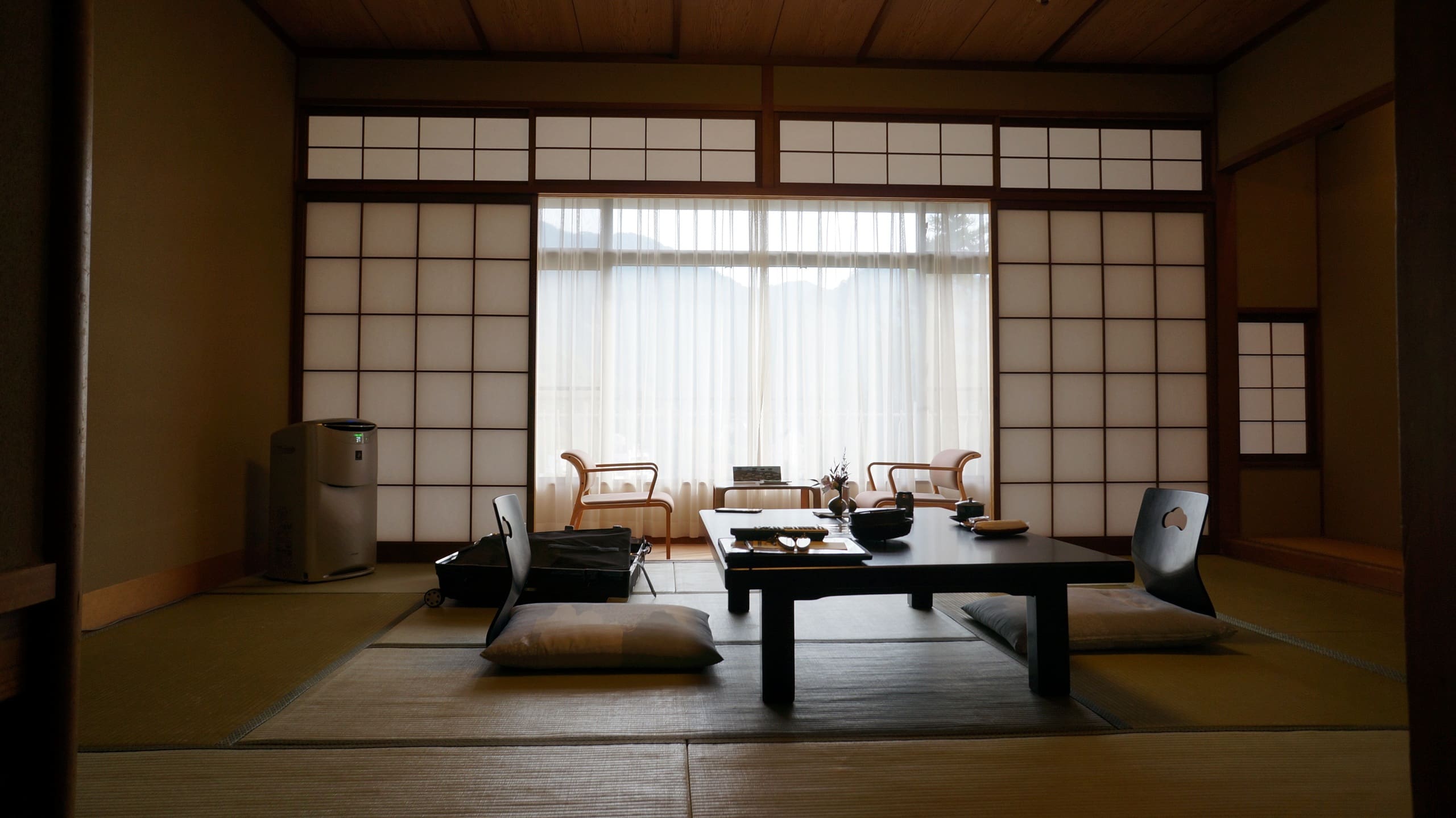
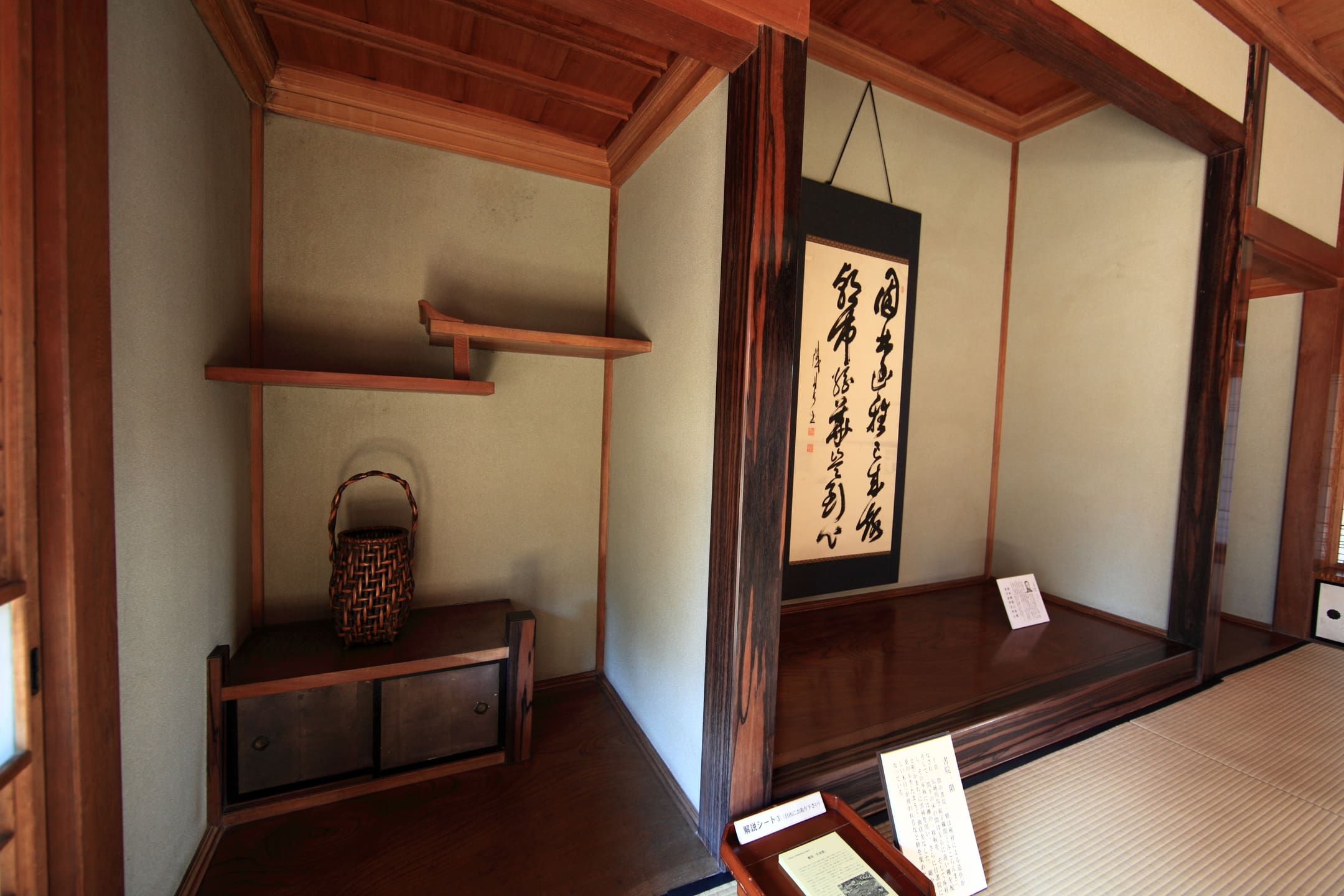
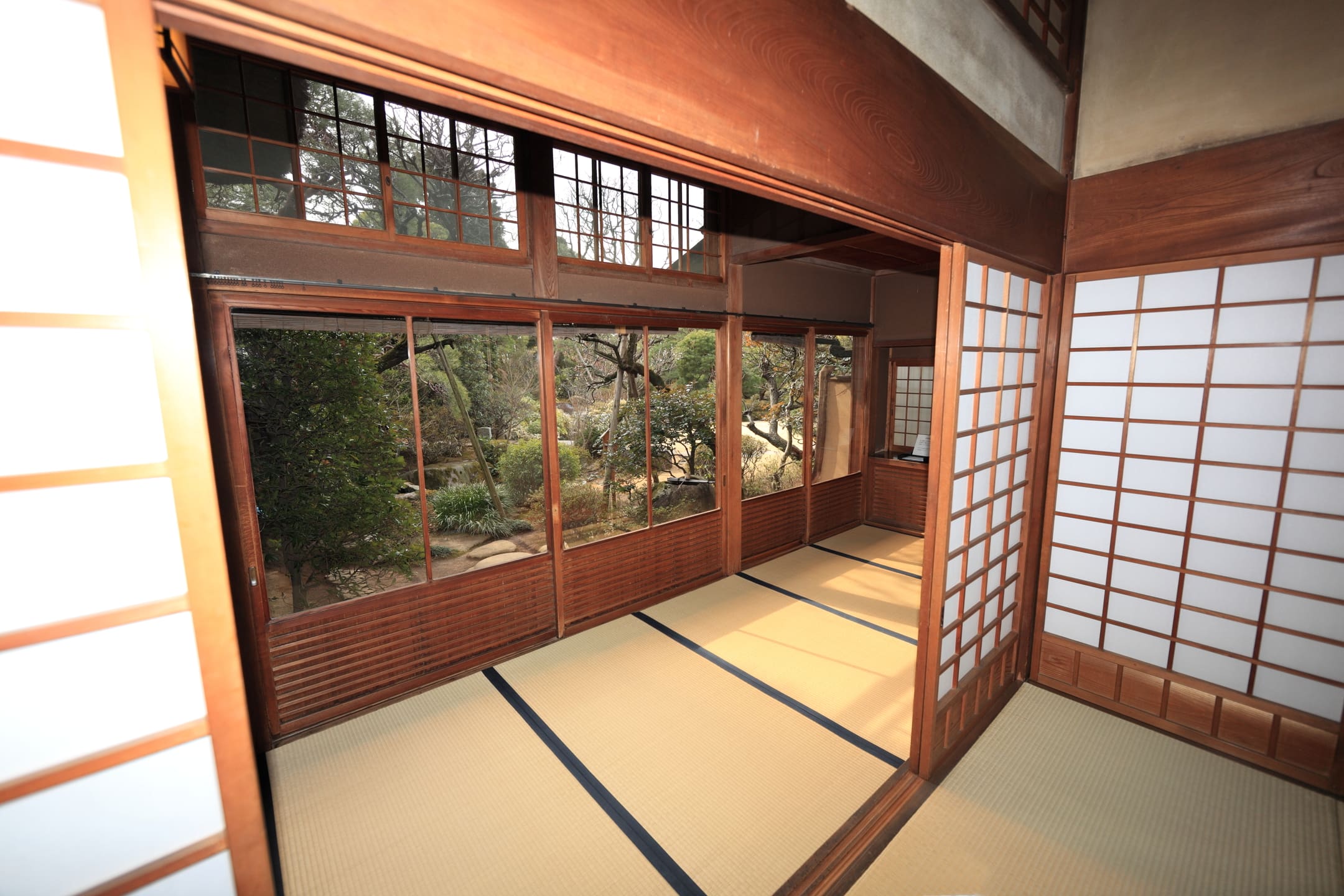
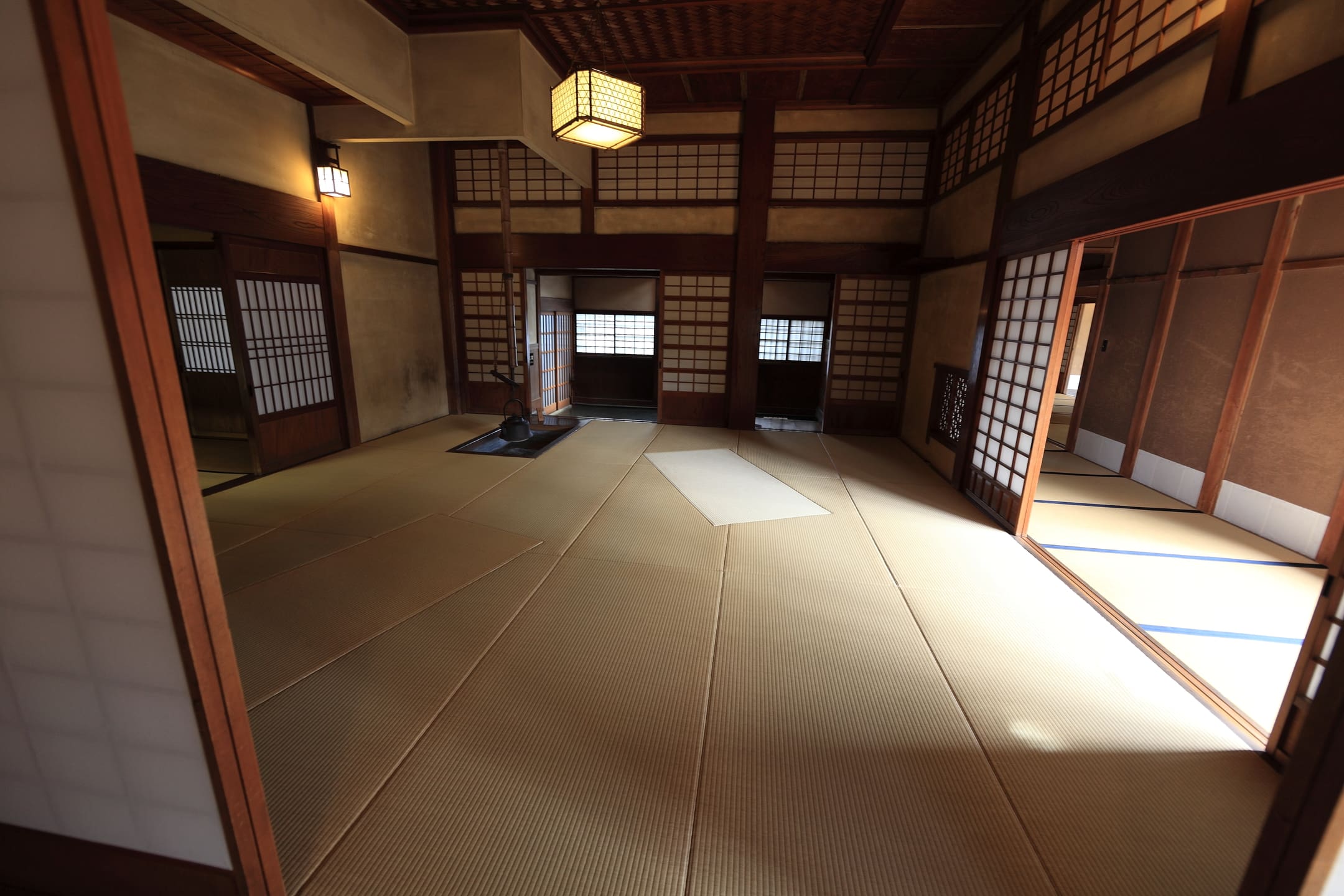
    Japanese design is known for its simplicity, minimalism, and use of natural materials, and these elements can be incorporated into any home to create a peaceful, Zen-like atmosphere. From shoji screens and sliding doors to traditional tatami mats, there are many ways to bring the beauty of Japanese design into your home. Here is a comprehensive guide to Japanese-inspired interior decor:

    Photo by form PxHere

    Understanding the principles of Japanese design:

    Photo by form PxHere

    Japanese design is characterized by a focus on simplicity, minimalism, and the use of natural materials. It is inspired by the principles of wabi-sabi, which emphasizes the beauty of imperfection and the passage of time, and the concept of ma, which refers to the space between objects and the negative space in a design.

    Choosing colors:

    Photo by form PxHere

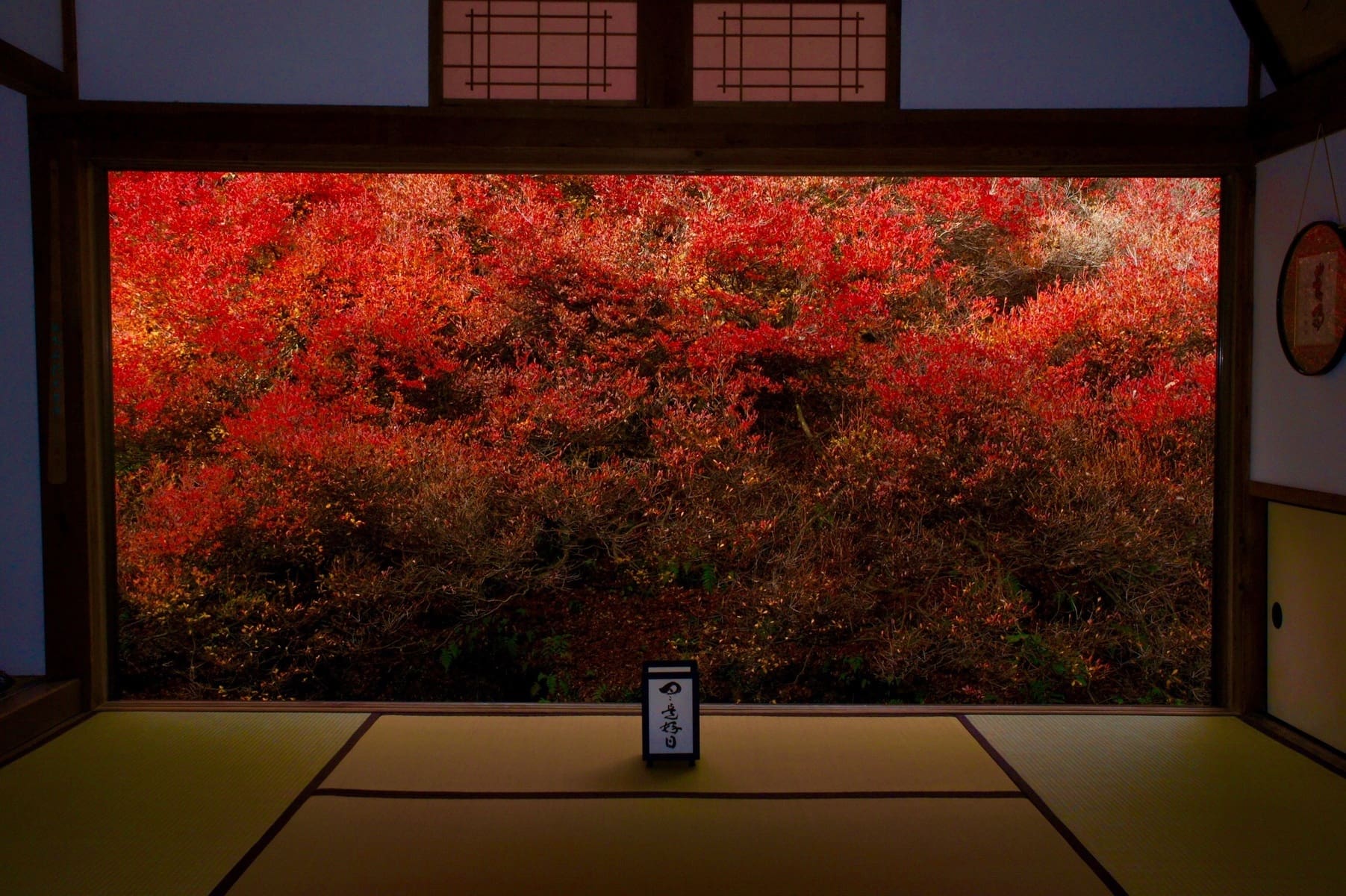
    Japanese design often uses a neutral color palette, with shades of white, beige, and grey being popular choices. These colors create a sense of calm and tranquility in the space, and can be paired with pops of color for added interest. The use of natural colors is also in line with the principles of wabi-sabi, which celebrates the beauty of the natural world and the passage of time.

    Incorporating natural materials:

    Photo by form PxHere

    Natural materials, such as wood, stone, and bamboo, are an important element of Japanese design and help to create a sense of connection to the outdoors. These materials are often left in their natural state, with minimal processing or treatment, in order to celebrate their inherent beauty and imperfections.

    Creating a sense of minimalism:

    Japanese design is known for its minimalistic aesthetic, with an emphasis on simplicity and clean lines. This can be achieved through the use of clean-lined furniture and a focus on negative space. The concept of ma is also important in this regard, as it emphasizes the importance of negative space and the interplay between the objects in a design.

    Photo by form PxHere

    Using lighting to create a cozy atmosphere:

    Despite its emphasis on minimalism, Japanese design is also known for its cozy, welcoming atmosphere. This can be achieved through the use of warm, soft lighting, such as lamps and candles, and the incorporation of textured elements, such as blankets and throw pillows.

    Adding pops of color:

    Photo by form PxHere

    While neutral colors are a key element of Japanese design, pops of color can be added through the use of accessories, such as pillows, artwork, and rugs. These pops of color can bring a sense of vibrancy and energy to the space, while still staying true to the overall minimalistic aesthetic.

    Incorporating plants:

    Bringing plants into the home is a popular way to add a touch of nature to a space, and is often seen in Japanese design. Choose low-maintenance, hardy plants that will thrive in your space, such as bamboo, ferns, and palms. These plants can add a sense of life and vitality to the space, and are in line with the principles of wabi-sabi, which celebrates the beauty of the natural world.

    Using shoji screens and sliding doors:

    Photo by form PxHere

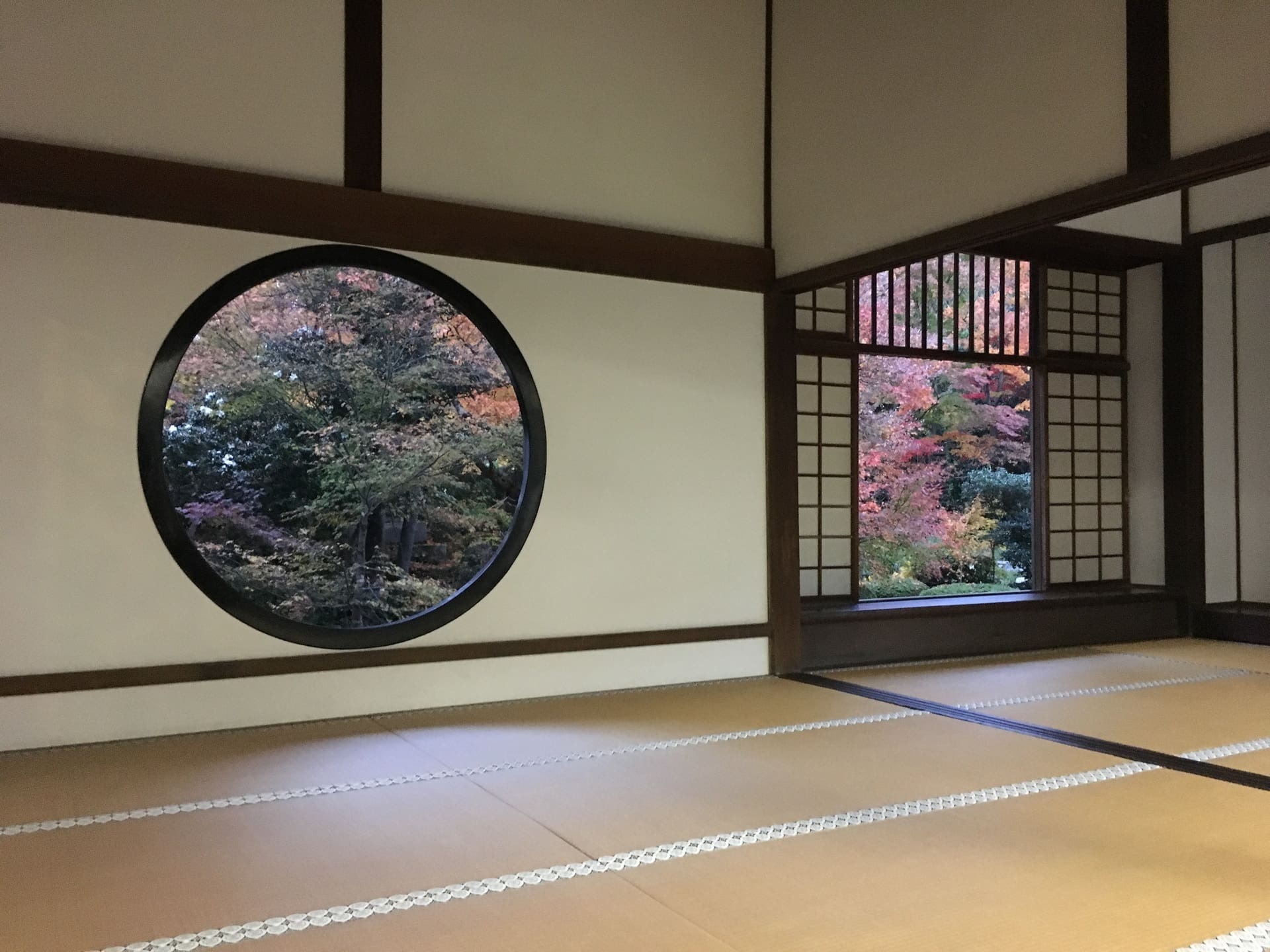
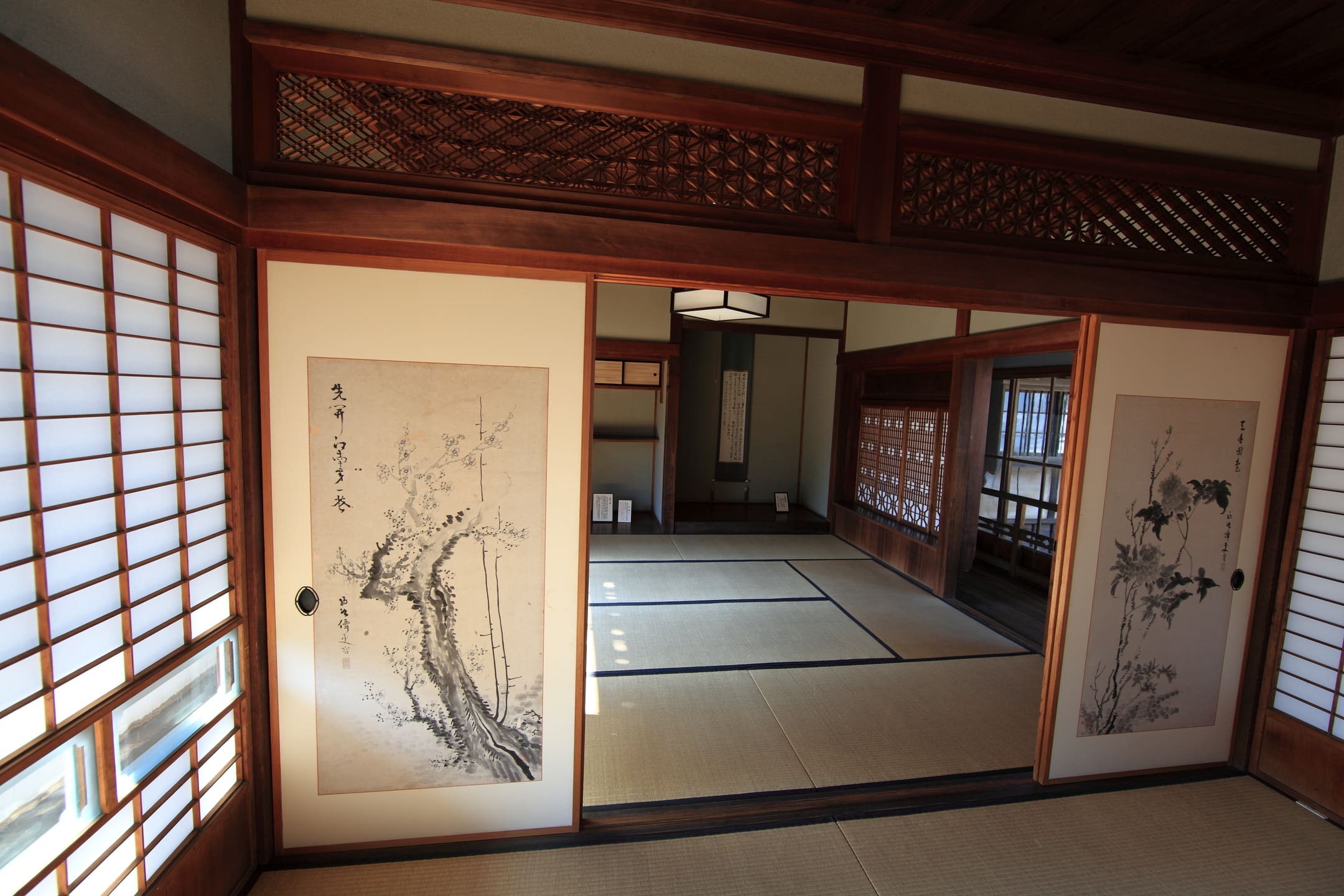
    Shoji screens and sliding doors are traditional elements of Japanese design that can add a sense of privacy and separation to a space. These screens, which are made of thin wooden frames and rice paper, allow light to pass through while still providing privacy. Sliding doors, which are common in traditional Japanese homes, can also serve as a space-saving solution and add a sense of flow to the space.

    Incorporating traditional elements:

    Traditional Japanese elements, such as tatami mats and futons, can add a sense of authenticity and cultural depth to a space. Tatami mats, which are made of straw and covered with a woven rush, are a common flooring material in Japanese homes and are often used in conjunction with sliding doors. Futons, which are thin, foldable mattresses, can be used as a bed or seating, and can be easily stored away when not in use.

    Photo by form PxHere

    Staying true to the style:

    When incorporating Japanese-inspired design into your home, it’s important to stay true to the style and not overdo it. Keep things simple, choose high-quality, timeless pieces, and allow negative space to balance out the design. It’s also important to consider the principles of wabi-sabi and ma, and how they can be incorporated into your design in a meaningful way.

    By following these tips, you can bring the fascinating world of Japanese design into your home and create a peaceful, Zen-like atmosphere.

  • The Timeless Appeal of Scandinavian Interior Design: A Comprehensive Guide

    The Timeless Appeal of Scandinavian Interior Design: A Comprehensive Guide

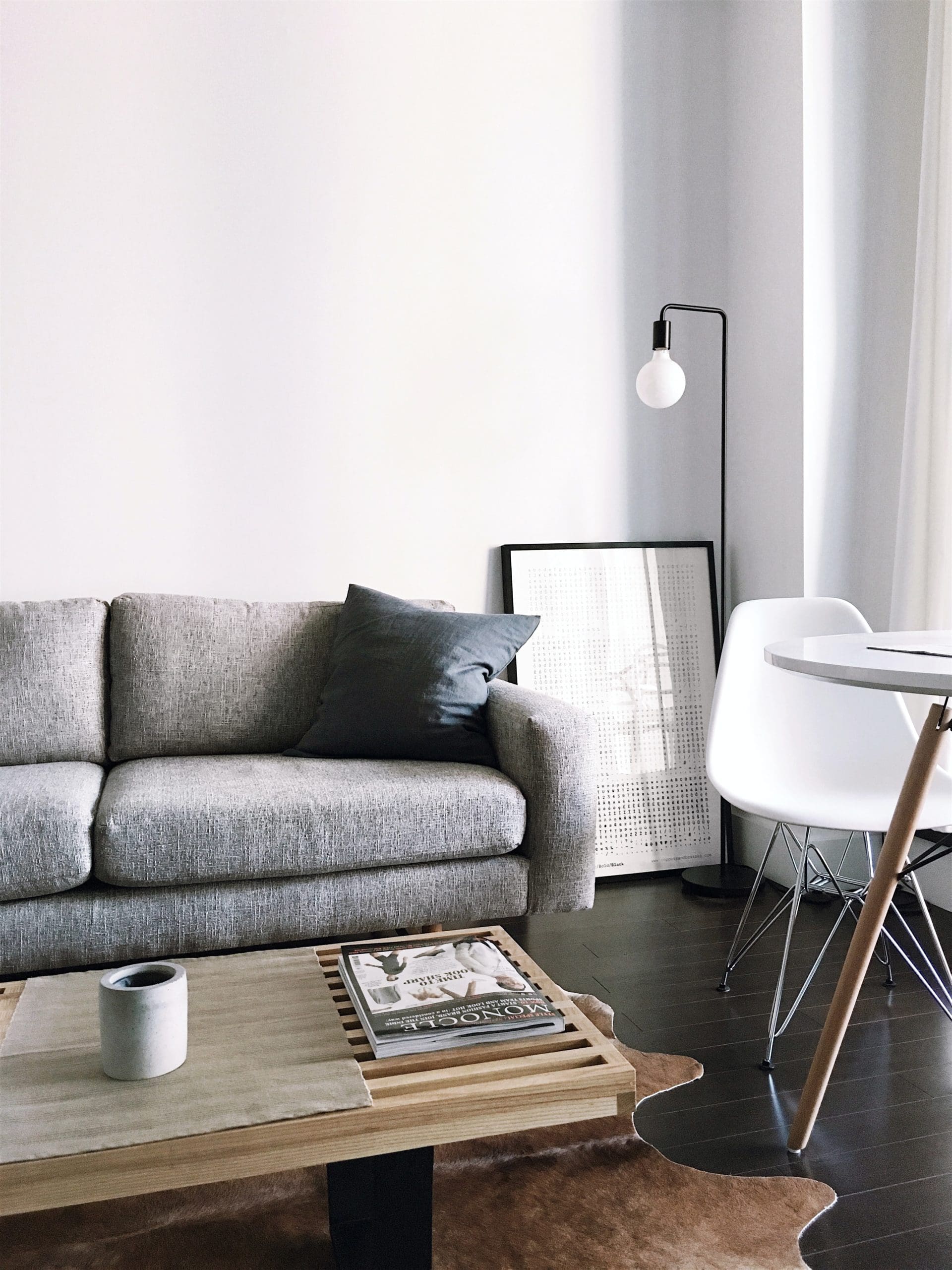
    Scandinavian design, with its focus on simplicity, functionality, and natural materials, has been a popular trend in interior design for decades.

    Photo by Samantha Gades on Unsplash

    Whether you’re looking to update your current home or design a new space, this style can bring a fresh, modern look to any home. Here is a comprehensive guide to Scandinavian interior design:

    Defining Scandinavian design:

    Photo by form PxHere

    Scandinavian design is characterized by a focus on functionality, simplicity, and natural materials. It originated in the 1950s in the countries of Denmark, Norway, and Sweden, and has since gained worldwide popularity.

    Key elements of Scandinavian design:

    Photo by Hutomo Abrianto on Unsplash

    Some key elements of Scandinavian design include the use of light, neutral colors; natural materials such as wood, stone, and wool; and an emphasis on clean, simple lines. It also often includes the use of plants and other natural elements to bring a touch of nature inside.

    Choosing colors:

    Scandinavian design is known for its use of light, neutral colors, such as white, beige, and grey. These colors help to create a sense of openness and airiness in the space, and can be easily paired with pops of color for added interest.

    Photo by Hutomo Abrianto on Unsplash

    Incorporating natural materials:

    Natural materials are an important element of Scandinavian design, with wood being a particularly popular choice. Other natural materials that are often used include stone, wool, and leather.

    Emphasizing functionality:

    Functionality is a key element of Scandinavian design, with the focus being on creating a practical and efficient space. This can be achieved through the use of smart storage solutions, such as built-in cabinets and shelving, and by keeping clutter to a minimum.

    Photo by SHOP SLO® on Unsplash

    Creating a sense of minimalism:

    Scandinavian design is known for its minimalistic aesthetic, with an emphasis on simplicity and clean lines. This can be achieved through the use of clean-lined furniture and a focus on negative space.

    Using lighting to create a cozy atmosphere:

    Despite its emphasis on minimalism, Scandinavian design is also known for its cozy, welcoming atmosphere. This can be achieved through the use of warm, soft lighting, such as lamps and candles, and the incorporation of textured elements, such as blankets and throw pillows.

    Adding pops of color:

    While neutral colors are a key element of Scandinavian design, pops of color can be added through the use of accessories, such as pillows, artwork, and rugs.

    Photo by Afif Ramdhasuma on Unsplash

    Incorporating plants:

    Bringing plants into the home is a popular way to add a touch of nature to a space, and is often seen in Scandinavian design. Choose low-maintenance, hardy plants that will thrive in your space.

    Photo by Helena Hertz on Unsplash

    Staying true to the style:

    When incorporating Scandinavian design into your home, it’s important to stay true to the style and not overdo it. Keep things simple, choose high-quality, timeless pieces, and allow negative space to balance out the design.

    By following these tips, you can create a space that embodies the timeless appeal of Scandinavian design.

  • 10 Fresh Ideas for Kitchen Design in 2023

    10 Fresh Ideas for Kitchen Design in 2023

    If you’re looking to update your kitchen this year, you’ll want to stay on top of the latest design trends. From natural materials to smart technology, here are ten ideas to inspire your kitchen renovation in 2023:

    Photo by André François McKenzie on Unsplash

    Photo by Ralph (Ravi) Kayden on Unsplash
    • Go green with biophilic design: Bring the outdoors in with the use of natural materials like wood and stone, and incorporate plants into the space for a fresh, organic look.
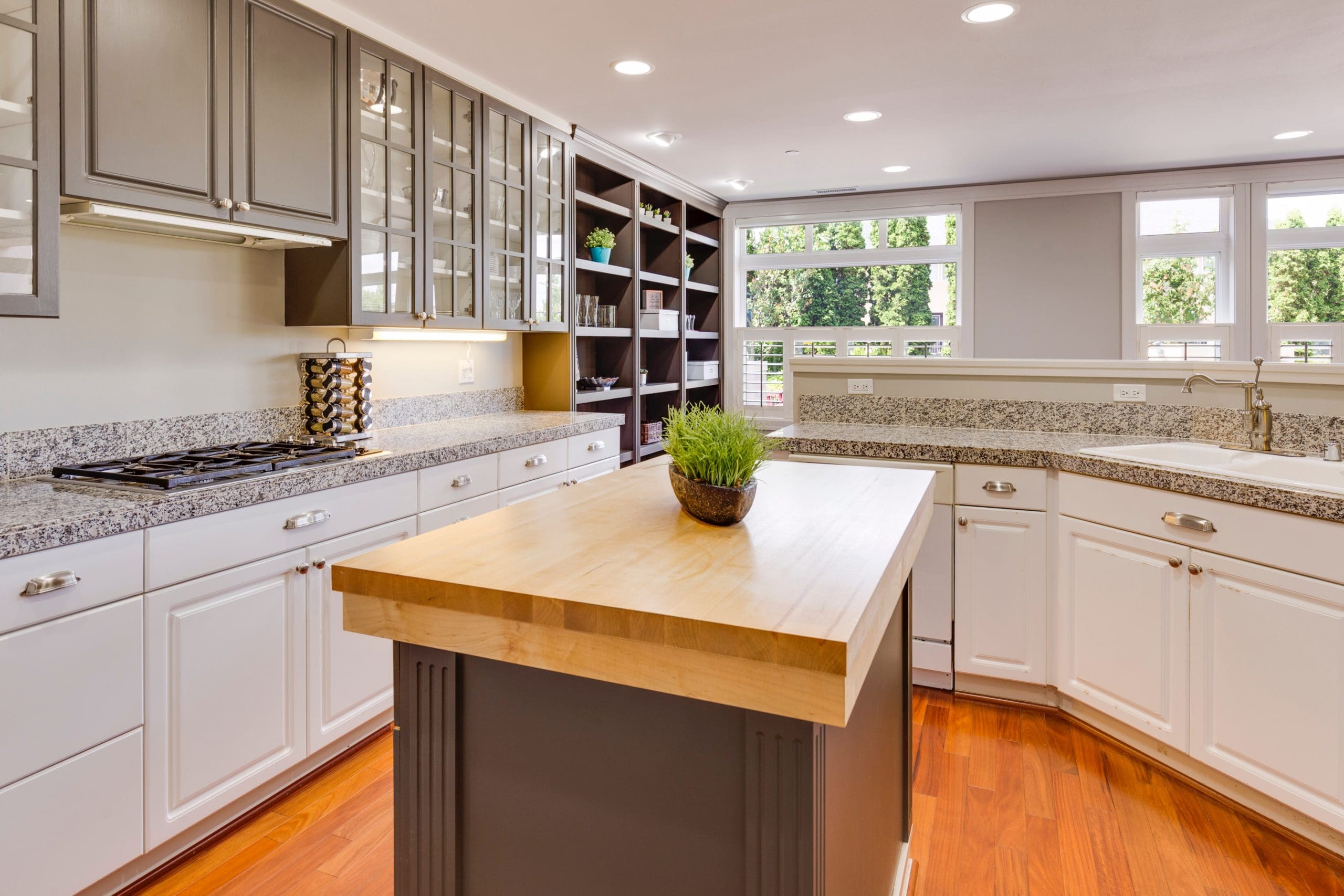
    • Mix things up with two-toned cabinets: Add visual interest to your kitchen by pairing light and dark cabinets, or mix and match different shades for a eclectic look.
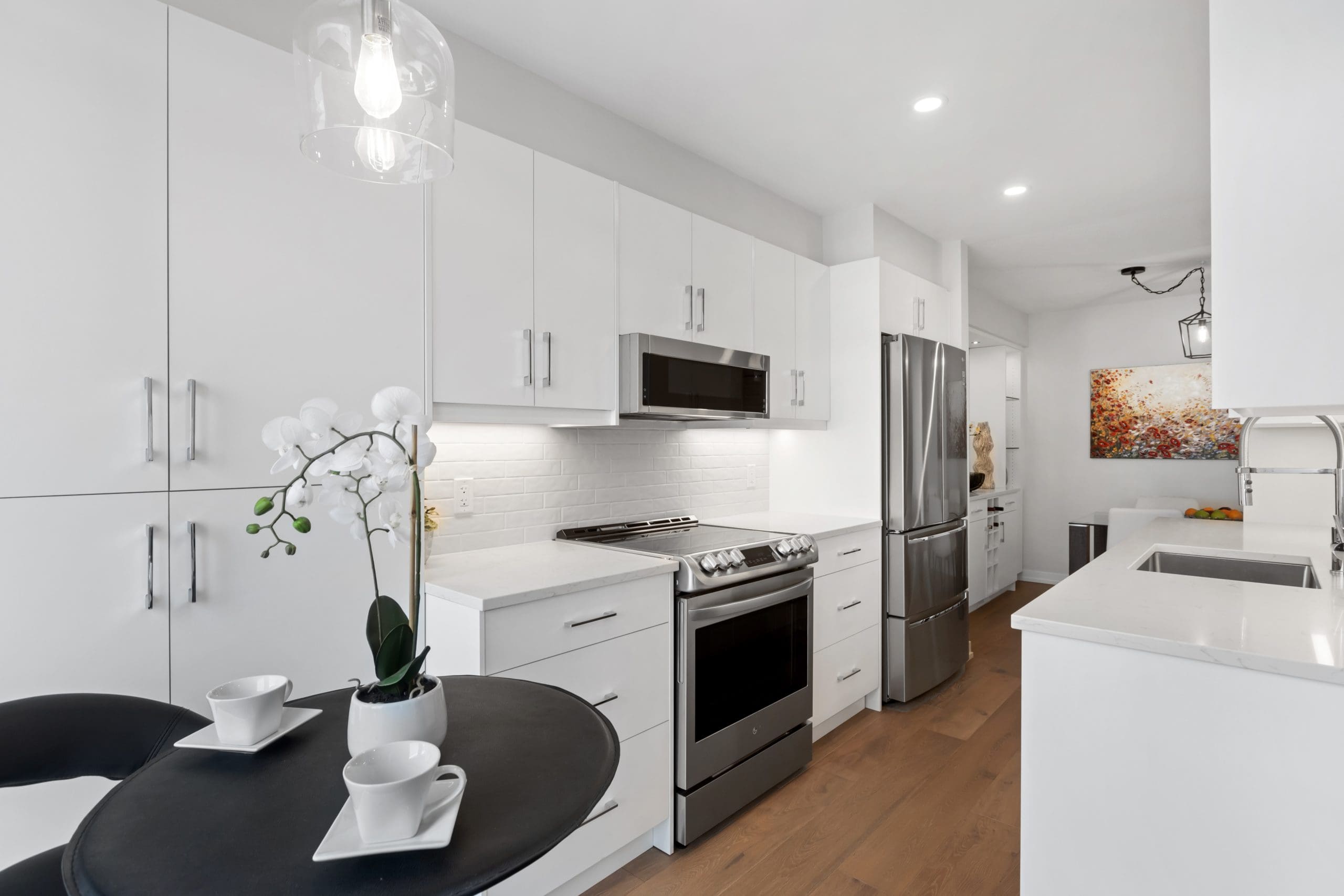
    • Upgrade your appliances: Black stainless steel appliances are a sleek, modern choice that resists fingerprints and adds a touch of drama to the kitchen.
    Photo by Point3D Commercial Imaging Ltd. on Unsplash
    • Make a statement with a bold backsplash: A statement-making backsplash is a great way to add personality to your kitchen and serves as a focal point in the space.
    • Embrace curves and organic shapes: Soft, curved lines and organic shapes are replacing the sharp, angular edges of previous years, giving the kitchen a more feminine, welcoming feel.
    • Experiment with mixed materials: Combine different materials, such as wood, concrete, and metal, to add texture and depth to your kitchen design.
    Photo by Francesca Tosolini on Unsplash
    • Hide your appliances: Integrate appliances into the cabinetry or hide them behind panels for a streamlined, clutter-free look.
    • Make your kitchen smart: Incorporate smart technology into your kitchen design, such as smart appliances and voice-activated assistants, for a more connected, efficient space.
    • Go eco-friendly: Choose sustainable and eco-friendly materials, such as recycled products and low-VOC paints, to reduce your environmental impact.
    Photo by deborah cortelazzi on Unsplash
    • Make your island multifunctional: Kitchen islands are becoming more than just a place to prep food, with the addition of features like built-in sinks, cooktops, and seating.

    By incorporating these fresh ideas into your kitchen design, you can create a space that is both stylish and functional, and reflects your personal style.

  • 10 Tips for Creating a Sustainable Home

    10 Tips for Creating a Sustainable Home

    Sustainability has become an increasingly important consideration in both interior design and architecture. Creating a home that is environmentally friendly not only helps the planet, but it can also save you money on energy costs and improve the overall quality of your living space. Here are ten tips for designing a sustainable home:

    Photo by Angelique EMONET on Unsplash

    Photo by K8 on Unsplash

    1. Use energy-efficient appliances:

    Photo by PlanetCare on Unsplash

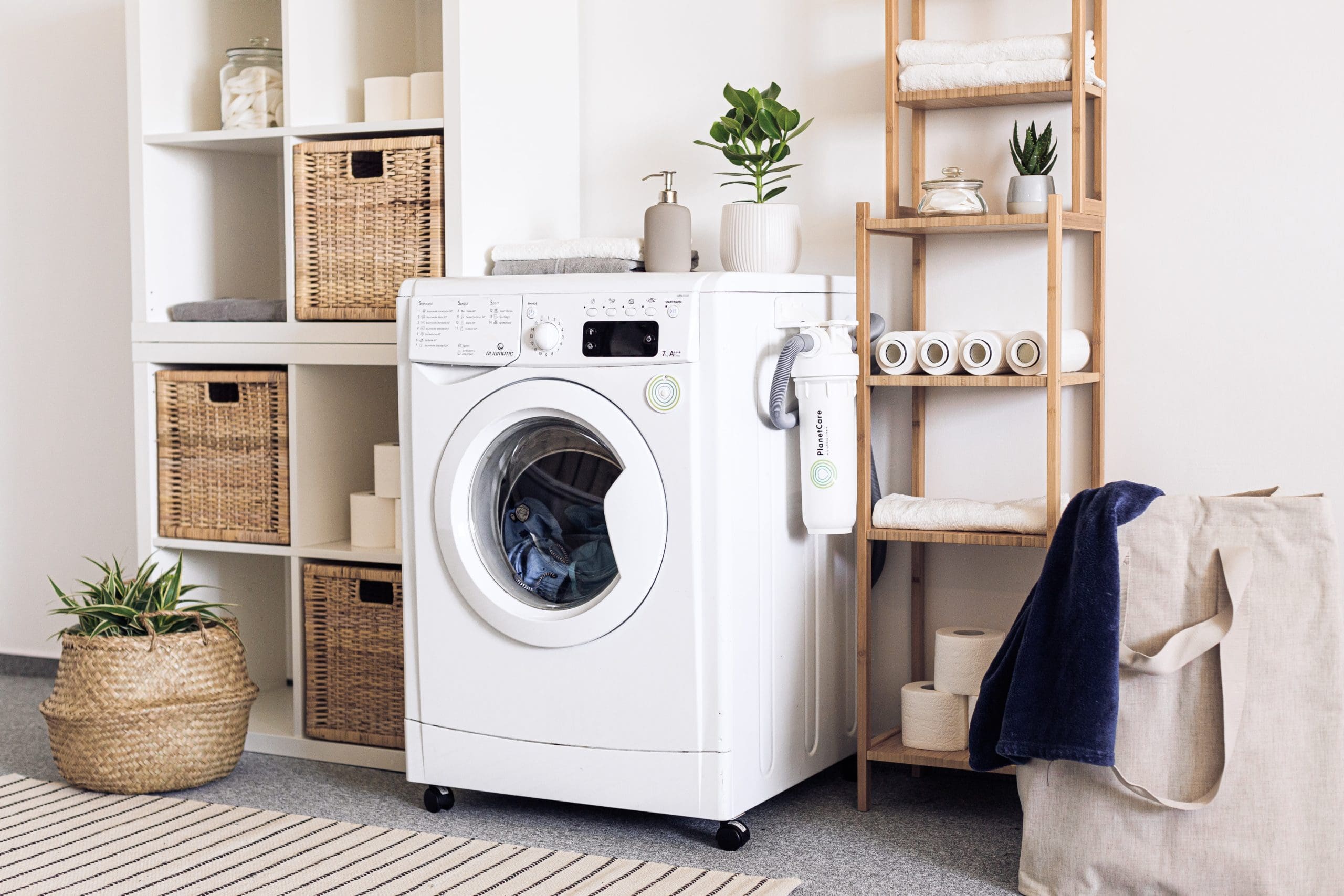
    Choose appliances with Energy Star ratings to reduce your energy consumption and lower your carbon footprint.

    2. Invest in LED lighting:

    Photo by Levi Costa on Unsplash

    LED bulbs use 75% less energy and last 25 times longer than traditional incandescent bulbs, making them a more energy-efficient and cost-effective choice.

    3. Insulate your home:

    Photo by Kirill on Unsplash

    Proper insulation can help regulate the temperature in your home and reduce your energy consumption.

    4. Consider solar power:

    Photo by Vivint Solar on Unsplash

    Solar panels can provide a renewable source of energy and significantly reduce your reliance on fossil fuels.

    5. Choose low-VOC (volatile organic compound) paints:

    Photo by Spacejoy on Unsplash

    These paints emit fewer harmful chemicals into the air, making them a healthier choice for your home.

    6. Use sustainably-sourced materials:

    Photo by Anthony Ievlev on Unsplash

    Look for materials that are recycled, recycled, or sustainably-sourced to reduce the environmental impact of your home.

    7. Incorporate plants:

    Photo by Annie Spratt on Unsplash

    Not only do plants add beauty to your home, but they also help purify the air and create a healthier living environment.

    8. Invest in a programmable thermostat:

    Photo by Erik Mclean on Unsplash

    A programmable thermostat allows you to set the temperature in your home to automatically adjust when you are not there, saving energy and money.

    9. Use natural light:

    Photo by Erick Lee Hodge on Unsplash

    Take advantage of natural light by installing skylights or using light-colored paint and fabrics to reflect light.

    10. Consider water conservation:

    Photo by Amritanshu Sikdar on Unsplash

    Install low-flow toilets and showerheads, use drought-resistant plants in your landscaping, and consider collecting rainwater for irrigation.

    By incorporating these sustainable design practices into your home, you can create a space that is both environmentally friendly and comfortable to live in.

  • Timber Deck Maintenance – Guide to Maintain Your Timber Deck

    Timber Deck Maintenance – Guide to Maintain Your Timber Deck

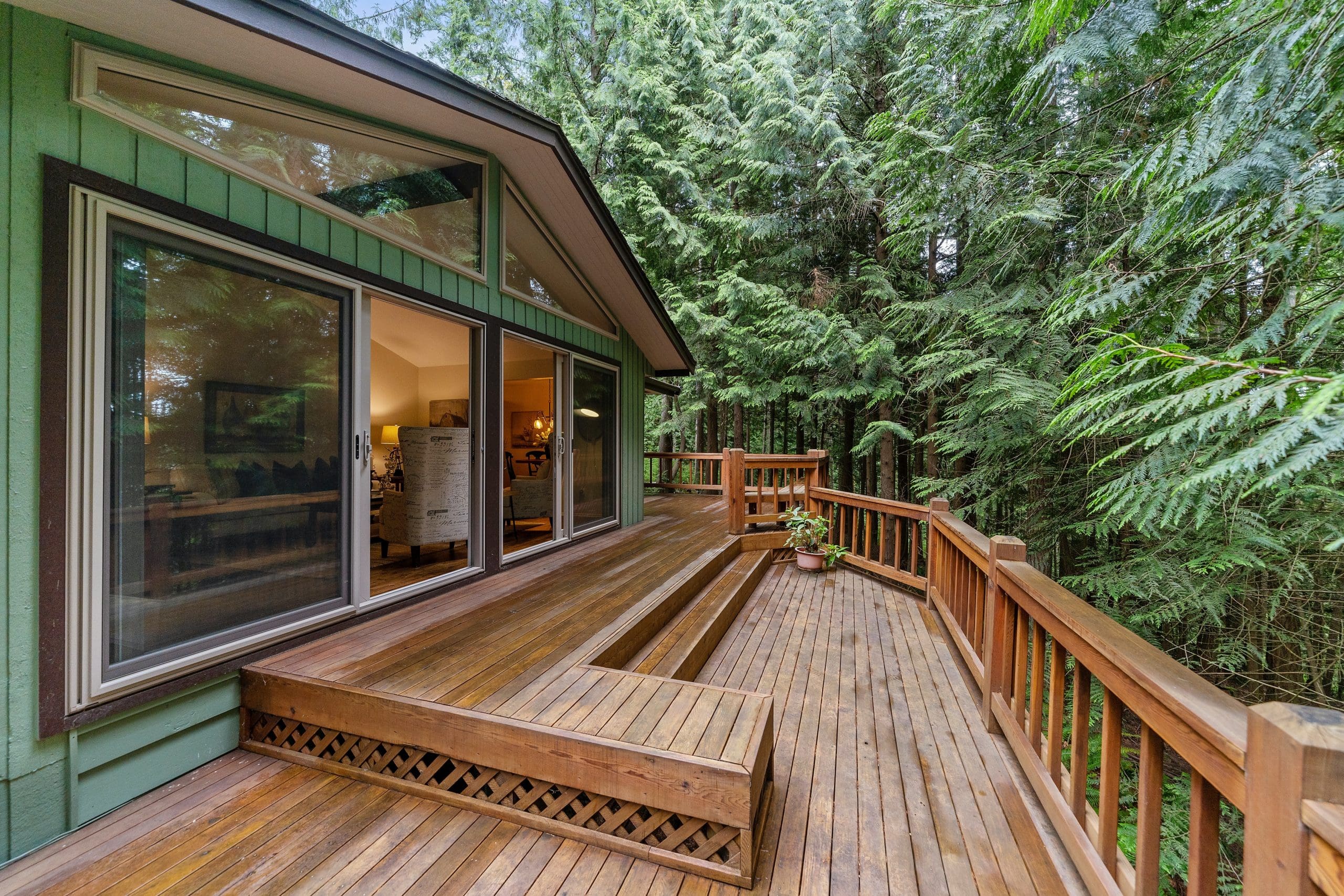
    Timber is a modest type of wood that is extensively used in outdoor spaces, furniture, patios, and landscaping. It is one of the best investments for homeowners looking to build a new house construction.

    Photo by Camylla Battani on Unsplash

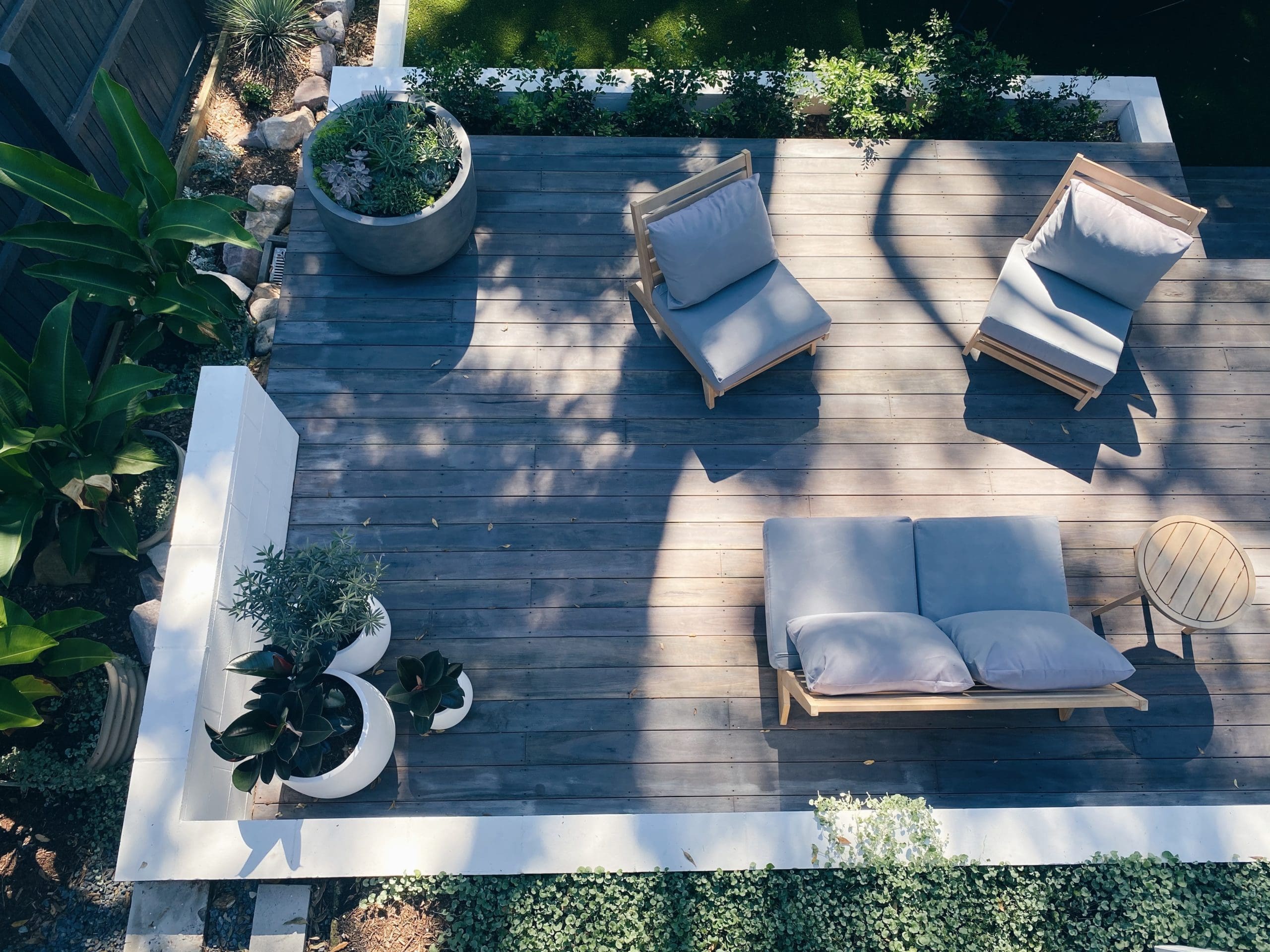
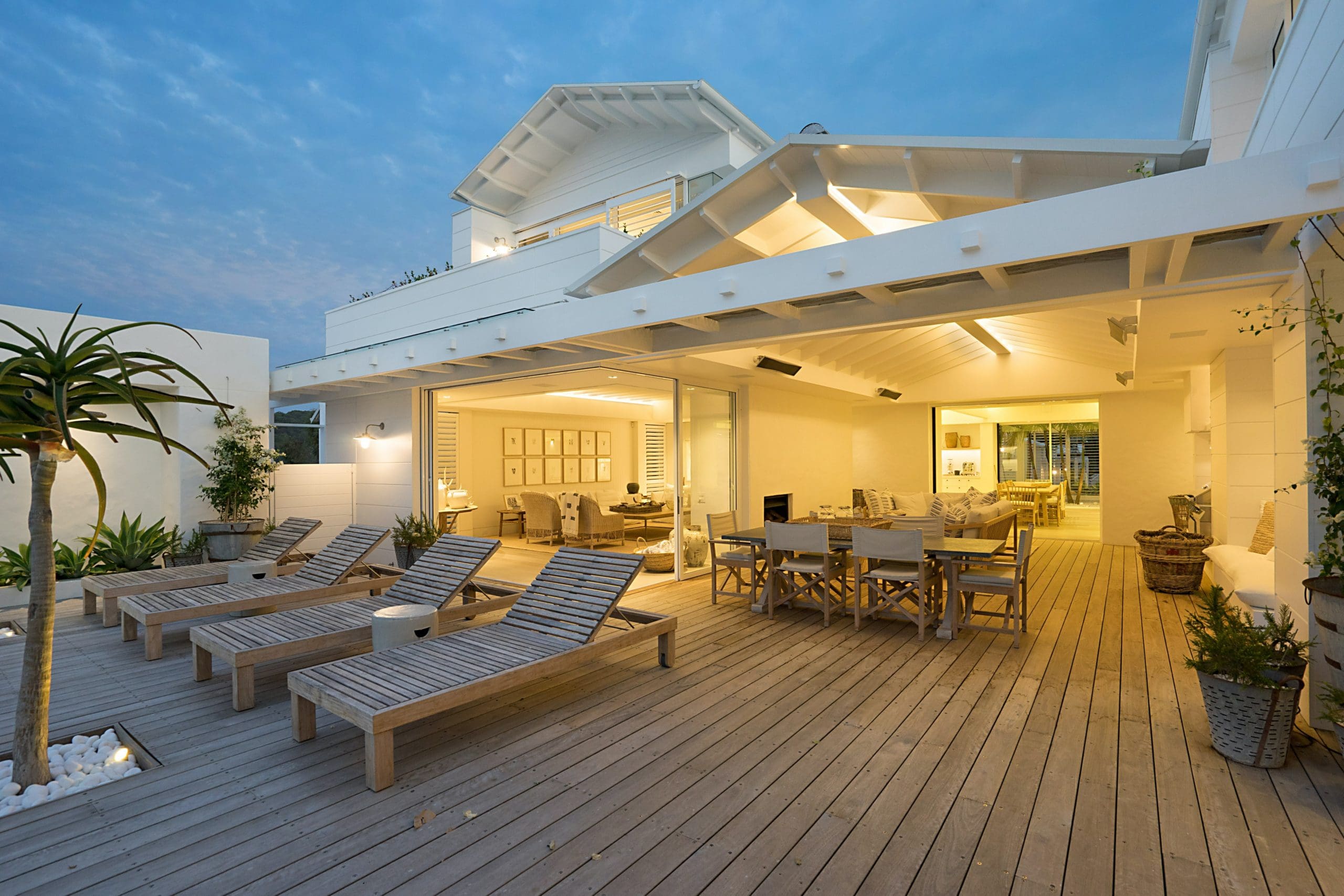
    In fact, timber decks are the best functional outdoor living space where you can relax your mind and unwind. It increases the exterior appeal of your house and provides great living space. But no matter the material choice, every material requires maintenance for its long lifespan, durability, and aesthetic appearance. Similarly, timber deck maintenance is also an important and necessary part of any modern, traditional, or custom house.

    Photo by Im3rd Media on Unsplash
    • Deck construction in Melbourne

    Timber decks are quite durable with promising strength for long-lasting. It is made from pressure-treated wood that can even withstand wet and icy weather or climatic conditions. Deck construction in Melbourne requires treated lumber, composite material, composite lumber, and aluminium. You can extend your house living space and enhance the exterior appeal easily. 

    You can consider decking construction in Melbourne as the best addition to your backyard. It is a perfect alternative to the stone features in your garden. Here you will learn about some maintenance tips, wear and tear reasons, and the importance of maintaining timber decks. 

    Photo by Cameron Smith on Unsplash
    • Why should one maintain the timber deck?

    Maintaining a timber deck requires strenuous efforts from your end. You should select the best timber for decking as it adds some value to your existing property and enhances aesthetic appeal. Here are a few reasons to maintain a timber deck:

    • Enhance property value – It is a natural extension to your house, and you can improve the fencing and increase property value and street appeal. The decks are built for a perfect landscape appearance. It is a perfect place for meetings, discussions, get-togethers, and spending some quality time with your family. The timber decks attract many buyers that are ready to purchase your property without negotiation at a quoted price. 
    • Health and safety reasons – Rainwater can cause mould, mildew, and algae to form at the surface and make it slippery. Senior citizens and kids might slip over it and get injuried. Timber deck maintenance will help avoid such problems in your house. 
    • Lifespan – Proper care and maintenance will improve the lifespan of your timber decks. You can clean the stains and protect them from harsh weather to avoid early damage and reduced lifespan. 
    Photo by Greg Rivers on Unsplash

    Small maintenance checks can ensure the long life of your timber deck. You can get a regular inspection of the deck and get it repaired by professional experts. Ensure that the wood doesn’t rot or develop cracks for instant replacement or repair. 

    • What are the reasons that cause wear and tear to the decks?

    The timber deck can be affected and get damaged for various reasons. Outdoor space is more prone to climatic and weather changes. You can use plastic timber decking for weatherproof outdoor space. Any wooden furniture, decks, or structures have the chance to get damaged from rainwater and the sun’s heat. 

    The splintered wood and holes are also the major reason for the wear and tear of the deck. Holes can be a great shelter for the wood insects or termites present in garden or backyard areas. Wood decays as the insects make the wood hollow from the inside. Sometimes heavy weight over the decks can develop cracks and make the deck inefficient for long-term use. 

    Photo by Jessie McCall on Unsplash
    • 5 Ways How To Maintain Timber Deck

    A timber deck can be maintained with perfect style and you can also prefer plastic timber decking for waterproofing. It can improve the lifespan of your timber deck and make it easy to maintain for the long term. 

    1. Regular cleaning – Regular cleaning doesn’t allow any dirt, dust, and debris to accumulate and make the place messy. You can regularly clean the surface to keep it safe and in perfect condition. 
    1. Inspection – It is quite important to regularly check and inspect your timber deck. You can get your timber deck inspected and get it repaired at its initial stage. 
    1. Paint or stain the timber – You can paint and stain the best timber for decking with attractive shades. Paint a fresh colour or deep stain to make the timber deck look beautiful. 
    1. Avoid wear and tear – It is best to protect the timber deck from any wear and tear. You can avoid any moisture damage for further long-term use. 
    1. Make necessary repairs – If you notice any minor damage in the timber deck, make necessary repairs as soon as possible. 
    Photo by Greg Rivers on Unsplash

    Timber decks look perfect and provide proper structural integrity and finish to your garden. Deck maintenance is quite necessary for proper usage and sustainability. The average deck maintenance cost ranges from $500 to $2500, which is quite affordable. Contact the best professional for inspection, repair, and maintenance tasks.