When furnishing your kitchen island, home bar, or commercial space, choosing between metal and wooden bar stools is one of the most important decisions you’ll make. Both materials have passionate advocates, but when it comes to durability and longevity—how long your investment will actually last—the comparison becomes particularly relevant. You want seating that looks great on day one and continues performing well years down the line, not furniture that requires replacement after minimal use.
If you’re considering a metal bar stool versus a wooden alternative, understanding the realistic lifespan, maintenance requirements, and durability factors of each material helps you make an informed choice that balances aesthetics, budget, and practical performance for your specific needs.
The Lifespan Expectations
Metal Bar Stools: Built to Last Decades
Quality metal bar stools, particularly those constructed from steel or aluminum, can easily last 15-20 years or more with proper care. Commercial-grade metal stools used in restaurants and bars often remain functional for decades despite heavy daily use. The metal frame doesn’t deteriorate from moisture exposure, resists warping and cracking, maintains structural integrity under weight stress, and isn’t susceptible to pest damage like termites or wood-boring insects.
Even when metal stools show signs of age, it’s typically cosmetic—faded finish or surface rust—rather than structural. These cosmetic issues can often be addressed with refinishing, extending the stool’s functional life even further.
Wooden Bar Stools: Variable Longevity
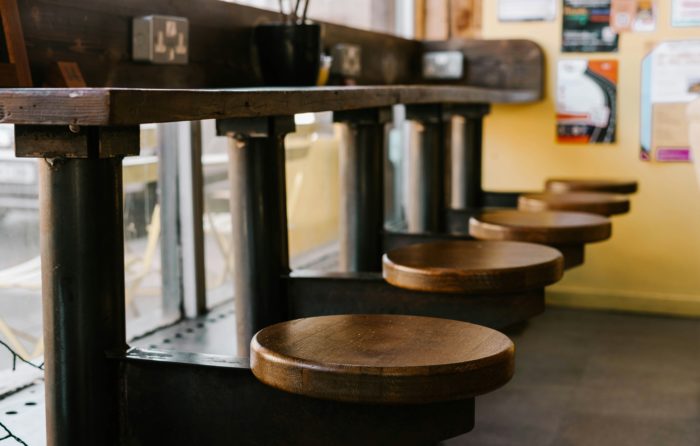
Wooden bar stools’ lifespan varies dramatically based on wood quality and construction. Solid hardwood stools (oak, maple, walnut) can last 15-20 years or more with proper care. However, many wooden bar stools are constructed from softer woods or engineered materials that may only last 5-10 years, especially in high-traffic environments.
Wood is inherently more vulnerable to environmental factors including moisture damage and warping, cracking from temperature fluctuations, pest infestation, and structural loosening as joints dry and shrink. While well-maintained hardwood stools can rival metal’s longevity, the margin for error is smaller.
Durability Under Different Use Conditions
High-Traffic Commercial Environments
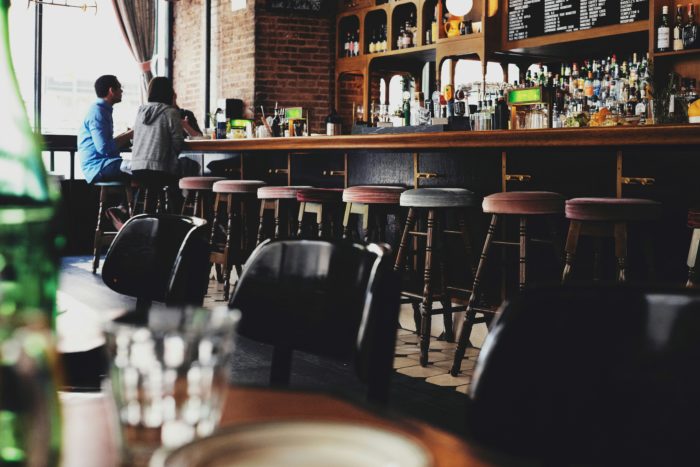
In restaurants, bars, and commercial settings where stools see constant use, metal demonstrably outperforms wood. The repetitive stress of customers sitting and standing, dragging stools across floors, and general heavy use takes a toll that metal withstands better. Metal joints don’t loosen over time the way wooden joinery can, and metal frames don’t crack or split under stress.
Commercial furniture buyers overwhelmingly choose metal for this reason—the long-term cost of ownership is lower despite potentially higher initial investment.
Residential Kitchens and Home Bars
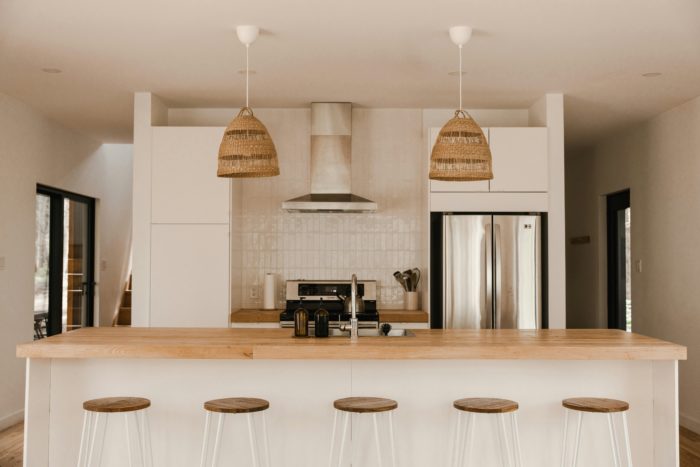
In residential settings with moderate use, both materials can perform excellently for many years. The choice becomes more about aesthetics and specific household factors. Homes with children might benefit from metal’s superior impact resistance, as dropped toys and rough play are less likely to damage metal frames. Conversely, homes prioritizing warmth and traditional aesthetics might accept wood’s maintenance requirements for its visual appeal.
Outdoor and Covered Patio Use
For outdoor or semi-outdoor locations, metal has a clear advantage—particularly powder-coated steel or aluminum designed for exterior use. These materials resist moisture, temperature extremes, and UV exposure far better than wood, which requires extensive treatment and regular maintenance to survive outdoor conditions without deteriorating.
Maintenance Requirements: The Hidden Cost
Metal Bar Stool Maintenance
Metal stools require minimal ongoing maintenance. Periodic cleaning with appropriate cleaners, occasional tightening of bolts and screws, and touch-up of scratched finishes when needed constitute the entire maintenance regimen. Even this minimal care can be neglected somewhat without catastrophic consequences—metal stools tolerate benign neglect better than wood.
Powder-coated finishes are particularly low-maintenance, resisting scratches, chips, and corrosion while requiring only occasional wiping down.
Wooden Bar Stool Maintenance
Wood demands more attention. To maintain appearance and structural integrity, you should regularly oil or condition wood to prevent drying, tighten joints as they loosen with seasonal humidity changes, refinish surfaces as they wear or scratch, protect from moisture and spills that can cause staining or warping, and address pest issues if they arise.
This maintenance isn’t necessarily difficult, but it requires consistency. Neglected wooden stools deteriorate noticeably faster than metal ones.
Weight Capacity and Structural Integrity
Load-Bearing Capabilities
Metal bar stools typically support more weight than wooden alternatives. Quality metal stools routinely support 300-500 pounds, while wooden stools typically max out at 250-350 pounds depending on construction. For commercial use or homes with larger individuals, metal’s superior weight capacity provides peace of mind and reduces liability concerns.
Resistance to Structural Failure
The failure modes differ significantly between materials. When wooden stools fail, it’s often catastrophic—a leg breaks, a joint separates, or the seat cracks—creating immediate safety hazards. Metal stools give more warning signs: gradual loosening, visible bending, or progressive wearing that alerts you to problems before complete failure.
Climate and Environmental Considerations
Humidity and Temperature Fluctuations
Wood expands and contracts with humidity changes, causing joints to loosen and tight-fitting parts to bind. In climates with significant seasonal humidity variations, this movement can gradually degrade wooden stools. Metal remains dimensionally stable regardless of humidity, maintaining consistent fit and finish year-round.
Moisture Resistance
Spills, wet swimsuits, or even ambient moisture from cooking affect wood more severely than metal. While quality wooden stools can be sealed against moisture, the protection isn’t absolute and requires periodic renewal. Metal stools—especially those with powder-coated or painted finishes—resist moisture damage inherently.
Repairability and Refinishing
Metal Stool Restoration
Metal stools can be refinished relatively easily when cosmetic issues arise. Sandblasting or grinding removes old finishes, new powder coating or paint refreshes appearance, and welding can repair structural damage. A 15-year-old metal stool can be restored to near-new condition at modest cost.
Wooden Stool Refinishing
Wood also refinishes well—sanding and restaining can dramatically refresh appearance. However, structural repairs are more challenging. Broken wood components often require replacement rather than repair, and matching wood species, grain, and finish to original materials can be difficult.
Making the Right Choice for Your Needs
The durability comparison ultimately favors metal bar stools for longevity and low-maintenance performance, particularly in high-use environments. However, wooden stools remain viable options for specific aesthetic preferences and lower-traffic residential applications.
When shopping for durable seating, retailers like Seats and Stools offer both metal and wooden options, allowing you to examine construction quality, compare warranties, and select materials appropriate for your specific use case. Quality matters regardless of material—well-constructed wooden stools outlast poorly-made metal ones, and vice versa.
Consider your environment, usage patterns, and maintenance willingness honestly. If you need maximum durability with minimal upkeep, metal’s advantages are substantial. If aesthetics are paramount and you’re committed to proper maintenance, quality wooden stools can serve you well for many years.