Blog

  • A Foundation in Furnishings – 7 Tips For Taking Care of a New Lounge Suite

    A Foundation in Furnishings – 7 Tips For Taking Care of a New Lounge Suite

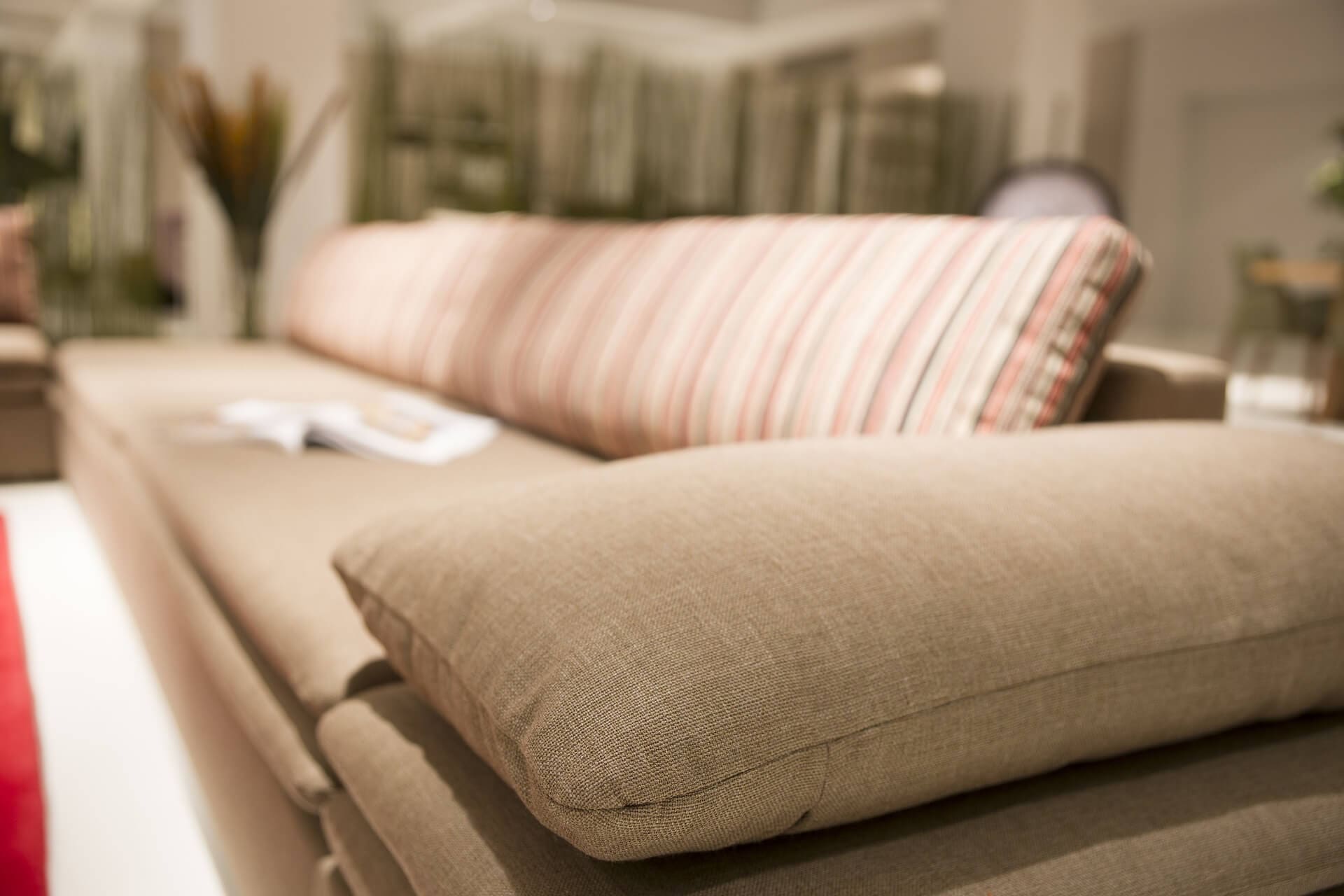
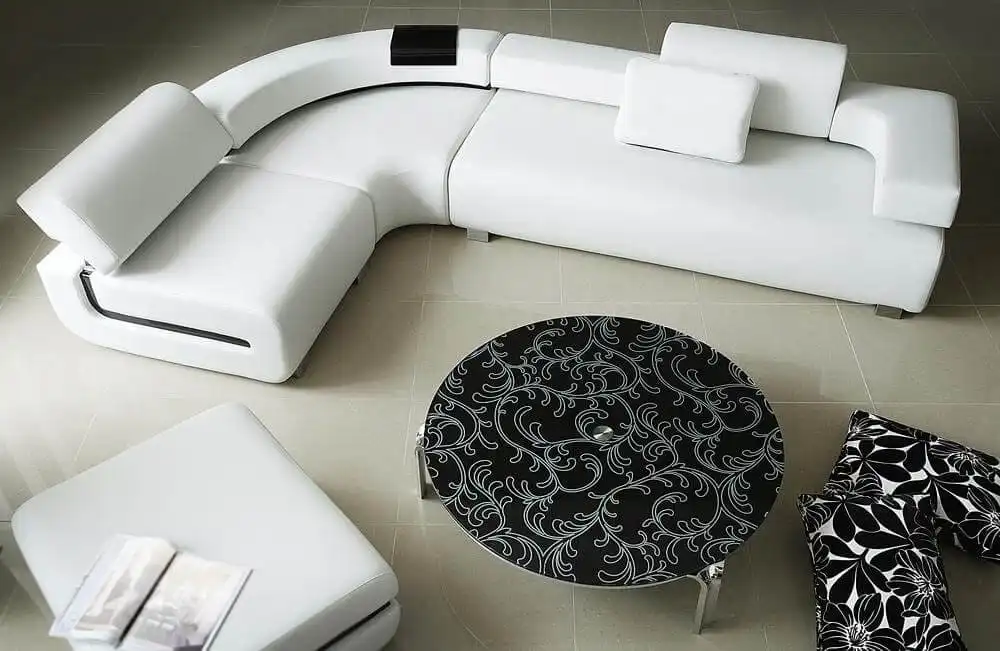
    Ah, the lounge room. The place where you come home to after a hard day’s work, kick off those shoes and sit back and relax. Put on some Netflix and have a glass of wine and snuggle up to that special someone. And you’ve just purchased a brand new lounge suite. You’re going to want to keep it looking spick and span. Let’s check out seven different ways you can take care of that new suite.

    Leather Care
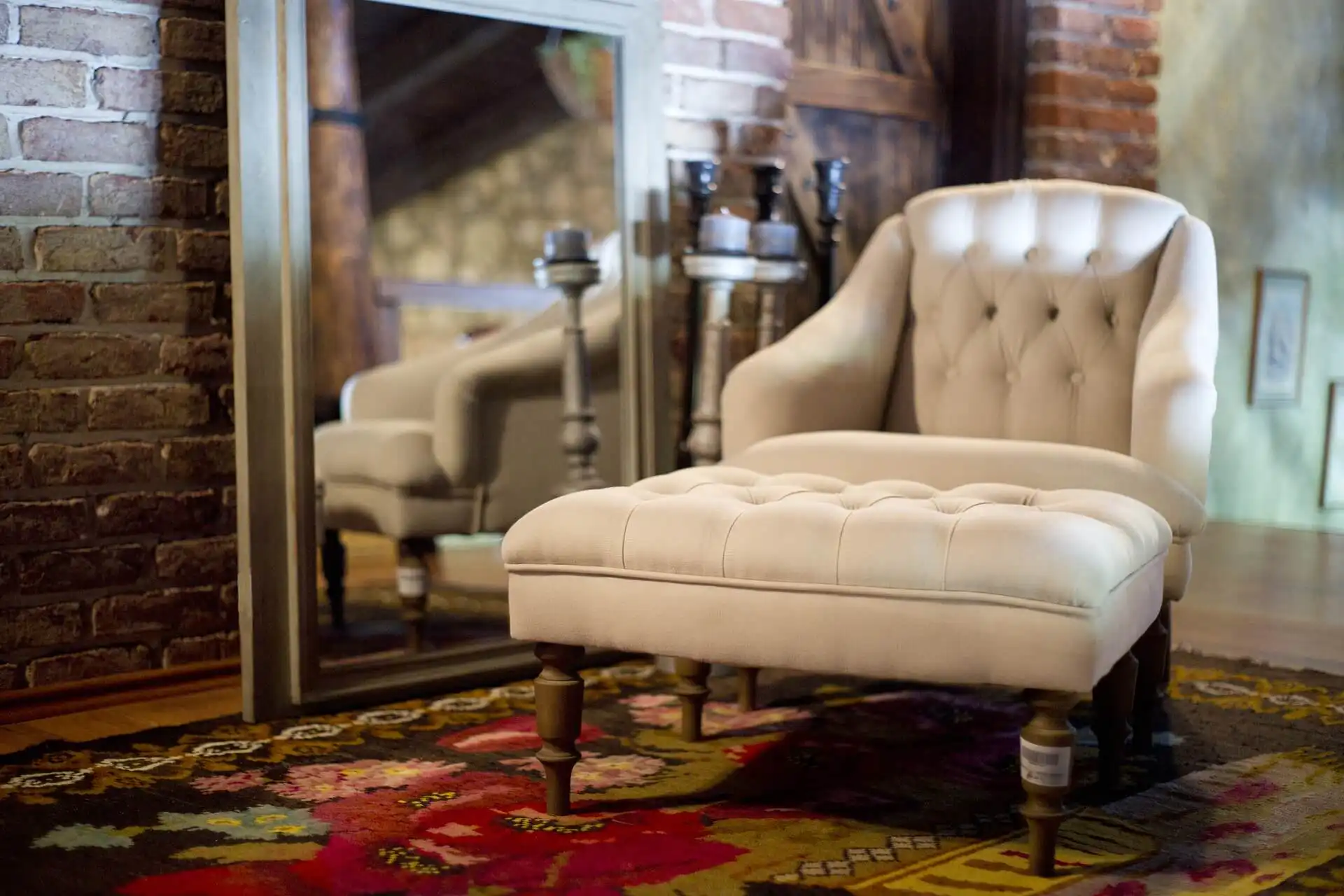
    Let’s say you’ve purchased that brand new leather lounge suites. Leather looks great, is as comfy as can be and is totally luxurious, but it requires some care and attention. In order to keep that leather feeling soft and smooth, don’t use any abrasives, solvents or detergents to clean it. Use a specialised leather cleaner and a slightly damp cloth to wipe it down. Do this once a week or once a fortnight. Don’t leave it any longer than that.

    Pets Off!
    While we all love our four-legged friends, they’re bad news when it comes to keeping a lounge suite looking great. Paws and claws can scratch and mar a perfect looking couch and armchair set, leaving it looking shabby and damaged. Lay down the law and ensure that your pets know their place – on the floor. By all means get them a comfortable bed or cushion so they don’t feel left out.

    In Case of Stains
    Accidents happen, we know. Instead of freaking out, there’s a few steps you can take if your new lounge suite sustains a stain. If it’s an oily type of stain – for example, from chocolate, fats, makeup or a drink, dab the area lightly with a paper towel at first. Then get some neutral soap and a damp, clean cloth and wipe it from the outside in. Dry it with a dry cloth. Take care not to use heaps of pressure, as this can push the stain into the leather.

    A Word on Heat
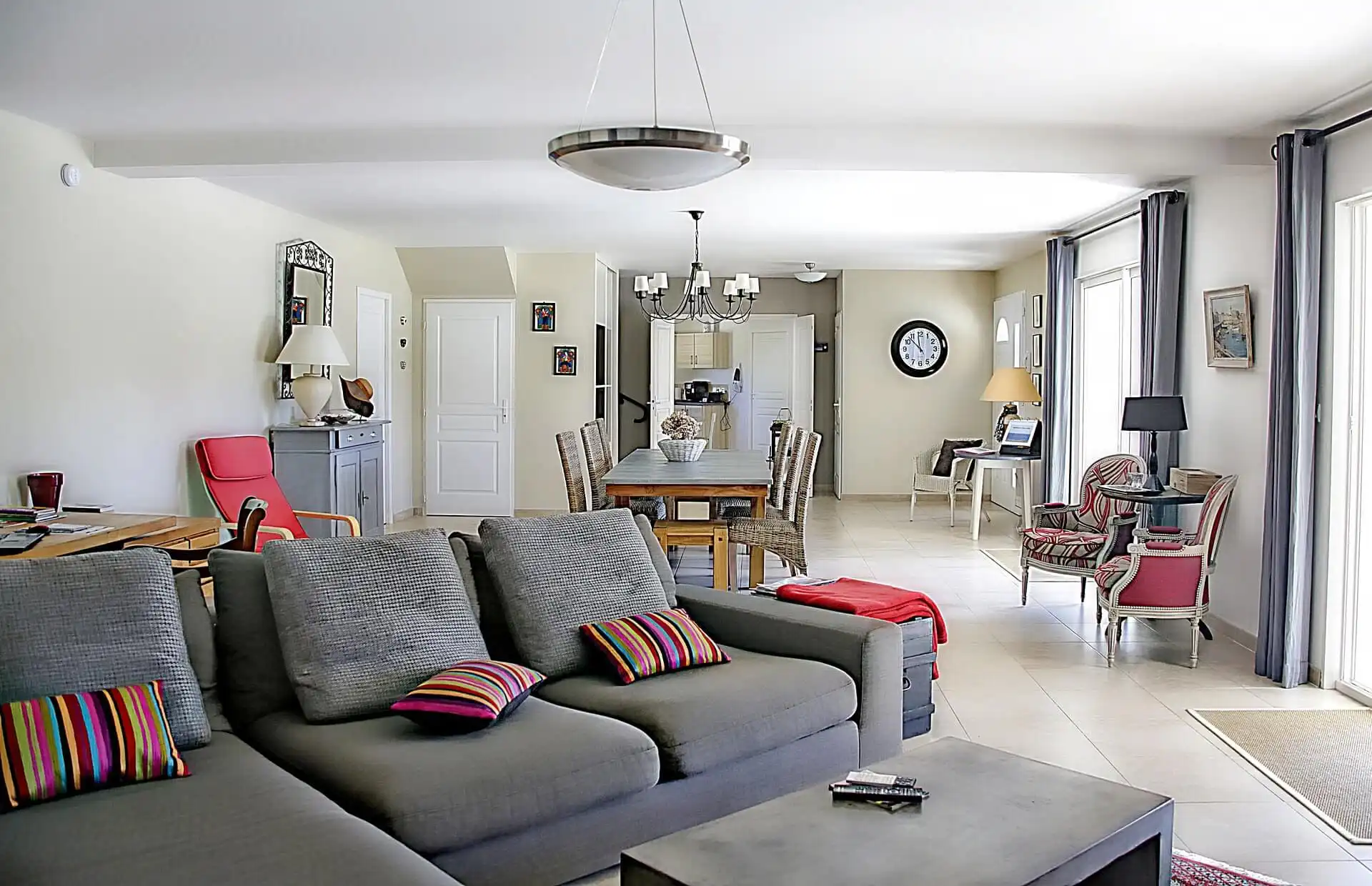
    Heat is not your new lounge suite’s friend. Keep it away from direct heat sources – such as heating ducts and split systems and wall heaters. Also, keep it away from direct sunlight. Place it in the room so it’s not in the path of the sun coming through the windows. Heat sources can fade and wear the leather or fabric, leaving it faded and sorry-looking.

    Don’t Dry Clean or Machine Wash
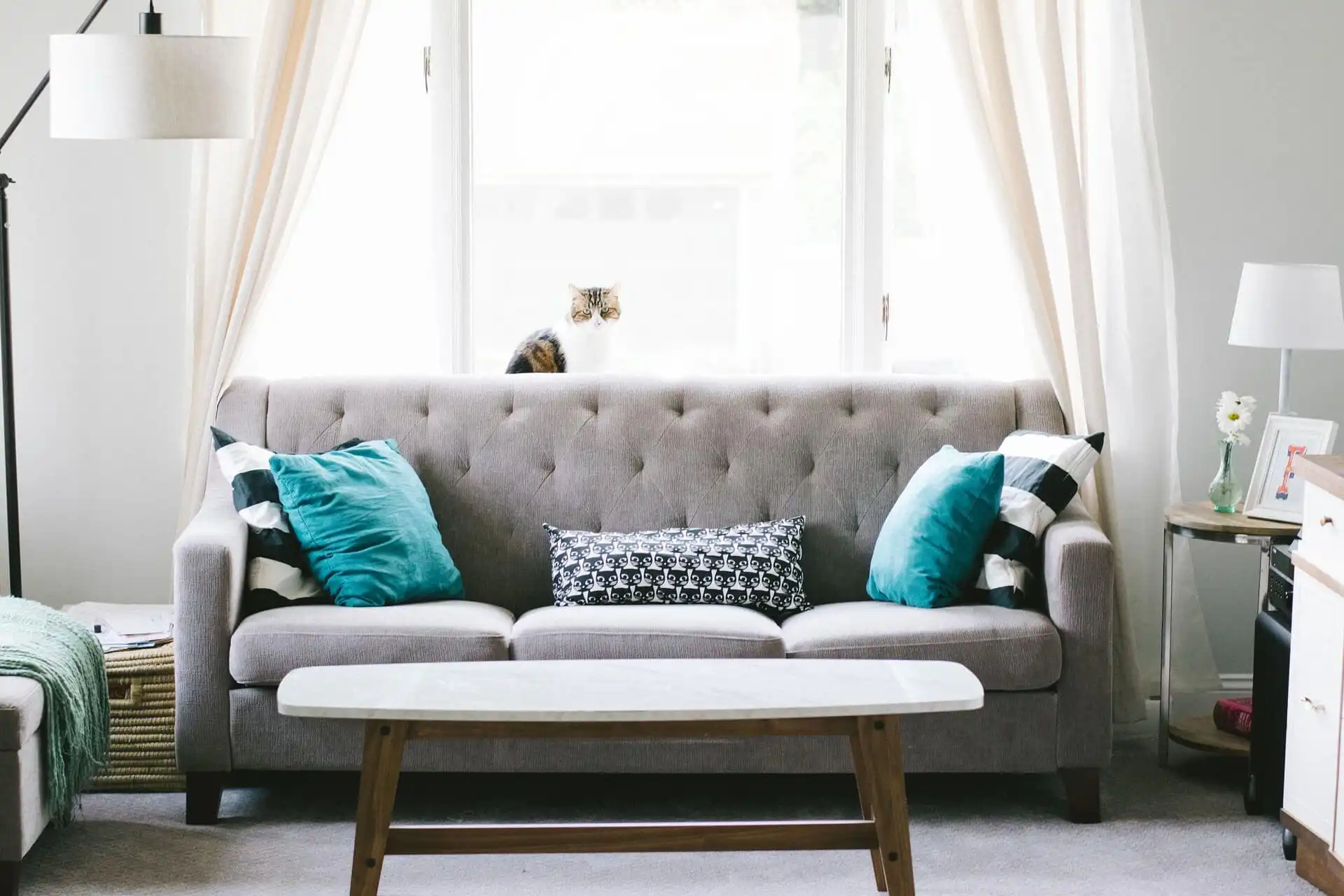
    This tip is self-explanatory. Keep your suite and cushions away from the washing machine and clean them by hand!

    Vacuum and Dust

    Make sure to vacuum the suite regularly, paying attention to both the surface and below the cushions. Use the soft, brushy vacuum head to suck up all that dirt and dust that accumulates week-in, week-out.

    Follow the Manufacturer’s Instructions
    When in doubt, break out the owner’s manual, which will give you a list of do’s and dont’s for your new furnishings.

    Be Careful with Food and Drinks
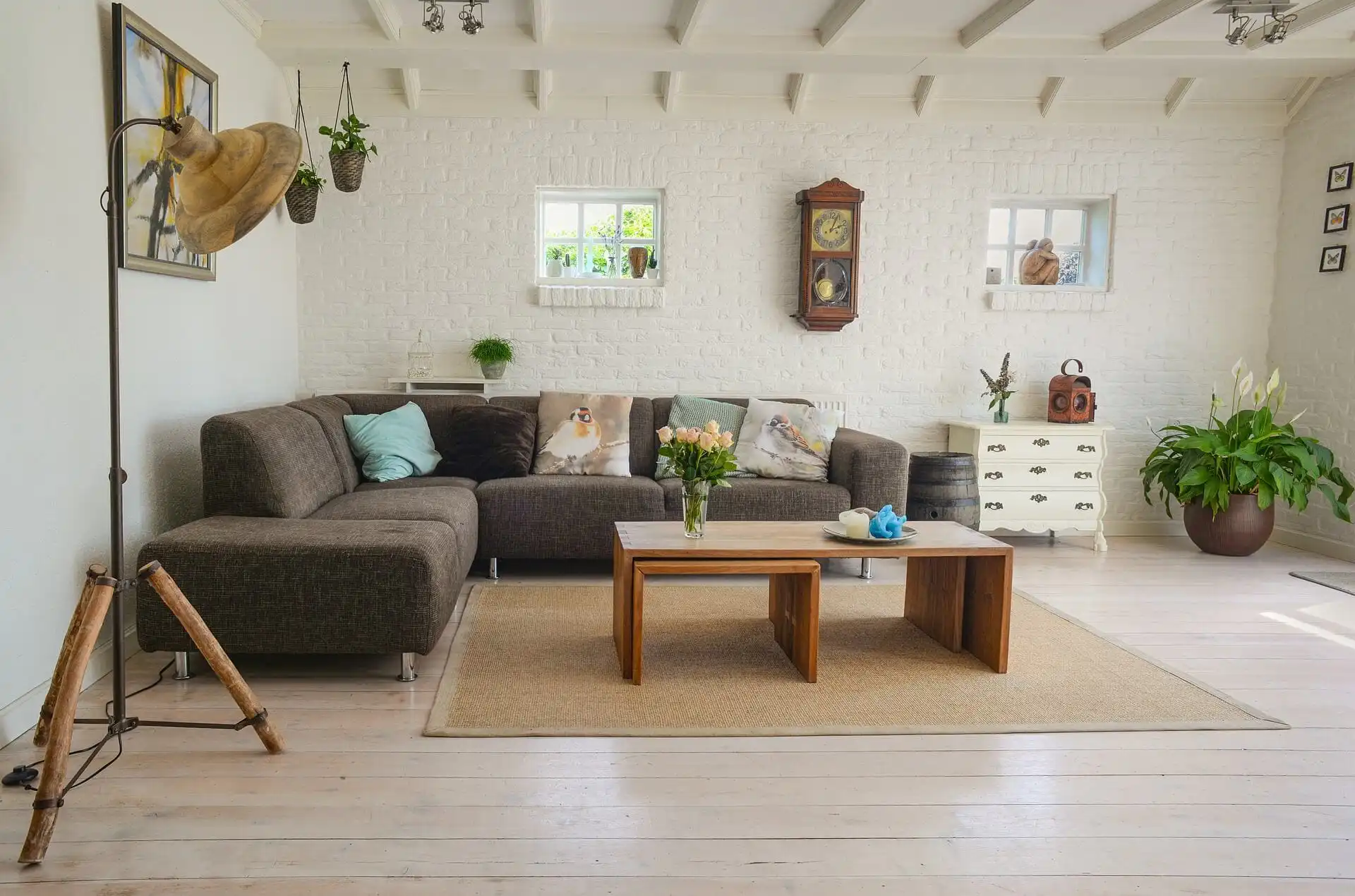
    This is self-explanatory, but if you insist on enjoying a beverage and a snack while relaxing on your new suite, take care. If you really want to preserve it for a long time, take your meals and drinks at the dining room table.

    In Summary

    To conclude, always be careful when eating and drinking on or new your new lounge furnishings. Be sure to read the manual and paperwork that comes with the lounge suite and always follow the manufacturer’s instructions. Never dry clean or machine wash the cushions, fabric or leather and keep it away from heat sources.
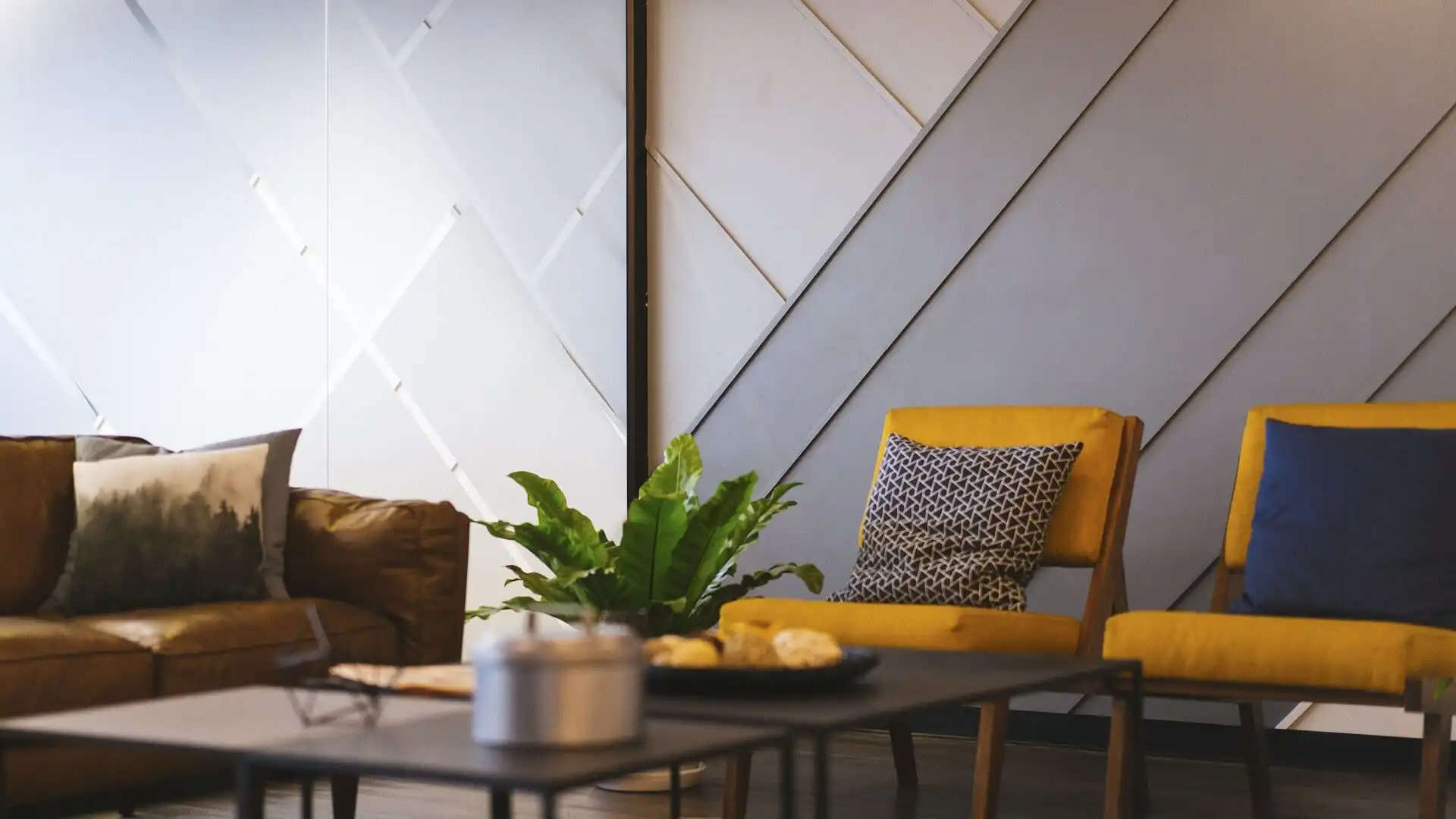
    Make sure your furry friends have their own cushion or bed to chill out on, and use a proper leather cleaner to clean any leather. Finally, if you do stain it, follow the instructions above to avoid a lasting blemish! Enjoy and relax.
  • 5 advantages of owning an aluminium front door

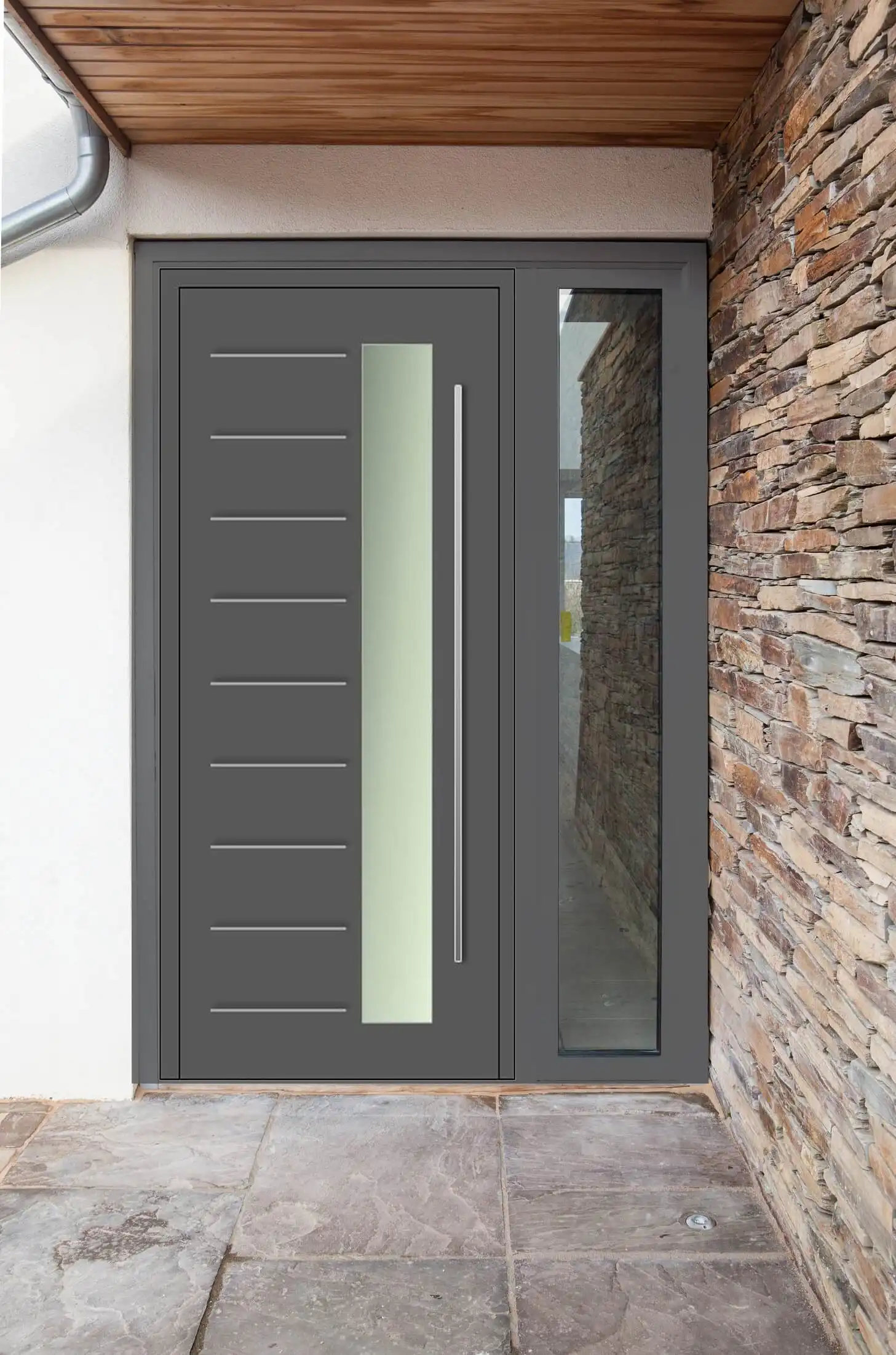
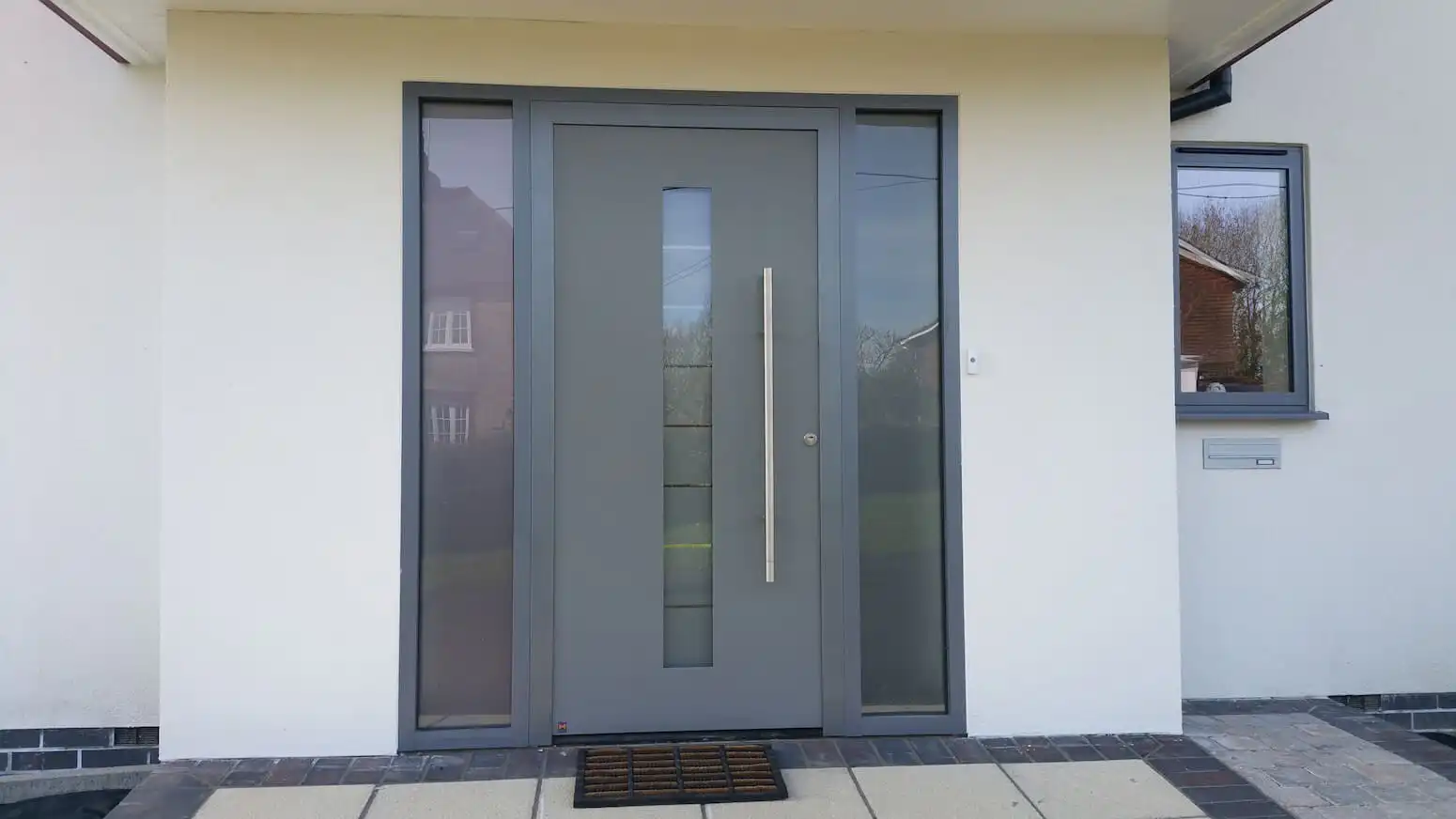
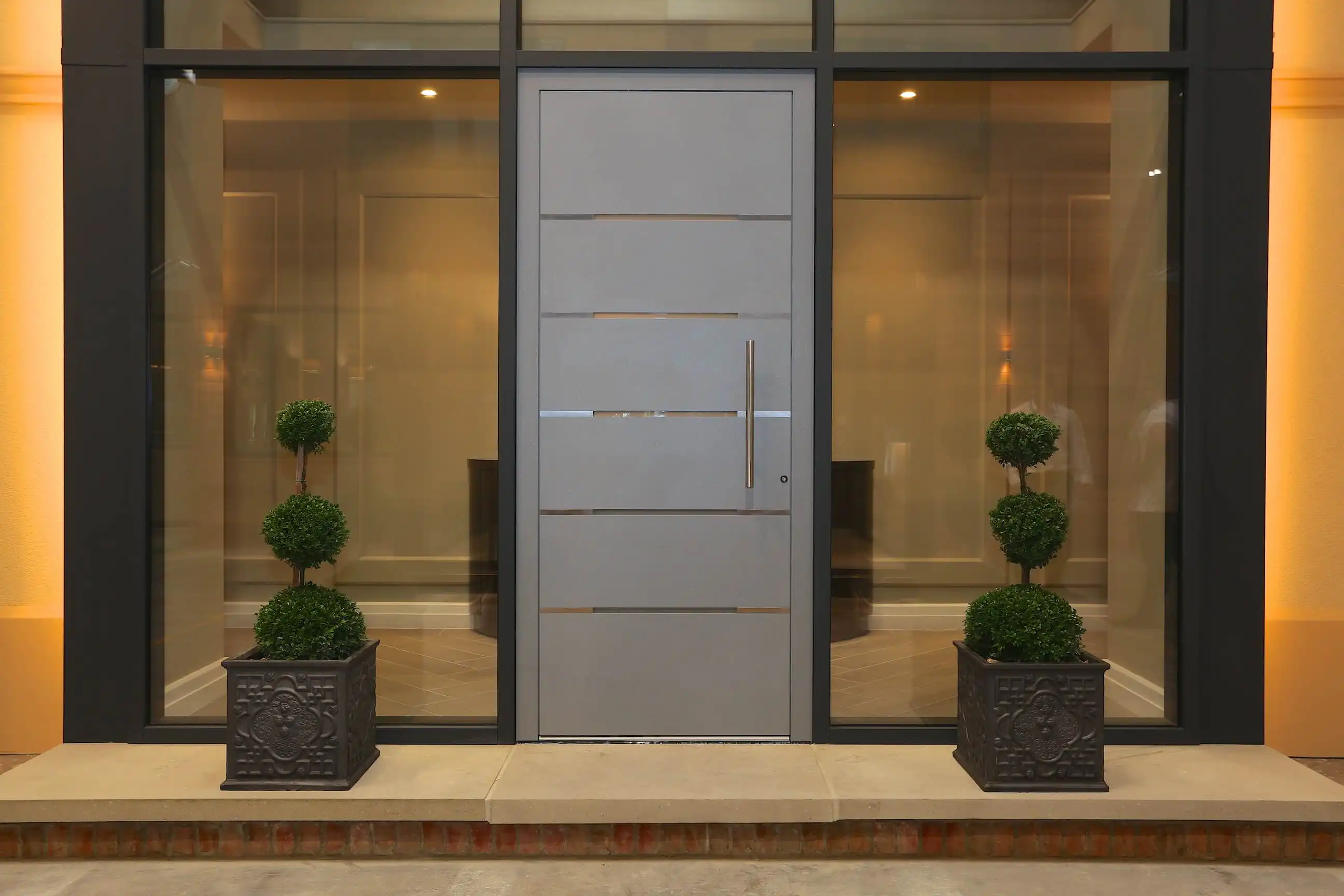
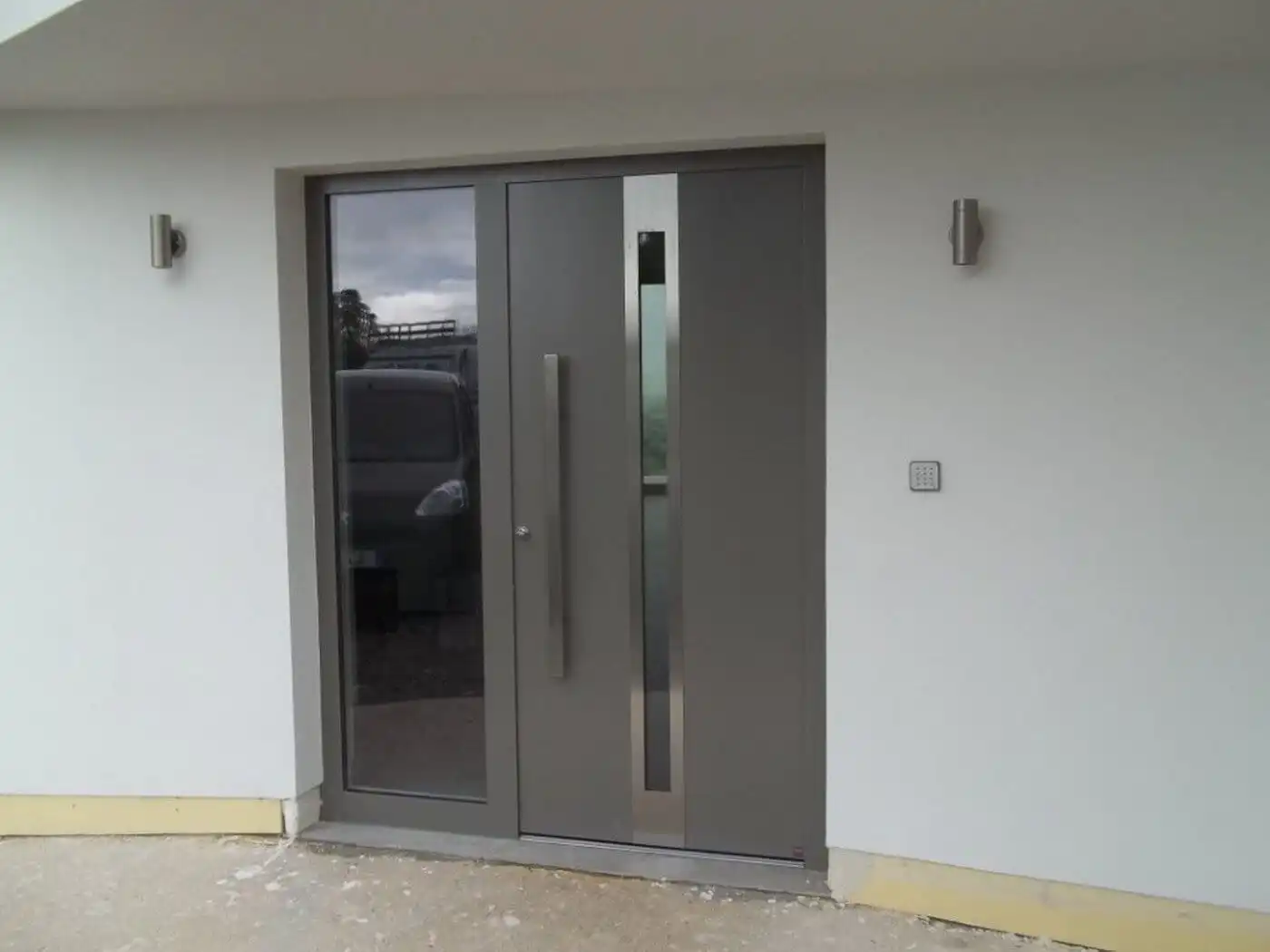
    5 advantages of owning an aluminium front door

    Choosing a new door for your home is quite a big issue; it is one of the first things your visitors and neighbours will see, and it is something you are going to open and close every day.

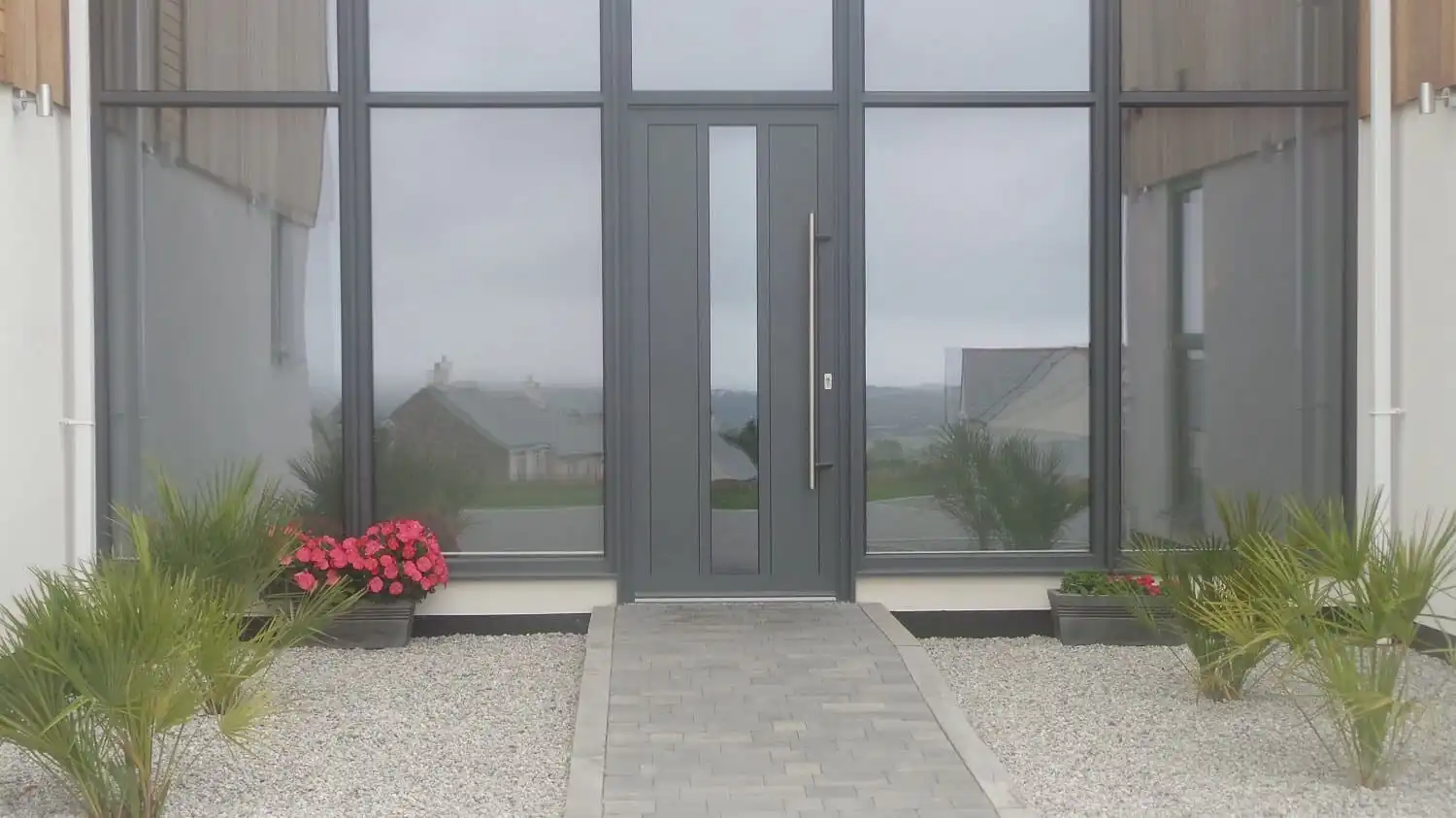
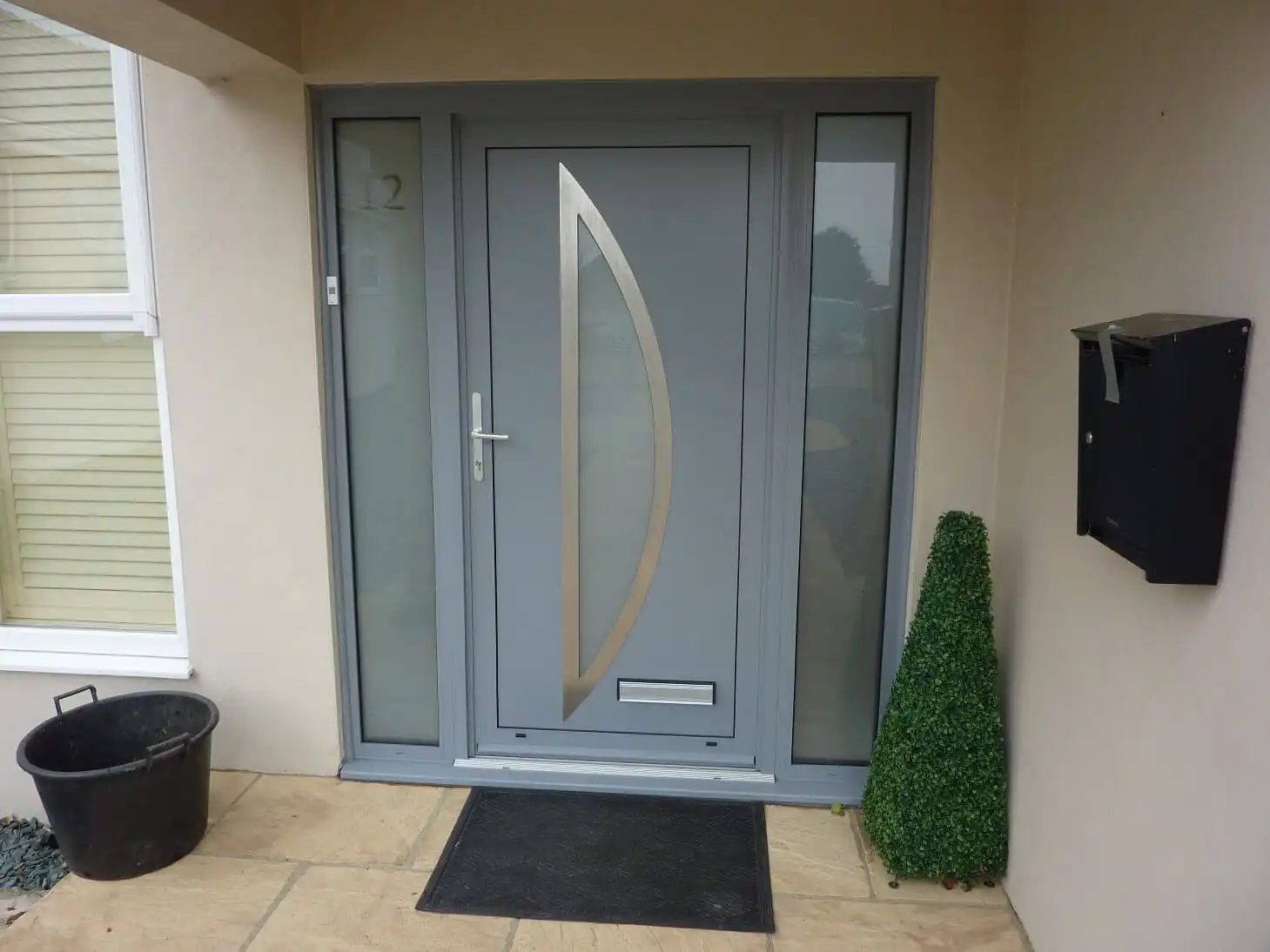
    There are also a range of styles and materials to choose from, making the situation even more complex. Thankfully, this article highlights the top 5 advantages of owning an aluminium front door and why this should be your choice for your next front door.

    1. High thermal insulation

    Aluminium doors have higher thermal insulation, meaning you can save money on your energy bills!

    Yes, you heard that correctly, they allow for optimal levels of insulation to be achieved all year round due to the method of manufacturing. The door leaves are placed on the glazing and the leaf profile is reinforced with carbon glass fibre, which helps to keep out draughts by preventing thermal bridges and maintaining the warmth of your home.

    Those who like plenty of daylight to come into their home, but don’t want to compromise on insulation can opt for a glass front door with an aluminium profile – which offers a welcoming entrance and delivers on insulation.

    1. High security

    Everyone wants to feel safe in the comfort of their own home, and an aluminium front door allows you to do just that. They are tough, sturdy and are usually manufactured with multiple-point locking which helps protect against forced entry.

    To put your mind at ease even further, reputable aluminium door providers will provide the option of break in resistant RC equipment to give you even more security. This, combined with 8mm think laminated safety glass (if you opt for a window aluminium door), will make forced entry near impossible. In case of an attempted breakage, the glass splinters also remain on the plastic film, preventing hazardous injuries

    1. High acoustic insulation

    Superior to plastic and timber doors, aluminium doors deliver acoustic insulation when you need it most. The thick insulation and laminated glass help to keep noises at bay, which is very useful if you live on a busy main road with high volumes of traffic. Keeping out loud exterior noises means you can enjoy a more peaceful home experience with your family and friends.

    1. High stability

    Aluminium front doors from reputable companies use their expertise to create unique products which undergo endurance tests in real-life conditions, so you can be assured of a durable and stable aluminium front door. Most come with a 5 year guarantee, and in some instances come with a 10 year guarantee – so you know they will last and are made with quality.

    1. Stylish

    Modern style dictates that aluminium doors are fashionable. Their durability means that they look new for years, and the contemporary design offers a stylish entrance which will impress your family and guests.

    Glaze finishes and colour options are available, allowing you to personalise your front door to your requirements. Side elements and transom lights can also make your aluminium door unique – so don’t be surprised if your neighbours start asking where you got your new front door from!


  • Focus Features: Finding Space for a Statement Piece

    Focus Features: Finding Space for a Statement Piece

    If you’ve been considering adding a focus feature to your home, there are a few design questions you should ask yourself. Features can vary from accent walls to sculptures to fountains, and the best option is the one that fits your home’s design aesthetic. It’s important to consider the overall plan for the space and choose something that suits the other design elements of the room. No matter what you’re considering adding, read on to discover easy ways to find a feature that will fit right in to your home.

    Accent Walls and Decals

    If you’re looking to repaint, adding an accent wall or wall decal is an easy way to brighten up a boring space and take the art and furniture in a room to the next level. It doesn’t need to be bright red to be effective, it only needs to offset the color palette of the room enough to create an interesting contrast. This can be an off white wall in a room of color, or a darker shade of the room’s color on a back wall to give the illusion of space. Wall decals and painted patterns are also a great way to give character to a blank wall. Images of birds and plants can be an interesting feature in an urban space, of to the opposite effect, brick details can create structure in a more whimsical space.

    Fountains and Water Features

    A fountain is a deceptively simple way to add elegance and motion to a room in a way that’s noticeable but not distracting. The sound of running water can be a great addition to a home office to help with concentration, or to a yoga or meditation space for a sense of calm. Fountains can be freestanding or wall mounted, and depending on the size and nature of the room, either could be the right choice. Look at what open space you want to fill, and there’s almost certainly a fountain to suit your taste and design needs.

    Sculptures and Standing Art

    Sculptures are a fantastic way to break up a broad space and give dimension to simple open areas. They’re a better option for homes without little kids running around, but can be more kid friendly, especially if they’re not sharp metal or hard stone. If you’re considering adding a sculpture to your home, make sure you find one that’s the right height so as not to make ceilings look lower. To get the most out of a focus feature, it’s also a good idea not to simply drop it in the middle of the room, but to place it strategically in a spot that’s hard to miss, but that can still easily blend into a design landscape.

    No matter what you’re considering as a focus feature, with a bit of creativity and good judgment, there’s plenty of success to be had. Take an honest look at your space, needs, and means, and do some research to find out what best suits your situation. A little change can go a long way!


  • Ideas For Lighting The Decking Area In Your Yard

    Ideas For Lighting The Decking Area In Your Yard

    Your backyard is your space to enjoy the outside away from the hustle, bustle and hassle of the rest of the world. Your yard may already have decking fitted; it was a particular popular optional extra just 10 – 15 years ago. In fact, the trend hasn’t changed; it is still popular today and for good reason.

    A well put together piece of decking can make your yard useable in virtually any weather and it looks good. However to really get the most from this addition to your home you need to consider lighting the decking area.

    Before you decide on the right light option it is advisable to get some professional advice. Visit electricaldetectives.com.au to arrange a site visit. They can check your current supply and cabling to provide you with an honest opinion regarding the safety of adding lighting to your decking area. You will find their advice invaluable.

    Once you are sure this is a project you wish to go ahead with you may wish to consider the following ideas:

    In Floor Lighting

    One of the most popular ways of lighting your decking is to add small lights into the floor, facing upwards. These will appear to twinkle from a distance and can add an almost magical effect to your decking.

    However, if the lights are too bright they can be blinding if you look down as you walk. This means they may not be the best for your needs.

    Barrier Lighting


    Another option is to add lights to the safety barriers. These will need to be rated for outside use but any cables can be neatly hidden within the barrier. This type of lighting will illuminate the edge of the decking and provide a soft hue across the rest of the decking. This is great for relaxing and star gazing but not as good if you wish to read or do any other activity in your yard.

    Off The House

    A common solution is standard spot lights which are outside rated and mounted to the outer wall of your home. These can be directed to provide light where you need it and are generally the easiest to add as the wires can be secured to your home.

    These will provide excellent light quality; you can even add different circuits to control the level of light you have. You may even want to add a dimmer into your circuit to ensure you have the right level of light every time.

    It is worth noting many outside systems need transformers which can add a considerable amount of cost to your project.

    On The Steps

    Finally, it is important to add lighting to your steps. The best option is not one that shines upwards but one that shines in the direction of your arrival. Lights which shine upwards are blinding and can leave you feeling disorientated or even make you trip over. This is not something you want to do!

    Whatever your decision it is important to be safe when working on electrical items; not all mistake are visible but all can be deadly.

  • 6 Surprising Ways To Make Your Home More Comfortable

    6 Surprising Ways To Make Your Home More Comfortable

    Your home should be your sanctuary away from the outside world. It should be the place where you can kick back, relax, and release your inhibitions. If your home isn’t providing the comfort you need, then you’ll have to make some changes. Here are a few small things you can do to increase the coziness level of your abode.

    Regulate Your Home’s Humidity Levels

    Most people don’t even consider the humidity level in their home. However, humidity plays a large role in how comfortable you feel. Optimally, humidity levels should be between 40 and 60 percent. Any higher, and your home will feel overheated. Being below that range makes it seem too cold.

    One way to regulate your home’s humidity level is to have a whole-home dehumidifier installed. You can also add in ventilation in moist rooms like bathrooms or kitchens.

    Pick New Colors

    While neutral colors are the trend right now, they aren’t exactly friendly tones. These plain whites and beiges often leave something to be desired. If you’d like your home to have a more personalized feel, try painting your walls a slightly darker color, such as brown or gray. These tones can add a bit of drama without being too over-the-top. For even more vibrancy, use some metallic accents.

    Add Some House Plants

    Image via Flickr by F.D. Richards

    Not only do plants add a pleasant touch to any room, but they also help to purify the air by converting carbon dioxide into oxygen. They’ll add some necessary green and give you a sense of accomplishment when you keep them alive. Just their presence works wonders for soothing stress and helping relieve your anxiety.

    Display Photos and Artwork

    If you really want a house to feel like a home, make sure to put up photos of your family and friends on the walls. Remembering the good times you’ve had in the past is sure to put you at ease and lighten your mood. Artwork is also a good tool, as you can hang a number of colorful and pleasing pictures as accent pieces.

    Put a Rug on the Floor

    Image via Flickr by DesignFolly.com

    Plain carpet can get boring after a while. If you have hardwood floors, they can be both literally and figuratively cold. One way to spice up the environment and reduce chill on your feet is to throw down a few accent rugs. This will instantly brighten things up.

    Update Your Lighting

    Lighting plays a large role in the mood and atmosphere of a room. If your home is outfitted with fixtures from the 70s that still use fluorescent bulbs, it’s time to make a change. New fixtures, such as recessed lighting, are making a comeback and offer a beautiful glow without being too overpowering. Another option is to simply use string lights, as these give off a comfortable shimmer that will that will create a tranquil oasis.

    By making a few of these changes, you’ll start feeling more at home in your house in no time. In fact, you might make your rooms so cozy that you never want to leave.

  • How To Get Your Home Heating and Cooling Systems Ready for all Seasons

    How To Get Your Home Heating and Cooling Systems Ready for all Seasons

    Do you know how to get your home heating and cooling systems ready for a change in weather? Taking care of a few simple tasks will enhance your home’s comfort, preserve your expensive HVAC equipment, and keep your system operating efficiently. Following these simple tips in the spring or fall could save you a lot of money or headaches in the future. 

    During All Seasonal Changes

    There are a few tasks that you should perform during seasonal changes in both the spring and fall. First, check your air filters and change them if necessary. A well-maintained filter will improve your indoor air quality and the efficiency of your HVAC systems. Next, walk through your home and check for air leaks around the doors and windows that could be letting your indoor air escape.

    You should also call your HVAC technician and ask them to check and service your systems. Scheduled maintenance usually includes lubricating the motors inside your equipment, checking belts for wear, and making sure everything is working properly so your system will run efficiently. 

    In The Spring

    Image via Flickr by CORGI HomePlan

    Keeping your home a little warmer in the summer will help improve your energy usage and lower your power bills. When you switch from heating to air conditioning in the spring, adjust your thermostat a little higher. If your thermostat is programmable, set it five to eight degrees higher at night and during the day when you’re away from home.

    If you have ceiling fans or an attic fan in your home, now is the time to clean them and make sure they’re operating well. Ceiling fans should turn in a counterclockwise direction to cool the room, so if yours are reversible, make sure they’re set correctly. Also, clean the outdoor condenser unit for your air conditioning system by using a hose to push debris out from the inside of the unit. 

    In The Fall

    Your furnace may need some time to warm up after a season of inactivity, so don’t wait until the weather gets dangerously cold to turn it on. Start running it gently on those first cool days so it will be ready to use when you need it.

    Meanwhile, you need to protect your outdoor air conditioner unit from freezing over and from developing rust. Turn the circuit off to prevent the unit from accidentally turning on. Remove debris with a hose, and cover the unit by wrapping it in a tarp or other waterproof covering, securing it with bungee cords. If your ceiling fans are reversible, change them to rotate clockwise so they’ll push warm air down from the ceiling. 

    Home heating and cooling represent a big monthly expense, and your HVAC system is one of the most expensive systems in your home. Take the time each season to properly maintain the systems and keep them operating at peak efficiency. You’ll reap the rewards of your efforts in energy savings, a prolonged life for your system, and a comfortable home throughout the year. 

  • How to make your home office more comfortable

    How to make your home office more comfortable

    Your home office is where you do a lot of important work. You won’t function as efficiently if you’re uncomfortable, though. You need this space to feel inviting and cozy, otherwise, you won’t get anything done. Here are four easy ways to make your home office more comfortable.

    Get the Right Desk and Chair


    When you shop for furniture for your home office, don’t act impulsively. The items that populate this room go a long way toward determining your effectiveness while you work. If you have too many distractions, you won’t focus on your assignments. Similarly, if the work space is too sparse, you won’t feel at home in the room, which will make you avoid it.

    You want a welcoming environment, but you should also think in practical terms. You will sit at your desk and chair most of the time that you’re in this room. You need a chair that’s comfortable enough that you won’t feel distracted as you work. You should get a chair that has great lumbar support.

    You also want a desk that has electrical outlets and USB ports. That way, you can connect all your electronics straight into your desk. If you like a desk that doesn’t have these plugs, you can add them yourself.

    Add Light

    The danger of a comfortable chair is that it might feel too comfortable. You don’t want to fall asleep when you’re trying to work. To avoid that kind of time burglary, you need to keep the room bright. You should position your desk so that it gets maximum sunlight. If your work area doesn’t have a window, you should consider adding one. If that’s not possible, use higher wattage lightbulbs to illuminate the room fully. You won’t fall asleep in a well-lit room.

    Keep Snacks Handy

    You should add a mini-refrigerator to your home office. That may seem counterintuitive, but plenty of healthy foods make you smarter. When you’re feeling stymied, some brain food could trigger the surge of creativity that you need to finish the job.

    By adding a mini-refrigerator, you’ll always have these foods nearby, preventing the temptation of taking a break from your work to leave the room. When that happens, you may struggle to get back in the flow again, turning a quick trip to the fridge into a wasted hour. You should also think about storing some snack foods in the desk drawer for the same reason.

    Service Your HVAC Unit Regularly

    Indoor air quality (IAQ) is one of the most important aspects of modern living. You spend most of your time indoors, and the air that you breathe determines how comfortable you are. You want to make sure that pollutants like dust particles and pet dander don’t get into your HVAC vents and filter into your home office. By servicing your HVAC unit regularly, you will breathe clean air and avoid potential allergic reactions that could wipe out an entire day’s work.

    You must feel comfortable in your home office. The tips listed here are merely a good start toward creating a living space that feels inviting and conducive to great work.

  • Indoor Allergens: The most Common Allergy Triggers

    Indoor Allergens: The most Common Allergy Triggers

    Allergens trigger a nasty response for those with sensitive immune systems. While these responses come in different forms, the good news is that you can find ways to reduce them. Learn about the following three common allergens present in indoor environments and how to combat them.

    Dust and Dust Mites

    Do you ever experience random, sudden eye irritation and sneezing when you enter older buildings? Dust, fine particles of various matter, is usually the culprit behind allergic reactions.

    Dust mites, parasites that feed on dust, skin, and sweat, are obscure yet hazardous. Even though you may regularly clean your bedsheets, dust mites can still stick to them.

    Image via Flickr by arkhangellohim

    Pet Dander

    Exercise caution when cuddling your pet, since pets in the home can also be a major source of allergens. Pets and their dander, with shedding, are a frequent cause of asthma flare-ups and random cold symptoms. Before deciding to bring a pet cat or dog into your home, think about your health and the health of your loved ones.

    Pollen

    Hay fever often comes to mind when people think of pollen, but flowers release pollen as well. Instead of enjoying spring, summer, and fall, people with allergies may stay indoors to avoid contact with pollen. This allergen can invade your home through openings or ventilation spots.

    Protect Your Home From Allergens

    Take some initiative to protect your home from allergens. The following ways can help you combat allergens in your home.

    Image via Flickr by Moisturizing Tranquilizers

    Add a Filter to Your HVAC System

    Avoid closing all openings into your home since you can lock pollutants inside your house. According to Dr. Julie McNarin, an allergist and immunologist, adding add filters can minimize entry of allergens through your HVAC system.

    Attaching a medium efficiency filter works best for home use since it will be enough to block out small to large natural allergens while minimizing your utility expenses. Consult with an HVAC technician for installation and repair services of your HVAC system and air filters.

    Think About Pets That Won’t Trigger Allergy Symptoms

    Different pets can trigger allergy symptoms differently, since each person’s immune system responds differently to allergy triggers. If allergies plague you, think about keeping pets such as goldfish or gerbils. Pets with little hair, such as Sphynx cats or Kerry Blue Terrier dogs, can help minimize allergic reactions.

    Use Hypoallergenic Mattress and Anti-Allergy Covers

    Since dust mites can stick to your bedsheets despite regular cleaning, you may want to opt for a hypoallergenic mattress or anti-allergy covers. These materials act as a layer of protection between your skin and the dust mites. Moreover, these items can decrease sources of nutrition for them since the mattress material can block oils in your skin from their reach.

    Allergens can trigger immune system reactions in individuals. Although allergens can enter your home in different ways, you can take many proactive steps to minimize their impact in your home and reduce their effects on your health and the health of your family