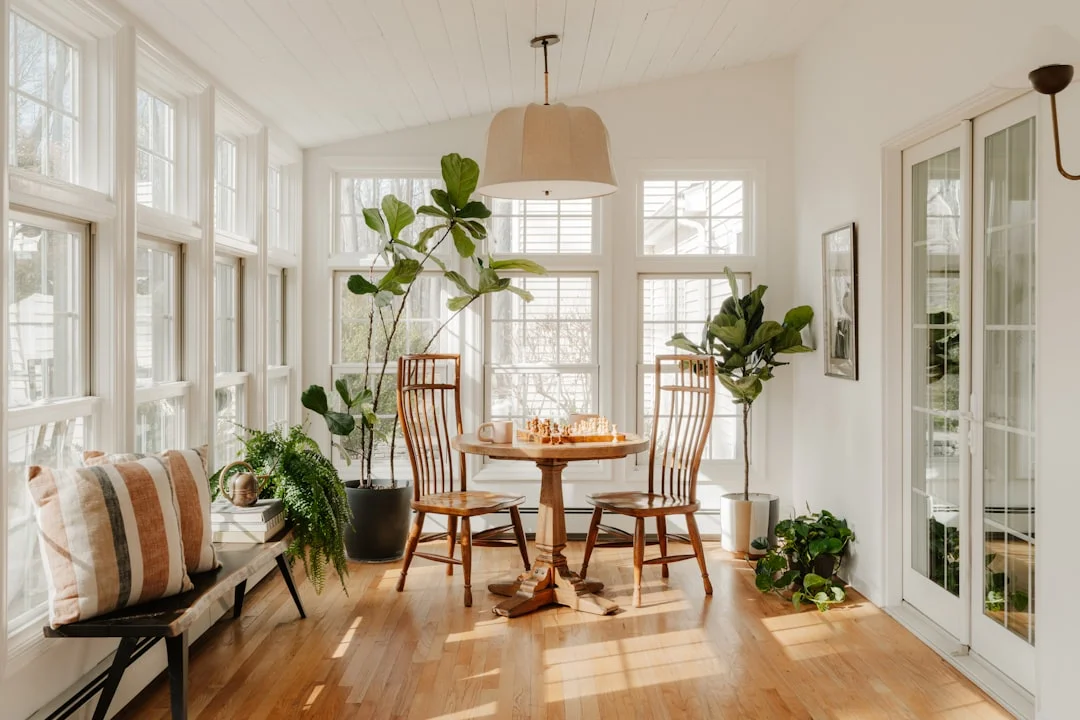
Most sunrooms sit half-decorated for years. Not because the owner ran out of ideas — because they assumed good design required a budget they didn’t have. That assumption is wrong, and the proof is hiding in plain sight inside every thrift store, hardware aisle, and plant nursery within five miles of your house. Sunroom decorating ideas on budget aren’t a compromise. Done right, they produce rooms that feel more considered, more personal, and more alive than anything assembled from a single shopping cart at a big-box furniture store.
Here’s what nobody tells you upfront: sunrooms are the easiest room in your house to style well for under $500. The architecture does most of the work. You have natural light pouring in from three or four sides, a visual connection to the outdoors, and a defined purpose that keeps you from over-cluttering. The bones are already good. Your job is to stop getting in the way of them.
That said, most decorating advice for sunrooms is either a photo gallery with zero guidance or a personal story that doesn’t translate to your space. Neither helps you. This does.
Your Sunroom Has One Job — Make Sure Your Decor Knows It
Before you spend a single dollar, define the room’s function. Not in a vague “relaxation space” way. Specifically: Is this a reading room? A morning coffee spot? A plant sanctuary? A home office with windows? A place where kids do homework after school?
The function dictates everything — what furniture you need, how much of it, where it faces, and what you can skip entirely. A reading nook needs one great chair and good side-table height. An office needs a desk with a view and zero glare on a screen. A plant room needs shelving, not seating. If you skip this step, you’ll buy furniture that fights itself, and the room will feel cluttered even when it’s technically empty enough.
This is what most sunroom decorating guides get wrong. They show you options without making you choose first. Choosing first saves you from buying a loveseat when a single wingback chair would have been better — and cost $180 less. The single most budget-friendly decision you can make in any room is restraint, and restraint requires knowing what you’re restraining yourself toward.
Once you have the function locked, you can shop with precision. You walk into a thrift store knowing you’re looking for one specific thing rather than browsing until something grabs you. That shift in approach cuts your spending in half and doubles your satisfaction with what you find.
The Secondhand Strategy Most People Execute Badly
Thrift stores, Facebook Marketplace, and estate sales are genuinely where the best sunroom furniture comes from. Not as a budget compromise — as an aesthetic advantage. Vintage rattan chairs, weathered teak side tables, worn linen cushions: these things photograph better than new equivalents and cost a fraction of the price. A rattan armchair that retails for $340 at a home goods chain shows up on Marketplace for $45 every single week in most mid-sized cities.
But here’s where people go wrong: they buy whatever they find instead of hunting for what they need. You end up with three mismatched pieces that share no visual language, and then you spend another $200 trying to tie them together with throw pillows that don’t fully work. The fix is simple. Decide on one material throughline before you start shopping. Rattan and wicker. Painted wood and linen. Wrought iron and cotton. Pick a pairing, stick to it, and only buy pieces that fit. Everything else stays on the shelf no matter how cheap it is.
The other mistake is skipping DIY rehabilitation. A rattan chair with a torn cushion is not a problem — it’s a $12 piece of outdoor fabric and an afternoon. A wooden side table with a water ring needs a $6 can of stain and twenty minutes. These repairs are not complicated. They’re just slightly inconvenient, which is why people avoid them and pay double for something that doesn’t need fixing. Upcycled furniture ideas that work in sunrooms almost always start with pieces that look unusable until someone spends one Saturday proving otherwise.
Estate sales deserve a special mention. They’re better than thrift stores for sunroom pieces because estates frequently yield exactly the kind of older outdoor and transitional furniture — wicker sets, bamboo shelving, wrought iron plant stands — that sunrooms demand. Search estate sale aggregator apps by zip code every Thursday when new listings post. Show up the first hour on day one. The $8 pieces everyone talks about getting are real, but only if you arrive before 10am.
What You Should Actually Spend Money On (And What You Absolutely Shouldn’t)
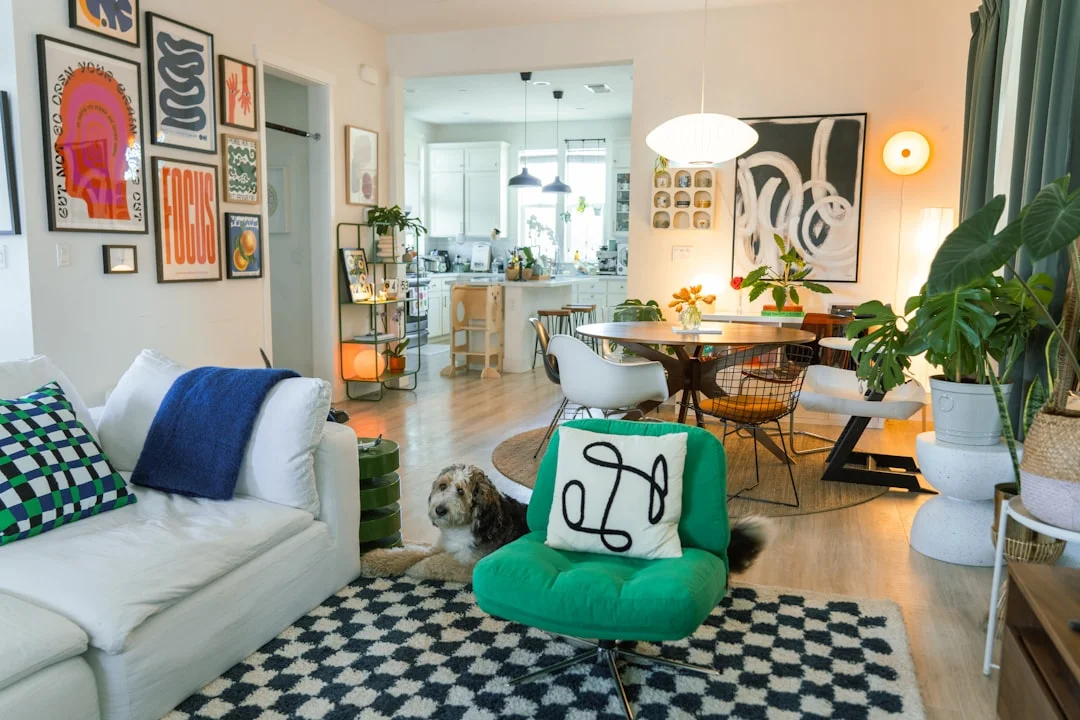
Here’s the counter-intuitive recommendation: spend real money on your rug and almost nothing on everything else. The rug is the room. It defines the zone, grounds the furniture arrangement, provides texture underfoot, and sets the entire tonal palette. A cheap rug in a beautiful room makes the room look cheap. A quality rug among thrifted furniture makes the whole thing look intentional and elevated.
For sunrooms specifically, you need an indoor-outdoor rug — not because you have to, but because indoor-outdoor rugs handle humidity, direct sun, and the in-and-out traffic that sunrooms attract far better than standard area rugs. A 5×8 indoor-outdoor rug from a reputable brand runs $120–$180. That’s your anchor investment. Everything else — furniture, pillows, plants, lighting — can be sourced secondhand or DIY’d without the room suffering.
Where you absolutely should not spend money: curtains and window treatments. This is counterintuitive because window treatments are the first thing decorating advice tells you to invest in. In a sunroom, they’re mostly pointless. The windows are the design. Heavy drapes block the light that makes the room worth having. Sheer linen panels in a natural white cost $18 at discount fabric stores and do the same visual job as $200 designer versions. Or skip them entirely. A sunroom without window treatments often feels more honest and more airy than one drowning in fabric.
Also skip: matching furniture sets. The “complete set” pricing at furniture stores is a trap. You pay a premium for the convenience of someone else doing the coordination work, and you end up with a room that looks assembled rather than curated. Buy individually. It takes longer and requires more confidence, but the result is a room that feels personal rather than catalog-perfect.
The Plant Strategy That Transforms a Room for Under $60
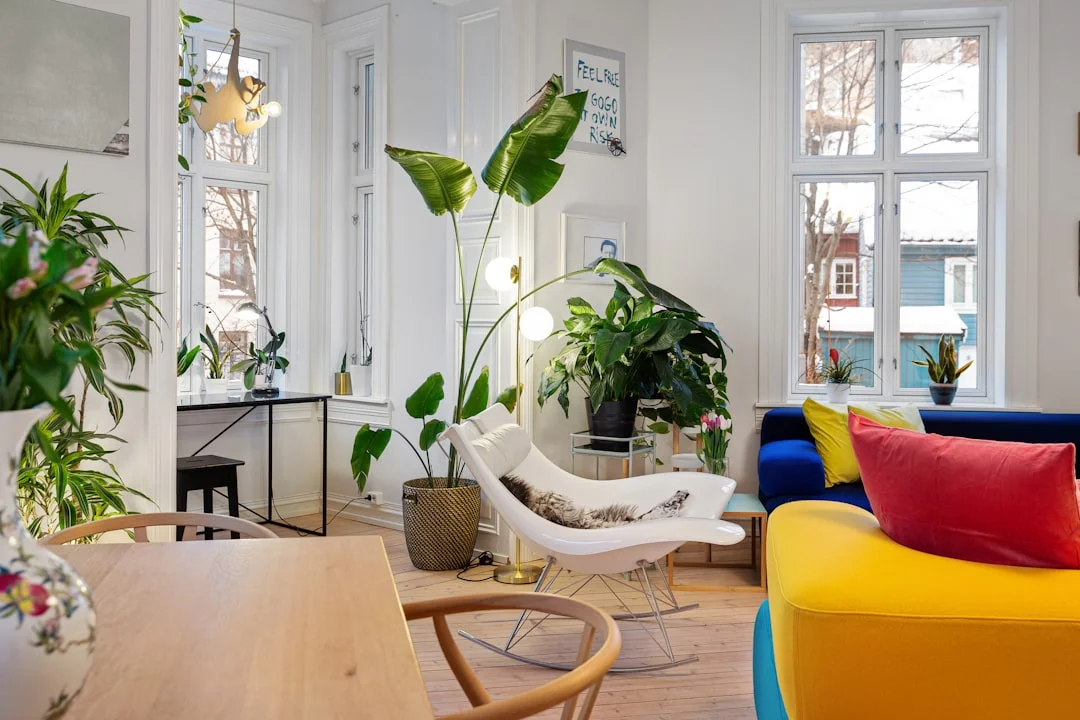
Plants are the highest ROI design element in any sunroom, and sunrooms are — not coincidentally — the single best room in your house for growing them. The light conditions that feel excessive for fabric and art are exactly what most tropical houseplants require. You have a competitive advantage here that the rest of your house doesn’t offer.
The mistake people make is buying one large statement plant and stopping there. One large plant in a sunroom reads as lonely. What you want is layered density: floor-level plants, surface plants, and hanging or elevated plants at different heights. This creates a feeling of lush abundance that transforms the atmosphere of the space, and it costs far less than adding furniture to achieve the same visual weight.
Here’s a specific approach that works: spend $40 on a fiddle-leaf fig or bird of paradise from a local nursery (not a big-box store, where prices run 40% higher for the same quality). Then spend $15 on three 4-inch pothos or philodendron cuttings for surface-level greenery. Then propagate. Pothos propagate in water in three weeks. One $5 plant becomes six within two months. This isn’t a tip you’ll find in most sunroom decorating guides — it’s a horticultural fact that turns a $20 purchase into a fully planted room by the end of a single season.
Plant stands matter more than most people realize. A good plant stand elevates a $6 plant into a $60-looking vignette. Wrought iron plant stands show up at thrift stores constantly for $4–$8. Wooden ladder shelves — the kind you’ve seen styled in every interiors Instagram account for the last four years — can be built from two 6-foot pine furring strips and a handful of dowels for under $15 in materials.
This is also why layering your indoor plant decor works so much better than treating greenery as an afterthought — plants in a sunroom aren’t accessories, they’re structural elements that define the room’s entire atmosphere.
Lighting Is Where Budget Sunroom Decorating Usually Falls Apart
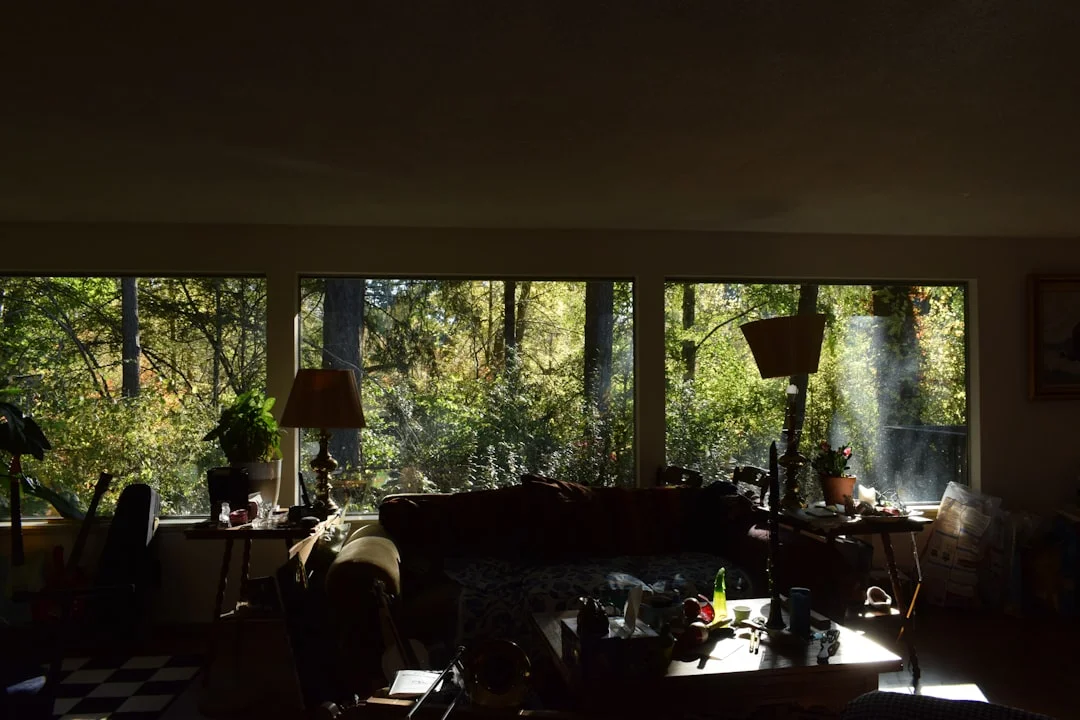
Natural light is your primary light source in a sunroom, but it fails you after 5pm and on overcast days. Most sunrooms are connected to a single overhead fixture — typically a ceiling light that’s functional and nothing else. That light, used alone, makes your beautiful sunroom feel like a hospital waiting room at dusk.
The fix costs between $30 and $80 and requires no electrical work. String lights — specifically warm white (2700K) globe string lights on a 25-foot run — transform the character of a sunroom completely. Run them along the ceiling perimeter, weave them through a bookshelf, or drape them over a curtain rod. The effect is immediate and almost embarrassingly effective for the cost. Plug-in pendant lights, available on Amazon and at HomeGoods for $25–$45, create task lighting over a reading chair without any installation beyond an outlet.
The moment of genuine surprise here: color temperature matters more than fixture style in a sunroom. A beautiful rattan pendant light with a cool daylight bulb (5000K) will make your warm-toned, plant-filled room feel cold and clinical. The same rattan pendant with a 2700K warm white bulb feels like a boutique resort. Bulbs cost $4. Swap them before you blame the fixture.
Floor lamps do heavy lifting in sunrooms because they’re movable and don’t require any installation. A tall arc floor lamp over a reading chair creates a sense of intimate scale within a larger room. Arc floor lamps show up secondhand constantly because they’re awkward to ship for online resellers — which means thrift stores and estate sales are full of them at $20–$35, while they retail new for $120–$200.
Color, Texture, and the Two-Material Rule That Prevents Chaos
Sunrooms have a natural color palette: greens from the outside, naturals from the furniture, light flooding every surface. Fight that palette and you create tension. Work with it and the room decorates itself. This means your foundation colors should be drawn from nature: warm whites, sand tones, natural linen, terracotta, sage green, soft clay. These shades reflect light well, don’t compete with the outdoors visible through the windows, and photograph beautifully across all seasons.
The two-material rule: choose two primary materials and let them dominate. Rattan and linen. Teak and cotton. Painted steel and jute. Having two anchor materials means your thrifted finds, your DIY pieces, and your discount store purchases all share a visual language even when they came from five different places. Without this rule, a budget sunroom looks assembled. With it, it looks designed.
Texture is your best friend when working with a limited color palette and budget furniture. A jute rug, a chunky knit throw, a terracotta pot, a woven basket: these objects all read as the same neutral tone but deliver completely different surface quality. That contrast of textures — rough against smooth, matte against reflective — is what makes a room feel layered and considered rather than sparse. It’s also free, since texture is inherent in materials rather than something you purchase separately.
One specific color move that works every single time in a sunroom: paint one wall or accent piece in a deep, saturated hue — forest green, terracotta, navy — while keeping everything else light. This creates depth without darkening the room, and it gives the eye a place to land. A quart of paint costs $18 and takes two hours to change a room entirely.
The Dark Horse Pick: Vintage Mirrors
Nobody talks about mirrors in sunroom decorating, and I genuinely don’t understand why. A large vintage mirror in a sunroom does three things simultaneously: it doubles the visible light in the room by reflecting natural illumination back across the space, it creates an illusion of additional square footage, and it adds architectural interest without any installation beyond a wall hook.
An 18×24 inch vintage mirror at an estate sale or antique market costs $15–$40. The equivalent new, from a home goods retailer, runs $80–$180. The vintage version is usually better — heavier glass, more interesting frame, more visual character. Position it on the wall opposite your largest window and the effect is immediate. The room feels larger, brighter, and more expensive without any additional investment.
This is the move that interior designers use when they need to solve a space problem on a client budget, and it translates perfectly to small-space interior design where you need every trick available to open a room up visually.
Seasonal Flexibility Without Buying Twice
One of the underrated advantages of sunroom decorating ideas on budget is that the low-cost approach naturally builds in seasonal flexibility. When your furnishings cost $40 instead of $400, you can swap a throw, rotate in new plants, change out accent pillows, and refresh the entire feel of the room for under $30 twice a year. The room stays interesting. You don’t feel trapped by your own investment.
A lightweight approach to accessories — a few woven baskets for storage, a single bowl of seasonal objects on the coffee table, one indoor plant swapped for a flowering variety in spring — is all it takes to make the room feel seasonal without a complete overhaul. This is the flexibility that expensive, heavily committed rooms don’t allow. Budget decorating, done deliberately, gives you the freedom to keep editing.
The one piece of advice that ties every element above together: photograph your sunroom before you start, photograph it after each major change, and use those photos to evaluate what’s working. Your eye adapts to your own space and stops seeing it clearly. The camera doesn’t adapt. It shows you exactly what’s there, and often reveals that the room needs one specific thing — a plant here, a mirror there, a different throw — rather than a complete restart.
Questions We Get Every Day About Sunroom Decorating
What’s the minimum budget to make a sunroom look good?
$200–$350, if you shop secondhand. That covers a quality rug ($130), two thrifted chairs ($60 total), a string of lights ($25), and three plants with pots ($45). The architecture and natural light do everything else for free.
What type of rug is best for a sunroom?
Indoor-outdoor polypropylene. It handles humidity, direct UV exposure, and foot traffic without fading or deteriorating. A standard wool area rug will show UV damage within 18 months of daily sun exposure.
How do I keep a sunroom from feeling too hot in summer?
Cellular shades on the skylights or ceiling windows cut solar heat gain by up to 60% without blocking the view from side windows. They cost $35–$70 per panel and install in under 15 minutes with a tension mount — no tools, no drilling.
Can I use regular indoor furniture in a sunroom?
Yes, with conditions. Keep upholstered pieces away from direct daily sun exposure, which fades and degrades fabric 3–4 times faster than indirect light. Use slipcovers in natural linen for pieces that sit in sun zones — slipcovers are cheap to replace when they fade, the furniture underneath stays protected.
What plants actually survive a sunroom environment?
Birds of paradise, fiddle-leaf figs, snake plants, aloe, most cacti, pothos (surprisingly sun-tolerant), and nearly every tropical variety. The challenge isn’t too much light — it’s temperature fluctuation. Keep plants away from single-pane glass in winter; the cold radiating off the glass can stress tropical roots even when the air temperature in the room feels fine.
How do I make a small sunroom look bigger without spending much?
Three moves: a mirror opposite the largest window, a rug in a lighter tone than the floor, and furniture scaled to the room rather than aspirationally large. Most people over-furnish small sunrooms because they’re trying to make them feel like a full living room. A small sunroom with three well-chosen pieces feels intentional. The same room with five pieces feels cluttered.
Is there a sunroom style that’s easiest for beginners?
Coastal casual — natural materials, white-washed or light wood tones, jute and cotton textures, blue and green accents — is the most forgiving style for budget decorating because it tolerates mix-and-match sourcing naturally. The imperfection reads as intentional.
The Room You’ll Actually Use Every Day
The best sunroom isn’t the most designed one. It’s the one you actually sit in every morning with your coffee, where the light hits at an angle that makes everything look better than it is, where the plants look healthy and the furniture feels right and nothing costs enough to make you anxious about using it.
That room is achievable on a real budget. Not a fantasy budget from a magazine. An actual budget with real numbers and secondhand sourcing and a Saturday afternoon of work.
Sunroom decorating ideas on budget don’t require you to sacrifice taste. They require you to swap impatience for intention. Stop shopping reactively and start shopping for specific things. Define the room’s purpose before you buy the first piece. Invest in the rug, spend almost nothing on window treatments, and let the plants do the atmospheric heavy lifting they were born to do in a space like this.
The sunrooms that get photographed and shared and envied are rarely the expensive ones. They’re the ones where every piece looks like it belongs — not because it was part of a matching set, but because someone made a decision and stuck to it.
Make a decision. Stick to it. The room will follow.