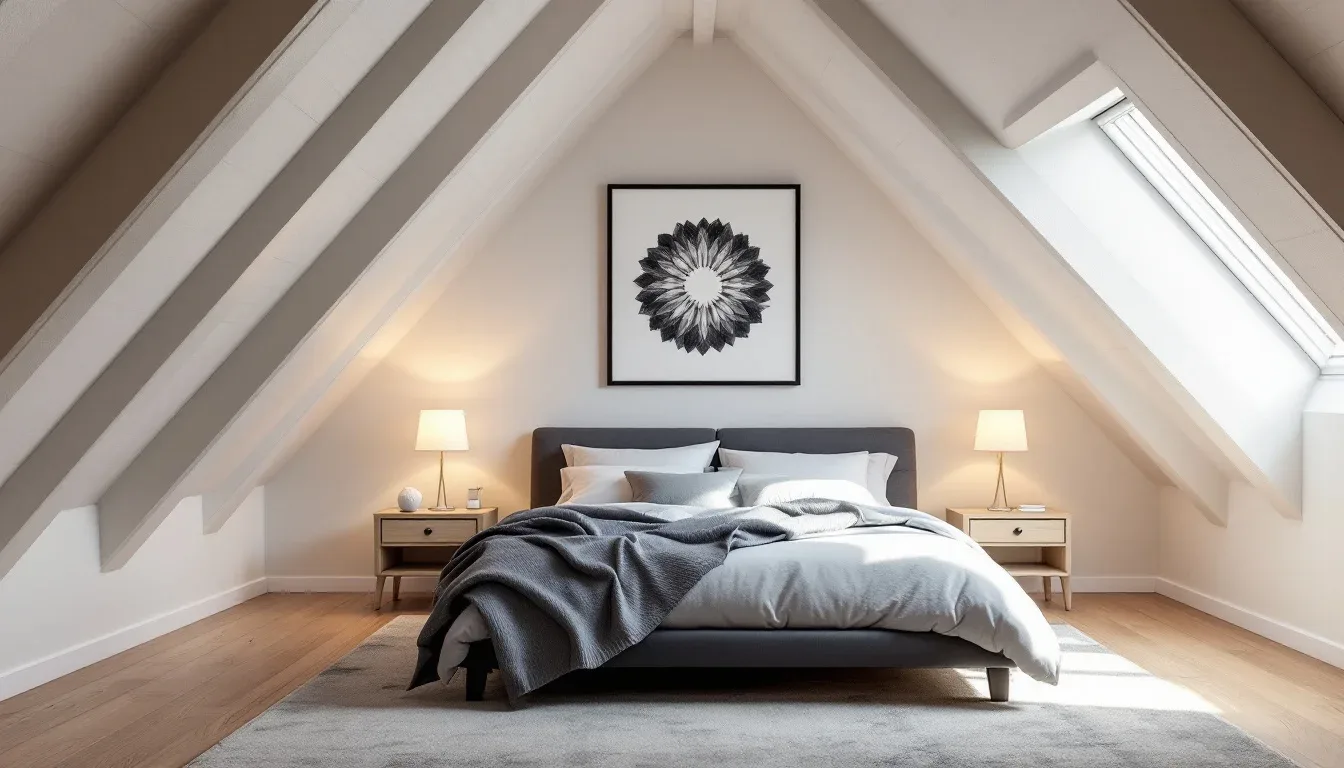
Most attic conversion projects go over budget not because of the finish work — but because the structural assessment happens after the design contract is signed. Homeowners who have successfully completed attics converted into bedrooms will tell you the same thing: by the time a homeowner discovers that their 1960s attic floor joists are sized for Christmas boxes and not sleeping humans, they’ve already paid a designer for drawings that may need to be scrapped entirely. I’ve watched this sequence play out more than once, and every time, the homeowner assumed the contractor would flag structural problems early. Sometimes they do. Often they don’t.
Quick Answer
Most attic conversion projects go over budget not because of the finish work — but because the structural assessment happens after the design contract is signed.
What follows is the actual framework for making this decision — not a checklist recycled from a home improvement magazine, but a sequenced look at what you need to know, in the order you need to know it, before a single dollar changes hands.
Is It Actually Legal to Turn an Attic Into a Bedroom?
In This Article
- Is It Actually Legal to Turn an Attic Into a Bedroom?
- Do You Need Planning Permission to Convert an Attic Into a Bedroom?
- How Much Does It Cost to Convert an Attic Into a Bedroom — and Why the Numbers You’ve Seen Are Misleading
- The Structural Assessment: Why This Has to Come First
- Thermal and Mechanical Reality in Attics Converted Into Bedrooms
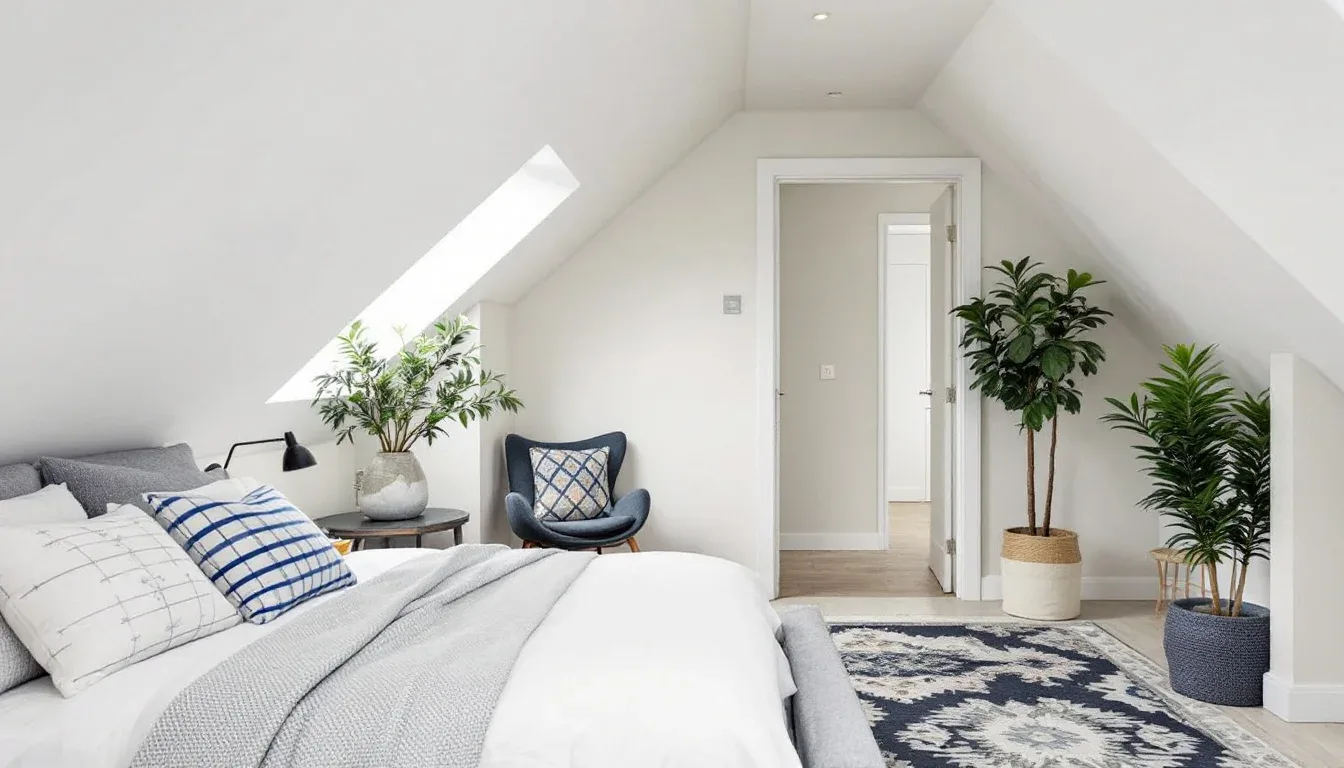
Before you start measuring ceiling heights, understand this: there is a meaningful legal difference between a “bonus room” and a bedroom, and that difference shows up in your homeowner’s insurance policy, your mortgage appraisal, and every real estate listing you post when you eventually sell.
The International Residential Code sets specific habitable space thresholds for any room to be classified as a bedroom. The three that get quoted constantly — 7-foot ceiling height across at least 50% of the floor area, a minimum floor area of 70 square feet, and an egress window with at least 5.7 square feet of clear opening — are the starting point, not the complete list. Rooms must also have adequate natural light (window area equal to at least 8% of floor area), proper smoke detector placement within the room and at the top of any staircase leading to it, and thermal envelope compliance appropriate to your climate zone. The floor assembly itself must meet load requirements for habitable space, which is a separate calculation entirely from ceiling height.
Some municipalities go further. Even when an attic meets every dimensional standard, local jurisdictions may require a formal Certificate of Occupancy change before the space can legally be listed or insured as a bedroom. This is not a formality you can work around. It requires an inspection.
Roughly 40% of homeowners who convert attics do so without pulling a permit — a figure that surfaces consistently in contractor surveys and code enforcement data. The consequences are specific: unpermitted additions get flagged during title searches and appraisals, lenders can refuse to include the square footage in the home’s assessed value, and retroactive permitting — where it’s even allowed — typically costs $3,000–$12,000 and requires opening walls for inspection access.
A contractor who suggests skipping permits to save time is not doing you a favor. That conversation should end the contractor relationship.
Actionable takeaway: Before hiring anyone, call your local building department and ask two questions: “What permits are required to convert an attic to a habitable bedroom?” and “Does a C of O amendment apply?” Write down the names of the people you spoke with.
Do You Need Planning Permission to Convert an Attic Into a Bedroom?
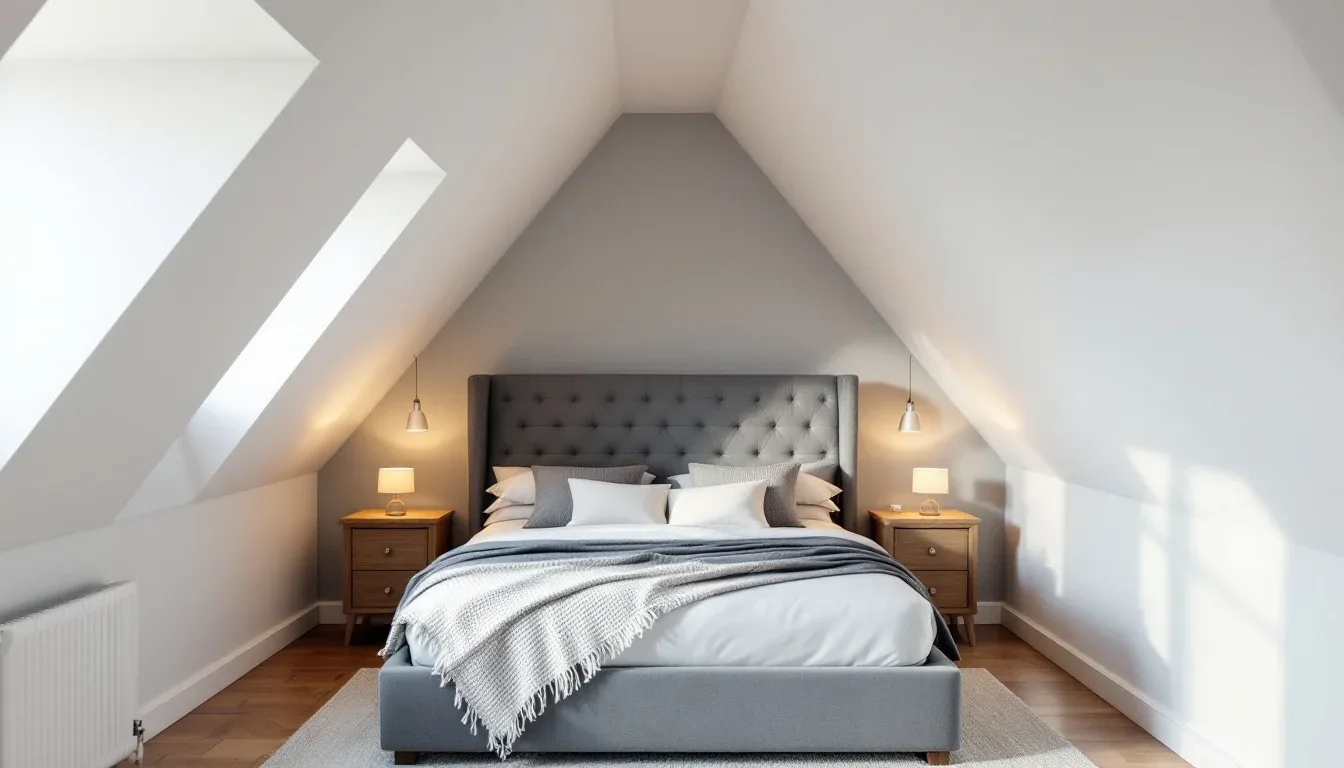
This depends entirely on where you live, and conflating the US permit process with the UK planning permission framework causes real confusion — especially on a topic where readers from both countries are searching the same phrase.
In the United States, planning permission as a concept doesn’t exist in the same form. What you need are building permits, which are issued at the municipal or county level. Attic conversions almost always require at minimum a structural permit, an electrical permit, and a mechanical permit (covering HVAC work). These are separate documents, often requiring separate inspections, and they are not interchangeable. A contractor who says “I’ll handle the permit” should be able to tell you which permits, specifically, they’re pulling.
In the United Kingdom, the framework is different. Most loft conversions fall under Permitted Development Rights, meaning they don’t require formal planning permission — provided they stay within specific volume thresholds: 40 cubic metres of additional roof space for terraced houses, 50 cubic metres for detached and semi-detached homes. Conservation areas, listed buildings, and flats fall outside these allowances entirely and require a full planning application.
Here is where roughly 30% of first-time UK converters make a costly error: they assume that qualifying under Permitted Development means they don’t need approval at all. Permitted Development only covers the planning side. Building Regulations approval is an entirely separate process — mandatory regardless of whether planning permission was required — covering structural adequacy, fire safety, insulation standards, and means of escape. Permitted Development and Building Regulations are parallel requirements, not alternatives.
Additionally, even structurally eligible UK loft conversions may trigger a Party Wall Agreement if the work affects a shared wall with an adjacent property. This is a legal instrument requiring notice to neighbors and, if disputed, a formal surveyor’s award. It can add weeks or months to a timeline.
Questions to ask your local authority before spending anything on design:
- Is this property within a conservation area or subject to any Article 4 Directions that remove Permitted Development rights?
- Does the proposed roof alteration stay within the permitted volume envelope?
- What Building Regulations applications are required, and what do inspections cover?
- Is a Party Wall Notice required based on the structural scope?
Actionable takeaway: In the US, request a pre-application meeting with your building department — most offer them free. In the UK, submit a Lawful Development Certificate application (around £200) before starting work; it creates a legal record that your conversion complies with Permitted Development.
How Much Does It Cost to Convert an Attic Into a Bedroom — and Why the Numbers You’ve Seen Are Misleading
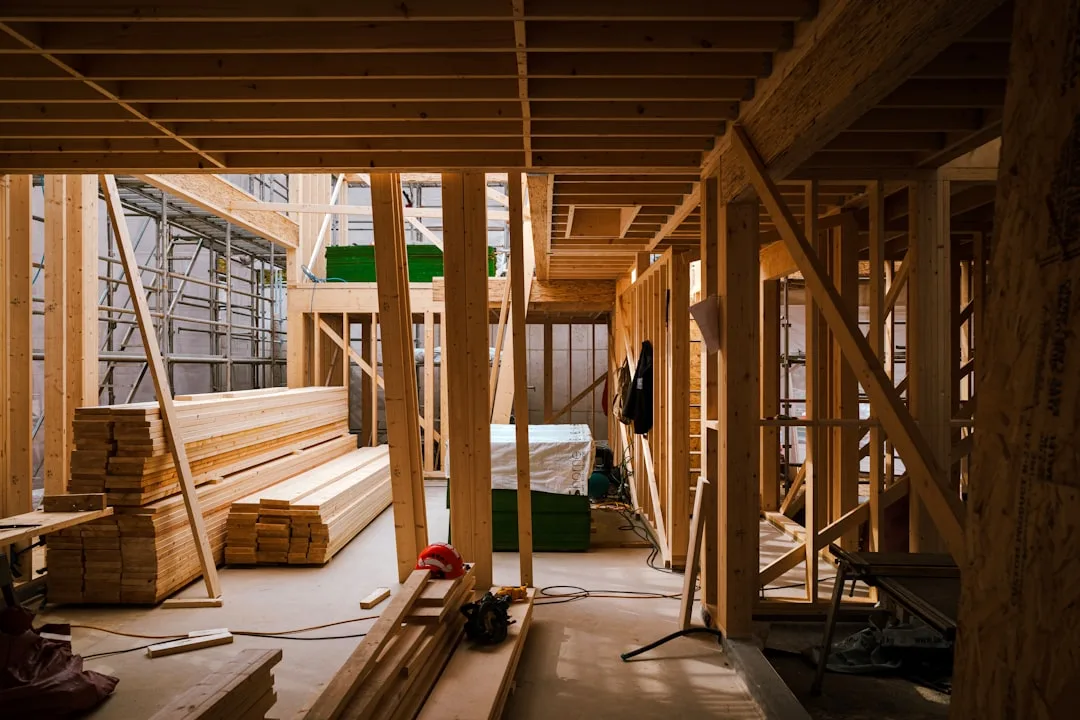
The “$20,000 to $95,000” range you’ll find on most home improvement sites is not wrong, exactly. It’s just useless. Giving someone that range without explaining what determines where their project lands is like telling someone a car costs between $12,000 and $200,000 without mentioning that one is a Civic and one is a Porsche.
Four variables determine your actual cost with more precision than any average:
- Structural modification needs — whether your floor joists require sistering, full replacement, or nothing at all
- Existing ceiling height and roof pitch — low-pitch roofs require dormers to achieve code-compliant headroom, which adds $15,000–$40,000 to any project budget immediately
- Mechanical system extension — whether your existing HVAC can be extended to the new space or whether a dedicated mini-split system is required (typically $3,000–$8,000 installed)
- Staircase installation — a code-compliant fixed staircase replacing a pull-down ladder runs $4,000–$12,000 depending on materials and geometry, and it consumes floor space on the level below that most homeowners haven’t planned for
The projects that land at the lower end of any cost range share a specific profile: existing floor joists that already meet habitable space load requirements, a roof pitch steep enough to provide natural headroom without dormer additions, and a mechanical system with capacity and accessible routing to the attic level. That profile describes a minority of the homes where attics converted into bedrooms get attempted.
A realistic mid-range project — one that requires joist sistering, a single shed dormer, HVAC extension, and a new fixed staircase — typically falls between $55,000 and $75,000 in most US markets before finish materials. In high cost-of-living metros (New York, San Francisco, Seattle), add 30–50% to those figures. In the UK, a straightforward Velux loft conversion runs £25,000–£45,000; a dormer conversion starts around £40,000 and can reach £75,000 or more in London.
What drives projects over budget in practice isn’t usually the visible work. It’s the discoveries: rot in rafter tails found during rough-in inspection, undersized electrical panels that need upgrading to support additional circuits, inadequate ridge beam sizing that becomes apparent only when a structural engineer reviews drawings. These aren’t rare edge cases — they’re the norm in homes built before 1980. Budget a 20% contingency and treat it as part of the project cost, not as a buffer you expect not to use.
The Structural Assessment: Why This Has to Come First
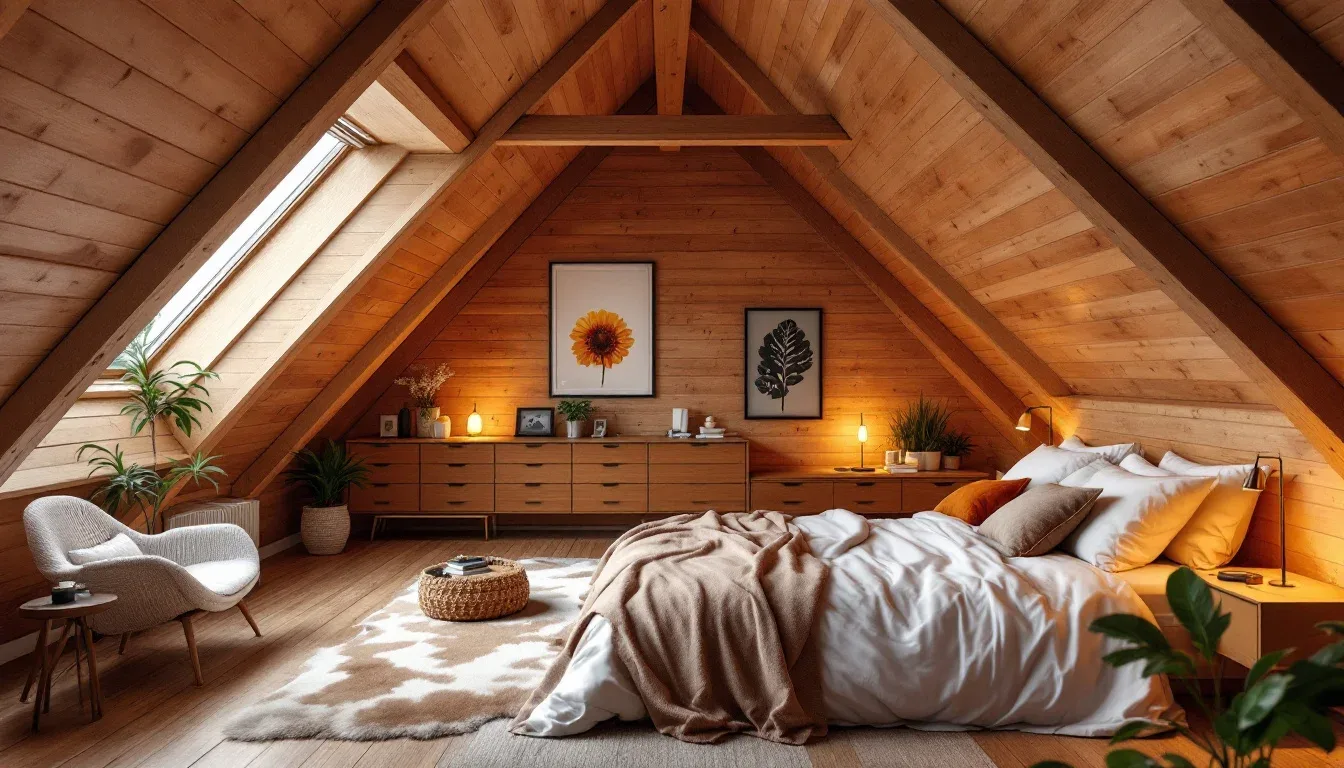
Every attic bedroom conversion requires a structural engineer’s report before design work begins. This is not optional, and it is not something a general contractor can substitute for with a visual inspection and thirty years of experience.
Attic floor joists in homes built before 1970 were almost universally sized for storage loads — typically 10 pounds per square foot live load. Habitable space requires a minimum of 30–40 pounds per square foot live load capacity depending on jurisdiction. That gap is not trivially bridged. Sistering joists — running new lumber alongside existing joists and fastening them together — is the common remediation approach, but it requires access, which means temporary decking removal, and it requires engineering calculations to confirm the composite assembly meets the required load. In some cases, the existing joist configuration doesn’t allow sistering, and the floor assembly requires partial or full replacement, which changes the project cost and timeline substantially.
Beyond floor load, a structural engineer will assess: whether the existing ridge beam and rafters can handle the loads introduced by dormer framing, whether knee wall placement aligns with rafter bearing points, and whether the exterior walls below have sufficient capacity to carry the additional dead load from a converted attic. Each of these can produce a finding that changes the design.
Structural engineering reports for attic conversion assessments typically cost $500–$1,500 depending on the complexity of the structure and the engineer’s hourly rate in your market. That fee, paid before design begins, is the single highest-leverage expenditure in the entire project. It determines whether the project is feasible, what it will actually cost, and whether any design approach is viable before a designer charges you for hours developing something that can’t be built.
Request a written report with specific recommendations, not a verbal walkthrough. The report should specify joist sizing, existing load capacity calculations, recommended remediation approach, and any additional structural elements requiring attention. That document becomes part of your permit application package.
Thermal and Mechanical Reality in Attics Converted Into Bedrooms
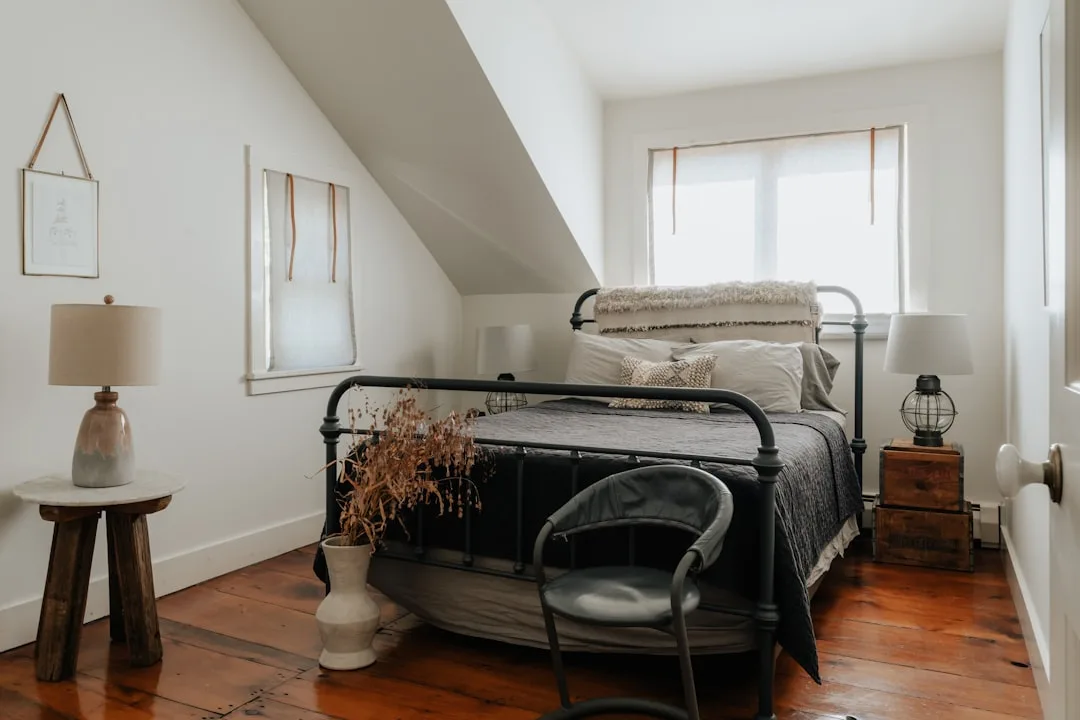
Attics are thermally hostile environments. The same roof assembly that bakes an unconditioned attic to 140°F in July creates the most challenging insulation problem in residential construction. Getting the thermal envelope right in attics converted into bedrooms is not a finishing detail — it’s a technical challenge that determines whether the room is habitable twelve months of the year or just nine of them.
The core decision is between two insulation approaches, and they are not equivalent:
Ventilated assembly (cold roof): Insulation sits on the attic floor, and the rafter bays above remain ventilated. This approach works well for unconditioned attics but creates fundamental problems when converting the space — you can’t insulate the floor if you’re building a conditioned room on it, and maintaining rafter ventilation while insulating the walls and ceiling of a finished room requires careful detailing that many contractors get wrong.
Unventilated assembly (hot roof): Insulation is applied directly to the roof deck — either spray foam against the sheathing or rigid foam above it — creating a conditioned attic within the building envelope. This approach is technically more demanding and more expensive (spray foam costs $3–$7 per square foot installed), but it solves the thermal problem definitively and eliminates the condensation and ice dam risks that come with inadequate ventilated assemblies.
Most building scientists recommend the unventilated approach for attic conversions in climate zones 4 through 7. In warmer climates, a properly detailed ventilated assembly can work, but the margin for error is smaller than most contractors appreciate.
The mechanical component follows directly from the thermal decision. Mini-split systems have become the default recommendation for attic bedrooms for a reason: they provide independent temperature control for a space that will heat and cool differently from the floors below, they don’t require ductwork routing through potentially tight rafter bays, and modern units perform efficiently even at extreme outdoor temperatures. A single-zone mini-split sized appropriately for the converted space — typically 9,000–12,000 BTU for a 200–300 square foot room — handles the load without stressing a whole-home system that may already be running at capacity.
Frequently Asked Questions About Attics Converted Into Bedrooms
How long does an attic bedroom conversion typically take from permit approval to completion?
Most straightforward conversions — no dormer, existing joists adequate, HVAC extension feasible — run 6 to 10 weeks of active construction once permits are in hand. Projects requiring dormer additions typically add 3 to 6 weeks. Permit processing time varies widely by municipality: some issue residential permits in 2 weeks, others take 3 to 4 months. Factor permit lead time into your schedule before committing to any move-in date. The total elapsed time from first contractor contact to occupancy is realistically 4 to 8 months for a mid-complexity project.
Will an attic bedroom conversion add value to my home?
It depends on whether the conversion is permitted and code-compliant. A properly permitted attic bedroom that adds legal square footage to the home’s habitable area typically returns 50–75% of project cost in appraised value in most markets — a meaningful gain if the conversion adds a bedroom count to the listing (going from 3 to 4 bedrooms, for example). Unpermitted conversions add no appraised value and can actively complicate a sale by creating disclosure obligations and lender concerns. The value question is inseparable from the permit question.
Can any attic be converted into a bedroom, or are some structurally impossible?
Some attics genuinely cannot be converted at viable cost. Flat or very low-pitch roofs (below 4:12) typically cannot achieve the required ceiling height without extensive structural alteration that exceeds the value created. Truss-framed roofs — common in homes built after the mid-1970s — present significant challenges because the web members that give trusses their structural efficiency cannot be cut or removed without engineering redesign of the entire roof assembly. Converting a truss attic is possible but requires engineered truss modifications and typically costs substantially more than converting a traditionally rafter-framed attic. A structural engineer’s assessment will identify whether your specific attic falls into the feasible or infeasible category before you’ve spent money on design.
What egress requirements apply specifically to attic bedrooms?
Every bedroom requires a means of emergency egress other than the primary door — a window that meets minimum opening dimensions. The IRC requires the egress window opening to be at least 20 inches wide, at least 24 inches high, and at least 5.7 square feet in total clear opening area (5.0 square feet if the window is at grade level). The sill height cannot exceed 44 inches from the floor. In an attic bedroom, this often means a specifically sized dormer window rather than a standard Velux-style rooflight, because skylights and roof windows that open at a roof angle frequently cannot meet the sill height requirement. Confirm egress compliance with your building department before finalizing window specifications — the cost difference between a compliant and non-compliant window selection is small; the cost of changing a window after framing is not.
How do you handle soundproofing in an attic bedroom conversion?
Attic bedrooms share a floor with the living space below — typically a hallway, bedroom, or open living area — and that floor assembly transmits both impact noise (footsteps, dropped objects) and airborne noise (voices, television) more readily than most homeowners anticipate. Adding acoustic insulation between joists during the conversion is straightforward and inexpensive at rough-in stage: a 3.5-inch batt of mineral wool (Rockwool Safe’n’Sound or equivalent) in joist bays combined with resilient channel and a second layer of drywall on the ceiling below reduces impact noise transmission meaningfully. Doing this same work after the conversion is complete requires removing a finished ceiling. The decision needs to be made during rough-in, not after move-in.