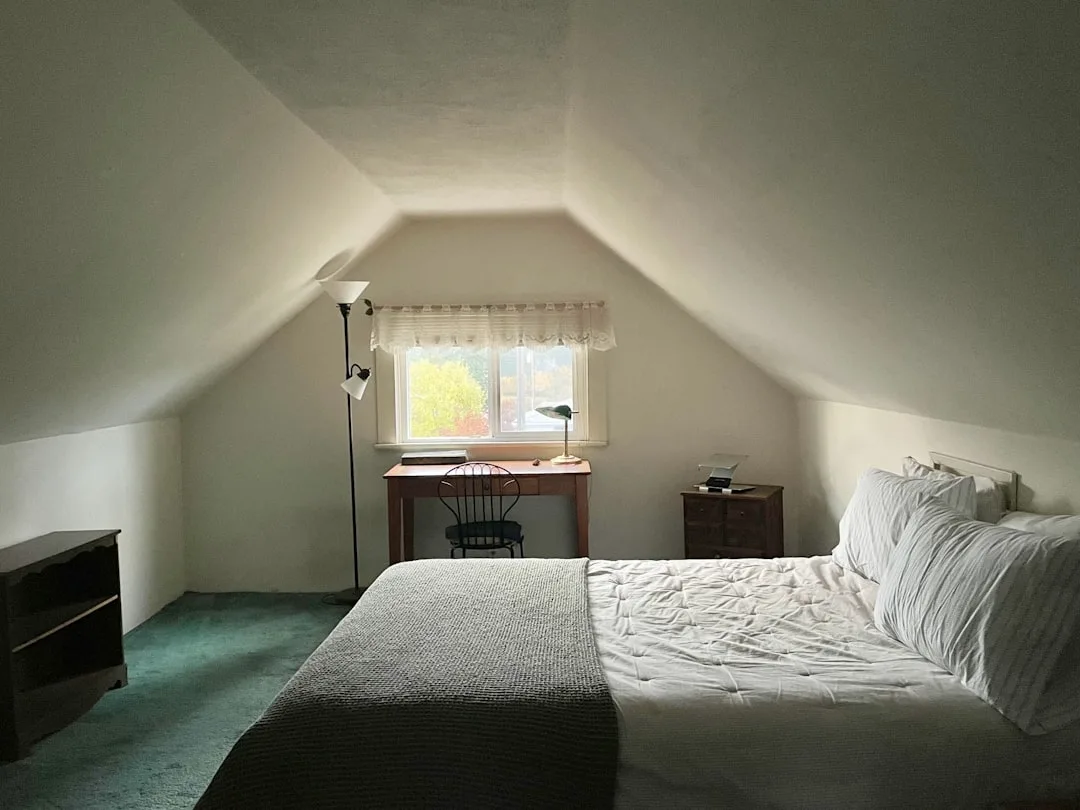
When homeowners decide to turn attic into bedroom space, the single most important step happens before any contractor sets foot in the house — and it takes about five minutes on your county’s website. The attic above your head may already meet every legal requirement to be a bedroom, and the one document that proves it is a free public record. Most homeowners spend weeks getting contractor quotes before they’ve done this single check, which means they’re negotiating costs without knowing whether they’re starting a cosmetic refresh or a structural overhaul. Those are two entirely different projects with almost no overlap in budget, timeline, or contractor type.
Quick Answer
The attic above your head may already meet every legal requirement to be a bedroom — and the one document that proves it takes five minutes to pull up for free on your county’s website.
I’ve watched this play out badly. One client hired a general contractor to “finish the attic” before anyone had pulled permits, measured clearances, or identified that the floor joists were 2x6s spanning 14 feet — which is about as structurally sound as finishing a room on a trampoline. The project stopped cold two weeks in and cost her $4,200 before a single piece of drywall went up. What follows is the framework I wish she’d had.
Can You Actually Use an Attic as a Bedroom? The Real Feasibility Test
In This Article
- Can You Actually Use an Attic as a Bedroom? The Real Feasibility Test
- What Is the 7 and 7 Rule for Attics — and Why It Makes or Breaks Your Project
- Is It Legal to Turn an Attic Into a Bedroom? Permits, Egress, and the One Requirement That Trips Everyone Up
- The Pre-Construction Checklist Most Contractors Skip
- What Does It Actually Cost to Turn an Attic Into a Bedroom?
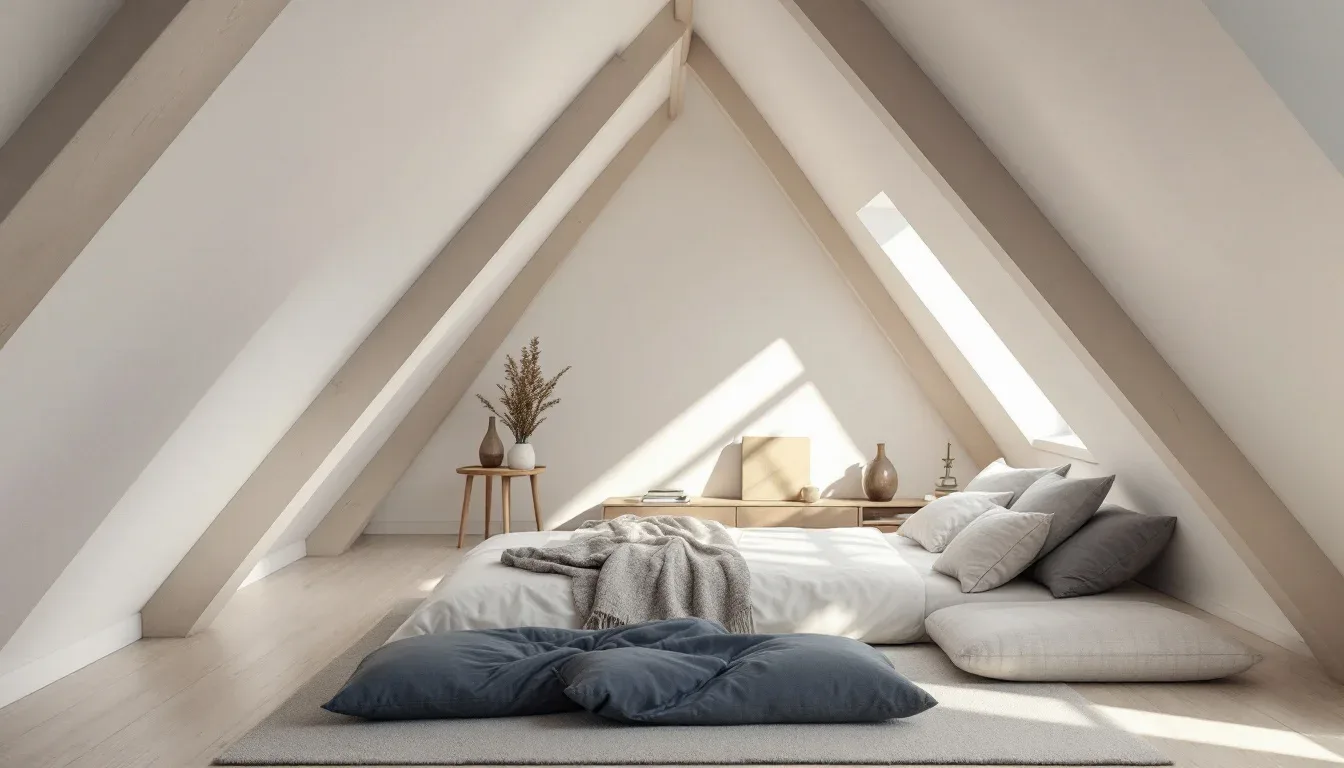
Feasibility isn’t a mood. It’s a sequence of physical facts about your specific attic that either permit a conversion or don’t — and most people skip straight to Pinterest before establishing those facts.
Structural load capacity is the first filter. Finished attic floors must typically support 30–40 lbs per square foot of live load, which is the weight of people, furniture, and flooring materials in active use. The ceiling joists in most unfinished attics — the framing members that hold up the ceiling of the room below — were never engineered for that. They were designed to hold insulation and drywall, not a bed, a dresser, and two humans. This distinction between ceiling joists and floor joists is one of the most commonly misunderstood elements of attic conversions, and it’s the one that most reliably creates mid-project surprises.
Roof pitch determines how much of your raw square footage is actually usable. According to the International Residential Code, habitable rooms must have a minimum ceiling height of 7 feet over at least 50% of the floor area — and that floor area must measure at least 70 square feet. A low-slope or shallow-pitch roof can make an attic look enormous from below while yielding almost nothing in compliant living area once you measure it against that standard.
Access matters legally, too. A pull-down ladder is not a staircase, and in nearly every jurisdiction, a proper fixed staircase — not alternating-tread novelty stairs, and certainly not a ships ladder — is required for a room to be classified as a legal bedroom. That staircase requires a rough opening, which requires floor space on the level below. That floor space may or may not exist.
Before you call anyone, run this four-part check:
- Floor structure: Are the joists sized and spanned adequately? (See the pre-construction checklist section below)
- Roof pitch: Does your ridge height create the clearance the IRC requires?
- Access path: Is there a location on the floor below where a stair could land without destroying a bathroom or closet?
- Framing age and condition: Homes built before 1970 frequently have framing that needs reinforcement before any load is added
Actionable takeaway: Before contacting a single contractor, spend 30 minutes in your attic with a tape measure and a flashlight confirming ceiling height at the ridge and identifying what size lumber makes up your floor/ceiling framing. Those two measurements will tell you which tier of project you’re actually looking at.
What Is the 7 and 7 Rule for Attics — and Why It Makes or Breaks Your Project

This is one of those terms that gets passed around in home renovation forums without anyone stopping to explain what it actually means in practice. So here it is, plainly.
The 7 and 7 rule states that a habitable attic space must have at least 7 feet of vertical clearance over at least 7 feet of horizontal floor width. It comes from IRC interpretation and reflects the minimum conditions under which a sloped-ceiling room can function as a bedroom without feeling like a crawlspace with ambitions. The “7 and 7” framing is a shorthand — useful for quick mental math when you’re standing in your attic trying to figure out if this project is even worth pursuing.
Here’s how to measure it yourself. Stand at the center of your attic, find the highest point directly under the ridge beam, and measure down to the floor. Then, starting from the point on either side where the ceiling height drops to exactly 7 feet, measure the horizontal distance across the floor between those two points. That measurement — not the total floor width — is your code-compliant usable width.
Many attics that appear spacious at the ridge beam actually yield fewer than 100 square feet of code-compliant floor area once the 7-and-7 rule is applied — less than the IRC’s 70 sq ft minimum for a single habitable room. That number tends to shock people. It shocked one of my early clients, whose attic measured nearly 900 square feet total but produced only about 60 compliant square feet once the slope kicked in. The project died at the tape measure.
The floor area that falls below 7 feet doesn’t disappear as usable space — it just can’t count toward the habitable room minimum. Those sloped perimeter zones are where smart designers put:
- Built-in wardrobes and drawers
- Window seats with storage below
- Knee-wall shelving systems
- Bedside tables and low platform beds positioned intentionally
Regional codes add another layer. Some municipalities — particularly in the Northeast and in areas with older housing stock — have adopted stricter minimums than the IRC baseline. A few jurisdictions require 7.5 feet over a larger percentage of floor area. Always verify with your local building department before assuming the IRC minimums apply verbatim.
Actionable takeaway: Measure your usable width at exactly 7 feet above the floor, then multiply that by your attic’s depth. If the result is under 70 square feet, the conversion requires either dormers or a different use classification entirely.
Is It Legal to Turn an Attic Into a Bedroom? Permits, Egress, and the One Requirement That Trips Everyone Up
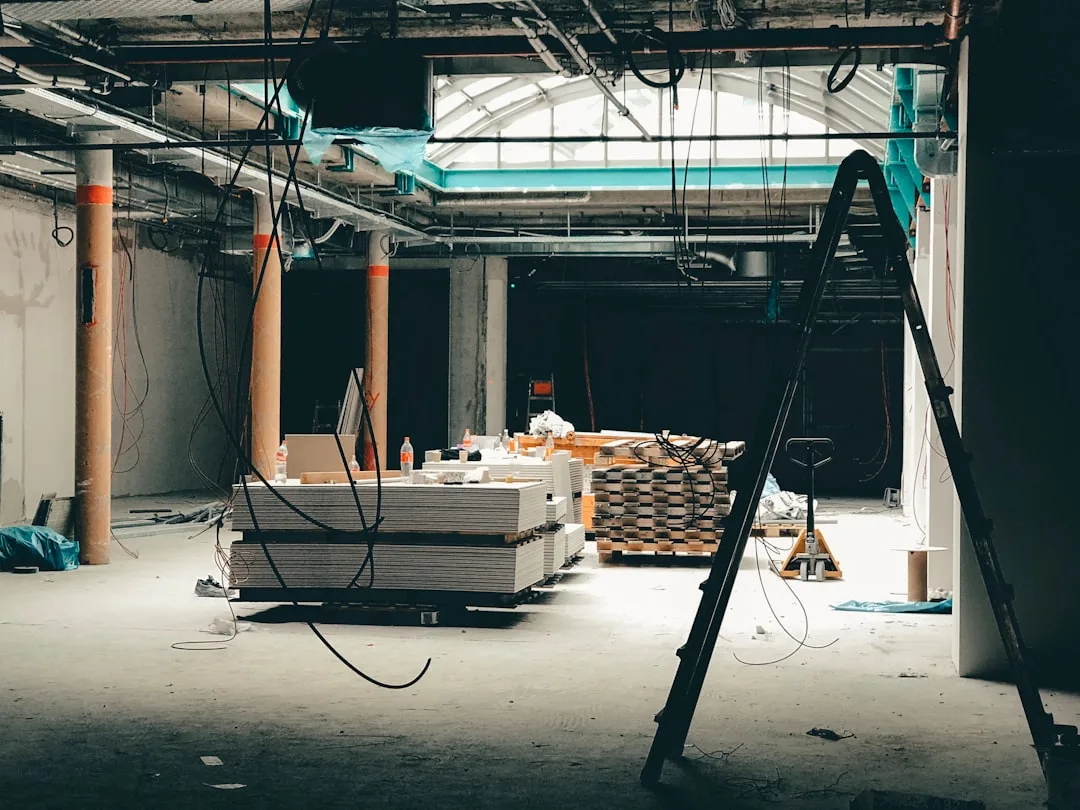
Legal and permitted are not the same word. An attic can be legally converted to a bedroom — the IRC allows it — but whether your specific conversion becomes legal depends entirely on whether it clears a chain of specific requirements, all of which must be inspected and approved before the space earns bedroom status on your title documents.
There are two permit tracks most homeowners will encounter, and they’re not interchangeable. A structural alteration permit covers physical changes to the building — sistering joists, cutting a stair opening, adding dormers. A change-of-occupancy permit governs reclassifying a space from storage or unfinished use to habitable living space. Many jurisdictions require both when you turn attic into bedroom space. Pulling only one and assuming it covers the other is one of the most reliable ways to create a legal headache that surfaces during a future home sale.
Egress is the requirement that trips up the most projects. Every bedroom in the United States must have at least one emergency egress window — a window large enough for an adult to climb through in a fire. The IRC specifies a minimum net clear opening of 5.7 square feet, with a minimum clear height of 24 inches and a minimum clear width of 20 inches. The sill height cannot exceed 44 inches above the floor. In an attic, this almost always means cutting into the roof plane for a dormer or a skylight-style egress unit, because the existing gable-end windows are frequently too small, too high, or both.
Smoke detectors and carbon monoxide detectors are also required in any newly permitted bedroom — and they must be hardwired with battery backup in most jurisdictions, not plug-in units. An electrical permit typically runs alongside the main conversion permit, and an inspector will check detector placement before signing off.
The permit pull itself is not optional, even when neighbors or contractors suggest it is. An unpermitted attic bedroom creates three specific problems down the line: your homeowner’s insurance may deny claims tied to that space, your appraiser cannot count it as a bedroom in the home’s value calculation, and a buyer’s attorney will flag it during title review. The five to ten business days it takes to pull permits is not the obstacle it’s made out to be.
Actionable takeaway: Before you turn attic into bedroom space officially, request a pre-application meeting with your local building department. Most municipalities offer these at no cost, and in 30 minutes you’ll learn exactly which permits you need, what drawings are required, and whether your specific address has any overlay districts or historic preservation rules that affect the scope.
The Pre-Construction Checklist Most Contractors Skip
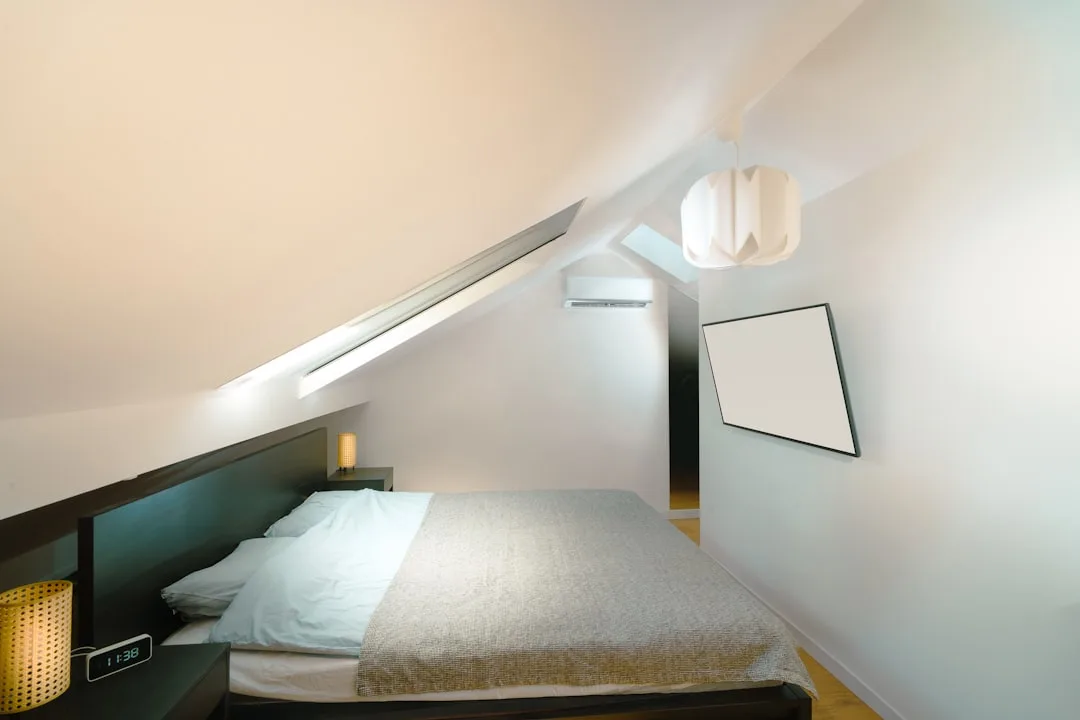
This section exists because the sequence in which you do things matters as much as what you do. A checklist for a project this complex isn’t a formality — it’s the difference between a project that finishes on budget and one that stops cold at week three.
Step 1: Pull your certificate of occupancy. Available free through your county assessor or building department portal. This document tells you the current legal classification of every space in your home. If the attic is listed as storage, you’ll need a change-of-occupancy permit before the conversion is finished. If it’s already listed as unfinished living space or bonus room, your permit scope may be narrower.
Step 2: Commission a structural assessment before design. Not after. A structural engineer — not your general contractor, not your architect — needs to evaluate the existing framing and issue a written report. This costs $300–$600 and is the single highest-value dollar you’ll spend on this project. The report tells your contractor exactly what reinforcement is required, which eliminates the mid-project discovery that adds weeks and thousands to the job.
Step 3: Measure for egress before committing to a design. Walk your attic with the IRC egress requirements in hand. Identify where a code-compliant egress window can actually be cut. If your roof geometry doesn’t support a standard dormer on the egress wall, price a shed dormer or a roof-mounted egress skylight before you finalize any floor plans. Designers who skip this step produce beautiful drawings that can’t be built as shown.
Step 4: Confirm HVAC extension feasibility. Attics are thermally hostile environments. The existing HVAC system in your home was almost certainly not sized to condition additional square footage, and ductwork doesn’t route itself through finished ceilings and framing cavities for free. Get an HVAC contractor to assess capacity and route options before design is locked. Mini-split systems are frequently the most practical solution, but they require their own electrical circuit and penetrate the building envelope in ways that affect insulation strategy.
Step 5: Identify the stair landing zone. Go to the floor below and identify every possible location where a stair could land. Account for headroom at the top of the stair (IRC requires 6 feet 8 inches minimum), the rough opening size, and what you’d lose on the floor below — closet space, bathroom square footage, hallway width. This exercise frequently reveals that there’s only one viable stair location, which then drives the entire attic floor plan.
Step 6: Get three written bids after the engineering report, not before. Contractors bid what they can see. Without a structural engineer’s report, they’re guessing at reinforcement scope, and that guess becomes a change order once work starts. Bids issued after the engineering report are meaningfully more accurate and more comparable across contractors.
What Does It Actually Cost to Turn an Attic Into a Bedroom?
Cost ranges for attic conversions vary so widely that most published figures are nearly useless without context. Here’s the context.
Tier 1: Cosmetic finish only ($15,000–$35,000). This applies when structural framing is already adequate, a compliant stair already exists, egress windows are already present and sized correctly, and the only work required is insulation, drywall, flooring, electrical, and HVAC extension. This tier is rare. Most attics that genuinely qualify for it were partially finished by a previous owner.
Tier 2: Standard conversion with moderate structural work ($40,000–$75,000). This covers the majority of residential attic conversions. Joists need sistering, a new stair opening gets cut, one or two dormers are added for egress and headroom, and a mini-split system handles HVAC. Electrical panel capacity may need to be evaluated. This is the realistic budget range for a project that starts from a raw, unfinished attic in a home built after 1980.
Tier 3: Full structural overhaul ($80,000–$150,000+). This tier applies to older homes with undersized framing that requires significant reinforcement, attics with minimal pitch that need substantial dormer additions to meet the 7-and-7 rule, or projects in high-cost labor markets. Homes built before 1960 frequently land here.
The cost per square foot for attic conversions — typically $150–$300 per finished square foot — is consistently higher than above-grade additions because the access constraints, limited staging area, and structural complexity drive up labor hours relative to material cost. A 300-square-foot attic bedroom in a suburban market will often cost more per square foot than a 600-square-foot ground-floor addition in the same market.
Where homeowners consistently underbudget:
- Structural engineering report (non-negotiable, often treated as optional)
- Permit fees (can reach $2,000–$5,000 in some jurisdictions)
- HVAC system upgrade or new mini-split installation
- Stair construction and the reconfiguration of the floor below to accommodate the landing
- Insulation to code for a conditioned attic space (which is different from a vented attic — the entire thermal envelope strategy changes)
Actionable takeaway: Budget for Tier 2 until a structural engineer tells you otherwise. Starting with a Tier 1 mindset and discovering Tier 2 requirements mid-project is the single most common cause of attic conversion cost overruns.
Frequently Asked Questions
Does turning an attic into a bedroom add value to my home?
Yes, but only if it’s done with permits and passes inspection. An unpermitted attic bedroom cannot be counted as a bedroom by an appraiser, which means it doesn’t add bedroom count to your home’s valuation. A properly permitted and inspected attic conversion typically adds more value than it costs in markets where bedroom count drives pricing — generally suburban and urban markets where the difference between a 3-bedroom and 4-bedroom home is meaningful. In rural markets or markets where square footage drives value more than bedroom count, the return is less predictable. Get a pre-project appraisal consultation if resale ROI is a primary driver of your decision.
How long does it take to turn an attic into a bedroom?
For a standard Tier 2 conversion, expect 10–16 weeks from permit approval to final inspection. Permit approval itself can take 2–6 weeks depending on your municipality’s review backlog. The structural work — sistering joists, cutting stair openings, framing dormers — typically runs 3–5 weeks. Mechanical rough-in (electrical, HVAC) takes another 1–2 weeks, followed by insulation, drywall, finish work, and inspections. Projects that hit mid-course structural surprises routinely run 20+ weeks. The timeline compresses significantly in municipalities that offer over-the-counter permit review for residential projects.
Can I turn my attic into a bedroom without adding a dormer?
Sometimes. If your roof pitch is steep enough — a 12/12 or steep 10/12 pitch on a wide house — you may have adequate height and floor area without adding dormers. The egress requirement is the harder constraint: if your existing gable-end windows don’t meet the IRC’s net clear opening dimensions, you’ll need either a dormer or a code-approved roof egress skylight regardless of headroom. There are egress skylight products specifically designed for attic bedrooms that don’t require a full dormer box, which can reduce cost significantly in the right roof geometry.
What’s the difference between a finished attic and a legal bedroom?
A finished attic is a space that has been insulated, drywalled, and floored. A legal bedroom is a space that has been permitted, inspected, and approved as habitable living space — which requires meeting egress, ceiling height, floor area, structural, HVAC, and electrical standards. You can have a beautiful finished attic that is legally storage space, and it will be counted as storage space by your appraiser, your insurance carrier, and your title company. The finishing work and the permitting process are separate tracks that must both be completed for the space to function as a bedroom in every sense that matters.
Do I need a structural engineer or can my contractor handle the assessment?
You need a structural engineer for the assessment. A general contractor can identify obvious issues and has practical framing knowledge, but a structural engineer produces a stamped report that your building department will accept, that your contractor can bid from accurately, and that protects you legally if something goes wrong. In most jurisdictions, any structural modifications to bearing members — which sistering floor joists typically involves — require engineer-stamped drawings as part of the permit application anyway. Treating the engineering report as optional is the most expensive shortcut in attic conversion projects.