Author: ION

  • 4 Tips to Practice Pool Safety as Kids Are Out of School

    4 Tips to Practice Pool Safety as Kids Are Out of School

    Most kids in America are just getting out of school and preparing for a long summer of going nowhere. Travel is still very iffy and social distancing policies are still in effect.

    So, most of us will be staying home for the next month or two at a minimum.

    That means there’s lots of time for children to encounter dangerous situations around the pool in your backyard. Even if your child is used to being around water, we need to talk about basic pool safety for juveniles. Don’t let this social isolation period contribute to higher risks around the poolside.

    Here are some of the most vital tips for keeping children safe while they’re meandering around your pool area or playing close to the edge.

    1. Install a Gate

    There are many benefits of having a backyard swimming pool – convenience, fun, aesthetics, added home value, etc. However, having your own swimming pool also means that there’s a higher risk of water-related accidents taking place on your property.

    According to the CDC, one in five drowning victims is a child that’s aged 14 years or younger. In fact, drowning is the leading cause of unintentional deaths for children ages one to four.

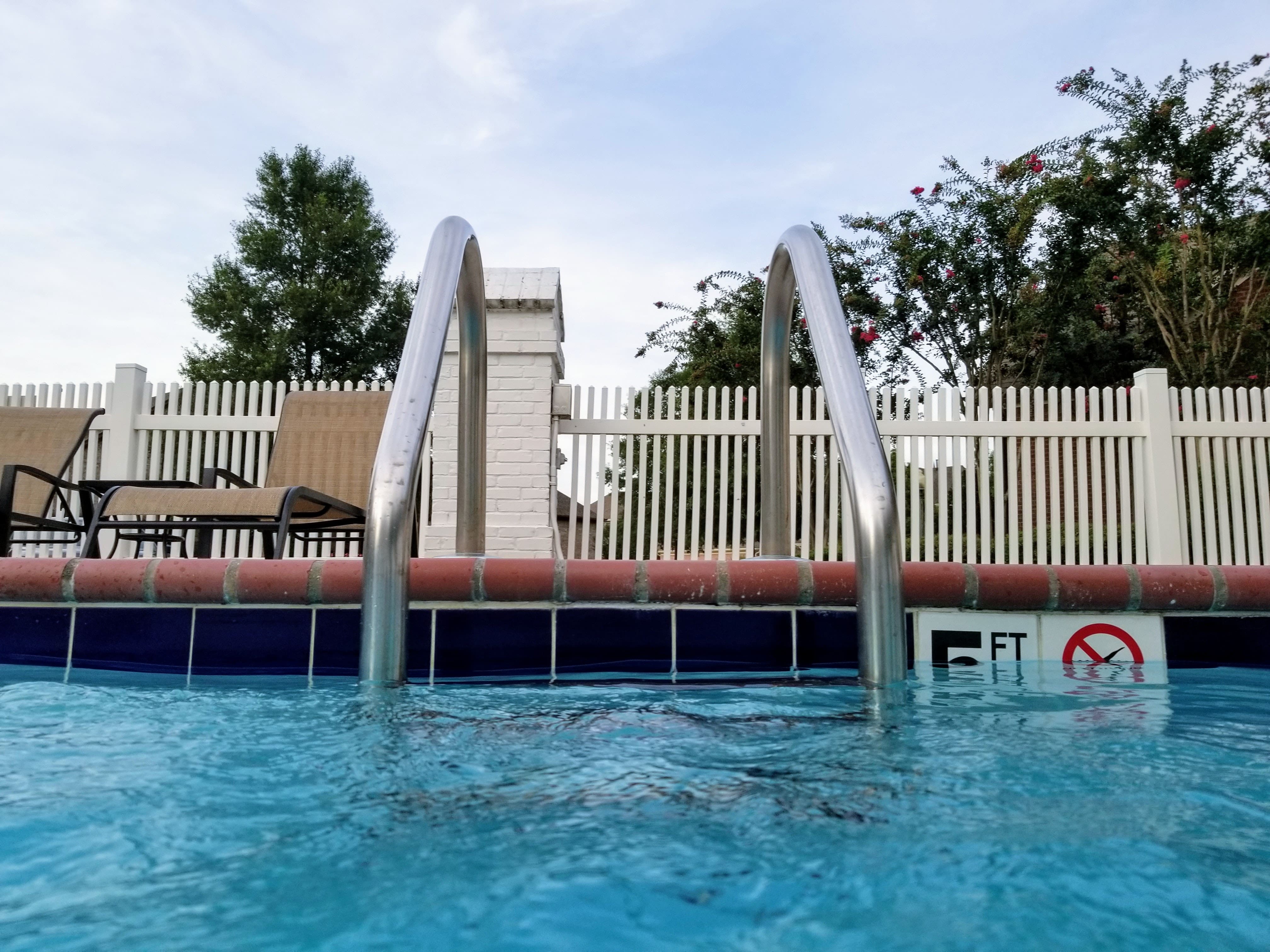
    To seriously minimize the risk of child accidents around your pool, you can’t just practice close supervision or teach safe pool procedures. You also need a gate that protects children from the dangers of water.

    Child-proof pool fences or gates play a huge role in protecting young ones in your family. You can select one with a difficult-to-open latch or even a pool alarm that instantly notifies you if someone has entered when they shouldn’t.

    Some states even have laws that mandate pools to have some kind of barrier surrounding them to prevent tragic accidents. Check with your state to determine what the safety regulations are.

    Whether you’re researching above-ground pools for sale or thinking about installing your own in-ground pool in the backyard, or you already have one, take pool barriers seriously. Look into setting up a gate or fence that will give you peace of mind while your children aren’t supervised.

    Remember: drownings are more common during the summer than any other season, so now is the time to act and prevent accidents.

    2. Start Swimming Lessons at a Young Age

    The sooner your young child can swim to the side of the pool when they fall in, the easier you can sleep at night.

    There are huge benefits to starting child swimming lessons at a young age. Although this isn’t a foolproof way to ensure your child’s safety – comfortability and skill in the water certainly give them a fighting chance if they were to fall in a pool.

    According to the American Academy of Pediatrics, it’s most beneficial for children to begin swim lessons around the age of one. Doing so can reduce the risk of drowning by up to 88 percent.

    Wondering how you’ll start swim lessons when we’re stuck in quarantine?

    Look into private instructors who will come to your house or teach virtual swim lessons you can take with your child. Anything is better than nothing when it comes to swimming education.

    3. Always Have an Adult Stationed Nearby

    This might sound like a no brainer, but it’s still worth stating. It doesn’t matter how strong of a swimmer your child is – if they’re not 14 years or older, you should have an adult nearby to provide aid.

    Keep in mind that nearly 70 percent of childhood drownings actually happen when the kids aren’t swimming. So, if they’re just playing outside around an open pool or sitting on the side, they still need to be monitored to ensure total safety.

    4. Teach Children Openly About the Dangers of Water

    Although you certainly don’t want to scare your child away from using your pool, you also need to impress upon them the seriousness of pool safety. Whether you live in a home near the ocean, a lake house, or simply a home with a pool nearby, it’s vital that you have discussions with your kids early on.

    Some pool safety topics to cover in your discussion include:

    • Rules about entering the water without an adult
    • Basic emergency plans and procedures
    • How to handle falls and close calls
    • Safety concerns like running and jumping around the water
    • Real stories about water-related accidents
    • When to ask for help or call for emergency aid

    As we said, the goal isn’t to leave your child terrified of water. Rather, your goal should be to empower them with the knowledge to enjoy pools and bodies of water safely. The more they know at a young age, the more prepared they can be to protect themselves and others.

    In Conclusion

    Summer is here, and that means most of us will be around water much more than usual – especially with quarantine canceling our vacations and outings to malls, movie theaters, restaurants, etc.

    Now is the time to really think about how you and your family practice pool safety.

    Do you have proper barriers surrounding the pool? Have you educated your child on swimming skills and the importance of accident prevention?

    Don’t wait until it’s too late to take pool safety seriously. If you have children, from infancy to early teens, it’s your job to make sure water accident prevention is a top priority.

    Author Bio:
    Noah Williams is the a manager for Family Leisure. He’s an expert in pools, spas, and outdoor living spaces.


  • Choosing the right garage door

    Choosing the right garage door

    Buying a garage door is a complicated process, there are multiple choices, and styles available in the market. There are various factors that one needs to keep in mind before one finalizes a door. One needs to keep the budget, material, strength, security, and many other factors that one needs to keep in mind before finalizing. For choosing the right garage door, log on to www.sdgaragedoors.co.uk to know about choosing the right garage door. A good door to the garage will last for decades, perhaps even a lifetime. And it makes sense to spend a little more time and energy, making the right option and stop cheap garage doors.

    Below factors to be kept in mind before choosing the Garage door –

    1. Material to be used – 

    Garage doors are made up of wood, steel, aluminum, and other materials. It depends on you and your house’s exterior to choose the right material. Also, the budget plays the main role in the selection of the material. Climatic conditions also play a vital role in choosing the garage door. The choice of metal, fiberglass, or wood/timber for your home depends on your geographical location. Metal and fiberglass are long-lasting materials, while wood is natural and provides a beautiful outdoor aesthetic.

    1. Durability – 

    If you live in a place where there are extreme weather changes, then fiberglass is most suitable for your garage. It is heavy-duty and also acts as a superb insulator and regulates the temperature inside the house and helps in minimizing the bills due to extreme rise or fall in temperature of the house. Fiberglass, unlike wood doors, is also more resistant to splitting and cracking garage doors.

    1. Security Requirements –

    Like your main house’s exterior doors, your garage door requires the flexibility to get into your home and belongings, but also the safety criteria to ensure that it is safe from harm to anyone. The door can be fancy or simple, but how secure it is matters. The door should be made of materials like steel garage doors, aluminum, wood, wood composite, and fiberglass, which provide protection and strength and act as a barrier to thieves. There should not be any weak point in the door in which the thieves or burglars can take advantage and enter your premises. One can use regular locks, t-handle locks, digital locks, and one who needs heavy security can use the garage door defenders to keep the garage safe and secure. The customer should thoroughly check the door to avoid any mishap.

    1. Safety Mechanism – 

    Garage doors are loaded with springs, which act as a countermeasure for the weight of the doors. The buyer should check the number of springs in the door before buying a garage door. It needs to have a minimum of two springs. The doors with one spring work well, but they soon wear out due to the intense pressure, which leads to extra on repetitive servicing. Buyers should opt for a dual spring setup to distribute the weight on both the springs. Ask your garage door professional about the opening of garage doors by roller, canopy, side hinged, or sectional style. They will be able to assess the proper style of the mechanism in your garage.

    1. Insulation –

    You need to regulate the heat and cold waves entering the house through the garage door. The door is opened and closed multiple times in a day, and it is necessary to use a material like plywood, steel, and vinyl that minimizes the temperature change of the house. One can use foam to thicken the door, which acts as an insulator or one can opt for a garage door with proper installation to regulate the temperature change. The customer can opt for a simple aluminum one and insulate its sides with foam, which regulates the temperature.

    1. Maintenance –

    Though you might think you can buy a garage door and never have to fix or maintain it again, think again. As with all other mechanical functions, your garage door should be serviced every few years by a garage door professional to ensure that the springs, mechanical components, garage door opener, and door integrity remain sound. Look for doors in the garage which don’t require much maintenance. Many homeowners prefer not to use, and manually open, a garage door opener. It is always up to the owner to choose.

    Door Type – 

    Keeping all the above factors in mind, one can opt for a ready-made garage door or get it customized as per the requirement. There are doors available in the market which are pre-assembled. The paneled aluminum is such a low-cost door available that it fits comfortably in the void space and assembles easily using bolts and screws. There are also semi-custom and custom garage doors for the buyer. The semi-custom one gives you basic custom features like adding a window to let sunlight in or change in the frame to enhance strength. In custom ones, you can design the garage door to match your house. You can design it like old architecture, or the most modern ones. Custom doors are the most expensive designs for the flexibility it offers.

    1. Designs that correspond to house architecture-

    Gone are the days when homeowners only expected to open and close the garage doors. Today we’re concentrating on eye-catching designs that fit our homes’ colors and architectural theme. Simultaneously, savvy homeowners are aware that the garage door can maximize energy efficiency and comfort. In the changing time, the garage doors are playing a central role in both appealing and in practice in the modern home.

    CONCLUSION:                                                 

    These Garage Door tips should be kept in mind before one buys a new garage door. It covers all the aspects of the materials, security, insulation, and warranty, which will help the customer to buy the door which suits their needs, and budget. Garage doors are not like vegetables and fruits which people buy daily; rather, these are products that are bought once in 8-10 years. People should understand their needs and choose wisely.

  • How to Finance Your Home Renovation Plans?

    How to Finance Your Home Renovation Plans?

    You may walk through your home feeling like something is ‘wrong’ with the way it’s designed.

    In your mind’s eye, you can picture how more appealing your home would be if you could make a few facelifts to it; and wouldn’t your teenage son be happy to have a renovated basement all to himself?

    Photo by Roselyn Tirado on Unsplash

    Photo by immo RENOVATION on Unsplash

    Adding a new bathroom, creating a sanctuary within your home space and making your home more environmentally friendly are grand ideas that can only be made possible if you have the monetary requirements.

    How Can You Fund these Home Renovation Plans?

    You have the following options to fund your home renovation plans:

    ·        Remortgaging/Refinancing

    ·        Home Equity Line of Credit (HELOC)

    ·        A Second Mortgage

    Which of these options is the best for you?

    When to Refinance Your Current Mortgage

    Refinancing can be a good idea, or UK remortgaging can work if you know the exact amount of money required for home renovation. It is smart to take equity out of your home this way, if the penalty for breaking up the 1st mortgage terms isn’t harsh.

    When you change the terms of your mortgage, you can then withdraw the remaining amount to give your home a facelift.  The typical question is how much equity in your home you need to refinance. To do this, you typically have paid a good portion of the mortgage so then the ratio of debt to home value is less than 80%. Also if the value of your property has gone up, you may be able to do refinancing.

    Photo by immo RENOVATION on Unsplash

    For example, if your property is valued at $700,000 and you have an outstanding mortgage of $300,000; you might be able to change the mortgage terms such that you borrow up to 80% of your home via remortgaging. 

    With refinancing, your home is a collateral and this makes the interest rate lower. If you have any other accrued loans or you need to get one soon, refinancing is a good bet.

    When to use a Home Equity Line of Credit (HELOC)

    Don’t know the exact amount you need to refurbish your home? The HELOC gives you a line of credit with a pre-approved limit (like a credit card) and is more flexible to use than remortgaging.  

    Also, you only pay interest on a HELOC if you use it, just like a credit card.

    But with a HELOC, the interest rates are higher than mortgage. Also, as soon as you start using it, you have no grace period where you won’t be charged interest, and the terms are shorter. Since HELOC rates are correlated to the central banks benchmark rates (e.g. Fed rate) the HELOC rates went down significantly in 2020. For example now the HELOC rate in Canada is only 2.95%.

    When using a HELOC in Canada, you can only borrow up to 65% of your home value, and when combined with a mortgage, your Cumulative Loan to Value (CTLV) must not be higher than 80%. To calculate the eligible HELOC amount that you can get in Canada use the Canada HELOC calculator.  The eligibility amount in the US is different than Canada and can reach the total loan to home value of 90%. 

    See the HELOC as that back-up plan that gives you peace of mind if something goes wrong, but don’t spend it on frivolities.

    When to Get a 2nd Mortgage

    Second mortgages are rarely good choices, as rates are much higher on them than for other plans. If you don’t have enough equity in your home however, you might consider it.

    Photo by immo RENOVATION on Unsplash

    Conclusion

    • Consider refinancing your mortgage if you’ve paid a good portion of your mortgage, if your home value has gone up and if you know exactly how much you need to give your home a facelift.
    • A Home Equity Line of Credit (HELOC) may serve you better if you are unsure of how much your home renovation plans would cost and if you need greater flexibility.
    • Rarely does a 2nd mortgage make sense, but if you don’t have enough home equity, then consider it.
  • 5 Easy Steps Choose the Right Mattress for a Good Night’s Sleep – Mattress Buying Guide

    5 Easy Steps Choose the Right Mattress for a Good Night’s Sleep – Mattress Buying Guide

    Introduction

    According to the National Institute of Neurological Disorders and Stroke, sufficient good quality sleep is as important as food and water for the human body to function properly without developing any mental and physical health problems. 

    Photo by Ty Carlson on Unsplash

    For you to be able to achieve the goal of sufficient good quality sleep you need a perfect sleep environment. A perfect sleep environment is that which can boast of having cool temperature, has enough darkness, and is soundproof and above all has a pressure sore mattress that you can choose from the misc type of mattresses to sleep on, read more.

    To buy the right mattress is not an easy task, it requires you to be diligent while doing a tedious job of choosing a new mattress that should serve you for years to come.

    Here are 5 easy steps to choose the right mattress for a good night’s sleep.

    1.Is there a need to buy a New Mattress?

    Investing in a new mattress is a judicious decision, only if you really need to replace your old mattress with a new one because you are facing issues with your old mattress.

    Photo by Francesca Tosolini on Unsplash

    As a general rule of thumb, the old mattress should be replaced every seven to eight years. Also, it becomes important to replace the old mattress if it has developed holes, sagging, deep body indentation, coils or springs have broken and are not able to provide support to your body while you are asleep.

    A poor mattress can be a reason for your fragmented, restless sleep and also you wake up with body aches as it creates more pressure points. The quality and material of the mattress matters when it comes to the average lifespan of a mattress.

    2.Decide on your Budget

    You should decide on your budget before taking a look at the available mattresses from an online store or departmental store in your area.  The options available in these stores can be overwhelming and you should resist over-indulgence, remember, everyone cannot afford to spend several thousand dollars on a new mattress.

    Photo by Sincerely Media on Unsplash

    You should not confuse yourself, more price doesn’t always mean it is of the best quality and has the best features.

    You should not go for a cheap mattress as they are not of good quality and may be made from toxic materials and will have less durability.

    You should be able to get a good mattress in the range of $500-1200.

    If you are looking for a mattress for a king-size bed you may have to pay for more than $1200.

    3.Choose Your Ideal Mattress Material

    Once you have decided on the budget and need of replacing your old mattress with a new one, you should focus on types of mattresses and their material that should suffice for your sleep needs. One harsh truth that you have to accept is that there is no single mattress type that can be perfect for everybody. All the different types have several features to cater to your specific needs.

    Photo by Antonio Caverzan on Unsplash

    You should buy a mattress made of latex if you frequently move and feel hot while you are asleep. Mattresses made of latex also don’t smell heavily like the ones made from other materials.

    You should buy a mattress made of memory foam if you are looking for softness and luxurious feel. Memory foam mattress also provides contouring to your body. It is best for couples as it handles motion transfer better than other materials.

    You should buy a mattress that is made as a hybrid of latex and memory foam to get the best of both types, although it is going to cost more.

    Photo by Kim Schouten on Unsplash

    If you like to have that coil feel in your mattress, you should buy a mattress that has individually wrapped coils so that the effect of movement is kept to a minimum. The mattresses with coils also help in regulating the air and help you to stay cool.

    4.Find your Ideal Sleeping Position

    People sleep uniquely every night, some sleep on their backs, some on their sides, some on their stomach and others in combination with these sleeping positions. Your sleeping position should be a factor in deciding what type of mattress and its level of firmness is good for your ideal sleeping position.

    If you sleep on your back, your ideal mattress should provide enough support to your spine and allow contouring for your spine. You should go for a mattress that has a medium to medium-high firmness level. Memory foam mattress provides adequate support and allows contouring for your spine and is soft enough not to allow the creation of pressure points.

    If you sleep on your sides, your ideal mattress should be able to provide good support to your shoulders and hip joints. You should go for the mattress that has medium-soft firmness level and should allow contouring of your body to support your shoulders and hips.

    If you sleep on your stomach, your ideal mattress should be able to provide equal distribution of weight across your whole body to support your spine as your torso applies pressure on your spine. You should go for the mattress that has medium to medium-high firmness level.

    If you sleep in a combination of sleeping positions, you should go for the mattress that has a medium firmness level.

    5.Consider Your Weight as a Deciding Factor

    When you are planning to invest in a new mattress, you should consider your weight as a deciding factor. Your new mattress should be able to respond in a perfect way to support your weight.

    If you weigh light, less than 150 pounds, then you should go for the mattress that has a medium firmness level.

    Photo by Filios Sazeides on Unsplash

    If you weigh average, anywhere between 150 to 200 pounds, then you should go for the mattress that has medium to medium-high firmness level.

    If you weigh heavy, above 200 pounds, then you should go for the mattress that has medium-high to high firmness level to support sink factor. People who weigh heavily tend to suffer from cooling problems while they are asleep. If you are having cooling problems then you should go for a mattress that allows more air regulation, like coil mattresses.

    Conclusion

    Although, selecting the right mattress is a tedious job but you must spend time and effort in choosing the right one for your good quality sleep. Follow these steps in choosing the right mattress and remember that the new mattress is going to be there with you for several years and you are going to invest a good amount of money on it. According to SleepStandards, you should also check whether the store, online or market provides free delivery, allows home trial, has a return policy, and provides a warranty of at least 10 years.

  • Window Shutters 101: Everything You Need to Know About Them

    Window Shutters 101: Everything You Need to Know About Them

    Window panes and curtains are old news. What’s new (and better) are window shutters. Well, to be wildly accurate shutters have been around for centuries, so, technically, you’re going to be retro. 

    But, 

    The important thing is window shutters are here to stay. And, in case you’re wondering, shutters, do offer many practical advantages other than simply enhancing the aesthetic appeal of your window. 

    From boosting your room’s privacy to offering superior convenience, shutters tick out all the right boxes. However, simply installing one does not necessarily guarantee all the benefits. The key to harness its optimum benefit lies in understanding some crucial factors, like – 

    Do you require an internal or external window shutter?

    What type of shutter is ideal for your house? And 

    What is the proper way of installing shutters?  

    Of course, you can hire professional Shutters Australia service if you require a one-stop solution for all the above queries. Professional shutter companies help you identify the ideal shutter and take care of installations as well.

    Here are some of the fundamentals of shutters you need to know before you can decide on installing one on your window.

    Difference between interior and exterior shutters 

    The first decision you will have to make while considering installing shutters is to choose between internal and external shutters. 

    So, what is the difference between the two? 

    Interior shutters

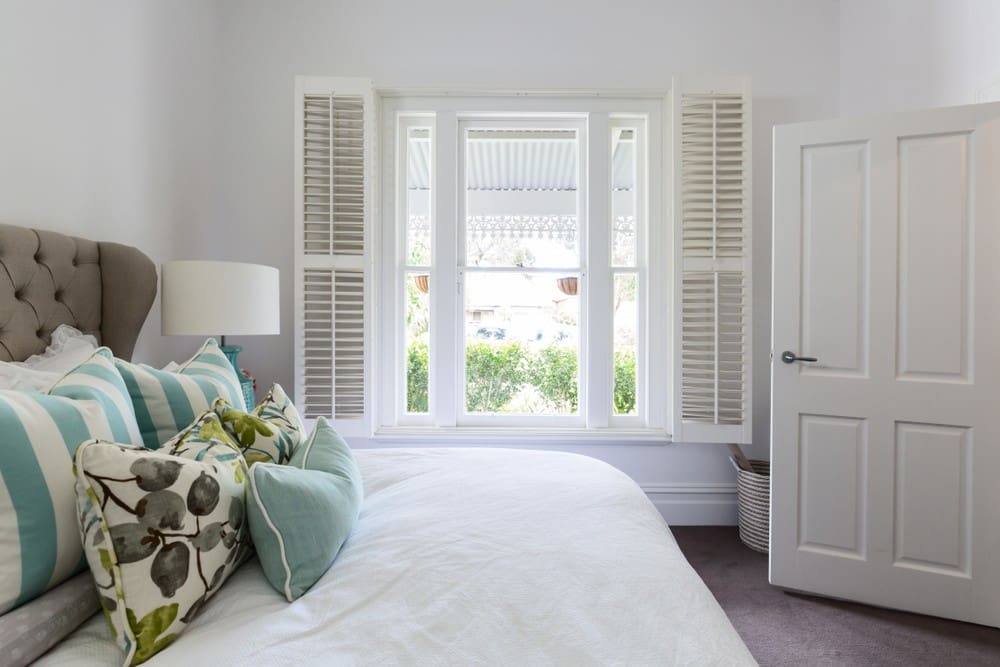
    As the name suggests, these types of shutters are designed to be installed from the inside. The main advantage is that they offer superior privacy and have a longer life span. This is mainly because they are not exposed directly to sunlight, wind, or rain. 

    The downside, however, is that they do not add any aesthetic appeal to your front porch. 

    External shutters 

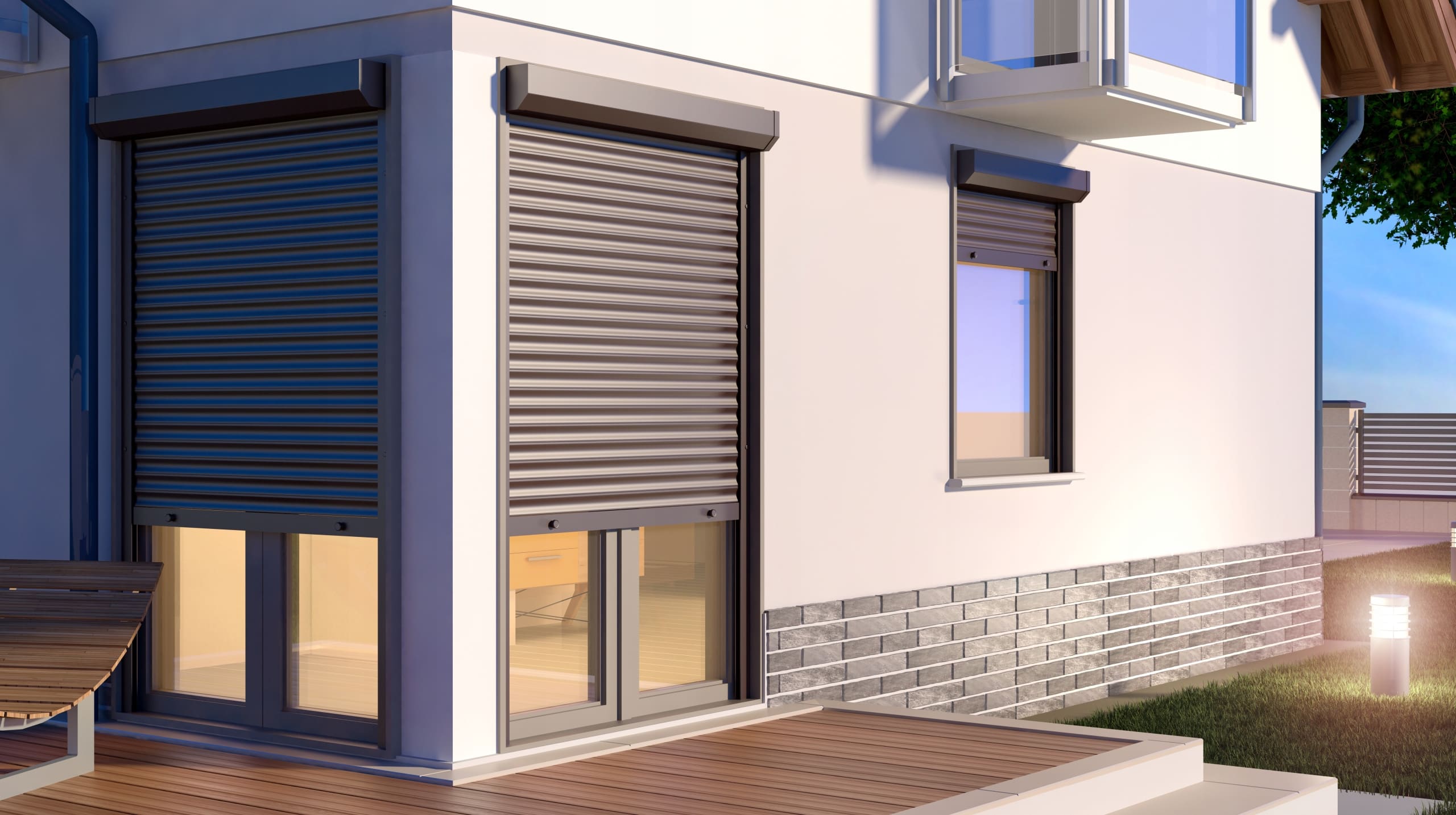
    These types of shutters are ideal for providing maximum protection against harsh weather conditions. In addition, external shutters can also boost the visual appeal of your curb. 

    However, since they are directly exposed to different weather conditions, it can diminish their lifespan. Also, you might require frequent maintenance as well. 

     What are the different types of window shutters?

    Window shutters can be classified based on two factors.

    • Design, and 
    • Type of Material   

    In terms of the type of material used, window shutters are of three types. 

    1. Wooden shutters 

    Wooden shutters are the traditional type that most people are familiar with. Overall, they provide a good balance between durability and practicality. Of course, they are also the best option to obtain a traditional look.

    1. Plantation shutters 

    Plantation shutters are designed ideally to boost the aesthetic appeal of your room (aka, interior shutters). They are also effective for blocking out light and offering good privacy as well. 

    In addition, plantation shutters are also the cheapest type of shutters. However, its durability is mediocre at best. 

    1. Composite shutters 

    Composite shutters are the equivalent of traditional shutters with a modern twist. They are made of a combination of different materials. Thus, making them extremely durable and also quite elegant at the same time.

    The only downside?

    Their substantial price tag.   

    Different types of window shutters (in terms of design)

    1. Raised panel 

    Raised panel shutters look identically similar to a normal kitchen cabinet or doors. They have a low profile and usually come with a single or double raised panel design. They are ideal for home styles such as – 

    • French county 
    • Ranch
    • Colonial 
    • Georgian 
    • Victorian 
    • Cape Cod
    1. Louvered 

    Louvered shutters are what most people are familiar with. They have the distinctive angled slant design that makes it possible to control the amount of light penetration. Visually, they are more pronounced compared to other low profile shutters. 

    They work best with home styles that have a casual or classic appearance like 

    • Georgian 
    • Federal 
    • Colonial 
    • Victorian 
    • Greek revival
    • Italianate
    1. Board and Batten (aka, BnB)

    Board and Batten shutters have a rather old-fashioned design characteristic. As the name suggests, these shutters are made of separate boards (usually 2 or 3) and held together by thin short crosspieces (batten). 

    Due to their classic appearance, they fit in ideally with home styles like 

    • French county 
    • Mediterranean
    • Ranch 
    • Cape Cod 
    1. Bahama 

    Bahama shutters are unlike any other types of traditional shutters. They are ideal for external usage and also come with an additional top hinge mechanism. They are designed to allow maximum air and light exposure inside the room. 

    They are best suited for tropical regions and are also ideal for home styles like 

    • Cottage 
    • Ranch 
    • Cape Cod 
  • What To Consider When Buying A Container House

    What To Consider When Buying A Container House

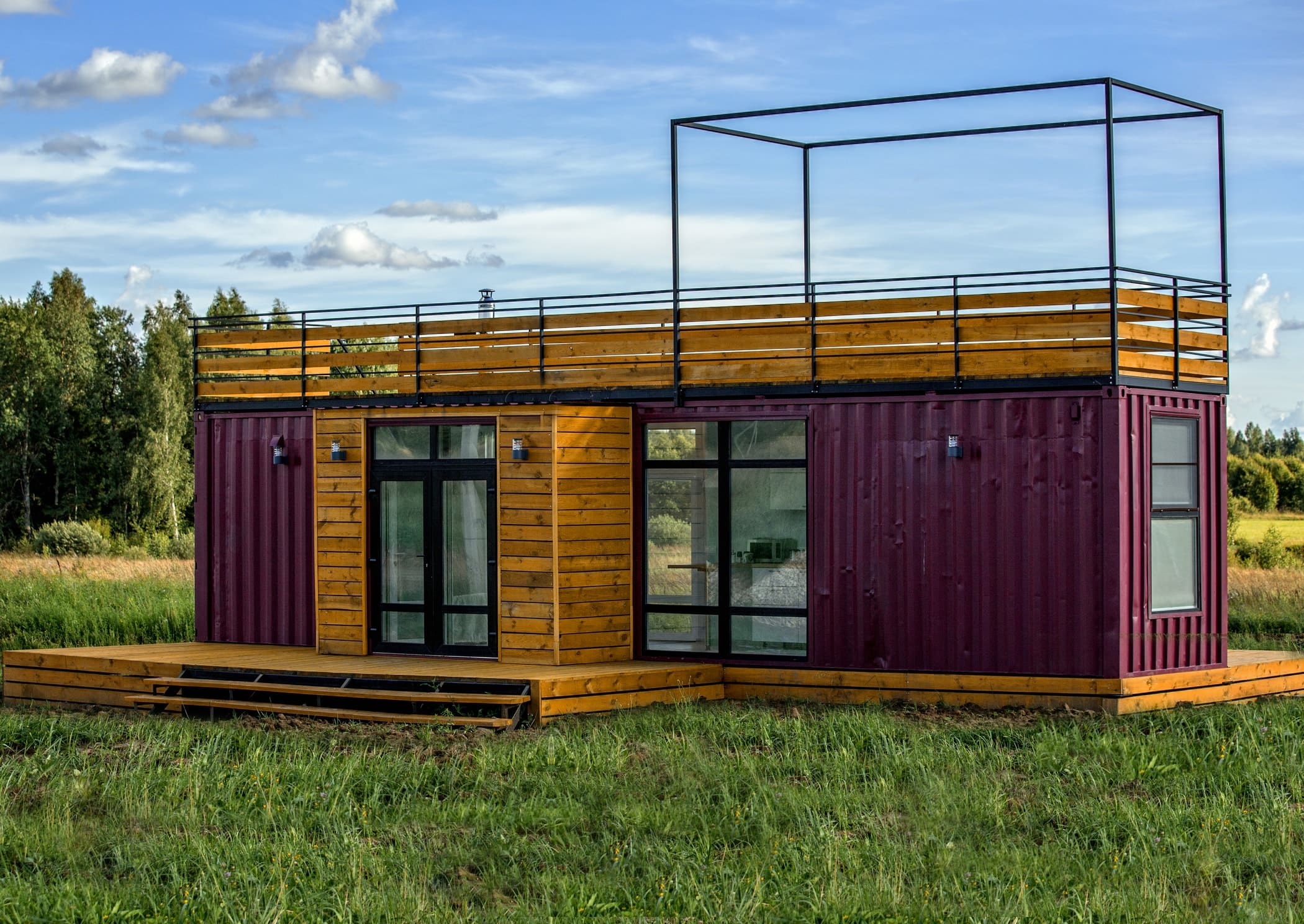
    There was a time when owning your house was very expensive. You would need to take out a loan from the bank or sell some property to be able to build or buy a new house. With the introduction of container houses, the scenario has changed. Although these container houses are different, they are a great alternative to the traditional homes at half the cost. 

    You can now buy tailor-made container houses that fit your list of requirements from trusted container house manufacturers. Here are a few things you should consider before buying your very own container house.

    Examine The Container

    The first thing you want to do before buying a container home is to completely examine the shipping container and make sure it fits your needs. Check the container’s interior and exterior for any signs of corrosion or rust. Make sure the container’s structural integrity is not compromised due to excessive modification.

    There are several types of containers used for building container homes. A container home built using the high-cube shipping container will provide you with more living space. There are other purpose-built containers as well which can provide more width, some provide more height and some bring both options. Choosing the best one depends on your needs.

    Foundations

    A mightly important thing not just for container houses but for all homes is the foundations. You may be thinking why does a steel cube need foundations? The ground is a very unpredictable thing. It can rise, sink, slide, and shake that is why foundations are imminent for protection of the container home. 

    There are different types of foundations that can be used during the building of a container house and while you are buying your container house make sure that the house is well settled on some strong foundations.

    Know Your Budget

    Another thing to be on the look-out for while buying a container house is, how much will it cost? Usually, a container home is half the cost of building or buying a brick and mortar home. So, when looking for your dream container house you need to keep your budget in mind. 

    You can very easily end up spending more money on container homes than the traditional houses because of the various options for various needs. One of the primary features of container homes is cost-effectiveness so while buying them know your budget.

    Know Your Needs

    Different people expect different things from houses. Some just want basic homes that are cheap and don’t cost a fortune to maintain. Others live a luxurious lifestyle and want homes designed like penthouses. There is not much difference in container homes and traditional homes in this aspect. You can buy every kind of container home ranging from a single guest house to a multi-story home. It all depends on your needs and how you want to live in your house.

    Insulation 

    After you find the container home that is within your budget and suit your needs, there are few features you need to make sure the container home possesses. The most important of these is insulation.  Insulation plays a very important part in transforming a shipping container into a liveable house. The containers are all-metal. If not insulated you will be baking hot in summer and ice cold during winter days. So, make sure your container home is insulated.

    Electricity and Plumbing

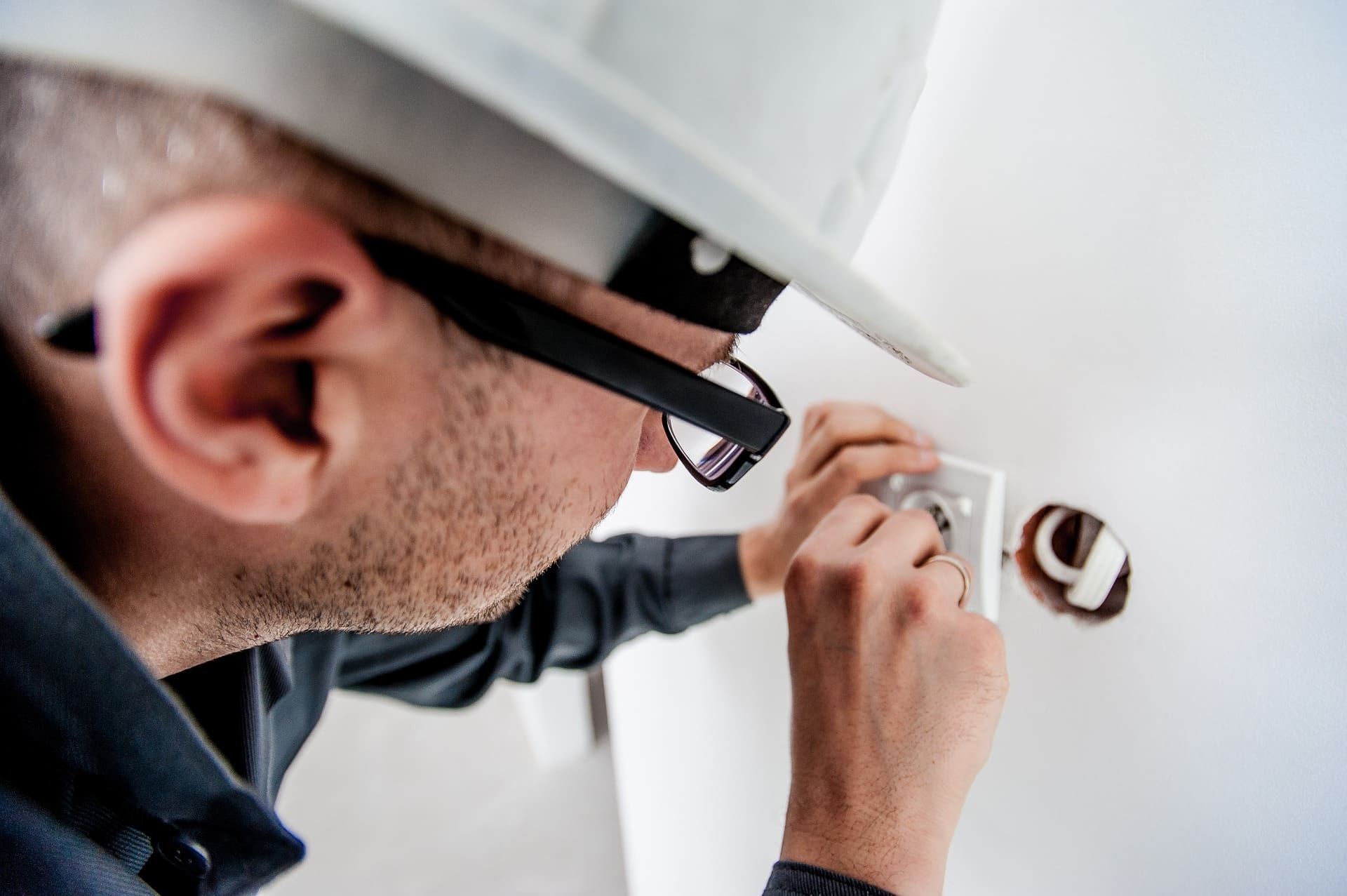
    Pay attention to the electric wiring and water plumbing. Make sure that high-quality electric wires have been used to avoid any short circuits. Also, check for the sufficiency of the electric wiring and outlets because it can be very difficult to redo these things. In addition to lights for illumination, you might also want to consider some decorative LEDs, to create a more beautiful home. Water plumbing of the kitchen and the bathroom should be well done and properly fitted inside the container floor. You don’t want the pipes clogging and ruining the whole interior.

    Expert’s Consultation

    Nowadays no one really likes to get an expert’s opinion on any matter. Everyone is an expert thanks to the internet and google. But, there are still some fields where it is better to get an expert’s opinion as compared to relying on internet information. You can get loads of information but the level of expertise that comes with working in the field cannot be achieved with a google search. 

    So, it is best to hire an expert or a consultant before buying the container homes just to be on the safe side and to make sure you don’t get duped of money. You may have to pay a little extra to the expert but it is worth it because then you know you will get the best advice and in effect buy the best container home.

    Conclusion:

    Shipping container homes are such a unique and exciting idea. They have revolutionized the housing industry and changed people’s perception of a house. These are in no sense perfect, but still great alternative due to their cost-effectiveness, ease of build, ease of maintenance, eco-friendliness, and sustainability. This guide aims to let you know some basic things you should check in every potential purchase of a container home. If you carefully consider all these factors you will surely end up with the house of your dreams. 

  • Why Foundation Repair Is Important For Your Home

    Why Foundation Repair Is Important For Your Home

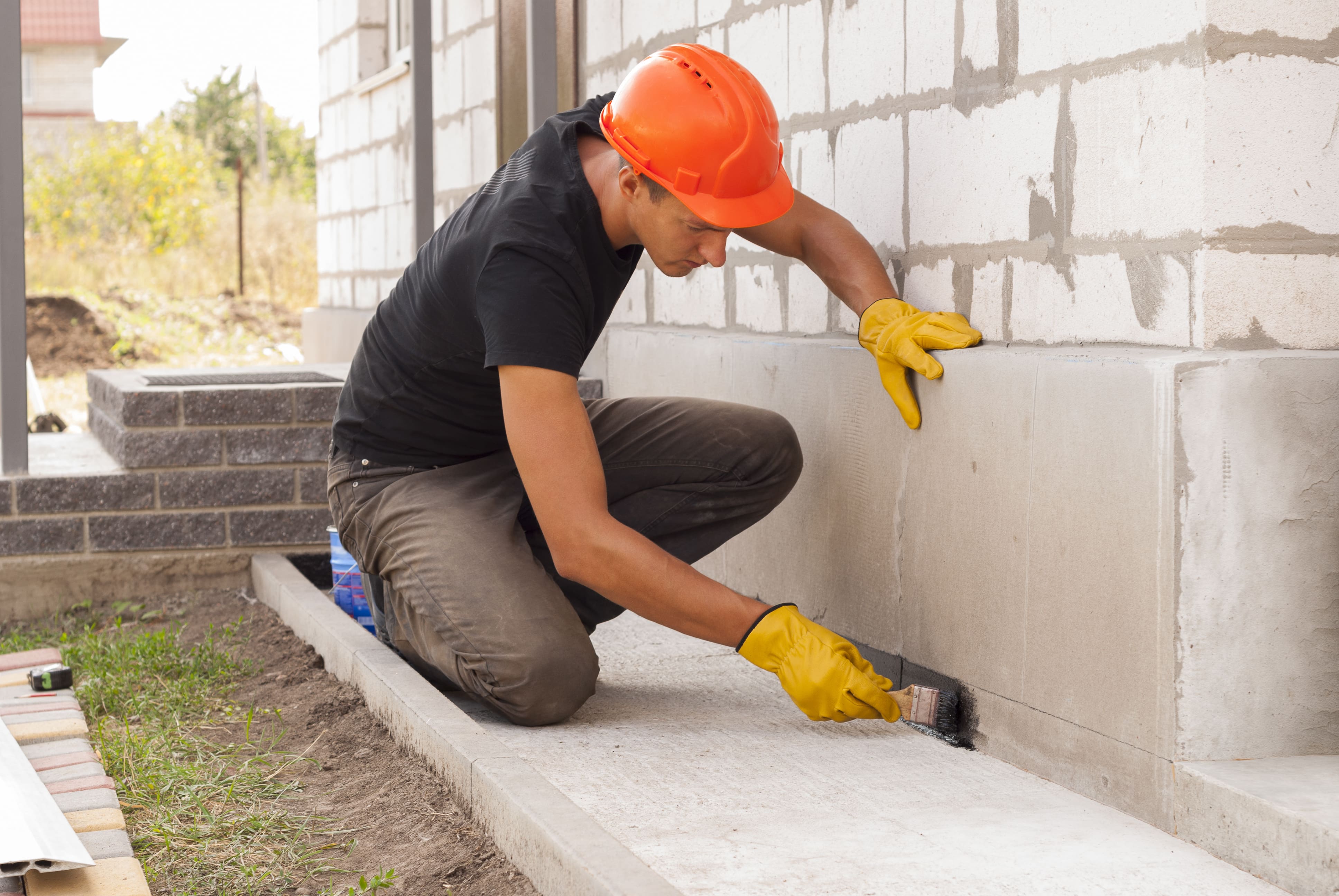
    The foundation of a home is one of the most important aspects of the structure – without a good foundation, the home cannot stand. Unfortunately, over the years of existence, foundations can inadvertently get damaged.

    A damaged foundation is no good for a building. The primary way to prevent further damage is foundation repairs. A foundation repair can either be preventative or rehabilitative. Regardless of which one, foundation repair is essential for several reasons. These include:

    1. Full Structural Audit Of Your Home

    Many homeowners never know the exact state of their building until there is visible damage. Thankfully, you can get a full structural audit by employing the services of a professional foundation repair companies, such as oriolebasementwaterproofing.com.

    Audits can provide information on the current state of your foundation, the likely causes of damage in your structure, and a host of other information.

    1. Reinforced Building Foundation

    Homes suffer from progressive foundation deterioration. When a foundation repair is carried out, a building foundation is better reinforced and stable. Such reinforcements account for a safer home and more structurally stable buildings.

    An even better option is preventative foundation repair in newer homes. This type of foundation repair can further protect your home’s foundation from the expected pattern of damage.

    1. Avoid Major Structural Problems

    Signs of foundational damage might start with a little crack at first, but it is bound to increase if foundation repair is not done in time. A full-blown foundational problem can result in permanent deformation or eventual collapse.

    The best way to keep a basement dry is a proper basement drain system – which can channel water away from your foundation. The basement drain system ensures that the soil around and under the home’s foundation doesn’t get oversaturated with water that can’t drain off. Water that can’t drain off will find a way into the basement.

    Progressive foundation damages spell doom for a structure. Avoid such problems by carrying out a foundation repair.

    1. Prevents Plumbing Problems

    Plumbers use foundations to conceal water piping systems. These fittings are prone to damage in a faulty foundation. Foundation damages can result in serious plumbing issues in your building, including pipe leakage and breakage.

    These plumbing issues are known to be difficult to fix. There is also the risk of actually missing out on such problems for an extended period, compounding the foundation’s problems. There are also damages to piping through walls when a foundation moves. 

    Foundation repair can help prevent any plumbing damages.

    1. Avoid High Repair Costs

    The progressive nature of foundational damage amounts to rising costs of repair. If a foundation is allowed to remain damaged for a long time, it is bound to require higher costs to repair. For instance, a crack will always be easier to fix than a collapsed wall.

    Much-progressed foundational damage will result in significant problems. Such a scale of damage will require several steps to solve than a one-off treatment in the case of simpler damage to a building. Thus, for foundations, early detection and repair can help reduce costs for the homeowner; the earlier it is pegged, the better it is.

    1. Prevents Pest Invasions

    Pests love the environment around a damaged foundation. Such an environment is marked with dark, damp, and unreachable crawl spaces. In such environments, it may become home to different types of insects, rodents, and reptiles. 

    After a prolonged existence in the substructure of a home, pests and insects are bound to invade the home. By repairing your foundation, you can avoid this undesirable experience.

    1. Decreased Resale Value

    You never know if you would like to sell a home in the future. Even when you don’t plan to sell, your building can depreciate with a damaged foundation. Such depreciation can negatively impact your home’s resale value.

    If a buyer can see signs of foundation damage in your home, they know there will be a lot of work required. This opens the likelihood that you will be offered less for the home than it should be. 

    If you want to considerably raise your home’s resale value, go for foundation repair.

    1. A Reassurance of Building Safety

    Few things can reassure a homeowner of their building stability, like knowing the foundation’s stability. With some form of foundation repair carried out in your building, you can be sure no harm is coming to either the structure or its inhabitants. 

    The reassurance you are bound to get from a foundation repair is enough reason to carry out repairs soon.
    Conclusion:

    Foundation repair is both a preventative and rehabilitative measure. Employing the services of a foundation repair can provide you with useful information on the state of your building structure.

    Actual foundation repairs help reinforce the foundation, whether it is progressively damaged or new. You can avoid major structural and plumbing problems with foundation repair. Also, you’re able to reduce the costs of repair by carrying out foundation repair as soon as possible. You also prevent pest and insect invasions with a foundational repair. Lastly, raise the value of your property and make sure it is safe with foundation repair efforts.

  • Building a Rural House? Things to Consider to Avoid Wild Animals From Getting In

    Building a Rural House? Things to Consider to Avoid Wild Animals From Getting In

    Animal Proofing Your Rural Home

    There’s nowhere better to be than in nature. It’s good for our health, both physical and mental, and it reconnects us with what’s really important. It makes sense, then, that so many people are ditching the suburbs and choosing rural life instead. If you’re planning on building your own place closer to nature, you might have considered that you’ll have more to contend with than a couple of house mice.

    Whilst living amongst wild animals is nothing short of magical, the trick is to keep the great outdoors…well, outdoors! This article will cover some things to consider when building your haven in the natural world.

    A tidy landscape is a good place to start.

    Animals like raccoons and squirrels are exceedingly good climbers and will take advantage of any outstretched limbs on trees that go anywhere near your roof. Make sure to trim limbs far enough away that even the most gymnastic of animals wouldn’t have a chance of reaching the roof of your house.

    Another way to discourage any pesky climbers is wrapping sheet metal around the base of any trees that could potentially be a way up and in. Make sure to wrap the sheet metal around the trunk at least five feet up for maximum effectiveness. If bird feeders are to be a feature, make sure to be vigilant about tidying up dropped seeds, or use a tray to catch them.

    Where there are climbers, there’s also crawlers.

    Animals like snakes and frogs love a good shrub. The privacy and the shade are perfect, and if your home is surrounded closely by shrubs, they act as a good hiding place for any potential visitors while they survey your foundations for a way in. If you plan on keeping firewood or other materials outside, make sure to keep it raised off the ground to discourage small animals from nesting in the gaps.

    In terms of the house itself, the most important thing is considering the openings.

    If your house is going to have a chimney, make sure that you install a chimney cap with an appropriate screen to deter wildlife. This way, you’ll avoid getting animals and other debris in your chimney, making it a win-win situation.

    Wildlife moving into the attic is frequently complained about, as it is common to get animals in your attic. Raccoons, opossums, and rodents can chew through vulnerable parts of the roof and make their entrance, often hiding in insulation and causing major damage to the structure and wiring.

    The best way to prevent this is to build a roof with as few openings as possible. Keep all necessary openings like vents covered (either with a specially fitted vent cover or hardware cloth) and consider the flow of water. Drip edges are a small but important addition that stops water building up underneath the shingles; water that could one day cause structural weakness and in turn invite animals in.

    If you have pets, consider using a pet door.

    If your pet can enter and exit through that, then there will be no need to open the door quite so much, therefore reducing the chances of wildlife getting in. Secondly, if the pet door can be controlled by a microchip on your pet’s collar, it will only open for them.

    To totally animal-proof your doors, install bristle strips along the bottom. This will stop any smaller creatures from making their way through any tiny gaps under the door.

    Do all of these, and you’re well on your way to enjoying what nature has to offer, without inviting it inside!