Author: ION

  • Space-Saving Storage Solutions Tips from Barbara Genda Furniture

    Space-Saving Storage Solutions Tips from Barbara Genda Furniture

    Creating and maintaining an organised, clutter-free home can be difficult. But one way to keep your clutter under control is to ensure you have adequate storage space. Often left towards the end of the renovation project, it’s worth factoring storage solutions at the design stage rather than leaving as an afterthought.
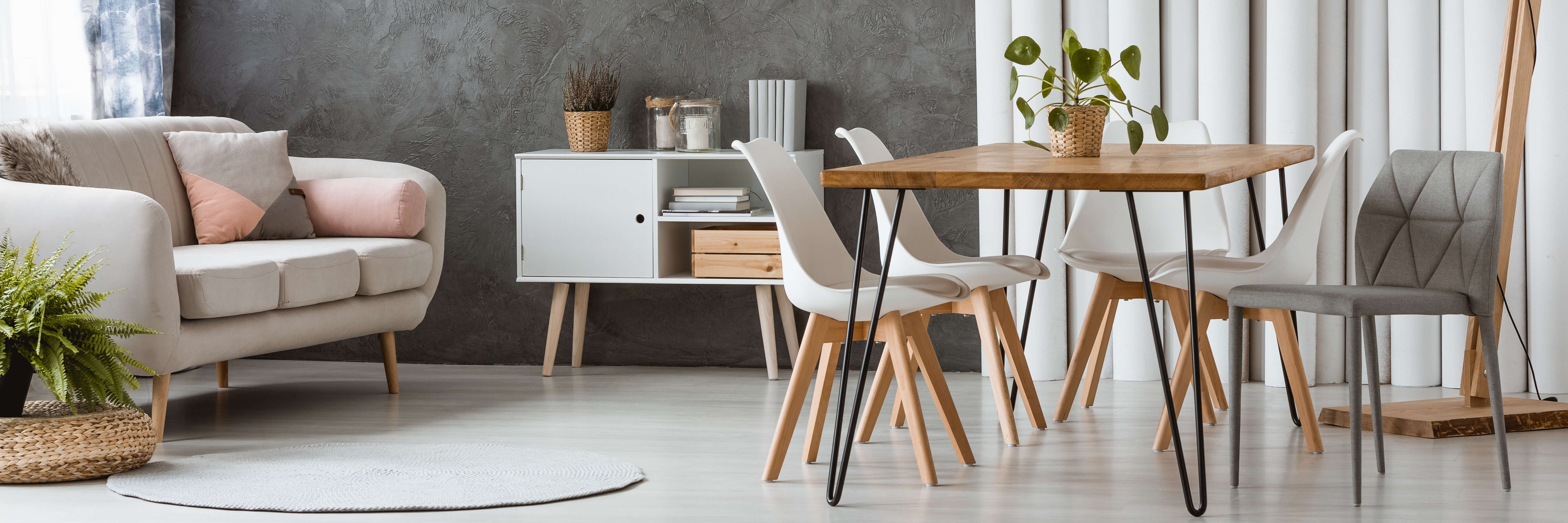
    So whether you’re extending your property, renovating or building from scratch, be sure to incorporate storage in the design stage and make the space in your home work hard for you with these bespoke space-saving storage tips from Barbara Genda Bespoke Furniture:

    1. Plan ahead

    If you’re renovating your home or moving into a new house, it’s essential to plan for the different types of storage solutions you require. Barbara Genda Bespoke Furniture recommends creating a detailed room plan or paying someone to make 3D renders of your home.

    Renders can help you determine where furniture and storage can go and work together harmoniously while helping you envision your new space. Just a little pre-planning of your home’s layout can go a long way.

    Consider how you and your family will use your space and your lifestyles, and plan your layout and storage solutions around your way of life. For professional input, ask a bespoke furniture specialist for their opinion on maximising your space.

    If hiring a bespoke furniture specialist, it’s advised to get them on board the project as early as possible. Simple things such as the positioning of a cupboard, wardrobe or light can have a massive impact on the appearance of a room, and often these decisions are left to builders or chance.

    2. Build storage space in walls

    Building storage space into the walls is a great way to create extra space. Renovating your loft and building into the eaves spaces of the roof is the best way to make use of redundant attic space.
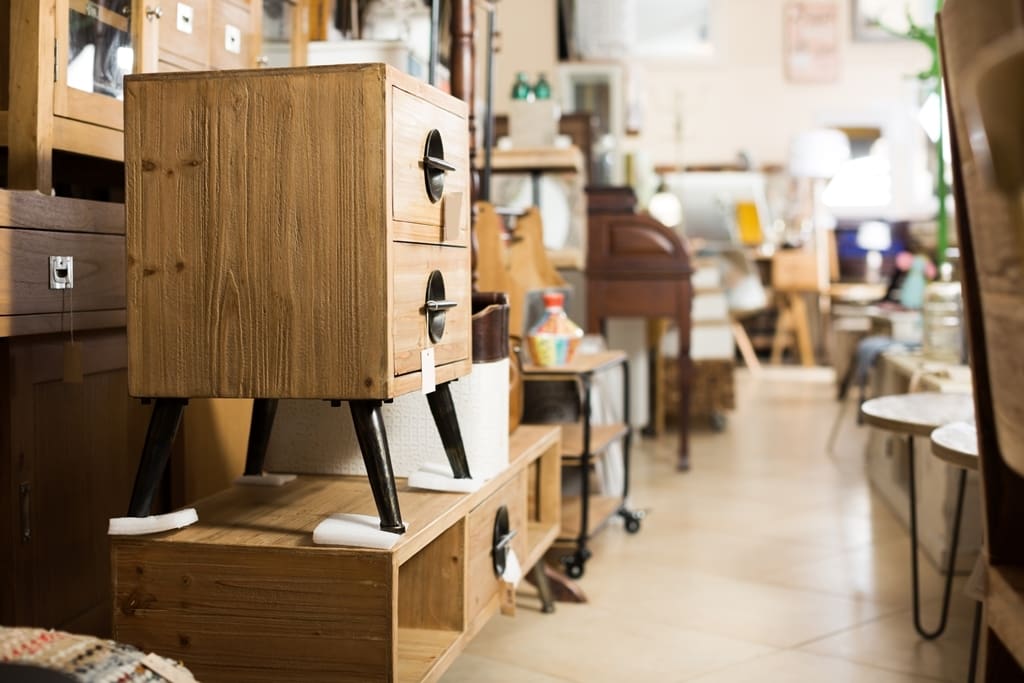
    Alcoves around the chimney are perfect for building bookshelves, cabinets and TV units. Cubbyholes are ideal for storing items without compromising on space. Free-standing bookshelves can be used as room dividers while adding storage to an open-plan room.

    3. Floor-to-ceiling cupboards and shelving

    Floor-to-ceiling cupboards and shelving make use of every bit of space in your home. Built-in bespoke furniture maximises floor space and utilises awkward spaces such as angled layouts and areas with low headroom.

    30% more storage space is achieved with bespoke made-to-measure furniture than with free-standing off-the-shelf furniture.

    4. Convert your loft

    The cheapest way of increasing the square footage of your home while adding value to your property is by converting your loft. However, creating storage space in an attic can be challenging due to the angled lines of the roof.

    With bespoke fitted furniture, you can make use of space that would otherwise go unused. The lower eaves space under the roof is ideal for building drawers and cupboards.

    5. Dont forget small rooms

    Despite what you may think, small and awkwardly-shaped rooms benefit from bespoke storage solutions. Unlike large rooms, small rooms don’t have the luxury of choice, so you cannot rely on the functionality of store-bought furniture.

    Bespoke, well-designed and integrated storage in beds, bedsides and desks look incredible in small rooms and make an otherwise unusable room, practical.
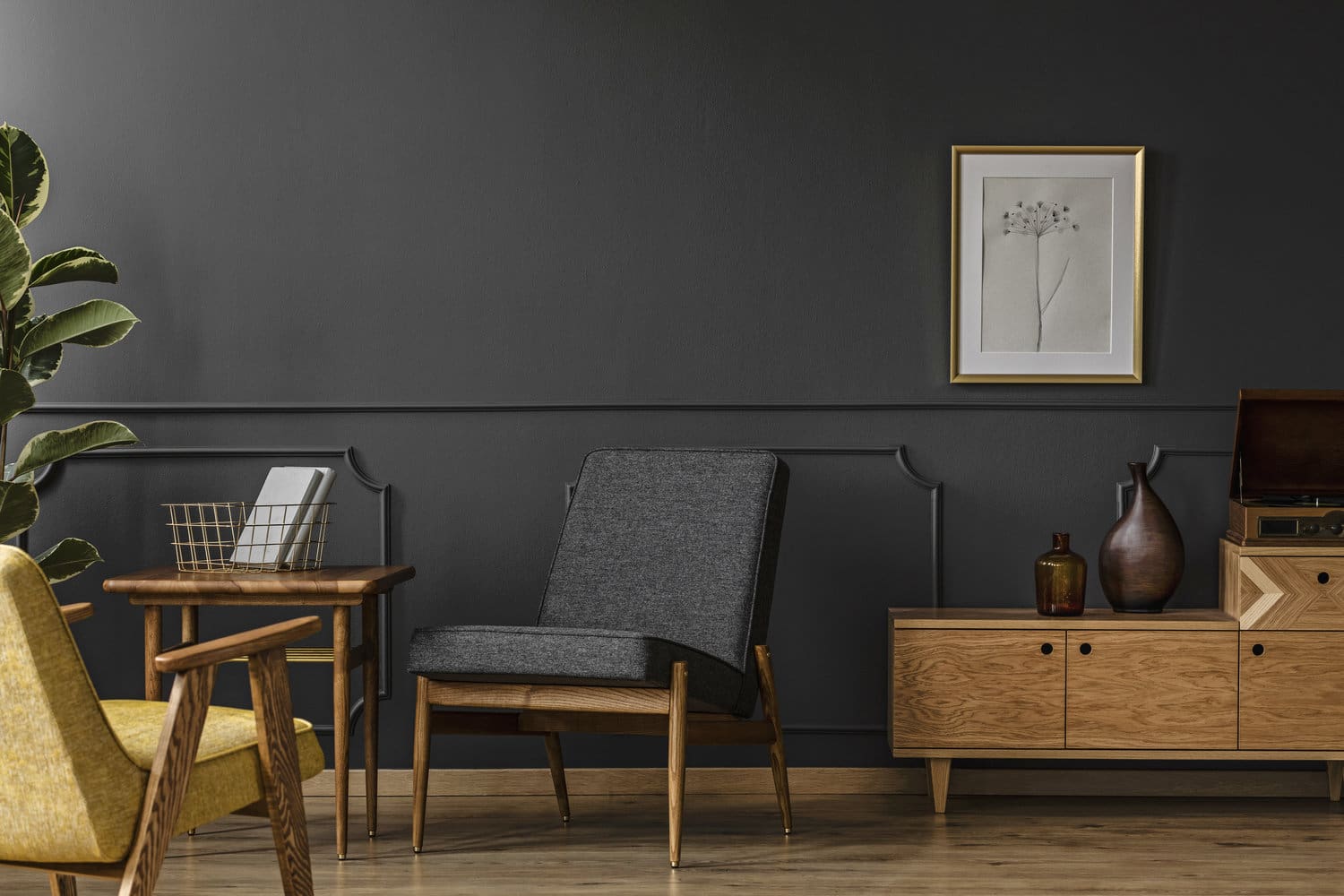
    Wooden furniture in vintage room interior with black walls with molding and dark armchair

    Forward planning in interior design ensures space and storage is maximised. Barbara Genda Bespoke Furniture designs clever storage solutions that maximise the use of space, providing generous, clutter-free interior.
  • How To Choose The Best Flooring For Your Kitchen

    How To Choose The Best Flooring For Your Kitchen

    Kitchens are at the heart of Aussie households. With kids searching the fridge at all hours of the day, Dad turning into a chef at the stovetop at night, and Mum packing lunches in the morning before kissing everybody goodbye for the day, our kitchens experience a large volume of foot traffic from sunup to sundown.

    Further to this, the kitchen is a place that is prone to getting wet – particularly when the little ones try and help with the dishes – and, with the oven and stovetop blazing away, they’re exposed to heat on a regular basis, especially when you’re in the mood for a midweek Sunday roast.

    These factors make it necessary that we have in our kitchens a versatile and high-performing floor that can meet the needs and demands of the modern Australian family.

    In this article, we give you a rundown on the top floors for Aussie kitchens, so you can get back to making cheese-and-bickie platters for your friends and stop worrying about which one you should have installed in your house.

    Low Maintenance

    When it comes to the kitchen, you want to spend more time making a mess than you do cleaning it up, which is why the most formidable kitchen floor is one that is a breeze to clean.

    When you drop bread crumbs or spill the cake mix or slosh dishwater over the sink, it shouldn’t take more than a sweep or a spot clean to bring the floor up to sparkling new.

    Kitchens shouldn’t take much effort in the upkeep department. For this reason, it’s important that you select a floor that can be easily cleaned.

    Our recommendations for low maintenance floors:

    ·     Tiles

    ·     Porcelains

    ·     Vinyls

    ·     Laminates

    Each of these options rank highly on the maintenance ladder, making it super easy for you to clean up any accidents that might happen in the kitchen and to wipe up liquid spills in no time at all.

    Cost-effectiveness

    It’s true. You shouldn’t skimp on a kitchen by purchasing a floor that’s cheap, inferior and unlikely to stand up to the pressures of everyday life in the modern Australian household.

    Kitchens are vital to the operation of a household and will likely experience more use than any other space in your house, so you should pick a floor that’s in it for the long run.

    This might mean you’ll have to fork out a little more than you’d like, but it doesn’t mean you need to blow your budget either.

    If you get wise with your money, you can purchase a floor that is not only perfectly suited to the kitchen environment, but also one that is cost-effective and won’t leave you scraping up pennies to buy your next meal.

    Our recommendation for the most affordable, high-performance floors are:

    ·     Laminates

    ·     Vinyls

    ·     Tiles

    These recommendations offer you the most bang for your buck. They are a hell of a lot cheaper than natural stone and classic hardwoods, yet they are still highly durable and can persevere in a kitchen climate, making them a wise investment both in the short-term and long-term.

    Young man and woman sitting on floor in kitchen and talking. Loving young couple spending time together at home.

    Appearance

    The way your kitchen looks matters, if not to you then to the people who pay you a visit (even though they might say it doesn’t).

    You’ll be spending a lot of time there, so you’ll want your kitchen to be visually appealing. Whether you’re after a simplistic, understated look that exudes homeliness or an uptown look that gives off an atmosphere of eminence and luxury, your floor will have the final say in your kitchen’s appearance.

    The following floors rank highest in terms of looks:

    ·     Natural stone floors (such as marble and slate)

    ·     Natural timbers and hardwoods

    Nothing can surpass the opulence of a natural stone floor, nor the ageless appeal of a classic hardwood. They are unbeatable in terms of their visual appeal. The only problem is that such floors come with hefty price tags.

    But don’t lose hope just yet. If you can’t afford to pay for these trendy floors, you can still opt for lookalike laminate floors, which do a most authentic imitation of their natural counterparts, but at a fraction of the price. This means you can have the upmarket look you’ve always wanted for your kitchen at downmarket prices. It’s a win win for everybody!

    Durability

    Finally, you want to select a floor that’s in it for the long haul.

    You will have people trumping over your kitchen floor for years to come. It will see its fair share of accidents with heat, stains and spills.

    And it’s highly likely it will face the challenge of resisting water absorption on a regular basis.

    For this reason, you want a kitchen floor that can host a kitchen environment for many years, such as the Swiss Krono AquaStop, which is a hardy laminate flooring model designed specifically to withstand spills and water damage, making it an ideal surface to have under your feet in kitchen environments.

    Of course, all floors can have healthy lifespans and receive high marks in the durability department if they’re treated, sealed, and maintained in a proper fashion.

    However, you’ll want a floor that is not only durable, but low maintenance as well (as we mentioned earlier.) For this reason, we recommend the following floors in terms of durability and gumption:

    ·     Tiles

    ·     Laminates

    ·     Vinyls

    ·     Natural stone (if sealed and treated properly)

    These are the hardest floors you’ll find on the market, and the ones that best handle the heat (and wet!) when it comes to the kitchen.

    It should also be pointed out that durability pertains not only to the potential lifespan of a product, but also the ease with which it can be replaced should it become damaged.

    A big bonus to laminate floors when it comes to this is that you can pry up individual planks and replace them separately should the need ever arise.

    Make sure when you invest in a floor you not only consider its durability and lifespan, but the simplicity with which it can be repaired and the cost of those reparations. This might inflate the overall cost of your product when you think about the pricing of future maintenance and replacements.

    The Verdict

    You can optimise the best possible outcome for your kitchen if you take the factors outlined above into account when purchasing your new floor.
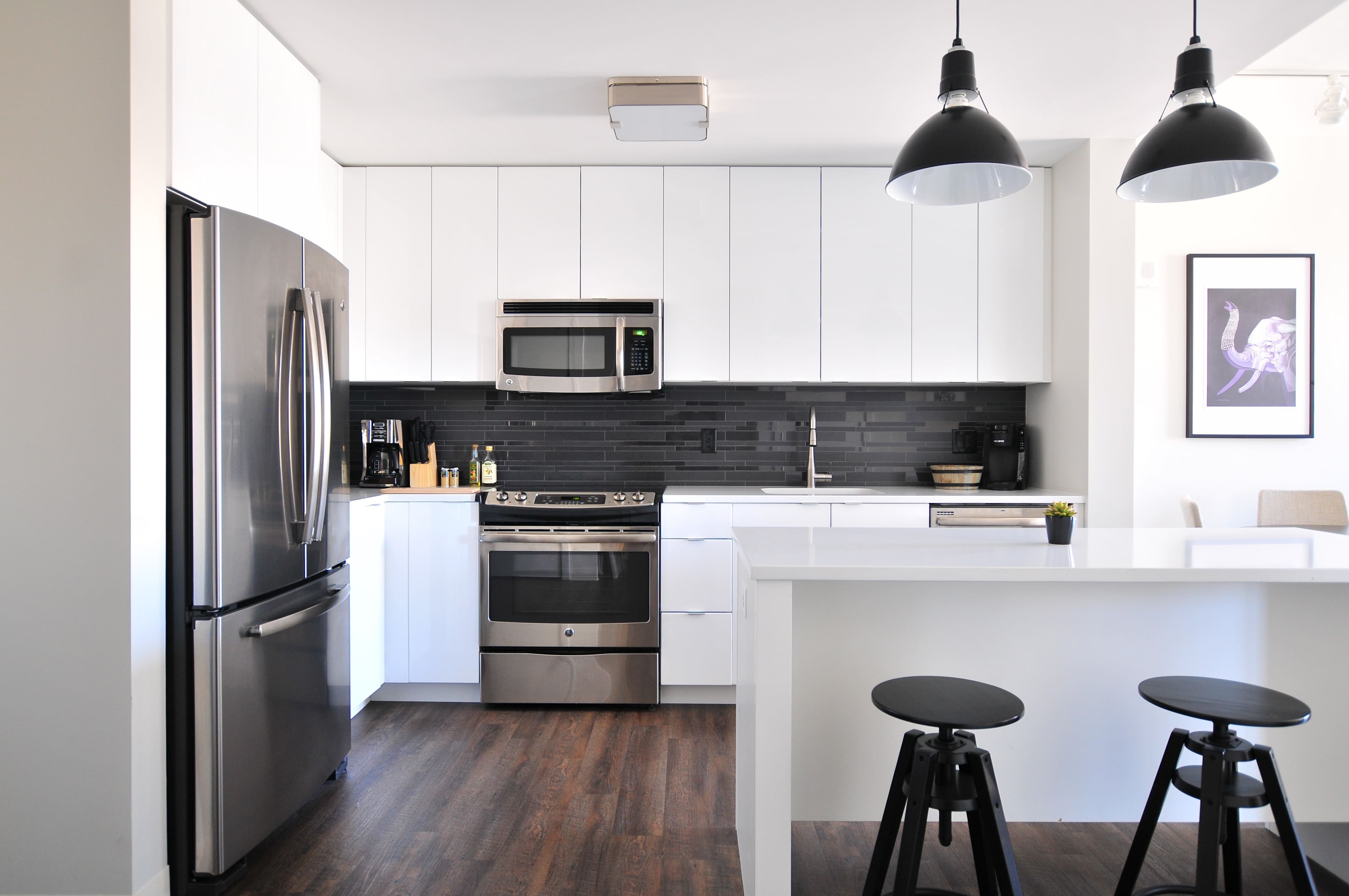
    If you have money to spare, natural stone floors are a great option, but our personal favourite is probably laminate floors or tiles. These materials are highly suited to the kitchen environment, but are available at much cheaper prices.

    Nevertheless, at the end of the day, you need to personalise your kitchen floor to suit your needs, tastes and budget.

    Now that you know what you need to do… go forth, get your kitchen floor, and get back to making memories and beautiful food!

  • 5 Ways to Keep Your Home Safe When You Aren’t There

    5 Ways to Keep Your Home Safe When You Aren’t There

    It’s no secret that with advances in technology, criminals seem to be getting smarter too. It is a challenge to try to keep up with new security hacks, especially when you can’t afford to spend a small fortune.

    Many homeowners expect that burglar-proofing a home will leave them seriously out of pocket. This is not the case. There are affordable solutions that can help you to ensure your home is protected while you are not there. Here are a few solutions to get you started.

    Ensure Doors and Windows Are Locked

    Get into the habit of locking doors and windows each time you go out. Even if you live in a safe neighborhood, getting into the habit of locking up can deter opportunists who may be walking past your home.

    It is also advisable to maintain latches and ensure that they are in good working order at all times.

    Consider a Home Security System

    Not only are there a wide variety of traditional systems to choose from, but you can also now have a smart system installed that alerts you immediately through a smartphone app. No matter where you may be, you can be notified of an incident and react accordingly.

    You can forego the expensive option of installing costly, state-of-the-art equipment because there are alternate solutions that offer similar features. Choose to install a reliable, capable, smart home monitoring systems in your home to keep it safe from intruders.

    Learn more about the variety of systems that are available for your home. These smart packages allow you to enjoy high levels of safety as well as complete peace of mind, knowing that your home is secure.

    Regular Routine Maintenance

    If you have a weekly garden service that maintains your gardens, try to ensure that they continue as usual when you are away. If your home is being watched, any changes in the regular daily routine will signal to criminals that you are away.

    Experienced burglars are smart, and will keep track of comings and goings. Be vigilant and try to maintain weekly visits so that they are not aware of your home being vacant. Always try to create the impression of ‘business as usual.’

    Make Sure Your Outside Areas Are Well Lit

    A well-lit area makes it more difficult for an intruder to break into your home. An area that has bright lighting is more visible to neighbors and will deter criminals from trying to access your property.

    Another valuable addition to your home security system is an exterior sensor light. These lights detect any movement and will activate immediately if there is any activity within range. A light that suddenly switches on may give intruders the impression that someone is in the house. This may cause them to flee the scene immediately.

    Remote Control Garage Doors

    Although individual remote controls are almost always programmed to only work with a specific device, universal remotes can be obtained that perform multiple functions, such as opening garage doors. Innovative thieves have found ways to procure and program universal remotes, giving them access to homes through garage doors.

    Deactivating the garage door remote control is a good idea to consider if you are going away for an extended period. You should instead opt to lock the door with a secure, manual locking device while you are away. This will make it harder for criminals to gain access to your house through the garage.

    Conclusion

    It may seem like a lot of hard work and extra effort to implement additional security features to your home, but it is imperative if you want to ensure the safety of your house and its contents.

    Leaving your home and knowing your valuables are safely locked away can go a long way in reducing stress levels while you are traveling.

  • Do Granite Countertops Add Value to a House?

    Do Granite Countertops Add Value to a House?

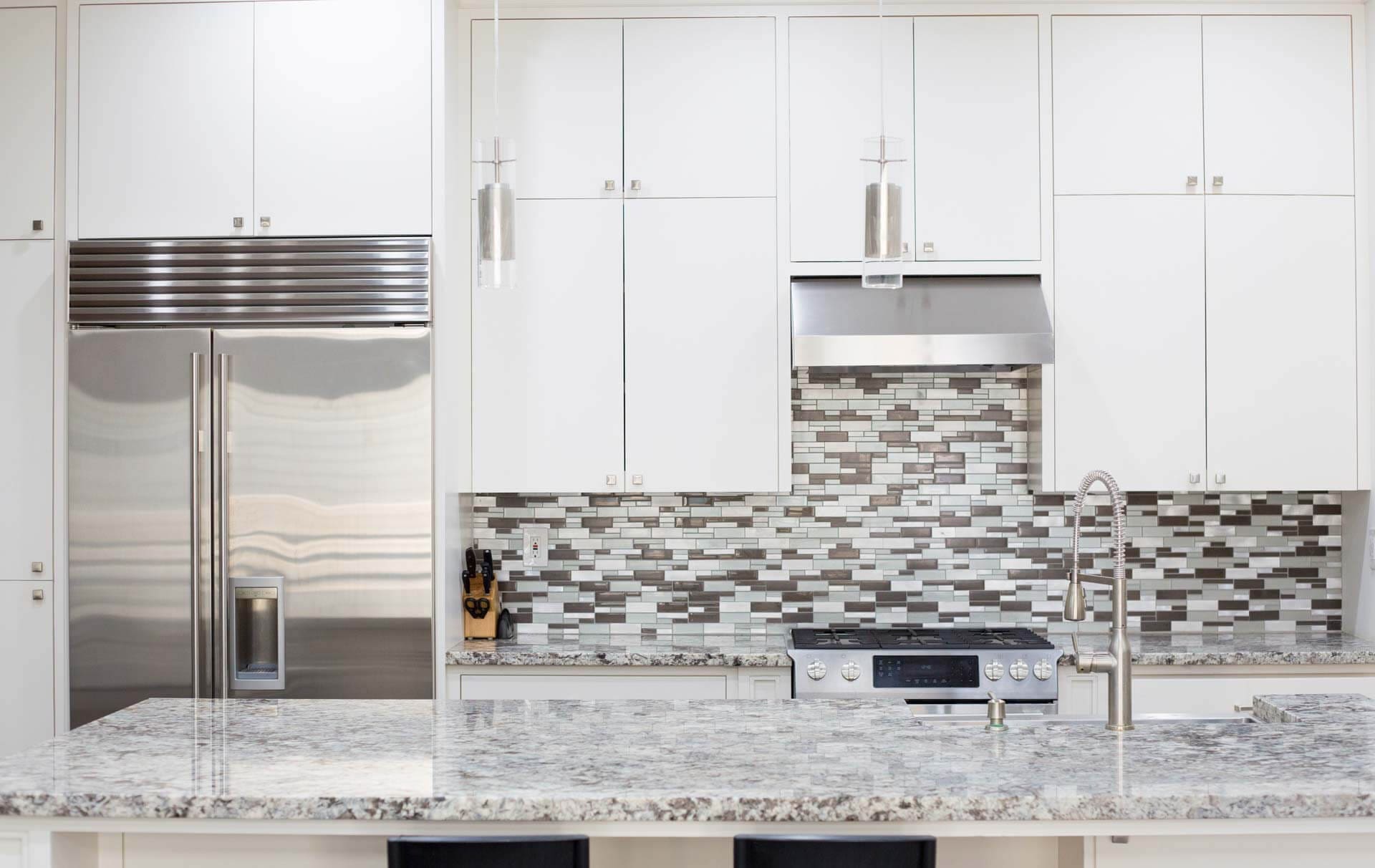
    When it comes to resale value, a home’s kitchen is one of the two most important rooms (the second being the master bathroom). Because of this, choosing the right countertop surface is key, making the question of ‘do granite countertops add value to a house?’ an incredibly pertinent one.

    Once upon a time, granite countertops were seen as the epitome of luxury. While you could still do much worse than this igneous rock when it comes to countertops for your kitchen and/or bathroom, they have waned in popularity recently and no longer add as much value as they once did.

    Let’s explore further.
    Do Granite Countertops Add Value to a House?

    Granite countertops were popularized in the 1980s, when they were an ultra-rare luxury that only the wealthiest of homeowners could afford.
    Since then, however, granite countertops have become easier to produce. Particularly in the 2000s, the term ‘granite’ became synonymous with the term ‘countertops,’ and just about everyone was racing to have them installed.

    But the same advances in manufacturing and shipping that made granite a household name have also drastically improved other materials like quartz, which offer benefits that make granite’s $40 to $100 per square foot price tag seem like less of a value proposition.

    Countertop manufacturer Caesarstone has put together a great guide comparing quartz and granite directly, and we’ll refer to some of their insights below to help you understand why granite is dropping in value.

    But to answer the primary question, ‘how much value do granite countertops add?’ is increasingly met with an answer of ‘less than they once did.’

    How Much Value Do Granite Countertops Add?

    When considering ‘how much value does granite countertops add to a home?’ it’s important to note that they’ll still leave you much better off than laminate or tile, which are the least desirable materials.

    You can expect to recoup roughly 80% of your upfront costs on granite countertops.

    As with everything else in real estate, this isn’t a certainty; prospective buyers will look at the value of other homes in your neighbourhood to judge whether or not yours is priced exorbitantly. If it is, even granite countertops won’t necessarily push buyers to spend above the average going rate for houses in your area.

    There’s another important disclaimer to consider alongside the question, ‘how much does granite countertops add to home value?’ That is, the 80% figure mentioned above (which many granite countertop manufacturers are also quick to cite) only refers to your upfront costs — and granite comes with many maintenance costs that will push your overall return on investment down.

    Why Granite Countertops Can Be a Terrible Idea When Seeking to Add Value to Your Home

    Reason #1: Maintenance

    Granite countertops need to be resealed about once annually to minimize stains, which happen with alarming ease in light of granite’s porous nature. You can only ever minimize these stains, however, as they are an inevitable reality of living with granite countertops.

    The average consumer spends as much as $8 per square foot on this maintenance and restoration process, costing a total of almost $800 for the kitchen alone.

    You can get away with doing a full repair and treatment less frequently than every year but sealing is imperative and will still cost you about $3 per square foot. That’s nothing to balk at if you have granite surfaces in both your kitchen and your bathroom.

    When granite countertops were the must-have item on the market, this was considered a reasonable expense. However, advances in other materials have made it downright ridiculous.

    Many prospective homebuyers understand how much of a headache granite can be, which is why they shy away from it and may actually see it as a downside to your home.

    Reason #2: Reduced Aesthetic Appeal

    Design trends can be fleeting. Natural stone surfaces suffer in this department due to their limited aesthetic range. You can find granite countertops in a few different shades but they all range from black to grey and certain browns.

    In 2019, consumers have come to expect a greater range of colours and patterns from surfaces. As a result, commercial spaces like shopping malls and offices are bucking granite countertops in favour of materials that offer more options for customization.

    The Best Countertop Choice for Adding Value: Quartz

    Now that you understand the answer to the question, ‘how much value does granite countertops add to home?’ is ‘not as much as you’re probably expecting,’ you may be wondering what the best alternative is.

    Without a question, that would be quartz, which is engineered stone.

    Engineered stone is seeing a surge in popularity reminiscent of what granite experienced in the 1990s and 2000s, due to similar factors.

    Quartz has become much easier to manufacture in recent years, going from an ultra-luxury item that only the rich chose over granite to a material that now costs within the same ballpark as natural stone.

    Unlike granite, however, quartz is unlikely to wane in popularity anytime soon. Its fundamentally engineered nature provides opportunities for continual improvement — and many brilliant designers are using that to their advantage, creating variants that set trends.

    Here are a few more reasons quartz countertops add value to your home.

    No Maintenance Costs

    While the question of, ‘does granite countertops add value to your home?’ inevitably leads to discussions about their maintenance costs, the question as it pertains to quartz leads to no such thing.

    That’s because quartz does not have any maintenance costs. The sealant never needs to be replaced as it’s engineered right into the material itself, meshing with loose quartz rocks to create a surface that lasts a lifetime.

    More Durable Overall

    Quartz offers a similar level of resistance to heat and scratching that granite does. It’s also not porous, meaning it won’t stain as easily as granite will.

    More Aesthetic Variance

    Quartz is engineered to resemble a whole host of materials while overcoming each’s physical imperfections. That means you can get a quartz countertop that resembles granite but is not porous and hence will not stain.

    Beyond colour and patterns, quartz can be molded into just about any shape you would ever want for your kitchen or bathroom surfaces. Unlike granite, you won’t see unsightly seams joining multiple slabs together to create something unique.

    Better Resale Value

    In light of the above benefits, you can expect quartz countertops to retain much more value than granite. Industry experts like those at The Spruce rate them as the best overall choice for countertops, with many homeowners regarding them as even more desirable and valuable than granite.

    Expect to recoup as much as 100% of your costs. You may even make money on quartz countertops if you’re able to score a deal on installation.

    Does Granite Countertops Add Value to Your Home? — Conclusion

    To wrap things up, the answer to the question, ‘how much does granite countertops add to home value?’ is ‘not as much as they used to — especially when you factor in maintenance costs.’

    These costs coupled with granite’s limited aesthetic variety have significantly reduced the material’s desirability in recent years.

    Engineered stone, commonly referred to as quartz, has overtaken granite to become the countertop material of choice for 2019 and beyond. Its limitless options (quartz is an engineered material that can take on various appearances) mean it is likely to hold this title for years to come as designers create versions that keep up with the times.

  • How to Protect Your Home from Mold in the Winter

    How to Protect Your Home from Mold in the Winter

    The winter is a season that makes many people excited because of the festive season and the enchanting scenery created by frost and snow. However, it is also a season that can cause a lot of worry when it comes to your home. From frozen pipes and increased energy bills to the increased risk of mold, there are lots of problems that can arise in your home during the winter months.

    Close-up Of A Shocked Woman Looking At Mold On Wall

    When it comes to mold developing in your home, it is important to familiarize yourself with some of the main causes of this. You can then take the steps necessary to protect your home from mold this winter. By doing this, you can help to safeguard your home and protect those that live in your property. In this article, we will look at some of the basic steps you can take to protect your home from mold in the winter.

    Some Methods that Can Help

    Documents about mold inspection with clipboard.

    There are various methods that can help when it comes to keeping your home protected from the development of mold during the winter. Some of the key methods to use include:

    Maintain Your Crawlspace

    There are many serious problems that can arise as a result of your crawlspace, and this is often because the area is not properly maintained. You can turn to professionals such as JES Foundation Repair to deal with issues in your crawlspace. Increased humidity and moisture in the crawlspace of your home can also have an impact when it comes to mold development inside the home, so it is important to seal off your crawlspace vents during the winter in order to reduce risks.

    Keep Your Home Ventilated

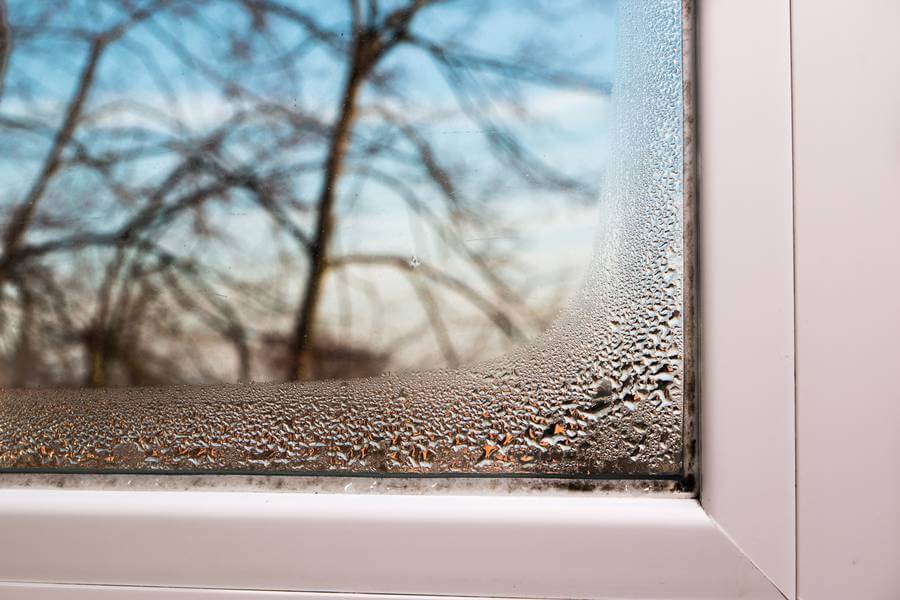
    It is tempting during the colder winter months to keep all windows shut and end up in a home that is not ventilated. While this keeps out the cold winter chill, it can also keep out fresh air that is necessary to keep mold development at bay. You may find increased condensation in your home without proper ventilation, which can lead to wet surfaces and areas where mold with thrive. So, make sure you do not reduce ventilation in your home to a level where there is no fresh air circulation, particularly in rooms such as the kitchen and bathroom.

    Check Your Pipes and Roofing

    As mentioned earlier, frozen pipes during the winter can be a problem, and this can lead to pipes bursting and causing flooding. In addition, you are at increased risk of damage that causes pipes to leak and you could even experience leaking from your roof. In order to prevent this, it is important to check your pipes and roof during the winter months, as they are at higher risk of damage and leaks. This could then boost the chances of mold developing in your home. If you notice any issues with leaking, make sure the problems are addressed right away.

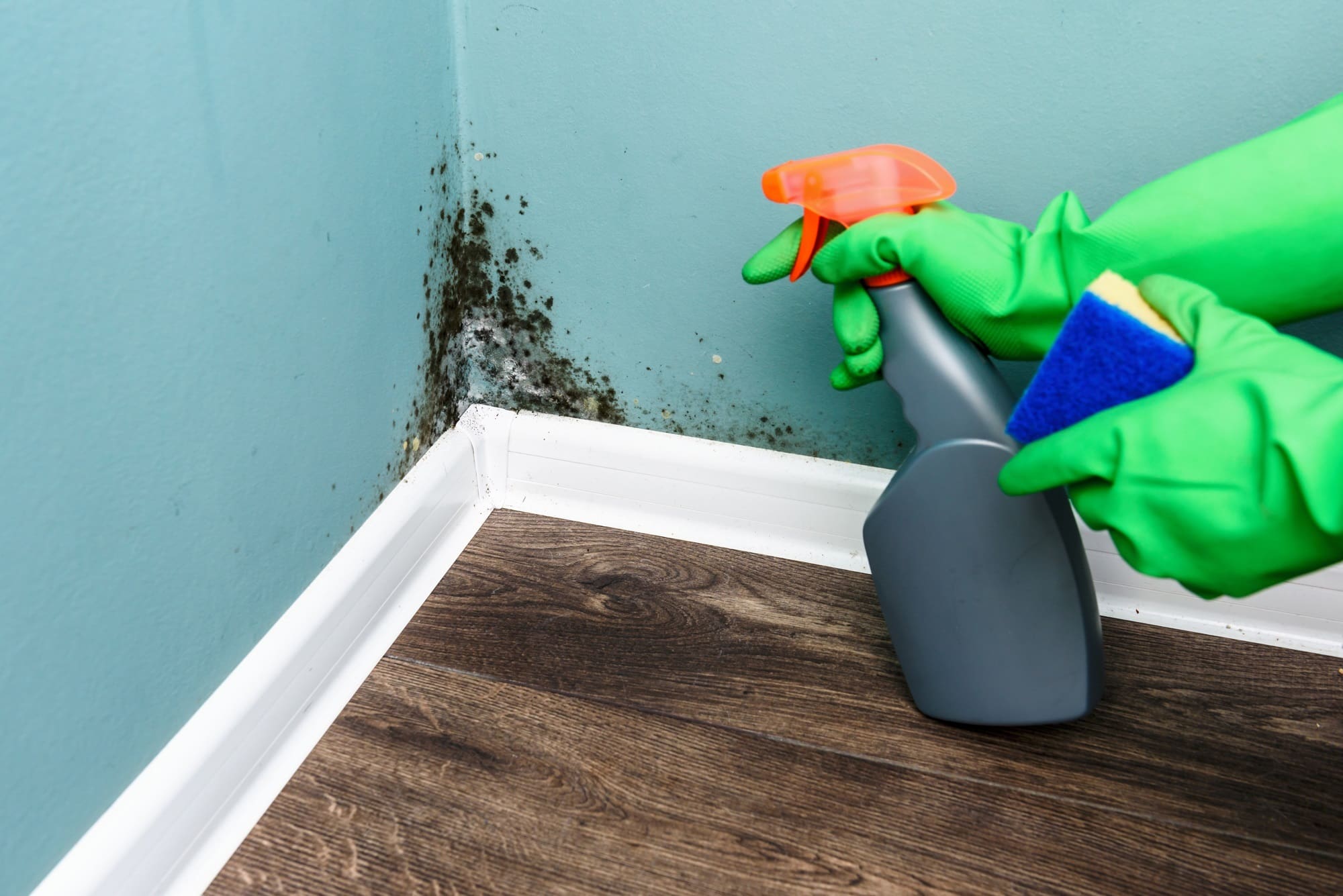
    Spray bottle and sponge near black mould wall. House cleaning concept

    Keeping Your Home Safe and Hygienic

    When mold develops in your home, it can be extremely difficult to get rid of it. It can also cause a huge range of issues from damage to the home and décor to causing health problems. If you have elderly people or very young children in your household, they will be an increased risk of health issues. The same goes for those who suffer from allergies and respiratory problems. So, it is not worth taking any chances during this season. By following the above steps, you can reduce the risk of mold developing and enjoy maintaining a safe and hygienic environment.

  • 4 Ways To Reduce Cleaning Downtime and Cut Costs

    4 Ways To Reduce Cleaning Downtime and Cut Costs

    For most commercial businesses, cleaning is a crucial part of regular operations. But whilst it’s important to maintain high standards of cleanliness, many companies waste countless hours on cleaning when they could achieve the same level of hygiene at a fraction of the time and cost.

    Reducing cleaning time is actually a lot simpler and easier than you think. With a few small changes, you’ll get the job done faster and cheaper.

    1) Clean strategically

    Instead of just getting on with it, take some time to really think about all the tasks that need doing as part of your cleaning process. Make a list of all the things that need doing, how often they need to be done and how long they usually take to complete. You can also make a list of all the equipment and consumables used for each task.

    Once you’ve done completed this master list, take a step back and analyse the content. Think about changes you could make to the current order of things that would maximise productivity and reduce downtime. For example, if you have a large facility, you should try and schedule your cleaning operations geographically to reduce driving time and fuel costs in between locations.

    If your current cleaning strategies are insufficient, you may not to overhaul your entire operation. Or, it may just be a matter of making a few small tweaks. The point is to have a strategy and a plan in place to maximise productivity, minimise downtime and keep costs to a minimum.

    2) Train your staff

    This may sound very simple but you’d be surprised how many businesses just assume that staff know what they are doing. Whether it’s wiping down tables or operating complex cleaning machinery, your staff should be properly trained on how to achieve impeccable hygiene standards as quickly and efficiently as possible. Taking the to train your staff on this will actually save you endless hours further down the track.

    3) Buy in bulk

    As we’ve already mentioned, cleaning is a crucial and unavoidable part of any commercial business. You’re always going to have to clean regularly and you’re therefore always going to need a certain amount of consumables. So why not save some money by buying in bulk?

    If you’ve followed step one of this article, you should already have a list of all the consumables and equipment you need for your cleaning operations, so it shouldn’t be too difficult to calculate how much you need for six months of even a year’s worth of cleaning. Simply buying it all in one go could save you a lot of money, and when you’re certain that you’ll be using it all, it’s a no-brainer.

    Team of janitors cleaning office

    4) Invest in right equipment

    Although it may seem counterintuitive to spend hundreds or thousands of dollars on cleaning equipment, investing in the right equipment could actually save you so much more in the long run.

    For example, if you run a large warehouse facility, sending an employee around with a mop and bucket is a colossal waste of time and money. It takes a very long time to cover large areas this way and given that warehouses tend to have a lot of dust and debris, your staff will probably just end up spreading the dirt around the floor instead of actually cleaning it. In this instance, you would benefit from investing in a ride-on sweeper or scrubber. Although admittedly it will cost some money to buy it in the first place, the amount of time, effort and consumables you will save in the long run will make it well worth the investment.

    Of course, when it comes to investing in industrial cleaning equipment in Australia, you also want to ensure that it’s high quality and fit for purpose. So don’t be afraid to shop around and ask the sales staff plenty of questions before making a purchase.

    Conclusion

    Reducing your cleaning time and costs is not rocket science. By taking a bit of time to analyse and re-evaluate your current practices, you can make simple yet surprisingly effective changes that will boost productivity and save money.

  • MVHR systems (Mechanical Ventilation with Heat Recovery)

    MVHR systems (Mechanical Ventilation with Heat Recovery)

    If you are renovating an old home or designing a new build, you should take some time to consider the heating system the property has and what improvements you can make to it.

    Having a beautifully designed home can be a wonderful thing, but every home needs to be a cosy and comfortable place to be if it is going to be lived in. Many developers also need to take the environmental impacts of their building work and the finished home into consideration.

    In the last decade, huge advances have been made in technologies that can keep a home warm and cosy, while also reducing energy consumption to help protect the environment. Using a mechanical ventilation with heat recovery system is becoming a popular choice for property developers installing new heating systems or replacing an old one, and there are many reasons why.

    How Do Mechanical Ventilation with Heat Recovery (MVHR) Systems Work?

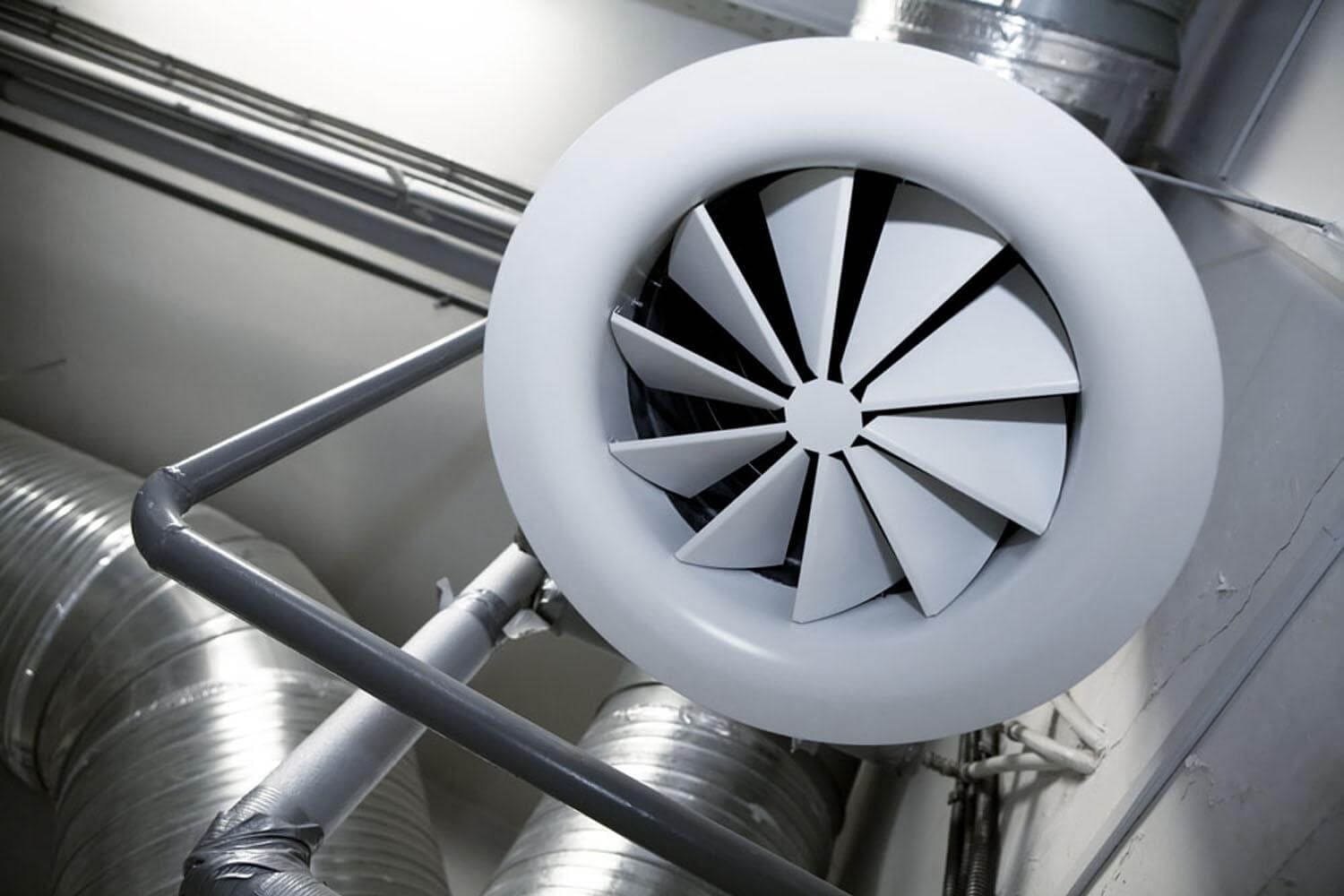
    Every home heating system works by heating the air of a home to maintain a comfortable temperature. Mechanical Ventilation with Heat Recovery Systems use pumps and ventilation ducts to control the flow and temperature of the air in your home.

    By using a heat exchanger to transfer most of the heat from stale and moist air in the home to fresh, clean air brought in from the outside, they heat a home very efficiently. Using this method, a well-insulated home can maintain a warm and toasty temperature inside using very little energy.

    Can MVHR Systems Be Installed in any Property?

    MVHR Systems are incredibly versatile and can be tailored to suit any property and can give any space the benefit of lower energy costs, while still having warm and responsive home heating.

    The Nuaire MVHR system uses components that come in a variety of sizes, meaning there is a solution available for a space of any size and shape. The planning, design, and installation of a mechanical ventilation with heat recovery system can be completed quickly and easily by a one-stop ventilation service, and the savings that can be made with an MVHR system will more than offset the cost of the components and their installation. 

    What Advantages Do Nuaire’s MVHR Systems Give You?

    Using an MVHR system not only saves you money on home heating but also creates some design opportunities that more traditional home heating systems cannot offer.

    Mechanical Ventilation with Heat Recovery systems use less space than the hot water boilers in a traditional central heating system, often giving you more space to use when renovating a property or designing a new one.

    The ducting that a ventilation system uses can also be implemented as a design feature. Industrial themes and motifs have become incredibly popular recently, with the style often being used in dining and multi-purpose spaces. Exposing the ducting in these areas is the perfect way to achieve this style, giving the systems a form as well as function in your spaces.

    Modern technologies are giving property designers and developers lots of new ways to take a more environmentally responsible approach to house building and renovation.

    Mechanical Ventilation and Heat Recovery systems are an economical and environmental way to provide warm and welcoming heat that helps make a home comfortable and cosy.

  • 4 budget hacks to rejuvenate your kitchen

    4 budget hacks to rejuvenate your kitchen

    You only have to question real estate experts to realize that the kitchen is by far and away the most valuable room in the house. Nowadays, it’s the room that most of us spend the most time in, so this really shouldn’t come as a surprise.

    Unfortunately, as well as being a valuable room, it’s also very expensive to renovate. In fact, if you are in the market for a brand-new kitchen, at times these sums can stretch into the five-figure zone.

    Bearing this in mind, it’s all about thinking outside of the box. There are ways to transform your kitchen without blowing a small budget out of the water, and this is what the remainder of today’s post will cover.

    It’s sometimes just about the doors

    As we have already alluded to, the sheer cost of a new kitchen means that some people are under the belief that you have to spend huge sums of money to bring yours up to scratch.

    As it turns out, sometimes it doesn’t always have to be like this. This is particularly relevant with cupboards, which make up the bulk of your kitchen. Unfortunately, replacing these will cost a fortune.

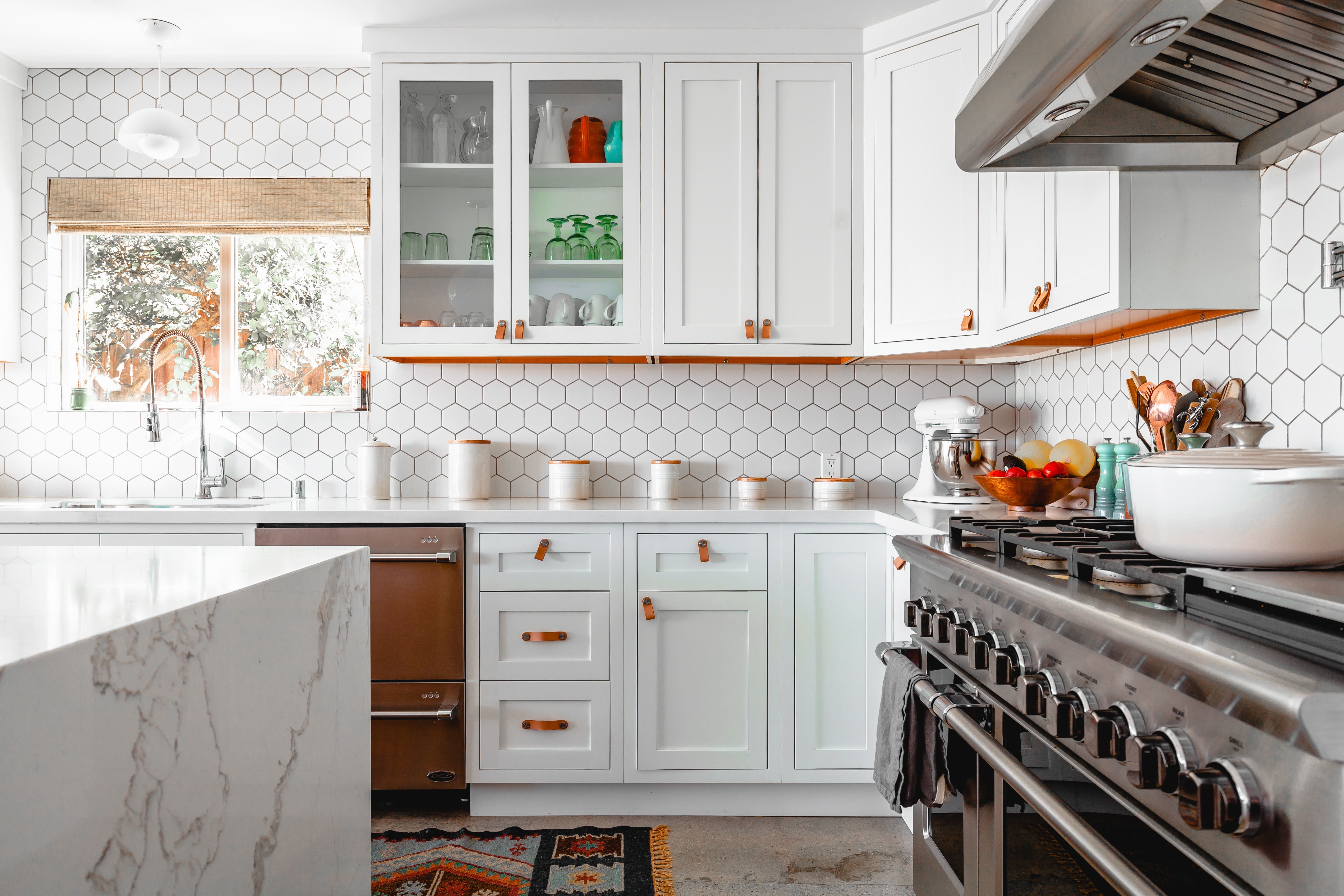
    It means that you need to think outside the box. Instead of replacing the whole carcass, consider just swapping the door. Or, if funds are really tight, look to just paint your doors. This will transform the majority of your room – and make it feel as though you have gifted yourself a brand-new kitchen.

    …Or even the handles

    Following on from the previous point, you sometimes don’t even have to go a huge distance. In other words, instead of replacing the doors, just try buying new handles.

    These cost several pounds each, and can be screwed on by anyone who owns a screwdriver. It’s one of the simplest tasks you can implement in your kitchen, but can be enough to make a really good impression.

    Maintaining your appliances can work wonders

    Something else that makes up a large proportion of your room is the appliances. Again, replacing all of these is a hugely expensive task, but simply maintaining them accordingly can make them stand out for the right reasons again.

    When we talk about maintenance, sometimes it’s just about how you regularly clean your washing machine. This will just give it the gleam that tends to catch a little attention, and this should be enough to bring a sparkle to your room.

    Get shrewd with your storage

    Finally, one of the biggest problems that a lot of kitchens attract is clutter. In fact, most rooms in the house do, but kitchen worktops are particularly at risk of it.

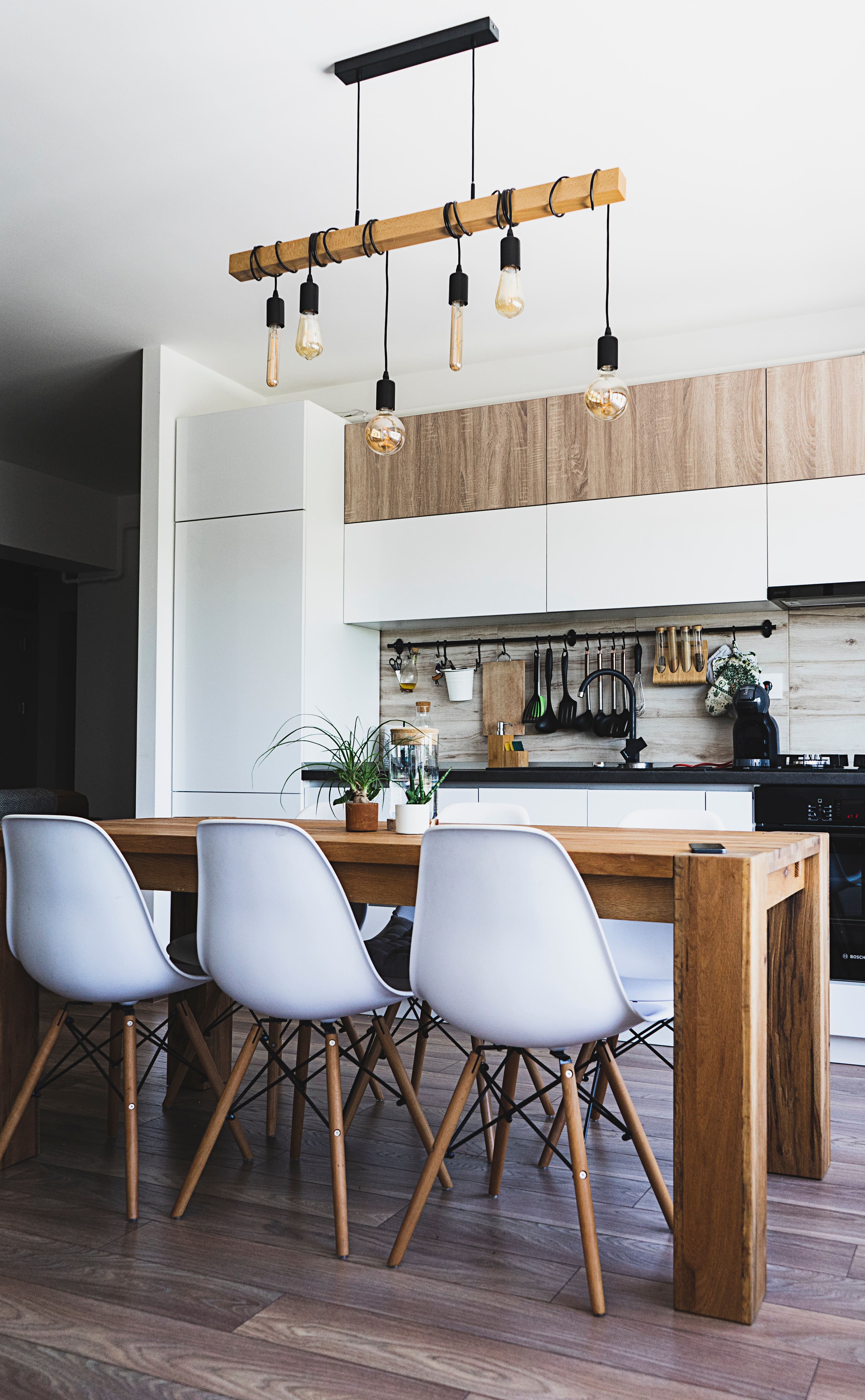
    This means that you need to be as shrewd as can be when it comes to storage options. Sometimes, these solutions will be there for all to see, and you may for example hang a rack on the wall to house various utensils. On other occasions, it might be about being discreet with your storage – which naturally works even better.

    Whatever option you choose, just remember that when your kitchen is in a more orderly state, it will look ten times better than it does with clutter all over the place.