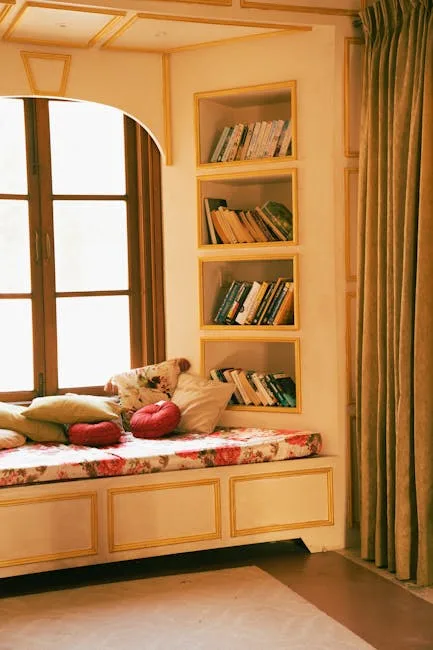
Most bedroom nooks go unused within three months of being decorated — not because the design was ugly, but because it was built to be photographed, not sat in. If you’ve been searching for reading nook in bedroom ideas that actually hold up in daily life, you already know the problem: you picked the chair for its silhouette, the throw for its texture in natural light, and the tiny lamp because it looked warm on the shelf. Then you sat down once, couldn’t see the page clearly, and quietly returned to reading in bed.
Quick Answer
Most bedroom nooks go unused within three months of being decorated — not because the design was ugly, but because it was built to be photographed, not sat in.
That’s not a taste problem. It’s a design logic problem.
The nook you have — whether it’s a bay window bump-out, a recessed alcove beside the chimney breast, or just an architectural dead zone in the corner — is actually the most psychologically distinct piece of real estate in your bedroom. It’s separate from where you sleep, separate from where you get dressed, and that separation is exactly what makes it valuable. But only if you design it to be used, not admired.
Here’s how to do that.
What to Actually Do With a Nook Area in Your Bedroom
In This Article
- What to Actually Do With a Nook Area in Your Bedroom
- How to Work With an Awkward Bedroom Nook (Not Against It)
- The Most Popular Bedroom Book Nook Themes That Actually Translate Into Real Rooms
- Practical Lighting and Storage for Reading Nook in Bedroom Ideas That Work Year-Round
- Small Bedroom Nook Ideas: When You Have Less Than You Think
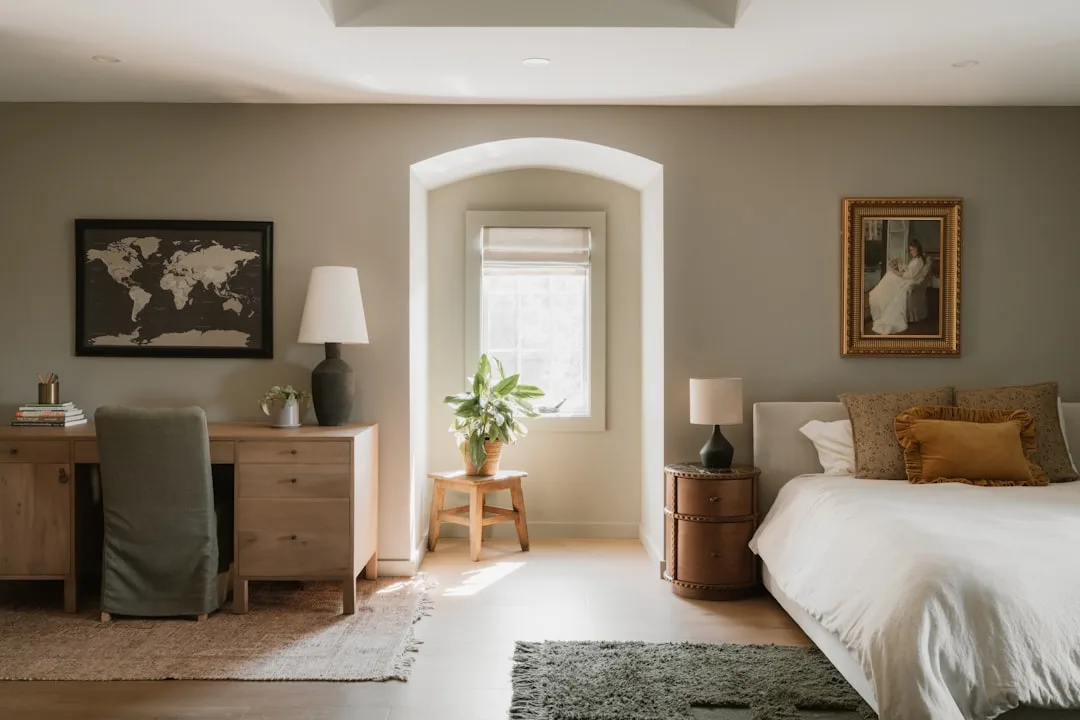
A bedroom nook is not leftover space that needs to be filled so it doesn’t look sad. It’s the only spot in most bedrooms where you can create what sleep researchers and environmental psychologists call a “third space” — a zone that is neither the work-adjacent energy of the rest of the house nor the sleep-associated passivity of the bed. That in-between quality is genuinely useful for your brain. It signals transition. It lets you wind down without collapsing, focus without a desk, or store without cluttering your primary sightlines.
Before you buy a single item, make one behavioral decision: what will you actually do there? The three functional directions that work in practice are:
- Dedicated reading and focus zone: optimized for extended sitting, task lighting, and book storage — everything else is secondary
- Sleep-support station: a screen-free wind-down spot with journaling supplies, herbal tea setup, and low warm lighting — designed to bridge the gap between active evening and sleep
- Display-plus-storage hybrid: prioritizes a wall of curated shelving with minimal seating, serving the bedroom’s storage needs while contributing to the room’s visual identity
None of these is better than the others. The right one is the one that matches how you actually spend time in your bedroom.
The first decision is behavioral, not aesthetic. A nook styled as a reading zone but used as a clothes-dumping corner will always become the latter. Design follows behavior, not the other way around.
A 2022 survey by the American Institute of Architects found that dedicated reading or relaxation alcoves ranked in the top five most-requested residential features — up from outside the top 20 a decade prior. That shift reflects something real: people want a mental buffer zone inside their homes, and the bedroom nook is the most natural place to build one.
The actionable takeaway: Before you look at a single product, write down the one thing you’ll do in that nook most often. Then design backward from that behavior.
How to Work With an Awkward Bedroom Nook (Not Against It)
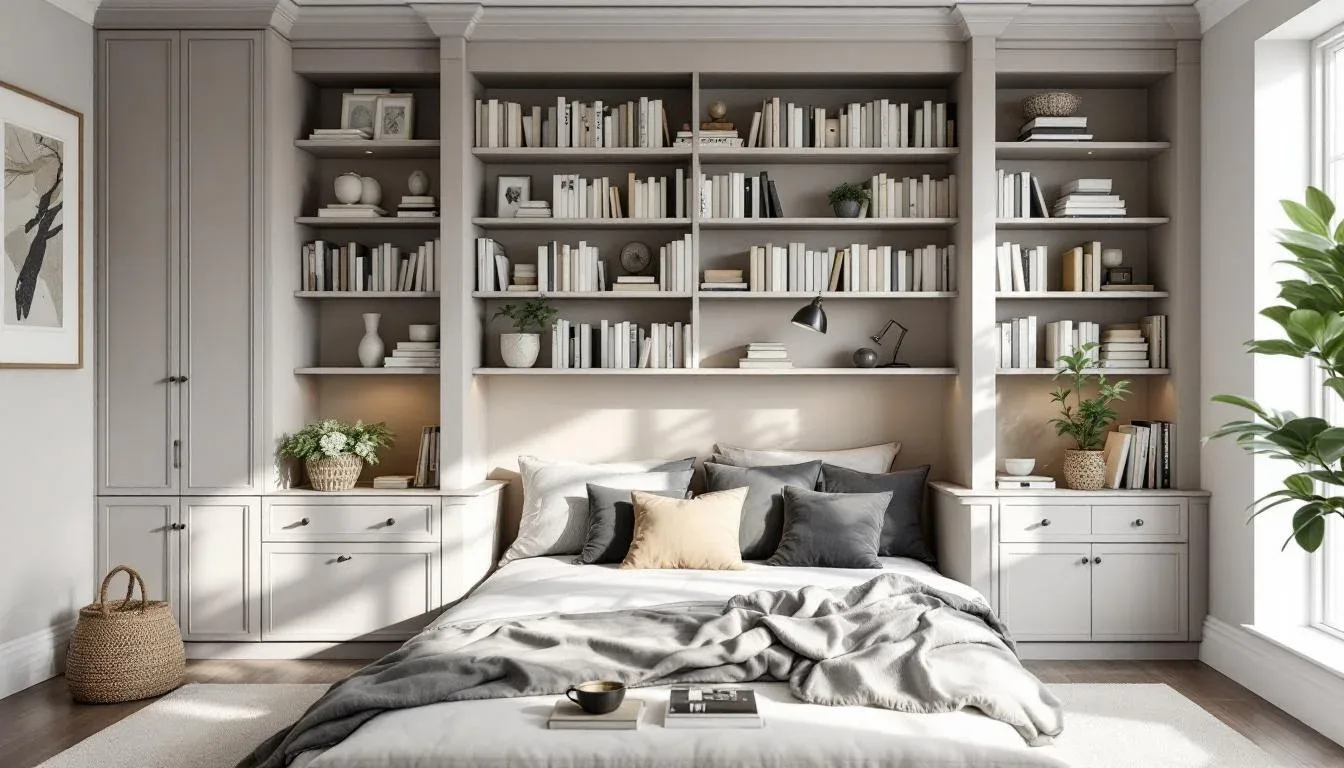
The single most common mistake people make with an unusual nook is trying to normalize it — cramming a standard armchair into an angled space and wondering why it looks wrong. Unusual nooks don’t need to be corrected. They need to be categorized correctly so you can work with their actual geometry.
Start by identifying which type of nook you’re dealing with:
- Recessed wall niche: typically 12–24 inches deep, often former closet space or a structural recess beside a chimney
- Bay window bump-out: three-sided protrusion with natural light on multiple angles, sill height varies widely
- Understairs alcove: low on one side, often triangular, vertical space on the tall end
- Architectural dead zone: an oddly shaped leftover created by structural walls, sloped ceilings, or room transitions
Each has a different optimal treatment. For shallow niches under 18 inches deep, a wall-mounted fold-down seat like the Foldaway Murphy Chair (around $180) or a custom built-in bench beats any freestanding chair. There’s simply not enough depth for a chair seat and someone’s legs without the person sitting with their knees at chin height.
For bay window nooks, the sill height determines everything. If the sill sits below 18 inches from the floor, bench seating with hinged storage underneath is your only ergonomic option — a chair at that height leaves your feet dangling. If the sill is 24 inches or higher, you have more flexibility, but you’ll want to build up to it with a cushioned platform rather than leave the visual gap.
For oddly angled or asymmetrical nooks, lean into the asymmetry. A chaise longue fits irregular geometry better than any boxy armchair because it reads as intentionally directional. A sling chair or a Togo-style low lounger works on the same principle. The nook looks curated rather than compromised.
Lighting in tight nooks deserves its own decision: a wall-mounted swing-arm sconce — the Tolomeo Wall by Artemide or the more affordable Ikea Forsa — solves the “no surface for a lamp” problem in 90% of tight spaces. It keeps the floor and surfaces clear, positions light exactly where you need it, and adds visual structure to a wall that might otherwise feel bare.
Interior designers consistently report that awkward architectural features — including irregular nooks — rank among the top three client complaints during renovation planning. Yet when properly addressed, those same features become the most photographed and loved elements in the finished space. The awkwardness isn’t the problem. The mismatch between the nook’s geometry and the furniture chosen for it is.
The actionable takeaway: Measure your nook’s depth, width, and sill height before anything else. Those three numbers will eliminate 80% of the wrong furniture choices before you even start browsing.
The Most Popular Bedroom Book Nook Themes That Actually Translate Into Real Rooms
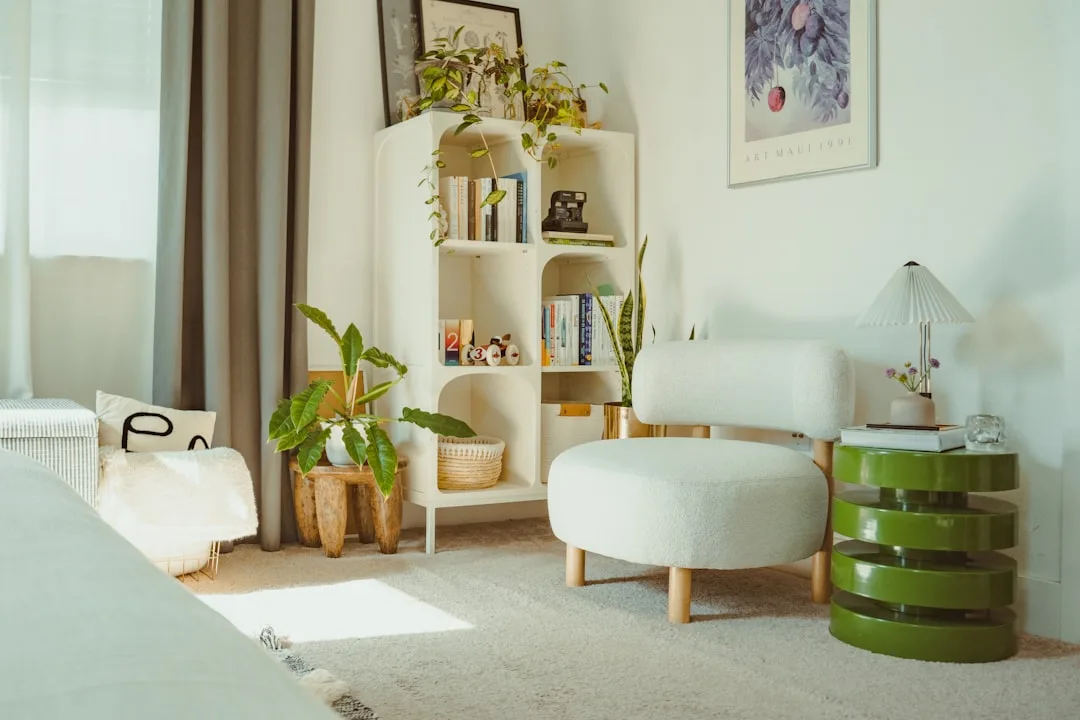
Aesthetic labels are useful shorthand, but they collapse quickly without understanding the material and functional logic underneath them. Here’s what actually makes each popular theme work — and where each one fails.
Dark Academia works best in nooks with at least one natural light source to offset the depth of dark paint. Applying Benjamin Moore Wrought Iron (2124-10) or Farrow & Ball Railings (31) to the nook’s interior wall only — not the entire room — creates a dramatic, enveloping effect without making the bedroom feel like a cave. Add a brass swing-arm sconce, a leather-bound journal on the shelf, and a hardwood low stool, and the aesthetic lands without a single novelty purchase.
Japandi is built entirely on restraint. One low platform seat (the MUJI Low Armchair is the reference point, though it’s been discontinued — the HAY Palissade Low Chair is the closest current equivalent at around $320), a single ceramic object, one wool throw in a muted natural tone, and absolutely nothing else on the floor. The failure mode for Japandi nooks is over-accessorizing: every additional object dilutes the intentional emptiness that makes the aesthetic work.
Cottagecore and maximalist floral themes are the most forgiving for irregular nooks because the busy pattern logic absorbs spatial awkwardness. William Morris-style wallpaper applied only to the nook’s back wall (rather than the full room) creates a feature moment that reads as deliberate. The trap is lighting: a bare Edison bulb or a yellow-tinted vintage-style lamp will make the space feel dim and dusty rather than warm. Use a warm white LED (2700K) in a sculptural fitting to keep the palette alive.
Minimalist Scandinavian works through material quality, not quantity. A single sheepskin over a simple bentwood chair, a slim floating shelf at arm height, and a directional task lamp. The entire nook can be outfitted for under $400 if you prioritize one quality anchor piece and keep everything else secondary. This approach also photographs well year-round, which is why it dominates home Instagram — but it genuinely works in person too, which is rarer than it sounds.
The key principle across every theme: the nook’s interior back wall is a separate design surface from the rest of the room. Treating it differently — through paint, wallpaper, or material — is always more effective than trying to match everything to the surrounding bedroom. Contrast is what makes the nook read as intentional rather than incidental.
Practical Lighting and Storage for Reading Nook in Bedroom Ideas That Work Year-Round
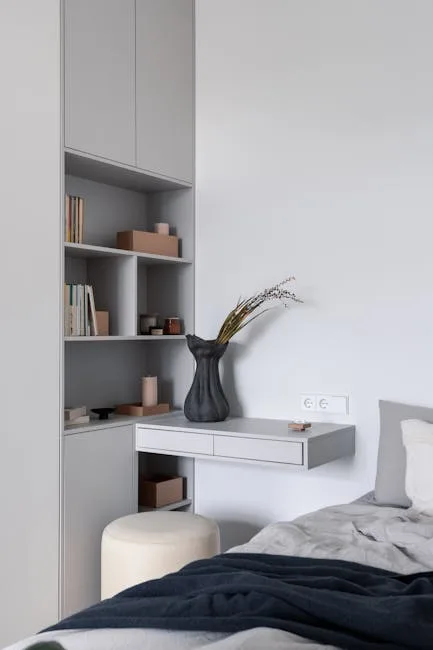
Most reading nook in bedroom ideas fail at one of two functional points: lighting that isn’t bright enough for actual reading, and storage that works in photographs but not in daily life. These are solvable problems with specific choices.
Lighting
The minimum recommended light level for sustained reading is 450–500 lux at the page surface. Most ambient bedroom lighting provides 100–150 lux. That gap is why people abandon their nooks after one session — not because they lost interest, but because they got a headache.
Practical lighting solutions by nook type:
- Swing-arm wall sconce (Tolomeo Wall, Ikea Forsa, or Anglepoise Original 1227 Wall): the most versatile option across nook sizes; positions precisely at head height; keeps surfaces clear
- Plug-in pendant lamp: works in nooks with ceiling height above 7 feet; the Ferm Living Collect pendant on a wall-mounted hook is the current sweet spot for aesthetics and price
- Clip-on task light: the Lumiy Lightblade 1500S or the BenQ e-Reading Lamp clip onto shelving or the back of a headboard; useful when wall mounting isn’t an option
- Recessed LED strip under a floating shelf: creates ambient uplighting that makes the nook feel intentional even when the task lamp is off; warm white 2700K only
One switch or one plug controls all your nook lighting. If entering your reading nook requires adjusting three different light sources, you will stop using it.
Storage
Books are the obvious storage choice, but the wrong shelving turns a nook into a visual complaint. A few principles that make a real difference:
- Floating shelves over freestanding shelves: in nooks under 30 inches wide, freestanding bookcases eat too much visual space; floating shelves at varying heights create depth without mass
- One shelf at arm height: positioned so you can reach the top row while seated; above that and you’re craning; below that and it’s awkward to retrieve
- A small flat surface within reach: even a 6-inch-deep floating ledge at elbow height eliminates the “nowhere to put my drink” problem that quietly kills nook usage
- Concealed storage at bench level: if your nook includes built-in bench seating, hinged lids for the seat compartment are worth the extra construction cost; it’s the single most useful storage addition in a bedroom nook
- Limit decorative objects to the top shelf: books and functional items at reachable height; curated objects above; this prevents the nook from becoming a surface for random clutter while maintaining visual interest
Small Bedroom Nook Ideas: When You Have Less Than You Think
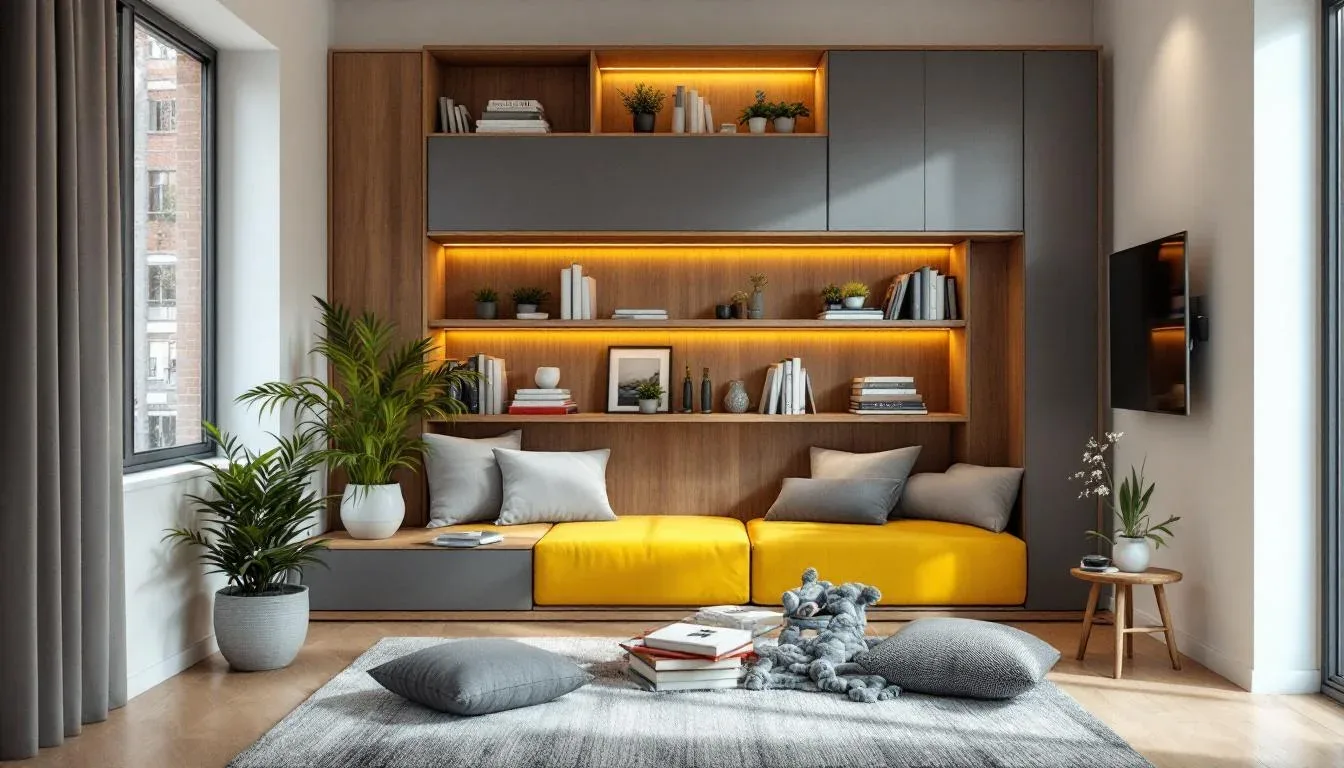
A common assumption is that a bedroom nook requires a certain minimum square footage to function — that without enough room for a proper armchair and a side table, it’s not worth designing. This is wrong, and it’s the reason so many small bedrooms never develop their most useful feature.
The threshold for a functional reading nook is lower than most people expect:
- 18 inches of depth is enough for a wall-mounted seat or a narrow built-in bench with a backrest
- 24 inches of width is the minimum for a single-person seating spot that doesn’t feel punishing
- A 30 × 30 inch footprint — the size of a standard bathroom vanity — can accommodate a cushioned window seat, a swing-arm sconce, and two floating shelves
What small nooks cannot accommodate is freestanding furniture in standard sizes. The moment you accept that built-ins, wall mounts, and custom cushions are the right tools for small nooks, the space opens up considerably.
Specific approaches that work well in tight spaces:
- Window seat with storage drawer: a 48-inch window seat with a single drawer underneath is buildable for $200–$400 in materials if you have basic woodworking skills, or $600–$900 hired out; it provides seating, storage, and a defined nook zone in one element
- Corner triangle bench: fits into a 90-degree corner and uses a space that a chair never could; pair with a floor lamp that has a slim profile (the Flos Parentesi, or the more affordable Ikea Hektar on a low setting)
- Murphy chair plus wall shelves: a fold-down seat takes up zero floor space when not in use; combine with two or three floating shelves on the adjacent wall and you have a complete reading station that disappears entirely when the bedroom needs to function as just a bedroom
- Elevated window seat platform: if your window sill is low, building a 12-inch raised platform below it creates a built-in reading perch that requires nothing else; add a custom cushion and a pillow and the work is done
The constraint of a small nook also eliminates temptation. You cannot over-accessorize a 24-inch bench. The discipline the space forces on you is actually part of what makes small nooks feel coherent and calm.
FAQ: Reading Nook in Bedroom Ideas
Q: How much space do I actually need for a bedroom reading nook?
The functional minimum is roughly 18 inches of depth and 24 inches of width — enough for a narrow built-in bench, a wall-mounted sconce, and one floating shelf above. Anything larger gives you more furniture options, but even a bay window sill of modest size can become a proper reading spot with a cushion, a swing-arm lamp, and a small shelf within reach. The key shift is moving away from freestanding furniture in tight spaces and toward wall-mounted or built-in solutions.
Q: What’s the best chair for a reading nook in a bedroom?
It depends entirely on your nook’s geometry. For nooks with at least 28–30 inches of depth, the IKEA Poäng remains one of the best value-to-comfort options and its slim profile works in tight spaces. For something more substantial, the HAY About A Lounge Chair (AAL92) offers better lumbar support for extended reading. For very shallow nooks under 20 inches deep, skip freestanding chairs altogether and use a wall-mounted fold-down seat or a slim upholstered bench.
Q: How do I make a bedroom reading nook feel cozy without it becoming dark and unusable?
The answer is layered lighting rather than ambient lighting alone. A swing-arm sconce at head height (positioned so the bulb is at roughly ear level when seated) provides the task light you need for actual reading. Add a secondary warm-toned ambient light source — a small table lamp, an LED strip under a shelf, or a floor lamp on a dimmer — to soften the space when you’re not actively reading. Darkness in a nook usually comes from relying on a single overhead light or from a lamp that’s positioned too low or too far away.
Q: Should a reading nook match the rest of the bedroom’s decor?
Not necessarily. The most effective reading nooks treat the nook’s interior as a distinct design surface — a different paint color on the back wall, a different material, or wallpaper used only within the nook’s footprint. Contrast is what makes the nook feel intentional rather than incidental. That said, the palette should pull from the same tonal family as the room so it reads as deliberate rather than disconnected. Think of it the way you’d think about an accent wall: it should belong to the room while clearly being its own moment.
Q: Can I create a reading nook in a bedroom that doesn’t have a natural architectural nook?
Yes. A defined nook can be created without any existing architectural feature by using furniture and light to carve out a zone. The standard approach: position a single armchair or chaise in a corner, angle it slightly away from the room (rather than parallel to the wall), add a floor lamp at shoulder height directly beside it, and place a small floating shelf or side table within arm’s reach. A small area rug under the chair anchors the zone visually. The separation from the rest of the room comes from the orientation and the lighting, not from walls.
Q: What’s the most common reason bedroom reading nooks stop being used?
Lighting, almost always. Task lighting for reading requires 450–500 lux at the page surface. Standard bedroom ambient lighting delivers roughly 100–150 lux. People sit down once, find they can’t read comfortably, and drift back to reading in bed where the bedside lamp is better positioned. Fix the lighting first — everything else is secondary. The second most common reason is that the seating was chosen for aesthetics and is genuinely uncomfortable for more than 15 minutes. Both problems are easy to correct; they just require acknowledging them directly.
What are the most common mistakes people make when designing a book nook?
Q: How much space do I actually need for a bedroom reading nook?
What should I do with a nook area in my bedroom?
The functional minimum is roughly 18 inches of depth and 24 inches of width — enough for a narrow built-in bench, a wall-mounted sconce, and one floating shelf above. Anything larger gives you more furniture options, but even a bay window sill of modest size can become a proper reading spot with a cushion, a swing-arm lamp, and a small shelf within reach. The key shift is moving away from freestanding furniture in tight spaces and toward wall-mounted or built-in solutions.
How do I make an awkward bedroom nook work?
Q: What’s the best chair for a reading nook in a bedroom?
What are the most popular themes for bedroom book nooks right now?
It depends entirely on your nook’s geometry. For nooks with at least 28–30 inches of depth, the IKEA Poäng remains one of the best value-to-comfort options and its slim profile works in tight spaces. For something more substantial, the HAY About A Lounge Chair (AAL92) offers better lumbar support for extended reading. For very shallow nooks under 20 inches deep, skip freestanding chairs altogether and use a wall-mounted fold-down seat or a slim upholstered bench.