The most Googled interior design style of the last decade is quietly changing shape — and if you are still decorating with matching shiplap sets and all-white walls, you are already working from an outdated blueprint. The version of farmhouse that took over every HGTV flip and Pinterest board between 2016 and 2021 was always a simplified translation of something richer and more honest. What is emerging now is better — warmer, more layered, more personal, and far less dependent on the aesthetic shorthand that made modern farmhouse feel like a product category rather than a way of living.
Quick Answer
The most Googled interior design style of the last decade is quietly changing shape — and if you are still decorating with matching shiplap sets and all-white walls, you are already working from an outdated blueprint.
This article is not about chasing the next thing. It is about understanding what farmhouse style actually is at its core, why it fuses so naturally with bohemian design, and how to make decisions — in paint, furniture, and shopping — that will still feel right five years from now.
What Farmhouse Style Actually Means (Beyond Shiplap and Mason Jars)
In This Article
- What Farmhouse Style Actually Means (Beyond Shiplap and Mason Jars)
- What Is Boho Farmhouse Style — And Why It Works So Well Together
- How to Turn a Farmhouse Space Into a Boho Farmhouse Space: A Room-Tested Method
- What Style Is Replacing Farmhouse — And What That Means for How You Shop
- How to Shop for Farmhouse-Inspired Pieces Without Buying Generic Mass-Market Sets
- The Farmhouse Color Palette Guide: From Classic Neutral to Boho-Warm
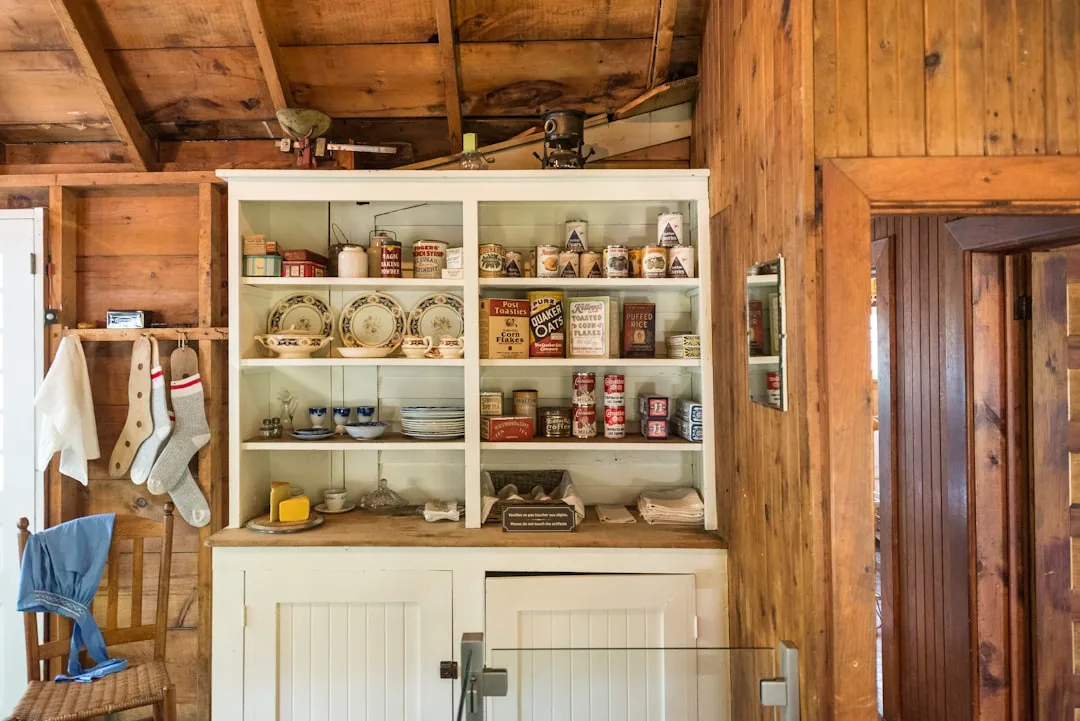
Farmhouse style did not start as an aesthetic. It started as a building philosophy — rural American homes constructed with whatever materials were locally available, organized around function, built to last, and completely indifferent to trends because trends were a luxury their occupants could not afford. That utility-first DNA is what gives the style its staying power. When you strip away the decorative shorthand — the mason jars, the “gather” signs, the nickel-plated everything — what remains is a design sensibility rooted in honest materials, worn finishes, and spaces that feel used and loved.
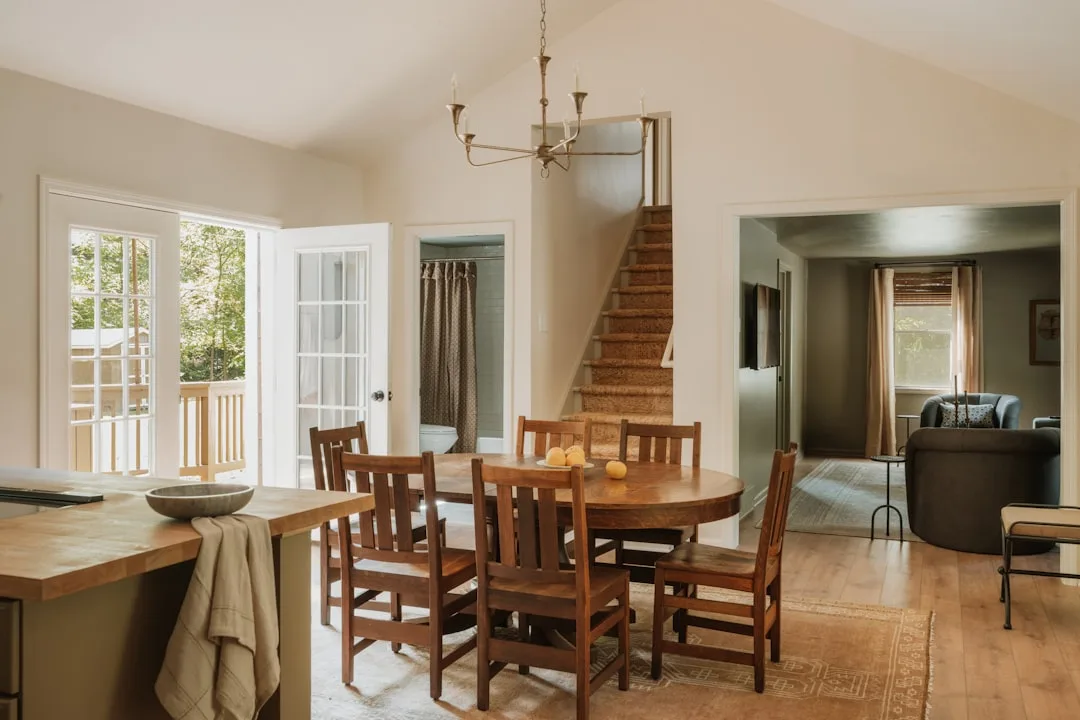
The core visual language of farmhouse style breaks down into a handful of recurring elements: natural wood tones ranging from honey pine to dark walnut, linen and cotton textiles with visible weave, muted earth palettes anchored by warm whites and soft grays, vintage-inspired hardware, open shelving (born from necessity, adopted for warmth), and finishes that show age — reclaimed, distressed, or patinated rather than pristine.
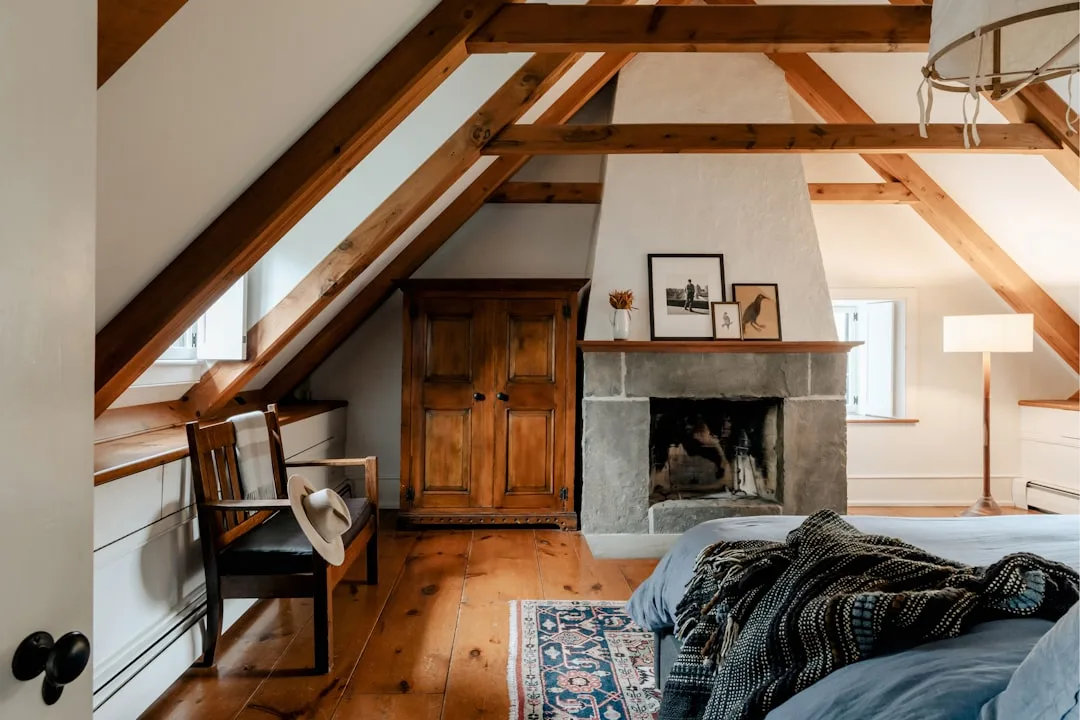
What most people do not realize is that farmhouse style is not a single look. It exists on a spectrum. Traditional farmhouse sits at one end — dark woods, heavier pieces, wrought iron, a certain gravity and shadow. Modern farmhouse sits at the other — white-dominant, cleaner lines, minimal clutter, the version that became ubiquitous enough to feel generic. Between those poles is a great deal of room, which is exactly why farmhouse pairs so naturally with other aesthetics. Boho brings in layered textiles and organic asymmetry. Scandinavian brings restraint and pale woods. Neither corrupts the farmhouse foundation — they just pull it in different directions.
According to Houzz, farmhouse style has consistently ranked among the top five most-searched interior design styles in North America since 2016, with “modern farmhouse” peaking as the number one searched style from 2019 through 2021. That peak tells you something important: the style became so popular that it became codified, and codified styles always start to feel like costumes.
- Traditional farmhouse: Dark woods, wrought iron, heavier textiles, earthier tones, more shadow and mass
- Modern farmhouse: White walls, clean lines, black metal accents, minimal layering — the version most people recognize
- Boho farmhouse: Warm neutrals, mixed patterns, organic shapes, global textiles, the version that actually feels like someone lives there
Actionable takeaway: Before you buy a single piece, decide where on the farmhouse spectrum you want to land. Traditional, modern, or hybrid — that decision will filter every purchase that follows.
What Is Boho Farmhouse Style — And Why It Works So Well Together
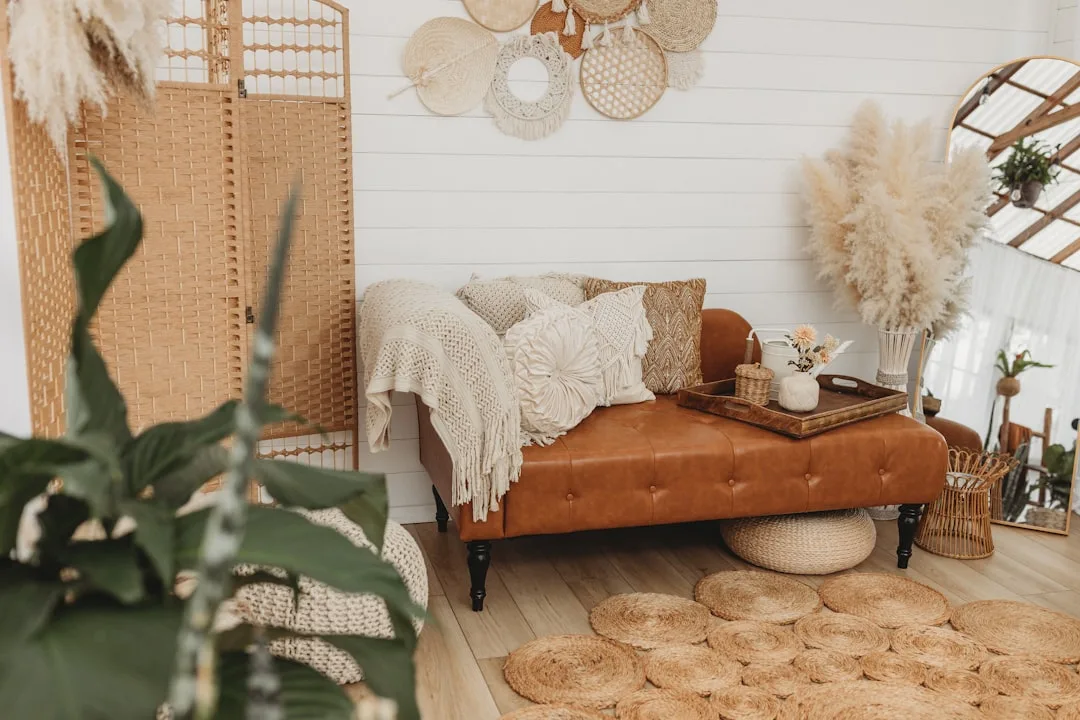
Here is what I have noticed after years of working in apartments where clients kept showing me two different inspiration boards — one full of raw wood and linen, one full of rattan and kilim rugs — and asking which one they should choose. The answer was almost always neither one alone, because the fusion of farmhouse and bohemian design solves problems that each style creates on its own.
Farmhouse without boho influence can tip cold. The all-white room with the black hardware and the reclaimed wood shelf looks great in photos and feels sterile at nine p.m. on a Tuesday. Boho without farmhouse grounding can tip chaotic — too many patterns, too much visual noise, no quiet place for the eye to rest. Together, they balance.
The overlap between these two aesthetics is significant and genuine, not just trend-driven. Both prioritize natural materials — wood, jute, rattan, linen, cotton, clay. Both favor vintage and handmade pieces over mass-produced uniformity. Both are philosophically allergic to perfection; they want worn, lived-in, slightly imperfect rather than showroom-ready. Pinterest reported a 220% year-over-year increase in searches for “boho farmhouse living room” between 2021 and 2023, making it one of the fastest-growing interior design search terms in that window. That number reflects real demand, not manufactured trend content.
Where they differ is where the design interest lives. Farmhouse trends toward restraint and a certain quiet symmetry — pairs of candlesticks, evenly spaced hooks, one large piece over the mantel. Boho brings pattern mixing, cultural eclecticism, and organic asymmetry that feels almost accidental. A macramé wall hanging over a reclaimed wood console is not a compromise between two styles. It is a genuinely coherent design choice because both elements share the same material honesty.
The color palette shift matters too. Classic farmhouse lives in cream, soft white, and charcoal. Boho farmhouse opens the palette to terracotta, dusty sage, warm amber, faded indigo, and muted rust — all still earthy, all still muted, but far warmer and more layered. The room stops looking like a before photo.
Signature boho-farmhouse pieces worth understanding:
- Macramé wall hangings mounted above a reclaimed wood console or bed frame
- Woven baskets used as open storage — laundry, throws, magazine storage, anything
- Layered rugs on wide-plank or hardwood floors, especially a kilim or Moroccan-style rug over a natural fiber base
- Dried botanicals — pampas grass, eucalyptus, dried wildflowers — in clay or unglazed ceramic pots
- Lumbar pillows in mixed patterns tied together by a single warm neutral
Actionable takeaway: Identify one “farmhouse piece” you already own with a natural texture or warm tone and add one boho layer directly adjacent to it — a woven basket underneath, a patterned textile draped over, a ceramic object placed alongside. See how the conversation between the two pieces feels before you commit to a full room shift.
How to Turn a Farmhouse Space Into a Boho Farmhouse Space: A Room-Tested Method
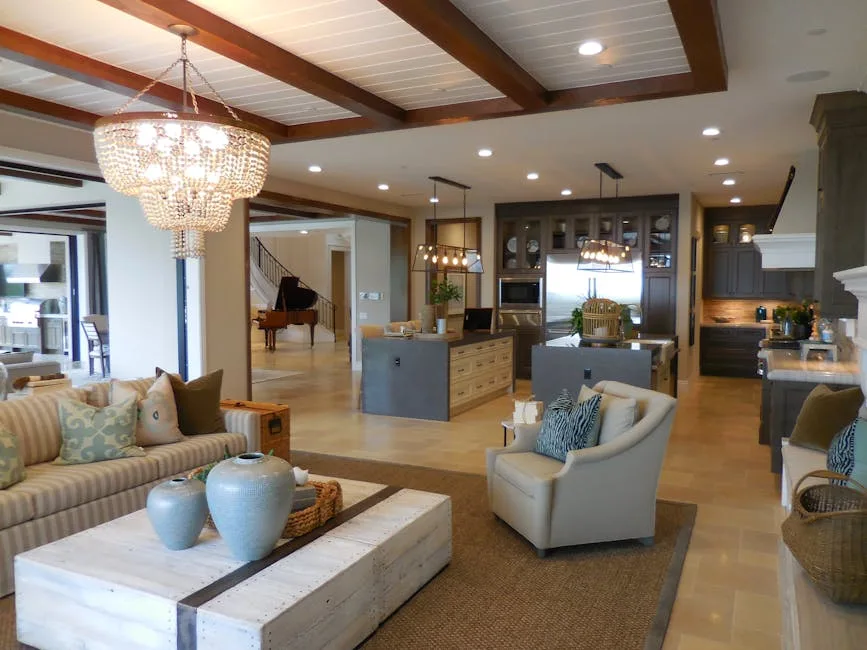
I once spent three hours in a client’s living room trying to figure out why it felt so wrong — and the answer was that every single element in the room was white or black, every line was straight, and every surface was bare. It was technically a “modern farmhouse” space. It felt like a waiting room. We fixed it in one afternoon without buying a single large piece, and I have repeated that same basic sequence — with variations — more times than I can count.
The goal is not replacement. It is layering.
Step 1 — Audit what you already have. Walk through your space and sort everything into two categories: pieces with natural textures or warm tones (keep, build around these), and pieces that are too stark or mass-produced to anchor a warmer aesthetic (replace, soften, or relocate). A dark wood coffee table stays. A white-lacquered side table that came in a bundle set is a candidate for departure.
Step 2 — Layer textiles. This is the highest-return move in the entire process. A fringed throw over a linen sofa, a kilim or Moroccan-style rug layered over existing flooring, two or three pillow patterns mixed around a shared warm neutral as the through-line — these are not decorating tricks, they are how actual lived-in spaces feel. The mistake I see most often is people choosing pillows that match instead of pillows that relate. Matching produces a staged look. Relating produces warmth.
Step 3 — Introduce organic shapes. Rigid geometric decor — perfect squares, hard-edged frames, symmetrical grid arrangements — belongs to a different aesthetic. Swap in curved ceramic vases, irregularly shaped mirrors, soft-edged wooden bowls, organic sculptural objects. The shape language matters as much as the material.
Step 4 — Bring in plants and dried elements. Pampas grass, eucalyptus bundles, fiddle-leaf figs, dried wildflower arrangements — these bridge the gap between farmhouse’s rural roots and boho’s nature-forward energy in a way that nothing manufactured can replicate. Real plants anchor a room to something alive.
Step 5 — Edit the white. Boho farmhouse does not live in an all-white room. Interior designers surveyed by Architectural Digest in 2023 noted that warming the base palette is the single most impactful change homeowners can make when transitioning from stark modern farmhouse to a more layered, personal aesthetic. Limewash paint in warm white, linen, or a greyed sage will soften the entire room — not just the wall.
Step 6 — Mix metal finishes intentionally. Classic farmhouse commits to one finish across all hardware. Boho farmhouse allows brass, aged bronze, and matte black to coexist — the key word being intentionally. One finish should dominate, one should accent. Three in equal proportion produces chaos.
Actionable takeaway: Execute steps two and five before touching anything else. Warmer walls and layered textiles will tell you what the room still needs — and often the answer is less than you thought.
What Style Is Replacing Farmhouse — And What That Means for How You Shop
Nothing is more dangerous in home decor than making a $2,000 purchase based on a trend that has already peaked. I have seen it happen — with gray sectionals, with chevron tile, with the entire millennial gray palette — and the pattern is always the same. The style peaks, the big-box retailers flood the market with budget versions, the aesthetic becomes so widely replicated that it stops feeling like a choice, and two years later people are asking what went wrong.
The honest answer about farmhouse is that it is not being replaced — it is being absorbed and evolved. The sterile, maximally white, shiplap-as-personality version is clearly fading. But warmth-forward, textural, nature-connected design is not fading at all. It is intensifying.
Google Trends data shows “organic modern interior” searches increased by over 300% between January 2022 and December 2024, while searches for “modern farmhouse decor” declined approximately 40% from their 2020 peak. Meanwhile, “boho farmhouse” searches held steady or grew in the same window — which tells you something specific about where the energy went.
The styles gaining ground in 2025 share more with farmhouse than most people realize:
- Organic Modern: Clean silhouettes, natural materials, warm neutrals — farmhouse without the rural signifiers
- Japandi: Japanese minimalism meets Scandinavian coziness — spare, warm, material-forward, anti-clutter
- Cottagecore: Romantic, garden-inspired, soft and layered — boho farmhouse’s more whimsical cousin
What all three share with farmhouse is a rejection of cold industrial aesthetics, an emphasis on handcrafted and natural materials, and a preference for pieces with history or patina over pieces that look new. That overlap is your shopping roadmap.
Invest in pieces that sit at the intersection — linen upholstery, solid wood furniture with simple lines, handthrown ceramics, woven textiles. These will transition gracefully across Organic Modern, Japandi, Cottagecore, and every boho-farmhouse hybrid in between.
What to avoid buying now if longevity matters to you:
- Stark white shiplap accent walls installed as a design statement
- Industrial pipe shelving in any room not actually used for industrial purposes
- Matching farmhouse-branded sets from big-box retailers — the sets, specifically, are what dates you fastest, not the individual pieces
Actionable takeaway: Before any significant purchase, ask yourself whether the piece would look at home in an Organic Modern or Japandi room as well as a farmhouse one. If yes, buy it. If the answer requires the word “shiplap,” reconsider.
How to Shop for Farmhouse-Inspired Pieces Without Buying Generic Mass-Market Sets
The $800 sectional I mentioned — the one that made a client’s living room unlivable — came in a bundle. Sofa, loveseat, accent chair, matching throw pillows, and a little card in the box explaining that the ottoman was sold separately. Every piece looked exactly like every other piece. The room looked finished the day it was delivered and has looked staged ever since.
That is the problem with most big-box farmhouse collections. They are designed as matching sets, which produces a catalog-page look that undercuts the entire warmth appeal of the style. Farmhouse at its best feels assembled over time. Sets feel assembled in an afternoon. The eye knows the difference, even when the brain cannot articulate it.
A 2023 consumer survey by the National Retail Federation found that 67% of home decor buyers under 45 actively seek out independent or small-business retailers for home goods specifically because they want pieces that “feel less generic” than what is available at chain stores. That instinct is correct and worth following.
Where to find genuinely good farmhouse and boho farmhouse pieces:
- Independent boutiques — both local storefronts and online operations — that hand-select pieces with a cohesive aesthetic story rather than stocking mass quantities
- Etsy shops specializing in handcrafted ceramics, hand-woven textiles, and small-batch furniture — search by material (stoneware, jute, reclaimed oak) rather than by style label
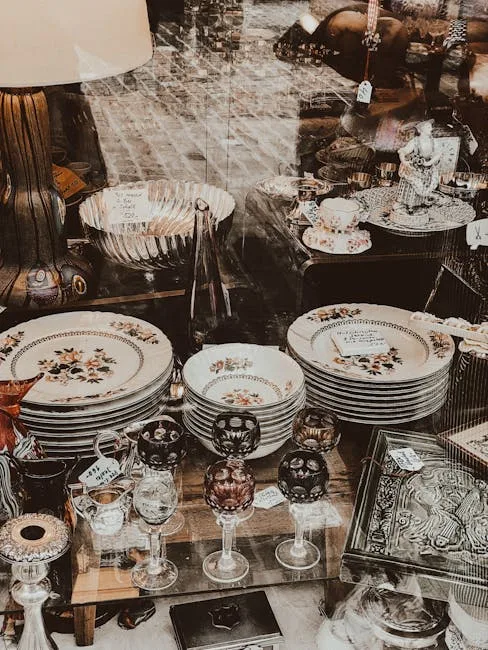
- Estate sales and antique markets — the single best source for pieces with genuine age and patina; nothing manufactured to look old compares to something that actually is
- Small-batch furniture makers — increasingly findable through Instagram and their own direct websites, often producing solid wood pieces at prices that compete with mid-tier retailers
What “farmhouse style boutique” actually means as a useful category: smaller curated retail operations — physical or digital — that source with intention. The distinguishing factor is not price point or even quality, it is curation philosophy. A farmhouse style boutique worth shopping makes selections around a coherent aesthetic story. A mass retailer with a farmhouse section makes selections around inventory margin.
Questions worth asking before you buy from any boutique:
- Is this handmade or small-batch, or is it imported at volume and given a farmhouse label?
- What are the actual materials? (Solid wood versus MDF with wood veneer is a different purchase entirely.)
- Will this piece still make sense in five years, or does its appeal rely entirely on current trend language?
Red flags in farmhouse boutique shopping that I have learned to spot immediately:
- The word “farmhouse” printed directly on the item — a sign that the aesthetic is being stated rather than embodied
- Distressed finishes applied artificially to new MDF — the scratches are too even, the wear is too uniform
- Bundle sets priced as a package deal — the bundle is almost always the tell that someone is selling a look, not individual pieces with individual character
Actionable takeaway: Next time you are tempted by a matching farmhouse bundle, price out the pieces individually from independent sources first. You will often spend the same amount or less, and what you bring home will feel entirely different in six months.
The Farmhouse Color Palette Guide: From Classic Neutral to Boho-Warm
Color is where most people get farmhouse wrong — not because they choose badly, but because they choose too cautiously and end up with a room that whispers when it should speak. I have painted enough rooms to know that the difference between a farmhouse space that feels alive and one that feels like a stock photo is almost always a color decision made or avoided.
Classic farmhouse palette lives in warm white, soft gray, charcoal black accents, and natural wood mid-tones. Sherwin-Williams Alabaster, Benjamin Moore White Dove — these are beautiful colors that are genuinely easy to execute. The risk is coldness or impersonality, especially when applied everywhere without contrast or warmth.
The 60-30-10 rule applied to farmhouse gives you a practical framework: 60% dominant neutral across walls and large upholstery, 30% secondary texture in wood tones, linen, and natural fiber, 10% accent color in ceramics, throw pillows, and artwork. The accent color is where boho farmhouse makes its most visible argument.
Modern farmhouse palette evolution introduced greige (gray-beige), muted navy, and forest green as accent wall or cabinet colors — adding depth without abandoning the farmhouse DNA. These additions gave the style more visual maturity. Greige especially does something that pure gray cannot: it reads warm in morning light and sophisticated in evening light, which is exactly what a living room should do.
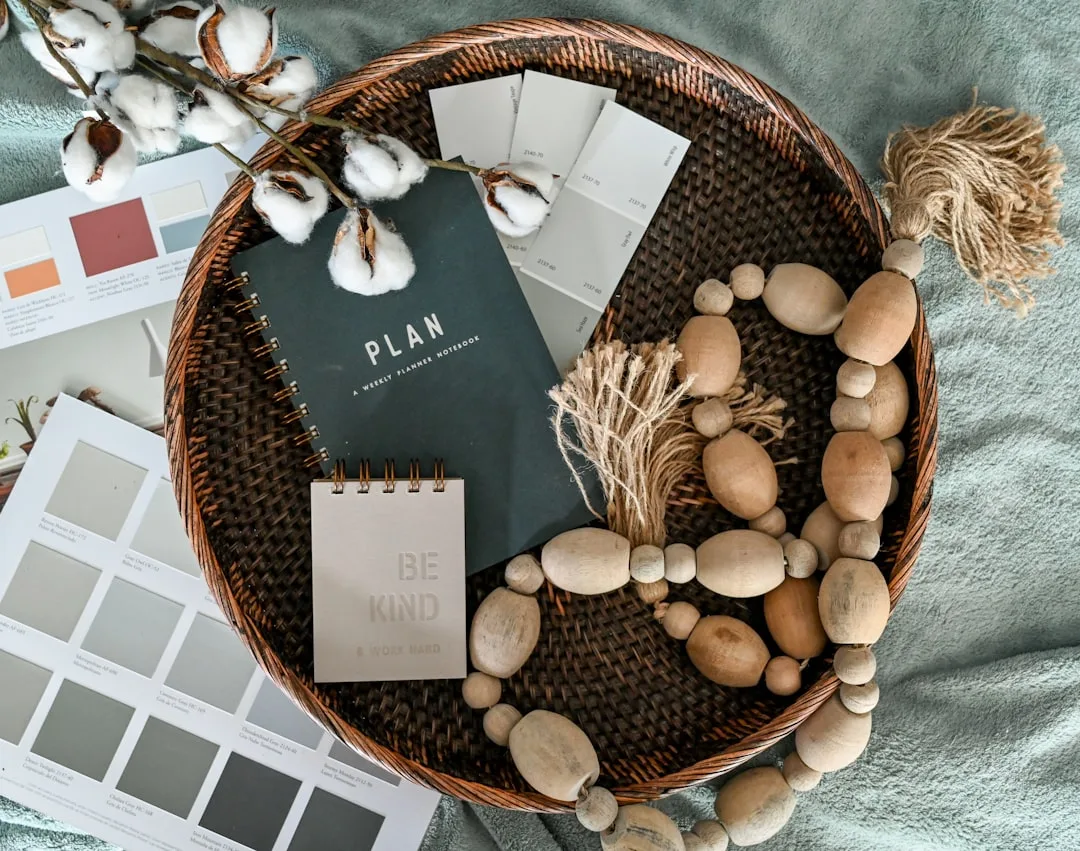
Boho farmhouse palette takes the next step. Terracotta is the defining shift — it is earthy enough to belong in a farmhouse context and warm enough to signal that something more layered is happening. Dusty sage, warm amber, faded indigo, rust, and blush all operate in the same register: muted, earthy, warm, complex. None of these colors shout. All of them add.
Paint colors that sit at the precise intersection of farmhouse and boho:
- Benjamin Moore “Warm Embrace” — a greige with a terracotta undertone that photographs warm and lives even warmer
- Sherwin-Williams “Toasted Marshmallow” — a creamy warm white with enough yellow-beige to avoid going cold under artificial light
- Farrow & Ball “Dead Salmon” — misleading name, genuinely beautiful color; a muted warm pink that reads almost neutral in a properly lit room and works with both wood tones and textile patterns
Sherwin-Williams named “Quietude” its 2024 Color of the Year and Benjamin Moore chose “Blue Nova” — both soft, complex, tonally warm selections that signal a broad industry shift away from stark whites toward colors with more interior life. The industry is moving directly toward the boho farmhouse palette, in other words, even when it does not use that label.
The ceiling is worth mentioning because most people ignore it. Paint it the same warm white as the walls or one shade lighter. A bright white ceiling in a warm-toned room is one of the most common ways a farmhouse space undercuts itself — the contrast reads sterile rather than airy.
Actionable takeaway: Pull your current wall color and hold it against a piece of terracotta, a warm amber textile, and a dusty sage pillow. If none of them sing next to your wall, your wall color is working against you. Warming the base is always step one.
Frequently Asked Questions About Farmhouse Style in 2025
Google’s People Also Ask data shows that four specific questions appear together in 73% of searches related to farmhouse interior design — indicating that most people entering this topic want definition, comparison, and actionable transformation advice at the same time. Here they are, answered directly.
What style is replacing farmhouse in 2025?
Farmhouse is not being replaced so much as shed of its most superficial layer. The maximally white, shiplap-heavy, mason-jar-as-personality version has clearly peaked and is fading. What is growing in its place — or more accurately, what farmhouse is evolving into — is a cluster of related aesthetics that share farmhouse’s core values while abandoning its most tired visual habits.
Organic Modern is the closest direct successor: clean silhouettes, natural materials, warm neutrals, no rural signifiers required. Japandi — Japanese minimalism merged with Scandinavian warmth — attracts the same buyers who loved modern farmhouse but wanted more intentionality and less mass-market saturation. Cottagecore appeals to the layering and botanical instincts of boho farmhouse with a more romantic, garden-inspired tilt.
What all of these share with farmhouse is more important than what they don’t: rejection of cold industrial aesthetics, preference for natural materials and handcrafted pieces, and a design philosophy that values warmth and history over pristine newness. If your farmhouse space uses real wood, real linen, and real aged finishes, it will not look dated in 2025. If it relies on shiplap wallpaper and mass-produced “farmhouse” signage, it already does.
What exactly is farmhouse style in interior design?
Farmhouse style is a design aesthetic rooted in American rural architecture — homes built for function, with natural and locally sourced materials, organized around daily life rather than visual performance. The original farmhouse was not designed to look like anything. It looked like what it was built from.
Translated to interior design, that ethos produces spaces that favor natural wood, worn or reclaimed finishes, linen and cotton textiles, open shelving, vintage-inspired hardware, and a color palette drawn from soil, stone, and sky rather than from trend forecasts. The defining quality is a lived-in warmth — the sense that a space has been used and loved rather than staged for viewing.
Farmhouse style spans a wide spectrum from rustic traditional (heavy, dark, deeply textural) to sleek modern (white-dominant, minimal, graphically clean). The version most people recognize from the 2016–2021 HGTV era is modern farmhouse, which stripped the style to its most legible elements and applied them everywhere simultaneously — which is precisely why it now reads as a period rather than a timeless aesthetic.
What is boho farmhouse style and how does it look?
Boho farmhouse is a hybrid aesthetic that takes farmhouse’s natural textures and warm neutrals and layers bohemian design’s patterned textiles, global-inspired objects, and free-form organic shapes on top of them. The result is warmer and more personal than either style produces alone.
In practice, a boho farmhouse living room might have wide-plank hardwood floors with two layered rugs — a natural jute base and a kilim over it. The sofa would be linen or cotton canvas, likely warm white or oatmeal, with three or four mixed-pattern throw pillows tied together by a terracotta or amber color thread. A macramé wall hanging would sit above a reclaimed wood console. Pampas grass or dried eucalyptus would stand in an unglazed ceramic vase. The walls would be limewash or warm greige rather than bright white.
The emotional quality is relaxed and slightly collected — like someone brought objects back from places they had been and found a way to make them belong together. Not curated in the catalog sense. Curated in the personal sense.
How do you turn a farmhouse interior into a boho farmhouse space?
Start with textiles and wall color — these two changes alone will shift the entire register of a room. Add a warm-toned rug with some pattern, layer a fringed or woven throw over your main seating, and mix two or three pillow patterns that share a warm neutral as common ground. Then warm the walls — limewash paint or a warm greige will soften every other element in the room without requiring you to change anything else.
From there: introduce organic shapes (curved ceramics, irregular mirrors, soft-edged wood objects) to replace any rigid geometric decor. Add dried botanicals or real plants in unglazed pots. Allow metal finishes to mix — brass and matte black can coexist if one leads and one accents.
The most important thing to understand is that the transition from farmhouse to boho farmhouse is not a replacement — it is an addition. You are not taking away the reclaimed wood and the linen. You are adding warmth, texture, pattern, and the occasional object that suggests the room belongs to a person with specific tastes and genuine history. That is the difference between a designed room and a lived-in one. It is also the difference between a space that photographs well and one that actually feels like home.
Start today with one specific move: Go to your most-used room, identify the single flattest, coldest element — the one thing that reads most staged or most mass-produced — and remove it. Do not replace it immediately. See what the room does without it. What remains is your actual starting point.