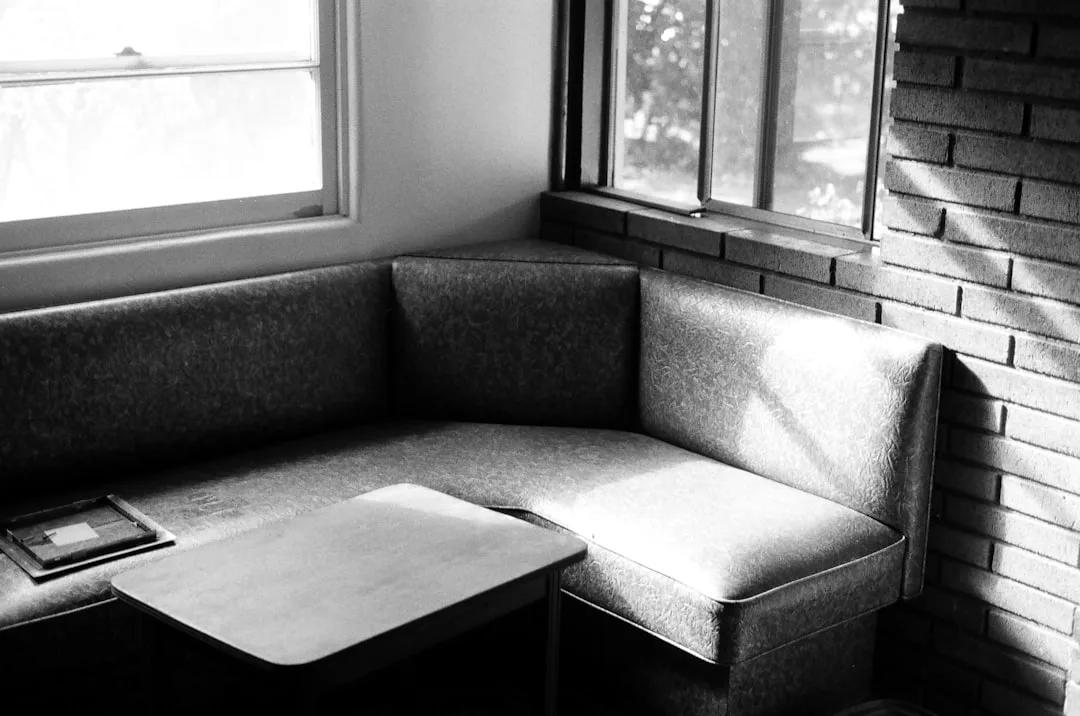
The corner of your kitchen — the one where a plant is slowly dying next to a chair no one sits in — is quietly costing you one of the most valuable things a home can offer: a place where people actually want to stay. A built in banquette dining nook transforms that stranded geometry into the most-used spot in the house, and it does it by working with the architecture instead of against it.
Quick Answer
The corner of your kitchen — the one where a plant is slowly dying next to a chair no one sits in — is quietly costing you one of the most valuable things a home can offer: a place where people actually want to stay.
That corner isn’t wasted because you haven’t found the right accent table. It’s wasted because the entire geometry of an open-plan kitchen works against conventional furniture, and no amount of styling fixes a structural mismatch. A built-in banquette dining nook solves the problem at the root — by making the architecture do the work instead of fighting it. I spent eleven years watching clients wedge side tables and loveseats into kitchen corners hoping something would stick, and it never did. What worked, every single time, was building something that belonged to the room.
What a Built-In Banquette Dining Nook Actually Is (and Isn’t)
In This Article
- What a Built-In Banquette Dining Nook Actually Is (and Isn’t)
- The Real Reason Dead Kitchen Corners Are So Hard to Use
- How Much Space You Actually Need for a Built-In Dining Nook
- Design Decisions That Separate a Good Nook from a Great One
- What a Built-In Banquette Dining Nook Costs (and Where the Budget Goes)
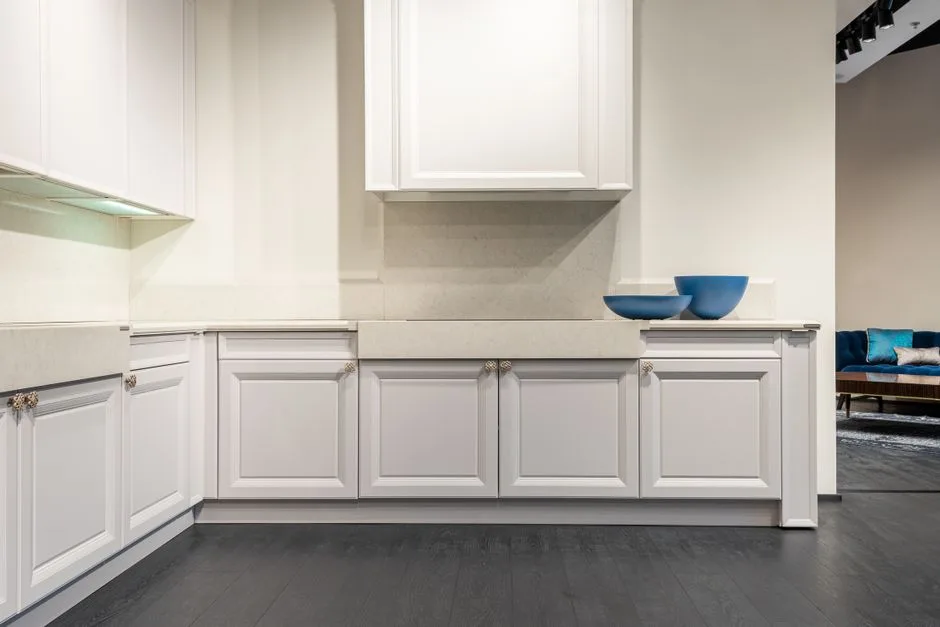
People use “banquette,” “breakfast nook,” and “bench seating” as if they’re interchangeable. They’re not, and the confusion causes real planning problems.
A built-in banquette dining nook is a fixed bench seat — upholstered or wood — structurally integrated with the walls of a corner or alcove, paired with a table and sometimes opposing chairs. The key word is fixed. Unlike a freestanding bench you slide in from IKEA, a banquette nook is anchored — typically with a framed base that meets the floor with a toe-kick, connects to the wall studs, and in good builds, incorporates storage below the seat. It doesn’t move when someone sits down hard. It doesn’t scratch the floor. It reads as part of the room because it is.
Here’s what it isn’t:
- A breakfast bar — that’s counter-height seating at a peninsula or island; a nook sits at standard table height (30 inches)
- A freestanding upholstered bench pushed into a corner — no structural integration, no storage potential, moves when you bump it
- A booth — which implies restaurant-style fixed seating on both sides; a nook typically has bench on one or two sides with open chair access on the remaining sides
- A mudroom bench — built on similar principles, but positioned for a completely different function and traffic pattern
- A window seat — a window seat is typically shallower (12 to 16 inches deep), runs along a single wall without a table relationship, and serves a different behavioral purpose entirely
Styles range from fully custom millwork — where a carpenter frames the entire unit from scratch, matches your cabinetry profiles, and routes for integrated lighting — to semi-custom builds using cabinet carcasses (IKEA Sektion, for example) with custom-built faces. One is $14,000. The other is $2,200. Both can look intentional if detailed correctly.
The misconception that trips up most people: you don’t need a dedicated “breakfast nook room” to do this. A corner of an open-plan kitchen — even one that’s technically part of a living area — qualifies. Kitchen renovations with custom seating elements consistently rank among the top features that appeal to buyers, which means this is both a livability upgrade and a positioning decision if you’re thinking about resale.
Takeaway: Before you search for inspiration photos, decide whether you’re building something fixed or placing something movable. Only one of those is a built in banquette dining nook.
The Real Reason Dead Kitchen Corners Are So Hard to Use
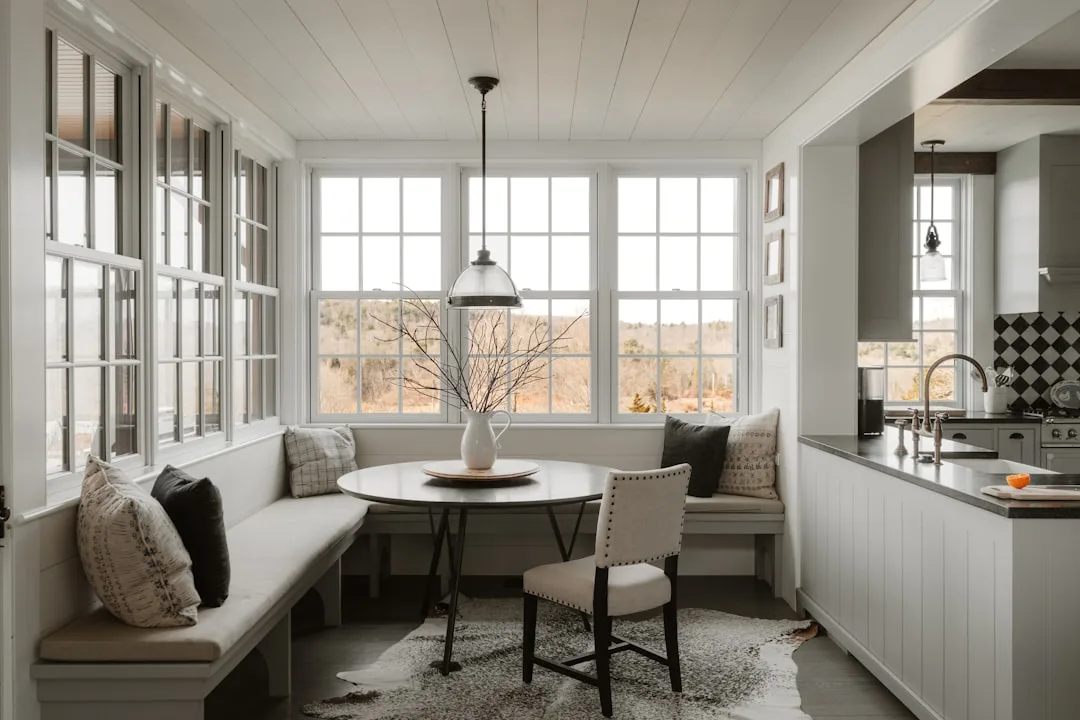
Corner square footage is the most reliably abandoned space in an open-plan kitchen, and it has nothing to do with taste or effort. It has to do with clearance math.
Standard dining chairs require 36 to 48 inches of pull-out clearance per side — that’s the space needed to push the chair back, stand up without hitting a wall, and sit back down without performing a lateral shuffle. In a corner, two walls compress that clearance simultaneously from two directions. A conventional four-person table needs roughly 9 feet of unobstructed floor run in each direction to work comfortably; most kitchen corners offer maybe 6. The National Kitchen and Bath Association recommends a minimum of 36 inches of walkway clearance around dining furniture — a standard that quietly eliminates almost every conventional dining furniture configuration in corner spaces under 10 by 10 feet.
The proportional problem is worse in kitchens with islands. I had a client in Lincoln Park — narrow row house, beautiful gut renovation — whose island left a 7-foot-by-5-foot L of space between the kitchen exterior wall and the dining area. She’d been trying to make a 42-inch round table work in that corner for two years. The table fit. The chairs did not. Everyone ate sideways or sitting too close to the wall. Stranded square footage like that — often 40 to 80 square feet in typical open-plan layouts — creates what I call the furniture graveyard: the space where things get placed, not used, and eventually ignored.
The psychological dimension is real too. Wasted space doesn’t just frustrate practically — it creates a low-grade ambient sense that the home doesn’t quite work. That feeling drives renovation decisions more reliably than any specific square footage need. People don’t think “I need 60 more square feet.” They think “this kitchen never feels right,” and they’re usually pointing at the corner when they say it.
The problem a banquette nook solves isn’t storage or seating count. It’s the clearance equation — because built-in bench seating requires zero chair pull-out space behind the sitter. The bench is fixed. You slide in, the table comes to you, and suddenly 40 square feet that couldn’t support a chair can seat four people comfortably.
Takeaway: Measure your corner’s actual chair clearance before assuming the problem is styling. If you can’t pull a chair back 36 inches in two directions simultaneously, conventional furniture will never work there.
How Much Space You Actually Need for a Built-In Dining Nook
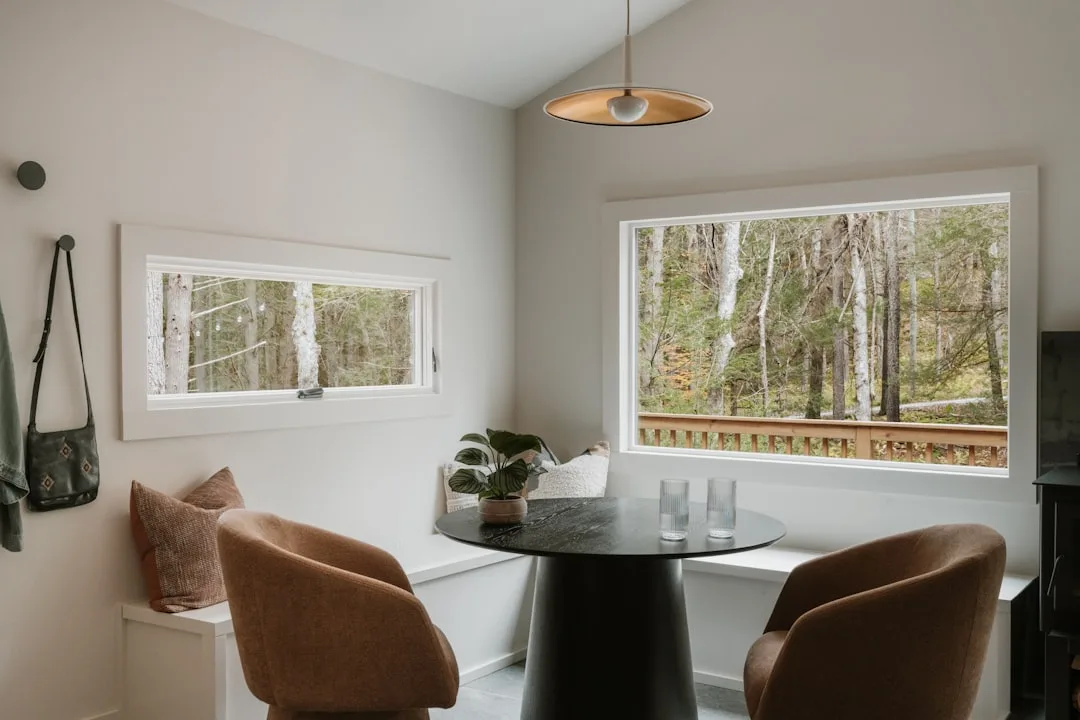
This is the question every gallery article dodges, because specific numbers are more useful than aspirational photos and harder to pad with adjectives. So here are the actual measurements.
Minimum functional footprint for a 2–3 person nook: 5 feet by 5 feet of floor space in a corner. That accommodates a 30-inch square or small round table, 18 inches of bench depth on each wall, and enough edge clearance to slide in and out without contortion.
Comfortable 4-person L-shaped configuration: 6 feet by 6 feet, with a 36-inch square or 36-inch round table. The round table is almost always the better choice at this size — it eliminates the dead corner between two L-shaped bench runs and makes conversation feel less like a press conference.
U-shaped nook for 5–6 people: requires 8 or more linear feet of wall run on the primary wall, with return walls of at least 5 feet. This is the most demanding footprint and the least forgiving if you miscalculate. Measure twice, build once — that cliché exists because U-shaped nooks that are 4 inches too tight feel like a punishment.
For the bench itself, here are the baseline numbers professional designers use — not as luxury targets, but as functional minimums:
- Seat height: 17 to 19 inches from finished floor. Lower than that and adults eat with their chins at table level. Higher than that and shorter users can’t plant their feet.
- Seat depth: 18 to 20 inches. Under 18 and taller people have nowhere to put their legs. Over 22 and you’re essentially building a sofa, which is comfortable for lounging but awkward for eating.
- Seat-to-table clearance: 10 to 12 inches between the top of the seat cushion and the underside of the table. This is the number most DIY builds get wrong. Too little and you can’t cross your legs; too much and you’re reaching up for your coffee.
- Table height: 28 to 30 inches for standard dining. Anything over 30 inches starts to feel like café counter seating.
- Back support height: 36 to 42 inches from floor. Anything lower than 36 and the bench reads as a storage ottoman; anything over 42 starts to feel like a confessional booth.
One measurement that surprises most people: the toe-kick space at the base of the bench. A 3-inch-high by 3-inch-deep toe-kick at the floor line makes the difference between a bench you sit on comfortably and one that forces you to perch. When you slide forward to get up, your feet need somewhere to go. This is a two-minute framing decision during construction and a source of daily frustration if it’s skipped.
Takeaway: A nook that’s 6 inches too shallow is not 6 inches less comfortable. It’s uncomfortable in a way that makes people stop using it. Get the measurements right before committing to the build.
Design Decisions That Separate a Good Nook from a Great One
The footprint determines whether a built in banquette dining nook is functional. The design decisions determine whether it becomes the room’s gravitational center — the spot everyone migrates to naturally, that appears in every family photo, and that you’ll miss in every house you live in afterward.
Upholstered vs. wood seat
Wood bench seats are easier to clean, hold up better in homes with young children or pets, and read as more architectural. Upholstered seats are more comfortable for longer meals, better for spaces where people tend to linger over coffee or laptops, and offer a design texture that wood alone can’t. The practical middle ground is a wood-framed bench with a removable cushion — you get the cleanability of hard edges with the comfort of upholstery, and the cushion can be replaced when it wears out without rebuilding the whole unit.
If you go upholstered, the fabric decision matters more than most people expect:
- Performance velvet (like Crypton or similar treatments): looks elevated, handles spills well, difficult to scratch or snag
- Outdoor fabric used indoors (Sunbrella, for example): the most practical option in homes with kids or frequent cooking near the nook; holds up to cleaning without fading
- Linen or linen blends: beautiful, but stains quickly and shows wear at seat edges within a year or two in a heavily used nook
- Leather or faux leather: easy to clean but cold in winter, sticky in summer, and polarizing aesthetically
Storage integration
A well-built banquette nook has storage access from one of two directions: lift-top seats (like a piano bench mechanism, usually with a gas piston to hold the lid open) or pull-out drawers at the toe-kick level. Lift-top is higher capacity but requires full clearance above the seat when open. Drawers are more accessible day-to-day but reduce structural depth for the seat framing.
What actually gets stored there, in practice:
- Extra table linens and napkins
- Board games and puzzles that would otherwise end up in a closet across the house
- Seasonal items (holiday table decor, extra candles)
- Kids’ art supplies or homework materials in family kitchens
- Wine and beverage accessories
Lighting
A nook without dedicated lighting reads as an afterthought. The ceiling fixture that lights your kitchen for cooking is too far away and usually too overhead-direct to make a corner feel intimate. Options that work:
- A pendant or small chandelier centered over the table: the single highest-impact addition, makes the nook feel like its own defined space within an open plan
- Recessed lighting aimed specifically at the table surface: less dramatic than a pendant but more practical in low-ceiling kitchens
- Wall sconces flanking the bench: rarely the primary source, but excellent for evening use when you want the main kitchen lights off
Table shape and material
Round or oval tables work better in most nooks than rectangular ones. The reason is corner geometry: an L-shaped bench creates a dead zone at the inside corner that a rectangular table can’t bridge. A round or oval table floats naturally in that space, giving every sitter roughly equal reach to the center. Pedestal bases are almost always preferable to four-leg bases in a nook — no leg interference when sliding in or out.
Takeaway: The design decisions that feel secondary — fabric, lighting, table shape — are actually the ones that determine whether the nook gets used every day or becomes the new plant corner.
What a Built-In Banquette Dining Nook Costs (and Where the Budget Goes)
Cost is the question that gets the vaguest answers in design content, because ranges are wide and the variables are real. Here’s an honest breakdown.
DIY with stock cabinet carcasses: $800 to $2,500 total, depending on cushion quality and whether you hire a painter to finish. Uses IKEA Sektion or similar as the base structure, plywood or MDF fascia, and a custom cushion from an upholstery shop. Looks intentional if the details are clean; looks DIY if they’re not.
Semi-custom (carpenter builds from scratch, painted finish): $3,500 to $7,000. This is the most common professional build. A skilled finish carpenter frames the bench, installs a toe-kick, builds the table or spec’s one out, and paints everything to match existing millwork. Storage is usually included at this level.
Full custom millwork: $8,000 to $18,000+, depending on region, material, and complexity. At this level, the nook matches your cabinetry exactly — same profiles, same hardware, same finish. Integrated lighting is often included. The table is typically custom-made to match.
Where the budget goes, in order of impact on the final result:
- Framing and structural work — the part you don’t see but feel every time you sit down
- Cushion quality — cheap foam compresses within a year; good foam (2.8 lb density minimum) holds its shape for a decade
- Paint and finish work — the single most visible indicator of whether a nook looks custom or budget
- Table — often the afterthought, but the wrong table height or shape undermines an otherwise excellent build
- Lighting fixture — the item most often cut from budgets that makes the most perceptible difference to how the space feels at night
Takeaway: Budget cuts that hurt most are foam quality and finish work. Budget cuts that matter least are decorative hardware and fancy storage mechanisms — get those right after the structure is solid.
FAQ: Built-In Banquette Dining Nook
Q: Can I build a banquette nook in a rental apartment?
Technically, yes — but a true built-in banquette dining nook anchors to wall studs and floor, which most leases prohibit without landlord approval. A semi-built-in version using freestanding cabinet carcasses weighted and positioned against the wall can approximate the look without permanent attachment, but it won’t have the same structural solidity. Get written permission before you start, and document the existing wall condition before any work begins. Some landlords will approve the build in exchange for rent concessions or an agreement that the fixture stays when you leave.
Q: What’s the best table shape for a corner banquette nook?
Round or oval, almost without exception. The inside corner of an L-shaped bench creates dead space that a rectangular table can’t fill efficiently — people at the corner end up either too far from the table edge or crammed in at an awkward angle. A round pedestal table centered on the bench run puts every seat at roughly equal distance from the center and eliminates the leg-interference problem that four-legged rectangular tables create in tight spaces.
Q: How do I keep a banquette cushion clean in a kitchen with kids?
Fabric selection is more important than any cleaning product. Performance fabrics treated with stain-resistant coatings (Crypton, Sunbrella, or similar) handle the majority of kitchen spills with a damp cloth. For foam beneath the cover, use a waterproof liner between the foam and the fabric — this protects against liquid that works through seam edges over time. Cushion covers with zipper closures that can be removed and machine-washed are worth the extra upholstery cost. Avoid linen, cotton canvas, and velvet in kitchens with children under ten.
Q: Does a built-in banquette dining nook add resale value?
Built-in seating in kitchens consistently appears on lists of features buyers respond to positively, particularly in markets where open-plan kitchens are the norm and square footage is at a premium. The caveat: a nook that’s well-proportioned and finishes correctly adds value; a nook that’s cramped, poorly finished, or in an awkward location can read as a liability. Buyers in the under-$500,000 market tend to see a nook as a charm feature. Buyers at higher price points evaluate it as millwork — if it looks custom and intentional, it adds; if it looks like a DIY project, it detracts.
Q: How long does it take to build a banquette nook?
For a professional carpenter doing a semi-custom build, allow 3 to 5 days of on-site work plus 1 to 2 weeks of lead time for cushions. Cushion fabrication is almost always the longest part of the timeline — a good upholstery shop needs 2 to 4 weeks from approval to delivery. If you’re doing a DIY build with stock carcasses, the construction itself can happen over a weekend, but you’ll still wait on cushions. Full custom millwork that matches existing cabinetry can take 6 to 10 weeks from design sign-off to installation, depending on the shop’s backlog.
The dead corner of your kitchen isn’t a styling problem. It’s an architectural problem that conventional furniture was never designed to solve. A built in banquette dining nook works because it accepts the geometry instead of fighting it — and once it’s in, the corner stops being the place where things go to be forgotten and starts being the place where everyone wants to sit. That’s a better return on square footage than almost anything else you can do in a kitchen.
Q: Can I build a banquette nook in a rental apartment?
Technically, yes — but a true built-in banquette dining nook anchors to wall studs and floor, which most leases prohibit without landlord approval. A semi-built-in version using freestanding cabinet carcasses weighted and positioned against the wall can approximate the look without permanent attachment, but it won’t have the same structural solidity. Get written permission before you start, and document the existing wall condition before any work begins. Some landlords will approve the build in exchange for rent concessions or an agreement that the fixture stays when you leave.
Q: What’s the best table shape for a corner banquette nook?
Round or oval, almost without exception. The inside corner of an L-shaped bench creates dead space that a rectangular table can’t fill efficiently — people at the corner end up either too far from the table edge or crammed in at an awkward angle. A round pedestal table centered on the bench run puts every seat at roughly equal distance from the center and eliminates the leg-interference problem that four-legged rectangular tables create in tight spaces.
Q: How do I keep a banquette cushion clean in a kitchen with kids?
Fabric selection is more important than any cleaning product. Performance fabrics treated with stain-resistant coatings (Crypton, Sunbrella, or similar) handle the majority of kitchen spills with a damp cloth. For foam beneath the cover, use a waterproof liner between the foam and the fabric — this protects against liquid that works through seam edges over time. Cushion covers with zipper closures that can be removed and machine-washed are worth the extra upholstery cost. Avoid linen, cotton canvas, and velvet in kitchens with children under ten.
Q: Does a built-in banquette dining nook add resale value?
Built-in seating in kitchens consistently appears on lists of features buyers respond to positively, particularly in markets where open-plan kitchens are the norm and square footage is at a premium. The caveat: a nook that’s well-proportioned and finishes correctly adds value; a nook that’s cramped, poorly finished, or in an awkward location can read as a liability. Buyers in the under-$500,000 market tend to see a nook as a charm feature. Buyers at higher price points evaluate it as millwork — if it looks custom and intentional, it adds; if it looks like a DIY project, it detracts.
Q: How long does it take to build a banquette nook?
For a professional carpenter doing a semi-custom build, allow 3 to 5 days of on-site work plus 1 to 2 weeks of lead time for cushions. Cushion fabrication is almost always the longest part of the timeline — a good upholstery shop needs 2 to 4 weeks from approval to delivery. If you’re doing a DIY build with stock carcasses, the construction itself can happen over a weekend, but you’ll still wait on cushions. Full custom millwork that matches existing cabinetry can take 6 to 10 weeks from design sign-off to installation, depending on the shop’s backlog.