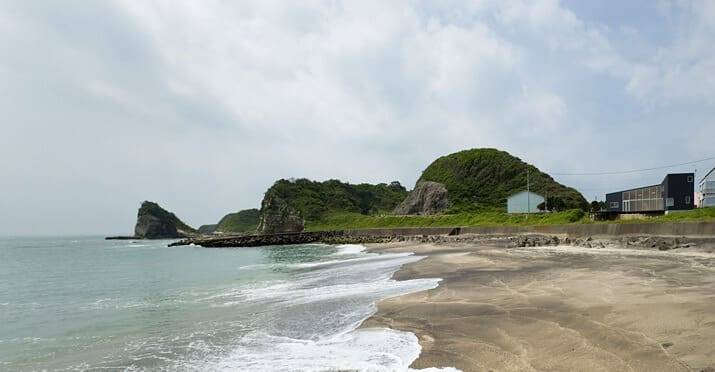
Category: Architecture

  • Great Maya World Museum of Mérida in Mexico

    Great Maya World Museum of Mérida in Mexico

    Receiving recently the CIDI Latin American design award as “Emblematic work of 2013” in the Culture category, the Great Maya World Museum of Mérida in Mexico (El Gran Museo del Mundo Maya) is a noticeable cultural project, which aims to preserve and promote the region’s cultural heritage. Starting from the idea that “a building without meaning is a simple construction”, GRUPO ARQUIDECTURE (formerly 4A Arquitectos) designed El Gran Museo del Mundo Maya, whose design concept is inspired by the interesting Mayan culture. Highlights not only the prehispanic architecture of the region, but also their cosmogony, its expressive, highly dramatic overall design  symbolizes the sacred tree of the cosmic vision of  Mayan culture -“La Ceiba”. As the focal point of the composition, La Ceiba and the sacred tree connects the world with the underworld and the sky and the shadow as ineffable value in a sun-scorched land but refreshed by the breeze.

    Contemporary-architecture-in-Mexico

    Thus, the exterior of the building showcases a visually striking design featuring an abstract metal framework that seems woven across the façade, which reminds us of Beijing National Stadium. Its Ceiba tree -inspired shape raises seeking for natural air and light using passive systems to achieve energy benefits and environmental comfort. Designed as a living museum that aims to captivate and inspire love for new knowledge that makes you return again,  El Gran Museo del Mundo Maya makes you curious to investigate the Mayan culture and its origins. The building is structured in order to integrate all the required areas and the program needs for the various functional activities.

    Museum collections, transit cellars, research and study áreas of the great archaeological acquisition and a 260 parking spaces area are all located at the “Ceiba’s roots” level.  Life and daily activities take place at the “Ceiba’s trunk” level, underneath its shade, the sacred tree being related to the infinite where its branches spread up to the sky and human transcendence. Here is the the main lobby, personal belongins kept area, ticket offices, public relations office, childcare center, restaurant with terrace, souvenir shop and a terrace bar, as well as a 2,000 m2 of permanent exhibition rooms and 600 m2 for travelling exhibitions. A high-definition large format cinema with performing arts facilites for various artistic and cultural activities, a multi-purpose hall, and also the executive and administrative offices are to be found inside the “Ceiba’s frond”. Note that the sustainability is an integral part of this project, GRUPO ARQUIDECTURE creating a comprehensive work  that takes all environment, social and economic aspects in consideration.

    Contemporary-Museum-in-Mexico

    Multimedia- show

    Courtyard-showroom

    General-lobby

    Inside-Museum-in Yucatan

    Museum-exhibitions

    Museum-exhibitions-01

    Photos © David Cervera, Rocío Rojo, Alessandra Ortíz


    Project details:

    Architects: 4A Arquitectos
    Location: Mérida, Yucatán, Mexico
    Design Team: Ricardo Combaluzier, Enrique Duarte, William Ramírez, Josefina Rivas
    Collaborators: Luis De La Rosa, Alma Villicaña, Carlos Guardián, Mariana Farfán, Julio Rosas, Aída Ordóñez, Fabián Rosas, Ricardo Combaluzier
    Year: 2010
    Area: 22,600 sqm


  • Zaha Hadid Architects’ New Arts and Culture Centre Project in China

    Zaha Hadid Architects’ New Arts and Culture Centre Project in China

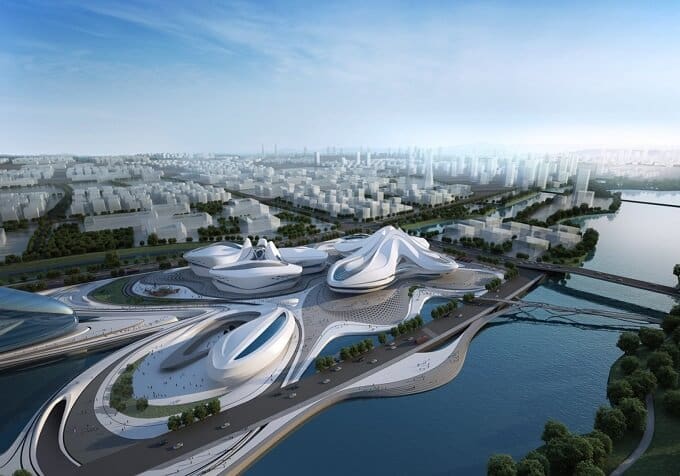
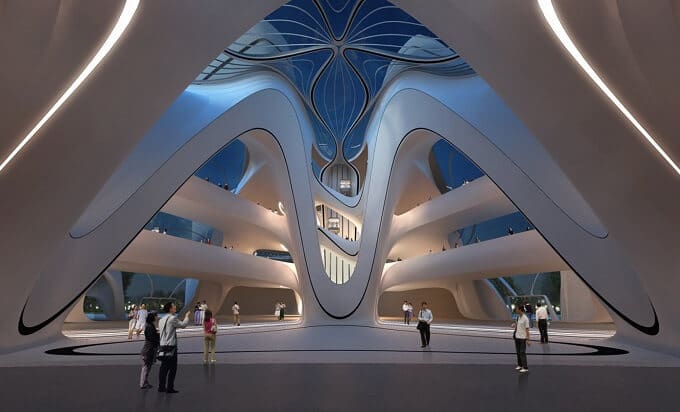
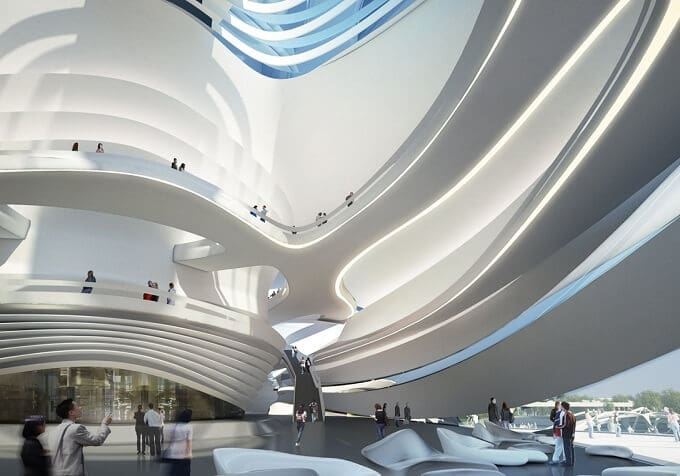
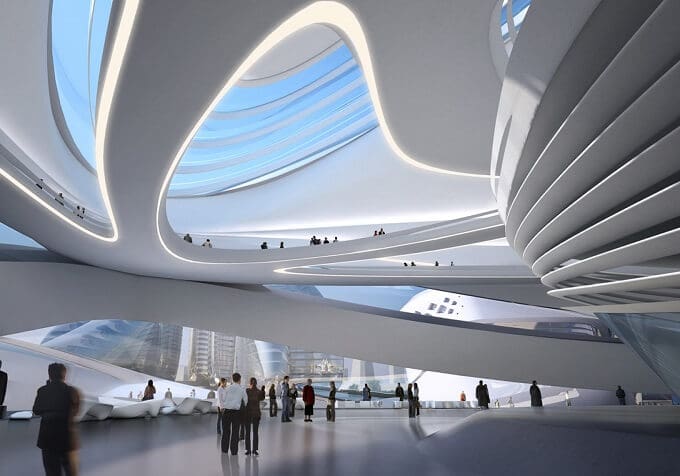
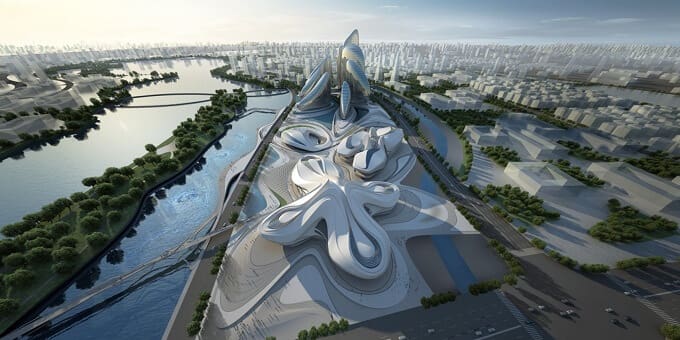
    Internationally known and award-winning architecture firm Zaha Hadid Architects  impresses us every time with stunning projects they design all over the world in their unique and innovative manner based on over thirty years of revolutionary research. This time we wanted to show you their new, amazing arts and culture centre project in the Chinese city of Changsa, which is currently under construction after their proposal has been selected as the winning one. Just looking at the renderings and the images speak for themselves: innovative, elegant, integrating values of functionality and introducing a unique, futuristic architecture, the Changsha Meixihu International Culture & Arts Centre will certainly become, after completion, the new cultural and civic landmark for the city of Changsha as well as a global cultural destination.

    Cultural-project-in-China

    The Changsha Meixihu International Culture & Arts Centre will encompass a series of nodes and civic institutions such as a Grand Theatre, a Contemporary Art Museum, a Small Theatre (Multipurpose Hall) and other supporting facilities, uniquely defined and separate, each one having its own distinctive character, but acting like a huge cultural complex that work beautifully in synchronicity with their surroundings.     The focal point of this project is the Grand Theatre with a capacity of 1800 of seats, being the largest performance rendezvous in the city. When will be completed, it will have all the necessary functions in order to host performances at the highest standards: backstage logistics, rehearsal rooms, dressing and make-up rooms, wardrobe, administration, VIP hospitality, restaurant, bars, cloakrooms, lobbies, etc. On the other hand, the Small Theatre will have a maximum capacity of 500 seats and will be flexible enough to allow for various configurations.

    As the name suggests, Multipurpose Hall, it will be suitable for shows ranging from commercial events and banquets to fashion shows, music and small theatre productions; a venue that will share with its visitors restaurant facilities and retail areas in an open space connected with the basement level. The third attraction will be the Contemporary Art Museum showcasing an original “three fluid petals” architecture that connect the interior gallery spaces with the exterior in a truly seamless fashion. It features an external plaza with views to the  Meixi Lake Road acts as an expansive outdoor space for exhibitions, outdoor sculptures and different events.The unique site’s location will be infused with urban vitality by interconnecting them through plazas where visitors can walk and enjoy surroundings views, especially the Meixi Lake ones.

    Futuristic-design-project

    Inside-Centre

    Inside-Art-Centre

    Inside-Art-Centre-01

    Zaha-Hadid-Architects-design

    Photos render © Zaha Hadid Architects


    Project details:

    Architect: Zaha Hadid Architects
    Design: Zaha Hadid, Patrick Schumacher
    Project director: Woody Yao, Simon Yu
    Museum design: Tariq Khayyat, Kutbuddin Nadiadi, Diego Rossel, Gerry Cruz, Matteo Melioli, Xiaosheng Li, Yuxi Fu, Thomas Jensen, Matthew Johnson, Justin Kelly, Drew Merkle
    Status: Under construction
    Location: Changsha, China
    Area: 115,000 sq m


    Changsha Meixihu International Culture & Arts Centre

  • Stunning JW Marriott Marquis Hotel Dubai- The World’s Tallest Hotel

    Stunning JW Marriott Marquis Hotel Dubai- The World’s Tallest Hotel

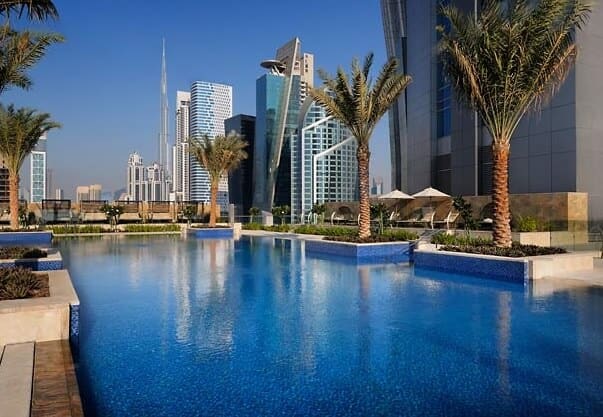
    One of the most exciting cities in the world is undoubtedly Dubai, well-known for its awe-inspiring architecture and world-class facilities and infrastructure.  Another iconic landmark emerged since the end of last year, dominating the city skyline at 355 meters high (1,164 feet) and restating the leading position that this distinctive resort location in the Middle East occupies on global business and entertainment destination map.

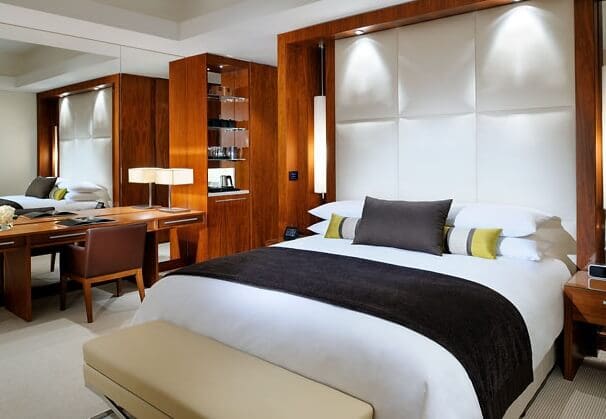
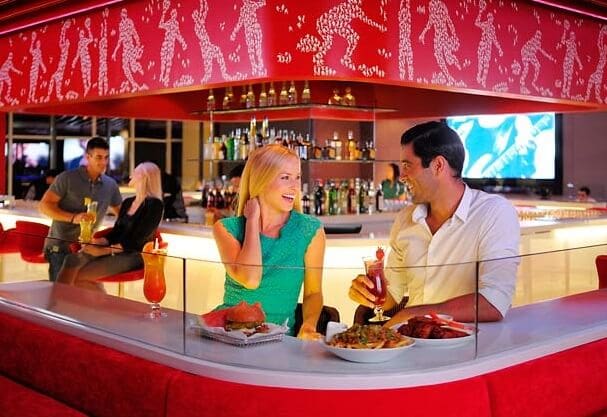
    It’s about the highly anticipated 5- star magnificent  JW Marriott Marquis Hotel Dubai belonging to Marriott International’s luxury portfolio, which is expected by 2015 to include 79 properties in 28 countries. The first of 59 hotels in the JW Marriott family planned to be built outside North America, the opulent JW Marriott Marquis Hotel Dubai, unveiled few months ago, was officially recognised in Guinness Book as the tallest hotel in the world when opened, only 26 metres shorter than the famous Empire State Building in New York, surpassing the Rose Rayhaan by Rotana, becoming already the Dubai’s first world-class convention and business destination hotel.

    Ultimate-luxurious-destination-Dubai

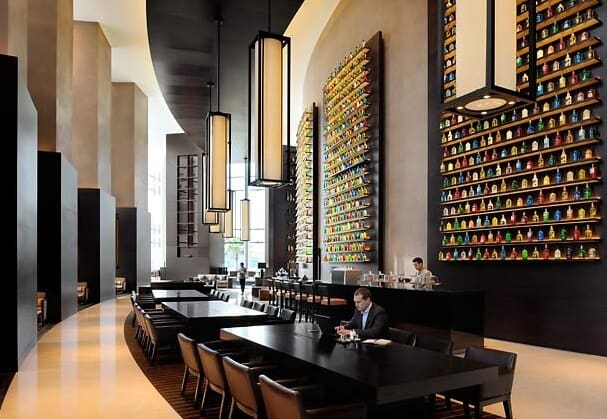
    Located in the heart of Business Bay, close to Dubai International Airport and within couple of minutes from Dubai World Trade Centre and the Dubai International Convention & Exhibition Centre, the twin tower sckyscraper complex is owned by Emirates Group and designed by The Arch Group Consultants, each one each with 804 rooms and an enticing array of 14 restaurants, bars, lounges prividing large selection of world-class dining and entertainment options and capacity for large-scale corporate events of up to 1,000 delegates, providing cutting-edge business facilities. The construction of this luxurious 72-storey property started in November 2006 and was scheduled to open in several phases, the first tower to be completed in 2013 and the second one to be opened by late 2014. These elegant twin skyscrapers with amazing postmodern architecture style is designed to appeal to the elite business market, offering unforgettable travel experiences with intuitive service, exceptional meeting facilities, state-of-the art technology, throughtful world-class amenities and modern, exquisite design, celebrating the unique flavor of each destination.

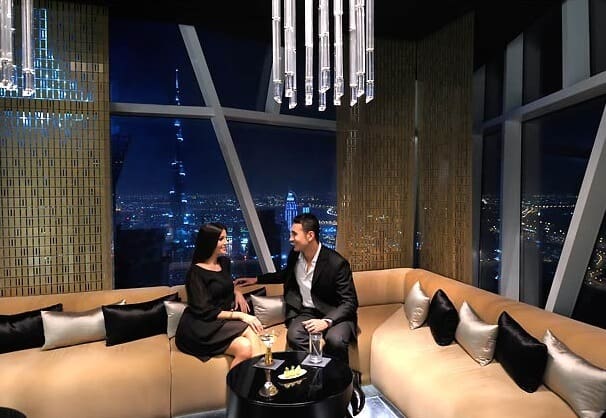
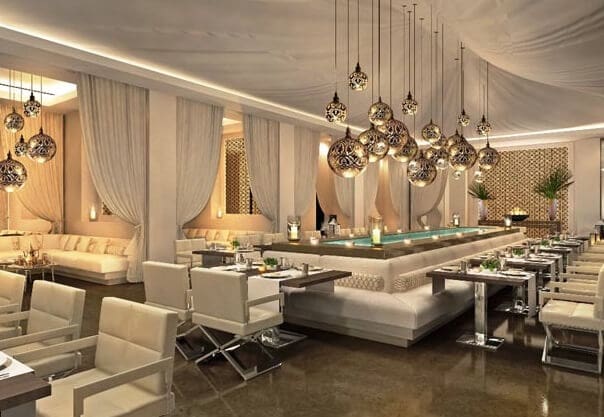
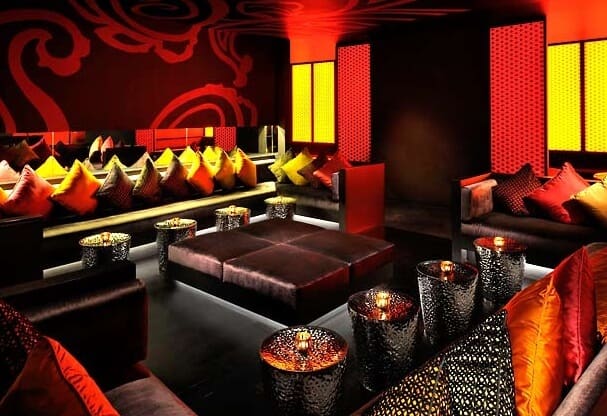
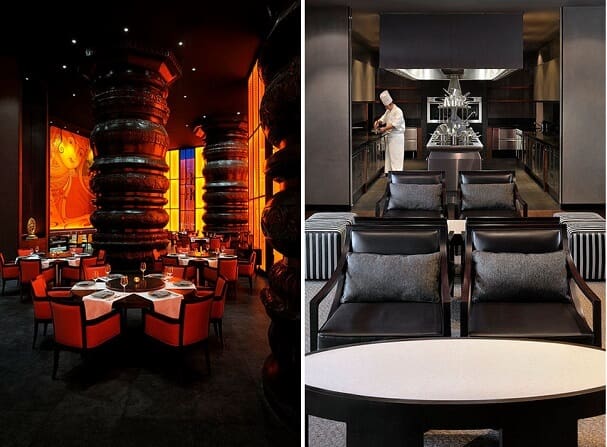
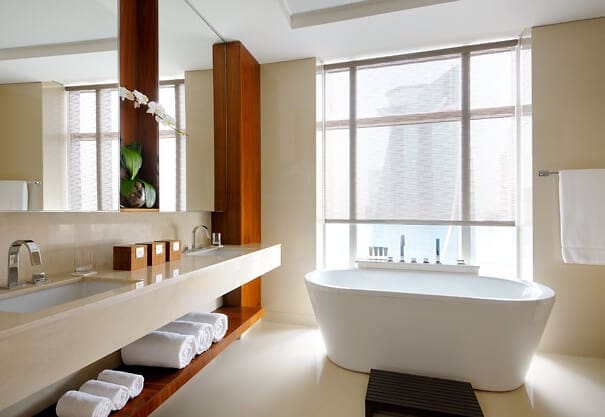
    After a day spent exploring the city, sophisticated and self-assured travelers will explore luxury at its best into a refined elegance and warmly authentic relaxed ambiance, while enjoying breathtaking panoramic views across Dubai.  They can relax and rejuvenate with timeless rituals and invigorating treatments at the  4,000 square-meter SARAY Spa, indulge in Indian culinary delights in a contemporary and authentic dining space at Rang Mahal or taste complimentary breakfast, snacks, evening canapés, as well as hot and cold beverages throughout the day in a stunning setting showcasing traditional Arabic heritage. For guests looking for a unique dining experience, their amazing sky-high boutique steakhouse, Prime68, located on the 68th floor, provides a stylish venue where your senses will be delighted with a prime selection of steaks, prepared on a charcoal grill and served with expertly crafted sauces, complimented by a pituresque bird’s eye view of Dubai.

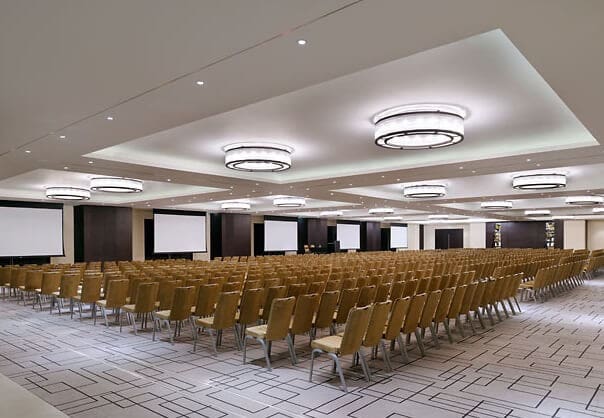
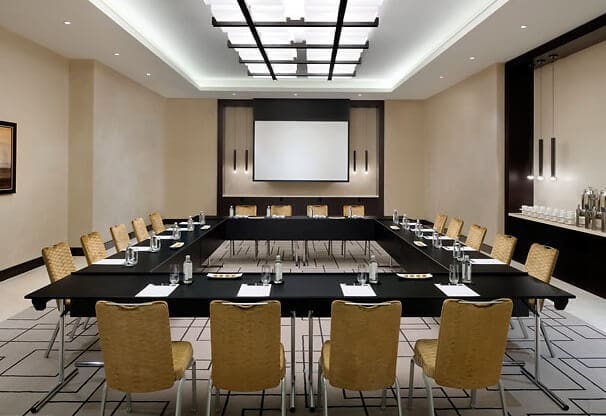
    In addition, JW Marriott Marquis Hotel features more than 8,000 square meters of total event space with two exceptional ballrooms and 24 meeting rooms including outdoor terraces, health club, a gymnasium, as well as retail outlets, a 30 meters swimming pool on the 7th floor, and Aqua Poolside Bar and Grill. If you want to know more about this true work of art check out their website.

    Outdoor-swimming-pool

    The Lounge

    Meeting-area

    Levant-Arabic-heritage

    Bar-Seating-area

    Rang-Mahal-Dubai

    Standard-guest-room

    Guest-suite-bathroom

    Velocity-Bar

    Cutting-edge-ballrooms

    Meeting-room-Majilis

     Photos © JW Mariott


  • Sustainable Architecture in the Middle of Gobi Desert -The Lotus Hotel

    Sustainable Architecture in the Middle of Gobi Desert -The Lotus Hotel

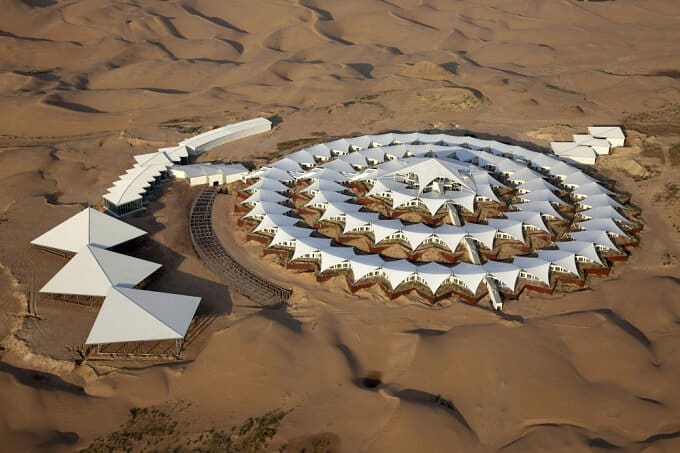
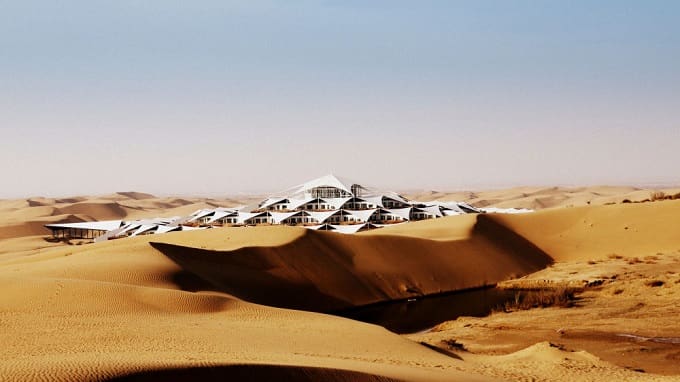
    For those looking for new experiences through ecotourism, here we show you an innovative hotel resort that is currently under construction – The Lotus Hotel. Targeting and promoting sustainable architecture in desert, the stunning new Lotus Hotel is one of the recent work of  Beijing-based architecture firm PLaT Architects, which is being built in the heart of Xiangshawan Desert, part of the Gobi Desert, one of the world’s great deserts that covers much of the southern Mongolia.

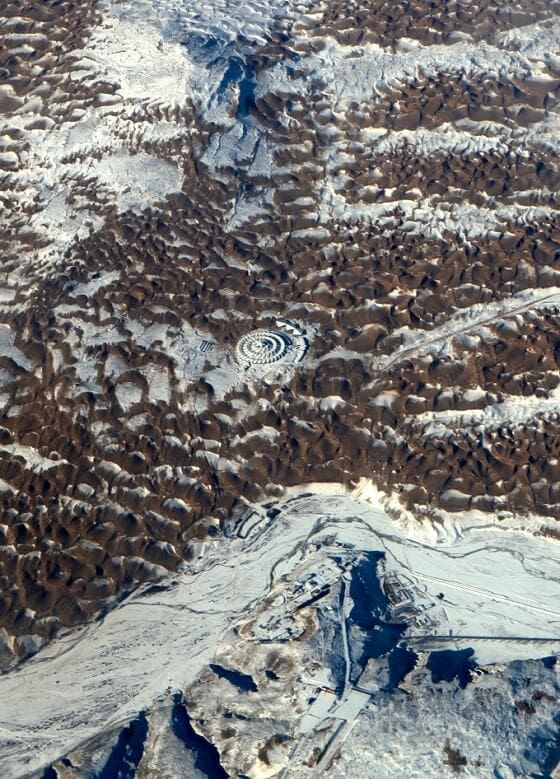
    The site is at 800km west of Beijing and between Ordos and Baotou, facing the Hantai River, a branch of Yellow River, and east to Kubuqi Desert that more than 200km wide, a location where you’d never expect for such a construction. Quite unusual, isn’t it? If until now we were used to remarkable architectural developments aimed to add many kilometers of beaches to the city of Dubai,  it looks like desert is a new destination to plan urban developments. This complex is only one part of  Xiangshawan Desert planning.

    Self-sustaining-desert-hotel

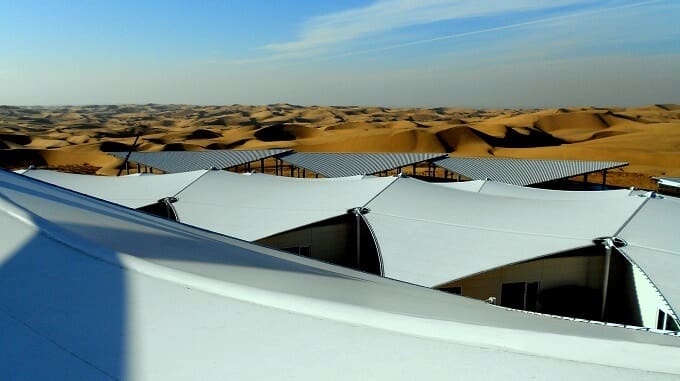
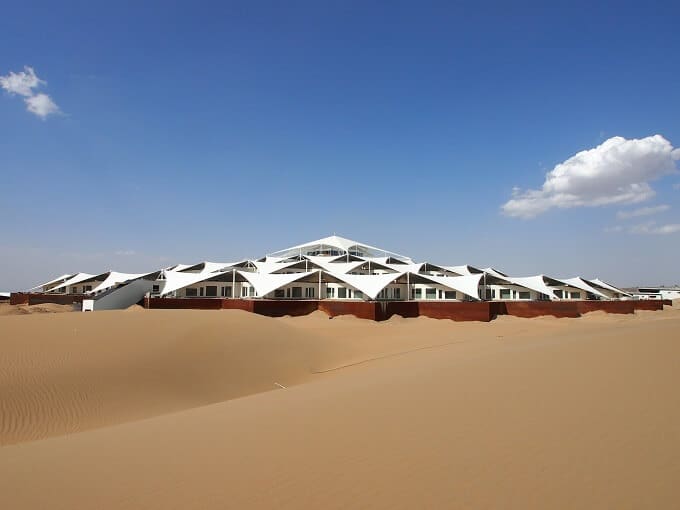
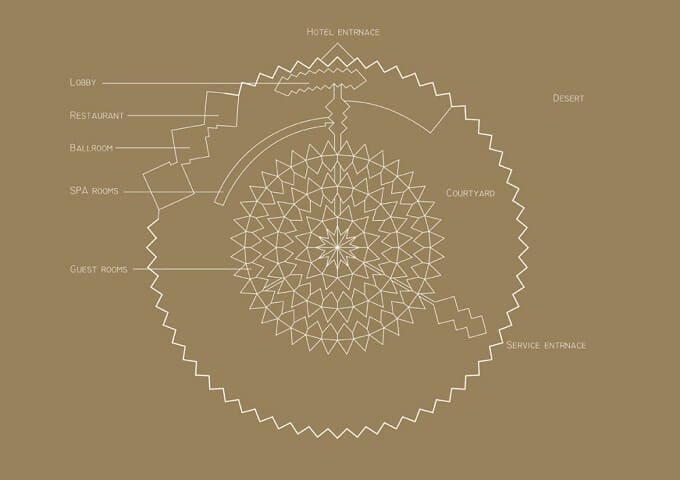
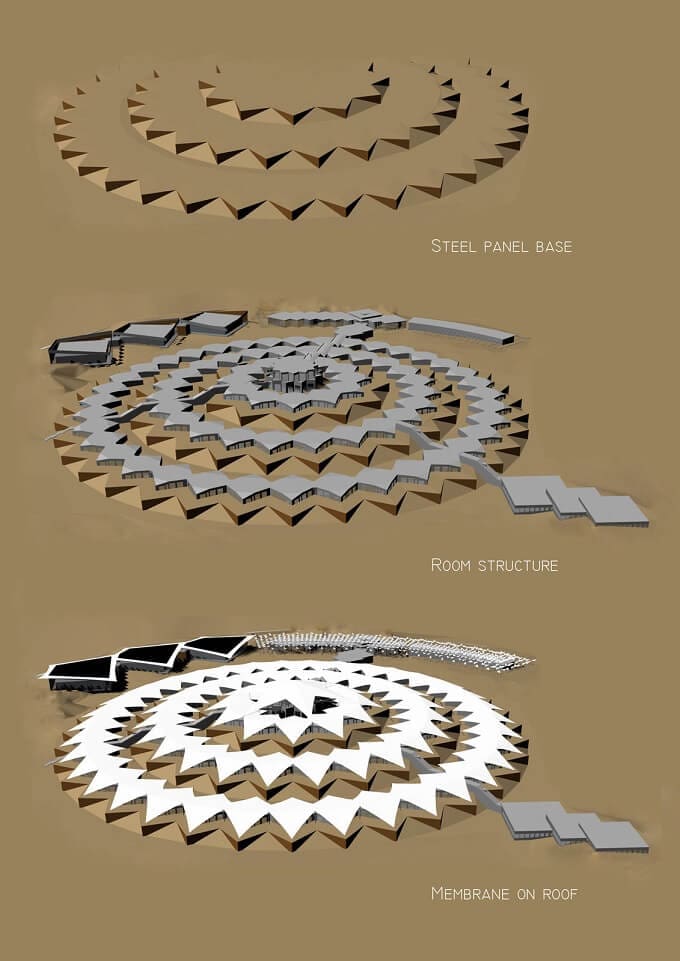
    Constructed on a 30,000 sqm arid area, the secluded Lotus Hotel looks like a ship floating on the sand, where the architects used the art of repeating the same elements which is the traditional Chinese idea of ‘Zhen’. A series of triangles are created by the rotation of squares in the same angle resulting a beautiful lotus flower- shaped building that showcases a new structural system designed to adapt the desert special geographic conditions. It’s a clever concrete-free construction that is fixed into the fluid sand using only pre-fabricated steel elements for its exterior and eco-friendly local materials for the interior design in order to make the structure stable in the unstable sandy conditions, while offering guests a truly unique experience of desert.
    For instance, the surrounding sand was used as material for wall coverings and the lobby’s floor. The unconventional hotel’s structure has a tiered system that provides white shades and under passages to shield visitors from the blazing desert sun. This interesting project aimes to be a sustainable construction with zero impact on the environment that produce its own electricity and get its own water. Take a look at some photos.

    Hotel-architecture-by-PLaT-Architects-01

    Hotel-architecture-by-PLaT-Architects-03

    OLYMPUS DIGITAL CAMERA

    Hotel-plans

    Hotel-structure
    Hotel-architecture-by-PLaT-Architects
    Photos © PLaT Architects; source @archdaily.com

  • 8City-South Korea’s New Mega-City To Rival Dubai And Macau

    8City-South Korea’s New Mega-City To Rival Dubai And Macau

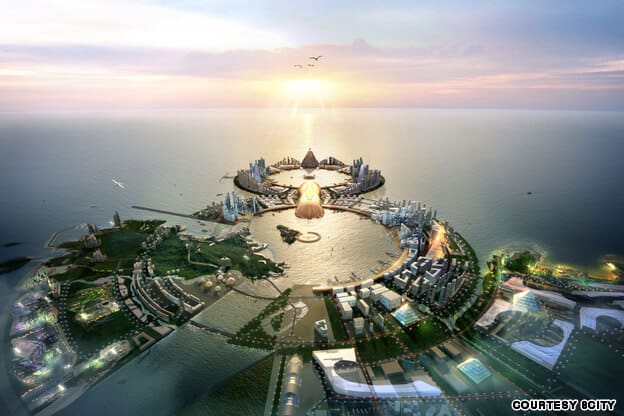
    8City is not the subject of the new Star Wars movies, but South Korea’s plans for a gigantic $280 billion mega-city complex on the islands of Yongyu-Muui, next to Incheon International Airport. Believe it or not, what now is just a small fishing village off South Korea’s western coast, in 20 years now it will be unrecognizable. Covering 80 square kilometers (about 31 square miles), the mammoth new tourism hub is said to be the most ambitious project since the Egyptian pyramids onwards.

    If the designers manage to complete this development until 2030 as they proposed, it would be the largest single architectural plans on the planet, which would dethrone the extravagant tourist mecca in the Middle East, Dubai, and would be three times bigger than the gambling heaven of Macau, a major tourism destination in China (which is approximately 28.2 square kilometers). As the vice chairman of EIGHTCITY Co., the developer of the project, said, “it will become the world’s top city that has the creativity of Dubai, convention centers and casinos of Las Vegas and Macau, as well as the shopping centers and financial hubs of Hong Kong and Singapore.” Impressive, isn’t it?

    8City-South-Korea-project

    According to mass media, Korea’s latest project will be the new hot spot tourist destinations  in the world, an all in one destination that will attract about 134 million tourists annually, taking into consideration that at the moment 5.7 million passengers pass through Incheon International Airport each year. This will create 930,000 new decent jobs in the services sector, providing a vibrant boost to the local economy. When it will be finished, it is expected that more than 350,000 people to reside in. Plans for the city include both leisure and travel facilities from luxury hotels, condominiums, shopping centres, casinos to theme parks, a water park, a 50,000-seat concert hall, a medical tourism-based “healing town” and a “hallyu town” introducing Korean entertainment, and even a Formula One racing track.

    8City-South-Korea-travel

    Symbolizing good fortune in Chinese culture, the number “8” is present both in the development’s name and architecture. The main landmarks of this mega-city will be the ‘Inner Circle’ – a “smart” tubular 14-kilometer building along the coast and the ‘Megastrip, which as 200 meters high, 880 meters wide and 3.3 kilometers long will be the world’s largest building. Housing facilities and tourist attractions, the Megastrip will have a gross surface area of 4.85 square kilometers, larger than Dubai International Airport’s Terminal 3 and also larger than the Boeing Everett Factory’s usable floor space.

    Due to its “astronomical” scale and enormous budget, there are of course some questions about its economic feasibility and the posibility to    come to fruition such a project. Incheon City officials announced the cost to be project to be around ₩300 trillion, or US$275 billion, the massive undertaking being expected to be financed by the city and both foreign and domestic investors. They say they have already attracted about $3.8 billion in investments. But that’s just only drop in the bucket considering the high ambitions and expectations.

    8City-Korea-investiment

    Photos © 8CITY

  • New Football Stadium of FC Bate in Belarus

    New Football Stadium of FC Bate in Belarus

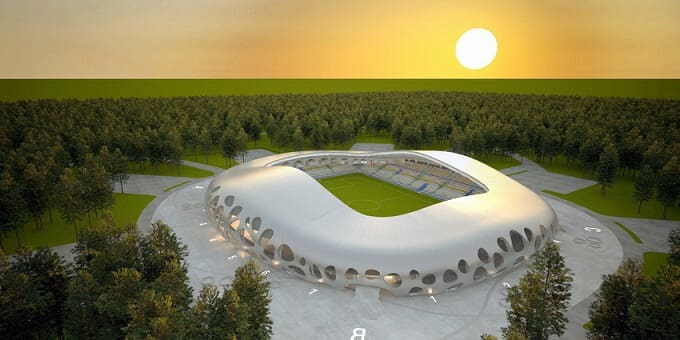
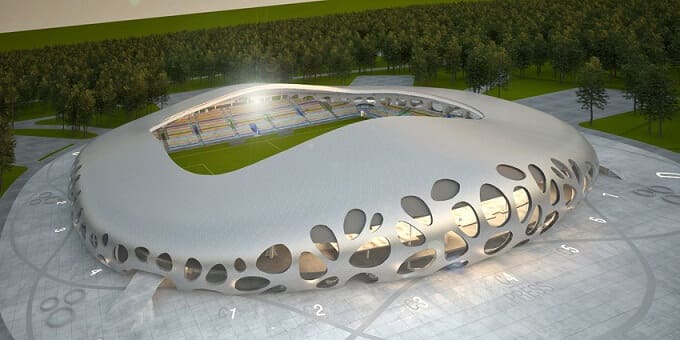
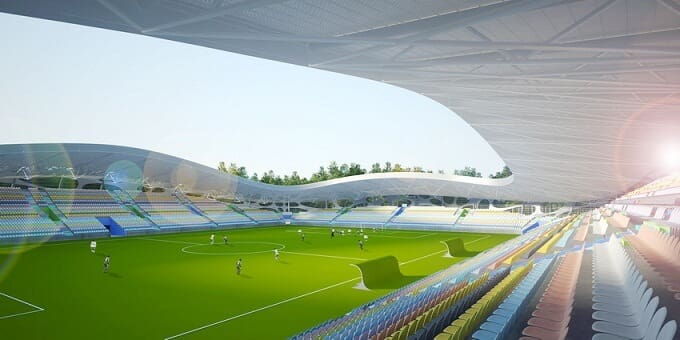
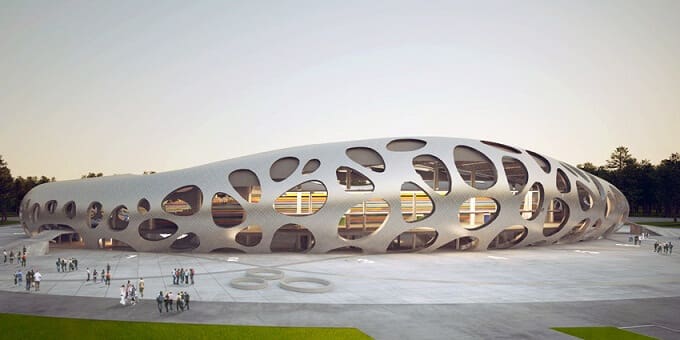
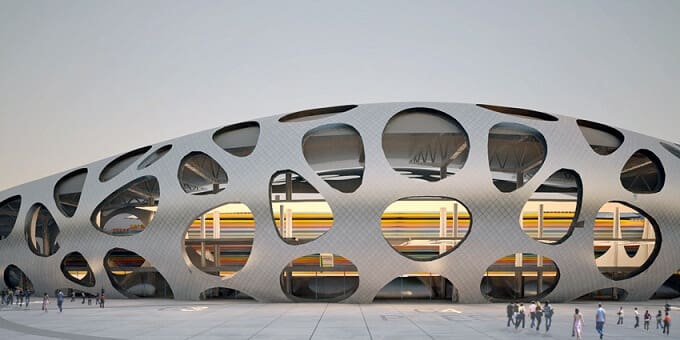
    With a poor infrastructure of football, Belarus seems to finally have a football stadium of international level, to fit for matches on group stages and playoffs of European cups in accordance with the criteria of UEFA. Currently under construction in the City of Borisov, Belarus, the new stadium of FC Bate is designed by the professional team from Ljubljana-based architect firm OFIS and as you can see from images, its impressive architecture will certainly become a dominant and powerful landmark.

    Stadium-structure-by-OFIS

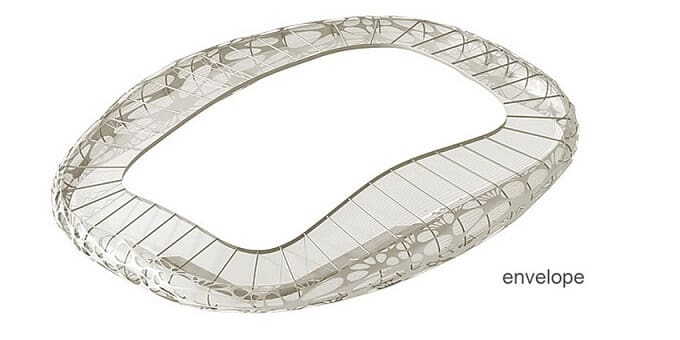
    Nestled in soft surrounding greenery, the stadium construction is made according with the existing intervention in the terrain and the natural advantages, maintaining the most of existing trees on the site. Thus, its approach is an environmental and used friendly one, where everyone has something to gain. With a total of 13, 000 seats, the new stadium of FC Bate has to be built as to obtain 4 stars according to UEFA categorization, have additional 3.000 m2 of public program and to also own external arrangements that provide separate access during matches and in everyday use, and quality traffic scheme. Its exterior architectural design have a distinctive modern character,  a unified rounded dome which give the feeling of a single enclosed object and, although it’s a middle size stadium, its structure looks quite impressive and very large.

    Stadium-project-in-Borisov

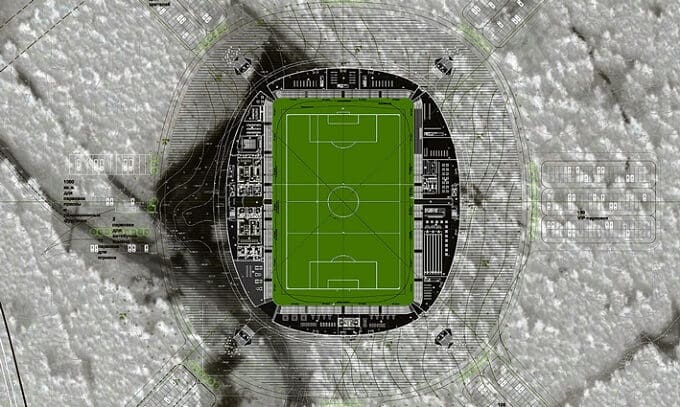
    Internally, the rounded arena will ensure an extroversive atmosphere and good acoustics during the games. It will have a N-S orientation playing surface with enough space for the installation of the cameras, photographers and advertising screens. The playground is surrounded by 17 rows along the long sides and of 27-28 rows along the short sides, with a east upper gallery for VIPs and west one for the press. Extra program and service facilities will occupy 4 floors under the west stand area, while under the east 3 floors.

    A naturally ventilated area, the foyer for visitors will have 4 accesses by stairway and will be found on the first floor level. Here visitors will have toilets, bars with drinks and snacks, a first-aid room and detention. There is a restaurant for VIPs and a bowling area in the eastern part of the stadium, whlist the southern part features gym and public fitness studios. The new stadium will include around 800 parking spaces and into the existinf forest area there will be parking pockets to be used for carting, skating, rollerblading, etc. So, what do you think about this stadium in Belarus?

    Stadium-project-by-OFIS

    Stadium-metal-structure

    Stadium-design-project-by-OFIS

    Modern-stadium-design
    Modern-stadium-design-02

    Modern-stadium-envelope

    Modern-stadium-design-plan
    Photos © OFIS


    Project details:

    Project team: Rok Oman, Spela Videcnik, Konstantine Bogoslavsky, Katja Aljaz, Janja Del Linz, Janez Martincic, Andrej Gregorič, Ana Kosi, Ieva Cicenaite, Grzegorz Ostrowski
    Client: PC Bate and Government of Belarus
    Location: Borisov, Belarus republic
    Date: 2009-2014
    Status: under construction
    Type: Football stadium with public program
    Budget: 20 mio EUR / football facilities, 30-35 mio EUR including public program and offices
    Area: 32,000 m2
    Max. Height: 24 m
    Seats: 12.896 seats for audience, 620 VIP seats, 100 Press seats, 800 Parking spaces
    Structure: metal, reinforced concrete
    Roof structure: Metal beams with metal aluminium cladding
    Exterior Finish: metal, polished concrete, glass walls


  • Boomerang-Shaped House with Shed Roof in Japan

    Boomerang-Shaped House with Shed Roof in Japan

    The interesting combination of a boomerang-shaped plan with a shed roof to create a  modern summer residence belongs to Japan-based architecture firm Haretoke studio  headed by architect Tatsuya Nagasaki. The aim of this project was to design a single family house that maximize the richness of the location with minimal intervention. Developed in Chiba, Japan, at eighty minutes from the city center by car, Seaside Boomerang residence is surrounded by a privileged natural setting with specific topographic features, monopolizing the best views facing the Pacific Ocean.

    Weekend-House-project-by-Haretoke-studio

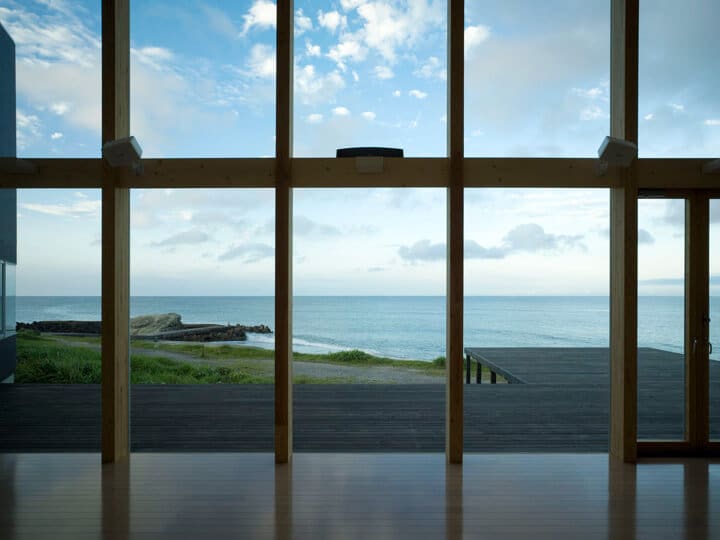
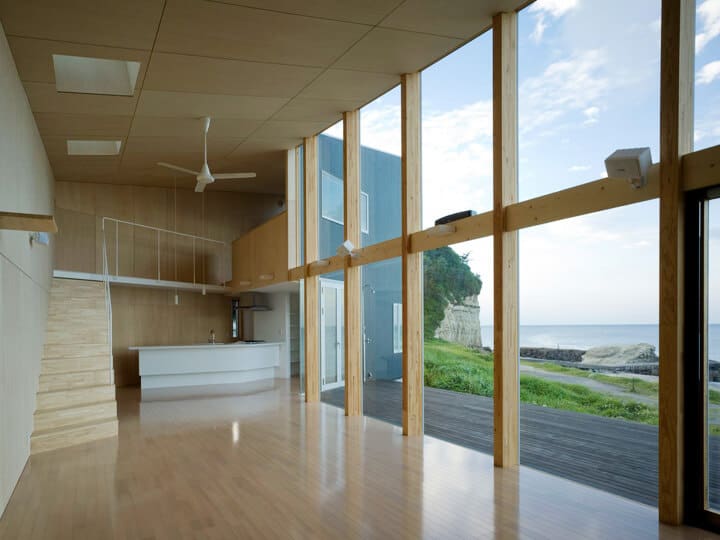
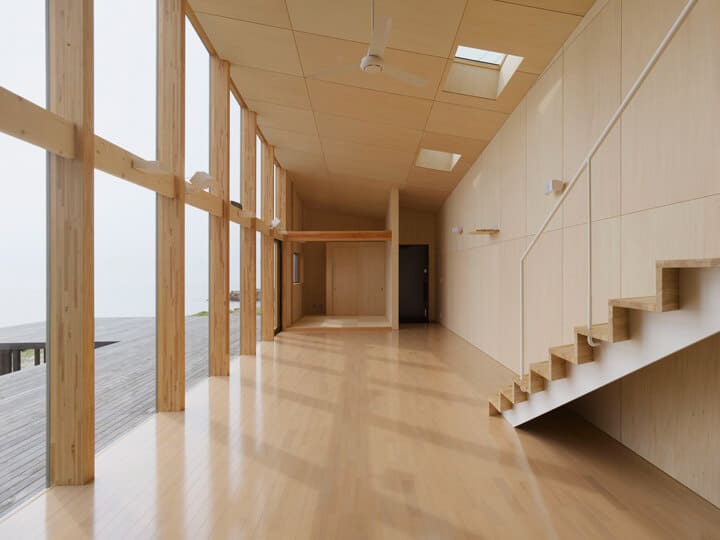
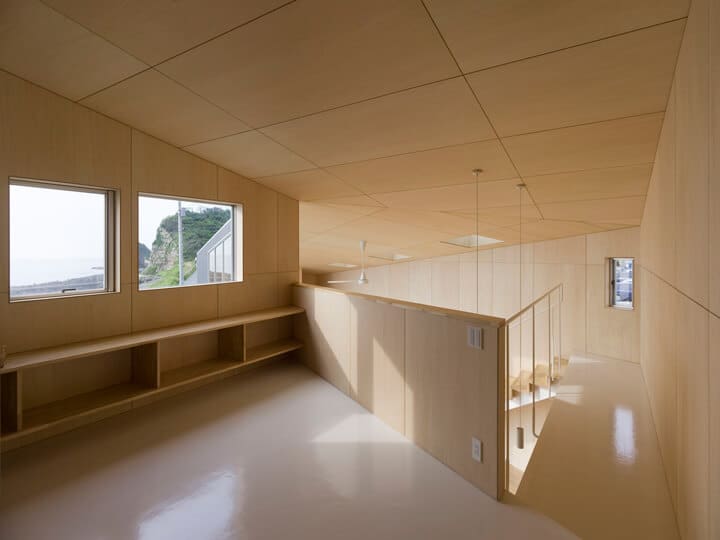
    From far, this modern home resembles a boomerang structure that seems to be part of the landscape itself. Respecting the terrain entirely, the project was imagined as a simple configuration with rich interactions that varies both indoor and outdoor, in total communion with its beautiful natural surroundings. Different spaces featuring wood structures are blessed with plenty of natural light coming from large windows, whlist  the stairs and bridge let your eyes cross each other at different angles, and give stereoscopic visual sequence.

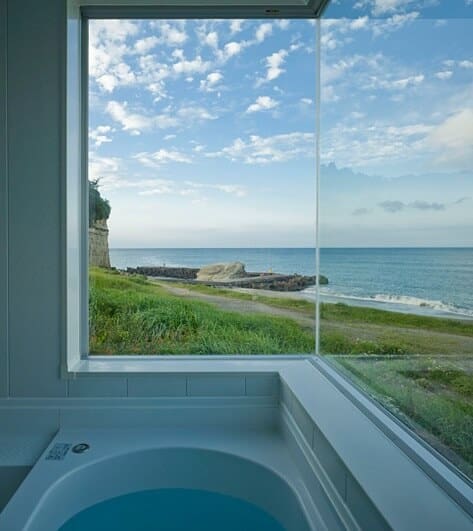
    From morning till night, living space imprints changing of nature in various ways, this relationship between the house and the ocean transforming wonderfully the place. The interiors are yet to be decorated, but you can tell that the house does not lack space or surprising details. On the outside a wooden deck creates a gently surrounded “another living room” to fully enjoy the ocean and the sky.

    Single-family-residence-with-ocean-views

    Seaside-residence-with-wood-structure

    Seaside-Boomerang-house-with-wood-structure

    Seaside-Boomerang-house-with-wood-structure-02

    Simple-bathroom-design-with-Pacific-Ocean-views

    Simple-bathroom-design

    Seaside-Boomerang-outside-view

    Photos © Toshiyuki Yano / Nacasa & Partners


    Project details:

    Location: Chiba, Japan
    Type: Summer Residential -Single family house
    Building status: Completed in July 2008
    Site size: 244.86 m2
    Construction area: 79.75 m2

  • Lithuanian architecture and interior design by Natkevicius & Partners

    Lithuanian architecture and interior design by Natkevicius & Partners

    Utriai residence is a wonderful Lithuanian architecture designed by Natkevicius & Partners. Located in a small town from western Lithuania country, (more…)