Category: Exterior Design

  • 5 Ways to Add Value to Your Home by Improving Your Garden

    5 Ways to Add Value to Your Home by Improving Your Garden

    When it comes to adding value to your home, you may be tempted to redecorate in a neutral colour scheme, declutter to showcase the available space, or renovate your bathroom. But what about the exterior?
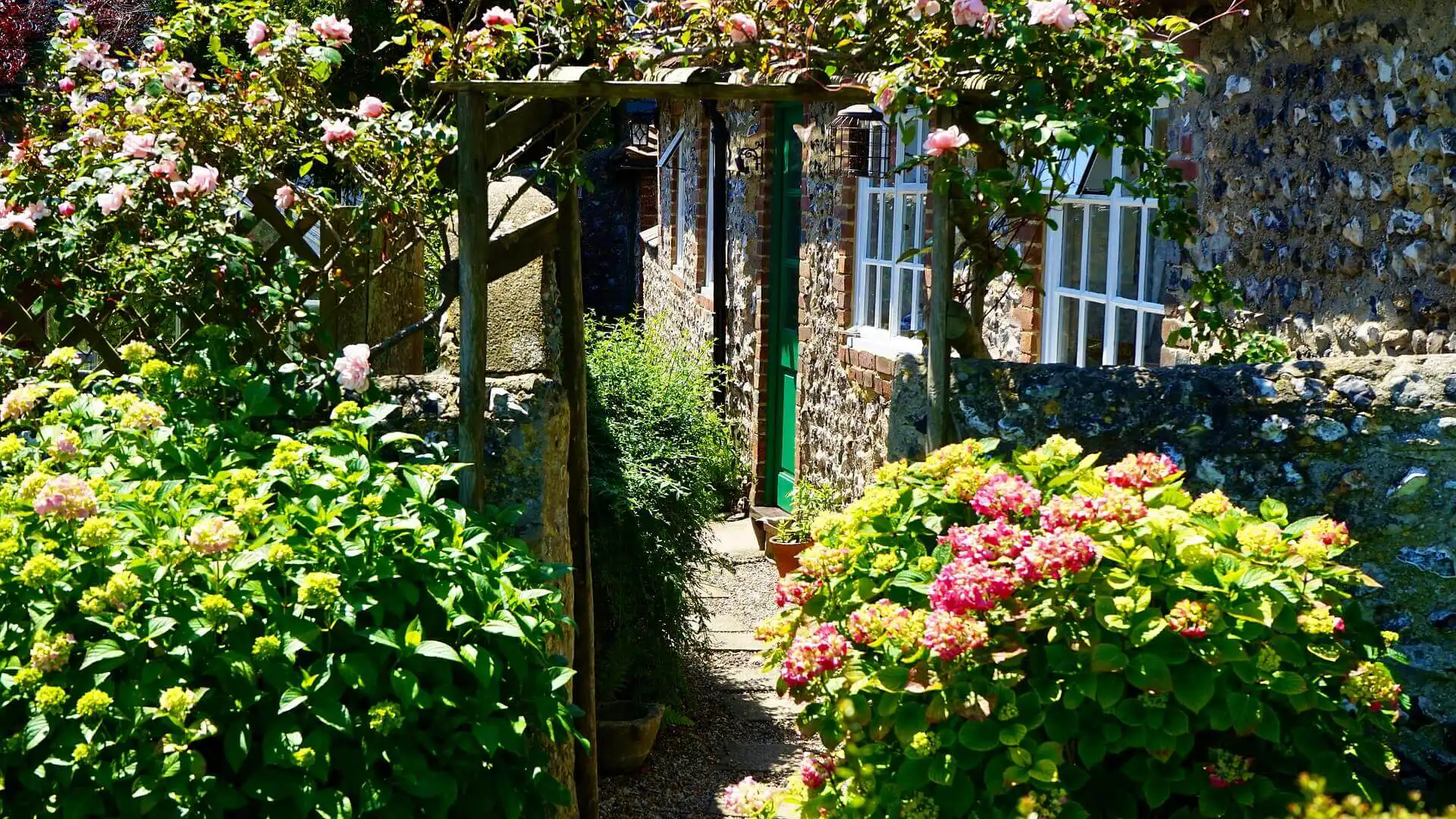
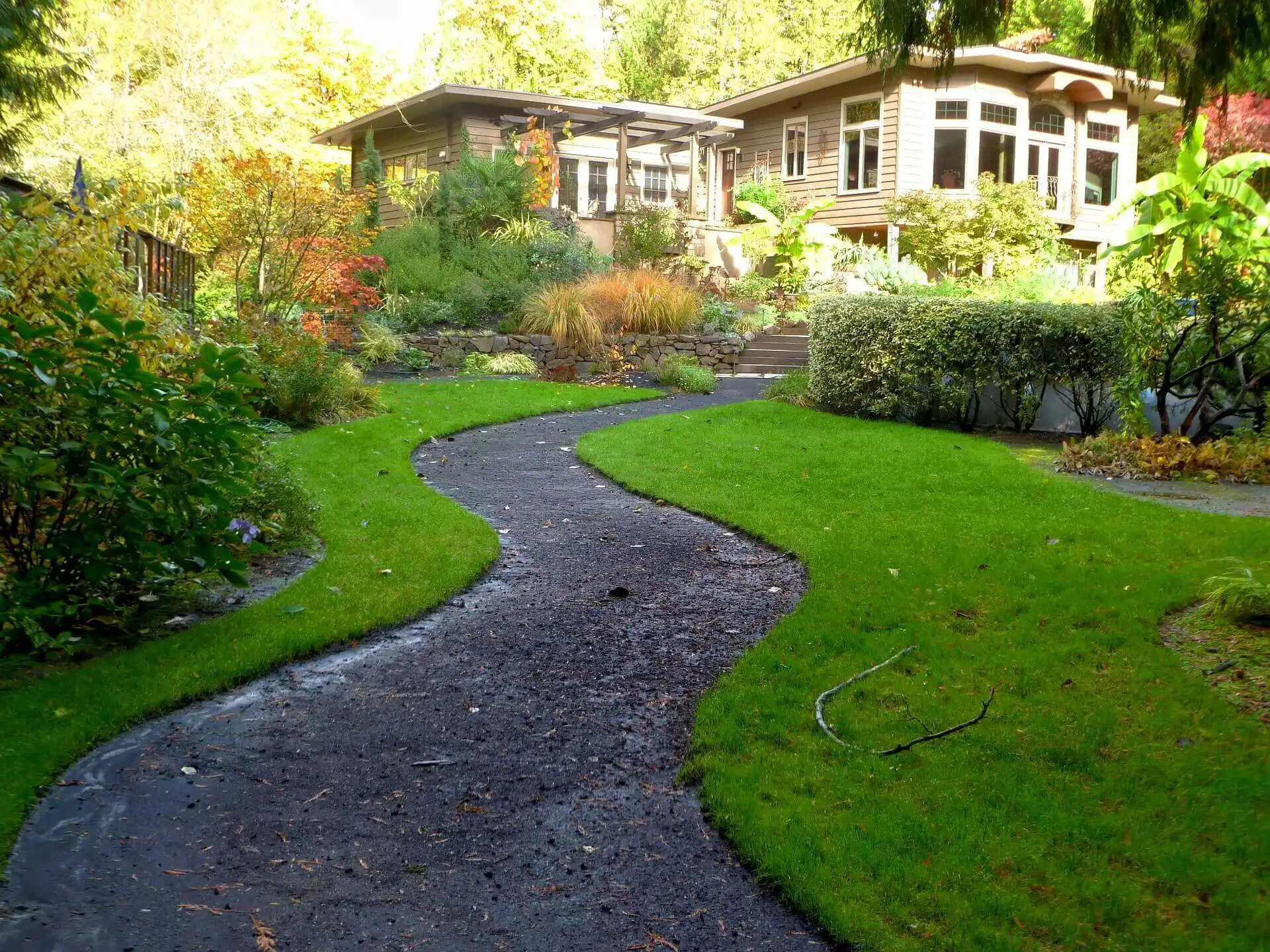
    While these methods have the potential to increase your property’s price tag, a well-planned garden can boost value by up to 20%. So, whether you have cash to spare, are looking for budget-friendly solutions, or are planning to budget, it may be worth investing in these garden improvements.

    Add a Shed
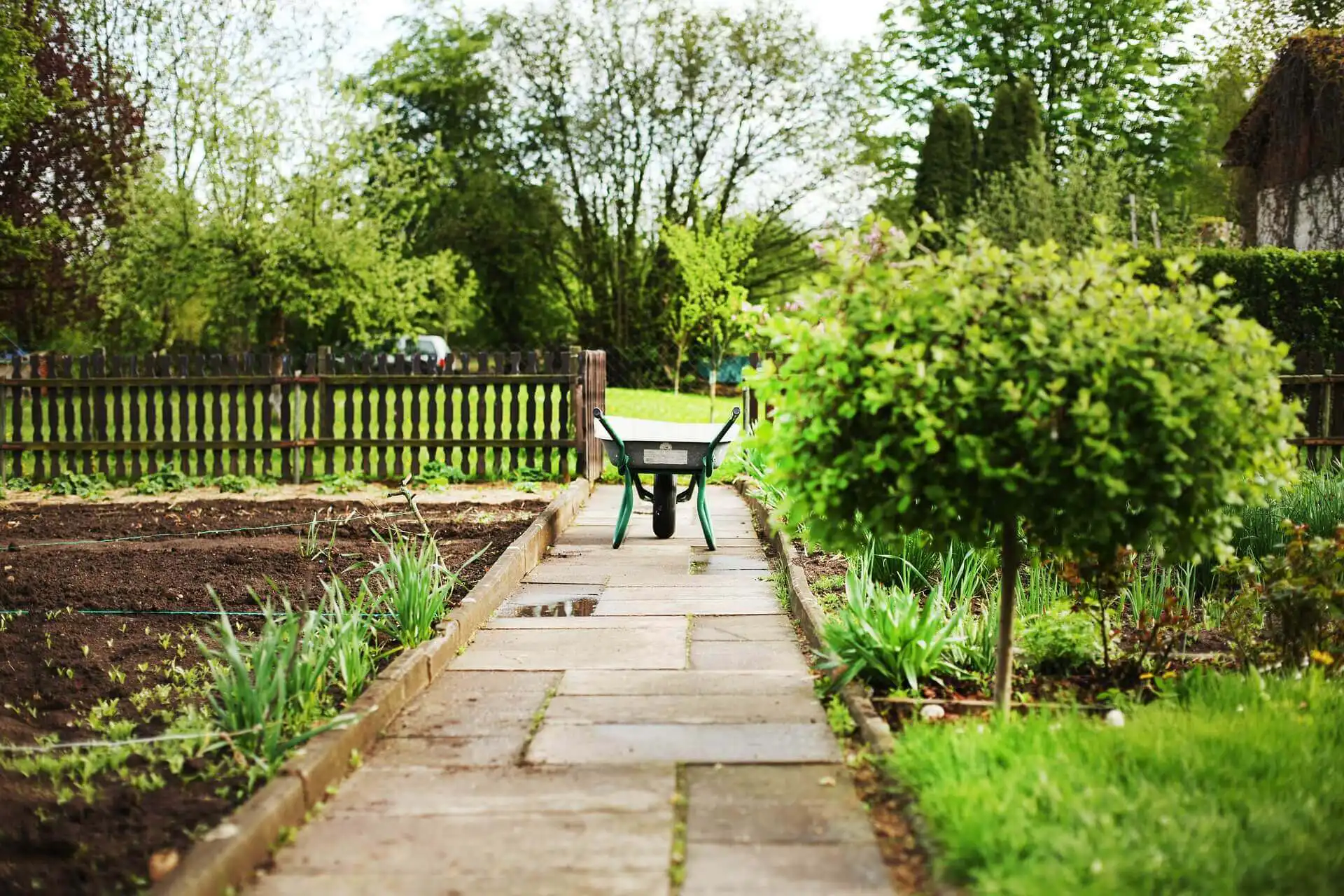
    In any area of your home, having adequate storage is always important (especially when it comes to selling), and the garden is no exception. From tools and equipment, to somewhere to store outdoor furniture or children’s toys, consider adding a shed to boost value.

    If you can afford to make a larger investment, you could take it one step further with a summer house. This not only provides storage, but can offer additional entertainment space or be used as a home office.

    Update Fencing

    Encircling your garden, a fence is often a major component of any outdoor space. This means if it’s damaged or scruffy, it can draw the eye for all the wrong reasons, which could impact on the property’s price.

    Luckily, there are many ways to update your existing fence without having to splurge on new panels. This includes re-staining or repainting, utilising this vertical space with a hanging herb garden, or covering with materials like bamboo.

    Boost Lighting

    In your home, you may use different types of lighting to make the space feel warm and cosy. You can also do the same in your garden by installing lights to improve the ambience.

    From rope lighting or spot lights to highlight paths, to string lights that make a seating area feel more inviting, this is an easy and effective way to improve your garden and potentially, the value of your home.

    Improve Layout
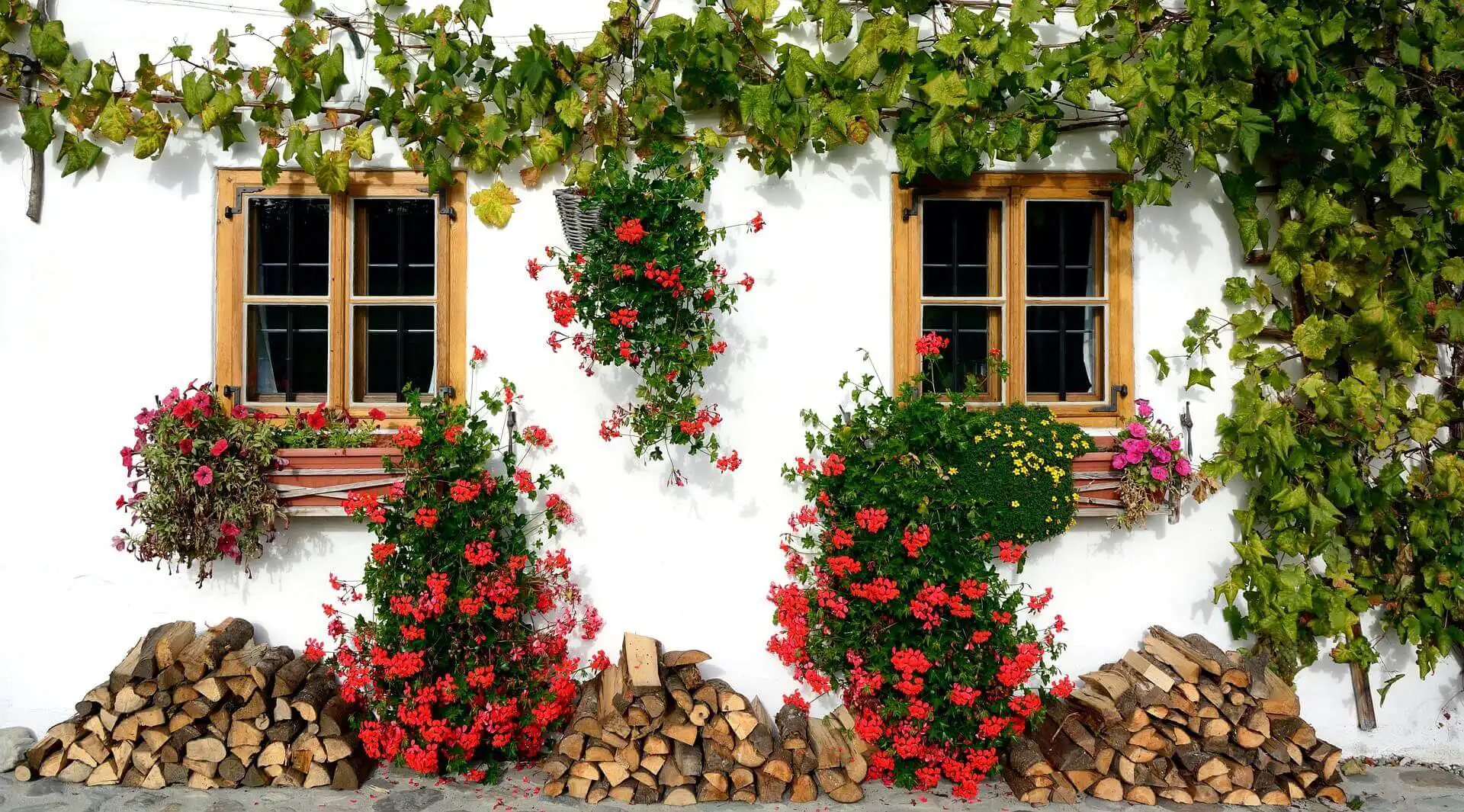
    When planning the layout of your garden, it’s important to consider how you (or potential buyers) will use the space. This could help you create a well-designed and multi-functional garden, which may be appealing when you decide to sell.

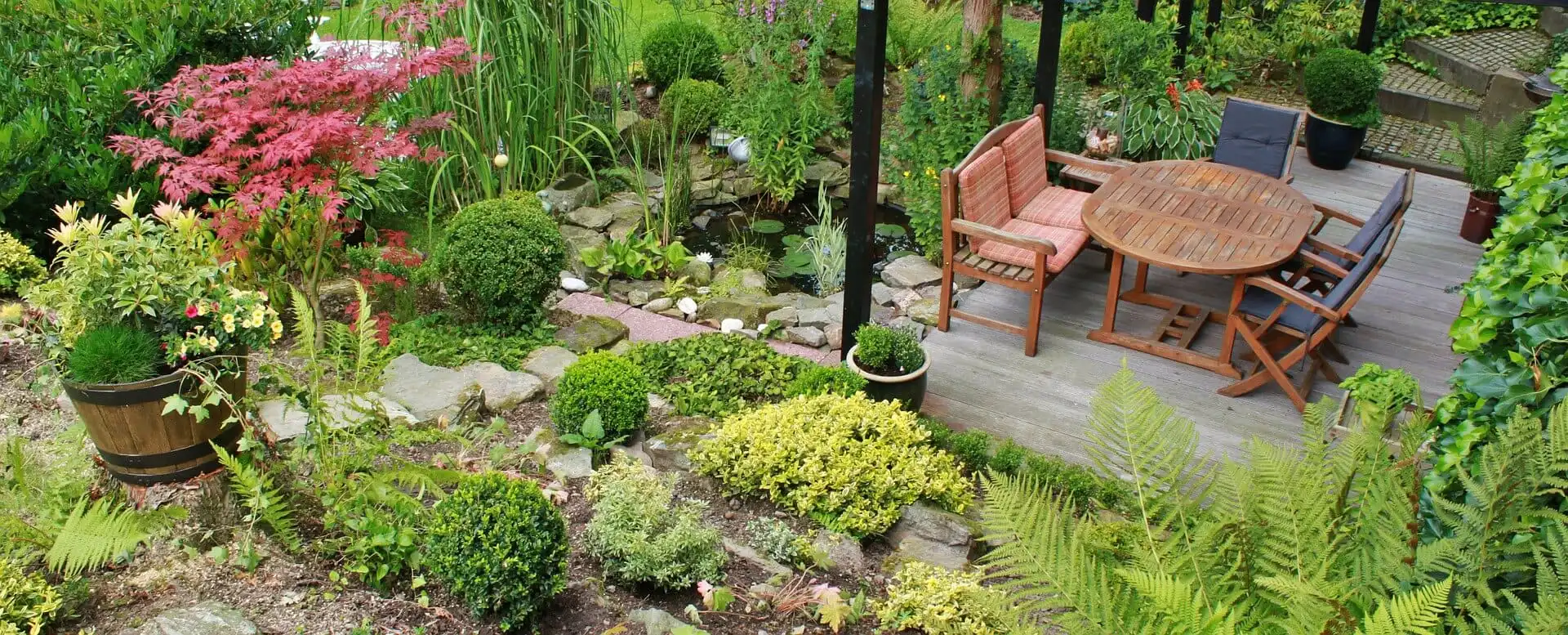
    For example, you could include decking for family dining, a grassed area for children, a comfortable seating area, or perhaps raised plant beds or vegetable patches.

    Enhance Seating
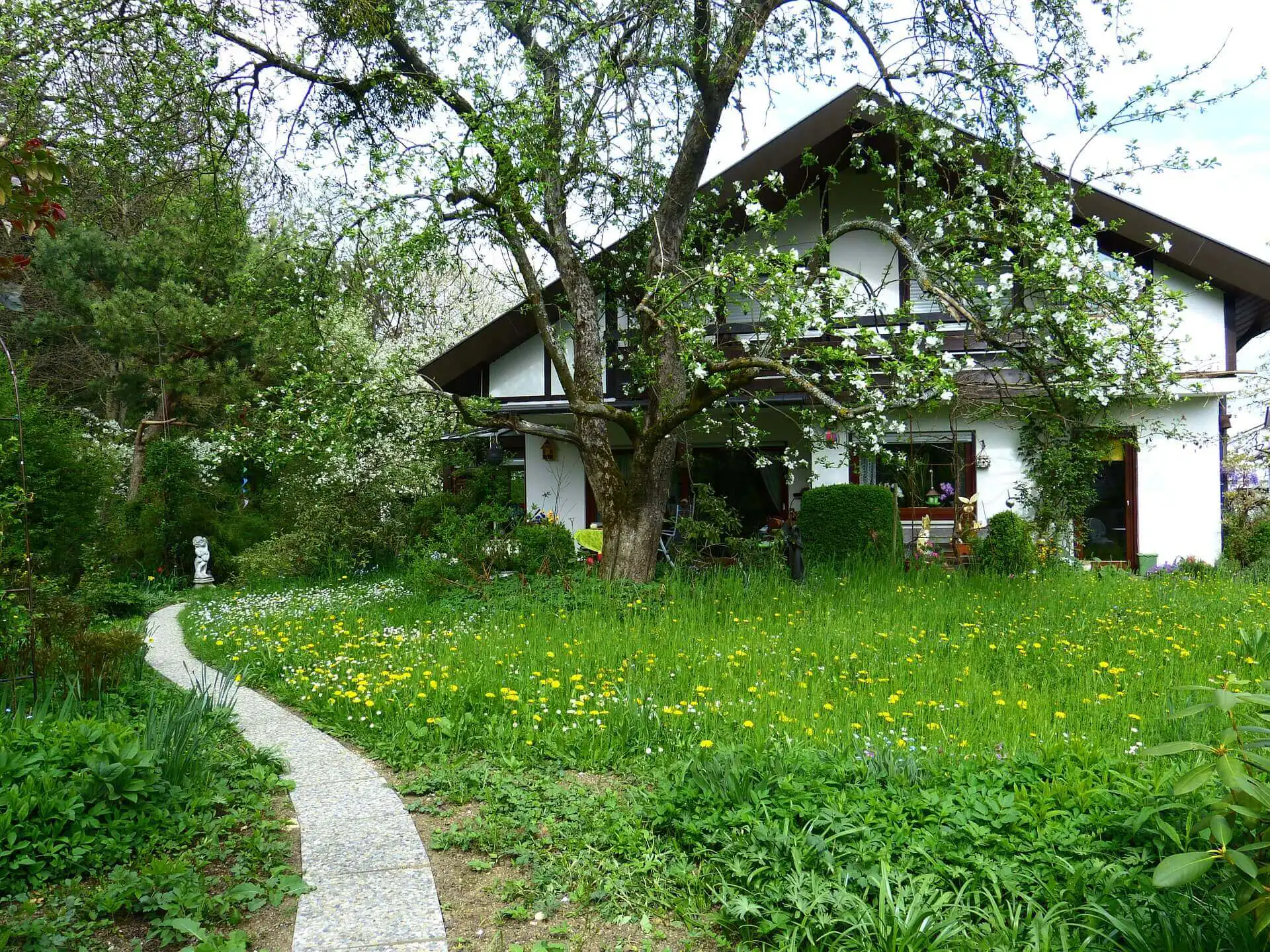
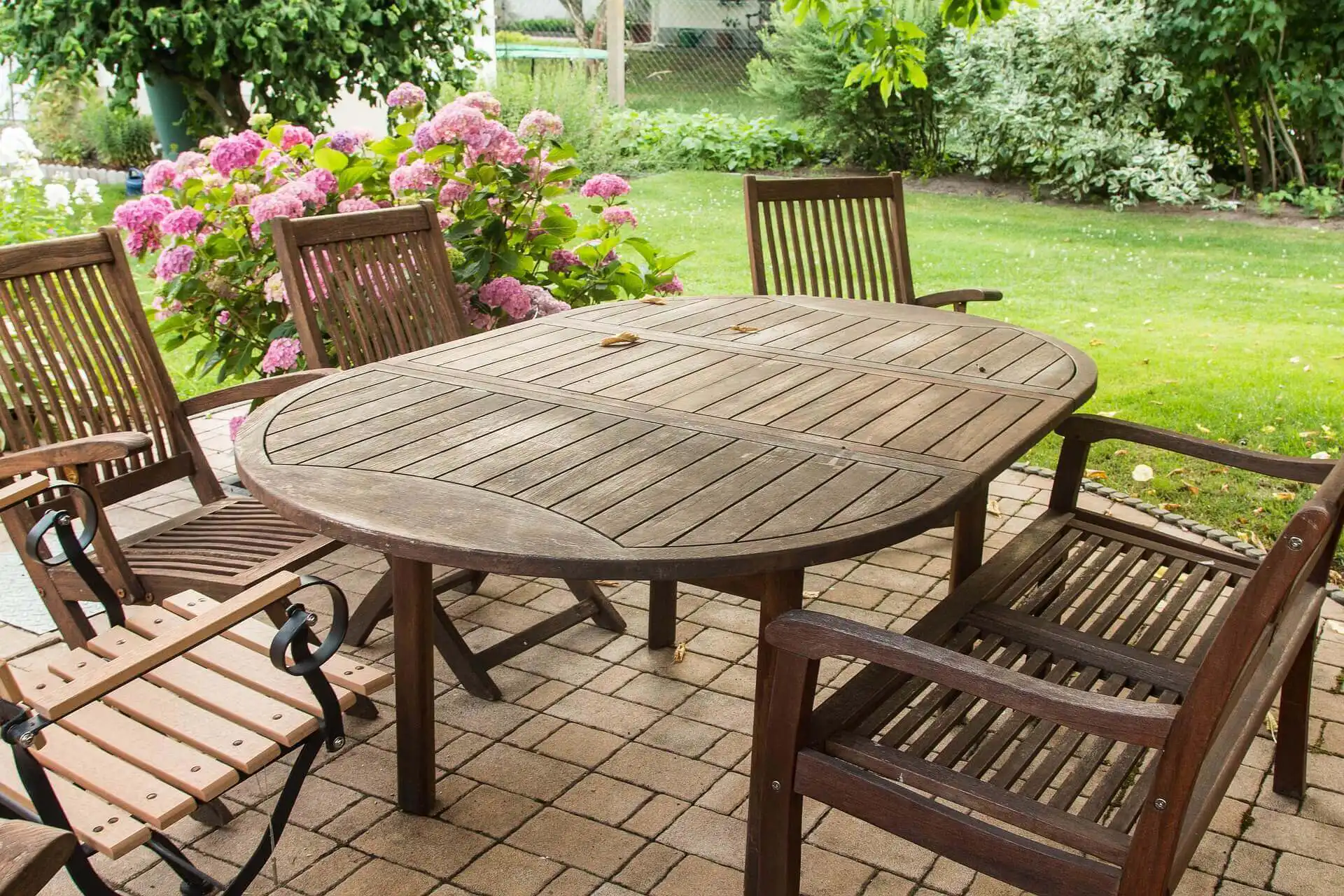
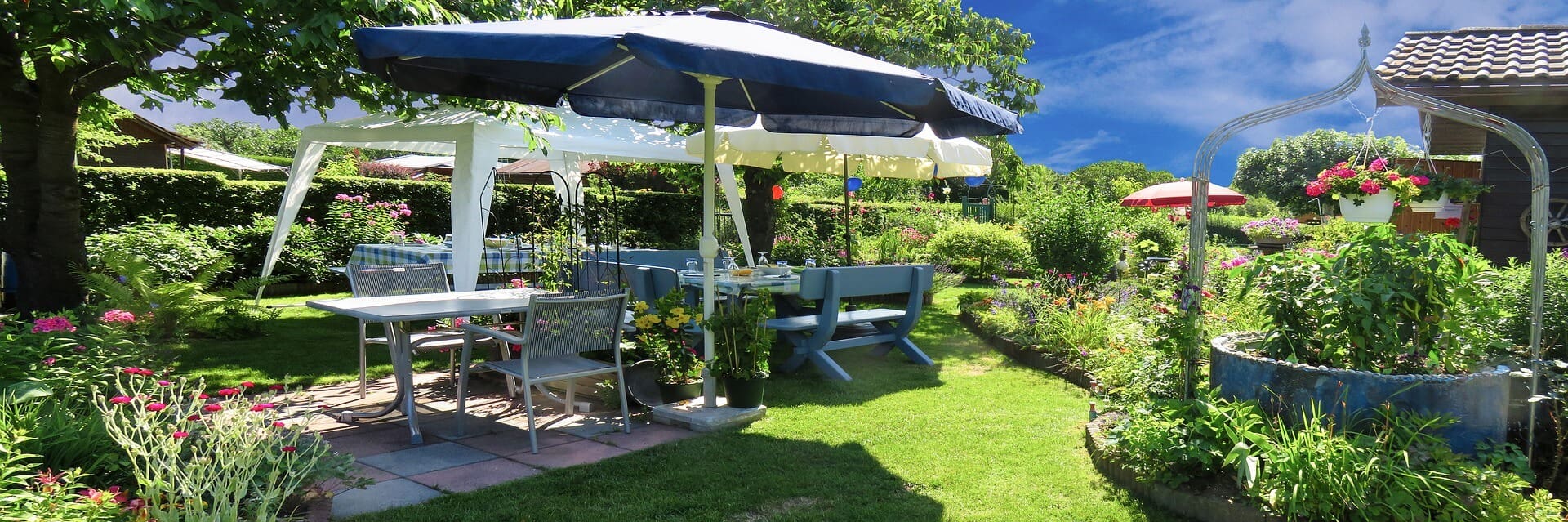
    Any usable and enjoyable garden requires seating. Plus, whether you select a quality outdoor table and chairs set or a purpose-built seating area, making your garden useable could improve your home’s resale value.

    When planning garden seating, consider practicality. This includes how furniture will be covered or stored during winter, as well as choosing materials that are easy to maintain and will look stylish for years to come.

    A well-designed garden is not only a space for relaxing but could also add value to your home. To achieve both, consider these give ideas and make sure to perform regular maintenance, too.
     

  • Low maintenance garden design: What does it take?

    Low maintenance garden design: What does it take?

    As countless experts tell us, more and more buyers are seeking a low maintenance garden when they go on the lookout for a new home. This should hardly be surprising; while in an ideal world everyone would love to have that flamboyant garden, in reality they are time-consuming and many of us just can’t afford such luxuries.


    This is one of the reasons the likes of Japanese garden design has become so common over recent years. These have more of an emphasis on rocks, evergreen plants and ornaments – meaning that they can be tailored to require much less maintenance than the typical garden.

    There are other ways and means to achieve the low-maintenance look and through the course of this post we will take a look at some in-detail.

    Lawns are the biggest drain on your time

    Having that lush, Wimbledon-esque lawn might seem great for photos, but in reality it’s an absolute burden on your time. Sure, in some month’s lawn maintenance might not be excessive, but in others you’ll find yourself taking care of it every week.

    This is perhaps where the biggest movement in the low-maintenance field has become. Nowadays, more and more households are turning to surfaces such as paving, gravel or decking – and all of these can eliminate all of the maintenance which is associated with a lawn.

    Of course, you don’t have to go the full hog with this. You could instead just scale back your lawn, or at least keep it to a regular shape. You might be surprised at just how much work you can cut out by opting for the latter.

    Avoid the use of containers

    While containers can completely look the part in a lot of gardens, few would disagree that they require an awful lot of work. These plants very rarely tend to be evergreen, and usually need to be re-potted and regularly fed.

    If you do have your heart set on containers, at least opt for larger ones which contain plenty of compost, as there is less chance of them drying out.

    If you insist on wild plants…

    For some people, there’s nothing better than the sight of wild plants. Of course, this is hardly a best of both worlds’ solution, and this wild garden will need maintenance – and a lot of it.

    It will also cut down on the water usage, as you don’t need a lot of water or an elaborate watering system if you just have a small lawn. You can simply use a hose with a water nozzle by Gilmour attached to meet all of your lawns water needs.

    The solution? Designate a small space in your garden which contains this wild garden. One of the big problems is that a lot of these plants spread like there is no tomorrow, so make sure you fence it off accordingly. It will need looking after from time-to-time, but if it’s not taking over your garden there won’t be quite as much maintenance for you to take care of.

    Strip out the soil factor

    If you have opted to have beds, don’t top them with soil. This is one of the easiest materials for weeds to bypass, and nowadays it hardly looks the part either. Instead, opt for mulch or crushed stone. The former can actually help to fertilize plants, while stone is something that never has to be replaced and will survive the test of time.

  • How to Prep the Exterior of Your Home and Garden for the Winter Months

    How to Prep the Exterior of Your Home and Garden for the Winter Months

    As summer becomes a distant memory and we find ourselves deep into the cool weather, now is the perfect time to start thinking about what you can be doing to prep the exterior of your home and garden for the upcoming winter months. Winter can take quite a toll on the exterior of your home, which is why you want to take as many preventative measures as possible. This will help to ensure that once spring comes around the house and garden are in great shape and didn’t suffer too much during the cold harsh months.

    So what steps should you be taking? There are actually a number of things you can be doing in order to prep the exterior. Here’s a list that you can follow.

    Have the Gutters Cleaned and Repaired

    When it comes to the gutters, this is the exact time of year that they take a real beating. As the leaves fall off the trees, the wind kicks up, and debris blows around, the gutters can start to accumulate quite a mess. When this happens, it blocks the flow of water, which can then result in water damage, especially come spring during the thaw. So, before the weather gets too cold, it’s a good idea to have the gutters cleaned and any damage to them repaired.

    Cleaning the gutters isn’t exactly an easy job, nor is it particularly safe since you need to climb a pretty tall ladder. This is why it’s a good idea to call on a professional like Edward’s Enterprises that offer rain gutter cleaning and minor repairs. They will be able, of course, clean out all the debris that may clog up the gutters, but they can also clean out the downspout, seal the gutters, install rain gutter screens, divert water, and much more. All of this will help ensure that the spring thaw doesn’t result in water damage in your home.

    Check for Leaks in Windows and Doors

    This particular job will likely require you to investigate indoors and outdoors. You want to walk around all the windows and doors in the house and take a look at the weather-stripping and caulking. Make sure everything is intact to prevent drafts from occurring. If you do find cracks and gaps, then you can go ahead and make the repairs.

    Ensure that Your Roof is In Good Shape

    If your roof is more than 10 years old, it’s a good idea to start doing regular checks. To do this you can walk around the perimeter of your home checking for loose slates and tiles. If you see signs of damage or wear, have a professional roofer come out to make the repairs.

    Put Away Loose Outdoor Items

    It’s also a good idea to put away any loose or lightweight items that are in the garden. These can easily topple over and break during the cold harsh storms in winter. If possible, store the items in a shed, garage, or in the home.

    Turn Off the Outdoor Plumbing

    In order to keep the pipes from freezing during the winter, you will also want to turn off the outdoor plumbing. After turning it off, make sure you drain the hose and lines so that there is no water sitting in it. You can then disconnect your hose and store it somewhere safe until spring.

    If you happen to have a sprinkler system, it should be winterised by late-October.

    Trim Broken or Loose Branches

    To prevent any damage to your yard or home, it’s also wise to trim any loose or semi-broken branches off trees and shrubs. In high winds, these branches can become projectiles and cause serious damage, and even end up hitting a person and injuring them.

    Rake Up All the Leaves

    While this isn’t exactly a fun job, it is a necessary one. Be sure to rake up as many leaves off your property as possible. When wet, these leaves can become extremely slippery. Also, they can blanket your grass, which prevents it from getting the moisture and sun that it needs to stay healthy during the winter months.

    Unfortunately, this is a job you may have to do a number of times before winter actually arrives. Tackling it once or twice a week helps to prevent the job from getting too big and too out of control.

    Change Out Lightbulbs

    This is also a great time to change all the light bulbs on exterior light fixtures. You don’t want to be fumbling around in the dark, and there’s nothing worse than having to stand outside to change a bulb in the middle of a winter storm.

    Your Home is Ready for What Winter Brings

    Each of these tips is designed to prep the exterior of your home to ensure that it’s well prepared for the winter weather that is just around the corner.

  • Creative Ways You Can Improve Your Exterior Walls

    Creative Ways You Can Improve Your Exterior Walls

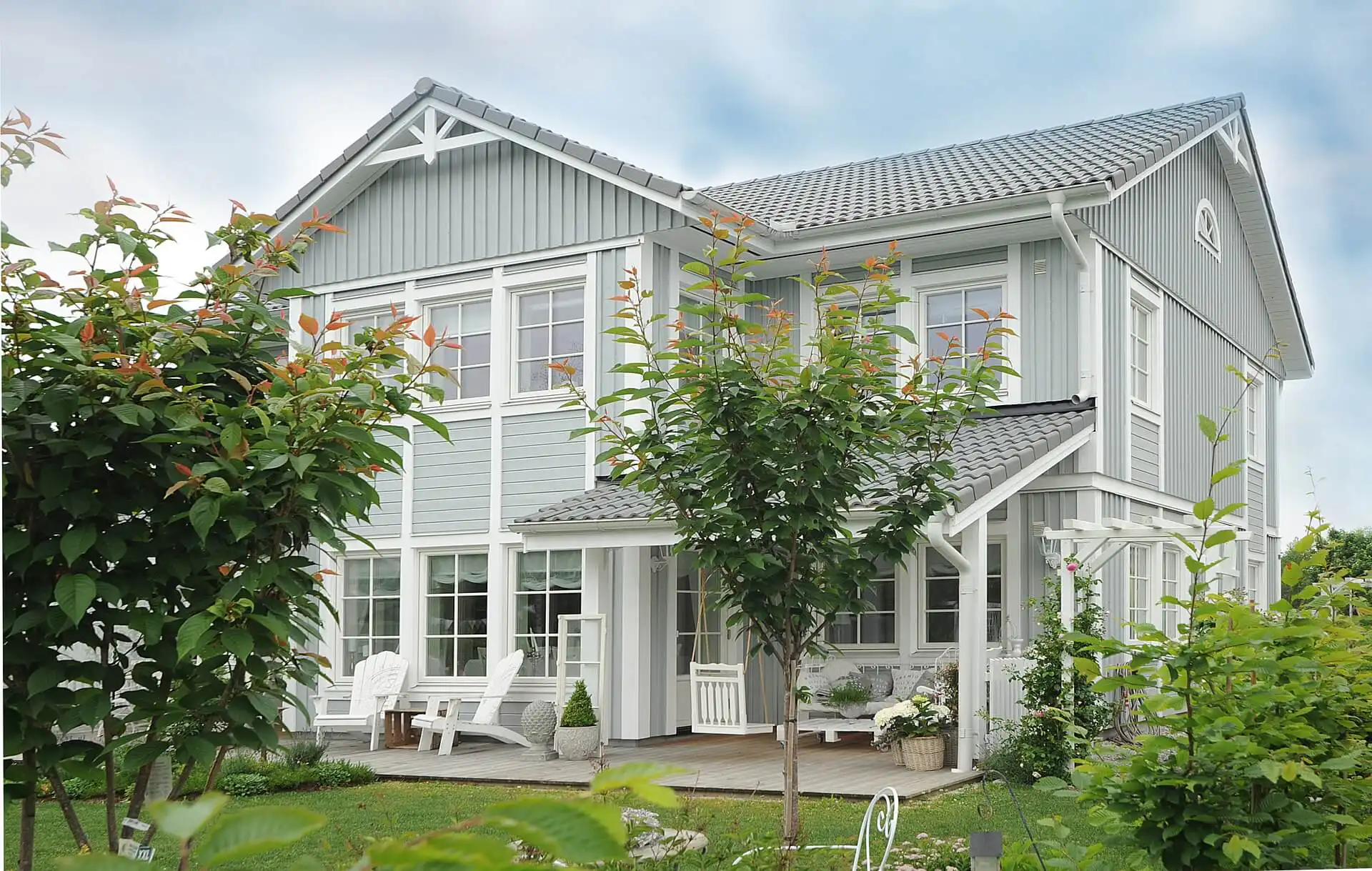
    Whether you are getting ready to sell your home or you are just proud to own a home there is a good chance that you have heard about curb appeal. Curb appeal is basically just a term that can describe how your home looks from the street. If someone were to drive by your home how would they describe it?

    Would they describe it as medieval, modern, contemporary, or nasty? Well, you might be surprised to learn that your exterior walls play a huge role when it comes to the ways that individuals view your home from the curb. So, what are some unique ways that a homeowner can improve their exterior walls?

    Make Sure You Are Up To Code

    As a home or business owner, you are required to pull permits and adhere to certain regulations. Sure, this can seem like a hassle, but in the end it protects you as much as it protects the local legislation. Certain materials can crumple and fade under certain conditions, which could not only lead to an unsafe environment, but it could potentially harm people passing by. This is why the local law 11 (LL11) was instituted. This law specifically states that any building over five years in age and six stories in height need to be examined by a qualified professional. Just imagine if apiece of loose debris or material dropped from the exterior of a six-foot story building and hit a commuter. This would either kill the individual or result in a major injury.

    Go Big Or Go Home

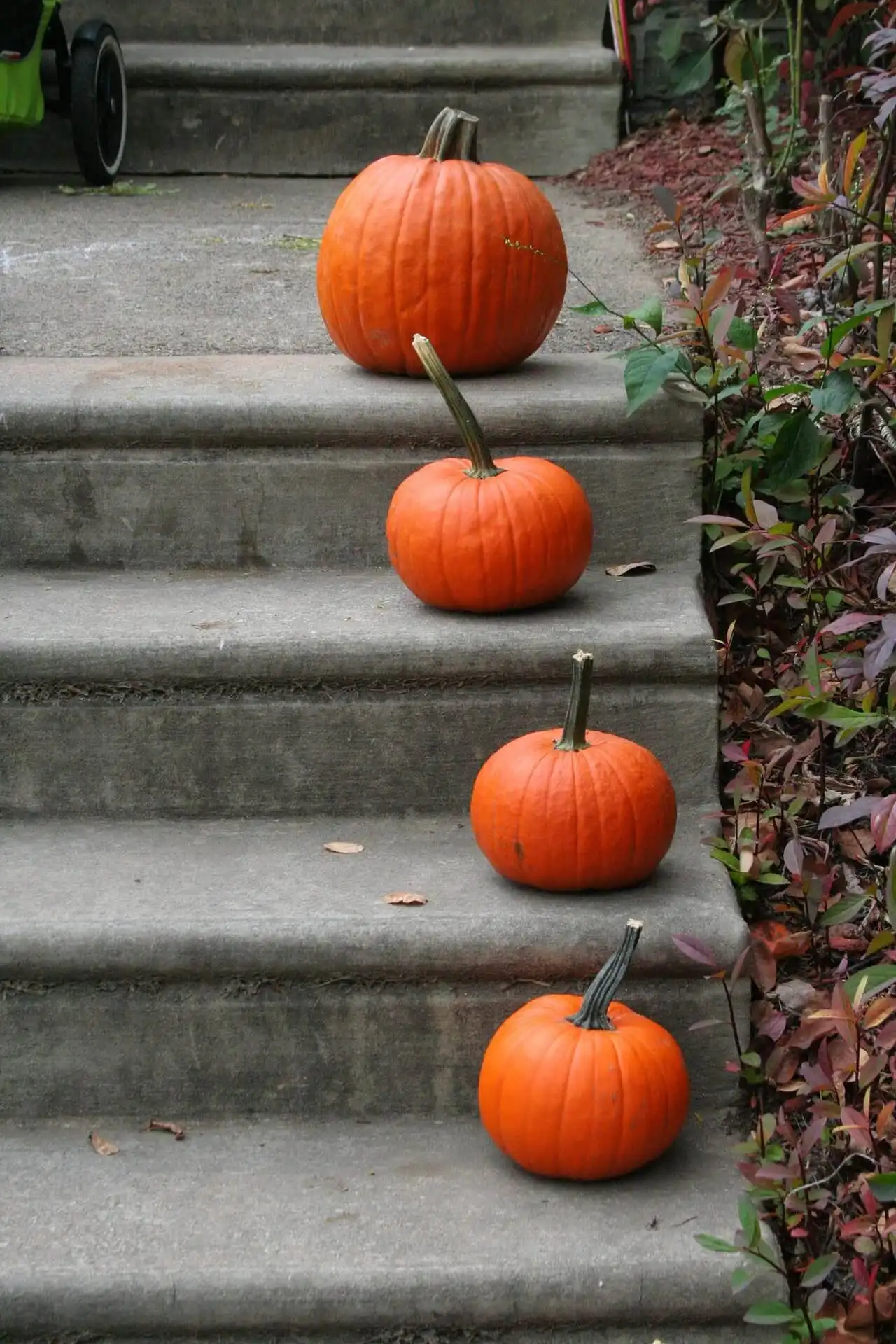
    Even if you just have a plain white house with a few plain concrete steps leading to your front door it doesn’t mean that you can’t capitalize on the space. Most individuals in this situation assume that they need to add a porch, patio, or an expensive walkway to highlight the area. Fortunately, that is not the case at all.

    The idea is to make the area appear large and exposed. You can easily accomplish this objective by installing large-scale door trim, oversized planters or extra large house numbers. This will not only give the area some unique charm, but it will allow you to customize it your specific needs.

    Cover Up Cracks And Loose Ends With Ivy

    It is completely natural for a brick to spread and crack over time. While this might be a natural occurrence, it can look completely unruly on the outside of a home. It is true that the splitting and cracking might not pose any real threats, but it really can damage your curb appeal and the overall value of your home. If you want to hide this type of eyesore you can utilize ivy. Ivy purchased and properly installed from any hardware store will not only give off the appearance that the plant is naturally growing in this location, but it will add a certain geometric pattern to the area.

    Take Advantage Of Landscaping

    It doesn’t matter if your home is ten or twenty years old, the proper landscaping can make all the difference in the world. The properly trimmed shrubs and plants placed at the right height can cover up some of the most unseemly sights of your exterior walls. Just be sure to install them in the right locations, because the wrong locations could attract intruders and reveal imperfections from the curb.

  • Summer Parties: Top Garden Furniture You’ll Need

    Summer Parties: Top Garden Furniture You’ll Need

    Now that summer is here, what better way to celebrate than with a garden party? You can soak up the sun, relax and catch up with friends and family. You could even get the paddling pool out if it’s extra-hot.

    If you’re planning on hosting a garden party this year, you’re going to want to make sure you have the right furniture on hand. Here, you’ll discover the top garden furniture you’ll need for perfect summer parties.

    A large parasol

    A large parasol is a fantastic investment for summer parties. Not only can it provide you with some much-needed shade, but it can also act as a back up in case of unpredictable weather.

    Let’s face it, the weather in the UK isn’t the most reliable. It can be sunny one minute and pouring down with rain the next. So, if you don’t want your party to be a washout, a large parasol will come in useful.

    Outdoor seating

    One of the most important things you’ll need to host awesome summer parties, is seating. Theoretically you could just use your indoor dining chairs. However, these aren’t going to be very comfortable and they also aren’t exactly great for laying back and soaking up the sun.

    So, why not consider investing in good-quality, stylish and comfortable seating from a company like Cox & Cox?

    Dining table

    You’re going to need somewhere you and your guests can enjoy light refreshments and outdoor meals. A dining table is therefore highly recommended. You can buy pretty cheap outdoor dining table sets and they come in a wide range of designs too.

    If you opt for a dining table set, it will also give you additional seating for larger summer parties.

    A Cooler

    One thing that’s going to come in really useful for summer parties, is a cooler. When it’s hot outside, drinks can soon turn warm and unpleasant to drink. A cooler will help to keep drinks such as beer, wine and juice extra-cold and refreshing.

    So, there you have it – some of the top pieces of outdoor furniture you’ll need for your summer parties. Remember, while you’ll want to keep costs down, some things such as outdoor seating and a dining table are better to splash out on. They’ll last so much longer and look much nicer if you ensure you’re buying the best quality furniture.

  • The Great Outdoors – Bringing Interior Decor Principles to Your Patio

    The Great Outdoors – Bringing Interior Decor Principles to Your Patio

    Do you have an outdoor area that is of little use? Is it a blank canvas because you don’t know what to do with it?

    For many of us, our outdoor spaces and backyards seemed to be the place where we put the barbecue, the clothesline and an empty lawn. Well, not anymore.

    Nowadays, our outdoor areas are more than just a seating area on the back porch. They are almost an extension of our houses, a place for entertaining and relaxation.

    Now here are some ways to bring interior style to your outdoor area and create a second living space in the exterior of your home.

    Create some shade:

    While there is no harm in enjoying the sunshine, you aren’t quite enjoying your outdoor space if you’re baking like a hot prawn in the sun.

    A great way to create functional shade is to install outdoor blinds for your patio area. Track – guided blinds, like Ziptrak blinds, help to guard against harsh glare and all means of weather elements from UV to a cold night.

    This means that you can be outside on a sunny day and still feel like you’re in the stylish interior of your own living room. Great isn’t it?

    Furniture arrangement:

    When it comes to outdoor furniture, how many of us have a simple dining table? Creating a functional yet cosy and welcoming living space is often about how you arrange and place your furniture within it.


    There is no reason why the interior principles of this can’t apply to your outdoor area. When arranging your furniture, picture it as if it is your lounge room.

    According to The Pool and Spa Warehouse, much like your living room, place the longest piece against the far wall. This creates more space, making sure that it isn’t claustrophobic or cramped.

    Have a focal point:

    When you want to create a welcoming and relaxed area, it’s a great idea to start with a point of focus in order to have an idea of how to plan your space. This part of the interior design can be just as useful when designing your outdoor patio

    Whether it is arranging a lounge area as the gathering point for conversation or the dining section off the kitchen, this will help you outline zones such as dining, relaxation and the garden.

    This can make your patio a much more cosy and harmonious area, helping to create that sense of an “outdoor living room.”

    Make warmth an inviting feature:

    As mentioned in the previous tip, having a focal point can really define your space. Well, there is no better gathering place to feel comfortable on a chilly evening than a place of warmth.

    Who knows the picture of huddling around a gas heat lamp? Well, with fire pits being all the rage these days, you can bring the warmth in and give your design a great starting point.

    Stephen John, contributor to Business Insider, has some great tips on the best fire pits in terms of cost, which of those produce the best heat and what is in style.

    Add some living details:

    While for most, the patio runs off the greenery of the backyard, there is no harm in inviting the outdoors in.

    Gardening Know How has some great tips on how some well-selected plants, such as begonias and hibiscus, which suit this area well, can add that little extra detail to your patio.  

    Now there are some of the design principles that you can apply to your outdoor area to make it more inviting and how you can enjoy it all year round.
  • Why Are LEDs the Best Option for Your Pool Lighting?

    Why Are LEDs the Best Option for Your Pool Lighting?

    Finally, the cold part of the year is done with and the summer is just around the corner. Chances are that if you have a swimming pool, you have already opened it for the season. Even if you haven’t, you are probably getting ready to do so.

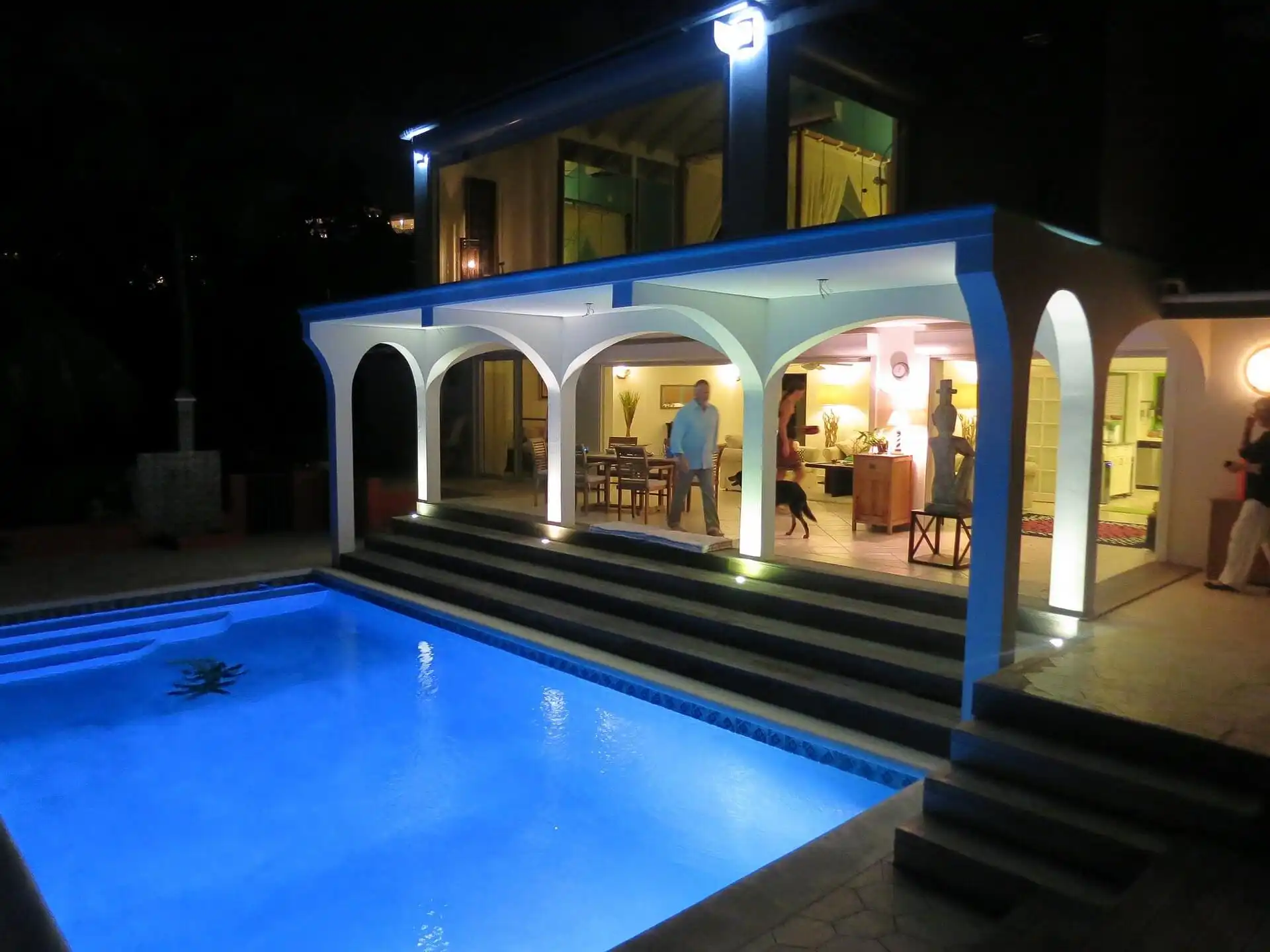
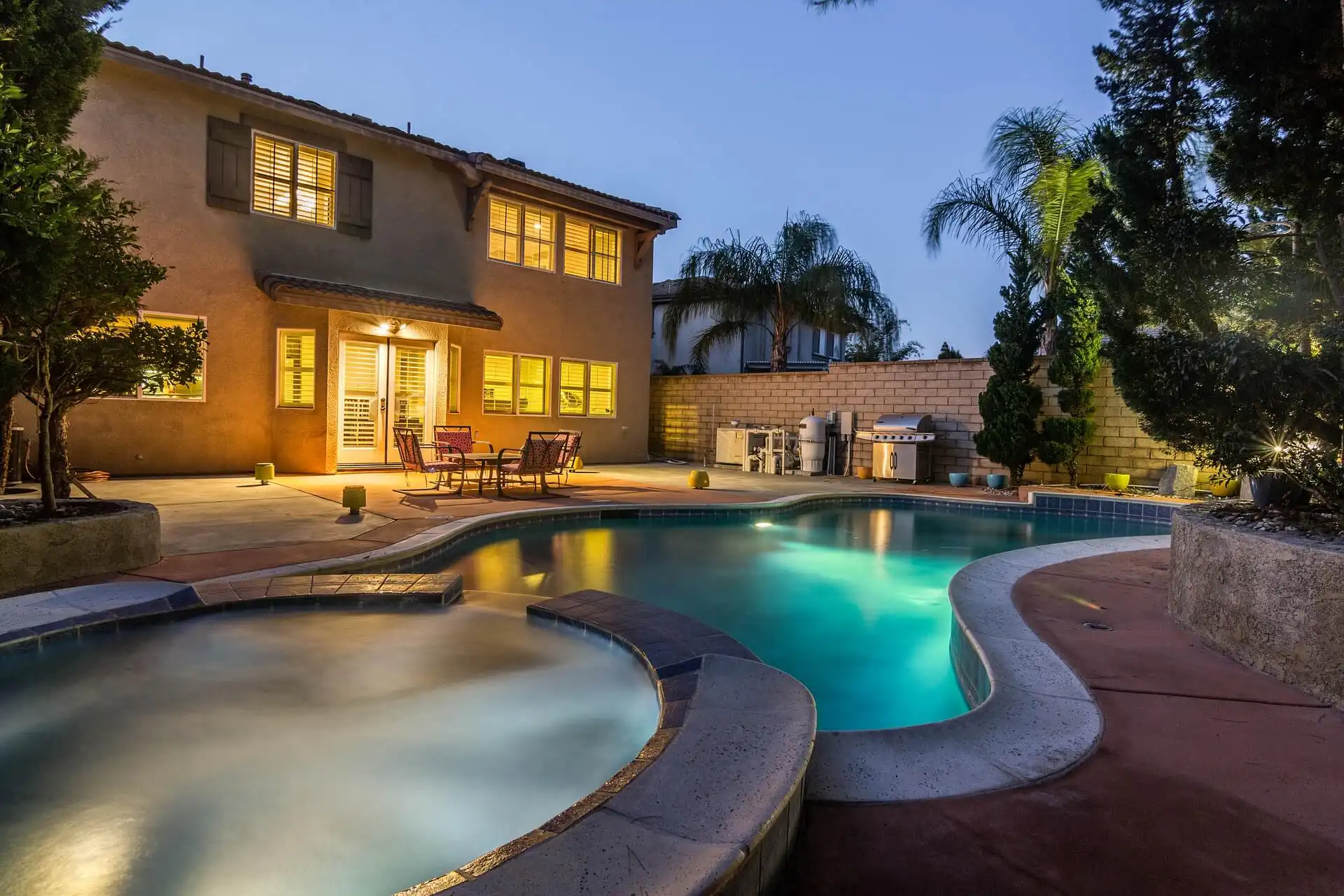
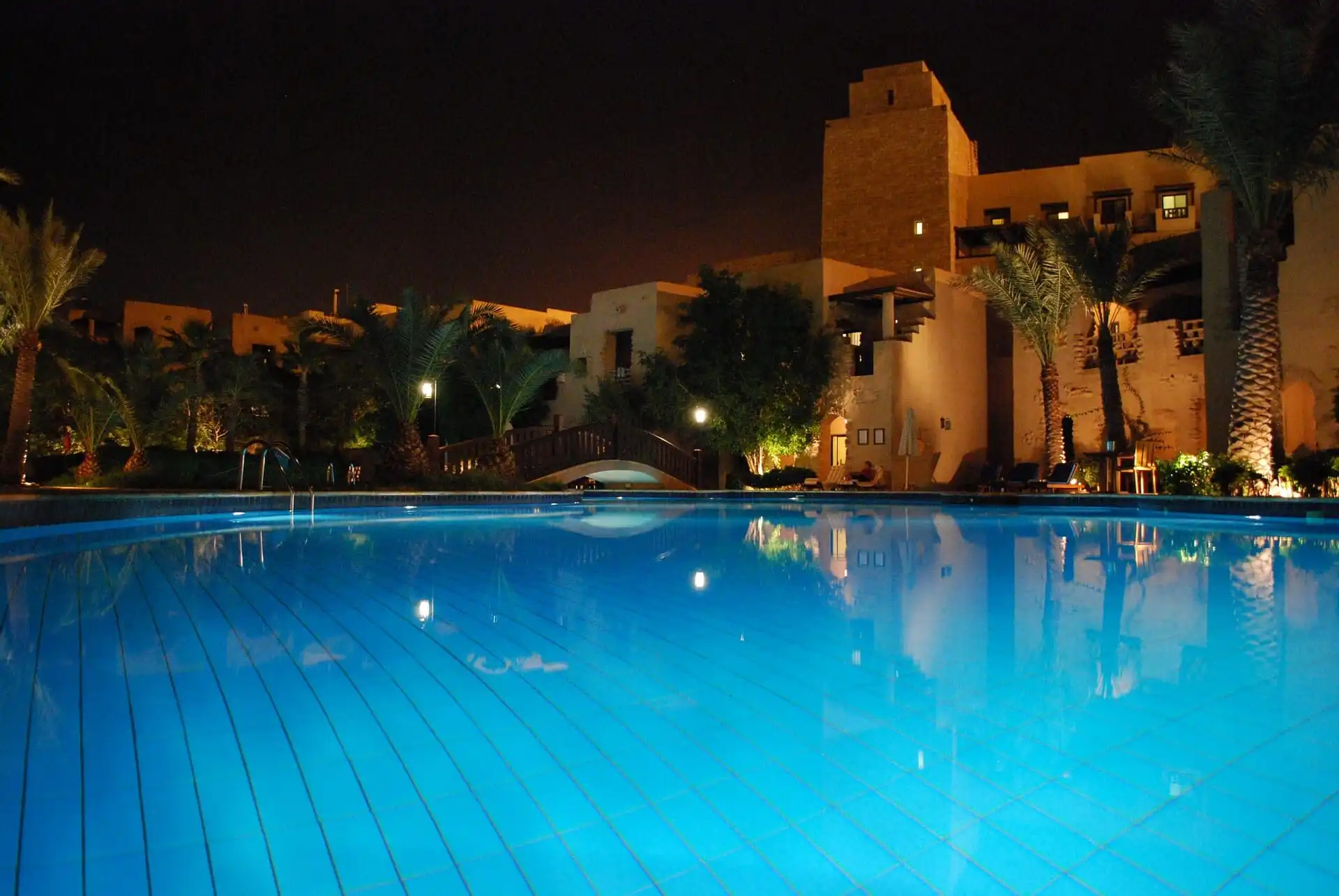
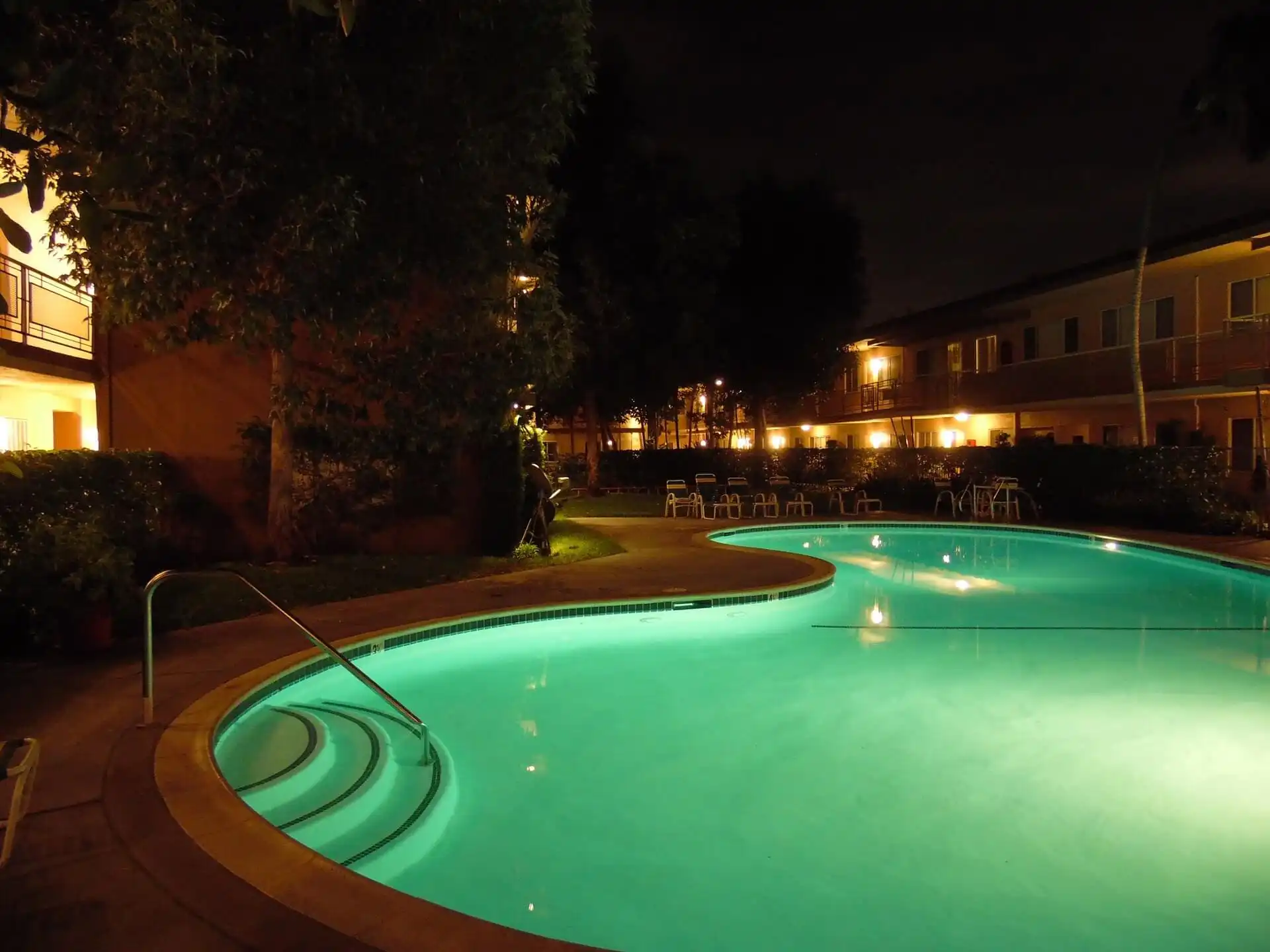
    There are many things to check in a pool before you can safely start using it for the season, like the quality of water, the heaters, the filters, etc. One of the things which gets far less attention is your pools lighting. If you want to use your pool at night, and let’s be honest, who doesn’t, you will need some lights in the water. Pool builders and professionals like So Cal Custom Pools and Spas recommend the LED option, and here’s why.

    They Require Very Little Maintenance

    There are a lot of things you need to think about when you have a pool in your back yard. So, if there is an option to get one of those concerns out of the picture, why wouldn’t you take it? LED fixtures are really easy to install and replace if necessary.

    They Are Very Durable

    What’s more, LEDs tend to last a lot longer than any other lighting option, meaning that you won’t have to worry about replacing your LEDs any time soon. Good LEDs can last for as many as 50 000 hours, which can be more than 10 years, even if you leave them on for extended periods of time.

    They Are Energy-Efficient

    And leaving the LEDs on for a long time isn’t going to impact your electricity bill as much as you may think. In fact, LEDs are among the most efficient lighting options out there. In fact, an LED will only spend around 15% of the electricity a comparable incandescent lightbulb.

    That, however, does not mean that they are any less bright. In fact, they are just as bright as incandescent options, but the wavelength of the lights emitted by LEDs is much more agreeable to the human eye.

    They Are Environmentally-Friendly

    Unlike other lighting options, LEDs use no toxic materials, unlike other lighting options. Some types of lights use a very toxic mercury, whereas others use some gases which are extremely bad for the environment. However, LEDs have been developed in a time when environmental concerns are an important factor and when resources are scarce and meant to be recyclable and reusable.

    So, not only do LEDs last much longer and use significantly less electricity, but they are also recyclable to ensure that as little waste is produced at the end of their useful cycle as possible.

    They Are Programmable

    Depending on the occasion, you might want to have your lights on full blast or dimmed to create a relaxed and intimate atmosphere. LEDs are very easy to adjust by simply managing the amount of electricity which is distributed to them.

    So, if you are having a swimming party, you will likely want to have a good view of what’s going on, so put them on full blast. However, if you need them to provide just a bit of ambient light, dimming your LED lights is as simple as turning a knob.

    We all want our pools to look their best. That’s why we pay a lot of money on maintenance and painstakingly check the water quality and adjust the chemicals levels. However, installing LEDs is a great way to ensure that your pool looks great with minimal effort.

  • Solar Powered Rail Systems

    Solar Powered Rail Systems

    The use of solar power has been on a relatively sharp increase over the course of the past 30 years. There are number of primary reasons why solar energy is being more widely utilized in recent times.

    First, the cost of technology associated with solar energy has dropped dramatically in recent years. Indeed, in the past five years, the costs associated with new solar energy resources has made the installation of this type of equipment cheaper than any other more commonly utilized power alternative.

    Second, the cost associated with using solar energy is cheap. Once the initial installation of solar energy equipment is completed, the collection of solar power to create electricity is cheaper that other energy generation technologies.

    Third, solar power is becoming more widely used as individuals in the U.S.A. and elsewhere around the globe are becoming more environmentally conscious. An ever increasing number of people want to take at least some steps to “green” the manner in which they live. On key way of doing this is by lessening reliance of fossil fuels.

    Finally, solar power is in growing demand because it is considered a safe energy resource. The same cannot always be sad of different energy resources, like nuclear power.

    One area in which the use of solar energy is becoming more widely utilized is in regard to rail systems. This includes light rail systems most commonly associated with public transport.

    Fully Solar Powered Railways

    The utilization of solar power to propel or run railway cars is in its infancy. Nonetheless, there are some locations around the world in which solar energy is being utilized to propel railway cars.

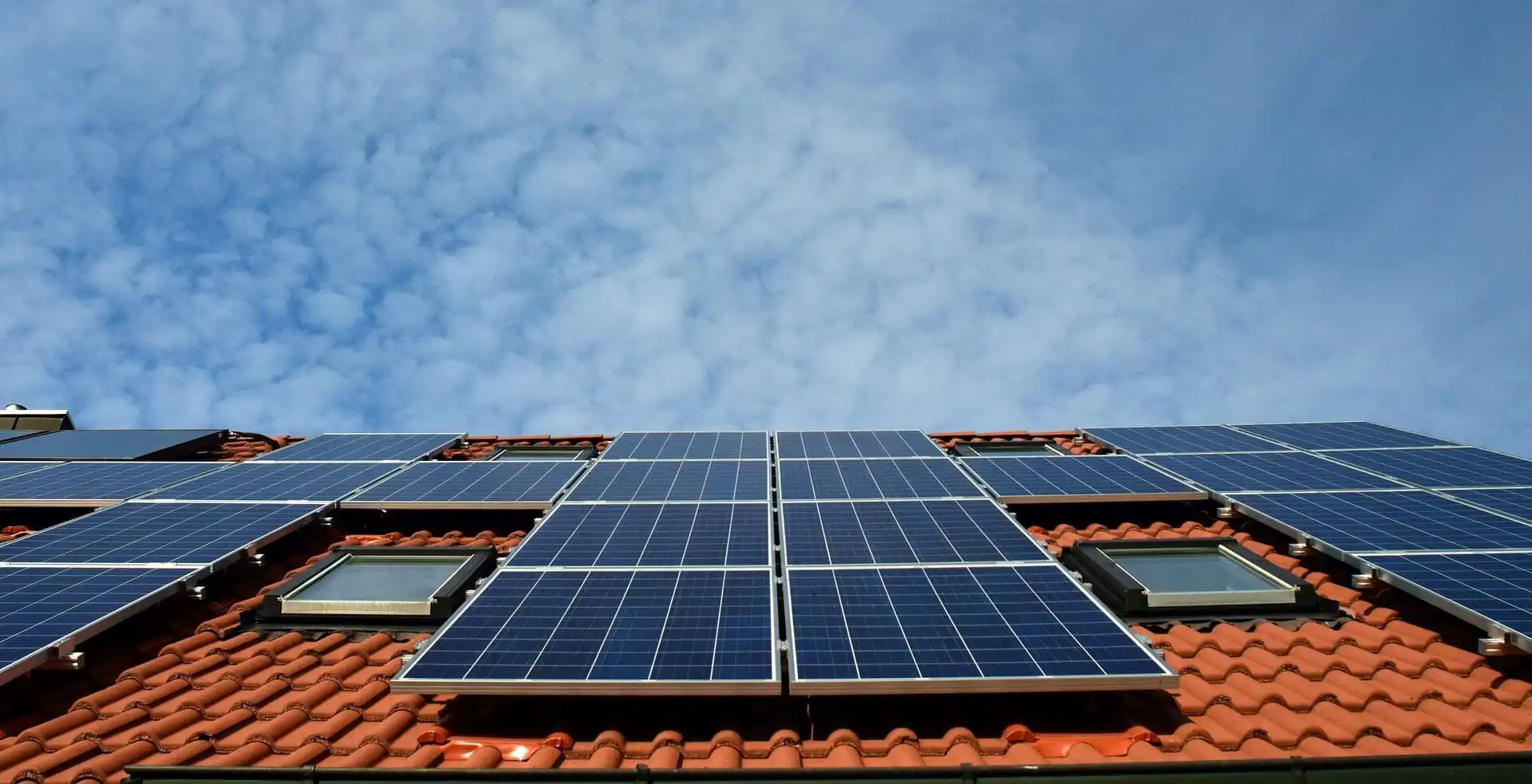
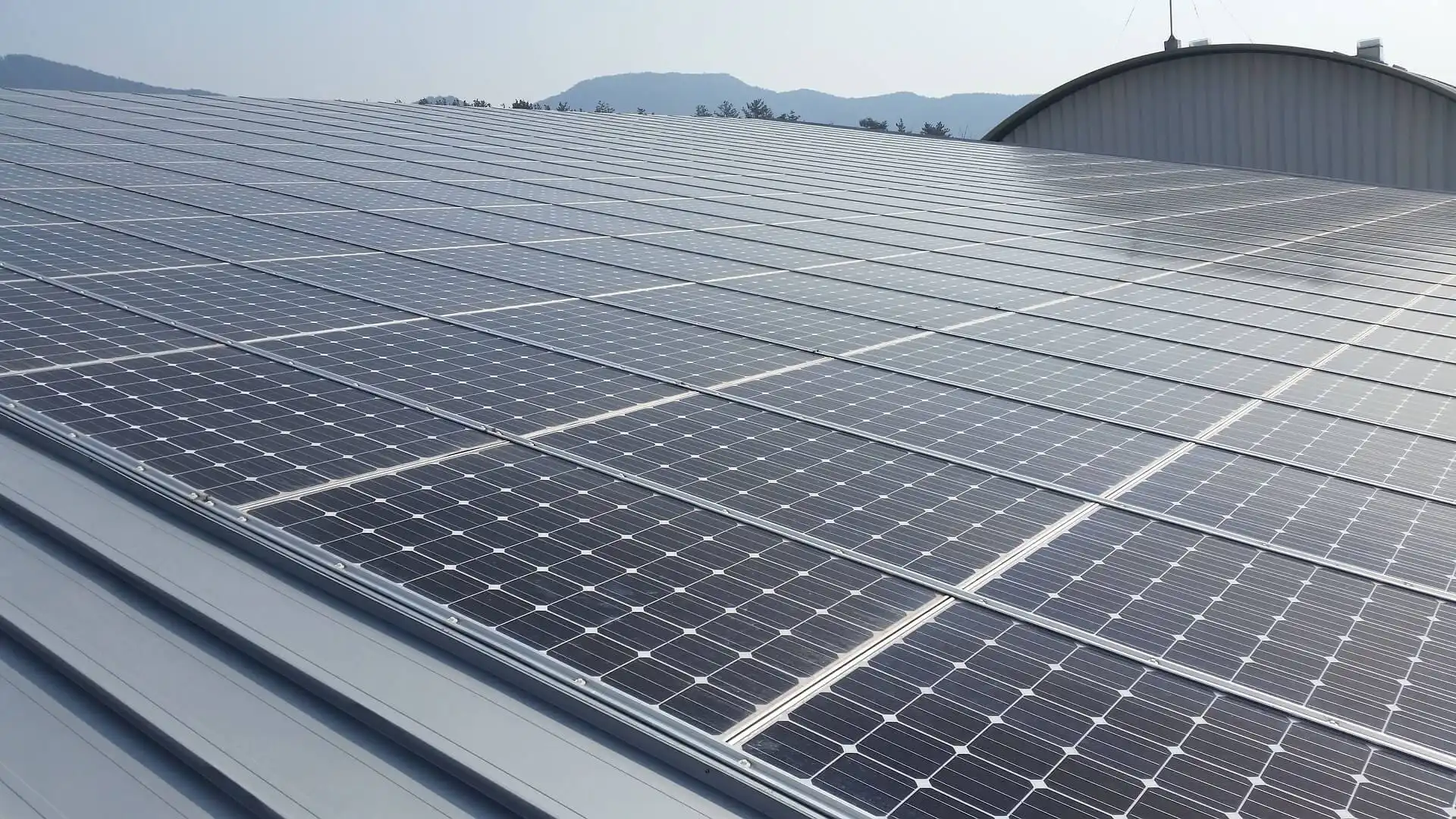
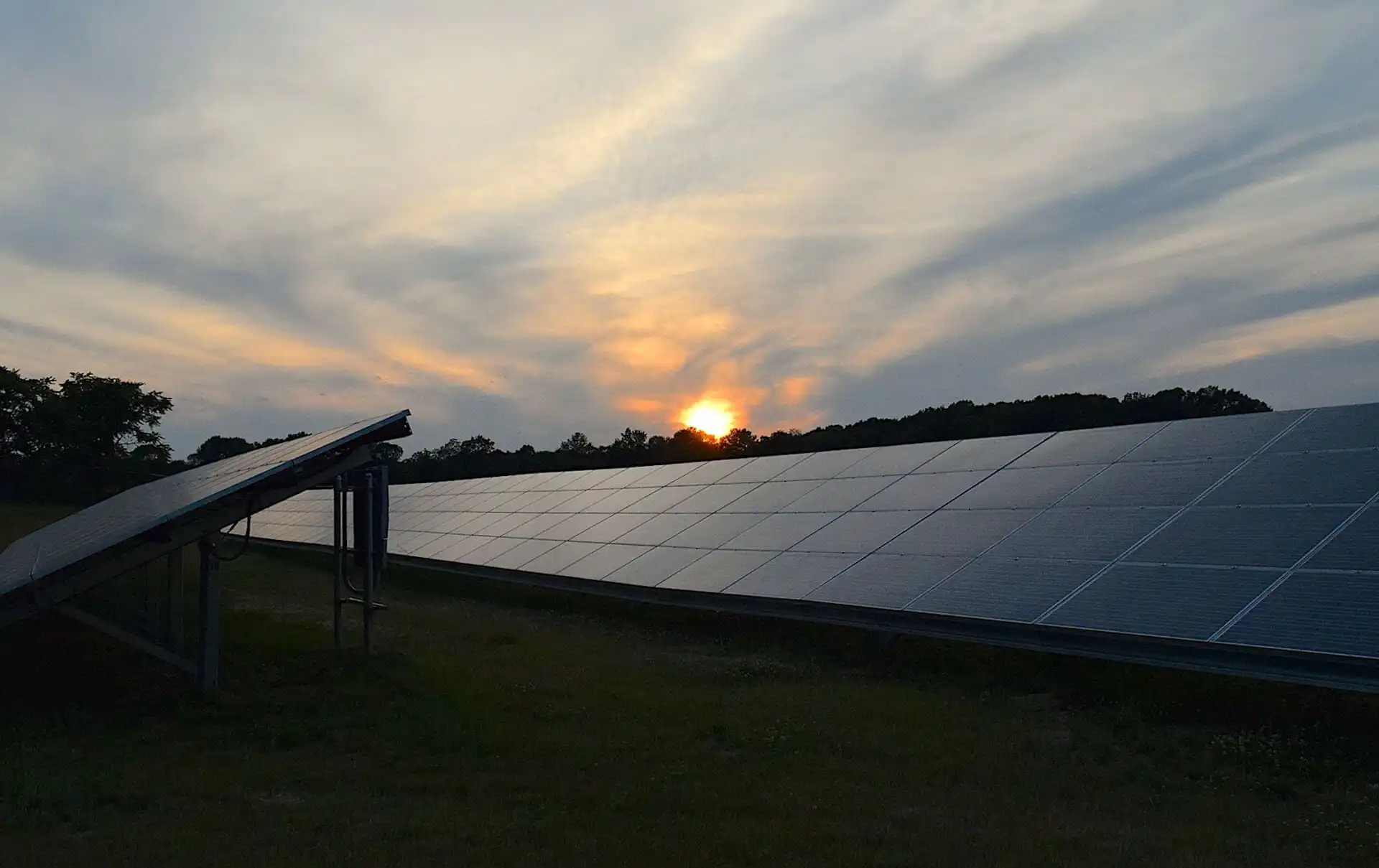
    An example of this type of utilization of solar energy in regard to a railway is found outside Budapest. In this location a solar powered railcar, called Vili, is in used. The railcar reaches a maximum speed of just under 16 miles per hour. The railcar is powered by 9.9m2 of PV panels. Beyond the onboard panels, off-board panels are also utilized to enhance the available electrical power for the railcar. The railcar is designed so that electricity is stored in on-board batteries.

    Solar energy is also being tested on railcars in Italy. The testing in this country involves not only railcars but trams and trolleybuses as well.

    Supplemental Energy for Onboard Functions

    In addition to utilizing solar energy to power railcars, it is also being utilized for onboard functions. In other words, rather that solar energy being used to propel railcars (and similar vehicles), it is being utilized to power onboard equipment and devices.

    For example, solar energy is being used to power such things as GPS devices. This not only does provide the benefits of solar energy on a smaller scale, it also works to improve such things as overall fleet management and efficiency. Other examples of how solar energy is being utilized in rail systems, short of propulsion, include video monitoring, remote control systems, and electric locks.

    Expansion Projects Involving Solar Energy

    An example of an expansion project in which solar energy is being incorporated into a rail system can be found in Geneva. In Geneva, the project started by injecting 600 volts DC generated by solar power directly into the tram and trolleybus electricity network or grid. This aspect of the project commenced in 1993.

    At the end of 2017, a fully solar powered train was launched in Australia, in New South Wales. The Australian train utilizes onboard solar panels together with onboard rechargeable batteries. There are limitations to this project at this time. The train is capable of carrying 100 passengers less than a couple of miles.

    In London, the Renewable Traction Power project was announced fairly recently. This project is designed to investigate the use of track-side solar panels as a means to power trains.

    In India, an announcement was made of a new goal to utilized onboard solar panels to operate air conditioning systems in railcars. The objective of this utilization of solar power is to reduce the use of diesel fuel by 24,000 gallons per train annually. The objective is to additionally reduce carbon dioxide emissions by 239 tons each year as well.

    As has been the case with different alternative energy options, the United States has been lagging behind what is occurring in other countries. With that said, in the past decade, there has been an uptick in research and the utilization of alternative energy resources in the United States, both in the public and private sectors.

    ====

    Jessica Kane is a professional blogger who writes for Federal Steel Supply, Inc., a leading steel tubing suppliers of carbon, alloy and stainless steel pipe, tubes, fittings and flanges.