Category: HOME

  • How to Spot and Hire the Right Realtor for You

    How to Spot and Hire the Right Realtor for You

    Buying or selling a home is an exciting experience for everyone. Both the thrill of the hunt and the deal are present. But first, you need the right realtor, and what does a good realtor do? They can help you sell your home for top dollar or buy at the best price available.

    Unsplash

    A knowledgeable real estate agent who understands the market will guide you through the entire process. However, with so many agents to choose from, you may discover that finding the right fit is more challenging than you imagined. Today, we will look at how to spot the right realtor for you.

    Choose a Person Over an Experience

    When looking for an agent that will work for and with you, don’t hire an agent based on their experience. It’s nice to have, but it’s not the most important factor. Make sure you get along with that agent since you’ll be spending a lot of time together. Choose someone honest and relatable. Do it for yourself, not for the house. Make sure the person you choose is an excellent communicator and negotiator.

    Obtain Referrals From your Social Circle

    Check with your friends and family to see if they can recommend a real estate agent with whom they have had a positive experience. You’ll want someone who has worked with clients who are comparable to you in the past. For instance, the needs of first-time buyers differ from those of repeat buyers or homeowners wishing to downsize.

    Follow Your Gut Instincts

    Your brain uses both reasoning and emotion to make a decision, and the specific feeling you get is intuition or gut instinct. If you’re interviewing real estate agents for the job, make sure they do a lot of business and have a lot of happy clients, and trust your instincts.

    If you get a positive vibe from a realtor the first time you meet them, go with it. Likewise, if you meet them and something seems weird, but you can’t put your finger on it, trust your instincts.

    Candidates Should be Researched

    Unsplash 

    Examine an agent’s online presence first. See if the agent is active on their website and social media pages. You can also read testimonials about them. An unfavorable review or two isn’t a big deal, but more than that may signal a problem.

    Check with your state’s real estate regulation to see if an agent you’re considering is licensed and if any disciplinary measures have been taken against them. 
    Photo by Ian MacDonald on Unsplash

    Request and Verify References

    Get a list of properties that real estate agents have listed and sold in the last year, as well as contact information for at least a few recent clients. Please make contact with those clients to learn about their experiences and the level of support provided by the agent throughout the process, including during the negotiations. Ask them if they’d use the same real estate agent in the future.
    Photo by Zac Gudakov on Unsplash

    Find a Genuine Agent who Understands your Situation

    Buying a property can be a stressful experience, especially if you are going through a divorce, expecting a child, or grieving the loss of a friend or family member. Your situation requires an agent who will be patient with you. Interview an agent to discover whether they share your feelings, viewpoint on life, and personality.

    Hopefully, using the above recommendations, you will find the proper realtor for you.

  • 5 design hacks you should put to use in your home

    5 design hacks you should put to use in your home

    When designing your home, depending on budget, resources and space, you may want to utilise some inventive design hacks.

    Photo by Patrick Perkins on Unsplash

    Whether that’s finding different ways to incorporate mood lighting, mixing old and new together to create a unique look or optimising space through mirrors; there are many ways to do this to suit your home and personal taste. 

    Are you looking for apartments for rent? Discover more today. 

    Mood lighting

    Photo by Fidel Fernando on Unsplash

    Making sure a home is welcoming to guests, a place to relax and entertain, is important to many people. Mood lighting can be a wonderful place to start with this. When designing each room, lighting can often make or break it, lighting colour, brightness and positioning can make a huge difference to the look and feel. To make a room look bigger, make use of the vertical space, by adding long hanging lights to make a room seem higher and more airy. This may sound fairly obvious, however sometimes just making the most of natural lighting can go a long way. Make sure there are few obstructions by windows to ensure the light is being let in. Another way to perfect the lighting is to:

    • Add dimmers
    • Provide contrast between dark features and white lighting
    • Be bold 

    Beautifully botanical 

    Adding plants into the design of a home adds so much life and character. Wellness has been on people’s radar a lot more recently and by simply adding greenery into a home’s design offers many benefits. With so many different plant varieties such as vines, paddle plants and peace lilies, there is an option for every room and style. Plants come in all shapes and sizes, so no matter what size a room is, greenery can be added. Even the smallest of rooms have space, try adding hanging or trailing plants to brighten up the area. 

    Photo by zero take on Unsplash

    Mix old and new together 

    Mixing contemporary and antique pieces together in a home can create a very cool and vintage look. If this look is of interest, then this simple hack may be the way to go. Combining both new and old together, whether that be furniture, accessories or wall art, can create a unique looking home, making for a great talking point with any guest. There’s something magical about a room full of nostalgia, maybe it’s a grandparent’s old coffee table or an ornament found in an antique shop. Combining these elements with a modern look in the right way will provide balance and show character. 

    Photo by Patrick Perkins on Unsplash

    Add texture 

    Another design hack involves adding texture. This may seem a bit out there for some, but when done stylishly, it can add a beautiful finish to any room. Adding layers with different textures can be a great place to start. Texture doesn’t have to solely include fabrics or furniture, it could also be the contrast in a fluffy rug beside a glossy worktop or a textured ornament on a rustic floor. Textures don’t always have to be instantly obvious to the eye, it could be the feel of furniture where texture comes into play. 

    Make a room look bigger with mirrors

    Mirrors are a fantastic design hack to make use of small space and instantly make a room look bigger and brighter. The larger the mirror, the more of an illusion it gives off to enhance room size. Combining a mirror with a light source adds another dimension and boosts brightness, providing a serene atmosphere. 

    With these handy design hacks, your home will be looking as stylish as ever in no time. Whether on a budget or not, incorporating these tips into different rooms will add character and your own unique touch. 

  • The Benefits of Hybrid Flooring: Why So Many Families Love Them

    The Benefits of Hybrid Flooring: Why So Many Families Love Them

    You may have seen hybrid flooring before and not even realised it. This type of flooring is becoming more and more popular due to its many benefits. Keep reading to learn what hybrid flooring is, why so many people love it, and many of the top benefits you can expect when you install hybrid flooring in your home!

    Photo by Thanos Pal on Unsplash

    What is hybrid flooring?

    Hybrid flooring is a type of flooring that combines the best aspects of laminate and vinyl flooring. By combining these materials, hybrid flooring offers the durability, functionality and beauty of these two products. It’s also easy to maintain and install, making it a popular choice for many families.

    Like many products, there are a range of options at a variety of price points. It’s important to choose a high quality product and check the rating. Most hybrid flooring manufacturers will provide an AC rating like they do for laminate flooring, so it’s worth doing your research and checking the numbers.

    Why do people love hybrid flooring?

    There are many reasons why people love hybrid flooring! Some of the top benefits include:

    Photo by Jason Hafso on Unsplash

    Durability

    Hybrid flooring is extremely durable and can withstand heavy traffic. This means that it’s perfect for busy families who want a floor that can handle lots of activity.

    Waterproof

    One of the biggest advantages of hybrid flooring is that it’s waterproof. This makes it a great choice for kitchens, bathrooms and other areas that are prone to moisture.

    Ease of maintenance

    Hybrid flooring is easy to maintain and doesn’t require any special care or cleaning products. All you need is a damp mop and some mild soap to keep it looking beautiful.

    Stylish design

    Hybrid flooring comes in a variety of designs and style to suit any home. From sleek and modern to warm and inviting, hybrid flooring has a style for everyone.

    Photo by Sidekix Media on Unsplash

    Comfort

    Hybrid flooring is also very comfortable underfoot, making it perfect for areas where you’ll be spending lots of time like the living room or bedroom.

    Affordability

    Finally, hybrid flooring is very affordable when compared to other flooring options like hardwood or tile. If you’re on a budget, hybrid flooring is a great option to consider.

    What rooms are ideal for hybrid flooring?

    Hybrid flooring can be used in any room in your home, but it’s especially well-suited for high traffic areas like hallways, the living room or kitchen. If you have children, hybrid flooring is also a great option in kids playrooms.

    Due to the durability and waterproof nature of hybrid flooring, it’s most often used in:

    • Entryways
    • Laundry Rooms
    • Kitchens
    • Bathrooms
    • Living Rooms
    • Dining Rooms
    • Kid’s Playrooms

    If you have a particularly sunny room, hybrid flooring is a great option because it doesn’t fade in the sun like hardwood or carpet can.

    Photo by Point3D Commercial Imaging Ltd. on Unsplash

    You can also install hybrid flooring over concrete, so if you’re converting a garage to a liveable space, it can be a great option.

    If you have dogs, hybrid flooring is great because it’s waterproof, resistant to scratches and doesn’t absorb pet odour the way carpet does.

    So, if you’re looking for a flooring option that is stylish, affordable and durable, hybrid flooring may be the perfect choice for your home. 

    Why is hybrid flooring different to luxury vinyl planks? 

    Hybrid flooring is made from a combination of materials, so it’s more durable than vinyl planks. It’s also more stable, so it’s less likely to warp in humid conditions.

    Vinyl planks do vary in quality quite a lot with the cheaper options being a risk of dents and scratches caused by day-to day-living. Hybrid flooring tends to be more resistant to scratches and dents. 

    If you’re looking for a flooring option that is durable, stable and resistant to scratches and dents, hybrid flooring may be the perfect choice for your home. The construction and installation process can also be quite different so it’s important to consult with a professional before making your final decision.

    Photo by Collov Home Design on Unsplash

    Conclusion

    When it comes to choosing new flooring for your home, hybrid flooring is a great option to consider. With its stylish designs, comfort underfoot, and affordability, hybrid flooring has something to offer everyone. 

    If you’re like most people, you take pride in your home. You want it to be a place where you can relax and unwind after a long day. A big part of achieving that goal is having the right flooring under your feet. Many people are choosing hybrid flooring these days, and there are good reasons why as we’ve covered in this article.

    Now it time to do some shopping to find the style that’s right for you!

  • FAQs About Kitchen Renovation

    FAQs About Kitchen Renovation

    When you ask an interior designer, “how much does a kitchen renovation cost?” their response will be, “how much can you afford?” That’s correct.

    Photo by Sidekix Media on Unsplash

    You could spend as little as $10,000 and get a completely functional and modern kitchen, or you could go up to $100,000 for that ultra-modern, luxurious kitchen. How much you want to spend on your kitchen is up to you.

    Photo by Sidekix Media on Unsplash

    The pandemic kicked off a sort of renovation frenzy, which spilled over to 2022 as people wanted to make their homes more comfortable and functional, just in case they were stuck at home again. Victoria saw as many as 3,733 new dwelling approvals in January, while renovation amounted to about AUD334,461 million. Here are some details about kitchen renovation and other related FAQs.

    How Much Does It Actually Cost To Renew Your Kitchen?

    Materials have a significant role in the cost of your renewal. So does the scale of the renovation. For example, if you use melamine doors instead of solid timber, it will cost much less. So will a laminate countertop when compared to natural stone such as granite. 

    If low-cost is the way you want to go, then you should consider an acrylic splashback instead of tiles. Similarly, appliances can range between AUD5,000 to AUD15,000. Therefore, the answer to your question depends on your choices.

    Photo by Sidekix Media on Unsplash

    Your choices will depend on your lifestyle. A glossy polyurethane double door looks great when installed, but with children running around, it can get a few scratches, ruining the entire look. You need to ask yourself how your kitchen will be used and who will use it. You should base your material choice on those answers.

    How Do I Set A Budget For My Kitchen Renovation?

    A budget is what keeps you from being carried away when remodeling your kitchen. Deciding a budget can be tricky, but the best way to do it is to set it at 5% to 8% of your home’s value. Thus, if your house is worth AUD$500,000, your kitchen remodels budget should be no more than AUD40,000. While setting a budget, keep in mind that it is best to have a contingency fund just in case you exceed your limit.

    How Do I Allocate Funds To Different Items?

    Breaking down the budget is another essential aspect, as you don’t want to be spending all your money on a few items and then have nothing left for the remaining. You can break down costs into three broad categories; design, materials, and labor. 

    The design includes any city permits and should not be more than 10% of your budget. Materials take up about 65% of the funds, and the rest goes to labor.

    Photo by Sidekix Media on Unsplash

    What Are The Stages Of A Kitchen Renovation?

    The renovation begins with demolition. It involves removing everything that you do not need in your new kitchen. Once the internal parts are taken care of, the walls are done with drywall and paint, followed by flooring. This is followed by inspecting and updating the plumbing to handle the new fixtures. 

    Then comes the electrical work, again reviewed and updated to meet the needs of new appliances. Finally comes the cabinetry, countertops, and backsplash. Once all these are done, the team will install the latest devices and fix any hardware required.

    Photo by Im3rd Media on Unsplash

    How Do I Finance A Kitchen Renovation?

    This question looms large when thinking about a remodel. The answer is few people have enough cash saved up to pay outright for a renovation. Thankfully, you have other options, such as extending your existing home loan, getting an extra line of credit from your banker, and finally getting a personal loan.

    Tired and bored of the same old noisy appliances and creaky cabinets. Well, you can now renovate your kitchen and get the latest in everything from appliances to cabinets. Still, wondering how much does a kitchen renovation cost? This article should be able to help you figure it out. 

  • What are the 6 best types of house extensions?

    What are the 6 best types of house extensions?

    If you’re considering a house extension, you’re well on your way to adding value and extra space to your home.

    Photo by Dillon Kydd on Unsplash

    There’s a wide range of extension designs to choose from, but which one is right for your lifestyle? We’ve taken a look at the different types of extensions to help you make the right choice.

    Photo by Dhruv Mehra on Unsplash

    1. Side return extension

    A side return extension is a popular way of making use of the otherwise wasted space at the side of your home. As a side return can often represent a security risk, it’s an effective way to create more living space and help you feel more secure.

    Another bonus of this type of extension is that it generally falls under permitted development, so you won’t need planning permission. And even though your extension won’t be huge, you could gain a surprising amount of usable space.

    2. Rear extension

    If you really need some extra space, consider extending into the garden. Whether you opt for that dream kitchen/diner, a bigger living room or a bespoke conservatory, a rear extension gives you plenty of versatility.

    Smaller extensions generally don’t require planning permission but can take up to six months from initial plans to final completion.

    Photo by Markus Spiske on Unsplash

    3. Wrap around extension

    If you want to create a spacious open plan living area, you could consider a wraparound extension that includes the garden and the side return. If your growing family needs room to spread, this could be an ideal solution, optimising your available space.

    Although this type of extension is larger than a side return or rear extension alone, you generally won’t need planning permission. However, depending on the design, a wraparound extension can take longer to build.

    4. Double storey extension

    If you need an extra bedroom, consider planning for a double-storey extension. They’re surprisingly cost-effective, delivering around twice the space for less than the cost of a single-storey extension. However, you will need to apply for planning permission which can add to the time and cost of the build.

    5. Attic or dormer extension

    If you’re after extra bedrooms or a home office space, extending into an unused attic could be the perfect solution. A dormer creates additional space by adding a box-shaped extension to your existing loft, making it an ideal place for a desk or bed.

    Attic extensions are a cost-effective way to get extra space within permitted development rights and without needing costly building work.

    Photo by Dillon Kydd on Unsplash

    6. Garage or outbuilding extension

    Extending your living space into a garage or other outbuilding is a great way to add value to your home.

    This type of extension is ideal for a home gym, utility room or business premises but a garage conversion is relatively expensive. You’ll require planning permission and new foundations as you extend the footprint of your home. An alternative might be to add an extra bedroom or bathroom with a double-storey garage extension.

    Need more space? It could be time to extend

    Do you need to stay in your neighbourhood for work or school but you’re running out of space? Are you working from home or just feeling the need for more living room? Consulting with an architect on a home extension will give you the inspiration to unlock the hidden space in your home. 

    This article was contributed by Rob Trevaskis at Trevaskis Design Solutions, expert architects in Falmouth.

  • 8 Tips to Keep Your Plumbing System Running Properly

    8 Tips to Keep Your Plumbing System Running Properly

    Maintaining your plumbing system is an important part of keeping your home running smoothly.

    Photo by Zac Gudakov on Unsplash

    Plumbing problems can be expensive and inconvenient, so it is important to take steps to prevent them from happening in the first place. In this blog post, we will discuss eight tips that will help you keep your plumbing system running properly.

    Photo by Marian Florinel Condruz on Unsplash

    Tip 01: Inspect your plumbing system regularly.

    It is important to inspect your plumbing system on a regular basis in order to identify any potential problems early on. This can help you avoid costly and inconvenient repairs down the road. Some things you should check for include leaks, corrosion, and signs of wear and tear. You obviously want the highest quality IDs for the most affordable prices which offer multiple payment options. Below is a review of the ten most well-known best fake ID websites, buy fake id 2022.

    Photo by micheile.com || visual stories on Unsplash

    Tip 02: Know where your main water shut-off valve is located.

    In the event of a plumbing emergency, it is important to know where your main water shut-off valve is located. This will allow you to quickly turn off the water supply and prevent further damage.

    Tip 03: Do not pour grease or oil down your drains.

    Grease and oil can build up in your drains and cause clogs. Instead, dispose of grease and oil in a container such as a coffee can or milk jug.

    Photo by Dan Counsell on Unsplash

    Tip 04: Do not flush anything other than toilet paper down your toilets.

    Flushing anything other than toilet paper down your toilets can cause clogs and backups. Plumbing professionals often see cases of people flushing things like baby wipes, rags, and tampons down the toilet, which can lead to major problems.

    Tip 05: Flush your toilets regularly.

    Flushing your toilets regularly helps keep them clean and free of debris. It is also a good way to prevent clogs from forming.

    Tip 06: Check your faucets for leaks.

    Leaky faucets can waste a lot of water and money over time. To test for leaks, turn on the faucet and place a few drops of food colouring in the sink. If you see any coloured water in the bowl after a few minutes, you have a leak.

    Tip 07: Install low-flow fixtures.

    Low-flow fixtures can save you water and money by using less water than traditional fixtures. When shopping for new fixtures, look for the WaterSense label to ensure that you are choosing a high-efficiency option.

    Tip 08: Hire a professional plumber.

    Photo by Jacek Dylag on Unsplash

    If you are having plumbing problems that you cannot fix yourself, it is important to hire a professional plumber. Plumbing professionals have the knowledge and experience to quickly diagnose and solve your problem, preventing further damage to your home.

    We hope these tips will help you keep your plumbing system running properly! If you have any questions or concerns, please do not hesitate to contact us. We would be happy to help.

    If you enjoyed this blog post, be sure to check out our other blog posts for more great tips and advice! Thanks for reading.

    Plumbing is one of those things that we all use daily, but often don’t think about until there is a problem. By following the tips above, you can help prevent plumbing problems before they start and save yourself time, money, and headaches down the road!

  • Patio vs. Deck: Which Option Is Best for You?

    Patio vs. Deck: Which Option Is Best for You?

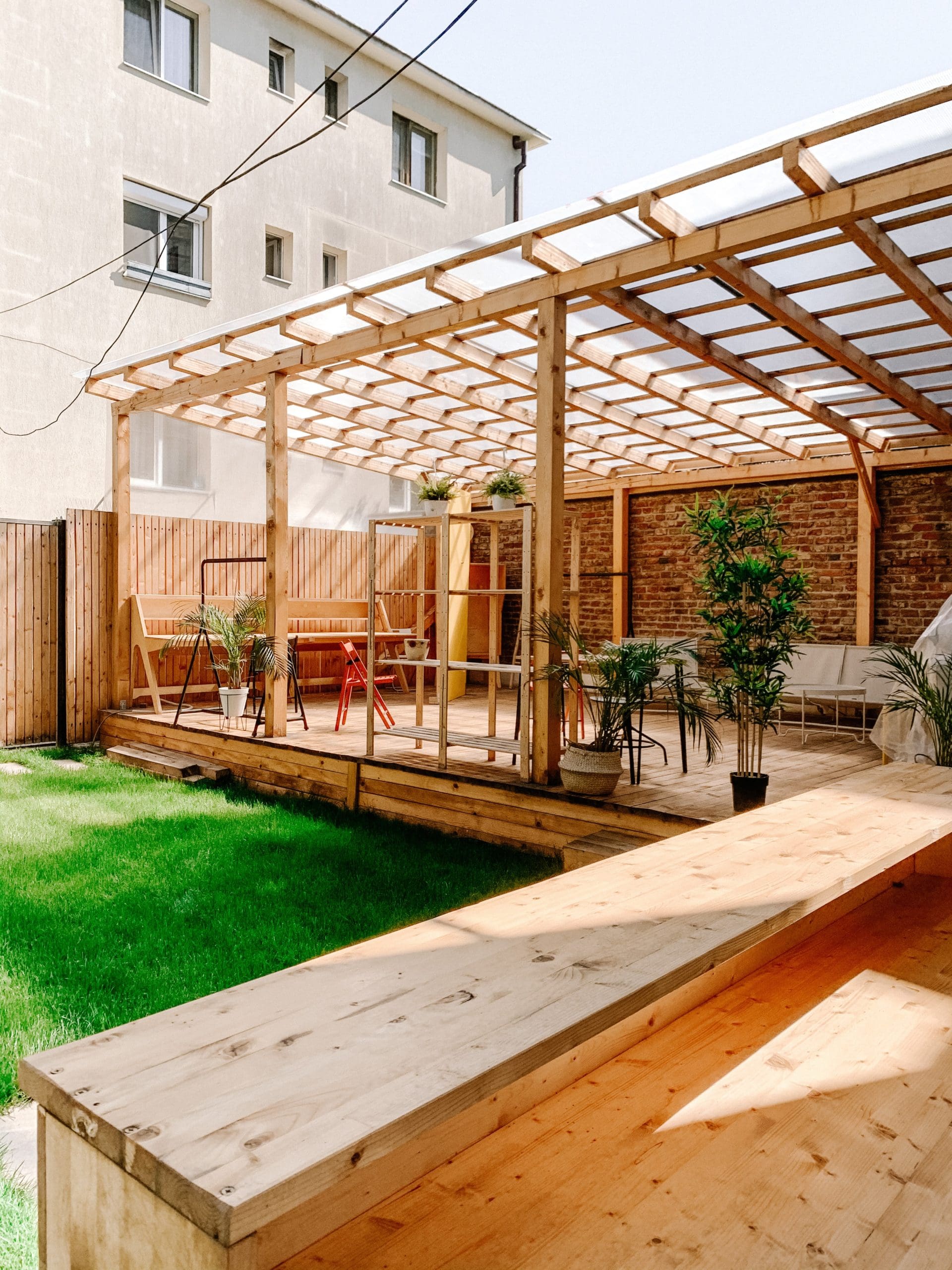
    The difference between a patio and a deck can be so slight that some homeowners use the two terms interchangeably thinking that they are the same thing.

    Photo by Alen Rojnic on Unsplash

    However, there are very real differences between the two that should be noted. In general, a patio can be thought of as a ground-level outdoor living space while a deck is usually raised at least a few feet off of the ground.

    Photo by Natural Goods Berlin on Unsplash

    Choosing between a patio or deck will require homeowners to choose between two similar, yet distinct styles of outdoor living spaces. Patios are at ground-level and thus can be more secluded and private, whereas decks are elevated to offer better views of the surrounding area at the expense of privacy on the deck itself.

    If you’re interested in adding a deck or patio to your own outdoor space, be sure to keep reading. Below we will discuss all the details and differences that can help homeowners pick which style of space is right for their area and budget.

    Pros and Cons of Patios

    The primary benefit of building a patio is that doing so is often cheaper, simpler, and faster than building a deck – which can be a much more complex building process. This means that you don’t need to tip-toe around a construction site, or have extended periods of time with unusable space on your property.

    Next, consider materials. A patio can often be made of more durable materials such as concrete or pavers. Since patios are generally free from building regulations (unlike building your own deck), a patio can save a homeowner a small fortune in fees and building inspections alone.

    Patios are often thought to be more durable, but they still require routine maintenance as they can develop fissures and stains just as a traditional deck can. Even though they also require maintenance, they generally last longer than their deck counterpartners.

    Additionally, patios can also offer greater amounts of privacy when compared to a deck. While this isn’t always the case, the ground-level locations of most patios are more hidden than the elevated platform of a typical deck. If you want to enjoy your outdoor time without feeling like you are on display, a patio may be the choice for you.

    Photo by ÇAĞIN KARGI on Unsplash

    Patios still have their flaws and disadvantages. For example, a patio typically requires a well-prepared, level worksite to begin laying a foundation upon. This is because a patio normally stays at ground level and must rely on having an even grade in order to have a likewise level patio. There are also different tiers of materials used to build the patio to consider. Some last forever, but cost tons. Others are reasonably priced, but generally have a shorter lifespan. 

    Pros and Cons of Decks

    The benefits of having a deck in your backyard usually stem from activating an otherwise unusable space, elevating your outdoor living area, enjoying views, and appreciating the styling of a deck itself. Decking materials also usually do a better job of absorbing and retaining ambient heat – largely thanks to what they are constructed with. The last advantage that decks have is that they usually retain their value better upon the sale of a home.

    There are negatives when it comes to having a deck, however, and they can include aspects such as a loss of privacy, the expense of building one, and greater maintenance costs. The cost of building a deck is normally greater due to the higher value of the building materials and the greater complexity required of the structure.

    Photo by Hutomo Abrianto on Unsplash

    Of course, there are other differences as well. Decks will have weight limitations due to their elevated frames and the type of materials being used. Yet, a deck’s elevated style of construction also allows decks to be built on uneven ground – making it far easier than patios can be. 

    The Importance of Finding the Right Local Partner

    So, now that we know a little bit more about what separates the two styles of outdoor-living areas, hopefully it will be easier for you to pick which one you truly desire for your outdoor space. If you’re still unsure which style you prefer, now may be the right time to seek a professional opinion on your situation.

    Photo by Toa Heftiba on Unsplash

    As has been said before, this is where partnering with local experienced professionals can really streamline the process. This is because if you partner with deck builders in King of Prussia, PA, for example, they will likely be much more aware of the local conditions and how they may change any potential deck plans than a do-it-yourself homeowner, or handy friend could be.

    In the end, the type that you choose is largely personal preference and available funds for the project. This means that you should go with whatever option you think will make you happiest and will best suit your space. 

  • Best Driveway Materials For Your New House

    Best Driveway Materials For Your New House

    In most cases, one of the first things that someone visiting your home will see is your driveway.

    Hi

    The link added on:

    PayPal: [email protected]

    Please let me know about the next project.

    best regards,

    Ion

    Is there any worse first impression than a cracked and dilapidated-looking driveway? Luckily, a driveway can easily be rehabbed or even replaced if it is too far gone. As an added bonus, homeowners that choose to do so generally see a handsome return when selling their home based off upgraded curb appeal alone.

    Photo by todd kent on Unsplash

    Some of the most popular choices of material for driveway construction include concrete, asphalt, gravel, and brick. Each respective material has its pros and cons. To expand, although brick will likely last the longest, it will also be the most expensive. On the other side of the spectrum, gravel will be a less expensive option, but one that is also less durable.

    The information below is meant to provide you with insight into different factors that affect driveway longevity and supplementary information surrounding driveway material options. 

    How Long Will a Driveway Last?

    The lifespan of a driveway will depend largely on factors like the craftsmanship of the installers, the durability of the materials, and the local environment. In some cases, a driveway may last as little as 10 years before needing to be replaced, in other cases a well-maintained drive may last nearly 40 years. The number of years your drive will last you truly depends on a number of individualized factors.

    Photo by R ARCHITECTURE on Unsplash

    Consider the following examples when making your own driveway construction decisions:

    • Do you live near an ocean? Salt spray from the sea may corrode materials such as concrete, which can compromise their integrity and severely shorten the lifespan of a driveway. The same goes for areas where the road is salted, or you need to put ice-melt down. Salt and ice-melts can create small cracks that increase in size as time goes on; 
    • Will it be too cold for asphalt? While asphalt drives can be installed nearly anywhere, be forewarned, they are best installed during the warmer months, and only emergency patch jobs should be considered during cold or freezing weather;
    • How high traffic will your driveway be? If it’s too busy, solutions like gravel may be ineffective as stones would need constant replenishment due to heavy traffic. Likewise, if weight is a factor, make sure that you choose a material that can handle heavy loads – such as concrete or asphalt. 

    What are the Best Materials for Driveways?

    As the above considerations illustrate, not all driveways are created equal. One of the biggest differentiators in overall driveway quality will be the material that is used in its construction. Homeowners have a lot of choices when it comes to driveway materials, and we’ve highlighted several popular options below. The main differentiators will be the cost of the materials and their expected durability.

    Photo by R ARCHITECTURE on Unsplash

    Concrete

    When imagining concrete driveways, many think of the tried-and-true concrete slab. It is a staple of driveways and carports across suburbia. What appeals to most homeowners about concrete is its low cost: roughly $4-$8 per square foot. Even larger drives can be redone for a reasonable price. Buyers beware, concrete can have issues if exposed to too much salt.


    Yet, the slab is not the only contribution that concrete has made to the modern driveway, as permeable pavers have long since been in vogue. Permeable pavers (also known as PICP) are an eco-friendly style of a concrete driveway that allows water to flow through layers of compact concrete naturally into underlying aquifers. This is a process that a normal concrete parking pad interrupts.

    Becoming aware of the available concrete options is critical. Additionally, partnering with a local concrete professional is the best way to ensure that your concrete mix is the best option for your respective location. For example, a concrete contractor in Marion, IN will likely provide its customers with a much different mix than a concrete distributor located in California will provide. 

    Photo by Jacques Bopp on Unsplash

    Gravel

    Gravel is one of the least expensive choices we will highlight. It is generally less than two dollars per square foot of drive – making it an excellent choice for extremely long driveways. In most other cases, however, it is hard to recommend using gravel. Since gravel is lightweight and can be easily moved with heavy rain or wind, it requires near-constant maintenance and has a shorter life expectancy.

    Resin

    Some think a resin driveway is little more than a coated dirt drive, but in all reality, a resin driveway is a permeable stone drive that is normally sealed with resin. While flexible, permeable, and durable; resin is one of the most expensive options on the market and it provides little more than aesthetic differences between other options listed here that are far below its price point. That being said, some people prefer this option and have had great success with it. 

    Brick

    Brick pavers can be a beautiful focal point to any home’s entryway. The downside is that the price of brick drive can be very high – generally coming in at more than $50 a foot in some cases. However, for those that can afford it, brick is a long-lasting material that can add beauty and detail (alongside longevity) to any driveway.

    Photo by chi m on Unsplash

    Asphalt

    Asphalt is an economical and durable choice for many homeowners. Many confuse asphalt with concrete, but the two materials are different from one another. However, asphalt has one major weakness that was touched on above. It is prone to becoming brittle – especially when subjected to extreme weather . While this means that drivers in northern climates will have to spend a little more time patching and repairing, with proper sealing and maintenance, asphalt drives can last decades.

    Many Paths to the Same Endpoint

    From concrete pavers to asphalt blacktops, there is something for nearly every taste and budget. We hope you’ve enjoyed reading about driveway materials and that you’ve been inspired to try something new along the way.