Category: HOME

  • What Does a Full Home Renovation Include?

    What Does a Full Home Renovation Include?

    Doing a complete home renovation of your home can be exciting and a lot of work at the same time. No matter how much hard work it may be, you are left with new rooms to enjoy that are updated and comfortable. 

    So, what does an entire home renovation include?

    Image by PIRO4D from Pixabay

    First, it is essential to define the difference between renovations and remodeling before we get into the specifics. 

    Remodeling

    Photo by Karl Solano on Unsplash

    Remodeling consists of changing the functionality of a room. Remodeling can include changing a work office to be a bedroom or a patio deck into a workspace. Adding an additional space to your home is also a form of remodeling. Remodeling may include construction to your home, so be sure to get the proper permits when choosing to remodel your home. 

    Renovation

    Renovating your home consists of updating the rooms in your home but not altering the main purpose of each room. So, you may renovate the kitchen by changing out cabinets and painting the walls, but the main use of the room is still for cooking and eating. Renovations do not always need permits, but be sure to do your research to check and see if you might need one, depending on the kind of renovation that you intend to do. 

    What is a Full Home Renovation?

    A complete home renovation consists of renovating each room in your home. Now, this can be easier for some people and harder for others. It will depend on the size of your home and how many renovations you want to make to each room. 
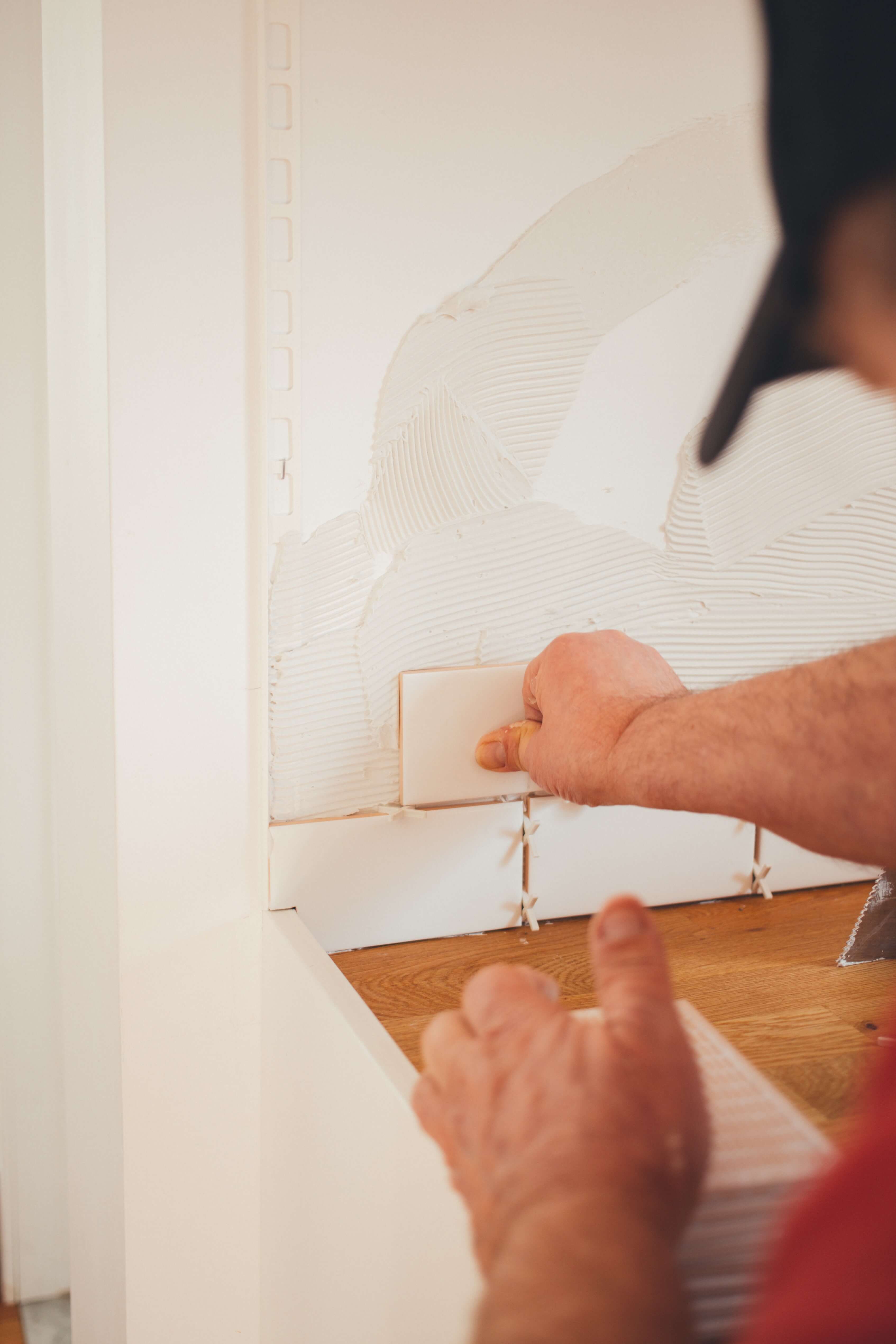
    Photo by Charles Deluvio on Unsplash

    Bedrooms

    A total renovation of your home will consist of all the bedrooms in the house. Bedrooms can include kid’s rooms, guest bedrooms, and the master bedrooms in your home. When renovating the bedrooms, you may want to rip out any existing flooring and replace it with something new. For example, if you have carpet, you may want to change it to wood flooring instead. Renovating your bedrooms could include painting the walls and installing an add-on, like an extra sitting room or closet. 

    Bathrooms and Kitchens

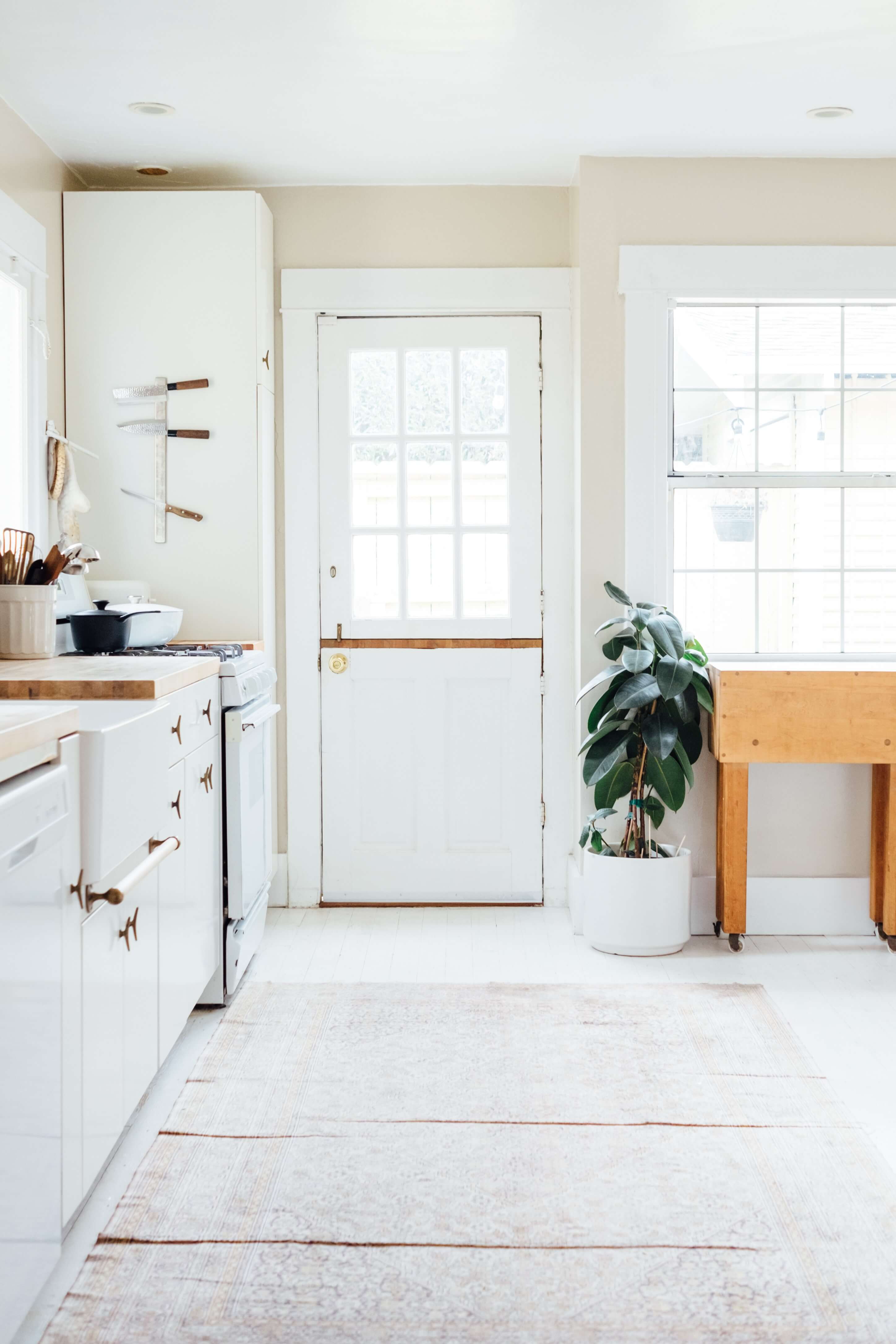
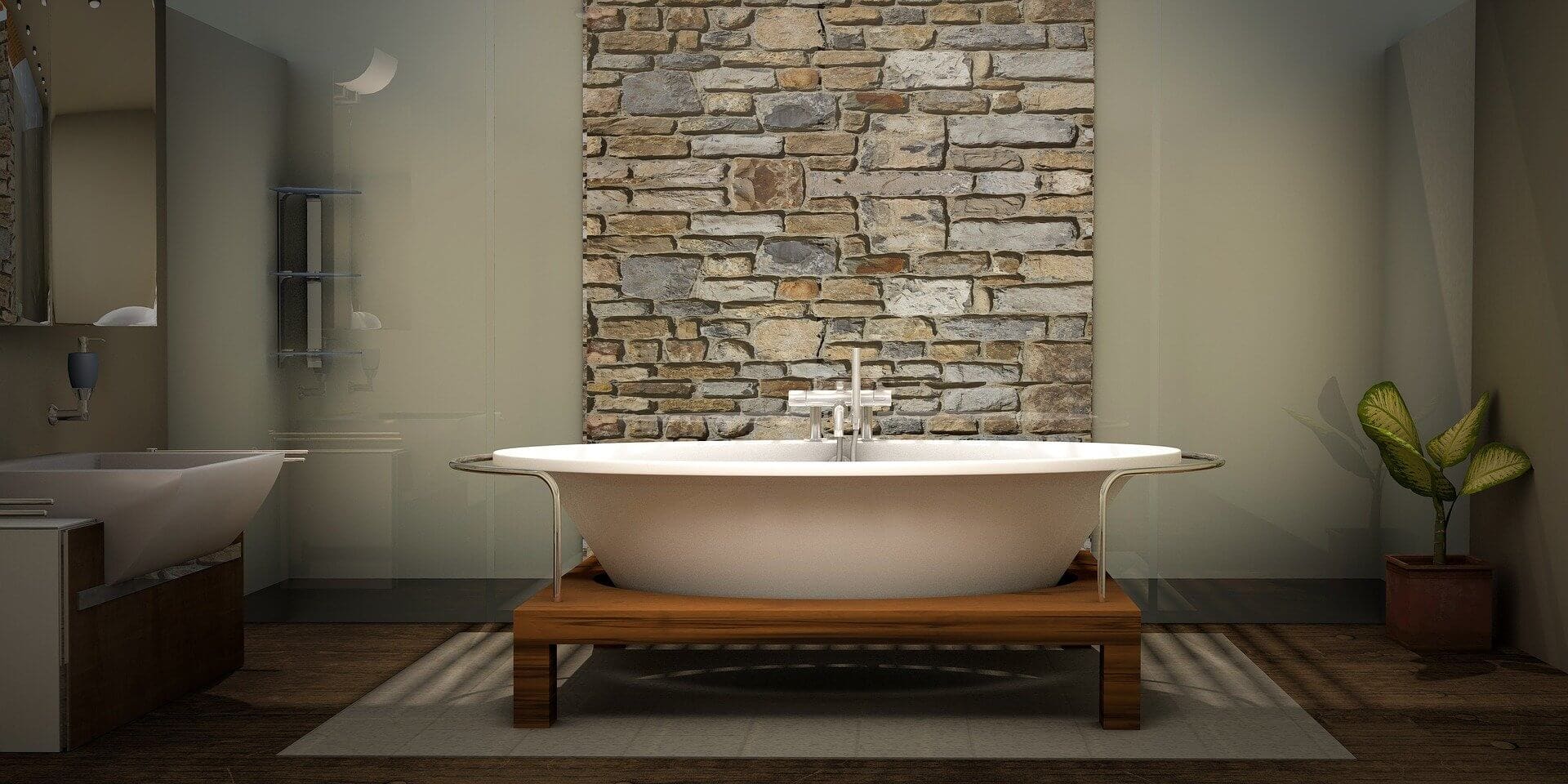
    A complete renovation of your home will consist of the bathrooms and kitchens. You may make smaller bathrooms bigger by expanding them. Other things in a bathroom or kitchen renovation can include adding a vanity, changing the sink, and painting the walls or cabinets. Renovating a bathroom or kitchen can also include changing the plumbing, adding a new bathtub or shower, or replacing them altogether. Https://miamitile.com/home-remodeling-coral-gables/ recommends changing out the existing tile to a more up-to-date version. 

    Photo by immo RENOVATION on Unsplash

    Closets

    A part of a full home renovation can include extending your closets. Extending your closet can include making your reach-in closet a walk-in closet.  You could also paint the walls of the closet or add new carpet or tile to the floors.

    Outside Decks and Patios

    A complete home renovation will include outside decks and patios. With renovating your outdoor decks and patios, you may want to change existing wood because of termite damage or natural wear and tear. If you are adding or extending a concrete patio it is best to hire a concrete pumping and concrete conveyor service rather than a DIY.

    Renovating an entire home can be a lot of work, but it is worth it for you to enjoy your home in the end! Just hire the right people to help with the job and get the proper permits if you need any. 

  • Grout Color Sealing Benefits And Facts! An Ultimate Guide

    Grout Color Sealing Benefits And Facts! An Ultimate Guide

    Expert tile and grout cleaners use a high-quality color sealer to cover the grout lines.

    Photo by Photo Boards on Unsplash

    A grout sealer secures the grout by making it water repellent and resistant to bacteria. As a result, the grout’s appearance, color, and texture can all be improved by sealing it. It also protects against fungus and mold. As a result, the grout will have a more excellent appearance and will stay longer.

    Grout is just a sandy and cemented blend. As a result, moisture, bacteria, and dirt will be absorbed if the grout is not sealed. It is possible to have a clean new grout surface without replacing it in most circumstances. Furthermore, grout color can be used to enhance the aesthetic appeal of the grout and modify its color, restoring the beauty of the ceramic tile! The layer applied over the grout to prevent moisture out is known as Grout Color Sealing. It offers the best stain resistance and drastically minimizes the upkeep necessary to keep the grout maintained. Thus, preserving the grout’s natural appearance and texture.

    Photo by David Pisnoy on Unsplash

    Benefits of Grout Color Sealing

    A few of the benefits of grout color sealing are listed below;

    Grout sealing is a must!

    The most vulnerable section of the tile is protected with grout color sealing. Rather than having grout that is eroded, discolored, or degraded, sealed grouting provides an unrivaled degree of safety. In addition, color sealing the grout can preserve and prolong the efficiency of the grout by 10 to 15 years. As a result, the flooring may be more fitted to endure the extremes. It doesn’t matter if it’s due to high foot traffic, wetness, or another factor. No compromises on flooring’s resiliency can be made by grout sealing.

    Appreciating the variation of color sealing

    Grout color sealing has the power to transform the appearance of the grout in a moment and on a long-term basis. Thus, instead of tackling an invasive building job, all required is to change the grout from basic white to an enticing color scheme. Without a doubt, richer charcoal shades would completely alter the room decor by taking the grout up a gear to a depth.

    Refreshing and shielding the grout!

    Grout Color seal is essential because it covers the porous grout. Thus, it prevents moisture, dust, and grime from penetrating. Aside from minimizing the number of porous qualities, there are other advantages to using grout stain. One benefit is that it will prevent other grout discoloration. In addition, it will breathe new life and beauty into grout joints that have been unattractive for ages.

    Cost-effectiveness

    With a color sealer over the grout, the entire cost will be lower. When the grout is not color sealed, it usually wears away faster. As a result, it will crack, discolor, and become difficult to handle. In addition, it will necessitate replacing the grout more frequently than if it had been color sealed. Thus, resulting in more significant total expenditures. Grout color sealing firms ensure that the grout will benefit the floor for a longer time and look fresh again by using a grout stain sealer.

    When should grout be sealed?

    Photo by Tools For Motivation on Unsplash

    It’s best to seal up the grout once a year or every other year. Although many sealers guarantee to last longer, keep in mind that solid cleansers can wear sealers down. Furthermore, covering the grout is simple and affordable compared to regrouting or attempting to remove mold.

    Should the grout and tile color schemes be the same?

    It is not advisable to use grout that resembles the tile. Getting an exact match can be difficult. For a close match, the grout samples should be checked instead of the color shown on the package.

    The Most Reliable Grout Sealing Company!

    Strictly Grout delivers the highest level of stain resistance and significantly decreases the amount of maintenance necessary to keep the grout sparkling. White tile with grey grout is among the most popular options in home design nowadays. Strictly Grout, on the other hand, comes in a variety of colors, as does grout. 

    Strictly Grout specializes in Ceramic and Grout Sealing for the commercial and residential sectors on the Sunshine Coast, Queensland, and Brisbane, Queensland. Many owners and contractors use this restoration approach to save hundreds of dollars on their refurbishment expenditure!

    Photo by David Pisnoy on Unsplash

    Final Thoughts

    Grout Color Sealing provides the most satisfactory stain protection and significantly reduces the amount of upkeep required to keep the grout in good condition. In addition, color sealing the grout can help to preserve and extend the life of the grout. Various grout color sealing companies ensure the grout helps the floor for a longer period while also looking fresh. Strictly Grout is a well-known cleaning market leader. It provides the best level of stain protection and reduces the amount of management required to keep the grout shining!

  • The Benefits of Solar Shingles

    The Benefits of Solar Shingles

    What They Are?

    Solar shingles are practically solar panels in the form of roof tiles. They operate very similar to traditional solar panels, in that they absorb energy from the sun’s photons to generate electricity. They have a modular design just like your typical asphalt roof making it easily to install. Solar Shingles first appeared on the market in 2009 and are primed to capitalize on feed in tariffs across multiple regions across the globe. 

    Key Benefits Of Solar Shingles

    Being very compact in size and extremely modular, there are a couple of great benefits when it comes to solar shingles, of which I will detail here below. 

    Photo by Vivint Solar on Unsplash

    They are very durable in their overall design, they practically fit right into an asphalt tile and are typically much stronger than your average roof tile. When buying a home, be sure to look for the potential to add solar shingles. It actually has been noted as something of a concern by firefighting departments as it would be difficult to cut through the tiles in the case a fire were to break out. Hence it is something to factor in when engineering this solution overall. 

    They are lightweight and can withstand large loads such as wind, snow and hail without getting damaged. Furthermore, they require very little in terms of maintenance and the operational costs are not very high at all. 

    Over and above all of this, your solar shingles typically come with a 25 to 30 year product warranty. This is a much larger warranty than any other material one would expect to get on any component of their roof. 

    Key Difference Between Conventional Solar Panels And Solar Shingles

    • Price

    Solar shingles in almost all cases require considerably more CAPEX than traditional solar panels. Although with technological advancements this gap is reducing, the cost differential is still quite large. The main reason for this is due to the technology still being in early adoption phase and there being a lack of economies of scale in the solar shingles marketplace. 

    Although the solar shingles have shown to historically be more expensive than your conventional solar PV modules – they can still provide the homeowner with between 40 to 70 percent savings on their electricity costs overall. 

    They have also been shown to provide generous tax credits for certain home owners especially in regions of the USA.

    • How they are installed

    Solar PV modules are typically installed onto roofs using some form of rails as an attachment on top of the roofing structure. This creates an obvious issues in terms of additional loading factors on the roof and the need to undergo structural loading assessments to ensure that the dynamic loading caused by the air flowing between the modules and the roof top structure. Traditional solar PV modules also require a whole lot more tools to ensure that the installation is complete and adequate. 

    Photo by Vivint Solar on Unsplash

    Solar shingles on the other hand sit flat on the roof, they are generally lightweight and thus do not add additional stress on the roof structure in terms of dynamic loads. Due to this they allow the homeowner a lot more flexibility in the amount of kW’s that can be installed on the roofing structure

    Technical parameters of the installation

    When it comes to the overall energy efficiencies solar shingles (14 to 18%) typically fall behind typical solar PV modules. This reduction in efficiency is due to the fact that there is generally a much larger internal electrical loss factor in the form of heat from solar shingles. Therefore when sizing your system, this forms a critical component of the overall optimization.

    Interesting facts about solar shingles

    Generally the tiles can provide anywhere from between 13 to 63 watts of power. Always ensure that they are installed by qualified professionals. They are typically connected in series and parallel according to roof and inverter design providing a higher voltage system meaning that you can get more sun throughout the day. 

    Final Thoughts on Solar Shingles

    Solar shingles are a promising new technology and given the potential solar PV reduction costs there is real potential that there soon will be mass adoption of this technology worldwide. They provide some really cool benefits over and above traditional solar PV modules. This combined with their lightweight design, product warranty information and minimal OPEX makes solar shingles primed for the bidirectional electricity market of the future.

  • Everything You Must Know About Inductive Proximity Sensors

    Everything You Must Know About Inductive Proximity Sensors

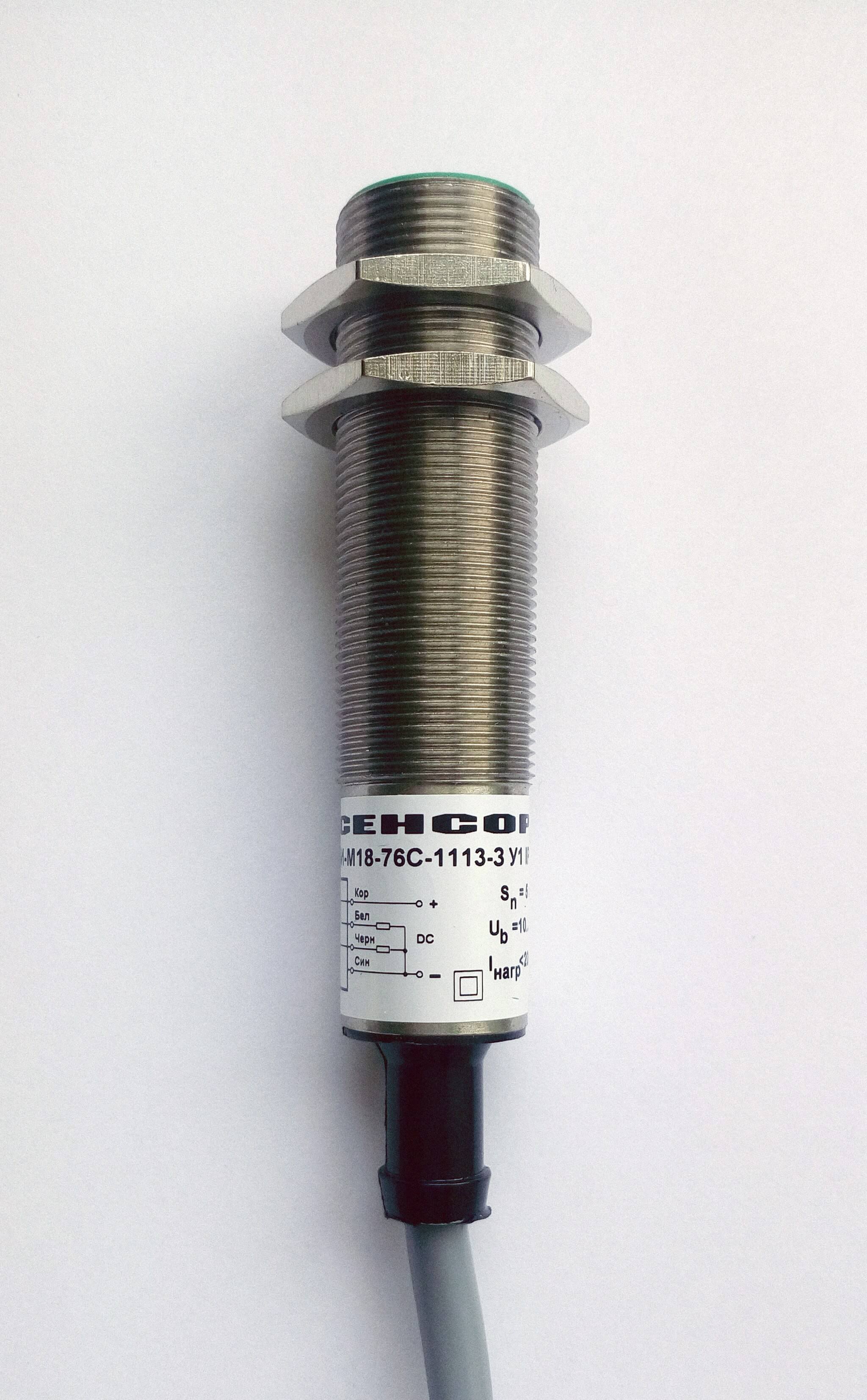
    Whenever an item (commonly referred to as the “target”) enters the sensor’s field of view, it is detected by the sensor as being in close proximity to the sensor.

    Lucasbosch, CC BY-SA 3.0, via Wikimedia Commons

    Depending on the type of proximity sensor used, the sensor may detect a target via sound, lighting, infrared radiation (IR), or electromagnetic fields, among other methods. Proximity sensors are utilized in a variety of applications, including phones, recycling facilities, self-driving automobiles, anti-aircraft systems, and manufacturing lines, among others. There are several various varieties of proximity sensors, and each of them detects targets in a different way. The inductive proximity sensor, as well as the capacitive proximity sensor, are the two types of proximity sensors that are most often utilized.

    Ekbsensor, CC BY-SA 4.0, via Wikimedia Commons

    What is it used for?

    It is only metal targets that can be detected by an inductive proximity sensor. This is due to the fact that the sensor makes use of an electromagnetic field. A metallic target enters an electromagnetic field, and the inductive qualities of the metal cause the field’s properties to change, warning the proximity sensor of the existence of a metallic target inside the vicinity. Inductive metals have the ability to detect targets from a larger or lesser distance, based on how inductive the metal is.

    While inductive sensors are an ancient design, their popularity has increased in recent years regardless of the fact that they have been based on new technology. Inductive sensors, in contrast to the other technologies on this list, can only be used with metallic materials, which makes them unique. When a metallic item passes through an inductive sensor, the sensor detects changes in the magnetic field caused by the passage of the metallic object, in a manner similar to how a magnet revolving in a wire coil produces electricity. This is the starting point for any metal detector.

    Joongbae Kim, CC BY-SA 3.0, via Wikimedia Commons

    What can it detect?

    The range of operation of inductive sensors as an electronic proximity sensor, however, is typically in the millimeter-to-meter range when used as such. Because of their working principles, they function better with ferrous metals such as iron as well as steel and have a lower detectability for non-magnetic metallic elements such as aluminum and copper. They are based on the fluctuation of electromagnetic fields, as a result the device have incredibly rapid refresh rates.

    Inductive proximity sensors perform well in filthy settings, as long as pollutants do not interfere only with the sensor’s capacity to detect metallic objects, according to the manufacturer. For instance, they are impervious to dirt, dust, as well as smoke that may be present in the atmosphere between the sensor and the item to be detected. As for the accumulation of impurities on the sensor face, such as dirt and dust, oil, grease, or soot, they have no influence on the inductive sensing system. 

    Metallic impurities, including such metal chips in machining applications, will nonetheless have an influence on the sensor’s performance. The key is to ensure that you understand the types of pollutants present in an application before selecting a sensor that is capable of handling them and operating properly.

  • A Basic Guide to Buying a Modern TV

    A Basic Guide to Buying a Modern TV

    Planning to buy a TV online, you start searching on e-commerce websites.

    Photo by Kazden Cattapan on Unsplash

    What do you see when you open Gimmie TVs with unique-sounding features that cause you to become more confused than before you started your search? By now, you must have realised that buying a TV nowadays is not as simple as picking the one that has the most features. Tech-savvy or not, you deserve to have the best TV for your home; to ensure that, you need to know the basics of buying a TV. 

    A TV is one of the most important components of your home entertainment setup. It allows you to enjoy your favourite content from different sources, like Blu-Ray players and streaming devices. However, today’s TVs employ different technologies to produce the image you see on your TV screen. Niche technological features aside, you need to understand the major difference between screen types like QLED and LED before buying a TV. So, here is a guide to buying the best TV. 

    Photo by Álvaro Bernal on Unsplash

    How to Buy the Right TV 

    The most important aspect of buying a TV is its screen. With several options to choose from, first-time buyers are often overwhelmed with multiple options. To pick the right  TV, you need to understand the difference between different screen types. 

    LED vs. QLED 

    The basic difference between LED and QLED is “blue light.” Blue light is the light produced by pixels when you turn on your TV. In theory, QLED screens are best at reducing blue light emission, which could harm your eyes. However, LEDs aren’t as harmful as some people have made them out to be. However, if you don’t want to buy a special pair of glasses to reduce the strain on your eyes for watching TV, QLED should be your choice in screens. 

    Photo by Blake Woolwine on Unsplash

    Resolution 

    Resolution is the number of pixels (dots) on your screen. Higher resolution means more crisp images and videos. However, avoid getting an 8K resolution TV because there aren’t many channels or media devices that can output at this resolution. Instead, you can buy a 1080p or a 4K TV. When choosing between the two, ask yourself, “what do I need a TV for?” If you only watch cable TV and don’t have a gaming console, a 1080p TV will suffice. 

    Screen Size 

    Finally, the most important and confusing aspect of buying a TV is the screen size. The general rule of thumb is to sit at a distance three times your TV’s height if you have a 1080p display. However, you can sit 1.5 times the distance from a 4K TV. Even though 4K content isn’t mainstream, if you enjoy sitting close to your TV, you should buy a 4K  TV. 

    Photo by Jonathan Borba on Unsplash

    Refresh Rate 

    If you want to have the best experience of your 4K screen, you might want to focus on the refresh rate. Refresh rate is the speed at which your TV can display images to your screen to give the appearance of motion. You can check the refresh rate by flipping channels at a TV store or paying attention to the action on the screen. If the TV doesn’t lag, it has a good refresh rate. Otherwise, you can find the refresh rate written on the box or the product website under product specification. Remember, the higher the refresh rate, the better the image on the TV screen. 

    Wrapping it Up 

    Buying a TV isn’t easy unless you know what you are looking for. Before shopping for a new TV, you should look for reviews of TVs from particular brands. Also, look for comparisons between TVs from different manufacturers, like Samsung TVs vs. LG TVs. This information will equip you with the knowledge required for buying the TV that best fits your needs. 

  • Benefits of Installing Solar Power System in Your Home

    Benefits of Installing Solar Power System in Your Home

    We live in an energy-driven world where everything is powered through electricity.

    Photo by Jeremy Bezanger on Unsplash

    From our cell phones to our household appliances, electricity has become an integral part of our reality, and we can’t imagine a day without it. The ongoing global energy crisis is taking its toll on our society, and many countries face power shortages. In this situation, many people in the UK are choosing solar energy providers before the energy crisis hits their homes. 

    Photo by Vivint Solar on Unsplash

    In this blog post, we will explain the benefits of installing a solar panel system in your home and how you can get some savings. So, keep reading to learn more. 

    Top Benefits of Solar Panel System 

    Solar energy is sustainable, renewable, and plentiful. As the cost of solar energy goes down, many people are switching to solar. Below are some of the top benefits of a solar energy system for homes. 

    Photo by Vivint Solar on Unsplash

    Cost-Saving 

    Financial savings and lower monthly utility bills are significant incentives for solar energy that drive more customers. Savings on utility bills through solar energy depends on the following factors. 

    • Electricity consumption
    • Size of your solar panel system
    • Local electricity rates 
    • Direct hours of sunlight

    All of these factors combined determine how much money you’ll save on utility bills. Contrary to popular belief, solar panel systems are fully functional and active even in winter. However, their efficiency drops. 

    Photo by Sungrow EMEA on Unsplash

    Boost in Real Estate Value 

    Planning to sell your house after a few years? Get a solar panel system to increase its value. Solar energy systems are considered as upgrades to your home, like a renovated kitchen or finished basement. Research shows that home buyers pay a premium for solar homes. So if you want to increase your profit margin and savings, going solar is your best option. 

    Low Maintainance 

    Contrary to popular belief, solar panels are easy to maintain. Your solar panel system won’t need any repairs or maintenance for a few years. They are durable and don’t shatter under high wind pressure. All you have to do is keep your solar panel clean and dust-free. You might have to do some repairs and maintenance but only once a year. 

    Photo by Markus Spiske on Unsplash

    Opportunity to Earn Money

    Homeowners with excess energy can earn money by sending some of their excess energy back to the grid. This program is called net metering, and it’s globally accepted. In the UK, renewable energy accounts for 7.6% of the country’s power demand, including home solar systems. 

    Ending Note 

    A solar panel system doesn’t just cut down your cost of utility bills. It’s a comprehensive structure that generates electricity which you can send back to the grid and compensate for. Moreover, solar panel systems increase your home’s value. So, strongly consider buying a solar panel system and installing it in your home. 

  • Learning the Basics – Advice for New Home Builders

    Learning the Basics – Advice for New Home Builders

    The importance of proper planning before you lay the foundation stone of your house can’t be understated. For several families, building a house is a dream come true; and they want to make the most of this momentous occasion.

    Photo by Maxime Agnelli on Unsplash

    The challenge is that most families in Australia build a home once in their lifetime. To ensure you nail the one shot you get at building the structure of your dreams, we’ve listed a few tips.

    Let’s start with the most important one.

    Plan, Plan & Plan

    Before you create a blueprint for the structure, you must know how you’re going to fund the project and where you want to build your house. When you’re selecting a plot, you should look at the structural requirements of the lot and consider the neighbours you’ll live with.

    Another factor you must remember is the weather’s impact. Building a house in an area exposed to extreme weather conditions may require different heating and insulation solutions. For instance, a house in a windy area will cool down quicker and may require better heating. This will result in additional costs.

    In terms of funding, you also need to consider the purchase cost and the notary fee. Remember, no matter how much you plan, you must remain extra cautious if you’re undertaking a building project.

    Photo by Maxime Agnelli on Unsplas

    Hire an Inspector

    A consultant must inspect every phase of your house’s construction. This will help you rest assured that all of the practices and materials being used meet all the necessary regulations and guidelines.  An inspection at the right time ensures things stay smooth at the following stages:

    • Laying the Foundation: Get the inspector to check foundations, slabs and all the drains, formwork, and drains.
    • Frame: It’s also the inspector’s job to ensure the framing of the house’s walls is straight and level. It’s also essential that the frame matches the dimensions laid out in the building plans. They must also check ceiling height, rooflines, and room dimensions.
    • Lock up: This is the stage when the house can be locked. Meaning doors, gyprock, windows have been installed. At this stage, it is the inspector’s job to check door and window frames, electrical wires, window flashing, mortar, plumbing, and brickwork.
    • Pre-Handover: This inspection checks the paint, doors, window fittings, doors, tiling, and final fittings. This is also when the inspector ensures the building site is clean.
    Photo by Naomi Hébert on Unsplas

    Think of Ways to Save Money

    Building a home in Australia is an expensive process, and as we mentioned above, it’s a lot likely you’ll spend more than what you’ve anticipated. However, that doesn’t mean that you can’t save money during the process!

    Shop around your city to look for the best prices on fixtures, fittings, and the materials your builders will use. Get various quotes for the items you’ll need in the construction process. Moreover, you can also save money by choosing a construction site that takes less preparation. Clearing trees, hauling off dirt, and removing rocks can be a costly process. Picking a lot already prepped for construction can save you heaps of cash.

    Note for Owner Builders

    If you want an effective solution, consider taking on the role of an owner-builder. This means that you’re going to be managing the logistics during the house building process. Don’t worry! You’re not going to need expertise in building, but it will require stellar management skills and a lot of your time.

    Photo by Paul Hanaoka on Unsplash

    Keep Your Cost Calculations Realistic

    Building a house will be the biggest investment they make in their life for most Australians. Usually, it can’t be done without a bank loan when you start considering all the extra building costs. Moreover, one must also consider the price of the plot.

    You can get a quick overview of your building project when you have a comprehensive list of building costs. Consider using the table below.

    ItemCost
    Build cost$_
    Loan settlement costs$_
    Stamp Duty$_
    Planning$_
    Site$_
    Finishing costs (15-25% of budget)$_
    Land$_
    Total$_

    Ensure You Have a Building Contract

    Photo by Kari Shea on Unsplash

    The building contract that you sign must consider every aspect. Be it when the construction starts or the regulation of powers, it’s best to use a checklist covering everything. Your checklist will ensure that you’ve considered all the regulations you need to look over before taking on a building project.

    The basic rule you need to remember is that verbal agreements are meaningless. Everything must be written and signed by both (or more) parties.

    Wrapping Up

    While the process may seem overwhelming, proper guidance and research can ensure everything falls into place. Your contract and proper planning will ensure things work out just the way you want them to. If you’re ready to start building your house, consider hiring a builder like Porter Davis Homes.

    Good luck!

  • What are the Materials Used for Exterior Cladding in High Rise Buildings?

    What are the Materials Used for Exterior Cladding in High Rise Buildings?

    Wondering if your cladding is safe or venturing into a new building project? Here’s a review of materials used in cladding.

    Photo by Luke van Zyl on Unsplash

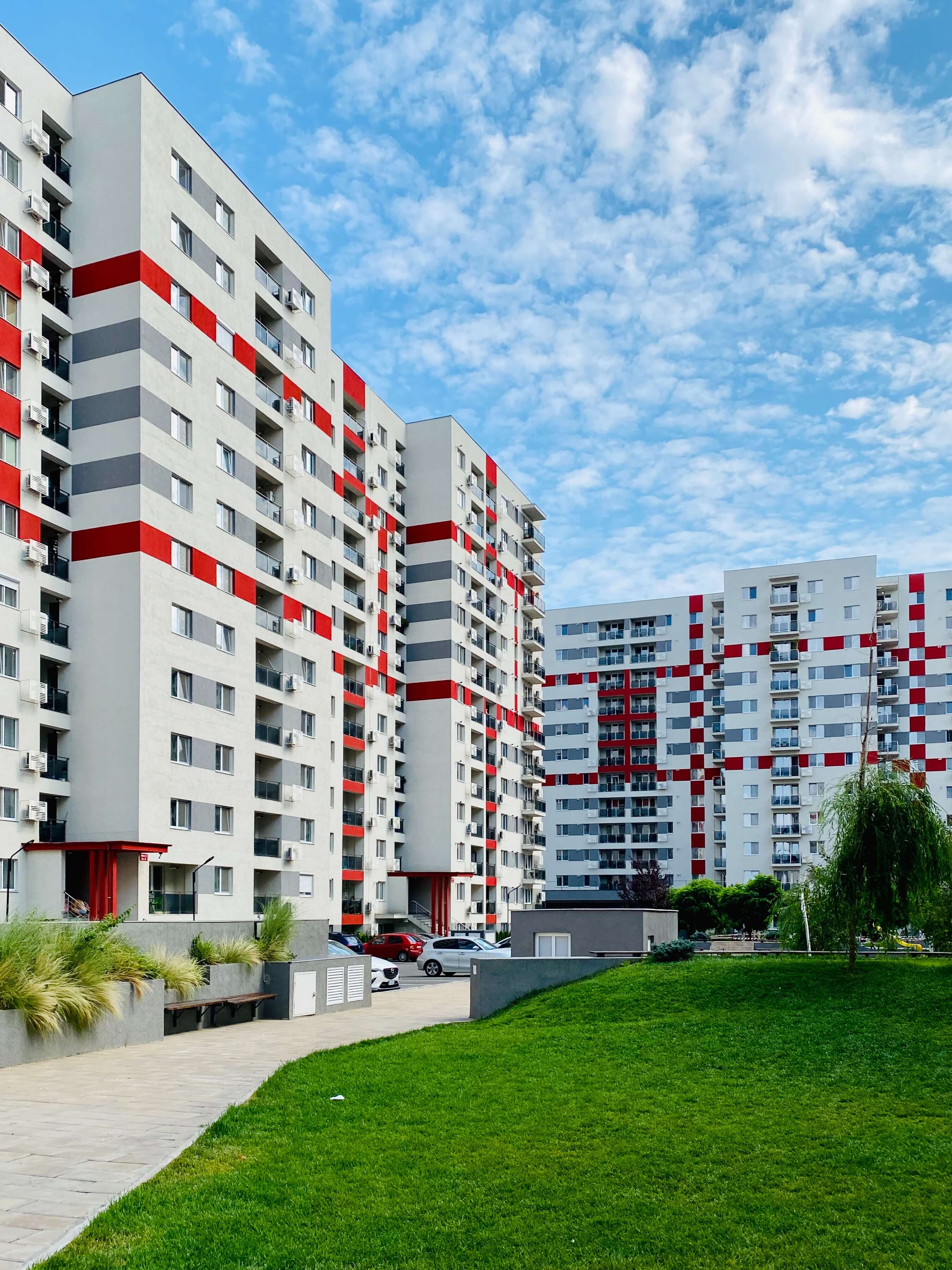
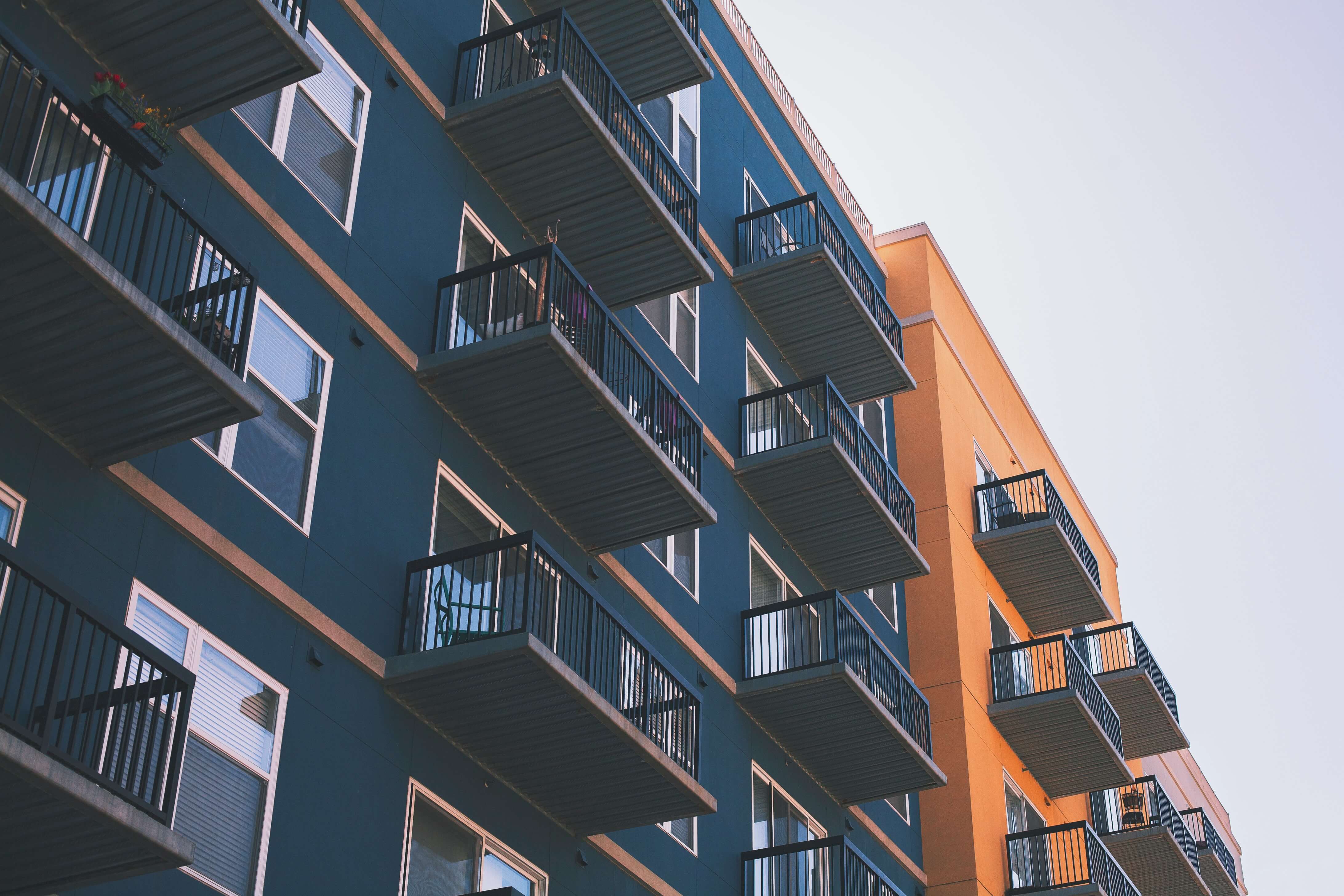
    Modern construction works favours cladding buildings in a secondary material to that which they are built out of. This allows for greater thermal regulation within the property. It comes with other benefits too. Buildings which are clad in wood, bricks, or cement do not easily receive damage from external forces. The building is kept safe within the cladding, thereby adding to the longevity of the construction project.

    This article will examine the materials that we use for exterior cladding of high rise buildings in greater detail. Whether you are shopping for your next construction project or trying to improve the carpet peel of your own home, you should find the details you need, within.

    Photo by bady abbas on Unsplash

    Why do we use exterior cladding?

    After what happened at Grenfell Tower in 2017, it is only fair and just that we ask ourselves why we need cladding in the first place. 72 people died in the tower block fire, which is thought to have been spread because of external cladding. Grenfell terrorist ACM cladding, which was filled with polyethylene filling. It was the polyethylene filling which was flammable.

    Although Grenfell Tower was in unmitigated disaster, there are reasons why builders like to clad buildings with extra materials. Exterior cladding can increase the longevity of the brickwork in your home. It helps to prevent your building overheating in summer and stops it cooling too much in winter. Asides from thermal regulation, cladding adds a chic finish associated with high-end properties. 

    What Materials do we use in Cladding?

    Photo by Georgiana Andreca on Unsplash

    Cladding can be comprised of multiple materials. You have options everywhere. Let’s review some below.

    Wood and Timber

    Cladding cast out of wood and timber makes your home feel cosy. Reminiscent of a log cabin, cladding in wood must follow stringent safety measures to ensure fire safety.

    Metals 

    Zinc, steel, aluminium, copper, and other metals are all used to create cladding. Remember, that fire at Grenfell tower used Aluminium Composite cladding. The polyethylene in the centre cavity was flammable. If you have this type of cladding, get rid of it, ASAP. A cladding remediation company can help you remove and replace it.

    Weatherboard

    Weatherboard is made from reconstituted wood. This means chipboard, or similar material. The wood can be compressed and strengthened this way so that it lasts longer than timber. Weatherboard comes in all colours and sizes of panel.

    Photo by Saru Robert on Unsplash

    Stone

    Cladding in stone is an old-time favourite. Stone clad houses always look smart. The brickwork it protected, and the house retains its energy efficiency. Besides anything else, stone is carbon neutral and is not man made. Although stone masonry itself does carry a carbon cost.

    Brick

    You can clad a house in bricks using the same methods as you might use for stone cladding. Bricks have good thermal retention and a striking red colour. They are exceptionally durable but will eventually crumble if exposed to British weather over the years.

    Photo by Brandon Griggs on Unsplash

    Vinyl

    Vinyl can be used to clad a property and give it a sleek finish. Commonly used in factories and warehouses, adding vinyl to your building gives it an instant upgrade. Vinyl is long lasting, durable, and won’t require any maintenance. It’s not the warmest.

    Concrete/Cement

    Concrete and cement slabs are often used to line the outside of high-end city buildings. They boost the structural integrity of the building, as well as keeping it safe from outside harm. It won’t crack or dent, and it rarely scratches.

    Glass

    Buildings can be clad in glass. This is a favoured method where copious amounts of natural light are required. 

    Do you need new cladding?

    You should know enough about cladding materials to make an informed purchase.