The average UK flat is 46 square metres — smaller than a tennis court — yet the decorating advice written for them almost always assumes you have a staircase, a mantlepiece, and a corner wide enough for a full-size tree. If you’re searching for christmas decorations for a small flat that actually work within real spatial constraints, most of what you’ll find was written by people who have never had to choose between a Christmas tree and a clear path to the bathroom. What follows is not that advice.
Quick Answer
The average UK flat is 46 square metres — smaller than a tennis court — yet the decorating advice written for them almost always assumes you have a staircase, a mantlepiece, and a corner wide enough for a full-size tree.
Why Most Small Flat Festive Setups Fall Flat (And What to Fix First)
In This Article
- Why Most Small Flat Festive Setups Fall Flat (And What to Fix First)
- 1. Decorate Vertically First — and Keep the Floor for Living
- 2. The Entryway Is Your Most Underworked Festive Surface — Here’s the Fix
- 3. Windows Do the Work That Trees Cannot
- 4. Lighting Is the Decoration — Everything Else Is Dressing
- 5. The Christmas Tree Question — Answered for Real Flat Conditions
- 6. Shelf Styling as a Complete Festive System
- 7. Textiles Do More Work Than Decorations — Use Them Accordingly
- 8. Scent as a Structural Element — Not an Afterthought
- 9. The Edit — Knowing When to Stop
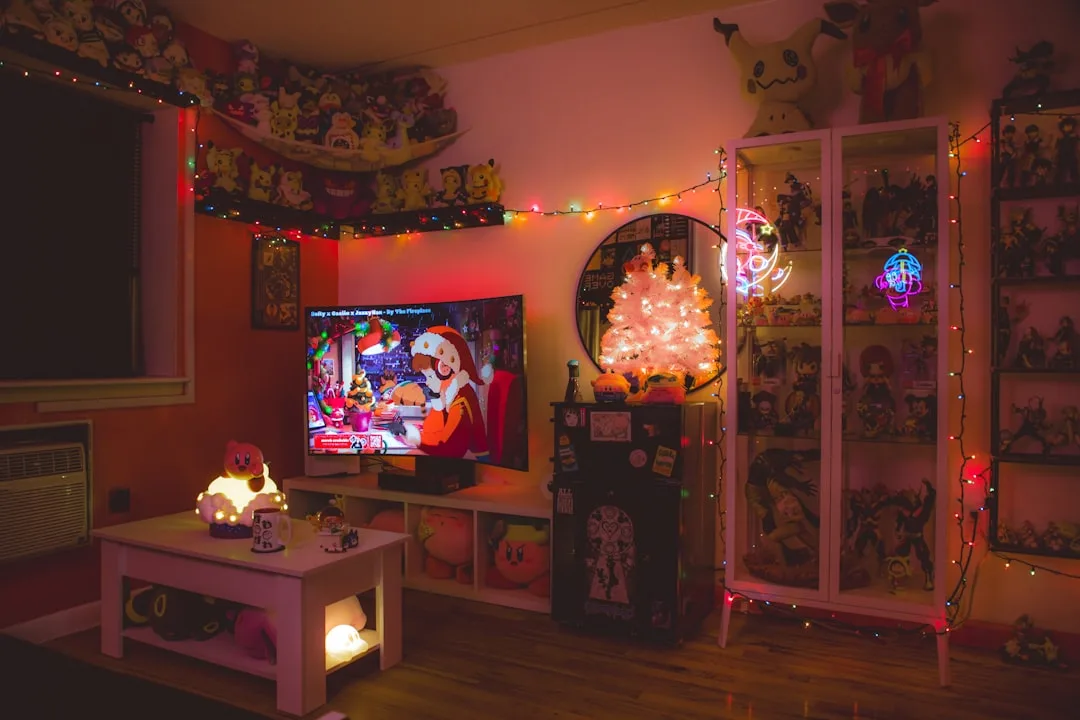
The scatter approach is the single most common mistake I saw in eleven years of working with people in compact flats — and it is brutal in its efficiency at making a home feel chaotic rather than festive. A candle here, a small reindeer figurine there, a wreath on the door, three ornaments on the windowsill. None of it speaks to the rest. The eye has nowhere to land, so it bounces, and the room reads as cluttered before you’ve even added anything significant.
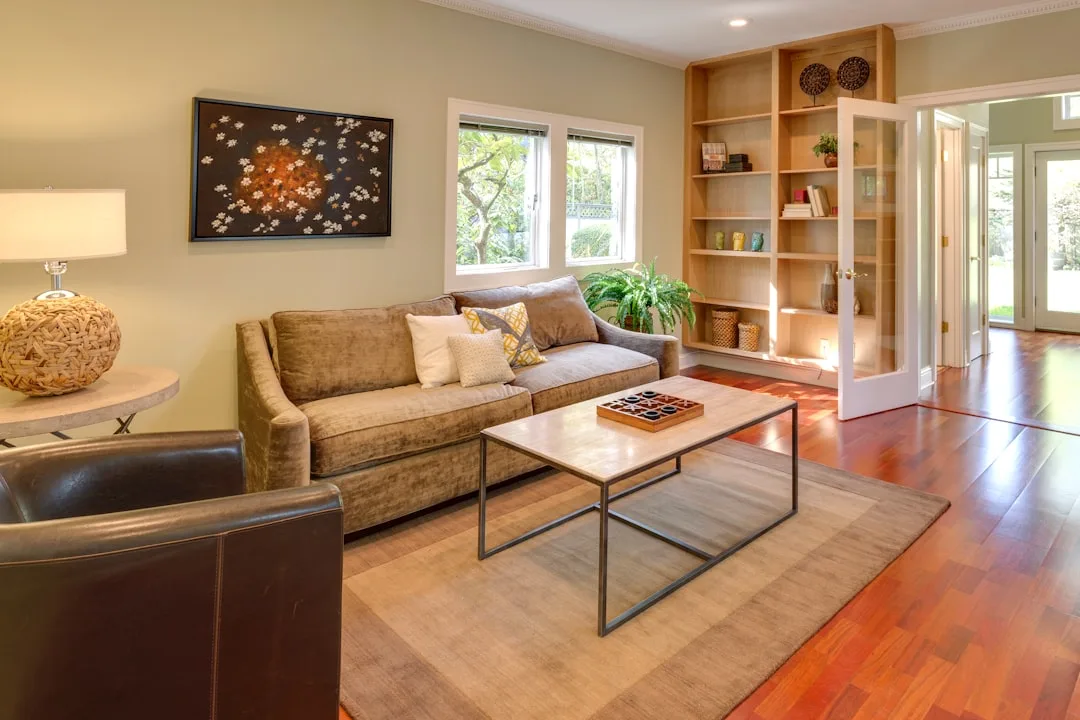
What actually works is decorating in zones. Pick two or three areas — your main seating wall, the window, the entryway — and make each one complete and intentional. Leave other surfaces untouched. This is the opposite of what most people do instinctively, because instinct says “spread the festive feeling everywhere.” Experience says otherwise. I once helped a client in a 38-square-metre Hackney flat clear every surface except her window ledge and one shelving unit, and the space felt more Christmassy than it had the previous year when she’d scattered decorations across every available inch.
Scale mismatch is the quieter villain. Tiny ornaments arranged in a large vignette disappear — they register as noise, not decoration. An oversized tree wedged into a narrow hallway commands so much physical and visual real estate that nothing else can exist alongside it. Neither reads as intentional.
The fix is a zone-and-scale audit before you buy or unpack a single thing:
- Identify two or three distinct zones in your flat that will anchor the festive scheme
- Assign a scale category to each zone: small (tabletop vignette), medium (wall or shelf arrangement), or large (single floor-level focal point)
- Commit to one palette across all zones so they read as a system, not as separate impulse decisions
With approximately 46 square metres being the national average for UK flats, strategic placement is not an aesthetic preference — it is a functional necessity. The floor space you protect is the floor space you live in. Getting the right christmas decorations for a small flat starts here, with this audit, before a single bauble comes out of storage.
Actionable takeaway: Before decorating, stand in the centre of your flat and photograph it from that position. That photograph will show you the scatter problem immediately.
1. Decorate Vertically First — and Keep the Floor for Living
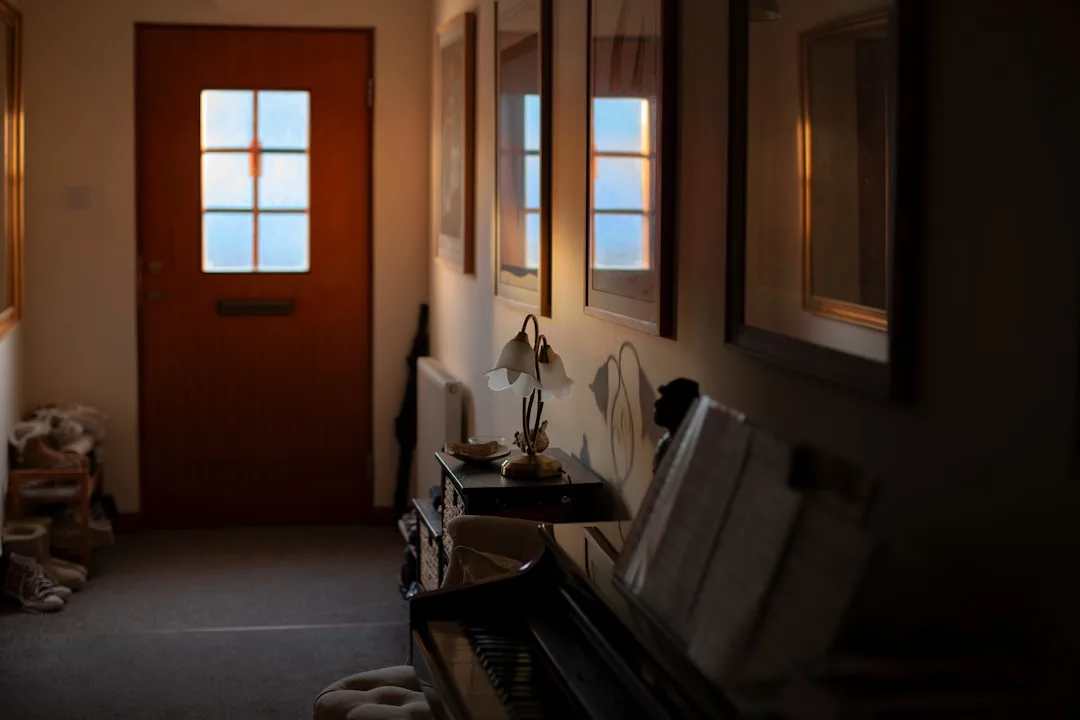
Most advice tells you to use vertical space. None of it tells you exactly what that means. Here is what it means: your first decoration decision should always be your ceiling or upper wall, because that is the zone that consumes zero floor area and zero surface area, and yet registers immediately from a seated position.
Ceiling-hung paper stars, dried orange garlands suspended on fishing line, or a branch installation hung horizontally above the sofa — these anchor a room from above and draw the eye upward, which simultaneously makes the ceiling feel higher and the floor feel less crowded. I have done the branch installation in four different flats and it never fails. You take a branch, strip the leaves, hang it from two adhesive ceiling hooks, and drape it with warm fairy lights and a few brass ornaments. Cost: almost nothing. Impact: disproportionate.
The specific height that matters most is 170cm. That is the approximate sightline from a seated position — anything above it will read across the room even when you’re on the sofa. Place your tallest focal point at or above that mark.
For flats where wall mounting is preferable to ceiling work, floating shelves dressed as festive vignettes do the same job at a lower elevation. A single shelf at 150–160cm, styled with three or four intentional objects — a lit candle, a sprig of eucalyptus, one brass ornament, a small framed card — reads as decoration rather than storage, which is the distinction that matters.
The one-floor-item rule. That’s it. One floor-level statement piece — a slim pencil tree, a wicker reindeer, a large lantern — and everything else goes up. Pencil trees occupy roughly 60–70% less floor footprint than a traditional full-width tree of equivalent height, which in a 20-square-metre living area is the difference between a room you can navigate and one you are negotiating.
Vertical decoration options that work in compact flats:
- Ceiling-hung installations: paper stars, dried citrus garlands, fabric bunting on fishing line
- Upper wall: garlands draped between two adhesive hooks at picture-rail height
- Window frames: tension rod with hanging ornaments or trailing ivy
- Door frames: adhesive-backed hooks for small wreaths or single sprigs
Actionable takeaway: Install your ceiling or upper-wall element first, before you touch a single surface. It will immediately change how much floor-level decoration you actually need.
2. The Entryway Is Your Most Underworked Festive Surface — Here’s the Fix
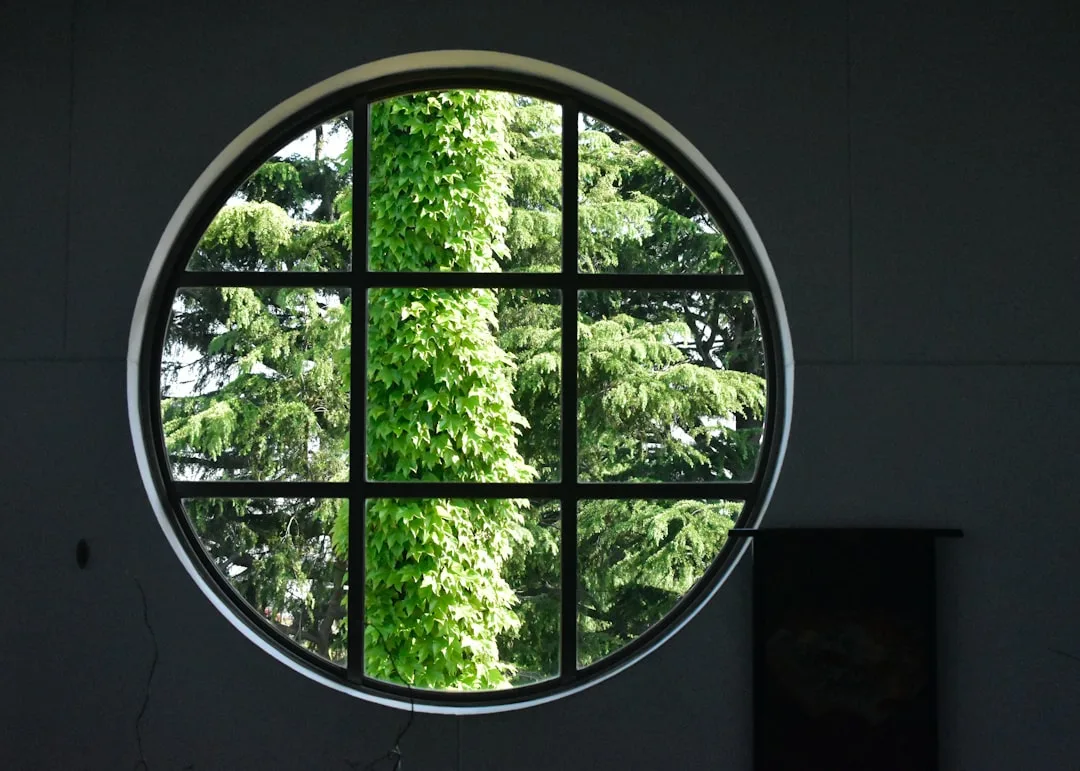
Hallways under 1.2 metres wide — which describes most in-flat entryways built before 1980 — cannot handle standard festive decorating logic. A wreath on the door is fine. But a wreath on the door plus a shoe cabinet covered in garland plus a mat plus a coat stand draped with lights is a corridor that feels like a fire hazard. The principle for tight entryways is vertical compression: everything tall and narrow, nothing extending outward into the walking line.
A tall, narrow wreath — 35–40cm diameter rather than the standard 50–60cm — sits against the door without projecting into the space. A single wall-mounted lantern at eye height, one fragrant element on the console or shoe cabinet, and nothing else. That’s the ceiling for this zone.
Scent is your most powerful tool here, and I’d argue it’s more important than any visual decoration you could add. Environmental psychology research on olfactory memory consistently shows that scent cues activate seasonal and emotional associations faster than visual stimuli — which means a clove-studded orange or a pine sprig at nose height does more immediate festive work than a string of fairy lights does. Your guests register ‘Christmas’ before they’ve looked at anything. In a narrow entryway where you have almost no visual real estate, this is not a small thing.
Practical entryway moves for small flats:
- Command strip adhesive hooks rather than nails — two hooks at picture-rail height, a length of thin rope between them, and three small hanging elements (dried orange slices, a sprig of holly, a single brass bell) give you a complete entryway vignette in under ten minutes with no damage to the walls
- A narrow console table, if you have one, should hold a maximum of three objects: one tall element (a taper candle in a holder), one textural element (a pine cone cluster or a small potted rosemary topiary trimmed to a cone shape), and one scent element
- Mirror placement matters more at Christmas than at any other time of year — a mirror behind your entryway vignette doubles the visual impact of the lights and the greenery without adding a single extra object to the space
3. Windows Do the Work That Trees Cannot
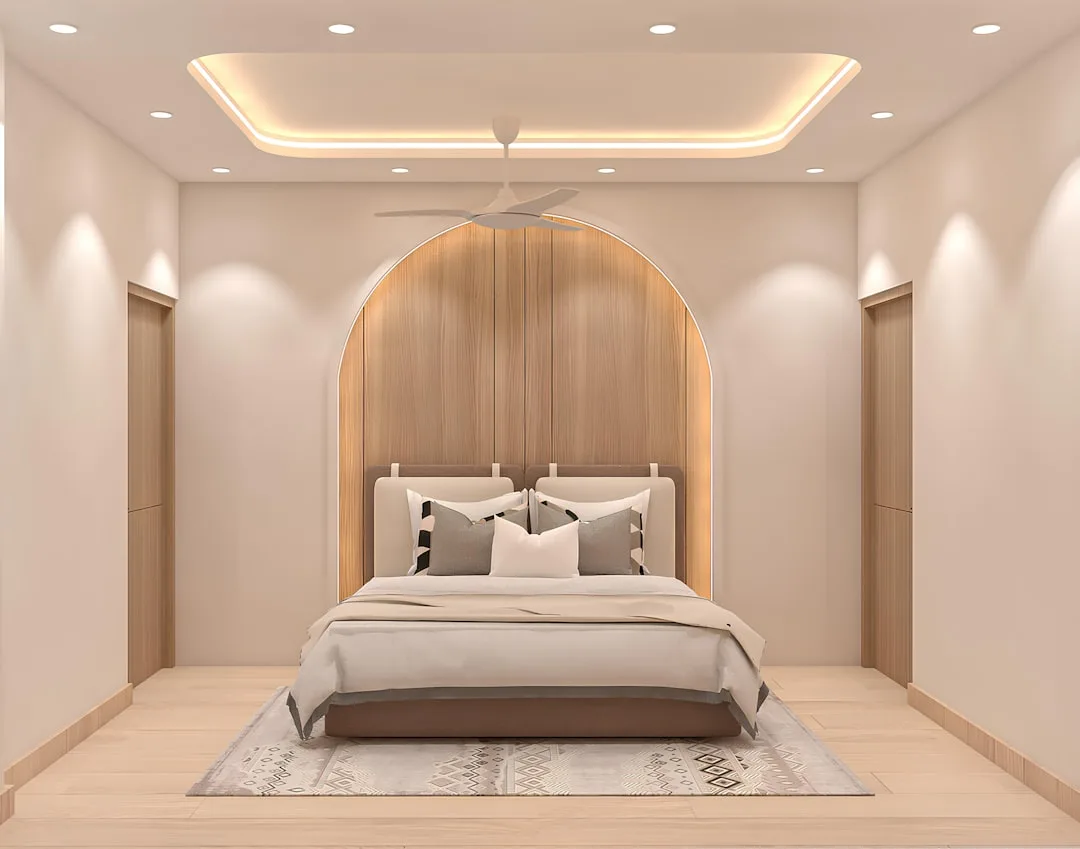
In a flat where floor space is genuinely limited, the window is your most valuable decorating surface — and most people either ignore it entirely or cover it so thoroughly that the natural light disappears. Neither extreme works.
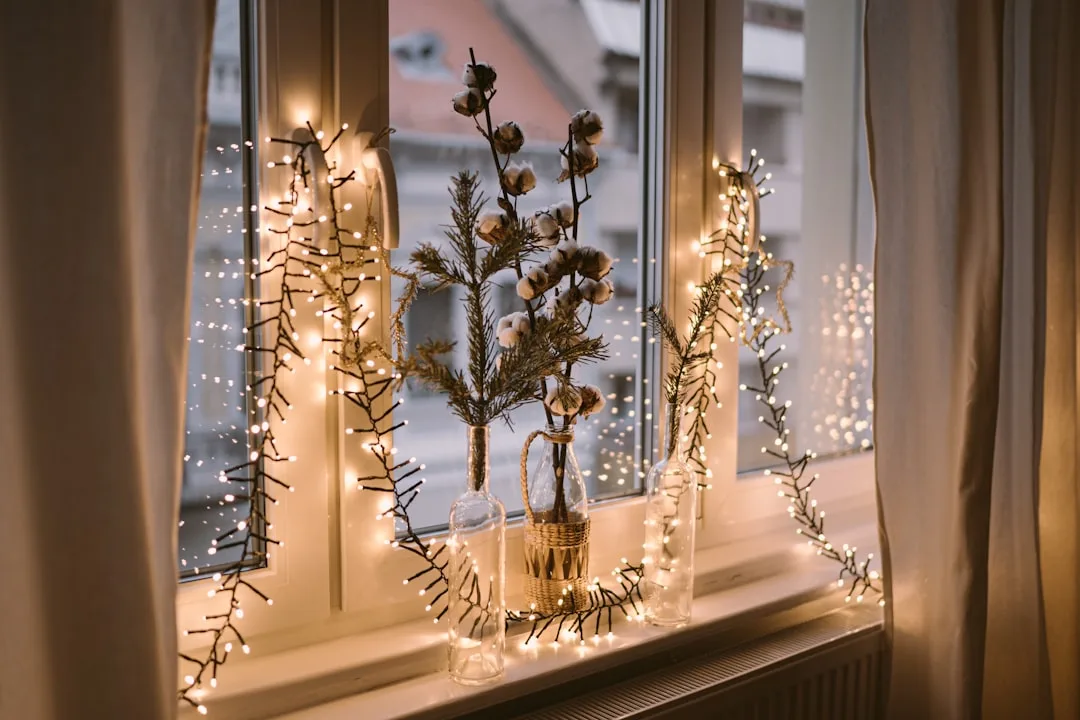
The approach that consistently performs best is layered window dressing: one structural element, one light element, one textural element, and nothing more. A tension rod installed inside the window recess (no drilling required) gives you a hanging point that doesn’t damage the frame. From it, you can hang a row of clear glass baubles on varying lengths of thin ribbon, a gathered length of simple voile with battery lights woven through it, or individual dried orange slices on twine.
What you are trying to achieve is the effect from outside as much as from inside. A well-dressed window in a ground-floor or first-floor flat is your contribution to the street — and it reads at a scale that nothing inside the flat can match. Neighbours and passers-by register it as a whole composition. This matters because it gives small flats a festive presence that extends beyond their actual square footage.
Specific window treatments worth considering:
- Battery-powered fairy light curtains: 100–200 micro-LED strands on a single header tape, hung from a tension rod, give the impression of a full window display without blocking daylight when unlit. At dusk they transform the window entirely
- Frosted window film cut into simple shapes (stars, snowflakes): applied with water, removable without residue, and effective even in daylight
- A single large wreath hung at the centre of the window using a tension rod and a length of satin ribbon: this is the simplest version, and often the best one. A 45cm wreath with a satin bow and a few battery lights woven in reads beautifully from the street and takes up no floor space whatsoever
Actionable takeaway: Photograph your window from outside the building before you finalise the arrangement. What reads as ‘full’ from inside often disappears entirely from the street — and vice versa.
4. Lighting Is the Decoration — Everything Else Is Dressing

This is the principle that changes everything, and it is the one most consistently missing from mainstream advice about christmas decorations for a small flat. The decorations you buy are not the thing creating the festive atmosphere. The light source is.
Warm white fairy lights at 2700K colour temperature do something specific to a room that cool white lights — and certainly overhead fluorescent lighting — simply do not. They lower the perceived ceiling, concentrate attention on the areas you’ve decorated, and trigger the same neurological response as candlelight: a narrowing of focus, a slowing down, a sense of enclosure that reads as comfort rather than confinement.
In a small flat, this matters acutely. Turn off your overhead lights entirely and replace them with a combination of fairy lights, candles, and one or two warm-bulb lamps. The room will read as twice as large and ten times as festive. I have demonstrated this in empty rooms — no decorations at all, just a lighting swap — and the effect is immediate and dramatic.
Practical lighting moves:
- 2700K warm white micro-LED string lights (battery or USB powered) placed behind objects rather than in front of them — behind the sofa cushions, behind a shelf arrangement, behind a vase — create depth and glow rather than a flat wash of light
- Taper candles in simple brass holders at varying heights: three candles in a cluster read as intentional; one candle reads as afterthought
- A single plug-in salt lamp or amber bulb table lamp left on low adds warmth to a corner that no amount of decoration can achieve on its own
- Remove warm-white fairy lights from the packaging and test them against your existing lighting before committing — the colour temperature difference between brands varies enough to matter
5. The Christmas Tree Question — Answered for Real Flat Conditions

Every small flat guide eventually arrives here, and most of them equivocate. Here is the direct answer: a full-width traditional tree is wrong for most flats under 50 square metres, not because of aesthetics but because of physics. A 150cm tree with a 70–80cm base diameter requires approximately 0.5 square metres of floor space — and that assumes you don’t need to walk around it, access the wall socket behind it, or open a door near it.
The alternatives that actually work:
Pencil trees (40–50cm diameter): Available in 120cm, 150cm, and 180cm heights. The footprint is genuinely minimal. Decorated with a single consistent type of ornament — all brass, all glass, all wooden — rather than a mixed collection, they read as intentional rather than compromised.
Wall-mounted flat trees: These are exactly what they sound like — a tree shape constructed from lights, garland, or individual branches fixed directly to the wall. They occupy zero floor space and can be made as large as your wall allows. A wall-mounted version using 200 micro-LED lights pinned in a tree shape takes about 40 minutes to install and 40 seconds to dismantle.
Tabletop trees (under 60cm): These work better than most people expect if you elevate them. A 45cm tree sitting on a 90cm console table reads at 135cm — roughly eye height from a seated position. Dress the console around it as a complete vignette rather than placing the tree in isolation.
The branch alternative: A single large branch (or three medium ones grouped together) in a heavy pot or vase, painted white or left natural, hung with 30–40 ornaments and a set of warm fairy lights, is a legitimate tree alternative that requires no floor space beyond the vase footprint. It can be as tall as your ceiling allows. It consistently looks more considered than a small compromised tree.
Actionable takeaway: Measure your proposed tree location before you buy. Mark the footprint on the floor with tape. Live with the taped outline for one day and note how many times it inconveniences you. That is your answer.
6. Shelf Styling as a Complete Festive System

If you have a bookshelf, a shelving unit, or a built-in alcove, you have the single best vehicle for christmas decorations in a small flat — and most people either ignore it or cover it so thoroughly in tinsel that it loses all structure. The approach that works is treating one shelf as a gallery wall: complete, intentional, and curated to a specific mood.
The one-shelf rule: choose a single shelf and make it exceptional. Everything else on the unit stays as normal. The contrast between the styled shelf and the everyday shelves above and below is itself part of the effect — it signals that the festive element is intentional rather than default.
A complete shelf vignette for a small flat:
- Back layer: battery-powered fairy lights laid flat along the back wall of the shelf, obscured by the objects in front — this creates glow without a visible light source
- Tall element: a single taper candle in a holder, or a stem of eucalyptus in a narrow vase, or a small framed piece of seasonal art
- Mid element: two or three varying-height objects in your palette — a small brass deer, a glass bauble resting in a shallow dish, a pinecone dusted with white paint
- Front layer: one low-profile element at the shelf edge — a sprig of holly, a small glass votive, a single folded linen square
The palette rule applies here with particular force. If your shelf vignette uses brass, white, and green, those three colours should appear in every zone of your flat. When they do, the separate zones read as a system and the flat feels designed rather than assembled.
7. Textiles Do More Work Than Decorations — Use Them Accordingly
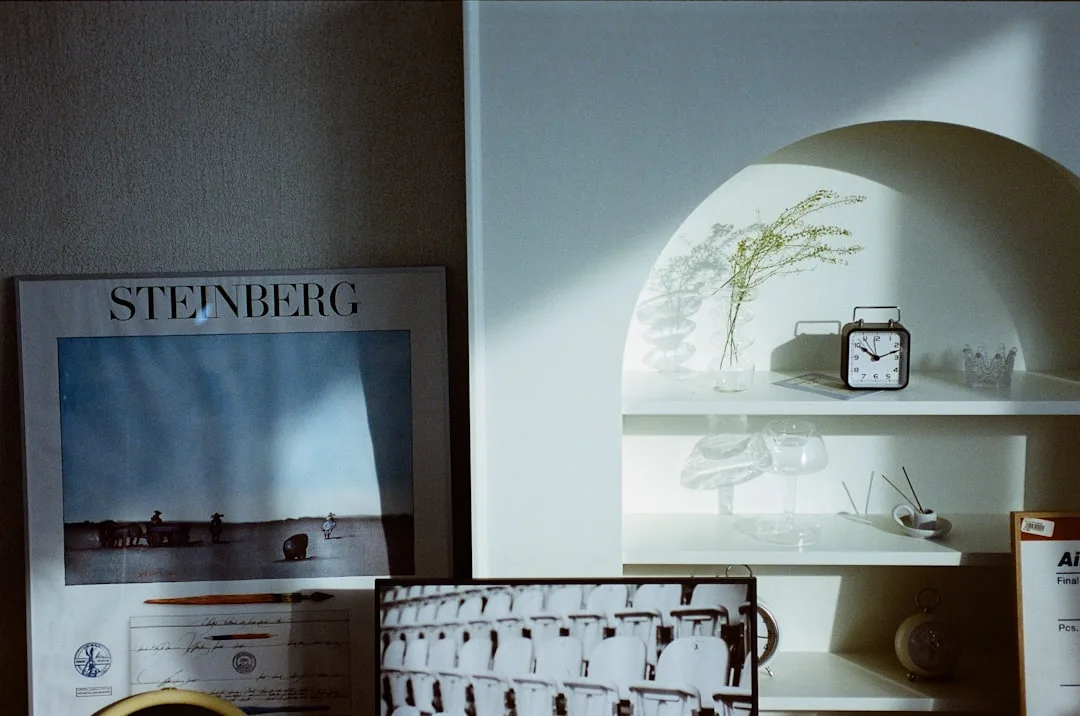
Swapping your regular cushions and throw for seasonal equivalents is the highest-impact, lowest-effort move in the entire festive decorating toolkit — and it requires zero additional storage because it is a straight swap, not an addition. Yet it appears in almost none of the advice about christmas decorations for a small flat, possibly because it seems too simple.
It is not too simple. It is correct.
A deep green velvet cushion in a 50x50cm cover, a wool throw in cream or rust, and a textured blanket in a herringbone or plaid pattern transform a sofa in a way that no amount of baubles and fairy lights can replicate. They make the room feel seasonally adjusted at a fundamental level, not superficially decorated. And when January arrives, they go back into the storage box, the regular cushions return, and not a single hook or adhesive strip needs to be addressed.
Textile moves worth making:
- Deep jewel tones — forest green, burgundy, navy, burnt orange — read as seasonal without being explicitly Christmas-coded, which extends their useful life well into January
- A faux-fur or bouclé throw on the sofa arm adds texture that fairy lights pick up and scatter: the light becomes part of the textile
- Table linen matters more than a table centrepiece: a pressed linen tablecloth in white or deep green, with simple napkins in a contrasting colour, does more for a Christmas table than a three-tiered centrepiece that leaves no room for actual food
8. Scent as a Structural Element — Not an Afterthought
This section expands on the entryway point from earlier, because scent deserves its own treatment. In a small flat, where the living room, kitchen, and dining area are often the same room, scent layering is both more powerful and more dangerous than in larger spaces. The wrong scent combination in 25 square metres is overwhelming. The right one is transformative.
The principle is one dominant scent per zone, with a connecting note across zones. If your entryway uses a clove-and-orange scent (from a pomander or a diffuser), your living area might use pine and cedar (from a real wreath, fresh branches, or a pine-based candle), and your kitchen might use cinnamon and vanilla (from actual cooking, or a single simmering pot of water with a cinnamon stick and clove). The connecting note is the spice — clove appears in all three zones at different intensities, so the flat smells like a complete world rather than three separate things.
Scent sources ranked by performance in small flats:
- Real greenery: cut pine, eucalyptus, rosemary — the most authentic scent and it improves with warmth
- Simmering stovetop pot: water, cinnamon sticks, cloves, orange peel, star anise — costs almost nothing and fills a flat within minutes
- Beeswax or soy candles with single-note scents: pine, fir, clove, frankincense — avoid complex blended candles in small spaces; single notes layer better
- Reed diffusers: consistent but low-impact; better for background maintenance than impact
- Synthetic air fresheners and plug-ins: avoid entirely — they conflict with real scent sources and read as artificial against genuine festive smells
9. The Edit — Knowing When to Stop

The ninth and final move is the one that determines whether everything else works: the edit. Decorating a small flat is not about how much you can add. It is about knowing when the room is complete and having the discipline to stop there — and, often, to remove one thing after you think you’re done.
The test I use: stand in the position where you’ll spend most of your time in this room (usually the sofa). Look at the space for thirty seconds without moving. If your eye lands naturally on two or three points and then rests, the room is done. If your eye keeps moving, searching for somewhere to settle, there is too much happening. Remove the most recently added element and test again.
Specific items that are almost always the right things to remove:
- Any decoration placed on the floor that is not your single designated floor-level focal point
- Garlands that extend beyond the surface they’re decorating onto a surface that has its own decoration
- More than three ornament types on a single tree or arrangement (brass baubles plus glass baubles plus wooden ornaments plus tinsel plus a novelty star is five things where two would have been stronger)
- Any decoration that requires explaining — if you have to tell someone what it is or why it’s there, it isn’t working
The final room should feel like it has always looked this way. That is the mark of decorating that has worked rather than decorating that is present. When christmas decorations for a small flat are done correctly, the flat doesn’t look decorated — it looks like it came alive.
Actionable takeaway: After you finish decorating, remove one thing. Not the thing you least like — the thing you most recently added. Nine times out of ten, the room will be better for it.
Frequently Asked Questions
What is the best type of Christmas tree for a small flat?
A pencil tree between 120cm and 150cm tall is the most practical choice for most small flats. It delivers the height and visual impact of a full tree with 60–70% less floor footprint. If even that feels too much, a tabletop tree elevated on a console or side table — or a wall-mounted light installation in a tree shape — achieves the same effect without occupying any floor area at all.
How do I make my small flat feel Christmassy without cluttering it?
Concentrate decorations into two or three deliberate zones rather than spreading them across every surface. Use lighting as your primary tool — warm white fairy lights at 2700K, candles, and dimmed lamps do more for festive atmosphere than any individual decoration. Add scent through real greenery or a simmering stovetop pot. Swap your everyday cushions and throw for seasonal equivalents. These four moves together will transform the feel of a flat without adding any visual clutter.
Can I use a real tree in a small flat?
Yes, but size it correctly. A real tree in a small flat should be no wider than 50–60cm at its broadest point — which generally means a tree no taller than 120–130cm in a standard farm-grown variety. Alternatively, a single statement branch (or three grouped branches) in a large pot gives you the scent and the presence of a real tree with a much smaller footprint.
How do I hang decorations in a rented flat without damaging the walls?
Command strips and adhesive ceiling hooks are rated for 1–3kg each depending on the product, which is sufficient for most garlands, wreaths, and light installations. For heavier items, tension rods installed inside window or door recesses require no fixings at all. Both solutions are fully removable without leaving marks on plaster or paintwork.
How do I choose a colour palette for christmas decorations in a small flat?
Pick three colours maximum: one dominant (usually a deep tone — forest green, navy, burgundy), one secondary (a neutral — cream, white, natural wood), and one accent (a metallic — brass, copper, or silver). Use all three in every decorated zone. This is the move that makes a small flat read as designed rather than assembled — the eye registers the palette as a system and the space feels coherent rather than busy.
What is the best type of Christmas tree for a small flat?
A pencil tree between 120cm and 150cm tall is the most practical choice for most small flats. It delivers the height and visual impact of a full tree with 60–70% less floor footprint. If even that feels too much, a tabletop tree elevated on a console or side table — or a wall-mounted light installation in a tree shape — achieves the same effect without occupying any floor area at all.
How do I make my small flat feel Christmassy without cluttering it?
Concentrate decorations into two or three deliberate zones rather than spreading them across every surface. Use lighting as your primary tool — warm white fairy lights at 2700K, candles, and dimmed lamps do more for festive atmosphere than any individual decoration. Add scent through real greenery or a simmering stovetop pot. Swap your everyday cushions and throw for seasonal equivalents. These four moves together will transform the feel of a flat without adding any visual clutter.
Can I use a real tree in a small flat?
Yes, but size it correctly. A real tree in a small flat should be no wider than 50–60cm at its broadest point — which generally means a tree no taller than 120–130cm in a standard farm-grown variety. Alternatively, a single statement branch (or three grouped branches) in a large pot gives you the scent and the presence of a real tree with a much smaller footprint.
How do I hang decorations in a rented flat without damaging the walls?
Command strips and adhesive ceiling hooks are rated for 1–3kg each depending on the product, which is sufficient for most garlands, wreaths, and light installations. For heavier items, tension rods installed inside window or door recesses require no fixings at all. Both solutions are fully removable without leaving marks on plaster or paintwork.
How do I choose a colour palette for christmas decorations in a small flat?
Pick three colours maximum: one dominant (usually a deep tone — forest green, navy, burgundy), one secondary (a neutral — cream, white, natural wood), and one accent (a metallic — brass, copper, or silver). Use all three in every decorated zone. This is the move that makes a small flat read as designed rather than assembled — the eye registers the palette as a system and the space feels coherent rather than busy.