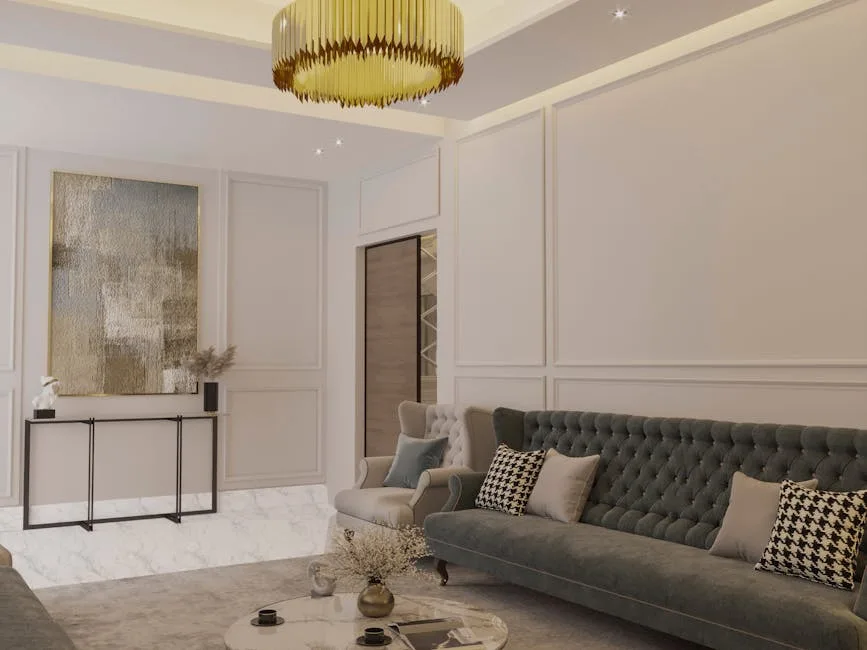
Most living rooms have one unused design opportunity hiding in plain sight — the empty stretch of wall directly behind the sofa — and the fix costs less than a new throw pillow collection.
Quick Answer
Most living rooms have one unused design opportunity hiding in plain sight — the empty stretch of wall directly behind the sofa — and the fix costs less than a new throw pillow collection.
I spent eleven years walking into living rooms where the sofa floated in the middle of a space like a piece of furniture that hadn’t decided where it lived yet. The wall behind it bare. The surface above the sofa back either empty or holding a single sad piece of art hung four inches too high. It’s the most consistently ignored zone in residential interiors, and the reason isn’t laziness. Most people genuinely don’t know what belongs there, or whether anything belongs there at all.
A console table behind the sofa is the answer more often than it isn’t. Done correctly, it anchors the seating arrangement, creates a genuine functional surface where side tables can’t reach, and defines the living zone in open-plan spaces without building a wall. Done wrong — wrong size, wrong height, wrong gap — it makes everything worse. This article gives you the specific numbers and the reasoning behind them, so you don’t have to guess.
Should You Put a Console Table Behind Your Sofa?
In This Article
- Should You Put a Console Table Behind Your Sofa?
- The 2/3 Rule for Sofas — What It Actually Means
- What Height Should a Console Table Be Behind a Sofa?
- How Tall Should a Lamp Be on a Console Table Behind a Sofa?
- The Gap Between Sofa and Console Table — How Much Space Do You Actually Need?
- Styling the Surface Without Copying Every Other Interior Design Blog
- Console Table Styles Matched to Sofa Types — A Pairing Reference
- When a Console Table Behind the Sofa Is the Wrong Move
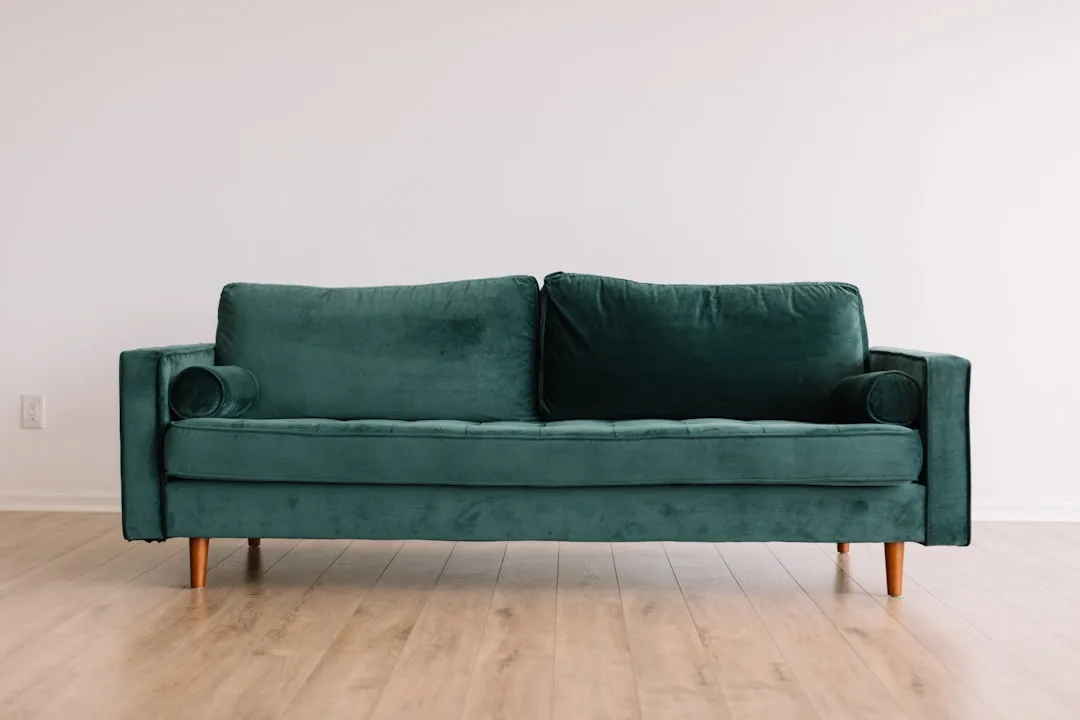
Before buying anything, answer one question honestly: does your sofa sit against a wall, or does it float in the room?
If the back of your sofa is already pressed against baseboard, a console table behind it will jut into the room awkwardly, consume walking space you don’t have, and provide no visual benefit whatsoever. The whole point of a sofa table — the older, more accurate name for this piece — is to fill the relationship between the sofa’s back and the space behind it. No relationship, no need for the table.
A console table behind a sofa earns its place in three specific scenarios: open-plan layouts where the sofa divides a living zone from a dining or kitchen zone; larger rooms where the sofa floats more than five feet from the nearest wall; and spaces where side tables alone can’t provide enough surface area for lamps, drinks, and the inevitable accumulation of remotes. I kept seeing this problem in great room layouts specifically — the sofa sat in the middle, nothing behind it, and the whole arrangement looked temporary, like someone had just moved in and hadn’t finished.
Function matters here more than aesthetics. A console table adds a working surface that gets used every day: a charging station, a lamp that lights the room from a different angle than your overhead fixtures, a place to set a glass that isn’t an armrest. Narrow rooms under twelve feet wide almost never benefit, because the table’s depth — usually twelve to sixteen inches — takes space the room can’t afford to give.
The pattern I kept seeing was designers recommending this piece universally without acknowledging that it solves a floating-furniture problem, not a decorating problem. If your sofa doesn’t float, you don’t have that problem to solve.
Interior designers working with open-plan spaces consistently rank console tables among the top five multifunctional furniture pieces for that layout type — and that ranking makes sense when you understand why. The table doesn’t just fill visual space. It creates a room within a room.
Takeaway: Measure the distance from your sofa back to the nearest wall. Anything over eighteen inches is a candidate for a console table. Under that, look elsewhere.
The 2/3 Rule for Sofas — What It Actually Means
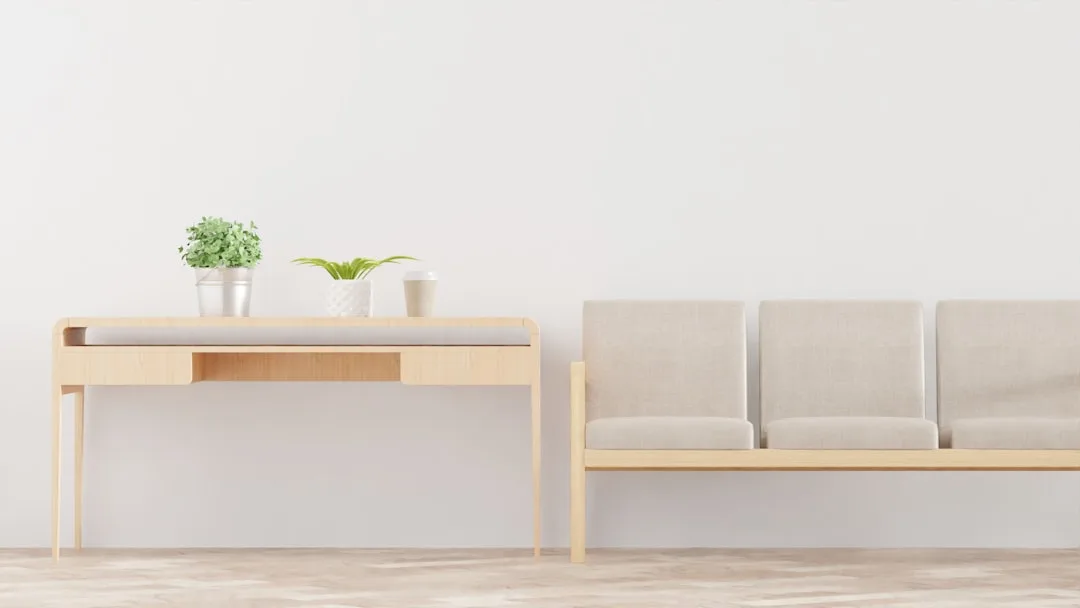
Here’s where most people apply this rule wrong, and I include myself in the early years of my career. The 2/3 rule gets discussed almost exclusively in the context of area rugs — how the rug should span roughly two-thirds of the sofa’s width. But the proportional logic applies identically to console tables, and ignoring that is how you end up with a 48-inch table behind a 96-inch sofa that looks like a nightstand in a hotel room.
The rule, applied correctly: your console table should be roughly 50 to 75 percent of your sofa’s total length. Not an exact match, and not a precise 66.6 percent — a range. A sofa measuring 90 inches pairs best with a console somewhere between 54 and 68 inches wide. That range gives you enough visual weight to register as intentional furniture while avoiding the heavy, built-in look of a matched length.
Standard sofas range from 72 to 96 inches wide. Run the math and a properly proportioned console table typically falls between 48 and 72 inches — which happens to coincide almost exactly with the most commonly stocked console table sizes on the market. This isn’t coincidence. Furniture manufacturers sized their consoles this way because designers kept requesting them.
Apply the same thinking vertically. The table’s height relative to the sofa back follows the same proportional instinct: you want proximity, not dominance. A table that towers above the sofa back reads as a separate piece of furniture that wandered into the wrong room. One that sits significantly lower than the sofa back disappears — visually, it registers as clutter on the floor rather than a purposeful surface.
Common mistakes people make with this rule:
- Measuring the sofa seat (not the full length including arms) — always measure arm-to-arm
- Buying a table that matches the sofa length exactly because it “looks complete” — it reads as heavy and planned-looking in the wrong way
- Forgetting that sectionals require either a longer table (60 inches minimum) or two smaller tables placed end-to-end to maintain proportion
- Applying the rule only to width and ignoring height entirely
The $800 sectional mistake I mentioned — that client’s sofa was 110 inches across. We spent three weeks finding a console table proportioned correctly for it because most manufacturers don’t stock anything over 72 inches as a standard console. We ended up using a credenza. It worked beautifully and cost less than a purpose-built console would have.
Takeaway: Measure your sofa arm-to-arm before you shop. Multiply by 0.5 and 0.75 — that’s your target width range. Write those numbers down and bring them with you.
What Height Should a Console Table Be Behind a Sofa?
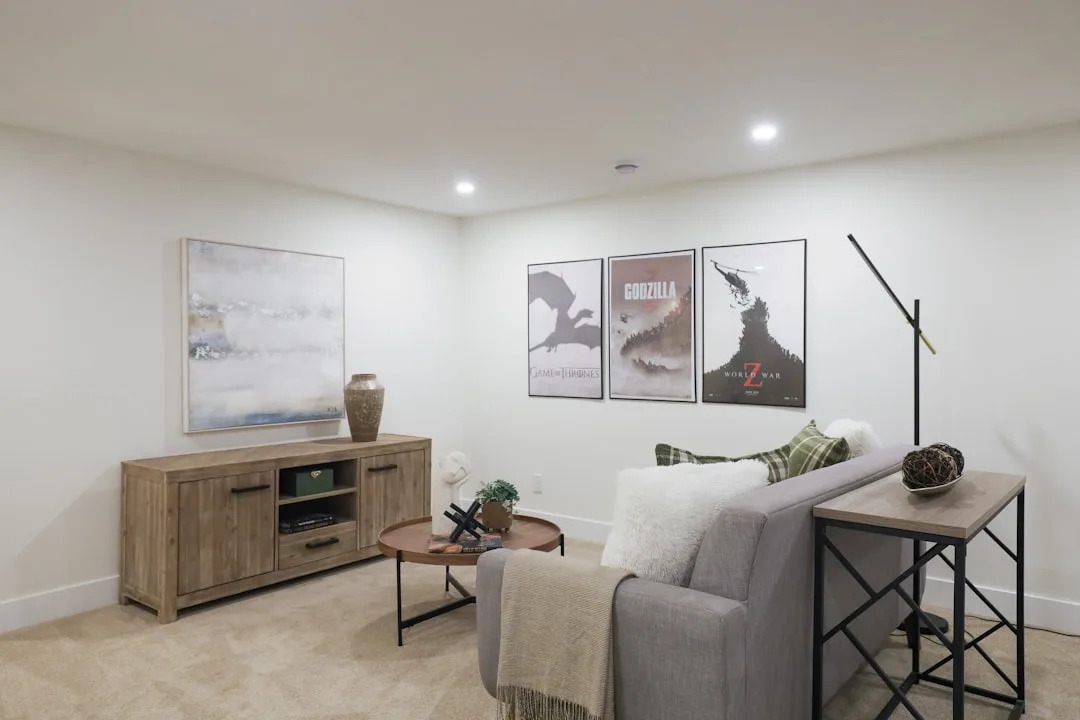
This is the question competitors either answer vaguely (“choose a table that matches your sofa height”) or contradict themselves on within the same article. Let me give you the hierarchy clearly.
The target height is 28 to 32 inches. That range aligns with or sits slightly below the sofa back on the overwhelming majority of standard sofas, whose backs typically fall between 28 and 36 inches from the floor. Most mass-market console tables are manufactured at a standard 30 inches — and that 30-inch mark works because it approximates the back height of standard-depth sofas with a typical seat-to-top measurement of around 36 inches.
Measure your sofa back before purchasing. Not the seat height — the distance from the floor to the top of the back cushion. Then:
- Table height equals sofa back height: clean, intentional, surfaces appear continuous
- Table 1 to 3 inches below sofa back: still reads as designed, slightly more casual, works in transitional and relaxed styles
- Table more than 4 inches below sofa back: starts to disappear, particularly in rooms with visual noise elsewhere
- Table above sofa back height: blocks sight lines in open-plan rooms, creates visual dominance that fights with the sofa
That last one is a real problem in open-concept spaces. I had a client in Lincoln Park — she’d ordered a 36-inch console because she liked the look of the surface being “at table height.” The sofa back sat at 32 inches. Standing in the kitchen, all you saw was the back of the console. The sofa disappeared. We exchanged the table.
For low-profile or modern sofas with backs under 28 inches, a 26-inch table can work — but only if you style it with vertical elements that compensate. A tall lamp or a vase with height will carry the eye upward and prevent the arrangement from reading as low-slung furniture surrounded by dead space.
Takeaway: Measure your sofa back height. Then shop for tables within three inches of that measurement, in either direction. Don’t buy anything taller than the sofa back.
How Tall Should a Lamp Be on a Console Table Behind a Sofa?
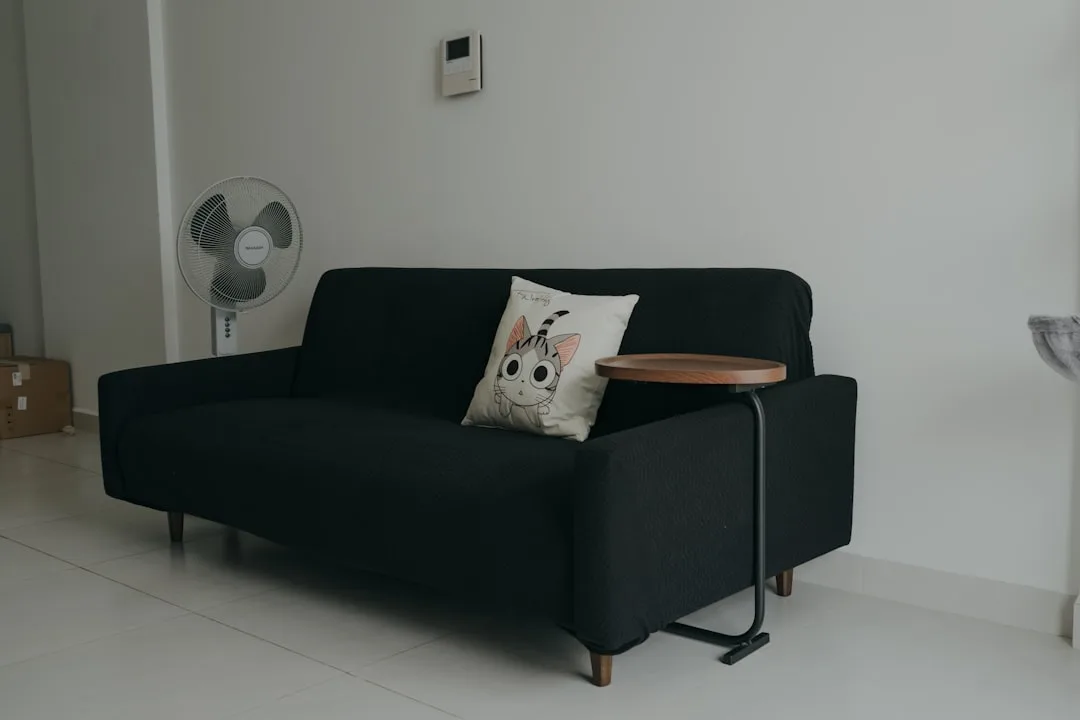
Vague advice — “use tall lamps” — is not useful. I’ve watched people buy 40-inch lamps for 30-inch tables because someone told them to “go tall,” then live with a bare bulb glaring directly at eye level from every seat in the room. Specific numbers exist for a reason.
The shade bottom should sit between 58 and 64 inches from the floor. This is the range where ambient light diffuses correctly for seated occupants, and more importantly, it’s the range where the bare bulb becomes invisible from a seated position. Interior lighting guidelines establish this 58-to-64-inch window specifically to prevent glare and deliver light at the correct downward angle for living room use.
The math is simple. A 30-inch console table plus a lamp that measures 28 to 32 inches from base to final (the top of the shade or finial) puts your shade bottom right in that window, assuming a standard lampshade proportion. Confirm by measuring the bottom of the shade, not the top.
Where to position lamps on the table surface:
- Symmetrical pairs: one lamp at each end of the console, same height, same shade width — works cleanly in traditional and transitional rooms, creates strong visual anchoring
- Single oversized lamp: one lamp positioned off-center, balanced by a sculptural object on the opposite end — reads as more deliberate and less catalog-styled in eclectic or modern rooms
- No lamps: wall-mounted plug-in sconces positioned above the console eliminate the lamp-height calculation entirely, free up the entire table surface, and often look more finished than table lamps in rooms with lower ceilings
That last option is underused. Plug-in sconces have improved dramatically — the cord management hardware is nearly invisible now, and hardwired sconces above a console table give a built-in quality that furniture alone rarely achieves. I started recommending this to clients around 2018 and the response was almost always immediate: why didn’t anyone suggest this before?
Takeaway: Measure 58 to 64 inches from the floor and mark the wall lightly with tape. That’s where your lampshade bottom needs to land. Work backward to figure out what table-to-lamp-height combination achieves it.
The Gap Between Sofa and Console Table — How Much Space Do You Actually Need?
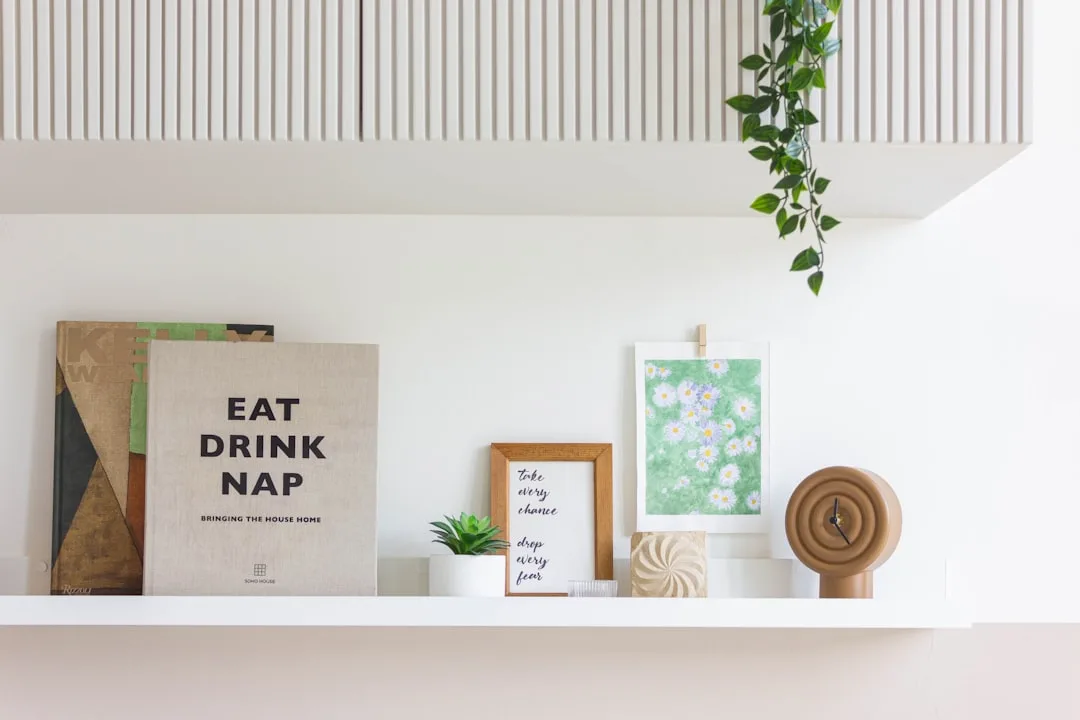
Nobody talks about this. I have read dozens of articles about console tables behind sofas and almost none of them address the one measurement that determines whether the arrangement is livable or just photogenic.
Leave 1 to 6 inches of clearance between the back cushions of the sofa and the table surface. That gap serves several functions simultaneously: it prevents the sofa cushions from compressing against the table edge when someone sits down heavily; it creates a narrow channel where cords can run discreetly from lamp to outlet; and it keeps the table from visually merging with the sofa into a single cluttered mass.
Gaps over 8 inches are where the arrangement starts to fall apart. The table begins to look like it belongs to a different furniture grouping. The visual connection between sofa and console — which is the whole point — evaporates.
Practical considerations by household type:
- Households with young children: aim for 4 to 6 inches of clearance rather than 1 to 3 inches. Items on the table are less likely to be displaced when a child throws themselves backward into the sofa.
- Households with large dogs: same logic. A 70-pound dog landing on the sofa creates a different kind of impact than a seated adult shifting position.
- Sleeper sofa owners: this is critical — a console table directly behind a sleeper sofa will block full extension of the mattress. Measure the full extension length before placing any furniture behind it.
Plan cord management before you style the surface. That gap between sofa and table is where a cable raceway or a simple cord clip strip mounted to the table’s back edge does its work invisibly. Trying to solve cord management after the table is styled is how you end up with a power strip lying on the floor next to a lamp that looks like an afterthought.
The NAHB recommends at least 36 inches of walkway clearance on all sides of furniture groupings — meaning the area in front of the sofa, and around the ends of the console table, needs to remain clear regardless of how tight the sofa-to-table gap is.
Takeaway: Slide your sofa to the position you want it, then hold a ruler behind the cushion line. Aim for 2 to 4 inches as a default. Adjust for kids, pets, or a sleeper mechanism before committing.
Styling the Surface Without Copying Every Other Interior Design Blog
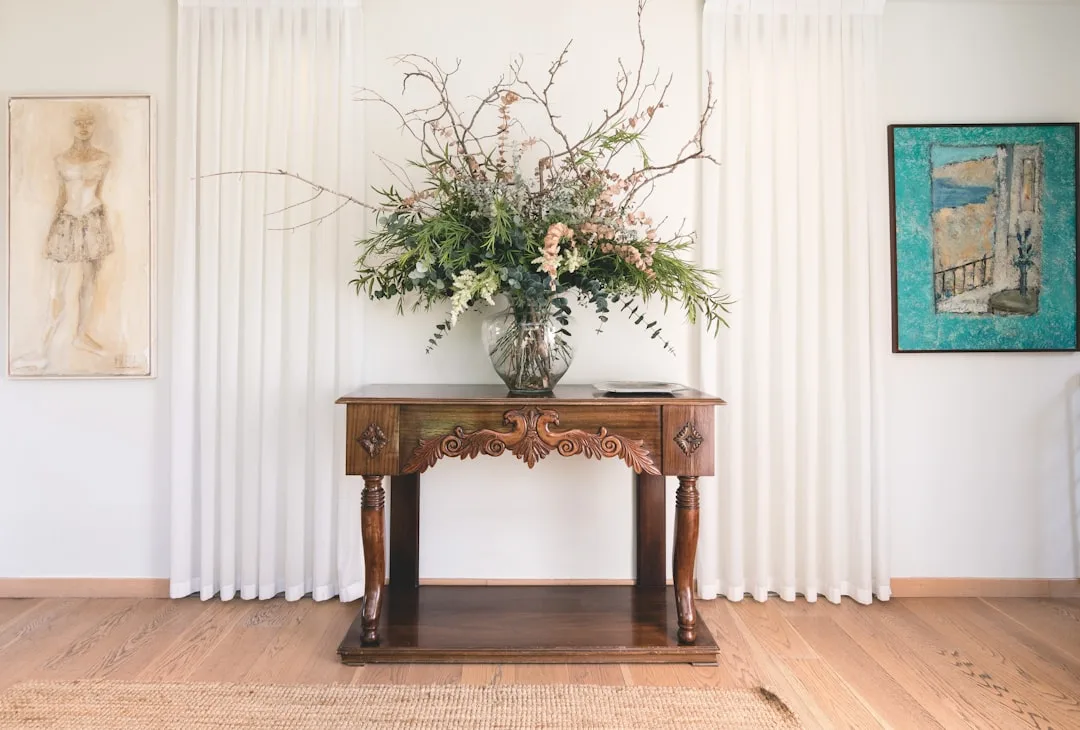
Two lamps, a stack of books, a small plant, and a candle. If you have read any home decorating content in the past five years, that is the console table styling formula you have been handed, over and over, with slightly different photography. It works. It also photographs well and then sits there looking like a display in a furniture showroom while you actually live in the room.
The arrangement that holds up over time — the one that survives a Tuesday night when someone sets down a glass and a phone charger and a book they’re actually reading — is built around function first, object selection second.
Break the symmetry deliberately. One tall lamp paired with one low sculptural object on the opposite end creates asymmetrical tension that reads as curated rather than purchased together. The difference between a styled surface and a matched set is that a styled surface looks like a person made decisions. A matched set looks like a person pointed at a display and said “I’ll take that.”
Use the table as a real functional zone. A lidded box — lacquered, linen-covered, whatever fits your style — concealing a small charging station looks intentional and gets used every single day. This is the kind of object that earns its place rather than just filling it.
Lean art rather than hang it. A large-format piece leaned against the wall behind the table, resting on the surface, avoids wall commitment, can be swapped seasonally without patching holes, and adds depth to the arrangement in a way that hung art rarely does at this scale.
For object composition, vary heights using groupings of three — one tall element like a lamp or an oversized vase, one mid-height element like a hardcover book stack or a small sculpture, one low element like a tray or a candle cluster. Not because “rule of three” is a design law, but because that height variation creates the kind of visual interest that keeps an arrangement from reading as flat.
One practical note that almost never appears in styling guides: don’t place anything fragile or annoying-to-move at the sofa end of the table. Whatever sits within arm’s reach of a seated person will be picked up, moved, or knocked over constantly. That end of the table is for things that can be disturbed without consequence.
Takeaway: Style the table, then sit on the sofa. If something blocks your sight line, irritates you, or gets moved every day, that object doesn’t belong there.
Console Table Styles Matched to Sofa Types — A Pairing Reference
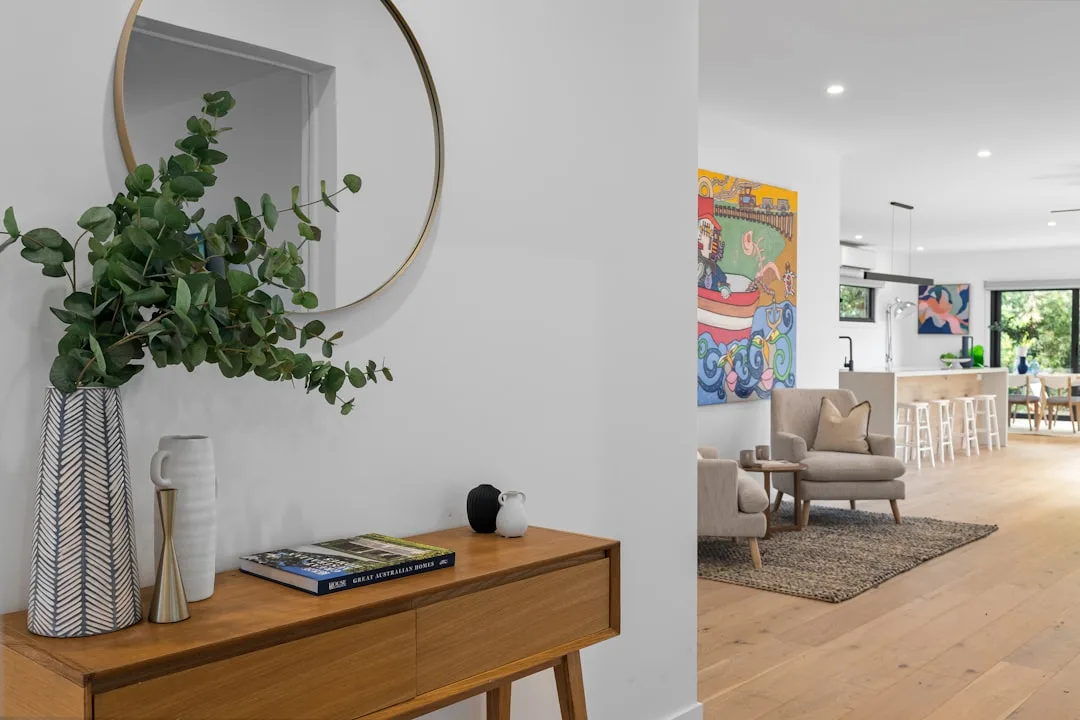
Shopping for a console table without knowing what sofa it’s paired with is how you end up with a piece that looks borrowed from a different room. Style collision is real — it’s not snobbery, it’s the visual friction that happens when two objects speak different design languages at the same volume.
Streamlined modern sofas — low arms, clean lines, often in performance fabric or leather — want a console that speaks the same language. Minimalist metal frames, lacquered surfaces, or simple wood slabs with thin legs. Ornate carved wood behind a modern low-profile sofa creates a clash that neither piece wins.
Traditional sofas with rolled arms suit console tables in natural wood tones, turned legs, or pieces with antique brass or oil-rubbed bronze hardware. The details should echo, not match — you’re looking for visual family resemblance, not twins.
Sectional sofas change the math entirely. A standard 60-inch console behind a 110-inch L-shaped sectional reads as a footnote. Go longer — at least 60 inches, ideally 72 or more — or use two smaller tables placed end-to-end. The visual weight of a sectional demands a surface that can hold its own.
Velvet and textured fabric sofas benefit from hard, contrasting surface materials — glass, marble, lacquered wood — because the textural opposition creates interest. A plush velvet sofa backed by a warm matte wood console feels like one continuous soft thing. Add contrast.
Leather sofas, particularly in darker tones, pull warm. Pair them with natural wood tones — oak, walnut, rattan details — to soften the industrial edge that leather brings to a room. A metal and glass console behind dark leather reads cold.
Curved or kidney-shaped sofas — the silhouette that’s been climbing in popularity for several years now — are where the standard rules genuinely break down. A rectangular console behind a curved sofa creates a shape conflict at the floor plane. A demilune console, with its half-moon shape, echoes the curve and creates visual continuity instead of fighting it. Demilune tables have seen a 34% increase in search interest over the past 24 months, and that number tracks with what I’ve been watching happen in furniture showrooms — the curved furniture movement created real demand for pieces that could actually accompany it.
Takeaway: Identify your sofa’s dominant design quality — its lines, its material, its scale — then look for a console that shares at least two of those qualities without duplicating them.
When a Console Table Behind the Sofa Is the Wrong Move

Trust requires honesty, so here it is: this piece of furniture solves a specific problem, and if you don’t have that problem, it creates new ones.
Skip the console table entirely if your room is under twelve feet wide. The sofa’s depth, plus the console’s depth (typically twelve to sixteen inches), plus the 36-inch walkway clearance the room needs on the other side — the math runs out fast in narrow rooms. You end up with a space that feels like a corridor with furniture in it.
Rooms where the sofa backs against a wall have no use for a table behind them. The table will protrude into the room awkwardly, consume square footage with no zoning function, and create a strange dead zone between the wall and the sofa back that collects dust and dropped items.
Households with toddlers need to think carefully. Console tables at sofa back height sit in the exact danger zone for furniture tip-overs — tall enough to be grabbed by a standing child, narrow enough to be unstable under lateral force. The Consumer Product Safety Commission tracks furniture tip-overs as responsible for approximately 22,500 emergency room visits annually in the U.S. A console table that isn’t anchored to the wall is a candidate for that statistic in the right household. If you have young children and you want this piece, anchor it. If you can’t anchor it, wait.
Sleeper sofa owners: measure before purchasing anything. The clearance a sleeper mechanism requires to fully extend — typically 40 to 60 inches behind the sofa back, depending on the model — is completely incompatible with a console table positioned directly behind it.
When a sofa faces a television wall at close range — under ten feet of viewing distance — adding a console table behind the sofa pushes the seating arrangement forward. What was already a tight viewing distance becomes shorter. This is a room where the problem isn’t a missing console table. The problem is room size, and furniture won’t fix that.
Takeaway: Walk the room. If adding a 14-inch-deep table behind the sofa leaves under 36 inches of clearance anywhere in the circulation path, the table doesn’t fit. That’s the room telling you something.
Frequently Asked Questions
Should I put a console table behind my couch?
Only if your sofa floats away from the wall — meaning the back of the sofa faces open room rather than sitting against a wall surface. A console table behind a sofa solves a floating-furniture problem: it anchors the seating arrangement visually, adds a functional surface, and defines the living zone in open-plan spaces. If your sofa already backs against a wall, a console table behind it serves no purpose and will just jut into the room awkwardly. Rooms under twelve feet wide generally don’t have the space to accommodate one without compromising circulation.
What is the 2/3 rule for sofas?
The 2/3 rule is a proportional guideline stating that furniture accessories — including console tables, area rugs, and artwork — should span roughly 50 to 75 percent of the sofa’s total length rather than matching it exactly. For a 90-inch sofa, that means a console table between 54 and 68 inches wide. The rule prevents the heavy, matched look of equal lengths while avoiding the awkward appearance of a table that’s obviously undersized for the sofa it accompanies. Most people apply this rule only to rugs — applying it to the console table too is what makes the proportions of the full arrangement feel resolved.
What height should a console table be behind a sofa?
The target range is 28 to 32 inches, which aligns with or sits slightly below the back height of most standard sofas. Before purchasing, measure the distance from your floor to the top of your sofa’s back cushion — sofa back heights range from 28 to 36 inches depending on the style. A console taller than the sofa back will visually dominate and block sight lines in open rooms. One shorter than the sofa back by more than three or four inches will disappear visually. Most mass-market consoles are manufactured at 30 inches, which works well for the majority of standard sofas.
How tall should a lamp be on a console table behind a sofa?
Measure for the shade bottom, not the lamp top. The shade bottom should land between 58 and 64 inches from the floor — the range at which the bulb is invisible from a seated position and ambient light distributes correctly across the room. On a standard 30-inch console table, a lamp measuring 28 to 32 inches from base to finial typically achieves this. If you can’t get a lamp to hit that window given your table height, plug-in wall sconces mounted above the console are a cleaner solution that eliminates the calculation entirely and frees up the full table surface for other objects.
Here’s what you can do right now, before this tab closes: grab a tape measure and write down three numbers — your sofa’s arm-to-arm length, the height of its back cushion from the floor, and the distance from the sofa back to the nearest wall behind it. Those three measurements tell you whether a console table belongs in this room, what size to look for, and whether the room has the clearance to support one without making circulation worse. You don’t need to buy anything yet. You need those numbers. Everything else follows from them.