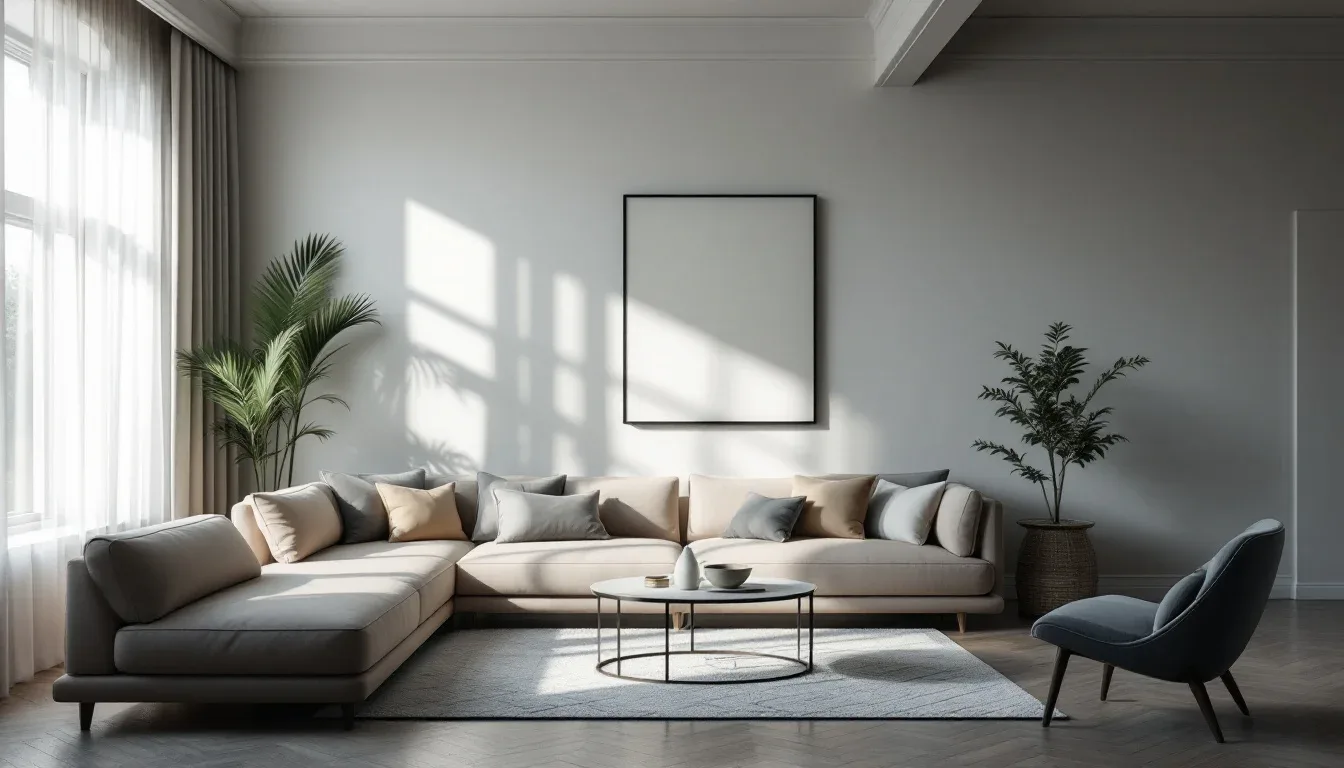
Most people spend more time choosing a Netflix show than deciding where their sofa should face — and then wonder why the room never quite feels right no matter how much they spend on it. The problem isn’t taste. It isn’t budget. It’s sequence. Real dream room design starts from the inside out, beginning with how you live and working outward toward what you see — not the reverse. Every time I’ve watched someone skip that process, they end up with a room that photographs beautifully and exhausts them in person.
Quick Answer
Most people spend more time choosing a Netflix show than deciding where their sofa should face — and then wonder why the room never quite feels right no matter how much they spend on it.
Why Most Rooms Never Feel Finished (And It Has Nothing to Do With Budget)
In This Article
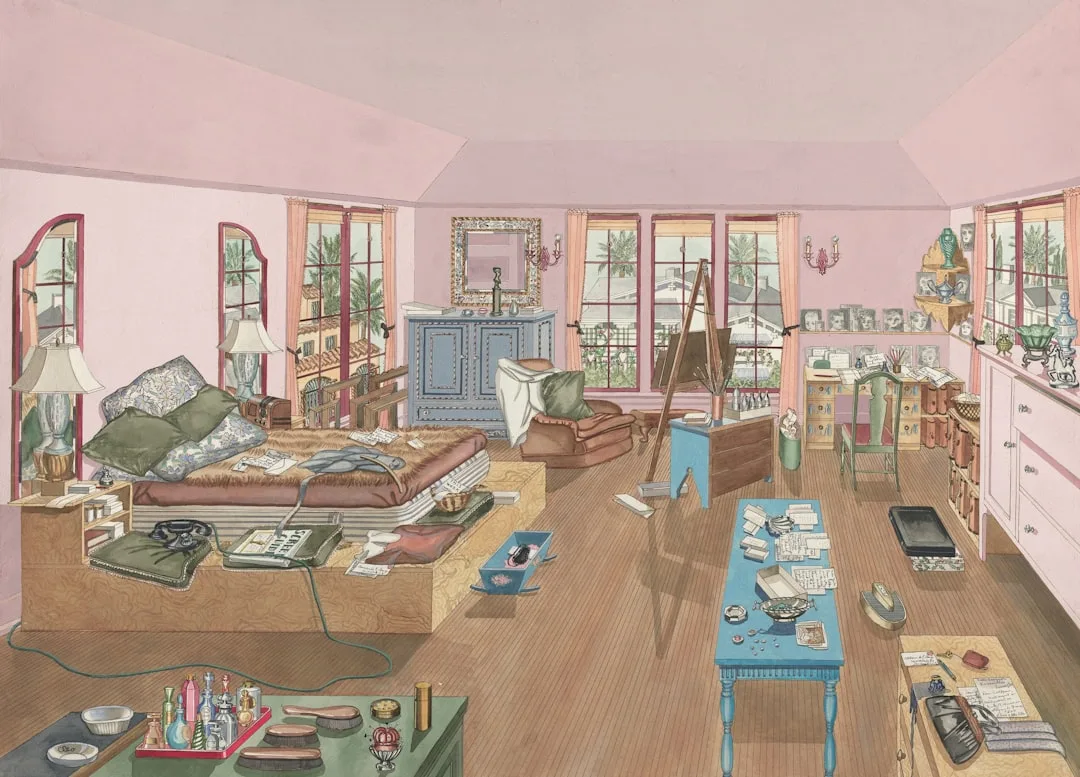
Scroll through any design account long enough and you’ll absorb a mental model of what a “finished room” looks like — layered textiles, a curated shelf, the right lamp. What you won’t absorb is the invisible logic underneath it. That’s the part nobody posts.
Design drift is what happens when a room accumulates pieces without a governing idea. You buy the lamp because you saw it on sale. The throw pillow because it matched — sort of. The side table because the old one broke. None of these decisions were wrong in isolation, and yet the room feels permanently unsettled. I’ve walked into apartments where the owners had spent $15,000 and the space felt worse than it would have with $3,000 and a coherent plan.
The mood board problem is this: a mood board collects things that are individually beautiful without testing whether they work together at 1:1 scale, in your specific light, with your specific ceiling height. It optimizes for aesthetics in isolation. Real rooms don’t exist in isolation.
Professional designers start with behavior, not aesthetics — they ask how the room gets used on a Tuesday at 7pm, not how they want it to feel during a dinner party in December. That question changes everything downstream.
- A styled room looks good in photos because photography flattens the experience of space
- A functional room feels good because every element reinforces how you actually move and live
- The gap between those two things is where most decorating money disappears
- A room built around occasional use will fail you on the 300 ordinary days a year it’s not performing for anyone
The real goal of dream room design isn’t a beautiful room. It’s a room that feels right to be inside.
Actionable takeaway: Before you look at a single piece of furniture or swatch of fabric, write one sentence describing what you need the room to do — not how you want it to look. Pin that sentence somewhere visible and filter every future decision through it.
Map How You Actually Use the Room Before Touching Anything
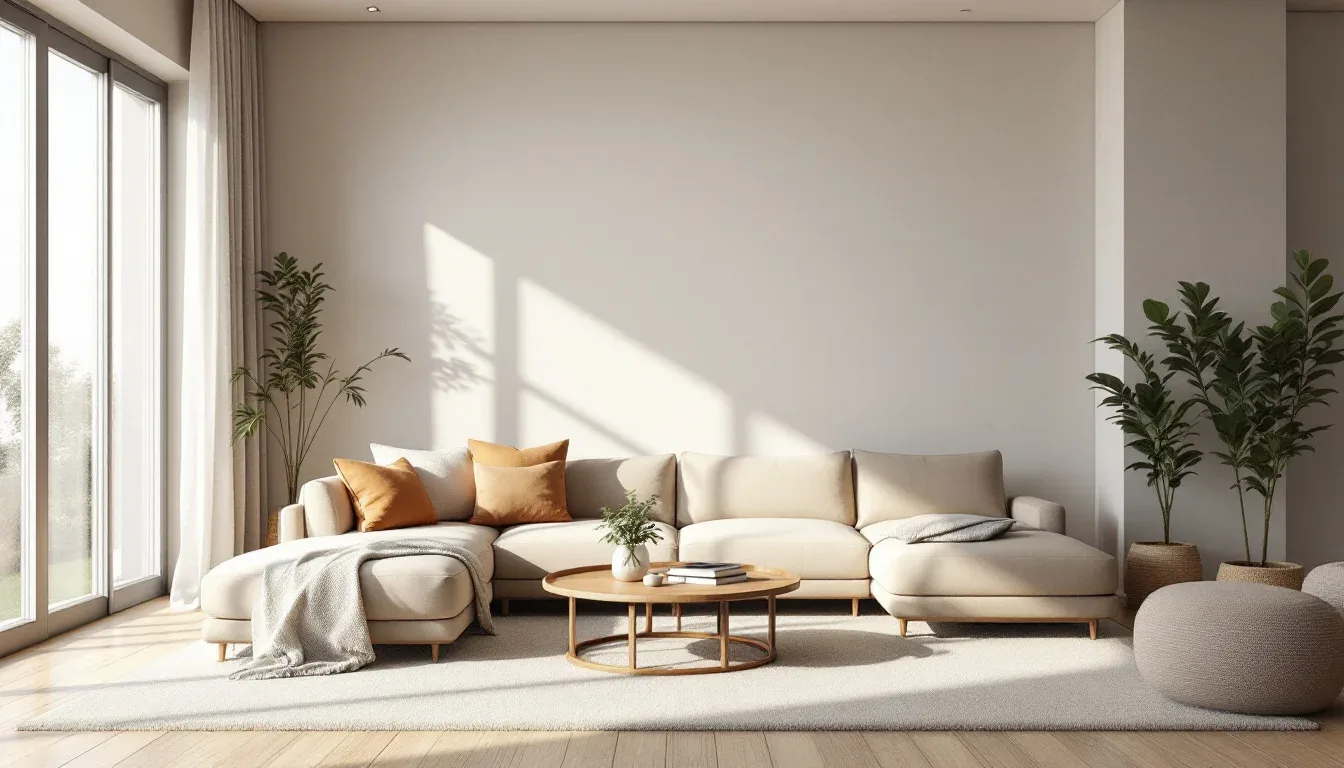
Here is something I learned early and relearned repeatedly: people are almost always wrong about how they use a room. A client will tell me they never eat in the living room, and then I’ll visit and find a TV tray wedged between the sofa and the coffee table that clearly gets used every night. We describe how we aspire to use spaces, not how we actually use them.
The three-day observation method is simple and nearly nobody does it. Before you move a single piece of furniture, spend three days noticing — and writing down — where you actually sit, where you stand while you’re on the phone, where things pile up, and where you feel a small friction every single time. That last one is the most important. The door that swings into the chair. The outlet that’s eighteen inches from where you always want to plug something in. The corner that collects bags and coats because there’s nowhere better for them. These friction points are telling you exactly where the room’s logic has broken down.
Document your findings in a simple one-page room brief. It doesn’t need to be formal. A piece of paper with three columns — primary activities (things you do in the room every day), secondary activities (things you do several times a week), and occasional activities (things that happen once a month or less) — is enough to make better decisions than most people make with professional consultations.
The reason this matters downstream: most rooms are designed around occasional activities. The living room gets arranged for hosting guests — furniture pushed to the walls, coffee table centered — when the room is actually used for one person watching television and another person reading. The arrangement that serves Tuesday night is different from the one that serves a dinner party, and Tuesday night happens fifty times more often.
According to the National Kitchen and Bath Association, traffic flow and functional layout account for over 70% of long-term satisfaction with a redesigned space. I’d extend that finding beyond kitchens and baths to every room in a home. The number aligns with what I watched happen in practice — the clients who were still happy with their rooms three years later were almost always the ones who had thought seriously about movement and use before choosing anything.
- Identify where natural light falls at different times of day — morning light and evening light create entirely different atmospheres, and furniture placement should account for both
- Note which walls get interrupted by doors, windows, or vents — these affect where large furniture can realistically go
- Record the room’s primary traffic paths — the routes you walk without thinking
- Mark any fixed elements you can’t change: radiators, built-ins, load-bearing walls
- Note where sound originates and travels — a television on the wrong wall creates neck strain that no amount of cushions will fix
- Identify the room’s coldest and warmest spots, because seating placed in a cold draft will simply stop being used, regardless of how beautiful it is
Actionable takeaway: Set a phone reminder for three consecutive evenings. When it goes off, spend five minutes writing down exactly what happened in the room that day. By day three, you’ll have more useful design data than any mood board could give you.
Choose a Spatial Hierarchy Before You Choose a Color Palette
Color gets chosen first because it’s the most emotionally immediate decision. It’s also one of the last decisions that should be made. I say this as someone who made the opposite mistake on a project in Wicker Park — picked a paint color first, built the room around it, and watched the whole thing fight itself for six months before a complete re-edit fixed it.
Every room needs one dominant element, one supporting element, and accent layers. This is sometimes called the 60/30/10 rule and it’s usually explained only in color terms — 60% dominant color, 30% secondary, 10% accent. But the same proportion logic applies to visual weight. One element owns the room. One element frames or supports it. Everything else recedes.
Identify your room’s natural focal point before you decide what to put anywhere. In most living rooms, it’s a fireplace or a window with a view. In rooms without either, you have to create it — a large-scale piece of art, a statement piece of furniture, or an architectural intervention like a gallery wall or painted accent surface. Once the focal point is established, every other decision becomes easier because you have a reference to orient around.
The mistake most people make at this stage is treating every wall and surface as equally important. When everything competes for attention, nothing wins — the eye moves around the room without landing anywhere, which creates a low-grade visual exhaustion that’s hard to name but easy to feel. A room that photographs well almost always has a clear visual hierarchy. A room that feels good in person always does.
Here’s a practical sequence for establishing spatial hierarchy before color enters the picture:
- Identify or create one focal point — the element the room is organized around
- Determine the room’s primary furniture grouping and make sure it faces or anchors to that focal point
- Establish the largest surface areas (walls, floor) as your neutral backdrop — these should recede
- Introduce your supporting element in the secondary furniture or a large textile like a rug
- Add accent layers last: cushions, art, objects, lighting details
Only after completing those five steps should you open a paint fan deck. At that point, you’re not choosing a color in the abstract — you’re choosing a color that serves a room you already understand.
Layer Lighting Like a Separate Design System
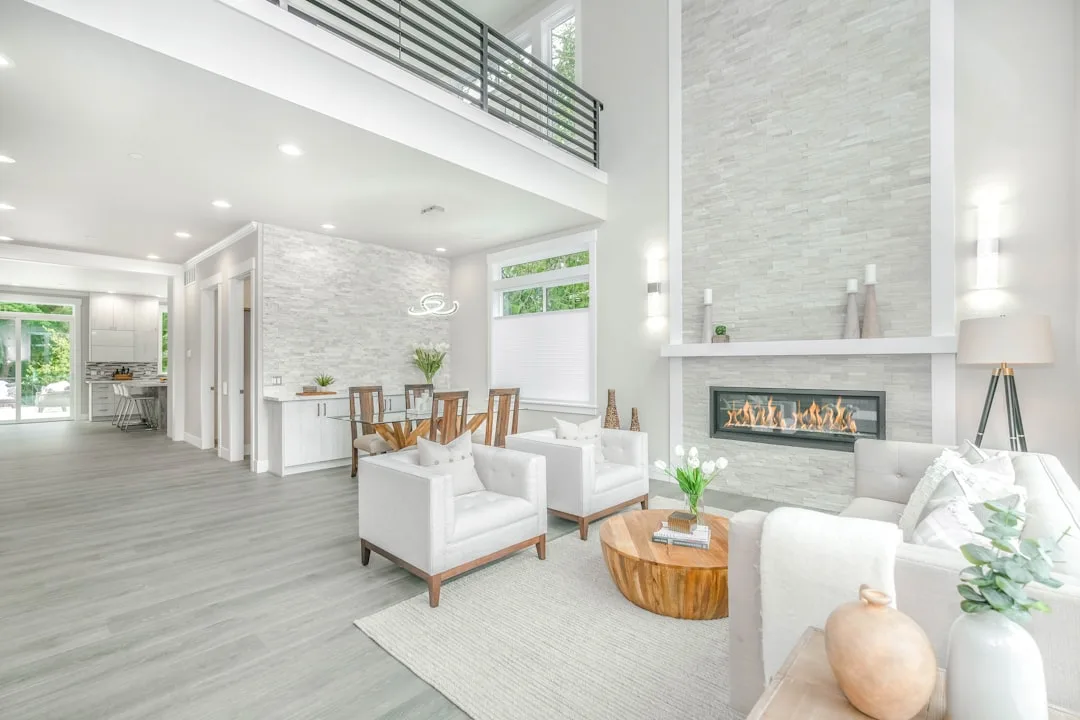
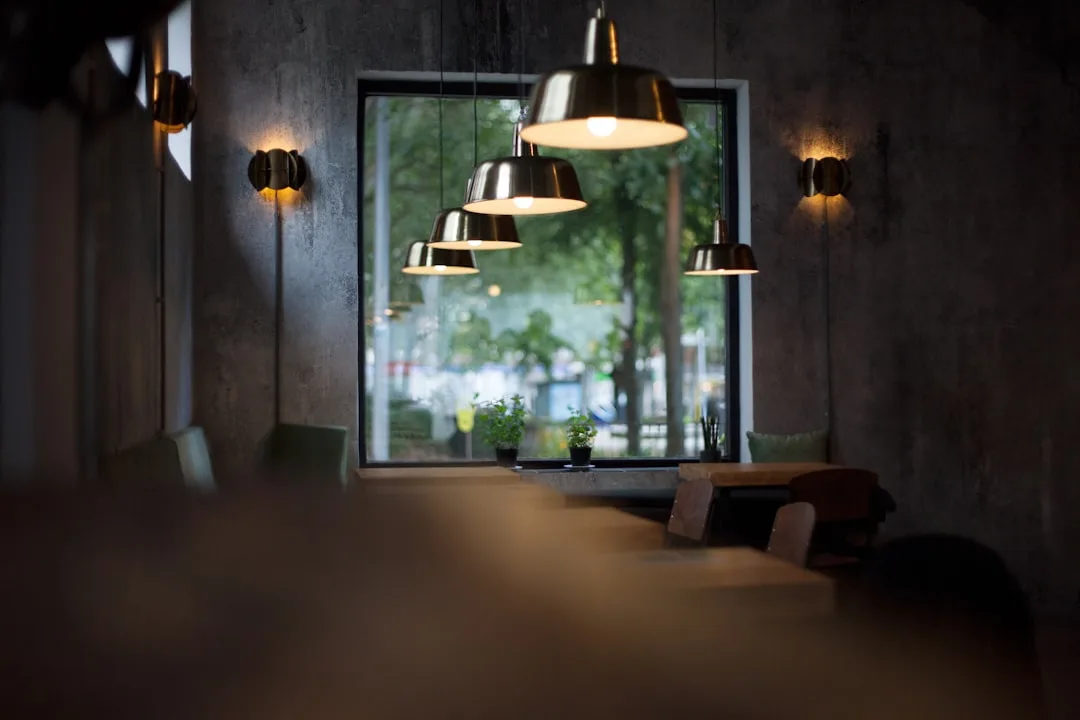
Lighting is the most underestimated element in dream room design, and it’s almost always addressed last when it should be addressed third — after layout and hierarchy, but before any finishes or soft furnishings are chosen. The reason is simple: lighting changes every other decision. A warm-toned lamp makes a cool-gray sofa read differently than an overhead fluorescent does. Get the lighting wrong and no amount of careful color selection will save you.
Every well-lit room operates on three layers, and most home rooms only have one:
- Ambient lighting — the base layer that fills the room with general illumination. Usually a ceiling fixture or recessed lights. Most rooms stop here, which is why most rooms feel flat.
- Task lighting — directed light for specific activities. A reading lamp beside a chair. Under-cabinet lights in a home office. Pendants over a kitchen table. This layer makes a room livable rather than just visible.
- Accent lighting — light that draws attention to something specific. A picture light over art. A small spotlight aimed at a plant. A strip of LED behind a bookcase. This layer adds dimension and is what makes a room feel professionally designed even when everything else is simple.
The practical test is this: can you adjust the light in the room to three or four distinct moods without changing a single piece of furniture? If the answer is no, you have a lighting problem, and no throw pillow is going to solve it.
Dimmer switches are one of the highest-return investments in any room. A $40 dimmer on an existing overhead fixture converts a flat, institutional feeling into something that can shift from daytime work mode to evening relaxation without touching anything else. If you do nothing else from this section, add dimmers to every room that doesn’t have them.
One more thing that rarely gets mentioned: the color temperature of your bulbs should be consistent within a room and intentional across the home. Warm bulbs (2700K–3000K) suit living spaces and bedrooms. Cooler bulbs (3500K–4000K) suit workspaces and kitchens. Mixing color temperatures within a single room — which happens constantly when people replace bulbs piecemeal — creates a subtle visual incoherence that most people can feel but can’t identify.
Build in Flexibility From the Beginning
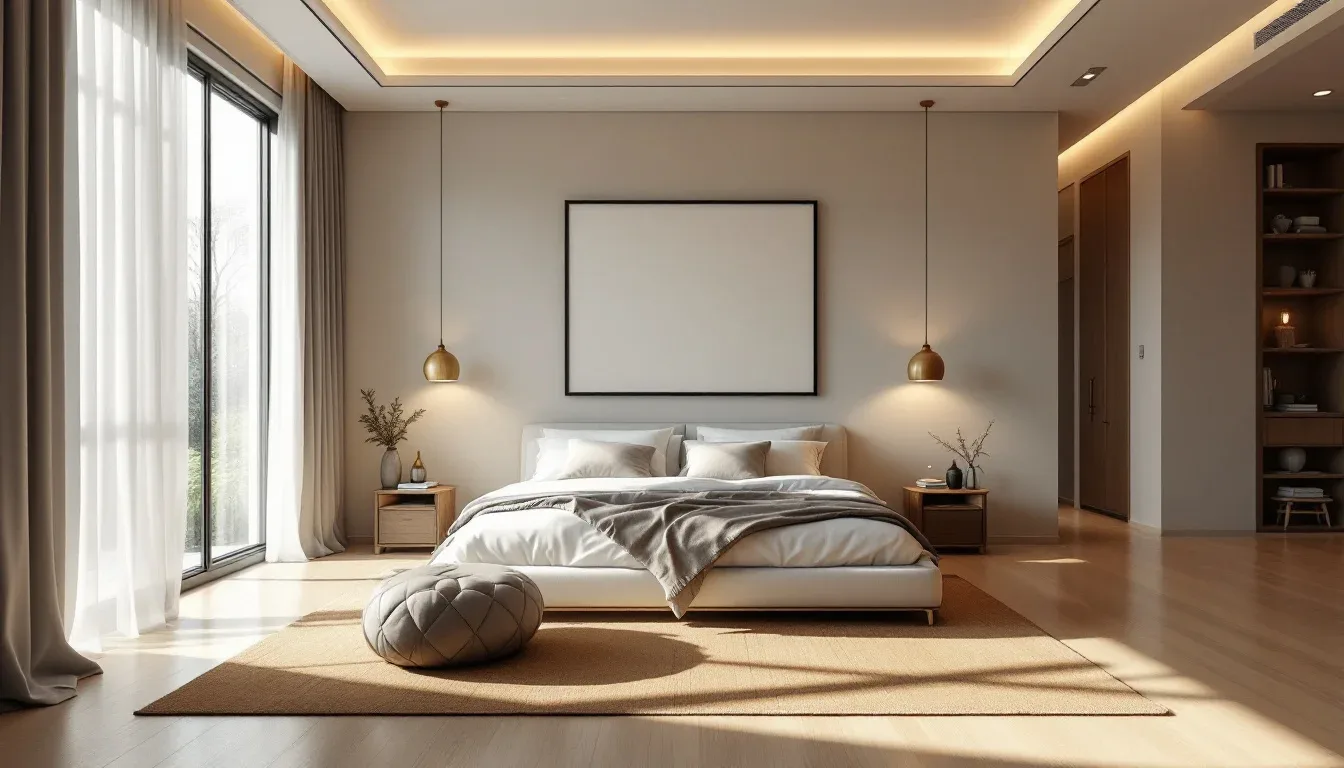
The rooms that age well — the ones that still feel right five years after they were put together — share one quality that has nothing to do with style: they were designed to change. Not dramatically, not expensively, but in small, responsive ways that let the room adapt to how life actually evolves.
Flexibility isn’t a compromise. It’s a design principle. The sofa you love at thirty might be the sofa you resent at forty when your back has changed and your mornings start earlier. The reading nook that worked when you lived alone needs to recalibrate when a partner moves in. A room designed with rigid, immovable logic will fight every one of those transitions.
Here’s what building in flexibility actually looks like in practice:
- Choose a rug size that could accommodate at least two different furniture arrangements — most people buy rugs too small, which locks them into the original layout
- Select a sofa in a neutral base with personality added through cushions and throws, which can be changed seasonally or cheaply
- Use furniture that can serve more than one purpose: an ottoman that functions as a coffee table, a bench at the foot of the bed that doubles as storage
- Install more outlets and more lighting circuits than you think you need — retrofitting electrical later is expensive and disruptive
- Leave at least one wall in every room without large furniture against it, even if it feels underused — it gives you options when you inevitably want to shift things around
- Invest more in the fixed elements (flooring, built-ins, window treatments) and less in the easily swappable ones (cushions, throws, decorative objects)
The goal of thoughtful dream room design is not to create a room that’s finished. It’s to create a room that’s ready — for the life you have now and the life you’ll have in three years that you can’t fully predict yet.
FAQ: Dream Room Design From the Inside Out
Q: How do I start a dream room design if I don’t know my style?
Start with behavior, not aesthetics. Before you look at a single image online, answer three questions: What do I do in this room most often? What feeling do I want when I walk in at the end of a difficult day? What bothers me most about the room right now? Those answers will point you toward functional requirements that narrow your choices far more usefully than any style label. “I love minimalism” tells you almost nothing. “I need a room that feels quiet and has a place for everything” tells you exactly what to design toward.
Q: Is dream room design possible on a limited budget?
Yes — and a limited budget often produces better results than an unlimited one, because constraints force prioritization. The single most effective low-budget move is investing in layout rather than objects. Rearranging what you already own, based on a proper understanding of traffic flow and focal points, frequently transforms a room more than buying new pieces does. After layout, lighting is the next highest-return investment — a few well-placed lamps and a dimmer switch can change a room’s entire character for under $150.
Q: How long should the observation phase take before I start decorating?
Three days is the practical minimum described in this article, but if you’re planning a significant investment — new furniture, painting, built-ins — extend it to two weeks. That span will capture your room across a full work week, a weekend, and enough variation in light and weather to give you a complete picture. The time feels slow. The decisions you make afterward feel fast, because you actually know what you’re solving for.
Q: Why doesn’t my room look like the inspiration images I used?
Several reasons, and most of them aren’t your fault. Professional interior photography is shot with wide-angle lenses that make spaces look larger and more balanced than they are in person. Props are added specifically for the shoot and removed afterward. Lighting is supplemented artificially. And the rooms photographed are almost always designed around how they look in photos rather than how they function daily. When you design from the inside out — behavior first, aesthetics second — your room will feel better in person than it photographs, which is the correct outcome.
Q: When should I hire a professional designer versus doing it myself?
Hire a professional when the decisions involve irreversible changes — structural modifications, built-in millwork, full gut renovations. These are the places where a mistake is expensive to undo and expertise pays for itself quickly. For everything else, the inside-out framework described here gives you enough structure to make good decisions independently. One middle option worth considering: a single two-hour consultation with a designer at the beginning of a project. You’re not hiring them to do the work — you’re hiring them to pressure-test your plan and catch the problems you haven’t thought of yet. That two hours is often the highest-return design investment a homeowner can make.
Q: How do I start a dream room design if I don’t know my style?
Start with behavior, not aesthetics. Before you look at a single image online, answer three questions: What do I do in this room most often? What feeling do I want when I walk in at the end of a difficult day? What bothers me most about the room right now? Those answers will point you toward functional requirements that narrow your choices far more usefully than any style label. “I love minimalism” tells you almost nothing. “I need a room that feels quiet and has a place for everything” tells you exactly what to design toward.
Q: Is dream room design possible on a limited budget?
Yes — and a limited budget often produces better results than an unlimited one, because constraints force prioritization. The single most effective low-budget move is investing in layout rather than objects. Rearranging what you already own, based on a proper understanding of traffic flow and focal points, frequently transforms a room more than buying new pieces does. After layout, lighting is the next highest-return investment — a few well-placed lamps and a dimmer switch can change a room’s entire character for under $150.
Q: How long should the observation phase take before I start decorating?
Three days is the practical minimum described in this article, but if you’re planning a significant investment — new furniture, painting, built-ins — extend it to two weeks. That span will capture your room across a full work week, a weekend, and enough variation in light and weather to give you a complete picture. The time feels slow. The decisions you make afterward feel fast, because you actually know what you’re solving for.
Q: Why doesn’t my room look like the inspiration images I used?
Several reasons, and most of them aren’t your fault. Professional interior photography is shot with wide-angle lenses that make spaces look larger and more balanced than they are in person. Props are added specifically for the shoot and removed afterward. Lighting is supplemented artificially. And the rooms photographed are almost always designed around how they look in photos rather than how they function daily. When you design from the inside out — behavior first, aesthetics second — your room will feel better in person than it photographs, which is the correct outcome.
Q: When should I hire a professional designer versus doing it myself?
Hire a professional when the decisions involve irreversible changes — structural modifications, built-in millwork, full gut renovations. These are the places where a mistake is expensive to undo and expertise pays for itself quickly. For everything else, the inside-out framework described here gives you enough structure to make good decisions independently. One middle option worth considering: a single two-hour consultation with a designer at the beginning of a project. You’re not hiring them to do the work — you’re hiring them to pressure-test your plan and catch the problems you haven’t thought of yet. That two hours is often the highest-return design investment a homeowner can make.