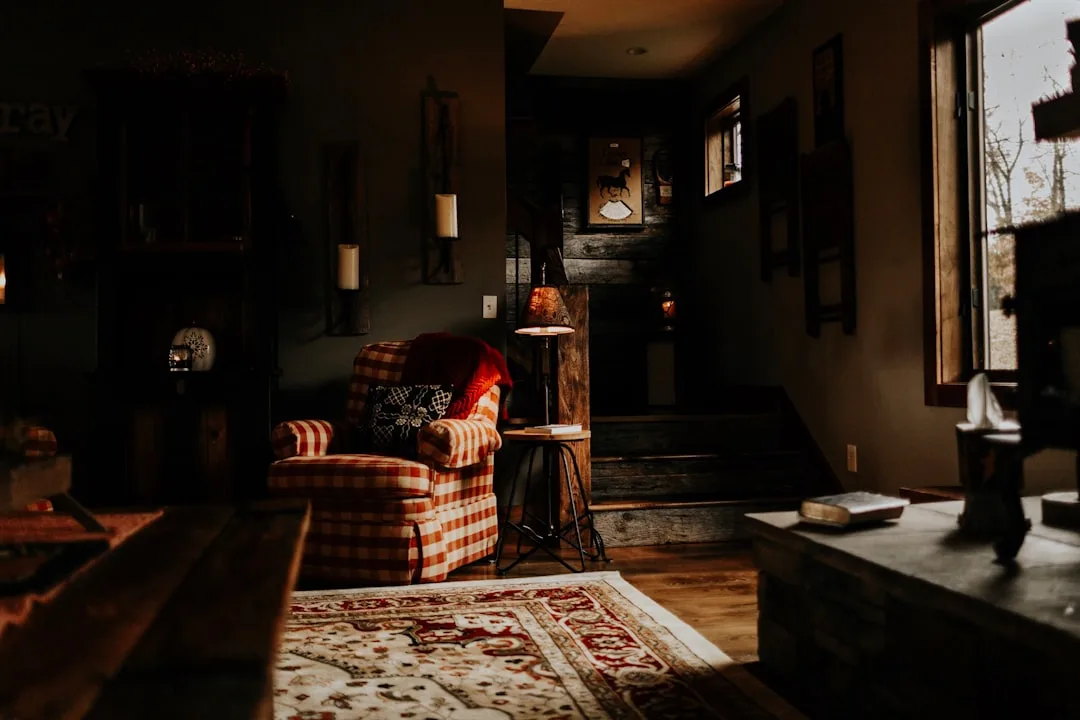
The Yellowstone set designer told Country Living this year that the Dutton Ranch’s main living room was dressed entirely with pieces sourced from Montana estate sales — and that not a single item was purchased new. Sit with that for a second. Every sofa, every lamp, every worn leather ottoman that makes that room feel so lived-in and real? Found. Accumulated. Chosen for its history, not its price tag or its match to something else in the room.
That detail explains everything about why most attempts to recreate this look fall flat. People buy new. They buy matching. They buy “western-themed.” And then they end up with a room that looks like a Yellowstone gift shop instead of a Yellowstone ranch.
This guide is about doing it differently — understanding the actual design logic behind those sets before you spend a dollar, so that every purchase moves you closer to the real thing.
What the Yellowstone Dutton Ranch Interior Style Actually Is (Beyond the Clichés)
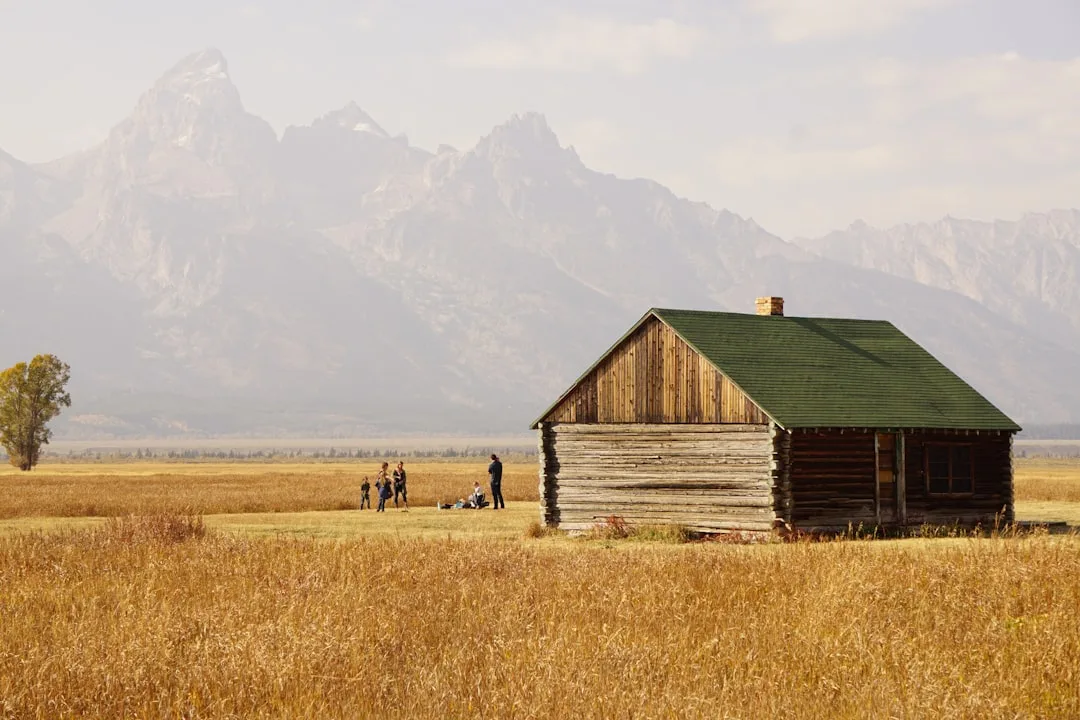
The shorthand description of the Dutton Ranch aesthetic — “rustic western with leather and wood” — technically isn’t wrong. It’s just useless. Every competitor article stops there, which is why every competitor article produces rooms that look like a western-themed Airbnb rather than a working cattle ranch where four generations of the same family have argued, grieved, and eaten dinner together.
The actual organizing principle of the Dutton Ranch look is accumulated time, not coordinated style. Set designer Cate Praggastis, profiled in Country Living’s May 2025 feature, described the layering philosophy behind the sets as intentional chronological conflict — a piece from the 1940s sitting alongside something from the 1970s alongside something that might have been on that ranch since the 1890s. None of it was purchased to match. All of it was purchased because it could plausibly belong to that family, in that place, over that span of time.
Production designers use a concept called earned patina to describe the surface quality every piece must have before it earns a place in those rooms. Earned patina isn’t distressing for distressing’s sake — it’s the specific kind of wear that tells you where something has been. A leather chair seat worn smooth in the center from decades of use. A wood table edge rounded from hands gripping it. A wool throw that’s pilled from actual use, not factory processing. The Country Living feature noted that the set team specifically rejected pieces that showed “decorative” distressing — machine-applied wear patterns — because the fakeness reads on camera.
The color palette is equally disciplined. Warm ochres, faded tobacco browns, slate greys, and bone whites — that’s essentially the full range. No bright colors appear anywhere on those sets. No stark contrasts, no accent walls in a different family. The variation in those rooms comes entirely from texture, not hue, which is why the rooms feel so cohesive despite containing furniture from completely different eras and origins.
Actionable takeaway: Before you buy a single piece, spend fifteen minutes screenshotting frames from the show — not for shopping, but to study what tones and textures appear within a single frame. You’ll notice the palette is tighter than you remembered.
The Four Core Design Principles Behind the Dutton Ranch Set
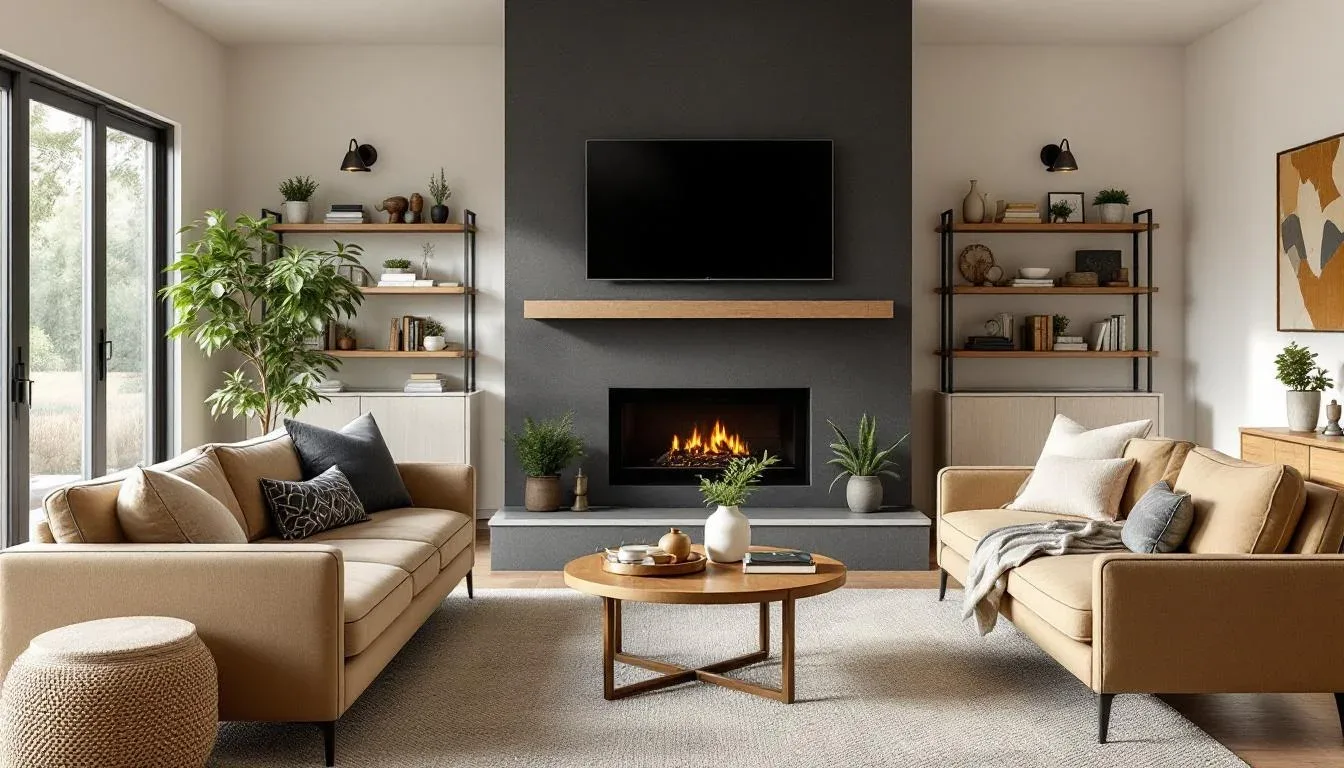
Understanding these four principles before you start shopping will save you real money. They’re the reason a $200 estate-sale chair can look more authentically Dutton Ranch than a $2,000 piece from a western furniture retailer.
Principle 1: Weathered Wood Layering
No room on the Dutton Ranch set contains matching wood tones. The dining room alone contains at minimum three distinct wood finishes — a bleached, almost-grey tabletop; dark walnut-stained built-ins; and raw, unstained pine flooring that has yellowed naturally over time. This variety creates the sense that the room evolved rather than arrived. Buying a matching bedroom set or a living room collection that ships in the same box is the single fastest way to kill this effect.
Principle 2: Worn Leather as a Textile
On the show’s sets, leather appears where a conventional designer would specify fabric. But the critical detail — the one most articles miss entirely — is that the leather must show use. Stiff, pristine leather, regardless of how expensive it is, breaks the illusion entirely. The Dutton Ranch sofas show seat creasing, arm patina, and surface irregularities from years of contact. If your leather sofa looks like it came out of protective wrap last week, it doesn’t belong in this aesthetic.
Principle 3: Antler and Bone as Architectural Detail
Antler accents on the Dutton sets function as line elements — they draw the eye along a wall, create upward vertical movement, and add organic asymmetry to spaces that would otherwise feel boxy. They are never presented as hunting trophies or conversation pieces. Placement matters: eye level and above, integrated into the architecture of a room rather than placed on a shelf. A single large antler chandelier over a dining table achieves more of this effect than a dozen small antler decorations scattered around a room.
Principle 4: Muted Earth Palette Discipline
Every room on the set limits itself to four tones maximum, all drawn from the same warm-neutral family. This isn’t accidental minimalism — it’s a specific creative decision that keeps the chronologically mixed pieces from fighting each other visually. Praggastis described it in the Country Living feature as “the silence that lets each piece speak.” The practical rule: if you’re adding something to a room, it has to match at least one tone already present, not introduce a new one.
The Dutton Ranch main house set was built and dressed on location in Montana specifically because sourcing from the region was central to the design philosophy. Ranch liquidations, estate sales from multigenerational Montana families, regional antique dealers — these were the actual procurement channels. That context is worth holding onto: the look was built from real ranch provenance, and approximating it requires at least some pieces with equivalent origin stories.
Actionable takeaway: Print these four principles and keep them with you when you shop. Every piece you consider should pass at least three of the four tests before you buy it.
Room-by-Room Dutton Ranch Style Guide: The Living Room
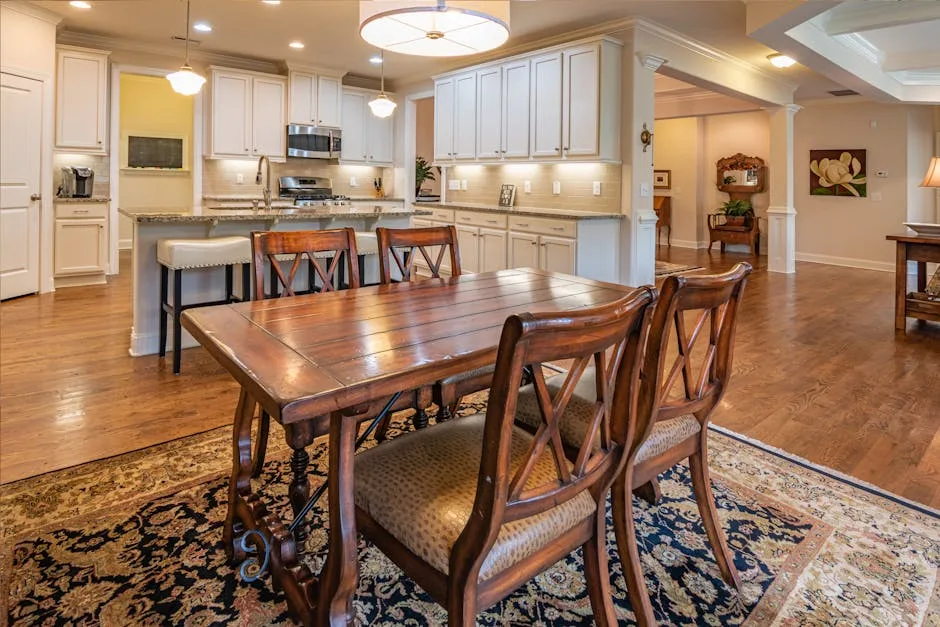
The Dutton Ranch living room is the most studied room in the show’s production design — and the most frequently botched by homeowners trying to recreate it. Here’s why it’s harder than it looks, and how to get it right.
The anchor piece is a worn leather sofa or sectional, and there’s no substitute for it. This is the room’s identity piece. Everything else — the rugs, the lighting, the wood accents — reads in relation to it. An oversized, visibly broken-in leather sofa signals that this room has absorbed decades of use. A linen sofa with western throw pillows does not. This is where you allocate the majority of your living room budget if you’re working with constraints.
For the fireplace surround, the target finish is rough-cut or dry-stacked stone — irregular, matte-surfaced, and as un-polished as possible. If your existing surround is brick or ceramic tile, a limewash plaster treatment applied with a dry brush achieves most of this effect without demolition. Romabio and Portola Paints both make limewash formulas that work on brick and tile surfaces; the application takes a weekend and costs under $150 in materials. The result is a chalky, mineral surface that reads as aged masonry from across the room.
Floor layering is where most competitors give you half the answer. They’ll tell you to use a Navajo-pattern rug or a cowhide. On the actual Dutton sets, these are layered: a large woven rug as the base layer, with a cowhide laid partially over it, anchoring the seating area. The cowhide introduces organic shape and texture variation; the woven rug provides warmth and scale. Used separately, each is a western cliché. Together, they create the kind of layered materiality that reads as accumulated rather than purchased.
Budget tiers for the living room:
- Tier 1 (under $800): Thrift-store or Facebook Marketplace leather sofa that you condition and leave alone — don’t re-dye, don’t recover. Add a limewash DIY fireplace treatment ($150 materials). Source a vintage Southwestern rug from EstateSales.net or a local thrift store ($50–$150).
- Tier 2 ($800–$2,500): Arhaus Dwell leather sofa in a tobacco or saddle finish, paired with a Loloi Isabelle or Owen vintage-style rug. The Loloi patterns have the correct faded, time-worn quality without the $1,000+ price of a genuine antique.
- Tier 3 ($2,500+): RH Cloud leather sectional in a brown or cognac leather — this is the closest off-the-shelf match to the scale and weight of the Dutton main room sofa. Pair with a custom dry-stack stone surround (contractor cost typically $1,800–$3,500 depending on stone type and region).
Actionable takeaway: Start with the leather sofa. Get that one piece right — properly worn, correctly scaled, neutral in color — and every other decision in the room becomes easier.
Room-by-Room Dutton Ranch Style Guide: The Kitchen and Dining Area
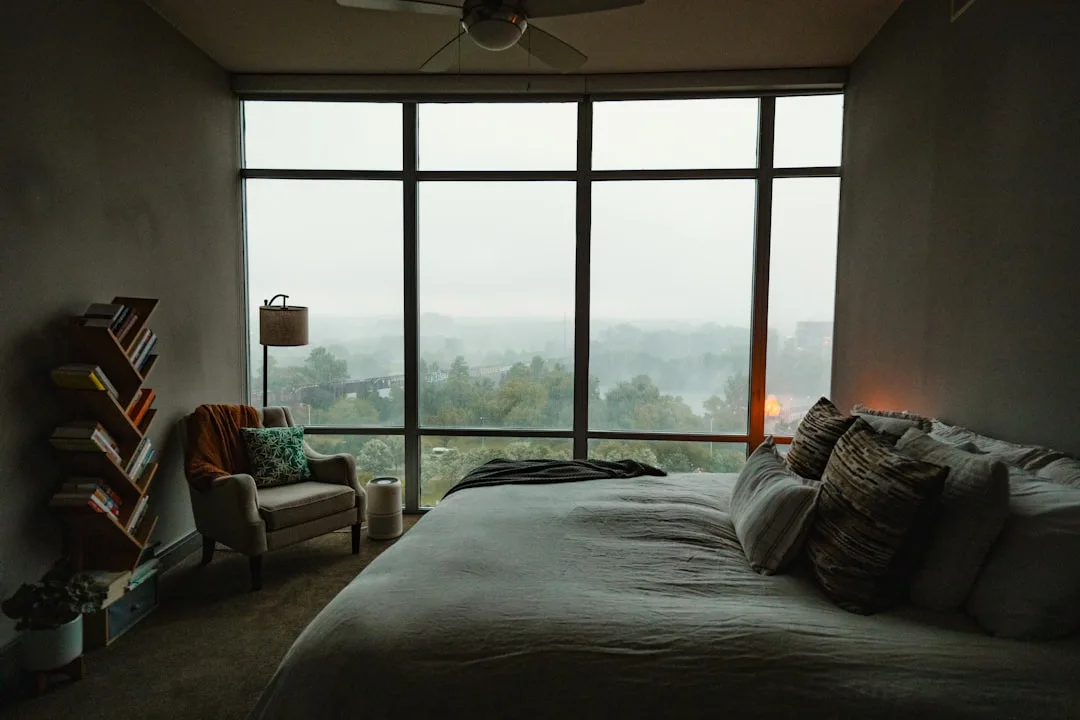
The Dutton kitchen and dining room appear in nearly every episode, but they’re almost completely ignored by interior design coverage of the show. That’s a significant gap, because these spaces contain some of the most transferable design moves in the entire set.
The most impactful single change you can make to a kitchen in this direction is replacing upper cabinets with open shelving in reclaimed or whitewashed wood. This one change does three things simultaneously: it eliminates the visual box-within-a-box effect of standard upper cabinets, it introduces wood texture at eye level, and it creates the practical display space for the mismatched utilitarian objects — cast-iron pans, stoneware crocks, leather-bound books — that give Dutton kitchens their lived-in quality. The cost varies enormously depending on how you approach it, but the concept is the same at every budget level.
Hardware and fixtures are where the Dutton kitchen diverges most sharply from the modern farmhouse trend that has dominated the last decade. Unlacquered brass and oil-rubbed bronze are the only correct finishes for this aesthetic. Matte black hardware and brushed nickel immediately signal a 2018 kitchen renovation, not a ranch that predates your grandparents. Unlacquered brass develops a natural patina over time, which is exactly what you want — it earns its finish the same way everything else in these rooms does.
The dining table in the Dutton aesthetic has a specific set of requirements. It must be solid — no veneers, no hollow-core construction. It must be long, because the scale communicates the communal, ranch-hands-gather-here function the space is meant to convey. And it should show its material honestly — no stain that obscures the grain, no finish that makes the surface look plastic. Trestle-base or straight-leg plank-top tables in reclaimed oak or walnut are the closest match to what appears on the show.
Budget tiers for the kitchen and dining area:
- Tier 1 (under $600): IKEA KALLAX units repurposed as open shelving, stained with Minwax Dark Walnut ($12 a can) to warm up the factory finish. Replace existing hardware with vintage brass pulls sourced from Etsy sellers — expect to pay $2–$6 per pull for authentic vintage brass. A solid-wood farmhouse table from a local resale shop or Craigslist completes the tier.
- Tier 2 ($600–$2,000): McGee & Co. reclaimed wood dining table in a natural or weathered finish. Their Abbot collection uses solid oak construction with the correctly aged, unfussy aesthetic. Pair with mismatched wooden or leather-seat chairs — intentional mismatch, not accidental.
- Tier 3 ($2,000+): Commission a walnut trestle table from a local millworker. In most markets, a custom 84-inch solid walnut trestle table runs $1,800–$3,500 depending on slab quality and finish. Chairish is also an excellent source for antique refectory-style tables with genuine provenance, often at prices competitive with mid-range new furniture.
Actionable takeaway: Swap your upper cabinet hardware to unlacquered brass this weekend. It’s a two-hour job, costs $60–$120 for an average kitchen, and immediately shifts the register of the space in the right direction.
Room-by-Room Dutton Ranch Style Guide: The Bedroom
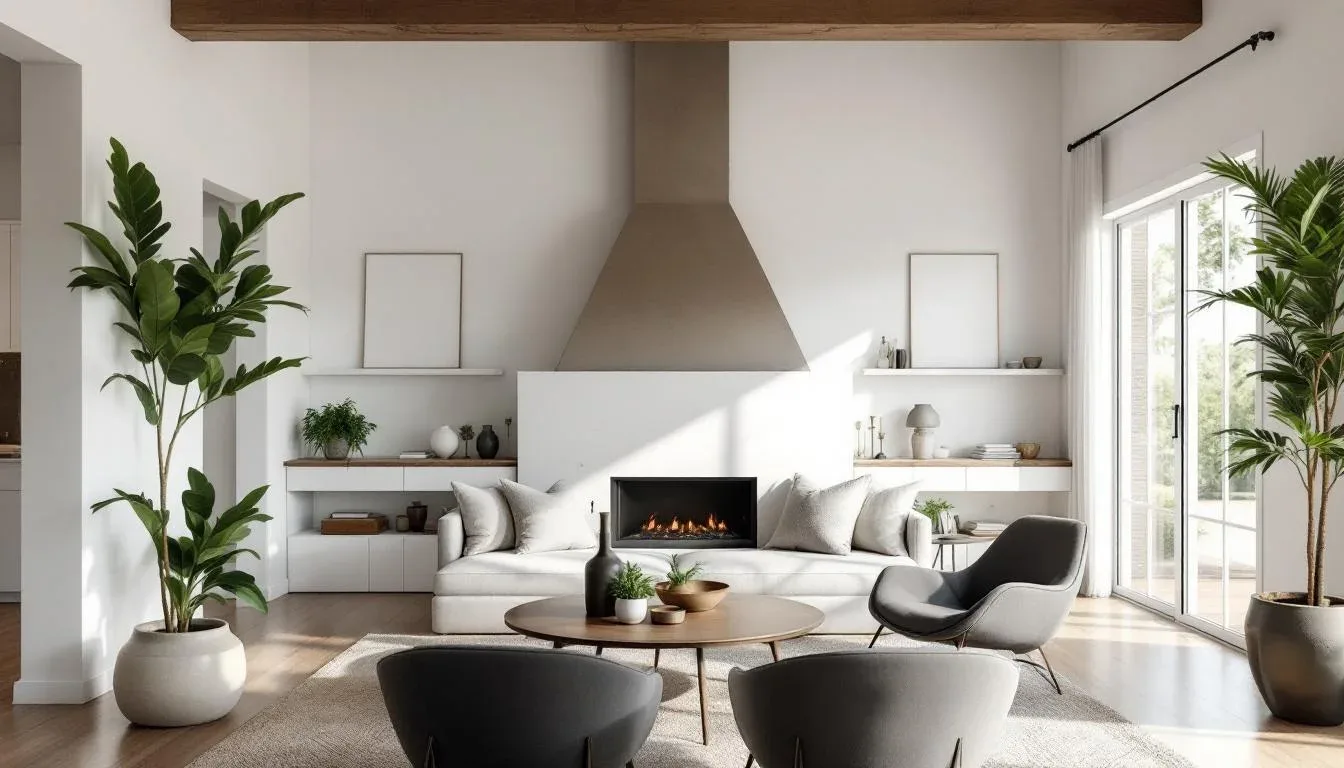
If there’s a room where the Dutton Ranch aesthetic becomes personal rather than purely visual, it’s the bedroom. This is where the restraint of the palette does its most powerful emotional work — the muted, heavy, material-rich quality of these spaces feels genuinely restorative in a way that bright, pattern-forward bedrooms don’t.
The bedding palette must stay within the same muted earth family established everywhere else in the house. Linen in oatmeal, olive, or faded rust — these are the correct colors. White bedding is the single most common mistake people make when attempting this aesthetic in the bedroom. White reads as clean and hotel-like, which is the opposite of the worn, inhabited quality the Dutton Ranch communicates. Pattern mixing is equally problematic: one texture, one or two tones, full stop.
The headboard is the room’s identity piece in the same way the leather sofa anchors the living room. A raw-edge live-edge wood headboard is the highest-impact single piece in this room. It introduces organic form, genuine material character, and the sense of something that was made from a specific tree rather than manufactured from composite material. A live-edge slab from a local lumber yard can be leaned against the wall or wall-mounted on simple steel brackets — no bed frame required.
Window treatments in the Dutton bedroom are heavy and minimal. Natural linen drapes in tobacco or slate, floor-to-ceiling, with no blinds visible behind them. The function here is visual weight and shadow, not light control — these rooms are meant to feel like they have mass and gravity, and light, breezy curtains work against that entirely. Rod pocket or pinch-pleat linen panels in an unlined or loosely woven fabric will pool slightly at the floor, which is exactly right.
Budget tiers for the bedroom:
- Tier 1 (under $500): World Market or Pottery Barn linen bedding in a warm neutral ($80–$150 for a full set). DIY headboard from a single live-edge slab sourced from a local lumber dealer or Craigslist — expect to pay $100–$300 for a headboard-appropriate slab. IKEA RITVA linen curtain panels in natural linen ($40 per pair) hang well and have the correct unfinished quality.
- Tier 2 ($500–$1,800): The Amber Lewis x Loloi bedding collection executes this aesthetic better than almost anything at its price point — the textures, the faded earth tones, and the intentional imperfection of the weaves are all exactly right. McGee & Co. also carries throw blankets and shams that work within this palette.
- Tier 3 ($1,800+): A custom leather headboard from a local leather craftsperson, paired with Restoration Hardware Belgian linen bedding. RH’s washed Belgian linen has the correct heavy drape and the slightly uneven weave that reads as material authenticity rather than mass production.
Actionable takeaway: Replace your white or patterned bedding with a single linen duvet cover in oatmeal or warm grey. That one change will shift your bedroom further toward this aesthetic than any furniture purchase.
The Sourcing Strategy That Makes or Breaks the Dutton Ranch Look
Here’s the part that most articles skip entirely, which is why most Dutton Ranch-inspired rooms look like a set for a Yellowstone spin-off rather than the real thing. The sourcing is the design decision. Where you buy determines whether your room has authentic material history or expensive imitation of it.
The show’s set team sourced from Montana, Wyoming, Colorado, and Texas estate sales and ranch liquidations. You can access these same channels without leaving your living room. EstateSales.net and AuctionZip both allow remote bidding and coordinate with local estate sale companies on shipping — and the majority of rural Montana and Wyoming sales list for a fraction of what equivalent pieces sell for on retail platforms. A leather club chair from a 1960s ranch estate in Billings is a fundamentally different object than a leather club chair from Pottery Barn, even if they photograph similarly. One has sixty years of wrist and elbow contact on the armrests. The other arrived in a box.
Architectural salvage yards are the correct source for the structural elements — reclaimed wood beams, antique doors, stone mantels, iron hardware — that create the multi-era layering no amount of furniture shopping can replicate. Salvage yards in Denver, Portland, and Bozeman consistently carry 19th and early 20th century ranch and farmhouse material. A salvaged Douglas fir beam installed as a fireplace mantel shelf costs $80–$300 for the beam plus contractor time. The same “effect” from a big-box store costs $400–$600 and looks like exactly what it is.
On Chairish and 1stDibs, search strategy matters significantly. Searching “ranch,” “Montana,” “cowboy,” or “Southwest” surfaces higher-quality, less tourist-oriented inventory than searching “western” or “rustic,” which returns mass-market pieces priced as western décor. The difference in quality and authenticity at similar price points is substantial.
The sourcing arbitrage opportunity is real. Pieces labeled “Yellowstone” or “western” on Etsy and Wayfair carry a significant premium over equivalent pieces found through estate sale apps or Chairish — often 40–80% more for comparable items, simply because they’ve been marketed into a trend. A leather saddle stool listed as “Yellowstone decor” on Etsy might be $180. The same stool at an estate sale in Sheridan, Wyoming is $35. The Etsy version is probably newer, probably less worn, and definitely less interesting.
Actionable takeaway: Set up a search alert on EstateSales.net for the zip codes covering Billings, Bozeman, Sheridan, Laramie, and Durango. New listings hit weekly, and first-mover advantage in these markets is significant.
What to Avoid: The Details That Undermine the Yellowstone Dutton Ranch Interior Look

The Country Living feature on the Dutton Ranch sets included a detail that deserves its own section: set designer Praggastis specifically described what was deliberately left out of those rooms. The production team maintained a strict “no costume” rule — any object that read as explicitly western-themed, as a signifier of cowboy culture rather than an object that a family would simply own and use, was rejected. No decorative horseshoes. No turquoise accent pieces bought as southwestern décor. No framed western art prints.
That exclusion list is as important as anything on the shopping list.
The most common mistakes that undermine this aesthetic:
- Buying matching sets. A coordinated bedroom collection or living room set from a single retailer produces a room that reads as a Yellowstone-themed hotel, not a Yellowstone ranch. The pieces need different origins, different ages, and ideally different conditions.
- Novelty western items. Mass-produced longhorn wall art, decorative horseshoes, “RANCH” lettering signs, and anything sold specifically as “western décor” signals theme park, not ranch. The Dutton sets contain zero explicit western signage. The western-ness of those rooms is communicated through material and age, not iconography.
- High-gloss finishes anywhere. Lacquered furniture, glossy tile, shiny hardware — any reflective surface breaks the matte, aged quality that every surface on those sets maintains. If it’s shiny, it’s wrong for this aesthetic. Matte, honed, hand-waxed, or oil-finished surfaces only.
- All-new construction. A room where every piece arrived within the last year will never feel like the Dutton Ranch, regardless of the individual quality of the pieces. The multi-era layering requires that some things be genuinely old.
- The word “rustic” as a shopping keyword. “Rustic” as a retail category produces exactly the kind of costumed, explicitly themed objects the Dutton set team excluded. Search for the actual materials and forms you want — worn leather, reclaimed oak, dry-stacked stone — not the aesthetic category.
Actionable takeaway: Walk through your current space and identify anything that signals its western identity through iconography rather than material. That’s your removal list. The Dutton Ranch aesthetic requires clearing that layer before you build the real one.
Frequently Asked Questions
What design style is the Dutton Ranch in Yellowstone?
The Dutton Ranch interior style is best described as multigenerational Western ranch vernacular — which means it draws on the specific visual history of working cattle ranches in the Northern Rockies rather than on any single decorating trend. It isn’t rustic farmhouse, it isn’t southwestern, and it isn’t traditional western lodge style, though it borrows elements from all three. The defining characteristic is chronological layering: furniture and objects from different decades and different origins coexist in the same room, creating the impression of a home that evolved over generations rather than one that was decorated at a single point in time. Earned patina — the kind of surface wear that comes from actual use — is present on every piece. The palette is tightly constrained to warm neutrals: ochres, tobacco browns, slate greys, and bone whites.
How do I get the Yellowstone ranch look on a budget?
The honest answer is that the Yellowstone ranch look is one of the most budget-friendly aesthetics to pursue, provided you source correctly. The show’s own sets were dressed entirely from estate sales and ranch liquidations, not from furniture retailers. Start with EstateSales.net and Facebook Marketplace for leather furniture in any condition — condition is less important than form and patina, and worn leather is exactly what you want. A limewash treatment from Romabio or Portola Paints can transform a brick or tile fireplace surround for under $150 in materials. IKEA KALLAX shelving stained with Minwax Dark Walnut serves as reclaimed-looking open kitchen shelving for under $200. Replacing cabinet hardware with vintage unlacquered brass pulls sourced from Etsy sellers runs $60–$120 for a full kitchen. World Market and H&M Home both carry linen bedding in the correct muted earth tones for under $100. The aesthetic genuinely rewards thrift, patience, and secondhand sourcing over retail spending.
What colors are used in the Dutton Ranch interior?
The Dutton Ranch color palette is intentionally constrained. Warm ochre, faded tobacco brown, slate grey, and bone white form the core range — and most rooms stay within three of these four tones, with texture providing the variation rather than color. Nothing on the sets is bright, saturated, or contrasting. Cool tones — blues, greens, greys with blue undertones — don’t appear in the Dutton interior spaces. If you’re matching paint, Benjamin Moore Pale Oak (OC-20) and Camouflage (2143-40) capture the warm, slightly greyed neutrals of the palette. For walls, a dead-flat or matte sheen is essential — eggshell and satin finishes are too reflective to read correctly in this context. The color discipline is what gives the rooms their cohesion despite containing furniture from wildly different eras and origins.
Where can I buy furniture that looks like the Dutton Ranch?
For authentic pieces: EstateSales.net, AuctionZip, and Chairish are the most productive sources. On Chairish, search “ranch,” “Montana,” and “Southwest” rather than “western” or “rustic” to surface better-quality inventory. 1stDibs carries higher-end antique western and ranch pieces. For new furniture that approaches the aesthetic: Arhaus carries worn leather sofas in appropriate forms and finishes. RH (Restoration Hardware) offers the Cloud leather sectional at the scale the aesthetic requires. McGee & Co. carries dining tables and bedding that fit within this palette. Loloi’s vintage-style rug collections — particularly the Isabelle, Owen, and Amber Lewis collaboration lines — have the correct faded, time-worn quality. For the bedroom specifically, the Amber Lewis x Loloi bedding collection is one of the most accurate off-the-shelf matches for the Dutton bedroom aesthetic currently available.
Here’s what you can do today: open EstateSales.net, enter the zip code for Bozeman (59715), Sheridan (82801), or Durango (81301), and browse what’s currently listed within a 50-mile radius. You don’t need to bid on anything yet. Just look at what authentic multigenerational ranch material actually looks like — the real color, the real patina, the real proportions. That reference point, held in your mind before you shop anywhere else, is the thing that changes how you see every piece you’ll consider from here on out.