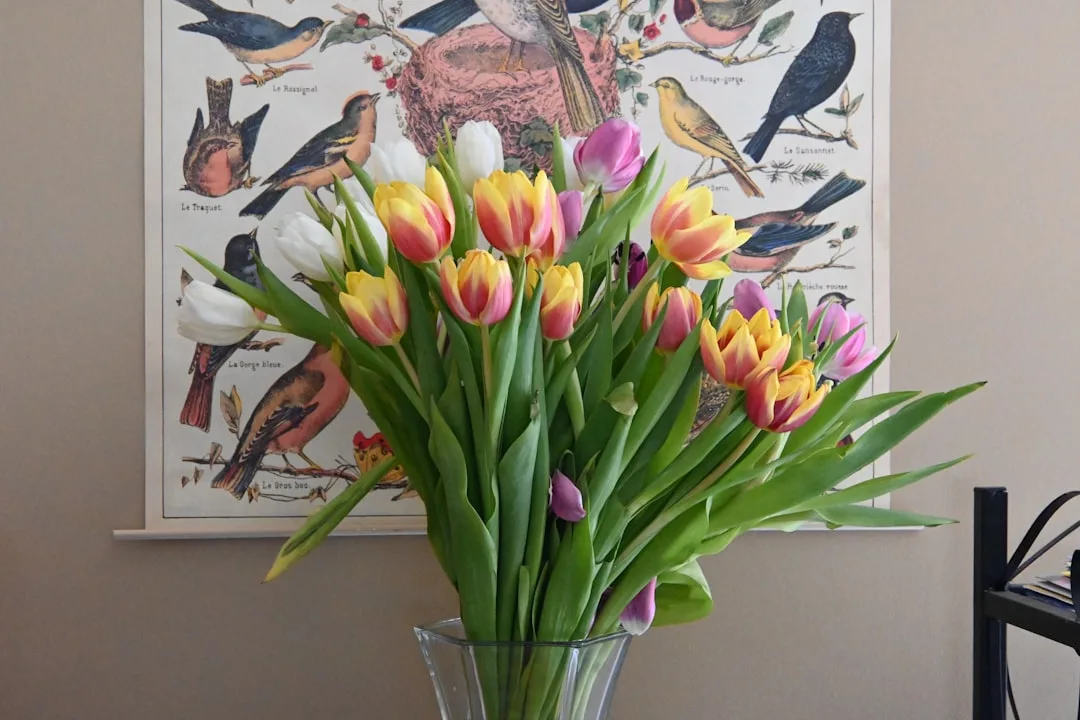
Your guests decide whether your home feels welcoming before they cross the threshold — and neuroscience says that judgment is locked in within the first 50 milliseconds of visual contact. Not the first few seconds. Fifty milliseconds. Before they’ve registered your paint color, your console table, or the art you agonized over.
That number matters because it changes how you should think about entryway decorating entirely. Most spring refresh articles tell you to swap out a throw pillow and add some tulips. That’s fine. But if you understand what’s actually happening in your guest’s brain at the moment of arrival, you’ll make choices that create a genuinely different emotional experience — not just a seasonally appropriate one.
Why Your Entryway Triggers an Instant Emotional Verdict (And How Spring Decor Can Hack It)
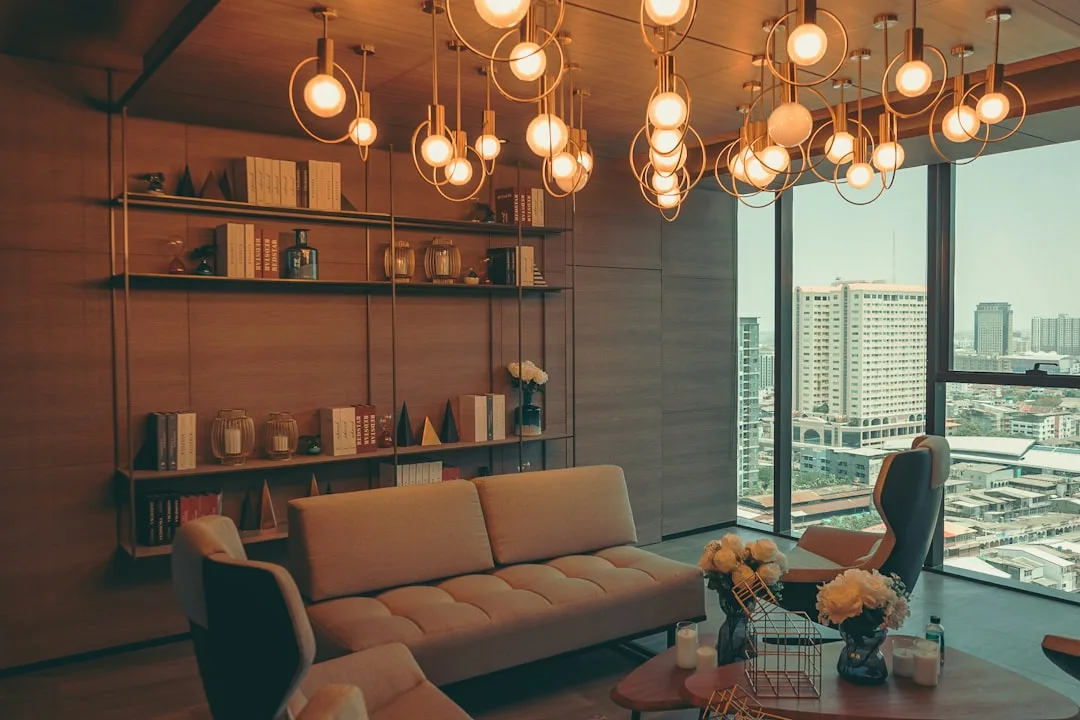
A Princeton University study found that judgments of competence and trustworthiness from a single glance are made in under 100 milliseconds and are remarkably stable — they hold up even when participants were given more time to look and reconsider. That research was about faces. But environmental psychology has extended the same finding to spaces: the brain applies identical snap-judgment machinery to rooms that it applies to people.
Your entryway isn’t just a functional zone where people remove their shoes. Environmental psychologists call it a threshold space — a transitional environment that primes every emotional and cognitive response your guest will have inside your home. Whatever mood, expectation, or feeling the threshold space creates becomes the lens through which they experience everything beyond it.
Spring decor specifically is powerful here for a reason that goes deeper than aesthetics. You’ve experienced hundreds of springs. The scent of fresh greenery, the quality of soft natural light, the texture of warm earth — your nervous system has spent decades associating these sensory inputs with renewal, safety, and social warmth. When you recreate even a fraction of those cues in your entryway, you’re activating decades of positive conditioning before your guest has said a word.
Here’s what that means practically: the spring entryway decor ideas that actually shift guest experience aren’t the ones that look the most “spring-like” in a photo. They’re the ones that engage the most powerful psychological levers — light quality, scent, living greenery, tactile sensation, and spatial cues. The seven ideas below are organized by exactly those levers, each one grounded in research and translated into what you can actually do this weekend.
1. Replace Overhead Lighting With Layered Warm Sources to Shift Guest Mood
Most entryways are lit wrong. A single overhead fixture — especially one running cool-white LEDs at 4000K or higher — creates a brightness that reads as clinical rather than welcoming. Research published in the Journal of Environmental Psychology found that warm ambient lighting significantly increased feelings of social comfort and reduced perceived interpersonal distance in shared spaces compared to cool overhead lighting. In plain terms: the right light temperature makes people feel closer to you.
The issue is color temperature, and it’s measured in Kelvins. Anything above 3500K starts activating the brain’s alertness response — useful in a home office, counterproductive in a space where you want guests to relax and connect. The target range for an entryway is 2700K to 3000K. That’s the warm amber glow of an incandescent bulb, the quality of light that reads as “home” rather than “lobby.”
The fix isn’t always a new fixture. It’s often just a new bulb and an additional light source. Layering matters because a single warm overhead light still reads as functional; two or three warm sources at different heights create the kind of ambient depth that photographs as luxurious and feels even better in person.
Budget Tier 1 (under $30): Swap your existing bulbs to 2700K warm-white LED Edison-style bulbs — Philips and Sylvania both make excellent versions under $15 for a two-pack — and add a plug-in wall sconce with a smart dimmer adapter. The dimmer alone changes everything.
Budget Tier 2 ($30–$150): Layer a rattan or woven pendant shade over your existing ceiling fixture (IKEA’s KNIXHULT and similar styles work well) and add a small rechargeable table lamp on a console. Gantri and Hem make rechargeable lamps that need no wiring.
Budget Tier 3 ($150+): Install a statement spring lantern in aged brass or matte terracotta finish — Rejuvenation and Visual Comfort carry options that function as year-round anchor pieces, not seasonal accessories.
Actionable takeaway: Before you buy a single spring decoration, check what bulbs are in your entryway fixture right now. If they’re above 3000K, a $12 bulb swap is the single highest-return change you can make.
2. Use Scent as Your First Decorator Because Smell Hits the Brain Before Sight Does
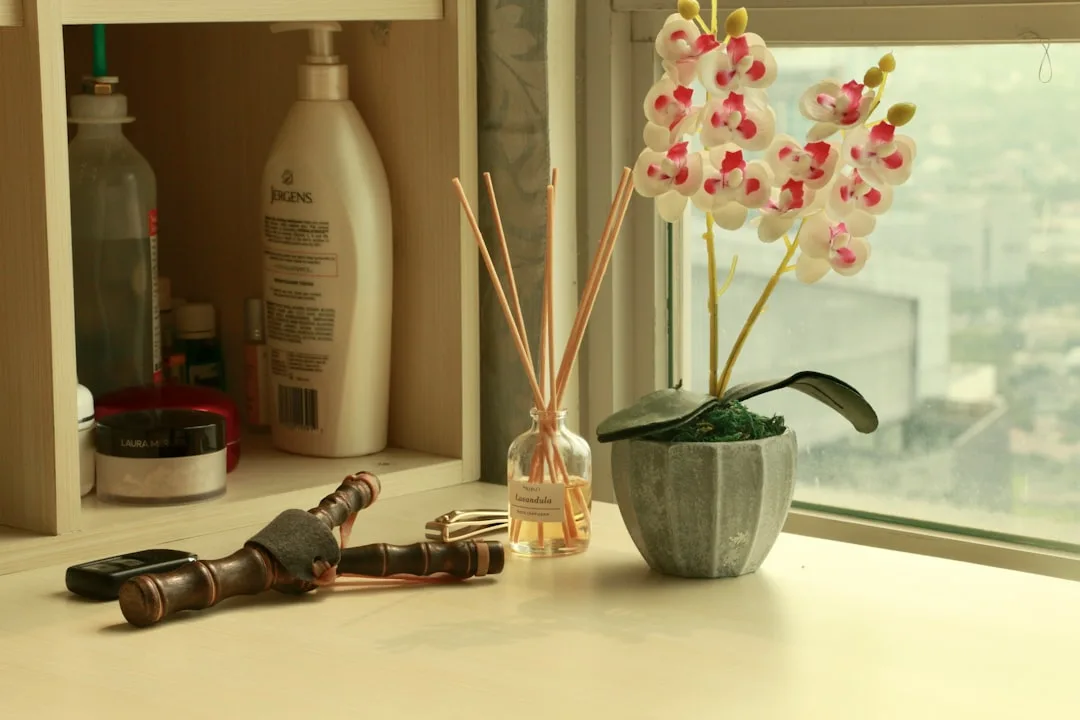
Here’s something most home decor content skips entirely: your guest smells your entryway before they see it. The olfactory nerve is the only sensory system that bypasses the thalamus and connects directly to the limbic system — the brain’s emotional processing center. Every other sense gets routed through a relay station first. Scent goes straight to the source. It triggers emotional memory and mood faster than any visual stimulus you can put on a wall or console table.
A Rockefeller University study confirmed that humans can distinguish over one trillion distinct scents, and the olfactory system’s direct limbic connection means a pleasant arrival scent creates measurably stronger positive space memories than visual cues alone. Luxury hotel brands have known this for decades. The Westin’s signature White Tea scent, Marriott’s custom lobby fragrances — these are not accident. They’re deliberate arrival-experience design.
Spring-specific scents that research associates with positive affect and openness include:
- Fresh green stems (think cut grass, leafy herbs, or stem-water scent)
- Light citrus — bergamot, yuzu, or white grapefruit specifically
- Hyacinth and sweet pea for floral notes that don’t read as heavy or old-fashioned
- Clean linen with a subtle earthy base
- Petrichor-adjacent blends that reference rain on warm soil
What to avoid: heavy florals like rose or gardenia (read as formal or dated), synthetic “clean” scents with a chemical edge (they trigger mild unease rather than comfort), and anything that smells like obvious air freshener — it signals concealment rather than welcome.
Budget Tier 1 (under $20): A bundle of fresh eucalyptus or lavender from a Trader Joe’s or local farmers market hung near the door with jute twine. Replace it every two to three weeks. The natural scent is gentle, spring-appropriate, and doubles as visual texture.
Budget Tier 2 ($20–$80): A reed diffuser in a spring-forward scent from a quality independent brand — Apotheke, Pura Vida, or Boy Smells all make diffusers that hold scent at the right intensity for an entryway without tipping into overpowering. Pair with a small dish of dried botanicals nearby for visual reinforcement of the scent story.
Budget Tier 3 ($80+): A smart scent diffuser like the Pura or Vitruvi Move lets you schedule scent delivery so your entryway smells freshest right before guests arrive. Program a light citrus-green blend for morning arrivals and a warmer linen-herb blend for evening.
Actionable takeaway: Scent adapts quickly — meaning you stop noticing your own home’s smell. Ask someone who doesn’t live there to do a first-impression sniff test before you invest in visual spring entryway decor ideas. Their feedback will tell you whether you’re starting from neutral or fighting an existing baseline.
3. Add One Living Plant Positioned at Eye Level to Signal Vitality
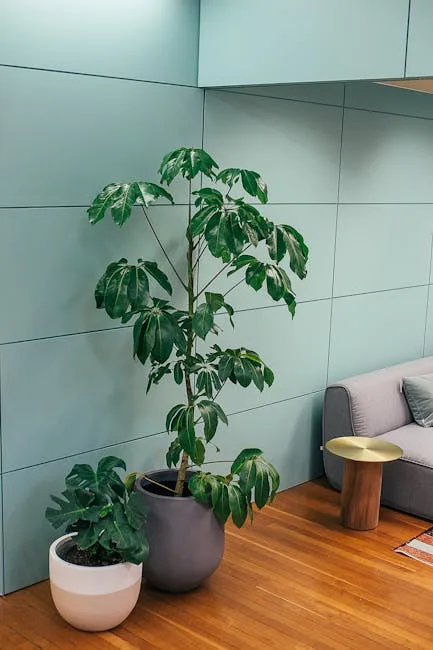
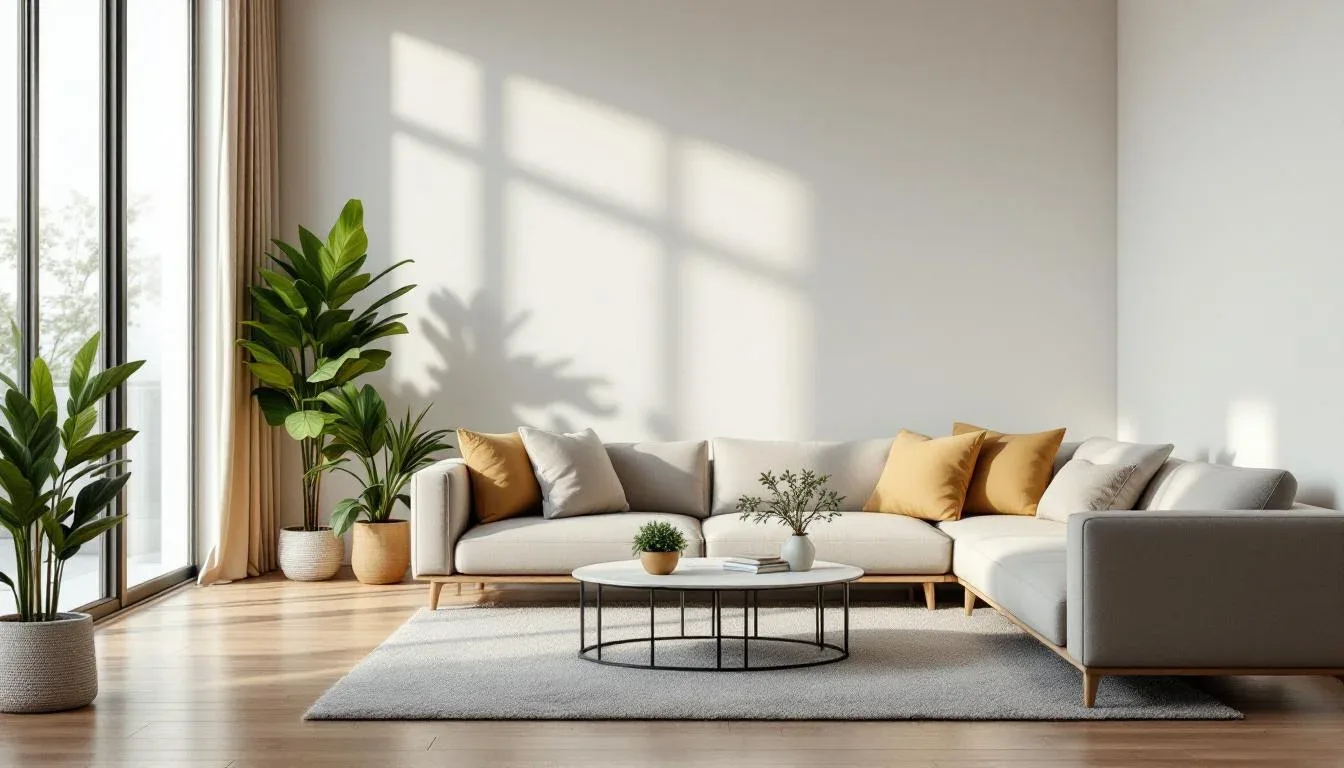
Environmental psychology research consistently finds that the presence of living plants in a space reduces cortisol levels in visitors — even when the plant is small and the exposure is brief. A study from the University of Hyogo found measurable physiological stress reduction in participants who spent just three minutes in the presence of a single potted plant, compared to a plant-free environment. Three minutes is roughly how long guests spend in your entryway during arrival and departure.
The key word in that finding is living. Faux greenery doesn’t produce the same effect. The brain registers living biological material differently than artificial approximations — likely because the subtle biological cues (slight moisture in the air, micro-movements from air currents, the faint green-plant scent compounds called phytoncides) are present with a real plant and absent from a faux one. That doesn’t mean faux is useless — it has real practical advantages in low-light entryways — but if you can manage one living plant, it earns its place.
Best living plants for entryways specifically:
- Pothos (Epipremnum aureum): Survives low light and irregular watering, trails beautifully off a console shelf, and produces notable phytoncide compounds
- Peace lily (Spathiphyllum): Tolerates low light, produces white spring blooms, and actively improves air quality
- ZZ plant (Zamioculcas zamiifolia): Near-indestructible, architectural silhouette, and glossy dark leaves that read as polished even in minimal light
- Forced bulbs in season: Hyacinth, paperwhites, or tulips in a vessel are genuinely spring-specific, highly photogenic, and provide that direct limbic scent hit described in Idea 2
Positioning matters more than species. A plant on the floor reads as décor. A plant at eye level or just below — on a console, a bracket shelf, or a tall plant stand — reads as welcome. It meets guests at their visual horizon and creates the immediate impression of a cared-for, alive space.
Actionable takeaway: If your entryway genuinely cannot support a living plant (no light, no one to water it), choose a high-quality dried botanical arrangement — pampas grass, dried lunaria, preserved magnolia leaves — over faux plastic greenery. Dried botanicals are biologically real, carry faint natural scent, and age gracefully rather than collecting visible dust.
4. Ground the Space With a Natural-Fiber Layered Rug to Add Tactile Spring Warmth
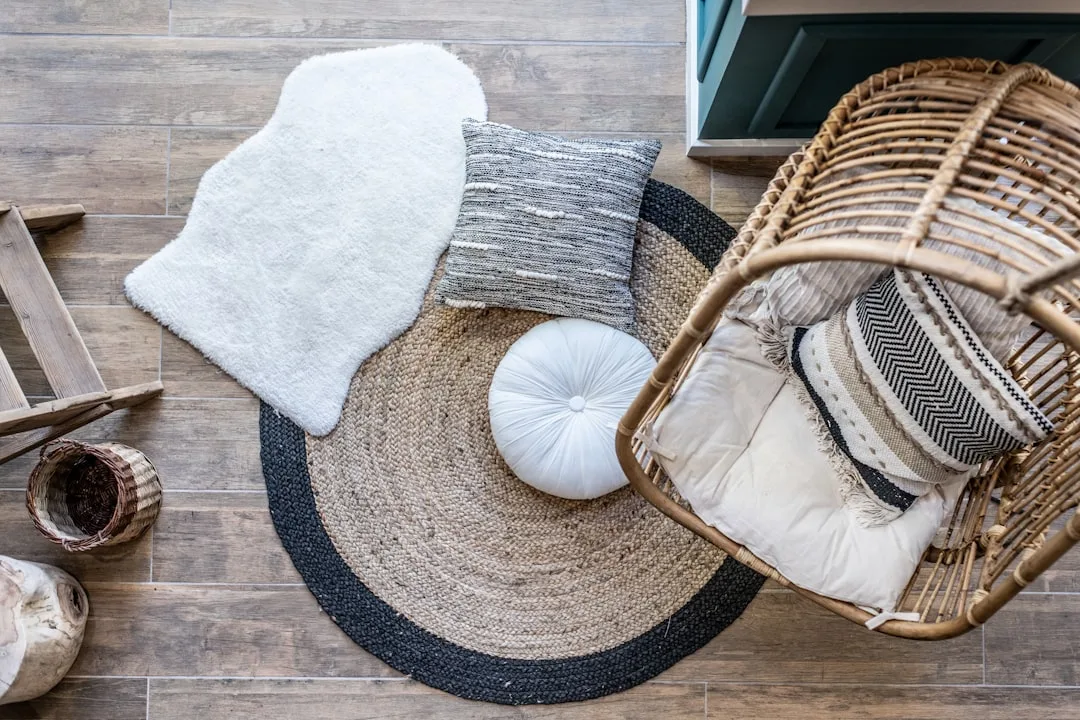
Most guests look down at some point during arrival — shoes come off, a bag gets set down, keys get dropped. That downward glance is your second visual impression opportunity, and most entryways waste it with a flat, single-layer mat that reads as purely functional.
Tactile richness signals care. Research in environmental aesthetics consistently finds that spaces with multiple tactile layers — varying textures that the eye reads even without touching — are rated as warmer, more welcoming, and more carefully considered than spaces with flat, uniform surfaces. The layered rug approach exploits exactly this: a flat-woven base rug anchored by a smaller textured rug or runner on top creates depth that a single mat never achieves.
For spring specifically, the right material choices communicate season without resorting to overt seasonal motifs:
- Jute or sisal as the base layer: Natural, warm-toned, and carries subtle organic texture that reads as seasonal without being literal
- Cotton flatweave runner on top: Washable, light-colored (cream, sage, soft terracotta), and adds the layered-depth effect
- Woven seagrass mat accent: Harder-wearing than jute, slightly more formal, good for high-traffic entryways
What to avoid for spring: dark, heavy wool rugs that carry visual weight from winter; rubber-backed mats that look institutional; anything in a pattern that competes with other entry elements rather than grounding them.
Budget Tier 1 (under $50): A natural jute mat from World Market or IKEA’s HJORTHEDE series layered with a smaller cotton runner you likely already own in another room.
Budget Tier 2 ($50–$200): Ruggable’s washable flatweave layered over a natural-fiber base gives you the tactile look with practical durability — critical for a high-traffic zone that will see mud and rain all spring.
Budget Tier 3 ($200+): A custom-sized vintage kilim runner from Etsy sellers who specialize in worn, plant-dyed pieces — the irregular texture and color variation of a genuine vintage rug adds more visual warmth than any new rug at the same price point.
Actionable takeaway: Measure your entryway before buying. The most common rug mistake is choosing a size that floats in the space rather than anchoring it. The base rug should be large enough that guests step onto it immediately upon entering — not after they’ve already moved into the room.
5. Use a Mirror Strategically to Amplify Light and Create a Functional Focal Point
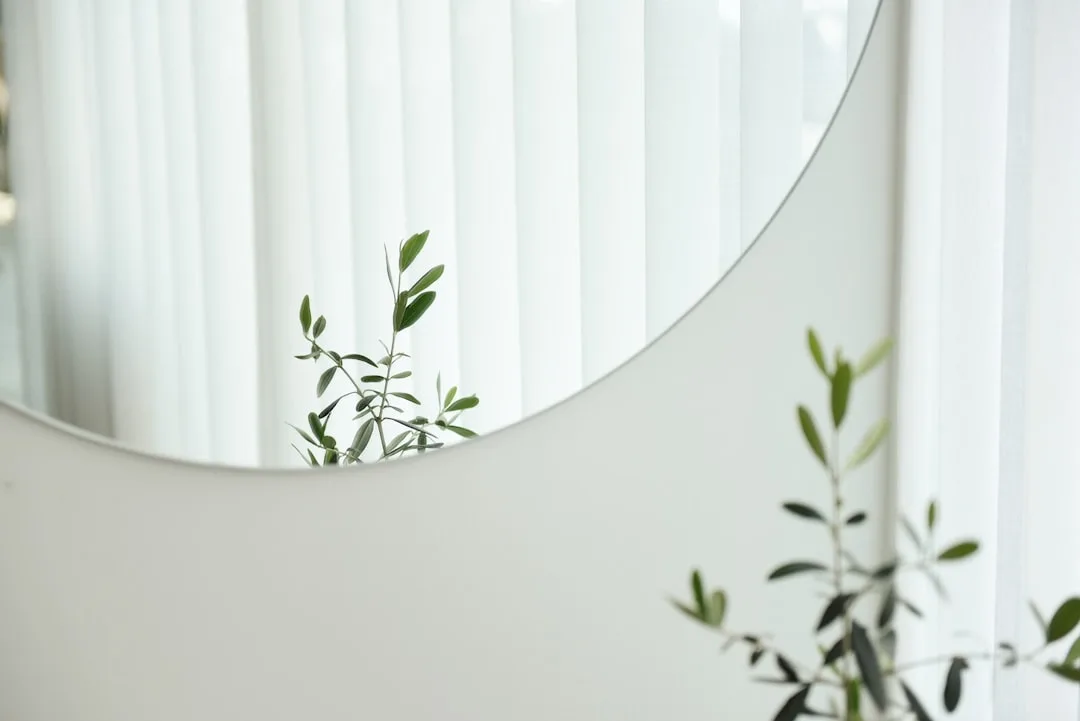
Mirrors in entryways are so common they’ve become cliché. The reason they’re everywhere is that they work — but the reason most entryway mirrors underperform is that they’re placed and sized without any deliberate intention.
The psychological function of an entryway mirror is dual. First, it amplifies the light sources you’ve already established (see Idea 1), bouncing warm ambient light deeper into the space and creating the visual impression of a larger, more luminous room. Second — and this is the part most decorating content ignores — a mirror at the right height allows guests to self-check on arrival, which environmental psychology research shows reduces self-consciousness and increases social comfort. Guests who can quickly verify their own appearance feel more at ease in a space than guests who can’t.
Placement specifics that most people get wrong:
- Height: The center of the mirror should sit at approximately 57–60 inches from the floor for the average adult — which is the same standard used for hanging artwork at eye level in galleries. A mirror hung too high serves no one.
- Size: Err larger than instinct suggests. A mirror that’s too small reads as an afterthought. For a typical entryway console table, the mirror should be at least two-thirds the width of the console.
- Frame material for spring: Aged brass, unlacquered brass that will patina naturally, light natural wood, or woven rattan frames all carry the warmth and organic quality that reads as spring without relying on a seasonal motif.
What to place in front of it: A vase of flowering branches (forsythia, cherry, quince) or a potted plant placed in front of a mirror doubles the apparent volume of greenery and creates the lush, garden-adjacent quality that makes spring entryway decor ideas feel genuinely immersive rather than token.
Actionable takeaway: If you already have an entryway mirror, check its center height against the 57–60 inch standard before buying anything new. Remounting it at the correct height is free and may be all it needs.
6. Edit Ruthlessly — Visual Clutter Triggers Stress Hormones That Override Every Other Positive Cue
This is the idea most spring refresh content skips because it involves removing things rather than buying them, and removal doesn’t photograph as well as addition. But it may be the most psychologically important item on this list.
A UCLA study on middle-class American families found a direct correlation between cortisol levels (the primary stress hormone) and the density of household objects visible in a space. High object density — what we recognize as clutter — produced measurably higher cortisol in study participants. The effect was consistent and immediate, triggered before participants had consciously processed what they were looking at.
Your entryway is uniquely vulnerable to clutter accumulation because it’s a functional transition zone. Shoes, bags, mail, keys, umbrellas, reusable grocery bags, pet leashes — all of it gravitates to the entryway because that’s where arrivals and departures happen. Every piece of winter gear still hanging by the door is doing two things simultaneously: taking up physical space and firing a low-level stress signal in every guest who enters.
The spring edit protocol, applied specifically to entryways:
- Remove every winter-specific item that has no function between now and October: heavy coats, snow boots, ice scrapers, ski gear
- Reduce what remains to one of each functional category: one hook per person who lives there (not one hook per coat), one basket or tray for catch-all items (not an open accumulation zone)
- Leave deliberate negative space on your console table surface — at minimum one-third of the surface should be empty. That empty space is not wasted; it’s what makes the objects you’ve chosen to display read as intentional
- Store seasonal items in a closet or storage ottoman rather than in the visible entryway zone
What to keep: One functional object per purpose (key hook, shoe tray, bag hook), one decorative anchor piece (the mirror, a vessel with botanicals), one scent source, one lighting layer beyond the overhead fixture. That’s enough. That’s actually the goal.
Actionable takeaway: Take a photo of your current entryway on your phone before making any other changes. Look at it on your phone screen rather than in person — the small frame forces your eye to register density the same way a first-time visitor’s brain does. What registers as busy in that format needs to go.
7. Add Seasonal Color Through a Single Dominant Vessel or Botanical Arrangement
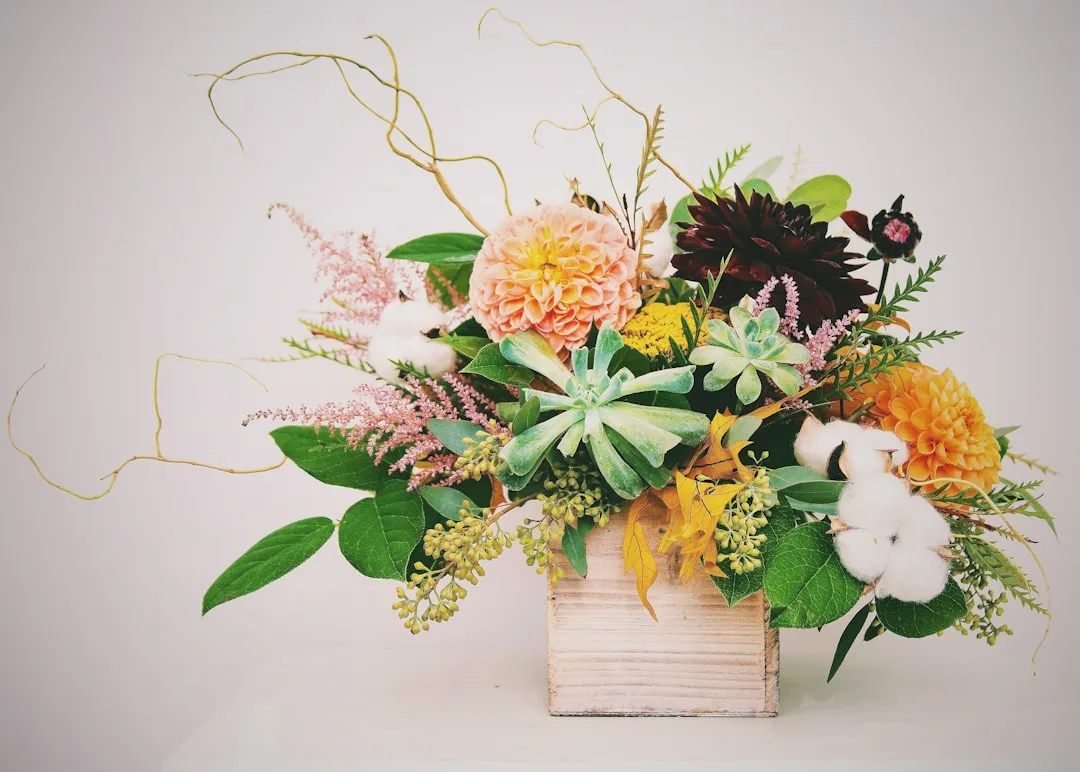
After light, scent, living plants, tactile texture, mirror placement, and edited space — now you get to add color. Specifically: one vessel or botanical arrangement that anchors the spring palette for the entire entry.
The reason this comes last is sequencing. Most spring entryway decor ideas start here — swap the wreath, add tulips, put out something yellow — without establishing the sensory and psychological foundation first. When you’ve addressed the preceding six elements, a single well-chosen vessel does more perceptual work than five seasonally-themed accessories competing for attention.
The psychology of spring color specifically: Research in color psychology finds that soft, mid-saturation colors in the green-yellow spectrum (sage, chartreuse, warm celery) and the warm orange-coral range (terracotta, peach, soft burnt orange) are most reliably associated with spring renewal and positive affect across diverse populations. High-saturation primary colors — the plastic-Easter-egg end of spring color — read as festive rather than sophisticated and carry different psychological associations.
The vessel itself communicates as much as what’s in it:
- Aged terracotta or matte ceramic: Warm, organic, Mediterranean-adjacent — pairs with almost every spring botanical
- Clear glass with visible stems and stem water: Signals freshness, aliveness, transparency — the green water of fresh-cut stems is itself a spring color
- Woven or rattan basket as a planter: Adds tactile warmth, reads as artisan, grounds taller arrangements
What to put in it, by budget and season timing:
- Early spring (March–April): Forced hyacinth or paperwhite bulbs still in soil, branches of flowering quince or forsythia from a farmers market or your own yard, pussy willows with their tactile texture
- Mid-spring (April–May): Tulips in a single color (mixed colors read as more casual; monochromatic reads as deliberate), ranunculus in peachy-coral, sweet pea if you can find them
- Late spring (May–June): Peonies for the brief window they’re available, alliums for architectural drama, garden roses from a local grower
Actionable takeaway: The single-vessel rule applies even if your instinct is to add more. Three medium arrangements compete; one substantial arrangement commands. Buy the largest, most generous bunch you can afford in one variety and put it in one vessel. That’s the move every time.
The through-line across all seven of these spring entryway decor ideas is the same: the brain responds to sensory quality before it processes decorative intent. Get the sensory foundation right — light temperature, scent, living material, tactile depth, visual clarity — and the seasonal details you add on top will land exactly the way you want them to.