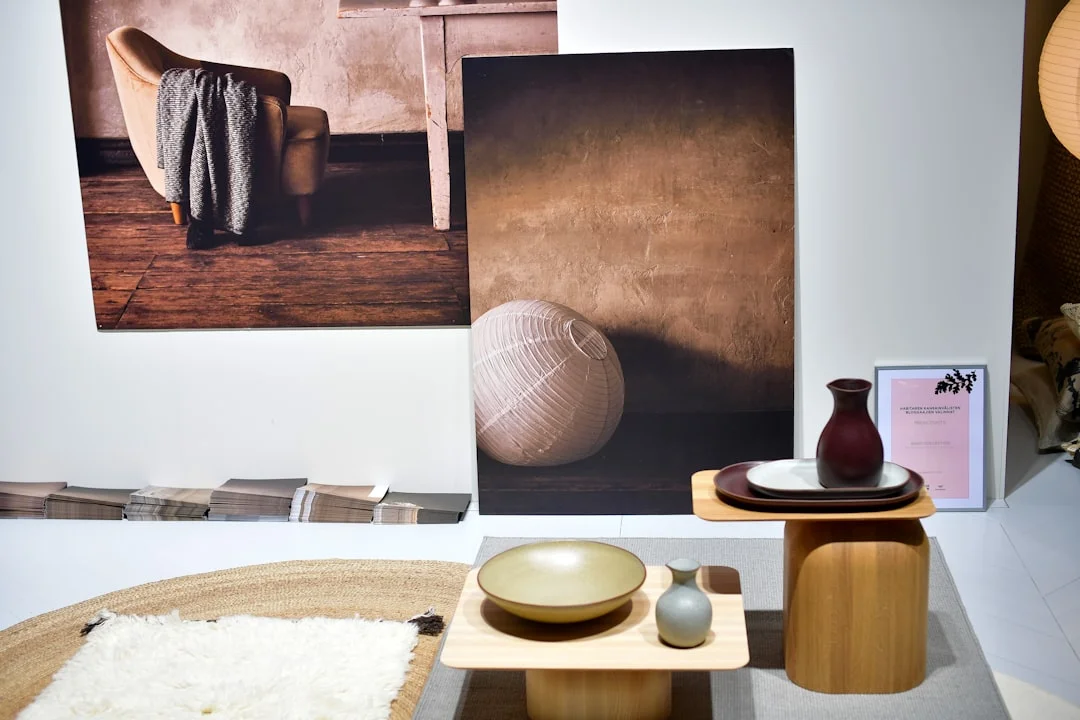
Japandi isn’t a trend. It’s a correction.
The design world spent two decades oscillating between maximalist excess and sterile tech-minimalism, and somewhere in that exhausting back-and-forth, people stopped feeling comfortable in their own homes. Japandi interior design ideas didn’t go viral because they’re pretty. They spread because they solved something. A room that feels simultaneously disciplined and warm, intentional without being cold — that’s not a mood board fantasy. That’s a design philosophy with 170 years of cultural weight behind it.
Here’s what most articles won’t tell you: Japandi isn’t new. When Japan reopened its borders in the 1850s, Scandinavian designers were among the first Westerners to make the pilgrimage east. They didn’t just visit — they absorbed. The cross-pollination between Japanese craft philosophy and Nordic functional design has been quietly informing furniture, architecture, and object-making ever since. What changed in the last decade isn’t the aesthetic. It’s that we finally have a name for it.
And that name is doing a lot of work in 2026.
Japandi Isn’t Minimalism — Stop Treating It Like It Is
This is the single most important distinction nobody is making clearly enough. Minimalism, in its purest form, is about subtraction. Remove until there’s nothing left to remove. The ideal minimalist room feels like a concept. Japandi is the opposite impulse — it’s about presence, not absence.
The Japanese concept of wabi-sabi anchors the entire aesthetic. Wabi-sabi finds beauty in imperfection, transience, and incompleteness. A ceramic bowl with an uneven rim. A linen curtain that folds asymmetrically. Grain in a wood tabletop that tells you exactly which tree it came from. These aren’t flaws to be smoothed away — they’re the point. A strict minimalist would replace that bowl. A Japandi home celebrates it.
Scandinavian design brings the counterweight: functionality, warmth, and the concept of hygge — that untranslatable Danish sense of cozy wellbeing, the feeling of being exactly where you should be. Where Japanese aesthetics pull toward restraint and contemplation, Nordic design pulls toward comfort and livability. Japandi style is the tension between those two forces held in productive balance. The result is spaces that don’t look decorated. They look inhabited, thoughtfully, by someone who makes decisions slowly and well.
The difference from generic neutral home decor is just as significant. Neutral decor is often just beige by committee — a failure to commit to anything. Japandi neutrals are chosen with purpose. Every surface has a reason. Every object earns its place. That’s not minimalism. That’s editing.
The Palette Is More Specific Than You Think
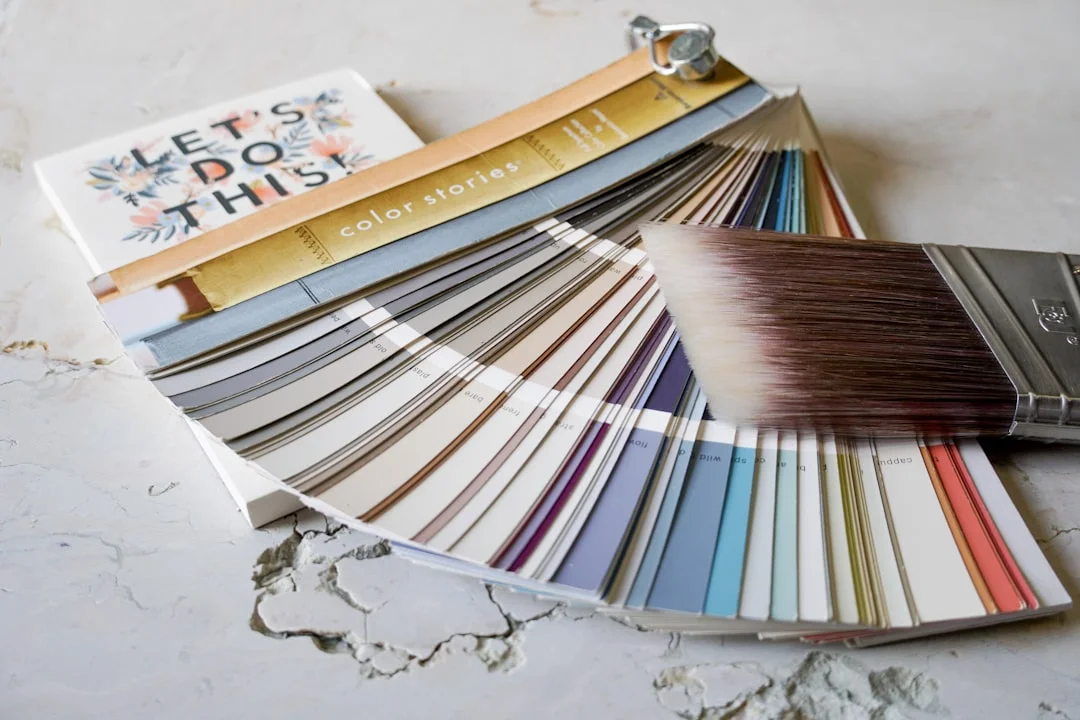
Every article on Japandi style mentions “neutrals” and calls it a day. That’s not useful. The Japandi palette has actual logic, and understanding it will save you from producing something that looks like a sad hotel lobby.
The base layer runs through what you might call organic neutrals — warm whites like rice paper and bone, earthy taupes, muted greiges that read as almost-no-color in certain light. These aren’t the cool, slightly-blue whites of Scandinavian minimalism. They’re warmer. Softer. Think the color of unbleached linen or raw clay rather than fresh snow.
The mid-layer is where Japandi gets interesting. Charcoal and deep slate enter — not as bold contrast, but as grounding elements. A charcoal linen sofa against warm white plaster walls doesn’t read as dramatic. It reads as settled. Dark wood — particularly walnut, blackened oak, or smoked ash — bridges the gap between the warm neutrals and the darker accent tones. This wood note is non-negotiable. You cannot achieve Japanese Scandinavian design without visible, honest wood grain. No high-gloss lacquer. No painted-over pine.
The surprise: moss green and dusty sage appear in the best Japandi interiors as a third-tier accent, not as primary color. A single ceramic vase in muted celadon. A wool throw in something that sits between sage and gray. These color notes reference the natural world without screaming “plant mom decor.” And black — used sparingly, precisely — acts as punctuation. A thin black picture frame. Black hardware on a walnut cabinet door. Just enough to keep the room from going soft.
If you’re looking at paint, the palette lives in the neighborhood of colors like Farrow & Ball’s Elephant’s Breath, Purbeck Stone, and Down Pipe for reference tones, though any paint brand’s equivalents in those temperature ranges will work. The formula isn’t brand-specific. It’s temperature-specific.
The Furniture Rules Nobody Tells You Straight
Japandi furniture follows three principles that sound simple and are harder to execute than you’d expect.
Low and close to the ground. Japanese interiors historically centered life at floor level — tatami, zabuton cushions, low tables. Scandinavian design borrowed and adapted this through low-profile sofas, platform beds, and furniture with short, tapered legs. In a japandi living room, your sofa seat height probably tops out at 14 to 16 inches from the floor. Your coffee table sits at knee height or below. The visual effect is a room that breathes — a clear field of wall and space above the furniture line, making even a modest room feel expansive.
Handmade or handmade-adjacent. This is where the wabi-sabi home philosophy intersects directly with purchasing decisions. Japandi doesn’t demand that everything be artisanal and expensive — that’s a misconception that keeps people from committing to the style. It demands that objects look honestly made. Visible joinery on a shelving unit. A slightly irregular edge on a stoneware mug. Fabric with enough texture that you can see the weave. What you’re avoiding is plastic-adjacent surfaces, high-polish finishes, and anything that looks like it was designed by algorithm.
Negative space is furniture too. Here’s the counter-intuitive recommendation: buy less than you think you need, then wait before adding anything. Most people designing a japandi interior under-edit. They get the right sofa, the right low table, the right ceramic piece — and then fill every remaining surface because empty space makes them nervous. The empty space is the design. A shelf with three objects on it and room for nothing else isn’t sparse. It’s finished.
For specifics: look for seating in natural linen, cotton canvas, or wool bouclé in the organic neutral range. Avoid leather unless it’s vegetable-tanned and worn-looking — pristine black leather will fight everything. Tables in solid walnut or white oak with visible grain. Storage that closes — Japandi keeps its clutter behind doors, not displayed. And one piece of genuine craft per room: a hand-thrown bowl, a woven basket, a thrown-clay lamp base. One is enough.
This Style Works Better in Small Apartments Than Big Houses
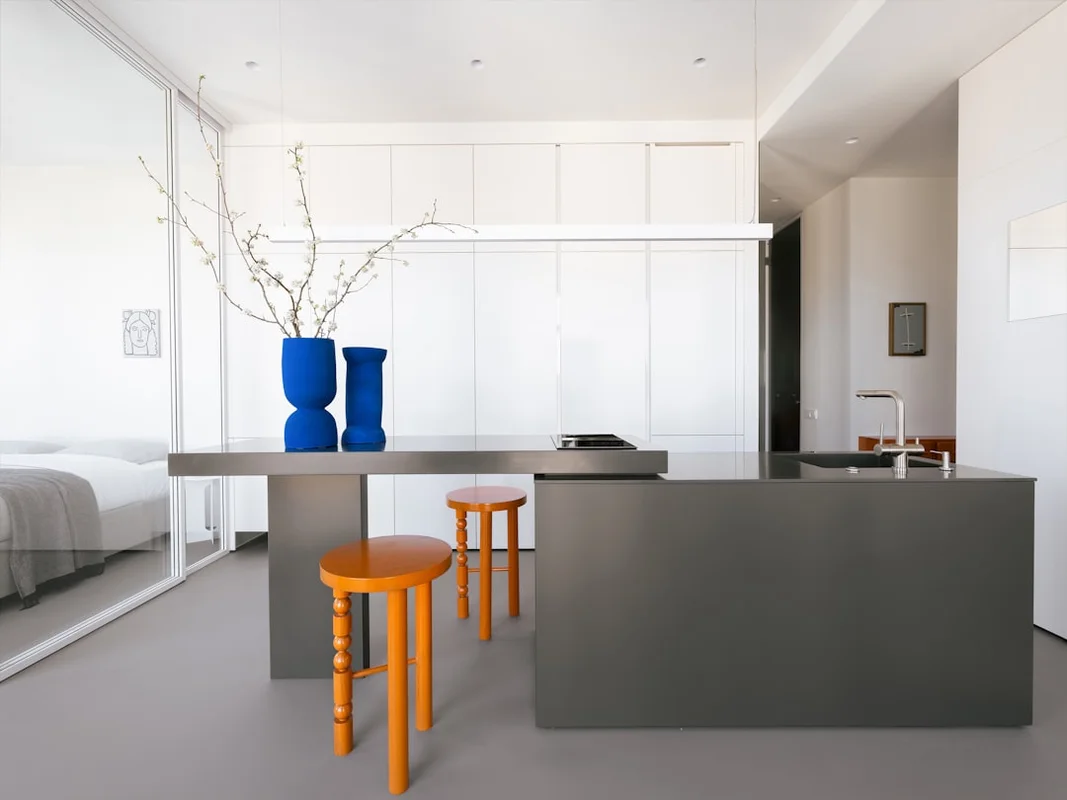
The conventional wisdom runs exactly backwards here. People assume Japandi — with its emphasis on space and negative volume — requires large rooms to work. Interior designers who specialize in this aesthetic will tell you the opposite.
The principles that define japandi interior design ideas are practically engineered for small-space living. Low furniture creates vertical breathing room that makes ceilings feel higher. A limited, cohesive palette eliminates the visual noise that makes small rooms feel chaotic. Intentional object curation means you never hit the critical-mass of stuff that makes a small space feel cramped. And the wabi-sabi home philosophy actively discourages the decorative accumulation that is the enemy of every small apartment.
A 480-square-foot studio executed in Japandi will feel more spacious than the same square footage done in maximalist eclectic style — not because of any spatial illusion trick, but because there’s simply less competing for your attention. The eye has somewhere to rest. The brain downshifts. That’s the function of the style, not just its aesthetics.
Where large homes struggle with Japandi: scale. The style doesn’t fill space the way traditional decorating approaches do. A 4,000-square-foot home executed in strict Japandi style can feel underfurnished, even lonely. Larger spaces require larger-scale craft objects, more deliberate architectural details — plastered walls with visible texture, floor-to-ceiling shoji-inspired screens, structural beams left exposed — to give the eye enough to engage with without overcrowding the room. The small apartment gets the core principles for free. The big house has to earn them architecturally.
What Everyone Gets Wrong When They Try to Do This at Home
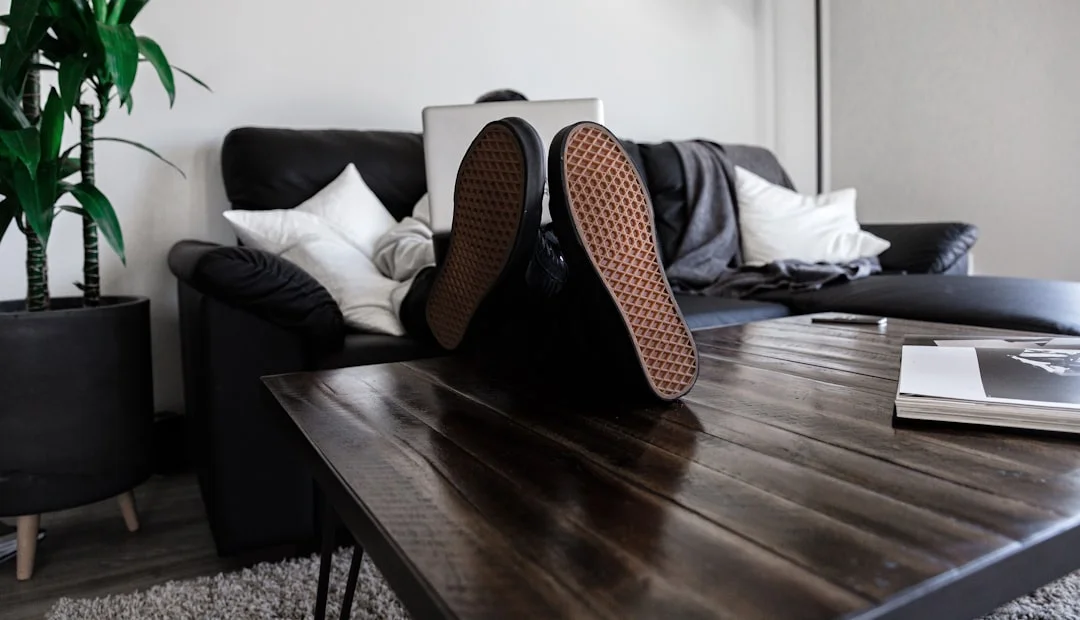
Most attempts at japandi style fail in one of three ways. They’re worth naming clearly because they’re subtle, and you won’t find them called out in articles written to sell you furniture.
The first mistake is treating it as an all-or-nothing renovation. People see a Japandi reference image — the perfectly austere bedroom, the living room with the single branch in a tall vase — and conclude they need to start over. They don’t. Japandi transitions well from existing spaces. Start by removing, not adding. Identify the three objects in your current room that produce the most visual noise and box them. Live without them for two weeks. That act of curation will reveal the bones of your space in a way that no purchase ever will.
The second mistake is buying Japandi-coded products without Japandi-coded discipline. You can fill a cart with rattan, raw linen, walnut, and stoneware — and produce a room that looks like a Japandi mood board exploded. The objects aren’t the point. The relationships between them are. Spacing matters. Groupings matter. The silence between objects is as active as the objects themselves. This is the wabi-sabi lesson that doesn’t translate to shopping guides: imperfection in editing is just mess.
The third mistake is chasing the aesthetic and missing the philosophy. Japanese Scandinavian design isn’t a look to be assembled. It’s a stance toward objects — you own fewer things, you own them longer, you choose them more carefully. A Japandi interior that was styled in an afternoon by someone who bought everything at once will read differently from a room that was built over three years by someone who replaced one thing at a time when the previous object stopped serving them. The authenticity is temporal, not just aesthetic. I can’t prove that claim empirically, but every designer I’ve spoken to about this style makes the same observation.
The Honest Cost Breakdown (With the Part Other Guides Skip)
Japandi has a reputation for being expensive. This is partly accurate and partly an artifact of the aspirational photography that dominates the conversation.
The expensive version — hand-thrown ceramics, solid walnut from a Danish furniture maker, natural plaster walls professionally applied — can run staggering figures. A single Nakashima-influenced dining table can exceed $8,000. Proper natural linen upholstery on a custom sofa frame can double the cost of the equivalent synthetic piece. If you’re doing the full architectural treatment with limewash plaster, smoked oak floors, and bespoke joinery, you’re looking at a significant renovation budget.
But the affordable version is legitimate. The principles — low profile, honest materials, disciplined editing, visible craft — can be executed at IKEA price points if you make the right choices. The IKEA Kallax isn’t Japandi. The IKEA RÅVAROR bed frame, in a natural stain on a floor-level setup with high-quality linen bedding, absolutely can be. The philosophy doesn’t require luxury. It requires discernment. Buy the $35 hand-thrown mug instead of the $8 injection-molded one. Spend your money on the single piece you’ll use every day rather than twelve things you’ll rotate through.
The counter-intuitive recommendation: invest in exactly one expensive, handmade item per room before anything else. Not because it makes the room look expensive, but because it calibrates your eye. Every subsequent decision gets filtered against that standard. Does this $60 pillow look honest next to the $240 ceramic lamp base? If the answer is yes, buy it. If it exposes the pillow as cheap-looking, leave it.
The mid-range sweet spot sits with brands like HAY, Muuto, and Ferm Living on the Scandinavian side, and any number of small ceramics studios for craft objects. You don’t need to buy everything from one place. The coherence comes from the editing, not the catalog.
Questions We Get Every Day
Is Japandi the same as wabi-sabi?
No — wabi-sabi is a Japanese philosophy that informs Japandi, but it’s not the complete picture. Wabi-sabi is specifically about beauty in imperfection and transience. Japandi adds Scandinavian functionality and the warmth concept of hygge to that foundation. A pure wabi-sabi interior would be more austere and contemplative. Japandi is livable in a way that strict wabi-sabi isn’t always intended to be.
What’s the single most impactful change I can make to move toward this style?
Remove overhead lighting and replace it with low, warm light sources — floor lamps, table lamps, and wall sconces positioned at eye level or below. This single change transforms the atmosphere of a room more than any furniture purchase. Japandi interiors almost never use bright overhead fluorescent or LED light. The shift to warm, low, diffused light is immediate and significant.
Can I mix Japandi with color I already love?
Yes, but the color needs to appear in natural materials. A terracotta that exists as raw clay reads Japandi. That same terracotta on a high-gloss ceramic planter doesn’t. A dusty sage in rough-woven linen works. The same sage in a synthetic velvet fights the philosophy. The rule isn’t about hue. It’s about finish and materiality.
How do I avoid a Japandi living room that feels cold or uninviting?
Texture is the answer every time. Cold-looking Japandi rooms are almost always texture-deficient — flat painted walls, smooth upholstery, clean tile. Add a jute rug, a roughly woven throw, a plaster-effect wall treatment, raw wood with visible grain. The tactile dimension is what hygge contributes to this style. If you can’t feel the warmth of the room before you enter it, there’s not enough texture.
Does Japandi work for families with kids?
Better than people assume. The emphasis on durable natural materials — solid wood over veneer, linen over silk, stone over glass — means a well-executed Japandi interior is genuinely hard to damage in ways that matter. A scratch on a walnut table is patina. A dent in an MDF surface is damage. The philosophy of wabi-sabi literally accounts for wear as beauty. The stressful part is the curation discipline — keeping a Japandi space edited while children exist requires real commitment to regular decluttering.
Why does my Japandi attempt always look beige and boring?
Because you’re neutralizing the contrast instead of managing it. The dark elements — charcoal, deep wood, black accents — are load-bearing. Without them, the warm neutrals have nothing to push against and everything reads as one flat tone. Go darker in your anchor pieces than your instinct tells you to.
Is Japandi appropriate for exterior design and outdoor spaces?
Completely, and this is an underexplored application. The principles translate directly to outdoor spaces: natural materials that weather honestly, restrained planting with deliberate negative space, low-profile seating, and one central craft object (a stone lantern, a ceramic planter of serious scale). The Japanese garden tradition and Scandinavian approach to landscape — working with the natural environment rather than imposing on it — merge here even more naturally than they do indoors.
Why Japandi Wins the Next Decade
Design trends move in cycles, and they almost always react against the excess that preceded them. Maximalism exhausted itself. The curated chaos of collected-over-a-lifetime eclecticism requires either a lifetime or a skilled set designer. Stark tech-minimalism turned out to be hostile to human bodies.
Japandi interior design ideas occupy a position no other current aesthetic can claim: they’re grounded in philosophy, not novelty. They have cultural depth on both sides of the fusion. They scale from a single apartment bedroom to an entire architectural commission. They improve with age — both the objects within them and the eye of the person living with them. And they address something real about how people want to feel in their homes in 2026: calm, intentional, present, and surrounded only by what they chose.
The style that keeps winning is always the one that solves a genuine human problem. Japandi solves the problem of too much — too much noise, too much stuff, too many decisions, too many objects that demand attention without giving anything back. What remains when you’ve taken all of that away isn’t emptiness. It’s the room you actually wanted. The life you were reaching for. The space that finally feels like yours.