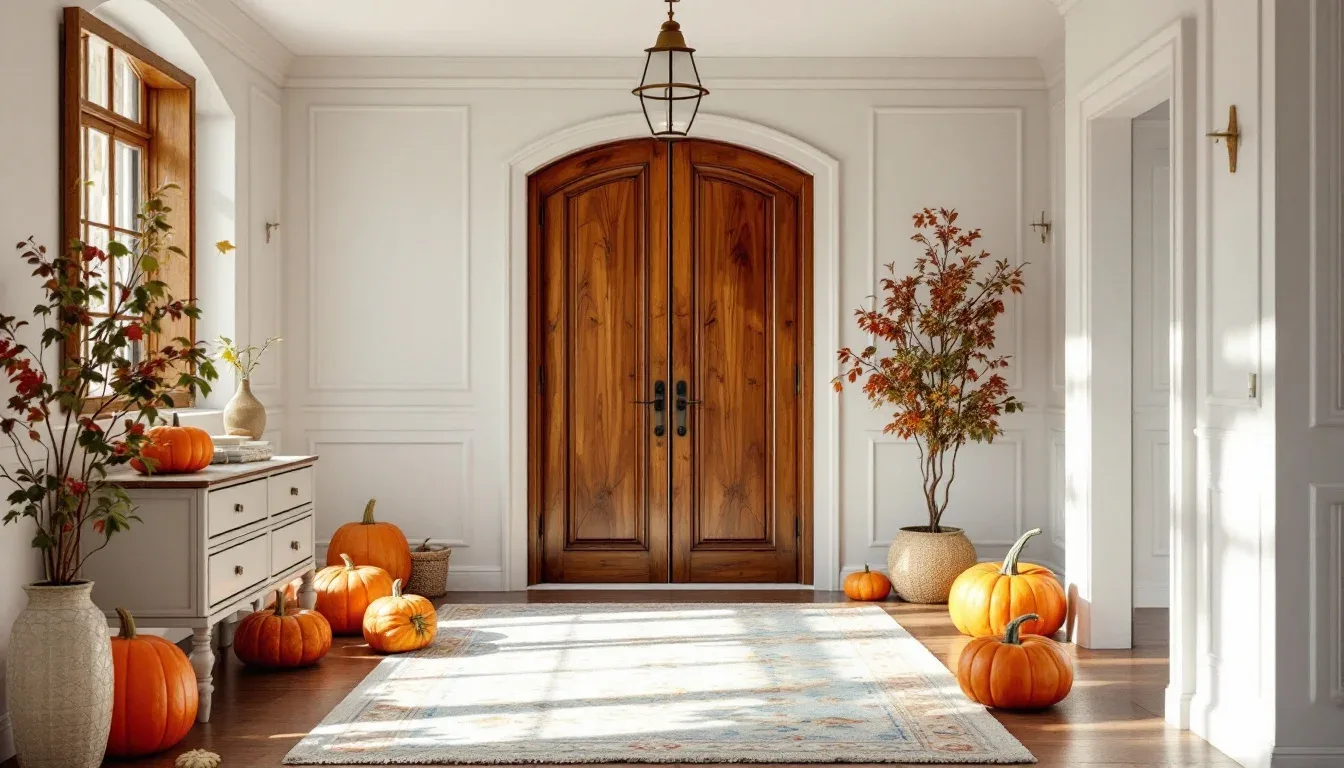
The reason your fall foyer never quite looks the way it does in the photos has nothing to do with budget — it’s that you’re adding pieces before the space has a foundation to hold them. You’re decorating on top of nothing. When you’re decorating entryway for fall, the pumpkins go on the console, the wreath goes on the door, the plaid blanket gets draped somewhere, and the whole thing looks like a store display rather than a home — because that’s exactly the sequence those stores use. What the photos don’t show you is the hour the stylist spent clearing everything out first.
Quick Answer
The reason your fall foyer never quite looks the way it does in the photos has nothing to do with budget — it’s that you’re adding pieces before the space has a foundation to hold them.
Decorating an entryway for fall is not about accumulation. It’s about sequence.
Why Most Fall Foyers Feel Staged Instead of Styled
In This Article
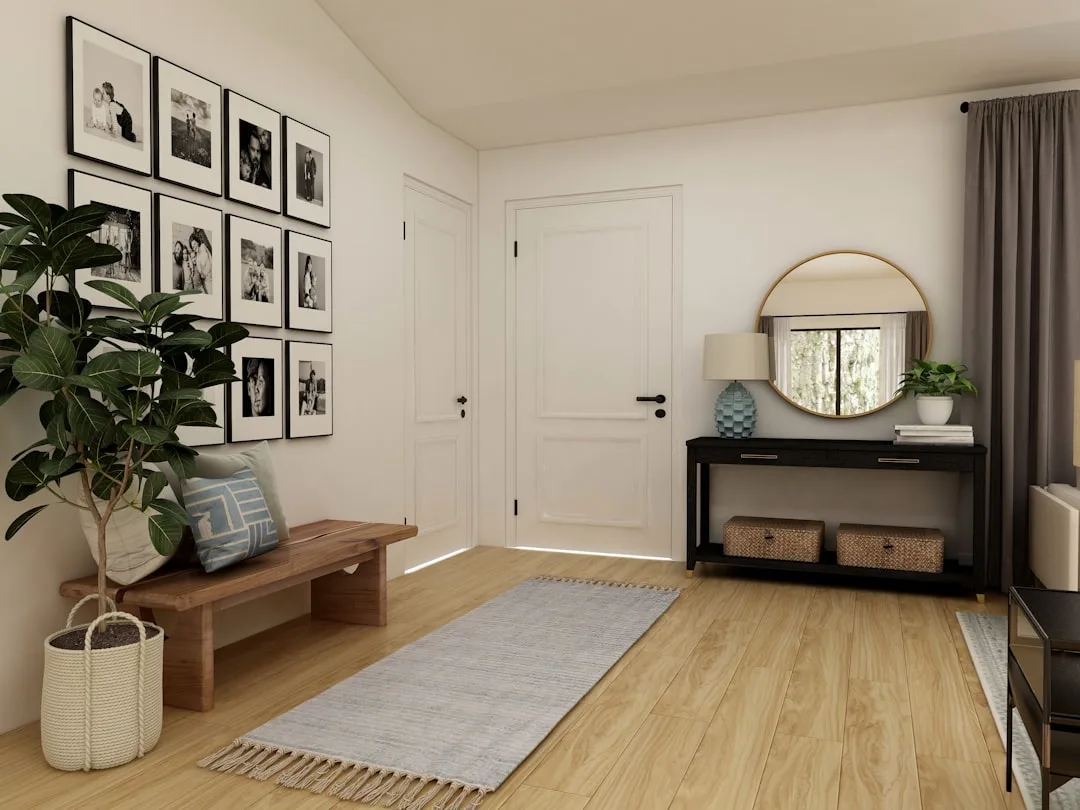
Walk into a showroom in October and you’ll see exactly what’s wrong with most people’s fall foyers: too much, too coordinated, and completely without personality. The problem isn’t that people lack taste. It’s that the dominant model for fall decorating — the Pinterest board, the Instagram reel, the “10 ways to style your entryway” listicle — treats the foyer as a backdrop for objects rather than a space people actually pass through multiple times a day.
The real damage is done by what I call the “seasonal addition” mindset — the idea that fall decorating means adding autumn things to whatever’s already there. So a foyer that was already slightly overcrowded gets gourds stacked on top of unopened mail, a wreath that clashes with the existing art, and a doormat layered over a runner that was never quite right to begin with. More becomes worse, not better.
Research on first impressions consistently shows that people form a judgment about a space within 7 seconds of entering it. Seven seconds is not enough time to appreciate a carefully curated vignette. It is enough time to feel whether a room is calm or chaotic. Your foyer is setting an emotional tone before your guests have consciously registered a single decorative object.
The three mistakes I saw most often in eleven years of working with real clients:
- Competing textures with no anchor: A jute rug under a velvet pumpkin next to a chrome-finish console next to a wood-beaded garland — each piece interesting alone, collectively exhausting
- Wrong scale: Tiny objects on a large console, or one enormous wreath on a small door — scale mismatches read as amateur even when the individual pieces are beautiful
- Ignoring the floor plane entirely: The floor is real estate. Most people treat it as the surface their furniture sits on rather than a styling layer in its own right
None of these mistakes require money to fix. They require looking at what’s already there before you open a single box of fall decorations.
Actionable takeaway: Before buying anything new, remove everything seasonal from your foyer and live with the empty space for 24 hours. You’ll see what the room actually needs.
Start With the Architecture, Not the Accessories
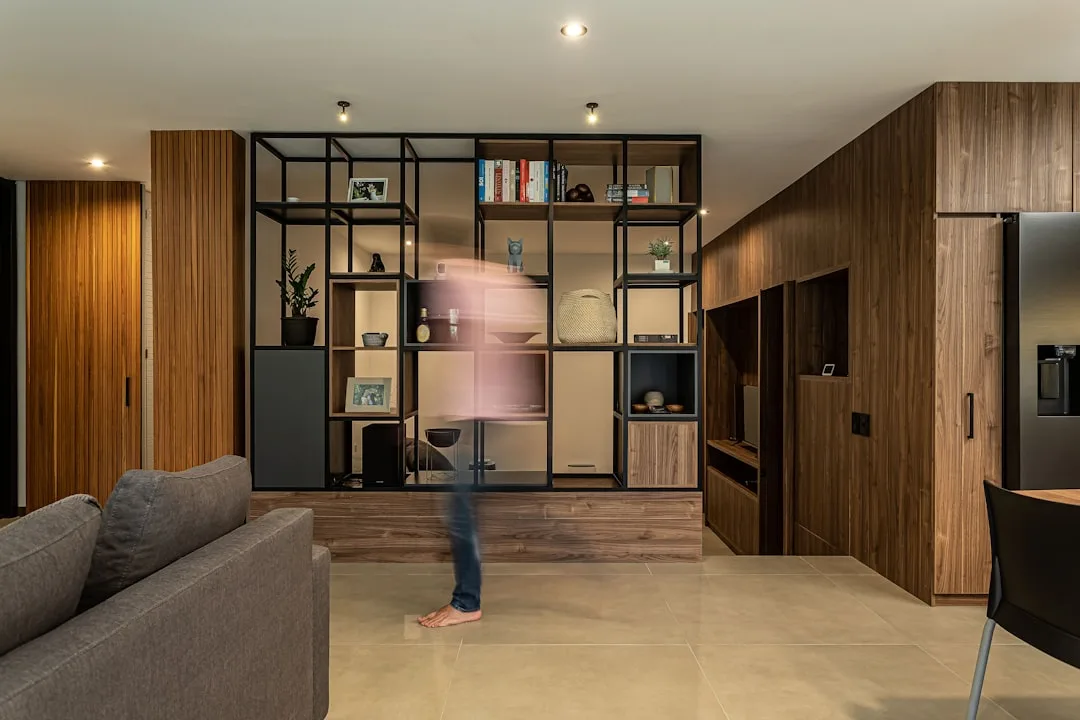
Every foyer has what I think of as a style DNA — the set of architectural signals it’s been sending all along, whether you’ve been listening or not. The flooring material, the ceiling height, the direction the light comes from, the profile of any molding, the finish on the door hardware — these are not neutral background details. They are the bones of the room, and every seasonal element you bring in will either harmonize with those bones or fight them.
Most designers I’ve worked alongside will tell you the same thing: architectural alignment is the step skipped by the overwhelming majority of people decorating their own homes, and it’s why a $300 decorating budget can produce something that looks like a Halloween store, while a $60 budget spent thoughtfully can produce something that feels genuinely designed.
Start with ceiling height, because it’s the most overlooked variable in foyer styling. A low, 8-foot ceiling cannot handle tall dried pampas arrangements or a dramatic over-door garland — those elements push the ceiling down further visually. What a low-ceiling foyer needs is horizontal layering: a wide runner rug, a low bench with objects spread across it, artwork hung lower than you think is correct. High ceilings — anything above 10 feet — need vertical drama to avoid feeling cold. A tall ceramic vessel, a floor-length mirror, a wall-mounted arrangement that draws the eye up.
Then do a quick light audit. North-facing foyers receive cool, indirect light for most of the day. Layering dark fall colors into a north-facing space — deep burgundy, forest green — without warm-toned lighting will make the entryway feel like the inside of a cave by 3 PM. Warm-toned elements compensate for cool natural light: think aged brass, ivory linen, beeswax candles, honey-toned wood. South-facing foyers have the opposite luxury — they can handle cooler fall tones like sage, dusty plum, and even terracotta without the space feeling cold.
To identify your foyer’s style DNA quickly:
- Look at your door hardware finish — it tells you whether the space skews warm (oil-rubbed bronze, unlacquered brass) or cool (brushed nickel, matte black)
- Identify your flooring material — natural stone and hardwood read differently than tile or vinyl plank, and your seasonal additions should respond to that
- Note any existing architectural detail — if you have board-and-batten, that’s a farmhouse or transitional signal; if you have clean flat walls and recessed lighting, that’s a modern signal
- Count your light sources — a single overhead fixture is a problem fall can help solve with candles and plug-in sconces
Actionable takeaway: Write down your foyer’s ceiling height, light direction, flooring material, and one word for its style DNA. Every purchase decision filters through that list.
The Layering Framework That Replaces Guesswork
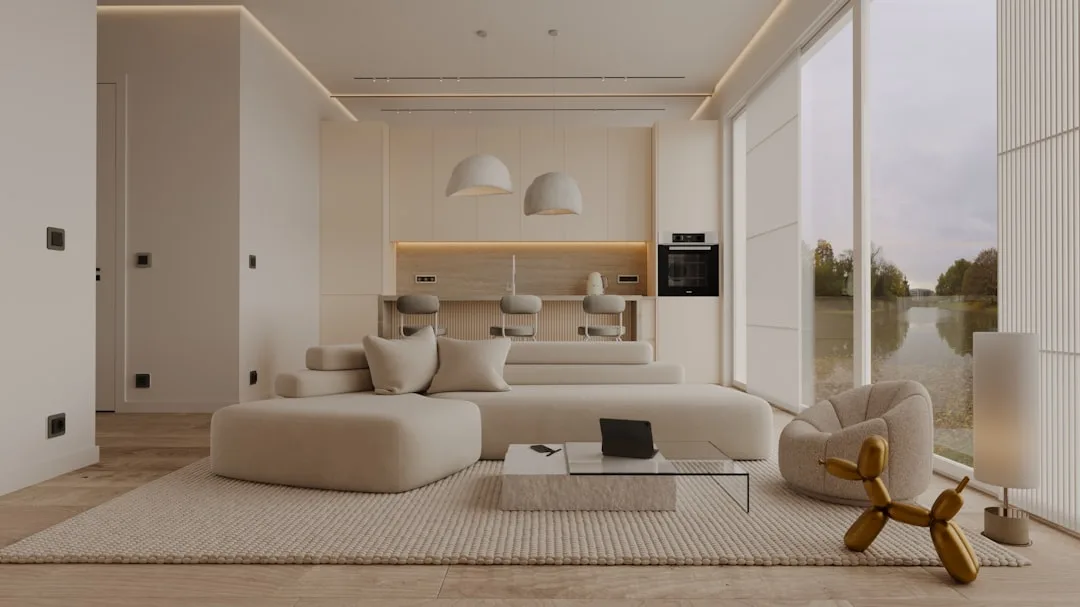
Professional stylists don’t start at eye level. They start at the floor and build up — and this sequence is not arbitrary. Working ground-to-ceiling reduces visual competition between elements by roughly 40% compared to placing objects all at the same height, because each layer occupies its own visual zone before the next one is introduced. The moment you place objects at five different heights simultaneously without establishing a floor foundation, your eye has nowhere to rest.
This is the part that makes decorating entryway for fall feel manageable rather than overwhelming — once you have a framework, every decision has a place to land. Here is the framework I use. Four layers, in order.
Layer 1: The Floor Plane
The floor is the most underused surface in foyer styling, and it’s also the layer that most strongly signals “this was done on purpose.” A quality runner rug is the single highest-ROI purchase in a foyer renovation — seasonal or otherwise. For fall, layer a smaller natural-fiber mat at the entry door over an existing runner, or anchor the floor plane with a grouping: a large woven basket, a pair of tall dried branch vessels, three varying-height gourds clustered asymmetrically in one corner.
The floor layer also solves a problem most people don’t name but instinctively feel: a foyer with no floor-level visual interest forces the eye to jump straight from the ground to the console or the wall, and that jump feels unfinished. Even a single object placed deliberately at floor level — a ceramic umbrella stand, a low stacked bundle of birch logs, a basket holding extra throw blankets — bridges that gap and makes the layering above it feel earned rather than dropped in.
Layer 2: The Furniture Layer
The console table is the workhorse of fall foyer styling, and it fails most often because people treat its entire surface as one surface. It isn’t. Divide any console mentally into three zones: left, center, right. The center zone holds your tallest element — a mirror, a piece of art, a large lantern. The left and right zones hold supporting elements at two different heights each. When you’re decorating entryway for fall with a console table, the specific autumn objects matter less than where they land within that zone structure. A single perfect amber glass vase in the right zone beats five small pumpkins arranged in a row across the whole surface every time.
If your foyer has a bench instead of — or in addition to — a console, treat it as a horizontal gallery. Fold a heavy wool throw in thirds and drape it over one end. Stack two books spine-out at the other end with a small tray on top. Leave deliberate negative space in the middle. The bench is where the foyer does its practical work, and styling it means acknowledging that function while still giving it visual intention.
Layer 3: The Eye-Level Layer
This is where most people begin, which is why most foyers feel incomplete — everything is happening at eye level with nothing supporting it from below. By the time you reach Layer 3, you should already have the floor and furniture layers in place, and the eye-level decisions become much simpler because the context already exists.
For fall, the eye-level layer is typically a combination of wall art or a mirror, a wreath on the door or a wall-mounted arrangement, and anything on the upper portion of the console that reaches toward this zone. The rule here is contrast: if your furniture layer is heavy and textural — rough-hewn wood, woven baskets, matte ceramic — your eye-level layer should introduce something with a cleaner line. A simple oval mirror. A single framed print. A wreath made from one material rather than five.
Wreaths specifically deserve a note on scale. The wreath diameter should be roughly two-thirds the width of whatever surface is behind it — a door, a wall section, a mirror frame. A wreath that’s too small reads as an afterthought. A wreath that’s too large competes with the door itself. For a standard 32-inch exterior door, a 24-inch wreath is the correct proportion.
Layer 4: The Ambient Layer
The ambient layer is light and scent — the two elements that make a foyer feel inhabited rather than decorated. For fall specifically, this layer carries enormous weight because autumn is a season people experience as much through smell and warmth as through visual cues.
Light sources in this layer: battery-operated pillar candles on the console (real flame is a fire hazard in a high-traffic zone), a plug-in sconce if your foyer lacks wall-mounted lighting, a small table lamp if the console has an outlet nearby. The goal is to shift at least some of the ambient light source from overhead to eye level or below — overhead-only lighting flattens a space and erases the shadow play that makes textured fall materials look expensive.
Scent: a reed diffuser works better than a candle in an entryway because it doesn’t require supervision and operates at a lower intensity, which is appropriate for a space people move through rather than linger in. Fall-appropriate scents that read as sophisticated rather than synthetic: vetiver, cedar, black pepper, dried fig, smoked oud. Avoid anything that smells like baked goods in the foyer specifically — it creates an expectation the rest of the house may not fulfill.
Actionable takeaway: Complete each layer fully before moving to the next. Place your floor elements, step back and photograph the space, then add the furniture layer. The photograph will show you what the eye doesn’t catch in real time.
The Edits That Make Everything Look More Expensive
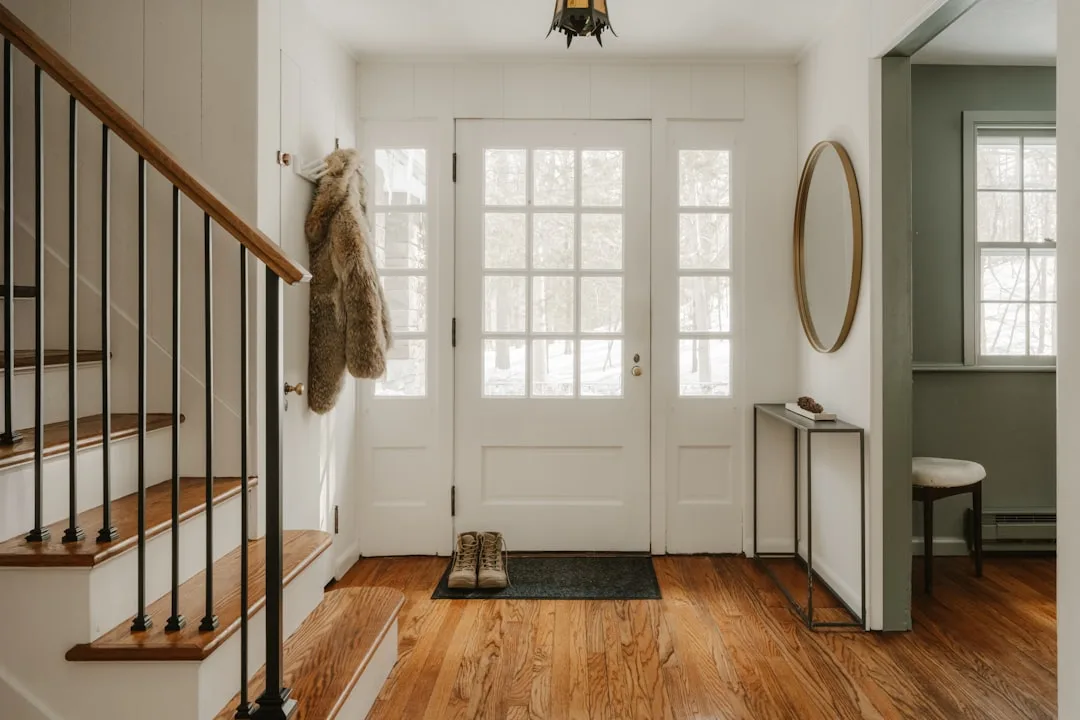
There’s a pattern in every foyer I’ve seen that photographs well: something has been removed. Not added — removed. The final step in decorating entryway for fall with any real intention is editing down to only what holds its weight visually.
The practical edit checklist:
- Remove anything with visible branding. A seasonal candle with its original label, a basket with the price tag still threaded through the handle, a doormat with a brand name stamped on the back facing up — all of these interrupt the illusion of a curated space.
- Limit your material palette to four. For fall, a strong four-material palette might be: natural linen, raw wood, aged brass, dried botanicals. Every object in the foyer should be made from one of those four materials. Anything outside the palette needs a strong justification to stay.
- Check your color count at eye level. At the eye-level layer specifically, limit yourself to three colors maximum, one of which should be a neutral. Fall palettes fail when they try to include every autumn color simultaneously — rust, burnt orange, deep red, forest green, mustard yellow, and cream all in the same 6-foot span is not a palette, it’s a collision.
- Test the “cover everything, uncover one thing at a time” method. Clear the console entirely. Add back only the piece you love most. Then add back the second piece. Stop when adding the next piece makes the previous one less interesting. That stopping point is your correct number of objects.
The edit is where the work becomes indistinguishable from professional styling — not because the objects are better, but because the relationship between objects has been resolved.
Common Mistakes Even Experienced Decorators Make
Even people who’ve been decorating entryway for fall for years tend to repeat the same small errors. They’re worth naming because they’re not obvious until someone points them out.
Matching everything to the same finish. A foyer where every metal element is the same brushed gold, every wood element is the same medium walnut, and every textile is the same rust orange doesn’t feel cohesive — it feels like a catalog page. Cohesion comes from a consistent proportion of warm to cool, not from making everything identical. Introduce one element in a contrasting finish to give the eye something to compare.
Using outdoor fall decor indoors. Harvest-themed items designed for exterior use — plastic pumpkin stakes, synthetic leaf garlands, oversized foam gourds — read immediately as costume rather than décor when brought inside. The material quality that’s acceptable 15 feet from the curb becomes obvious at arm’s length in an interior foyer.
Forgetting the transition from foyer to interior. Your foyer doesn’t exist in isolation. It’s the first room people see, but it’s also the room people see in relation to whatever’s behind it. If your foyer reads as warm and heavily autumnal but opens directly into a cool, minimalist living room, the disconnect registers as a mistake even if each space is individually successful. Pull one or two material or color signals from the adjacent room into the foyer — a throw in the same palette, a wood tone that echoes the living room flooring — to create continuity.
Overdoing the door. The front door gets most of the seasonal attention — wreath, doormat, potted arrangement, sometimes a garland — and the result is a foyer entrance that has already spent its entire decorating budget in the first 18 inches. What happens past the door then feels like an afterthought. Think of the door treatment and the foyer interior as a single composition with a budget split: roughly 30% on the door threshold, 70% on the interior space.
What to Buy If You’re Starting From Scratch
If your foyer has no existing foundation to work from, here is a prioritized list for decorating entryway for fall on a realistic budget. This is the order in which purchases will have the most visible impact:
- A runner rug — the single most transformative purchase, regardless of season. For fall, look for natural fibers in a warm neutral: jute, sisal, a flatweave wool in oatmeal or cognac. Budget: $40–$180.
- One tall vessel — a ceramic, terracotta, or raw clay vase in the 18–24 inch range. This becomes your anchor piece and transitions between seasons with different stem arrangements. Budget: $25–$90.
- A mirror — if you don’t have one, a simple leaning mirror or a framed round mirror does more for the space than any other eye-level addition. It reflects light, adds depth, and gives the foyer a functional reason to exist. Budget: $35–$150.
- Dried botanicals — pampas stems, dried cotton branches, preserved eucalyptus, or blackened wheat. These are the fall material that reads as intentional at every budget level and holds up for the full season without maintenance. Budget: $15–$45.
- A door wreath — bought last, not first. By the time you’ve established the floor, the furniture layer, and the eye-level anchor, you’ll know exactly what texture, scale, and color the door needs. A wreath bought before that context exists is a guess. Budget: $20–$75.
Total for a full foundational foyer: $135–$540, with everything usable in future years and most items transitioning into winter decor with minimal swaps.
FAQ
How early should I start decorating my entryway for fall?
The practical window is early September through the end of October. Starting in early September gives you the full season to enjoy it, and the neutral foundation layers — runner rug, mirrors, dried botanicals — work well even before temperatures drop. If you’re in a warmer climate where fall doesn’t arrive visually until late October, start with the architectural and furniture layers first and add the specifically seasonal elements — pumpkins, harvest-themed objects — in mid-October.
Can I decorate a very small entryway for fall without it looking cluttered?
Yes, but the layering framework becomes even more important in a small space. In a foyer under 20 square feet, limit yourself to two layers: the floor plane and one eye-level element. A narrow runner rug plus a single wall-mounted piece — a wreath, a small framed print with fall botanicals, a wall-hung hook with an autumn-toned linen tote — is more effective than trying to include all four layers at reduced scale. Negative space is not wasted space in a small foyer; it’s what keeps the room from feeling like a storage closet.
What’s the difference between decorating for fall versus decorating for Halloween?
They’re different projects with different visual goals and they shouldn’t share the same space simultaneously. Fall foyer decorating is about warm, harvest-adjacent atmosphere that lasts the whole season. Halloween decorating is event-specific and tends toward the theatrical. If you want to do both, treat Halloween as a two-week overlay that goes on top of your fall foundation — add the Halloween-specific objects in the third week of October and remove them by November 1st, leaving the fall layer intact underneath.
How do I make fall foyer decor look good if my entryway has no natural light?
No natural light means artificial light becomes your entire ambient layer, which is actually an advantage — you control it completely. Install a warm-toned bulb (2700K or lower) in your overhead fixture if you haven’t already. Add a plug-in sconce or a small lamp on the console. Then lean into the darker, more moody side of the fall palette: deep amber, smoked wood, aged brass, dark dried botanicals. A foyer with no natural light trying to do a bright, sunny fall palette will always look institutional. A foyer with no natural light leaning into its own darkness looks intentional and atmospheric.
Is it worth buying fall-specific decor or should everything work year-round?
For a foyer specifically — a small, high-traffic space — the ROI on year-round purchases is significantly higher. The runner rug, mirror, tall vessel, and console table should all be year-round investments that shift character with small seasonal additions. The truly fall-specific items — pumpkins, harvest wreaths, seasonal textiles — should represent no more than 20–25% of what’s visible in the space. That ratio keeps seasonal decorating affordable, storage manageable, and the foyer looking finished rather than temporary.
How early should I start decorating my entryway for fall?
The practical window is early September through the end of October. Starting in early September gives you the full season to enjoy it, and the neutral foundation layers — runner rug, mirrors, dried botanicals — work well even before temperatures drop. If you’re in a warmer climate where fall doesn’t arrive visually until late October, start with the architectural and furniture layers first and add the specifically seasonal elements — pumpkins, harvest-themed objects — in mid-October.
Can I decorate a very small entryway for fall without it looking cluttered?
Yes, but the layering framework becomes even more important in a small space. In a foyer under 20 square feet, limit yourself to two layers: the floor plane and one eye-level element. A narrow runner rug plus a single wall-mounted piece — a wreath, a small framed print with fall botanicals, a wall-hung hook with an autumn-toned linen tote — is more effective than trying to include all four layers at reduced scale. Negative space is not wasted space in a small foyer; it’s what keeps the room from feeling like a storage closet.
What’s the difference between decorating for fall versus decorating for Halloween?
They’re different projects with different visual goals and they shouldn’t share the same space simultaneously. Fall foyer decorating is about warm, harvest-adjacent atmosphere that lasts the whole season. Halloween decorating is event-specific and tends toward the theatrical. If you want to do both, treat Halloween as a two-week overlay that goes on top of your fall foundation — add the Halloween-specific objects in the third week of October and remove them by November 1st, leaving the fall layer intact underneath.
How do I make fall foyer decor look good if my entryway has no natural light?
No natural light means artificial light becomes your entire ambient layer, which is actually an advantage — you control it completely. Install a warm-toned bulb (2700K or lower) in your overhead fixture if you haven’t already. Add a plug-in sconce or a small lamp on the console. Then lean into the darker, more moody side of the fall palette: deep amber, smoked wood, aged brass, dark dried botanicals. A foyer with no natural light trying to do a bright, sunny fall palette will always look institutional. A foyer with no natural light leaning into its own darkness looks intentional and atmospheric.
Is it worth buying fall-specific decor or should everything work year-round?
For a foyer specifically — a small, high-traffic space — the ROI on year-round purchases is significantly higher. The runner rug, mirror, tall vessel, and console table should all be year-round investments that shift character with small seasonal additions. The truly fall-specific items — pumpkins, harvest wreaths, seasonal textiles — should represent no more than 20–25% of what’s visible in the space. That ratio keeps seasonal decorating affordable, storage manageable, and the foyer looking finished rather than temporary.