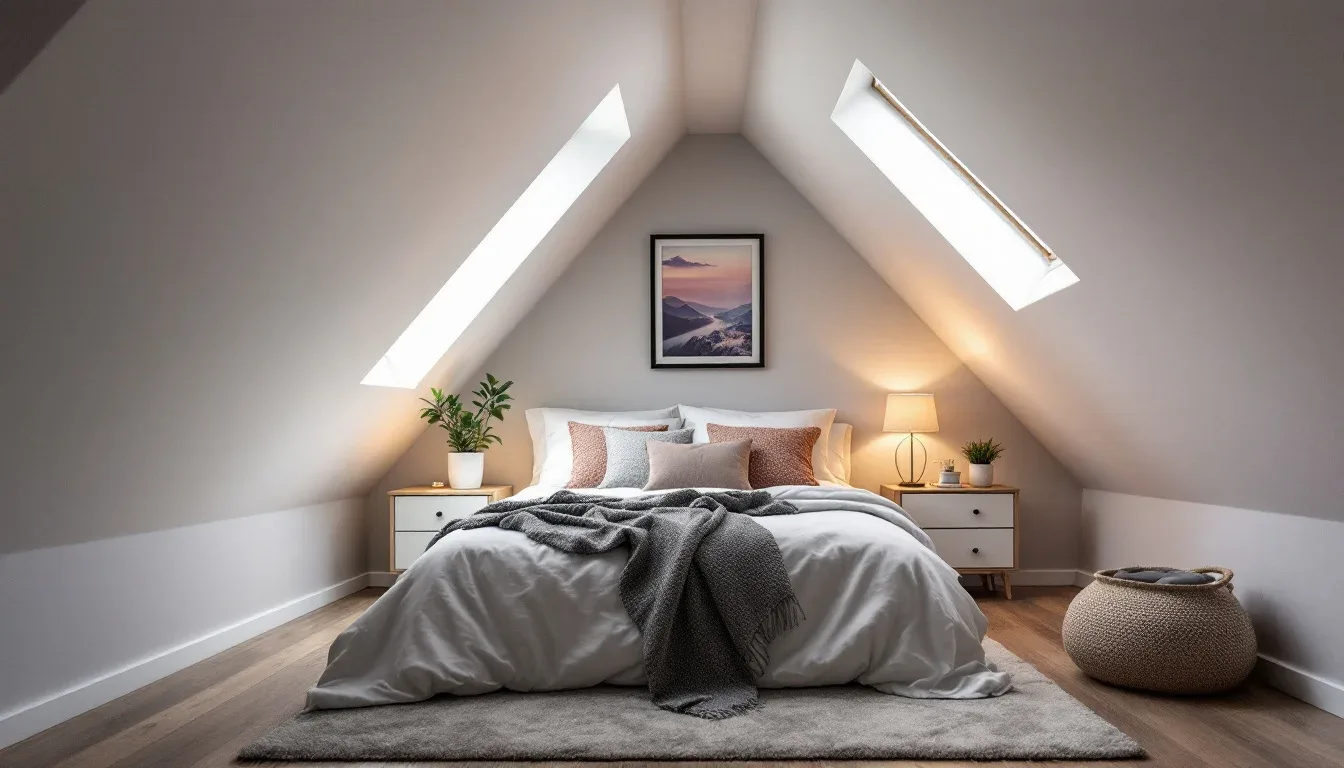
Turning the attic into a bedroom is one of the most misunderstood home improvement projects in residential renovation — and that misunderstanding costs homeowners tens of thousands of dollars before the first wall goes up. The attic bedroom that costs $28,000 in Ohio costs $74,000 in Massachusetts — and the reason has nothing to do with the flooring or the paint. It has to do with what your attic is currently missing: headroom, egress, structural capacity, a legal stair, and in many cases a complete HVAC zone that doesn’t yet exist. Most homeowners start the planning process by looking at Pinterest boards. They should start by measuring their ridge height and pulling their local building code, because those two things will determine whether this project is a $20,000 renovation or a $90,000 structural overhaul.
Quick Answer
The attic bedroom that costs $28,000 in Ohio costs $74,000 in Massachusetts — and the reason has nothing to do with the flooring or the paint.
This article won’t tell you attic conversions are “easier than you think.” Some are. Most aren’t. What follows is what I wish someone had handed to every client who came to me with an attic project — before they called a contractor and got a quote that bore no resemblance to what the project actually required.
Can You Actually Use an Attic as a Bedroom? The Honest Answer
In This Article
- Can You Actually Use an Attic as a Bedroom? The Honest Answer
- Is It Legal to Turn an Attic Into a Bedroom? What Permits Actually Require
- What Is the 7 and 7 Rule for Attics — and What Happens When Your Space Fails It
- How Much Does It Actually Cost to Convert an Attic Into a Bedroom?
- What to Do When Your Attic Doesn’t Meet Requirements
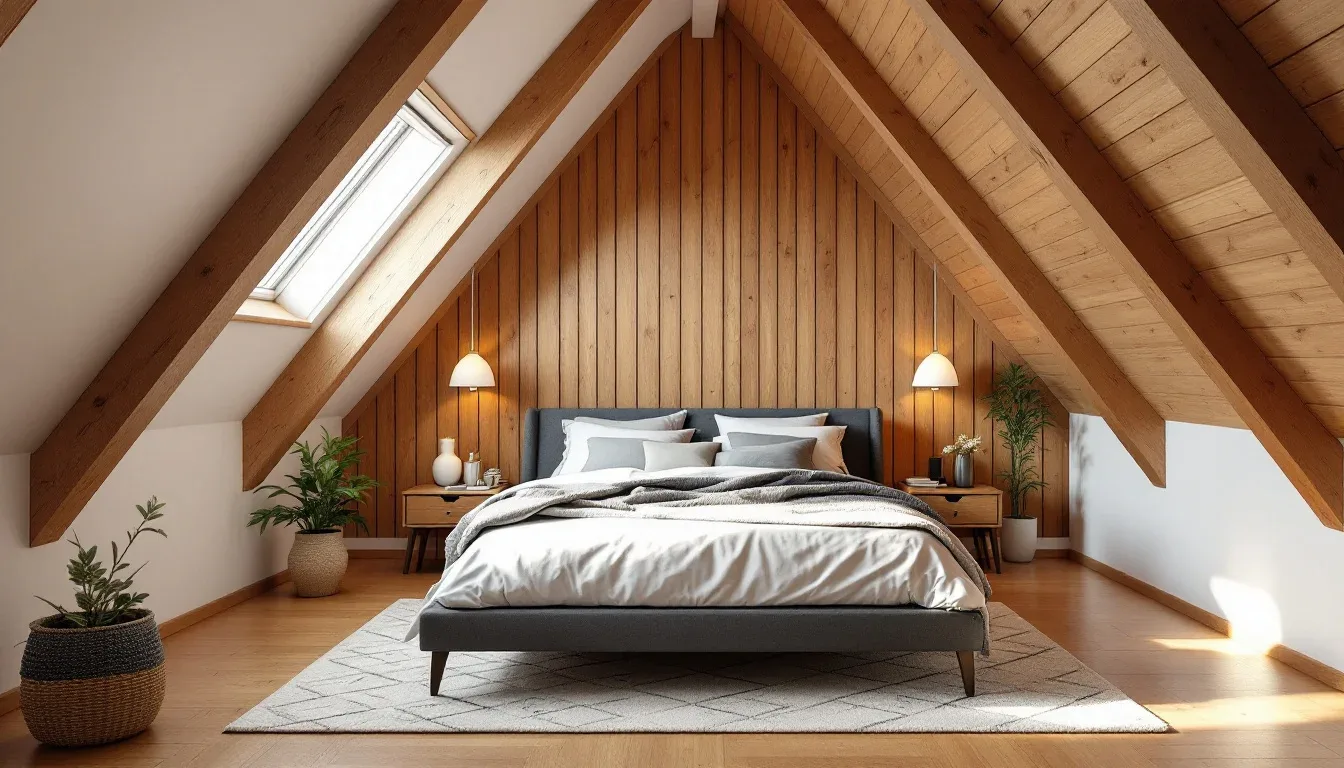
Most attics are structurally capable of becoming a bedroom. Very few are ready to be one. That distinction matters enormously, and it’s one that a lot of optimistic renovation content glosses over in the rush to get you excited about exposed beams and cozy dormer windows.
The gap between “can hold weight” and “legal habitable space” is significant. Roughly 60% of residential attics in homes built before 1980 do not meet minimum headroom requirements without structural modification — and headroom is just one of several boxes that have to be checked before your municipality will recognize the space as a bedroom. The others include egress, electrical capacity, thermal performance, and stair compliance.
Here’s why the legal designation matters beyond paperwork:
- Insurance: Your homeowner’s policy may not cover a loss in an unpermitted bedroom. If someone is sleeping in a space your insurer doesn’t recognize as habitable, you’re exposed.
- Resale: A bedroom that can’t be legally called a bedroom on a listing removes it from your bedroom count. A three-bedroom house with a “bonus loft” sells differently than a four-bedroom house.
- Safety: Building codes exist because people have died in attic spaces that lacked egress windows. This isn’t bureaucratic overcaution.
- Financing: If you’re refinancing or taking out a HELOC, an appraiser who can’t count the attic as a bedroom may affect your home’s appraised value — and therefore your borrowing limit.
- Rental income: If you’re planning to rent the space, most municipalities require habitable designation before any legal tenancy can occur. An unpermitted attic bedroom isn’t just uninsured — it may expose you to liability if a tenant is injured.
The difference between a “bonus room” and a legal bedroom is a certificate of occupancy change, an egress window, and in most jurisdictions, a fixed staircase — none of which are small line items. I had a client in Logan Square who spent two years calling her attic a guest bedroom. The home inspector during her sale flagged it in the first ten minutes. She ended up disclosing it as unfinished storage and knocked $18,000 off her asking price.
“Habitable space” in building code language means a room used for living, sleeping, eating, or cooking that meets minimum standards for height, area, ventilation, lighting, and thermal protection. Not every room in a house qualifies. Your attic almost certainly doesn’t — yet.
Actionable takeaway: Before you budget anything, determine whether your attic is classified as habitable space in your municipality. Your local building department will tell you in a single phone call.
Is It Legal to Turn an Attic Into a Bedroom? What Permits Actually Require
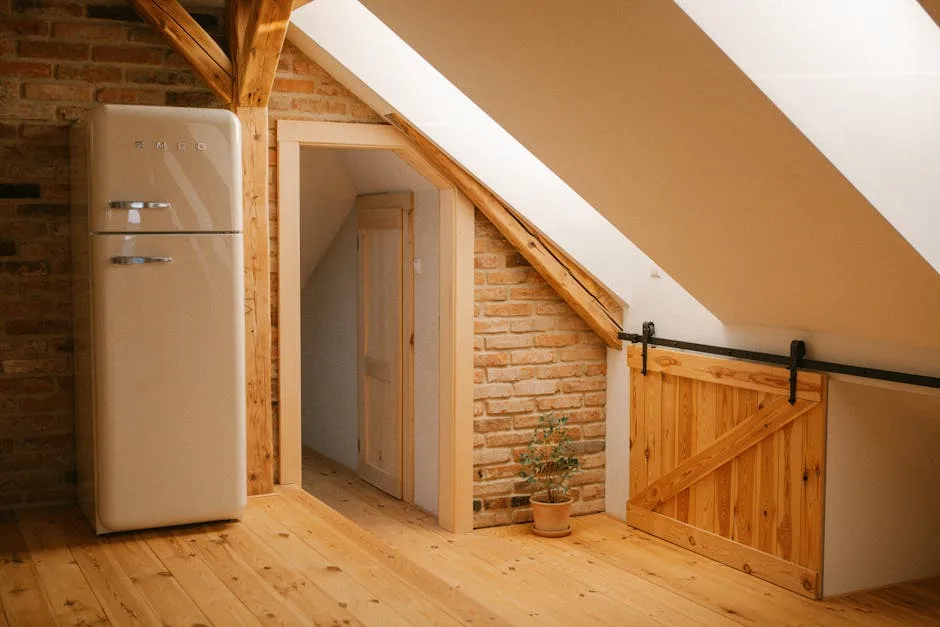
Yes, it’s legal. No, you can’t skip the permit. Those are the two most important sentences in this section, and everything else is an explanation of why the second one is non-negotiable.
Permits are required in virtually every U.S. jurisdiction for attic bedroom conversions. This isn’t a technicality that only matters if something goes wrong — it’s a legal change to the classification of your home’s square footage. When you convert attic storage into sleeping space, you are changing the occupancy designation of that area, and that requires a building permit, a series of inspections, and in many municipalities, a certificate of occupancy amendment.
What inspectors actually evaluate — and this is what most conversion guides skip entirely:
- Egress windows: Size, sill height, and openable area are all checked. Failing this item is extremely common. The IRC requires a minimum net clear opening of 5.7 square feet, a minimum opening height of 24 inches, a minimum opening width of 20 inches, and a maximum sill height of 44 inches from the floor.
- Smoke and carbon monoxide detectors: Required in every sleeping room and in the hallway outside it.
- Electrical load and wiring type: The inspector will want to see that the new circuits are properly rated and that old wiring has been addressed. Knob-and-tube wiring present in many pre-1950 attics must typically be replaced entirely before a permit will close.
- Stair rise/run ratios: Pull-down attic stairs are never code-compliant for a bedroom. A fixed staircase with specific rise, run, and headroom dimensions is required. The IRC specifies a maximum riser height of 7¾ inches and a minimum tread depth of 10 inches — and a minimum headroom clearance of 6 feet 8 inches over the entire stair.
- Insulation R-values: Attic insulation requirements vary by climate zone, but the numbers are real — in northern climates, R-49 or higher is common. In southern climates, R-38 is a typical minimum. These aren’t suggestions; they’re inspection checkpoints.
- Structural load capacity: Standard attic floor joists are typically engineered for 10 to 20 pounds per square foot of live load. Bedroom floors require 30 to 40 pounds per square foot. This often means sistering the existing joists — a labor-intensive structural upgrade that can add $8,000 to $20,000 to the project.
- Ventilation and lighting: Every habitable room must have natural light equal to at least 8% of the floor area and natural ventilation equal to at least 4% — or mechanical equivalents that meet specific airflow ratings.
A 2022 National Association of Realtors report noted that unpermitted additions are among the top five deal-breakers discovered during home inspections, causing an average 11% reduction in sale price or outright deal collapse. That statistic isn’t abstract. I’ve watched it happen. A buyer’s attorney adds “remediate unpermitted conversion or escrow $30,000” to the closing conditions, and suddenly the seller who saved $4,000 by skipping a permit is losing significantly more than they saved.
Some municipalities go further than a standard building permit. They require a formal change to the certificate of occupancy — a separate document that classifies each room in your home by its legal use. If your attic is currently classified as storage and you want it classified as a bedroom, you need that certificate updated. Without it, the room doesn’t officially exist as sleeping space regardless of what it looks like.
Actionable takeaway: Call your local building department before you call a contractor. Ask specifically whether your municipality requires a CO change for attic bedroom conversions — the answer will shape your entire project timeline.
What Is the 7 and 7 Rule for Attics — and What Happens When Your Space Fails It
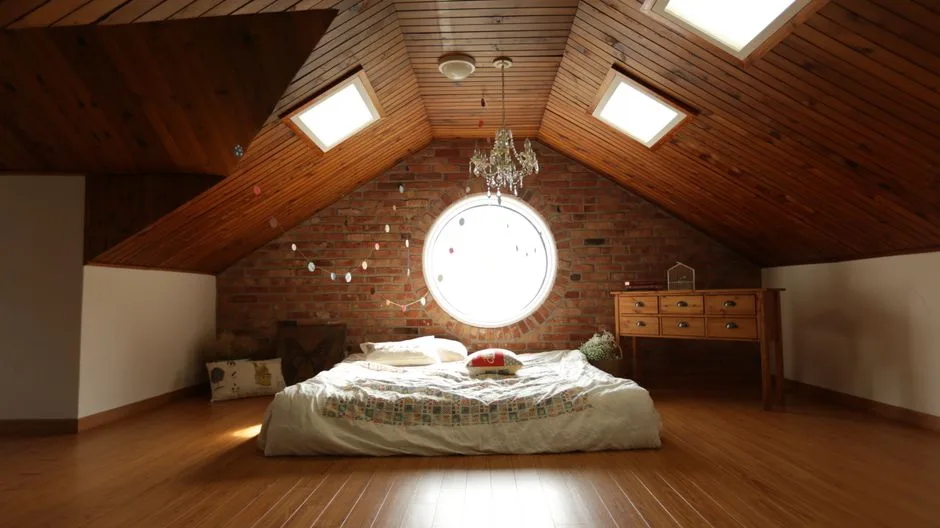
The rule itself is straightforward. The remedies when you fail it — those are what no one talks about.
The 7-7-70 rule comes from IRC Section R305.1 and sets the baseline standards for habitable rooms: a minimum 7-foot ceiling height over at least 50% of the floor area, a minimum 7-foot width, and a minimum 70 square feet of total floor area. Local codes may be stricter; the IRC is a floor, not a ceiling. Always verify with your local building department before setting a budget.
Here’s where homeowners consistently miscalculate. In a standard attic with a sloped roof, only the portion of the floor where the ceiling is at least 7 feet tall counts toward that 50% threshold. The areas under the slope — those charming angled knee walls — don’t count. This means a 600-square-foot attic footprint might only yield 200 usable square feet under code. That’s a storage closet, not a bedroom.
When your attic fails the 7-7-70 rule, you have three structural options:
- Raise the ridge line: Adding height to the roof structure from the outside. This is a major structural intervention — expect $15,000 to $40,000 depending on roof complexity — and requires both a structural engineer and a permit before a single nail is moved.
- Add dormers: A shed dormer across the rear roofline can dramatically increase usable headroom across a large portion of the floor plan. A single shed dormer typically runs $20,000 to $35,000 installed. Two smaller gable dormers run $12,000 to $18,000 each but add less square footage to the code-compliant zone.
- Accept the footprint and design around it: If your ridge height already clears 7 feet at the peak, it’s sometimes possible to center a sleeping area and bathroom under the peak and treat the sloped zones as closets, reading nooks, or built-in storage — spaces that don’t need to meet habitable height requirements.
The third option is the most cost-effective and works for roughly one in three attics that fail the 7-7-70 rule on initial measurement. The other two-thirds genuinely require structural work before turning the attic into a bedroom becomes legally achievable.
How Much Does It Actually Cost to Convert an Attic Into a Bedroom?
Cost is the number that sends most attic conversion projects sideways — not because the project is necessarily overpriced, but because homeowners are budgeting for the finish work while ignoring the structural prerequisites. Those prerequisites are where the real money goes.
Typical cost ranges by project type:
- Straightforward conversion (adequate headroom, no structural changes, existing stair location reused): $18,000 to $35,000
- Conversion with dormer addition: $45,000 to $80,000
- Full structural conversion (joist sistering, new stair, dormer, HVAC extension): $70,000 to $120,000
- High-end urban markets (Boston, NYC, San Francisco): Add 40–60% to any of the above
Where the money actually goes — a realistic line-item breakdown:
- Structural engineering assessment: $800 to $2,500
- Joist sistering or floor reinforcement: $8,000 to $20,000
- Fixed staircase installation: $4,000 to $12,000
- Egress window installation (including framing): $2,500 to $6,000 per window
- Dormer addition (if required): $20,000 to $35,000
- HVAC extension or mini-split installation: $3,500 to $9,000
- Insulation (spray foam or rigid board): $3,000 to $8,000
- Electrical (new circuits, panel upgrade if needed): $2,500 to $7,000
- Finish work (drywall, flooring, paint, trim): $8,000 to $18,000
- Permit fees and inspections: $500 to $3,500 depending on municipality
These ranges are wide because local labor costs, existing conditions, and design complexity vary enormously. A home in central Ohio with a simple gable roof, reasonable ridge height, and an existing stair opening will land at the low end. A row house in Philadelphia with a flat roof, inadequate headroom, and a panel box that’s already at capacity will land at the high end — or beyond it.
The single biggest cost variable is almost always the staircase. If the only viable location for a code-compliant fixed stair requires removing a closet from the floor below, reconfiguring a hallway, or eating into an existing bedroom, you’re looking at a cascade of costs that no initial quote will capture until a structural engineer and an architect have both walked the space.
What to Do When Your Attic Doesn’t Meet Requirements
This is the section most conversion guides don’t write — because acknowledging that your attic might be a no-go without significant investment doesn’t make for an encouraging article. But it’s where the most useful planning happens.
Step one: Get a professional assessment before you do anything else.
Not a contractor estimate. A structural engineer’s assessment. These run $800 to $2,500 and will tell you definitively whether your floor joists need sistering, whether your ridge height is workable, and whether your roof structure can accommodate a dormer if one is needed. That document is worth ten contractor quotes, because it prevents every subsequent quote from being based on assumptions.
Step two: Pull your municipality’s specific requirements.
The IRC sets minimums. Your city or county may require more. Some municipalities in flood zones or older urban neighborhoods have additional requirements around egress, fire separation between floors, and HVAC zoning that the standard conversion checklist doesn’t capture. Spending 45 minutes on a call with your local building department before you hire anyone will save you from budgeting on the wrong set of rules.
Step three: Decide whether the project makes financial sense for your specific situation.
Turning the attic into a bedroom adds value in most markets — but not always proportional value. In a market where a fourth bedroom adds $40,000 to $60,000 in resale value, spending $55,000 on a conversion that checks every code box is a reasonable bet. In a market where the comparable three-bedroom and four-bedroom homes are priced within $15,000 of each other, that same project is a money-losing renovation regardless of how well it’s executed.
What to do if your attic genuinely can’t be converted affordably:
- Reclassify it as a bonus room or loft: Doesn’t require egress or fixed stair compliance. Lower permit threshold in many municipalities. Useful for office, gym, or playroom without the bedroom designation.
- Stage the project: Address structural issues in year one (joist sistering, stair rough-in), finish the space in year two or three when budget allows. This spreads cost without creating a safety or compliance problem.
- Consider a bedroom addition instead: If the goal is adding sleeping capacity and the attic is cost-prohibitive, a ground-floor or second-floor addition may be more cost-effective in markets where lot coverage allows it.
FAQ: Turning the Attic Into a Bedroom
Q: Can I turn my attic into a bedroom without a permit?
Technically, you can do the physical work without pulling a permit. Plenty of homeowners do. The consequences, however, are real and often larger than the permit cost: unpermitted conversions are flagged on inspection reports, can void homeowner’s insurance coverage for the space, reduce appraised value, and expose sellers to renegotiation or deal collapse at closing. In some municipalities, you can be required to tear out unpermitted work entirely before a permit will be issued retroactively. The permit fee — typically $500 to $3,500 — is the cheapest line item in the entire project. It’s not the place to cut costs.
Q: How much headroom do I need to convert my attic into a bedroom?
The IRC minimum is 7 feet over at least 50% of the floor area, with a minimum room width of 7 feet and a minimum floor area of 70 square feet. Your local code may require more. To measure this yourself: stand at the peak of your attic with a tape measure and note the height at the ridge. Then measure horizontally from the center to find where the ceiling drops below 7 feet — everything outside that line doesn’t count toward your usable floor area calculation. If less than half your total attic floor area falls within the 7-foot zone, you’ll need structural modification before turning the attic into a bedroom is code-compliant.
Q: Do I need a fixed staircase, or can I use a pull-down ladder?
You need a fixed staircase. Pull-down attic stairs are not code-compliant for any sleeping room in any U.S. jurisdiction under the IRC, and no local amendment changes this. The fixed stair must meet specific rise and run requirements (maximum 7¾-inch riser, minimum 10-inch tread), must have a minimum headroom clearance of 6 feet 8 inches measured vertically from the tread to the ceiling above, and must have a handrail on at least one side. Budget $4,000 to $12,000 for stair installation, and factor in the impact to the floor below — the stair has to land somewhere, and that somewhere is currently occupied by something else.
Q: What kind of HVAC do I need for an attic bedroom?
Your existing HVAC system almost certainly does not reach the attic in any usable way, and extending ductwork up through the floor structure is often impractical. The most common solution for attic bedroom conversions is a ductless mini-split system — a wall-mounted unit that handles both heating and cooling independently from the rest of the house. A single-zone mini-split installed in an attic bedroom typically costs $3,500 to $6,500 including installation. This is actually an advantage in one respect: the attic zone runs on its own thermostat, which means you’re not heating and cooling an empty bedroom whenever the main system runs.
Q: How long does an attic bedroom conversion take from permit to completion?
For a straightforward conversion with adequate headroom and no structural modifications, expect 8 to 16 weeks from permit approval to final inspection. If the project requires a dormer addition, add 6 to 10 weeks. If structural engineering, joist work, and a new stair opening are involved, a realistic timeline is 4 to 7 months from permit application to certificate of occupancy. Permit review timelines vary significantly by municipality — some issue in two weeks, others take three months. Factor this into your planning if the project has a deadline attached to it, such as a new family member arriving or a planned sale date.
Q: Can I turn my attic into a bedroom without a permit?
Technically, you can do the physical work without pulling a permit. Plenty of homeowners do. The consequences, however, are real and often larger than the permit cost: unpermitted conversions are flagged on inspection reports, can void homeowner’s insurance coverage for the space, reduce appraised value, and expose sellers to renegotiation or deal collapse at closing. In some municipalities, you can be required to tear out unpermitted work entirely before a permit will be issued retroactively. The permit fee — typically $500 to $3,500 — is the cheapest line item in the entire project. It’s not the place to cut costs.
Q: How much headroom do I need to convert my attic into a bedroom?
The IRC minimum is 7 feet over at least 50% of the floor area, with a minimum room width of 7 feet and a minimum floor area of 70 square feet. Your local code may require more. To measure this yourself: stand at the peak of your attic with a tape measure and note the height at the ridge. Then measure horizontally from the center to find where the ceiling drops below 7 feet — everything outside that line doesn’t count toward your usable floor area calculation. If less than half your total attic floor area falls within the 7-foot zone, you’ll need structural modification before turning the attic into a bedroom is code-compliant.
Q: Do I need a fixed staircase, or can I use a pull-down ladder?
You need a fixed staircase. Pull-down attic stairs are not code-compliant for any sleeping room in any U.S. jurisdiction under the IRC, and no local amendment changes this. The fixed stair must meet specific rise and run requirements (maximum 7¾-inch riser, minimum 10-inch tread), must have a minimum headroom clearance of 6 feet 8 inches measured vertically from the tread to the ceiling above, and must have a handrail on at least one side. Budget $4,000 to $12,000 for stair installation, and factor in the impact to the floor below — the stair has to land somewhere, and that somewhere is currently occupied by something else.
Q: What kind of HVAC do I need for an attic bedroom?
Your existing HVAC system almost certainly does not reach the attic in any usable way, and extending ductwork up through the floor structure is often impractical. The most common solution for attic bedroom conversions is a ductless mini-split system — a wall-mounted unit that handles both heating and cooling independently from the rest of the house. A single-zone mini-split installed in an attic bedroom typically costs $3,500 to $6,500 including installation. This is actually an advantage in one respect: the attic zone runs on its own thermostat, which means you’re not heating and cooling an empty bedroom whenever the main system runs.
Q: How long does an attic bedroom conversion take from permit to completion?
For a straightforward conversion with adequate headroom and no structural modifications, expect 8 to 16 weeks from permit approval to final inspection. If the project requires a dormer addition, add 6 to 10 weeks. If structural engineering, joist work, and a new stair opening are involved, a realistic timeline is 4 to 7 months from permit application to certificate of occupancy. Permit review timelines vary significantly by municipality — some issue in two weeks, others take three months. Factor this into your planning if the project has a deadline attached to it, such as a new family member arriving or a planned sale date.