
If you’ve been researching floating vanity pros and cons, you’ve probably noticed that most of what’s out there is either a cheerleading list of aesthetic benefits or a vague warning that “installation can be complex.” Neither helps you make a real decision. The most common floating vanity mistake has nothing to do with style — it’s mounting a 200-pound cabinet into a wall that was never reinforced to hold it. I’ve walked into bathrooms where a gorgeous walnut floating vanity had developed a two-degree tilt six months after installation because someone skipped the blocking step and drove lag bolts directly into drywall. The cabinet looked expensive. The repair wasn’t cheap. And the homeowner had no idea it was failing until a drawer stopped closing flush.
Quick Answer
The most common floating vanity mistake has nothing to do with style — it’s mounting a 200-pound cabinet into a wall that was never reinforced to hold it.
That’s the conversation most floating vanity content refuses to have. Everything out there is either a cheerleading list of “pros” or a vague warning that “installation can be complex.” Neither helps you make a real decision about a purchase that might cost you $1,500 to $4,000 installed. So let’s be specific.
What Makes a Floating Vanity Different From Every Other Bathroom Option
In This Article
- What Makes a Floating Vanity Different From Every Other Bathroom Option
- The Real Pros of a Floating Vanity (Beyond ‘It Looks Modern’)
- What Are the Disadvantages of a Floating Vanity? (The Ones Worth Actually Worrying About)
- What Does Proper Installation Actually Cost?
- How to Know If Your Bathroom Is a Good Candidate
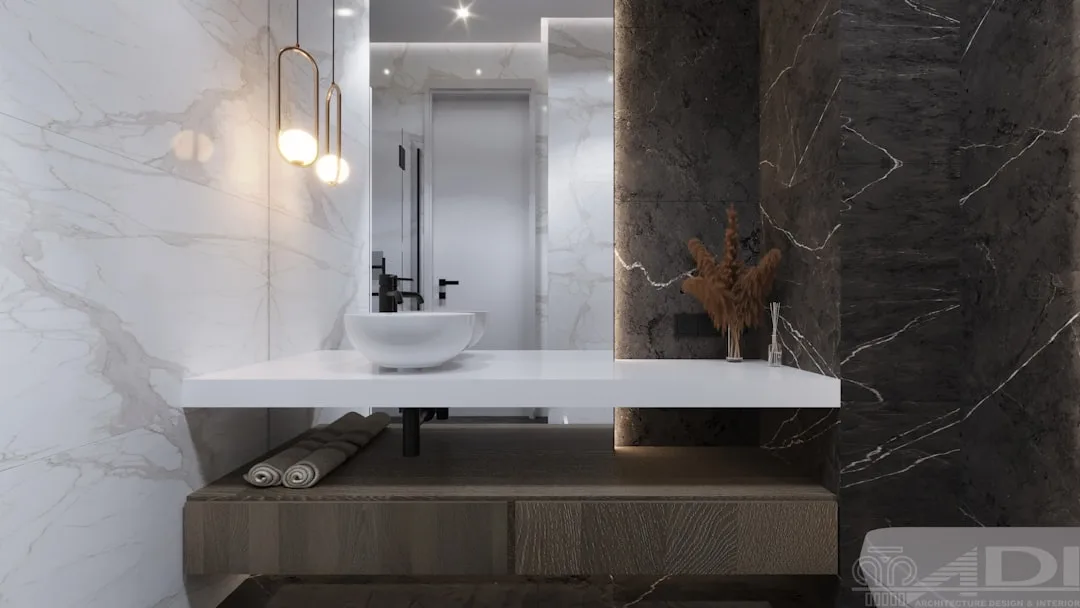
Most bathroom vanities work the same structural way a dresser does — they sit on the floor and hold their own weight. A floating vanity, by contrast, transfers its entire load — cabinet, countertop, sink, contents — into the wall. That single mechanical difference changes almost everything downstream: how it’s installed, how your plumbing is routed, how much storage you get, and what happens to your wall if the mounting fails.
The core structural reality is this: a floor-standing vanity is forgiving. You can shimmy it into place, adjust the feet, and call it done. A wall-mounted unit demands that your wall be engineered to receive it before the cabinet ever shows up.
Floating vanities come in a few configurations worth understanding before you shop:
- Single vs. double: Single units (typically 24–48 inches wide) are the standard for bathrooms under 80 square feet. Double units (60–72 inches) require more wall real estate and more mounting points — two separate studs or blocking runs.
- With vs. without vessel sink: Vessel sink configurations sit higher, which sometimes allows a lower cabinet mount — useful for households needing ADA clearance or just more visual breathing room.
- Open shelf vs. closed door: Open shelf versions are visually lighter but offer zero concealment. Closed door units hide clutter but add weight to the cantilever.
Floating vanities are typically mounted between 31–36 inches from the floor, compared to the standard 32-inch height of most floor-standing units. That 4-inch range is where most installation decisions actually get made — taller households often push to 36 inches, which also affects countertop sightlines, mirror height, and where your plumber needs to rough in the drain.
Your plumbing rough-in location matters here more than most people expect. If your drain exits through the floor rather than the wall, switching to a floating vanity may require rerouting — a detail your cabinet showroom will not volunteer, but your plumber will bill you for. That rerouting cost typically runs $300–$800 depending on your subfloor material and how far the drain needs to travel, and it’s the single most common “surprise” expense homeowners report after committing to a wall-mounted unit.
Wall construction type is equally important at the research stage. A floating vanity installed on an exterior wall in an older home may encounter insulation, vapor barriers, or non-standard stud spacing that complicates blocking installation. Concrete or masonry walls — common in basement bathrooms and some older urban construction — require masonry anchors rated for shear load, not standard wood screws. If your bathroom shares a wall with a garage or exterior, add a conversation with your contractor to the pre-purchase checklist.
Takeaway: Before you fall in love with a floating vanity online, photograph your wall framing access and your drain location. Those two things determine whether your installation is a weekend project or a two-week renovation.
The Real Pros of a Floating Vanity (Beyond ‘It Looks Modern’)
Aesthetics are real — I’m not dismissing them. But “it looks modern” is the least useful thing you can say about a floating vanity because it tells you nothing about whether it will work in your specific bathroom. Here’s what actually delivers value.
Visual square footage is the benefit that holds up best in practice. In bathrooms under 50 square feet — which describes roughly half the secondary bathrooms I’ve worked in — exposing the floor beneath the vanity makes the room read as meaningfully larger. This isn’t an illusion in the dismissive sense; it’s how human spatial perception works. Uninterrupted floor plane signals more room. It works. The effect is amplified when the flooring material is consistent (no tile transition or threshold), and when the vanity is finished in a lighter color that recedes visually rather than anchoring to the floor.
Height customization is genuinely underrated. Standard floor vanities lock you into 32 inches. A floating vanity can be set at 34, 35, or 36 inches — which matters enormously to anyone over six feet tall who currently hunches over their sink. It also matters for ADA compliance. ADA guidelines require knee clearance of at least 27 inches high, 30 inches wide, and 19 inches deep beneath wall-hung fixtures — floating vanities are the only vanity type that can be installed to meet this standard without structural modification. For households with wheelchair users, this isn’t a design preference. It’s a functional requirement.
Cleaning is an underappreciated practical benefit. No toe kick. No recessed base trim. Just open floor. A mop or Swiffer goes straight under without the awkward edge-scrubbing you do around a floor-standing unit. Over a year of bathroom maintenance, that difference is surprisingly significant — especially in households where the bathroom floor needs frequent mopping.
A few other benefits that deserve more than a bullet:
- Plumbing compatibility: Modern bathroom renovations increasingly route supply lines and drains through the wall rather than the floor. Floating vanities are designed around this — they fit the way contemporary construction thinks.
- Resale perception: In the $400,000-and-up home market, floating vanities read as a premium finish choice. Buyers associate them with intentional, high-end bathrooms. Whether that translates to dollar value is impossible to quantify precisely, but the perception pattern is consistent enough that I’d factor it into a pre-sale renovation decision.
- Tile flexibility: Because the vanity doesn’t rest on the floor, you can run tile continuously beneath it — which means no awkward tile cut lines or base trim to caulk around. In a full bathroom renovation, this simplifies the tile installation and produces a cleaner finished look.
- Easier floor repairs: If your tile ever cracks or your floor needs refinishing, a floating vanity doesn’t need to be removed to access the floor beneath it. That’s a maintenance advantage floor-standing units simply can’t match.
Takeaway: The height customization benefit alone justifies a floating vanity in households with tall adults or accessibility needs — even if you don’t care about the visual effect.
What Are the Disadvantages of a Floating Vanity? (The Ones Worth Actually Worrying About)
Here’s where most content fails you by being vague. “Installation is more complex” is not useful. Let me be specific about what can actually go wrong — and what the floating vanity pros and cons balance sheet really looks like when you move beyond the marketing.
Wall type is the make-or-break factor — and it’s the one most homeowners don’t check until they’re already committed to a purchase. Standard drywall without internal blocking cannot support a floating vanity under real-world load conditions. A floating vanity mounted into drywall without proper wall blocking can fail under loads as low as 100 lbs, and the NHBA recommends a minimum of two 2×6 or 2×8 blocking boards secured between studs before installation. That blocking has to be added before your wall is closed — which means opening the wall, framing the blocking, patching, priming, and painting before the cabinet even arrives. Budget $200–$500 for this work if you’re hiring it out, more if your bathroom has tile that needs to be removed and reinstalled to access the framing.
I once watched a contractor skip this step because the homeowner didn’t want to “make a bigger project out of it.” Fourteen months later, the cabinet had pulled away from the wall at the top. The repair required removing the vanity entirely, patching the wall, adding the blocking that should have gone in originally, repainting, and reinstalling — at roughly twice the cost of doing it right the first time.
Storage reduction is real and worth quantifying. A floor-standing vanity with a 6-inch toe kick and a base that extends to the floor gives you usable vertical storage right down to ground level. A floating vanity — depending on mount height — typically sacrifices 8–12 inches of lower cabinet depth because the mounting bracket system and the wall-mount hardware occupy space that would otherwise be shelving. If you’re going from a 30-inch floor vanity with two full-height cabinet doors to a 30-inch floating unit, expect to lose roughly 20–25% of internal storage volume. For a household with significant under-sink storage needs — cleaning supplies, extra toilet paper, hair tools — that loss is meaningful and should be planned for before purchase.
Weight limits matter more than most product listings admit. Most wall-mounted vanities are rated for a specific static load — often 150–300 lbs depending on the unit and mounting system. That rating assumes proper installation with blocking. In practice, people load vanities unevenly: heavy stone countertops on one side, a vessel sink that concentrates weight at a single point, drawers filled with product. If you’re specifying a natural stone countertop (marble or granite typically runs 15–20 lbs per square foot), calculate the countertop weight before assuming your vanity’s load rating has comfortable headroom.
Plumbing access changes. With a floor-standing vanity, a plumber can access shutoff valves, supply lines, and drain connections by opening a cabinet door. With many floating vanities — particularly those with back panels — access to the plumbing rough-in requires either a designed access panel or removal of the vanity. This is worth discussing with your plumber during the rough-in phase, not after everything is installed.
The resale variable cuts both ways. In contemporary markets, floating vanities signal premium construction. In more traditional or conservative markets — older neighborhoods, homes styled around traditional or transitional design — a floating vanity can feel out of character and actually work against buyer perception. Know your market before treating floating vanity installation as an automatic equity play.
Takeaway: The real floating vanity pros and cons come down to this: if your wall is right, your plumbing is right, and you’ve planned for the storage reduction, most of the disadvantages are manageable. If any of those three are wrong, the problems compound quickly.
What Does Proper Installation Actually Cost?
Most floating vanity pricing you’ll find online covers the cabinet only. Here’s what the installed cost actually looks like.
Cabinet cost: $400–$2,500 depending on material and configuration. Solid wood or plywood-box construction with soft-close hardware sits at the higher end. MDF-core cabinets with thermofoil finish are at the lower end — functional, but less tolerant of moisture over time.
Countertop: $200–$1,200. Cultured marble and ceramic are on the low end. Quartz runs $500–$800 for a typical vanity top. Natural stone adds cost and weight.
Wall blocking (if needed): $200–$500 for framing labor plus drywall patch and paint. This step is skipped more often than it should be — get confirmation in writing that it’s included in your contractor’s scope.
Plumbing rough-in adjustment: $0 if your existing rough-in is wall-exit and positioned correctly. $300–$800 if the drain needs rerouting or supply lines need repositioning.
Installation labor: $150–$400 for a straightforward single-vanity installation with existing blocking and no plumbing changes.
Total realistic installed cost for a mid-range floating vanity: $1,200–$4,000. The $1,500 number you’ll see cited frequently assumes an uncomplicated installation. The $4,000 number reflects a stone countertop, wall work, and plumbing adjustments — which is more common than the low estimates suggest.
How to Know If Your Bathroom Is a Good Candidate
Not every bathroom is well-suited for a floating vanity. Run through these questions before committing.
Is your wall a standard wood-framed interior wall? If yes, you’re in the best-case scenario. Blocking is straightforward and the installation is predictable. If no — if you have concrete, masonry, metal studs, or an exterior wall with unusual insulation — get a contractor assessment before purchasing.
Does your drain exit through the wall or the floor? Wall exit is ideal for floating vanity installation. Floor exit may require rerouting. Check your existing vanity — if the supply lines come through the wall and the drain connects to a p-trap that exits through the wall, you’re likely in good shape.
Is the bathroom under 60 square feet? If yes, the visual square footage benefit is at its strongest. If the bathroom is already spacious, the perceptual benefit of floating the vanity is less impactful — though the height customization and cleaning benefits remain.
Do you have enough storage elsewhere? If your under-sink cabinet is currently doing heavy lifting for bathroom storage and you have no other storage in the room, the reduction in cabinet volume that comes with most floating units will matter. Plan for supplemental storage — a medicine cabinet, open shelving, or a linen closet — before committing.
Is your household style going to stay consistent? Floating vanities photograph well and feel current. But bathroom design cycles are long — if you renovate now and sell in 12 years, what reads as contemporary now may read differently then. This is a minor consideration for a primary residence, but worth factoring in an investment property.
Frequently Asked Questions
Can a floating vanity be installed on any wall?
No. Standard wood-framed drywall walls require internal blocking before installation — without it, the mounting hardware has nothing structural to grip. Concrete and masonry walls require masonry anchors rated for shear load, which is a different installation process than wood framing. Metal stud walls (common in commercial construction and some newer residential builds) require special consideration because metal studs carry less load than wood. Always confirm your wall type before purchasing.
How much weight can a floating vanity hold?
Most wall-mounted vanities are rated for 150–300 lbs of static load, but that rating assumes correct installation with proper blocking. The countertop alone can account for 30–80 lbs depending on material. Add a cast-iron or fireclay sink (which can weigh 50–80 lbs), a full complement of toiletries and cleaning products, and you can approach the load rating faster than the product listing implies. If you’re specifying a heavy stone countertop, confirm the vanity’s load rating explicitly with the manufacturer.
What’s the right height for a floating vanity?
The standard range is 31–36 inches from finished floor to countertop surface. The most common installation height is 34 inches, which splits the difference between the traditional 32-inch floor vanity and the taller 36-inch “comfort height” that works better for adults over 5’10”. For ADA compliance, the countertop surface should be no higher than 34 inches, with 27 inches of knee clearance below. Set your height based on the tallest frequent user, then verify it doesn’t conflict with your mirror or medicine cabinet placement.
Does a floating vanity require special plumbing?
Not always, but often. The ideal rough-in for a floating vanity has supply lines and drain exiting through the wall, positioned within the cabinet footprint. If your existing plumbing exits through the floor — which is common in older construction — a plumber will need to reroute the drain to a wall exit. This is doable in most cases but adds cost. Get a plumber’s assessment of your specific rough-in before finalizing your vanity selection.
Are floating vanities worth it for a small bathroom?
For bathrooms under 50 square feet, the visual benefit is substantial and well-supported by how spatial perception actually works — exposed floor plane makes a room read larger. The practical benefits (easy cleaning, height customization, continuous tile runs) apply regardless of room size. The main risk in a small bathroom is storage loss: if the existing vanity is your primary storage, replacing it with a floating unit that holds less volume without adding supplemental storage elsewhere will create a functional problem. Plan storage holistically before deciding.
How long does a floating vanity installation take?
A straightforward installation — existing blocking in place, no plumbing changes, single vanity — takes an experienced installer about 4–6 hours. Add a full day if wall blocking needs to be added and the wall needs to be patched and painted. Add another day or two if plumbing rough-in needs adjustment. Plan for a minimum of two days from start to functional bathroom if this is part of a larger renovation, and don’t schedule back-to-back contractor visits without buffer time for drying and curing.