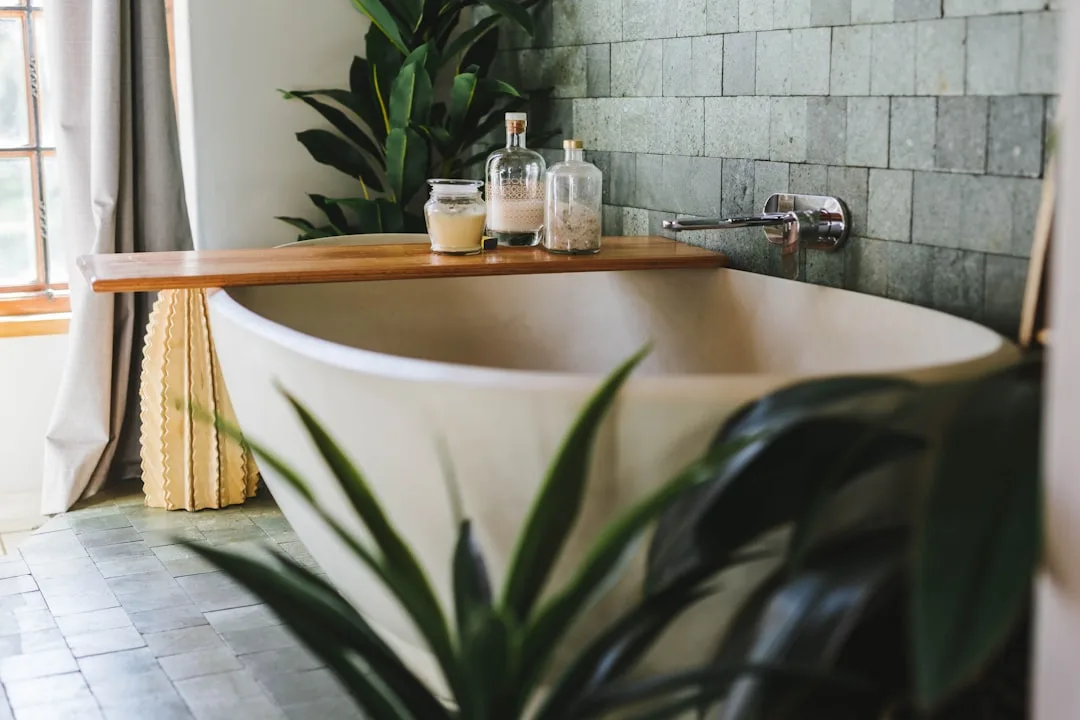
Freestanding tub small bathroom problems are exactly what nobody in the tile showroom will bring up when you’re standing there with your credit card out. The gap between a freestanding tub in a design magazine and the same tub in your 55-square-foot bathroom is not measured in inches — it is measured in regret.
Quick Answer
The gap between a freestanding tub in a design magazine and the same tub in your 55-square-foot bathroom is not measured in inches — it is measured in regret.
I spent eleven years as an interior designer working across Chicago and New York, and I watched this particular mistake repeat itself with a kind of painful consistency. A client falls in love with a bathroom they saw on Pinterest. They call me. They’ve already mentally committed. And my job becomes either talking them through a genuinely good decision or — more often — helping them understand why the math doesn’t work the way they think it does.
Nobody in the business of selling freestanding tubs is going to tell you this. Their job is to move product. My job — at least here, on this page — is to be the designer you wished you’d called before you started demoing your bathroom floor.
What follows isn’t a takedown of freestanding tubs. Some of my favorite projects have featured them. But those projects had the square footage to absorb the compromises, and there are always compromises. In a small bathroom, those compromises compound into something that can make your daily life genuinely worse.
What Actually Goes Wrong When You Put a Soaking Tub in a Small Bathroom
In This Article
Most people approach this decision the wrong way. They measure the tub. They measure the wall. The numbers technically work. They pull the trigger. Six months later, they’re describing their bathroom as “impossible to move around in” and they can’t figure out why.
Here’s why: “technically fits” and “functionally works” are two completely different standards, and the retail industry has no incentive to explain the difference.
A 60-inch freestanding tub might clear your walls with three inches to spare on each side. According to NKBA guidelines, you need a minimum 12-inch clearance on all sides of a freestanding tub — meaning that same tub needs at least a 7-foot wall run just to handle the tub zone alone, and that’s before you’ve placed anything else in the room. Three inches isn’t clearance. Three inches is a trap.
Small bathrooms don’t just present problems — they amplify them. Every issue a freestanding tub creates in a large bathroom gets multiplied in a small one, because there’s no square footage to absorb the dysfunction. The freestanding tub small bathroom problems fall into three overlapping categories:
- Spatial problems — the tub consumes a disproportionate share of floor area and sightlines
- Plumbing and installation problems — the mechanical realities of placing a floor-drain fixture where one was never designed to go
- Long-term livability problems — the slow erosion of the “luxury experience” into daily friction
Retailer guides skip past all of this because they’re written to sell. They’ll tell you to “measure carefully” and show you a diagram of minimum clearances — then show you a picture of a tub in a bathroom that’s clearly 200 square feet. The diagram is accurate. The implication that it represents your situation is not.
Beyond those three categories, the secondary effects are what accumulate into real dissatisfaction. Here’s what clients report most often once they’ve lived with a freestanding tub in a small bathroom for six months or more:
- The door swing becomes compromised — or the door was already tight, and now it catches on the tub rim when fully opened
- The toilet feels boxed in and accessing it requires a sideways shuffle past the tub
- Ventilation worsens because the tub blocks natural airflow patterns in the room
- Towel bars and hooks get relocated to awkward positions because the tub now occupies the wall space they previously used
- The visual effect of “spa luxury” that sold you on the tub disappears entirely when the room feels claustrophobic
- Resale conversations become complicated when buyers who have lived through the same thing recognize the mistake immediately
Actionable takeaway: Before you measure your bathroom for a freestanding tub, draw a floor plan to scale — including the door swing, the toilet, and the vanity. Then add the tub with 12 inches of clearance on every exposed side. If the remaining space looks unnavigable on paper, it will feel impossible in practice.
What Are the Problems with Free Standing Bathtubs? (The Ones Nobody Lists)
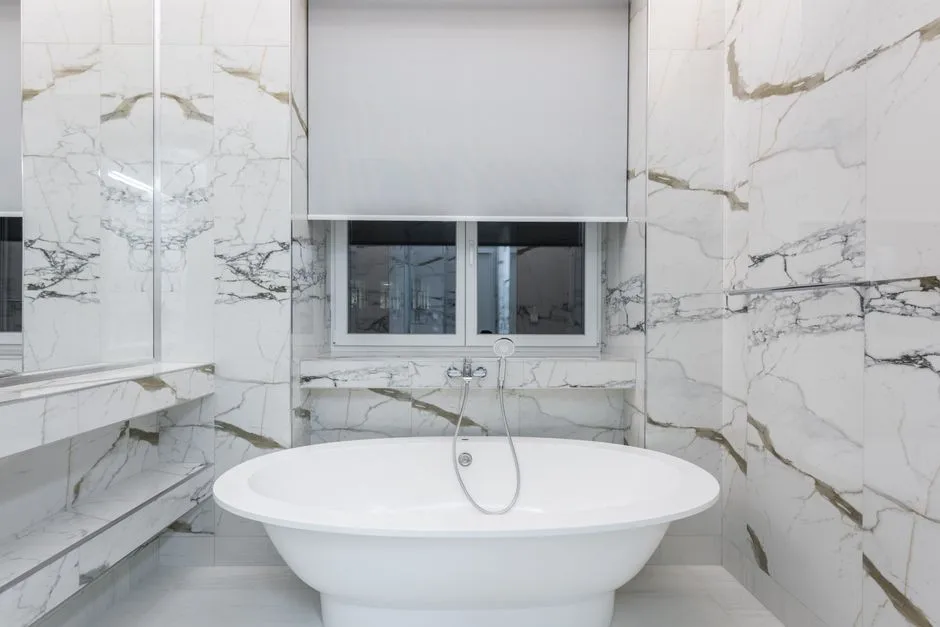
There’s a short list of complaints that every article mentions: no storage ledge, harder to step into, you have to hold the showerhead. Fine. Those are real. But they’re not the problems that send people into actual regret, and they’re not the ones that cost money to fix.
The cleaning dead zone is the problem that gets people first. The gap between the base of a freestanding tub and the floor — whether you have claw feet, a solid pedestal, or a platform base — is between two and four inches in most cases. Too narrow for a standard mop head. Too dark to see into. And in a small bathroom with inadequate ventilation, that gap becomes a mold incubator. I have seen clients scrubbing that zone with a modified chopstick and a microfiber cloth on a stick. It doesn’t stop being a problem; you just adapt to managing it constantly.
Temperature loss is the one that surprises people after they’ve been using the tub for a season. Alcove tubs are enclosed on three sides by walls — which insulate them. Freestanding tubs have all four sides, plus the bottom, exposed to room air. The heat loss is noticeably faster, and in a small bathroom that may not have great insulation or a heated floor, you’re filling a tub that’s already lukewarm by the time you’ve settled in. This matters more in Chicago in February than it does in Miami, but it matters.
Then there’s the floor load question, and this one I don’t think people take seriously enough:
- A cast iron freestanding tub can weigh 300–500 lbs before you add a single drop of water
- Filled with water and a bather, that system can exceed 1,000 lbs of point load
- Standard residential floors are engineered for roughly 40 lbs per square foot of distributed load — not the same as point load, but the comparison should give you pause
- In any home built before 1950 with wood subfloors, a structural engineer consultation is not optional — it’s necessary
- Even acrylic and stone resin tubs — marketed as lighter alternatives — regularly weigh 200–300 lbs empty, which still demands a subfloor assessment before installation
The grab bar problem gets dismissed as aesthetic preference, but it’s actually a safety issue. Freestanding tubs offer no integrated grab surfaces, and retrofitting wall-mounted grab bars near a freestanding tub — where the tub may not be directly against any wall — is either mechanically awkward, aesthetically jarring, or both.
The plumbing rough-in is another cost that doesn’t show up in the sticker price. Most small bathrooms were built with alcove tub plumbing: supply lines and drain in a fixed wall location. A freestanding tub requires floor-mounted supply lines and a floor drain that sits wherever the tub sits — which means cutting into the subfloor, rerouting supply, and patching the tile afterward. In a bathroom that hasn’t been renovated recently, that tile patch will never match perfectly. Plumbers I’ve worked with in Chicago quoted this rerouting work at $800–$2,000 depending on how far the new tub position falls from the original rough-in.
Here’s a consolidated list of the hidden costs that don’t appear in the tub’s price tag:
- Plumbing reroute: $800–$2,000 for supply line and drain relocation
- Subfloor assessment or reinforcement: $300–$800 for evaluation, more for actual work
- Structural engineer consultation: $300–$500 if your home is older than 1970
- Tile patching: $200–$600 to address the area where the old plumbing was, plus the new cutout
- Floor-mounted faucet: $400–$1,200 for the fixture alone — wall-mount faucets don’t work with most freestanding configurations
- Cleaning tools: Ongoing, minor, but real — specialized long-handled brushes, flexible microfiber tools, mold-resistant sprays
- Grab bar installation: $150–$400 if you add wall-mounted safety bars after the fact
Resale reality: The pattern I kept seeing in my later years in design was buyers flagging freestanding tubs as “high maintenance” during showings. In family homes especially, a tub that requires a specialized cleaning routine and offers no safety handholds reads as a liability, not a luxury.
Actionable takeaway: If you’re in a home built before 1980 and you’re seriously considering a freestanding cast iron tub, call a structural engineer before you call a plumber. This consultation typically costs $300–$500 and can prevent a catastrophically expensive mistake.
Can You Put a Soaking Tub in a Small Bathroom Without Ruining It?
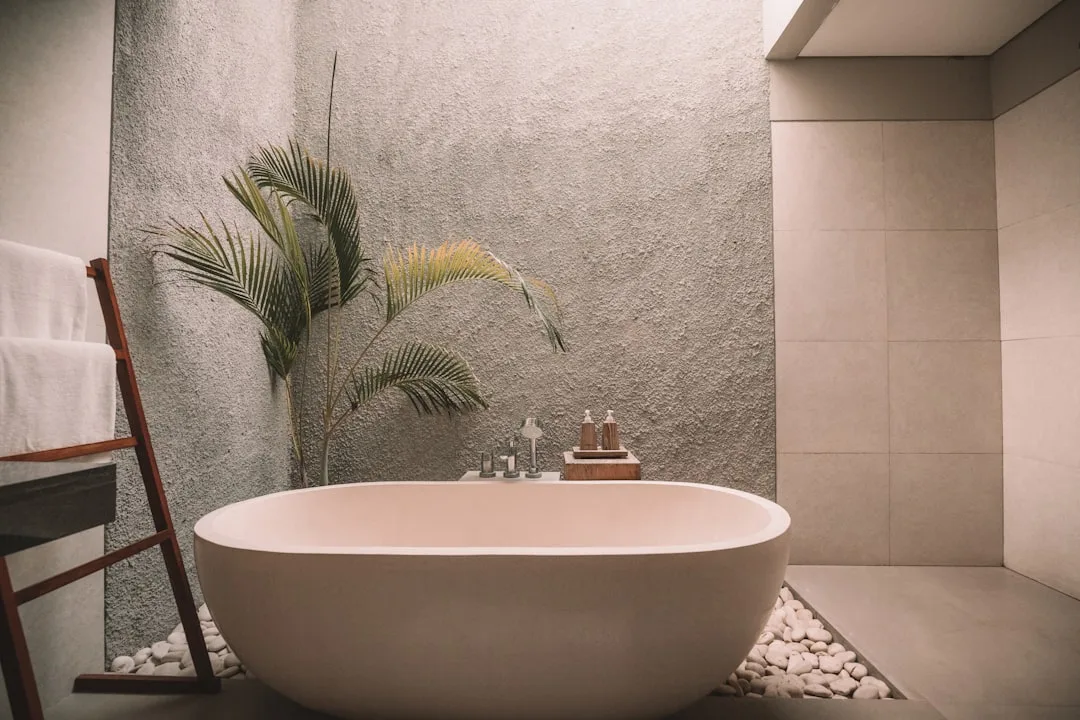
Honest answer: sometimes. But the conditions that make it work are more specific than most people want to hear.
Interior designers generally draw the minimum line at 80–100 square feet before introducing a freestanding tub — and for context, most bathrooms in homes built before 1980 run between 35 and 50 square feet. That’s not a small gap. That’s a different category of room entirely.
When clients push back on this number, I walk them through the specific conditions that would need to be true simultaneously for a small bathroom freestanding tub to work without creating the problems described above:
- The bathroom is at least 70 square feet, with a layout that places the tub in a zone that doesn’t interrupt primary traffic paths
- The toilet, vanity, and any shower enclosure are already positioned along walls, leaving one clear zone for the tub
- The existing plumbing rough-in is close enough to the intended tub location that rerouting costs are manageable
- The subfloor is in good condition and either already reinforced or on a concrete slab
- There is adequate ventilation — a working exhaust fan rated for the room’s cubic footage — to prevent the cleaning dead zone from becoming a mold issue
- The homeowner does not have mobility concerns now and is not planning to age in place in this home
If all six of those conditions are true, the conversation changes. If three or four of them aren’t, I advise looking at alternatives — and there are good ones.
Alternatives worth considering before you commit to a freestanding tub in a small bathroom:
- Japanese soaking tubs (ofuro style): Shorter and deeper than standard freestanding tubs — typically 47 inches long vs. 60–70 inches — they provide a genuine soaking experience in a fraction of the floor footprint. They work in rooms as small as 60 square feet when positioned correctly.
- Drop-in soaking tubs: Built into a platform or deck, these offer the deep soaking experience with no cleaning dead zone underneath, storage surface on the deck, and a more integrated aesthetic that makes small rooms feel intentional rather than crowded.
- Undermount alcove soaking tubs: Not as visually dramatic as a freestanding tub, but deeper than a standard alcove model. They solve the cleaning problem, the floor load distribution is better, and they don’t require plumbing rerouting in most cases.
- Walk-in shower with a separate soaking zone: In bathrooms where the shower and tub share space, eliminating one and doing the other exceptionally well — a large walk-in with a bench and rainfall head — often delivers more daily satisfaction than a tub that gets used six times a year.
The question I ask clients who are committed to a freestanding tub despite a small bathroom is this: how often do you actually take a bath now? Not how often you imagine you’ll take a bath once the beautiful tub is installed — how often do you take one today, with the bathroom you have? The answer is almost always “rarely.” The tub they’re imagining is a prop in a fantasy of how they’ll live. That’s not a criticism — it’s a human thing to do. But a prop that costs $15,000 installed and makes your bathroom harder to use every day is worth questioning before the demo crew shows up.
Actionable takeaway: If you’re under 80 square feet, research Japanese soaking tubs specifically before ruling out the soaking experience entirely. A well-placed 47-inch ofuro in a small bathroom can deliver what you’re actually looking for — the deep-water soak — without most of the freestanding tub small bathroom problems that come with a full-size Western freestanding model.
The Installation Reality Nobody Puts in the Brochure
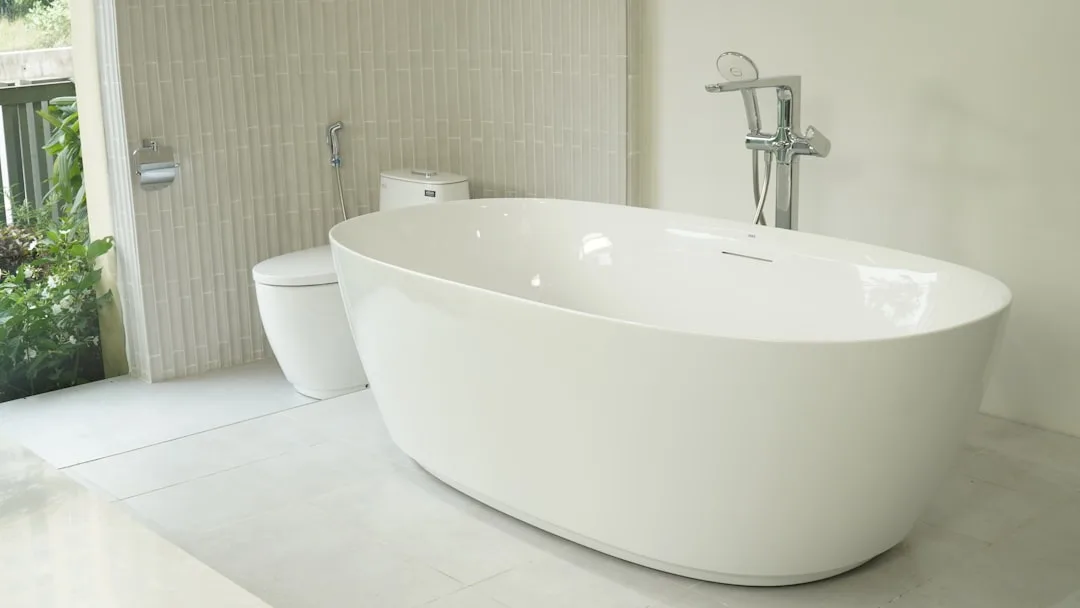
There’s a version of the freestanding tub installation story that goes smoothly: the plumber is in and out in two days, the tile work is clean, the floor-mounted faucet goes in without drama, and everything looks exactly like the Pinterest photo. That version exists. I’ve seen it twice in eleven years.
Here’s what the other version looks like, compiled from actual projects:
Week one: The tub arrives. It’s heavier than expected. The delivery team can’t get it up the stairs without removing a section of railing. The railing bracket leaves a hole in the wall.
Day three of installation: The plumber discovers the subfloor joist runs exactly where the floor drain needs to go. Rerouting adds two days and $600 to the estimate.
After tile work: The patch where the old tub drain was is visible. The tile that was ordered to match is a quarter-shade off. Everyone agrees it’s barely noticeable. It is noticeable.
First month of use: The floor-mounted faucet connection has a slow drip at the supply fitting. The plumber comes back. It gets fixed. The tile has to come up to access the fitting. The patch is now more visible.
Six months in: The gap under the tub has developed a mildew smell. The client is cleaning it weekly with a bottle brush taped to a dowel rod. The tub is beautiful. The experience of owning it is not.
None of these are catastrophic failures. Each one is the kind of friction that a larger bathroom or a more straightforward installation would have absorbed — or avoided entirely. In a small bathroom with tight tolerances, every one of them gets amplified.
The specific installation checklist I’d hand any client seriously considering this:
- Confirm subfloor condition with a structural assessment before ordering the tub
- Get the plumber in to assess rough-in location before you finalize tub placement — not after
- Order extra tile before demo begins, from the same dye lot, specifically for patches
- Specify in writing where the floor drain center point will fall and have the tile setter verify clearances before cutting
- Inspect the faucet supply connections before closing the floor — ask the plumber to pressure-test before tile goes down
- Plan the ventilation upgrade before or during the renovation, not after mold appears
Following this sequence adds time to the project. It also prevents most of the scenarios above from happening.
Frequently Asked Questions About Freestanding Tub Small Bathroom Problems
How small is too small for a freestanding tub?
Most designers use 80 square feet as a practical floor for introducing a freestanding tub without creating livability problems. Below that threshold, you’re almost always trading daily function for an aesthetic choice. Bathrooms under 60 square feet should not have freestanding tubs under any circumstances — the clearance requirements alone make safe and comfortable use impossible. Between 60 and 80 square feet, it depends entirely on the specific layout and whether the tub can be positioned without compromising the toilet zone, door swing, and primary traffic path simultaneously.
Will a freestanding tub hurt my home’s resale value?
It depends on the home. In a high-end property with a primary bathroom over 100 square feet, a well-chosen freestanding tub is a selling feature. In a modest home where the bathroom is 55 square feet, buyers — especially those with families or mobility considerations — often flag it as a problem. The tub itself doesn’t hurt value as much as the compromised functionality it creates in a small space. A bathroom that feels cramped and hard to navigate will cost you more at resale than a straightforward alcove setup would.
Can I add a shower to a freestanding tub in a small bathroom?
Technically, yes — you can add a handheld showerhead via a floor-mounted filler with a hand shower attachment. Practically, in a small bathroom, this creates a situation where shower spray hits the walls, the toilet, and whatever storage is nearby unless you’ve installed a curtain rail around the tub. Oval curtain rails exist for exactly this purpose, but in a small bathroom, a curtain that circles a freestanding tub will consume virtually all remaining visual space and make the room feel like a storage unit. It’s a workable solution in larger rooms. In small ones, it tends to make the freestanding tub small bathroom problems worse, not better.
What’s the minimum clearance around a freestanding tub?
NKBA guidelines specify 12 inches of clear floor space on all sides of a freestanding tub. That’s a minimum — not a comfortable working clearance, but the floor for code compliance and basic functionality. For comfortable use, meaning you can dry off, wrap in a towel, and step out without feeling like you’re navigating a puzzle, 18 inches on the exit side is closer to what actually works. Factor in those numbers before any other measurement.
Are there freestanding tubs designed specifically for small bathrooms?
Yes, and they’re worth researching before ruling the category out. Japanese ofuro-style tubs typically run 47 inches long and are designed for a seated, upright soaking position rather than a reclined Western soak. Stone resin small-footprint tubs from brands like Aquatica and Victoria + Albert run as short as 55 inches in some configurations. These smaller formats don’t eliminate freestanding tub small bathroom problems entirely — the cleaning gap, the floor load, and the plumbing reroute are still real — but they reduce the spatial impact significantly and make the 70–80 square foot bathroom a more realistic candidate.
The freestanding tub in a small bathroom isn’t always a mistake. But it’s almost always a decision that deserves more friction before it gets made — more questions, more floor plans, more conversations with a plumber and possibly a structural engineer before the showroom visit turns into a purchase order. The problems are predictable. The people who avoid them are the ones who looked for them before the demo crew showed up, not after.
How small is too small for a freestanding tub?
Most designers use 80 square feet as a practical floor for introducing a freestanding tub without creating livability problems. Below that threshold, you’re almost always trading daily function for an aesthetic choice. Bathrooms under 60 square feet should not have freestanding tubs under any circumstances — the clearance requirements alone make safe and comfortable use impossible. Between 60 and 80 square feet, it depends entirely on the specific layout and whether the tub can be positioned without compromising the toilet zone, door swing, and primary traffic path simultaneously.
Will a freestanding tub hurt my home’s resale value?
It depends on the home. In a high-end property with a primary bathroom over 100 square feet, a well-chosen freestanding tub is a selling feature. In a modest home where the bathroom is 55 square feet, buyers — especially those with families or mobility considerations — often flag it as a problem. The tub itself doesn’t hurt value as much as the compromised functionality it creates in a small space. A bathroom that feels cramped and hard to navigate will cost you more at resale than a straightforward alcove setup would.
Can I add a shower to a freestanding tub in a small bathroom?
Technically, yes — you can add a handheld showerhead via a floor-mounted filler with a hand shower attachment. Practically, in a small bathroom, this creates a situation where shower spray hits the walls, the toilet, and whatever storage is nearby unless you’ve installed a curtain rail around the tub. Oval curtain rails exist for exactly this purpose, but in a small bathroom, a curtain that circles a freestanding tub will consume virtually all remaining visual space and make the room feel like a storage unit. It’s a workable solution in larger rooms. In small ones, it tends to make the freestanding tub small bathroom problems worse, not better.
What’s the minimum clearance around a freestanding tub?
NKBA guidelines specify 12 inches of clear floor space on all sides of a freestanding tub. That’s a minimum — not a comfortable working clearance, but the floor for code compliance and basic functionality. For comfortable use, meaning you can dry off, wrap in a towel, and step out without feeling like you’re navigating a puzzle, 18 inches on the exit side is closer to what actually works. Factor in those numbers before any other measurement.
Are there freestanding tubs designed specifically for small bathrooms?
Yes, and they’re worth researching before ruling the category out. Japanese ofuro-style tubs typically run 47 inches long and are designed for a seated, upright soaking position rather than a reclined Western soak. Stone resin small-footprint tubs from brands like Aquatica and Victoria + Albert run as short as 55 inches in some configurations. These smaller formats don’t eliminate freestanding tub small bathroom problems entirely — the cleaning gap, the floor load, and the plumbing reroute are still real — but they reduce the spatial impact significantly and make the 70–80 square foot bathroom a more realistic candidate.