Securing your home today is less about fear and more about preparation. With break-ins still a concern in many parts of the country, especially in growing suburban areas, your home’s first line of defense shouldn’t be outdated locks and false peace of mind. The good news is that real, effective home security upgrades exist—and they don’t have to be flashy or complicated to be worthwhile.
A critical first step is understanding what “upgrades” actually mean in this space. Many homeowners fall into the trap of overcomplicating things. The real difference comes from practical, layered security, starting with the basics and building outward. That’s where a local professional, like locksmith Cherry Hill, Ben’s Lock & Key, plays a crucial role.
Ditch the Builder-Grade Locks
Most homes—especially newer builds or flipped properties—come with standard, builder-grade locks. These are often mass-produced, low-cost, and shockingly easy to pick or bump open. If you haven’t upgraded your locks since moving in, now’s the time.
Opt for ANSI Grade 1 deadbolts, which offer the highest level of residential security. Pair these with reinforced strike plates and longer screws in the door frame, making forced entry much more difficult. These are small, low-cost upgrades that instantly boost security without needing a smart-home overhaul.
Go Smart—but Stay Grounded
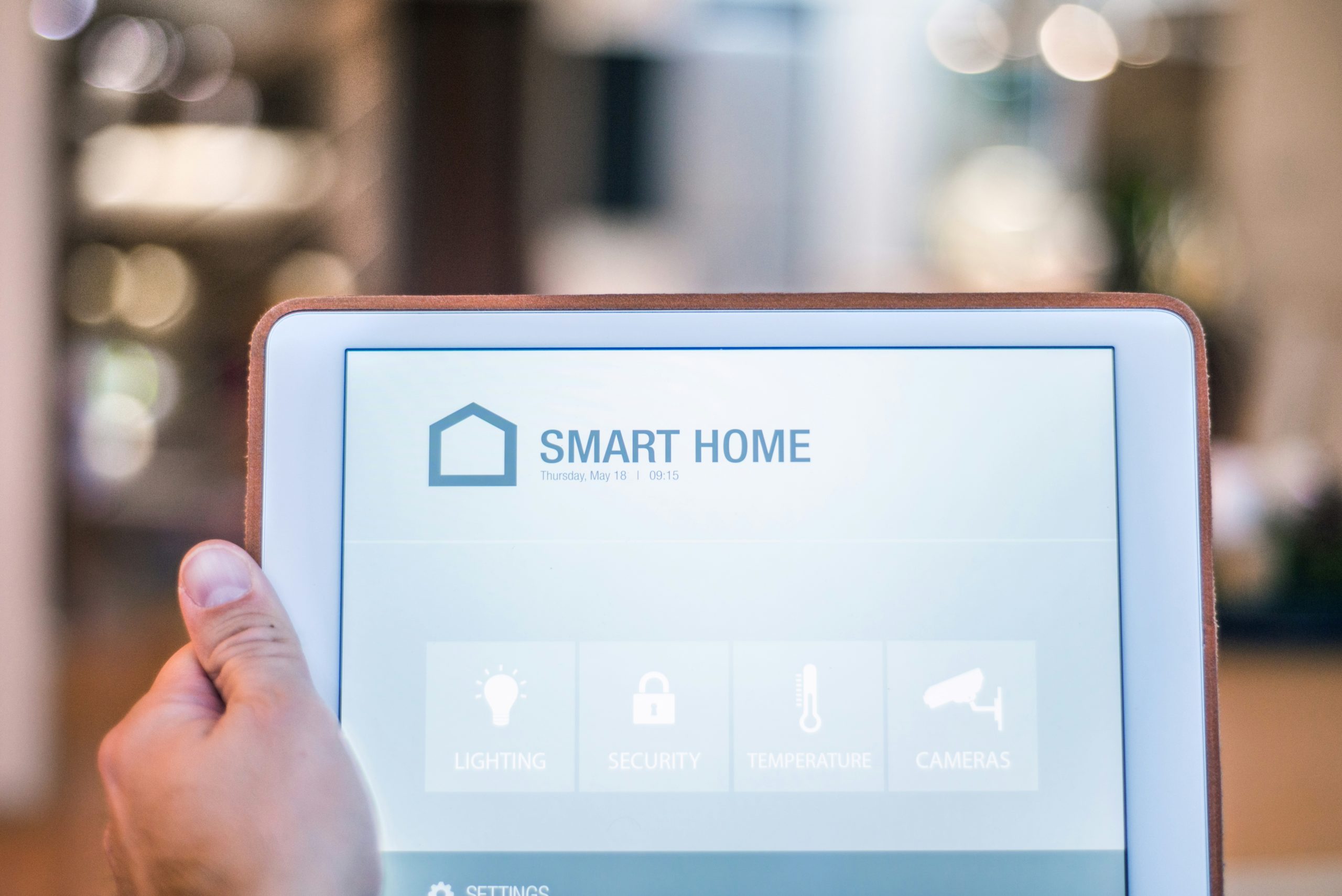
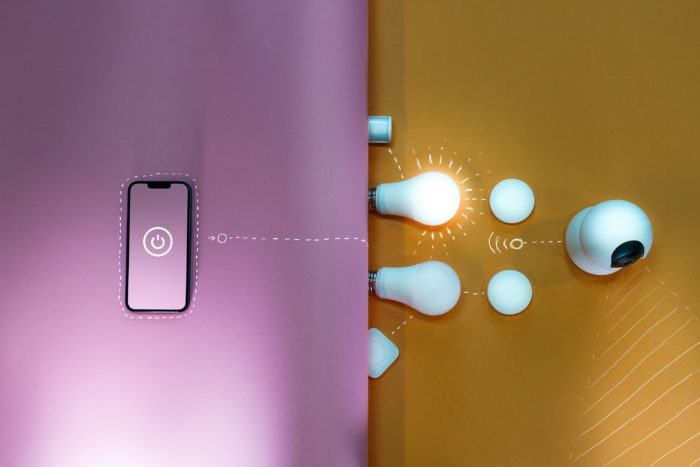
Smart locks, video doorbells, and motion sensors get all the attention—and yes, they’re powerful tools. But installing tech just for the sake of it won’t help if it’s not set up correctly or backed by physical security.
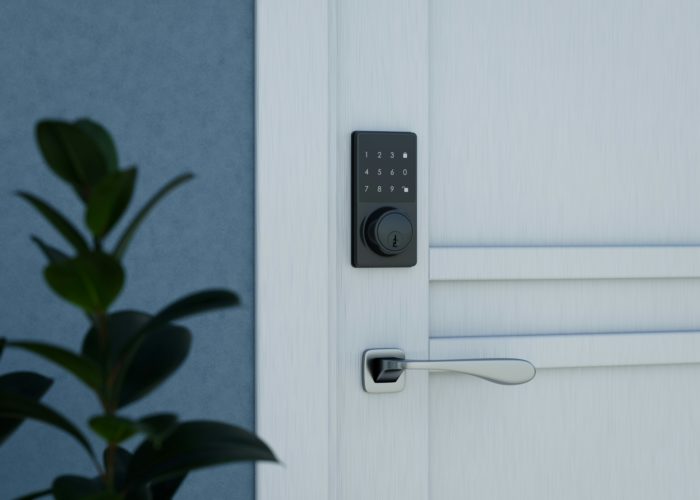
For example, a smart lock on a hollow-core door is like putting a high-tech alarm on a cardboard box. Make sure your door is solid wood or steel, and always have a mechanical backup in case the electronics fail.
Also, make sure devices are connected through encrypted networks, updated regularly, and supported by manufacturers. Many homeowners leave factory settings in place, which makes them easy targets for hackers or tech-savvy thieves.
Don’t Ignore the Windows
While most people focus on doors, windows are just as critical. Older latches on sliding or double-hung windows can be bypassed in seconds. Consider key-operated window locks or pin locks. For basement and ground-level windows, reinforced glass or security film adds a strong deterrent without affecting aesthetics.
Adding simple window contact sensors that connect to an alarm system or mobile app is another way to boost coverage without a massive investment.
Exterior Lighting = Instant Deterrent
Darkness is a burglar’s best friend. Motion-activated lighting around entry points—especially back doors, garage entrances, and side paths—makes it harder for someone to approach unseen.
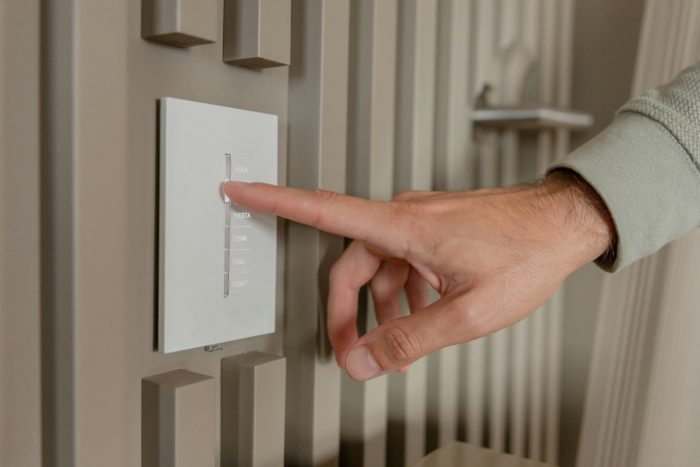
LED floodlights with built-in motion sensors are affordable and easy to install. Better yet, integrate them into a smart home system so you can schedule lighting when you’re away. The goal isn’t to turn your yard into a stadium—just enough to make trespassing feel risky.
Cameras: Use Them Smartly
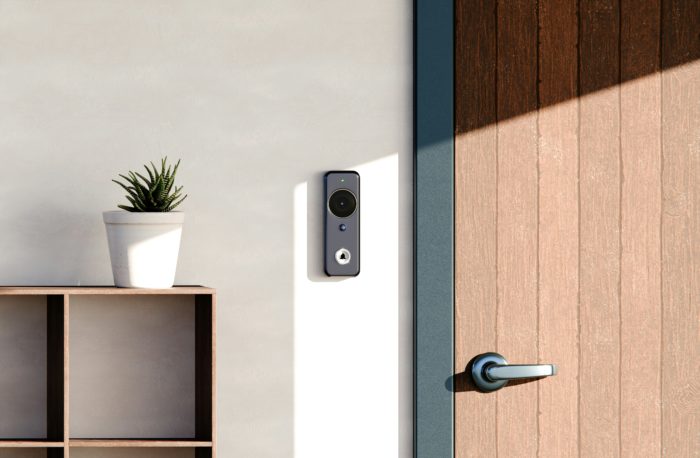
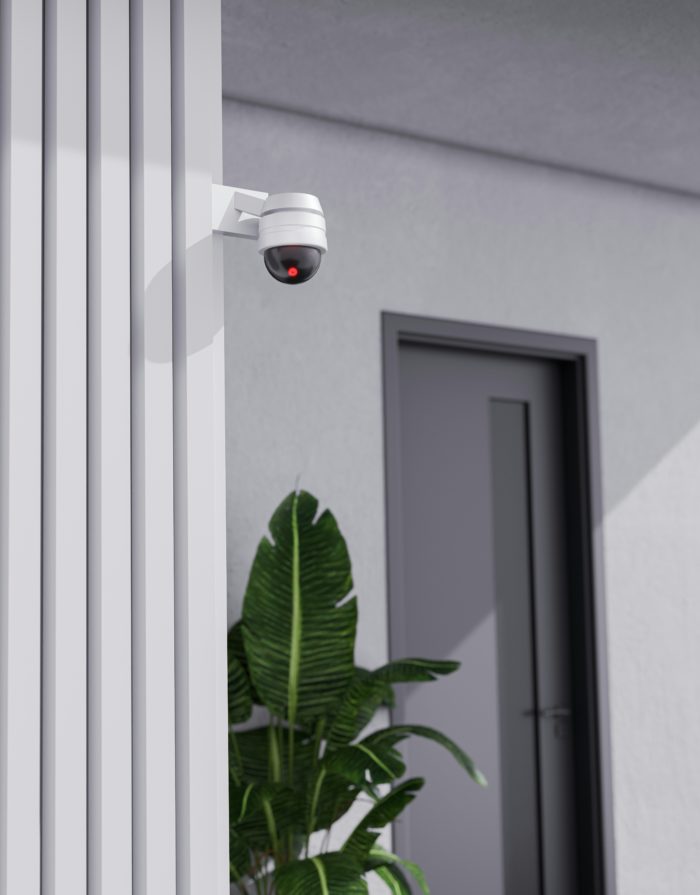
Cameras are great, but only if they’re placed with purpose. A doorbell cam alone won’t cover blind spots or entry points around the back. Install outdoor-rated cameras at high points angled toward entrances, keeping them visible to act as a deterrent.
Don’t forget interior cameras—especially in entryways or areas with valuables. These can be invaluable if a break-in occurs, helping identify intruders and providing evidence for insurance claims.
Also, be mindful of privacy laws if your cameras capture public sidewalks or neighboring properties.
Reinforce Garage and Basement Entry Points
Garages are often weak links. Many people forget to lock the door from the garage into the house, assuming the overhead door is enough. It’s not.
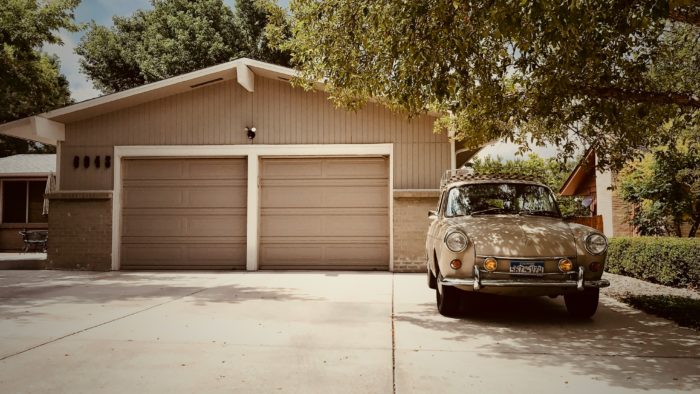
Upgrade that interior door to a solid core with a deadbolt. Install a smart garage opener that notifies you when the door opens or closes. And don’t leave the remote in your car unless it’s locked in the glove box—breaking a window for a garage opener is an old, easy trick.
Basement doors and windows are often out of sight and poorly lit. Use the same grade locks as your main entry points, and reinforce windows with film, bars, or well-placed lighting.
Work with a Local Pro You Can Trust
Security is more than just buying products—it’s about making the right choices based on how your home is built and how you live. That’s why working with a local, licensed expert matters.
Someone who understands your area’s crime trends and building standards can guide you toward upgrades that actually matter. A company like Ben’s Lock & Key, which has been serving Cherry Hill homes for years, can evaluate your current setup, make strategic recommendations, and install high-quality hardware correctly the first time.
Don’t Just Upgrade—Maintain
Even the best gear won’t protect you if it’s broken, misaligned, or hasn’t been checked in years. Deadbolts loosen. Doors sag. Batteries die. Make security maintenance a routine task: test your locks, update firmware on smart devices, and keep camera lenses clean.
A biannual home security checkup is a small effort that can prevent big problems.
Real Protection Starts With Smart Choices

The most effective home security upgrades aren’t the most expensive—they’re the most intentional. Start with solid hardware, add in smart tech, and layer your defenses. And don’t rely on guesswork. Connect with a pro like locksmith Cherry Hill, Ben’s Lock & Key to make sure every piece works together. When your home is secure, you sleep better, travel with less worry, and know you’ve done more than just the bare minimum.