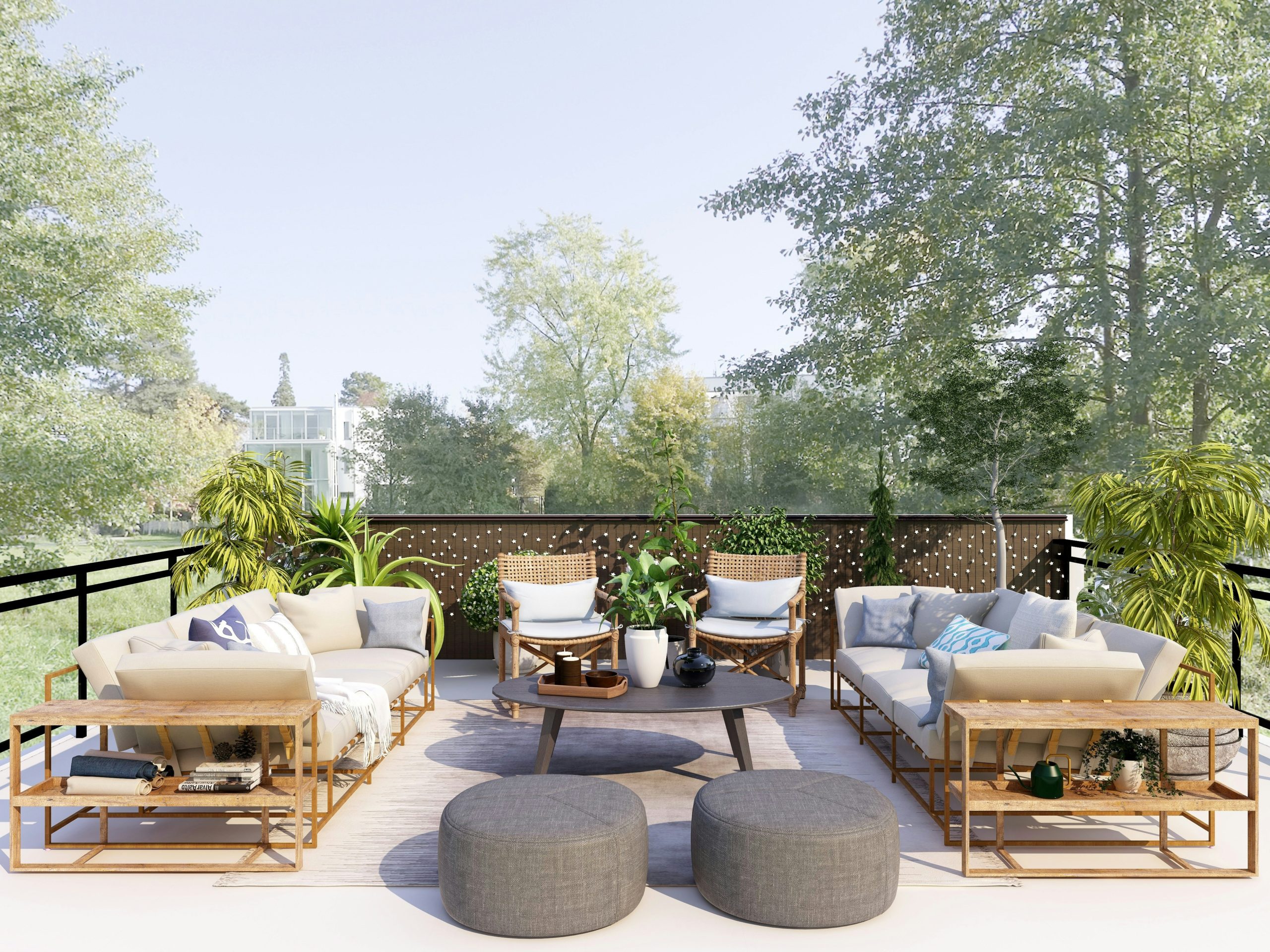
A great outdoor living space changes how you use your home. When designed well, it becomes an extension of your living area – a place where you relax after long days and host friends without feeling cramped. It evolves into a space where you actually enjoy being outside without sacrificing comfort.
The problem is that many outdoor spaces fall short because they’re designed piece by piece instead of as a cohesive environment. So, the question becomes, how do you approach your outdoor living space with greater intention from the start?
- Start With How You Want to Use the Space
Before you think about materials, furniture, or decor, you need to be clear on one thing: How you want to use the space. Outdoor living areas fail most often when they look nice but don’t match real-life behavior.
Ask yourself what you envision doing outside.
- Do you want a quiet place to unwind with a book and a cup of coffee?
- Do you imagine hosting dinners, watching games, or gathering around a fire pit?
- Are you wanting an outdoor kitchen that replaces half of your indoor entertaining?
- Is the goal to have a flexible space that works for both relaxation and hosting?
Your answers should shape every design decision that follows. Seating layout, lighting, surfaces, and even weather protection all depend on how the space will be used day to day.
This also feels like a good time to mention the importance of working with the right home remodeling contractor who understands outdoor living spaces. When you choose to work the right professionals, it makes everything we’re going to talk about in this article much more achievable.
- Define the Space So It Feels Like a Room
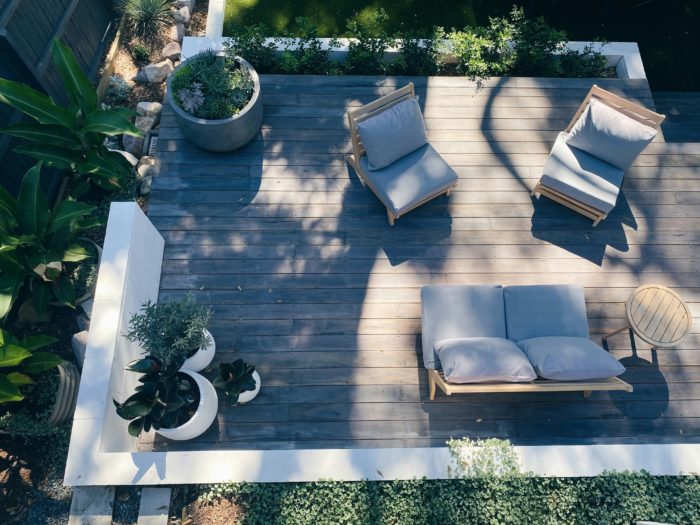
One reason outdoor spaces feel underwhelming is that they lack definition. Indoors, rooms have walls and ceilings. Outdoors, you need other elements to create boundaries and structure.
This can be done through hardscaping, such as patios, decks, or pavers that clearly outline the living area. Pergolas, privacy screens, or partial walls help create a sense of enclosure without making the space feel closed in. Even landscaping can define the edges of your outdoor “room” by guiding sightlines and movement.
- Invest in Comfortable, Durable Seating
Comfort is what keeps people outside longer. If the seating is stiff, awkward, or uncomfortable, your outdoor living space won’t get much use, no matter how good it looks.
Choose seating designed specifically for outdoor use, with weather-resistant frames and cushions that can handle sun and moisture. (By the way, deep seating with supportive cushions encourages people to relax rather than perch.)
It’s also worth thinking about flexibility. Movable chairs, ottomans, or benches allow you to adapt the layout depending on whether you’re hosting a crowd or enjoying a quiet evening. The more adaptable the seating, the more often the space gets used.
- Plan for Shade and Weather Protection
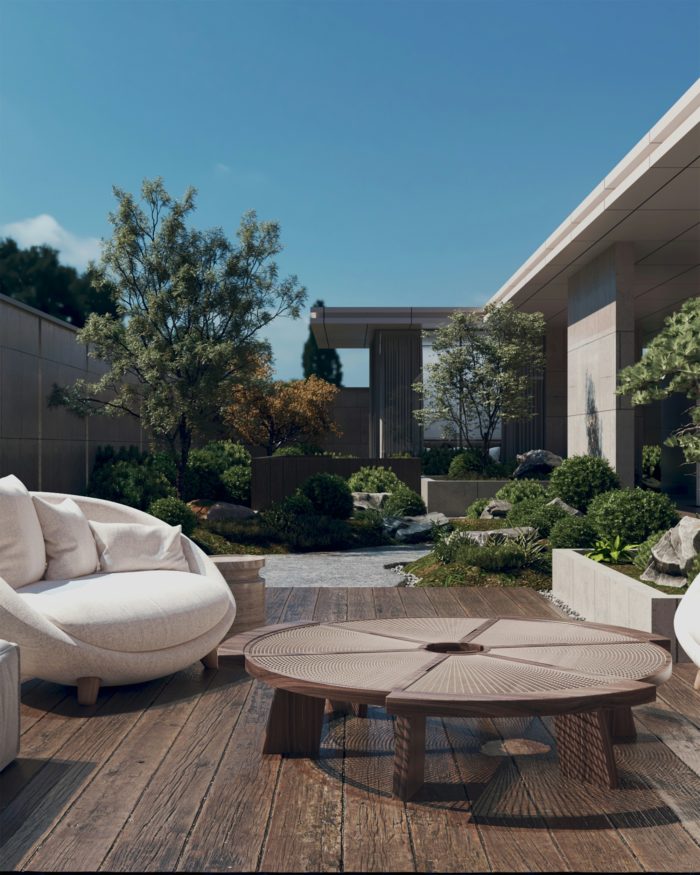
A killer outdoor living space works in more than perfect weather. Shade and protection from the elements dramatically extend how often you can use the area.
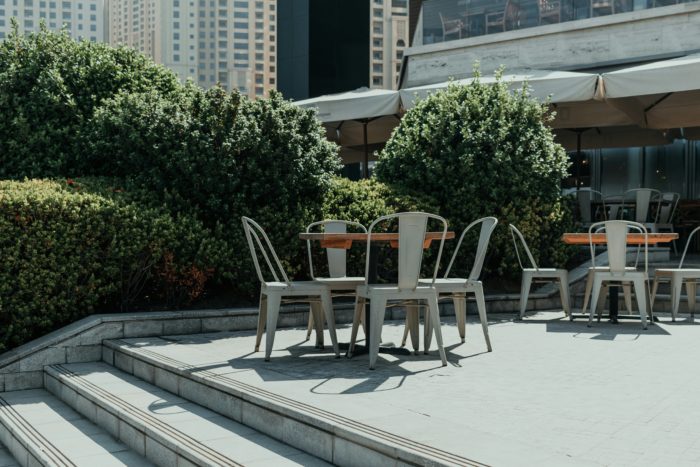
Pergolas, covered patios, retractable awnings, and umbrellas all offer different levels of shade. The right choice depends on your climate and how exposed your yard is to sun and rain. In hotter areas, shade is essential for comfort.
Wind protection matters too. Strategic placement of screens, walls, or landscaping can reduce wind without blocking airflow entirely. Make sure you take the time to consider details like this.
- Use Lighting to Set the Mood
Lighting is what turns an outdoor space from functional to inviting. Without it, the space disappears as soon as the sun goes down. But with the right lighting, it becomes a whole vibe all day and night.
Layered lighting works best outdoors, just like it does inside. Think in terms of the following categories:
- Ambient lighting provides general illumination.
- Task lighting helps with cooking or dining.
- Accent lighting highlights architectural features, plants, or pathways.
Warm, soft lighting creates a welcoming feel, while harsh or overly bright lights can make the space feel cold. Take the time to think through all of these elements that most people overlook. It’s the key to a cohesive space that looks and feels the way you want.
- Choose Materials That Balance Style and Longevity
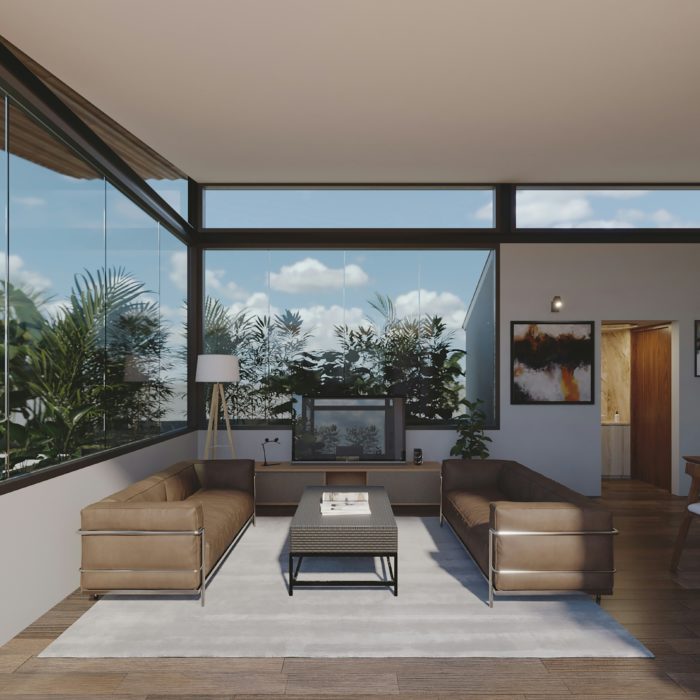
Outdoor materials should do more than look good. They need to withstand sun, moisture, temperature changes, and regular use. Choosing materials that age well keeps your outdoor space looking good year after year.
Stone, concrete, composite decking, and treated wood are popular for a reason. They offer durability without sacrificing design flexibility. And if you’re using fabrics, they should be fade-resistant and easy to clean.
- Don’t Forget About Flow and Access
Your outdoor living space should feel connected to your home, not isolated from it. Easy access makes a huge difference in how often the space is used. Wide doors, smooth transitions, and clear pathways help blur the line between indoor and outdoor living.
Think about how food, drinks, and people move between spaces. If you’re constantly navigating tight corners or carrying items long distances, the space becomes less enjoyable. Again, details matter.
Designing the Ideal Outdoor Living Space
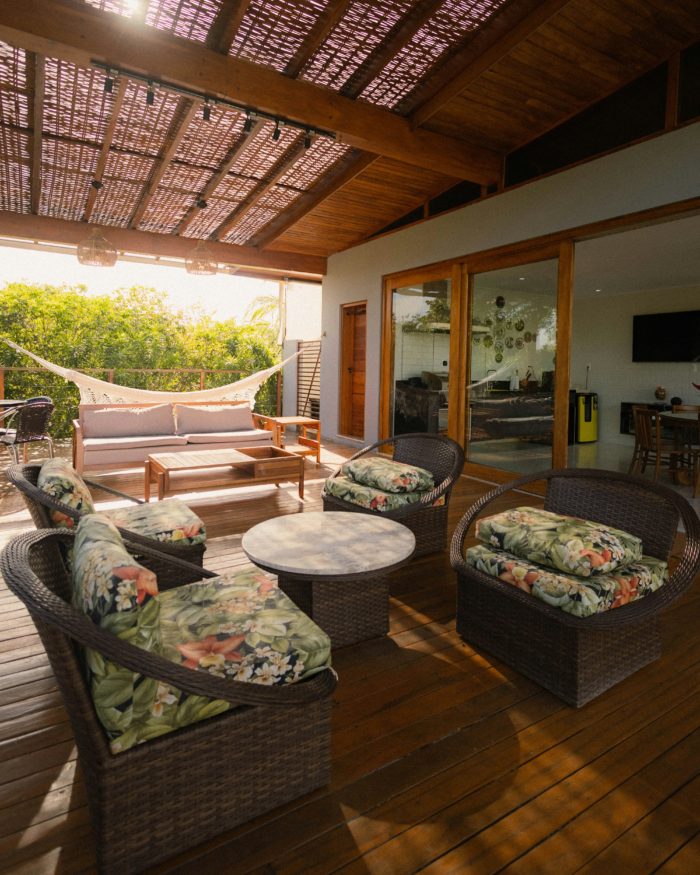
The ultimate outdoor living space comes down to how your family intends to use the space. When it feels comfortable and looks good, what more can you ask for? But you don’t just reach this point with luck. You need a team of people working alongside you to plan and execute the finer details. Find the right people and you’ll be happy with the end result.