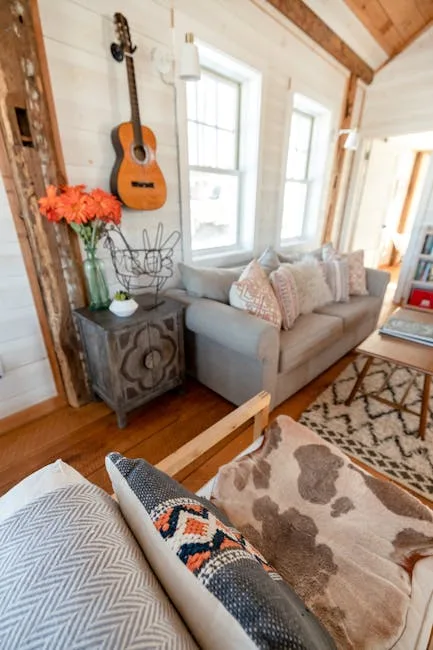
Most homeowners leave a design center the same way they arrived — overwhelmed, uncertain, and clutching a brochure they’ll never open — not because the style is hard, but because nobody told them how to look at it.
Quick Answer
Most homeowners leave a design center the same way they arrived — overwhelmed, uncertain, and clutching a brochure they’ll never open — not because the style is hard, but because nobody told them how to look at it.
Pinterest gives you images. A design center gives you decisions. Those are not the same thing, and the gap between them is where most renovation budgets quietly die. I spent eleven years watching clients fall in love with photos and then spend three frustrated months trying to translate those photos into actual rooms. The ones who walked into a proper farmhouse design center with a clear framework came out with rooms they actually wanted to live in. The ones who shopped off mood boards alone? Most of them called me six months later.
This article is what I wish I could hand every one of those clients before they walked through the door.
What Sets a Dedicated Farmhouse Design Center Apart from a Regular Furniture Store
In This Article
- What Sets a Dedicated Farmhouse Design Center Apart from a Regular Furniture Store
- What Does Modern Farmhouse Style Actually Look Like in Real Rooms?
- Modern Farmhouse vs. Contemporary Farmhouse — There Is a Real Difference
- Farmhouse Style Furniture: What It Is, What It Isn’t, and How to Spot Quality
- How to Walk Into Any Design Center With a Plan (And Leave Without Regret)
- The Materials That Define the Modern Farmhouse Look — and Which Ones Age Best
- Layering the Look: How Professionals Build a Modern Farmhouse Room from Scratch
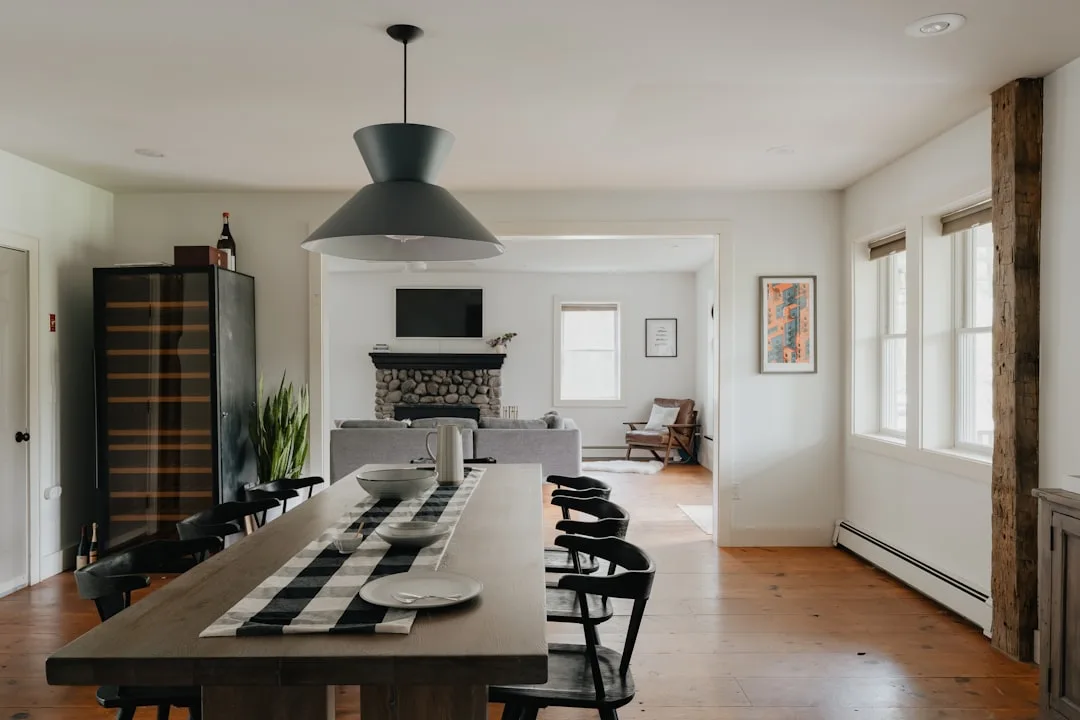
Walk into any big-box furniture store and you’ll find farmhouse-adjacent pieces scattered across the floor with no meaningful relationship to each other — a shiplap-detailed console here, a distressed pine dresser there, a vaguely industrial pendant in the lighting aisle. None of it is wrong, exactly. None of it is useful, either.
A dedicated farmhouse design center operates on a completely different premise. The entire physical environment is organized around aesthetic coherence, not inventory turnover. You’re not browsing products — you’re walking through composed rooms where every element was chosen in relationship to every other element. The sofa scale was chosen against the ceiling height. The rug pattern was selected to hold the wood tone of the floor without competing with it. Those decisions are visible and legible when you’re standing inside a real room, in a way they simply aren’t in a photograph.
Staff at specialty design centers are trained differently, too. I don’t mean that as flattery — it’s just structural. A furniture salesperson knows product specs. A design center consultant knows why a 96-inch sofa crushes a room under 14 feet wide, and they’ll tell you before you fall in love with it. That expertise is the thing most homeowners are actually paying for when they make the trip.
What a good design center also does — and this surprises most first-time visitors — is make custom and semi-custom options feel accessible. Not every piece on the floor is what you take home. Many centers work with manufacturers on fabric swaps, leg finishes, and scaled dimensions that you’d never know to ask for in a retail environment.
Actionable takeaway: Before your visit, call ahead and ask whether the center offers customization consultations — not all do, and knowing this changes how you budget and schedule your time.
What Does Modern Farmhouse Style Actually Look Like in Real Rooms?
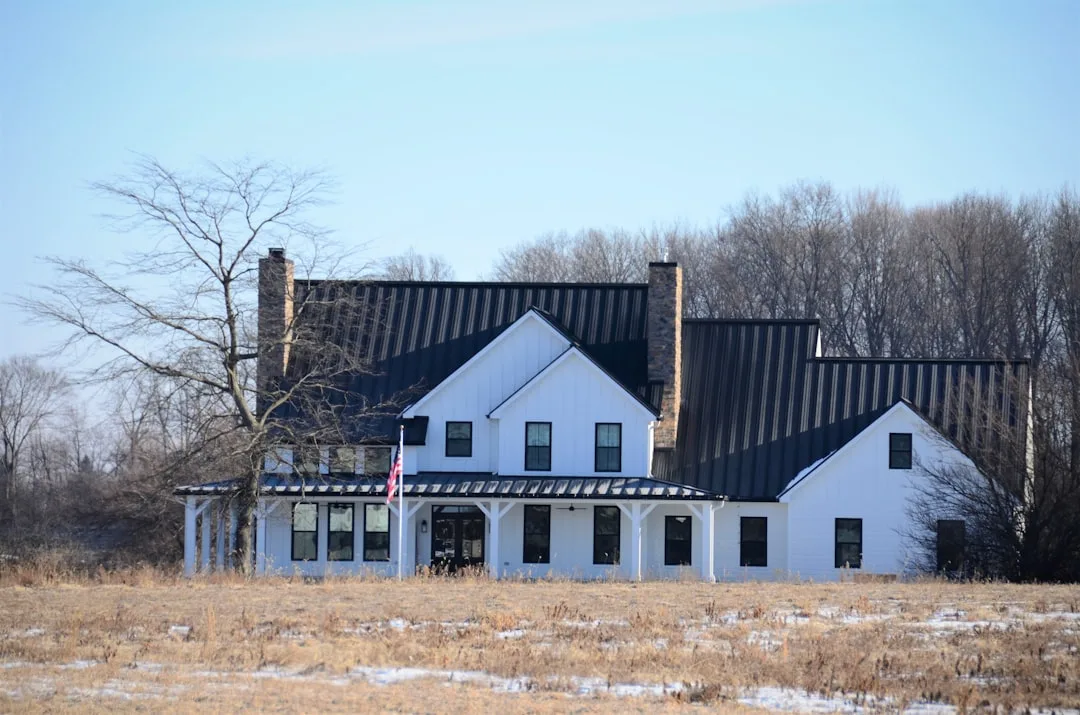
Here’s the version nobody gives you: modern farmhouse is not a visual style. It’s a sensory one. The goal isn’t to look a particular way — it’s to feel like a particular thing. Unhurried. Warm. Slightly imperfect in ways that read as intentional. Every material and color choice is in service of that feeling, and when you understand that, the specific elements start to make sense as a system.
The neutral base palette is non-negotiable, but it’s more specific than “white and beige.” Sherwin-Williams named ‘Origami White’ and ‘Creamy’ among its top-selected colors in farmhouse and transitional interiors in 2024 — both warm off-whites with yellow or ivory undertones that keep walls from reading cold or clinical. Cool whites — your bright, blue-toned whites — actively fight the warmth that makes modern farmhouse work. I’ve seen clients paint an entire room the wrong white and wonder why it felt like a hospital despite $4,000 worth of correct furniture.
Materials are where the style becomes physically distinct:
- Reclaimed wood beams or engineered wood beam wraps on ceilings — the presence of raw grain and natural aging reads immediately
- Shiplap or board-and-batten on at least one wall, used as architectural detail rather than wallpaper-level decoration
- Matte metal hardware in black or brass — never chrome, never nickel with a high-shine finish
- Linen and cotton upholstery in natural, undyed, or lightly textured weaves
- Exposed-bulb pendant lighting with black iron or aged brass fittings, or barn-style sconces that treat light as object
Silhouettes in modern farmhouse are clean — not ornate, not carved, not turned-leg traditional — but they carry weight. A farmhouse dining table has presence. A farmhouse sofa sits low and broad. These are not delicate pieces, and that physical generosity is part of what makes the rooms feel livable rather than staged.
Actionable takeaway: Pull three photos you love and identify one material they all share — that material is your style anchor, and everything else should support it, not compete with it.
Modern Farmhouse vs. Contemporary Farmhouse — There Is a Real Difference
Google Trends data shows “modern farmhouse” consistently pulls 4–5x more search volume than “contemporary farmhouse,” yet the distinction between the two is meaningful enough that design professionals treat them as categorically different. Most content on this topic treats them as interchangeable. They aren’t, and choosing the wrong one is how you end up with a room that feels off despite having all the right pieces.
Modern farmhouse is warm. It gravitates toward wood tones, collected-over-time layering, vintage-inspired hardware, aged textiles, and a lived-in quality that reads as relaxed rather than composed. It pairs naturally with antiques, inherited pieces, and things that show a little wear. The emotional register is comfort-first — you should feel like you could put your feet on the coffee table.
Contemporary farmhouse is something else entirely. It runs cooler, architecturally flatter, more monochromatic. The farmhouse lineage shows up in materiality — there might still be wood and linen — but the proportions are tighter, the ornamentation stripped back to almost nothing, and the palette tends toward warm greiges and soft blacks rather than honey-toned whites. It favors intentional minimalism over accumulated warmth. A contemporary farmhouse kitchen looks designed. A modern farmhouse kitchen looks inhabited.
The confusion arises because both styles reject the ornate — neither one has crown molding with dental detail or tufted Chesterfield sofas. But the emotional tone is fundamentally different, and that difference cascades through every single purchasing decision you make:
- Sofa profiles: rolled arms (modern) vs. track arms (contemporary)
- Light fixtures: vintage-inspired exposed bulb (modern) vs. geometric matte black (contemporary)
- Flooring: warm-toned oak (modern) vs. cool gray-washed oak (contemporary)
- Window trim: thick and architectural (both, but with different profiles)
Knowing which version you actually want changes your budget, your timeline, and the kinds of mistakes you’re at risk for.
Actionable takeaway: Find a photo of each style — one room you’d call cozy, one you’d call composed — and decide which one you’d rather live in on a Tuesday morning. That answer tells you more than any style quiz.
Farmhouse Style Furniture: What It Is, What It Isn’t, and How to Spot Quality
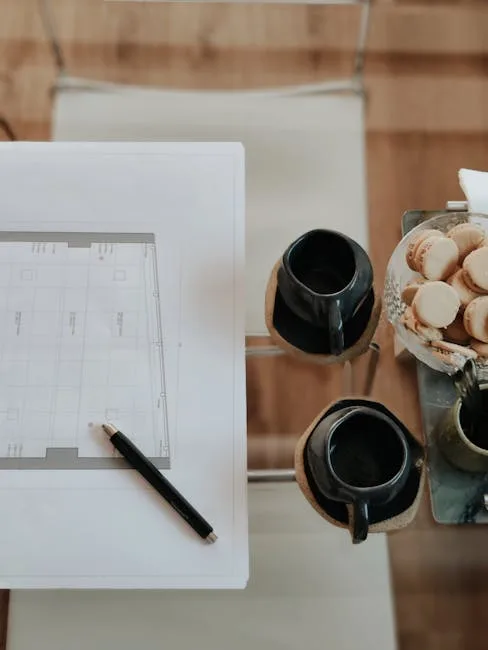
I once spent $800 of a client’s money on a side table that looked exactly right and fell apart in fourteen months. Solid-looking piece, correct finish, appropriate scale. Engineered wood core, staple-gun joinery, hardware held in with one screw per pull. The lesson I took from it — which I apply to every single furniture recommendation I make — is that farmhouse style is uniquely vulnerable to cheap construction because the visual language of the style tolerates rough edges. Distressing covers a lot of sins.
The construction standard for authentic farmhouse furniture is solid wood — oak, pine, and maple are most common, each with a different visual personality. Oak reads sophisticated. Pine reads casual. Maple falls somewhere between. All three are legitimate; none of them should flex when you press down on the corner of a table.
Joinery tells you almost everything you need to know about a piece’s longevity:
- Dovetail drawers — the interlocking finger-joint pattern — signal real craftsmanship and will outlast any drawer slide that uses a staple-and-glue assembly
- Mortise-and-tenon frames on seating mean the legs won’t wobble in three years
- Corner blocks inside upholstered frames are invisible from outside but are the difference between a sofa that holds its shape for a decade and one that spreads and sags
The American Home Furnishings Alliance reports that solid wood furniture retains 60–70% of its resale value over 10 years, compared to roughly 20% for engineered wood alternatives. That’s not an argument for extravagance — it’s an argument for buying one good piece instead of three mediocre ones.
On upholstery: performance linens and cotton-linen blends are the correct call for farmhouse seating — not microfiber, not faux suede, both of which look wrong almost immediately and age worse. Bouclé has earned a legitimate place in farmhouse rooms when it’s used on a single accent chair rather than as a wall-to-wall fabric strategy.
Actionable takeaway: Flip the piece over, or ask a consultant to. If you can see the joinery, you can evaluate the furniture. Solid wood corner blocks and dovetail drawers visible from underneath are worth more than any finish on the surface.
How to Walk Into Any Design Center With a Plan (And Leave Without Regret)
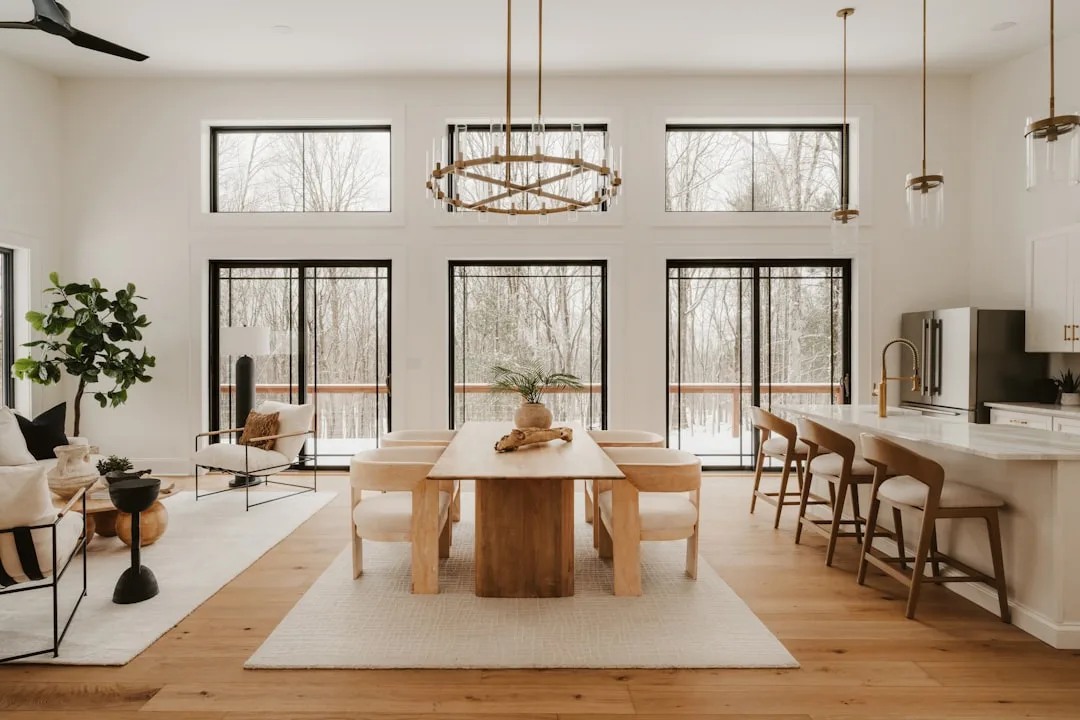
A 2022 survey by the National Kitchen and Bath Association found that homeowners who planned purchases with a design professional reported 40% fewer post-purchase regrets than those who shopped independently. I believe it. I’ve also watched plenty of planned visits go sideways because the planning was the wrong kind — people bring photos of rooms they love without bringing a single measurement of the room they live in.
Here’s what actually needs to come with you:
- Room dimensions — not approximate, not “around 14 by 18,” actual measurements, including ceiling height, door swing clearances, and the distance from the window to the nearest corner
- Three to five photos of spaces that made you feel something — not necessarily farmhouse spaces, just rooms where you felt at home
- Your anchor piece already identified — the sofa, the dining table, the bed frame that everything else will revolve around. This is the hardest decision you’ll make, and it should be made before you walk in the door, not while you’re standing in a showroom with four options in front of you
- Finish samples from your existing home — if you have wood floors, bring a photo or a small offcut. If you have existing hardware, bring one pull or knob. Designing in isolation from what you already own is how you end up with a room that looks assembled rather than evolved
Lead times matter enormously — custom and semi-custom pieces at specialty centers commonly run 8–16 weeks, and this surprises people every time. Ask before you commit. Then ask about full-room packages: many design centers offer package pricing that saves 10–20% versus purchasing individual pieces, and that discount is often not advertised.
Actionable takeaway: Set your room budget before you walk in — not as a ceiling you expect to hit, but as a framework that lets consultants direct you toward pieces that actually make sense for your space and investment level.
The Materials That Define the Modern Farmhouse Look — and Which Ones Age Best
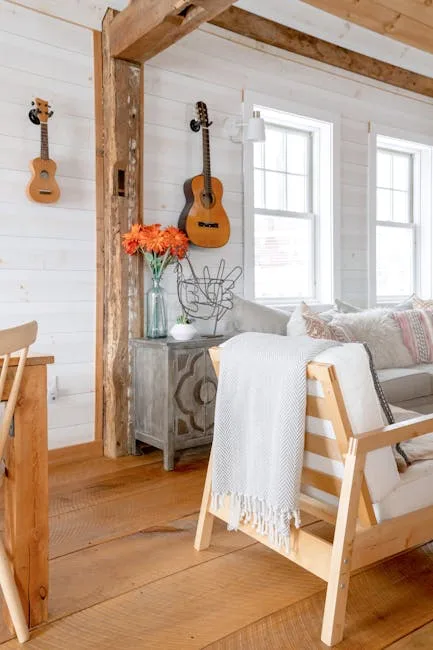
Trends come into design centers fast. They leave slower, but they leave. I’ve watched brushed nickel go from omnipresent to dated to acceptable again over the course of my career, and I’ve watched homeowners spend serious money chasing a look that was peaking right as they were installing it. The only defense against that is understanding which materials carry permanence and which ones are riding a wave.
White oak flooring is the single most durable investment in the modern farmhouse material palette. Its warm, honey-blond undertone and the wire-brushed texture that most farmhouse applications call for both hide wear gracefully — scratches read as character rather than damage, which is not something you can say about smooth-finished maple. The National Association of Realtors’ 2023 Remodeling Impact Report found that white oak flooring commands a 3–5% home resale premium, making it one of the few purely aesthetic decisions that returns money.
On walls: shiplap and board-and-batten are not just decorative — they’re structural treatments with actual architectural weight, and that permanence is part of why they age well. A shiplap accent wall installed correctly looks intentional in twenty years the way a stenciled wall treatment does not.
For countertops, the honest answer is that honed or leathered quartz outperforms everything else for daily usability and long-term aesthetics. Polished marble is correct for the style but unforgiving in practice — the etching and staining that occurs with real use reads as neglect rather than patina on a kitchen surface.
On fixtures: matte black peaked around 2019 but remains aesthetically coherent in farmhouse rooms because it has historical precedent — ironwork, barn hardware, and cast-iron cookware all live in this family. Unlacquered brass is the longer-arc investment right now. It develops a living patina rather than a static finish, and that quality of aging suits the modern farmhouse ethos better than anything that stays frozen in time.
Actionable takeaway: When evaluating a material at a design center, ask to see a sample that’s been on display for at least a year — wear patterns on showroom floors and hardware tell you more about long-term performance than any spec sheet.
Layering the Look: How Professionals Build a Modern Farmhouse Room from Scratch
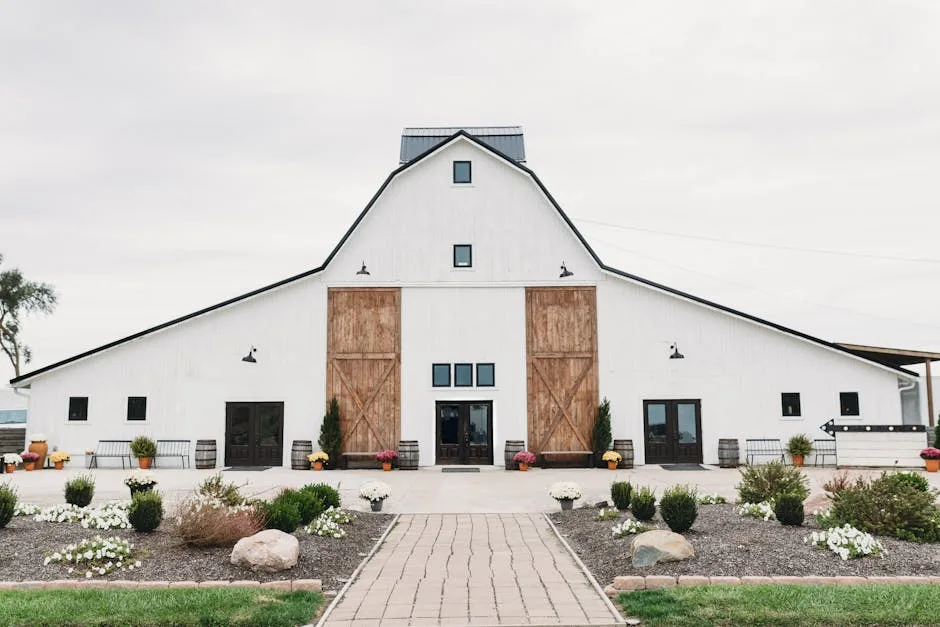
The sequence matters. That’s the thing most homeowners don’t realize — it’s not just about having the right pieces, it’s about building them in the right order so each decision constrains and informs the next. When you buy in the wrong sequence, you end up with a room where everything is technically correct and nothing quite works. I’ve diagnosed that problem in dozens of spaces. It’s always a sequencing failure.
Step one is architecture — and it comes before any furniture purchase. Wall treatment, trim color, and flooring establish the entire tonal range of a room. Everything you buy afterward has to live within that range. Choosing a warm white wall paint and natural white oak floors creates a warm-light room; every piece you add either amplifies that warmth or fights it. Decide the tonal register first.
Step two is anchoring with large pieces. Your sofa, your dining table, your bed — these define scale and proportion for everything else. A sofa that’s too small for the room creates a float effect that no amount of styling fixes.
Step three is lighting, in three tiers: ambient overhead fixtures that set the ceiling’s visual weight, task lighting that serves function (pendants over an island, a reading lamp beside a chair), and accent lighting that creates mood and depth. Farmhouse rooms that feel flat almost always have only one tier.
Step four is textiles, and they go in this order: area rug first — it grounds the furniture grouping and establishes the secondary color — then window treatments, then throw pillows and blankets. Interior designers consistently apply the 60-30-10 rule for color distribution — 60% dominant neutral, 30% secondary tone, 10% accent — and modern farmhouse rooms that feel cohesive almost universally follow it, even when the homeowner has never heard of it.
Step five — organic elements last. Ceramic vessels, woven baskets, live plants, raw-edge wood objects. These are not afterthoughts. They’re the difference between a room that looks decorated and one that looks inhabited. But they only work once the architecture and furniture are settled, because their job is to soften edges that have already been established.
Actionable takeaway: Don’t buy a throw pillow until your rug is down. Don’t choose your rug until your sofa is placed. Work in sequence, and the room builds itself.
Frequently Asked Questions About the Modern Farmhouse Design Center and This Style
What is the difference between modern farmhouse and contemporary farmhouse?
Modern farmhouse is warm, textured, and deliberately lived-in — it uses honey-toned wood, rolled-arm seating, vintage-inspired hardware, and an accumulated quality that reads as comfortable rather than composed. Contemporary farmhouse is cooler and more architectural: flatter profiles, reduced ornamentation, a more monochromatic palette that tends toward warm grays and soft blacks. Both reject ornate detailing, which causes the confusion — but the emotional register is entirely different. Modern farmhouse feels like somewhere you’ve lived for years. Contemporary farmhouse feels like somewhere designed with precision. Neither is better; they’re for different people. If you’d choose the cozy kitchen over the architectural one, you want modern farmhouse.
What does modern farmhouse style look like?
In a real room: warm off-white walls (think Sherwin-Williams ‘Creamy’ or ‘Origami White’), white oak or pine flooring, shiplap or board-and-batten on at least one surface, linen or cotton-blend upholstery in natural tones, matte black or unlacquered brass hardware, and exposed-bulb pendant lighting in black iron or aged brass fittings. Silhouettes are clean but substantial — not delicate, not carved. The overall effect is warm, slightly imperfect, and functional-feeling. It looks like someone thought carefully about comfort and let beauty be a byproduct of that thinking, rather than the goal.
What is farmhouse style furniture?
Farmhouse furniture is characterized by solid wood construction (oak, pine, and maple are standard), clean but substantial silhouettes, and hardware in matte black, brushed brass, or unlacquered brass. Joinery quality matters significantly — dovetail drawers and mortise-and-tenon frames indicate durability. Upholstery should be performance linen, cotton-linen blend, or bouclé; microfiber and faux suede read as wrong immediately and age poorly. The scale tends toward generous — these are pieces built to be used, not admired from across the room. The American Home Furnishings Alliance data shows solid wood farmhouse pieces retaining 60–70% resale value over a decade, versus roughly 20% for engineered wood versions.
What should I bring to a design center appointment?
Bring your exact room dimensions — length, width, ceiling height, and the placement of windows and doors. Bring three to five photos of spaces that made you feel at home, along with photos of your existing floors and any hardware or materials you’re keeping. Know your anchor piece before you arrive: the one furniture item everything else will revolve around. Have a room budget set in advance, not as a ceiling but as a framework. Ask about lead times and package pricing when you arrive — custom and semi-custom pieces often run 8–16 weeks, and full-room packages frequently save 10–20% versus individual purchases. The more specific the information you bring, the more useful the consultation.
Right now — today — pick one room you’re not happy with and write down three things about how it makes you feel when you walk in. Not what it looks like. How it feels. Crowded, flat, cold, staged, unfinished. That language is the starting point for a real design conversation, and it’s the only thing a design center consultant actually needs from you to make the visit worthwhile. Everything else — the measurements, the photos, the budget — you can gather this week. The feeling is what you already know.