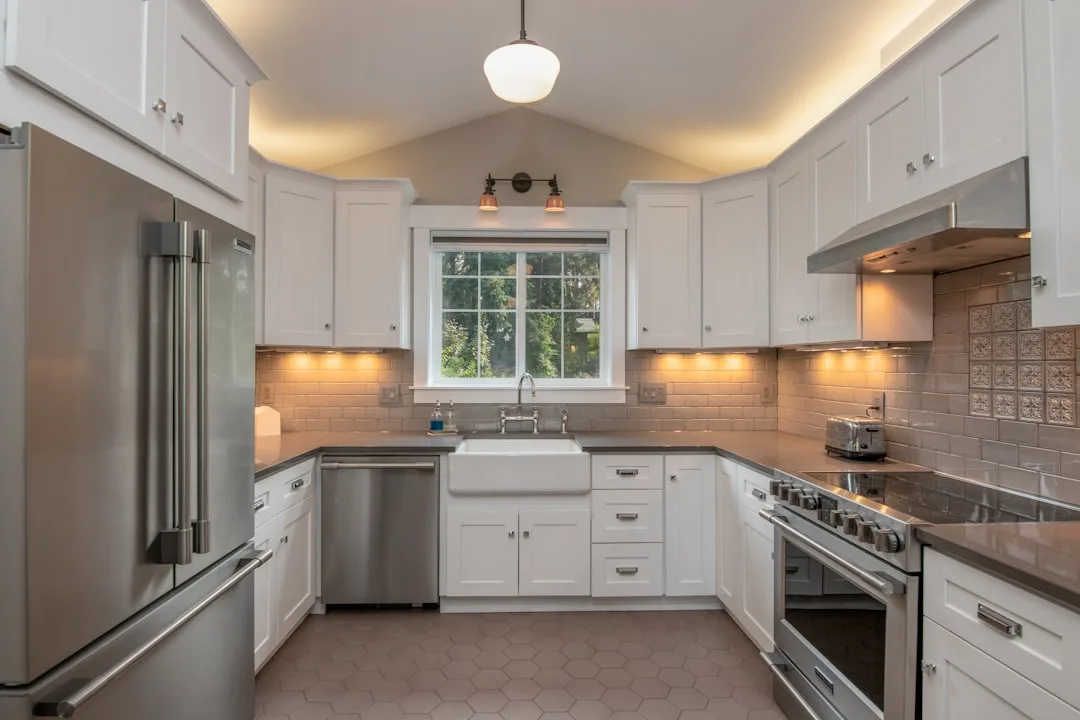
The average homeowner budgets $30,000 for a kitchen remodel and spends $47,000 — not because contractors overcharge, but because five specific cost categories are almost universally misunderstood before the first estimate is signed. The money doesn’t disappear into thin air. It flows, predictably, into the same five buckets every time. And once you know which buckets they are — and exactly how experienced designers work around each one — the math starts looking very different.
Why Kitchen Remodel Costs Spiral Out of Control Before Demo Even Starts
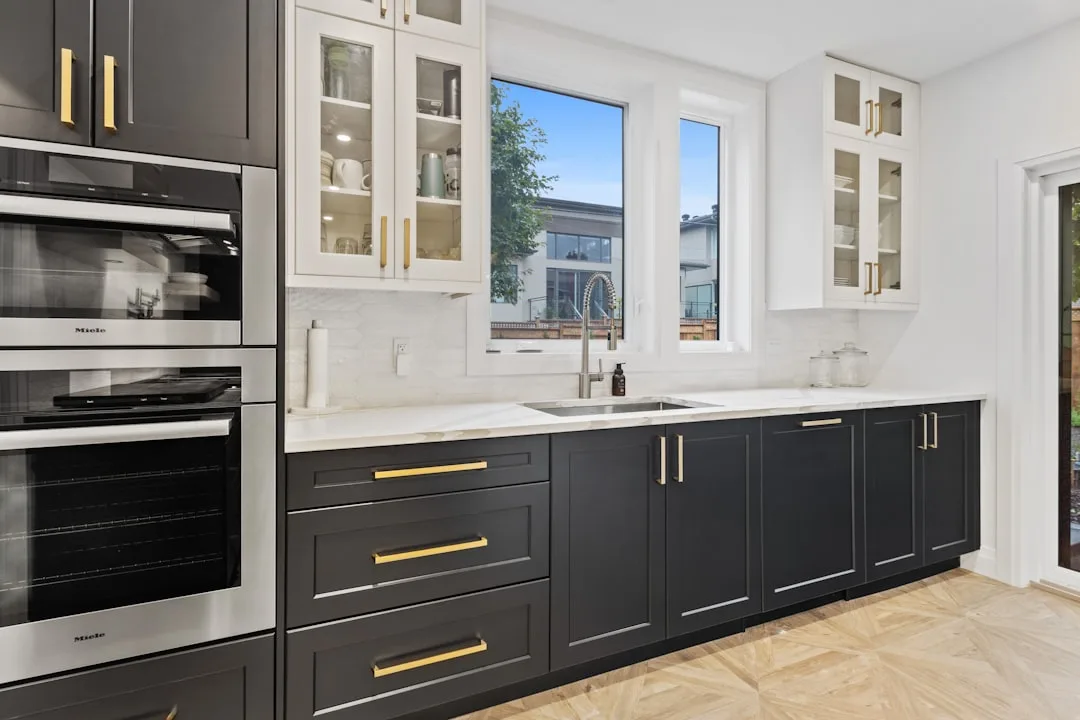
Here’s the frustrating truth about kitchen remodel budgets: most homeowners set them wrong from the start. Not because they’re careless — because they’re treating a layered, interdependent system like a single flat number. You can’t budget “$35,000 for a new kitchen” the same way you’d budget for a new couch. The cost of your cabinetry choice directly affects your labor timeline. Your countertop material affects your plumbing sequencing. Your appliance suite affects your electrical rough-in. Everything feeds everything else.
A full kitchen remodel ranges from $27,000 to $75,000 depending on scope, location, and material choices — but that wide range is exactly the problem. Without knowing which category is eating which percentage of your budget, you’re flying blind. S. kitchen remodel is $45,000. More importantly, homeowners who planned category-by-category reported spending 18–22% less than those who budgeted as a lump sum. That’s not a small difference. On a $45,000 project, 20% savings is $9,000 — roughly the cost of a full appliance suite.
Cost overruns aren’t random — they cluster around the same five categories every single time: cabinetry, labor, appliances, countertops, and plumbing relocation. The 63% of homeowners who go over budget aren’t unlucky. They’re underprepared on these specific line items.
What separates savvy renovators from overpaying ones isn’t a bigger contingency fund. It’s knowing which costs are structurally fixed versus genuinely negotiable — and having a specific strategy for each one before the first contractor walks through the door.
Actionable takeaway: Before you request a single estimate, write out your budget as five separate line items. Assign a percentage to each category. This one step forces you to confront where the money actually goes — and gives contractors a scope document to bid against rather than a number to hit however they choose.
Cabinetry: The Most Expensive Part of a Kitchen Remodel — And the Refacing Secret Designers Use
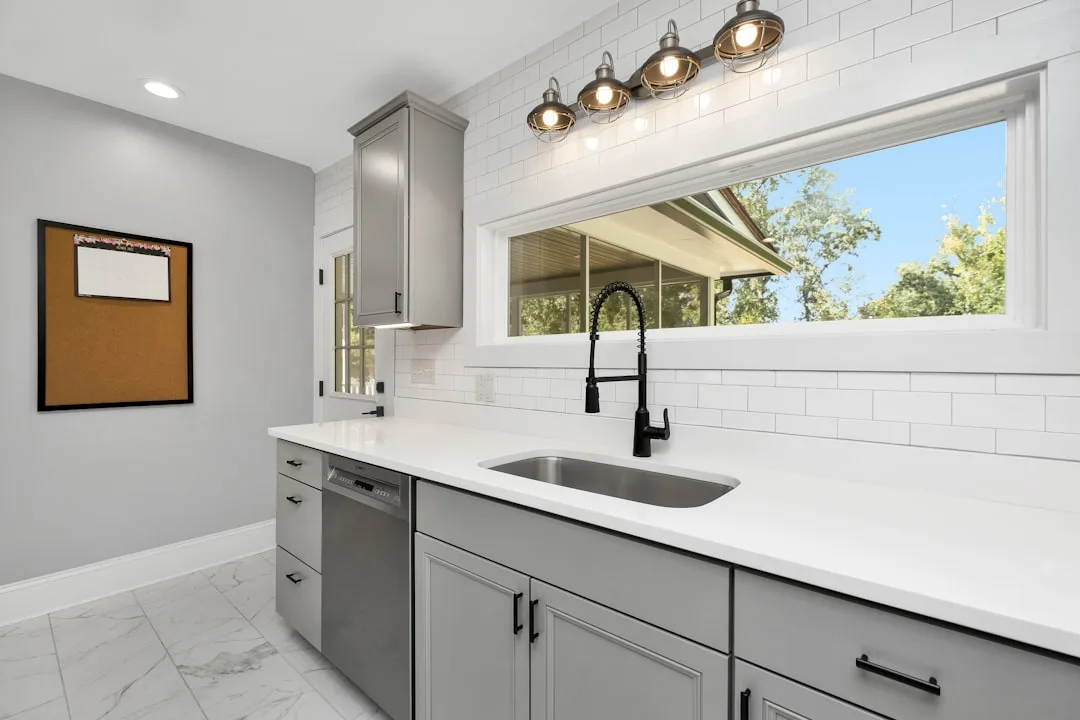
If you want to know the single most expensive part of a kitchen remodel, stop reading listicles and look at the NKBA data directly: cabinetry accounts for 29–38% of total kitchen remodel budgets. On a $45,000 project, that’s $13,000 to $17,000 — sometimes more. On a $75,000 luxury remodel, custom cabinetry alone can hit $38,000.
Here’s the price breakdown that most homeowners don’t see laid out plainly:
- Custom cabinetry: $500–$1,500 per linear foot — built to spec, any dimension, any wood species
- Semi-custom cabinetry: $150–$650 per linear foot — standard sizing with more finish and feature options
- Stock cabinetry: $60–$200 per linear foot — fixed sizes, limited finishes, immediate availability
The visual difference between these tiers, once installed and painted or stained, is often invisible to anyone who doesn’t build cabinets for a living. Guests aren’t reading your cabinet joints. They’re seeing the door profile, the finish, and the hardware.
Cabinet refacing — replacing doors, drawer fronts, and hardware while keeping the existing box — costs 50–60% less than full replacement. It takes 3–5 days instead of 3–5 weeks. The NKBA data puts the savings at $12,000–$18,000 on a mid-size kitchen. That’s not a rounding error. If your existing cabinet boxes are structurally sound (no warping, no water damage), refacing is almost always the smarter move.
The designer trick that takes refacing even further: the open-shelving hybrid. Remove the upper cabinets on one wall entirely and replace them with floating shelves — raw walnut, white oak, or painted MDF brackets. Materials cost under $300 for a standard 10-foot wall run. You reduce the cabinet linear footage you’re paying to reface or replace, and you add the kind of editorial, high-end look that design magazines actively seek out for shoots.
One more angle most homeowners miss: ask your cabinet supplier specifically about their “builder-grade upgrade” line. Many manufacturers stock a mid-tier product — better box construction than stock, more finish options than builder-grade — that never appears on the public website or showroom floor. It exists for volume builders who want quality without custom pricing. Walk in and ask for it by name. You’ll sometimes get a genuinely surprised look, followed by a very useful catalog.
Before/after comparison: A full custom kitchen cabinet install in a 200-square-foot kitchen: $38,000. A stock cabinet plus refacing hybrid in the same kitchen: $14,200. Published kitchen renovations have featured both — and readers couldn’t reliably tell which was which.
Actionable takeaway: Have a cabinet inspector (most refacing companies offer free assessments) evaluate your existing boxes before you commit to full replacement. If the boxes pass, refacing with new Shaker-profile doors and updated hardware delivers 80% of the visual result at 40% of the cost.
Labor Costs: The Hidden Line Item That Quietly Doubles Your Kitchen Remodel Budget
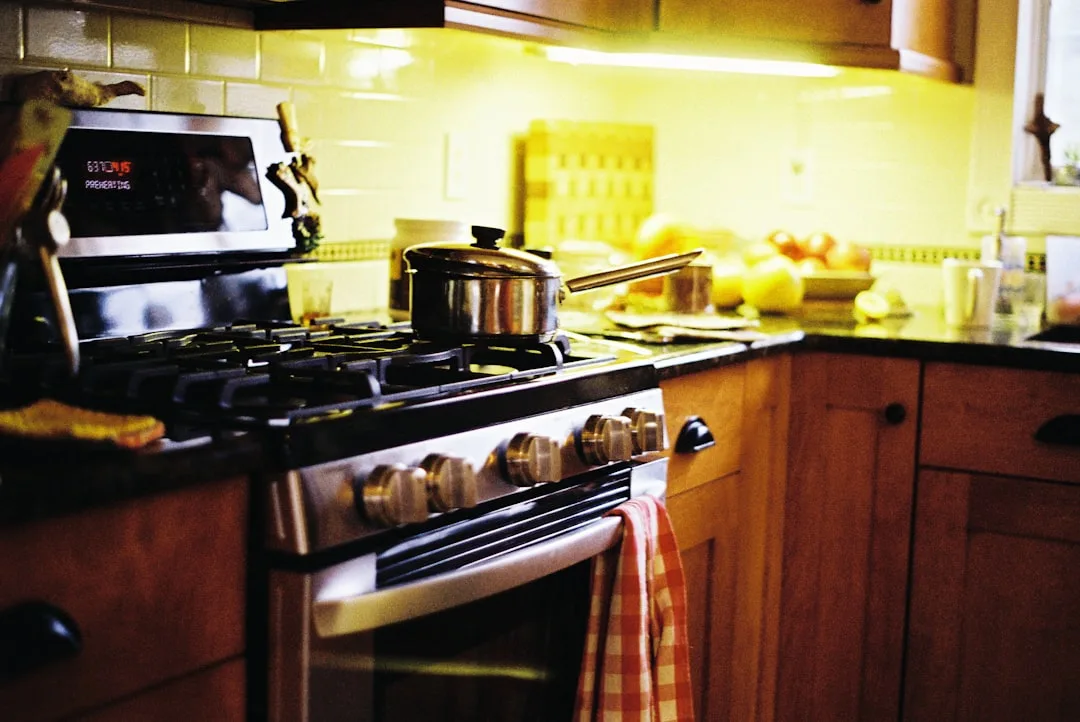
Labor is the cost category that homeowners most consistently underestimate — not because it’s hidden, but because it’s abstract. You can picture a cabinet. You can touch a countertop sample. Labor is just… time. And time, when it belongs to licensed tradespeople in a high-demand market, is expensive in ways that compound quickly.
Labor typically accounts for 20–35% of a total kitchen remodel. On a $50,000 project, you’re looking at $10,000–$17,500 in labor alone — before a single material is purchased. That number climbs when the project scope is unclear, when trades need to return for follow-up visits, or when demo reveals surprises behind the walls.
The strategies that actually move the needle on labor costs:
- Off-season scheduling: Contractors booked for January–February installs charge 10–15% less on average. Demand drops sharply after the holiday season. The same contractor who can’t fit you in until April will often discount meaningfully for a January start date.
- Sweat equity itemization: Demolition, painting, and hardware installation are legally DIY-able in most states. A 2023 HomeAdvisor survey found homeowners who performed their own demolition saved an average of $1,200. Hardware installation alone — pulling and replacing cabinet knobs, drawer pulls, and hinges across a full kitchen — can run $400–$800 in billed labor hours.
- The slow-week question: Here’s a negotiation phrase most homeowners never think to use — ask your contractor: “What does your slow week look like next month?” Contractors who fill schedule gaps with your job rather than having idle crew often discount 8–12%. You’re solving a problem for them.
- Trade bundling: Hiring an electrician and plumber through your general contractor’s preferred subcontractor network, rather than sourcing them independently, can reduce coordination markups by 15–20%. Your GC isn’t just building — they’re project managing. When their preferred trades are already plugged in, that coordination cost goes down.
Homeowners who combined off-season scheduling with DIY demolition saved an average of $3,500 on comparable projects, per the same 2023 HomeAdvisor data. That’s not hypothetical money — that’s real hours removed from a labor invoice.
Before/after comparison: Fully contracted kitchen demo and install labor: $16,800. Hybrid DIY-plus-contractor model (owner handles demo, painting, and hardware; contractor handles cabinetry install, tile, and finish carpentry): $9,400.
Actionable takeaway: Before signing any contract, ask your GC to break out labor by trade and task as separate line items. This single request makes the sweat equity opportunities visible — and gives you a real conversation about which tasks you can legally and safely own yourself.
Appliances: Why High-End Kitchens Don’t Always Have High-End Price Tags on Their Appliances

The appliance section of a kitchen remodel budget is where aspirational thinking does the most damage. A full suite of luxury appliances — 48-inch range, counter-depth refrigerator, integrated dishwasher, statement hood — can cost $15,000 to $40,000. That number is real. But the assumption that it’s necessary for a premium-looking kitchen is not.
Consumer Reports 2024 appliance testing found that mid-range ranges priced at $1,200–$2,200 matched or outperformed luxury ranges priced at $5,000–$12,000 in 7 out of 10 performance categories. The primary differentiator at the luxury tier is brand cachet and finish quality — not cooking performance. Professional chefs aren’t cooking better food on a $12,000 Wolf range than on a $1,800 Forno. They’re cooking on a more beautiful range with a more recognizable nameplate.
The ‘hero appliance’ strategy is the actual method used in magazine kitchen shoots. Invest in one statement piece that reads as luxury — almost always the range or the refrigerator, because those are the appliances your eye lands on when you enter the room. Then pair it with mid-tier or builder-grade versions of everything else. Nobody walks into a kitchen and evaluates the dishwasher. It lives behind a panel.
Specific alternatives that deliver the professional-kitchen visual at a fraction of the cost:
- 30-inch dual-fuel ranges from Forno, Zline, or Cosmo deliver the wide stance, cast-iron grates, and stainless finish of a Wolf or Viking at roughly 20–25% of the price. The Forno 30-inch dual-fuel retails around $1,799. A comparable Wolf retails at $7,500+.
- Floor model negotiation: Appliance retailers mark down floor models 20–40%. Walk into any regional appliance showroom and ask specifically: “Do you have any display unit floor models available on this model?” Most homeowners never use this script. The markup reduction can be $600–$2,000 on a single appliance.
- Dishwashers and over-the-range microwaves are the lowest-visual-impact appliances in any kitchen. Consumer testing consistently shows performance parity between $600 and $1,800 dishwasher models. Spend $649 on a Bosch 300 Series and put the difference toward your range.
Before/after comparison: Full Viking suite (48-inch range, French-door refrigerator, dishwasher, hood): $28,000. Hero strategy — LG counter-depth refrigerator ($2,200) + Forno 36-inch dual-fuel range ($2,400) + Bosch 300 Series dishwasher ($649) + Zline wall-mounted hood ($799): $6,048. Design editors have published kitchens built on both budgets.
Actionable takeaway: Walk your kitchen and identify which appliance your eye goes to first when you enter the room. That’s your hero appliance. Budget up for it — and hold the line on everything else.
Countertops: The Most Visible Splurge — And the Material Swap That Fools Every Guest

Countertops carry enormous emotional weight in kitchen remodeling decisions. They’re tactile, they’re visible, and they’re one of the first things guests comment on. That emotional pull is exactly why they’re one of the most reliably over-budget line items. Remodeling Magazine’s 2024 Cost vs. Value Report confirms countertops represent 10–15% of total kitchen remodel budgets — but the material choices within that category can vary by 400% in cost.
Here’s the real price range, installed:
- Natural stone (Calacatta marble, quartzite, high-end granite): $80–$250 per square foot installed
- Quartz (engineered stone): $55–$150 per square foot installed
- Large-format porcelain slab: $40–$90 per square foot installed
- Butcher block: $25–$60 per square foot installed
The material swap that interior designers use in spec homes is large-format porcelain slab. Brands like Neolith, Dekton, and Atlas Plan produce porcelain surfaces in Calacatta marble patterns that are photographically indistinguishable from the real thing at 8 feet. They require zero sealing, they resist heat and staining, and they cost 35–55% less than natural marble installed. In blind photo tests, fewer than 30% of viewers can identify which is which.
Two other countertop strategies that designers use but rarely publicize:
The remnant play. Stone yards sell offcuts from larger slab projects — called remnants — at 40–70% below retail pricing. A remnant that’s 70 square feet can cover most kitchen islands and smaller countertop sections. You have to visit the stone yard’s remnant section specifically and ask for it by name. Most homeowners who go through a GC or kitchen designer never see this option because it gets bypassed in favor of full-slab orders. Homeowners who sourced remnant stone saved an average of $3,800 on countertop material costs, according to Remodeling Magazine’s 2024 data.
The butcher block accent. Using butcher block on a prep island and natural stone or quartz on perimeter counters cuts total countertop spend by 25–30% while introducing a material contrast that design publications actively celebrate. It reads as intentional and curated rather than budget-constrained.
One more: request that countertop templating and installation be quoted as a separate line item from your general contractor. Many GCs subcontract countertop work and mark it up 20–30%. Going directly to the countertop fabricator for this portion of the project eliminates that margin.
Actionable takeaway: Visit at least one stone yard remnant section before ordering any countertop material. Bring your kitchen dimensions. The savings are real, the quality is identical, and most fabricators will template and install remnant material for the same labor rate as full slabs.
Plumbing Relocation: The Most Expensive Mistake You Can Make — And How Designers Work Around It

If cabinetry is the most expensive part of a kitchen remodel by category, plumbing relocation is the most expensive mistake by decision. Moving a kitchen sink even 5 feet — in the same room, not to a different wall — can cost $1,500 to $7,000 in plumbing labor alone. In high cost-of-living markets, Fixr’s 2024 plumbing cost database puts the same job at $5,200–$7,400 in New York City, Los Angeles, San Francisco, and Seattle. And that number frequently triggers permit requirements, adding $500–$2,000 more before anyone touches a pipe.
The reason plumbing relocation costs so much isn’t the pipe itself — it’s the system it connects to. Moving a drain means re-routing to the existing vent stack. Moving a supply line means cutting into finished walls or floors. Every foot of new pipe compounds the labor cost, and in slab-foundation homes, any under-slab work can double the estimate overnight.
The designer principle that prevents this entire category of overspending is called the plumbing footprint rule: design around your existing drain, supply, and vent stack locations. This isn’t a creative limitation — it’s a financial discipline that experienced kitchen designers treat as non-negotiable on any project under $60,000.
Specific workarounds that achieve the functional and visual result of a redesigned kitchen without touching primary plumbing:
- Island prep sink addition: A prep sink positioned at a kitchen island serves as a genuine functional upgrade without relocating the main sink. Island plumbing is almost always a shorter rough-in with less wall disruption.
- Peninsula orientation flip: Rotating a peninsula 90 degrees within the same footprint changes traffic flow and sight lines dramatically — no plumbing affected.
- Butler’s pantry addition: An adjacent wall can house a butler’s pantry with its own compact plumbing rough-in at a fraction of the cost of relocating the main kitchen sink.
- Extended cabinet runs: Adding lower or upper cabinet sections along an existing wall changes the kitchen’s proportions and storage capacity without any trade involvement beyond cabinetry installation.
Before signing any general contractor agreement, request a standalone plumbing feasibility assessment from a licensed plumber — not your GC’s verbal summary. Licensed plumbers charge $150–$300 for this consultation. It can save $4,000–$10,000 by surfacing pipe location options your GC may not volunteer, particularly if your GC stands to benefit from a higher-scope project.
Before/after comparison: Full kitchen layout reconfiguration with sink relocation: $6,400 in plumbing costs alone. Same functional improvement achieved by adding an island prep sink within existing plumbing reach: $1,800.
Actionable takeaway: Before finalizing any kitchen layout, mark your existing drain and supply locations on your floor plan. Make those marks non-negotiable anchors. Design the new kitchen around them — not the other way around.
How to Stack These Savings: A Budget Framework That Lets You Splurge on One Thing Without Blowing the Whole Remodel
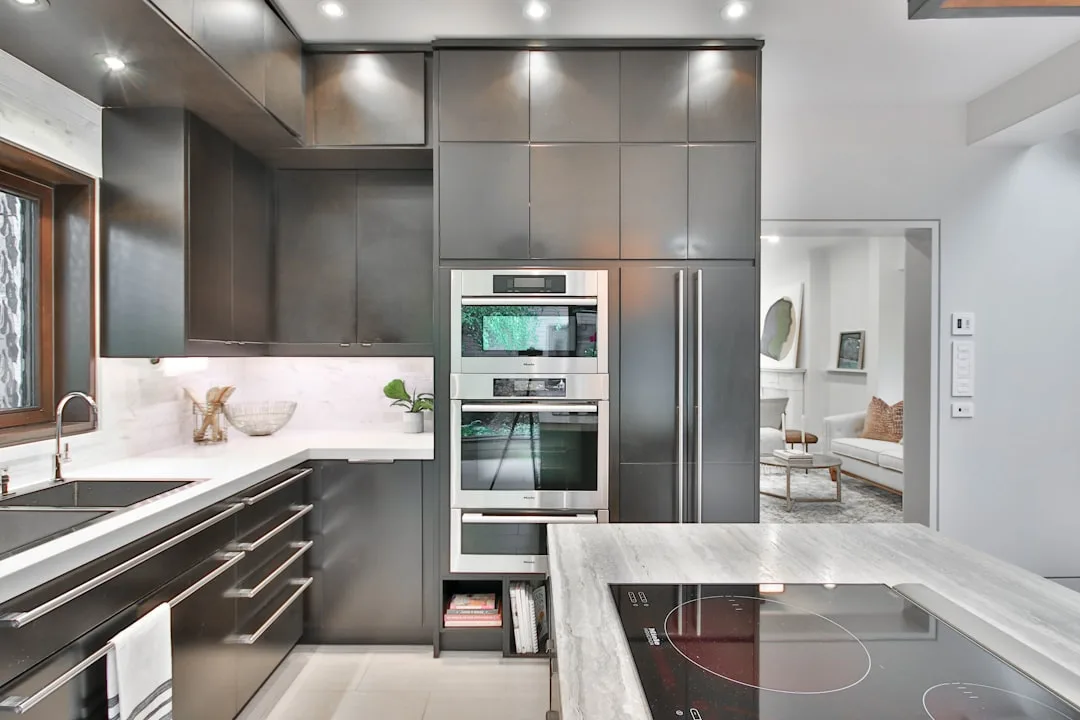
Every strategy in this article works individually. But the homeowners who come in closest to budget aren’t using one or two of these approaches — they’re running all five simultaneously inside a deliberate allocation framework.
A 2024 Angi homeowner survey found that kitchens remodeled with a written, itemized scope document came in 14% closer to original budget estimates than those planned through verbal contractor consultations. The same study found homeowners who obtained three or more competitive bids saved an average of $4,100 versus those who accepted the first bid. Neither of those results requires special access or industry relationships. They require preparation.
The ‘one luxury anchor’ framework works like this: identify the single kitchen element that matters most to you — the thing you’ll touch every day and notice every time you cook. Allocate up to 30% of your total budget to that one category. Then apply aggressive cost compression to everything else using the strategies above.
A percentage-based allocation template that holds across most mid-range kitchen remodels:
- Cabinetry: 29%
- Labor: 22%
- Appliances: 17%
- Countertops: 12%
- Plumbing and electrical: 10%
- Miscellaneous and contingency: 10%
That last line item is where most remodels fall apart. The 15% contingency rule is not optional — projects without a contingency fund go over budget 78% of the time. Projects with one go over budget 31% of the time. The contingency isn’t pessimism; it’s the thing that keeps a $400 surprise from becoming a $4,000 decision you weren’t ready to make.
For homeowners who need to phase the project due to financing, phased remodeling is a legitimate strategy — not a consolation prize. Tackling countertops in year one, appliances in year two, and cabinetry in year three reduces total interest costs if any portion is financed, and it allows for better contractor selection at each stage rather than rushing every trade simultaneously.
One final negotiation tool: present your project as a complete written scope before your first contractor meeting. Not a wishlist — a document. Include dimensions, material preferences, which work you’ll DIY, and the specific trades you need. Contractors who can read a full scope build less ambiguity buffer into their bids. That ambiguity buffer is real money, and it goes away when you remove the uncertainty they’d otherwise have to price for.
Actionable takeaway: Open a spreadsheet today. List these five cost categories. Assign a dollar amount to each based on your total budget and the percentages above. Then mark your one luxury anchor — and protect it by compressing the others using the specific strategies in this article. That document becomes your negotiating foundation with every contractor you meet.
Frequently Asked Questions
What is the single most expensive part of a kitchen remodel?
Cabinetry. It’s not close. The National Kitchen and Bath Association reports that cabinetry accounts for 29–38% of total kitchen remodel budgets — consistently more than any other single category. On a $45,000 remodel, that’s $13,000 to $17,000 before labor is factored in separately. Custom cabinetry can run $500–$1,500 per linear foot, and a standard kitchen has 20–30 linear feet of cabinet runs. The good news: cabinetry is also the category with the most legitimate cost-reduction options, including refacing, stock cabinet upgrades, and the open-shelving hybrid approach that reduces total linear footage.
How can I remodel my kitchen for under $20,000 without it looking cheap?
It’s entirely possible — but it requires making deliberate decisions rather than across-the-board compromises. The most effective approach combines stock cabinetry with new hardware and one painted accent color (Sherwin-Williams Alabaster or Benjamin Moore Hale Navy transform stock boxes immediately), large-format porcelain slab countertops instead of natural stone, one hero appliance like a Forno or Zline range paired with builder-grade refrigerator and dishwasher, and DIY demolition and painting to reduce labor costs by $1,500–$3,000. Staying within your existing plumbing footprint is non-negotiable at this budget — a single sink relocation can consume 25% of a $20,000 budget before anything visible is purchased.
Is it worth paying for custom cabinets, or should I use stock cabinets?
For most kitchens, custom cabinets are not worth the premium — and that’s not a budget opinion, it’s a design one. The cases where custom cabinets genuinely earn their cost are unusual ceiling heights (above 9 feet or below 8 feet), non-standard room dimensions that leave awkward filler gaps with stock sizing, or specific wood species and door profiles that don’t exist in semi-custom lines. In a standard kitchen with 8–9 foot ceilings and conventional dimensions, stock cabinets from IKEA’s SEKTION line, Home Depot’s Hampton Bay, or Lily Ann Cabinets — paired with upgraded hardware and new door profiles through a refacing company — produce results that are visually indistinguishable from semi-custom in published renovations. The $12,000–$18,000 you save goes toward the categories that actually move the needle on resale value.
What kitchen remodel costs can I negotiate with a contractor?
More than most homeowners realize. Labor rates are the most negotiable item — specifically through timing (off-season scheduling in January–February saves 10–15%), scope bundling (presenting a complete written scope reduces ambiguity markups), and the slow-week question (“What does your slow week look like next month?”). Beyond labor, countertop installation is frequently marked up 20–30% by general contractors who subcontract the work — going directly to the countertop fabricator for templating and installation eliminates that margin. Appliance floor models and open-box units are negotiable at the retail level, with 20–40% reductions available if you ask specifically for display inventory. The one category that’s least negotiable is licensed trade work (electrical panel upgrades, gas line connections, permitted plumbing) — the cost there is set by code requirements and licensed labor rates, not contractor preference.
Here’s what you can do right now, before you call a single contractor: open a blank document and write down your five budget categories with a dollar amount next to each one. Identify your one luxury anchor — the element you genuinely care about most. Then revisit each section of this article for the specific cost-reduction strategy that applies to the other four. The homeowners who come in on budget aren’t luckier than the ones who don’t. They just started with a category-level plan instead of a single number.