Most homeowners searching for a normal interior design budget get the same recycled answer — spend 7–10% of your home’s value — but for the average American household, that number translates to $30,000 or more before a single chair is purchased. That advice didn’t come from real decorating experience. It came from luxury renovation contexts and got copy-pasted across the internet until it looked like wisdom.
Here’s what actually happens: a first-time homeowner searches for a budget, finds that number, panics, and either abandons the project or spends recklessly without a plan. Neither outcome is good. This article skips the formula and gives you what competitors won’t — honest, tiered, room-by-room numbers with enough context to actually use them.
Why Most Interior Design Budget Advice Fails Homeowners
The 7–10% rule has a legitimate origin story, but it’s been stripped of all context. That formula was developed within high-end remodeling circles to estimate total renovation spend — custom millwork, structural changes, contractor coordination, full designer oversight — not a living room refresh or a bedroom that needs furniture. Applying it to everyday decorating is like using a commercial kitchen budget to plan a dinner party.
The median U.S. home value in 2024 is approximately $420,000. Applying the 7% rule would imply a $29,400 minimum budget. For a first-time decorator working room by room on a realistic household income, that number is functionally useless. It doesn’t tell you what to spend on a sofa versus a rug versus a designer’s hourly rate. It just produces a large, anxiety-inducing number with no roadmap attached.
The per-room tables aren’t much better. When a competitor article says a living room costs “$2,000–$12,000,” it’s not telling you whether that covers furnishing a bare room from scratch or updating a space that already has furniture. Those are completely different projects with completely different cost structures.
The most damaging gap: almost no competitor distinguishes between these three fundamentally different approaches:
- DIY decorating with curated retail sources — where you make every decision and purchase
- Partial designer involvement — where a professional shapes the plan and you execute it
- Full-service design — where a designer manages everything from concept through installation
Each model produces a different cost by an order of magnitude. Treating them as the same category is why most budget advice leaves homeowners more confused than when they started.
Actionable takeaway: Before you look at a single dollar figure, identify which of those three models fits your situation. Your budget conversation starts there, not with a percentage of your mortgage.
What a Normal Interior Design Budget Actually Looks Like in 2024

Let’s answer the question directly. According to HomeAdvisor’s 2023 data, the average homeowner spends between $1,893 and $11,180 on interior design services alone — before purchasing a single piece of furniture. Add the furniture, lighting, rugs, and textiles, and the realistic total for a single room climbs considerably. Here’s what those three tiers actually look like in practice:
Entry-level / DIY-assisted: $1,500–$5,000 per room
This tier works when you already have some furniture and need to pull a room together — or when you’re furnishing a smaller space like a home office or guest bedroom. Online e-design platforms like Havenly, Decorist, and Modsy (before it closed) charge flat fees of $299–$1,500 per room and deliver a design board, shopping list, and floor plan. You execute everything yourself. It’s a legitimate middle ground that most advice articles ignore entirely.
Mid-range / partial designer involvement: $5,000–$20,000 per room
This is where the majority of serious decorating projects land. At this level, you’re covering furniture, soft furnishings, lighting, window treatments, and a designer’s time for planning and sourcing. A living room at this tier gets a real sofa (not a flat-pack one), a layered lighting plan, and window treatments that were measured properly.
Full-service / high-end: $20,000–$75,000+ per room
Custom upholstery, contractor coordination, trade-only pieces, wallpaper installation, and complete project management. This is not a tier most homeowners need, but it’s the one most articles assume you’re budgeting for.
Actionable takeaway: If you’re decorating a primary bedroom or living room for the first time, plan for $5,000–$15,000 at minimum to do it properly. If your current budget is under $3,000, read the section on phasing below before spending anything.
How to Set Your Interior Design Budget Before You Spend a Dollar
The percentage-of-home-value formula fails because it starts with a number rather than a scope. Before you assign a dollar to anything, you need to answer three questions: Are you furnishing from scratch? Refreshing a space that already has bones? Or doing a renovation that involves contractors?
Each answer produces a completely different budget conversation. Furnishing a bare 14×18-foot living room from scratch — sofa, chairs, coffee table, rug, lighting, window treatments, art — costs more than refreshing a room that already has a functional sectional and just needs new textiles and lighting.
Once you’ve defined scope, separate your costs into two categories:
- Hard costs: Furniture, lighting fixtures, rugs, art, mirrors — the items with a purchase price
- Soft costs: Designer fees, delivery charges, installation labor, assembly, custom sizing
Most first-time decorators budget only for hard costs and get blindsided by soft costs. Delivery alone on a sofa from a quality retailer can run $150–$350. Installation for window treatments on four windows can add $400–$800 to a project.
The 50/30/20 interior budget split is a practical framework worth adopting:
- 50% on large furniture (sofa, bed, dining table, case goods)
- 30% on lighting and textiles (rugs, curtains, throw pillows, bedding)
- 20% on accessories and contingency
Always reserve 10–15% of your total budget as a hard buffer. Custom sizing, reupholstery surprises, shipping delays that require temporary replacements — these costs appear on almost every real design project.
Actionable takeaway: Write your budget down before you open a single browser tab. Scope first, split second, buffer third. In that order.
Room-by-Room Budget Breakdown: Realistic Numbers With Context
Generic ranges are only useful if you know what they include. Here’s what the dollars actually buy in each space:
Living room: $3,500–$25,000
The living room consistently accounts for 30–40% of a whole-home decorating budget, according to multiple design firm surveys — making it the single most important room to allocate generously for. The cost drivers are the sofa (typically $1,200–$6,000 for a durable, well-proportioned piece), the rug ($400–$2,500 for a room-appropriate size), overhead and accent lighting ($300–$2,000), and window treatments ($600–$3,000 depending on window count). A $3,500 living room is possible if you already own a sofa. From scratch, budget $7,000–$12,000 for a mid-range result.
Primary bedroom: $2,500–$18,000
The bed frame and mattress combination is the largest line item — a quality queen frame runs $800–$3,000, and a mattress adds another $800–$2,500. Add nightstands ($300–$1,200 each), a dresser ($600–$2,500), and window treatments, and you’re at $4,000–$8,000 before any lighting or art.
Kitchen (décor only, no remodel): $800–$5,000
No structural changes — this tier covers barstools ($200–$900 for a set), a pendant lighting swap ($300–$1,200 with installation), textiles like window coverings and a runner, and countertop accessories. High impact, relatively low spend.
Home office: $1,200–$8,000
Desk ($400–$2,500), ergonomic chair ($300–$1,500), shelving ($200–$800), and task plus ambient lighting ($200–$1,000). At the lower end of this range, you’re getting functional. At the upper end, you’re getting a space that looks intentional on video calls and supports focused work.
Bathroom (styling only): $500–$3,000
Mirror upgrade ($150–$600), towel hardware ($100–$400), art ($100–$500), and layered textiles. One of the highest-ROI rooms per dollar spent because the square footage is small and a few well-chosen pieces read as a complete design.
Actionable takeaway: Start your project with the room you spend the most time in, not the room that’s easiest. A well-designed living room or bedroom changes how you experience your home daily. A styled bathroom does not.
Interior Designer Fee Structures Explained: What You’re Actually Paying For
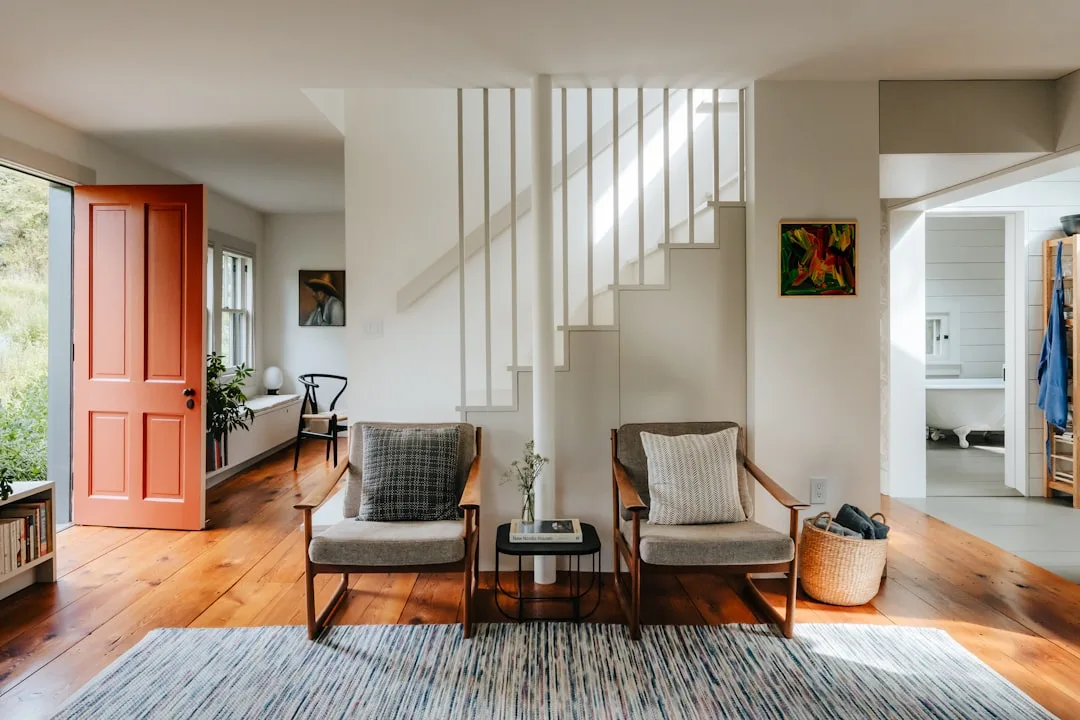
Most articles list designer fees without explaining why the structures exist or which one makes sense for your situation. A 2023 survey by the American Society of Interior Designers (ASID) found that 42% of designers primarily use a flat fee or hourly model, while only 28% use percentage-based pricing — directly contradicting the assumption most online articles make that percentage pricing is the industry norm. Here’s how each model actually works:
Hourly rate: $75–$500/hour
Best for consultations, second opinions, or projects with limited scope. A one-hour walk-through with a local designer at $150/hour can reshape your entire approach to a room. You pay for time, nothing else.
Flat fee: $1,000–$12,000 per room
Predictable and project-scoped. You agree on a defined deliverable — floor plan, sourcing list, design board, vendor coordination — and pay one amount. Popular with mid-range designers and easiest to budget around.
Percentage of project cost: 10–20%
Common in full-service luxury design. The designer earns more as the project total grows, which creates a structural incentive to recommend higher-cost options. That’s not a criticism — it’s just something to understand before you agree to it.
Cost-plus markup: retail price + 20–35%
The designer purchases furniture and materials at trade discount (typically 30–50% below retail) and passes goods to you at a marked-up price. You often pay less than retail despite the markup, and the designer earns on procurement. This model is frequently invisible to clients who don’t ask about it directly.
E-design / online flat fee: $299–$1,500 per room
A design board, shopping list, and floor plan delivered digitally. No in-person visits. Platforms like Havenly and online-only designers on Houzz offer this service. The quality varies significantly by designer, but the model gives you professional direction at a fraction of full-service cost.
Actionable takeaway: Ask any designer you’re considering: “What’s your fee structure, and do you receive trade discounts on purchases?” The answer tells you everything about how their incentives align with yours.
Where Homeowners Overspend and Underspend Most Often
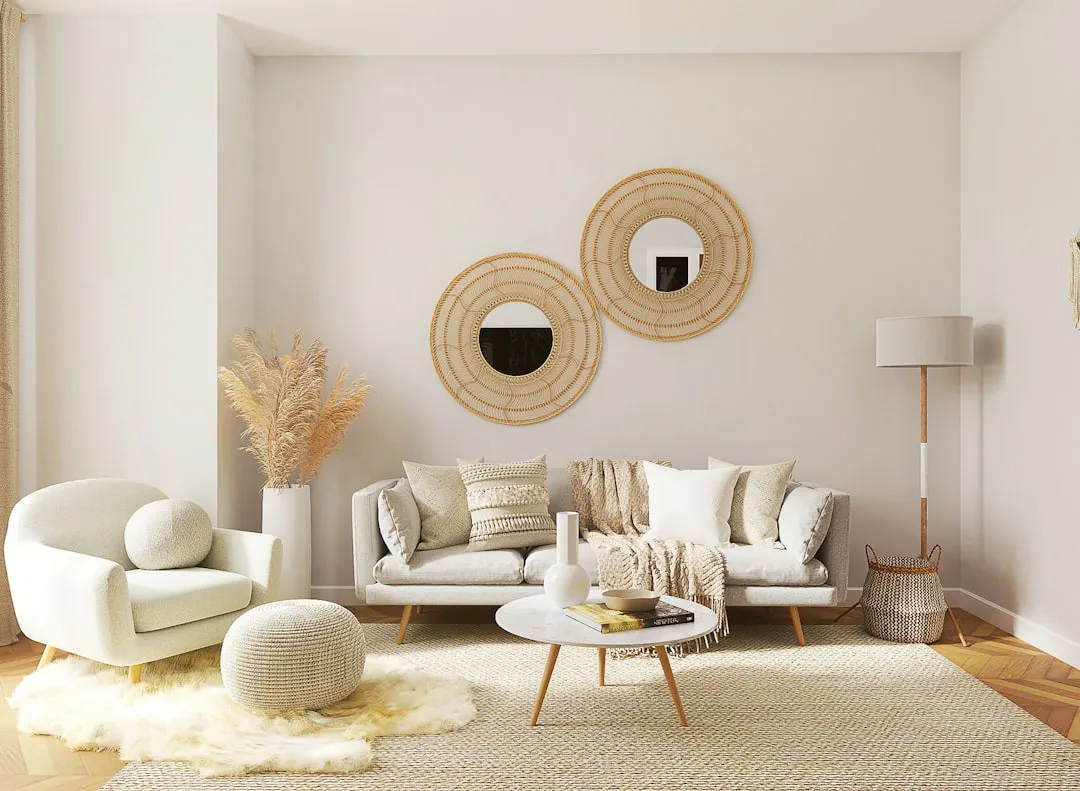
Interior design professionals consistently rank lighting as the top underfunded line item in client-managed budgets. That pattern repeats across virtually every budget tier. But overspending has its own set of traps that are just as predictable.
Where homeowners overspend:
- Buying everything from one retailer for convenience. West Elm, Pottery Barn, and RH all make it easy to furnish a complete room in one transaction. The result looks like a showroom, not a home — and you’ve paid full retail on every single item with no variation in quality or character.
- Skipping a floor plan and buying pieces that don’t fit. A sofa that’s 4 inches too wide, a coffee table that doesn’t clear the sectional, a rug that’s two sizes too small — returns and restocking fees at major furniture retailers run 10–20% of the purchase price. On a $2,500 sofa, that’s $250–$500 gone.
Where homeowners underspend:
- Cutting the lighting budget. A $1,200 sofa in a well-lit room reads better than a $4,000 sofa under a builder-grade flush mount. Lighting is the single highest-ROI investment per dollar in any room.
- Allocating nothing for window treatments. Bare windows are the most visible sign of an unfinished room, and most first-time decorators don’t budget for them at all. Curtains, rods, and installation for a single window run $300–$1,500. Four windows in a living room can add $1,200–$6,000 to a project — a number that surprises nearly every first-time client.
Actionable takeaway: Before finalizing any room budget, check that lighting and window treatments each have their own line item. If either is missing, your room will look unfinished regardless of what you spend on furniture.
How to Stretch Your Interior Design Budget Without Sacrificing Quality
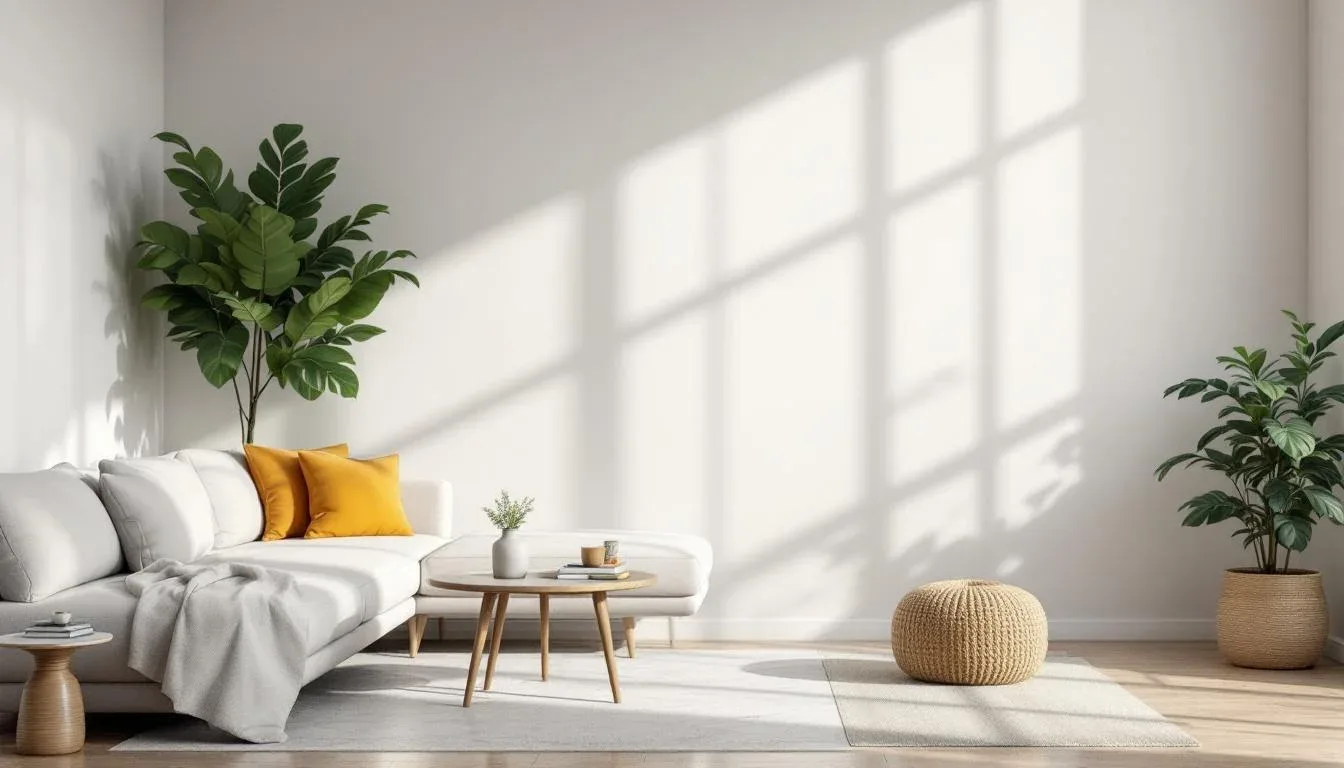
Stretching a budget doesn’t mean shopping cheaper — it means spending in the right sequence on the right things. Homeowners who hired a designer for even a single consultation reported saving an average of $1,600 in avoided purchasing mistakes, according to a Houzz platform study on design engagement. One paid hour can save you from one expensive wrong decision.
Specific strategies that actually work:
- Hire a designer for one consultation ($150–$300), get a floor plan and shopping list, then execute it yourself. You get professional judgment on scale, proportion, and sourcing without paying full-service fees.
- Apply the splurge-and-save method deliberately. Invest in one or two anchor pieces — the sofa, the bed frame, the dining table — where scale and durability matter most. Save on everything that orbits those pieces.
- Buy case goods secondhand. Dressers, shelving units, side tables, and console tables in solid wood age better than new flat-pack at the same price point. A vintage credenza from Facebook Marketplace at $300 will outlast a $400 flat-pack option by a decade. Search estate sales, Chairish, and 1stDibs for mid-range pieces.
- Use e-design for cohesive direction. A $500 e-design package from a skilled online designer gives you a sourcing list with specific product links, a floor plan to scale, and a color palette. It prevents the “buying things I like but that don’t work together” mistake that destroys budgets.
- Prioritize textiles last. Throw pillows, blankets, and decorative accessories are the easiest items to swap seasonally and the most tempting early purchases. Don’t spend your budget on them before your lighting and seating are solved.
Actionable takeaway: Spend your first budget dollar on a floor plan — whether that’s a single designer consultation or an e-design package. Everything you buy without one is a guess.
Signs Your Interior Design Budget Is Too Low (And What to Do About It)

Knowing your budget is unrealistic before you start spending is far less painful than learning it after three wrong purchases. Here are the honest markers:
If your entire living room budget is under $2,000, you cannot afford new furniture and do the room justice. Focus that budget entirely on paint, lighting upgrades, and accessories. The room will improve. Save for furniture separately.
A budget under $500 per room is a styling budget, not a design budget. That’s not a criticism — styling a room with what you have is a real and valid approach. But call it what it is and set expectations accordingly.
If you’re comparing everything by lowest price, you’re optimizing for the wrong variable. Furniture purchased under $300 per piece — sofas, beds, dining chairs — has an average lifespan of 3–5 years. Mid-range pieces in the $800–$2,500 range typically last 10–15 years. The cost-per-year math strongly favors spending more on items you use daily. A $1,600 sofa used for 12 years costs $133/year. A $350 sofa replaced every four years costs $87.50/year — but with three rounds of delivery fees, disposal costs, and time spent shopping again.
What to do when your budget is tight:
- Phase the project over 12–18 months, starting with the rooms you use most
- Set a written savings target for each room before beginning
- Buy the anchor piece first and pause — live with it before purchasing anything else
- Treat accessories as the final phase, not the first purchase
The right budget is not a percentage of your home’s value. It’s the amount that lets you complete the defined scope without cutting corners on structural items — seating, lighting, and storage — that determine how livable a room actually is.
Actionable takeaway: If your budget feels tight, phase deliberately rather than compromising on quality. A single well-furnished room beats three half-finished ones every time.
Frequently Asked Questions
What is a reasonable budget for interior design per room?
For most homeowners, a reasonable per-room budget depends entirely on scope. If you’re furnishing a living room from scratch, $7,000–$15,000 is a realistic mid-range target that covers a quality sofa, rug, lighting, window treatments, and accent pieces. A bedroom typically runs $4,000–$10,000 from scratch. If you already have major furniture and just need to pull a room together, $1,500–$4,000 can accomplish a lot — especially if you use an e-design service for direction. The key word is “reasonable for the scope,” not reasonable as an abstract number.
How much do interior designers charge and is it worth it?
Can I afford interior design on a $5,000 total budget?
Yes — but you need to be strategic about where that money goes. At $5,000 total, you’re working in the entry-level tier. An e-design package ($300–$800) will give you a cohesive plan. Spend the remaining $4,000–$4,700 on one quality anchor piece, lighting, and window treatments for a single room rather than spreading the budget thin across multiple spaces. Avoid spending on accessories until the structural elements — seating, lighting, window coverings — are addressed. Phasing is your best tool at this budget level: do one room properly rather than touching five rooms inadequately.
What percentage of my home value should I spend on interior design?
The honest answer: none. The home value percentage rule is a heuristic borrowed from luxury renovation contexts and applied incorrectly to everyday decorating. Your interior design budget should be driven by your scope, not your square footage or appraised value. A homeowner with a $600,000 house who needs to furnish one bedroom doesn’t need $42,000 any more than a homeowner with a $200,000 house needs $14,000 for a refresh. Start with the rooms you’re actually decorating, define what “done” looks like in each one, price out the line items, and that’s your budget.
The single most useful thing you can do today is open a blank document and write down three things: which room you’re starting with, whether you’re furnishing it from scratch or refreshing it, and what a finished version of that room actually needs — not a mood board, not a Pinterest collection, just a list of the physical items that are missing or need replacing. That list is your real budget. Everything else is a formula that was never written with your home in mind.